Upper Mustang Trek Review: Exploring the Forbidden Kingdom of Nepal
- Home
- Upper Mustang Trek Review: Exploring the Forbidden Kingdom of Nepal
Budget
NPR 1000
Per Person
Rating
No review has been posted yet
Duration
18 Days
Trip Overview
The Upper Mustang Trek is one of Nepal’s most enigmatic and captivating journeys, offering trekkers an unparalleled experience of a remote Himalayan kingdom frozen in time. Often called the “Forbidden Kingdom,” Mustang was a restricted area for decades, preserving its unique Tibetan culture, ancient caves, and striking desert landscapes. This trek takes you through a rugged trans-Himalayan region characterized by dramatic cliffs, deep gorges, and vibrant Tibetan Buddhist traditions. It is ideal for adventurers seeking cultural immersion, breathtaking scenery, and a challenging yet rewarding high-altitude trek.
Geography
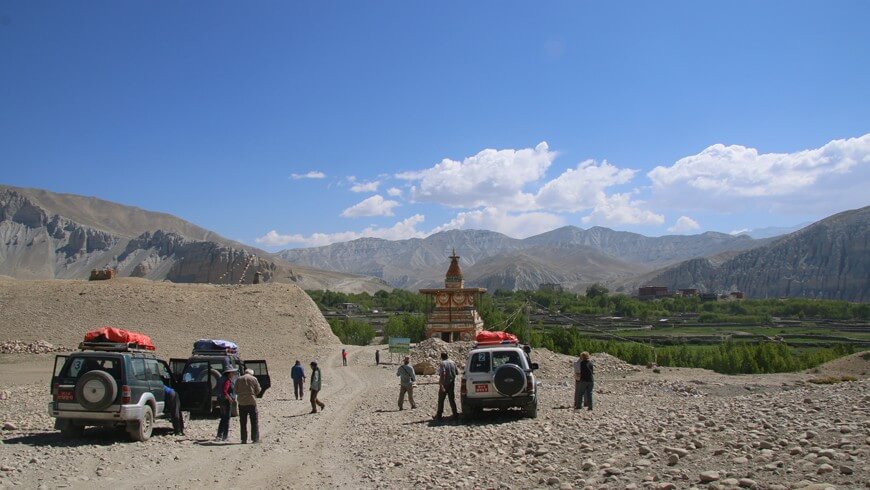
Upper Mustang lies in the north-central part of Nepal, bordering Tibet to the north. The region is part of the Mustang District within the Annapurna Conservation Area. The landscape is distinctly different from the lush green valleys typical of Nepal’s southern regions. Due to its location in the rain shadow of the Annapurna and Dhaulagiri ranges, Upper Mustang experiences a dry, arid climate, resembling the Tibetan plateau.
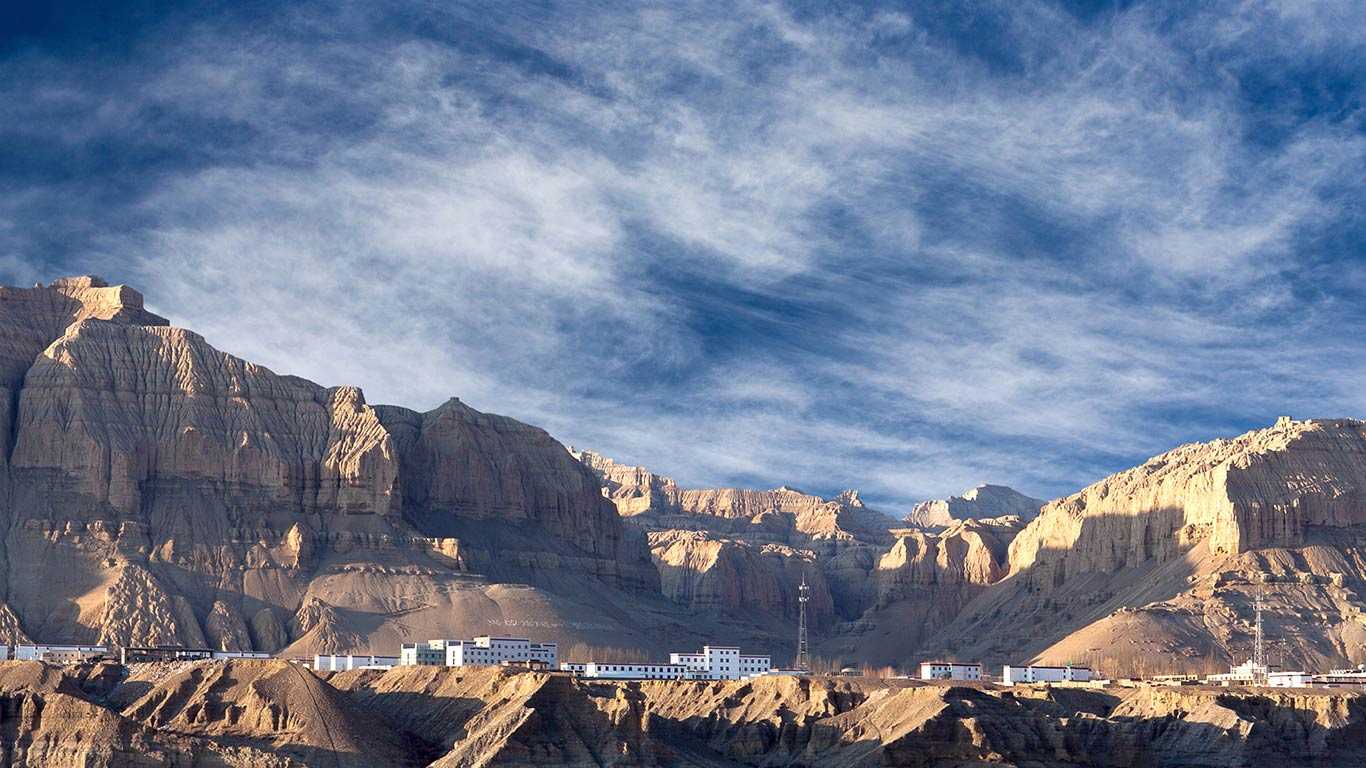
The trek features barren red rock cliffs, narrow canyons, and vast expanses of desert-like terrain. You’ll trek through deep gorges carved by the Kali Gandaki River and high mountain passes reaching over 4,000 meters. The area’s remoteness and elevation create a surreal atmosphere, with stunning panoramic views of the Himalayas including Dhaulagiri, Annapurna, and Nilgiri peaks.
People and Culture
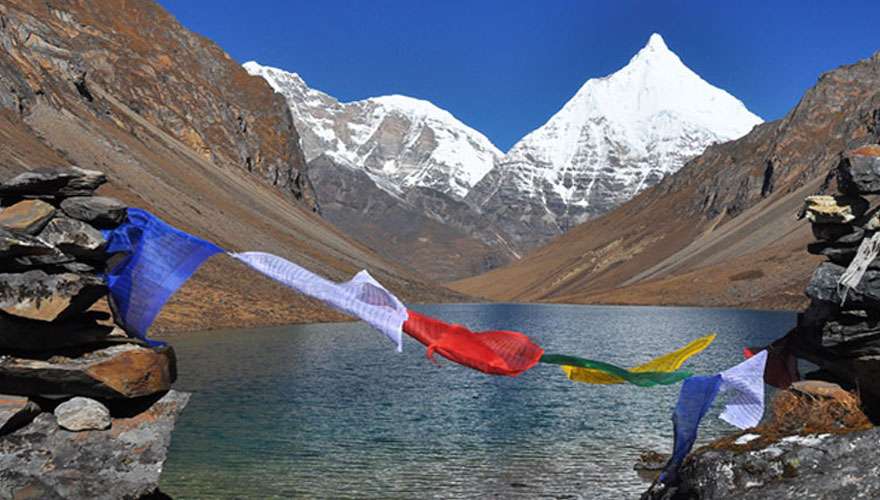
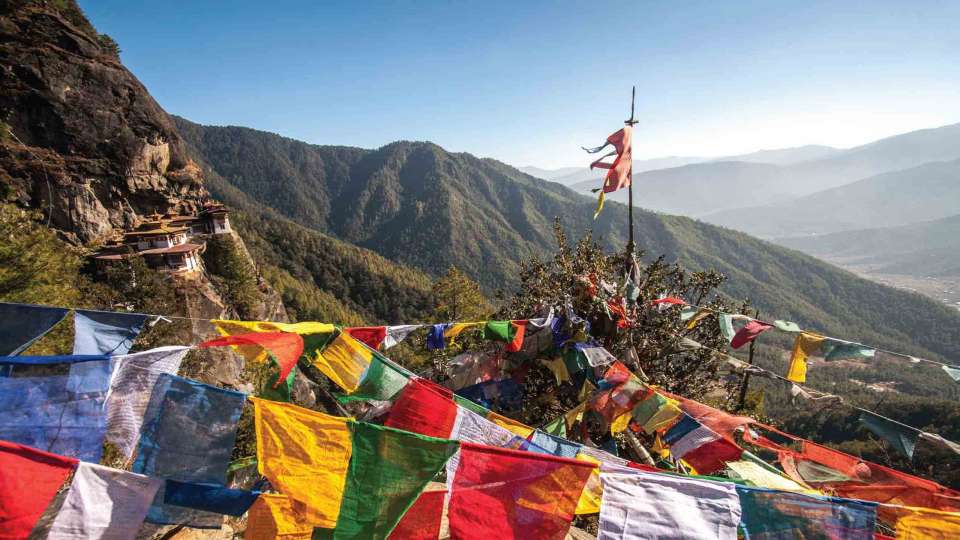
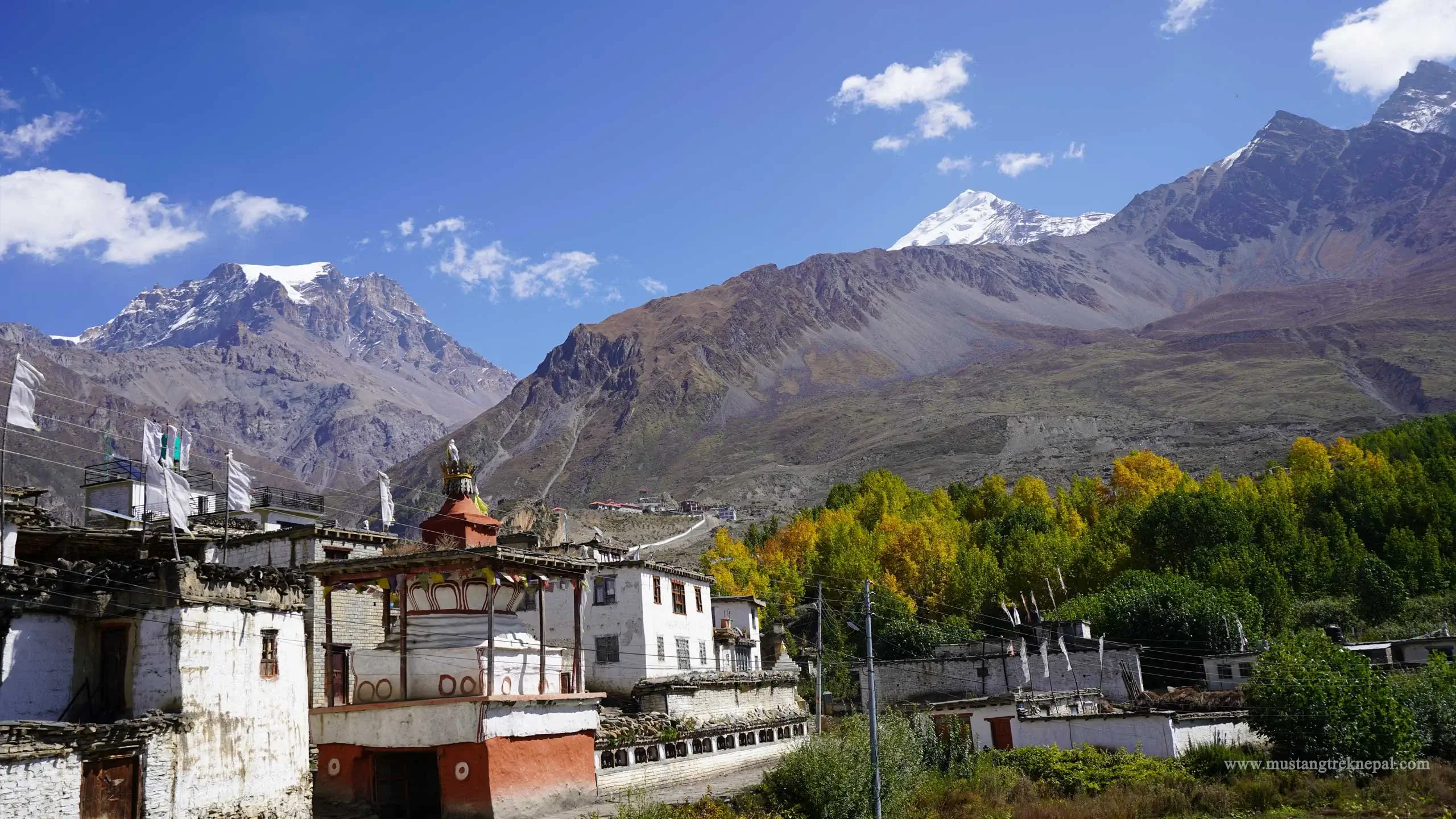
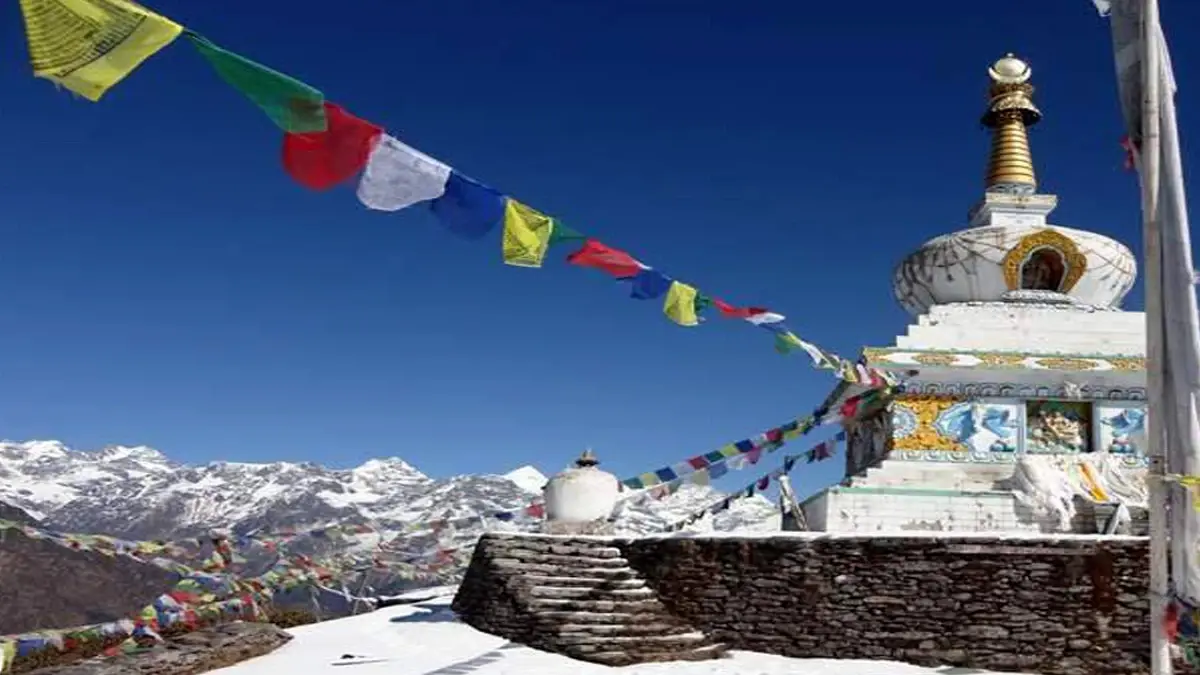
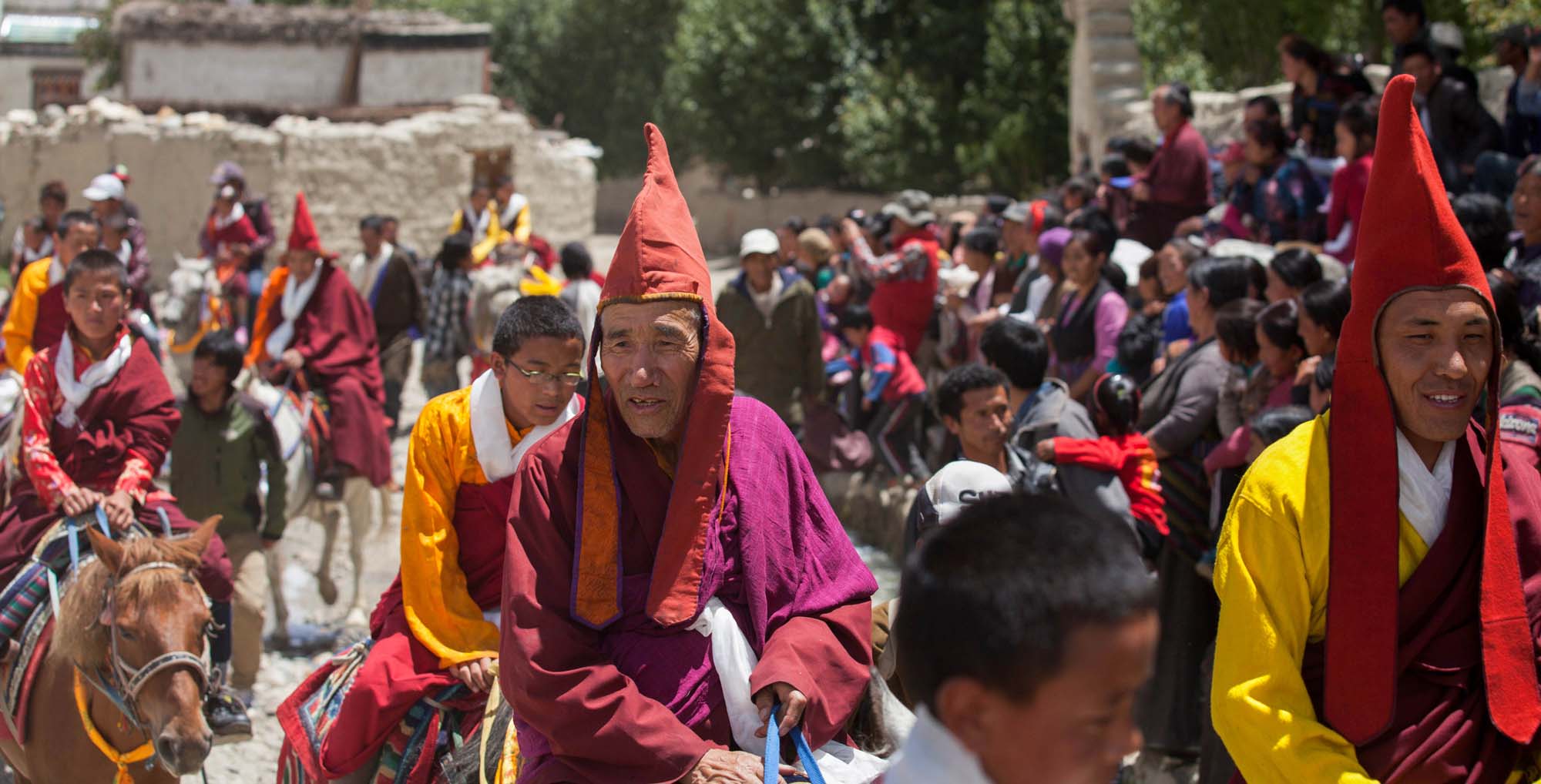
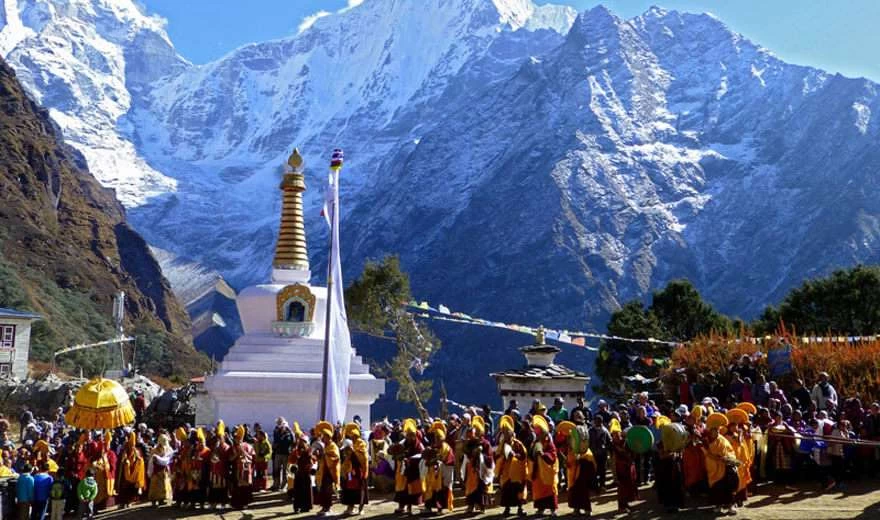
Upper Mustang is home to a predominantly Tibetan-origin population, preserving their unique language, customs, and religion. The people practice Tibetan Buddhism, intertwined with ancient Bon traditions, visible in the region’s numerous monasteries, stupas, prayer flags, and sacred caves.
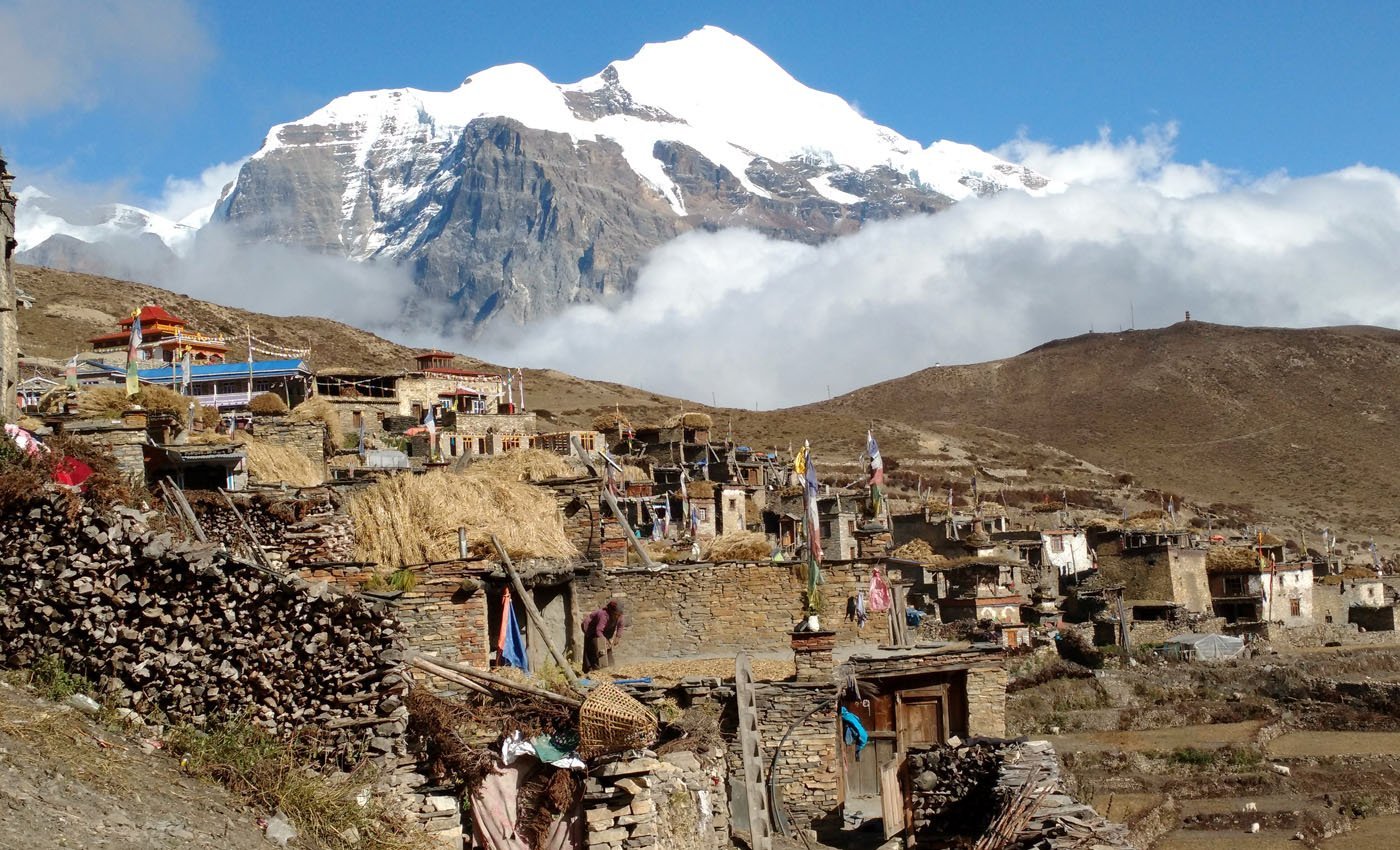
Lo Manthang, the walled capital of the former Kingdom of Mustang, remains a cultural hub with its centuries-old palaces and monasteries like Thubchen and Jampa Gompa. The Mustang people live a semi-nomadic lifestyle, relying on agriculture, animal husbandry, and traditional trade routes with Tibet. Visiting local villages offers an intimate glimpse into a way of life relatively unchanged by modern influences, complete with traditional festivals, rituals, and warm hospitality.
Package Highlights:
- Exploring the walled city of Lo Manthang, the ancient Mustang capital
- Visiting centuries-old Tibetan Buddhist monasteries and sacred caves
- Trekking through arid desert landscapes and dramatic canyons
- Crossing high passes such as Geling La (4,900m)
- Encountering local nomadic herders and traditional villages like Ghami, Charang, and Chhoser
- Witnessing vibrant Tibetan culture, prayer festivals, and traditional crafts
- Experiencing panoramic mountain views including Annapurna, Dhaulagiri, and Nilgiri
- Exploring the mysterious cave systems used historically for meditation and shelter
Book This Trip
Trip Information
 Start : Kathmandu
 Finish : Kathmandu
 Difficulty :
Moderate
Difficulty :
Moderate
 Max Altitude : 3650m.
 Group Size : 10 People
  Season :
Trip Gallery

Trip Itinerary
Your journey begins from Kathmandu, the bustling capital city of Nepal, heading towards Pokhara, the serene lakeside city nestled at the foothills of the Annapurna mountain range. You have two options to reach Pokhara. If you choose to fly, the flight takes approximately 25 to 30 minutes and offers spectacular aerial views of the snow-capped Himalayas, rolling hills, and terraced farmlands. This quick and scenic flight is a favorite for travelers looking to save time while soaking in breathtaking mountain panoramas. Alternatively, if you prefer the adventure of a road trip, you can drive from Kathmandu to Pokhara, which usually takes around 6 to 8 hours depending on traffic and road conditions. The drive winds through beautiful hills, valleys, and rivers, passing quaint villages along the way, offering a more immersive glimpse of rural Nepalese life. Once in Pokhara, you can relax by the calm waters of Phewa Lake, stroll through vibrant local markets, and prepare yourself for the trek ahead. Overnight accommodation is provided in a comfortable hotel to ensure rest and recovery before your journey into Mustang begins.
On the second day, you embark on a long but scenic drive from Pokhara to Jomsom, the gateway town to the Mustang region. This journey, taking roughly 8 to 10 hours, traverses rugged mountain roads and passes through charming villages and the Kali Gandaki valley, one of the deepest gorges in the world. Along the way, you can visit the sacred Muktinath Temple, a revered pilgrimage site for both Hindus and Buddhists, known for its spiritual significance and natural hot springs. Upon arrival in Jomsom, at an altitude of 2,700 meters, you settle in for the night and begin acclimatizing to the higher elevation.
Day three is a rest day for acclimatization. You can explore the small town of Jomsom, visit the local market, and prepare your trekking gear. Gentle short walks around town help your body adjust to the altitude and prepare you for the days ahead.
On day four, you drive to Kagbeni, often called the gateway to Upper Mustang due to its rich Tibetan Buddhist culture and historic significance. From Kagbeni, you begin trekking uphill to Chele village. The trail passes through arid, barren landscapes with stunning views of the Kali Gandaki Gorge. You spend the night in a local teahouse or lodge in Chele.
Trekking through the vast Trans-Himalayan desert, the trail passes barren cliffs and small villages. The route is moderately challenging with steady uphill sections, and you will enjoy panoramic views of surrounding mountain ranges and traditional Tibetan-style villages. The overnight stay is in Syangboche.
The journey takes you through remote villages where traditional Tibetan lifestyles continue. Ghemi is a small settlement noted for its monastery and traditional houses, offering the chance to engage with locals and witness their customs. Overnight accommodation is arranged at a guesthouse or homestay.
This day’s trek descends to Tsarang, one of Mustang’s larger villages and a cultural hub. You will visit Tsarang Gompa, a centuries-old monastery housing precious murals and Buddhist artifacts. Tsarang often hosts festivals and rituals, enriching your cultural experience. Overnight in Tsarang.
Ascend to Lo Manthang, the walled capital of the former Kingdom of Lo. The trek crosses desert landscapes with rugged cliffs and scattered villages. Lo Manthang offers a rich history and cultural heritage with highlights including the Royal Palace and ancient monasteries. Interaction with locals provides insight into their unique lifestyle. Overnight in a guesthouse.
Spend a full day exploring Lo Manthang’s cultural and historical sites, including the palace, monasteries like Chode Gompa, and the old town walls. Visit local markets and immerse yourself in Tibetan Buddhist traditions, while also allowing your body to acclimatize and rest.
Take a day trip to Chhoser village, famous for the Thousand Buddha Caves—ancient Buddhist rock shelters decorated with murals and statues. After exploring the caves and learning about the region’s history, return to Lo Manthang for the night.
Trek downhill to Chhoser, visiting local monasteries and enjoying the unique red sandstone cliff landscape. Experience traditional village hospitality and stay overnight in a local guesthouse.
Ascend towards Yara, a peaceful village surrounded by stunning Himalayan vistas, known for its authentic Tibetan culture. Overnight in a simple lodge.
Descend through deep canyons and desert plateaus to Tangye. The trail combines rocky paths with occasional greenery. Overnight in a teahouse or homestay.
Continue trekking along the Kali Gandaki River valley to Chuksang, an important stop before Muktinath with spectacular views of the Dhaulagiri range. Overnight in local lodges.
Reach the sacred Muktinath Temple, revered by both Hindus and Buddhists. Explore the temple complex and nearby hot springs. Overnight at guesthouses.
Descend along the Kali Gandaki valley to Jomsom. The trail is downhill and easier, with beautiful river views. Rest overnight in Jomsom.
Return to Pokhara by road or a short flight, enjoying scenic views along the way. Spend the night in Pokhara with time for sightseeing or relaxation.
Conclude your journey by flying or driving back to Kathmandu. Use this final day for last-minute shopping, sightseeing, or relaxing before your onward travels or departure.
Cost Includes
1. Permits and Fees:
- Upper Mustang Special Permit: Required for entering the restricted area of Upper Mustang.
- Annapurna Conservation Area Permit (ACAP)
- TIMS (Trekkers’ Information Management System) Card
2. Transportation:
- Domestic Flights: Round-trip flights between Kathmandu and Pokhara, and Pokhara to Jomsom. (Note: Flights from Jomsom to Pokhara may be subject to availability and weather conditions.)
- Local Transportation: Private vehicle or jeep rides to/from the trek starting/ending points if not covered by flights.
3. Accommodation:
- In Kathmandu and Pokhara: Hotel accommodation (usually 3-star or equivalent).
- During the Trek: Lodge/teahouse accommodation in Upper Mustang. Basic facilities with shared bathrooms.
4. Meals:
- In Kathmandu and Pokhara: Breakfast is included.
- During the Trek: Full board (breakfast, lunch, and dinner) provided by teahouses along the trekking route.
5. Guides and Porters:
- Experienced English-Speaking Trekking Guide: Professional guide to assist throughout the trek.
- Porter(s): One porter per two trekkers to carry personal and group gear.
6. Services:
- Airport Transfers: Pick-up and drop-off at Tribhuvan International Airport in Kathmandu.
- Guide and Porter Insurance: Insurance coverage for the trekking staff.
- Trekking Itinerary Planning: Organization and management of the trek.
- First Aid Kit and Safety Equipment: Basic medical supplies and safety gear.
7. Miscellaneous:
- Farewell Dinner in Kathmandu: A celebratory dinner at the end of the trek.
- Trekking Duffel Bag: Provided by the trekking agency, if applicable.
- Local Taxes and Service Charges
1. Permits and Fees:
- Upper Mustang Special Permit: Required for entering the restricted area of Upper Mustang.
- Annapurna Conservation Area Permit (ACAP)
- TIMS (Trekkers’ Information Management System) Card
2. Transportation:
- Domestic Flights: Round-trip flights between Kathmandu and Pokhara, and Pokhara to Jomsom. (Note: Flights from Jomsom to Pokhara may be subject to availability and weather conditions.)
- Local Transportation: Private vehicle or jeep rides to/from the trek starting/ending points if not covered by flights.
3. Accommodation:
- In Kathmandu and Pokhara: Hotel accommodation (usually 3-star or equivalent).
- During the Trek: Lodge/teahouse accommodation in Upper Mustang. Basic facilities with shared bathrooms.
4. Meals:
- In Kathmandu and Pokhara: Breakfast is included.
- During the Trek: Full board (breakfast, lunch, and dinner) provided by teahouses along the trekking route.
5. Guides and Porters:
- Experienced English-Speaking Trekking Guide: Professional guide to assist throughout the trek.
- Porter(s): One porter per two trekkers to carry personal and group gear.
6. Services:
- Airport Transfers: Pick-up and drop-off at Tribhuvan International Airport in Kathmandu.
- Guide and Porter Insurance: Insurance coverage for the trekking staff.
- Trekking Itinerary Planning: Organization and management of the trek.
- First Aid Kit and Safety Equipment: Basic medical supplies and safety gear.
7. Miscellaneous:
- Farewell Dinner in Kathmandu: A celebratory dinner at the end of the trek.
- Trekking Duffel Bag: Provided by the trekking agency, if applicable.
- Local Taxes and Service Charges
Cost Excludes
1. International Flights:
- Airfare to/from Nepal: International flights to and from Kathmandu are not included.
2. Visa Fees:
- Nepalese Visa Fee: Visa fees for entering Nepal (can be obtained on arrival or online).
3. Personal Expenses:
- Snacks and Beverages: Extra food, drinks, and snacks not included in the trek.
- Souvenirs: Personal purchases and souvenirs.
4. Travel Insurance:
- Insurance: Travel insurance is not included. It is highly recommended to have coverage for high-altitude trekking, medical emergencies, and evacuation.
5. Additional Costs:
- Extra Costs for Delays or Changes: Costs due to itinerary changes, delays, or extensions.
- Optional Activities: Costs for optional activities or excursions not included in the standard itinerary.
- Laundry Services: Additional services such as laundry, phone calls, and internet usage.
6. Medical Expenses:
- Treatment and Medication: Costs related to illness, injury, or evacuation not covered by travel insurance.
7. Personal Equipment:
- Trekking Gear: Personal trekking gear such as sleeping bags, trekking poles, hiking boots, and rain gear.
- Climbing Gear: Any specific climbing or trekking equipment required.
8. Additional Tips:
- Gratuities: Tips for guides, porters, and other support staff.
1. International Flights:
- Airfare to/from Nepal: International flights to and from Kathmandu are not included.
2. Visa Fees:
- Nepalese Visa Fee: Visa fees for entering Nepal (can be obtained on arrival or online).
3. Personal Expenses:
- Snacks and Beverages: Extra food, drinks, and snacks not included in the trek.
- Souvenirs: Personal purchases and souvenirs.
4. Travel Insurance:
- Insurance: Travel insurance is not included. It is highly recommended to have coverage for high-altitude trekking, medical emergencies, and evacuation.
5. Additional Costs:
- Extra Costs for Delays or Changes: Costs due to itinerary changes, delays, or extensions.
- Optional Activities: Costs for optional activities or excursions not included in the standard itinerary.
- Laundry Services: Additional services such as laundry, phone calls, and internet usage.
6. Medical Expenses:
- Treatment and Medication: Costs related to illness, injury, or evacuation not covered by travel insurance.
7. Personal Equipment:
- Trekking Gear: Personal trekking gear such as sleeping bags, trekking poles, hiking boots, and rain gear.
- Climbing Gear: Any specific climbing or trekking equipment required.
8. Additional Tips:
- Gratuities: Tips for guides, porters, and other support staff.
Essential Info
Accommodation
- Basic but comfortable teahouses with simple rooms, twin beds, shared bathrooms, and warm blankets.
- Hot showers are rare and electricity supply is limited, especially in remote villages.
- Slightly better facilities are found in Lo Manthang and Jomsom with guesthouses and lodges.
- Camping is rare but possible for certain trekking groups.
- Meals mainly consist of simple Nepali and Tibetan dishes such as dal bhat, noodles, soups, and locally grown vegetables.
- Water purification is strongly recommended due to inconsistent availability of potable water.
Permits
Upper Mustang is a restricted area requiring special permits for entry to preserve the environment and culture.
Required permits include:
- Upper Mustang Restricted Area Permit (approx. USD 500 for 10 days)
- Annapurna Conservation Area Permit (ACAP)
- Trekker’s Information Management System (TIMS) card
Permits must be obtained through a registered trekking agency; independent trekking is not allowed.
Transportation
- Journey usually begins with a 25-minute flight from Kathmandu to Pokhara.
- From Pokhara, you either drive or take a short flight to Jomsom.
- Trekking starts from Kagbeni, which can be reached by a short flight from Jomsom or by trekking directly. The flight option saves time and offers scenic views.
- The region has no proper roads, so mules and porters are essential for carrying trekking gear.
- Flights in Mustang are highly weather-dependent and can be delayed; it’s advisable to include buffer days in your itinerary.
Extra Info
Packing for Upper Mustang requires preparation for cold, dry conditions and varying altitudes:
- Four-season sleeping bag (comfort to -10°C or lower)
- Layered clothing (thermal base layers, fleece, down jacket)
- Waterproof windbreaker and trekking boots
- Hat, gloves, sunglasses, and sunscreen (strong UV at high altitude)
- Water purification tablets or filter
- Trekking poles for rough terrain
- Headlamp and spare batteries
- Personal medications and basic first aid kit
- Daypack with snacks and hydration system
Trip Date And Time
We'll Be There, Like We've Been There Before
|
Departing |
Finishing |
Trip Price Per Person |
Action |
Enquire |
|---|---|---|---|---|
| 23 Apr, 2026 | 10 May, 2026 | 1000 | Book Now |
Featured Packages
You May Also Enjoy Our Other Trips

10 Days
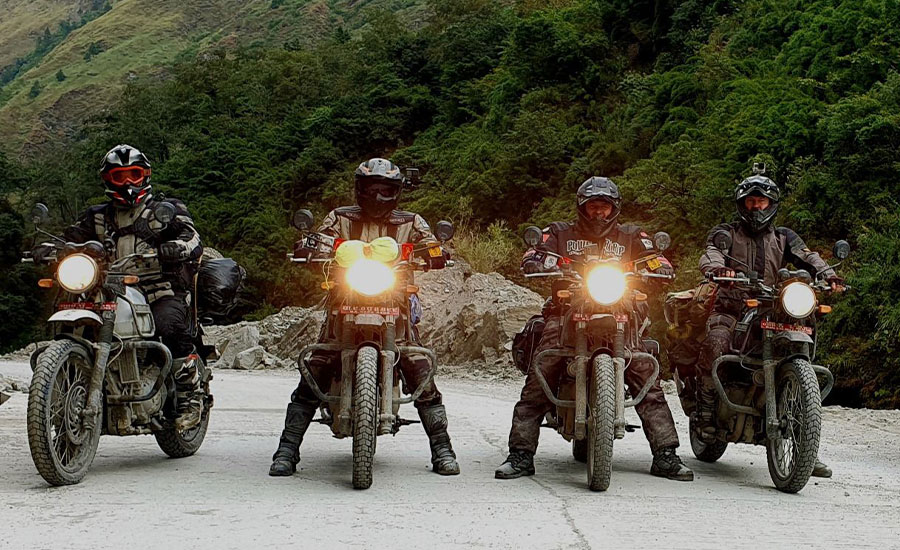
Nepal Heritage Motorbike Tour - A Journey Through Culture And Himalayas !
NPR 1000 Per Person



9 Days
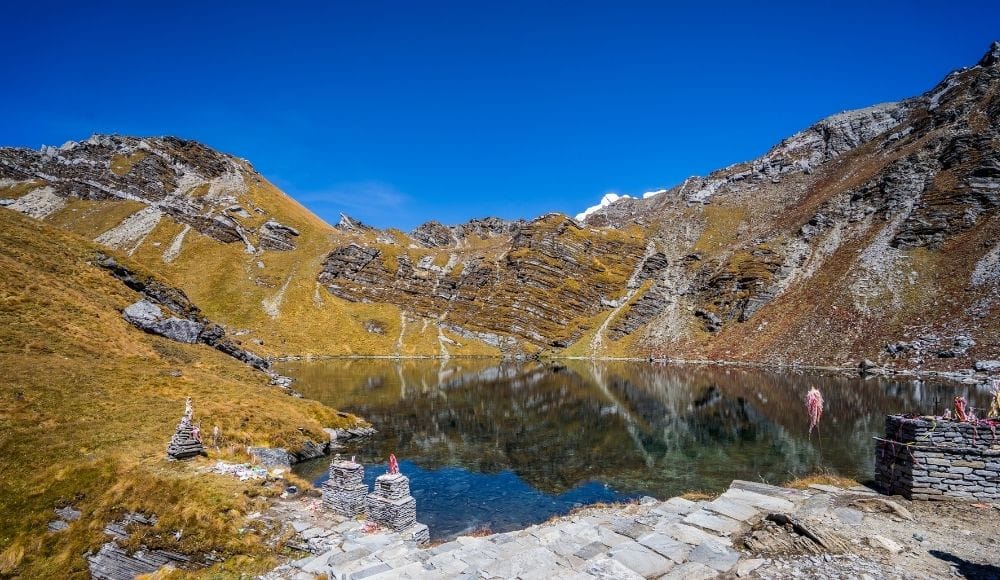
Mardi Himal Trek: A Short and Scenic Route to the Hidden Side of the Annapurnas
NPR 1000 Per Person
15 Days
12 Days

11 Days
9 Days
26 Days
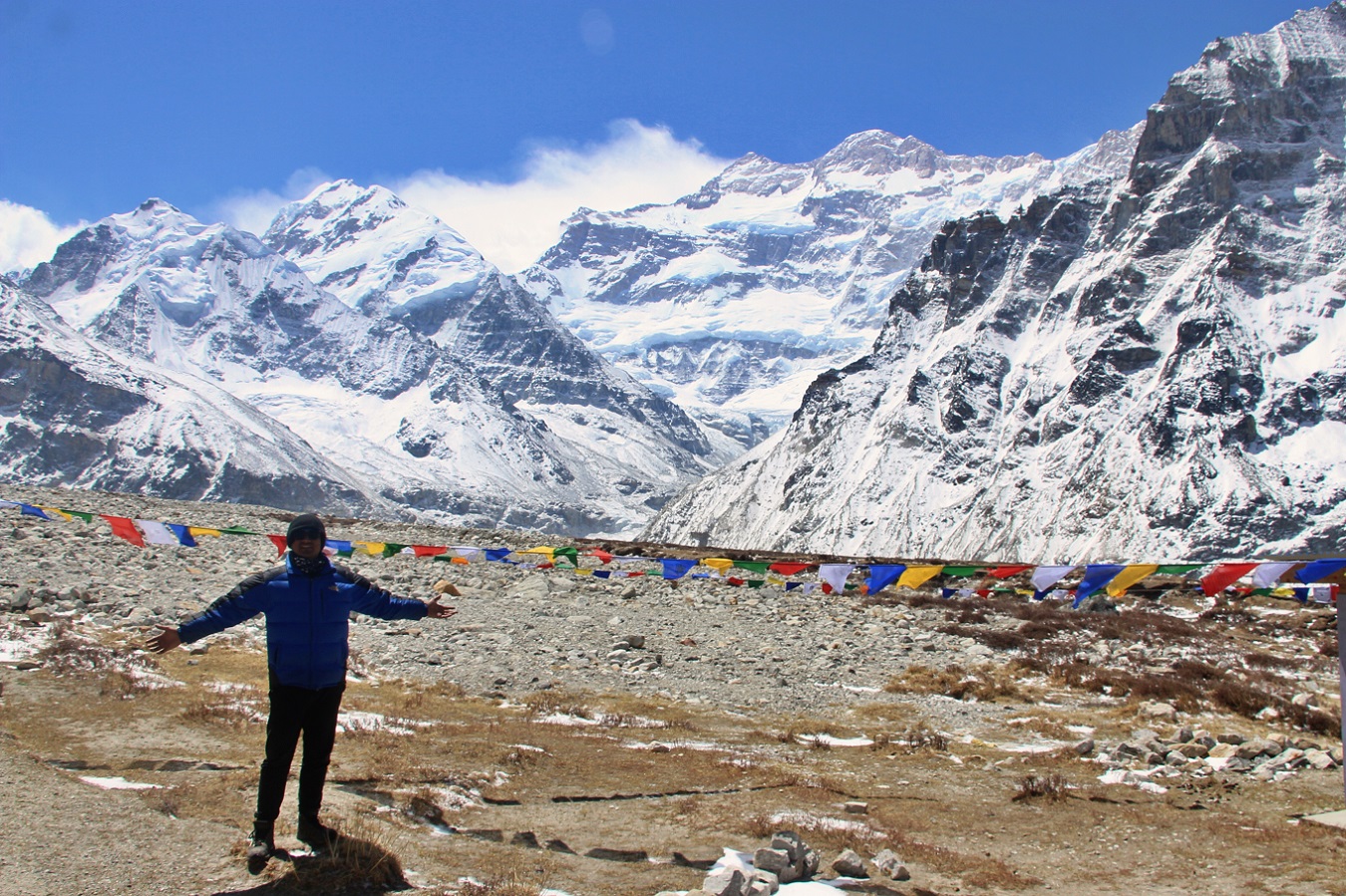
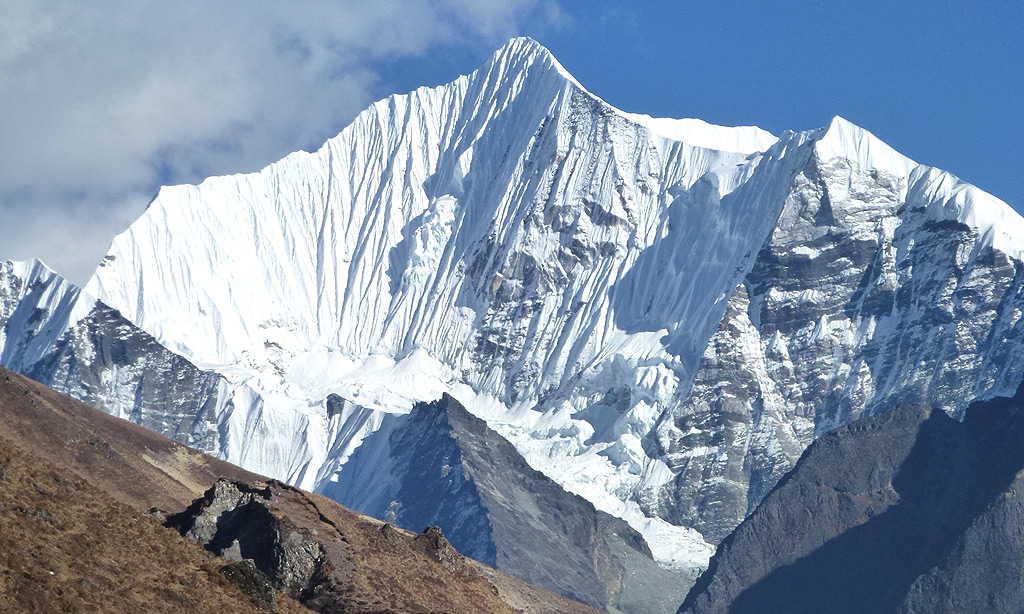
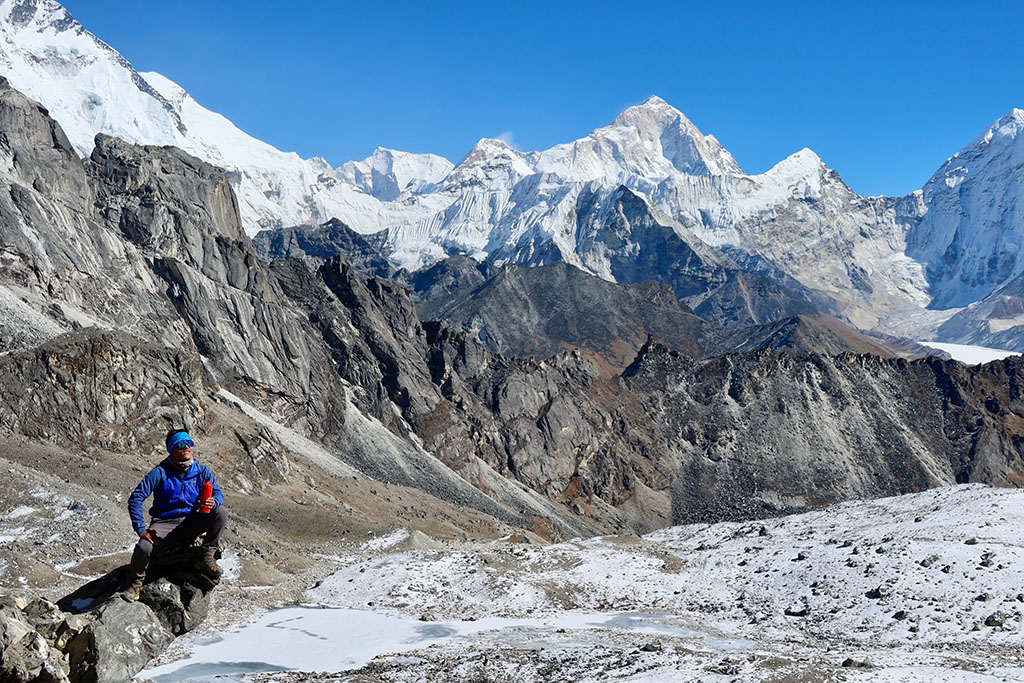
Kanchenjunga Trek: A Majestic Journey to the Third Highest Peak on Earth
NPR 1000 Per Person
17 Days
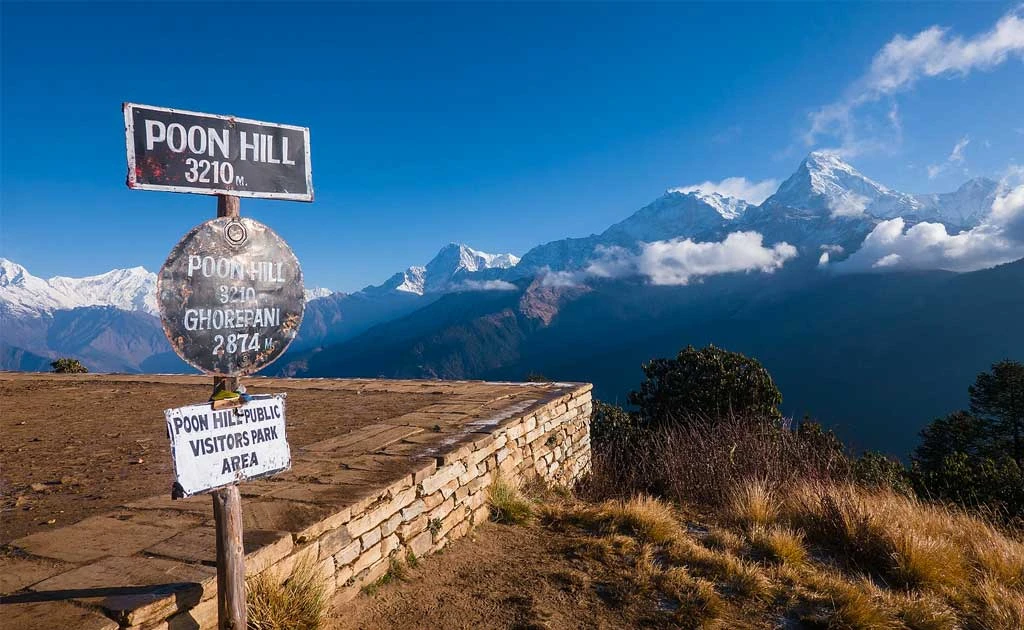
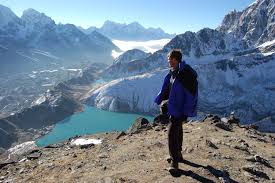
Everest Base Camp via Gokyo Trek: A Journey Through the Heart of the Khumbu
NPR 1000 Per Person
11 Days
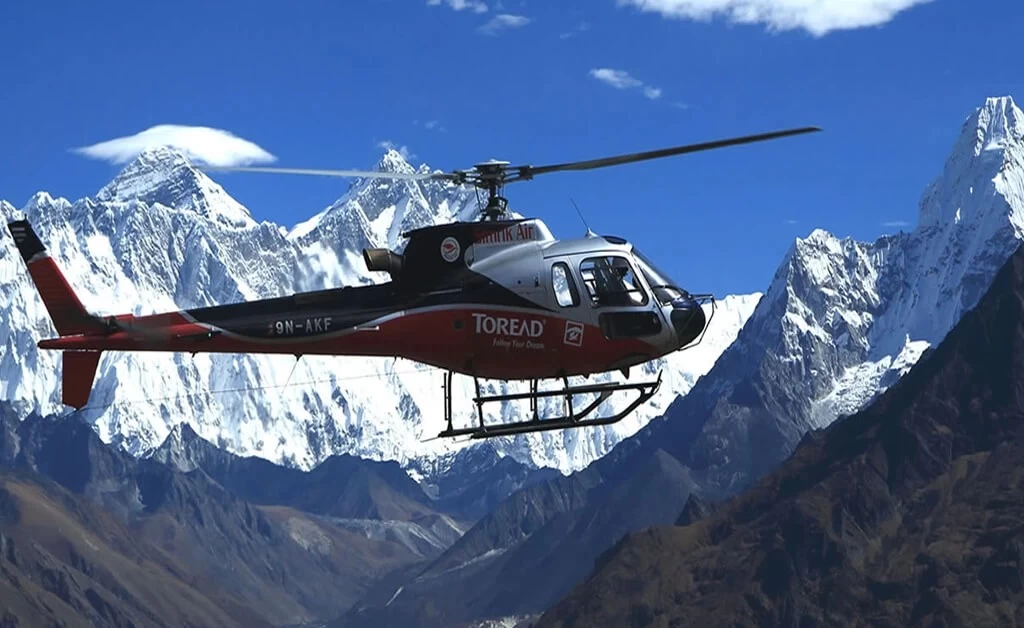
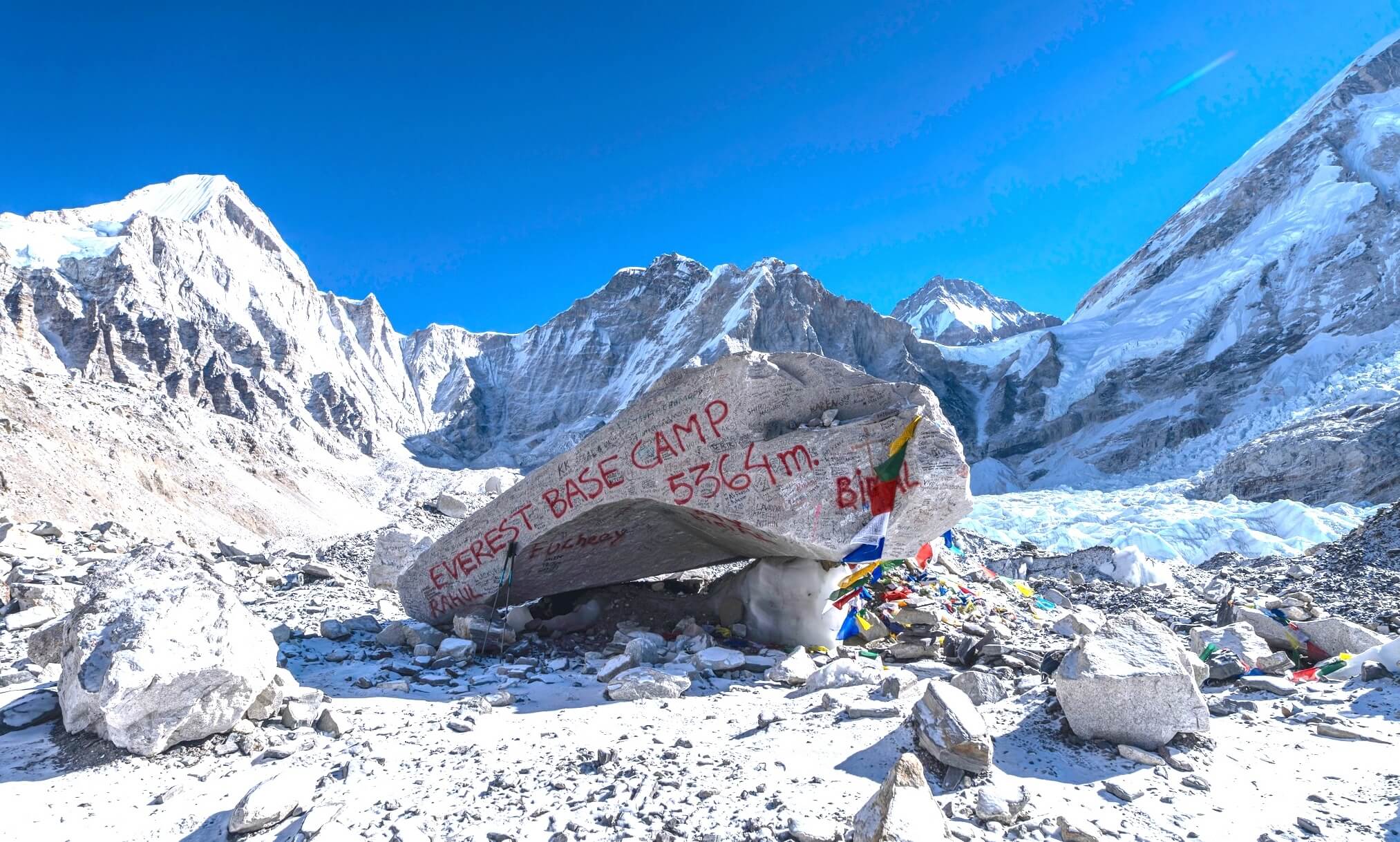
Everest Base Camp Heli Return Trek: A Perfect Blend of Adventure and Convenience
NPR 1000 Per Person
14 Days
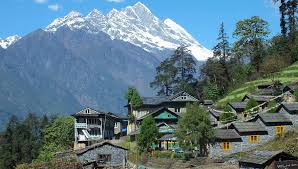
Arun Valley Cultural Trail: Journey Through Eastern Nepal’s Cultural Heartland
NPR 1000 Per Person

11 Days
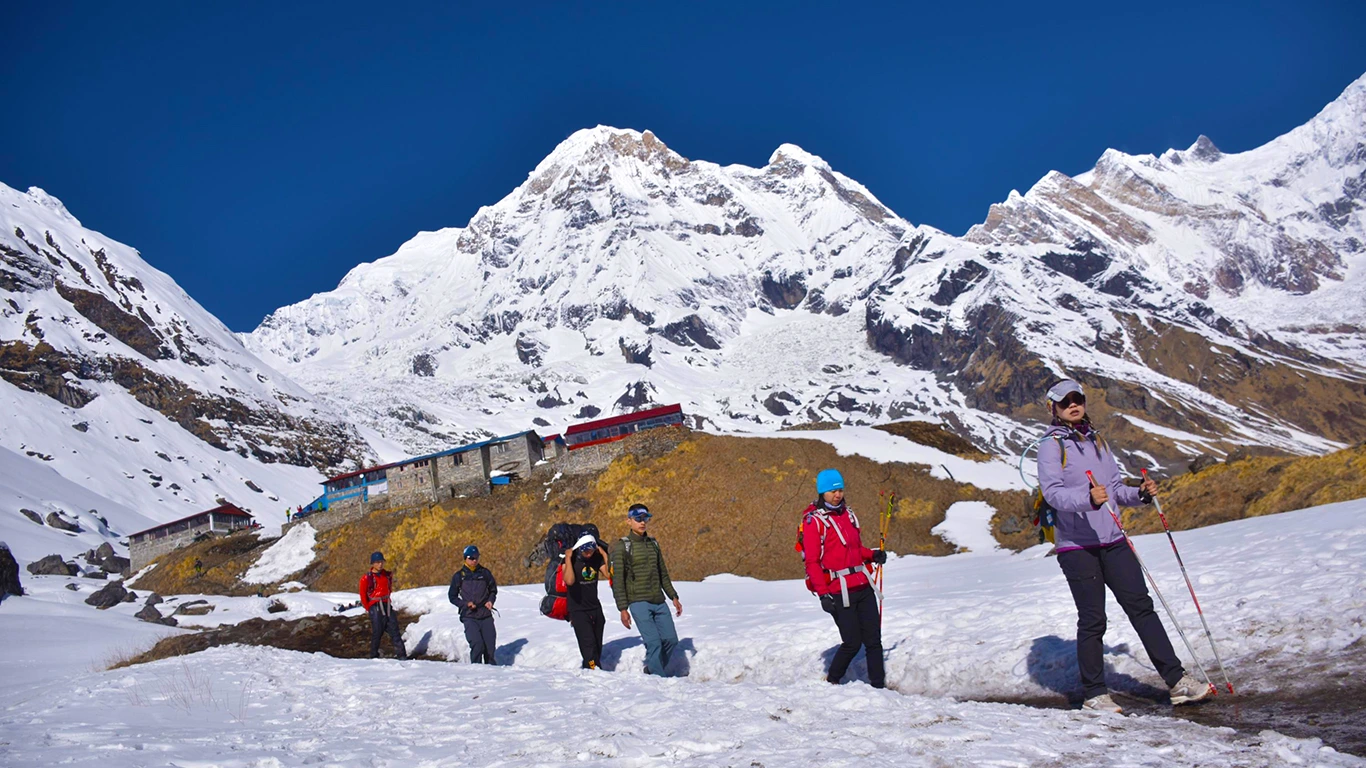
Annapurna North Base Camp Trek: A Remote Trail to the Hidden Face of Annapurna
NPR 1000 Per Person
9 Days


12 Days
22 Days
22 Days
Labuje Peak Climbing Expedition: Exploring a Hidden Gem of the Himalayas
NPR 1000 Per Person
10 Days
Muktinath Yartung Festival: A Spiritual and Adventure Expedition in Nepal
NPR 1000 Per Person
14 Days
Mustang Tiji Festival: A Unique Cultural and Trekking Expedition in Nepal
NPR 1000 Per Person
15 Days
13 Days