MANASLU AND TSUM VALLEY: NEPAL’S SACRED HIMALAYAN SANCTUARY
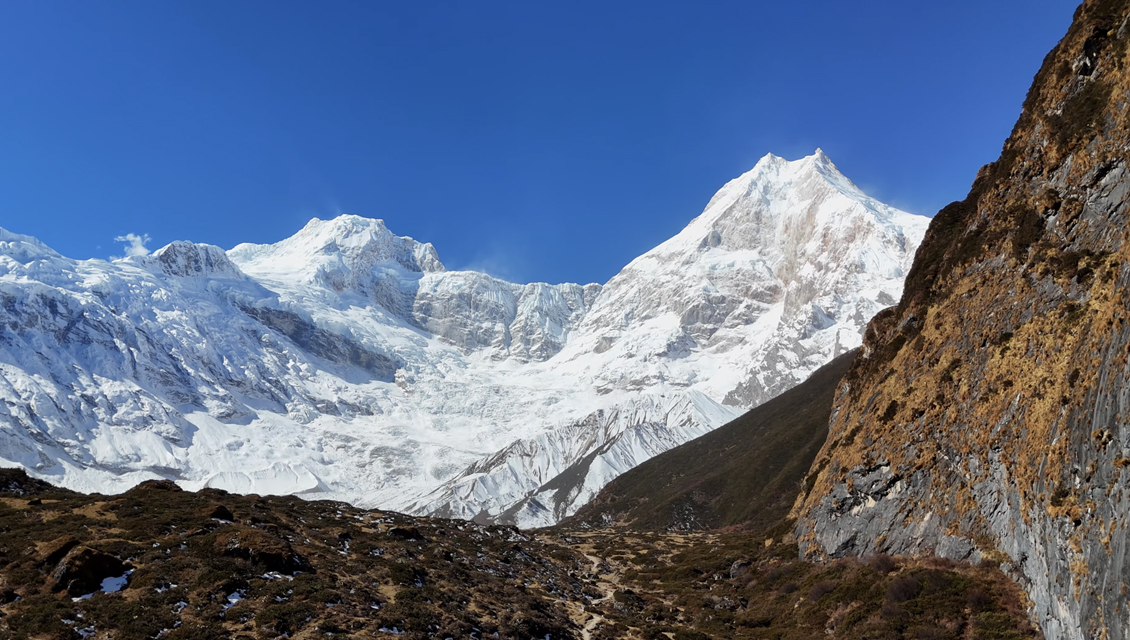
The Manaslu–Tsum Valley region, located in northern Gorkha along the Tibetan border, is one of Nepal’s most culturally rich and least explored Himalayan destinations. Dominated by the towering presence of Mount Manaslu (8,163 m)-the world’s eighth-highest peak-the region offers pristine landscapes, ancient Buddhist heritage, secluded valleys, and warm Himalayan hospitality. Once restricted to outsiders, Tsum Valley remains a living preservation of Tibetan culture, meditation caves, and centuries-old monasteries untouched by mass tourism.
The entire region feels like a journey back in time, where snow peaks rise above deep river gorges, chortens line narrow trails, and the sound of prayer wheels echoes through stone villages.
TREKKING IN THE MANASLU–TSUM VALLEY REGION
Manaslu Circuit And Tsum Valley Trek
The combined Manaslu Circuit and Tsum Valley Trek is one of Nepal’s most rewarding Himalayan adventures. The trek typically spans 18–22 days, starting from Soti Khola and gradually ascending through terraced fields, subtropical forests, alpine valleys, and finally to high-altitude passes. Trekkers explore the secluded spiritual heartland of Tsum Valley before rejoining the Manaslu Circuit and crossing the legendary Larke La Pass (5,160 m).
Major Trek Highlights
- Tsum Valley (Hidden Valley of Happiness) – A sacred Buddhist valley with deep spiritual significance
- Mu Gompa and Rachen Nunnery – Ancient monasteries famous for meditation caves and monastic life
- Larke La Pass – A dramatic high-altitude crossing offering panoramic Himalayan views
- Manaslu Base Region – Close-up views of Manaslu, Himalchuli, Ngadi Chuli, and Ganesh Himal
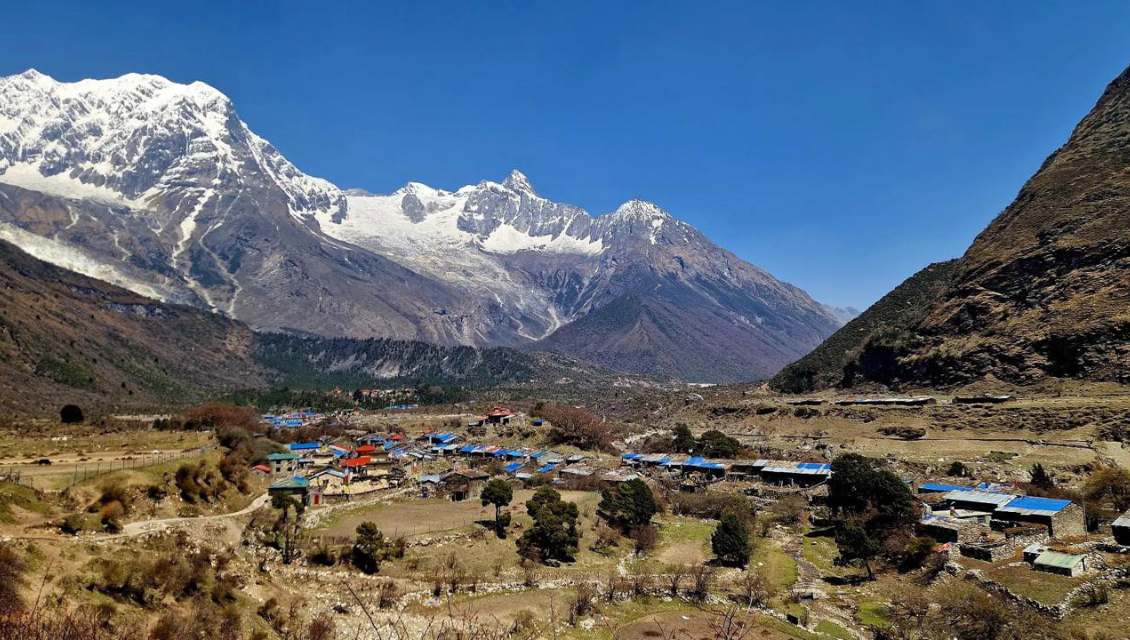
- Chumling, Chhekampar and Nile Villages – Traditional settlements with stone houses and Tibetan culture
- Suspension bridges, waterfalls, and narrow gorges of the Budhi Gandaki Valley
Although remote, the region offers teahouse-based trekking throughout the route, with comfortable lodges in most villages and basic accommodations in higher sections.
TSUM VALLEY: THE SACRED HIDDEN HIMALAYAN GEM
Known locally as Beyul Kyimolung (Valley of Bliss), Tsum Valley is one of the most culturally intact regions in Nepal. Historically a meditation retreat for Tibetan saints and Lamas, Tsum Valley is home to serene settlements, ornate monasteries, and cliffside meditation caves.
Cultural Highlights of Tsum Valley
- Mu Gompa (3,700 m) – A remote monastery overlooking the borderlands.
- Rachen Nunnery – A vibrant monastic community of Buddhist nuns.
- Milarepa’s Cave – Meditation site of the revered Tibetan saint Milarepa.
- Gonhgye Chhorten and Mani Walls – Beautiful examples of Himalayan Buddhist architecture.
Life here revolves around agriculture, monastic traditions, and ancient trade routes leading to Tibet.
CULTURE And RELIGION
The Manaslu–Tsum Valley region is deeply influenced by Tibetan Buddhism. Monasteries, prayer flags, mani walls, and chortens dominate the trail, and daily life is guided by Buddhist rituals and seasonal cycles.
Key Cultural Features
- Tibetan-influenced language and attire
- Monastic festivals, masked dances, and lama rituals
- Meditation caves and sacred pilgrimage sites
- Yak herding and mountain agriculture (potatoes, barley, buckwheat)
Villages maintain a traditional communal lifestyle, emphasizing spirituality, simplicity, and harmony with nature.
THE LANDSCAPE
The region offers striking Himalayan diversity:
- Deep gorges of the Budhi Gandaki
- Terraced hillsides and waterfalls in lower elevations
- Alpine forests, yak pastures, and glacier valleys
- High passes and expansive mountain panoramas
Mount Manaslu dominates the skyline with its majestic white pyramid, while the Ganesh Himal range guards the eastern side of Tsum Valley. The landscapes are dramatic, varied, and exceptionally photogenic.
COMMUNITY AND ETHNIC GROUPS
The region is inhabited primarily by:
- Tibetan-origin Gurung and Tamang communities in lower sections
- Tsumba and Nubri people in higher valleys
Traditional livelihoods include:
- Potato, barley, and buckwheat farming
- Yak and sheep herding
- Small-scale trade along ancient border routes
Village architecture features stone-built houses, narrow alleys, communal courtyards, and ancient monasteries at the center of village life.
ACCESS AND ROUTE INFORMATION
Most treks begin with a drive from Kathmandu to:
Kathmandu → Arughat → Soti Khola
(8–10 hours depending on road conditions)
From Soti Khola, all travel is on foot along the classic Budhi Gandaki trail, which gradually ascends into alpine terrain. After visiting Tsum Valley, trekkers rejoin the Manaslu Circuit and proceed toward Samagaon, Samdo, Dharmasala, and finally cross the Larke La Pass.
Exit is typically via Dharapani and drive out to Besisahar → Kathmandu.
PERMITS REQUIRED
Both Manaslu Circuit and Tsum Valley are restricted areas:
1. Manaslu Restricted Area Permit (MRAP)
- USD 100 per person (Sept–Nov) for first 7 days
- USD 10 per extra day
- USD 75 per person (Dec–Aug) for first 7 days
- USD 10 per extra day
2. Tsum Valley Restricted Permit
- USD 40 per person (Sept–Nov) for first 7 days
- USD 30 per person (Dec–Aug)
- USD 7 per extra day
3. Manaslu Conservation Area Permit (MCAP)
4. Annapurna Conservation Area Permit (ACAP)
- NPR 3,000 (required when exiting through Dharapani)
Group of minimum two trekkers + licensed trekking agency is mandatory.
WHY TREKKERS CHOOSE MANASLU–TSUM VALLEY
Trekkers and spiritual travelers choose this region for:
- Remote, pristine trails away from crowds
- Strong Tibetan Buddhist culture and ancient monasteries
- Sacred meditation caves and pilgrimage traditions
- Stunning landscapes dominated by Manaslu and Ganesh Himal
- The adventure of crossing Larke La Pass
- Comfortable teahouse trekking with authentic hospitality