Arun Valley Trek
- Home
- Arun Valley Trek
Budget
USD 2390
Per Person
Rating
No review has been posted yet
Duration
15 Days
Trip Overview
The Arun Valley Trek is one of the most remote and naturally diverse trekking routes in eastern Nepal, offering an authentic blend of deep river valleys, rich biodiversity, and traditional Himalayan village life. This off-the-beaten-path journey follows the spectacular Arun River corridor, connecting the lower hills of eastern Nepal with the gateway to the Makalu Himal region.
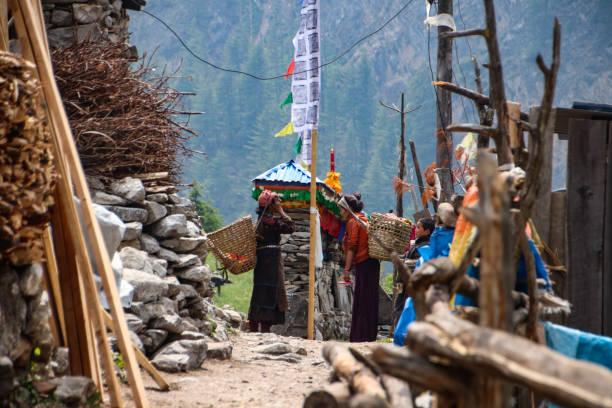
Unlike the more commercial trekking routes in central Nepal, the Arun Valley Trek provides a raw and peaceful experience where nature and culture remain largely untouched. The trail passes through isolated Rai, Sherpa, and other indigenous communities, offering meaningful cultural interaction and a true wilderness trekking atmosphere.
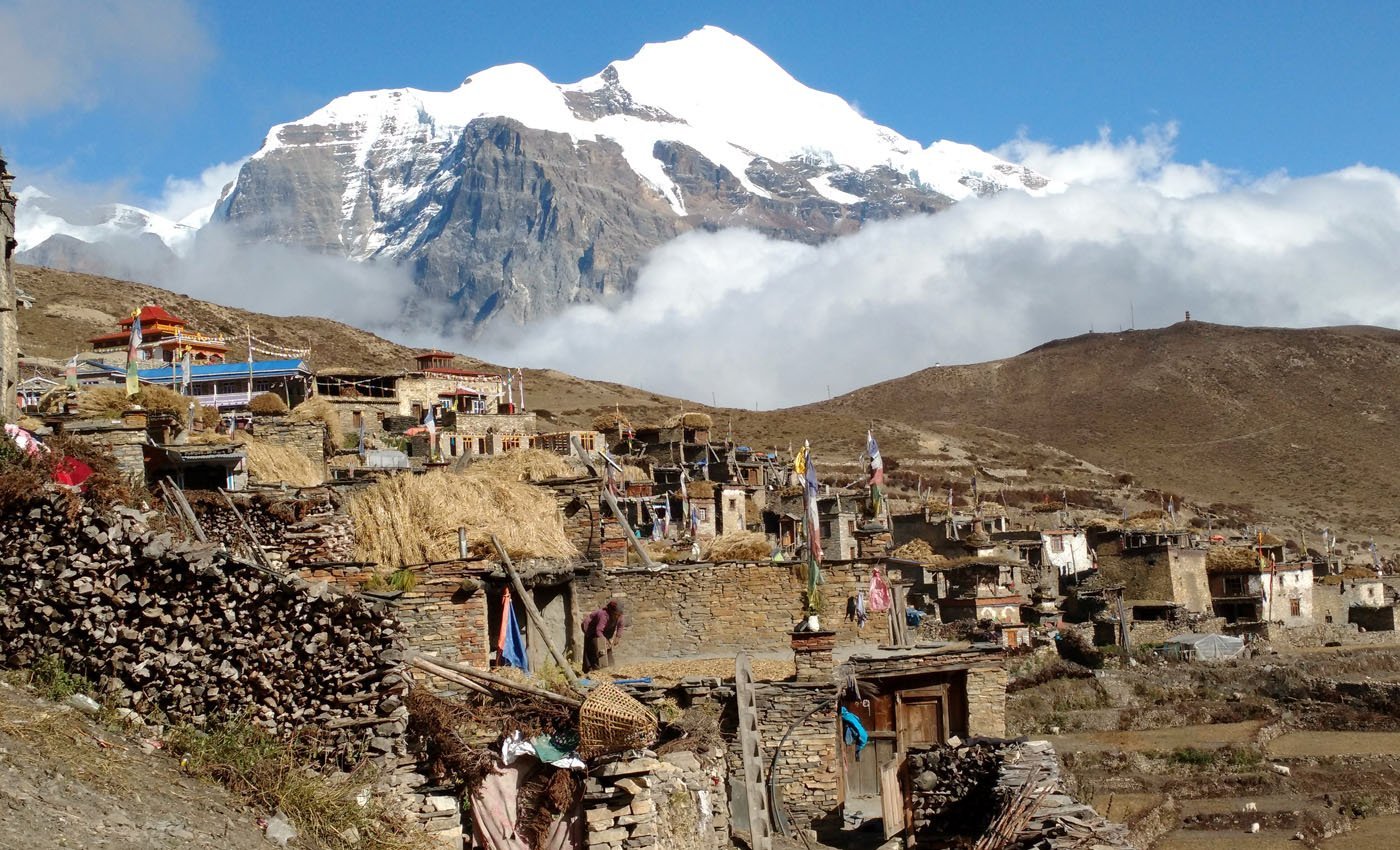
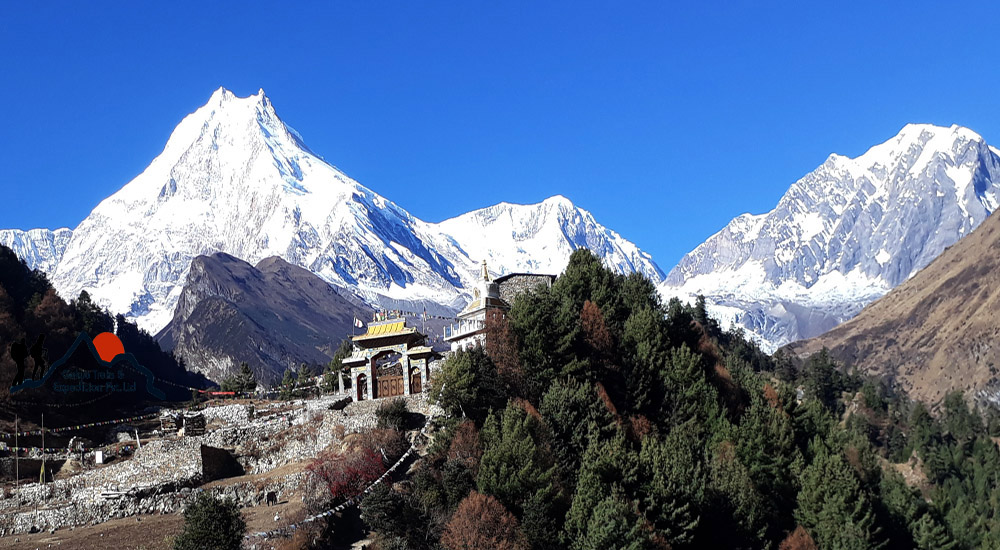
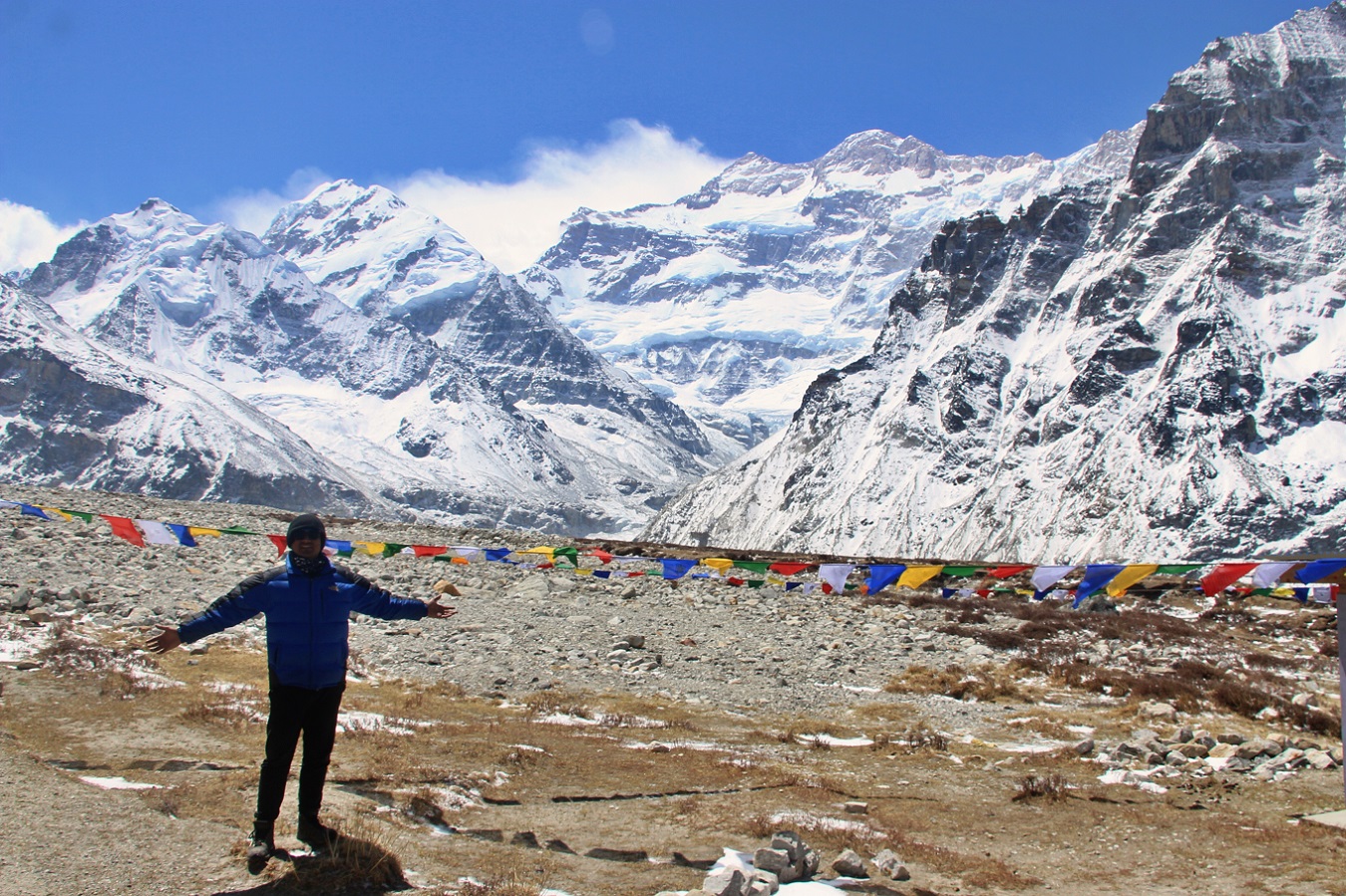
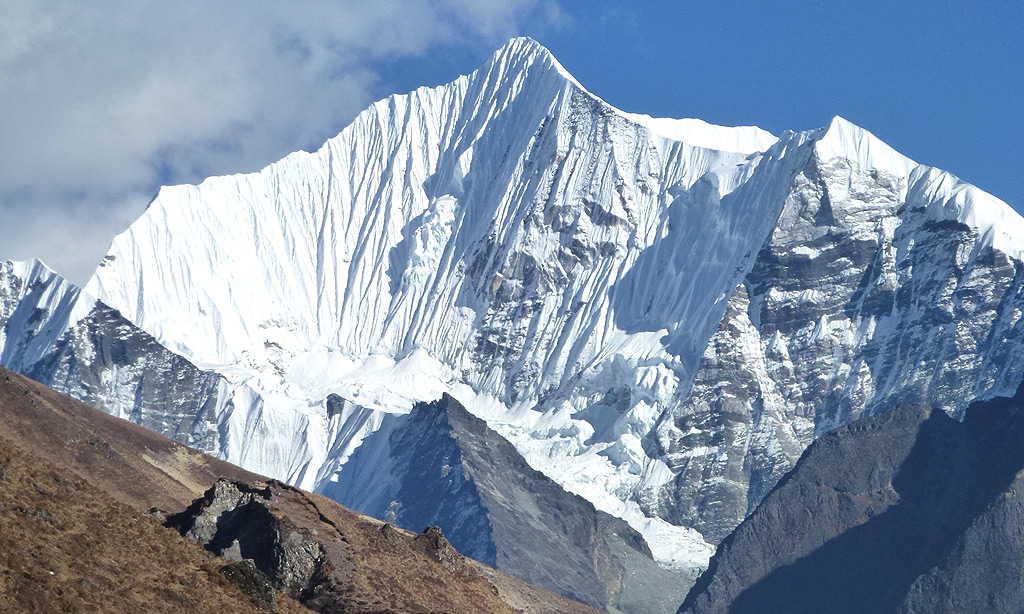
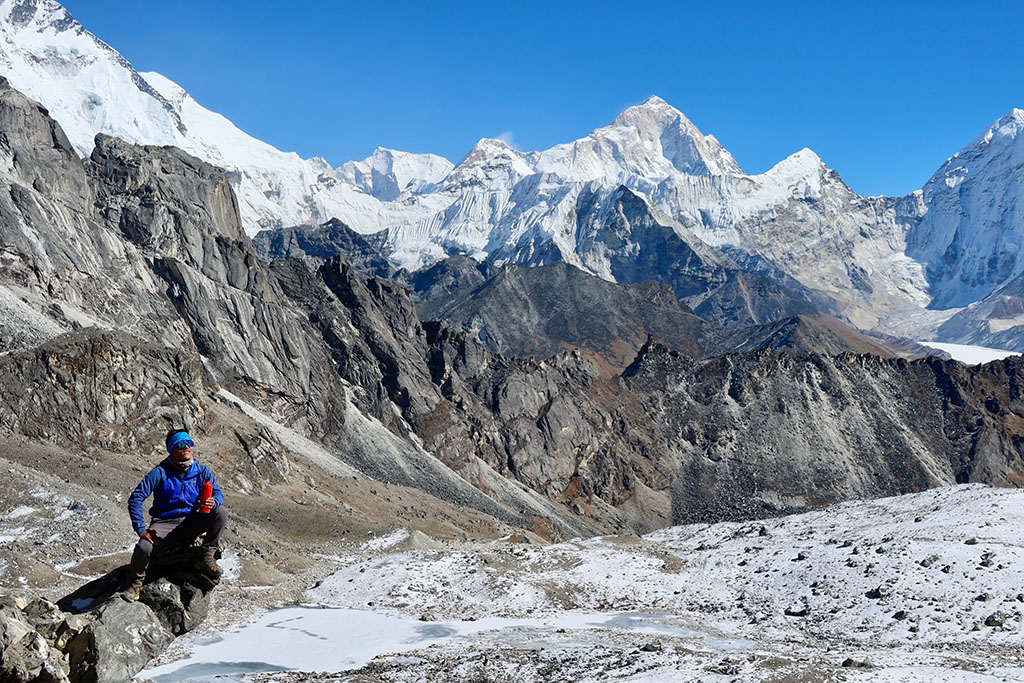
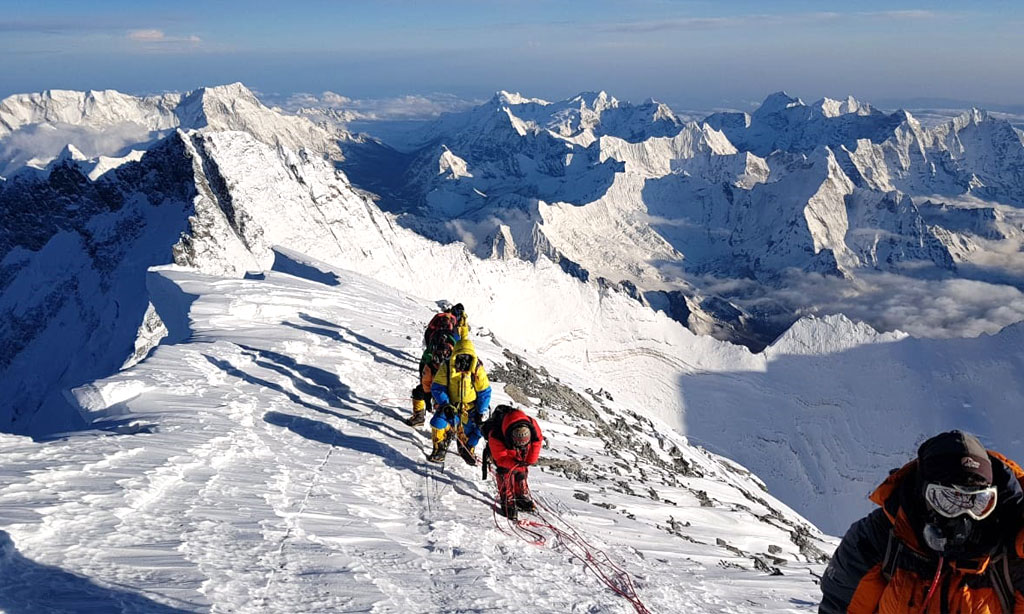
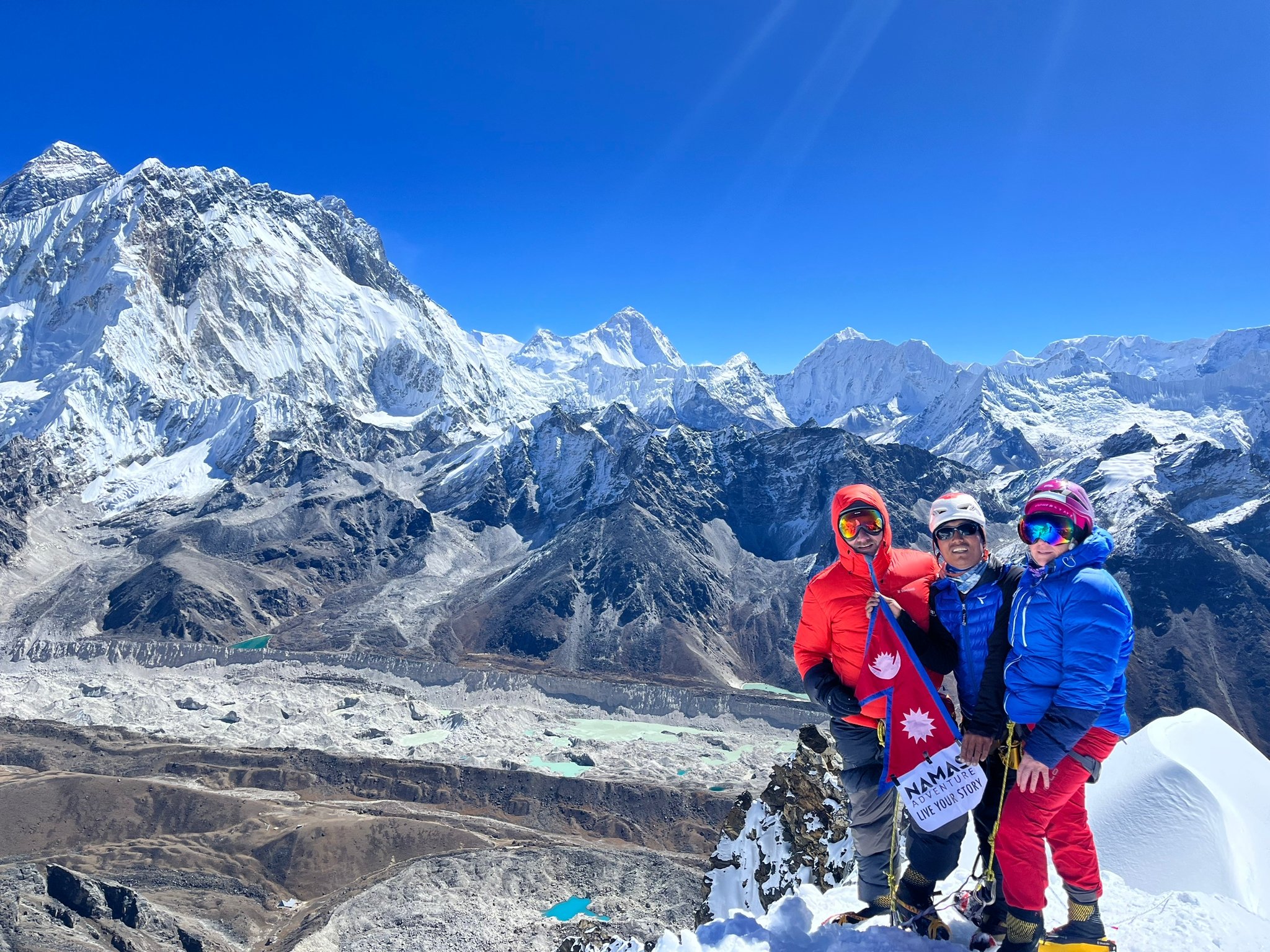
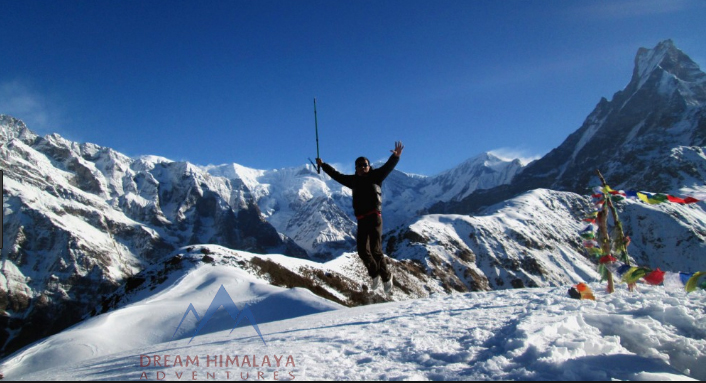
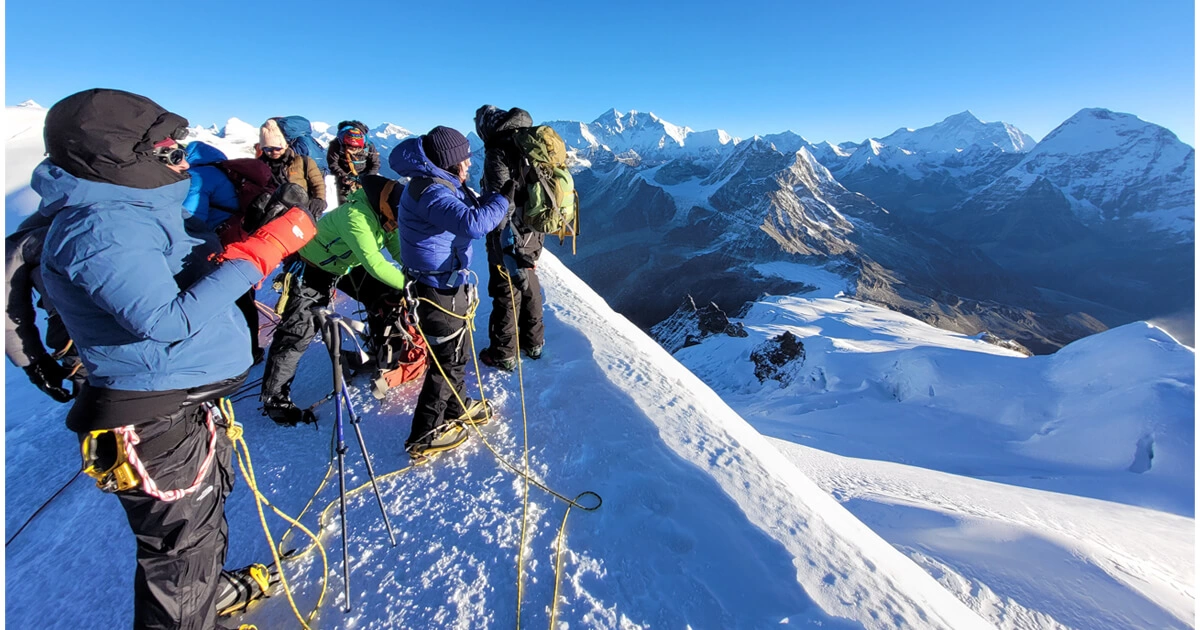
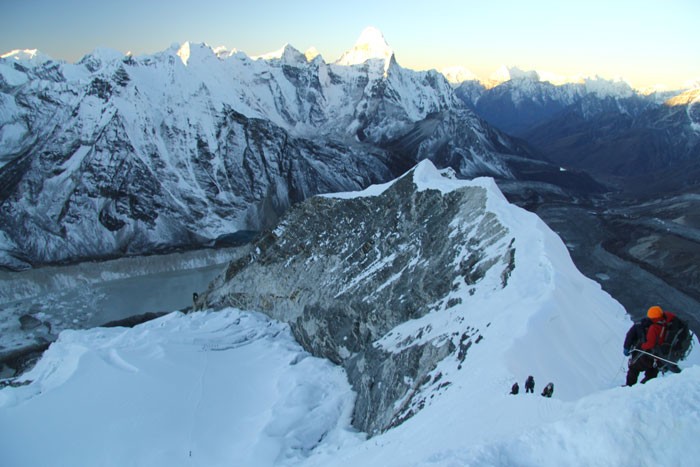
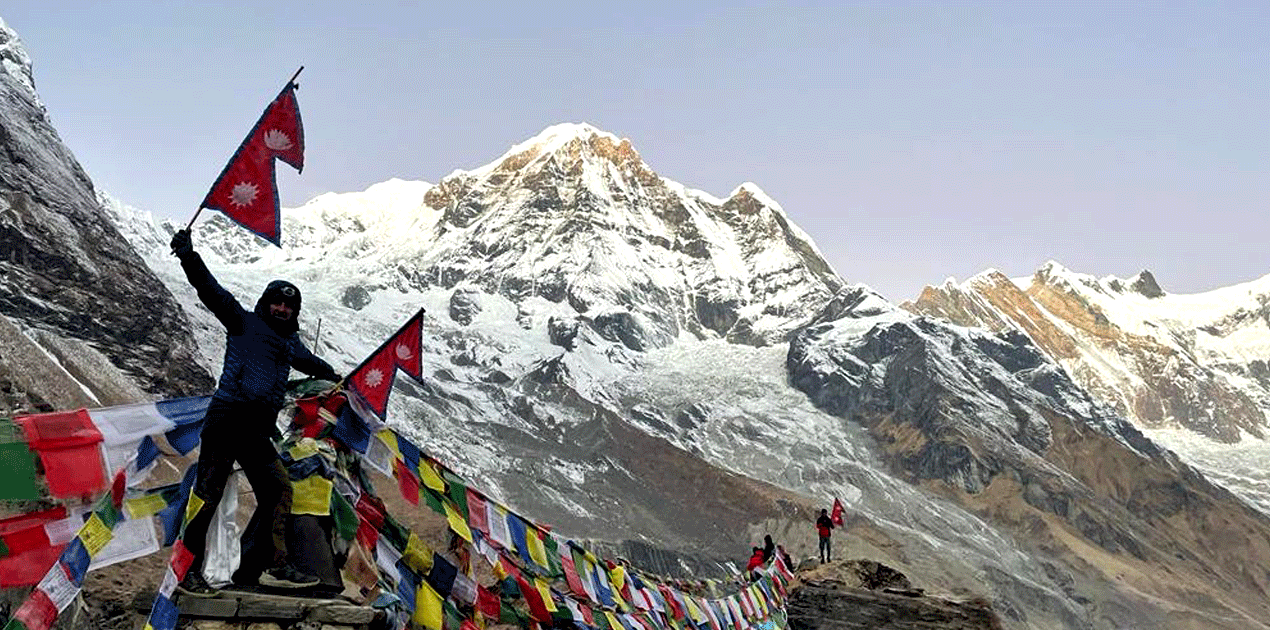
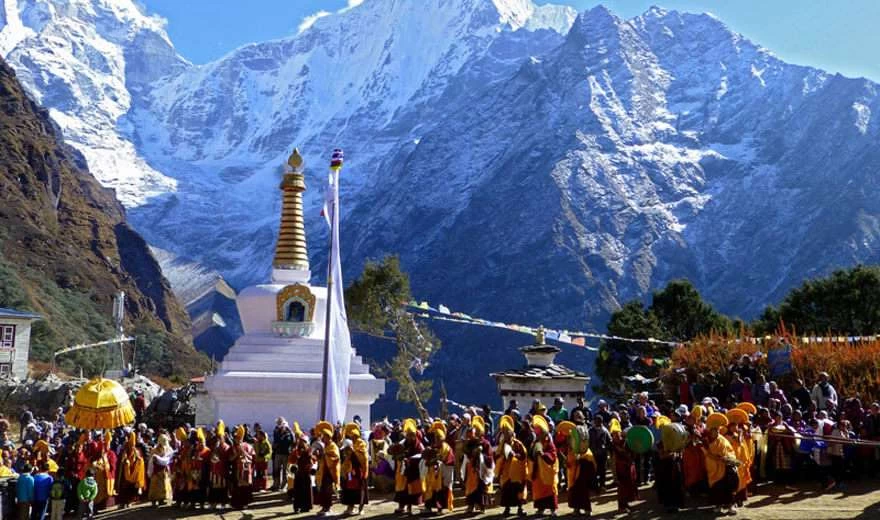
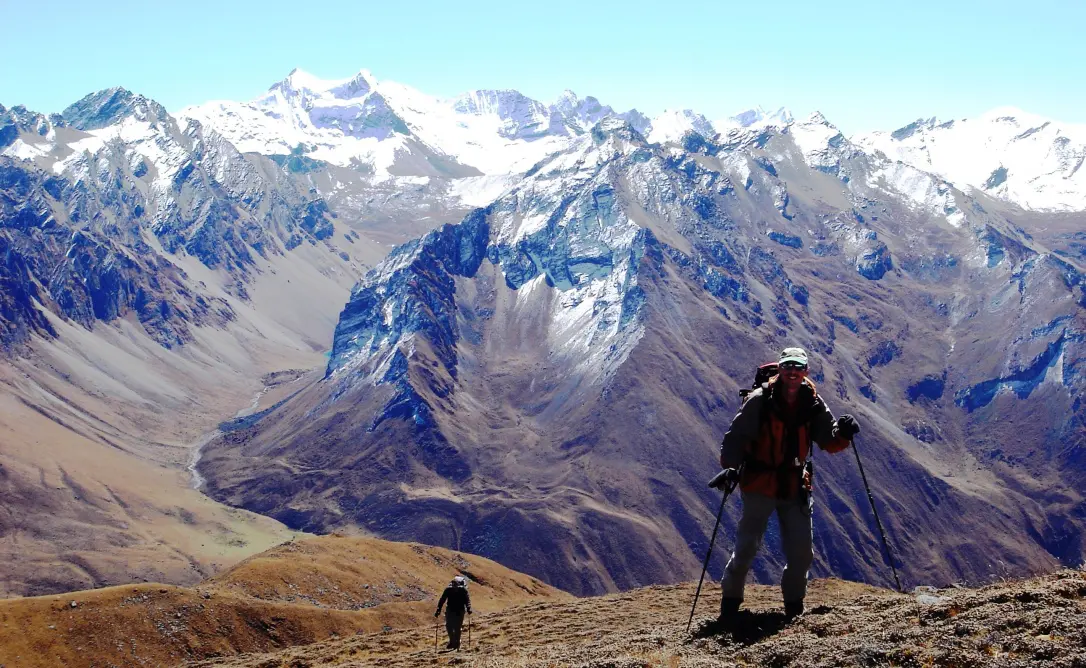
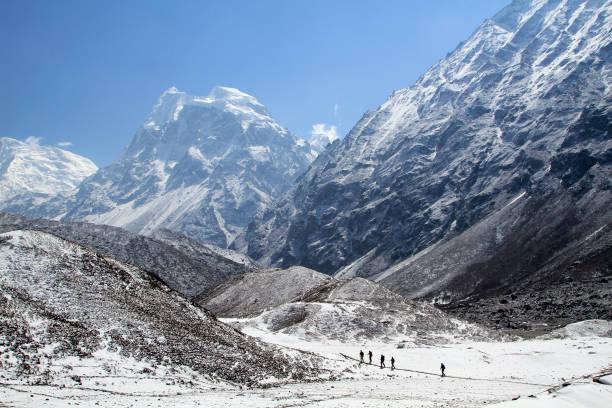
Throughout the journey, trekkers are rewarded with dramatic views of eastern Himalayan peaks, including Makalu, Kanchenjunga, Everest, and surrounding ranges. The combination of deep valleys, dense forests, and towering mountains makes this one of Nepal’s most scenic yet least explored trekking regions.
Geography and Landscape
The Arun Valley Trek is located in eastern Nepal, mainly within the Sankhuwasabha and Bhojpur districts, forming part of the greater Makalu Barun region. The route begins from Tumlingtar and follows the Arun River valley, gradually ascending through forested hills, terraced farmland, and remote mountain villages.
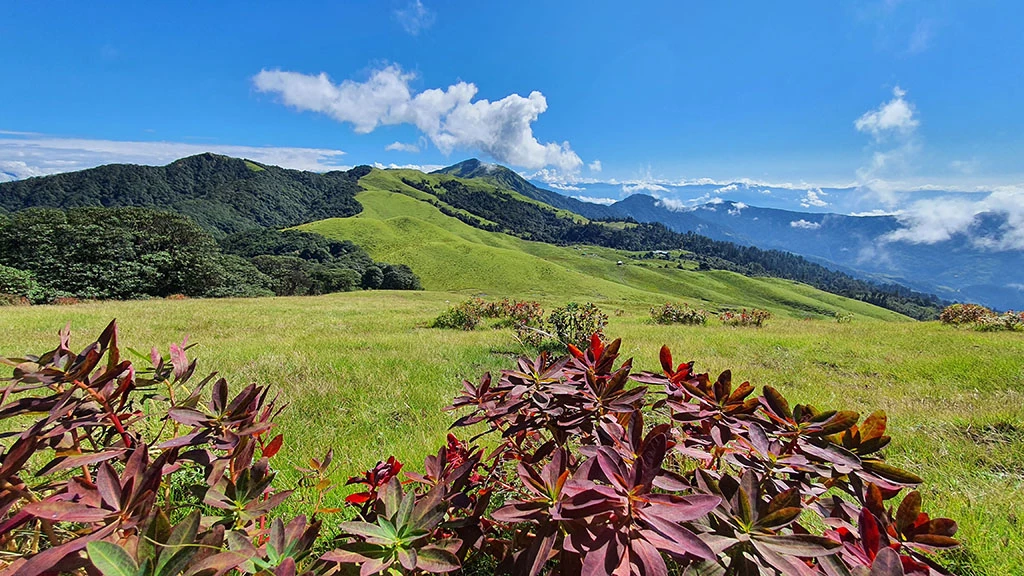
The landscape is extremely diverse, starting from subtropical lowlands with warm river valleys and transitioning into lush mid-hills filled with rhododendron, oak, and bamboo forests. As the trek progresses, the terrain becomes steeper and more rugged, leading toward alpine environments and the high Himalayas.
One of the most striking features of the trek is the continuous variation in scenery. Deep gorges, suspension bridges, waterfalls, and terraced fields create a dynamic trekking environment. The Arun River itself, one of the major tributaries of the Koshi system, shapes the entire valley and adds dramatic beauty to the route.
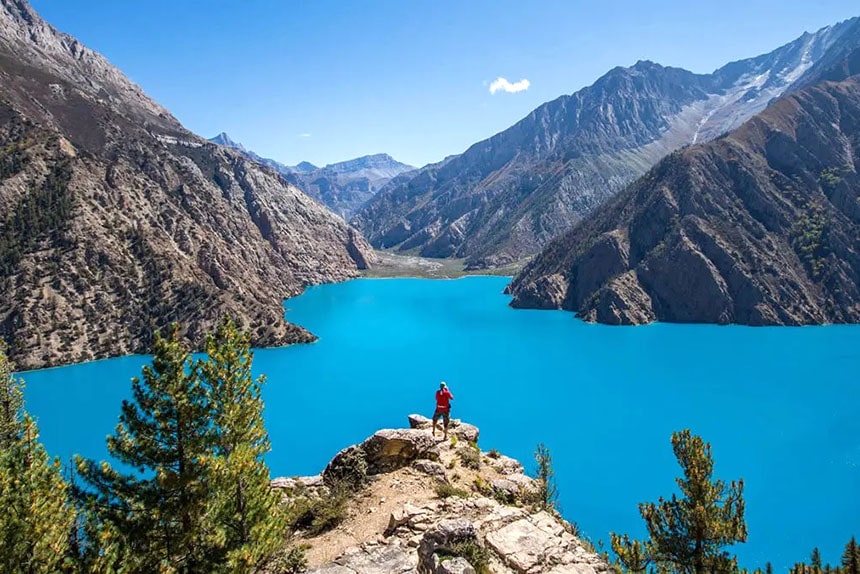
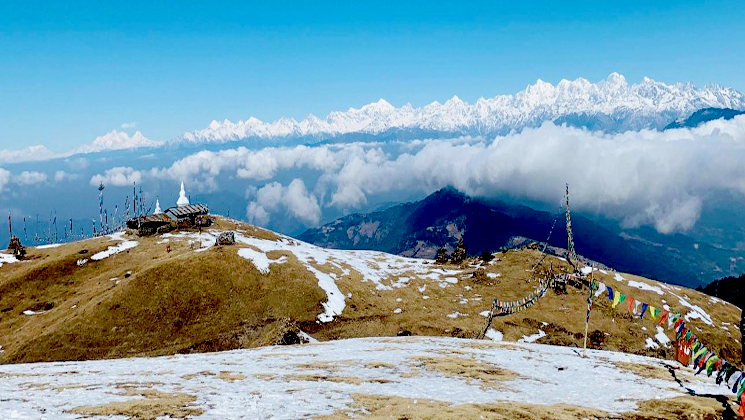
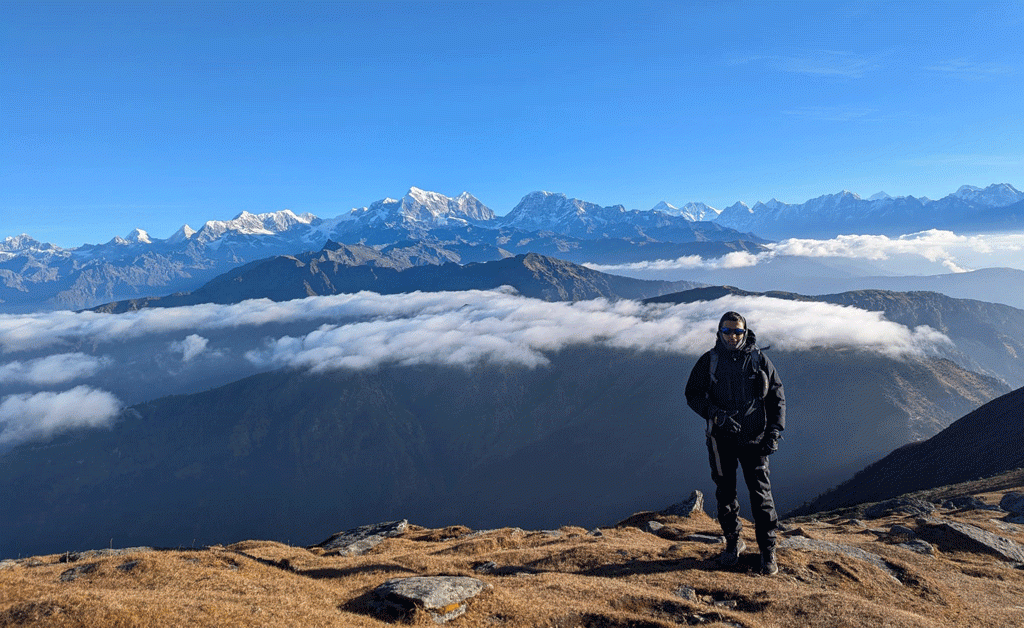
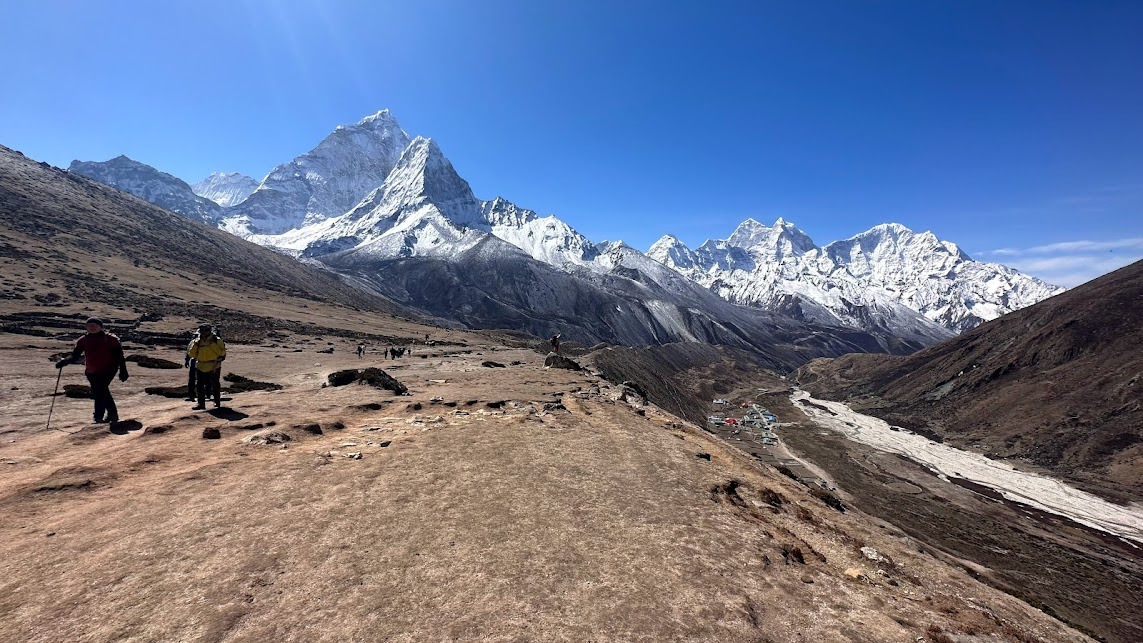
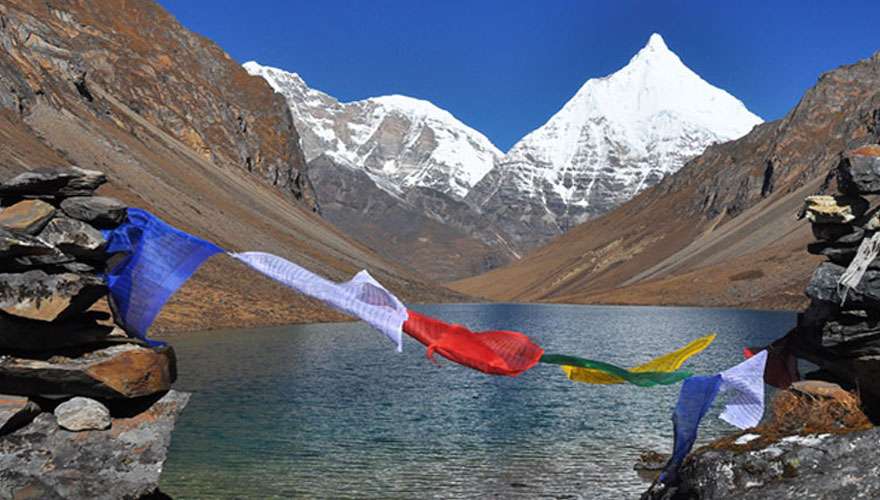
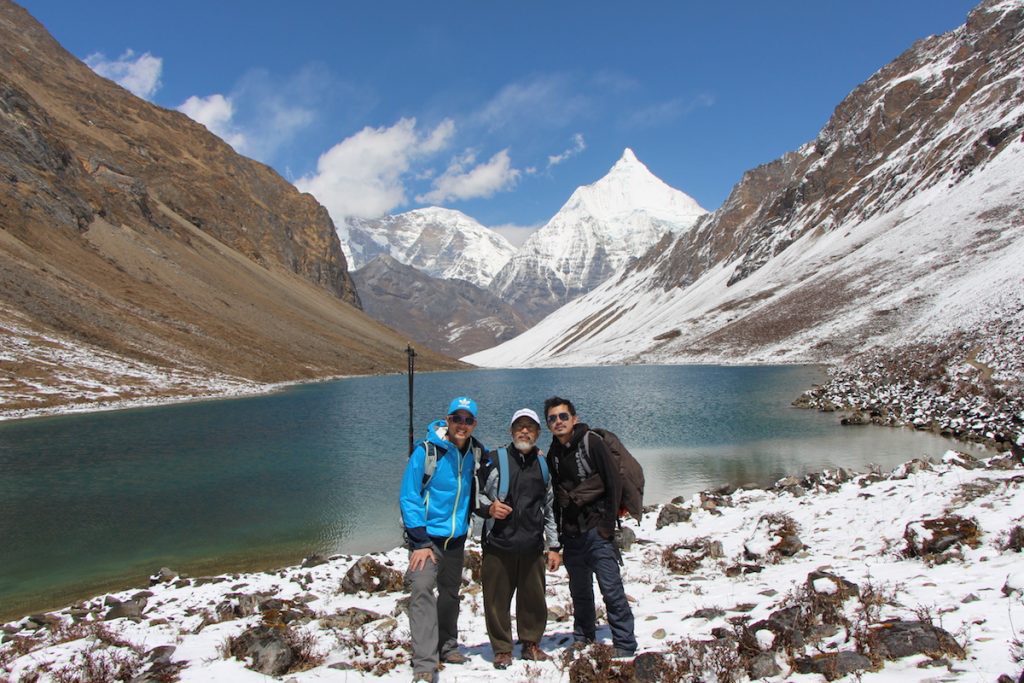
From higher ridges and viewpoints, trekkers can enjoy panoramic Himalayan views, including Makalu, Kanchenjunga, and distant Everest region peaks on clear days. The remoteness of the trail ensures minimal crowding, offering a strong sense of exploration and discovery.
Climate and Best Time to Trek
The best seasons for the Arun Valley Trek are spring (March–May) and autumn (September–November). These months provide stable weather conditions, clear mountain views, and comfortable trekking temperatures.
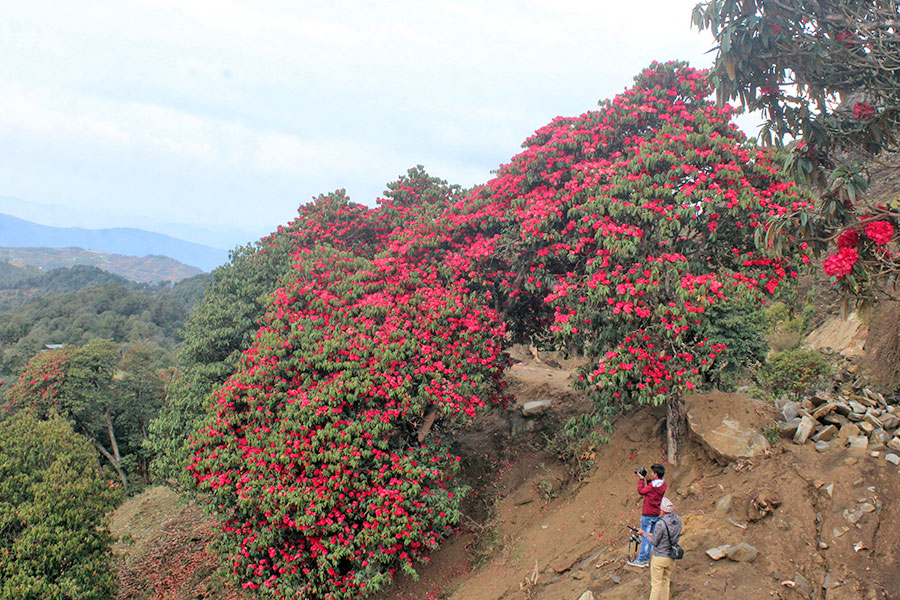
Spring is particularly beautiful with blooming rhododendrons, lush green forests, and active wildlife throughout the lower valleys. Autumn offers crisp air, dry trails, and the clearest visibility of Himalayan peaks after the monsoon season.
Winter (December–February) is cold but manageable in lower elevations, though higher sections can be harsh. The monsoon season (June–August) brings heavy rainfall, landslides in some areas, and reduced visibility, making it less suitable for trekking.
Overall, autumn is considered the most favorable season for both cultural exploration and Himalayan scenery.
People and Culture
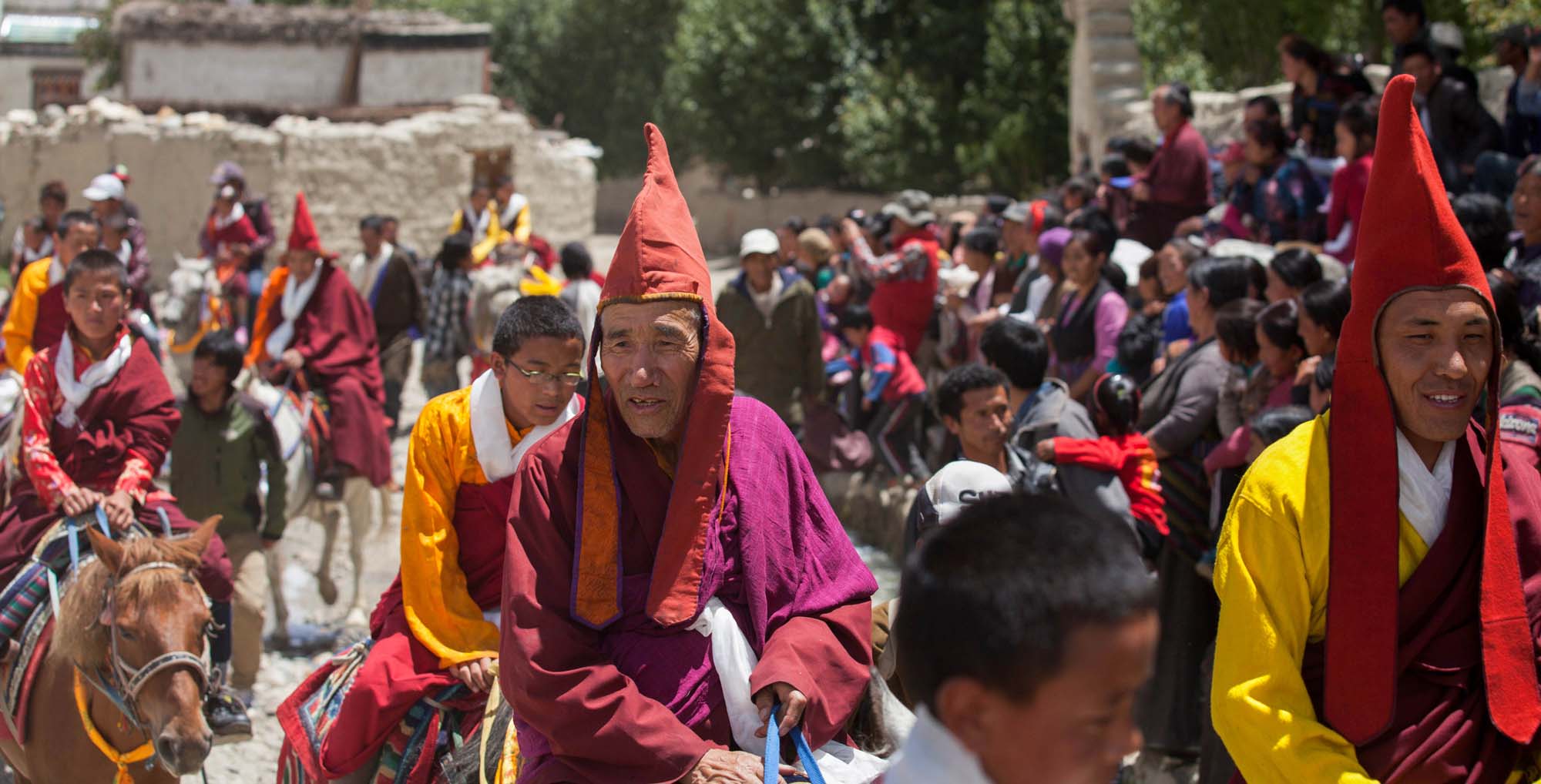
The Arun Valley region is home to diverse indigenous communities, primarily Rai, Sherpa, and other ethnic groups who have preserved their traditional lifestyles for generations. Their culture is deeply connected to nature, land, and ancestral practices.
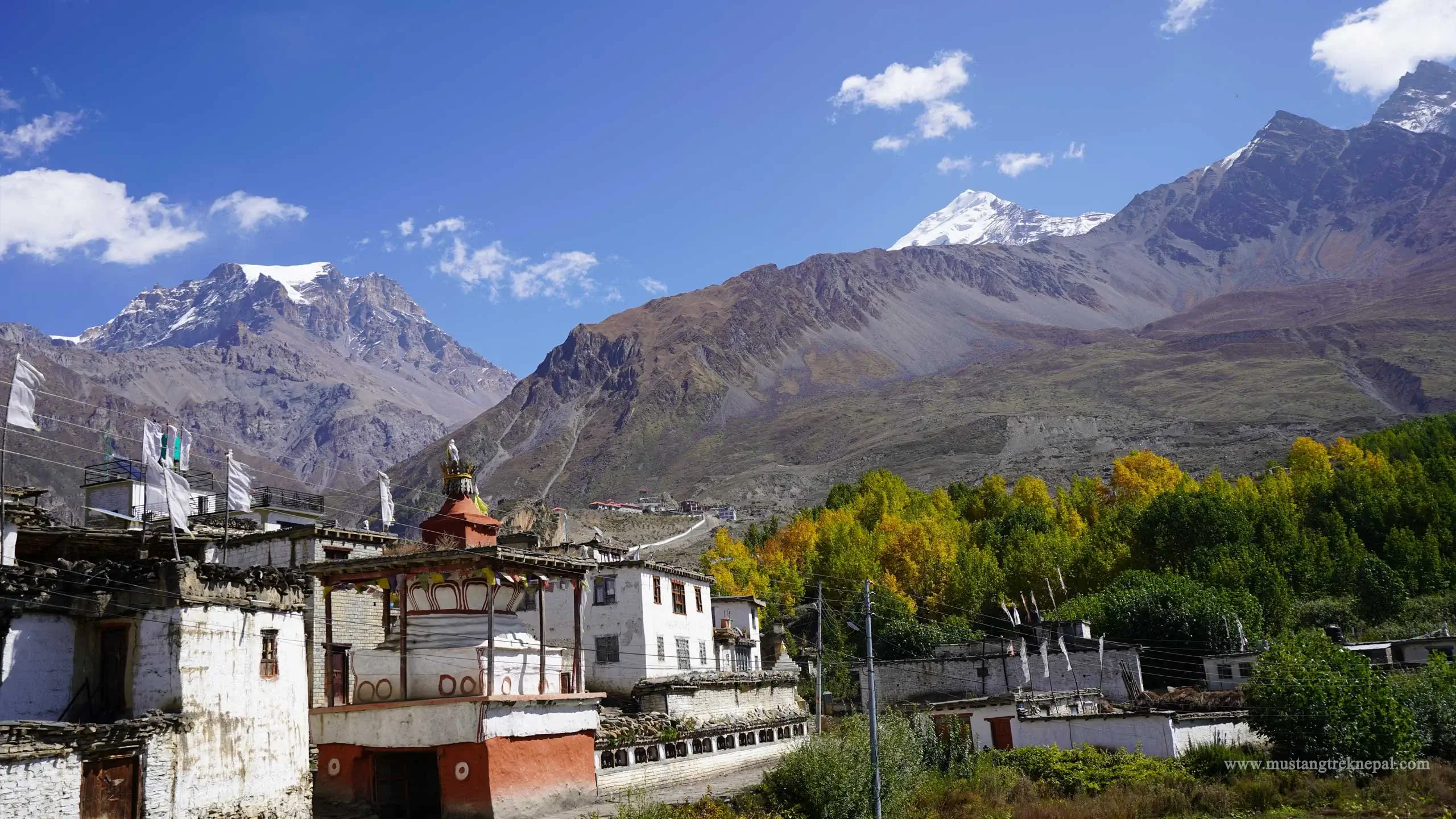
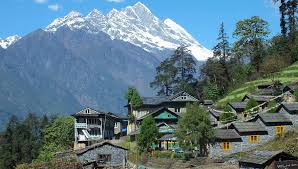
Villages along the trail reflect authentic Himalayan rural life, with stone houses, terraced farming, and strong community bonds. Local people rely on agriculture, livestock, and seasonal trade, maintaining a sustainable way of living in remote mountain environments.
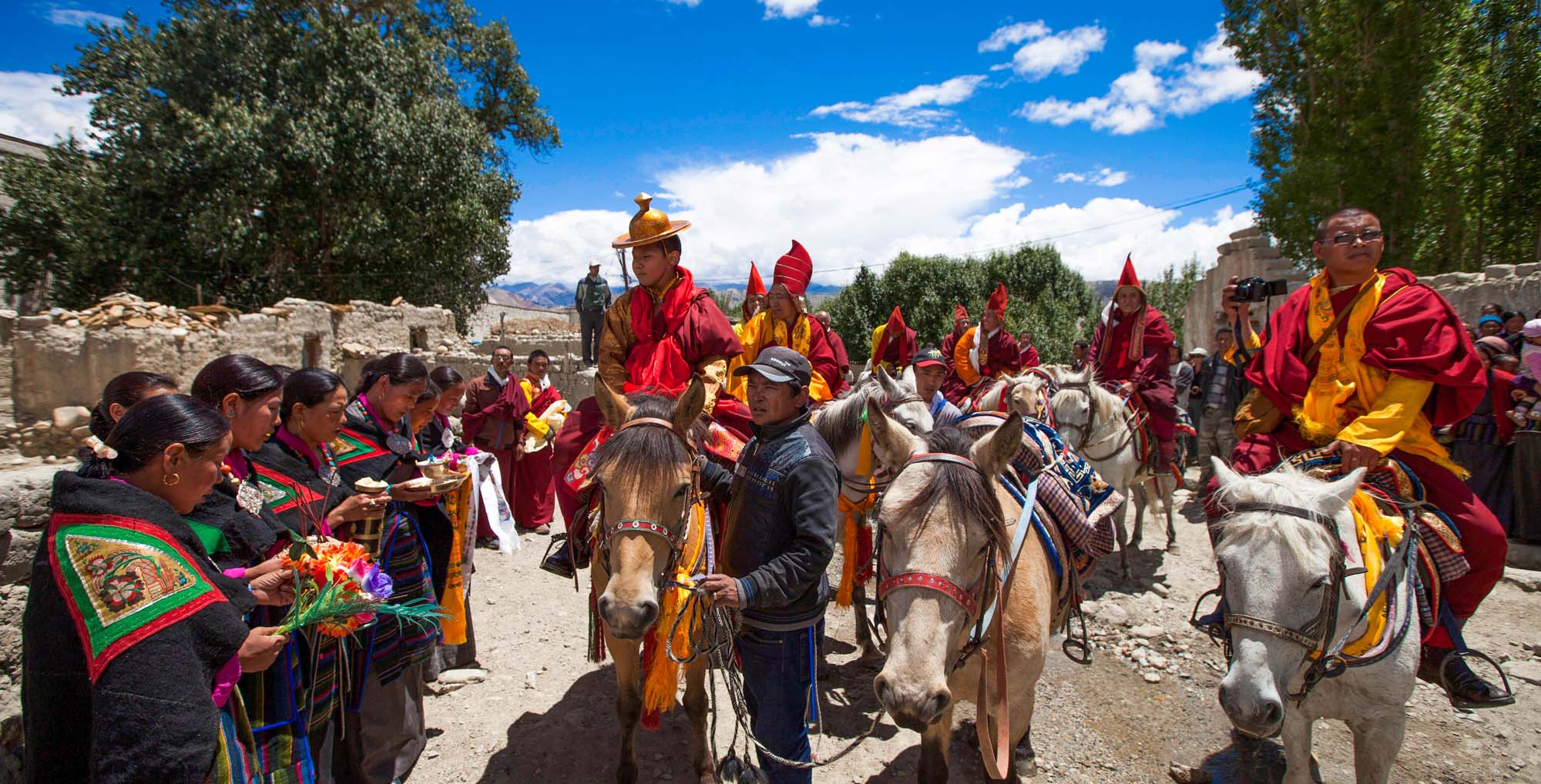
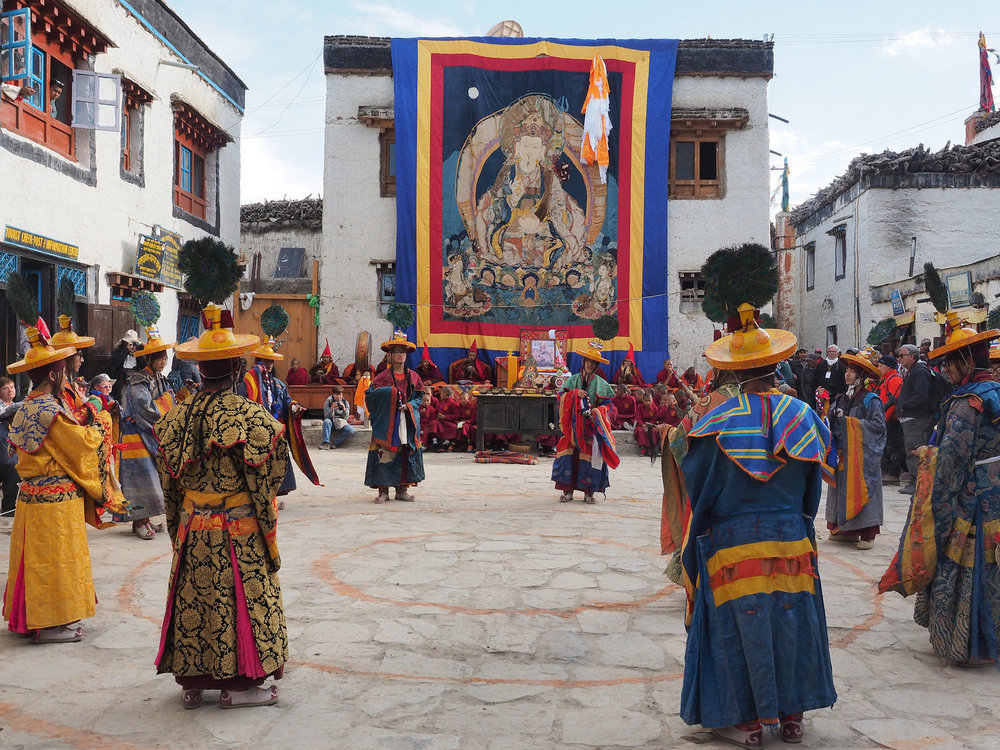
Cultural traditions, festivals, and rituals are an important part of daily life, often linked to natural cycles and spiritual beliefs. Trekkers have the opportunity to experience genuine hospitality, traditional food, and local customs that are rarely seen in more developed trekking regions.
The combination of untouched landscapes, deep river valleys, and rich cultural diversity makes the Arun Valley Trek one of the most authentic and rewarding trekking experiences in Nepal.
Package Highlights:
- Remote and less-crowded trekking route in eastern Nepal
- Scenic Arun River valley with forests, gorges, and suspension bridges
- Views of Makalu, Kanchenjunga, and distant Everest ranges
- Rich biodiversity in the Makalu Barun region
- Authentic Rai and Sherpa village culture
- Diverse landscapes from lowlands to alpine hills
- Peaceful, off-the-beaten-path trekking experience
- Moderate to challenging, suitable for experienced trekkers
- Access via Tumlingtar (flight or road from Kathmandu)
- Ideal alternative to mainstream Himalayan treks
Book This Trip
Trip Information
 Start : Kathmandu
 Finish : Kathmandu
 Difficulty :
Moderate
Difficulty :
Moderate
 Max Altitude : 3350m
 Group Size : 17 People
 Season : SEP-NOV, MAR-MAY
Trip Gallery
Trip Itinerary
Altitude: 1,400m
Welcome to Nepal! Upon arrival at Tribhuvan International Airport, a company representative will greet you and transfer you to your hotel in Thamel, Kathmandu’s vibrant tourist hub known for its colorful streets, trekking shops, and cultural eateries. After some rest, you’ll attend a briefing session with your guide, go over the itinerary, and check your trekking gear. In the evening, enjoy a traditional Nepali welcome dinner with local dishes like dal bhat, momo, and chiya (tea). Overnight at a 3-star hotel in Kathmandu.
Accomadation: Hotel
Place to visit: Nepal
Meals: Dinner
Altitude: 1,400m – 1,400m
Activity Duration: 4–6 hours
Today is reserved for final trek preparation and permit arrangements. Your guide will assist you in obtaining the necessary trekking permits and checking all required documents for the Arun Valley Cultural Trail. You can spend the rest of the day shopping for trekking essentials in Thamel, organizing your gear, exchanging currency, or exploring Kathmandu’s cultural landmarks such as Pashupatinath Temple, Boudhanath Stupa, or Kathmandu Durbar Square. In the evening, enjoy a relaxed dinner and final briefing before your journey into eastern Nepal. Overnight at a 3-star hotel in Kathmandu.
Accomadation: Hotel
Place to visit: Kanchenjunga Region
Meals: Breakfast
Altitude: 1,400m – 460m
Travel Duration: Flight 35–40 minutes
After breakfast, take a short flight to Tumlingtar in eastern Nepal. The flight offers dramatic views of Nepal’s green hills, winding rivers, and scattered hamlets. Tumlingtar, situated on the banks of the Arun River, is a quiet market town and the starting point of your cultural adventure. Upon arrival, settle into your guesthouse and explore the local bazaar, temples, or riverbanks. Overnight at a local guesthouse.
Place to visit: Nepal
Meals: Breakfast Lunch Dinner
Altitude: 460m – 800m
Trek Duration: 5–6 hours
Begin your trek heading north through subtropical forests, banana groves, and terraced fields. The trail is easy and scenic, winding through Rai villages and farmland. Reach Chewabesi, a beautiful Rai community known for its simplicity and hospitality. You’ll stay in a traditional village lodge or homestay.
Accomadation: Tea House
Place to visit: Kanchenjunga Region
Meals: Breakfast Lunch Dinner
Altitude: 800m – 1,000m
Trek Duration: 5–6 hours
Continue your walk through rolling hills and rural trails. You’ll pass Tamang and Rai settlements, cross wooden bridges, and enjoy views of lush terraced landscapes. Gothe Bazaar is a lively mid-hill trading center with traditional shops and a local market atmosphere. It’s a great place to observe the rhythms of village commerce. Overnight in a simple lodge.
Accomadation: Tea House
Place to visit: Kanchenjunga Region
Meals: Breakfast Lunch Dinner
Altitude: 1,000m – 1,800m
Trek Duration: 5–6 hours
Today, the trail ascends gradually through forests of oak and rhododendron, as the air becomes cooler and the landscape more alpine. You’ll pass scattered settlements and traditional farming terraces. Phedi serves as a resting point before the climb to Salpa La. It’s peaceful and sparsely populated, with great mountain views. Overnight in a basic teahouse.
Accomadation: Tea House
Place to visit: Kanchenjunga Region
Meals: Breakfast Lunch Dinner
Altitude: 1,800m – 2,500m
Trek Duration: 5–6 hours
The trail climbs deeper into the eastern mid-hills, passing through dense forest and sacred Rai cultural landmarks, such as mani walls and small shrines. Reach Salpa Phedi, the final settlement before the high mountain pass. The quiet environment and cool mountain air make it an ideal resting point before crossing Salpa La Pass.
Accomadation: Tea House
Place to visit: Kanchenjunga Region
Meals: Breakfast Lunch Dinner
Altitude: 2,500m – 3,350m – 2,800m
Trek Duration: 6–7 hours
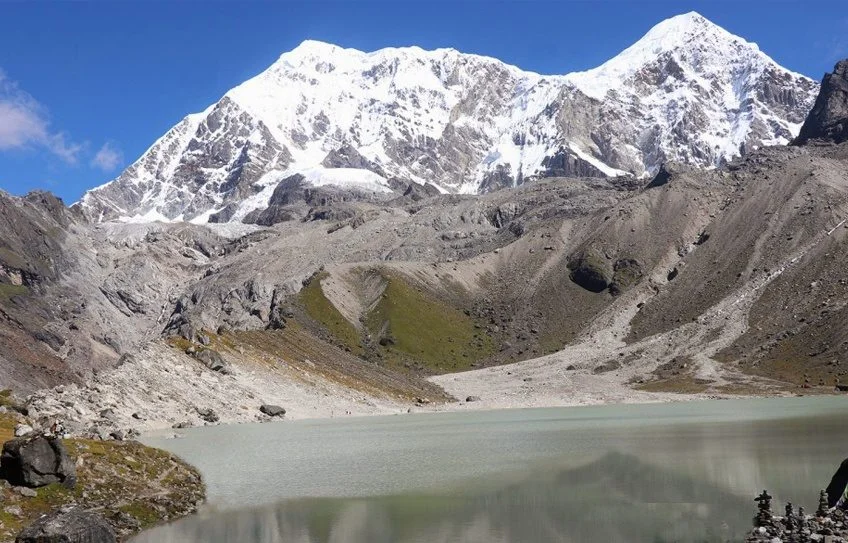
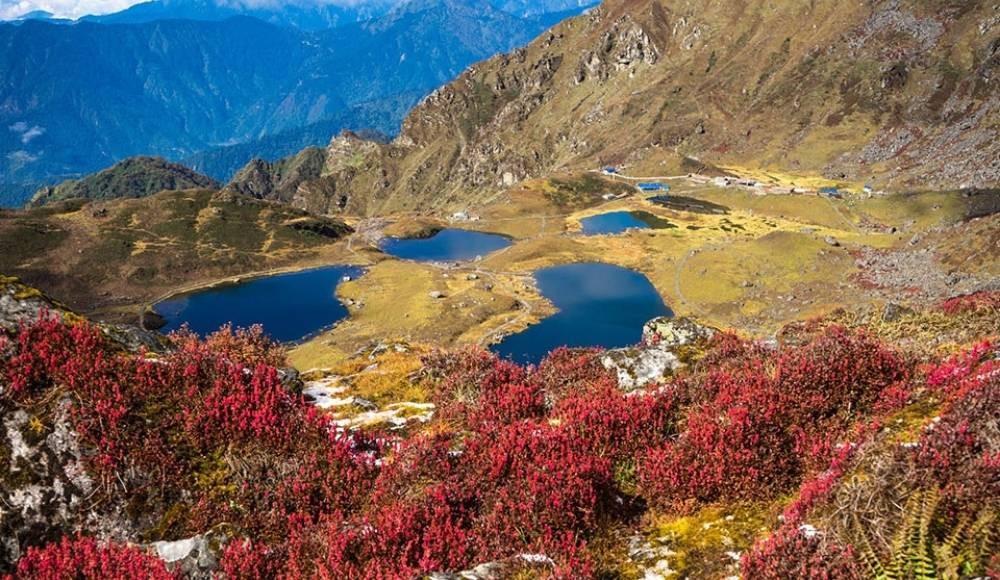
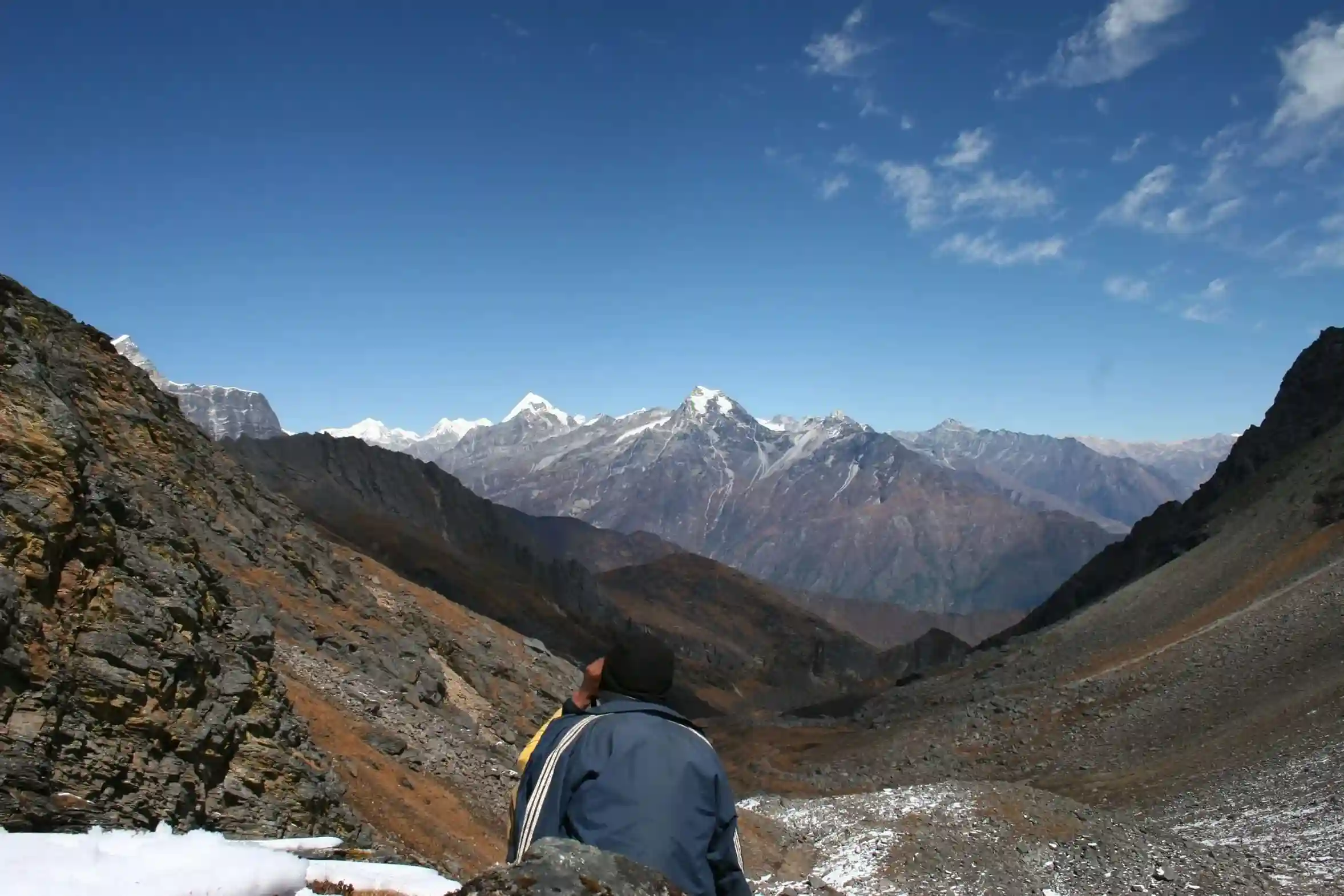
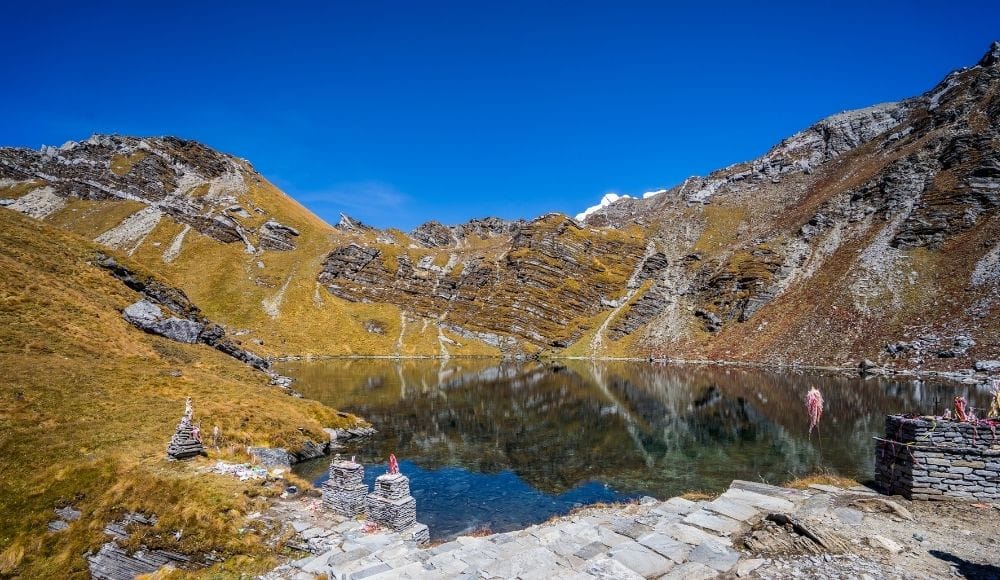
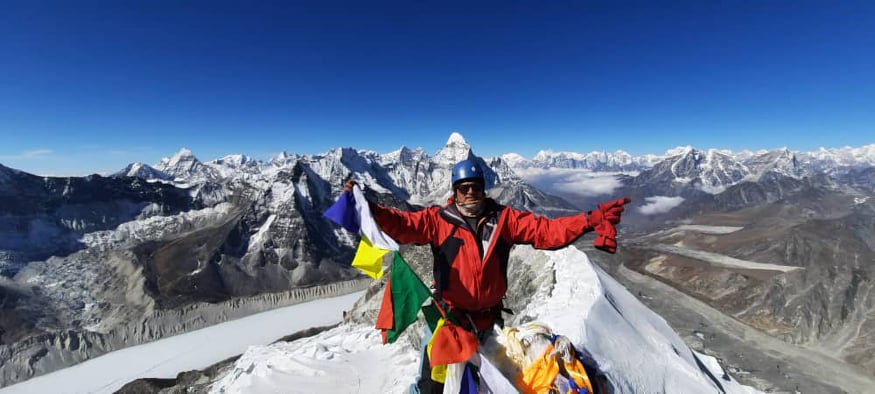
Today is a highlight of the trek. Start early to visit Salpa Pokhari, a sacred lake important to Rai shamans and Hindu pilgrims. Then continue your ascent to Salpa La Pass, the highest point on the trail. The pass offers breathtaking views of Mount Makalu, Chamlang, and distant Everest peaks. After taking in the vistas, descend through rhododendron forests to Sanam, a peaceful village inhabited by Rai and Sherpa families. Overnight in a homestay or basic lodge.
Accomadation: Tea House
Place to visit: Kanchenjunga Region
Meals: Breakfast Lunch Dinner
Altitude: 2,800m – 2,000m
Trek Duration: 5–6 hours
Today’s trail descends through pine forests, terraced fields, and waterfalls. Reach Gudel, one of the largest Kulung Rai villages in the region. The village is culturally rich, with ancient customs, shamanic traditions, and stone houses perched on steep hillsides. You’ll stay in a community homestay.
Accomadation: Tea House
Place to visit: Kanchenjunga Region
Meals: Breakfast Lunch Dinner
Altitude: 2,000m – 1,900m
Trek Duration: 5–6 hours
Continue trekking along forested paths and cross rivers via traditional wooden or suspension bridges. Along the way, you’ll pass remote hamlets where time seems to stand still. Arrive at Bung, a Rai village surrounded by maize fields, watermills, and chortens. Overnight in a lodge or local home, enjoying homemade food and tranquil surroundings.
Accomadation: Tea House
Place to visit: Kanchenjunga Region
Meals: Breakfast Lunch Dinner
Altitude: 1,900m – 2,100m
Trek Duration: 5–6 hours
The trail today gradually ascends along scenic ridges and fields. You’ll notice an increase in trekkers as you approach the Everest region, merging with the classic route used by trekkers heading to Everest Base Camp. Kharikhola is a well-established village with both Rai and Sherpa populations. Stay in a teahouse with better facilities, warm showers, and bakery items available.
Accomadation: Tea House
Place to visit: Kanchenjunga Region
Meals: Breakfast Lunch Dinner
Altitude: 2,100m – 2,300m
Trek Duration: 5–6 hours
Follow the Everest Base Camp trail northward through lush forests and rising terrain. The views now shift to snowy Khumbu peaks and steep gorges. Depending on your pace and trail conditions, you’ll stay at either Paiya or Surke, both offering peaceful accommodation options.
Accomadation: Tea House
Place to visit: Everest Region
Meals: Breakfast Lunch Dinner
Altitude: 2,300m – 2,860m
Trek Duration: 4–5 hours
This final day of trekking leads you to Lukla, a bustling town and key departure point for trekkers and climbers. You’ll pass through villages with Buddhist stupas, prayer wheels, and carved mani stones. Celebrate your successful crossing of the Arun Valley Cultural Trail with your guide and team. Overnight in a comfortable lodge with electricity, internet access, and a hot shower.
Accomadation: Tea House
Place to visit: Everest Region
Meals: Breakfast Lunch Dinner
Altitude: 2,860m – 1,400m
Travel Duration: Flight 35–40 minutes
Take a morning flight from Lukla to Kathmandu (weather permitting). Upon arrival, transfer to your hotel and enjoy a free afternoon for rest, shopping, or optional sightseeing at UNESCO sites like Pashupatinath, Boudhanath, or Patan Durbar Square. In the evening, join a farewell dinner at a cultural restaurant. Overnight at a hotel in Kathmandu.
Accomadation: Hotel
Place to visit: Nepal
Meals: Breakfast Lunch Dinner
After breakfast, your guide will transfer you to Tribhuvan International Airport for your onward flight. You leave Nepal with unforgettable memories of authentic Himalayan culture, quiet trails, and warm village hospitality.
Place to visit: Nepal
Meals: Breakfast
USD 2390 / person
See group booking discount- No. of person Price per person
- 1 USD 2390.00
- 2-3 USD 1890.00
- 4-7 USD 1830.00
- 8-12 USD 1690.00
- 13-17 USD 1645.00
The price may varies
Speak to an Expert
Mr. Sonam G. Sherpa


Mr. Ang Dawa Sherpa
Cost Includes
1. Transportations
- Private/tourist vehicles for airport pickup and drop-off in Kathmandu.
- Private/tourist vehicles transfer as per itinerary to access the trailheads.
- Domestic flight included for access to the trekking starting & ending point.
2. Accommodation & Meals
- 4 night 3 star hotel in Kathmandu with bed & breakfast basis.
- All Meals (breakfast, lunch & dinner with tea & coffee) during the trekking Period.
3. Permits
- Makalu Barun National Park entry permits.
- Trekkers' Information Management System (TIMS) permits.
4. Guide & Staff
- Professional and experience License holder trekking guide salary & insurance.
- Porter salary, equipments & insurance.
- First aid medical kit for emergency support.
1. Transportations
- Private/tourist vehicles for airport pickup and drop-off in Kathmandu.
- Private/tourist vehicles transfer as per itinerary to access the trailheads.
- Domestic flight included for access to the trekking starting & ending point.
2. Accommodation & Meals
- 4 night 3 star hotel in Kathmandu with bed & breakfast basis.
- All Meals (breakfast, lunch & dinner with tea & coffee) during the trekking Period.
3. Permits
- Makalu Barun National Park entry permits.
- Trekkers' Information Management System (TIMS) permits.
4. Guide & Staff
- Professional and experience License holder trekking guide salary & insurance.
- Porter salary, equipments & insurance.
- First aid medical kit for emergency support.
Cost Excludes
1. International Flights
- Airfare from your home country to Nepal (Tribhuvan International Airport, Kathmandu).
- Return airfare from Nepal (Tribhuvan International Airport, Kathmandu) to your home country.
2. Visa Fees
- Nepal entry visa fee for entering Nepal (available on arrival at Tribhuvan International Airport, Kathmandu, or through a Nepalese embassy).
3. Travel Insurance (Mandatory)
- Comprehensive travel insurance covering high-altitude trekking, emergency medical treatment, helicopter evacuation, trip cancellation, and other unforeseen circumstances.
4. Personal Expenses
- Tips, gifts, and souvenirs for trekking guides and porters.
- Personal trekking equipment and gear.
- Charges for lodge Wi-Fi, hot showers, battery charging, and laundry services.
5. Meals & Beverages
- Lunch and dinner in Kathmandu, Pokhara, and other locations where accommodation is provided in 3-star category hotels.
- Soft drinks, bottled water, alcoholic beverages, and snacks consumed during meals
1. International Flights
- Airfare from your home country to Nepal (Tribhuvan International Airport, Kathmandu).
- Return airfare from Nepal (Tribhuvan International Airport, Kathmandu) to your home country.
2. Visa Fees
- Nepal entry visa fee for entering Nepal (available on arrival at Tribhuvan International Airport, Kathmandu, or through a Nepalese embassy).
3. Travel Insurance (Mandatory)
- Comprehensive travel insurance covering high-altitude trekking, emergency medical treatment, helicopter evacuation, trip cancellation, and other unforeseen circumstances.
4. Personal Expenses
- Tips, gifts, and souvenirs for trekking guides and porters.
- Personal trekking equipment and gear.
- Charges for lodge Wi-Fi, hot showers, battery charging, and laundry services.
5. Meals & Beverages
- Lunch and dinner in Kathmandu, Pokhara, and other locations where accommodation is provided in 3-star category hotels.
- Soft drinks, bottled water, alcoholic beverages, and snacks consumed during meals
Essential Information
Accommodation
Accommodation on the Arun Valley Trek is mainly basic and locally managed, consisting of teahouses, homestays, and small community lodges along the route.
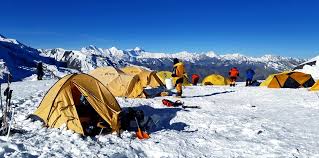
Villages such as Tumlingtar, Num, Seduwa, Tashigaon, and surrounding settlements offer simple twin-sharing rooms with basic bedding and shared bathroom facilities. In higher and more remote sections, facilities become more limited, and camping may be required depending on the itinerary.
Despite the simplicity, the warmth and hospitality of Rai, Sherpa, and other ethnic communities make the experience comfortable and culturally enriching.
Meals
A full-board meal system (Breakfast, Lunch, and Dinner) is available throughout the trek, prepared by local teahouses or trekking kitchen staff in remote sections.
Meals are simple, fresh, and locally sourced.
Typical menu options include:
- Traditional Dal Bhat set meals (rice, lentils, vegetables, pickle)
- Noodles, fried rice, and simple pasta dishes
- Soups (vegetable, garlic, and noodle soups)
- Potatoes, eggs, and seasonal greens
- Tibetan bread, chapati, and porridge
- Tea, coffee, and local herbal drinks
Food becomes simpler as altitude increases, but remains sufficient for trekking energy needs.
Difficulty & Physical Requirements
The Arun Valley Trek is classified as moderate to challenging, depending on the chosen route and extension toward Makalu or high passes.
Daily walking ranges from 5 to 7 hours, with continuous ascents, river valley trekking, and remote trail sections. Some parts of the trail are less developed and require good stamina and trekking experience.
No technical climbing skills are required, but strong physical fitness and mental endurance are recommended due to long distances and limited infrastructure.
Permits
Required permits include:
- Makalu Barun National Park Entry Permit
- TIMS Card (Trekkers’ Information Management System)
All permits can be arranged in Kathmandu through registered trekking agencies.
Best Season
- Spring (March–May): Clear views, blooming rhododendrons, stable weather
- Autumn (September–November): Best visibility and ideal trekking conditions
- Winter (December–February): Cold but possible in lower regions
- Monsoon (June–August): Heavy rainfall, slippery trails, and limited visibility
Autumn is considered the best season for trekking in the Arun Valley due to clear skies and stable conditions.
Transportation & Access
The trek is accessed via a scenic flight or drive from Kathmandu to Tumlingtar, which serves as the main gateway to the Arun Valley.
From Tumlingtar, trekking begins through lush lowland hills, river valleys, and gradually ascends toward the Makalu region or connecting high Himalayan trails.
The region is remote, and logistics require careful planning due to limited transport infrastructure.
Safety & Acclimatization
The Arun Valley Trek involves varying altitudes and remote terrain, so proper preparation is essential.
Key safety considerations include:
- Long walking days through remote landscapes
- River crossings and less-developed trails
- Gradual acclimatization in higher sections
- Weather changes in forest and mountain zones
- Proper hydration and nutrition management
With proper guidance and pacing, the trek is safe but physically demanding.
Travel Insurance
Travel insurance is strongly recommended and should include:
- High-altitude trekking coverage
- Emergency helicopter evacuation
- Medical treatment coverage
- Trip cancellation and accident protection
- Due to the remote nature of the region, insurance is essential.
Additional Information
Guide & Porter Services
A licensed guide is highly recommended for navigation, safety, and cultural interpretation. Porters are also recommended due to long trekking days and remote terrain conditions.
Local guides provide valuable insight into Rai, Sherpa, and other indigenous cultures of the Arun Valley.
Cultural & Natural Highlights
The Arun Valley Trek offers one of Nepal’s most diverse and untouched trekking experiences:
- Lush river valleys and deep gorges of the Arun River
- Rich biodiversity within Makalu Barun National Park
- Traditional Rai, Sherpa, and indigenous villages
- Views of Makalu region Himalayan ranges Makalu
- Dense forests of rhododendron, bamboo, and pine
- Remote and less crowded trekking trails
- Cultural diversity and authentic village life
- Gateway route to Makalu Base Camp and eastern Himalayas
Essential Equipment
- Recommended trekking gear includes:
- Strong trekking boots with good grip
- Layered clothing system
- Warm jacket (down recommended)
- Waterproof jacket and pants
- Trekking poles
- Hat, gloves, and sunglasses
- Backpack (30–50L depending on porter use)
- Water purification system
- First aid kit and personal medication
- Rain protection (important in monsoon areas)
Communication & Connectivity
Mobile network coverage is limited and unreliable in many sections of the Arun Valley.
Wi-Fi is generally unavailable in remote villages, so trekkers should be prepared for long periods without connectivity.
Why Choose the Arun Valley Trek?
The Arun Valley Trek is ideal for trekkers seeking remote adventure and natural diversity:
- One of Nepal’s least crowded trekking routes
- Gateway to Makalu Himal and eastern Himalayas
- Rich biodiversity and natural landscapes
- Authentic Rai and Sherpa cultural experience
- Remote and peaceful trekking environment
- Suitable for experienced trekkers
- Combination of lowland valleys and high mountains
- Ideal for wilderness and exploration-focused trekking
The Arun Valley Trek offers a raw, authentic Himalayan experience, making it one of the most unique and underrated trekking routes in Nepal.
Trip Date And Time
We'll Be There, Like We've Been There Before
|
Departing |
Finishing |
Trip Price Per Person |
Action |
Enquire |
|---|---|---|---|---|
| 01 Aug, 2026 | 15 Aug, 2026 | 2390 | Book Now |
Featured Packages
You May Also Enjoy Our Other Trips



11 Days
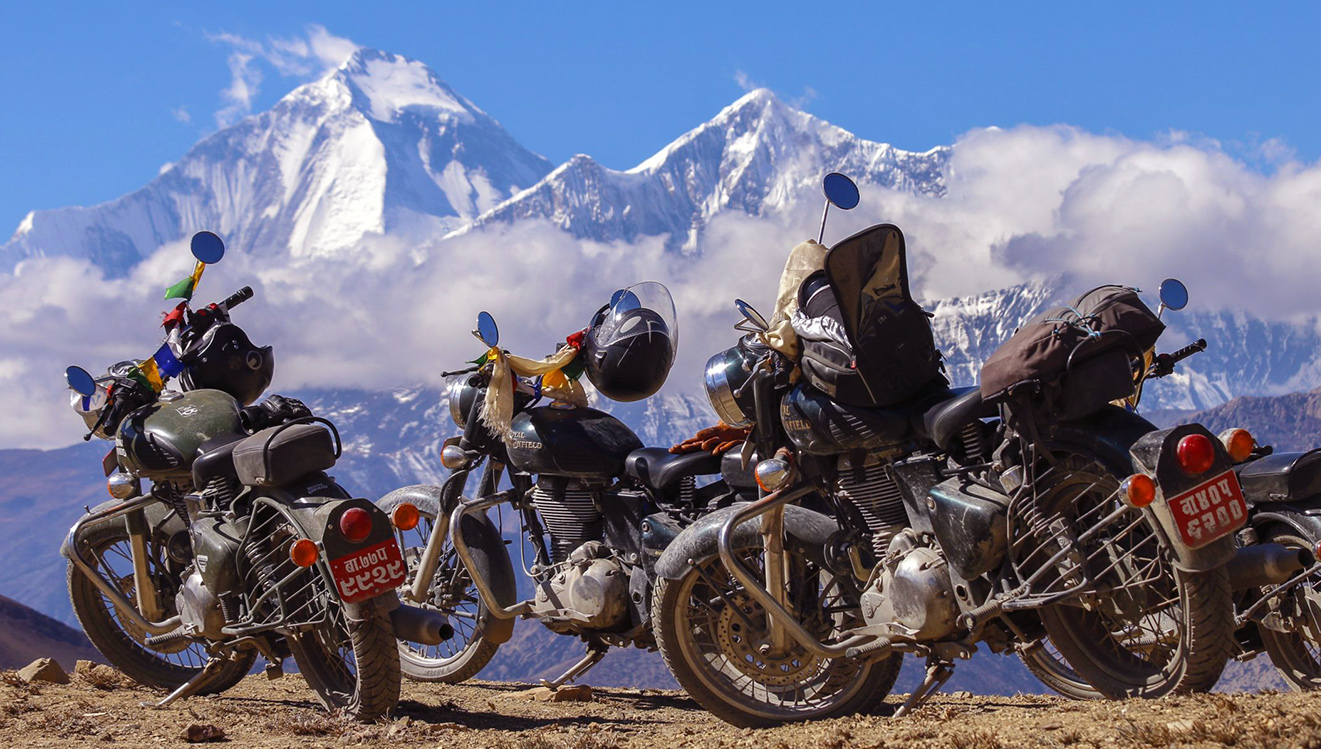
Nepal Heritage Motorbike Tour - A Journey Through Culture And Himalayas !
USD 1000 Per Person