Budget
USD 2250
Per Person
Rating
6 Reviews
Duration
19 Days
Trip Overview
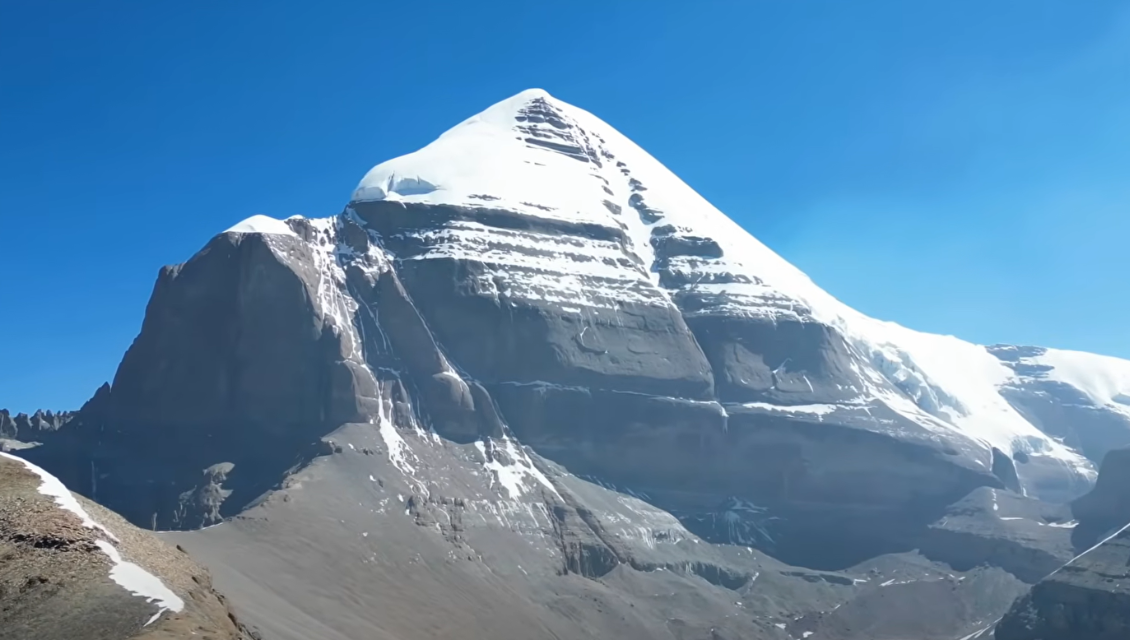
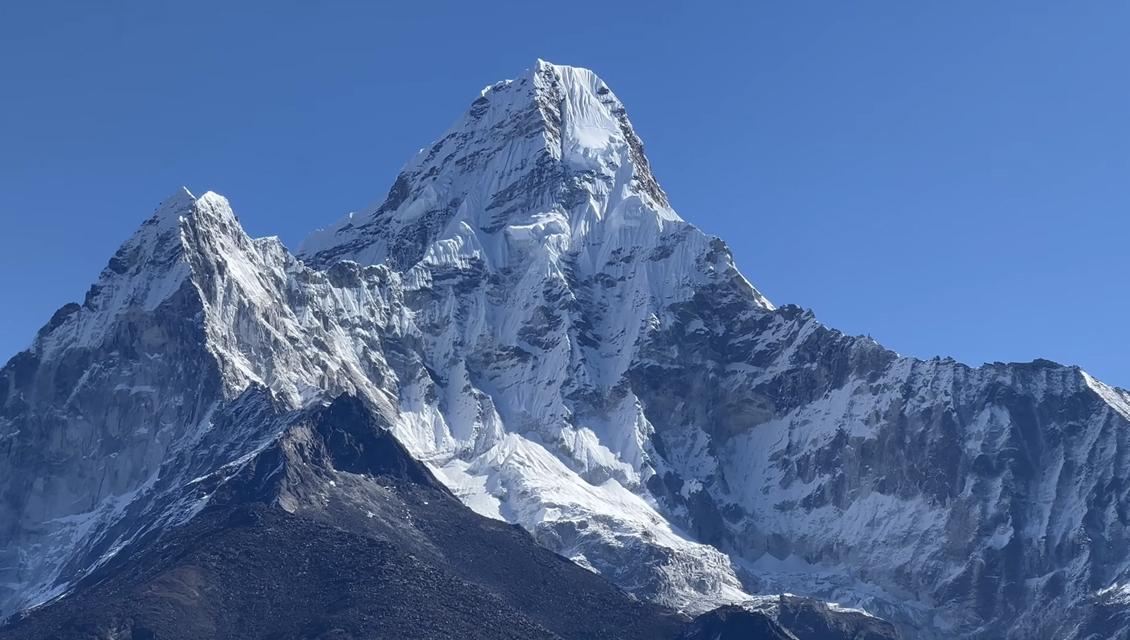
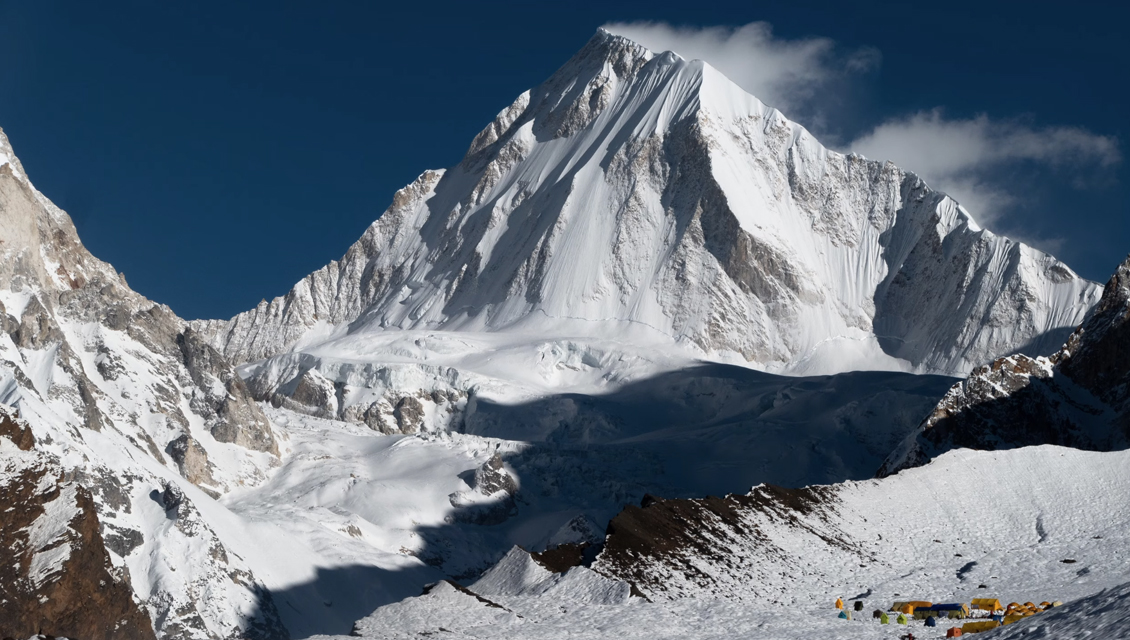
Mera Peak Climbing is Nepal’s highest trekking peak and one of the most popular introductory mountaineering expeditions in the Himalayas. Located in the remote Hinku Valley of the Everest region, the journey combines adventurous trekking, glacier travel, and a non-technical summit ascent suitable for fit trekkers with basic climbing preparation.
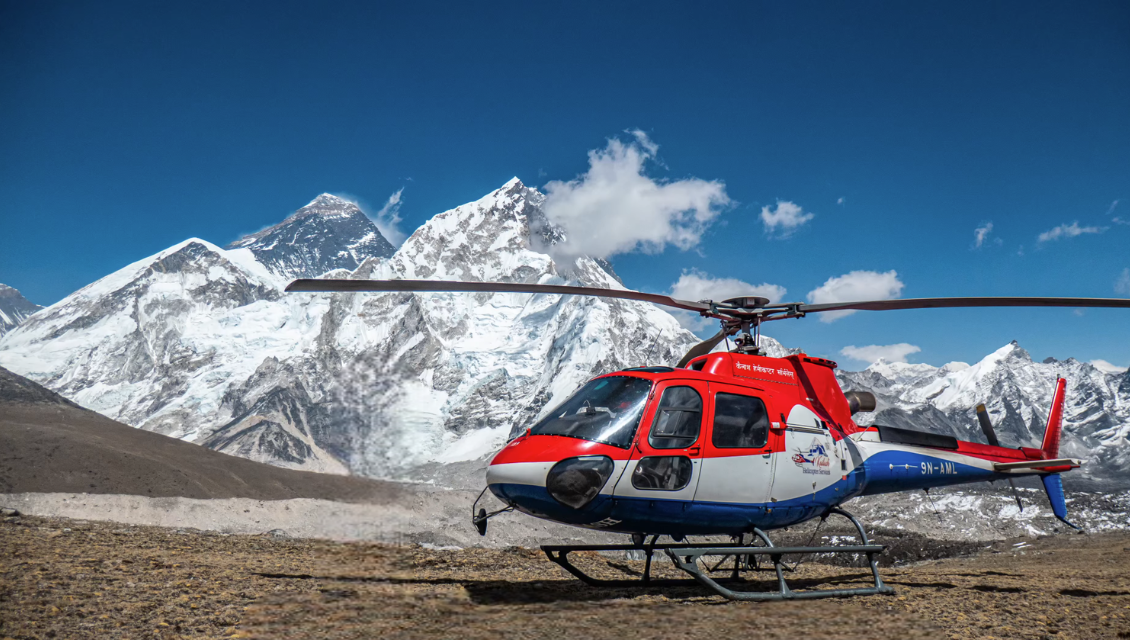
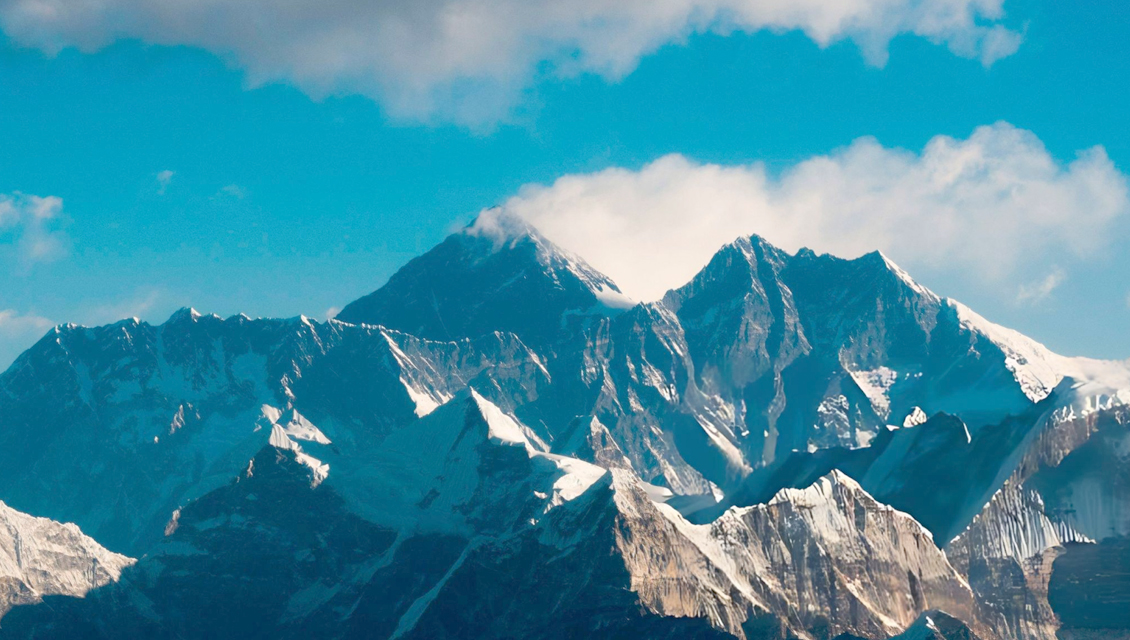
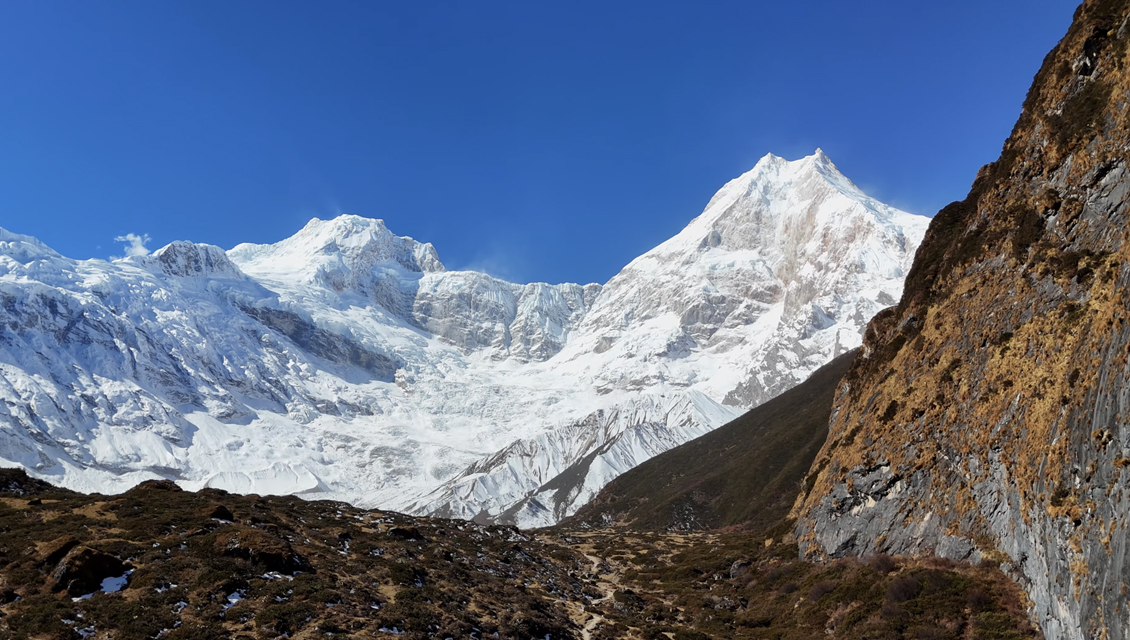
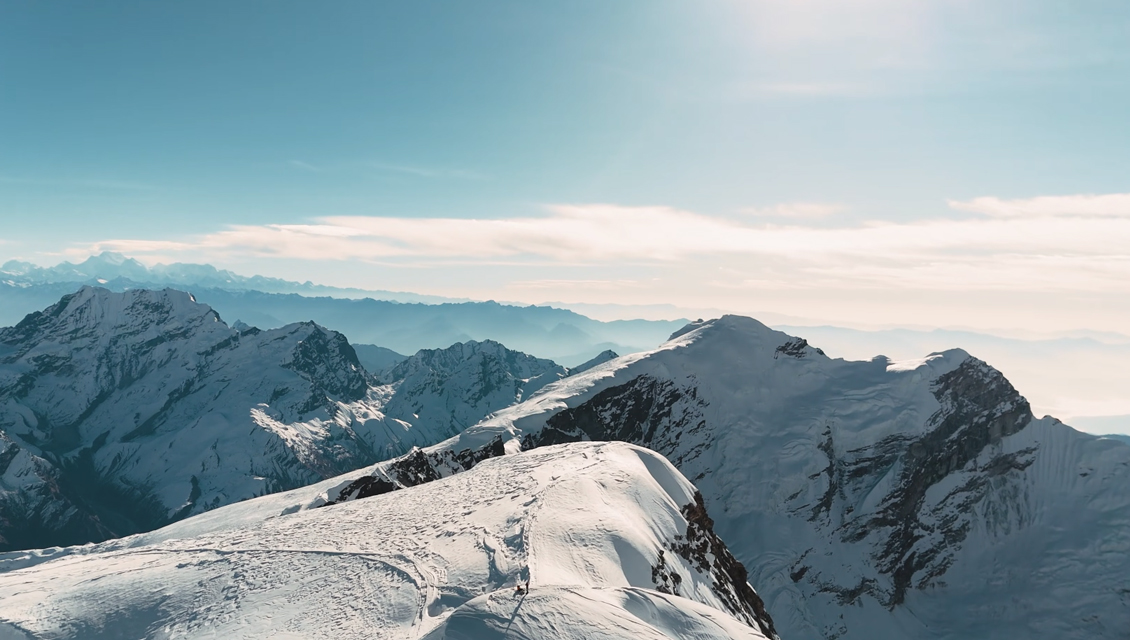
The route typically begins with a flight to Lukla and follows a less crowded trail through remote valleys, high mountain passes, and traditional Sherpa settlements before reaching Mera Peak Base Camp and High Camp. From the summit, climbers are rewarded with one of the most spectacular panoramic views in the Himalayas, including Everest, Lhotse, Makalu, Cho Oyu, and Kanchenjunga.
Geography & Landscape
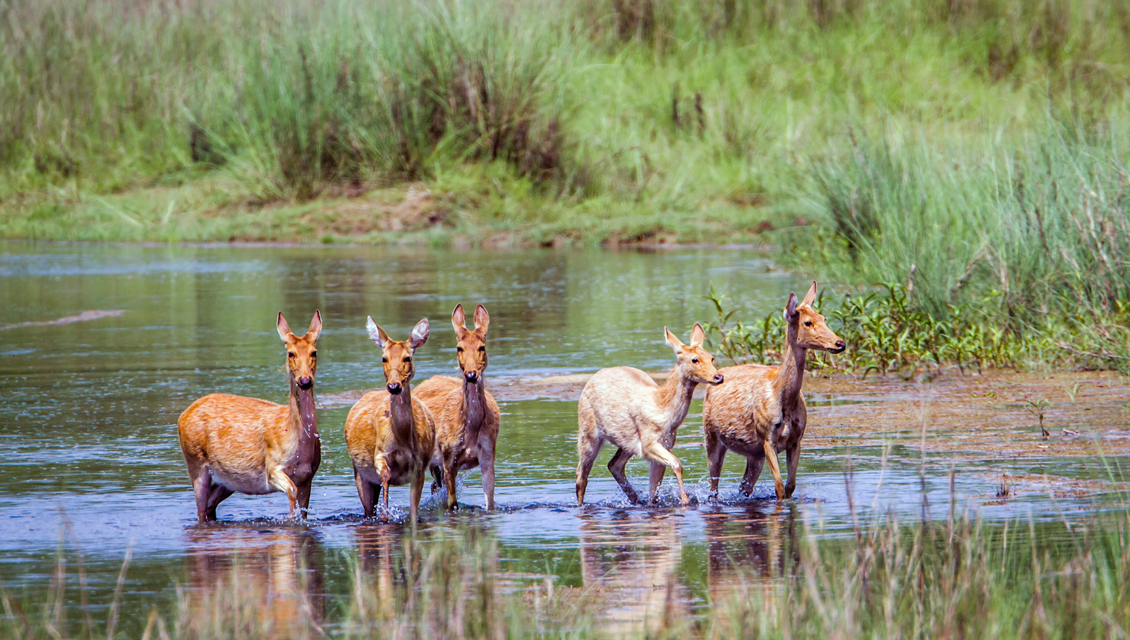
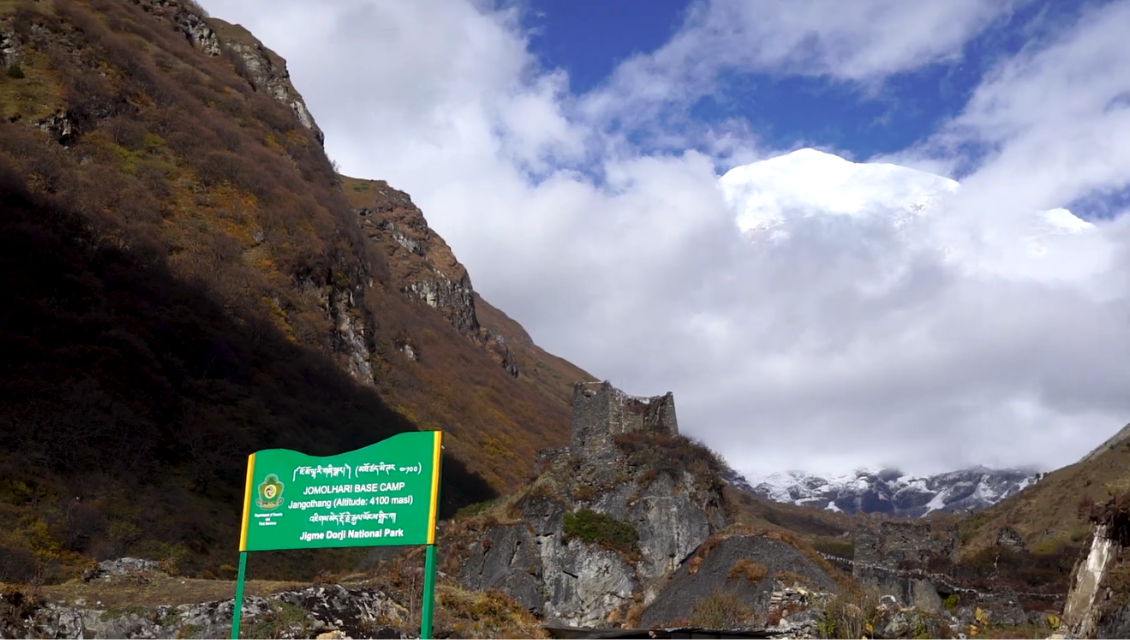
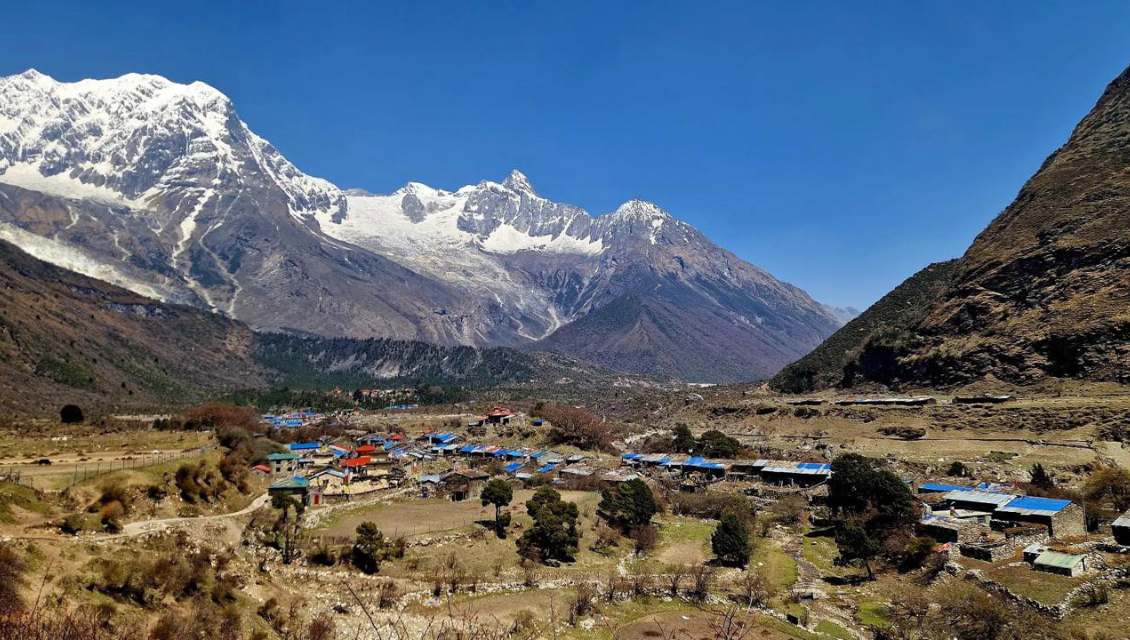
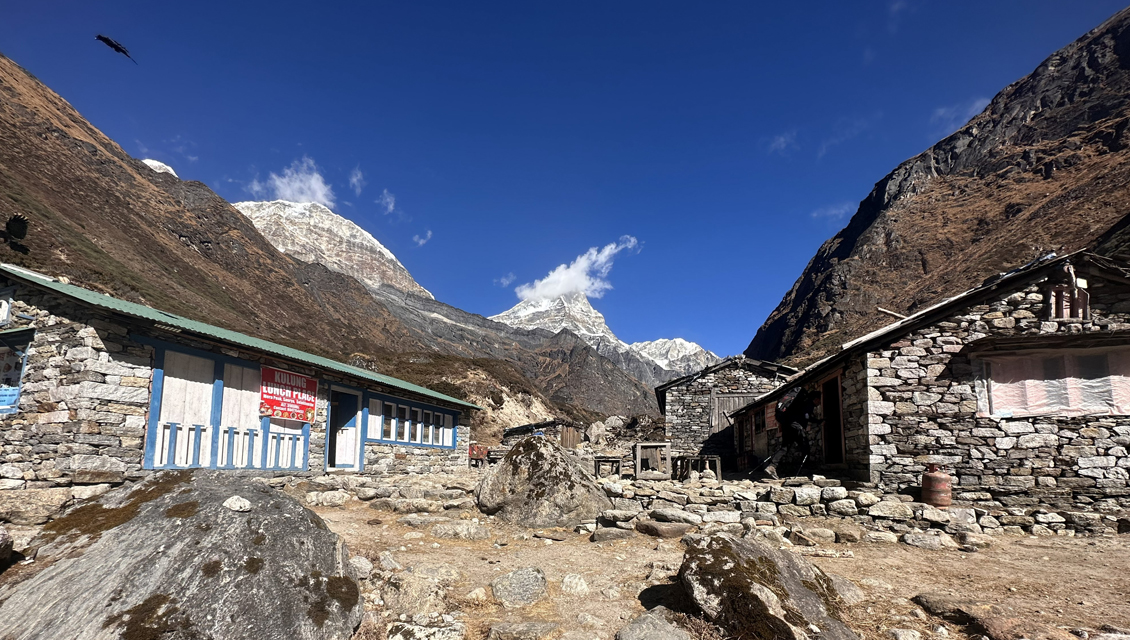
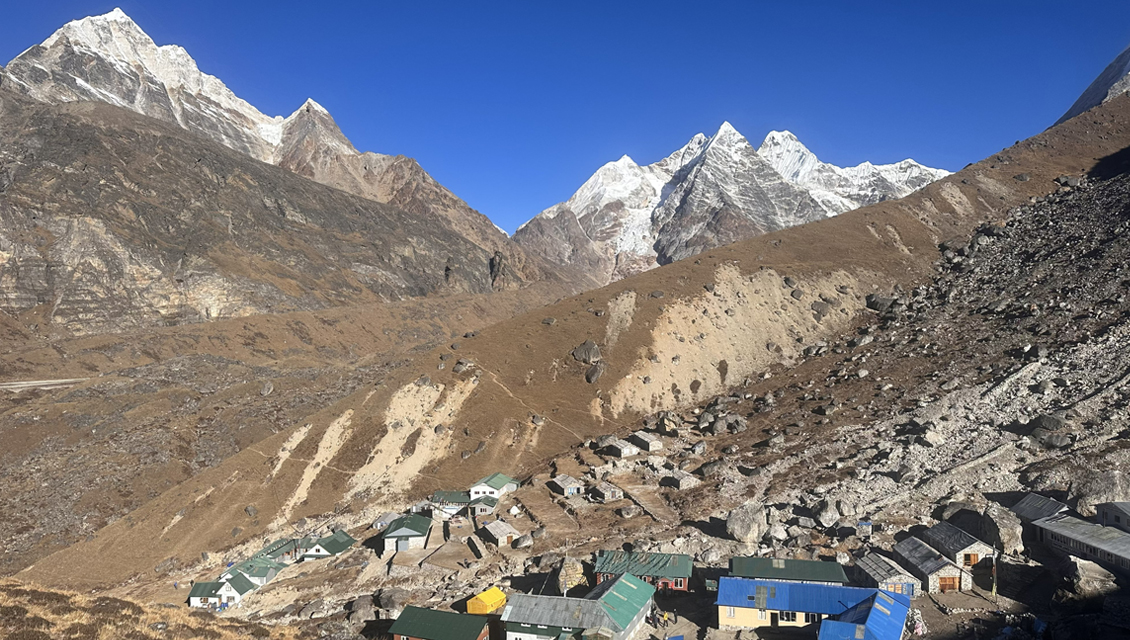
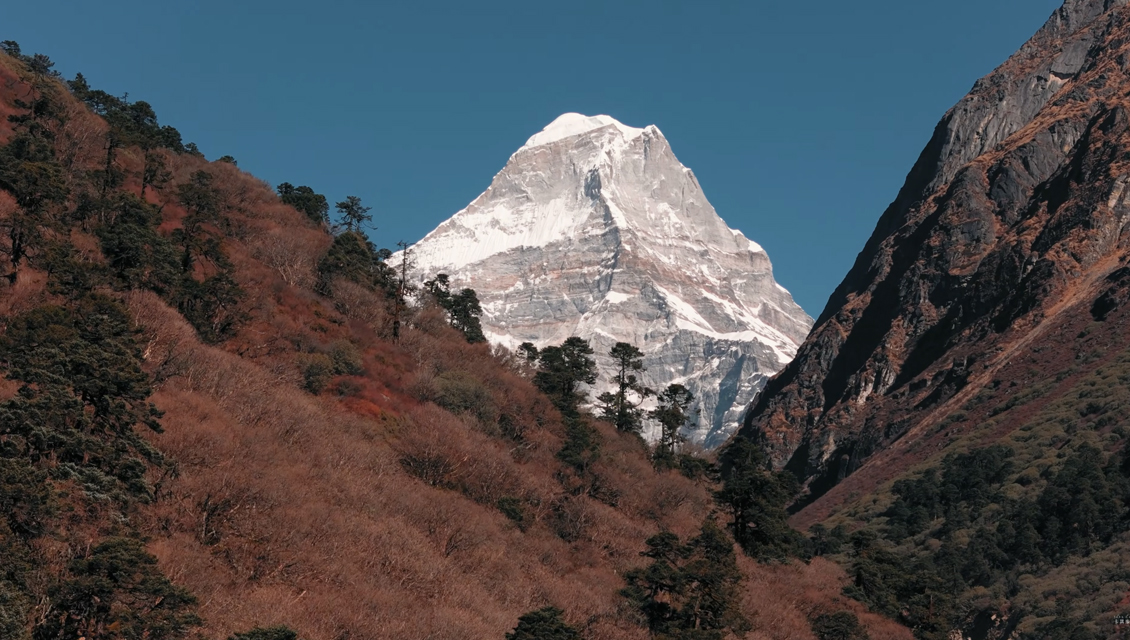
Mera Peak lies within the remote Hinku Valley, inside the protected area of Makalu Barun National Park. The region is known for its pristine wilderness, diverse ecosystems, and dramatic alpine scenery.
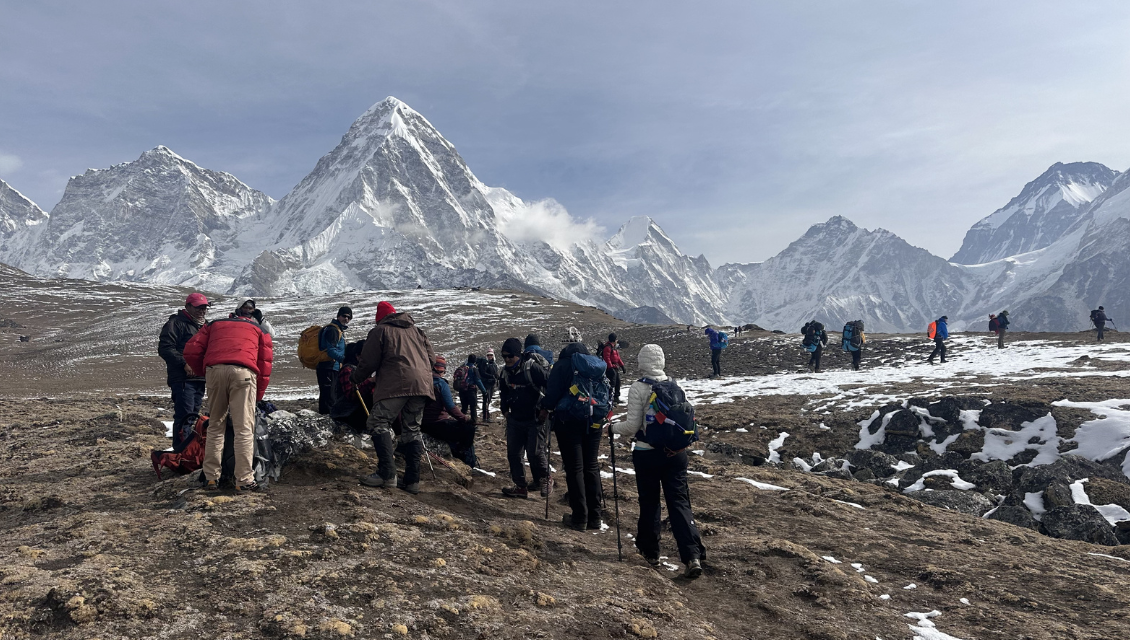
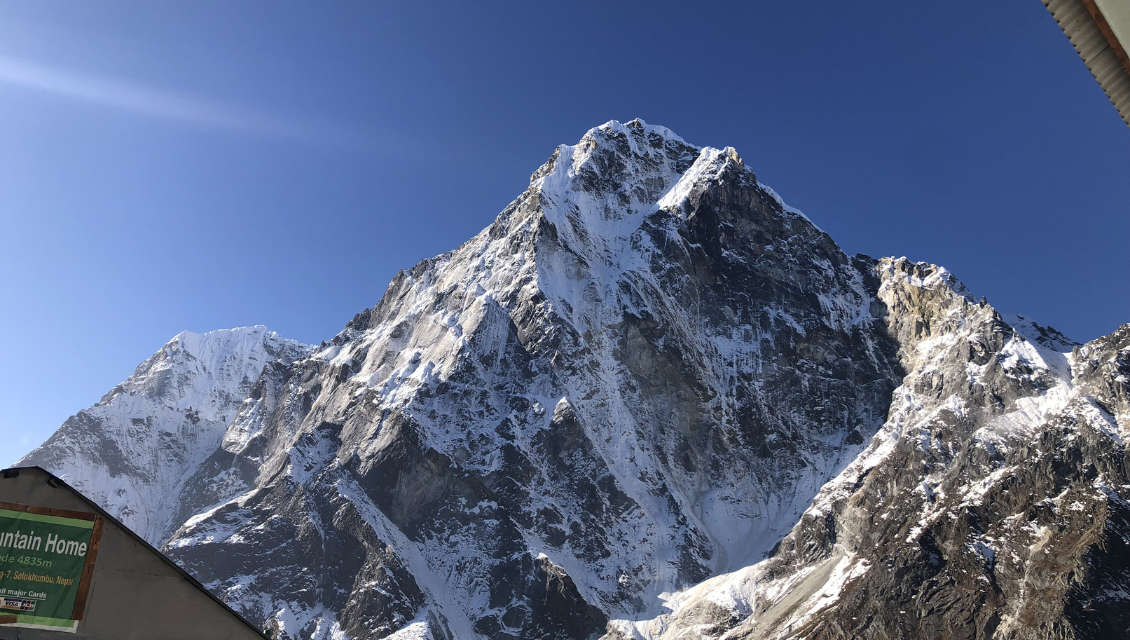
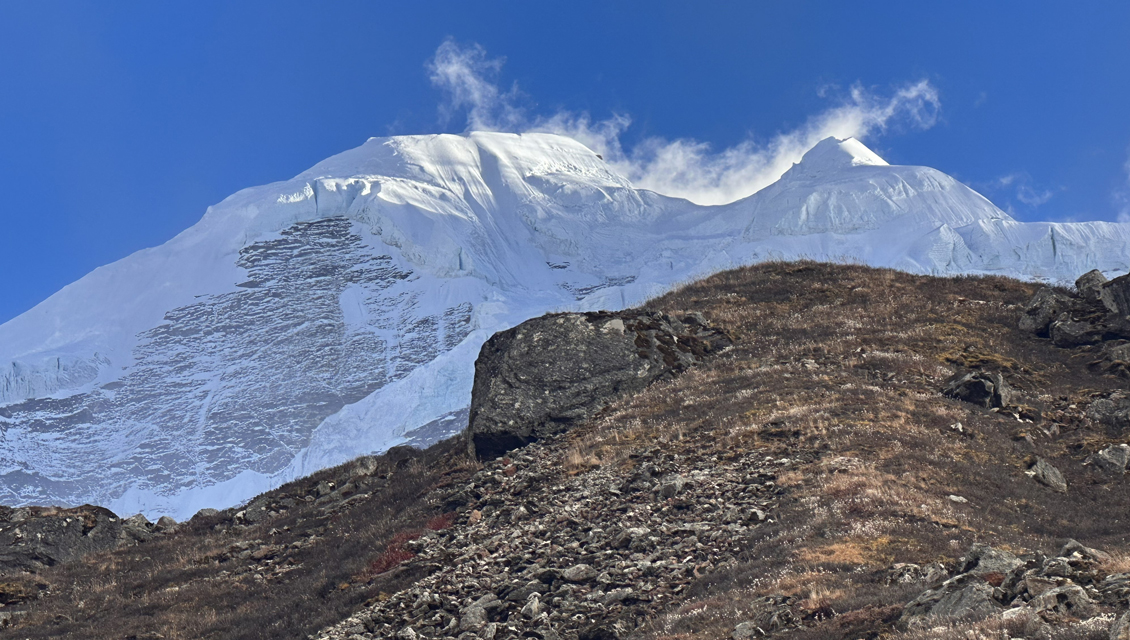
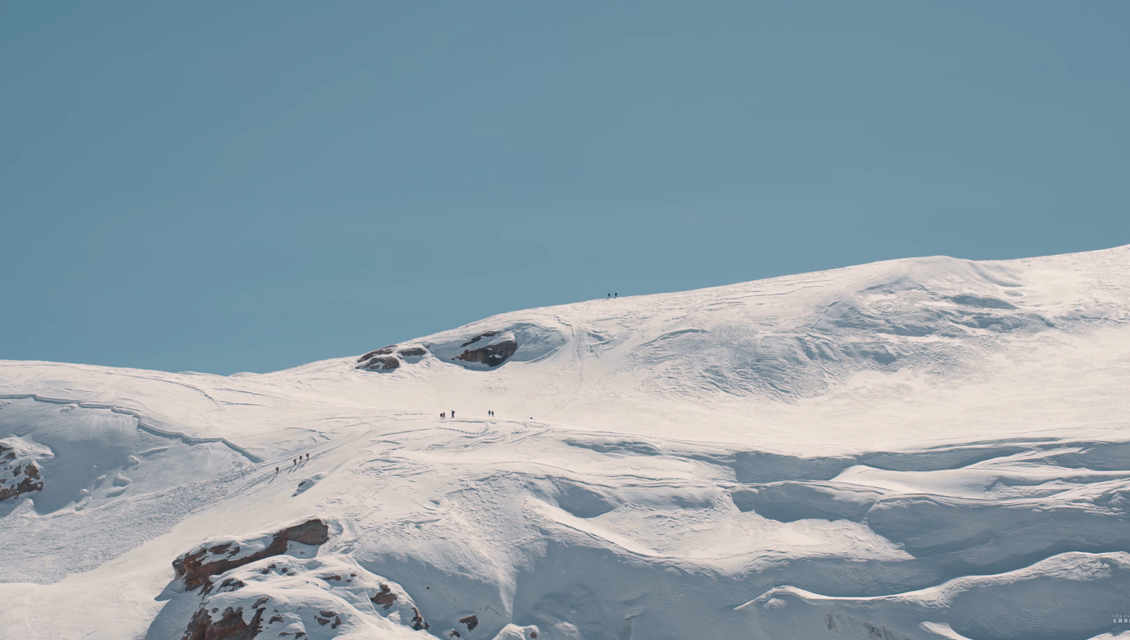
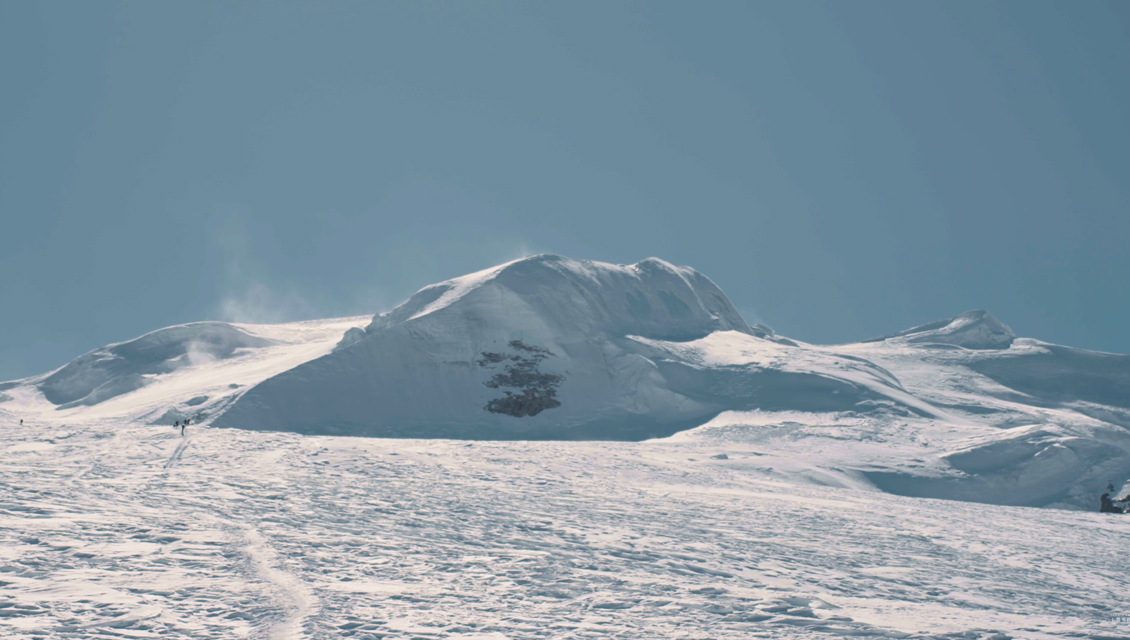
The landscape changes dramatically throughout the journey—from dense rhododendron and bamboo forests in the lower regions to high alpine meadows, glacial valleys, and rugged moraine fields near base camp. As climbers ascend higher, the terrain becomes increasingly glaciated, with vast ice fields and snow slopes leading toward the summit ridge.
One of the defining features of Mera Peak is its isolation. Unlike more crowded trekking routes, the Hinku Valley offers a true wilderness experience with minimal human settlement, making the journey peaceful and highly immersive in nature.
Sherpa Guide & Support
Mera Peak Climbing is conducted under the guidance of experienced licensed Sherpa guides who specialize in high-altitude mountaineering. Their role is essential for both safety and summit success.
Key Support Services Include:
- Route planning and navigation through glacier and high-altitude terrain
- Fixed rope setup and technical assistance on steep sections
- Basic mountaineering training (crampons, ice axe, harness use)
- Continuous altitude monitoring and health checks
- Weather assessment and summit timing decisions
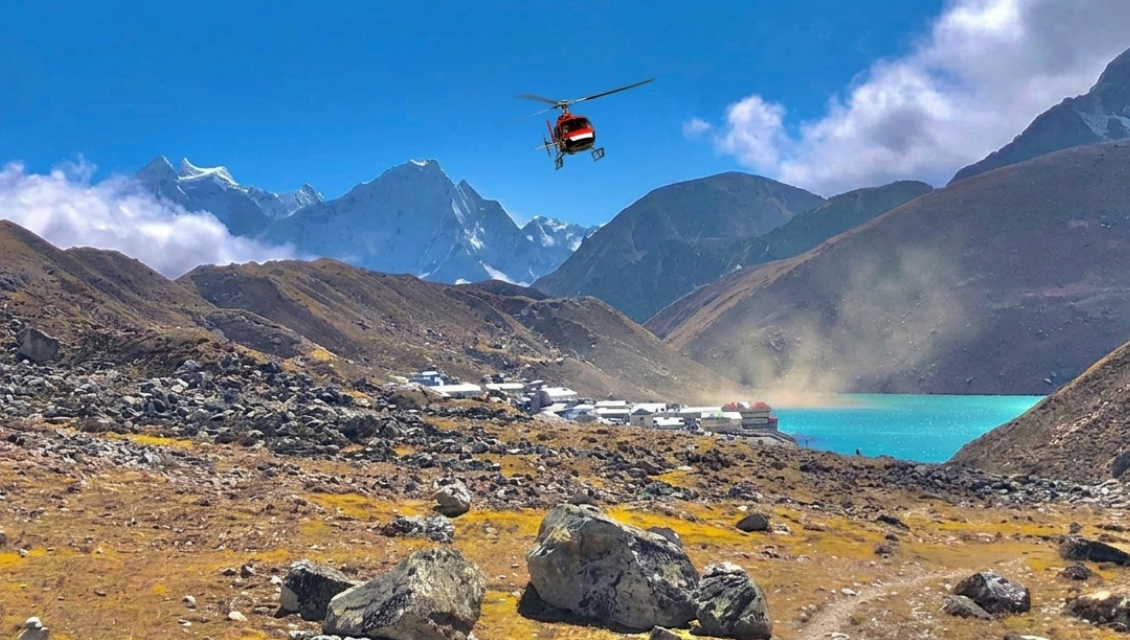
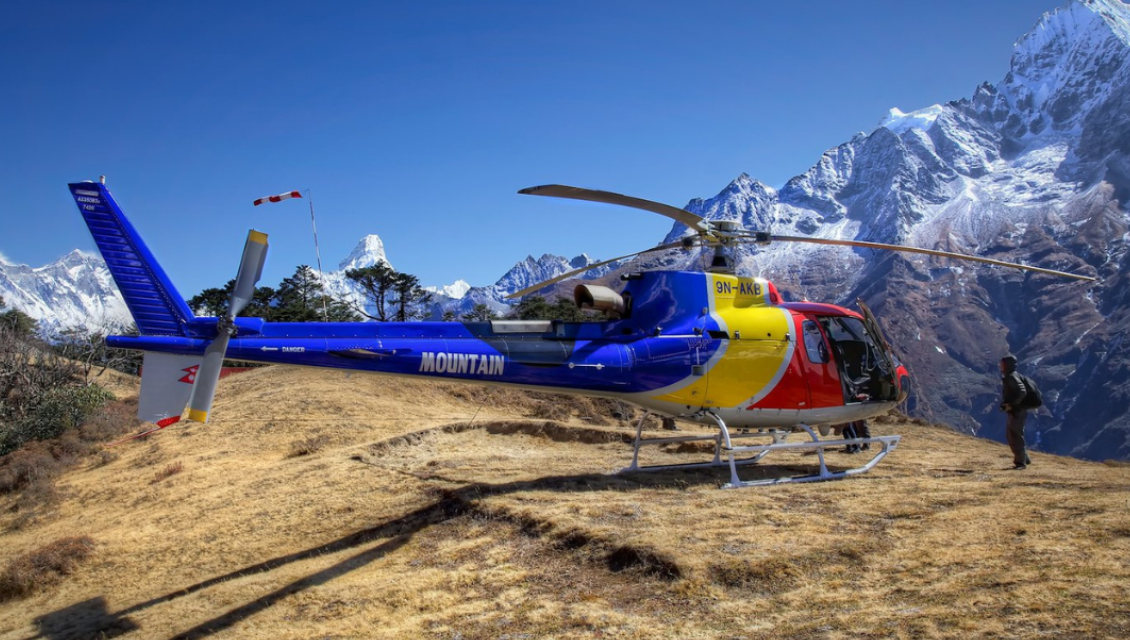
- Emergency response and evacuation coordination if required
Porter support is also provided for carrying expedition equipment up to base camp, allowing climbers to focus on acclimatization and performance.
With professional Sherpa guidance, Mera Peak becomes a well-supported expedition, offering a safe and structured introduction to Himalayan climbing at high altitude.
Package Highlights:
- Summit Mera Peak (6,476m), Nepal’s highest trekking peak.
- Panoramic views of Everest, Lhotse, Makalu, Cho Oyu, and Kanchenjunga.
- Trek through the remote and scenic Hinku Valley.
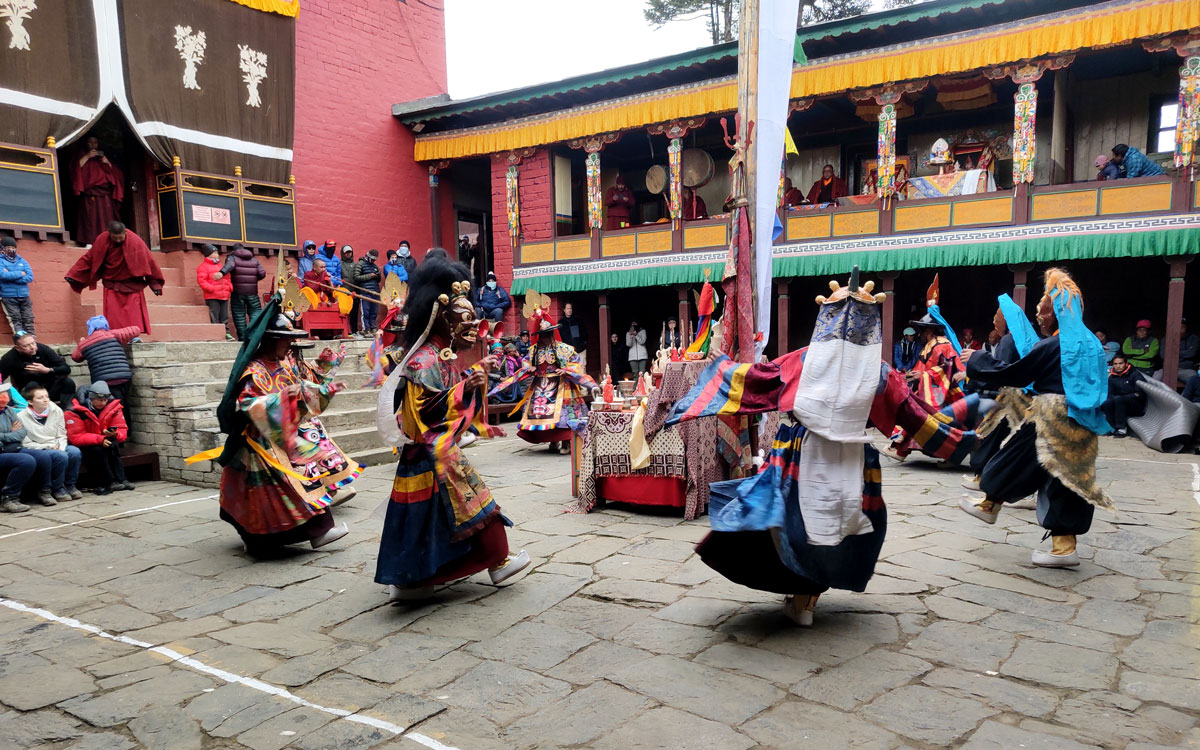
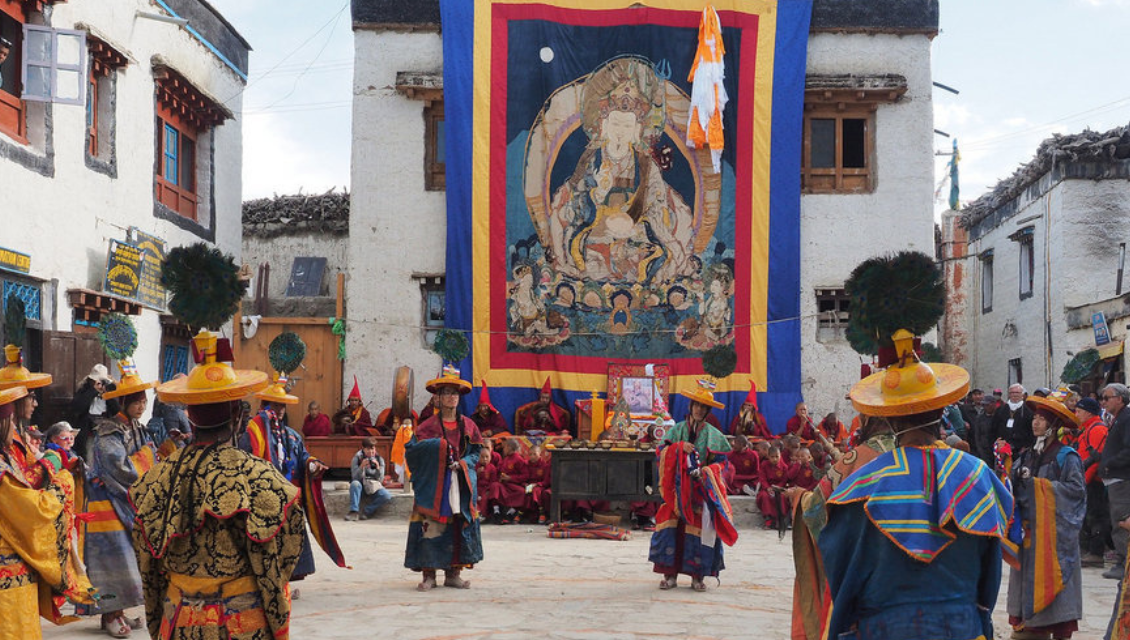
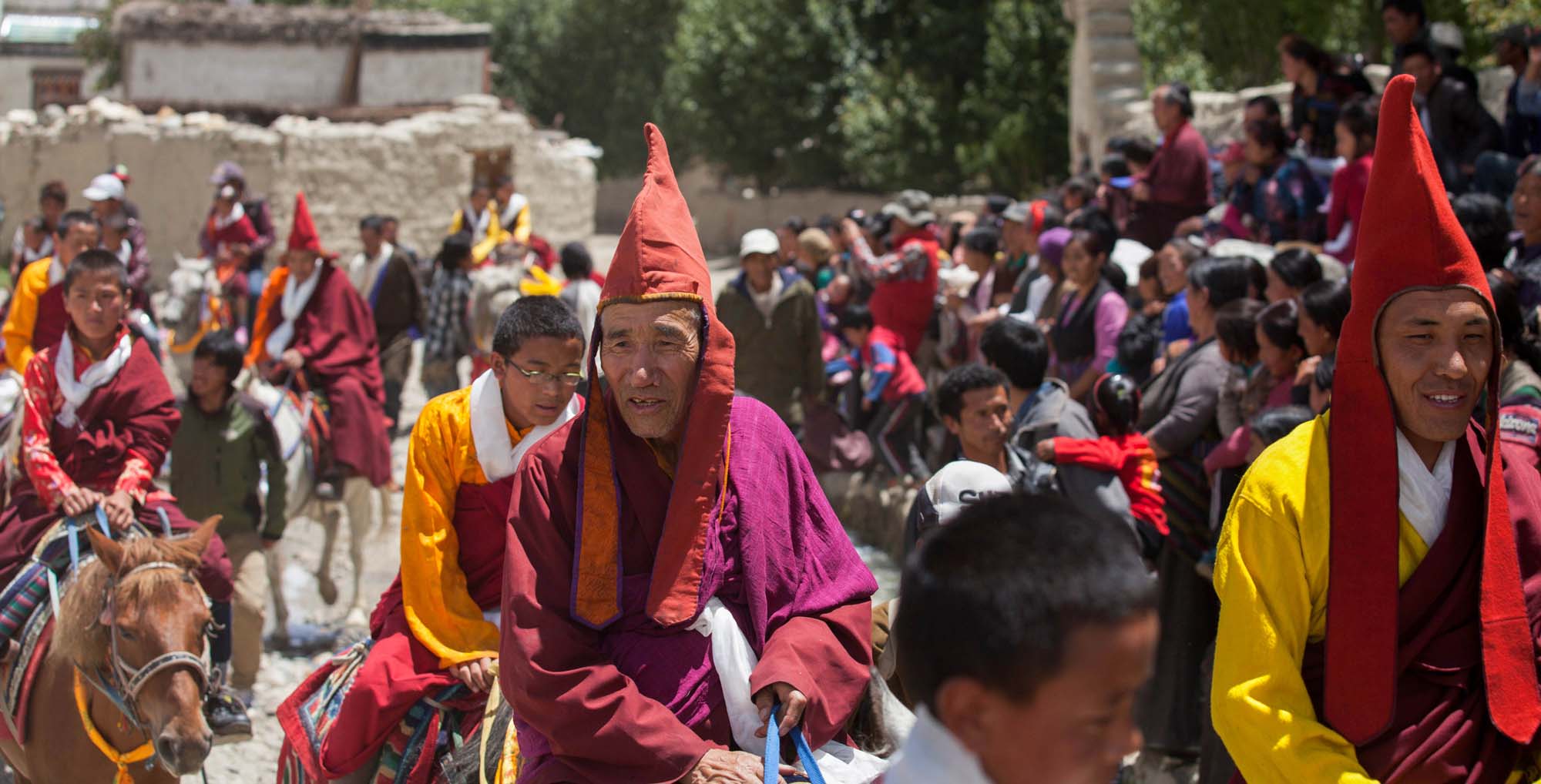
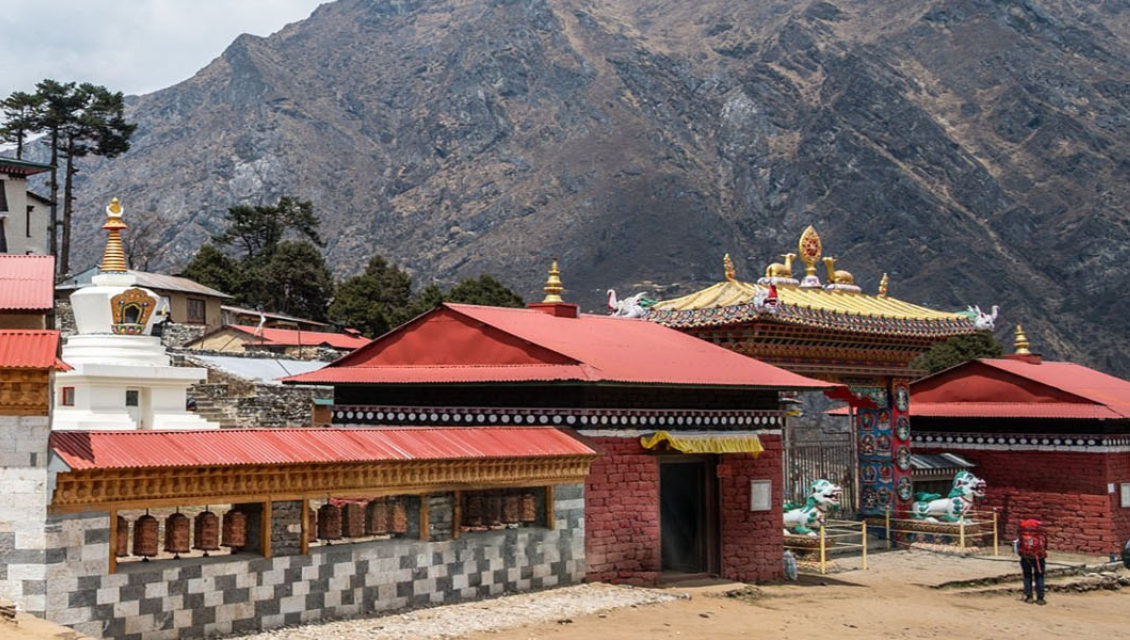
- Experience authentic Sherpa culture and traditional mountain villages.
- Cross alpine landscapes, glaciers, and high-altitude terrain.
- Learn basic mountaineering and glacier travel skills.
- Enjoy a breathtaking sunrise from the summit.
- Ideal preparation for future Himalayan climbing expeditions.
Book This Trip
Trip Information
 Start : Kathmandu
 Finish : Kathmandu
 Difficulty :
Moderate
Difficulty :
Moderate
 Max Altitude : 6476m
 Group Size : 17 People
 Season : SEP-NOV, MAR-MAY
Trip Gallery

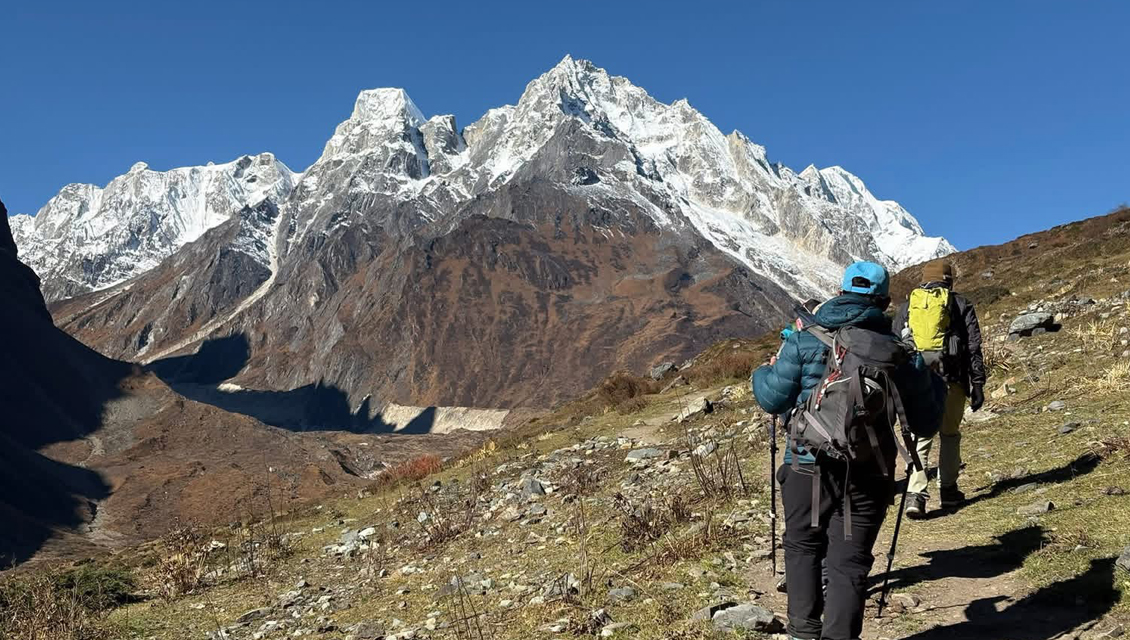

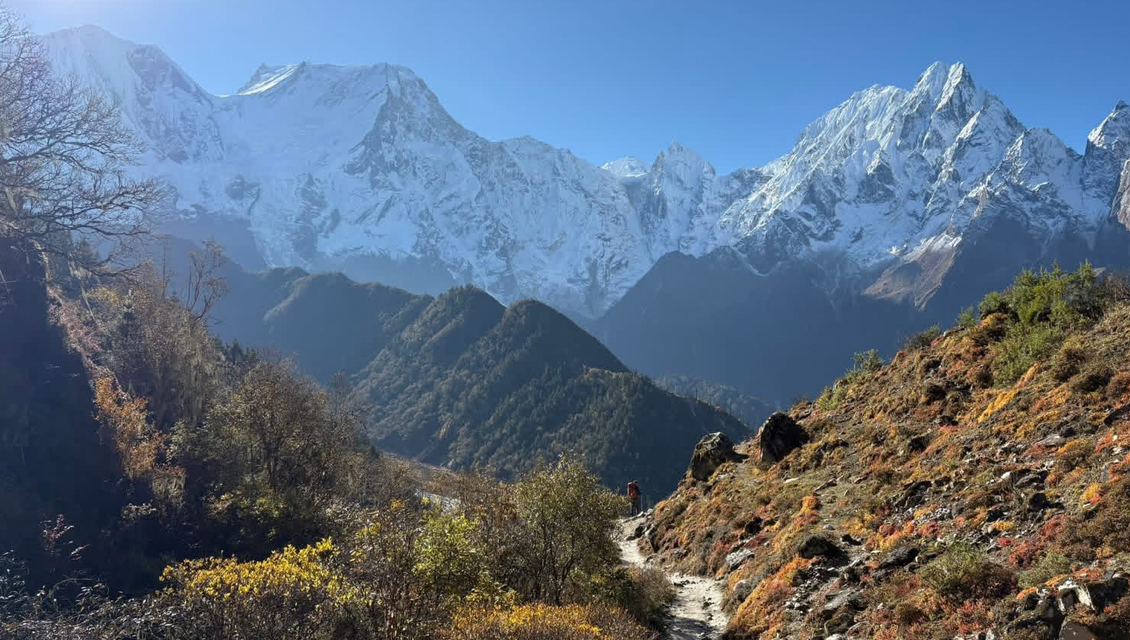
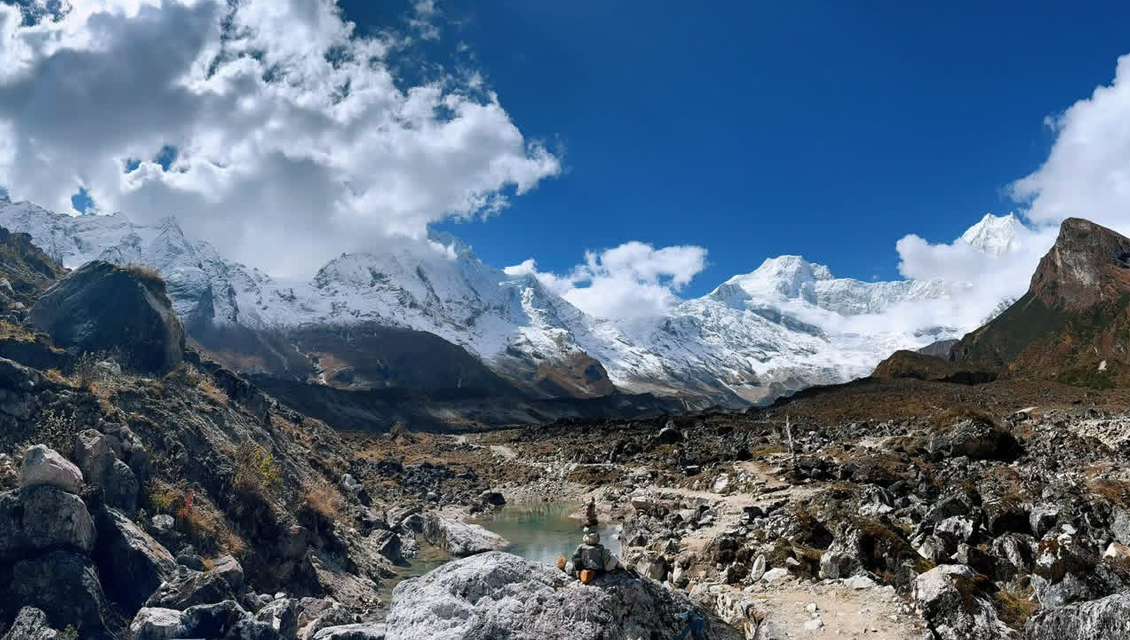
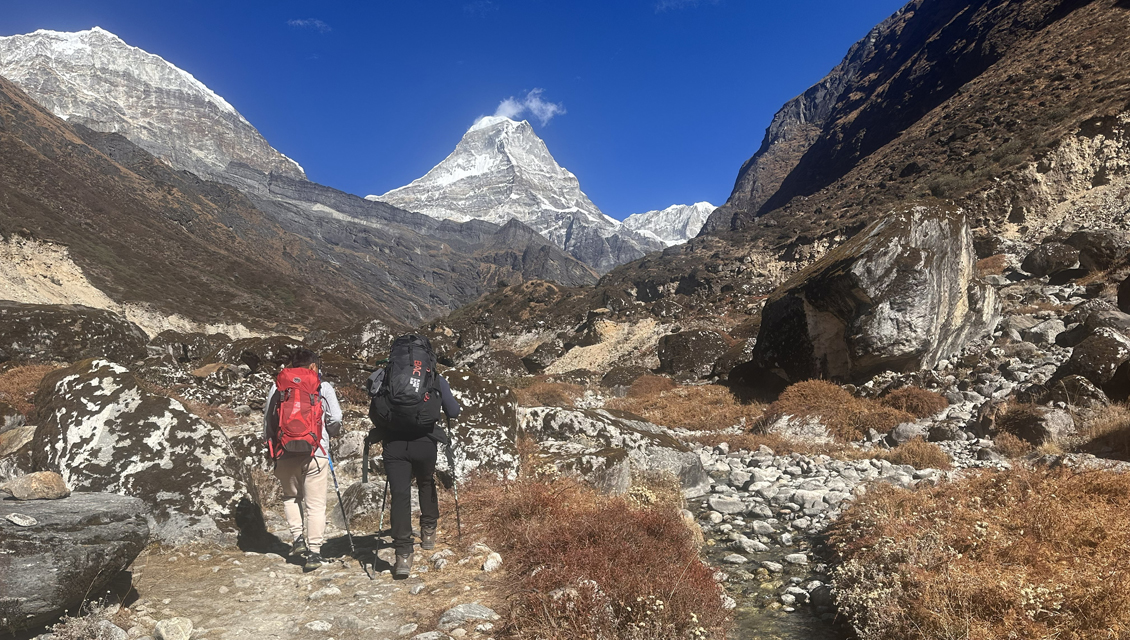






Trip Itinerary
Altitude: 1,400m
Arrive in the vibrant capital city of Kathmandu, where our team will welcome you at the airport and transfer you to your hotel. Depending on your arrival time, you may relax after your international journey or explore the bustling streets of Thamel, known for its trekking shops, restaurants, and cultural atmosphere. In the evening, a detailed trip briefing will be conducted to introduce the expedition, review equipment, and discuss the upcoming adventure.
Accomadation: Hotel
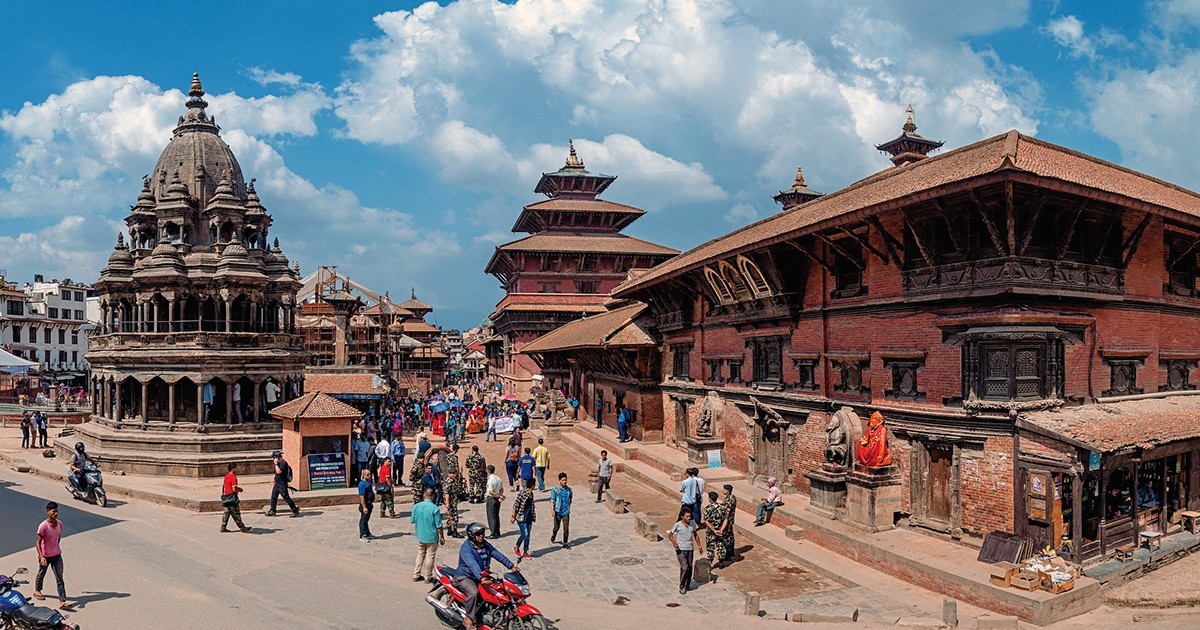
Place to visit: Nepal
Meals: Dinner
Altitude: 1,400m
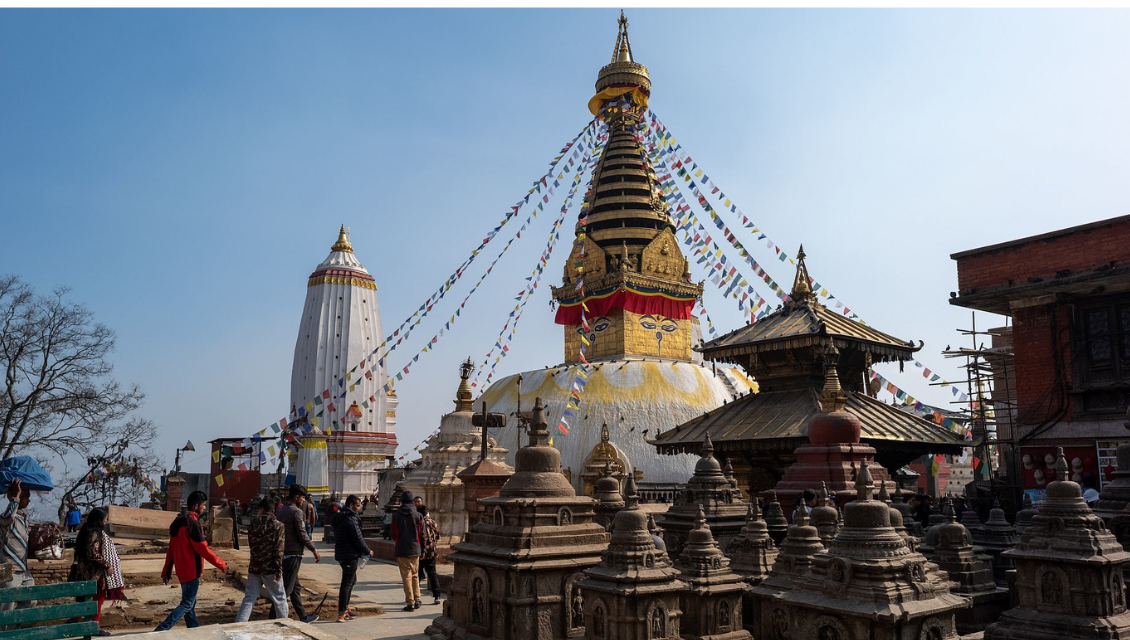
Today is dedicated to final preparations for the Mera Peak expedition. Our staff will arrange all necessary trekking and climbing permits while you complete any last-minute gear purchases or rentals. You may also visit some of Kathmandu's famous cultural landmarks, including Swayambhunath or Boudhanath Stupa. The evening is free for rest before departing for the mountains.
Accomadation: Hotel
Place to visit: Nepal
Meals: Breakfast
Altitude: 2,800m
Trek Duration: 4–5 hours
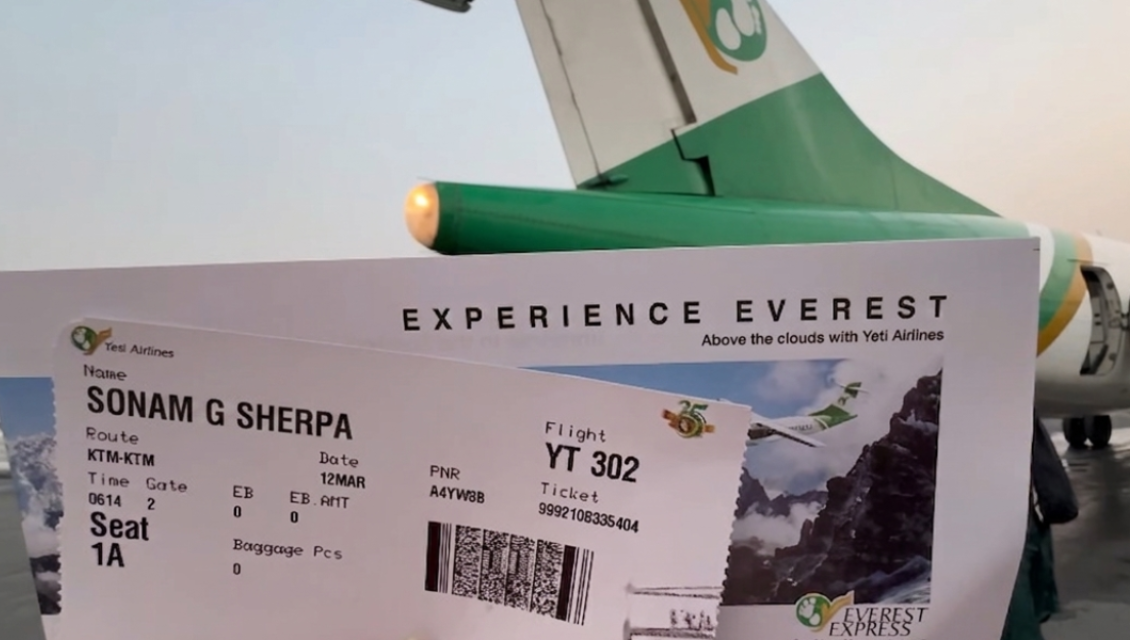
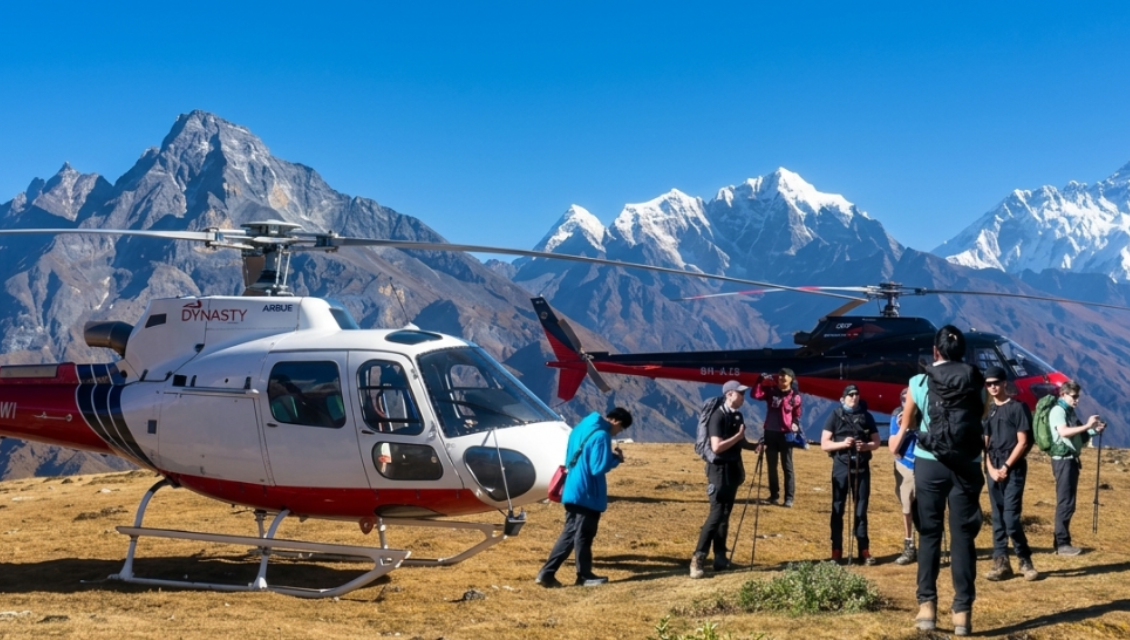
Your adventure begins with an exciting mountain flight to Lukla, the gateway to the Everest region. After meeting the trekking crew and making final preparations, the trek starts with a gradual descent through pine forests and traditional Sherpa settlements. The trail crosses suspension bridges and offers the first glimpses of the surrounding Himalayan landscape before reaching the peaceful village of Puiyan.
Accomadation: Tea House
Place to visit: Everest Region
Meals: Breakfast Lunch Dinner
Altitude: 2,850m
Trek Duration: 5–6 hours
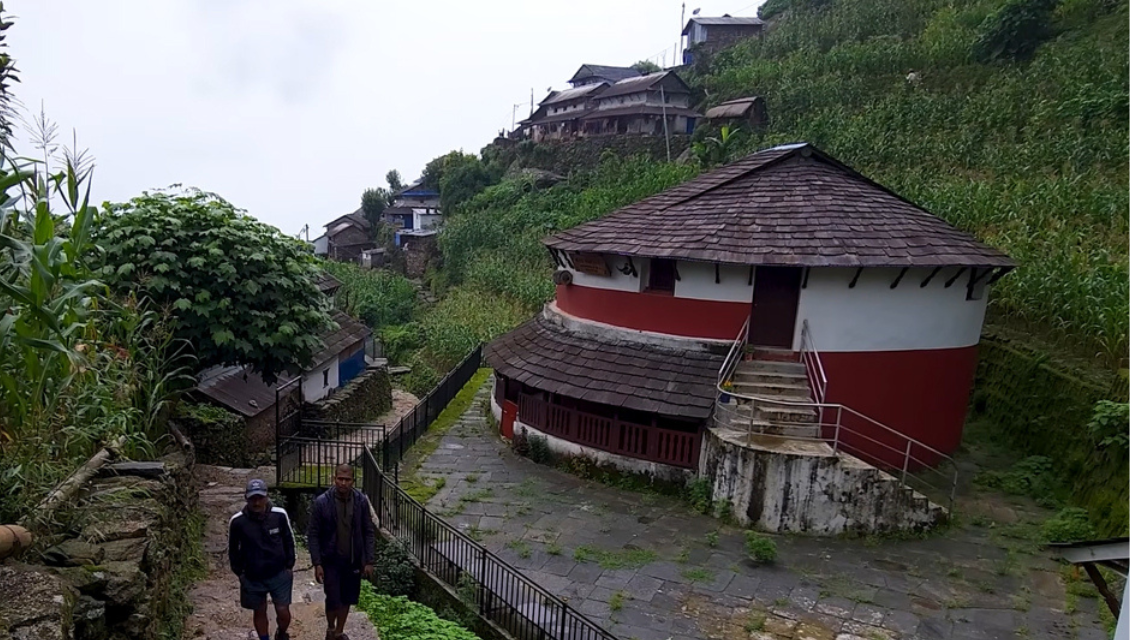
Today's route follows a series of ridges and valleys through dense rhododendron and bamboo forests. The trail involves several ascents and descents, making it a moderately challenging day. Along the way, trekkers pass small settlements inhabited by Rai and Sherpa communities. Pangom is a traditional mountain village known for its terraced fields and authentic rural atmosphere.
Accomadation: Tea House
Place to visit: Everest Region
Meals: Breakfast Lunch Dinner
Altitude: 2,850m
Trek Duration: 5–6 hours
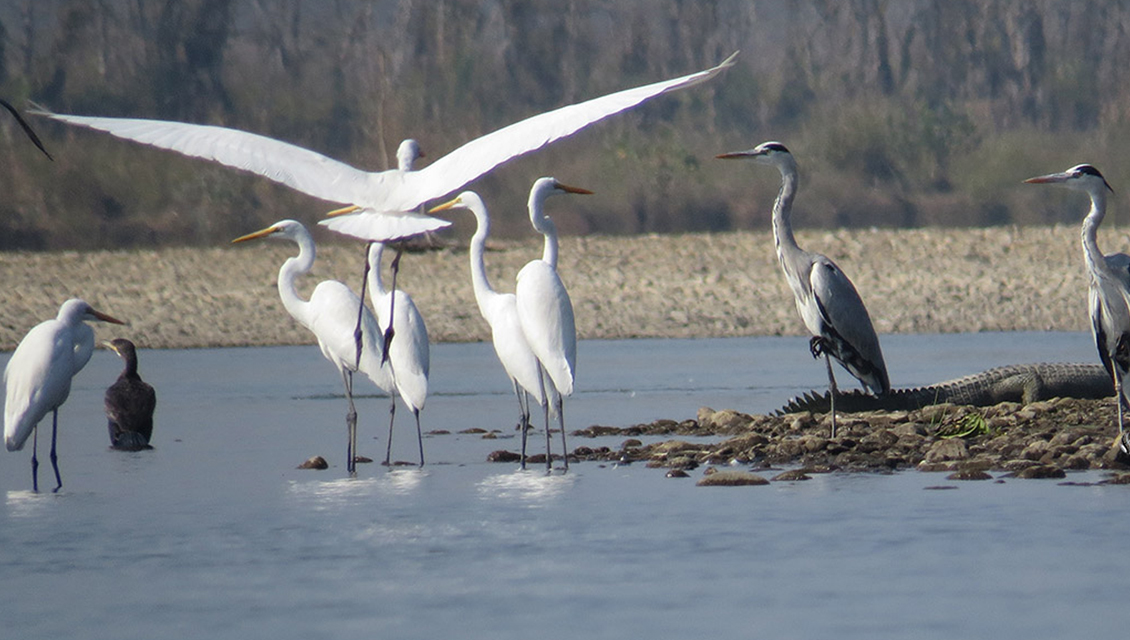
After leaving Pangom, the trail enters a less-traveled section of the Everest region. The route passes through forests rich in wildlife and bird species. Several viewpoints offer excellent views of the Dudh Koshi Valley and surrounding hills. Ningsow is a small settlement that serves as an important stop before entering the remote Hinku Valley.
Accomadation: Tea House
Place to visit: Everest Region
Meals: Breakfast Lunch Dinner
Altitude: 3,600m
Trek Duration: 6–7 hours
The trail gradually descends before entering the pristine Hinku Valley. Dense forests give way to open alpine landscapes as the route follows the Hinku River. Trekkers may catch their first clear views of Mera Peak and surrounding snow-capped mountains. Kothe is situated beside the river and provides a peaceful setting for the night.
Accomadation: Tea House
Place to visit: Everest Region
Meals: Breakfast Lunch Dinner
Altitude: 4,350m
Trek Duration: 4–5 hours
Following the Hinku River upstream, the trail climbs steadily through alpine meadows and yak pastures. Magnificent views of glaciers and towering peaks accompany the day's walk. As altitude increases, the landscape becomes more rugged and dramatic. Thangnak is a small seasonal settlement surrounded by spectacular mountain scenery.
Accomadation: Tea House
Place to visit: Everest Region
Meals: Breakfast Lunch Dinner
Altitude: 4,350m
Trek Duration: 2–3 hours (Acclimatization Hike)
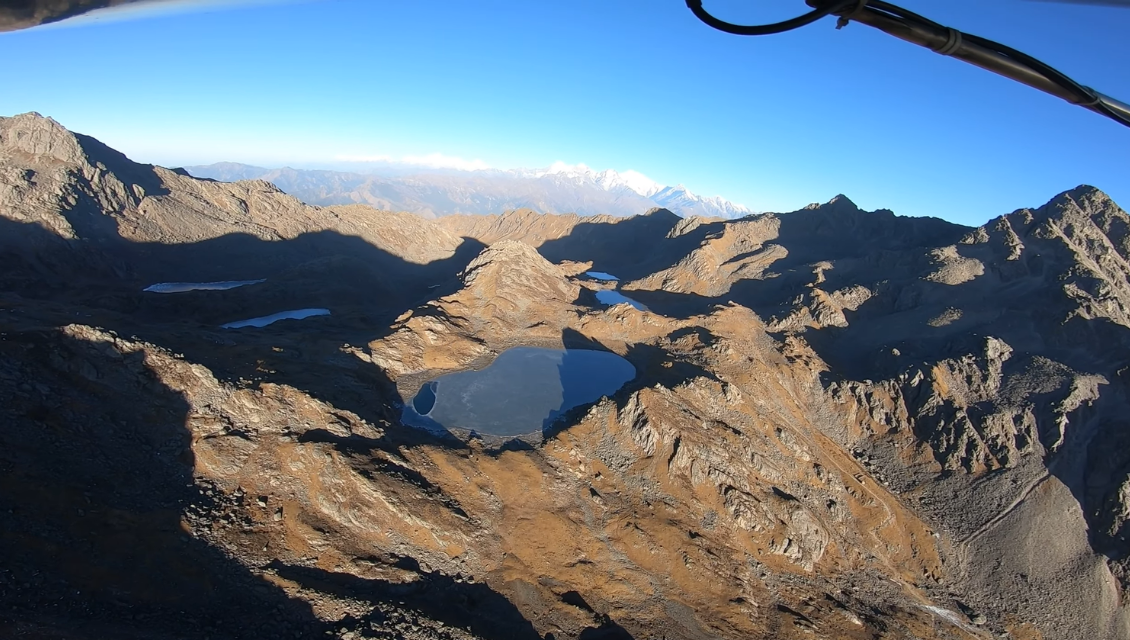
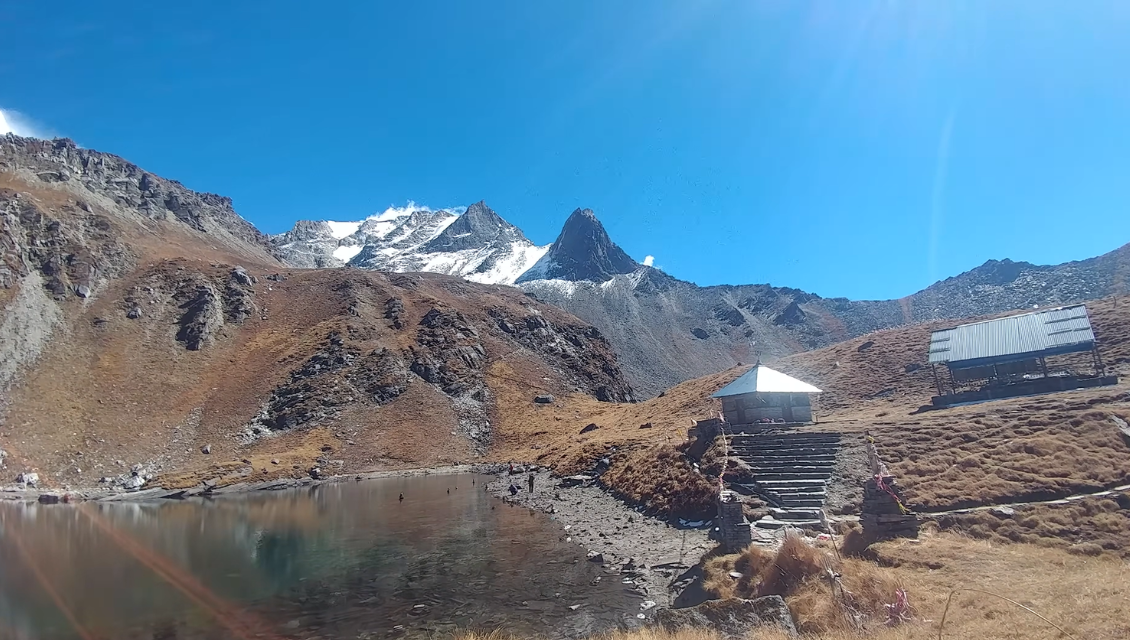
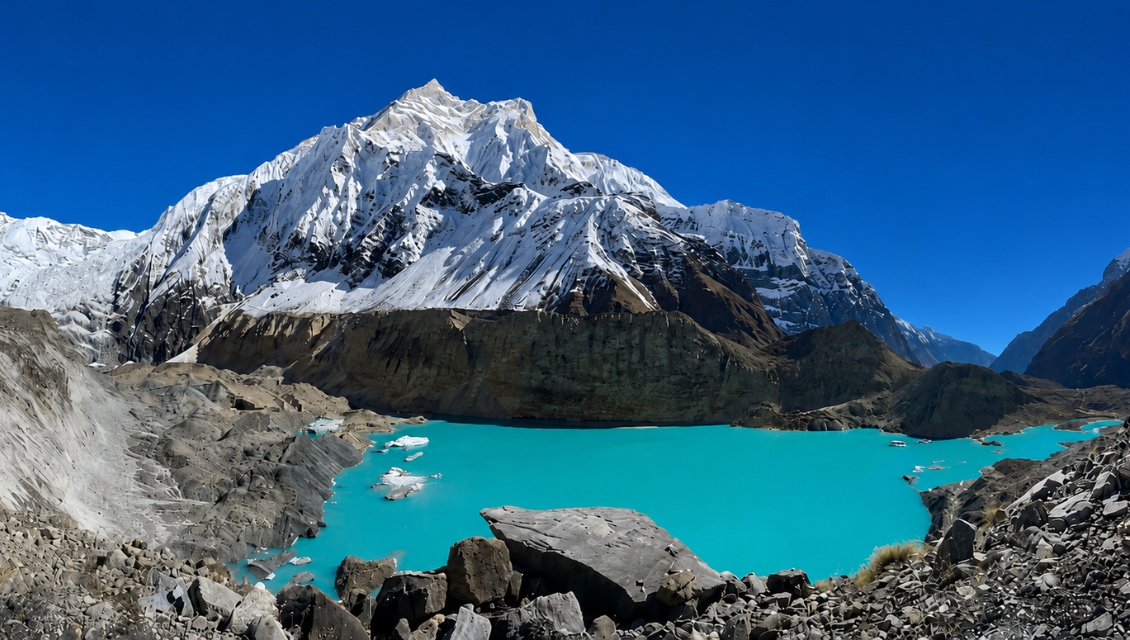
Proper acclimatization is essential for a successful summit. Today includes a short hike to a nearby ridge or toward Sabai Tsho Lake, allowing the body to adjust to the higher elevation. The remainder of the day is spent resting and preparing for the ascent toward Khare.
Accomadation: Tea House
Place to visit: Everest Region
Meals: Breakfast Lunch Dinner
Altitude: 5,045m
Trek Duration: 3–4 hours
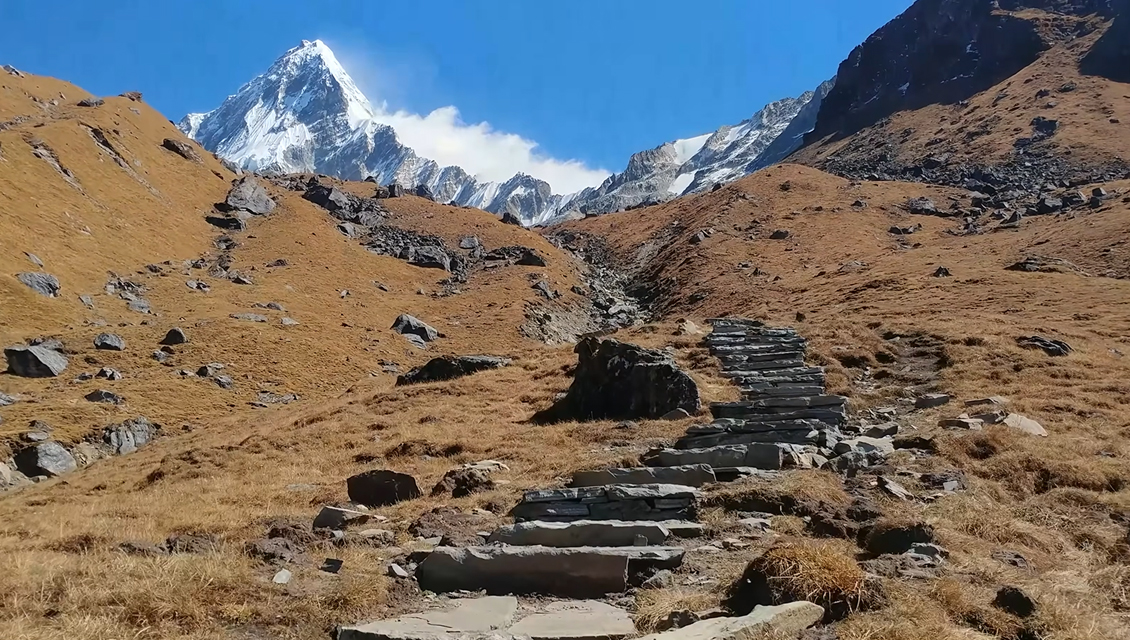
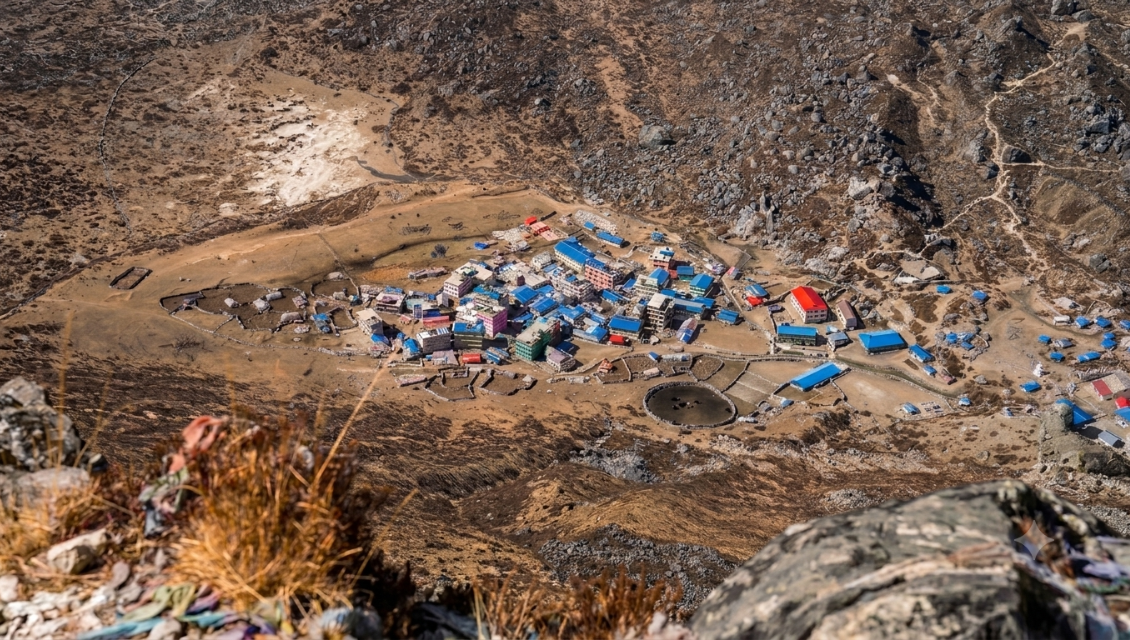
The trail traverses glacial moraine and rocky terrain while gradually gaining elevation. Spectacular views of Mera Glacier and Mera Peak dominate the landscape. Upon arrival in Khare, climbers have their first close-up view of the summit route.
Accomadation: Tea House
Place to visit: Everest Region
Meals: Breakfast Lunch Dinner
Altitude: 5,045m
Trek Duration: 3–4 hours (Training Session)
A full day is dedicated to mountaineering preparation. Professional climbing guides provide instruction on the use of crampons, ice axes, harnesses, ascenders, and fixed ropes. Climbers practice essential techniques on nearby snow slopes, building confidence for the summit attempt.
Accomadation: Tea House
Place to visit: Everest Region
Meals: Breakfast Lunch Dinner
Altitude: 5,780m
Trek Duration: 5–6 hours
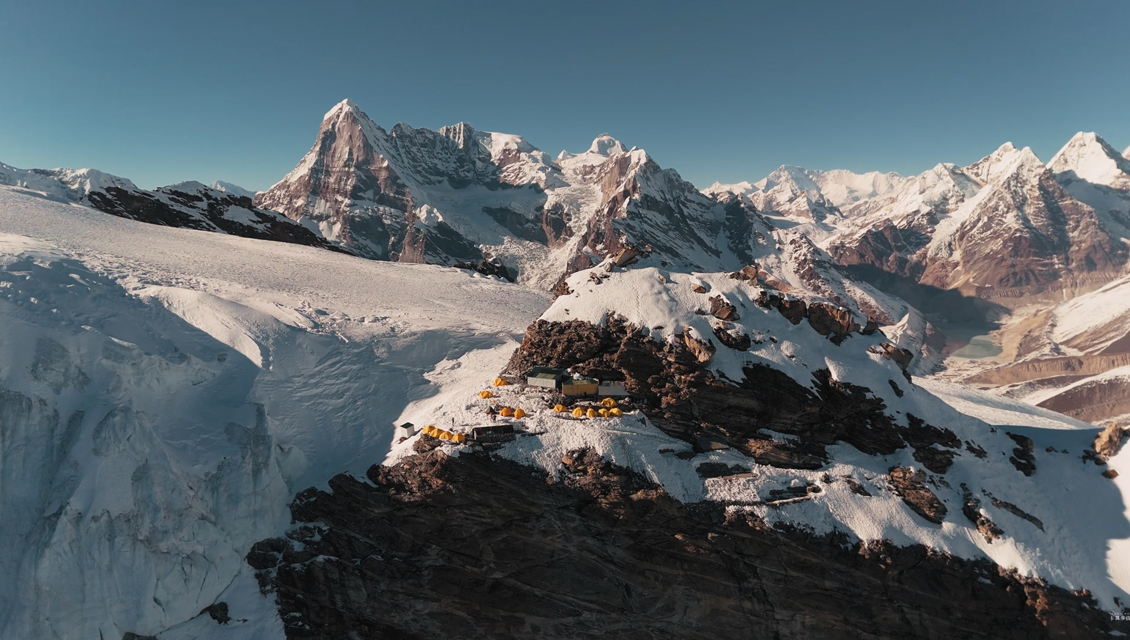
The route climbs onto the Mera Glacier before continuing to High Camp. The scenery becomes increasingly dramatic, with panoramic views of five of the world's highest mountains. High Camp is established on a rocky outcrop offering unforgettable sunset and sunrise views.
Accomadation: Tea House
Place to visit: Everest Region
Meals: Breakfast Lunch Dinner
Altitude: 6,476m (Summit)
Trek Duration: 9–12 hours
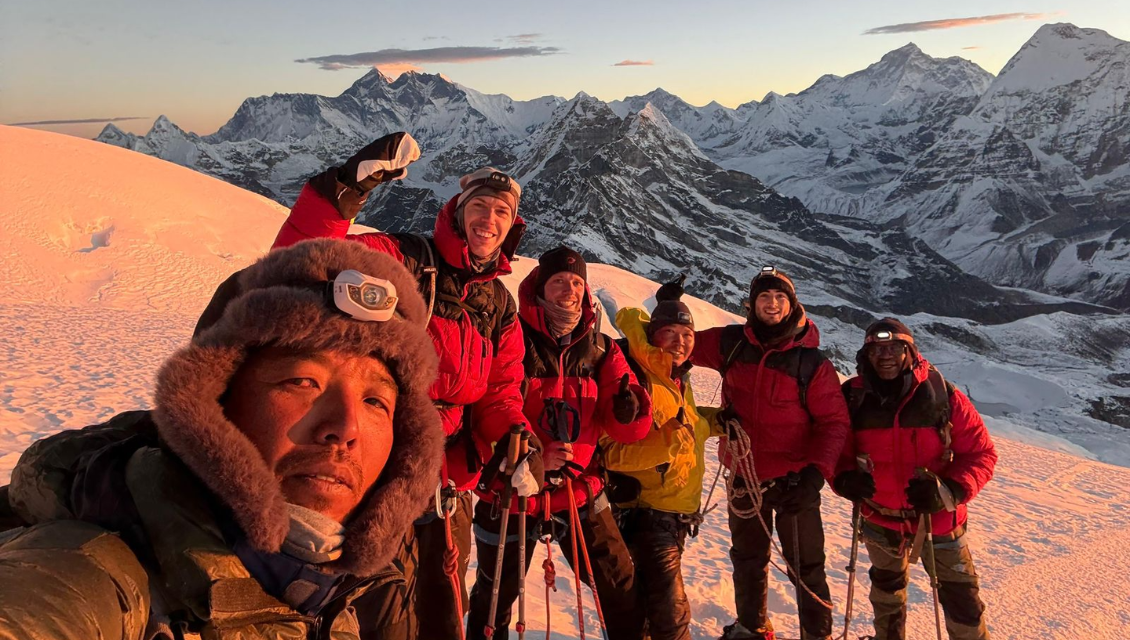
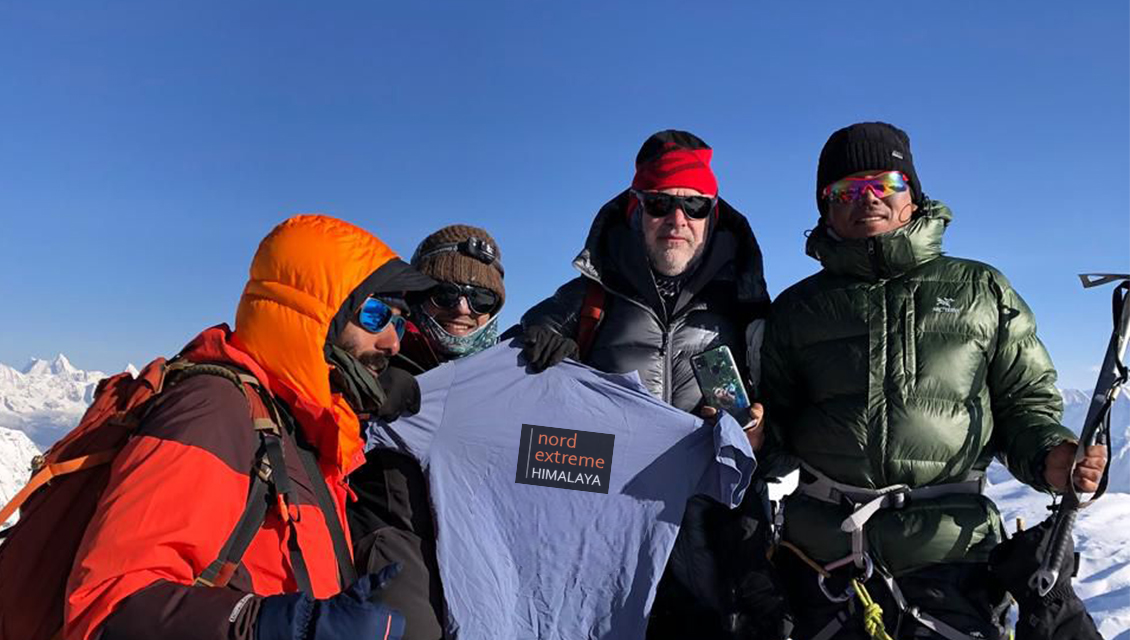
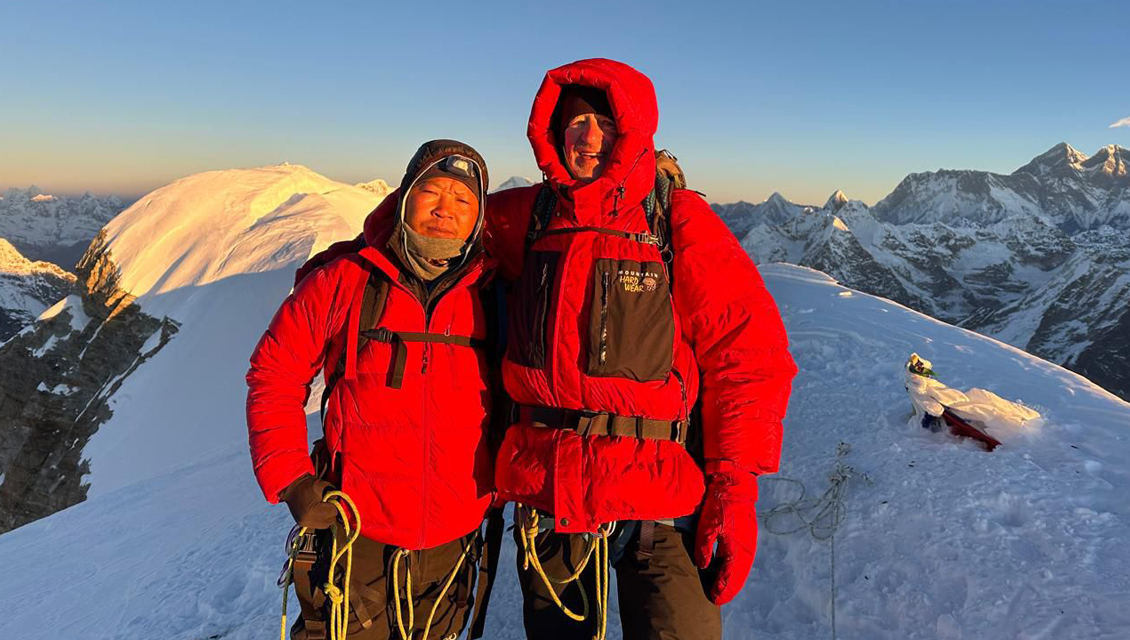
The summit day begins before dawn. Climbers ascend gradually across snow slopes and glaciers before reaching the final ridge leading to the summit of Mera Peak. From the top, enjoy one of the finest panoramas in the Himalayas, including views of Mount Everest, Makalu, Lhotse, Cho Oyu, and Kanchenjunga. After celebrating the achievement, descend to Khare.
Accomadation: Tea House
Place to visit: Everest Region
Meals: Breakfast Lunch Dinner
Altitude: 5,045m
Trek Duration: As Required
This extra day is reserved in case of bad weather, delayed summit attempts, or additional acclimatization needs. Having a contingency day significantly improves the chances of a successful summit.
Accomadation: Tea House
Place to visit: Everest Region
Meals: Breakfast Lunch Dinner
Altitude: 3,600m
Trek Duration: 5–6 hours
After the summit, the route retraces the trail down the Hinku Valley. Descending to lower elevations allows the body to recover while enjoying beautiful mountain views from a different perspective.
Accomadation: Tea House
Place to visit: Everest Region
Meals: Breakfast Lunch Dinner
Altitude: 4,300m
Trek Duration: 5–6 hours
The trail climbs through forests and alpine terrain toward Thuli Kharka. Along the way, trekkers enjoy magnificent views of Mera Peak and surrounding ridges.
Accomadation: Tea House
Place to visit: Everest Region
Meals: Breakfast Lunch Dinner
Altitude: 4,610m (Highest Point) / 2,860m (Lukla)
Trek Duration: 6–7 hours
One of the most scenic days of the trek, today's route crosses the spectacular Zatrwa La Pass. From the pass, trekkers enjoy panoramic views of the Everest region before descending to Lukla.
Accomadation: Tea House
Place to visit: Everest Region
Meals: Breakfast Lunch Dinner
Altitude: 2,860m
Trek Duration: Rest Day
Mountain weather can occasionally affect flights. This spare day provides flexibility and allows trekkers to relax, explore Lukla, and celebrate the successful completion of the climb.
Accomadation: Tea House
Place to visit: Everest Region
Meals: Breakfast Lunch Dinner
Altitude: 1,400m
Trek Duration: No trekking
A scenic morning flight returns you to Kathmandu. The remainder of the day can be spent relaxing, shopping for souvenirs, enjoying local cuisine, or exploring additional cultural attractions.
Accomadation: Hotel
Place to visit: Nepal
Meals: Breakfast Lunch Dinner
Depending on your flight schedule, transfer to the international airport for departure or continue with additional travel plans in Nepal.
Accomadation: Hotel
Place to visit: Nepal
Meals: Breakfast
Cost Includes
Transportation
- Domestic flight: Kathmandu/Ramechhap – Lukla – Kathmandu/Ramechhap
- Airport transfers as per itinerary
Accommodation
- 3 nights' accommodation in Kathmandu at a 3-star hotel or similar.
- Twin-sharing teahouse accommodation during the trek.
- Tent accommodation at Mera Peak High Camp.
- 1 night lodge accommodation in Lukla after the trek.
Meals
- Breakfast, lunch, and dinner during the trek and climbing period.
- Tea/coffee with meals (depending on package).
Permits and Fees
- Mera Peak Climbing Permit issued by Nepal Mountaineering Association.
- Makalu Barun National Park Entry Permit.
- Khumbu Pasang Lhamu Rural Municipality Entry Permit.
- TIMS Card (if applicable under current regulations).
Guide and Staff
- Government-licensed English-speaking trekking guide.
- Experienced climbing guide for summit ascent.
- Porters (typically 1 porter for every 2 trekkers).
- Guide and porter salary, food, accommodation, and insurance.
Climbing Equipment (Group Equipment)
- Climbing rope.
- Ice screws and snow bars (if required).
- First-aid kit.
- Oximeter for altitude monitoring.
- Satellite phone or emergency communication device (on many organized expeditions).
Miscellaneous
- Trek completion certificate.
- All applicable government taxes and service charges.
Transportation
- Domestic flight: Kathmandu/Ramechhap – Lukla – Kathmandu/Ramechhap
- Airport transfers as per itinerary
Accommodation
- 3 nights' accommodation in Kathmandu at a 3-star hotel or similar.
- Twin-sharing teahouse accommodation during the trek.
- Tent accommodation at Mera Peak High Camp.
- 1 night lodge accommodation in Lukla after the trek.
Meals
- Breakfast, lunch, and dinner during the trek and climbing period.
- Tea/coffee with meals (depending on package).
Permits and Fees
- Mera Peak Climbing Permit issued by Nepal Mountaineering Association.
- Makalu Barun National Park Entry Permit.
- Khumbu Pasang Lhamu Rural Municipality Entry Permit.
- TIMS Card (if applicable under current regulations).
Guide and Staff
- Government-licensed English-speaking trekking guide.
- Experienced climbing guide for summit ascent.
- Porters (typically 1 porter for every 2 trekkers).
- Guide and porter salary, food, accommodation, and insurance.
Climbing Equipment (Group Equipment)
- Climbing rope.
- Ice screws and snow bars (if required).
- First-aid kit.
- Oximeter for altitude monitoring.
- Satellite phone or emergency communication device (on many organized expeditions).
Miscellaneous
- Trek completion certificate.
- All applicable government taxes and service charges.
Cost Excludes
International Travel
- International airfare to and from Nepal.
- Nepal entry visa fee.
Personal Expenses
- Travel insurance (mandatory and must cover high-altitude rescue up to 6,500m).
- Personal trekking and climbing equipment.
- Sleeping bag, down jacket, trekking poles, crampons, harness, ice axe (unless specifically included).
- Laundry services.
- Wi-Fi, internet, and charging fees.
- Hot showers during the trek.
Food and Drinks in Kathmandu
- Lunch and dinner in Kathmandu before and after the trek.
- Alcoholic beverages.
- Soft drinks, bottled water, snacks, and energy bars.
Extra Costs Due to Unforeseen Circumstances
- Additional accommodation and meals caused by flight delays or cancellations.
- Extra porter or guide services requested by clients.
- Emergency evacuation and medical expenses.
- Personal rescue insurance costs.
Tips
- Tips for guides, climbing guides, porters, and support staff (customary but not mandatory).
International Travel
- International airfare to and from Nepal.
- Nepal entry visa fee.
Personal Expenses
- Travel insurance (mandatory and must cover high-altitude rescue up to 6,500m).
- Personal trekking and climbing equipment.
- Sleeping bag, down jacket, trekking poles, crampons, harness, ice axe (unless specifically included).
- Laundry services.
- Wi-Fi, internet, and charging fees.
- Hot showers during the trek.
Food and Drinks in Kathmandu
- Lunch and dinner in Kathmandu before and after the trek.
- Alcoholic beverages.
- Soft drinks, bottled water, snacks, and energy bars.
Extra Costs Due to Unforeseen Circumstances
- Additional accommodation and meals caused by flight delays or cancellations.
- Extra porter or guide services requested by clients.
- Emergency evacuation and medical expenses.
- Personal rescue insurance costs.
Tips
- Tips for guides, climbing guides, porters, and support staff (customary but not mandatory).
Trip Date And Time
We'll Be There, Like We've Been There Before
|
Start |
End |
Trip Cost |
Action |
Enquire |
|---|---|---|---|---|
| 10 Nov, 2026 | 28 Nov, 2026 | 2250 | Book Now | |
| 03 Nov, 2026 | 21 Nov, 2026 | 2250 | Book Now | |
| 27 Oct, 2026 | 14 Nov, 2026 | 2250 | Book Now | |
| 20 Oct, 2026 | 07 Nov, 2026 | 2250 | Book Now | |
| 12 Oct, 2026 | 30 Oct, 2026 | 2250 | Book Now | |
| 04 Oct, 2026 | 22 Oct, 2026 | 2250 | Book Now | |
| 29 Sep, 2026 | 17 Oct, 2026 | 2250 | Book Now | |
| 20 Sep, 2026 | 08 Oct, 2026 | 2250 | Book Now | |
| 15 Sep, 2026 | 03 Oct, 2026 | 2250 | Book Now | |
| 06 Sep, 2026 | 24 Sep, 2026 | 2250 | Book Now | |
| 30 Aug, 2026 | 17 Sep, 2026 | 2250 | Book Now |
Essential Information
Accommodation
Accommodation during the Mera Peak Climbing expedition includes comfortable 3-star hotel stays in Kathmandu, teahouse accommodation throughout the trekking route, and fully equipped tented camps at higher elevations and Mera High Camp. Basic facilities such as hot showers, Wi-Fi, and charging services are available in most lower trekking villages for an additional cost.
Meals
The expedition includes full-board meals (Breakfast, Lunch, and Dinner) throughout the trek and climb. Freshly prepared meals provide the energy required for high-altitude trekking and summit climbing, with packed lunches and high-energy snacks provided during summit day.
Difficulty & Fitness
Mera Peak (6,476m) is Nepal’s highest trekking peak and is considered moderately challenging. Although it is technically straightforward, climbers should have excellent physical fitness and preferably previous high-altitude trekking experience. Daily walking typically ranges from 5–8 hours, with a longer summit day.
Permits
The expedition requires the following permits:
- Mera Peak Climbing Permit
- Makalu Barun National Park Entry Permit
- Khumbu Rural Municipality Permit
All permits are arranged by the expedition organizer.
Best Time to Climb
The best seasons for Mera Peak are spring (March–May) and autumn (September–November), when weather conditions are generally stable and mountain views are at their best.
Transportation
The expedition begins with a domestic flight between Kathmandu and Lukla, followed by trekking through the remote Hinku Valley. Flight schedules may be affected by weather conditions.
Safety & Altitude
A carefully planned itinerary with acclimatization days helps reduce the risk of altitude-related illness. Professional guides monitor climbers throughout the expedition and provide support during the summit ascent. Travel insurance covering climbing up to 6,500m and emergency helicopter evacuation is mandatory.
Extra Information
Climbing Training
Before the summit attempt, climbers receive instruction in the use of crampons, ice axes, fixed ropes, harnesses, and glacier travel techniques. Training ensures participants are well prepared for the summit climb.
Essential Equipment
Participants should bring appropriate high-altitude trekking and climbing gear, including insulated clothing, mountaineering boots, crampons, ice axe, climbing harness, helmet, sleeping bag, sunglasses, and personal essentials.
Why Choose Mera Peak?
- Nepal’s highest trekking peak at 6,476m.
- Ideal progression for aspiring mountaineers.
- Non-technical climb with excellent success rates.
- Spectacular views of Everest, Lhotse, Makalu, Cho Oyu, and Kanchenjunga.
- Remote and less crowded trekking route through the Hinku Valley.
- Professional climbing support and high-altitude training.
- One of the most rewarding summit panoramas in the Himalayas.
Mera Peak Climbing is an exceptional adventure for trekkers seeking a challenging high-altitude objective and a true Himalayan mountaineering experience.
USD 2250 / person
See group booking discount- No. of person Price per person
- 1 USD 2250.00
- 2-3 USD 2190.00
- 4-7 USD 2070.00
- 8-12 USD 1990.00
- 13-17 USD 1950.00
The price may varies
Speak to an Expert