Budget
USD 2090
Per Person
Rating
4 Reviews
Duration
15 Days
Trip Overview
The Everest Heritage Trail Trek is a classic Himalayan journey that explores the cultural heart of the Khumbu region while offering spectacular views of the world’s highest mountains. Unlike the more direct Everest Base Camp route, this trek focuses on heritage, culture, and scenic village-to-village exploration, making it ideal for trekkers who want a deeper understanding of Sherpa life and Himalayan traditions.
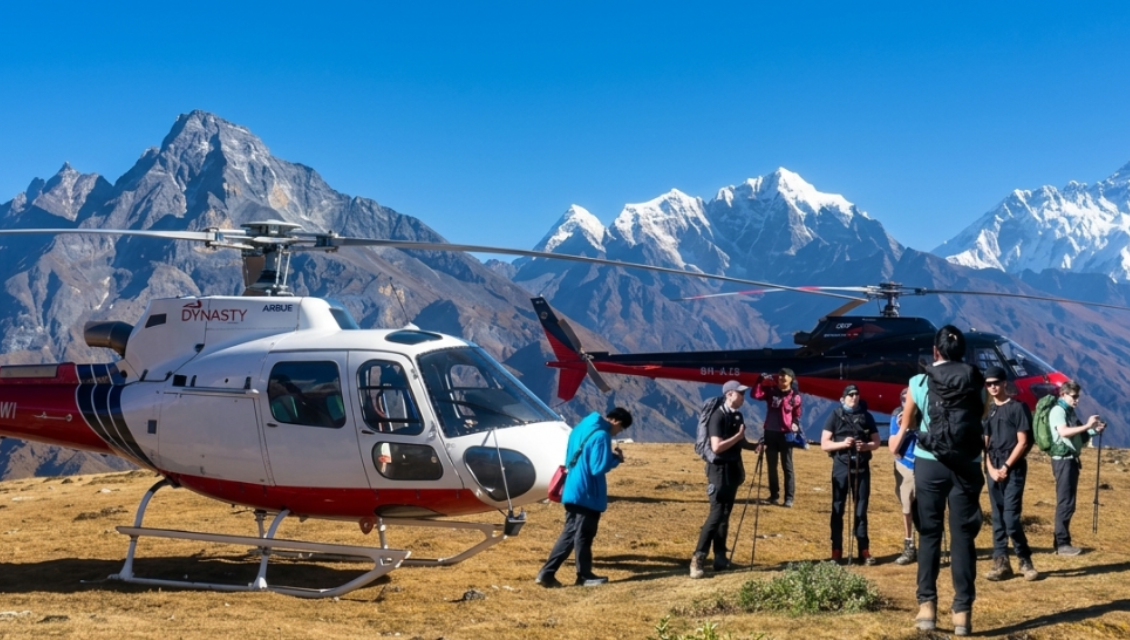
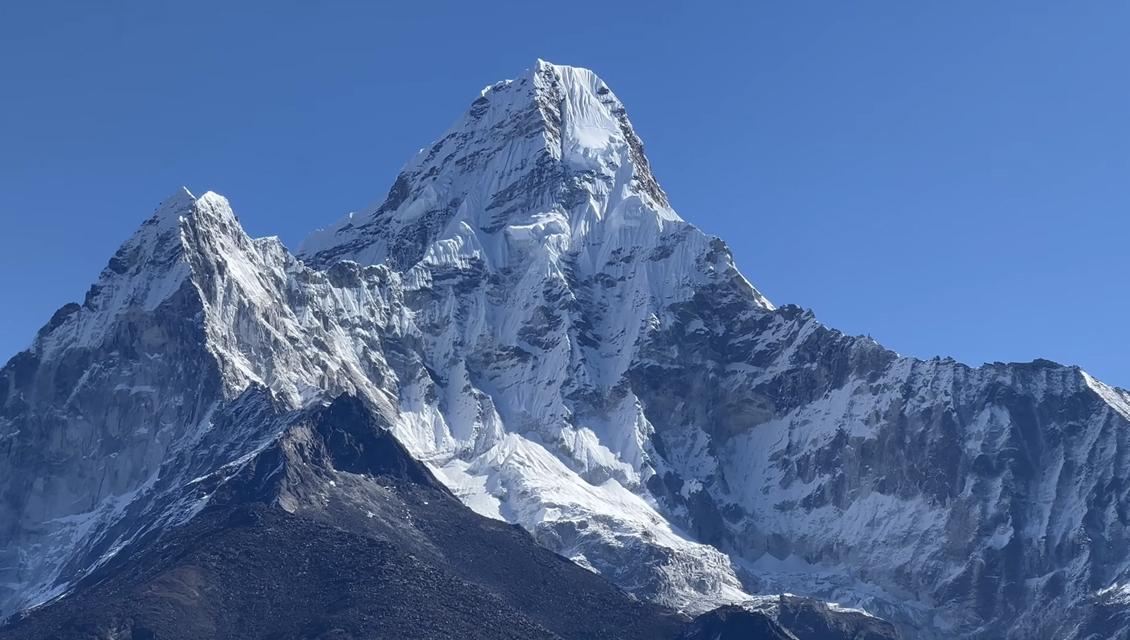
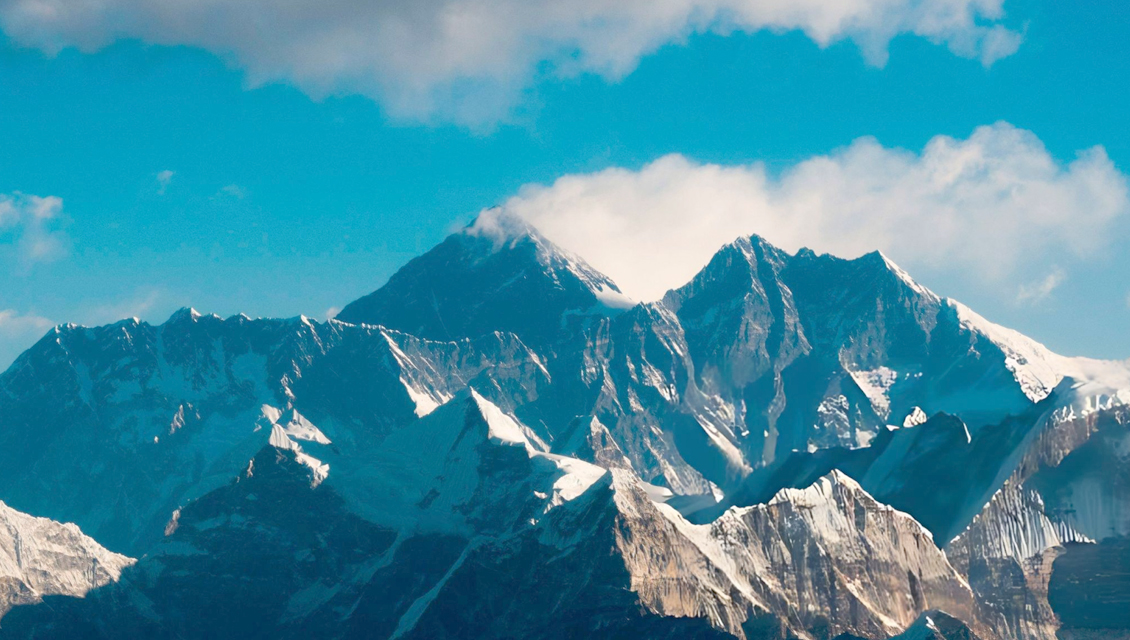
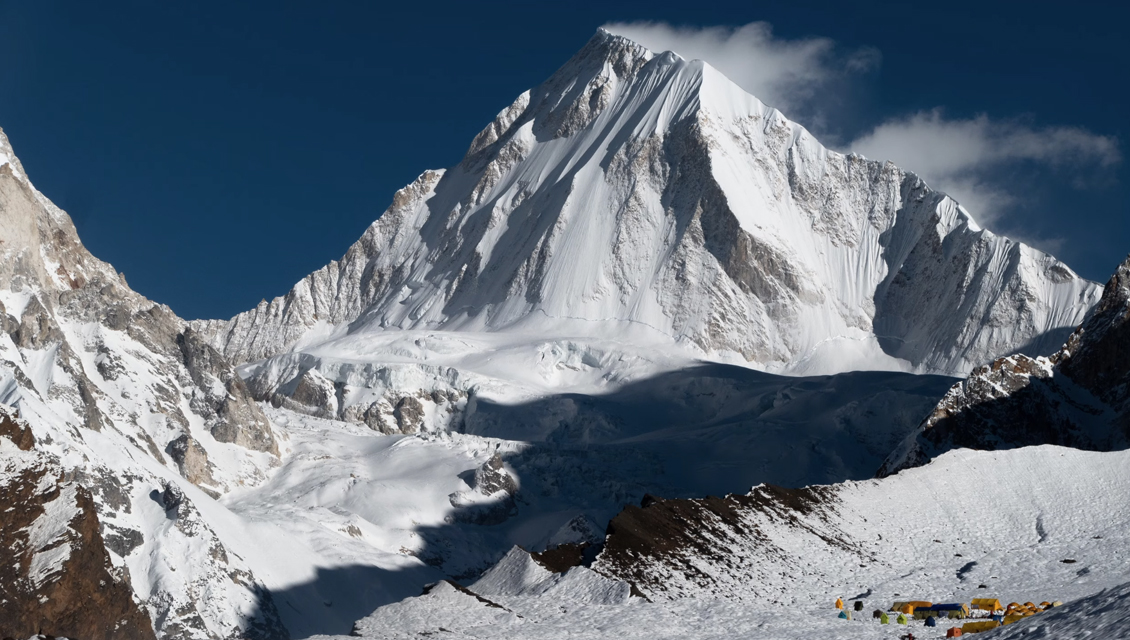
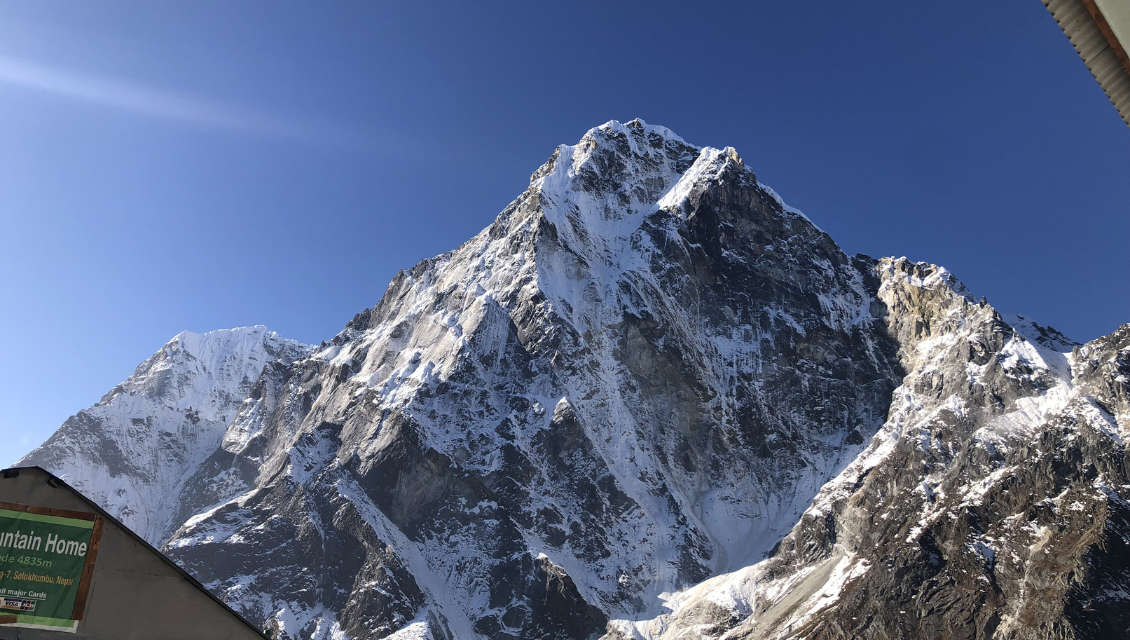
The trail follows ancient pathways used by local communities for generations, passing through traditional Sherpa settlements, Buddhist monasteries, terraced hillsides, and alpine valleys. Along the way, trekkers enjoy breathtaking views of Mount Everest, Lhotse, Ama Dablam, and other iconic peaks of the Everest region. The Everest Heritage Trail Trek is perfect for those seeking a culturally rich, less crowded, and more immersive Himalayan experience.
Geography and Landscape
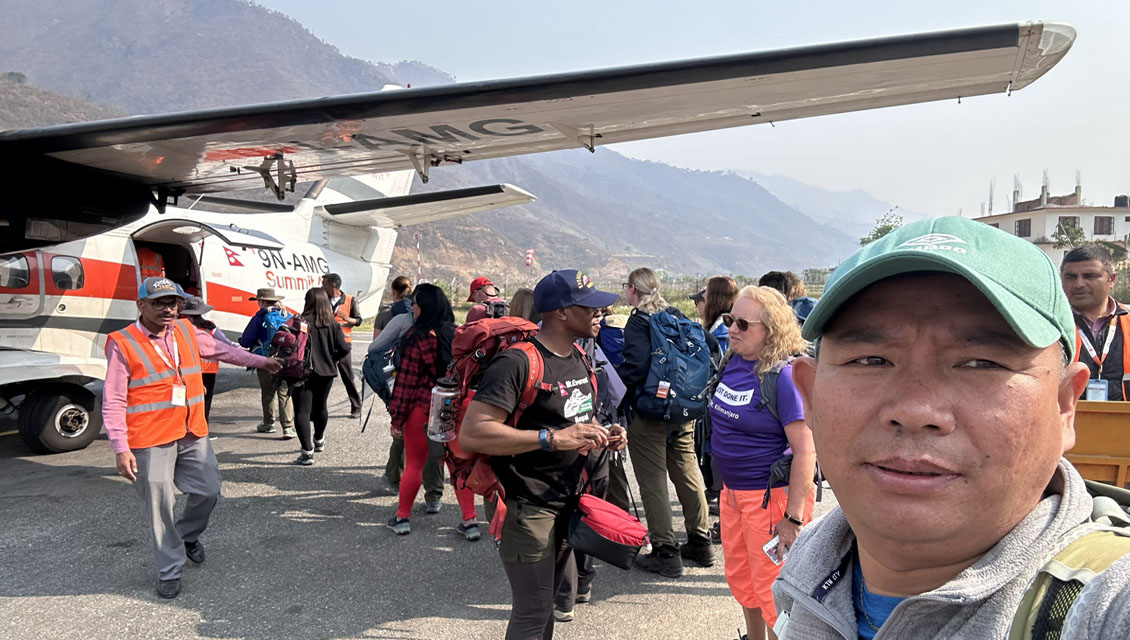
The Everest Heritage Trail Trek is located in the Khumbu region of northeastern Nepal within Sagarmatha National Park. The journey begins with a scenic flight to Lukla and follows the Dudh Koshi River valley through forests, ridges, and traditional mountain villages.
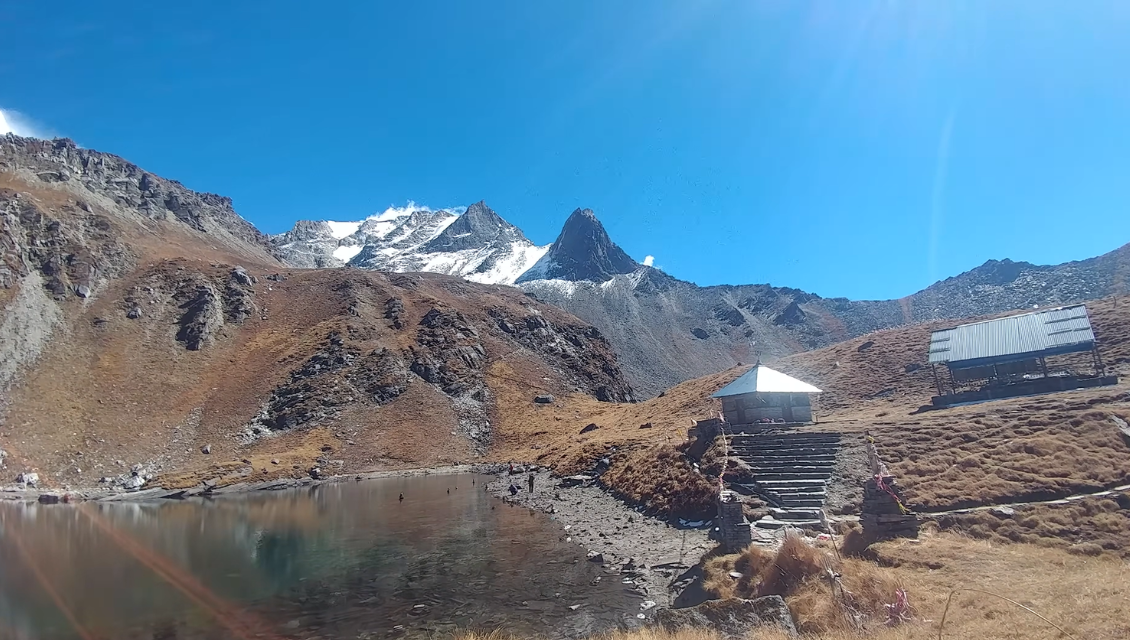
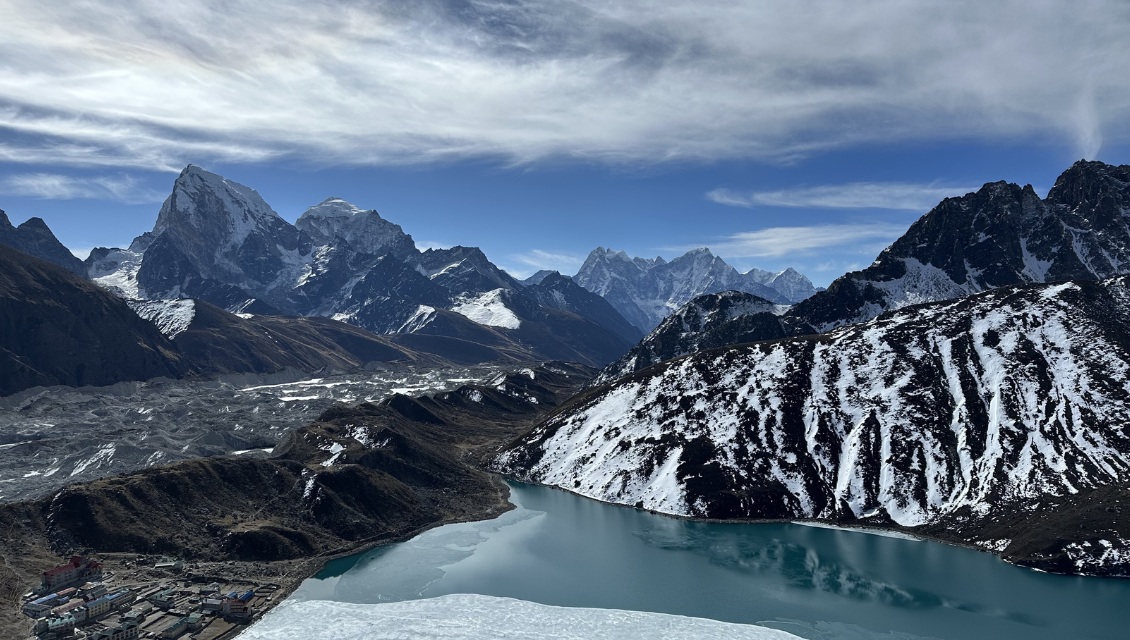
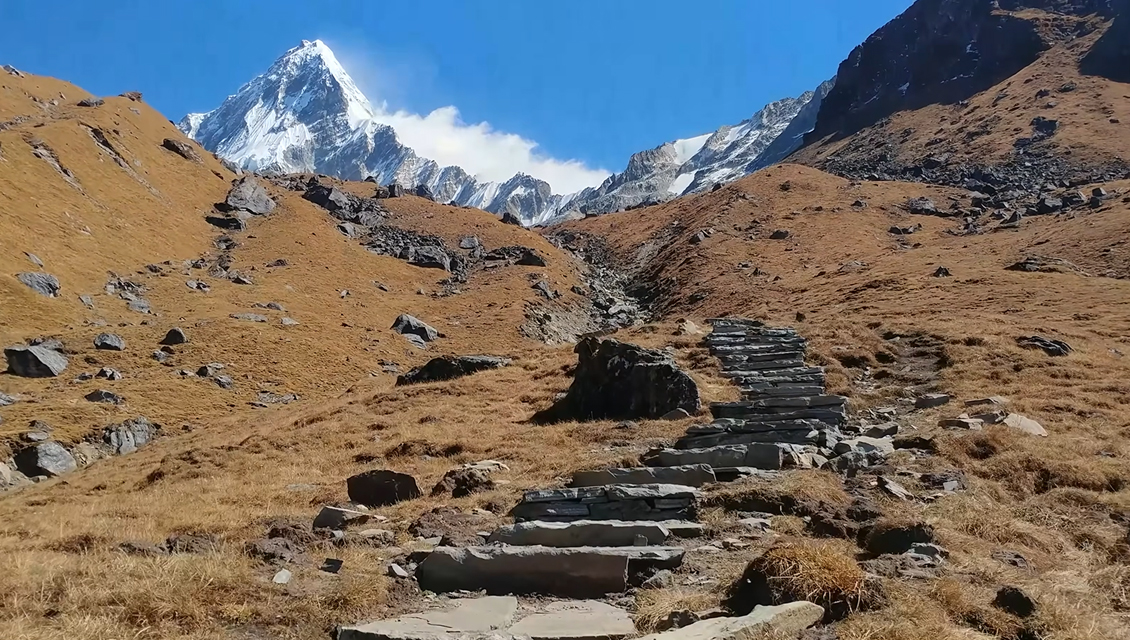
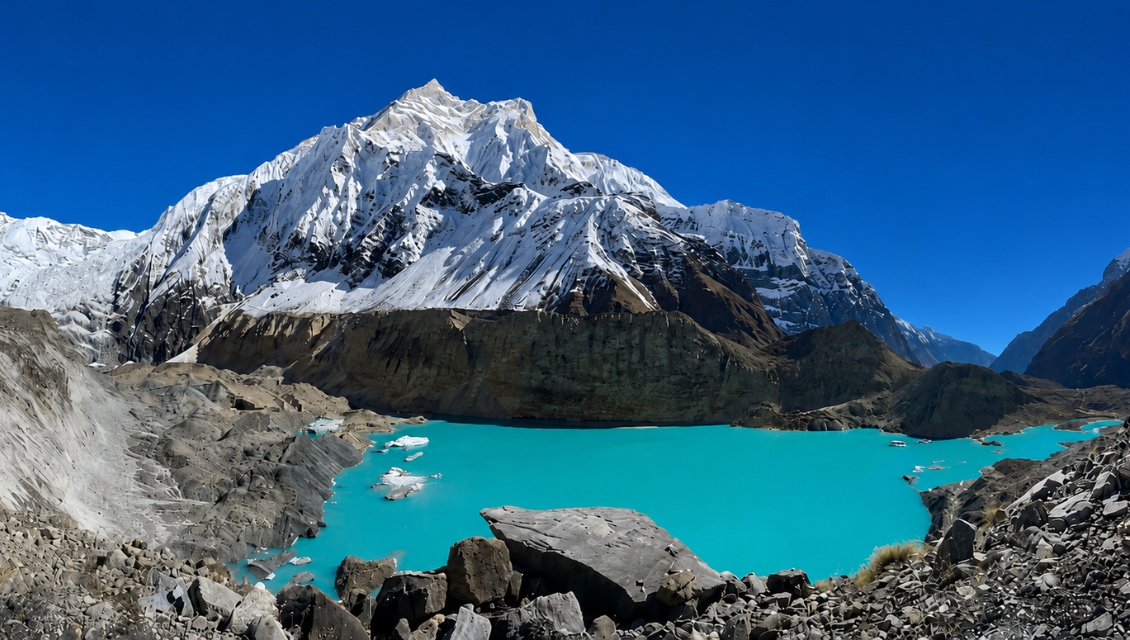
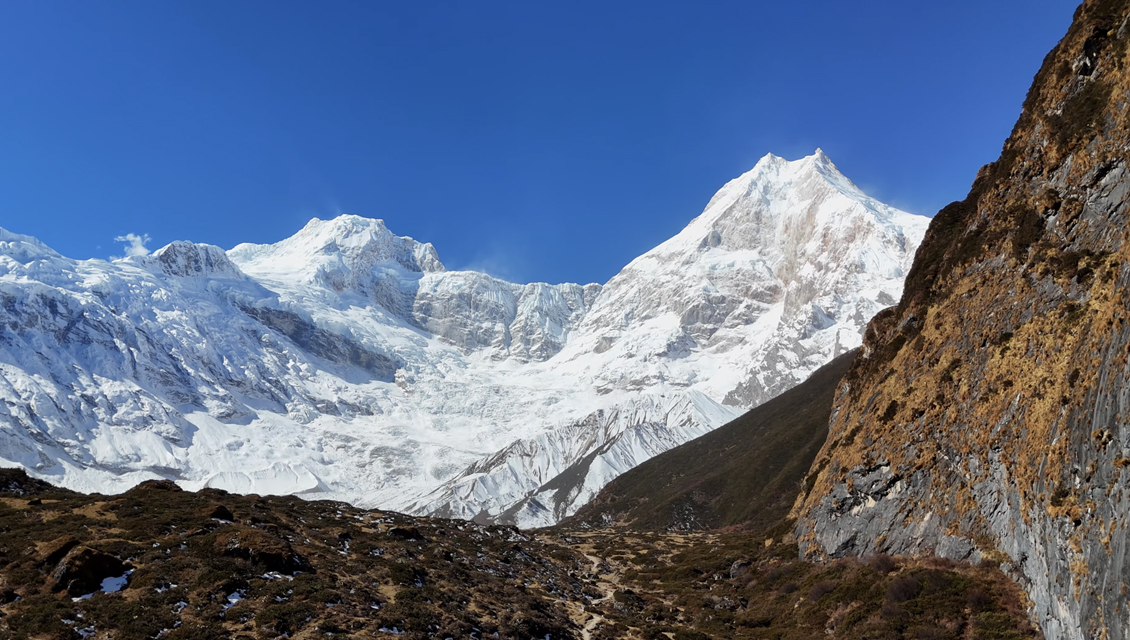
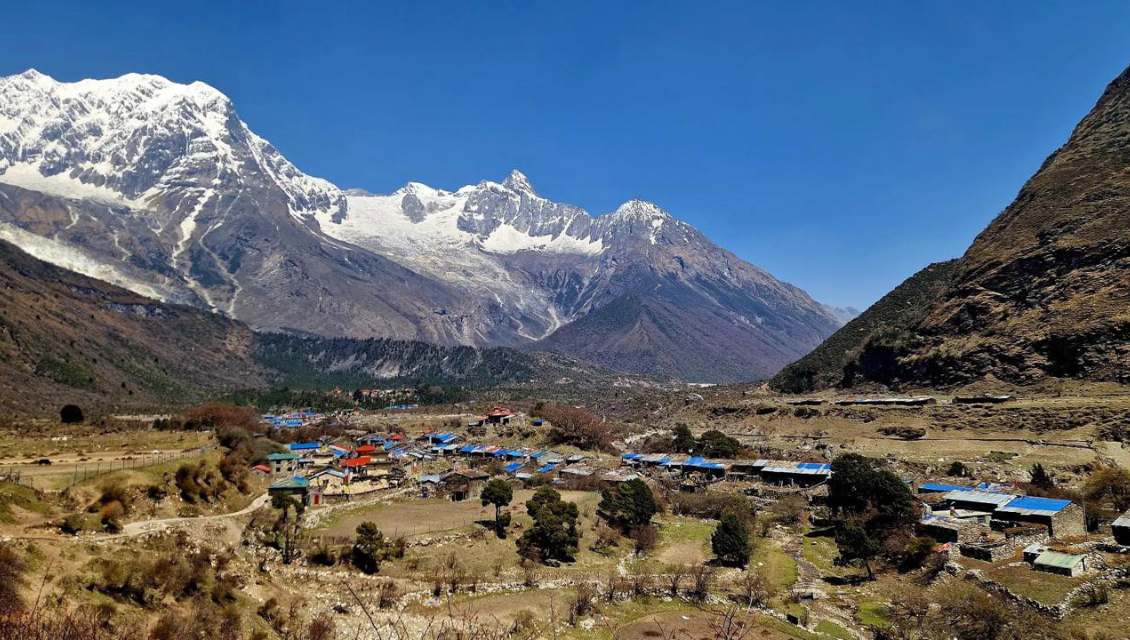
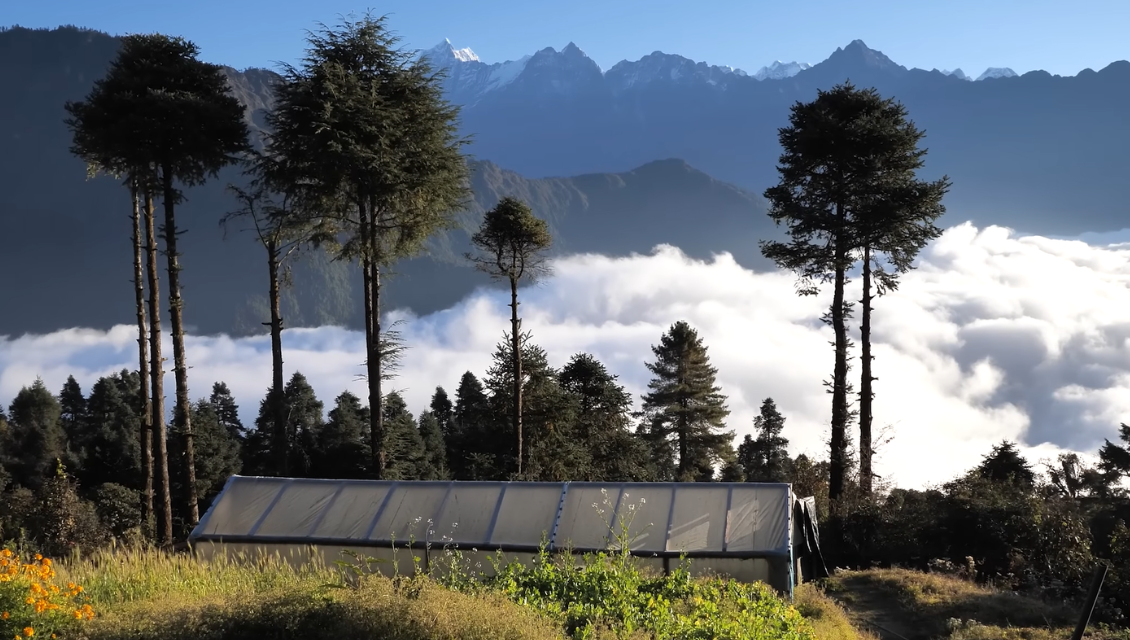
The landscape is highly diverse, starting from lush rhododendron and pine forests at lower elevations and gradually transitioning into alpine terrain with dramatic cliffs, glacial valleys, and high-altitude viewpoints. The trail offers stunning panoramas of Everest, Thamserku, Kangtega, and Ama Dablam throughout the journey.
Key highlights include panoramic ridge walks, suspension bridge crossings, glacier-fed rivers, and viewpoints overlooking the entire Khumbu Valley. The region’s natural beauty is complemented by its peaceful environment, making it an excellent alternative to busier trekking routes.
Climate and Best Time to Trek
The best seasons for the Everest Heritage Trail Trek are spring (March to May) and autumn (September to November). These periods offer stable weather, clear skies, and excellent visibility of the Himalayan peaks.
Spring brings blooming rhododendron forests and mild temperatures, while autumn provides crisp air and some of the clearest mountain views of the year. Winter (December to February) is colder but offers quiet trails and excellent visibility for experienced trekkers. The monsoon season (June to August) is generally not recommended due to rain, slippery trails, and limited mountain views.
Overall, spring and autumn are the most favorable times for a safe and rewarding trekking experience.
People and Culture
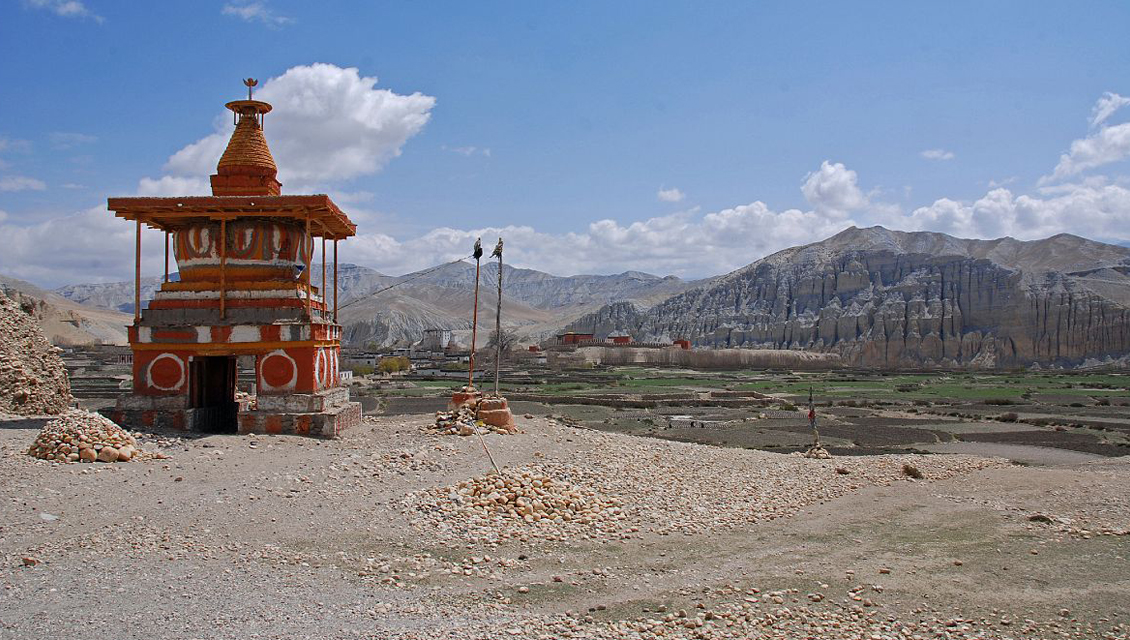
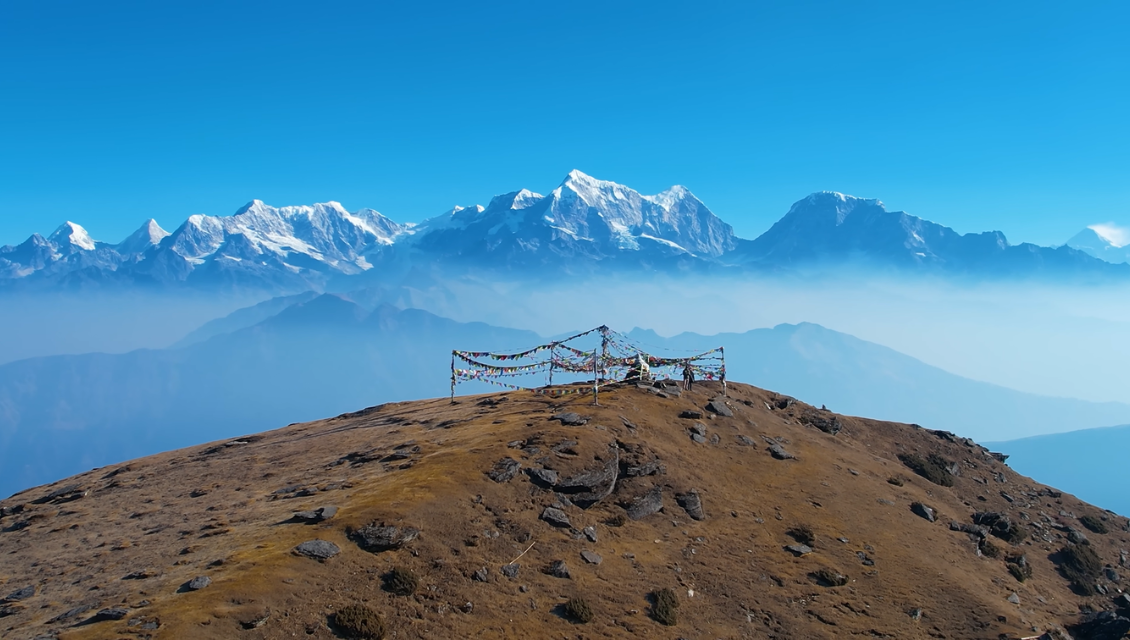
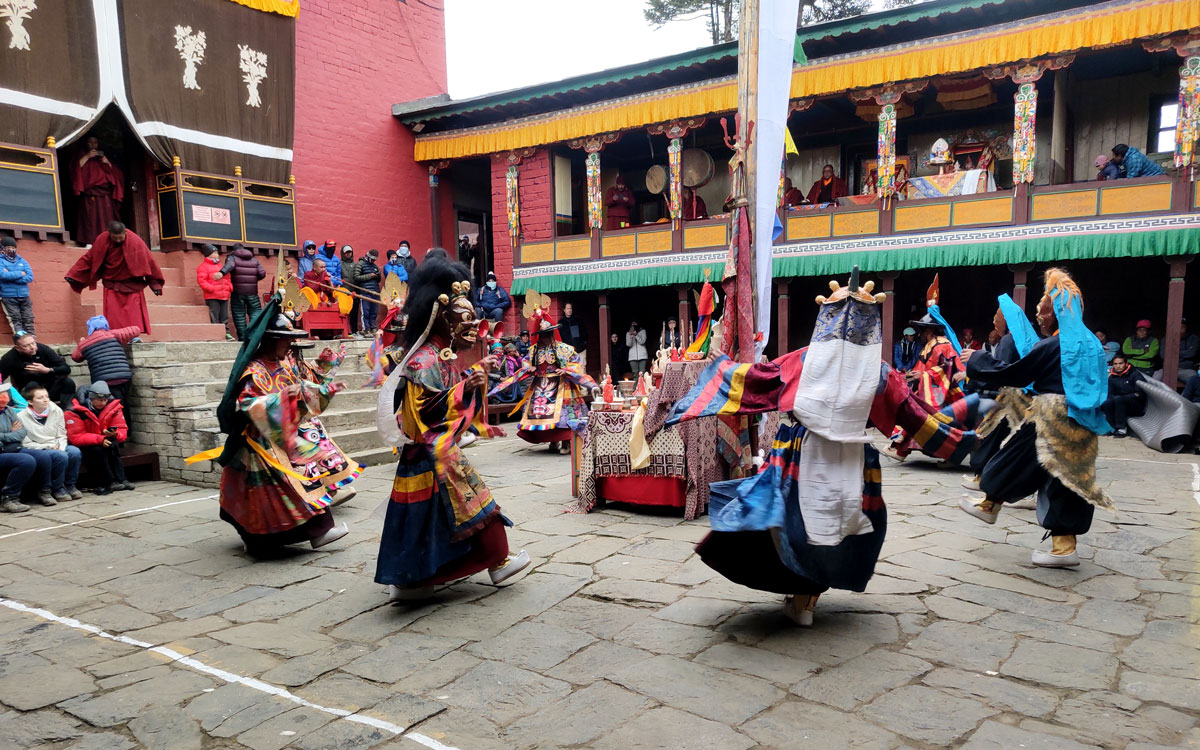
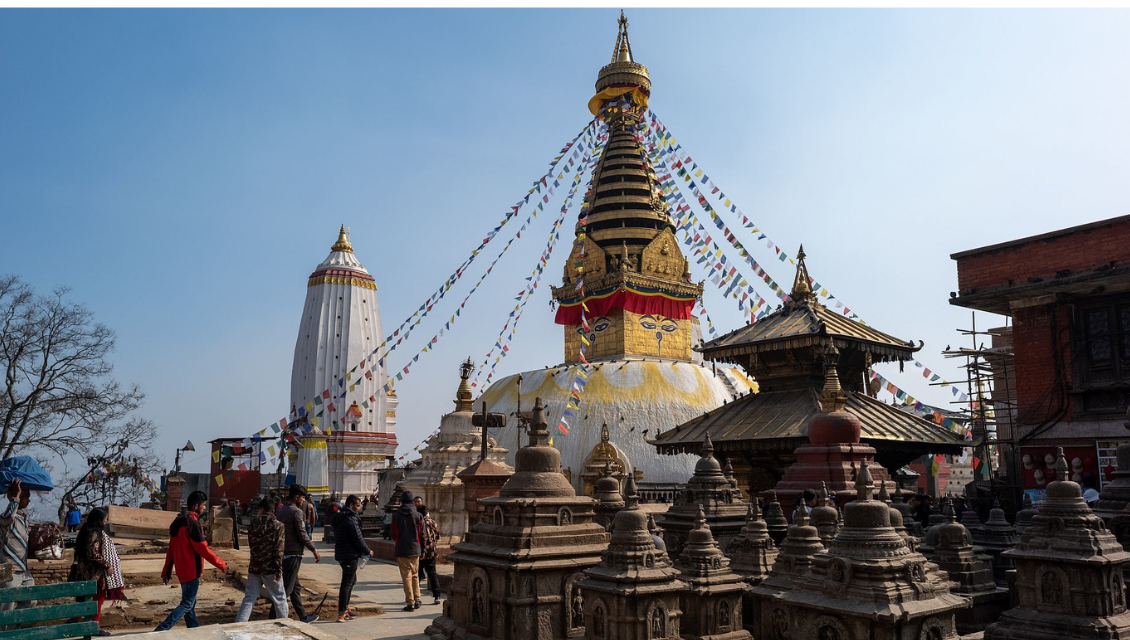
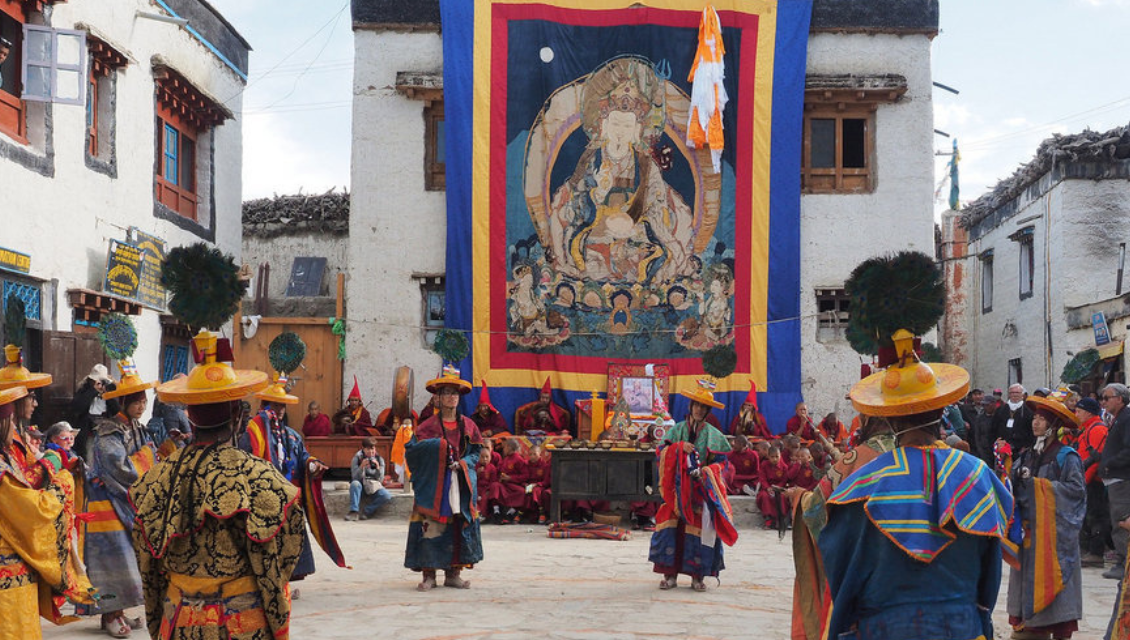
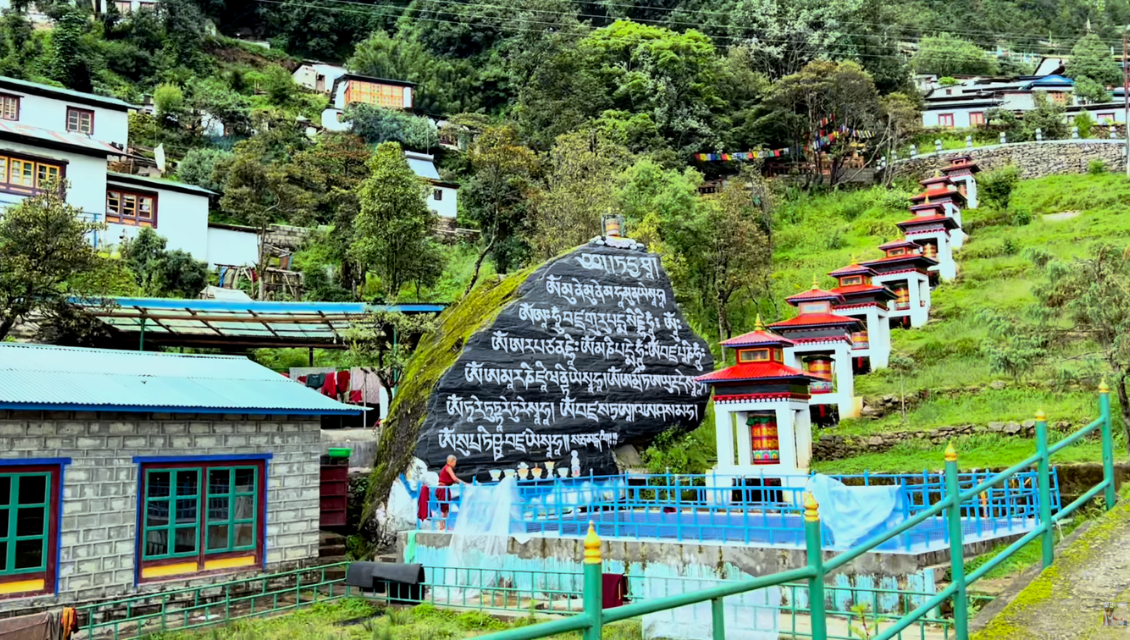
The Everest Heritage Trail Trek is deeply rooted in Sherpa culture, offering an authentic insight into the traditions, lifestyle, and spirituality of the Himalayan people. The region is strongly influenced by Tibetan Buddhism, reflected in prayer flags, mani walls, chortens, and centuries-old monasteries along the route.
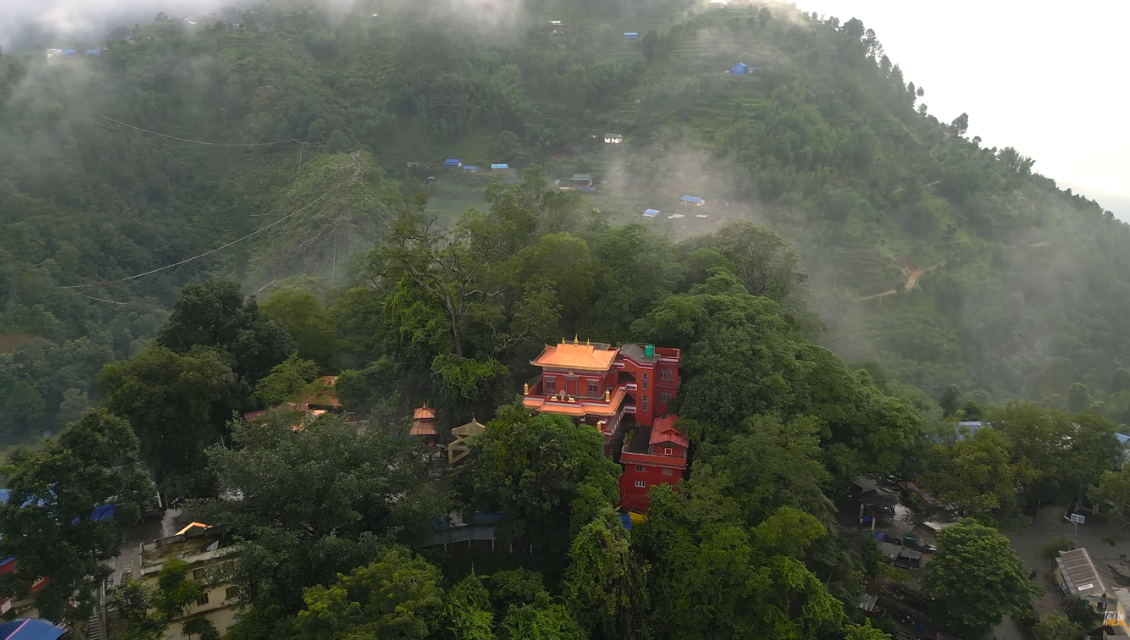
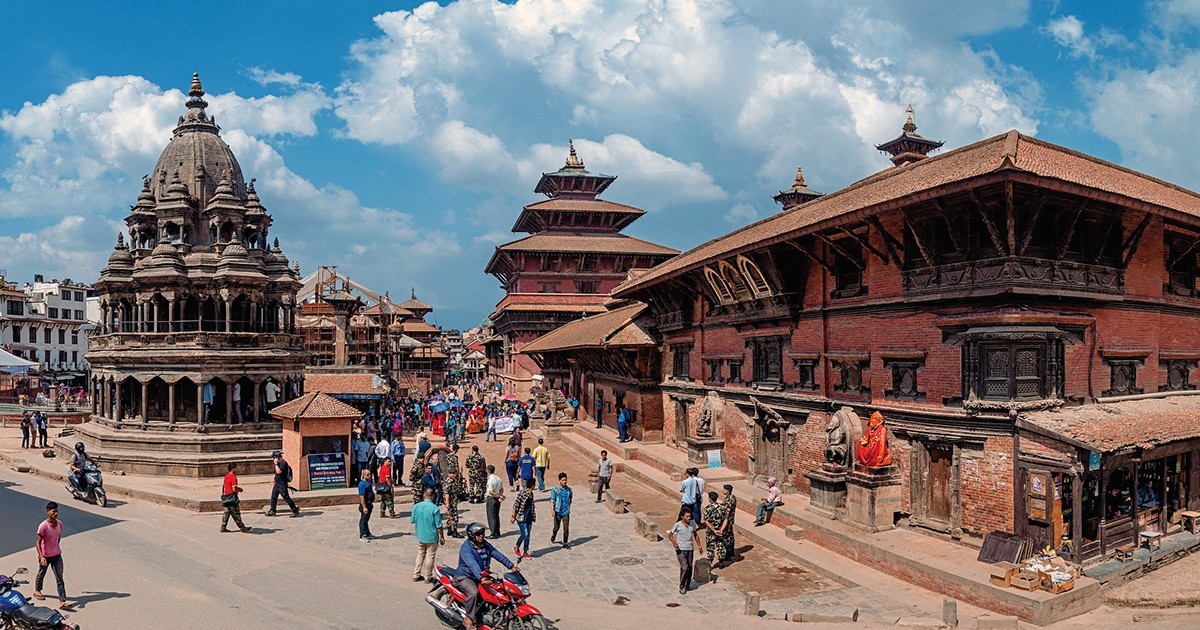
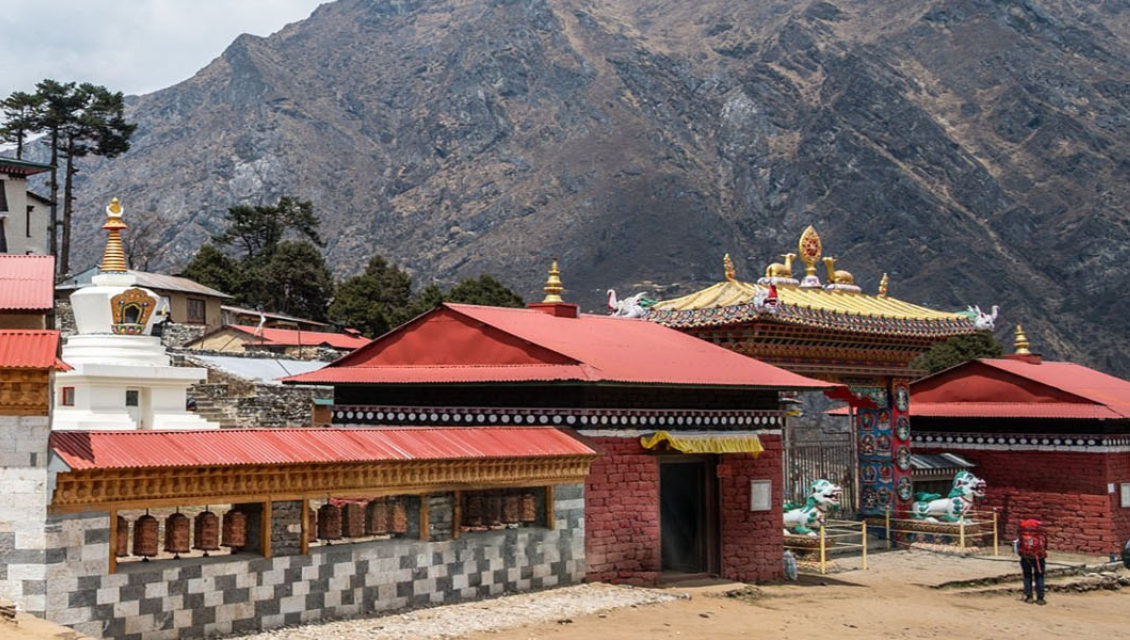
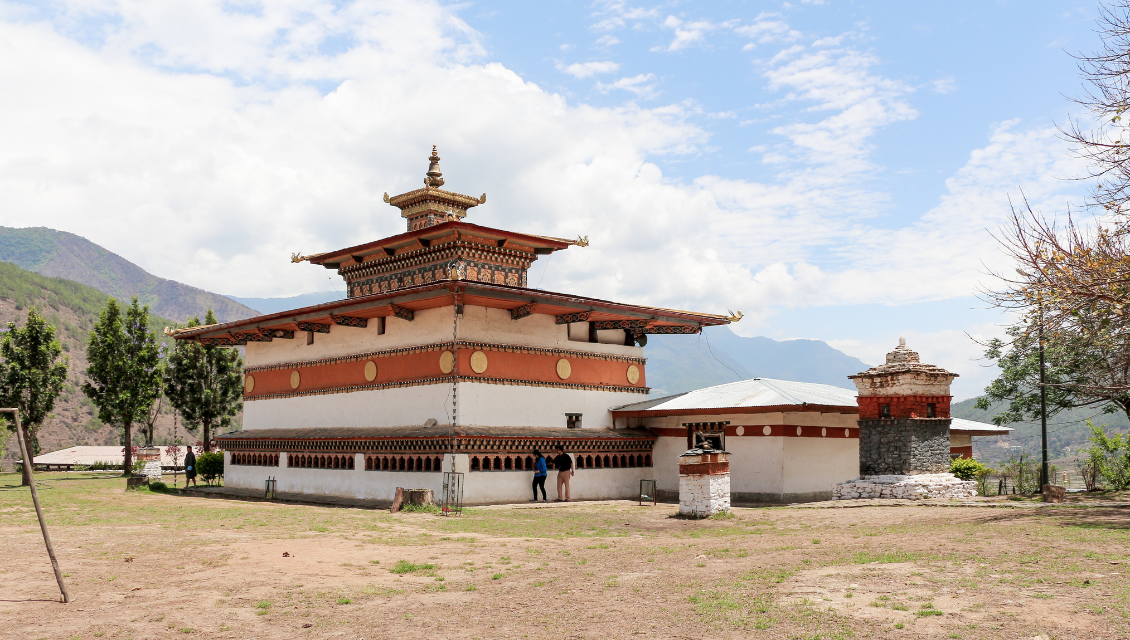
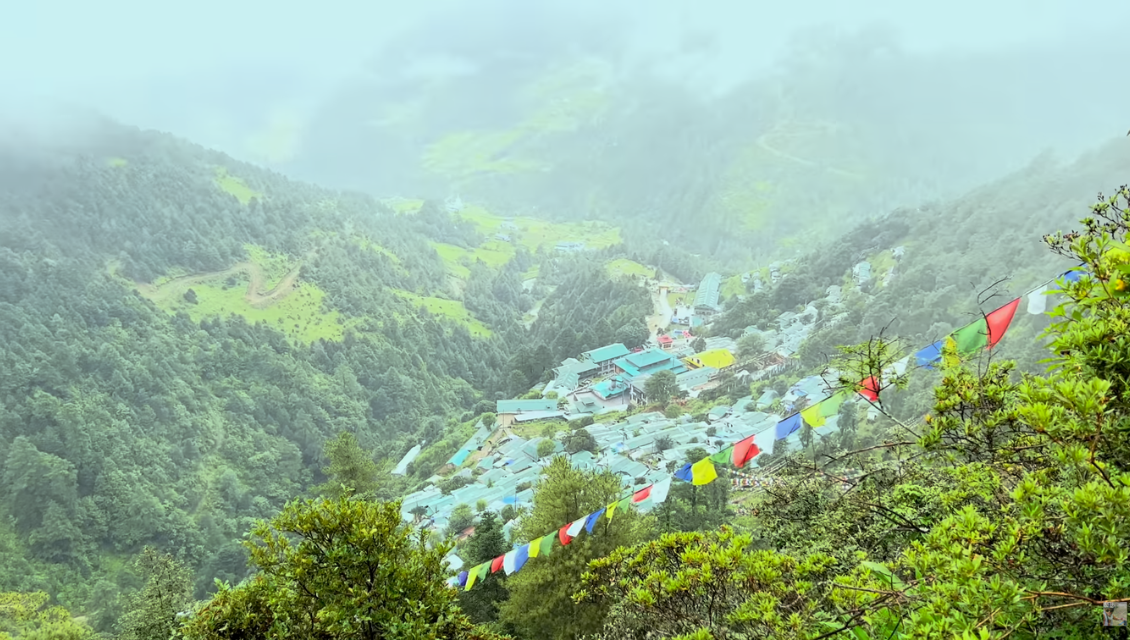
Trekkers pass through culturally rich villages such as Namche Bazaar, Khumjung, Khunde, and Pangboche, where traditional stone houses and terraced fields define the landscape. A major cultural highlight is Tengboche Monastery, one of the most important spiritual centers in the Everest region, offering stunning views of Ama Dablam and Everest.
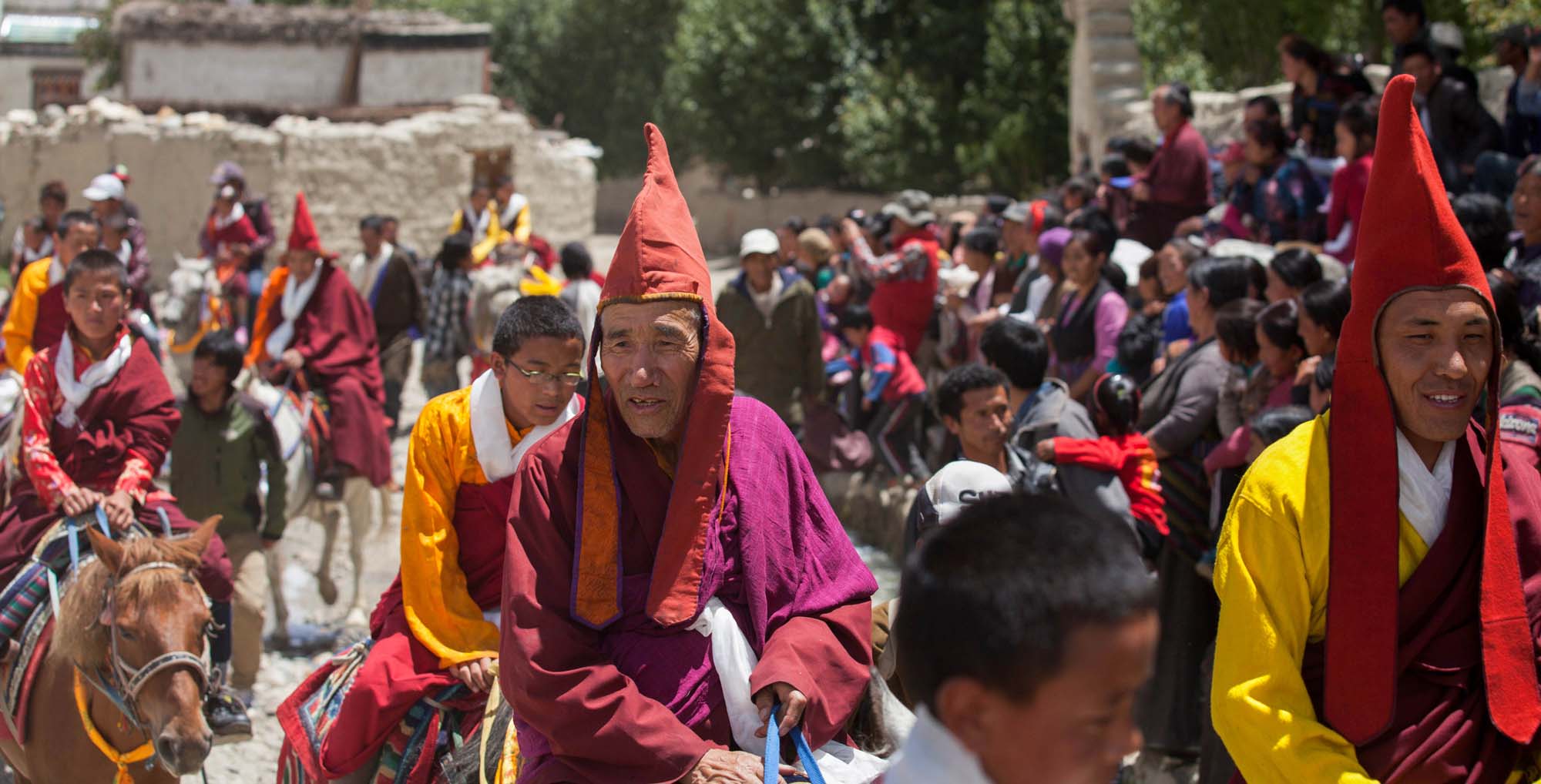
This trek provides meaningful interactions with local communities, allowing visitors to experience Sherpa hospitality, traditional farming practices, and Buddhist rituals. The combination of cultural depth, natural beauty, and Himalayan scenery makes the Everest Heritage Trail Trek a truly enriching and memorable journey.
Package Highlights:
- Explore ancient monasteries and cultural centers like Junbesi and Thuptencholing
- Follow the original Tenzing-Hillary route taken during the 1953 Everest expedition
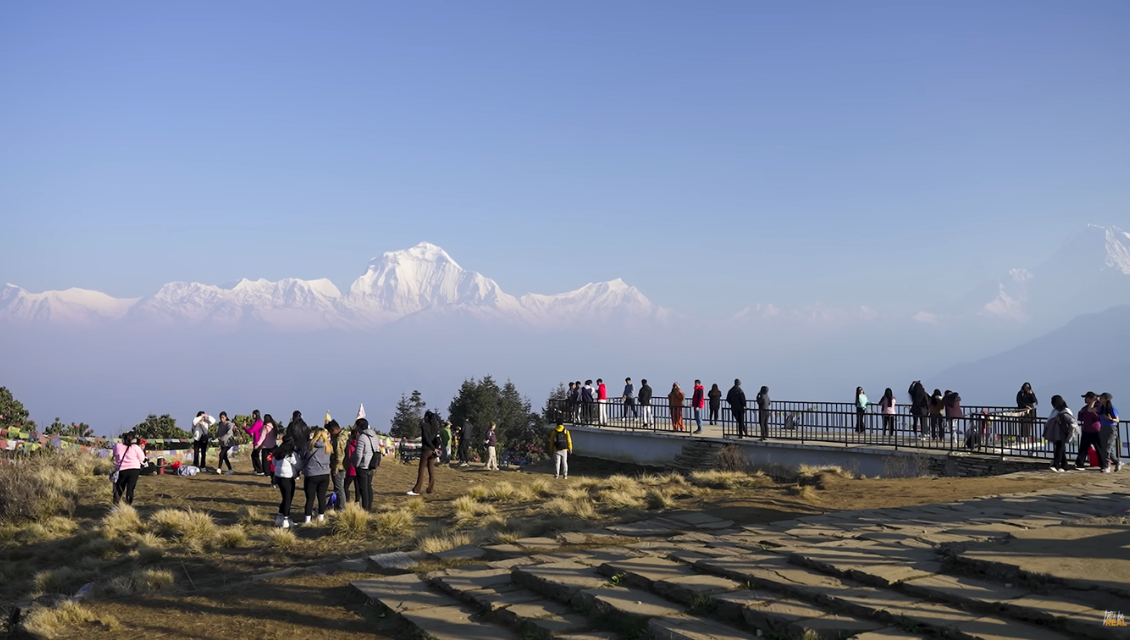
- Panoramic views of Everest, Lhotse, and Ama Dablam from lower elevations
- Gradual altitude gain, ensuring safe acclimatization
- Immerse in authentic Sherpa villages before reaching busy Namche
- Fewer crowds and more intimate cultural encounters
Book This Trip
Trip Information
 Start : Kathmandu
 Finish : Kathmandu
 Difficulty :
Moderate
Difficulty :
Moderate
 Max Altitude : 3880m
 Group Size : 17 People
 Season : SEP-NOV, MAR-MAY
Trip Gallery



Map
Trip Itinerary
Altitude - 1400m
Upon your arrival at Tribhuvan International Airport in Kathmandu, you will be warmly welcomed by our representative and transferred to your hotel. After check-in, you can relax or explore the vibrant streets, temples, and local markets of Nepal’s capital city. In the evening, you will meet your trekking guide for a detailed briefing and preparation for the journey ahead.
Accomadation: Hotel
Place to visit: Nepal
Meals: Dinner
Altitude - 1400m
Today is dedicated to trek preparation and final arrangements before heading into the mountains. You can check and organize your trekking equipment, complete permit preparations, and meet your trekking team. If time permits, explore cultural landmarks, traditional markets, and local restaurants around Kathmandu while experiencing the lively atmosphere of the city.
Accomadation: Hotel
Place to visit: Nepal
Meals: Breakfast
Altitude - 1400m - 2400m
Travel Duration - 35 minutes flight / 8-9 hours drive
After breakfast, begin your journey to the Solu region either by a scenic mountain flight or a picturesque drive through hills, rivers, terraced farmland, and traditional villages. Upon arrival in Phaplu, you can enjoy the peaceful mountain atmosphere and beautiful surroundings of the lower Everest region.
Accomadation: Tea House
Place to visit: Everest Region
Meals: Breakfast Lunch Dinner
Altitude - 2400m - 2960m
Trek Duration - 5-6 hours
Your first trekking day begins with a gradual ascent through pine forests, traditional Sherpa villages, and peaceful mountain trails decorated with prayer flags. Along the route, you will enjoy beautiful Himalayan scenery and experience the local culture of the Solu region. If time permits, you may also visit the historic Taksindu Monastery overlooking the valley.
Accomadation: Tea House
Place to visit: Everest Region
Meals: Breakfast Lunch Dinner
Altitude - 2960m - 2700m
Trek Duration - 5 hours
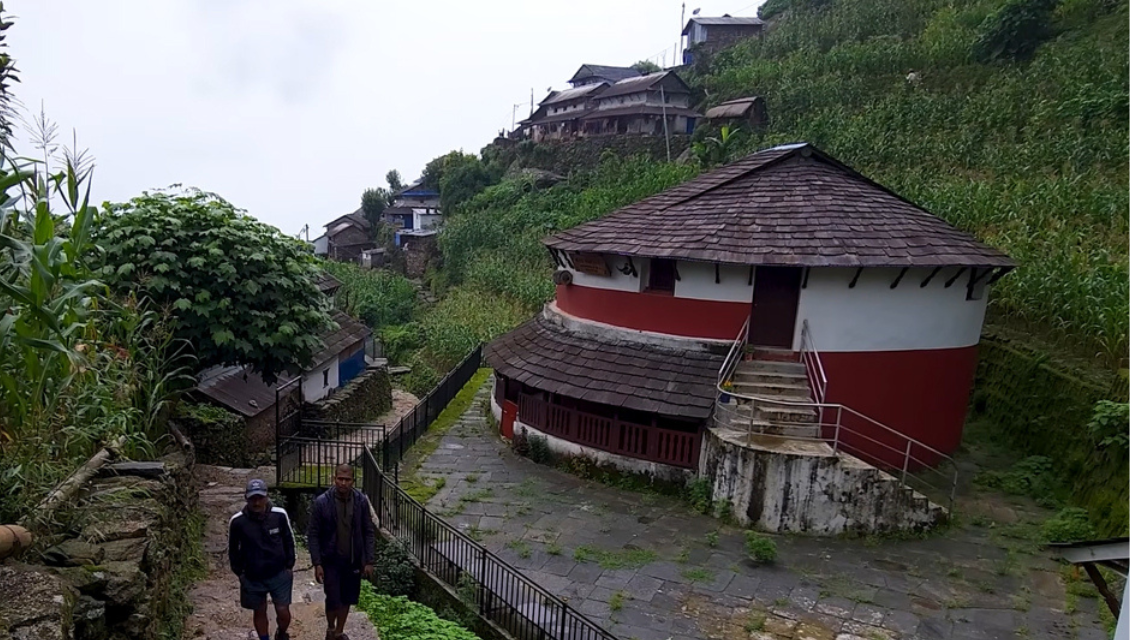
The trail to Junbesi passes through rhododendron and fir forests, scenic ridges, and traditional mountain settlements with stunning views of the Everest region. Junbesi is one of the most culturally rich Sherpa villages in the area, known for its stone-paved paths, monasteries, and traditional wooden houses.
Accomadation: Tea House
Place to visit: Everest Region
Meals: Breakfast Lunch Dinner
Altitude - 2700m
Trek Duration - 4-5 hours
Today is an acclimatization and cultural exploration day. You will hike to the famous Thuptencholing Monastery, home to hundreds of monks and nuns practicing Tibetan Buddhism. The peaceful surroundings, prayer ceremonies, and mountain atmosphere provide a unique cultural and spiritual experience before returning to Junbesi.
Accomadation: Tea House
Place to visit: Everest Region
Meals: Breakfast Lunch Dinner
Altitude - 2700m - 2330m
Trek Duration - 6-7 hours
The trail descends through forests, terraced farmland, and traditional villages while crossing the Dudh Koshi River. Along the route, you can enjoy views of Everest and Thamserku on clear days while experiencing the unique blend of Rai and Sherpa cultures in the mountain communities.
Accomadation: Tea House
Place to visit: Everest Region
Meals: Breakfast Lunch Dinner
Altitude - 2330m - 2400m
Trek Duration - 6 hours
The trail follows scenic ridges, forested hills, and beautiful farmland while passing traditional villages of the lower Everest region. Along the way, you will experience local mountain culture, peaceful landscapes, and stunning views of the surrounding valleys and hills.
Accomadation: Tea House
Place to visit: Everest Region
Meals: Breakfast Lunch Dinner
Altitude - 2400m - 2950m
Trek Duration - 6 hours
Continue trekking through alpine forests, yak pastures, and peaceful mountain trails toward Surke or Chaurikharka. The route offers a quieter alternative path before connecting with the main Everest Base Camp trail near Lukla.
Accomadation: Tea House
Place to visit: Everest Region
Meals: Breakfast Lunch Dinner
Altitude - 2950m - 2610m
Trek Duration - 4-5 hours
Today you join the famous Everest Base Camp trail, where the path becomes more lively with trekkers, yaks, and porters. Cross suspension bridges over the Dudh Koshi River and walk through pine forests before reaching the beautiful riverside village of Phakding.
Accomadation: Tea House
Place to visit: Everest Region
Meals: Breakfast Lunch Dinner
Altitude - 2610m - 3440m
Trek Duration - 6 hours
One of the most exciting trekking days, the trail crosses several suspension bridges including the famous Hillary Bridge before ascending through pine forests toward Namche Bazaar. Along the way, you may catch your first clear view of Mount Everest. Namche is the vibrant trading hub of the Everest region with cafes, bakeries, shops, and stunning mountain views.
Accomadation: Tea House
Place to visit: Everest Region
Meals: Breakfast Lunch Dinner
Altitude - 3440m - 3880m - 3440m
Trek Duration - 3-4 hours
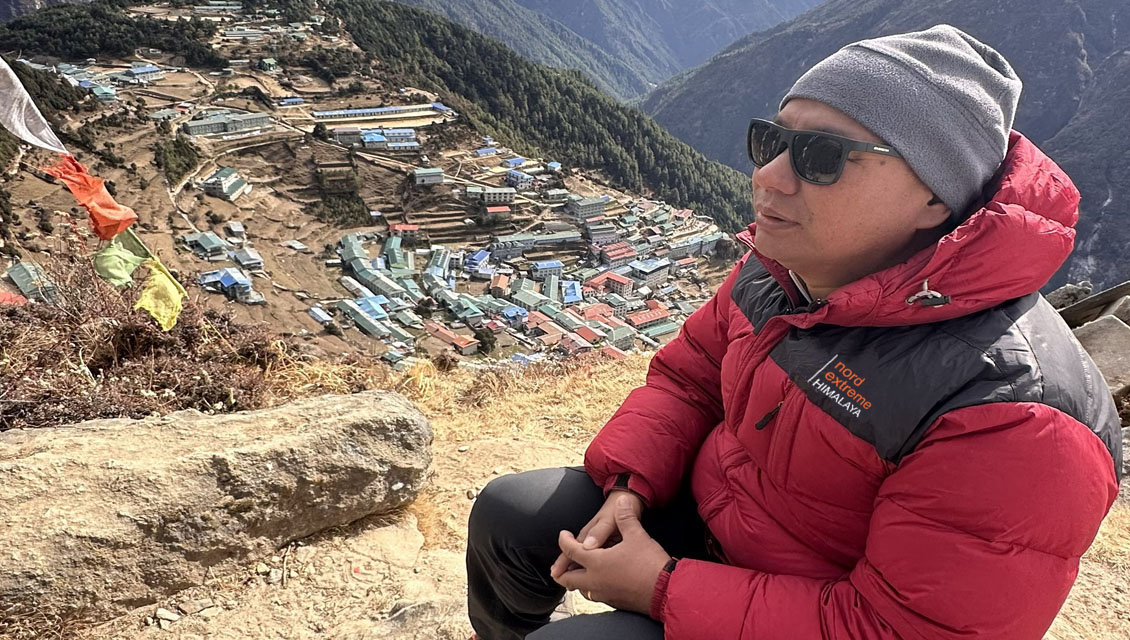
Today is reserved for acclimatization and exploration around Namche Bazaar. You may hike to the famous Everest View Hotel for breathtaking panoramic views of Everest, Ama Dablam, and surrounding peaks. You can also explore local monasteries, museums, cafes, and traditional Sherpa culture in Namche.

Accomadation: Tea House
Place to visit: Everest Region
Meals: Breakfast Lunch Dinner
Altitude - 3440m - 2860m
Trek Duration - 6-7 hours
Retrace your steps through forests, rivers, suspension bridges, and traditional villages as you make your way back to Lukla. This final trekking day offers a chance to reflect on the incredible Himalayan adventure and celebrate the successful journey with your trekking team.
Accomadation: Tea House
Place to visit: Everest Region
Meals: Breakfast Lunch Dinner
Altitude - 2860m - 1400m
Travel Duration - 35 minutes flight
Take a scenic mountain flight back to Kathmandu while enjoying spectacular aerial views of the Himalayas. Upon arrival, transfer to your hotel and spend the rest of the day relaxing, shopping, or exploring the city.
Accomadation: Hotel
Place to visit: Nepal
Meals: Breakfast Lunch Dinner
Altitude - 1400m
This day is reserved as a buffer in case of flight delays from Lukla due to weather conditions. If everything goes according to schedule, you may enjoy sightseeing around Kathmandu Valley, explore Bhaktapur or Patan, or do some last-minute shopping before your international departure.
Place to visit: Nepal
Meals: Breakfast
Cost Includes
1. Transportations
- Private/tourist vehicles for airport pickup and drop-off in Kathmandu.
- Private/tourist vehicles transfer as per itinerary to access the trailheads.
- Domestic flight included for access to the trekking starting & ending point.
2. Accommodation & Meals
- 3 Night 3-star hotel in Kathmandu with bed & breakfast basis.
- Breakfast, lunch & dinner with tea & coffee during the trekking Period.
3. Permits
- Sagarmatha National Park Entry Permits. (Permit required for the Everest region)
- Local Government Entry Permits. (Khumbu Pasang Lhamu Rural Munacipality)
- Trekkers' Information Management System (TIMS) permits.
4. Guide & Staff
- Professional and experience License holder trekking guide salary & insurance.
- Porter salary, equipments & insurance.
- First aid medical kit for emergency support.
1. Transportations
- Private/tourist vehicles for airport pickup and drop-off in Kathmandu.
- Private/tourist vehicles transfer as per itinerary to access the trailheads.
- Domestic flight included for access to the trekking starting & ending point.
2. Accommodation & Meals
- 3 Night 3-star hotel in Kathmandu with bed & breakfast basis.
- Breakfast, lunch & dinner with tea & coffee during the trekking Period.
3. Permits
- Sagarmatha National Park Entry Permits. (Permit required for the Everest region)
- Local Government Entry Permits. (Khumbu Pasang Lhamu Rural Munacipality)
- Trekkers' Information Management System (TIMS) permits.
4. Guide & Staff
- Professional and experience License holder trekking guide salary & insurance.
- Porter salary, equipments & insurance.
- First aid medical kit for emergency support.
Cost Excludes
1. International Flights
- Airfare from your home country to Nepal (Tribhuvan International Airport, Kathmandu).
- Return airfare from Nepal (Tribhuvan International Airport, Kathmandu) to your home country.
2. Visa Fees
- Nepal entry visa fee for entering Nepal (available on arrival at Tribhuvan International Airport, Kathmandu, or through a Nepalese embassy).
3. Travel Insurance (Mandatory)
- Comprehensive travel insurance covering high-altitude trekking, emergency medical treatment, helicopter evacuation, trip cancellation, and other unforeseen circumstances.
4. Personal Expenses
- Tips, gifts, and souvenirs for trekking guides and porters.
- Personal trekking equipment and gear.
- Charges for lodge Wi-Fi, hot showers, battery charging, and laundry services.
5. Meals & Beverages
- Lunch and dinner in Kathmandu, Pokhara, and other locations where accommodation is provided in 3-star category hotels.
- Soft drinks, bottled water, alcoholic beverages, and snacks consumed during meals
1. International Flights
- Airfare from your home country to Nepal (Tribhuvan International Airport, Kathmandu).
- Return airfare from Nepal (Tribhuvan International Airport, Kathmandu) to your home country.
2. Visa Fees
- Nepal entry visa fee for entering Nepal (available on arrival at Tribhuvan International Airport, Kathmandu, or through a Nepalese embassy).
3. Travel Insurance (Mandatory)
- Comprehensive travel insurance covering high-altitude trekking, emergency medical treatment, helicopter evacuation, trip cancellation, and other unforeseen circumstances.
4. Personal Expenses
- Tips, gifts, and souvenirs for trekking guides and porters.
- Personal trekking equipment and gear.
- Charges for lodge Wi-Fi, hot showers, battery charging, and laundry services.
5. Meals & Beverages
- Lunch and dinner in Kathmandu, Pokhara, and other locations where accommodation is provided in 3-star category hotels.
- Soft drinks, bottled water, alcoholic beverages, and snacks consumed during meals
Trip Date And Time
We'll Be There, Like We've Been There Before
|
Start |
End |
Trip Cost |
Action |
Enquire |
|---|---|---|---|---|
| 08 Nov, 2026 | 22 Nov, 2026 | 2090 | Book Now | |
| 03 Nov, 2026 | 17 Nov, 2026 | 2090 | Book Now | |
| 29 Oct, 2026 | 12 Nov, 2026 | 2090 | Book Now | |
| 21 Oct, 2026 | 04 Nov, 2026 | 2090 | Book Now | |
| 13 Oct, 2026 | 27 Oct, 2026 | 2090 | Book Now | |
| 05 Oct, 2026 | 19 Oct, 2026 | 2090 | Book Now | |
| 01 Oct, 2026 | 15 Oct, 2026 | 2090 | Book Now | |
| 29 Sep, 2026 | 13 Oct, 2026 | 2090 | Book Now | |
| 14 Sep, 2026 | 28 Sep, 2026 | 2090 | Book Now | |
| 09 Sep, 2026 | 23 Sep, 2026 | 2090 | Book Now | |
| 01 Sep, 2026 | 15 Sep, 2026 | 2090 | Book Now | |
| 27 Aug, 2026 | 10 Sep, 2026 | 2090 | Book Now |
Essential Information
Accommodation
Accommodation is provided in comfortable teahouses, family-run lodges, and community-based guesthouses throughout the route. Facilities are generally better than higher-altitude trekking zones due to lower elevation and stronger village infrastructure.
Key villages such as Namche Bazaar, Khumjung, Thame, and Phortse offer warm hospitality, clean rooms, and culturally rich homestay-style experiences.
Meals
A full-board meal system (Breakfast, Lunch, and Dinner) is provided throughout the trek. Meals are freshly prepared using locally sourced ingredients where possible.
Typical food options include:
- Traditional Dal Bhat set meals
- Tibetan bread, pancakes, and porridge
- Noodles, pasta, fried rice, and soups
- Eggs, potatoes, and seasonal vegetables
- Tea, coffee, butter tea, and local beverages
The culinary experience also reflects Sherpa culture, with simple but nourishing mountain cuisine.
Difficulty & Physical Requirements
The Everest Heritage Trails Trek is classified as easy to moderate, making it suitable for beginners, families, and cultural trekkers.
Daily walking ranges from 3 to 6 hours, mostly on well-established trails with gradual ascents and descents. No technical climbing or high-pass crossing is involved.
Basic fitness and comfort with walking at altitude are sufficient for this trek.
Permits
The following permits are required:
- Sagarmatha National Park Entry Permit
- Khumbu Pasang Lhamu Rural Municipality Permit
- TIMS Card (Trekkers’ Information Management System)
All permits are typically arranged by the trekking operator prior to departure.
Best Season
- Spring (March–May): Clear skies, blooming rhododendrons, pleasant temperatures
- Autumn (September–November): Best visibility and stable weather conditions
- Winter (December–February): Cold but peaceful with fewer tourists
- Monsoon (June–August): Not recommended due to rain and trail conditions
Transportation & Access
The journey typically begins with a scenic mountain flight from Kathmandu to Lukla, followed by trekking through culturally significant Sherpa villages.
The route is flexible and may include circular itineraries connecting Namche, Khumjung, Thame, Phortse, and surrounding heritage settlements.
Safety & Acclimatization
Although this is a lower-altitude trekking route, some sections still exceed 3,800 meters. Proper acclimatization is naturally integrated into the itinerary, particularly around Namche Bazaar.
Basic altitude awareness and slow pacing are recommended, though the risk of severe altitude sickness is significantly lower compared to high passes or base camp treks.
Travel Insurance
Travel insurance is recommended and should include:
- Medical coverage for trekking activities
- Emergency evacuation (including helicopter rescue if required)
- Accident and injury coverage
- Trip interruption or cancellation protection
Additional Information
Guide & Porter Services
Experienced local Sherpa guides lead the trek, offering cultural interpretation, historical insight, and logistical support. Porters are available to carry luggage, ensuring a comfortable and relaxed trekking experience.
Guides play a key role in explaining local traditions, monasteries, and community heritage throughout the journey.
Cultural Experience & Highlights
This trek is strongly focused on heritage and cultural immersion:
- Visit to Tengboche Monastery, the spiritual center of the Khumbu region
- Exploration of traditional Sherpa villages such as Khumjung and Thame
- Insight into Buddhist rituals, prayer ceremonies, and monastic life
- Visits to local museums, schools, and community projects
- Interaction with local families and cultural preservation initiatives
Essential Equipment
Recommended gear includes:
- Comfortable trekking shoes or boots
- Layered clothing for variable mountain weather
- Light down jacket or warm outer layer
- Waterproof jacket and trousers
- Hat, gloves, sunglasses, and sunscreen
- Small daypack (20–30L)
- Personal toiletries and basic first aid kit
Heavy expedition gear is not required for this trek.
Communication & Connectivity
Mobile networks (Nepal Telecom and Ncell) are widely available in most villages along the route, especially in Namche Bazaar and surrounding settlements.
Wi-Fi is available in lodges at an additional cost, and connectivity is generally more stable compared to higher-altitude trekking routes.
Why Choose the Everest Heritage Trails Trek?
This trek is ideal for travelers seeking a deeper understanding of Himalayan culture and lifestyle without extreme physical demands:
- Rich Sherpa cultural immersion and heritage experience
- Visits to historic villages and monasteries
- Stunning views of Everest, Ama Dablam, and surrounding peaks
- Suitable for beginners and family travelers
- Comfortable accommodation compared to high-altitude routes
- Less physically demanding than Everest Base Camp treks
- Strong focus on Buddhism, traditions, and local community life
- Ideal introduction to the Everest region
USD 2090 / person
See group booking discount- No. of person Price per person
- 1 USD 2090.00
- 2-3 USD 1745.00
- 4-7 USD 1630.00
- 8-12 USD 1565.00
- 13-17 USD 1490.00
The price may varies
Speak to an Expert