Budget
USD 1575
Per Person
Rating
3 Reviews
Duration
12 Days
Trip Overview
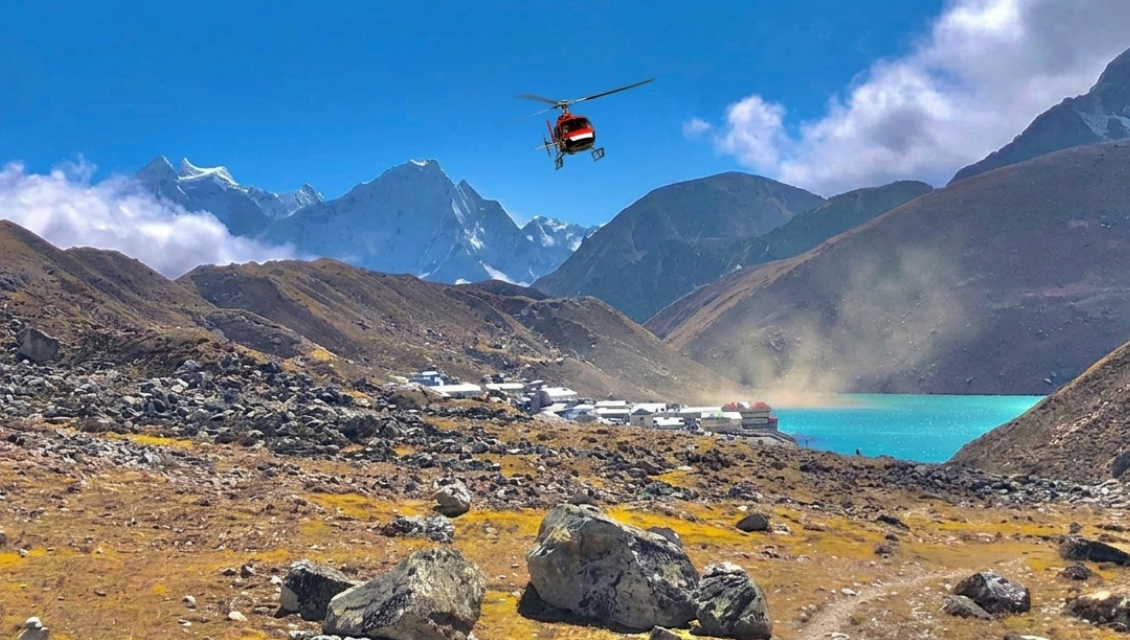
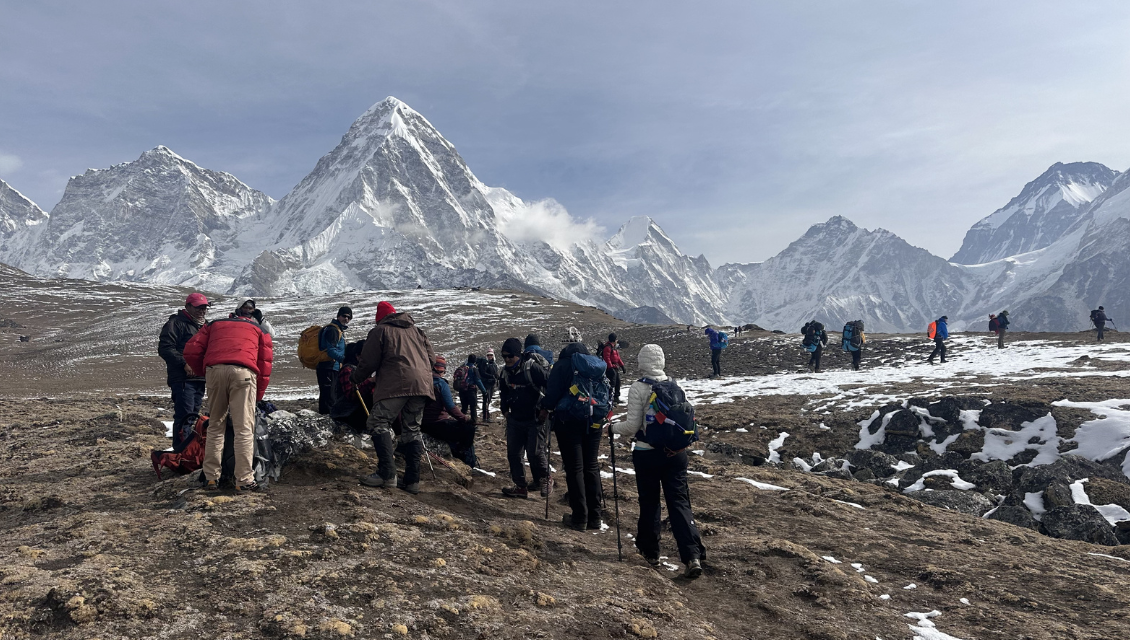
The Annapurna North Base Camp Trek is a remote and less-traveled Himalayan journey that explores the northern approaches of the Annapurna Massif. This trek offers a rare opportunity to experience untouched mountain landscapes, traditional Himalayan culture, and spectacular close-up views of some of the world’s highest peaks in a peaceful and less crowded environment.
Unlike the popular Annapurna Base Camp route, the North Base Camp Trek focuses on the quieter and more isolated northern side of the range. The journey provides dramatic perspectives of towering Himalayan walls, glaciers, and high alpine terrain. Trekkers are rewarded with exceptional views of peaks such as Annapurna I, Annapurna II, Annapurna III, and surrounding Himalayan giants including Gangapurna and Tilicho Peak.
This trek is best suited for experienced trekkers seeking solitude, adventure, and a deeper exploration of the remote Himalayan wilderness.
Geography and Landscape
The Annapurna North Base Camp Trek is located in the northern section of the Annapurna region within Annapurna Conservation Area. The route typically begins from the Marsyangdi Valley or Manang region and gradually ascends into high-altitude alpine terrain beneath the northern face of the Annapurna range.
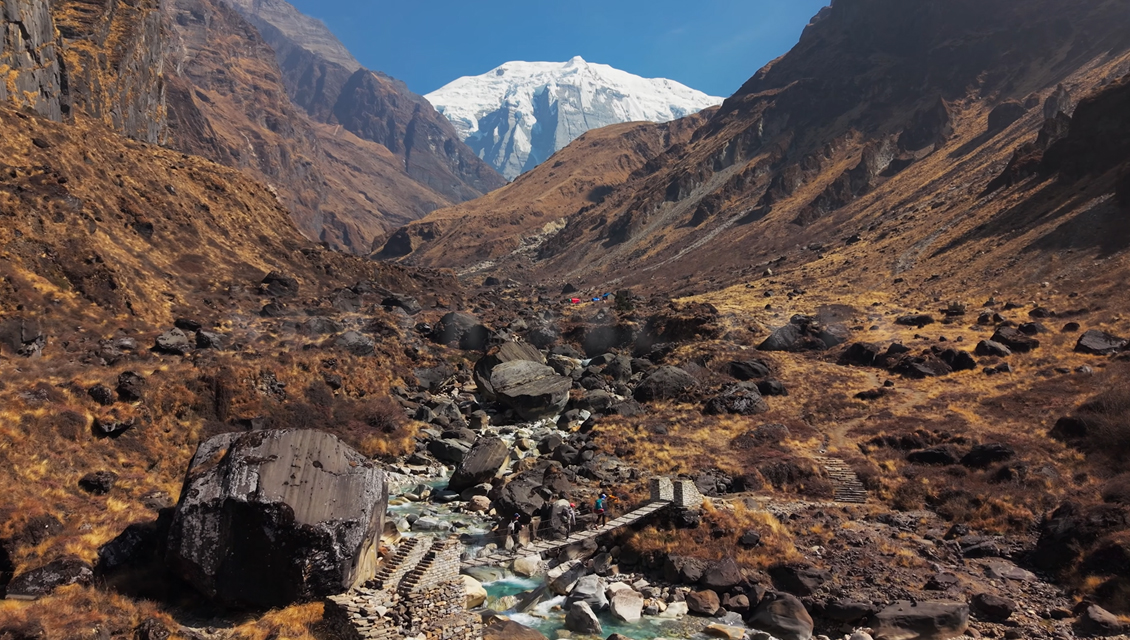
The landscape is extremely rugged and dramatic. Lower sections feature river valleys, terraced fields, and scattered settlements, while higher elevations transition into dry, windswept alpine environments influenced by the Tibetan plateau. The terrain becomes increasingly barren as the trek progresses, with rocky slopes, glacial moraines, and vast open spaces dominated by massive mountain walls.
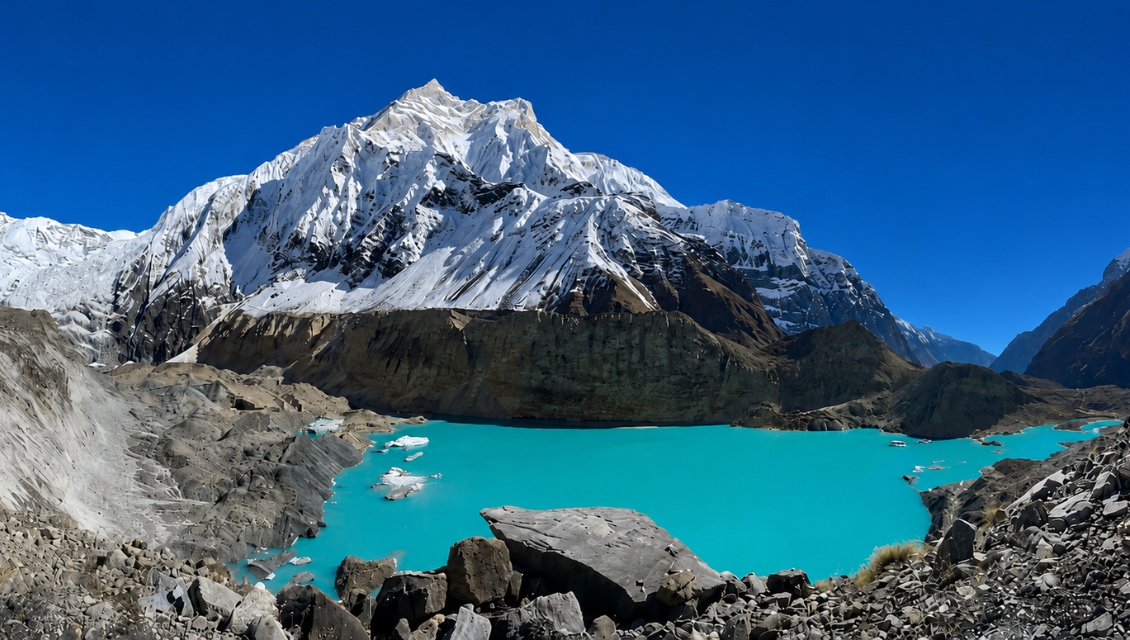
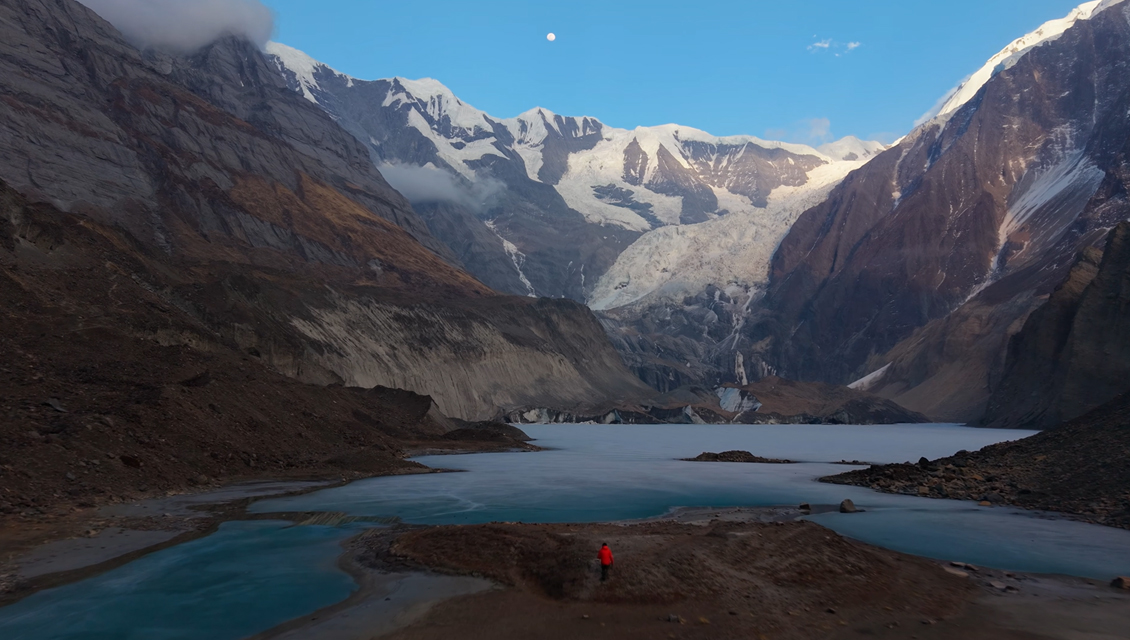
One of the defining features of the trek is the close proximity to the northern face of the Annapurna massif, where towering ice cliffs and glaciers create a powerful and remote Himalayan atmosphere. The region also offers views of surrounding peaks such as Tilicho Peak and Gangapurna, along with deep valleys carved by ancient glacial activity.
Due to its remoteness and challenging terrain, this trek remains one of the least explored routes in the Annapurna region, providing a true wilderness experience.
Climate and Best Time to Trek
The best seasons for the Annapurna North Base Camp Trek are spring (March–May) and autumn (September–November). These periods offer the most stable weather conditions, clear skies, and safe trekking environments.
Spring provides moderate temperatures and improved trail conditions, with occasional alpine blooms in lower regions. Autumn is widely considered the best season, offering crystal-clear mountain views and stable weather after the monsoon season.
Winter (December–February) is extremely cold at higher elevations, and heavy snowfall can make access to the northern base camp difficult or impossible. The monsoon season (June–August) is not recommended due to rainfall, landslides, and poor visibility.
Overall, autumn is the most reliable and safest season for this remote Himalayan trek.
People and Culture
The Annapurna North region is sparsely populated compared to other trekking areas, but it is home to communities influenced by Tibetan Buddhist culture, particularly in higher-altitude villages near Manang and surrounding valleys.
The local people primarily engage in yak herding, seasonal agriculture, and trade across the Himalayan region. Villages in the upper valleys preserve traditional stone architecture, prayer flags, mani walls, and small monasteries that reflect centuries-old spiritual practices.
In the broader Manang region, trekkers can experience interactions with Manangi communities, who have adapted to life in a high-altitude desert environment while maintaining strong cultural identity and traditions.
The combination of remote wilderness, dramatic northern Himalayan views, and preserved cultural heritage makes the Annapurna North Base Camp Trek a rare and highly rewarding adventure for experienced trekkers seeking off-the-beaten-path exploration.
Package Highlights:
- Reach base of Annapurna I Base Camp – first 8,000m peak ever climbed
- Trek through remote Narchyang Valley – untouched Himalayan route
- View the rare north face of Annapurna I – dramatic and less seen
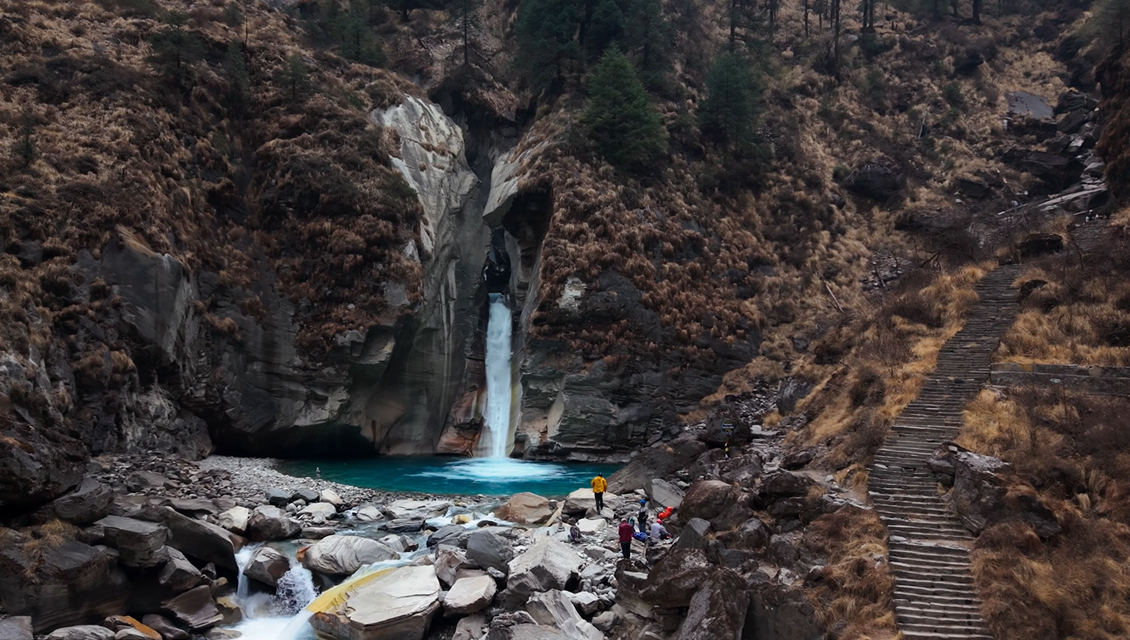
- Wilderness landscapes – forests, waterfalls, glaciers, and alpine meadows
- Magar & Poon cultural villages – authentic local traditions
- Peaceful, low-crowd trekking – true solitude in the Himalayas
- Optional ridge & glacier viewpoint hikes – panoramic mountain views
- Teahouse & camping experience – local hospitality in remote settings
Book This Trip
Trip Information
 Start : Kathmandu
 Finish : Kathmandu
 Difficulty :
Basic
Difficulty :
Basic
 Max Altitude : 4190m
 Group Size : 17 People
 Season : SEP-NOV, MAR-MAY
Trip Gallery


Trip Itinerary
Altitude: 1,400m
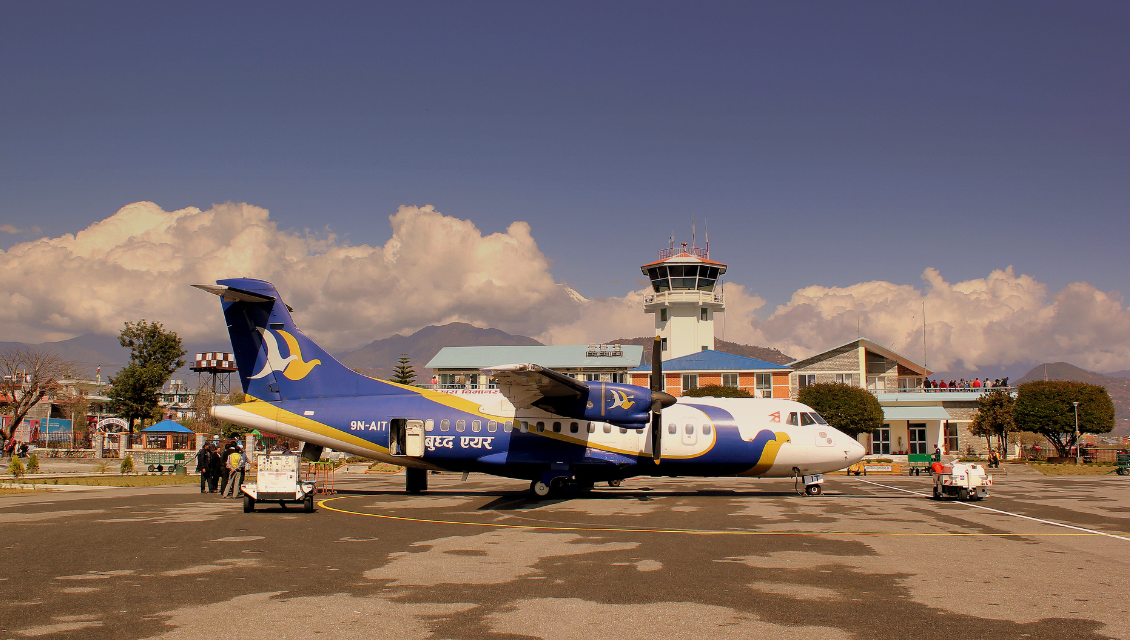
Arrive at Tribhuvan International Airport in Kathmandu, where you will be warmly welcomed by your trekking guide and transferred to your hotel. After check-in and rest, our Nord Extreme team will provide a general welcome briefing about the journey ahead.
You will have free time to recover from your flight and explore the lively Thamel area for shopping, food, or relaxation before the trek begins.
Accomadation: Hotel
Place to visit: Nepal
Meals: Dinner
Altitude: 1,400m
Trek duration: 2–4 hrs
Today is dedicated to final trekking preparation and official permit arrangements. Our team will handle all necessary documentation, including trekking permits required for the region, ensuring everything is properly issued before departure.
You will also have a detailed pre-trek briefing covering the route, altitude safety, daily itinerary, weather conditions, and emergency procedures.
In addition, we conduct a full gear check and help you organize or rent any missing equipment. The rest of the day is free for relaxation or last-minute shopping in Kathmandu.
Accomadation: Hotel
Place to visit: Nepal
Meals: Breakfast
Altitude: 820m
Trek duration: 25 min flight / 6–7 hrs drive
Travel from Kathmandu to Pokhara either by a short scenic flight or a long but beautiful drive through rivers, hills, and countryside landscapes.
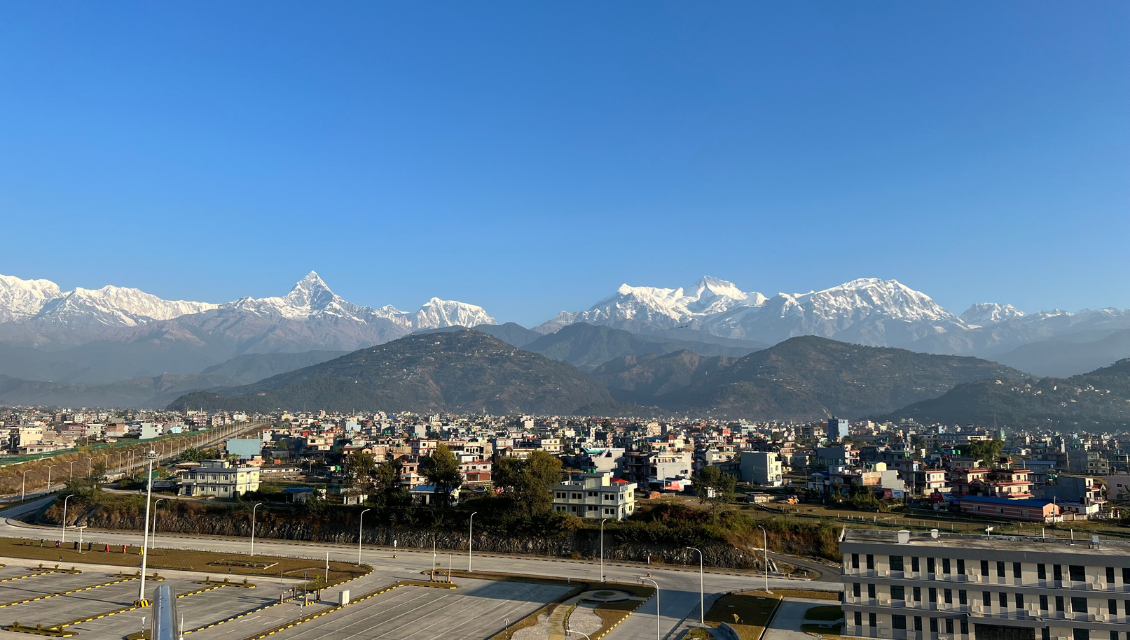
Pokhara is a peaceful lakeside city known for its stunning reflections of the Annapurna and Machapuchare ranges on Phewa Lake. Enjoy a relaxed evening walk along the lakeside or unwind at a café with mountain views.
Accomadation: Hotel
Place to visit: Nepal
Meals: Breakfast Lunch Dinner
Altitude: 1,510m
Trek duration: 4 hrs
After breakfast, drive to Tatopani, a natural hot spring area surrounded by river valleys and green hills. From here, begin your trek through terraced farmland, forest trails, and small villages.
The route offers a rich cultural experience as you pass through traditional Magar settlements, where local lifestyles and hospitality give you a deeper connection to rural Nepal. The day ends at Narchyang village.
Accomadation: Tea House
Place to visit: Annapurna Region
Meals: Breakfast Lunch Dinner
Altitude: 2,560m
Trek duration: 6 hrs
Today’s trail becomes more remote and natural as you enter dense forests and river valleys. You will cross wooden bridges, walk alongside streams, and gradually gain elevation into quieter Himalayan terrain.
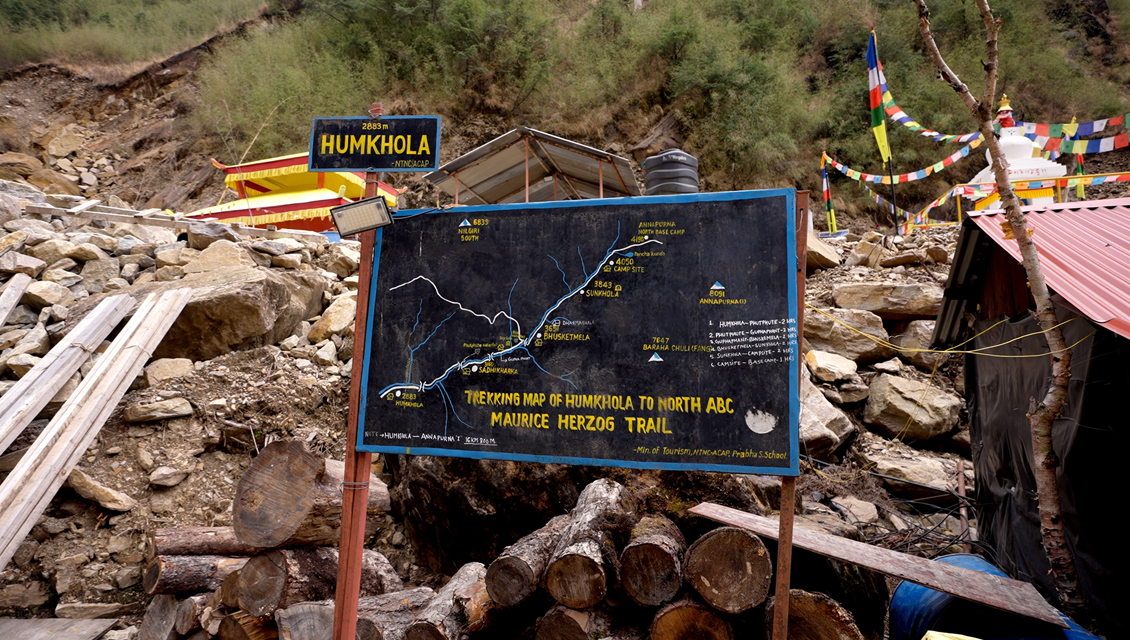
Hum Khola is a peaceful riverside campsite surrounded by untouched wilderness, offering a perfect place to rest and acclimatize.
Accomadation: Tea House
Place to visit: Annapurna Region
Meals: Breakfast Lunch Dinner
Altitude: 3,320m
Trek duration: 5–6 hrs
The trail climbs steadily into alpine landscapes, where forests begin to thin and wide mountain views open up. You will walk through high meadows and rugged terrain with increasingly dramatic scenery.
Sandhikharka offers expansive views of surrounding peaks and valleys, making it a beautiful high-altitude camping spot.
Accomadation: Tea House
Place to visit: Annapurna Region
Meals: Breakfast Lunch Dinner
Altitude: 4,190m
Trek duration: 6–7 hrs
Today is the highlight of the trek as you ascend into glacial terrain toward Annapurna North Base Camp. The landscape becomes more dramatic and challenging, with icy sections and high mountain surroundings.
At base camp, you are rewarded with breathtaking views of Annapurna I’s massive north face and surrounding Himalayan peaks and glaciers.
Accomadation: Tea House
Place to visit: Annapurna Region
Meals: Breakfast Lunch Dinner
Altitude: 4,190m
Trek duration: 2–4 hrs (optional hikes)
A dedicated rest and exploration day at base camp. You can take short hikes to nearby ridges for panoramic views or simply relax and absorb the high-altitude environment.
This day is important for acclimatization and also allows time to fully experience the beauty and scale of the Annapurna region.
Accomadation: Tea House
Place to visit: Annapurna Region
Meals: Breakfast Lunch Dinner
Altitude: 2,560m
Trek duration: 6 hrs
Begin your descent from base camp, retracing your route back through alpine terrain and forests. The lower elevation brings warmer air and easier walking conditions.
Overnight stay at Hum Khola, surrounded by peaceful natural scenery.
Accomadation: Hotel
Place to visit: Annapurna Region
Meals: Breakfast Lunch Dinner
Altitude: 820m
Trek duration: 5–6 hrs
Continue descending to Narchyang village, passing through forest trails and rural settlements. From here, drive back to Pokhara.
The evening is free to relax by Phewa Lake and celebrate the completion of your trek in a comfortable lakeside setting.
Accomadation: Hotel
Place to visit: Annapurna Region
Meals: Breakfast Lunch Dinner
Altitude: 1,400m
Trek duration: 25 min flight / 6–7 hrs drive
Return to Kathmandu by scenic flight or overland drive. The rest of the day is free for shopping, cultural exploration, or relaxation after your Himalayan journey.
Accomadation: Hotel
Place to visit: Nepal
Meals: Breakfast Lunch Dinner
Altitude: 1,400m
Depending on your flight schedule, you will be transferred to the airport for departure. If you have extra time, you can explore UNESCO World Heritage Sites such as Boudhanath Stupa, Swayambhunath (Monkey Temple), or Patan Durbar Square before leaving Nepal.
Place to visit: Nepal
Meals: Breakfast
Cost Includes
1. Transportations
- Private/tourist vehicles for airport pickup and drop-off in Kathmandu.
- Private/tourist vehicles transfer as per itinerary to access the trailheads.
- Domestic flight included for access to the trekking starting & ending point.
2. Accommodation & Meals
- 3 Nights 3 star hotel in Kathmandu with bed & breakfast basis.
- 2 Nights 3 star hotel in Pokhara with bed & breakfast basis.
- All Meals (breakfast, lunch & dinner with tea & coffee) during the trekking Period.
3. Permits
- Annapurna Conservation Area Project (ACAP) permits.
- Trekkers' Information Management System (TIMS) permits.
4. Guide & Staff
- Professional and experience License holder trekking guide salary & insurance.
- Porter salary, equipments & insurance.
- First aid medical kit for emergency support.
1. Transportations
- Private/tourist vehicles for airport pickup and drop-off in Kathmandu.
- Private/tourist vehicles transfer as per itinerary to access the trailheads.
- Domestic flight included for access to the trekking starting & ending point.
2. Accommodation & Meals
- 3 Nights 3 star hotel in Kathmandu with bed & breakfast basis.
- 2 Nights 3 star hotel in Pokhara with bed & breakfast basis.
- All Meals (breakfast, lunch & dinner with tea & coffee) during the trekking Period.
3. Permits
- Annapurna Conservation Area Project (ACAP) permits.
- Trekkers' Information Management System (TIMS) permits.
4. Guide & Staff
- Professional and experience License holder trekking guide salary & insurance.
- Porter salary, equipments & insurance.
- First aid medical kit for emergency support.
Cost Excludes
1. International Flights
- Airfare from your home country to Nepal (Tribhuvan International Airport, Kathmandu).
- Return airfare from Nepal (Tribhuvan International Airport, Kathmandu) to your home country.
2. Visa Fees
- Nepal entry visa fee for entering Nepal (available on arrival at Tribhuvan International Airport, Kathmandu, or through a Nepalese embassy).
3. Travel Insurance (Mandatory)
- Comprehensive travel insurance covering high-altitude trekking, emergency medical treatment, helicopter evacuation, trip cancellation, and other unforeseen circumstances.
4. Personal Expenses
- Tips, gifts, and souvenirs for trekking guides and porters.
- Personal trekking equipment and gear.
- Charges for lodge Wi-Fi, hot showers, battery charging, and laundry services.
5. Meals & Beverages
- Lunch and dinner in Kathmandu, Pokhara, and other locations where accommodation is provided in 3-star category hotels.
- Soft drinks, bottled water, alcoholic beverages, and snacks consumed during meals
1. International Flights
- Airfare from your home country to Nepal (Tribhuvan International Airport, Kathmandu).
- Return airfare from Nepal (Tribhuvan International Airport, Kathmandu) to your home country.
2. Visa Fees
- Nepal entry visa fee for entering Nepal (available on arrival at Tribhuvan International Airport, Kathmandu, or through a Nepalese embassy).
3. Travel Insurance (Mandatory)
- Comprehensive travel insurance covering high-altitude trekking, emergency medical treatment, helicopter evacuation, trip cancellation, and other unforeseen circumstances.
4. Personal Expenses
- Tips, gifts, and souvenirs for trekking guides and porters.
- Personal trekking equipment and gear.
- Charges for lodge Wi-Fi, hot showers, battery charging, and laundry services.
5. Meals & Beverages
- Lunch and dinner in Kathmandu, Pokhara, and other locations where accommodation is provided in 3-star category hotels.
- Soft drinks, bottled water, alcoholic beverages, and snacks consumed during meals
Trip Date And Time
We'll Be There, Like We've Been There Before
|
Start |
End |
Trip Cost |
Action |
Enquire |
|---|---|---|---|---|
| 10 Nov, 2026 | 21 Nov, 2026 | 1575 | Book Now | |
| 01 Nov, 2026 | 12 Nov, 2026 | 1575 | Book Now | |
| 28 Oct, 2026 | 08 Nov, 2026 | 1575 | Book Now | |
| 20 Oct, 2026 | 31 Oct, 2026 | 1575 | Book Now | |
| 12 Oct, 2026 | 23 Oct, 2026 | 1575 | Book Now | |
| 04 Oct, 2026 | 15 Oct, 2026 | 1575 | Book Now | |
| 29 Sep, 2026 | 10 Oct, 2026 | 1575 | Book Now | |
| 18 Sep, 2026 | 29 Sep, 2026 | 1575 | Book Now | |
| 06 Sep, 2026 | 17 Sep, 2026 | 1575 | Book Now | |
| 30 Aug, 2026 | 10 Sep, 2026 | 1575 | Book Now |
Essential Information
Accommodation
Accommodation is very basic throughout the route, consisting mainly of simple teahouses, temporary shelters, and occasional homestays in lower villages.
Lower sections may offer modest lodges with limited facilities, while higher elevations near Annapurna I Base Camp are extremely remote with minimal infrastructure.
Rooms are typically twin-sharing where available, otherwise dorm-style or tented accommodation may be required.
Meals
A full-board meal system (Breakfast, Lunch, and Dinner) is provided where lodges are available. In remote sections, meals are basic and may be prepared by guides and support staff.
Typical food includes:
- Traditional Dal Bhat set meals
- Noodles, soups, and rice dishes
- Potatoes and seasonal vegetables
- Eggs and simple bread items
- Tea and hot beverages
Food variety is limited due to the remoteness of the route.
Difficulty & Physical Requirements
The Annapurna North Base Camp Trek is classified as strenuous to very strenuous, suitable only for experienced trekkers with strong physical fitness and prior high-altitude trekking experience.
Daily trekking ranges from 6 to 9 hours, involving steep ascents, glacier proximity, and rugged off-the-beaten-path terrain.
This route requires strong endurance, mental resilience, and careful acclimatization.
Permits
Required permits include:
- Annapurna Conservation Area Permit (ACAP)
- Restricted Area Permit (if passing through controlled zones depending on exact route)
- TIMS Card (if applicable based on itinerary)
All permits are arranged by the trekking agency.
Best Season
- Spring (March–May): Clear skies, stable weather, and good visibility
- Autumn (September–November): Best trekking conditions and safest weather window
- Winter (December–February): Extremely cold with heavy snow in upper zones
- Monsoon (June–August): Not recommended due to landslides and difficult trail conditions
Transportation & Access
The trek typically begins with a drive from Kathmandu to Pokhara and further toward Myagdi region access points such as Beni.
From there, trekking continues through remote valleys toward the northern Annapurna region and glacier-facing base areas.
Access is difficult and may require off-road jeep travel and multiple trail approaches depending on expedition design.
Safety & Acclimatization
This trek reaches high-altitude and glacier-adjacent terrain, requiring proper acclimatization planning and experienced guidance.
Key safety considerations include:
- Gradual altitude gain and rest days
- Glacier and steep terrain navigation
- Weather monitoring in high mountain zones
- Emergency evacuation preparedness
Professional guides are essential for safe travel in this region.
Travel Insurance
Comprehensive travel insurance is mandatory and must include:
- High-altitude trekking coverage (up to 6,000m+)
- Emergency helicopter evacuation and rescue
- Medical treatment and hospitalization
- Trip cancellation and accident coverage
Additional Information
Guide & Porter Services
A licensed, experienced trekking guide is essential for this route due to its remoteness and limited infrastructure.
Porters or support staff assist with equipment and logistics, especially in high-altitude and camping sections.
Cultural & Natural Highlights
The Annapurna North Base Camp Trek is known for its extreme wilderness and dramatic scenery:
- Close views of Annapurna I Base Camp
- Massive glaciers and ice formations
- Remote and untouched Himalayan valleys
- Limited human settlements and raw wilderness experience
- Views of Annapurna massif and surrounding peaks
- High adventure and expedition-style trekking
- Strong sense of isolation and natural beauty
Essential Equipment
Recommended trekking gear includes:
- High-altitude trekking boots
- Layered alpine clothing system
- Expedition-grade down jacket (-20°C to -30°C)
- Waterproof shell jacket and trousers
- Gloves, thermal hat, and UV sunglasses
- Trekking poles
- Sleeping bag rated for extreme cold
- Backpack (40–50L) for expedition-style trekking
- Personal first aid kit and emergency supplies
Communication & Connectivity
Mobile network coverage is extremely limited or non-existent in most parts of the trek.
Satellite communication or guide emergency devices may be required in deeper remote sections. Connectivity should not be expected.
Why Choose the Annapurna North Base Camp Trek?
This trek is ideal for serious adventurers seeking a raw Himalayan expedition:
- Extremely remote and less-explored Annapurna face
- Close proximity to Annapurna I glacier system
- Far fewer trekkers compared to classic ABC route
- True wilderness trekking experience
- High technical and physical challenge
- Ideal for experienced mountaineers and trekkers
- Expedition-style journey in the Himalayas
- One of Nepal’s most challenging trekking experiences
USD 1575 / person
See group booking discount- No. of person Price per person
- 1 USD 1575.00
- 2-3 USD 1230.00
- 4-7 USD 1175.00
- 8-12 USD 1125.00
- 13-17 USD 1090.00
The price may varies
Speak to an Expert