Budget
USD 3690
Per Person
Rating
5 Reviews
Duration
18 Days
Trip Overview
Pisang Peak Climbing is a popular trekking peak expedition in the Annapurna region, offering a balanced combination of trekking and basic alpine climbing. It is an excellent choice for climbers seeking their first Himalayan summit in a non-technical but high-altitude environment.
The journey follows the classic Annapurna Circuit route, starting with a drive from Kathmandu to Besisahar and continuing through Chame and Pisang village. After proper acclimatization, the route ascends toward Pisang Peak Base Camp and High Camp.
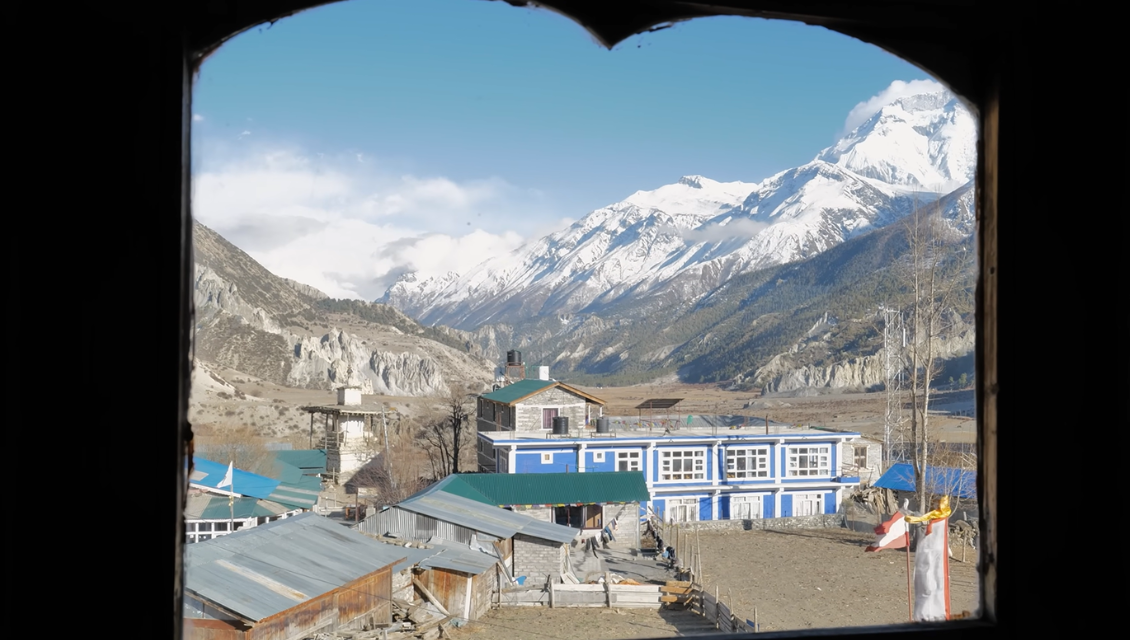
From High Camp, climbers attempt a summit involving snow slopes, glacier travel, and fixed rope sections near the upper ridge. The summit provides outstanding views of Annapurna II, Annapurna III, Annapurna IV, Gangapurna, Tilicho Peak, and the surrounding Himalayas.
Geography & Landscape
Pisang Peak is located in the Manang district within the protected area of Annapurna Conservation Area.
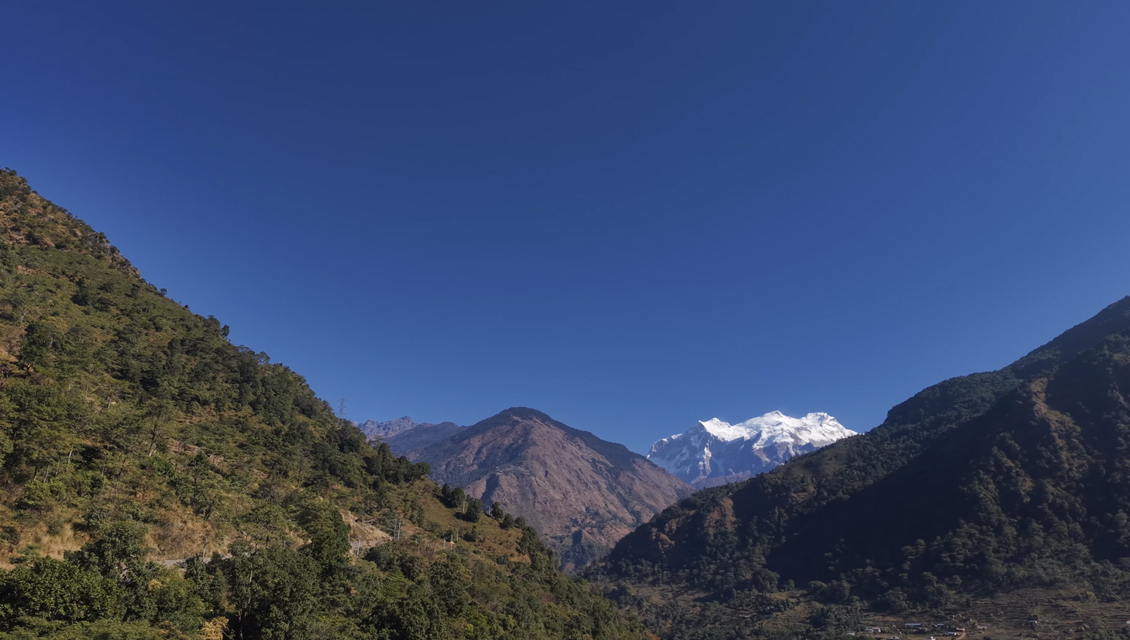
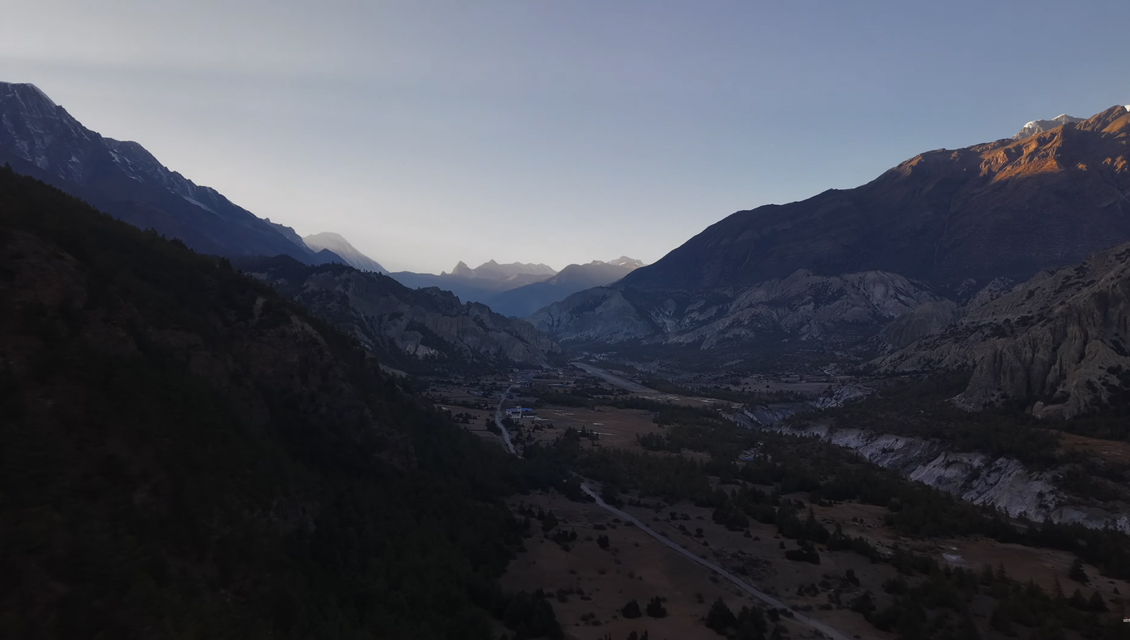
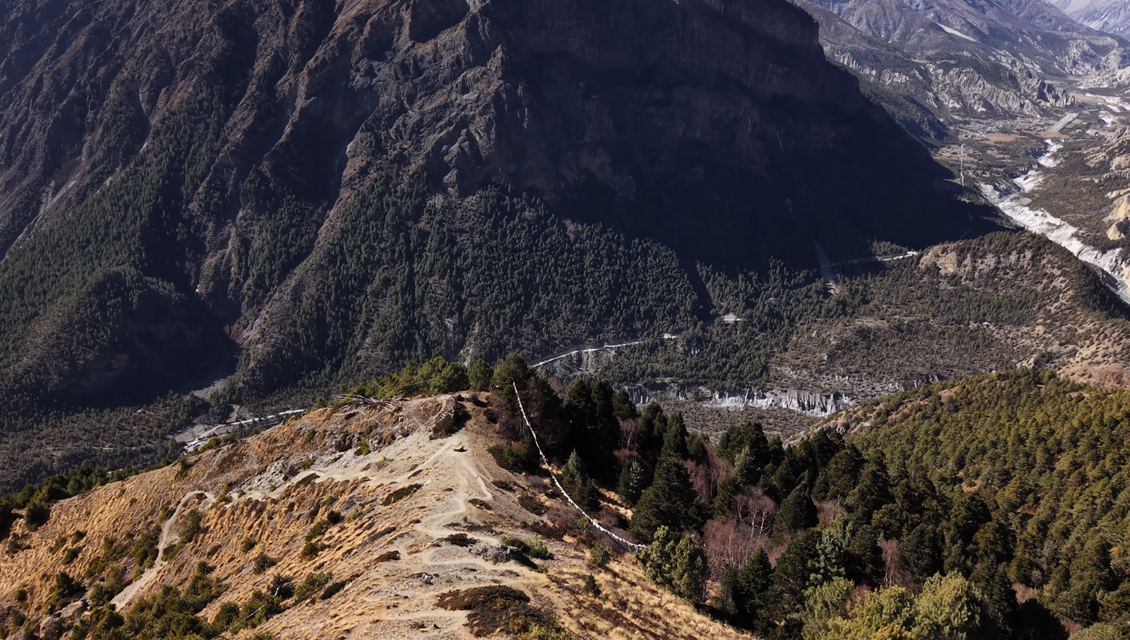
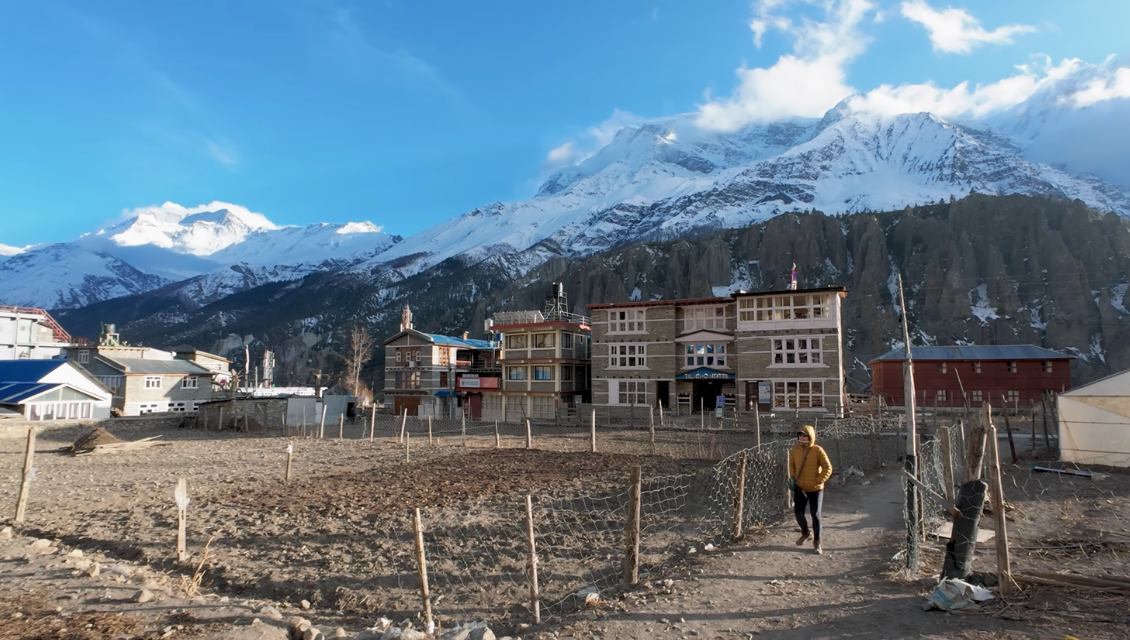
The region is characterized by a dramatic shift in landscape, from lush forests and terraced farmland in the lower valleys to dry alpine terrain as you approach Manang. The upper region is a high-altitude desert environment surrounded by towering Himalayan peaks.
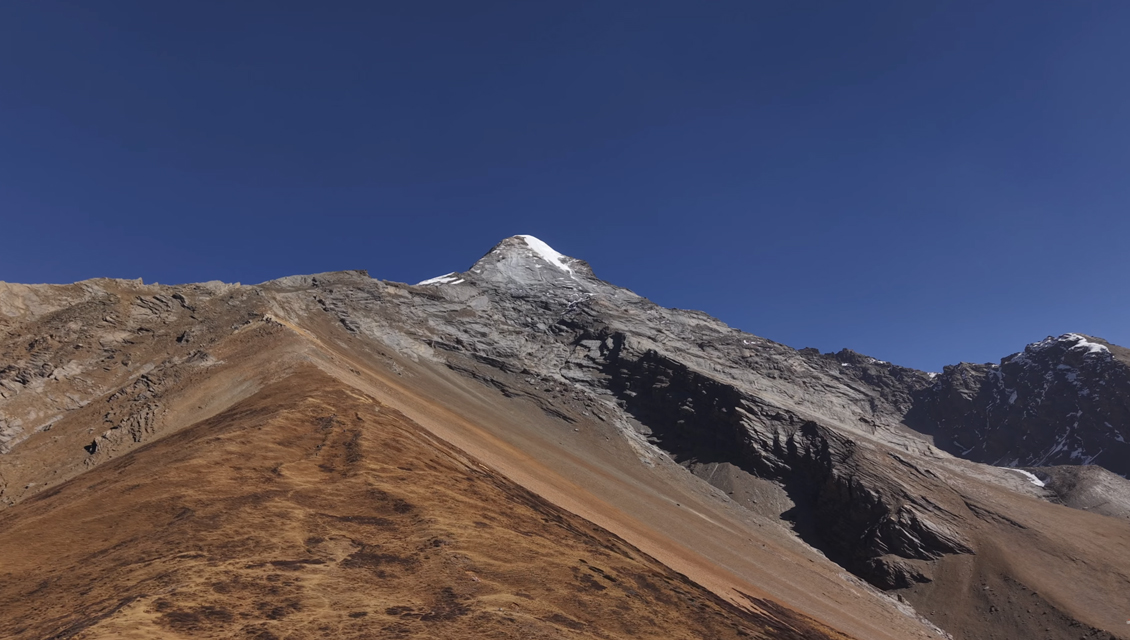
Above Pisang village, the terrain becomes increasingly rugged with rocky slopes, glaciers, and snow-covered ridges leading to the summit. The area offers a peaceful and less crowded climbing experience compared to other major trekking routes.
Sherpa Guide & Support
Pisang Peak Climbing is conducted under the supervision of experienced Sherpa climbing guides who provide full technical and safety support throughout the expedition.
Key support includes:
- Route guidance across alpine and glacier terrain
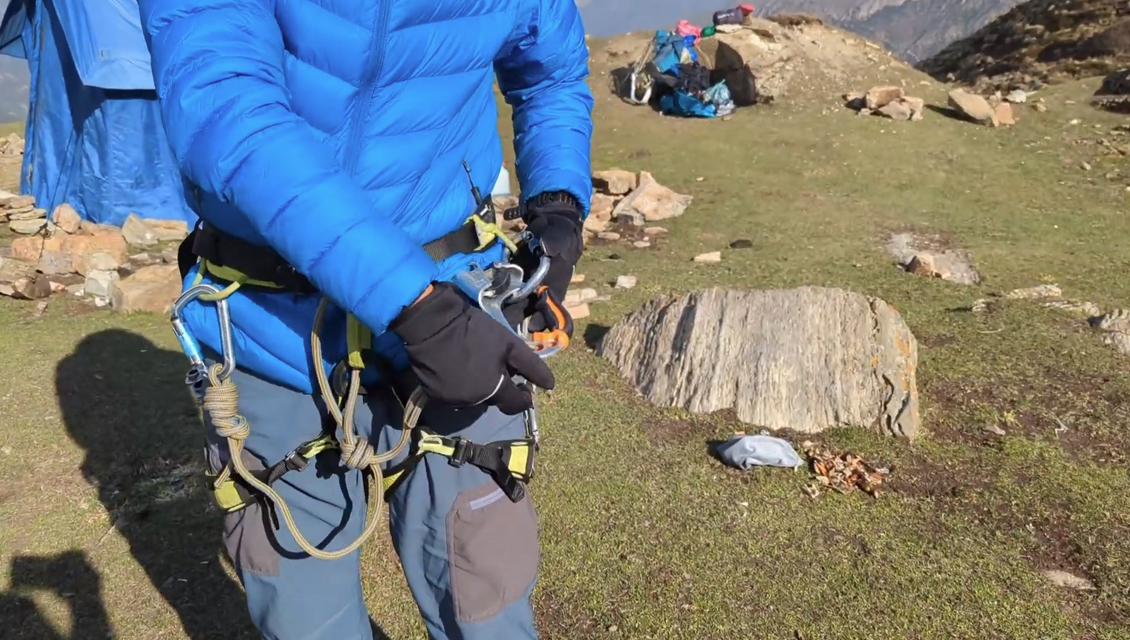
- Basic mountaineering training (crampons, ice axe, rope techniques)
- Fixed rope support on steep sections when required
- Continuous altitude monitoring and acclimatization management
- Weather assessment and summit planning
- Emergency rescue and evacuation coordination
Porters assist with carrying expedition loads up to Base Camp, while guides ensure safety, training, and full support during summit preparation and ascent.
With professional Sherpa guidance, Pisang Peak offers a rewarding introduction to Himalayan climbing in the heart of the Annapurna region.
Package Highlights:
- Summit a 6,419 m Himalayan trekking peak.
- Stunning views of Annapurna, Dhaulagiri, Manaslu, and Tilicho Peak.
- Trek through the beautiful Manang Valley.
- Experience glacier travel, snow climbing, and basic mountaineering.
- Scenic alpine landscapes, high camps, and remote wilderness.
- Excellent peak for trekkers progressing to mountaineering.
- Best climbed during spring (March–May) and autumn (September–November).
- Rewarding summit with panoramic 360° mountain vistas.
Book This Trip
Trip Information
 Start : Kathmandu
 Finish : Kathmandu
 Difficulty :
Moderate
Difficulty :
Moderate
 Max Altitude : 6091m
 Group Size : 17 People
 Season : SEP-NOV, MAR-MAY
Trip Gallery








Trip Itinerary
Altitude: 1,400m
Trek Duration: 1–2 hrs airport transfer + briefing
You arrive at Tribhuvan International Airport and are greeted by our team. After hotel transfer, a detailed briefing is conducted covering route, altitude risk, climbing technique, and safety procedures.
Accomadation: Hotel
Place to visit: Nepal
Meals: Dinner
Altitude: 1,400m - 1,400m
Trek Duration: 4–6 hrs preparation
This is a full logistics day. All permits are arranged, including ACAP and Pisang Peak climbing permit. The guide checks your full gear system (boots, crampons, harness, helmet, ice axe, down jacket). Insurance documents for high-altitude evacuation are verified.
Accomadation: Hotel
Place to visit: Nepal
Meals: Breakfast
Altitude: 1,400m - 760m
Trek Duration: 6–7 hrs driving
You drive through hills, rivers, and rural settlements toward the Annapurna region gateway.
Accomadation: Tea House
Place to visit: Annapurna Region
Meals: Breakfast Lunch Dinner
Altitude: 760m - 2,670m
Trek Duration: 5–6 hrs driving
A rough jeep ride along the Marsyangdi River valley begins the mountain approach. The road is narrow, bumpy, and scenic with waterfalls and cliffs.
Accomadation: Tea House
Place to visit: Annapurna Region
Meals: Breakfast Lunch Dinner
Altitude: 2,670m - 3,300m
Trek Duration: 5–6 hrs walking
Trekking begins through pine forests and river valleys. You start gaining altitude and first panoramic views of Annapurna II appear.
Accomadation: Tea House
Place to visit: Annapurna Region
Meals: Breakfast Lunch Dinner
Altitude: 3,300m - 3,300m
Trek Duration: 2–4 hrs hiking
A short hike is done to a ridge or monastery viewpoint. This helps your body adjust to altitude before entering higher terrain.
Accomadation: Tea House
Place to visit: Annapurna Region
Meals: Breakfast Lunch Dinner
Altitude: 3,300m - 3,540m
Trek Duration: 6–7 hrs walking
You follow the upper route via Ghyaru and Ngawal, which offers better acclimatization and wide Himalayan panoramas. The landscape becomes dry and alpine.
Accomadation: Tea House
Place to visit: Annapurna Region
Meals: Breakfast Lunch Dinner
Altitude: 3,540m - 3,540m
Trek Duration: 2–5 hrs optional hiking
A crucial rest day. Optional hikes to Gangapurna Lake or Ice Lake help prepare for summit altitude.
Accomadation: Tea House
Place to visit: Annapurna Region
Meals: Breakfast Lunch Dinner
Altitude: 3,540m - 4,380m
Trek Duration: 5–6 hrs walking
You leave the main Annapurna Circuit and move into a remote climbing zone. The terrain becomes rocky, glacial, and isolated.
Accomadation: Tea House
Place to visit: Annapurna Region
Meals: Breakfast Lunch Dinner
Altitude: 4,380m - 4,380m
Trek Duration: 3–5 hrs training
A full mountaineering training session is conducted including crampon walking, ice axe self-arrest, fixed rope climbing practice, jumar use, and glacier safety techniques.
Accomadation: Tea House
Place to visit: Annapurna Region
Meals: Breakfast Lunch Dinner
Altitude: 4,380m - 5,400m
Trek Duration: 4–5 hrs walking
A steep ascent leads to High Camp. The environment becomes cold, windy, and oxygen levels drop significantly.
Accomadation: Tea House
Place to visit: Annapurna Region
Meals: Breakfast Lunch Dinner
Altitude: 5,400m - 5,400m
Trek Duration: 1–2 hrs light activity
Short movement near camp, rope practice, and final summit strategy briefing. Weather is carefully monitored.
Accomadation: Tea House
Place to visit: Annapurna Region
Meals: Breakfast Lunch Dinner
Altitude: 5,400m - 6,091m - descent
Trek Duration: 9–12 hrs total
Summit day starts at midnight from High Camp. The climb follows rocky terrain, steep snow slopes with fixed ropes, glacier crossings, a short mixed ice section, and a narrow exposed summit ridge. After reaching the summit, descend back to High Camp.
Accomadation: Tea House
Place to visit: Annapurna Region
Meals: Breakfast Lunch Dinner
Altitude: 5,400m - 5,400m
Trek Duration: Full rest / standby
Reserved for bad weather, slow ascent, or safety delays.
Accomadation: Tea House
Place to visit: Annapurna Region
Meals: Breakfast Lunch Dinner
Altitude: 5,400m - 3,540m
Trek Duration: 5–6 hrs walking
Long descent back to Manang village. Oxygen levels improve and recovery begins.
Accomadation: Tea House
Place to visit: Annapurna Region
Meals: Breakfast Lunch Dinner
Altitude: 3,540m - 2,670m–3,300m
Trek Duration: 5–6 hrs walking
Further descent along the Annapurna Circuit trail through alpine landscapes.
Accomadation: Tea House
Place to visit: Annapurna Region
Meals: Breakfast Lunch Dinner
Altitude: 2,670m - 1,400m
Trek Duration: 10–12 hrs driving
Jeep ride from the mountains back to Kathmandu.
Accomadation: Hotel
Place to visit: Nepal
Meals: Breakfast Lunch Dinner
Cost Includes
Accommodation
- 3 nights hotel in Kathmandu (3-star or similar)
- Teahouse/lodge accommodation during Annapurna Circuit trek (twin sharing)
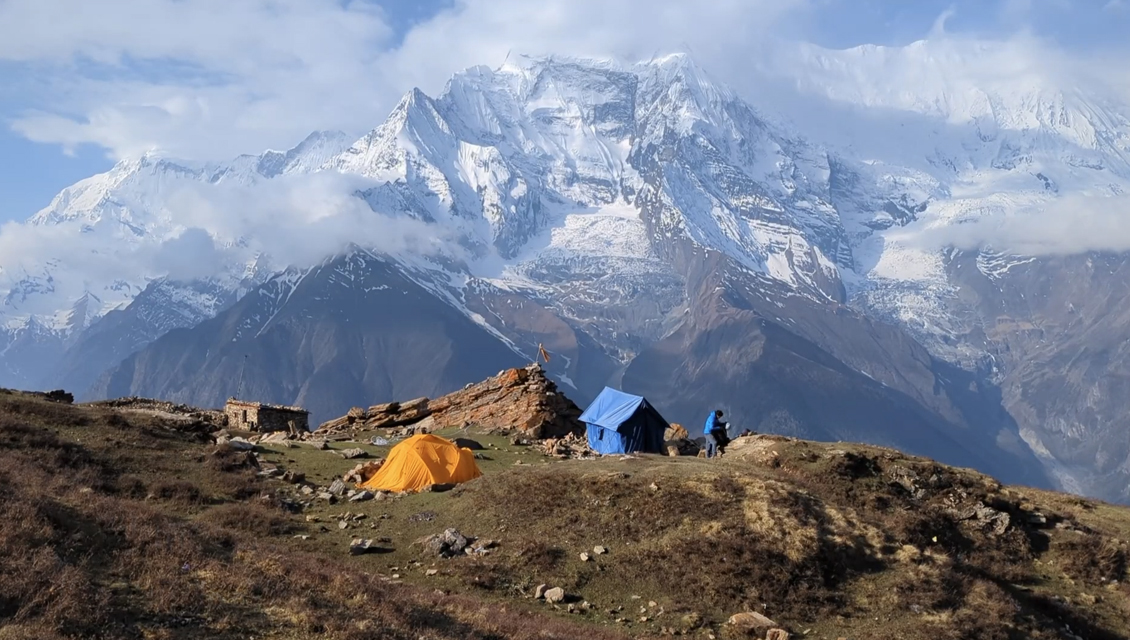
- Tent accommodation at Chulu West Base Camp and High Camp
Meals
- Full board meals (Breakfast, Lunch, Dinner) during trek and climbing period
- Tea/coffee during meals
- High-altitude energy food during summit push
Transportation
- Airport pick-up and drop-off in Kathmandu
- Kathmandu → Besisahar (road transport)
- Besisahar → Chame (jeep)
- Chame → Kathmandu return (jeep + road)
- All necessary ground transport during trek
Permits & Fees
- Chulu West Peak climbing permit (Government of Nepal)
- Annapurna Conservation Area Permit (ACAP)
- TIMS card (Trekkers Information Management System)
Staff & Support Team
- Licensed English-speaking trekking guide
- Experienced climbing guide (UIAGM/IFMGA-trained if premium package)
- Required number of porters (2 trekkers : 1 porter ratio or as per group size)
- Staff insurance, salary, food, accommodation
Climbing Equipment (Group Use)
- Fixed ropes for summit route
- Ice protection ropes (where required)
- First aid medical kit
- Pulse oximeter (altitude monitoring device)
- Radio/satellite communication (if included in premium packages)
Camping Logistics
- High-altitude tents (Base Camp + High Camp)
- Kitchen tent + dining tent
- Cooking equipment and fuel
- Mattress/sleeping base support at camp
Safety Services
- Basic emergency evacuation coordination
- Guide-led altitude monitoring
- Weather tracking assistance
Accommodation
- 3 nights hotel in Kathmandu (3-star or similar)
- Teahouse/lodge accommodation during Annapurna Circuit trek (twin sharing)
- Tent accommodation at Chulu West Base Camp and High Camp
Meals
- Full board meals (Breakfast, Lunch, Dinner) during trek and climbing period
- Tea/coffee during meals
- High-altitude energy food during summit push
Transportation
- Airport pick-up and drop-off in Kathmandu
- Kathmandu → Besisahar (road transport)
- Besisahar → Chame (jeep)
- Chame → Kathmandu return (jeep + road)
- All necessary ground transport during trek
Permits & Fees
- Chulu West Peak climbing permit (Government of Nepal)
- Annapurna Conservation Area Permit (ACAP)
- TIMS card (Trekkers Information Management System)
Staff & Support Team
- Licensed English-speaking trekking guide
- Experienced climbing guide (UIAGM/IFMGA-trained if premium package)
- Required number of porters (2 trekkers : 1 porter ratio or as per group size)
- Staff insurance, salary, food, accommodation
Climbing Equipment (Group Use)
- Fixed ropes for summit route
- Ice protection ropes (where required)
- First aid medical kit
- Pulse oximeter (altitude monitoring device)
- Radio/satellite communication (if included in premium packages)
Camping Logistics
- High-altitude tents (Base Camp + High Camp)
- Kitchen tent + dining tent
- Cooking equipment and fuel
- Mattress/sleeping base support at camp
Safety Services
- Basic emergency evacuation coordination
- Guide-led altitude monitoring
- Weather tracking assistance
Cost Excludes
International & Visa
- International flight tickets to/from Nepal
- Nepal entry visa fee (approx. USD 30–125 depending on duration)
Personal Equipment
- Personal climbing gear:
- Mountaineering boots
- Crampons (if not rented)
- Ice axe, harness, helmet
- Down suit/jacket
- Sleeping bag & down jacket rental (if needed)
Insurance
- Travel insurance (mandatory):
- Must cover 6,500m+ climbing
- Must include helicopter evacuation
Personal Expenses
- Alcoholic drinks
- Bottled water, soft drinks, snacks
- Hot showers and Wi-Fi charges in teahouses
- Charging electronic devices
Kathmandu Expenses
- Lunch & dinner in Kathmandu
- Extra hotel nights due to delays
Emergency Costs
- Helicopter evacuation (if needed)
- Medical treatment or hospitalization costs
Tips & Miscellaneous
- Tips for guide, cook, and porters (customary in Nepal)
- Personal shopping, souvenirs, laundry
Extra Costs (Not Included in Package Price)
- Flight/road delays due to weather
- Itinerary changes due to safety conditions
- Extra accommodation due to delays in Kathmandu or trekking route
International & Visa
- International flight tickets to/from Nepal
- Nepal entry visa fee (approx. USD 30–125 depending on duration)
Personal Equipment
- Personal climbing gear:
- Mountaineering boots
- Crampons (if not rented)
- Ice axe, harness, helmet
- Down suit/jacket
- Sleeping bag & down jacket rental (if needed)
Insurance
- Travel insurance (mandatory):
- Must cover 6,500m+ climbing
- Must include helicopter evacuation
Personal Expenses
- Alcoholic drinks
- Bottled water, soft drinks, snacks
- Hot showers and Wi-Fi charges in teahouses
- Charging electronic devices
Kathmandu Expenses
- Lunch & dinner in Kathmandu
- Extra hotel nights due to delays
Emergency Costs
- Helicopter evacuation (if needed)
- Medical treatment or hospitalization costs
Tips & Miscellaneous
- Tips for guide, cook, and porters (customary in Nepal)
- Personal shopping, souvenirs, laundry
Extra Costs (Not Included in Package Price)
- Flight/road delays due to weather
- Itinerary changes due to safety conditions
- Extra accommodation due to delays in Kathmandu or trekking route
Trip Date And Time
We'll Be There, Like We've Been There Before
|
Start |
End |
Trip Cost |
Action |
Enquire |
|---|---|---|---|---|
| 10 Nov, 2026 | 27 Nov, 2026 | 3690 | Book Now | |
| 01 Nov, 2026 | 18 Nov, 2026 | 3690 | Book Now | |
| 28 Oct, 2026 | 14 Nov, 2026 | 3690 | Book Now | |
| 20 Oct, 2026 | 06 Nov, 2026 | 3690 | Book Now | |
| 05 Oct, 2026 | 22 Oct, 2026 | 3690 | Book Now | |
| 27 Sep, 2026 | 14 Oct, 2026 | 3690 | Book Now | |
| 15 Sep, 2026 | 02 Oct, 2026 | 3690 | Book Now | |
| 09 Sep, 2026 | 26 Sep, 2026 | 3690 | Book Now | |
| 30 Aug, 2026 | 16 Sep, 2026 | 3690 | Book Now |
Essential Information
Accommodation
Accommodation during the Pisang Peak Climbing expedition includes comfortable 3-star hotel stays in Kathmandu, teahouse accommodation throughout the Annapurna Circuit trekking route, and tented accommodation at Pisang Peak Base Camp and High Camp. Most teahouses offer basic facilities, including hot showers, Wi-Fi, and charging services for an additional fee.
Meals
The expedition includes full-board meals (Breakfast, Lunch, and Dinner) throughout the trek and climbing period. Nutritious meals are prepared to support the physical demands of high-altitude trekking and climbing. Packed lunches and high-energy snacks are provided during the summit day.
Difficulty & Fitness
Pisang Peak (6,091m) is considered a moderately challenging trekking peak suitable for climbers with good physical fitness and previous high-altitude trekking experience. The ascent involves steep snow slopes, exposed ridges, and fixed rope sections, requiring basic mountaineering skills and endurance.
Permits
The expedition requires the following permits:
- Pisang Peak Climbing Permit
- Annapurna Conservation Area Permit (ACAP)
- TIMS Card (if applicable)
All permits and necessary documentation are arranged by the expedition organizer.
Best Time to Climb
The best seasons for Pisang Peak are:
Spring (March–May)
- Stable weather conditions
- Clear mountain views
- Favorable climbing temperatures
Autumn (September–November)
- Dry weather and excellent visibility
- Ideal trekking and climbing conditions
- Outstanding Himalayan panoramas
Transportation
The journey begins with a scenic drive from Kathmandu to Besisahar and continues toward Chame or Upper Pisang. The expedition follows part of the famous Annapurna Circuit before ascending to Pisang Peak Base Camp and High Camp.
Safety & Altitude
The itinerary includes proper acclimatization to support a safe ascent and maximize summit success. Experienced climbing guides provide technical support, altitude monitoring, and emergency response assistance throughout the expedition. Travel insurance covering climbing activities up to 6,500m and emergency helicopter evacuation is mandatory.
Additional Information
Climbing Training
Before the summit attempt, climbers receive practical training in the use of crampons, ice axes, climbing harnesses, fixed ropes, ascenders, and basic glacier travel techniques. This preparation helps climbers safely negotiate the technical sections of the route.
Essential Equipment
Participants should bring suitable high-altitude trekking and climbing equipment, including insulated clothing, mountaineering boots, crampons, ice axe, climbing harness, helmet, sleeping bag, sunglasses, trekking poles, and personal essentials.
Why Choose Pisang Peak?
- One of Nepal’s most popular trekking peaks
- Excellent introduction to technical Himalayan climbing
- Located along the world-famous Annapurna Circuit
- Spectacular views of Annapurna II, Annapurna III, Annapurna IV, Gangapurna, Tilicho Peak, and Chulu Peaks
- Challenging yet achievable summit for aspiring mountaineers
- Professional climbing guidance and technical support
- Perfect preparation for more advanced Himalayan expeditions
Pisang Peak Climbing offers an exciting combination of trekking and mountaineering in the Annapurna region, providing climbers with a rewarding Himalayan summit and unforgettable mountain scenery.
USD 3690 / person
See group booking discount- No. of person Price per person
- 1 USD 3690.00
- 2-3 USD 2510.00
- 4-7 USD 2430.00
- 8-12 USD 2375.00
- 13-17 USD 2150.00
The price may varies
Speak to an Expert