Budget
USD 1290
Per Person
Rating
No review has been posted yet
Duration
10 Days
Trip Overview
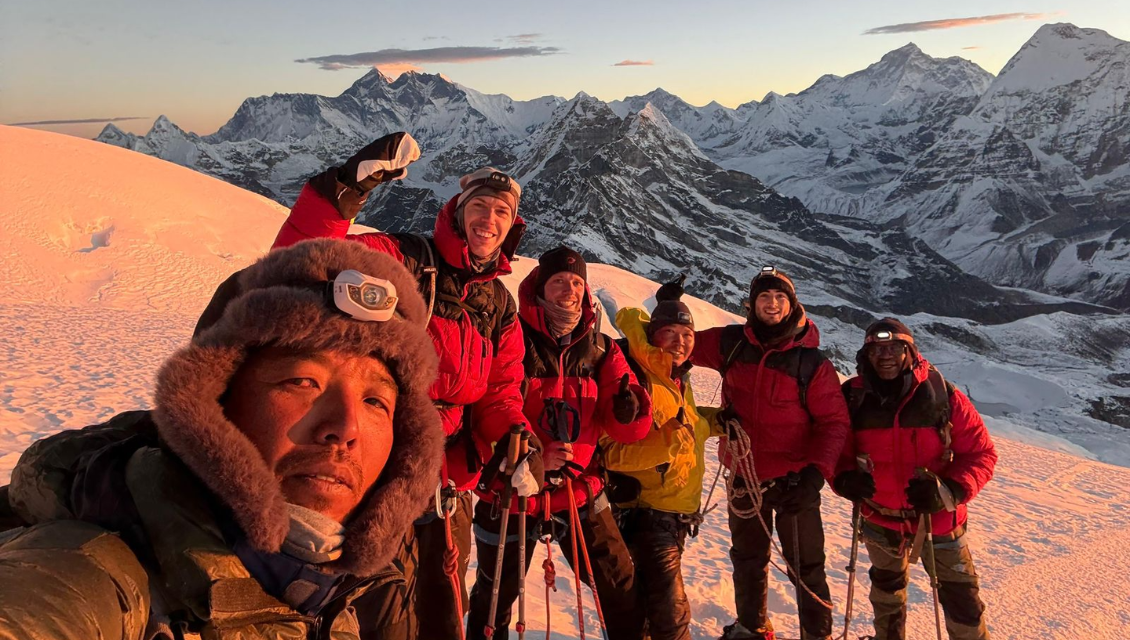
The Mardi Himal Trek is a short yet spectacular Himalayan trekking route in the Annapurna region, offering pristine mountain views, peaceful trails, and an off-the-beaten-path experience. Known for its quiet environment and close-up views of the Annapurna range, this trek has quickly become one of Nepal’s most popular moderate adventures.
The journey leads trekkers through dense rhododendron forests, traditional villages, and high alpine ridges before reaching the Mardi Himal Base Camp. Along the route, trekkers are rewarded with stunning views of Himalayan giants including Annapurna South, Machhapuchhre, Hiunchuli, and the broader Annapurna range. This trek is ideal for beginners and intermediate trekkers seeking a short but rewarding Himalayan experience.
Geography and Landscape
The Mardi Himal Trek is located in the Annapurna region within Annapurna Conservation Area. The route typically begins near Pokhara and ascends through forested trails, ridge lines, and alpine terrain toward Mardi Himal Base Camp.
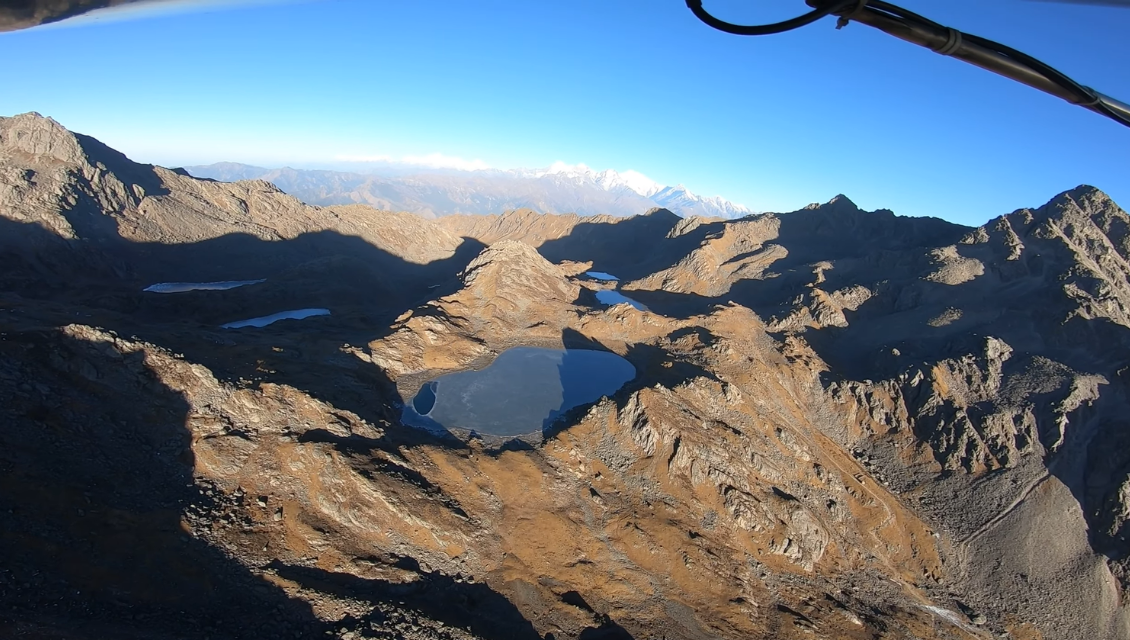
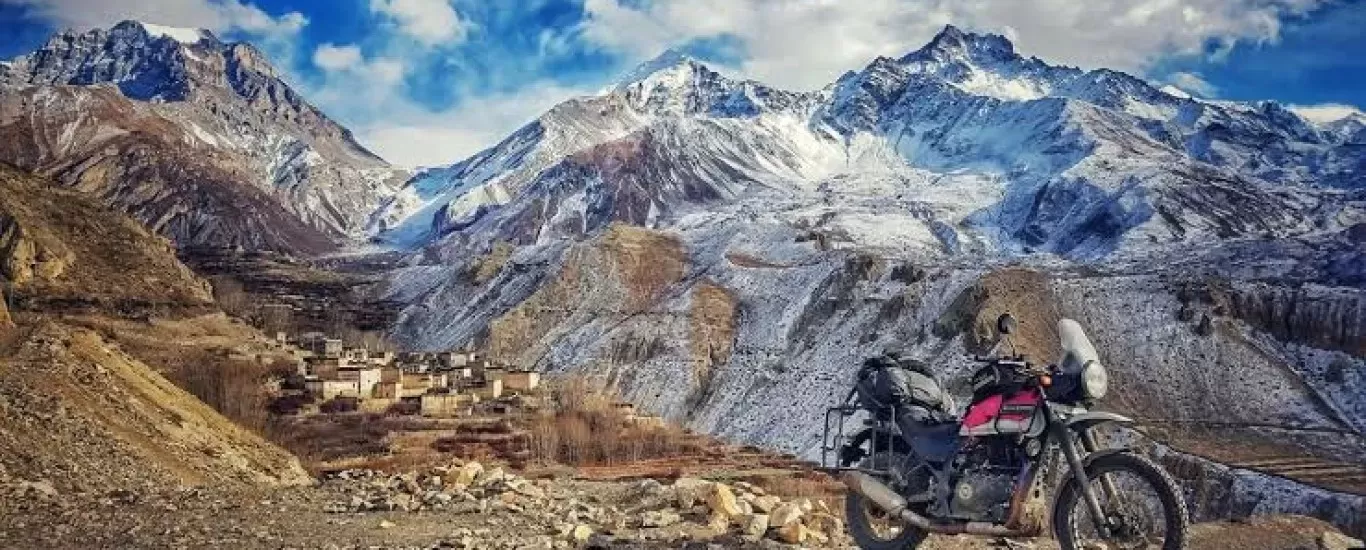
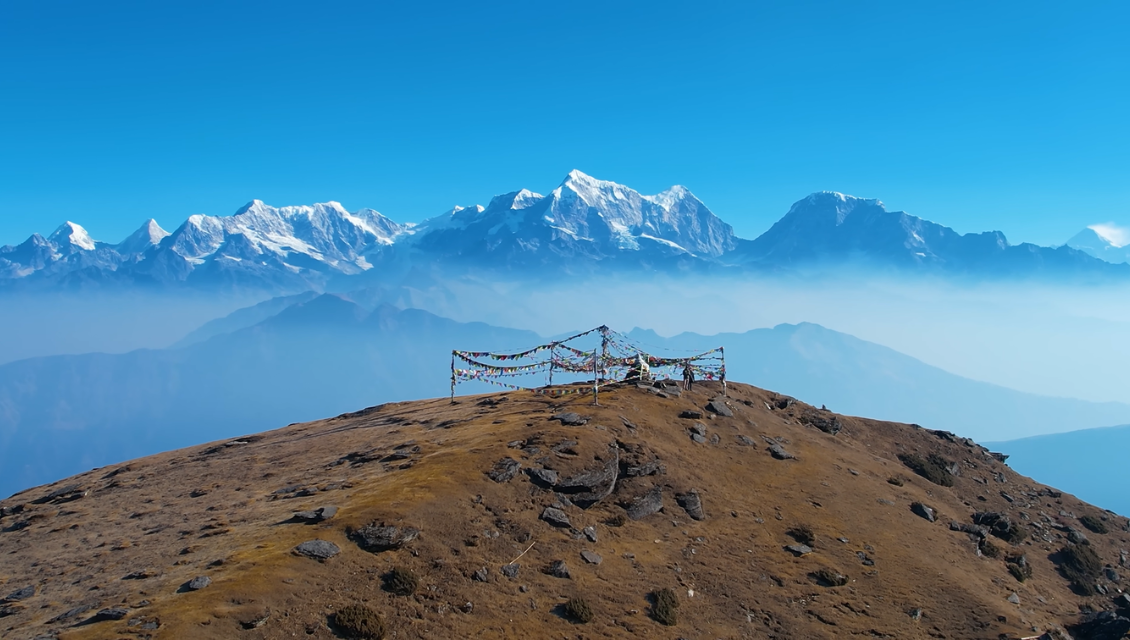
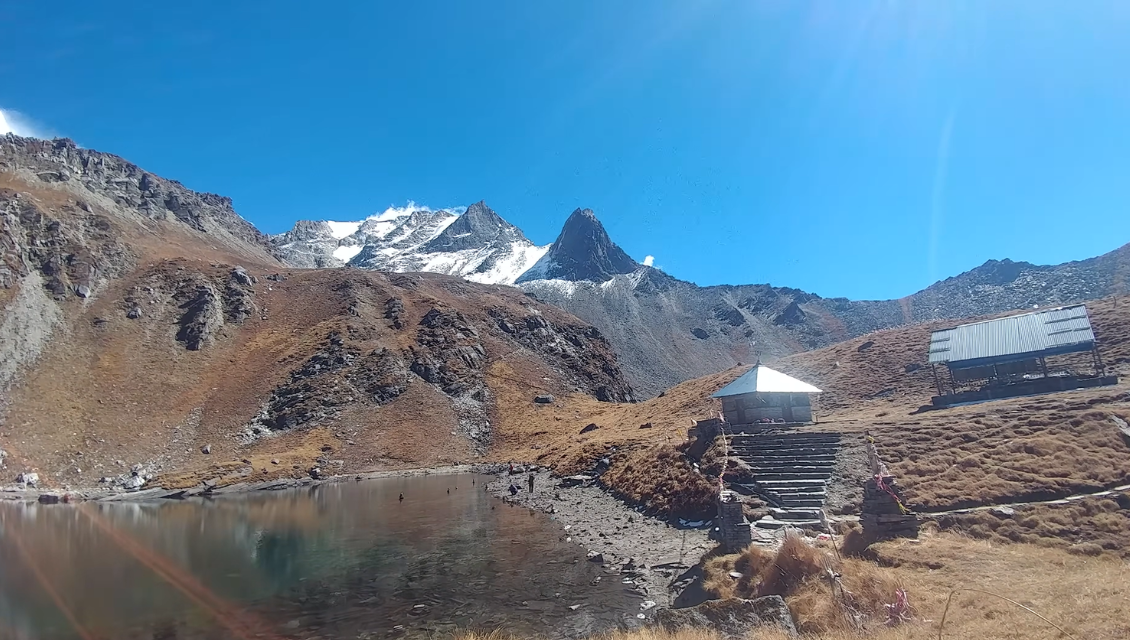
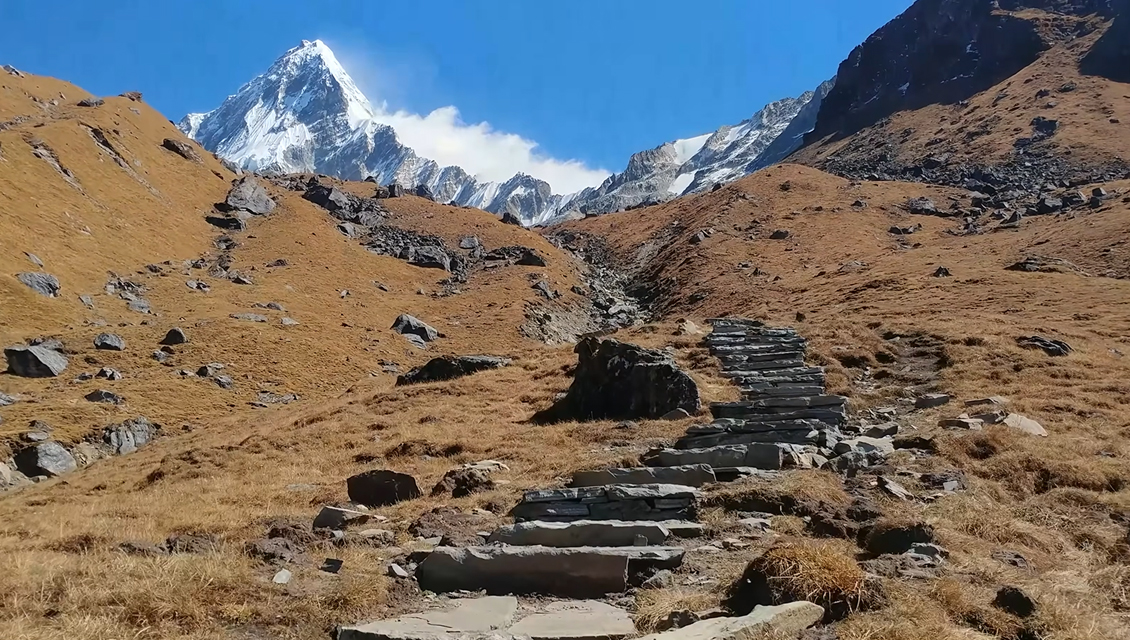
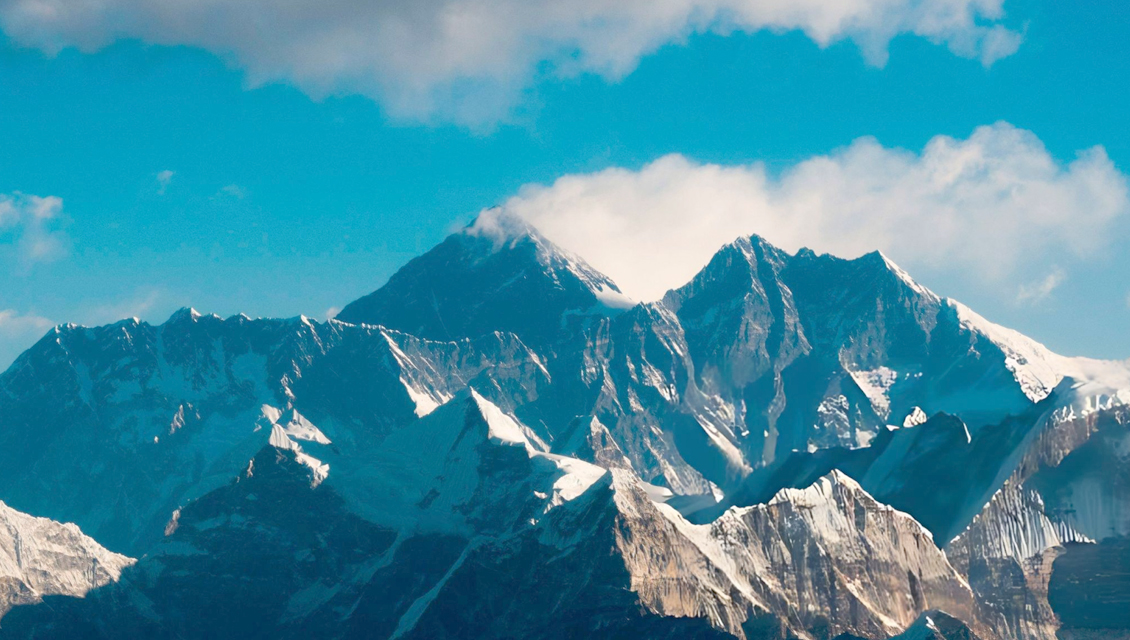
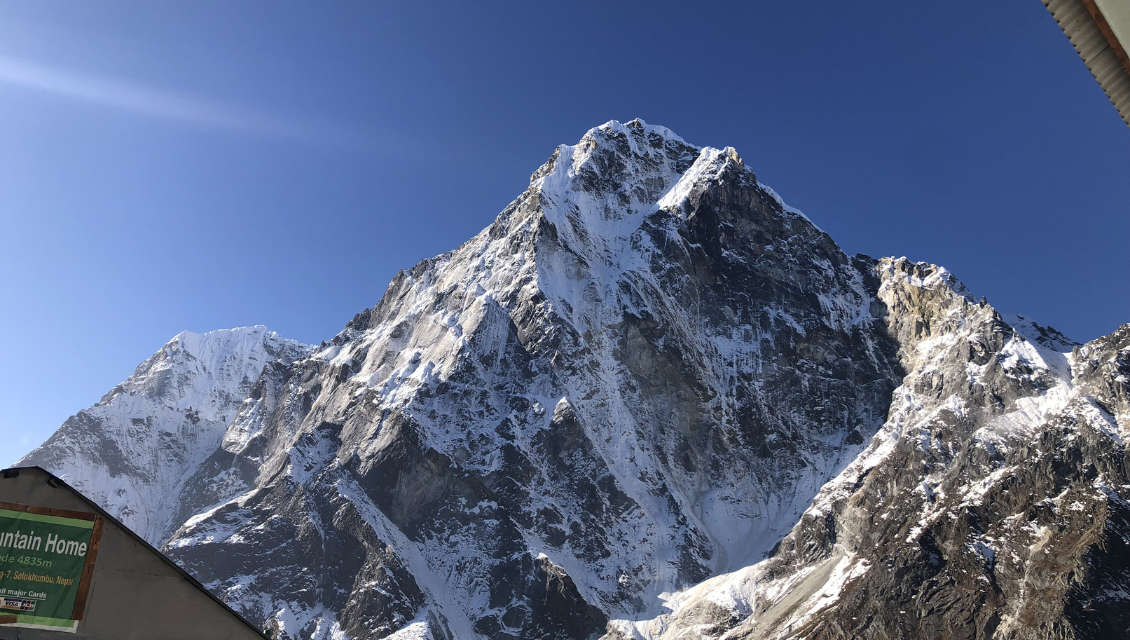
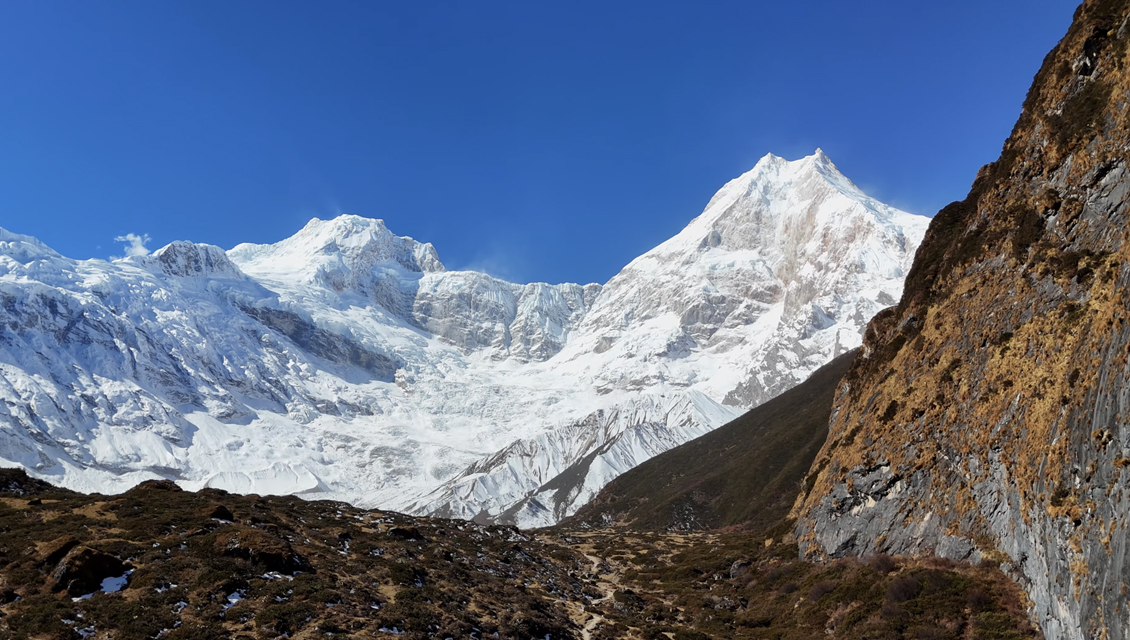
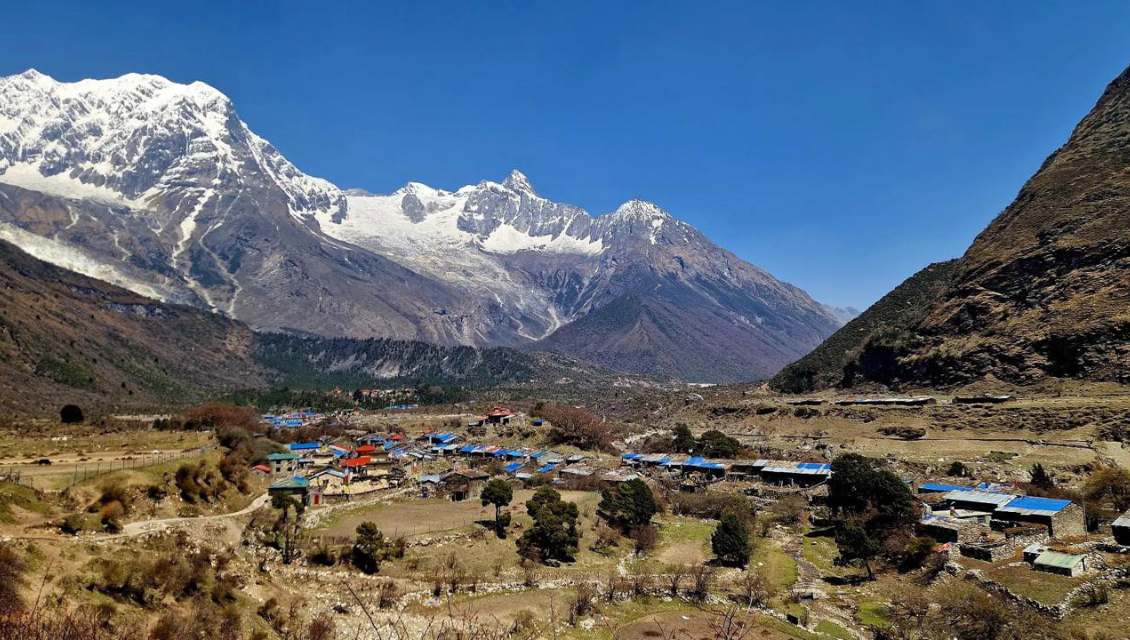
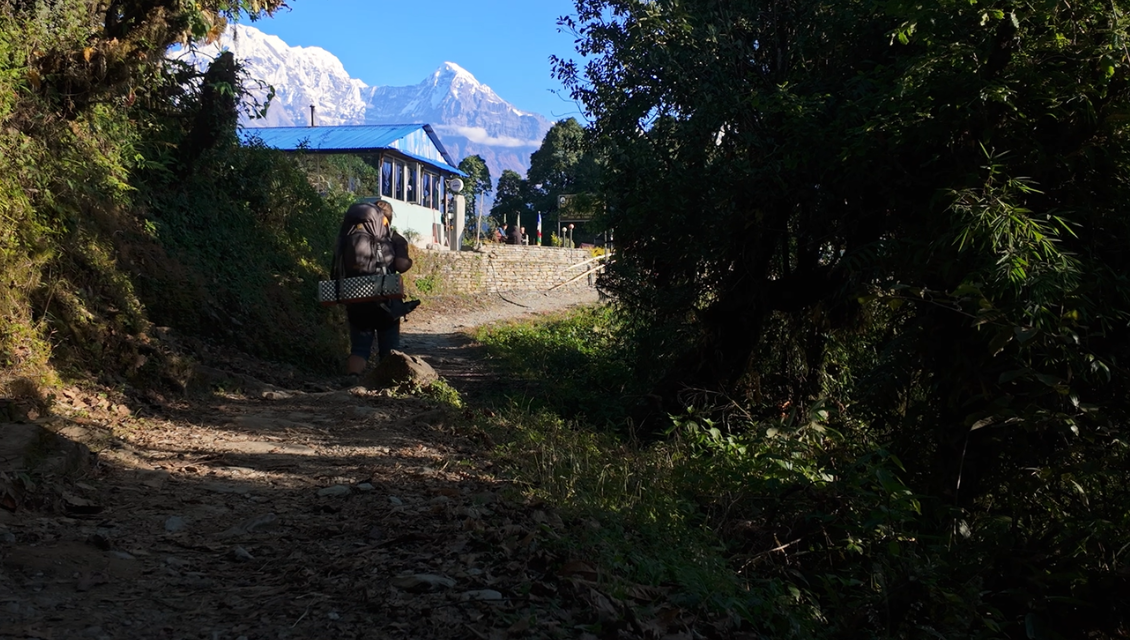
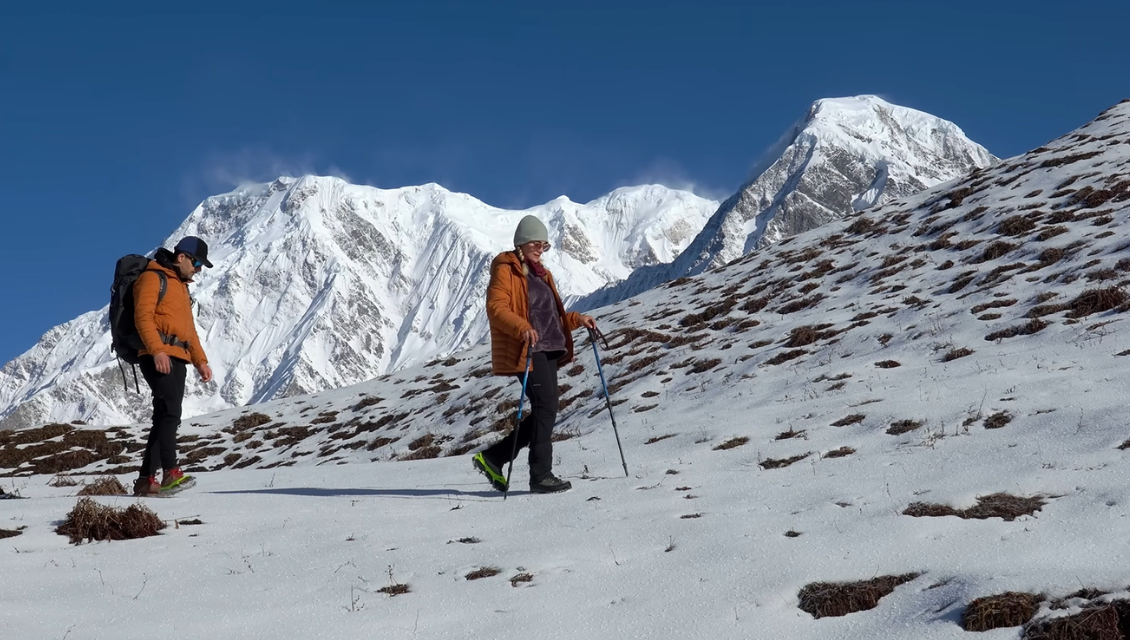
The landscape changes dramatically along the way. Lower sections feature lush rhododendron and oak forests rich in wildlife, while higher sections open into narrow ridges with sweeping panoramic views of snow-covered peaks. The ridge walk from High Camp to Base Camp is one of the trek’s highlights, offering continuous views of the Annapurna massif on one side and deep valleys on the other.
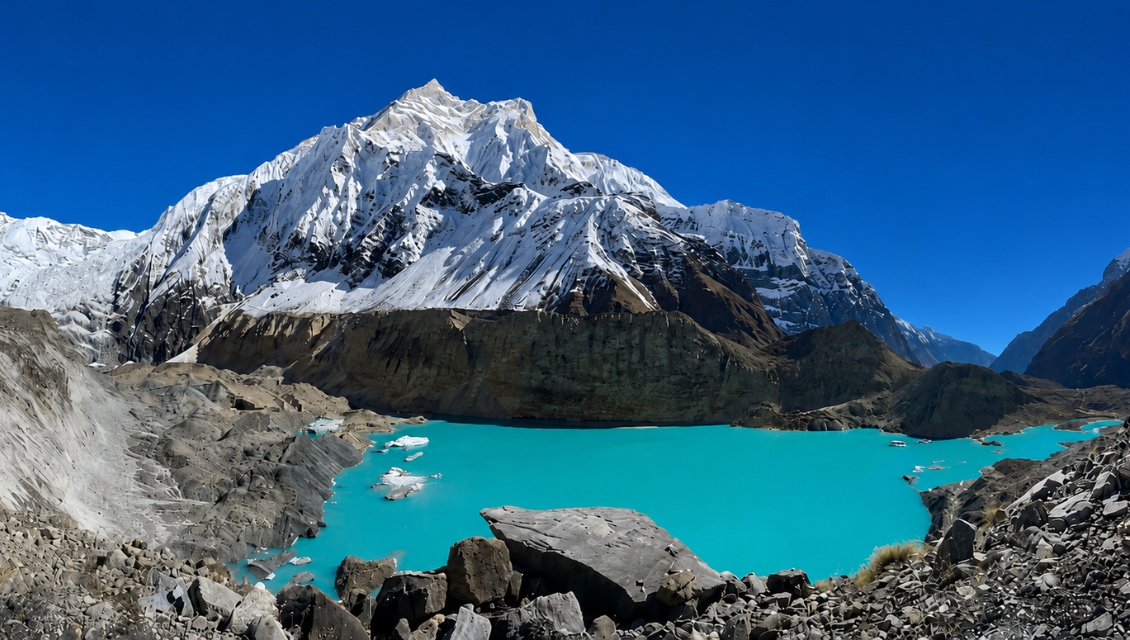
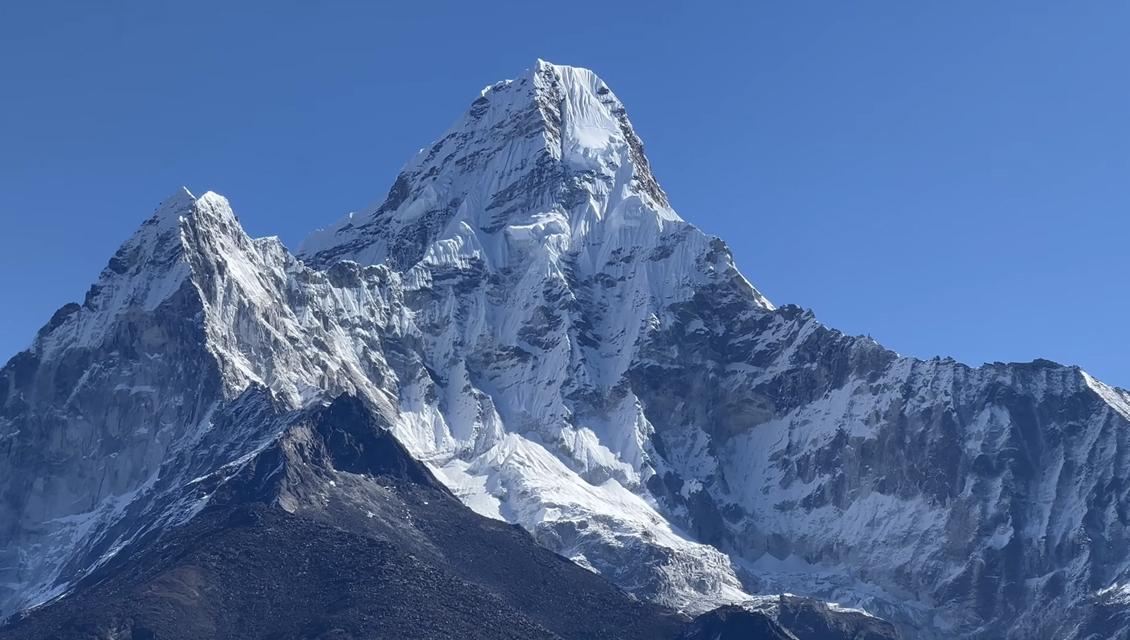
The base camp area sits beneath the towering south face of Machhapuchhre (Fishtail), providing one of the closest and most dramatic mountain viewpoints in the Annapurna region.
Climate and Best Time to Trek
The best seasons for the Mardi Himal Trek are spring (March–May) and autumn (September–November). These periods offer stable weather, clear skies, and excellent mountain visibility.
Spring is especially beautiful due to blooming rhododendron forests that color the trails in red, pink, and white. Autumn provides crystal-clear views and ideal trekking conditions after the monsoon season. Winter (December–February) is colder but offers quiet trails and clear mountain scenery for well-prepared trekkers. The monsoon season (June–August) is less favorable due to rain, fog, and slippery trails.
Overall, autumn is the most recommended season for the best trekking experience.
People and Culture
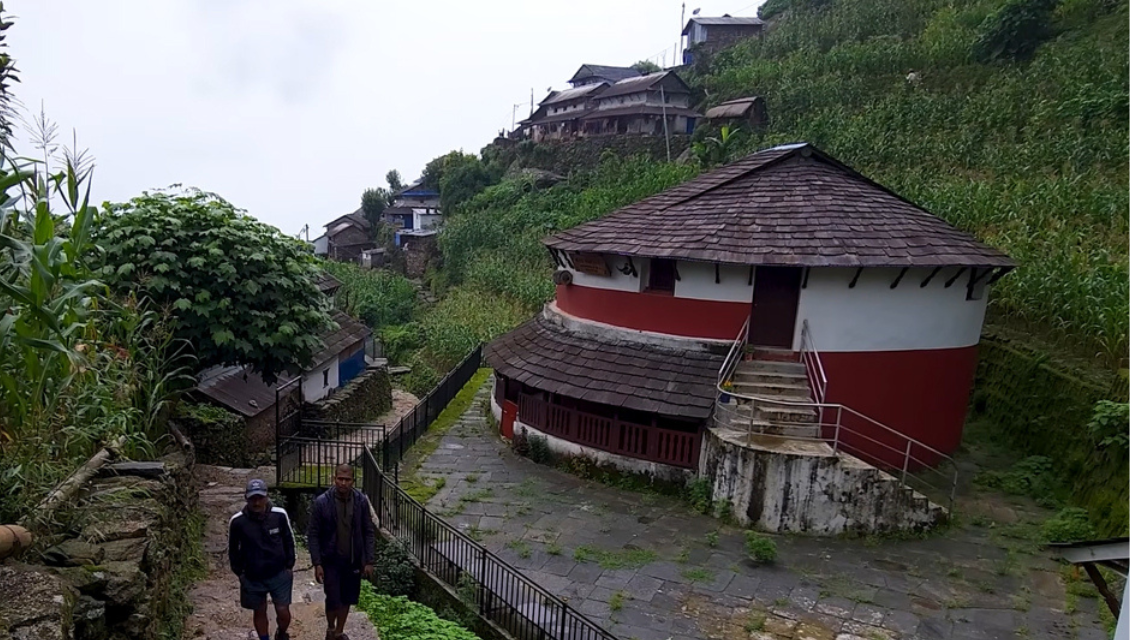
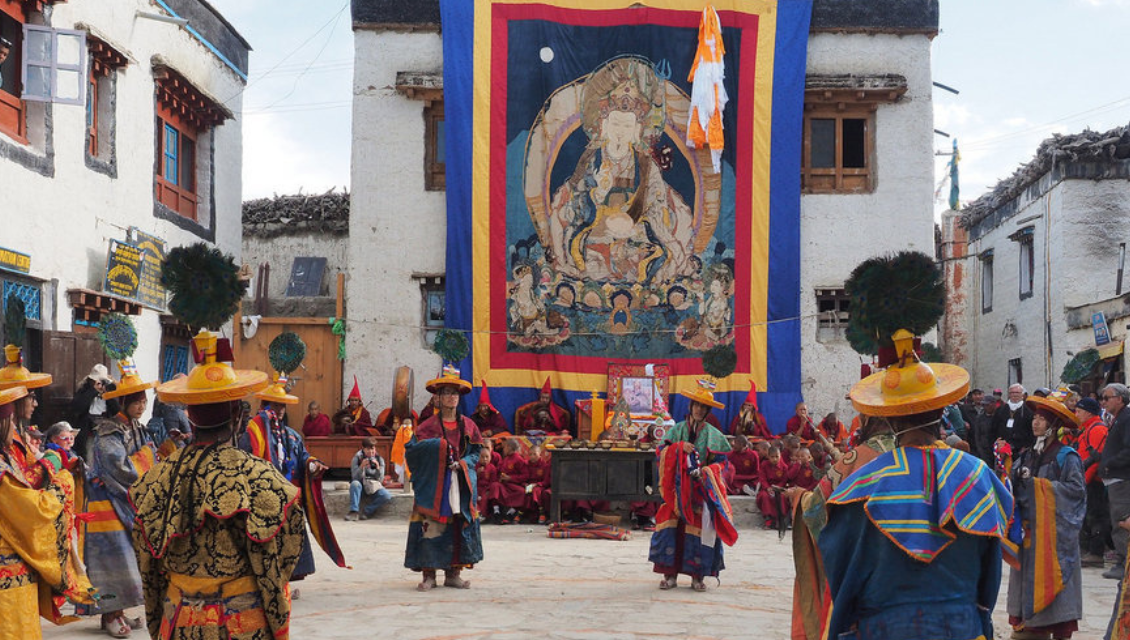
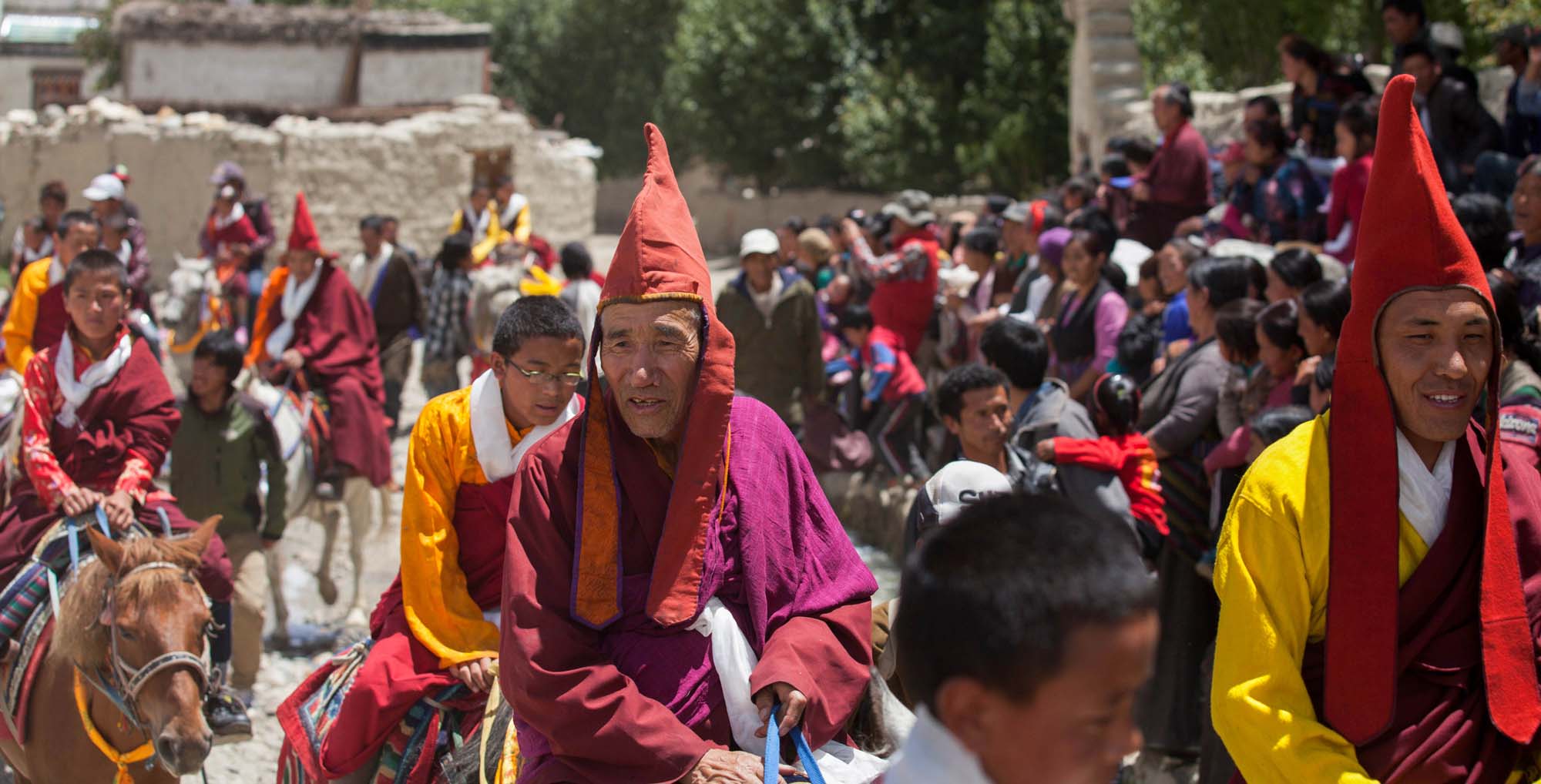
The Mardi Himal region is inhabited by Gurung and Magar communities, known for their rich traditions, hospitality, and deep connection to the Himalayas. The trail passes through small villages where traditional lifestyles, farming practices, and cultural customs remain well preserved.
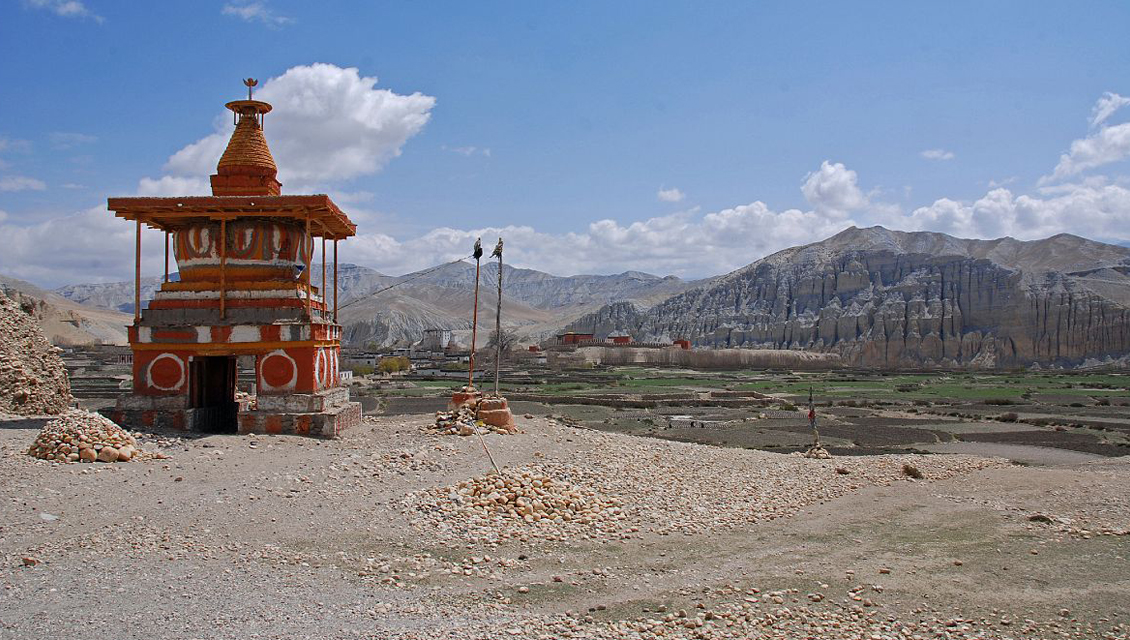
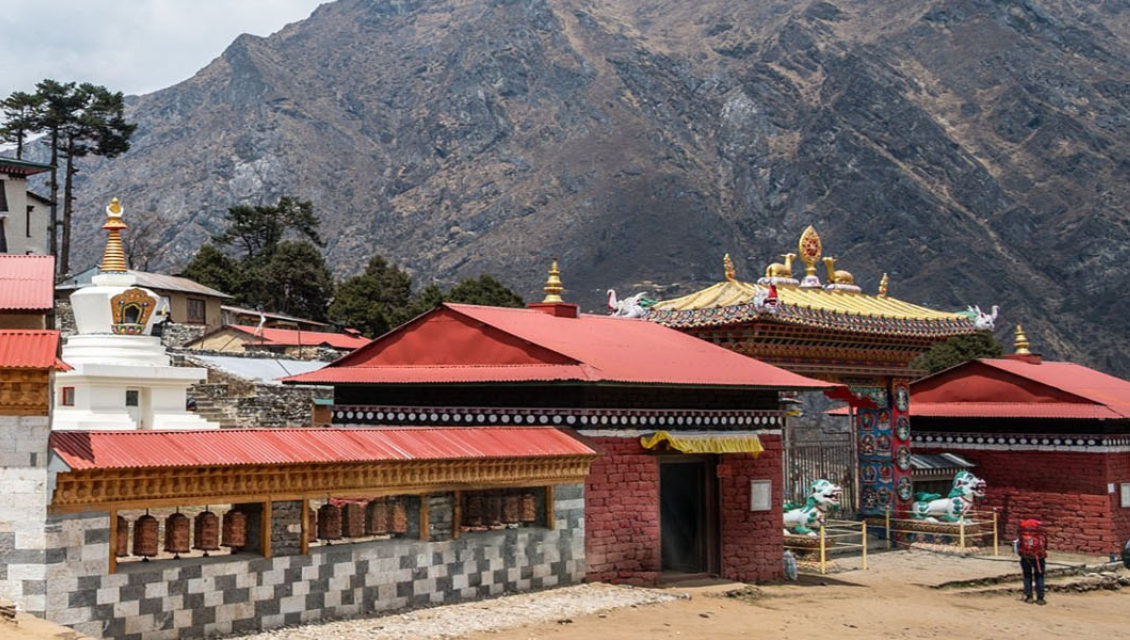
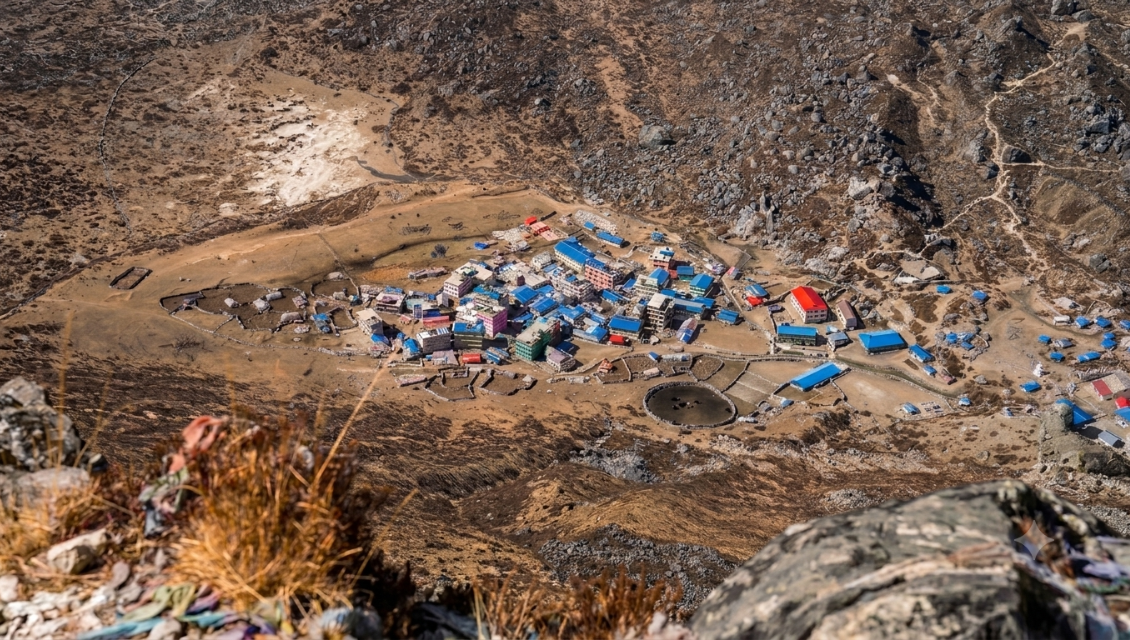
Trekkers experience authentic village life, including stone-built houses, terraced fields, prayer flags, and small local teahouses that reflect the simplicity of Himalayan living. While the trek is less culturally dense than longer routes, it still offers meaningful interactions with local communities along the lower sections.
The combination of peaceful trails, stunning mountain views, and warm local hospitality makes the Mardi Himal Trek a perfect short Himalayan adventure.
Package Highlights:
- Scenic drive/flight between Kathmandu and Pokhara with Himalayan views
- Trek through rhododendron and oak forests
- Alpine meadows and ridge walks with wide mountain panoramas
- Close views of Machhapuchhre, Annapurna South, and Hiunchuli
- Mardi Himal Viewpoint/Base Camp hike (4,200–4,500m) Mardi Himal Base Camp
- Less crowded, peaceful trekking route
- Gurung and Magar village cultural experience
- Teahouse stays with warm hospitality
Book This Trip
Trip Information
 Start : Kathmandu
 Finish : Kathmandu
 Difficulty :
Moderate
Difficulty :
Moderate
 Max Altitude : 4500m
 Group Size : 17 People
 Season : SEP-NOV, MAR-MAY
Trip Gallery





Trip Itinerary
Altitude: 1,400m
Upon arrival at Tribhuvan International Airport, you will be warmly welcomed by our Nord Extreme representative and transferred to your hotel in Kathmandu. After check-in and some rest, our team will conduct a detailed trek briefing covering the Mardi Himal route, safety guidelines, altitude awareness, and daily expectations.
We will also begin processing your trekking permits (TIMS and Annapurna Conservation Area Permit), check your trekking gear, and assist you with any missing equipment if needed. The rest of the day is free for relaxation or exploring the vibrant streets of Thamel.
Accomadation: Hotel
Place to visit: Nepal
Meals: Dinner
Altitude: 1400m
Today will be dedicated to trek preparation and completing all necessary permit procedures in Kathmandu. Our team from Nord Extreme will assist you with permit arrangements, trekking briefing, gear checking, and final trip preparation to ensure a safe and comfortable journey ahead.
You will also have free time to explore Thamel for any last-minute shopping or personal preparations before the trek begins.
Accomadation: Hotel
Place to visit: Nepal
Meals: Breakfast
Altitude: 820m
Trek duration: 6–8 hrs drive / 25 min flight
Today we travel to Pokhara, one of Nepal’s most beautiful lakeside cities. You can either take a short scenic flight over the Himalayas or enjoy a long but scenic drive through rivers, hills, and countryside settlements.
Upon arrival, you will have time to relax by Phewa Lake, explore cafés, or simply enjoy views of Machhapuchhre reflecting over the water. Pokhara offers a peaceful atmosphere and serves as the gateway to the Annapurna region.
Accomadation: Hotel
Place to visit: Nepal
Meals: Breakfast Lunch Dinner
Altitude: 2,540m
Trek duration: 5 hrs
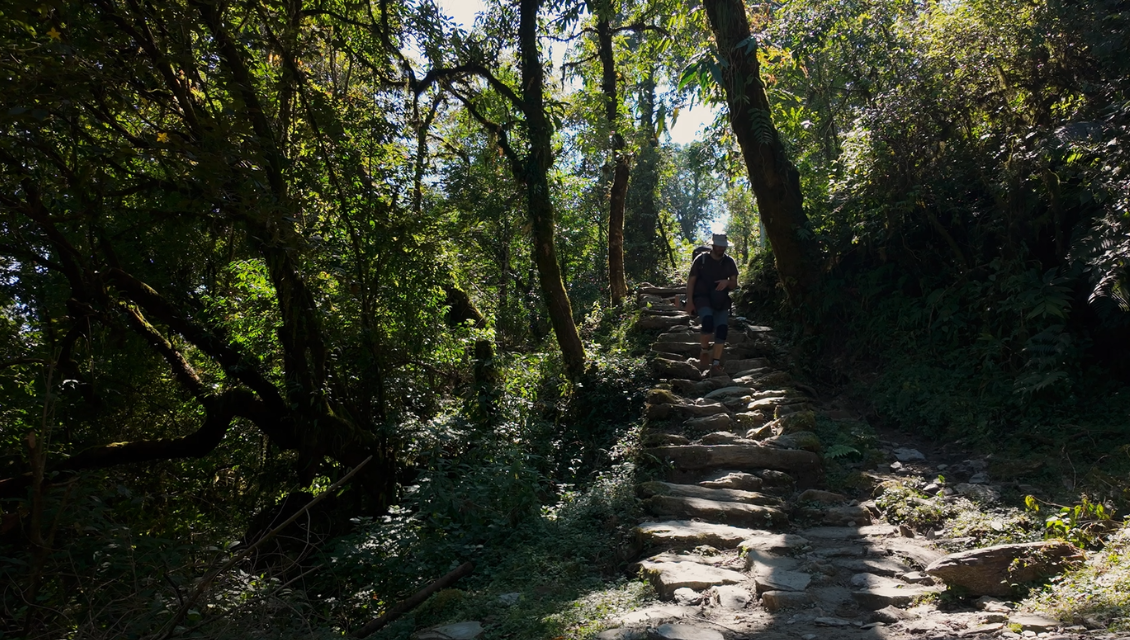
After a short 1.5-hour drive to Kande, the trekking journey officially begins. The trail gradually ascends through dense rhododendron and oak forests, with fresh mountain air and peaceful surroundings.
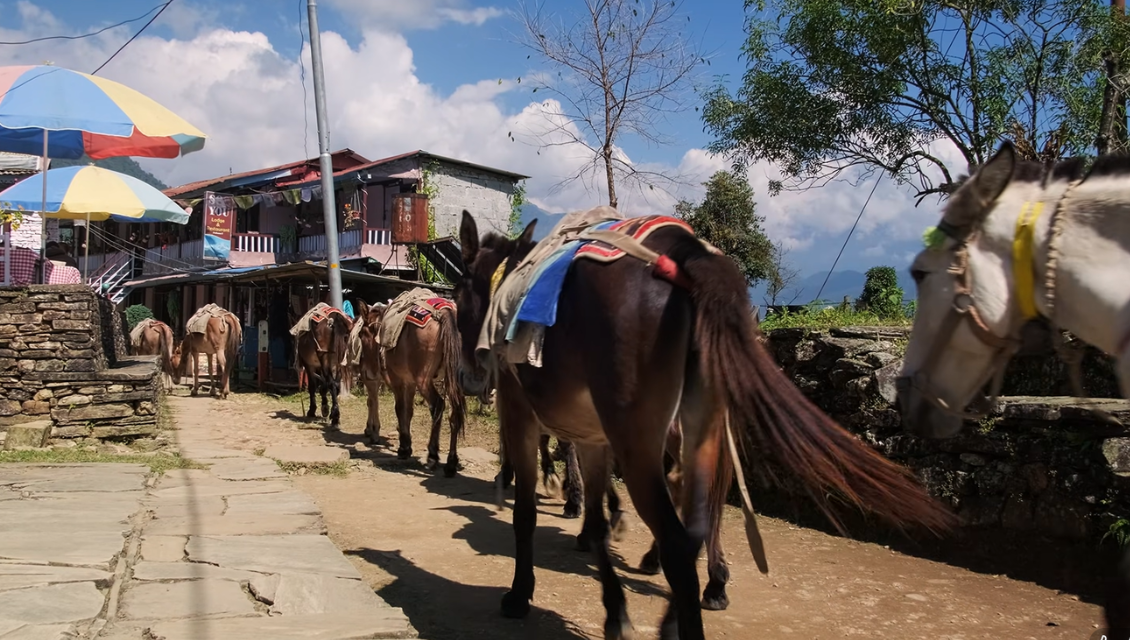
Along the way, you pass small shepherd shelters and scattered villages that reflect traditional Himalayan lifestyle. Forest Camp is a quiet resting point surrounded by deep woodland, offering your first overnight stay in the mountains.
Accomadation: Tea House
Place to visit: Annapurna Region
Meals: Breakfast Lunch Dinner
Altitude: 2,970m
Trek duration: 4 hrs
The trail today becomes more scenic as the forest opens into moss-covered trees and alpine vegetation. Gradual ascent continues with occasional clearings that offer glimpses of Annapurna South and Machhapuchhre.
As you reach Low Camp, the temperature drops slightly and the landscape begins to feel more mountainous. This is your first major transition into the high Himalayan zone, where clouds drift below the ridges on clear days.
Accomadation: Tea House
Place to visit: Annapurna Region
Meals: Breakfast Lunch Dinner
Altitude: 3,580m
Trek duration: 4–5 hrs
Today’s climb is more challenging as the forest slowly disappears and the trail follows open ridgelines. With every step upward, the panoramic views become more dramatic, revealing the full face of Machhapuchhre (Fishtail Mountain).
High Camp offers one of the most spectacular sunset and sunrise views in the entire Annapurna region. The evening is spent preparing for the next day’s early ascent.
Accomadation: Tea House
Place to visit: Annapurna Region
Meals: Breakfast Lunch Dinner
Altitude: 4,500m
Trek duration: 7–8 hrs
This is the most rewarding and challenging day of the trek. Starting early in the morning, we ascend steep alpine trails toward Mardi Himal Viewpoint or further to Base Camp. The higher you go, the more breathtaking the scenery becomes, with 360-degree views of Annapurna, Hiunchuli, and Machhapuchhre dominating the skyline.
After spending time at the top absorbing the Himalayan panorama, we carefully descend back to Low Camp for overnight rest.
Accomadation: Tea House
Place to visit: Annapurna Region
Meals: Breakfast Lunch Dinner
Altitude: 1,700m → 820m
Trek duration: 6 hrs
We begin a long descent through lush forests and traditional villages, where you can observe rural Nepali lifestyle, terraced fields, and friendly locals along the way. The trail gradually leads to Siding Village, marking the end of the trekking route.
From here, a vehicle takes you back to Pokhara, where you can finally relax in comfort and celebrate the successful completion of your trek.
Accomadation: Hotel
Place to visit: Annapurna Region
Meals: Breakfast Lunch Dinner
Altitude: 1,400m
Trek duration: 6–8 hrs drive / 25 min flight
After breakfast, we return to Kathmandu by scenic flight or overland drive. The rest of the day is free for leisure activities such as shopping in Thamel, visiting cultural landmarks, or enjoying local cuisine.
This is a relaxed transition day after your Himalayan journey.
Accomadation: Hotel
Place to visit: Nepal
Meals: Breakfast Lunch Dinner
Depending on your flight schedule, we will transfer you to the airport for your departure. If you wish to extend your stay, optional tours such as heritage sightseeing, yoga retreats, or additional treks can be arranged.
Place to visit: Nepal
Meals: Breakfast
Cost Includes
1. Transportations
- Private/tourist vehicles for airport pickup and drop-off in Kathmandu.
- Private/tourist vehicles transfer as per itinerary to access the trailheads.
- Domestic flight included for access to the trekking starting & ending point.
2. Accommodation & Meals
- 3 Nights 3 star hotel in Kathmandu with bed & breakfast basis.
- 2 Nights 3 star hotel in Pokhara with bed & breakfast basis.
- All Meals (breakfast, lunch & dinner with tea coffee) during the trekking Period.
3. Permits
- Annapurna Conservation Area Project (ACAP) permits.
- Trekkers' Information Management System (TIMS) permits.
4. Guide & Staff
- Professional and experience License holder trekking guide salary & insurance.
- Porter salary, equipments & insurance.
- First aid medical kit for emergency support.
1. Transportations
- Private/tourist vehicles for airport pickup and drop-off in Kathmandu.
- Private/tourist vehicles transfer as per itinerary to access the trailheads.
- Domestic flight included for access to the trekking starting & ending point.
2. Accommodation & Meals
- 3 Nights 3 star hotel in Kathmandu with bed & breakfast basis.
- 2 Nights 3 star hotel in Pokhara with bed & breakfast basis.
- All Meals (breakfast, lunch & dinner with tea coffee) during the trekking Period.
3. Permits
- Annapurna Conservation Area Project (ACAP) permits.
- Trekkers' Information Management System (TIMS) permits.
4. Guide & Staff
- Professional and experience License holder trekking guide salary & insurance.
- Porter salary, equipments & insurance.
- First aid medical kit for emergency support.
Cost Excludes
1. International Flights
- Airfare from your home country to Nepal (Tribhuvan International Airport, Kathmandu).
- Return airfare from Nepal (Tribhuvan International Airport, Kathmandu) to your home country.
2. Visa Fees
- Nepal entry visa fee for entering Nepal (available on arrival at Tribhuvan International Airport, Kathmandu, or through a Nepalese embassy).
3. Travel Insurance (Mandatory)
- Comprehensive travel insurance covering high-altitude trekking, emergency medical treatment, helicopter evacuation, trip cancellation, and other unforeseen circumstances.
4. Personal Expenses
- Tips, gifts, and souvenirs for trekking guides and porters.
- Personal trekking equipment and gear.
- Charges for lodge Wi-Fi, hot showers, battery charging, and laundry services.
5. Meals & Beverages
- Lunch and dinner in Kathmandu, Pokhara, and other locations where accommodation is provided in 3-star category hotels.
- Soft drinks, bottled water, alcoholic beverages, and snacks consumed during meals
1. International Flights
- Airfare from your home country to Nepal (Tribhuvan International Airport, Kathmandu).
- Return airfare from Nepal (Tribhuvan International Airport, Kathmandu) to your home country.
2. Visa Fees
- Nepal entry visa fee for entering Nepal (available on arrival at Tribhuvan International Airport, Kathmandu, or through a Nepalese embassy).
3. Travel Insurance (Mandatory)
- Comprehensive travel insurance covering high-altitude trekking, emergency medical treatment, helicopter evacuation, trip cancellation, and other unforeseen circumstances.
4. Personal Expenses
- Tips, gifts, and souvenirs for trekking guides and porters.
- Personal trekking equipment and gear.
- Charges for lodge Wi-Fi, hot showers, battery charging, and laundry services.
5. Meals & Beverages
- Lunch and dinner in Kathmandu, Pokhara, and other locations where accommodation is provided in 3-star category hotels.
- Soft drinks, bottled water, alcoholic beverages, and snacks consumed during meals
Trip Date And Time
We'll Be There, Like We've Been There Before
|
Start |
End |
Trip Cost |
Action |
Enquire |
|---|---|---|---|---|
| 15 Nov, 2026 | 24 Nov, 2026 | 1290 | Book Now | |
| 10 Nov, 2026 | 19 Nov, 2026 | 1290 | Book Now | |
| 08 Nov, 2026 | 17 Nov, 2026 | 1290 | Book Now | |
| 01 Nov, 2026 | 10 Nov, 2026 | 1290 | Book Now | |
| 27 Oct, 2026 | 05 Nov, 2026 | 1290 | Book Now | |
| 20 Oct, 2026 | 29 Oct, 2026 | 1290 | Book Now | |
| 12 Oct, 2026 | 21 Oct, 2026 | 1290 | Book Now | |
| 04 Oct, 2026 | 13 Oct, 2026 | 1290 | Book Now | |
| 29 Sep, 2026 | 08 Oct, 2026 | 1290 | Book Now | |
| 21 Sep, 2026 | 30 Sep, 2026 | 1290 | Book Now | |
| 07 Sep, 2026 | 16 Sep, 2026 | 1290 | Book Now | |
| 01 Sep, 2026 | 10 Sep, 2026 | 1290 | Book Now | |
| 27 Aug, 2026 | 05 Sep, 2026 | 1290 | Book Now |
Essential Information
Accommodation
Accommodation is provided in local teahouses and mountain lodges along the entire route.
In lower villages such as Kande, Pothana, and Forest Camp, lodges are more comfortable with better facilities. As the trail ascends toward High Camp and Mardi Himal Base Camp, accommodation becomes more basic due to altitude and remoteness.
Rooms are typically twin-sharing with simple bedding and shared bathroom facilities.
Meals
A full-board meal system (Breakfast, Lunch, and Dinner) is available throughout the trek. Meals are freshly prepared and designed to support trekking energy requirements.
Typical menu options include:
- Traditional Dal Bhat set meals
- Noodles, pasta, and fried rice
- Soups, potatoes, and vegetables
- Eggs, pancakes, and Tibetan bread
- Tea, coffee, and hot beverages
Food variety becomes more limited at higher elevations.
Difficulty & Physical Requirements
The Mardi Himal Trek is classified as moderate, suitable for beginners with good fitness as well as experienced trekkers seeking a short Himalayan adventure.
Daily trekking ranges from 4 to 7 hours, with steady ascent and some steep sections, especially between High Camp and the viewpoint.
No technical climbing is required.
Permits
Required permits include:
- Annapurna Conservation Area Permit (ACAP)
- TIMS Card (Trekkers’ Information Management System)
All permits are arranged by the trekking operator.
Best Season
- Spring (March–May): Rhododendron forests in full bloom, clear mountain views
- Autumn (September–November): Best visibility and stable weather conditions
- Winter (December–February): Cold but quiet trails and clear skies
- Monsoon (June–August): Not recommended due to rain and slippery trails
Transportation & Access
The trek usually begins with a drive from Pokhara to Kande or Phedi, followed by trekking through forested ridges toward High Camp and Mardi Himal Base Camp.
Pokhara serves as the main gateway city for this trek.
Safety & Acclimatization
Although the altitude is moderate compared to major expeditions, proper pacing is important.
Key considerations include:
- Gradual ascent through forest and ridge trails
- Avoiding overexertion on steep sections
- Staying hydrated and maintaining steady pace
Guides ensure safety and route management throughout the trek.
Travel Insurance
Recommended travel insurance should include:
- Trekking coverage up to at least 4,500m
- Emergency medical treatment
- Helicopter evacuation coverage
- Trip cancellation and accident protection
Additional Information
Guide & Porter Services
Licensed trekking guides provide navigation support, safety management, and cultural interpretation.
Porters are available to carry luggage, allowing trekkers to walk comfortably with a light daypack.
Cultural & Natural Highlights
The Mardi Himal Trek is best known for its natural beauty and peaceful trails:
- Stunning close-up views of Machhapuchhre (Fishtail)
- Panoramic Himalayan ridge walking experience
- Dense rhododendron and oak forests
- Traditional Gurung and Magar villages
- Sunrise views from Mardi Himal Base Camp viewpoint
- Quiet and less crowded trekking route
Essential Equipment
Recommended gear includes:
- Comfortable trekking boots
- Layered clothing system
- Warm jacket for High Camp and Base Camp
- Waterproof jacket and trousers
- Gloves, hat, and sunglasses
- Trekking poles
- Daypack (20–30L)
- Basic first aid kit
Communication & Connectivity
Mobile network coverage is available in lower sections near Pokhara and village areas but becomes weaker toward High Camp and Base Camp.
Wi-Fi is available in some lodges at lower elevations, though limited in higher sections.
Why Choose the Mardi Himal Trek?
This trek is ideal for travelers seeking a short, scenic, and less crowded Himalayan experience:
- Spectacular close-up views of Machhapuchhre and Annapurna range
- Short duration trek (ideal for limited time travelers)
- Less crowded alternative to Annapurna Base Camp
- Beautiful forest and ridge trail combination
- Suitable for beginners and intermediate trekkers
- Easy access from Pokhara
- Sunrise views from Mardi Himal Base Camp
- One of Nepal’s fastest-growing trekking routes
USD 1290 / person
See group booking discount- No. of person Price per person
- 1 USD 1290.00
- 2-3 USD 1040.00
- 4-7 USD 965.00
- 8-12 USD 930.00
- 13-17 USD 890.00
The price may varies
Speak to an Expert