Budget
USD 2100
Per Person
Rating
No review has been posted yet
Duration
16 Days
Trip Overview
The Tsum Valley Trek is a sacred Himalayan journey into one of Nepal’s most hidden and spiritually preserved valleys. Located in the northern part of the Manaslu region, Tsum Valley is often called the “Valley of Happiness,” where ancient Tibetan Buddhist traditions, untouched nature, and remote mountain life come together in harmony.
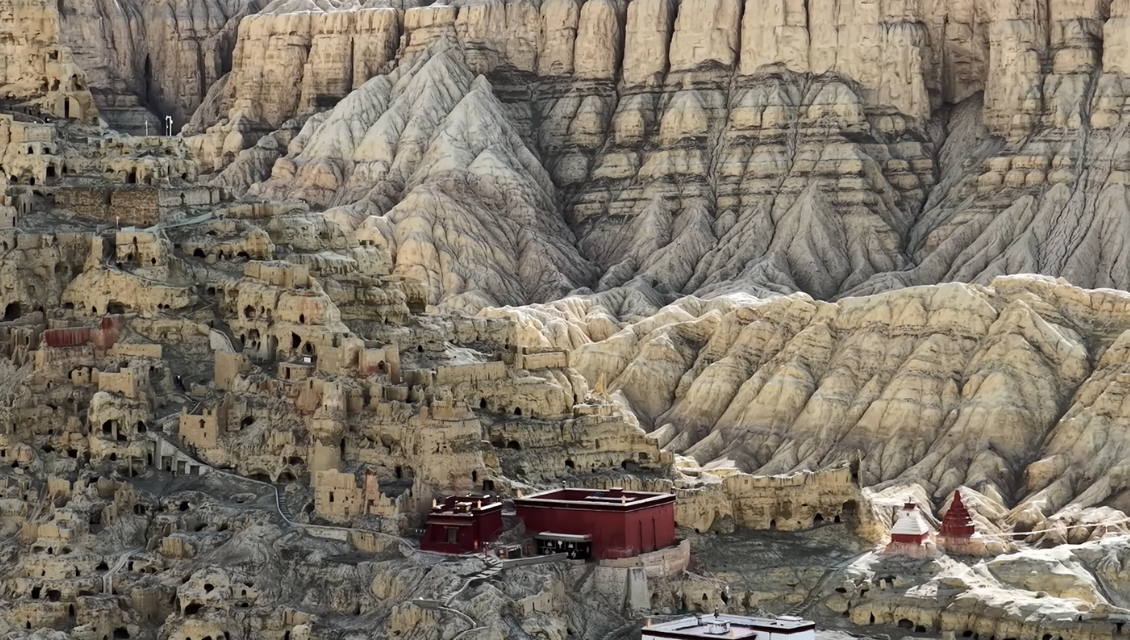
This trek offers a rare opportunity to explore a restricted cultural sanctuary that remained closed to outsiders until 2008. The valley is deeply spiritual, with centuries-old monasteries, meditation caves, and sacred landscapes that are still actively used by monks and local communities.
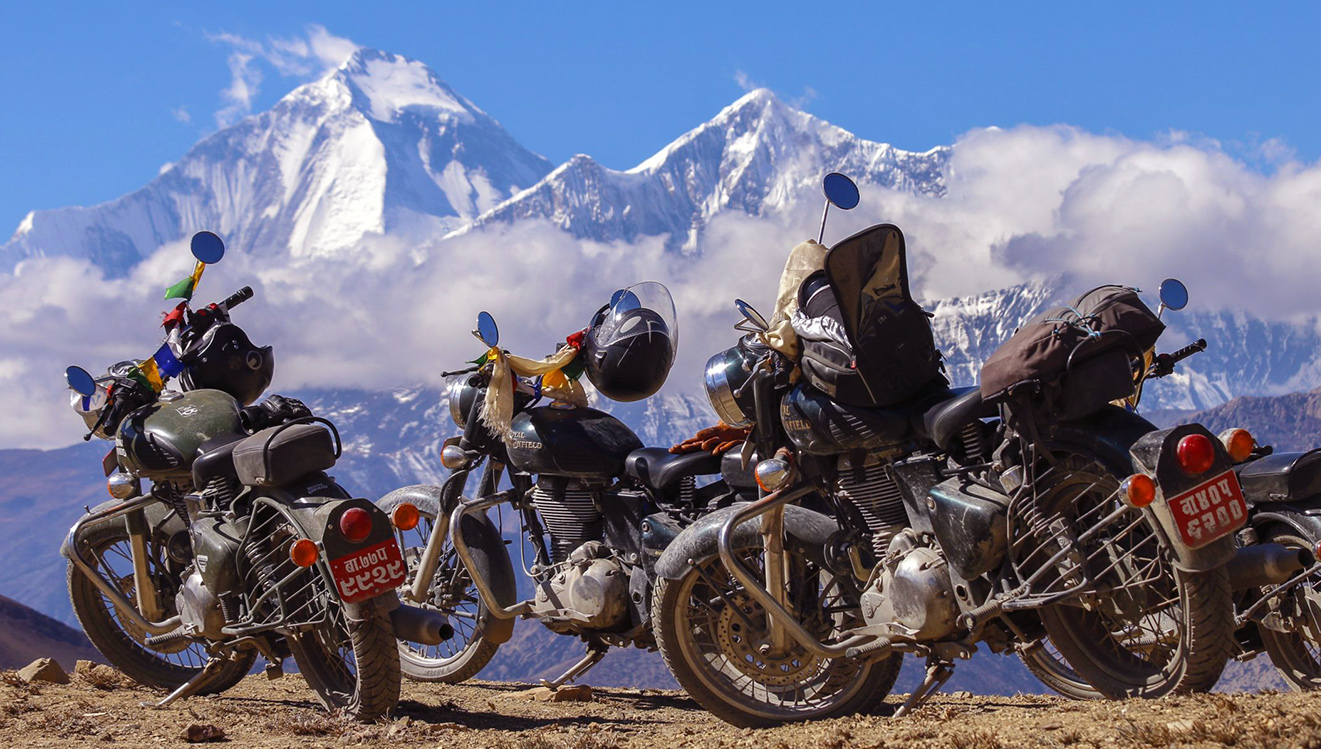
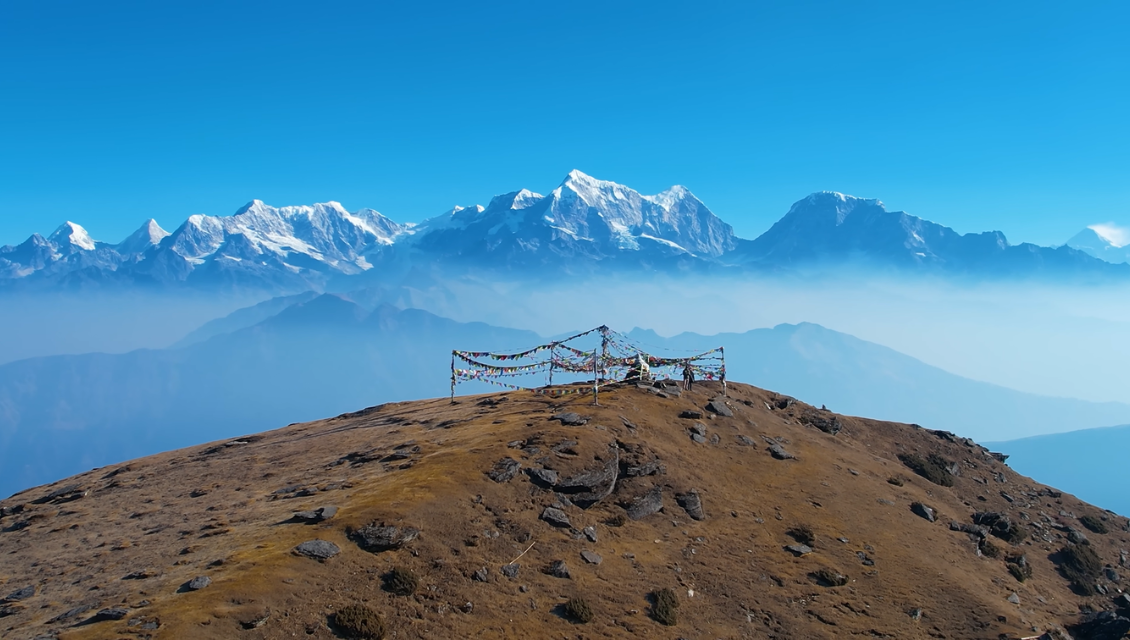
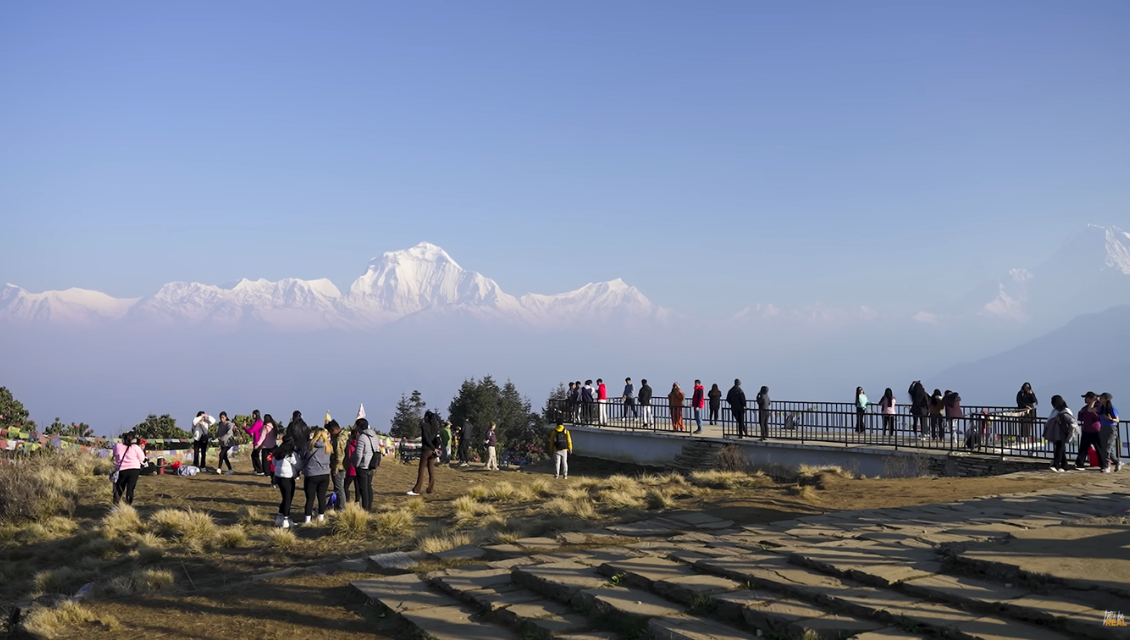
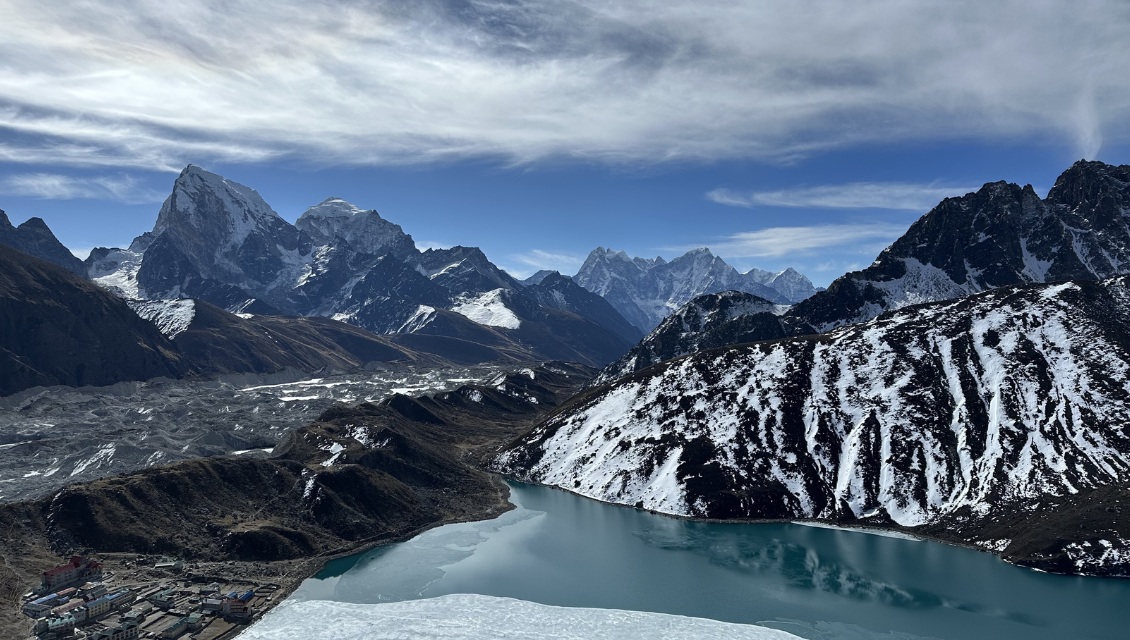
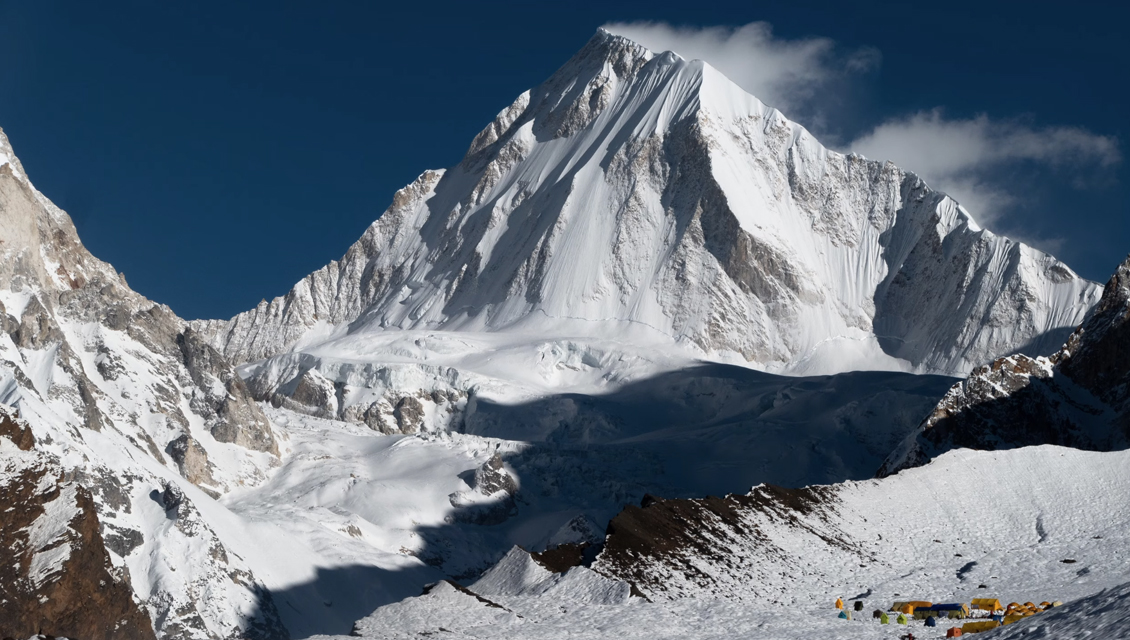
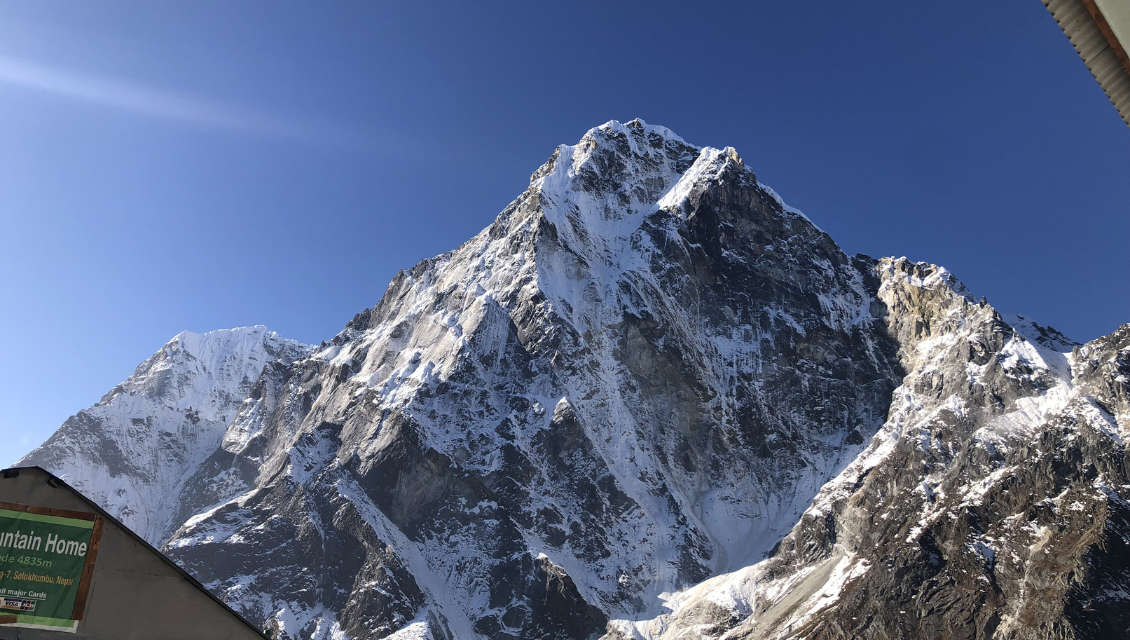
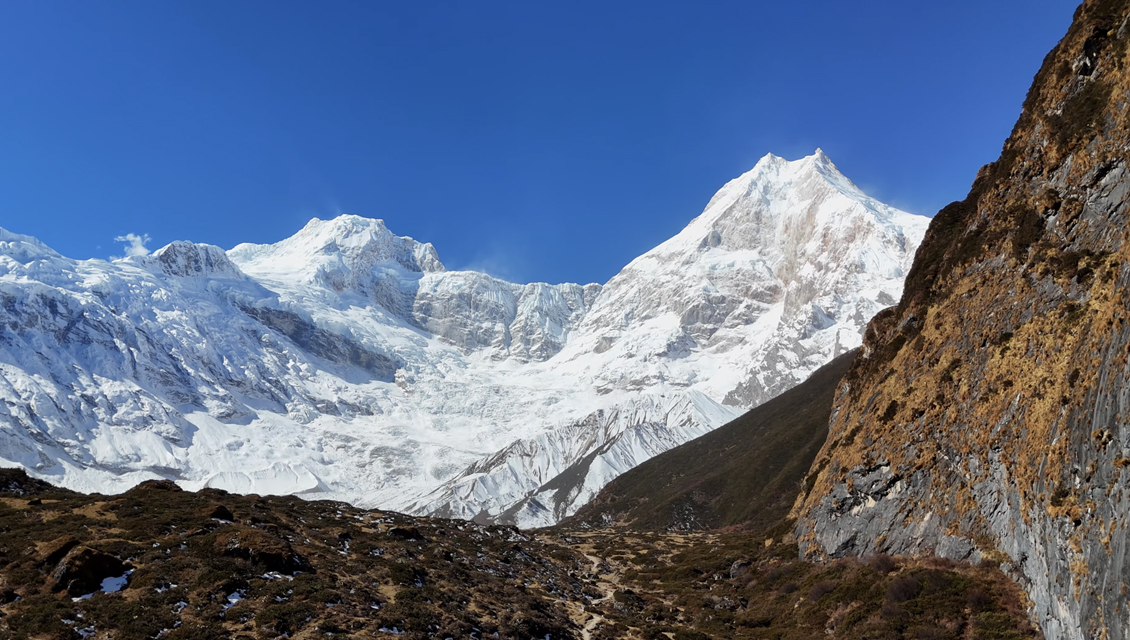
Trekkers are rewarded with dramatic Himalayan scenery, including views of peaks such as Manaslu, Ganesh Himal, and surrounding ranges. The combination of isolation, culture, and mountain beauty makes this one of Nepal’s most special trekking experiences.
This trek is ideal for cultural explorers, spiritual travelers, and experienced trekkers seeking a remote and meaningful Himalayan journey.
Geography and Landscape
The Tsum Valley Trek is located in northern Gorkha district within the Manaslu region and inside the protected area of Manaslu Conservation Area. The journey typically begins with a drive from Kathmandu to Soti Khola or Machha Khola, followed by trekking along the Budhi Gandaki River before entering the Tsum Valley branch trail.
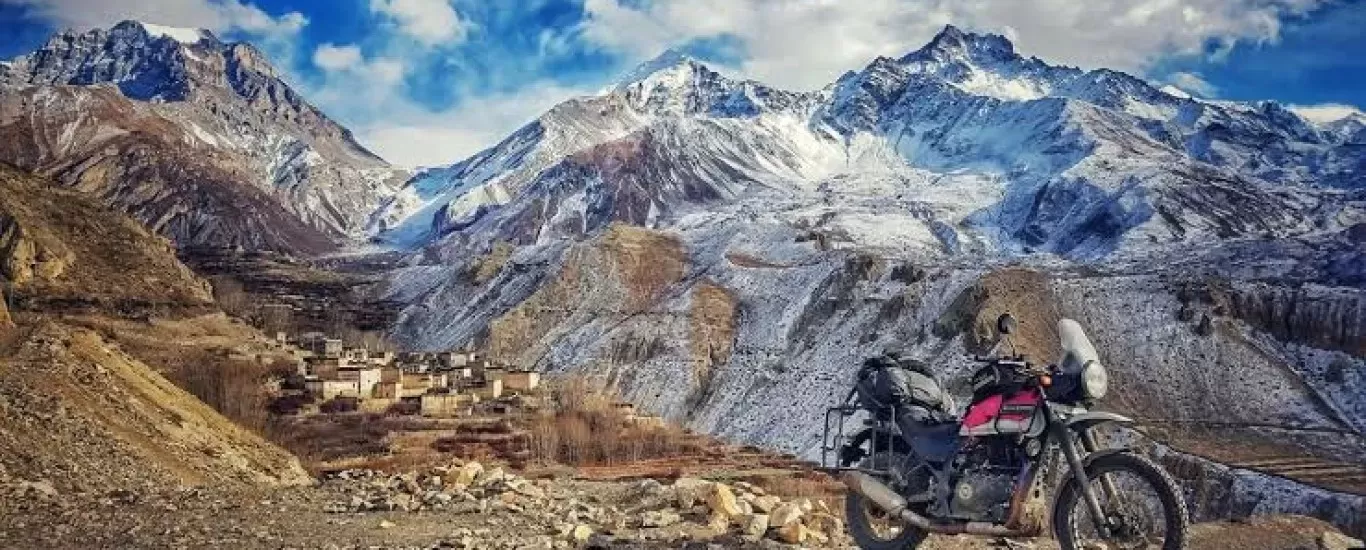
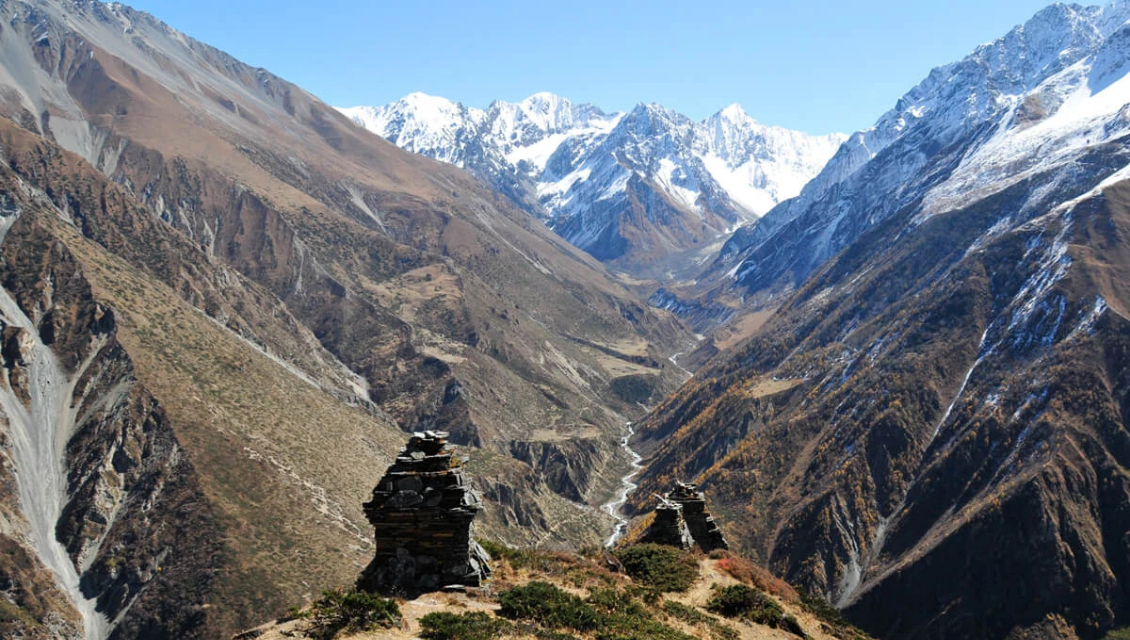
The landscape is extremely diverse, starting with subtropical forests, waterfalls, and river gorges in the lower sections. As the trail ascends, the scenery becomes more rugged, with deep valleys, pine and rhododendron forests, and traditional stone villages.
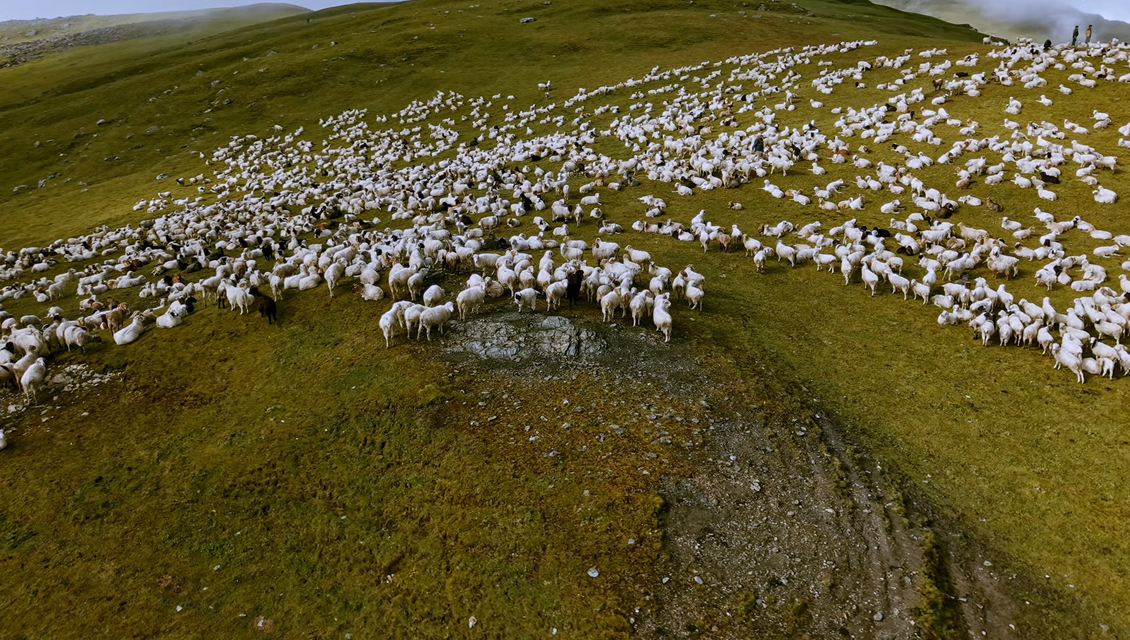
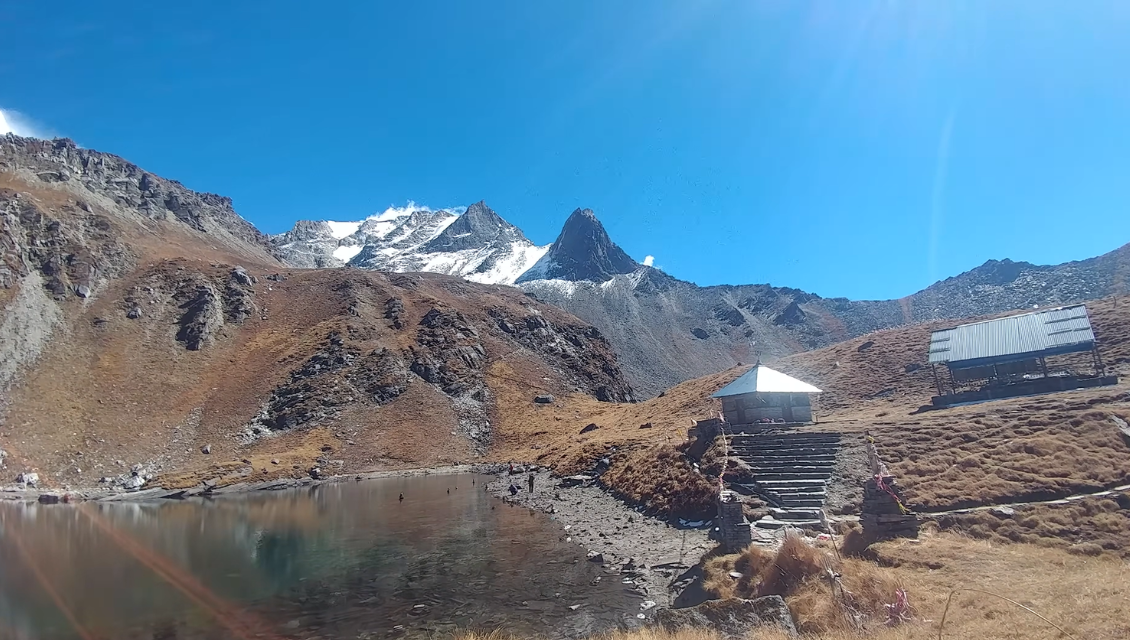
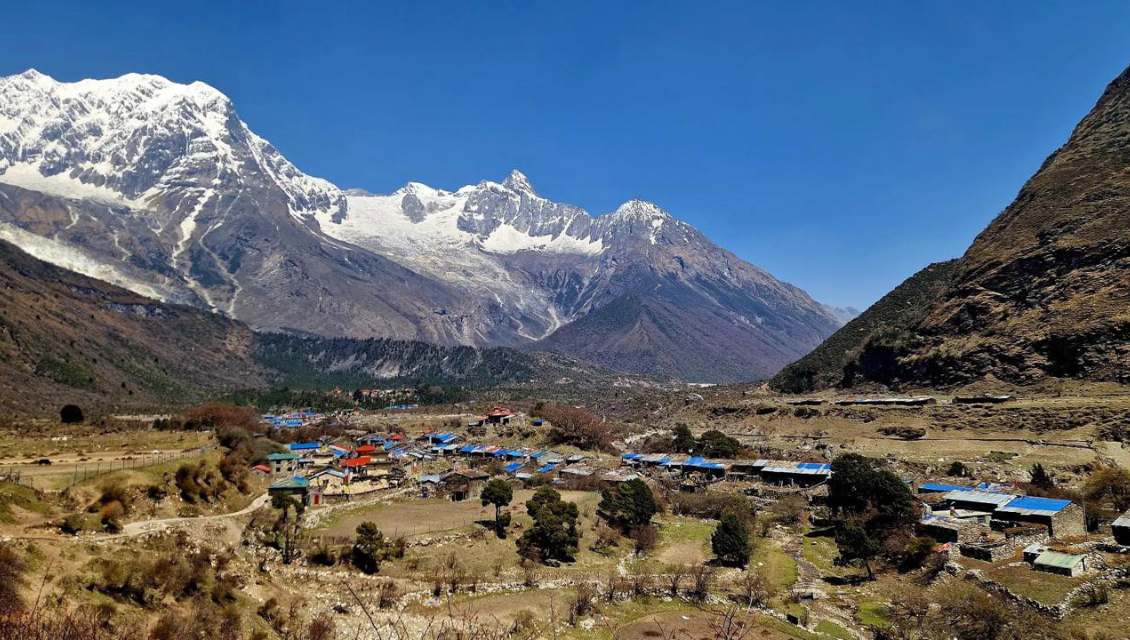
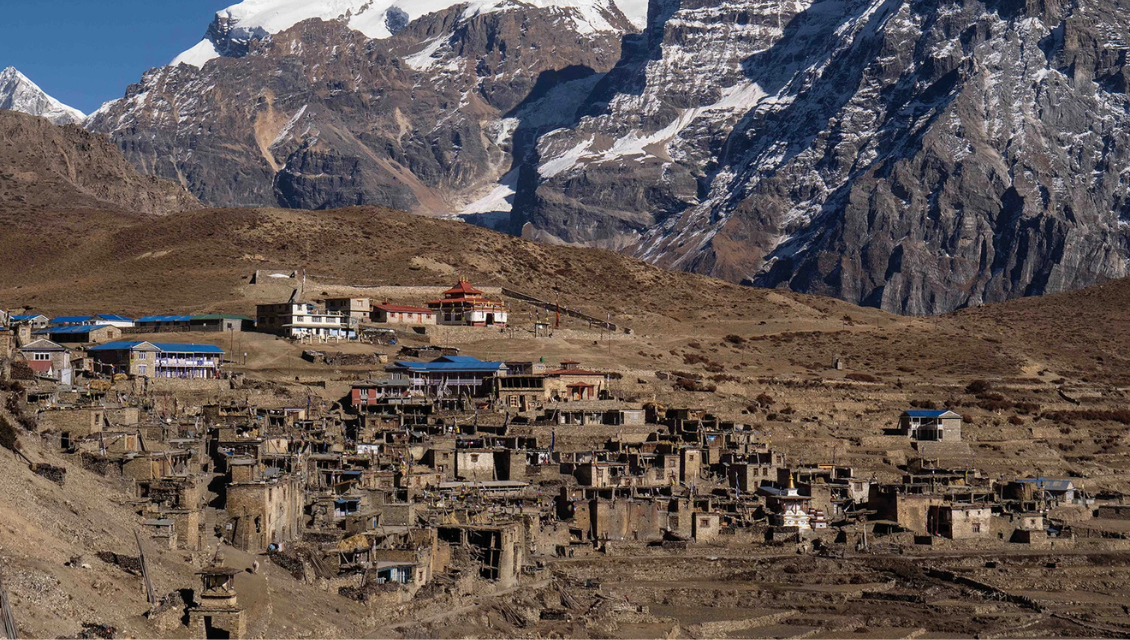
Once inside Tsum Valley, the environment opens into a wide hidden valley surrounded by high Himalayan walls. The terrain is peaceful and less commercialized, with terraced fields, yak pastures, and ancient footpaths connecting remote settlements.
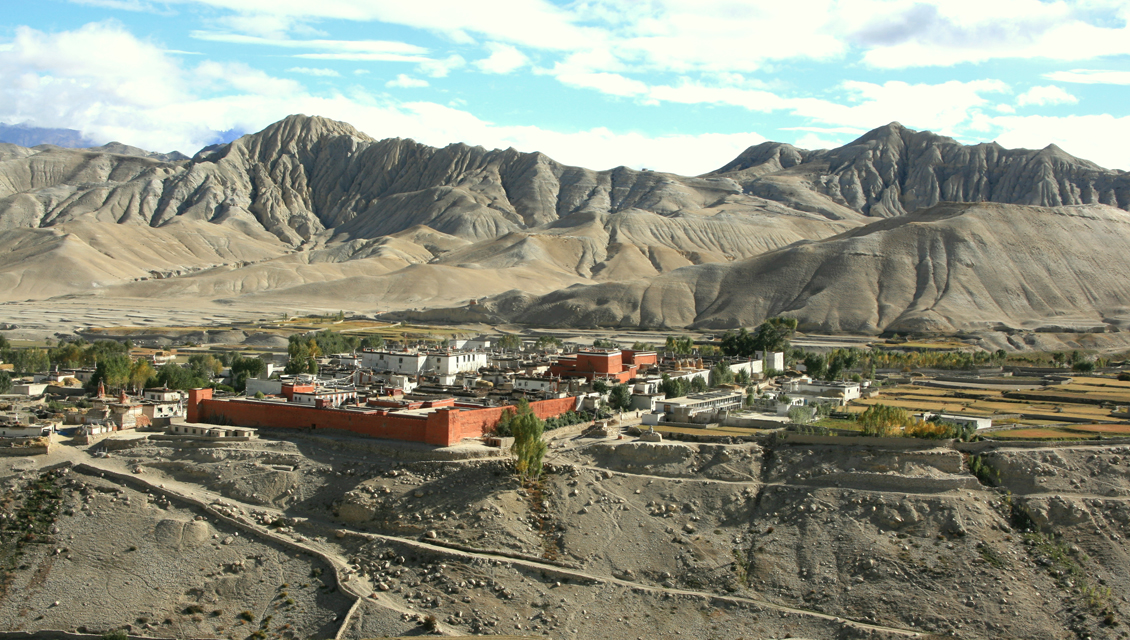
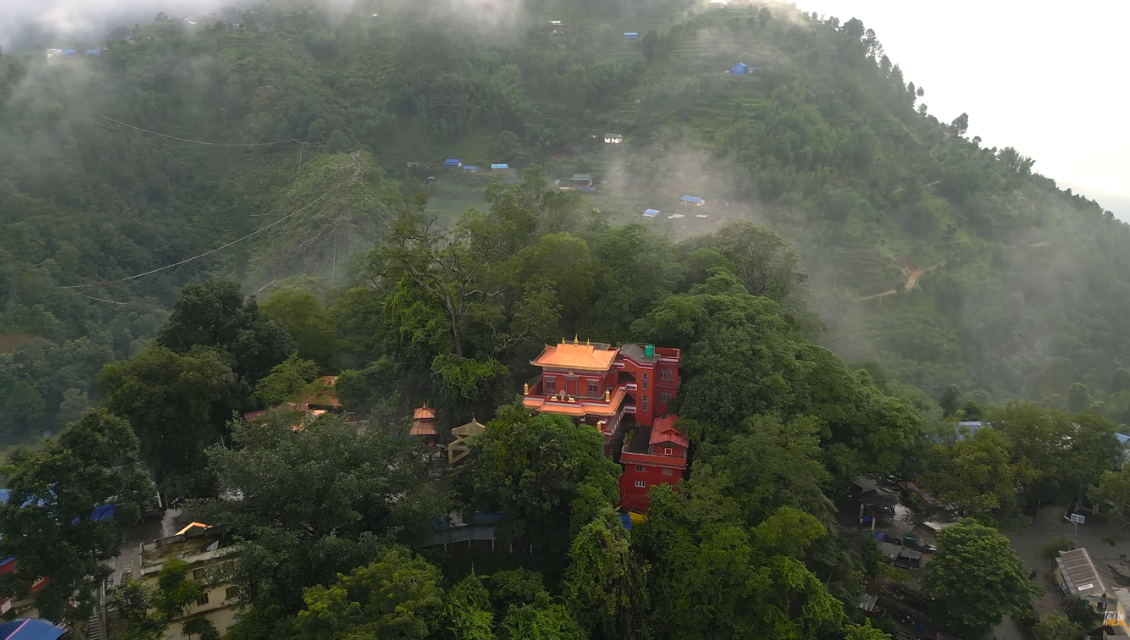
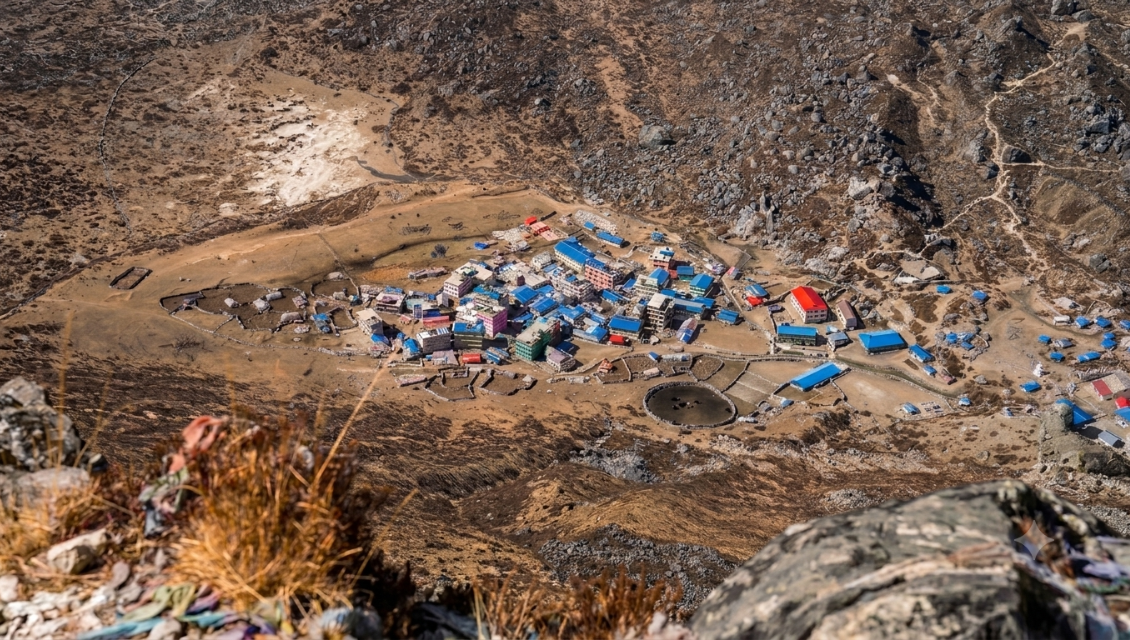
Key villages such as Chhekampar, Nile, and Mu Gompa are cultural highlights of the trek. Mu Gompa, located near the Tibetan border, is one of the highest and most important monasteries in the valley, offering a strong sense of spiritual isolation.
The valley’s geography creates a natural sanctuary that has helped preserve its culture and environment for centuries.
Climate and Best Time to Trek
The best seasons for the Tsum Valley Trek are spring (March–May) and autumn (September–November). These months offer stable weather, clear skies, and comfortable trekking conditions.
Spring is particularly beautiful, with blooming rhododendrons, green valleys, and active wildlife in lower elevations. Autumn provides crisp air, dry trails, and excellent visibility of the surrounding Himalayan peaks.
Winter (December–February) is cold and snowy, especially in higher parts of the valley, making trekking more difficult. The monsoon season (June–August) brings heavy rainfall, slippery trails, and limited visibility, so it is less suitable.
Overall, autumn is considered the most favorable season for both cultural exploration and mountain views.
People and Culture
The Tsum Valley is home to the Tsumba people, whose culture is deeply rooted in Tibetan Buddhism and has remained remarkably preserved due to the valley’s isolation. Their traditions, language, and lifestyle closely resemble those of Tibetan communities across the border.
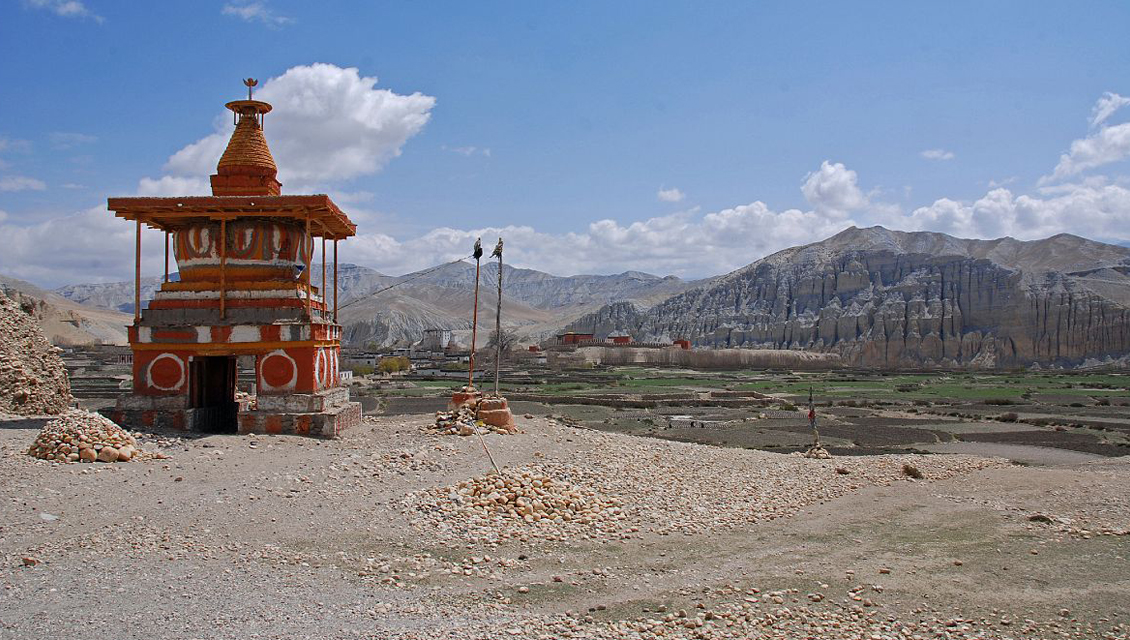
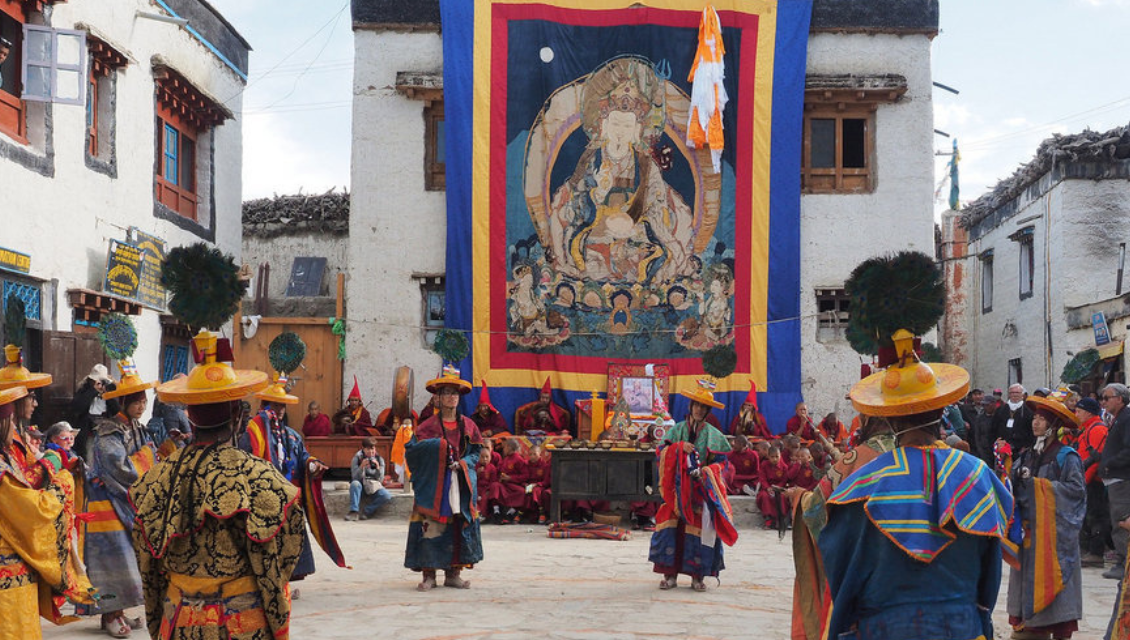
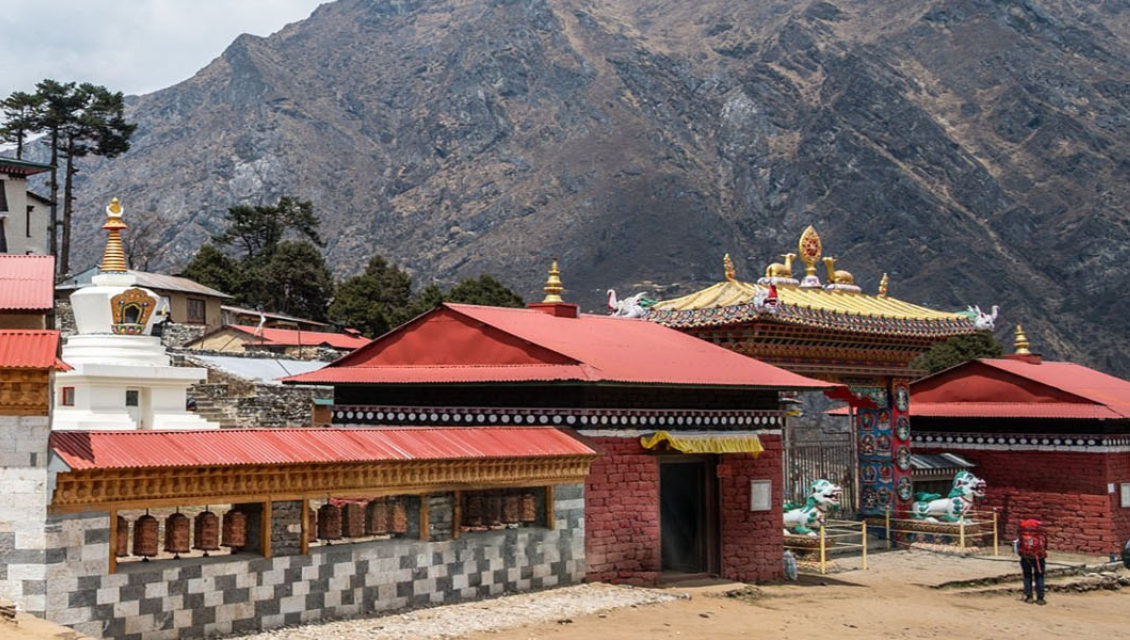
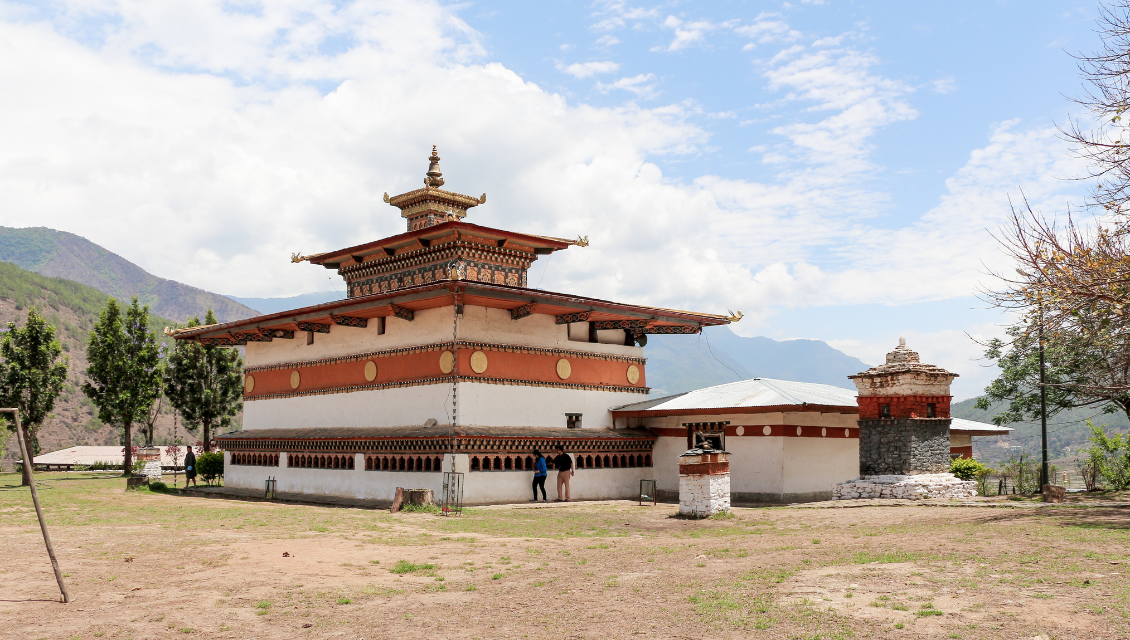
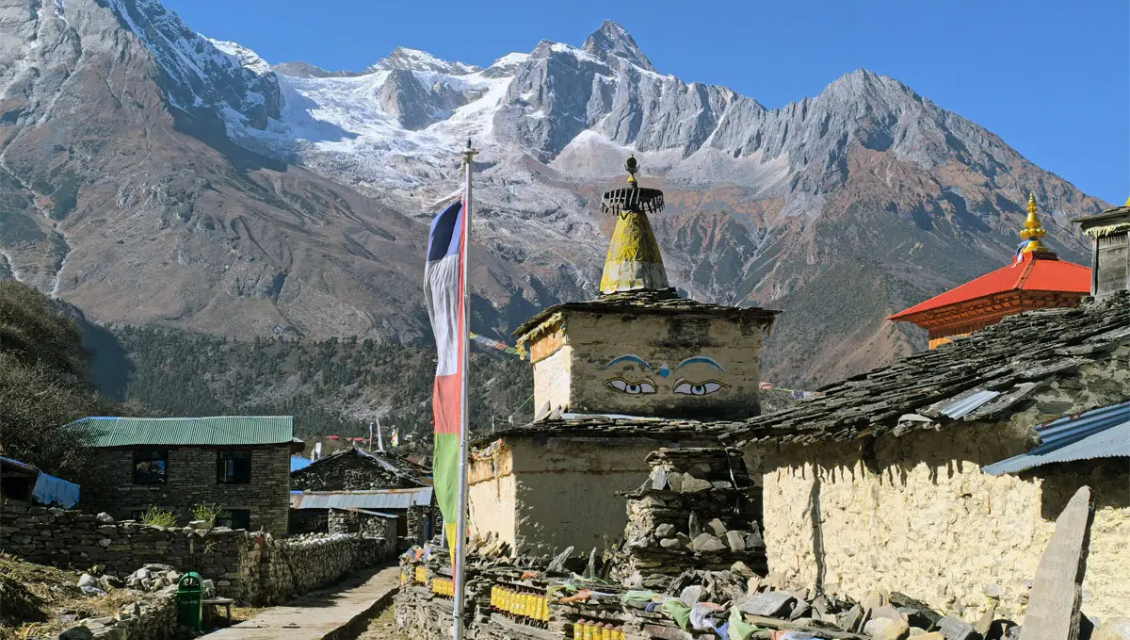
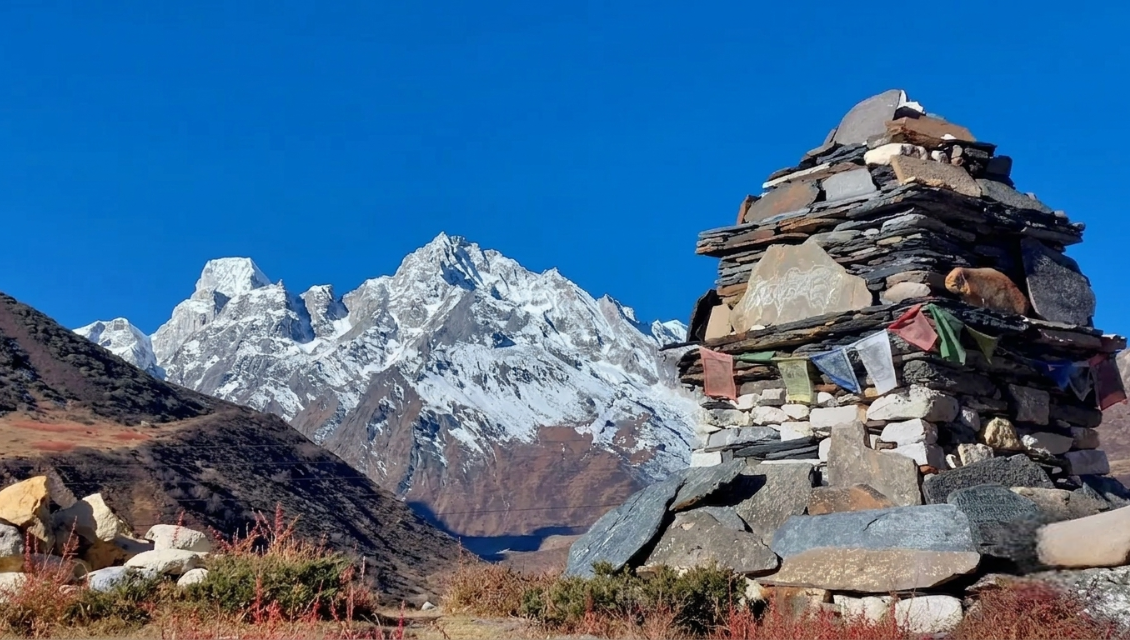
The valley is filled with ancient monasteries, mani walls, chortens, and prayer flags that reflect centuries of spiritual practice. Key religious sites include Mu Gompa and Rachen Gompa, which serve as important centers for monastic life and learning.
A unique cultural feature of Tsum Valley is its strong tradition of non-violence and spiritual practice. Many locals follow strict Buddhist principles, and hunting and slaughtering animals are traditionally discouraged.
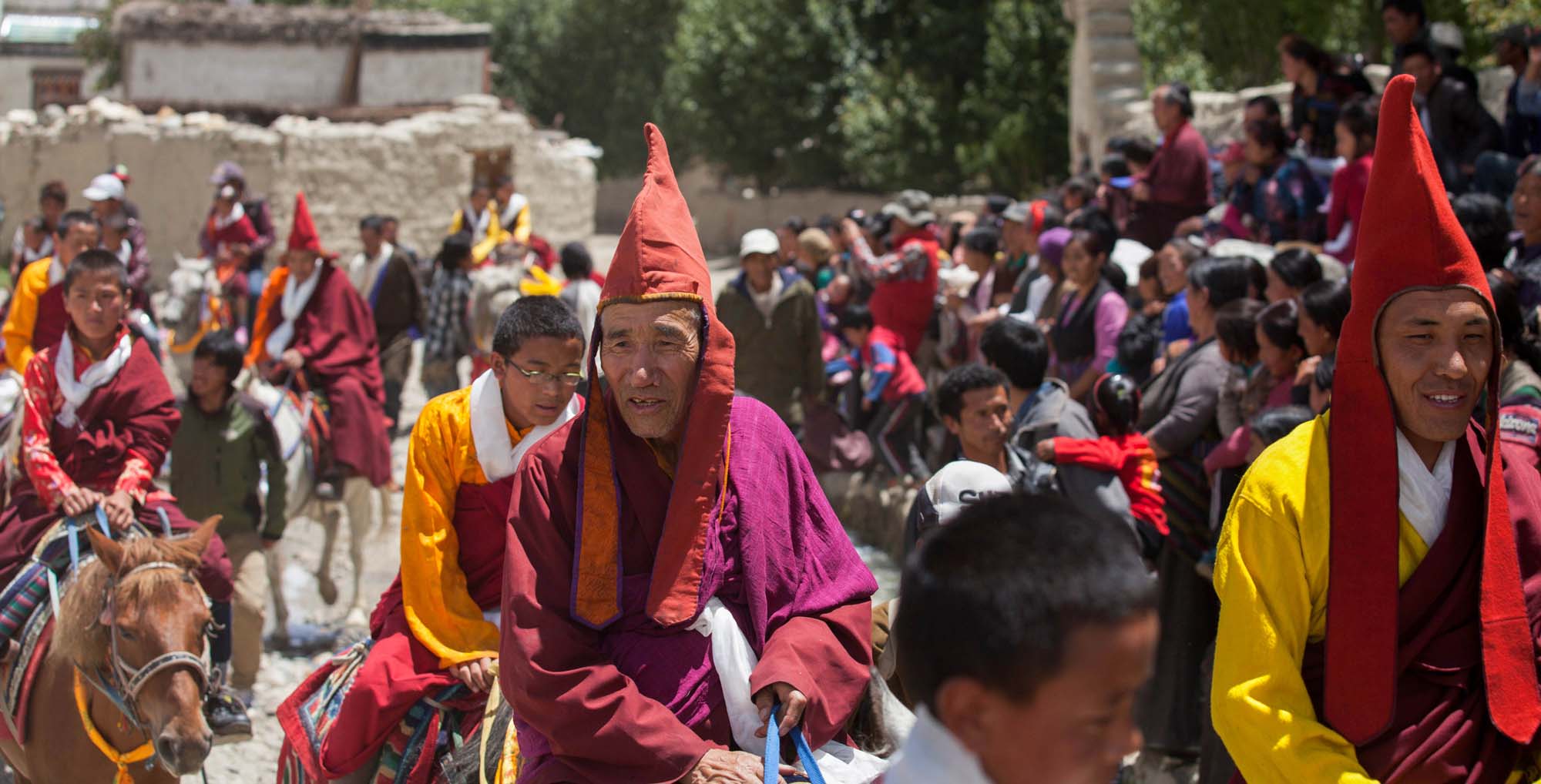
Villagers live simple lives based on agriculture, yak herding, and seasonal farming. Visitors experience warm hospitality, homestays, and deep cultural interaction throughout the trek.
The combination of sacred landscapes, preserved culture, and remote Himalayan beauty makes the Tsum Valley Trek one of the most spiritual and meaningful trekking experiences in Nepal.
Package Highlights:
- Explore the remote and sacred Tsum Valley.
- Experience stunning Himalayan scenery, forests, and alpine landscapes.
- Visit ancient monasteries, including Mu Gompa.
- Discover Milarepa Cave, a revered meditation site.
- Immerse yourself in authentic Tibetan Buddhist culture and traditional villages.
- Trek through the diverse landscapes of the Manaslu Conservation Area.
- Enjoy a peaceful, less-crowded Himalayan trekking experience.
- Experience local festivals, spiritual traditions, and unique mountain lifestyles.
Book This Trip
Trip Information
 Start : Kathmandu
 Finish : Kathmandu
 Difficulty :
Basic
Difficulty :
Basic
 Max Altitude : 4020m
 Group Size : 17 People
 Season : SEP-NOV, MAR-MAY
Trip Gallery

Trip Itinerary
Altitude: 1,400m
Welcome to Nepal! Upon arrival at Tribhuvan International Airport, our representative will greet you and transfer you to your hotel. After check-in, meet your trekking guide for a briefing, permit arrangements, gear inspection, and final trip preparation.
You may spend the remainder of the day exploring the vibrant streets of Thamel or relaxing after your journey.
Accomadation: Hotel
Place to visit: Nepal
Meals: Dinner
Altitude: 1,400m – 1,400m
Activity Duration: 4–6 hours
Today is reserved for obtaining the necessary permits for the Tsum Valley Restricted Area and the Manaslu Conservation Area. Your guide will conduct a detailed trek briefing, route overview, gear inspection, and safety discussion.
You may spend the remainder of the day visiting UNESCO World Heritage Sites, shopping for trekking essentials, or relaxing before the adventure begins.
Accomadation: Hotel
Place to visit: Nepal
Meals: Breakfast
Altitude: 1,400m – 700m
Drive Duration: 8–9 hours
Begin your journey with a scenic drive through the Trishuli and Budhi Gandaki valleys, passing terraced farmland, rivers, and traditional villages before arriving at Soti Khola, the starting point of the trek.
Accomadation: Tea House
Place to visit: Manasalu - Tsum Valley Region
Meals: Breakfast Lunch Dinner
Altitude: 700m – 870m
Trek Duration: 5–6 hours
Your trek begins along the Budhi Gandaki River, passing through forests, waterfalls, suspension bridges, and small Gurung villages. The trail gradually ascends through beautiful subtropical landscapes before reaching Machha Khola.
Accomadation: Tea House
Place to visit: Manasalu - Tsum Valley Region
Meals: Breakfast Lunch Dinner
Altitude: 870m – 1,340m
Trek Duration: 6–7 hours
Continue trekking through terraced fields, narrow gorges, and traditional settlements. Cross several suspension bridges and enjoy views of the rushing Budhi Gandaki River before arriving at Jagat, the official gateway to the restricted Tsum Valley region.
Accomadation: Tea House
Place to visit: Manasalu - Tsum Valley Region
Meals: Breakfast Lunch Dinner
Altitude: 1,340m – 2,240m
Trek Duration: 6–7 hours
Leave the main Manaslu Trail and enter the peaceful Tsum Valley. The trail climbs through dense forests, remote villages, and scenic ridgelines with beautiful views of Ganesh Himal and surrounding peaks.
Lokpa marks the entrance to the hidden Buddhist valley of Tsum.
Accomadation: Tea House
Place to visit: Manasalu - Tsum Valley Region
Meals: Breakfast Lunch Dinner
Altitude: 2,240m – 2,386m
Trek Duration: 5–6 hours
Descend into a deep gorge before climbing through pine and rhododendron forests toward Chumling. This traditional village offers impressive views of Ganesh Himal and rich Tibetan Buddhist culture.
Visit local monasteries and traditional stone houses upon arrival.
Accomadation: Tea House
Place to visit: Manasalu - Tsum Valley Region
Meals: Breakfast Lunch Dinner
Altitude: 2,386m – 3,031m
Trek Duration: 5–6 hours
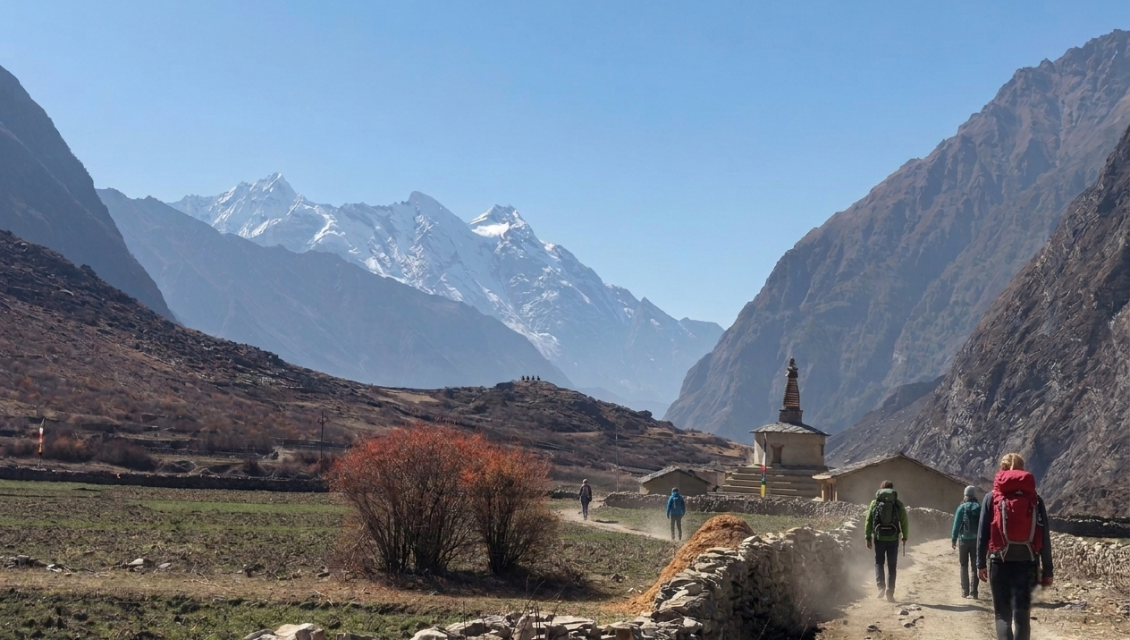
The trail ascends gradually through fertile fields, mani walls, chortens, and traditional villages. As you gain altitude, spectacular views of Himalchuli and Ganesh Himal unfold.
Arrive at Chhokang Paro, one of the largest settlements in Tsum Valley.
Accomadation: Tea House
Place to visit: Manasalu - Tsum Valley Region
Meals: Breakfast Lunch Dinner
Altitude: 3,031m – 3,361m
Trek Duration: 5–6 hours
Optional Hike: Milarepa Cave (1–2 hours)
Continue deeper into the upper valley, passing ancient monasteries and villages strongly influenced by Tibetan culture. Upon reaching Nile, you may take an optional hike to the sacred Milarepa Cave, where the renowned Tibetan saint is believed to have meditated.
Accomadation: Tea House
Place to visit: Manasalu - Tsum Valley Region
Meals: Breakfast Lunch Dinner
Altitude: 3,361m – 3,700m
Trek Duration: 3–4 hours
A short but rewarding trek leads to Mu Gompa, the highest permanent settlement in Tsum Valley. The monastery is one of the most important spiritual centers in the region and offers stunning mountain views toward the Tibetan border.
Spend time exploring the monastery and interacting with resident monks.
Accomadation: Tea House
Place to visit: Manasalu - Tsum Valley Region
Meals: Breakfast Lunch Dinner
Altitude: 3,700m – 4,020m – 3,700m
Hiking Duration: 4–5 hours
Enjoy a full day exploring the upper Tsum Valley. Hike to Dhephu Doma Nunnery, one of the region’s most significant religious sites, and visit surrounding viewpoints, yak pastures, and remote settlements.
This day provides deeper insight into the spiritual traditions and peaceful lifestyle of the valley.
Accomadation: Tea House
Place to visit: Manasalu - Tsum Valley Region
Meals: Breakfast Lunch Dinner
Altitude: 3,700m – 2,386m
Trek Duration: 6–7 hours
Begin your descent through the beautiful Tsum Valley, retracing your route past ancient villages, monasteries, and cultivated fields.
Enjoy changing perspectives of the surrounding mountains as you return to Chumling.
Accomadation: Tea House
Place to visit: Manasalu - Tsum Valley Region
Meals: Breakfast Lunch Dinner
Altitude: 2,386m – 1,570m
Trek Duration: 6–7 hours
Descend through forests and cross suspension bridges before rejoining the main Manaslu route. Arrive at Philim, a culturally rich Gurung village known for its terraced fields and traditional architecture.
Accomadation: Tea House
Place to visit: Manasalu - Tsum Valley Region
Meals: Breakfast Lunch Dinner
Altitude: 1,570m – 700m
Trek Duration: 6–7 hours
Continue descending along the Budhi Gandaki River through beautiful forests, waterfalls, and small settlements. Reach Soti Khola, completing the trekking portion of your Tsum Valley adventure.
Accomadation: Tea House
Place to visit: Manasalu - Tsum Valley Region
Meals: Breakfast Lunch Dinner
Altitude: 700m – 1,400m
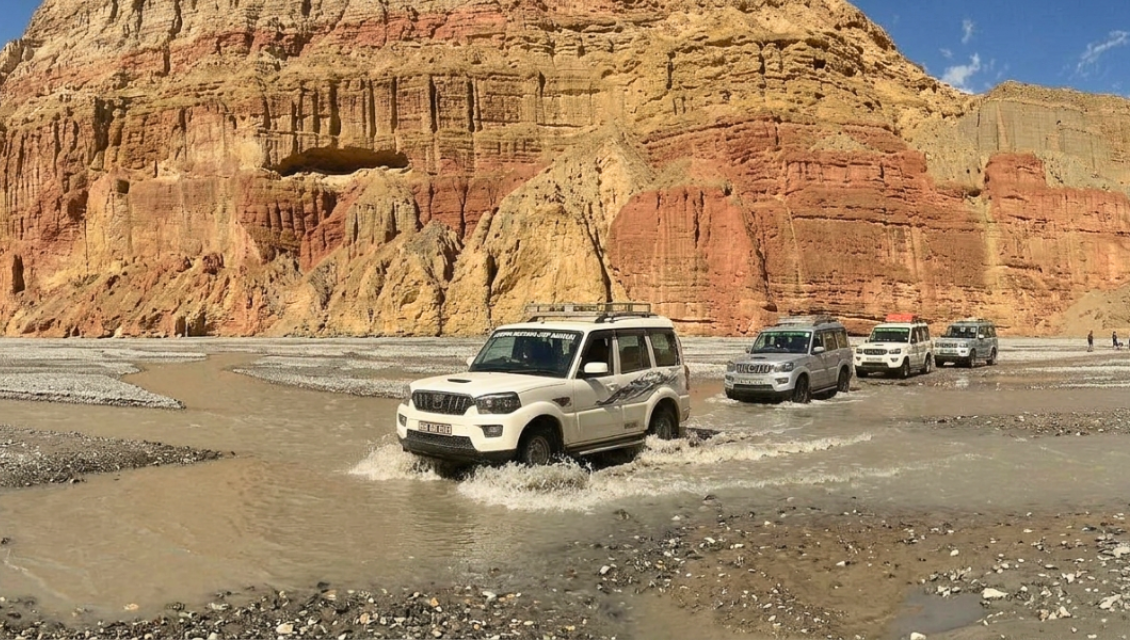
Drive Duration: 8–9 hours
Take a jeep ride back to Kathmandu through scenic valleys, rivers, and rural landscapes. Upon arrival, transfer to your hotel and enjoy a well-deserved rest.
Accomadation: Hotel
Place to visit: Nepal
Meals: Breakfast Lunch Dinner
According to your flight schedule, transfer to Tribhuvan International Airport for your departure flight.
Place to visit: Nepal
Meals: Breakfast
Cost Includes
1. Transportations
- Private/tourist vehicles for airport pickup and drop-off in Kathmandu.
- Private/tourist vehicles transfer as per itinerary to access the trailheads.
2. Accommodation & Meals
- 3 Nights 3 star hotel in Kathmandu with bed & breakfast basis.
- All Meals (breakfast, lunch & dinner with tea & coffee) during the trekking Period.
3. Permits
- Tsum Valley restricted Area permits (Issued by Department of Immigration
- Manaslu Conservation Area Project (MCAP) permits.
- Local Government entry permts.
- Trekkers' Information Management System (TIMS) permits.
4. Guide & Staff
- Professional and experience License holder trekking guide salary & insurance.
- Porter salary, equipments & insurance.
- First aid medical kit for emergency support.
1. Transportations
- Private/tourist vehicles for airport pickup and drop-off in Kathmandu.
- Private/tourist vehicles transfer as per itinerary to access the trailheads.
2. Accommodation & Meals
- 3 Nights 3 star hotel in Kathmandu with bed & breakfast basis.
- All Meals (breakfast, lunch & dinner with tea & coffee) during the trekking Period.
3. Permits
- Tsum Valley restricted Area permits (Issued by Department of Immigration
- Manaslu Conservation Area Project (MCAP) permits.
- Local Government entry permts.
- Trekkers' Information Management System (TIMS) permits.
4. Guide & Staff
- Professional and experience License holder trekking guide salary & insurance.
- Porter salary, equipments & insurance.
- First aid medical kit for emergency support.
Cost Excludes
1. International Flights
- Airfare from your home country to Nepal (Tribhuvan International Airport, Kathmandu).
- Return airfare from Nepal (Tribhuvan International Airport, Kathmandu) to your home country.
2. Visa Fees
- Nepal entry visa fee for entering Nepal (available on arrival at Tribhuvan International Airport, Kathmandu, or through a Nepalese embassy).
3. Travel Insurance (Mandatory)
- Comprehensive travel insurance covering high-altitude trekking, emergency medical treatment, helicopter evacuation, trip cancellation, and other unforeseen circumstances.
4. Personal Expenses
- Tips, gifts, and souvenirs for trekking guides and porters.
- Personal trekking equipment and gear.
- Charges for lodge Wi-Fi, hot showers, battery charging, and laundry services.
5. Meals & Beverages
- Lunch and dinner in Kathmandu, Pokhara, and other locations where accommodation is provided in 3-star category hotels.
- Soft drinks, bottled water, alcoholic beverages, and snacks consumed during meals
1. International Flights
- Airfare from your home country to Nepal (Tribhuvan International Airport, Kathmandu).
- Return airfare from Nepal (Tribhuvan International Airport, Kathmandu) to your home country.
2. Visa Fees
- Nepal entry visa fee for entering Nepal (available on arrival at Tribhuvan International Airport, Kathmandu, or through a Nepalese embassy).
3. Travel Insurance (Mandatory)
- Comprehensive travel insurance covering high-altitude trekking, emergency medical treatment, helicopter evacuation, trip cancellation, and other unforeseen circumstances.
4. Personal Expenses
- Tips, gifts, and souvenirs for trekking guides and porters.
- Personal trekking equipment and gear.
- Charges for lodge Wi-Fi, hot showers, battery charging, and laundry services.
5. Meals & Beverages
- Lunch and dinner in Kathmandu, Pokhara, and other locations where accommodation is provided in 3-star category hotels.
- Soft drinks, bottled water, alcoholic beverages, and snacks consumed during meals
Trip Date And Time
We'll Be There, Like We've Been There Before
|
Start |
End |
Trip Cost |
Action |
Enquire |
|---|---|---|---|---|
| 08 Nov, 2026 | 23 Nov, 2026 | 2100 | Book Now | |
| 01 Nov, 2026 | 16 Nov, 2026 | 2100 | Book Now | |
| 18 Oct, 2026 | 02 Nov, 2026 | 2100 | Book Now | |
| 12 Oct, 2026 | 27 Oct, 2026 | 2100 | Book Now | |
| 04 Oct, 2026 | 19 Oct, 2026 | 2100 | Book Now | |
| 27 Sep, 2026 | 12 Oct, 2026 | 2100 | Book Now | |
| 16 Sep, 2026 | 01 Oct, 2026 | 2100 | Book Now | |
| 06 Sep, 2026 | 21 Sep, 2026 | 2100 | Book Now | |
| 30 Aug, 2026 | 14 Sep, 2026 | 2100 | Book Now |
Essential Information
Accommodation
Accommodation is provided in basic teahouses and locally operated homestays throughout the trekking route.
Villages such as Lokpa, Chumling, Chokhangparo, Nile, and Mu Gompa offer simple lodging facilities with twin-sharing rooms, basic bedding, and shared bathroom arrangements.
As the Tsum Valley is a remote and restricted region, accommodation is modest but rich in cultural hospitality and local tradition.
Meals
A full-board meal system (Breakfast, Lunch, and Dinner) is provided throughout the trek.
Meals are freshly prepared by local lodges and homestays, offering a mix of Nepali and Tibetan-influenced cuisine.
Typical menu options include:
- Traditional Dal Bhat set meals
- Tibetan bread and chapati
- Noodles, pasta, and fried rice
- Potatoes, soups, and seasonal vegetables
- Eggs, porridge, and local organic dishes
- Tea, coffee, and butter tea
Food options are simple but nutritious and suited for high-altitude trekking.
Difficulty & Physical Requirements
The Tsum Valley Trek is classified as moderate to strenuous, suitable for trekkers with good physical fitness and some prior trekking experience.
Daily trekking generally ranges from 5 to 8 hours, with gradual altitude gain and several long ascents through remote valleys.
Although no technical climbing is required, the trek demands endurance due to its remote terrain and limited facilities.
Permits
Tsum Valley is a restricted region requiring special permits:
- Tsum Valley Restricted Area Permit
- Manaslu Conservation Area Permit (MCAP)
- TIMS Card (Trekkers’ Information Management System)
A licensed guide is mandatory, and trekking must be arranged through a registered agency.
Best Season
- Spring (March–May): Rhododendron blooms, stable weather, and clear mountain views
- Autumn (September–November): Best trekking conditions and excellent visibility
- Winter (December–February): Cold but culturally peaceful and scenic
- Monsoon (June–August): Lush landscapes but trails may be slippery and less stable
Transportation & Access
The trek typically begins with a drive from Kathmandu to Soti Khola or Machha Khola, the gateway to the Manaslu and Tsum Valley region.
From there, the trail follows the Budhi Gandaki Valley before branching into the sacred Tsum Valley and continuing toward remote highland villages and monasteries.
Safety & Acclimatization
The trek reaches elevations above 3,700–4,000 meters and requires proper acclimatization.
Important safety considerations include:
- Gradual ascent through remote valleys
- Monitoring for Acute Mountain Sickness (AMS)
- Adequate hydration and rest
- Weather awareness in narrow gorge sections
- Limited emergency infrastructure in the region
Experienced guides are essential for navigation, safety, and cultural interpretation.
Travel Insurance
Comprehensive travel insurance is strongly recommended and should include:
- High-altitude trekking coverage (up to at least 5,000m)
- Emergency helicopter evacuation
- Medical treatment and hospitalization
- Trip cancellation and accident coverage
Additional Information
Guide & Porter Services
A licensed guide is mandatory due to the restricted area status of Tsum Valley.
Porters are highly recommended to carry trekking equipment, especially for longer itineraries involving remote sections.
Guides also provide valuable cultural insight into Tibetan Buddhist traditions, monasteries, and local heritage.
Cultural & Natural Highlights
The Tsum Valley Trek offers one of the most spiritual and culturally immersive trekking experiences in Nepal:
- Sacred “Hidden Valley of Happiness” in Manaslu Conservation Area
- Ancient Tibetan Buddhist monasteries such as Mu Gompa
- Meditation caves associated with Guru Milarepa
- Traditional Tibetan-influenced villages and culture
- Stunning views of Ganesh Himal, Sringi Himal, and surrounding peaks
- Pristine alpine forests, rivers, and valleys
- Rich Buddhist heritage and spiritual atmosphere
- Less-crowded and highly authentic Himalayan experience
Essential Equipment
Recommended trekking gear includes:
- High-quality trekking boots
- Layered clothing system for alpine conditions
- Warm down jacket (-10°C to -20°C recommended)
- Waterproof jacket and trousers
- Gloves, hat, buff, and sunglasses
- Trekking poles
- Sleeping bag suitable for cold conditions
- Daypack (30–40L)
- Personal first aid kit and essential medications
Communication & Connectivity
Mobile network coverage is limited and unreliable throughout Tsum Valley.
Wi-Fi is generally unavailable in higher regions, and trekkers should expect long periods without connectivity.
Satellite communication may be recommended for remote expeditions.
Why Choose the Tsum Valley Trek?
The Tsum Valley Trek is ideal for trekkers seeking spirituality, culture, and remote Himalayan adventure:
- Explore the sacred “Hidden Valley of Happiness”
- Rich Tibetan Buddhist culture and heritage
- Ancient monasteries and meditation caves
- Remote and less-crowded trekking route
- Stunning Himalayan scenery and valleys
- Authentic traditional village lifestyle
- Spiritual and peaceful trekking environment
- Ideal combination of culture and nature
- Restricted and preserved Himalayan region
- One of Nepal’s most meaningful cultural treks
USD 2100 / person
See group booking discount- No. of person Price per person
- 1 USD 2100.00
- 2-3 USD 1675.00
- 4-7 USD 1550.00
- 8-12 USD 1425.00
- 13-17 USD 1380.00
The price may varies
Speak to an Expert