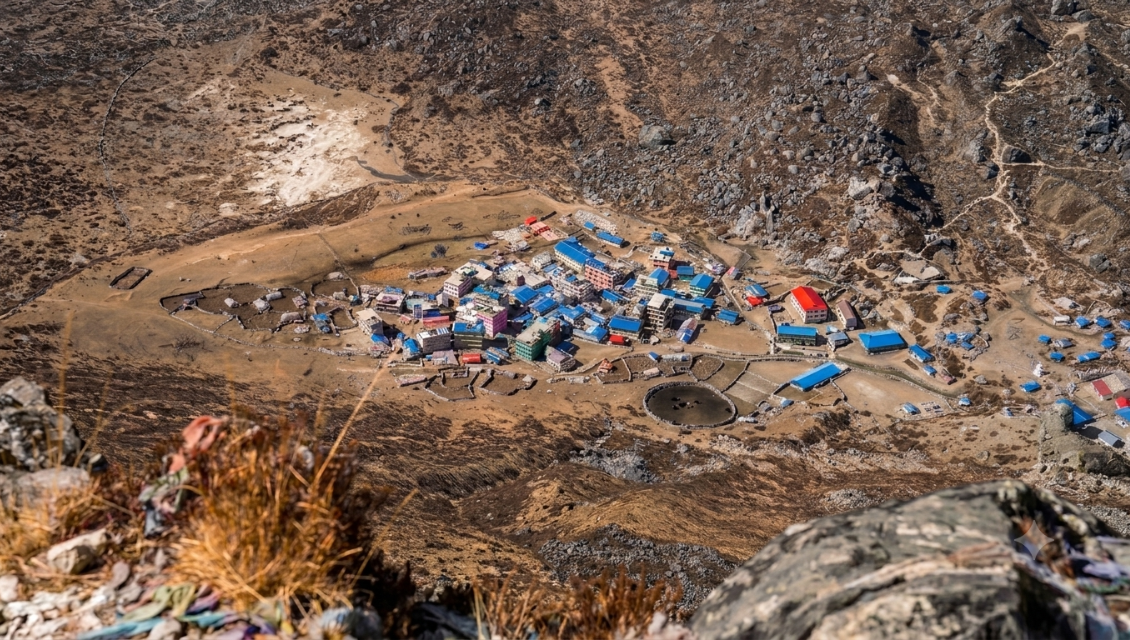
Budget
USD 10
Per Person
Rating
No review has been posted yet
Duration
24 Days
Trip Overview
The Manaslu–Tsum Valley Trek is one of Nepal’s most complete and culturally immersive Himalayan journeys, combining the remote beauty of the Manaslu Circuit with the sacred hidden valley of Tsum. This trek offers a rare blend of high mountain adventure, ancient Tibetan Buddhist culture, and untouched wilderness in one of the least developed regions of Nepal.
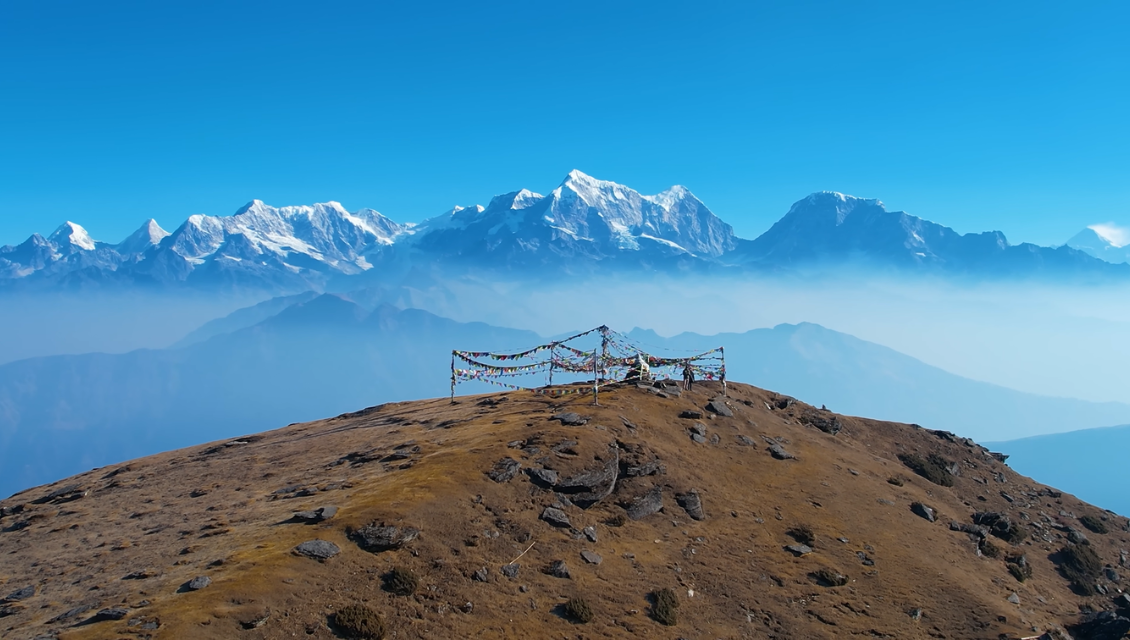
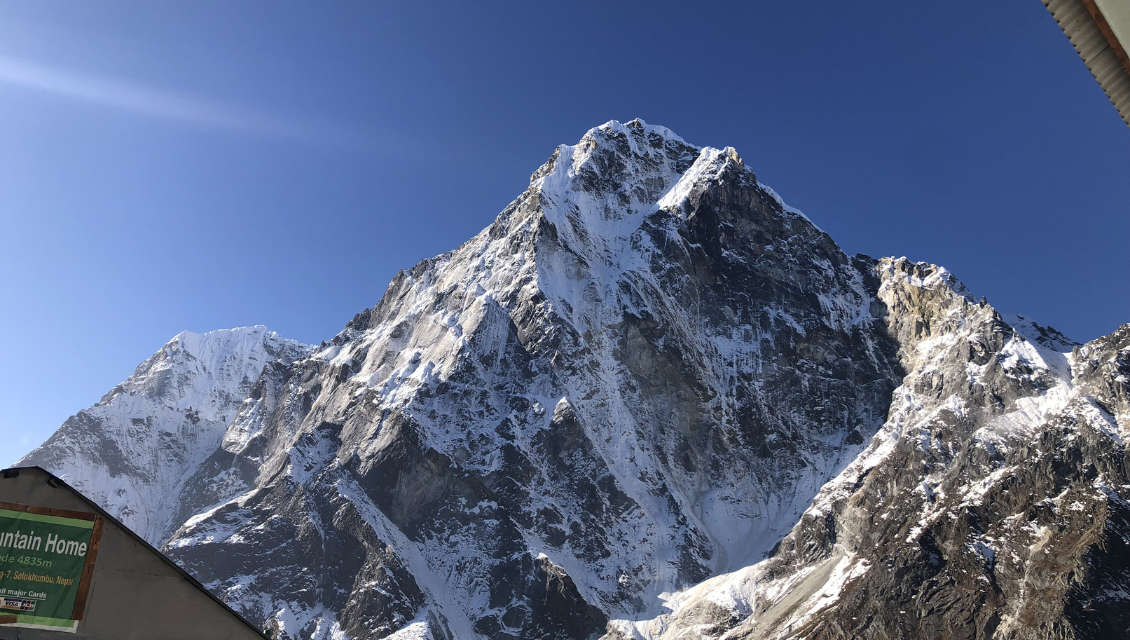
The journey circles the majestic Mount Manaslu while also branching into the spiritually rich Tsum Valley, known as the “Hidden Valley of Happiness.” Trekkers enjoy spectacular views of Himalayan giants including Manaslu, Himalchuli, Ngadi Chuli, and surrounding ranges.
This trek is ideal for experienced trekkers seeking a longer expedition-style adventure with deep cultural exploration and remote Himalayan landscapes.
Geography and Landscape
The Manaslu–Tsum Valley Trek is located in north-central Nepal within the Manaslu region and inside the protected area of Manaslu Conservation Area. The trek begins with a drive from Kathmandu to Soti Khola or Machha Khola, followed by trekking along the Budhi Gandaki River valley.
The lower section of the route passes through subtropical forests, terraced fields, waterfalls, and deep river gorges. As the trail ascends, the landscape becomes more rugged, with pine and rhododendron forests gradually giving way to alpine terrain and high mountain valleys.
A major highlight is the branching route into Tsum Valley, which feels like a hidden world surrounded by towering cliffs and Himalayan walls. The valley features wide open landscapes, yak pastures, ancient stone villages, and peaceful monasteries untouched by modern development.
Villages such as Chhekampar, Nile, and Mu Gompa are cultural and geographic highlights. Mu Gompa, located near the Tibetan border, offers dramatic views and a strong sense of isolation in a high-altitude spiritual setting.
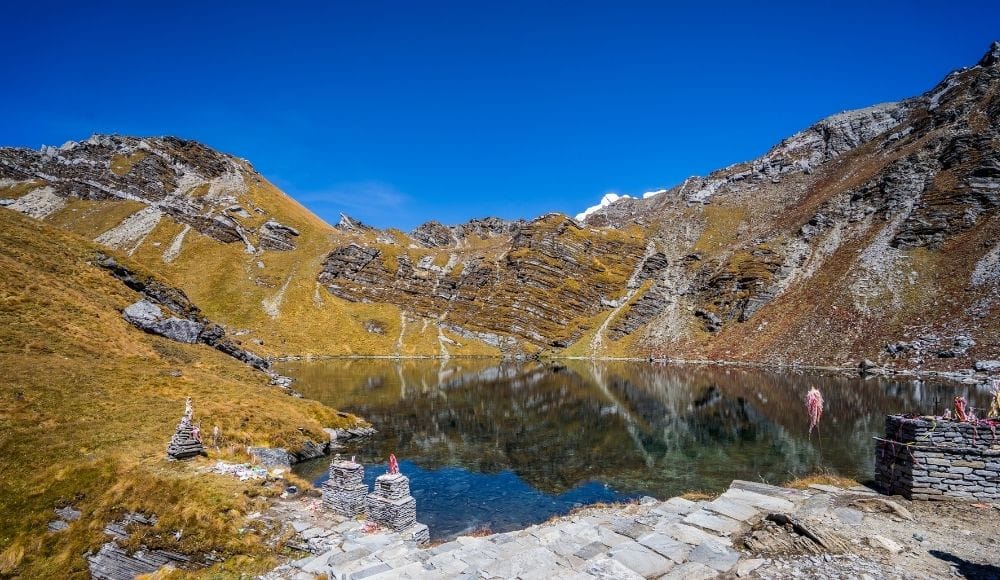
Returning to the main Manaslu Circuit, trekkers continue toward Samagaun, Samdo, and finally cross the challenging Larkya La Pass (5,106 m), one of the most scenic high passes in the Himalayas.
The combination of river valleys, hidden cultural landscapes, and dramatic alpine terrain makes this trek exceptionally diverse.
Climate and Best Time to Trek
The best seasons for the Manaslu–Tsum Valley Trek are spring (March–May) and autumn (September–November). These months offer stable weather, clear mountain views, and comfortable trekking conditions.
Spring brings blooming rhododendrons, green valleys, and pleasant temperatures in lower elevations. Autumn offers crisp air, dry trails, and excellent visibility of the Manaslu range after the monsoon season.
Winter (December–February) is extremely cold, especially in Tsum Valley and near Larkya La Pass, where heavy snow can block routes. The monsoon season (June–August) brings rain, landslides, and limited visibility, making it less suitable.
Overall, autumn is the most reliable and safest season for completing the full combined trek.
People and Culture
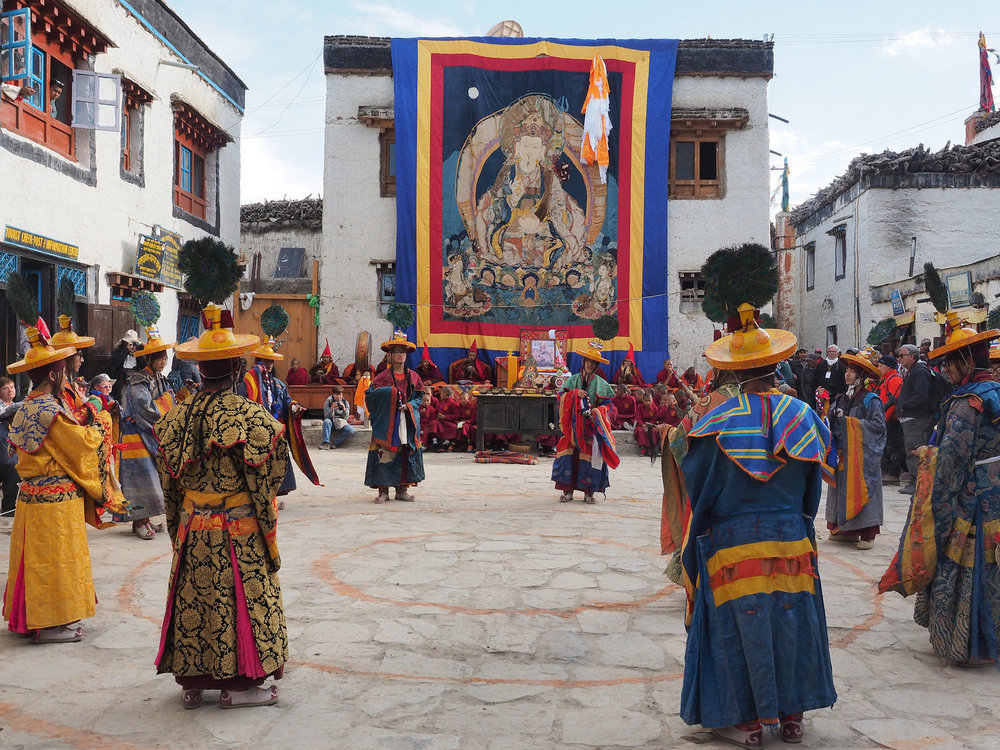
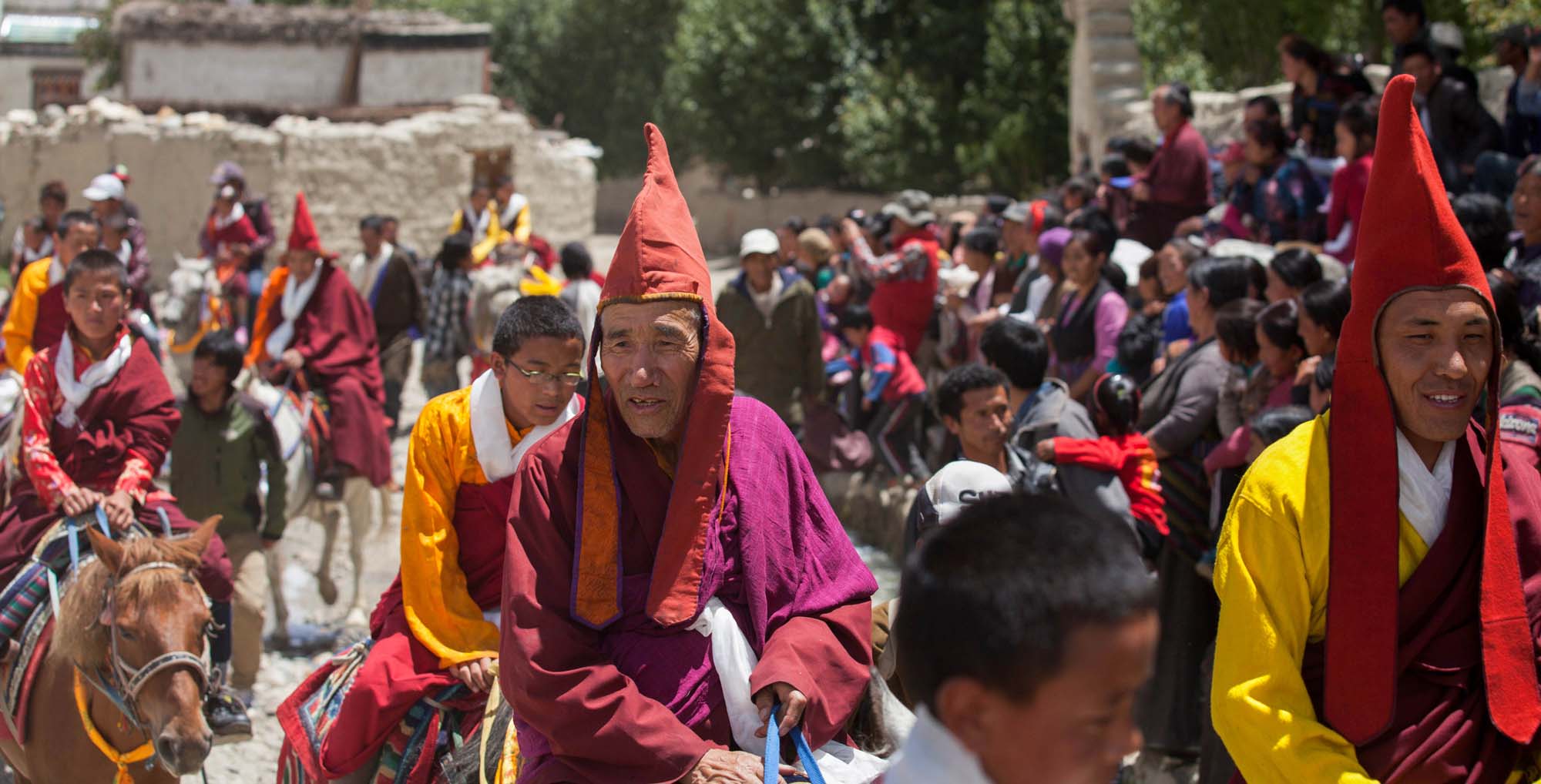
The Manaslu–Tsum Valley region is home to a mix of Gurung, Nubri, and Tibetan-influenced communities whose culture is deeply rooted in Tibetan Buddhism. The Tsumba people of Tsum Valley have preserved their traditions for centuries due to the valley’s isolation.
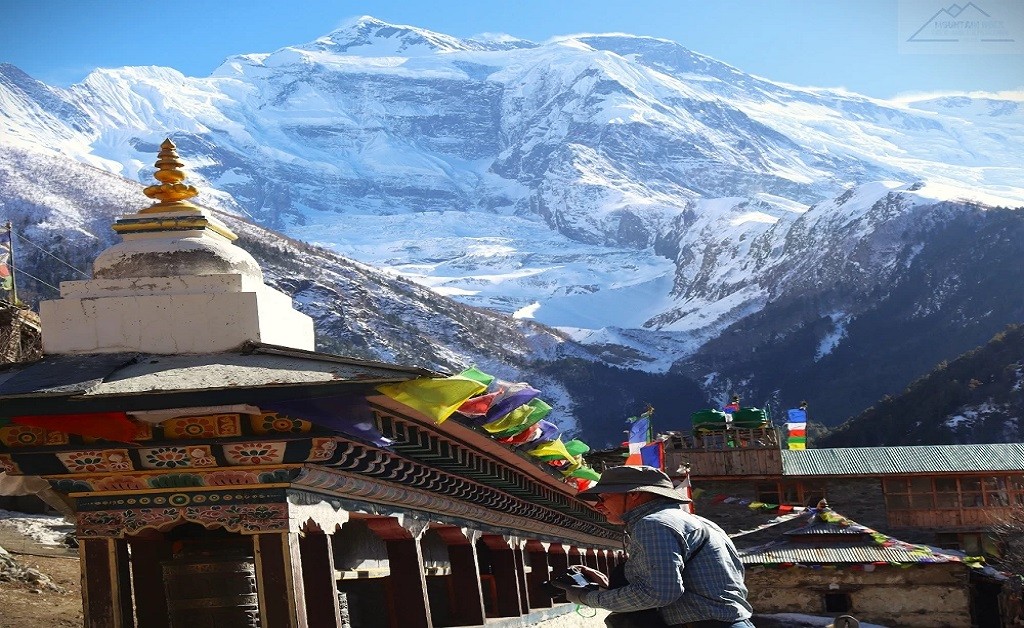
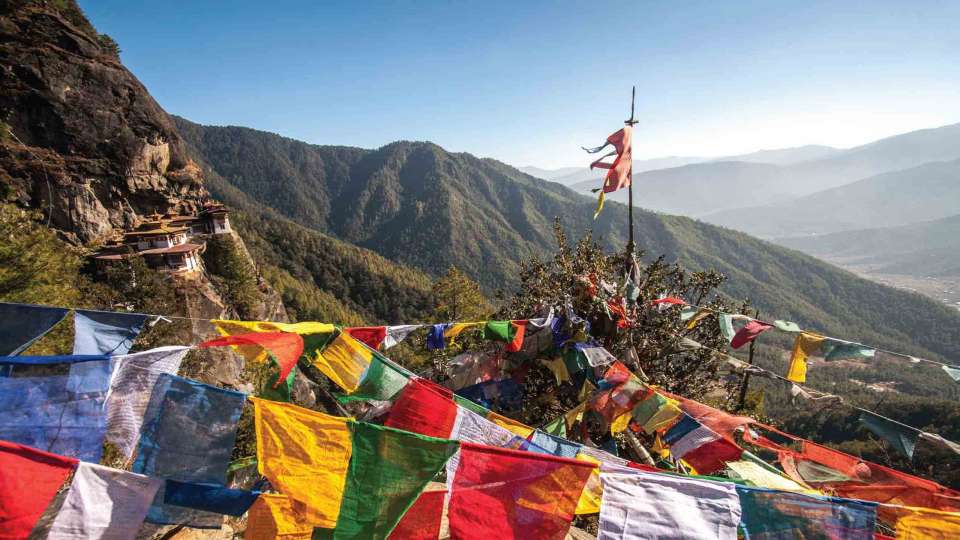
The region is rich in monasteries, chortens, prayer flags, and mani walls, reflecting a strong spiritual landscape. Important monasteries such as Mu Gompa and Rachen Gompa serve as centers of Buddhist learning and meditation.
In the Manaslu Circuit villages like Samagaun and Lho, Tibetan Buddhist traditions strongly influence daily life, with yak herding, agriculture, and seasonal migration forming the basis of livelihood.
Tsum Valley is especially known for its peaceful spiritual atmosphere and tradition of non-violence, where cultural practices remain deeply connected to Buddhist philosophy.
The combination of remote wilderness, sacred landscapes, and rich cultural heritage makes the Manaslu–Tsum Valley Trek one of the most profound and rewarding Himalayan experiences in Nepal.
Package Highlights:
- Explore both Tsum Valley and the Manaslu Region in one trek.
- Cross dramatic high passes like Larkya La with stunning Himalayan views.
- Visit ancient monasteries, sacred caves, and Tibetan Buddhist villages.
- Experience rich mountain culture in remote settlements like Samagaon and Chumling.
- Trek through diverse landscapes from lush forests to high alpine terrain.
- Enjoy a peaceful, less-crowded alternative to popular trekking routes.
Book This Trip
Trip Information
 Start : Kathmandu
 Finish : Kathmandu
 Difficulty :
Moderate
Difficulty :
Moderate
 Max Altitude : 5160m
 Group Size : 17 People
 Season : SEP-NOV, MAR-MAY
Trip Gallery
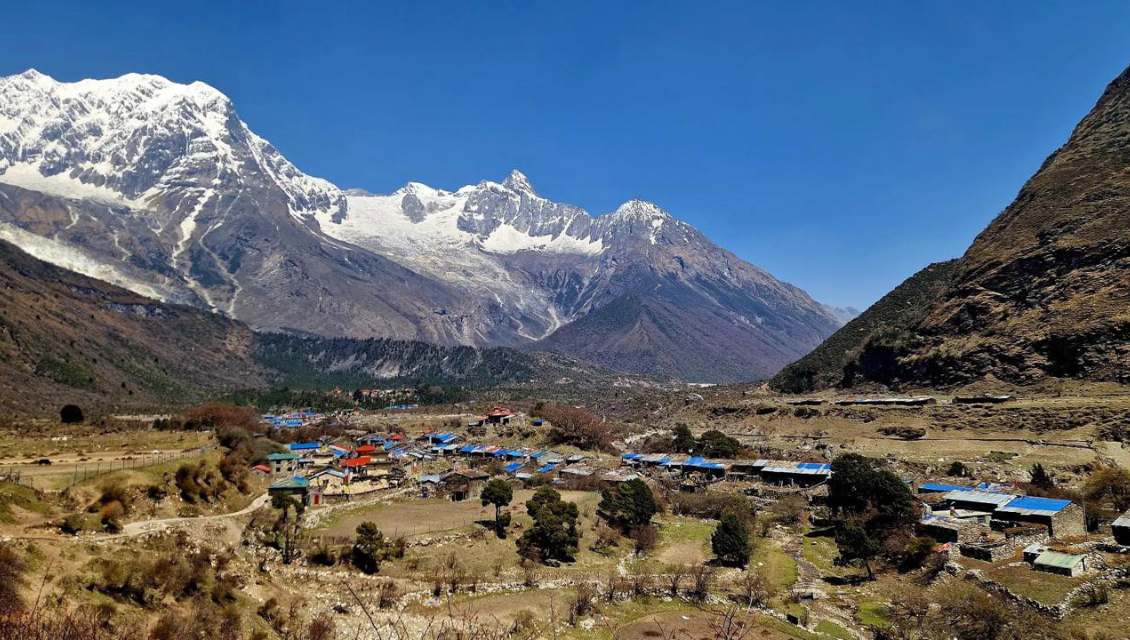


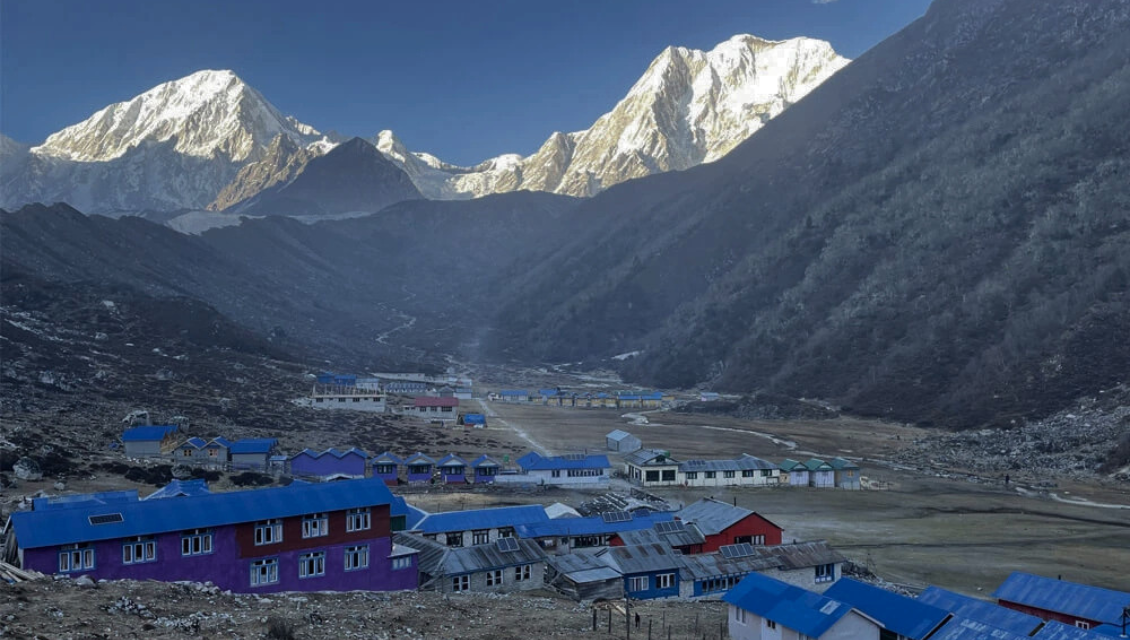


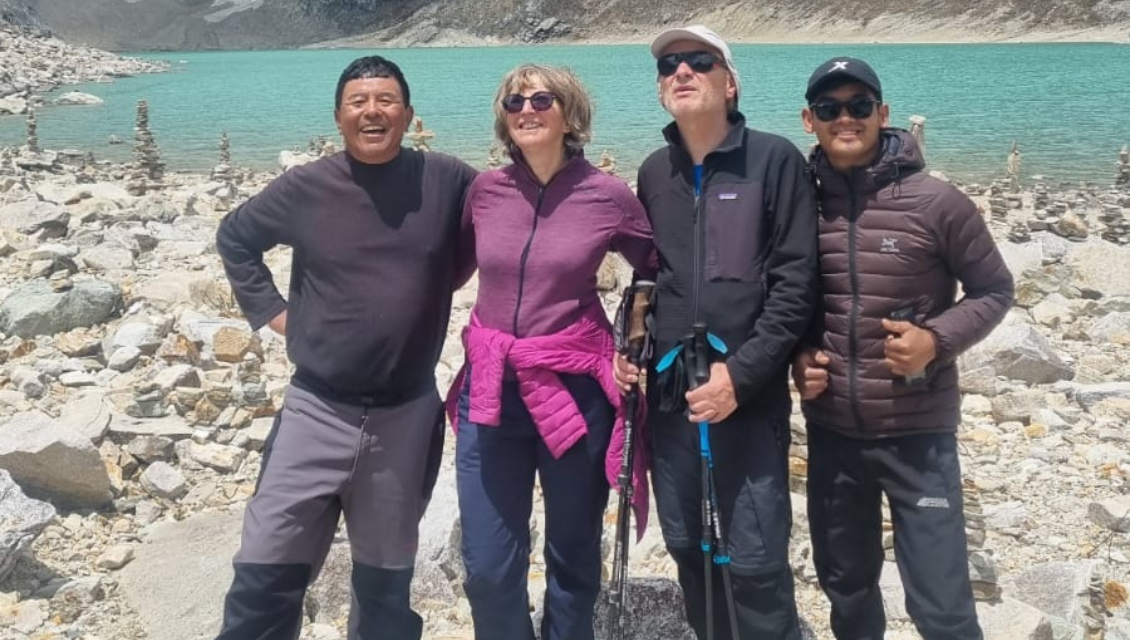

Trip Itinerary
Altitude: 1,400m
Upon arrival at Tribhuvan International Airport, you will be welcomed and transferred to your hotel in Kathmandu. The rest of the day is free for rest after your international journey. In the evening, a detailed briefing is conducted covering the trek route, safety guidelines, packing checklist, and permit requirements.
Accomadation: Hotel
Place to visit: Nepal
Meals: Dinner
Altitude: 1,400m
Duration: 5–7 Hours
Today is dedicated to final preparations and cultural exploration in the Kathmandu Valley. You may visit UNESCO World Heritage Sites such as Swayambhunath (Monkey Temple), Boudhanath Stupa, or Pashupatinath Temple. These visits provide insight into Nepal’s spiritual and cultural heritage before entering the remote Himalayan regions. Meanwhile, your trekking permits for Manaslu and Tsum Valley will be processed, as both are restricted areas requiring special documentation
Accomadation: Hotel
Place to visit: Nepal
Meals: Breakfast
Altitude: 1,400m – 870m
Duration: 8–10 Hours Drive
The journey begins with a long but scenic drive from Kathmandu toward Machha Khola. The road passes through Prithvi Highway and continues along rural mountain roads via Arughat. Along the way, you will experience changing landscapes—from terraced hills and river valleys to remote rural settlements. Machha Khola, located beside the Budhi Gandaki River, serves as the official starting point of the trek.
Accomadation: Tea House
Place to visit: Manasalu - Tsum Valley Region
Meals: Breakfast Lunch Dinner
Altitude: 870m – 1,340m
Duration: 6–7 Hours
The trekking begins along the Budhi Gandaki River, following narrow trails, suspension bridges, waterfalls, and small Gurung settlements. The route gradually ascends through lush forests and terraced farmlands. Jagat is a checkpoint village where permits are officially verified before entering the restricted Manaslu Conservation Area.
Accomadation: Tea House
Place to visit: Manasalu - Tsum Valley Region
Meals: Breakfast Lunch Dinner
Altitude: 1,340m – 2,240m
Duration: 6–7 Hours
Today’s trail becomes more remote and forested as you enter deeper into the Budhi Gandaki gorge. After passing Philim and Ekle Bhatti, the trail branches off toward the Tsum Valley route. The climb is steady, with increasingly quiet surroundings and fewer settlements. Lokpa is the first village inside the Tsum Valley region, marking entry into a culturally preserved Tibetan-influenced area.
Accomadation: Tea House
Place to visit: Manasalu - Tsum Valley Region
Meals: Breakfast Lunch Dinner
Altitude: 2,240m – 2,386m
Duration: 4–5 Hours
The trail descends and crosses suspension bridges before climbing gently into Chumling village. This traditional settlement offers the first deep experience of Tsumba culture. Stone houses, prayer flags, chortens, and monasteries define the landscape. From here, views of Ganesh Himal become visible, enhancing the sense of entering a sacred Himalayan valley.
Accomadation: Tea House
Place to visit: Manasalu - Tsum Valley Region
Meals: Breakfast Lunch Dinner
Altitude: 2,386m – 3,010m
Duration: 5–6 Hours
Today’s trek follows a gradual ascent through beautiful valleys, forested sections, and ancient mani walls. As you move higher, the cultural atmosphere becomes more distinctly Tibetan. Chhekampar is one of the largest villages in Tsum Valley, offering strong cultural immersion and excellent mountain scenery.
Accomadation: Tea House
Place to visit: Manasalu - Tsum Valley Region
Meals: Breakfast Lunch Dinner
Altitude: 3,010m – 3,500m
Duration: 3–5 Hours
A rest and acclimatization day is spent exploring the surrounding area. Short hikes to nearby viewpoints, monasteries, and sacred sites help with altitude adjustment. You may also interact with local villagers and observe traditional lifestyle practices, including agriculture and Buddhist rituals.
Accomadation: Tea House
Place to visit: Manasalu - Tsum Valley Region
Meals: Breakfast Lunch Dinner
Altitude: 3,010m – 3,361m
Duration: 5–6 Hours
The trail continues into upper Tsum Valley, becoming wider and more open with fewer forests and more alpine landscapes. The influence of Tibetan culture becomes even stronger. Nile village offers stunning views of surrounding mountains and serves as the final settlement before Mu Gompa.
Accomadation: Tea House
Place to visit: Manasalu - Tsum Valley Region
Meals: Breakfast Lunch Dinner
Altitude: 3,361m – 3,700m
Duration: 5–6 Hours
Today is dedicated to visiting Mu Gompa, one of the most important monasteries in the region. The monastery sits in a remote, high-altitude location surrounded by rugged mountains and spiritual silence. After exploring the monastery and meditation caves, you return to Nile for overnight stay.
Accomadation: Tea House
Place to visit: Manasalu - Tsum Valley Region
Meals: Breakfast Lunch Dinner
Altitude: 3,361m
Duration: 3–5 Hours
An additional exploration day allows optional visits to nearby sacred caves, meditation sites, or small hermitages used by monks. This day enhances spiritual understanding and provides a deeper connection to the hidden Himalayan culture.
Accomadation: Tea House
Place to visit: Manasalu - Tsum Valley Region
Meals: Breakfast Lunch Dinner
Altitude: 3,361m – 3,010m
Duration: 5–6 Hours
You begin descending through the Tsum Valley, retracing your steps past monasteries, mani walls, and traditional villages. The descent allows a different perspective of the landscapes experienced earlier.
Accomadation: Tea House
Place to visit: Manasalu - Tsum Valley Region
Meals: Breakfast Lunch Dinner
Altitude: 3,010m – 2,240m
Duration: 5–6 Hours
The trail continues descending out of Tsum Valley, eventually rejoining the main Manaslu Circuit route. The environment becomes greener and more forested again as you leave the inner valley.
Accomadation: Tea House
Place to visit: Manasalu - Tsum Valley Region
Meals: Breakfast Lunch Dinner
Altitude: 2,240m – 1,860m
Duration: 6–7 Hours
You re-enter the Budhi Gandaki valley and continue along forested trails, crossing suspension bridges and small settlements. Deng marks a culturally diverse area influenced by both Gurung and Tibetan traditions.
Accomadation: Tea House
Place to visit: Manasalu - Tsum Valley Region
Meals: Breakfast Lunch Dinner
Altitude: 1,860m – 2,630m
Duration: 6–7 Hours
The trail ascends steadily through dense forests and stone villages. Tibetan Buddhist culture becomes more prominent with mani walls and prayer flags lining the route. Namrung offers your first clear and close views of the Manaslu range.
Accomadation: Tea House
Place to visit: Manasalu - Tsum Valley Region
Meals: Breakfast Lunch Dinner
Altitude: 2,630m – 3,180m
Duration: 4–5 Hours
Today’s trek is shorter but highly scenic. As you approach Lho village, the first full views of Mount Manaslu become visible. The village is culturally rich with monasteries and traditional stone houses.
Accomadation: Tea House
Place to visit: Manasalu - Tsum Valley Region
Meals: Breakfast Lunch Dinner
Altitude: 3,180m – 3,530m
Duration: 4–5 Hours
The trail continues through alpine landscapes and yak pastures. Samagaun is one of the most beautiful villages in the Manaslu region, surrounded by glaciers, mountains, and Buddhist monasteries.
Accomadation: Tea House
Place to visit: Manasalu - Tsum Valley Region
Meals: Breakfast Lunch Dinner
Altitude: 3,530m – 4,800m
Duration: 4–6 Hours
A rest day is essential for altitude adjustment. Optional hikes include Manaslu Base Camp or Birendra Lake. These hikes offer breathtaking glacier views and help prepare for higher elevations ahead.
Accomadation: Tea House
Place to visit: Manasalu - Tsum Valley Region
Meals: Breakfast Lunch Dinner
Altitude: 3,530m – 3,860m
Duration: 3–4 Hours
A short and gradual trek leads to Samdo, a Tibetan-influenced village close to the Nepal–Tibet border. The landscape is dry, cold, and dramatic, with wide mountain valleys and strong winds.
Accomadation: Tea House
Place to visit: Manasalu - Tsum Valley Region
Meals: Breakfast Lunch Dinner
Altitude: 3,860m – 4,460m
Duration: 4–5 Hours
This is the final stop before crossing Larkya La Pass. The environment becomes more rugged and alpine, with limited vegetation. This is a preparation day for the most challenging section of the trek.
Accomadation: Tea House
Place to visit: Manasalu - Tsum Valley Region
Meals: Breakfast Lunch Dinner
Altitude: 4,460m – 5,106m
Duration: 8–9 Hours
The most challenging and rewarding day of the trek. You begin early morning to cross the high pass, walking over snow, ice, and glacier terrain. From the top, panoramic views of Himalayas unfold dramatically before descending into the beautiful valley of Bimthang.
Accomadation: Tea House
Place to visit: Manasalu - Tsum Valley Region
Meals: Breakfast Lunch Dinner
Altitude: 5,106m – 2,300m
Duration: 5–6 Hours
The trail descends through lush forests, rivers, and traditional villages. The landscape becomes greener and more populated, marking your exit from high-altitude wilderness.
Accomadation: Tea House
Place to visit: Manasalu - Tsum Valley Region
Meals: Breakfast Lunch Dinner
Altitude: 2,300m – 1,400m
Duration: Full Day Drive
A jeep or bus ride takes you from the trekking end point back to Kathmandu via Besisahar. The journey follows scenic rivers and hills, transitioning back to urban life.
Accomadation: Hotel
Place to visit: Nepal
Meals: Breakfast Lunch Dinner
Final transfer to the airport for your international departure, concluding the Manaslu–Tsum Valley trek
Place to visit: Nepal
Meals: Breakfast
Cost Includes
1. Transportations
- Private/tourist vehicles for airport pickup and drop-off in Kathmandu.
- Private/tourist vehicles transfer as per itinerary to access the trailheads.
2. Accommodation & Meals
- 3 Nights 3 star hotel in Kathmandu with bed & breakfast basis.
- All Meals (breakfast, lunch & dinner with tea & coffee) during the trekking Period.
3. Permits
- Tsum Valley restricted Area permits (Issued by Department of Immigration)
- Manaslu restricted Area parmits (Issued b Department of Immigration)
- Manaslu Conservation Area Project (MCAP) permits.
- Local Government entry permts.
- Trekkers' Information Management System (TIMS) permits.
4. Guide & Staff
- Professional and experience License holder trekking guide salary & insurance.
- Porter salary, equipments & insurance.
- First aid medical kit for emergency support.
1. Transportations
- Private/tourist vehicles for airport pickup and drop-off in Kathmandu.
- Private/tourist vehicles transfer as per itinerary to access the trailheads.
2. Accommodation & Meals
- 3 Nights 3 star hotel in Kathmandu with bed & breakfast basis.
- All Meals (breakfast, lunch & dinner with tea & coffee) during the trekking Period.
3. Permits
- Tsum Valley restricted Area permits (Issued by Department of Immigration)
- Manaslu restricted Area parmits (Issued b Department of Immigration)
- Manaslu Conservation Area Project (MCAP) permits.
- Local Government entry permts.
- Trekkers' Information Management System (TIMS) permits.
4. Guide & Staff
- Professional and experience License holder trekking guide salary & insurance.
- Porter salary, equipments & insurance.
- First aid medical kit for emergency support.
Cost Excludes
1. International Flights
- Airfare from your home country to Nepal (Tribhuvan International Airport, Kathmandu).
- Return airfare from Nepal (Tribhuvan International Airport, Kathmandu) to your home country.
2. Visa Fees
- Nepal entry visa fee for entering Nepal (available on arrival at Tribhuvan International Airport, Kathmandu, or through a Nepalese embassy).
3. Travel Insurance (Mandatory)
- Comprehensive travel insurance covering high-altitude trekking, emergency medical treatment, helicopter evacuation, trip cancellation, and other unforeseen circumstances.
4. Personal Expenses
- Tips, gifts, and souvenirs for trekking guides and porters.
- Personal trekking equipment and gear.
- Charges for lodge Wi-Fi, hot showers, battery charging, and laundry services.
5. Meals & Beverages
- Lunch and dinner in Kathmandu, Pokhara, and other locations where accommodation is provided in 3-star category hotels.
- Soft drinks, bottled water, alcoholic beverages, and snacks consumed during meals
1. International Flights
- Airfare from your home country to Nepal (Tribhuvan International Airport, Kathmandu).
- Return airfare from Nepal (Tribhuvan International Airport, Kathmandu) to your home country.
2. Visa Fees
- Nepal entry visa fee for entering Nepal (available on arrival at Tribhuvan International Airport, Kathmandu, or through a Nepalese embassy).
3. Travel Insurance (Mandatory)
- Comprehensive travel insurance covering high-altitude trekking, emergency medical treatment, helicopter evacuation, trip cancellation, and other unforeseen circumstances.
4. Personal Expenses
- Tips, gifts, and souvenirs for trekking guides and porters.
- Personal trekking equipment and gear.
- Charges for lodge Wi-Fi, hot showers, battery charging, and laundry services.
5. Meals & Beverages
- Lunch and dinner in Kathmandu, Pokhara, and other locations where accommodation is provided in 3-star category hotels.
- Soft drinks, bottled water, alcoholic beverages, and snacks consumed during meals
Essential Information
Accommodation
Accommodation on the Manaslu–Tsum Valley Trek is mainly provided in basic teahouses, homestays, and community lodges operated by local families along the route.
Lower sections such as Machha Khola, Jagat, and Deng offer relatively better teahouse facilities with twin-sharing rooms, simple beds, and shared bathrooms. As the trek enters the restricted Tsum Valley and higher Manaslu region, accommodation becomes more basic, with limited amenities and stronger reliance on traditional homestays.
In remote villages like Chhekampar, Nile, and Mu Gompa, lodging is very simple but warm hospitality from Gurung, Nubri, and Tsumba communities enhances the experience. In peak trekking seasons, some stops may require camping depending on group size and availability.
Meals
A full-board meal system (Breakfast, Lunch, and Dinner) is provided throughout the trek in teahouses and homestays.
Meals are freshly prepared using locally available ingredients and are designed to support high-altitude trekking energy needs.
Typical menu options include:
- Traditional Dal Bhat set meals (rice, lentils, vegetables, pickle)
- Noodles, fried rice, and pasta dishes
- Soups (garlic soup is common at higher altitude)
- Potatoes, eggs, and seasonal vegetables
- Tibetan bread, chapati, and porridge
- Tea, coffee, butter tea, and herbal drinks
Food becomes simpler at higher elevations but remains nutritious and sufficient for trekking.
Difficulty & Physical Requirements
The Manaslu–Tsum Valley Trek is classified as moderate to challenging due to its long duration, remote trails, and high-altitude sections.
Daily walking ranges from 5 to 8 hours, with continuous ascents, river valley trekking, and high passes such as Larkya La (5,106 m) in the Manaslu Circuit section.
Good physical fitness, prior trekking experience, and mental endurance are highly recommended. No technical climbing skills are required, but altitude awareness is essential.
Permits
Required permits include:
- Manaslu Restricted Area Permit (RAP)
- Tsum Valley Restricted Area Permit
- Manaslu Conservation Area Permit (MCAP)
- Annapurna Conservation Area Permit (ACAP) (for Larkya La exit section)
- TIMS Card (if applicable based on regulations)
All permits must be arranged through a registered trekking agency and require at least two trekkers in a group.
Best Season
- Spring (March–May): Clear skies, blooming rhododendrons, stable weather
- Autumn (September–November): Best trekking conditions and visibility
- Winter (December–February): Extremely cold, snow at high passes
- Monsoon (June–August): Rainy, landslide-prone, less suitable
Autumn is considered the best and safest season for completing the full circuit.
Transportation & Access
The trek is accessible from Kathmandu via a long drive to Soti Khola or Machha Khola.
From there, trekking begins along the Budhi Gandaki River valley. The route gradually ascends into the Manaslu region before branching into Tsum Valley and later rejoining the main circuit for the Larkya La Pass crossing.
The return route typically ends in Dharapani, followed by a drive back to Kathmandu.
Safety & Acclimatization
The trek reaches high altitude areas above 5,000 meters, so proper acclimatization is essential.
Key safety considerations include:
- Gradual ascent and rest days in Samagaun and Tsum Valley
- Awareness of altitude sickness symptoms
- Cold weather preparedness at higher elevations
- River crossings and steep trail sections
- Weather changes in high mountain passes
With proper preparation and guide support, the trek is safe but demanding.
Travel Insurance
Travel insurance is mandatory and should include:
- High-altitude trekking coverage (up to 6,000 m)
- Emergency helicopter evacuation
- Medical treatment coverage
- Trip cancellation and accident insurance
Additional Information
Guide & Porter Services
A licensed guide is mandatory for both Manaslu and Tsum Valley restricted areas. Porters are highly recommended due to long trekking days and remote terrain. Guides also assist with permits, safety, and cultural interpretation.
Cultural & Natural Highlights
The Manaslu–Tsum Valley Trek offers one of Nepal’s richest cultural and natural experiences:
- Sacred “Hidden Valley of Happiness” (Tsum Valley)
- Ancient Buddhist monasteries like Mu Gompa and Rachen Gompa
- Stunning views of Manaslu (8,163 m) Manaslu
- Remote Nubri and Tsumba cultural communities
- Larkya La Pass (5,106 m) panoramic crossing
- Deep Budhi Gandaki river gorge landscapes
- Prayer flags, mani walls, and chortens throughout the trail
- Highly preserved Tibetan Buddhist culture
Essential Equipment
Recommended trekking gear includes:
- Strong trekking boots with good grip
- Layered clothing system for extreme temperature variation
- Warm down jacket
- Waterproof jacket and pants
- Trekking poles
- Gloves, hat, buff, and sunglasses
- Sleeping bag (high altitude rated)
- Headlamp and spare batteries
- Water purification system
- First aid kit and personal medication
Communication & Connectivity
Mobile network coverage is limited and unreliable, especially in Tsum Valley and higher Manaslu regions.
Wi-Fi is rarely available and only in a few lower villages. Trekkers should expect long periods without connectivity.
Why Choose the Manaslu–Tsum Valley Trek?
This trek is perfect for those seeking a remote, culturally rich, and physically rewarding Himalayan adventure:
- Combines Manaslu Circuit + sacred Tsum Valley
- Restricted and less crowded trekking route
- Deep Tibetan Buddhist cultural experience
- Stunning Himalayan scenery and high passes
- Authentic homestay and village experiences
- Ideal for experienced trekkers
- Strong spiritual and natural atmosphere
- Adventure-style expedition trekking experience
The Manaslu–Tsum Valley Trek is one of Nepal’s most complete Himalayan journeys, offering both cultural depth and high mountain adventure in a single unforgettable route.
USD 10 / person
See group booking discount- No. of person Price per person
The price may varies
Speak to an Expert
Mr. Sonam G. Sherpa


Featured Packages
You May Also Enjoy Our Other Trips






11 Days
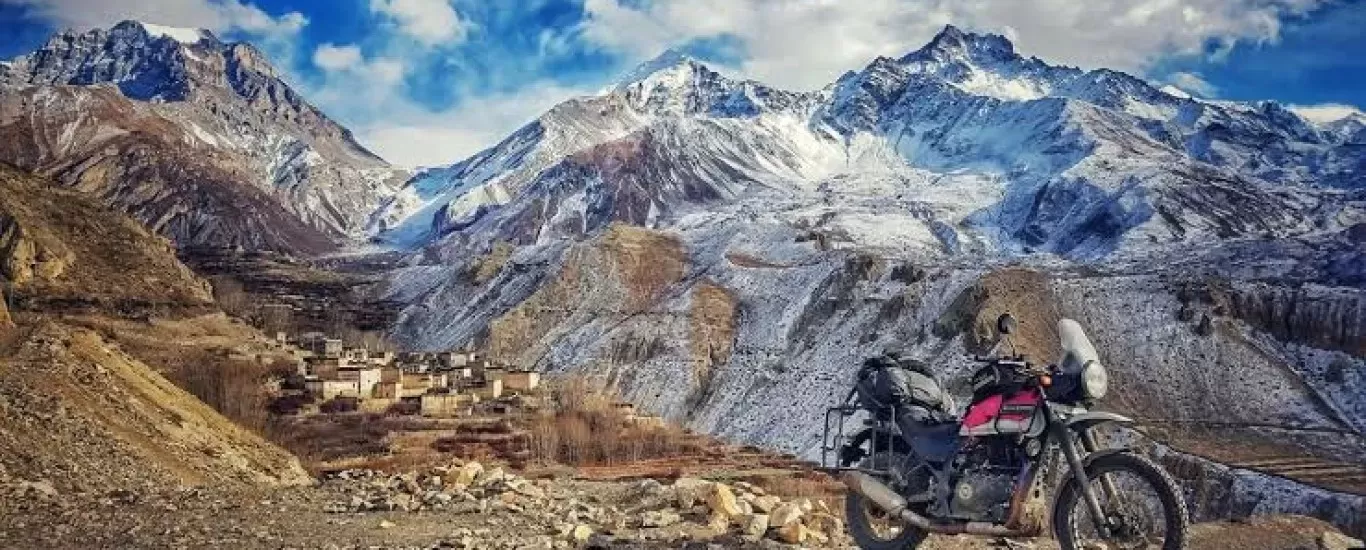
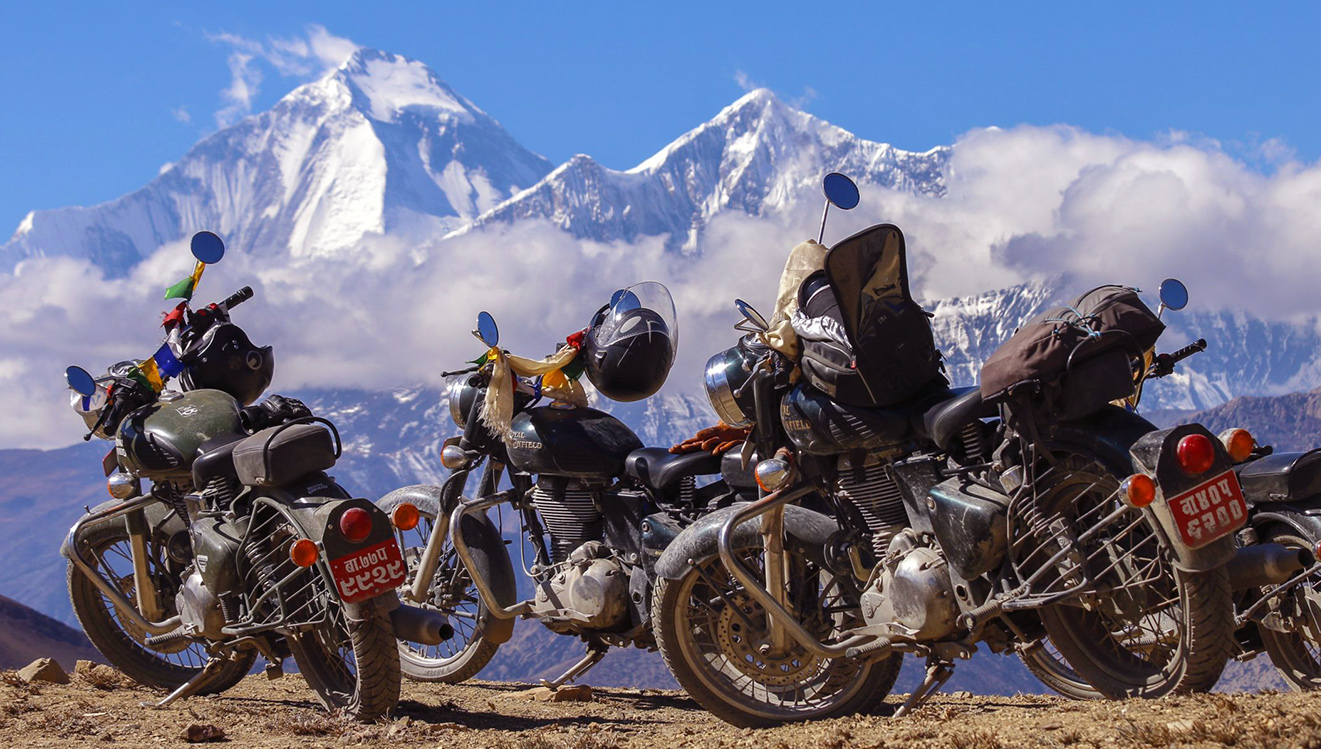
Nepal Heritage Motorbike Tour - A Journey Through Culture And Himalayas !
NPR 1000 Per Person