Bhutan The Last Shangri La Tour- 10 Days
- Home
- Bhutan The Last Shangri La Tour- 10 Days
Budget
NPR 100
Per Person
Rating
No review has been posted yet
Duration
10 Days
Trip Overview
The Last Shangri-La – 10-Day Tour
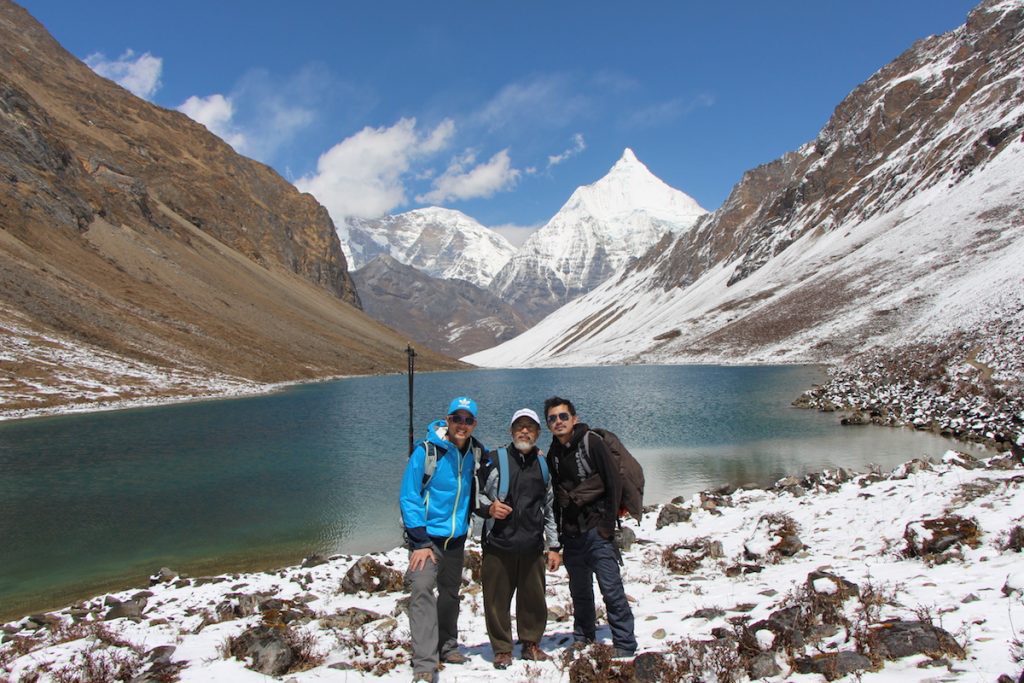
Tucked away in the eastern Himalayas, Bhutan is a hidden kingdom where ancient traditions, spirituality, and breathtaking landscapes come together. Known as "The Last Shangri-La," Bhutan offers a unique travel experience that combines cultural richness, natural beauty, and a deep sense of peace. A 10-day tour of Bhutan is not just a vacation—it's a journey into one of the world’s most mystical and mindful destinations.
Geography
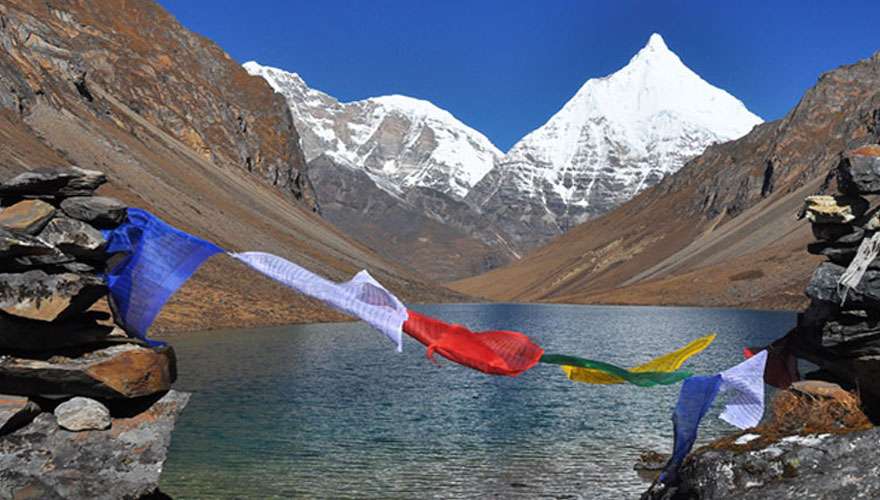
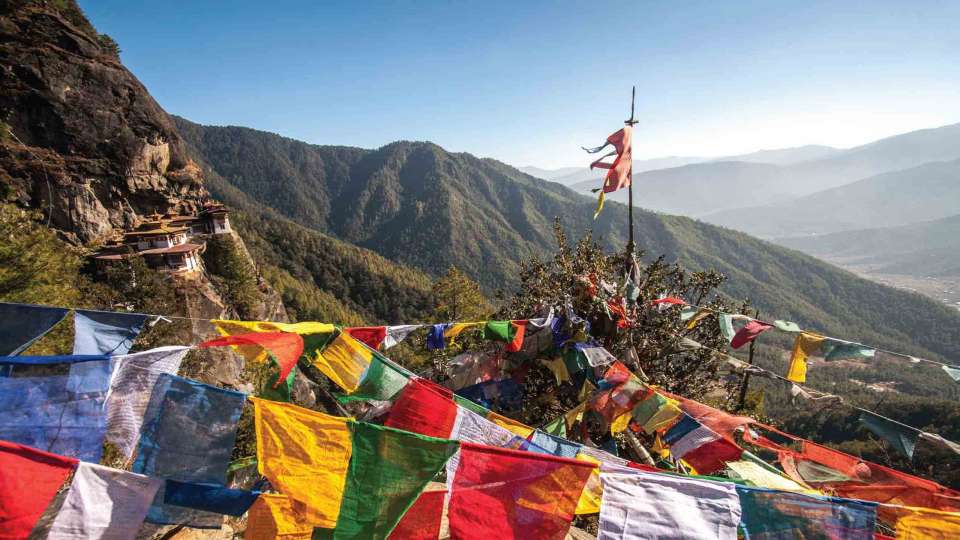
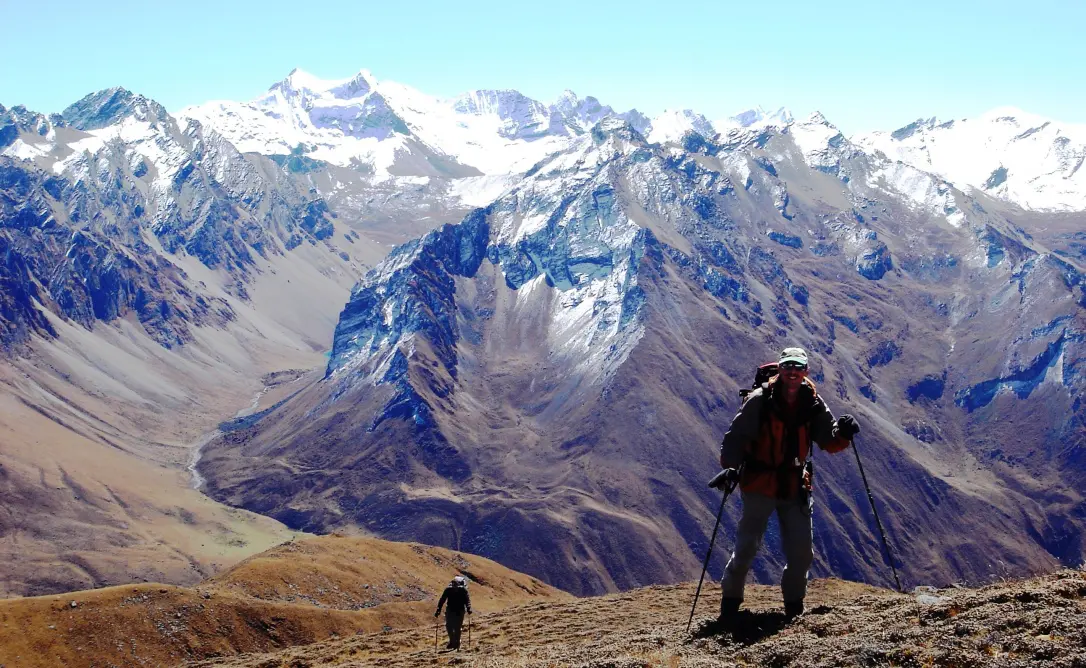
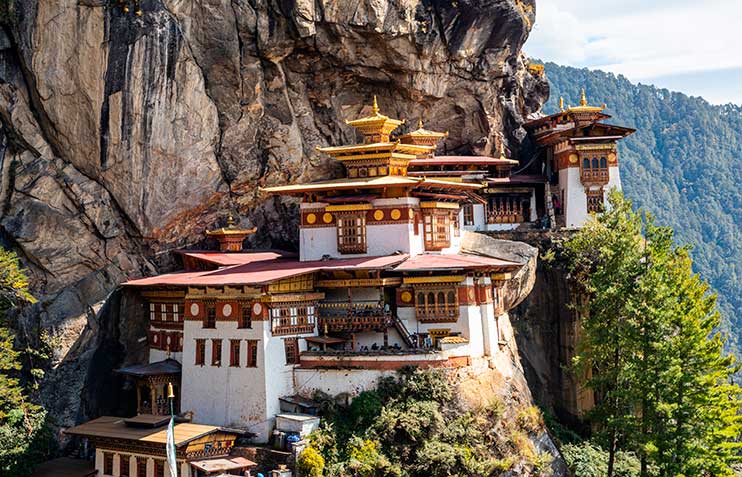
Bhutan’s geography is one of dramatic contrasts. The country rises from lowland subtropical plains in the south to the towering Himalayan peaks in the north, including Gangkhar Puensum, the world’s highest unclimbed mountain. Its central region is dominated by lush valleys, rivers, and forests that support a variety of flora and fauna. Key areas on a typical 10-day tour include Paro, home to the iconic Taktsang Monastery (Tiger’s Nest); Thimphu, the capital; Punakha with its majestic dzong; and Bumthang, the spiritual heartland.
People and Climate
The Bhutanese people are known for their hospitality, humility, and strong Buddhist values. The population is mainly comprised of three ethnic groups: the Ngalops (in the west), the Sharchops (in the east), and the Lhotshampas (in the south). Bhutan is the only country that measures its success through Gross National Happiness (GNH) rather than GDP, placing high value on environmental protection, cultural preservation, and spiritual well-being.
The climate varies by altitude. Southern Bhutan is warm and humid, while central and northern Bhutan experience a temperate to alpine climate. Spring (March to May) and autumn (September to November) are ideal for travel, with clear skies, blooming landscapes, and comfortable temperatures.
Transportation
Bhutan has one international airport, located in Paro, with limited flights from cities like Bangkok, Delhi, and Kathmandu. Due to the country’s mountainous terrain, most domestic travel is by road, using private vehicles arranged by your tour operator. Though the roads are winding and sometimes narrow, they offer stunning views and access to remote valleys and monasteries. Road trips between regions, such as from Thimphu to Punakha or Bumthang, are part of the experience, adding depth and immersion to the journey.
Package Highlights:
- Visit the ultimate Shangri-La of the world,
- Explore the majestic city of the country where the history meets the present “Thimphu”,
- Explore unique grounds of Arts, Culture, History, Tradition as well as Geography,
- Visit the Royal Botanic Gardens, home to a rich variety of flora and fauna.
- Encounter a new culture,
- Explore the pristine beauty of the nature of the Bhutan,
- Visit the National Museum of the country “Ta Dzong” (fortress),
- Explore the Tiger's Nest Monastery.
Book This Trip
Trip Information
 Start : Kathmandu
 Finish : Kathmandu
 Difficulty :
Moderate
Difficulty :
Moderate
 Max Altitude :
  Group Size :
  Season :
Trip Gallery
Trip Itinerary
The flight to Paro is one of the
most spectacular mountain flights in the world, with a constantly changing
panorama of some of the highest mountains on earth. This beautiful valley is
home to many of Bhutan’s oldest monasteries and temples, and the country’s only
International airport. After being welcomed with “Khadar” (traditional scarf),
a BJPTT representative will provide you with the necessary assistance for
completion of all immigration and customs formalities.
After lunch enjoy afternoon
sightseeing around Paro transported by luxury 4WD, including a visit to the Ta
Dzong Museum housing many religious relics, works of art and handicrafts
offering a great orientation into Bhutan’s historical, cultural, and religious
past. Next, visit the RimpongDzong to see the painting of the great saint
Milarepa, considered as the master of meditation by the Bhutanese and believed
to have attained enlightenment in a lifetime. Dzong’s are large monasteries and
district administrative centres, which were once strategic forts. Afterwards,
drive to the capital, Thimphu (1.5 hours). Overnight in Thimphu.
Enjoy a full day of sightseeing,
including a visit to the National Memorial Chorten, completed by the Royal
Queen Mother as a memorial stupa for the Third King who passed away in 1972.
Continue on to 12th century Changangkha Temple and Zilukha Nunnery. If there is
time, you may visit Tashichhodzong, ‘the fortress of the glorious religion’
housing ministries, His Majesty’s secretariat, and the central monk body.
Overnight in Thimphu.
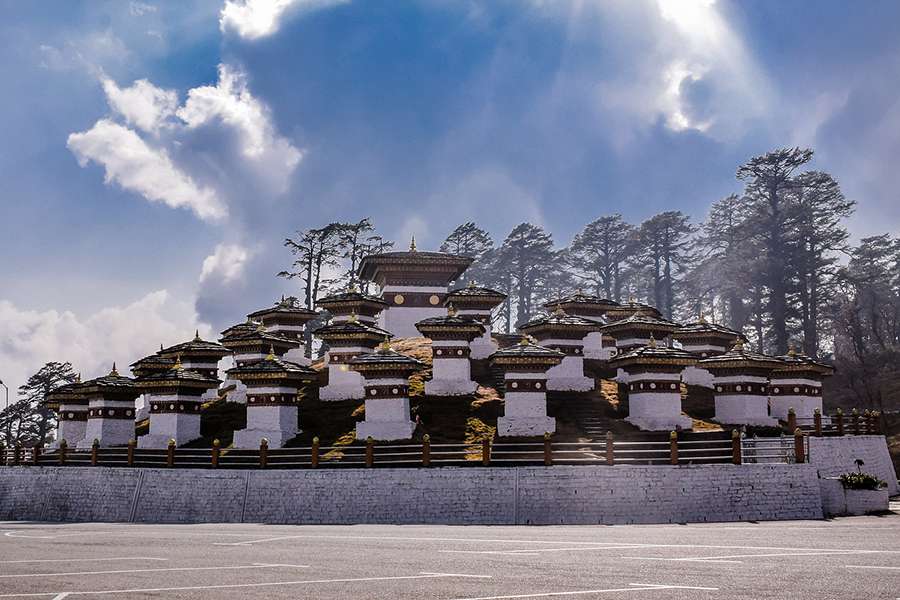
Transfer to Phobjikha Valley (5.5-6 hrs). Drive by luxury 4WD over the Dochu-La pass (3,100 meters) which on a clear day offers an incredible view of Himalayan peaks before descending into balmy Punakha valley (about 3 hrs total driving time). The drive through the countryside affords a glimpse of everyday life in this most remote of Himalayan kingdoms.Continue on through the bustling market town of Wangduephodrang, and up winding mountain roads through mixed forests and over high passes before descending down into the wide and picturesque Phobjikha Valley. Phobjikha is one of Bhutan’s few glacial valleys, and chosen winter home of black necked cranes (November – March) migrating from the Tibetan plateau. Overnight in Phobjikha Valley
Following breakfast visit the
Phobjikha Sanctuary to view the majestic black necked cranes (Nov-Mar only) and
GangteyGompa (Monastery), dating back to the 16th century. Afterwards drive by
luxury 4WD over the Pele La pass (3,420m) on the Black Mountain range towards
Trongsa (4.5 hrs). Enroute visit the beautiful 18th century ChendebjiChorten.
Trongsa is the ancestral home of Bhutan’s ruling dynasty. Visit TrongsaDzong,
the largest Dzong in Bhutan and the Ta Dzong museum housing a collection of
historical artifacts of the Royal Family.
Continue driving towards
Bumthang (2.5 hrs), the spiritual of the kingdom. Bumthang is home to some of
Bhutan’s oldest Palaces, Buddhist temples and monasteries. Overnight in
Bumthang.
In the morning visit
KurjeyLhakhang, one of the most sacred places in the kingdom where Bhutan’s
patron saint Guru Rimpoche meditated and 7th century JambayLhakhang. It dates
back to the origins of Buddhism in Bhutan and is one of the Kingdoms oldest
temples.After lunch continue sightseeing
including JakarDzong and TamshingLhakhang, founded in 1501 by Pemalingpa and
containing interesting and ancient Buddhist wall paintings. Overnight in
Bumthang.
Depart for Punakha stopping
along the way at Trongsa for lunch. Overnight in Punakha.
Punakha was the ancient capital
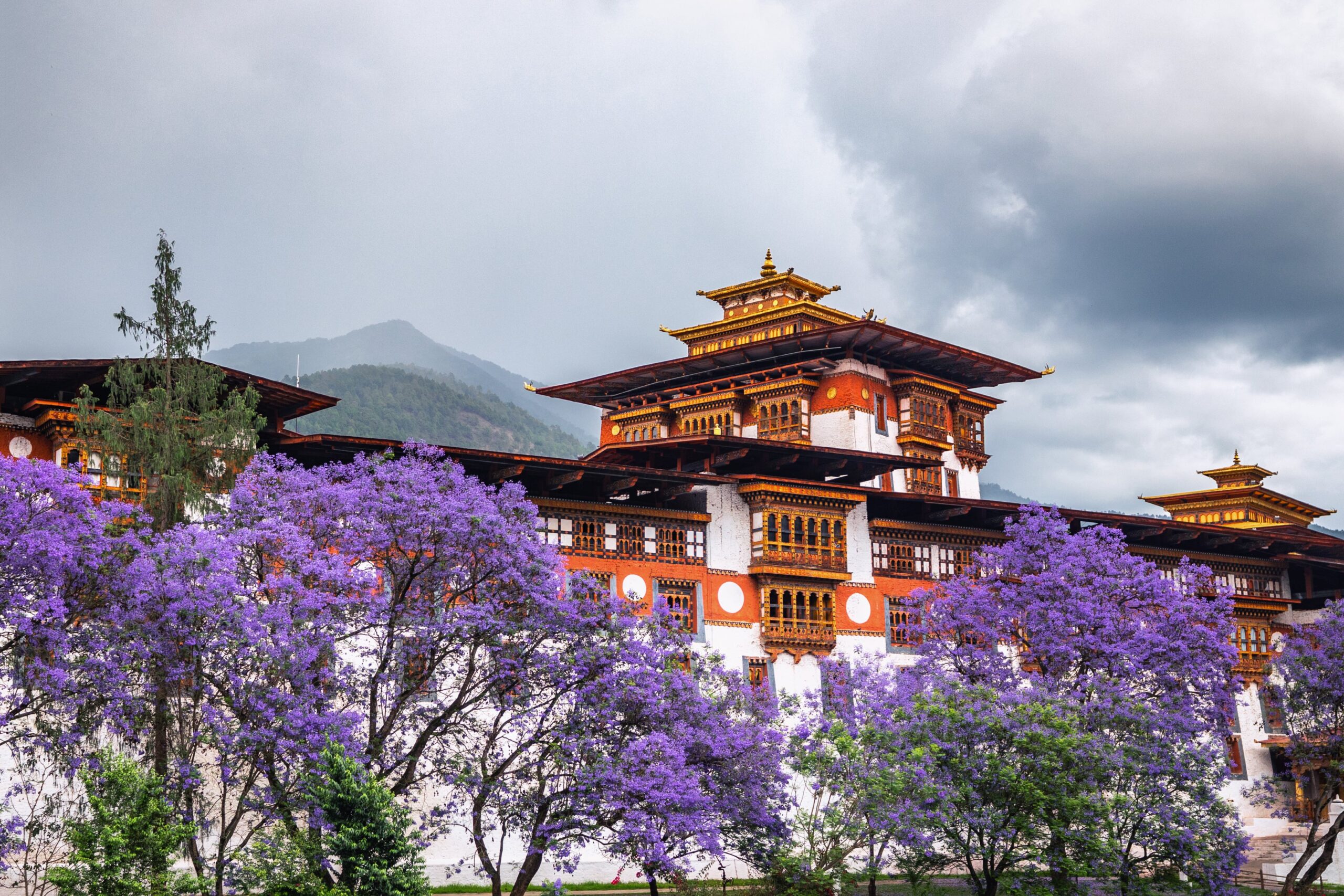
of Bhutan. Visit PunakhaDzong, the “Palace of Great Happiness” built in 1637 by
the Shabdrung, the ‘Unifier of Bhutan’ as predicted by the great Guru Rimpoche
(Padmasambhava). It is the winter headquarters of the Je Khenpo and hundreds of
monks who move en masse from Thimphu to this warmer location. The three story
main temple of the PunakhaDzong is a breathtaking example of traditional
architecture with four intricately embossed entrance pillars crafted from
cypress and decorated in gold and silver. It was here in 1907 that Bhutan’s
first king was crowned.
After lunch enjoy an excursion
by 4WD or on foot to Yabesa village and hike to through ricefields and up to
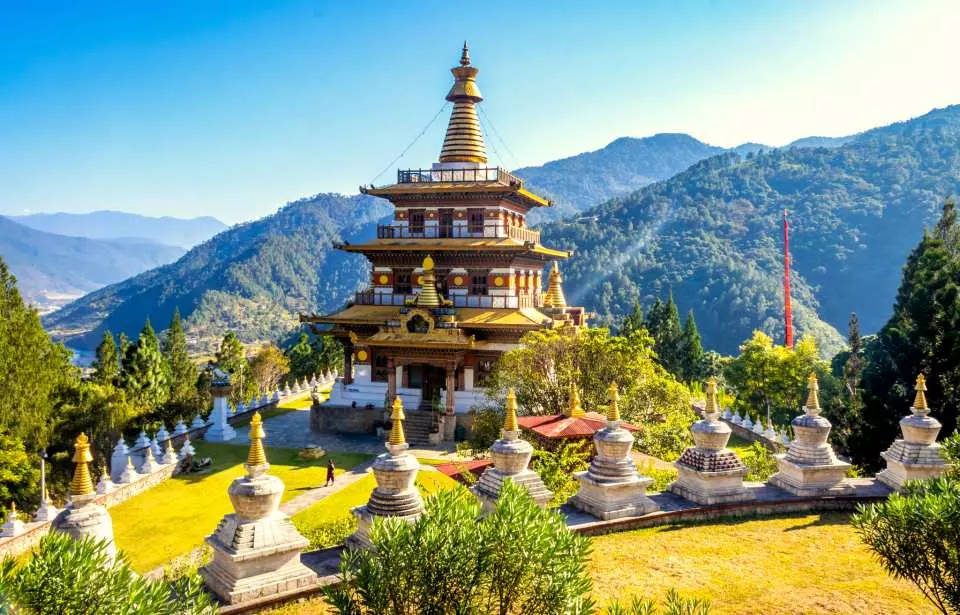
KhamsumYuelleyNamgyalChorten, built by her majesty the queen
AshiTsheringYangdonWangchuk. Perched high on a hill on the bank of the river,
the Chorten houses paintings belonging to Nyingmapa Traditions. In the
afternoon you have an option of returning to Uma Punakha for time at leisure,
or a short excursion to ChimiLhakhang, temple of DrukpaKuenly. He inherited the
Divine Madman title since he revolted against the orthodox Buddhism in his
time. Overnight in Punakha.
Drive back to Thimphu by luxury
4WD where you will have an opportunity to visit handicraft and souvenir stores,
and enjoy lunch. Afterwards proceed to Paro and check into your luxury hotel.
The remainder of the day is free
to explore the Parotownship, or enjoy the spa treatments available at your
accommodations. Overnight in Paro.
After breakfast hike to Taktsang
Monastery. The walk of approximately 2 hours uphill takes you almost a
kilometre above the Paro valley floor (for those who cannot hike we will arrange
a horse for transfer up to the viewing point). The view of Taktsang Monastery
built on a sheer cliff face 900 metres above the valley floor is a spectacular
sight. The Monastery is also an important pilgrim site for the Buddhists. The
great Guru Rimpoche is said to have flown here on the back of a tigress when he
brought the teachings of the Buddhist Dharma to Bhutan in the 8th Century.
Refreshments and lunch will be arranged in the tent specifically pitched on the
path to Taktsang Monastery.
On the return drive to Paro,
visit 7th Century KyichuLhakhang, one of the 108 temples constructed by the
Tibetan king SongtsenGampo. Afternoon is at leisure. Overnight in Paro.
Enjoy breakfast before driving
to the airport for flight to your onward destination.
Cost Includes
1. Visa & Fees
- Visa & SDF: Bhutan visa processing and the Sustainable Development Fee (SDF) for tourism in Bhutan.
2. Accommodation & Meals
- Premium Hotel Accommodation: Luxurious stays in premium hotels throughout the tour with all meals included.
- Meals: All meals included during the tour (Breakfast, Lunch, and Dinner – BLD).
3. Staff
- Guide: Knowledgeable English-speaking guide to provide detailed insights and ensure an enriching experience throughout the tour.
4. Transportation
- Transport: Comfortable private vehicle for all transfers and sightseeing during the tour.
1. Visa & Fees
- Visa & SDF: Bhutan visa processing and the Sustainable Development Fee (SDF) for tourism in Bhutan.
2. Accommodation & Meals
- Premium Hotel Accommodation: Luxurious stays in premium hotels throughout the tour with all meals included.
- Meals: All meals included during the tour (Breakfast, Lunch, and Dinner – BLD).
3. Staff
- Guide: Knowledgeable English-speaking guide to provide detailed insights and ensure an enriching experience throughout the tour.
4. Transportation
- Transport: Comfortable private vehicle for all transfers and sightseeing during the tour.
Read More
Cost Excludes
1. Flights
- International Airfare: Flights to and from Bhutan.
2. Travel Insurance
- Travel Insurance: Comprehensive travel insurance covering unforeseen circumstances, medical emergencies, and trip cancellation.
3. Personal Expenses
- Personal Nature Expenses: Costs for shopping, additional personal items, and other individual expenditures.
4. Tips & Gratuities
- Tips & Gratuities: Optional but customary for guides, drivers, and support staff.
1. Flights
- International Airfare: Flights to and from Bhutan.
2. Travel Insurance
- Travel Insurance: Comprehensive travel insurance covering unforeseen circumstances, medical emergencies, and trip cancellation.
3. Personal Expenses
- Personal Nature Expenses: Costs for shopping, additional personal items, and other individual expenditures.
4. Tips & Gratuities
- Tips & Gratuities: Optional but customary for guides, drivers, and support staff.
Essential Info
Permits and Travel Requirements
Bhutan controls tourism to preserve its culture and environment. All international tourists (except those from India, Bangladesh, and the Maldives) must travel on a pre-arranged tour with a licensed Bhutanese tour operator. A visa is required and only issued after booking a guided tour and paying the Sustainable Development Fee (SDF), which contributes to Bhutan’s healthcare, education, and environmental initiatives.
Indian, Bangladeshi, and Maldivian citizens do not require a visa but must obtain a permit, usually arranged through a local travel agency. Recently, an SDF also applies to regional tourists, though at a different rate.
Extra Info
Why Bhutan: The Last Shangri-La?
Bhutan is unlike any other destination. It’s a land where Gross National Happiness is more important than economic output, where traditional dress is worn daily, and where ancient monasteries sit perched on cliffs, seemingly untouched by time. Nature thrives, plastic is banned in many areas, and there are no traffic lights in the capital.
A 10-day tour allows you to experience this harmony firsthand—meditate in sacred temples, attend vibrant festivals, trek through Himalayan forests, and connect with monks and villagers. Each day brings new insight into a lifestyle that prioritizes mindfulness and community over materialism. For travelers seeking authenticity, peace, and a deeper connection to the places they visit, Bhutan truly is “The Last Shangri-La.”
Trip Date And Time
We'll Be There, Like We've Been There Before
|
Departing |
Finishing |
Trip Price Per Person |
Action |
Enquire |
|---|---|---|---|---|
| No Trip Yet!! | ||||
Featured Packages
You May Also Enjoy Our Other Trips

10 Days
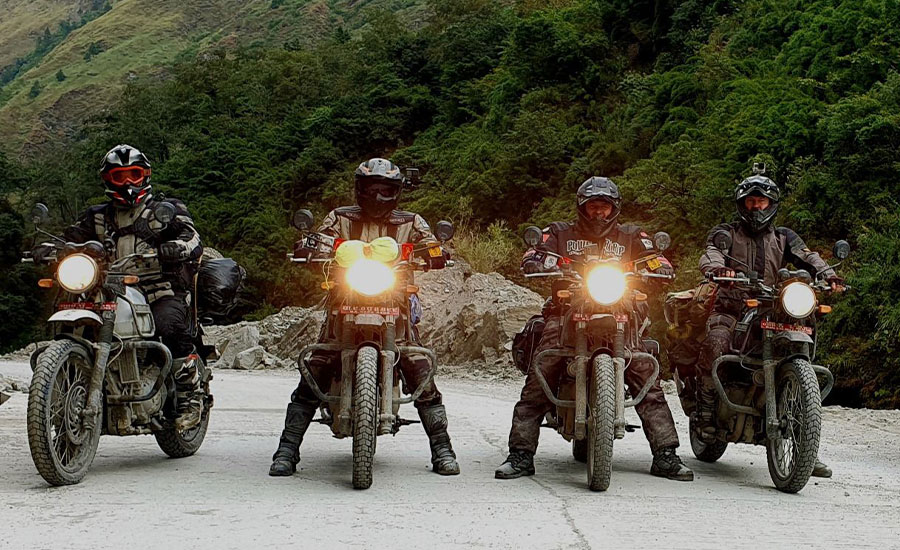
Nepal Heritage Motorbike Tour - A Journey Through Culture And Himalayas !
NPR 1000 Per Person




9 Days
Mardi Himal Trek: A Short and Scenic Route to the Hidden Side of the Annapurnas
NPR 1000 Per Person
15 Days
12 Days

11 Days
9 Days
26 Days
Kanchenjunga Trek: A Majestic Journey to the Third Highest Peak on Earth
NPR 1000 Per Person
17 Days
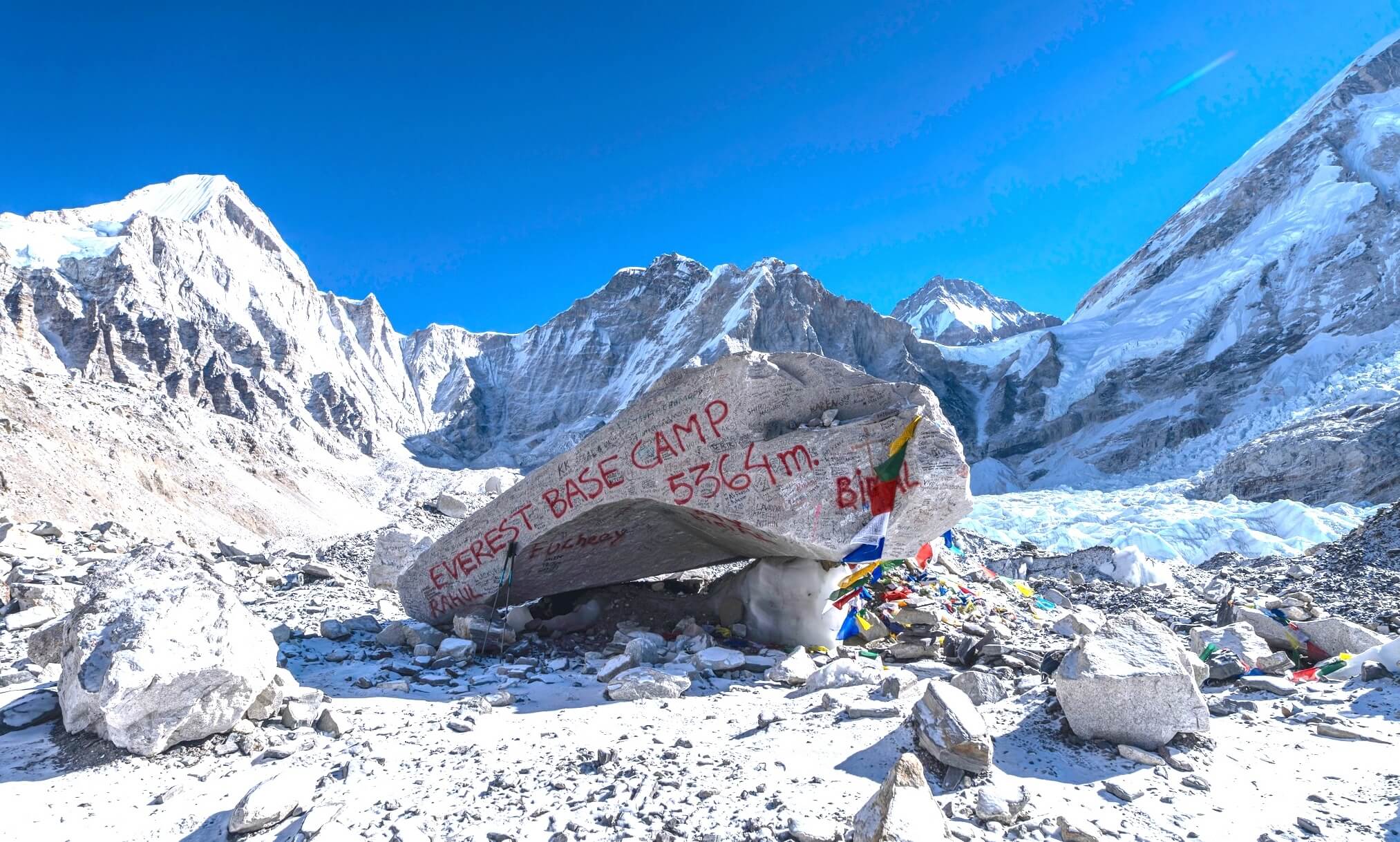
Everest Base Camp via Gokyo Trek: A Journey Through the Heart of the Khumbu
NPR 1000 Per Person
11 Days
Everest Base Camp Heli Return Trek: A Perfect Blend of Adventure and Convenience
NPR 1000 Per Person
14 Days
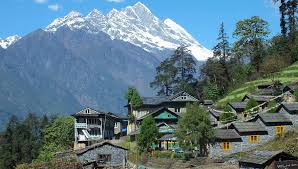
Arun Valley Cultural Trail: Journey Through Eastern Nepal’s Cultural Heartland
NPR 1000 Per Person

11 Days
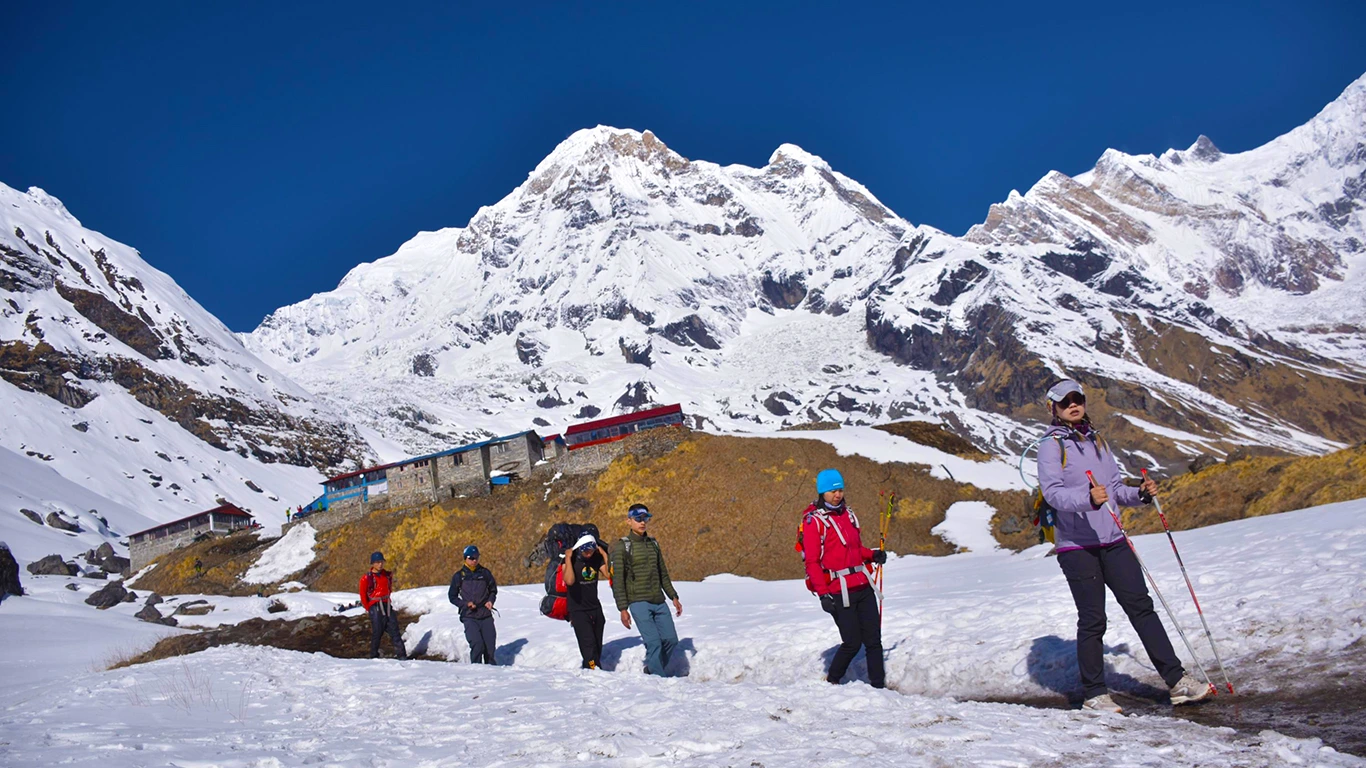
Annapurna North Base Camp Trek: A Remote Trail to the Hidden Face of Annapurna
NPR 1000 Per Person
9 Days


12 Days
22 Days
22 Days
Labuje Peak Climbing Expedition: Exploring a Hidden Gem of the Himalayas
NPR 1000 Per Person
10 Days
Muktinath Yartung Festival: A Spiritual and Adventure Expedition in Nepal
NPR 1000 Per Person
14 Days
Mustang Tiji Festival: A Unique Cultural and Trekking Expedition in Nepal
NPR 1000 Per Person
15 Days
13 Days