Budget
USD 4390
Per Person
Rating
No review has been posted yet
Duration
12 Days
Trip Overview
Bhutan Chomolhari Trek – A Himalayan Journey to the Goddess Mountain
The Chomolhari Trek, also spelled Jomolhari, is one of Bhutan’s most celebrated high-altitude treks. It offers an extraordinary blend of mountain wilderness, sacred landscapes, and cultural depth. This challenging 8- to 12-day trek takes you deep into the Bhutanese Himalayas, up close to Mount Chomolhari (7,314 m)—a peak considered sacred as the dwelling place of a Buddhist goddess. For trekkers seeking awe-inspiring nature and spiritual solitude, the Chomolhari Trek is among Bhutan’s finest adventures.
Geography
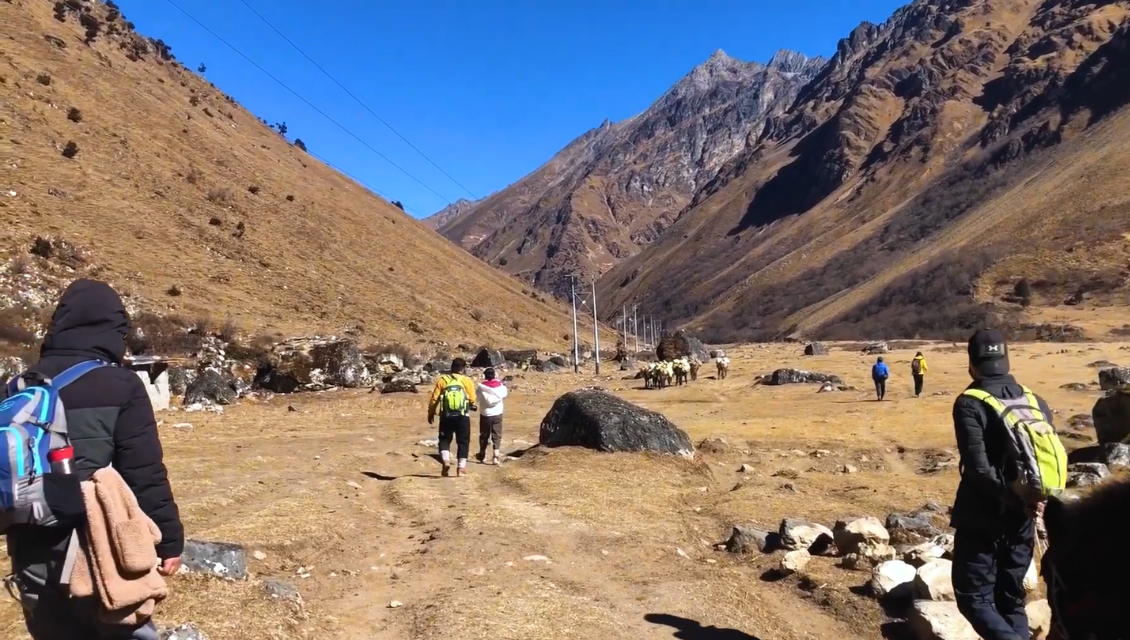
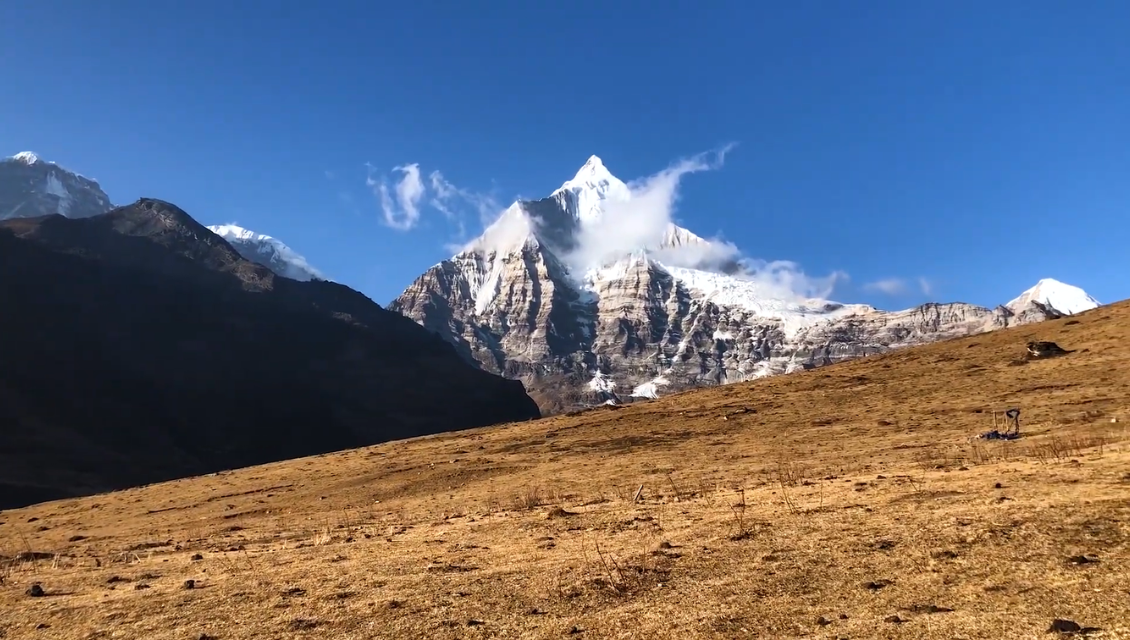
The Chomolhari Trek traverses the northwestern region of Bhutan, close to the border with Tibet. The route starts from the Paro Valley and climbs gradually through rhododendron forests, yak herder settlements, and high alpine meadows, eventually reaching the base camp at Jangothang, one of the most breathtaking camping spots in the Himalayas. From here, trekkers can enjoy panoramic views of Chomolhari, Jichu Drake, and Tshering Gang—snow-covered peaks that dominate the skyline.
The trek continues across high passes like the Nyile La (4,870 m) and Yale La (4,930 m) before descending into the Thimphu Valley or ending in Shana, depending on the chosen route variation. The landscape ranges from lush forests to windswept alpine tundra, offering incredible biodiversity and stunning contrasts.
People and Climate
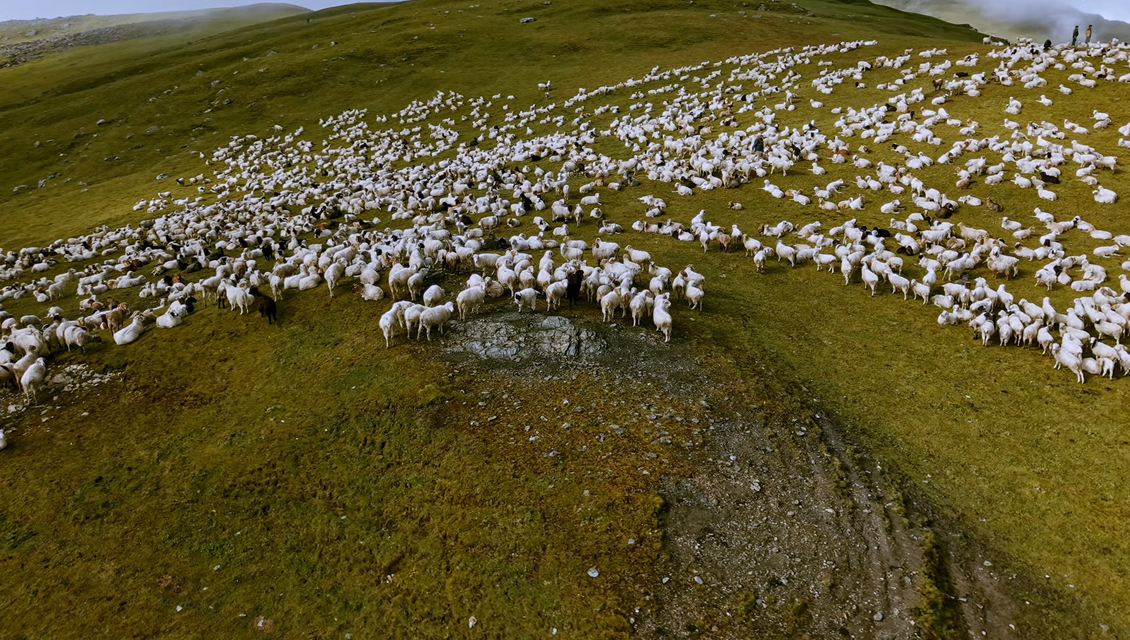
During the trek, you’ll encounter remote yak herding communities, whose lives are deeply connected to the land and local spiritual traditions. These hardy mountain dwellers live in stone huts and migrate seasonally with their animals. Despite the isolation, they are warm, welcoming, and proud of their heritage.
The trail also passes several ancient monasteries and chortens (stupas), adding a spiritual element to the journey. Bhutanese people across the country share deep respect for nature, rooted in their Mahayana Buddhist beliefs.
The best time for the Chomolhari Trek is spring (April to mid-June) and autumn (late September to early November). These seasons offer clear skies, excellent mountain views, and stable weather. Days are generally sunny and cool, while nights—especially at higher elevations—can be freezing.
Transportation
The trek begins in Paro, home to Bhutan’s only international airport. Most travelers arrive via flights from Kathmandu, Delhi, or Bangkok. After a day of acclimatization in Paro, which often includes a hike to the iconic Tiger’s Nest Monastery (Taktsang), the trek starts from the nearby village of Shana.
The entire trekking experience is supported by a team of licensed guides, cooks, and horsemen. Pack animals (usually yaks or horses) carry the gear, food, and tents. All logistics—including meals, sleeping arrangements, and campsite setup—are managed by the tour operator, allowing trekkers to focus fully on the journey.
Package Highlights:
- Traverse beautiful landscapes from lush valleys to dense forests,
- Discover Bhutan’s unique culture up-close with farmhouse visits and village excursions,
- Spend time Marveling at the ancient wall paintings and carvings in Dzongs and temples,
- Discover some of the most sacred Buddhist monasteries and temples in the Himalaya,
- Experience fabulous views of snow-capped mountains such as Mt. Jumolhari and Mt. Jichu Drake,
- Camp overnight at the base of Mt Jumolhari,
- Visit many cultural attractions including medieval fortresses (Dzongs), markets and museums,
- Hike up to the famous Taktsang Monastery, perched on a cliff 900m above the valley floor,
- Incorporate a Value-Added Option such as a cooking lesson or meditation session with a monk.
Book This Trip
Trip Information
 Start : Kathmandu
 Finish : Kathmandu
 Difficulty :
Moderate
Difficulty :
Moderate
 Max Altitude : 4080m
 Group Size : 10 People
 Season : SEP-NOV, MAR-MAY
Trip Gallery


Trip Itinerary
When you arrive at Paro International Airport, our representative will greet you and transfer you to your hotel. In the evening you will visit Paro town and market and stay overnight at your hotel in Paro.
We will drive to Drukgyel Dzong (2,580 m) from where the road ends. and we will start our trek with from Gunitsawa village, where we will pass the army post, where our permit will be checked and approved, the trail goes, and it follows the Paro Chhu Passing beautiful paddy fields, meadows and impressive farm houses. Continue following the trail, we will reach our destination Sharna Zampa and stay overnight.
Today’s hike will be a bit long and will include a lot of slight ups and downs. In a few hours we will hike through the river valley and up the mountain into Jigme Dorje National Park. The trail then narrows to a path that leads to a meadow where we set up camp for the night. From here, weather permitting, we will get our first glimpse of the beautiful Mt. Jomilhari
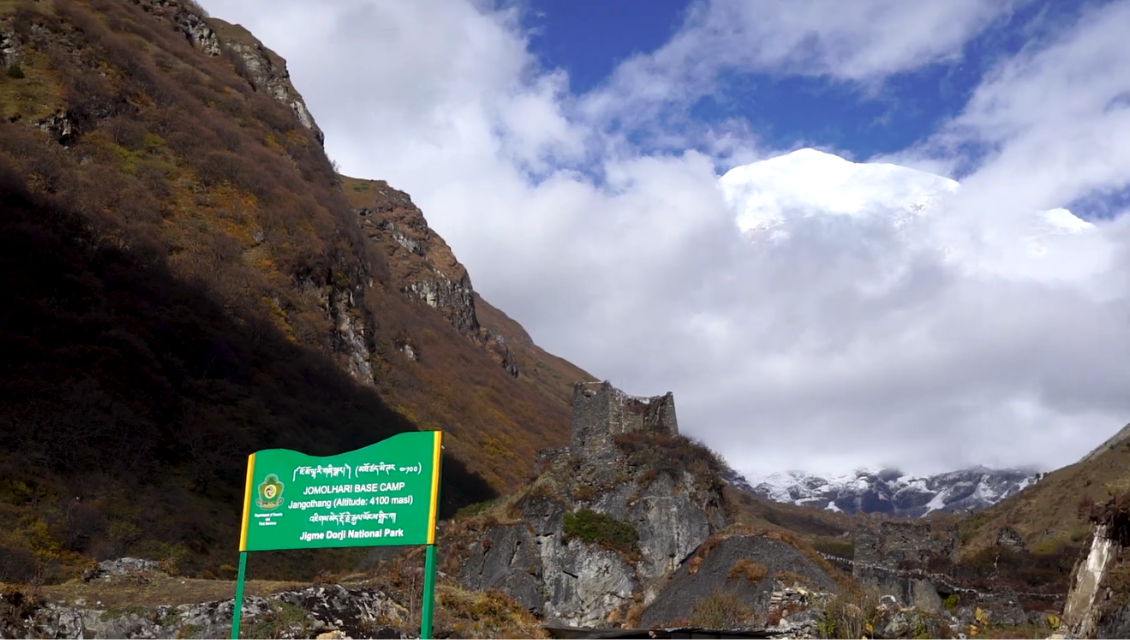
If we missed the chance to see the beautiful Mount Jomolhari last night, we had a chance to enjoy the beautiful view this morning. After enjoying the view, we will continue our hike to the Paro Chhu Valley, passing through large alpine meadows and sparse forests and passing a military outpost. We will hike through the villages of Soe, Takethang and Dangochang which is another highlight of the day. Arriving at Jangothang, one of the most beautiful camping spots in the Himalayas, we will again be treated to a stunning view of Mount Jomolhari. We will stay overnight in Jangothang.
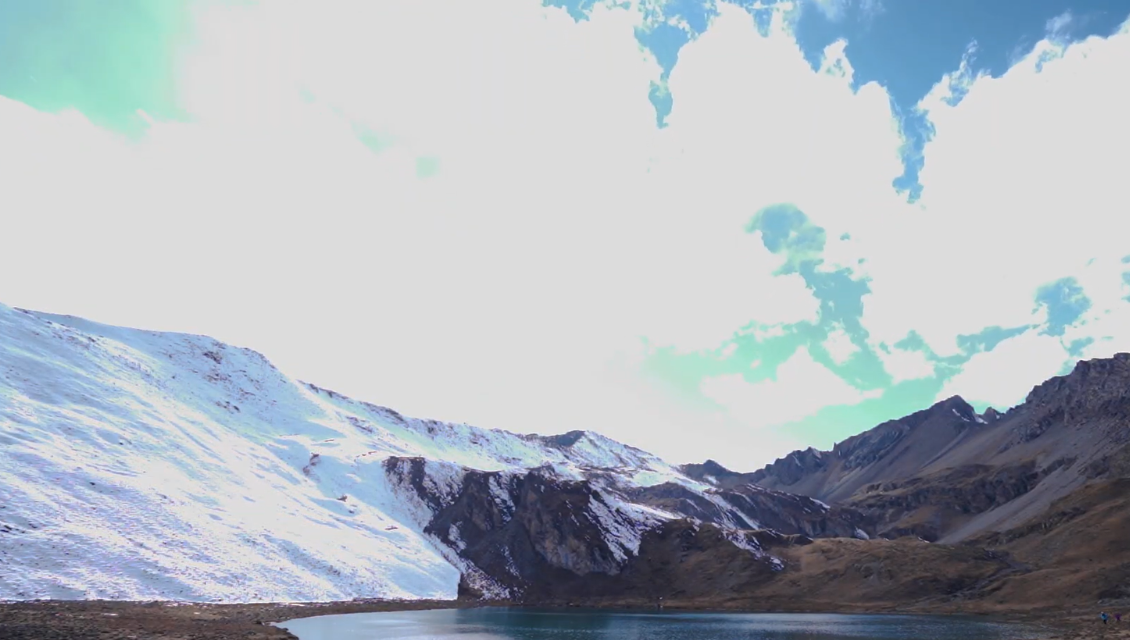
Acclimatization day in Jangothang will give us plenty of possibilities for the whole day. We can hike on lakes with beautiful views of snow-capped mountains such as Jomolhari and Jinchu Drake, and we will have another good chance to spot some blue sheep on the upper slopes of the valley. Trek up to Tosoh or hike around the area, there are good and short hiking trails in three directions. Jomolari Peak and its affiliated ranges are due west, Jichu Drake Peak is to the north, and there are many unclimbed peaks to the east. Jangothang will provide us a perfect environment for acclimatization. We will have a great night at Jangothang.
The trek today will lead us to Lingshi. When we begin our trek from Jangothang Camp, we will hike rapidly for about half an hour, and then the trail becomes gradually ascend to the Nyilila Pass at 4,870m, we can enjoy with the surrounding views of snow-capped mountains, and see herds of blue sheep grazing on the slope of mountains. From the pass we get a stunning view of the Jichu Drake, Jomolhari and Tsherimgang peaks which are over 7,000 meters above sea level. On the way down to the Camp, we will pass by some of the yak herder's tent, made from yak wool. As we come down into the Lingshi basin, we will get a wonderful view of Lingshi Dzong. Tslimgang and its glacier are located at the northern end of the valley. The campsite is located next to a stone house in front of Lingshi Dzong. We will stay in Lingshi.
The mountain road starting from Lingshi climbs all the way to Yelila Pass at an altitude of 4,930 meters. On a clear day, you can see the magnificent scenery of Mt. Tsherimgang, Jomolhari, and Masanggang from the pass. Our hike from the pass to the campsite at Shodu was a steep, downhill climb. We will enjoy the evening in Shodu.
The trail will take us to Barshong, following the Thimphu Chhu through rhododendron forests, passing beautiful waterfalls along the way. The valley narrows until the path takes us to the slopes and gradually ascends to the ruins of Barshong Dzong. We will have nigh break in Barshong.
The trek today descends down to the Thimphu Chhu River valley, and leads us through dense forests of rhododendron, birch, maples, conifer and bamboos. Then, the trail then ascends to the pasture. The campsite is located on a meadow in Dolam Kencho.
The trail takes us further through the forested area, winding and crossing a small mountain pass. We can see monkeys along the way. In Dodena we will leave Jigme Dorji National Park and reach the road next to an impressive cantilever bridge. Drive us to Thimphu for overnight stay.
We will have full day sightseeing in Thimphu valley, visiting the following, as time permits: National Memorial Chorten; Tashichho Dzong (“the fortress of the glorious religion”); National Library; Institute for Zorig Chusum (Bhutanese arts and crafts school); National Institute of Traditional Medicine (outside only); Handicrafts Emporium, evening drive to Paro, and overnight at the hotel in Paro.
After breakfast, drive to Paro airport for flight to onward destination.
Cost Includes
1. Visa & Fees
- Visa & SDF: Bhutan visa processing and the Sustainable Development Fee (SDF) for tourism in Bhutan.
2. Camping & Meals
- Camping Equipment: All necessary camping gear provided for a comfortable trekking experience.
- Full Board Meals: All meals included during the trek (Breakfast, Lunch, and Dinner – BLD).
3. Staff
- Trekking Guide & Crew: Experienced trekking guide and full crew (including cooks and support staff) to ensure a safe and enjoyable trekking experience.
4. Transportation
- Transport: Comfortable private vehicle for all transfers and necessary transportation during the trek.
1. Visa & Fees
- Visa & SDF: Bhutan visa processing and the Sustainable Development Fee (SDF) for tourism in Bhutan.
2. Camping & Meals
- Camping Equipment: All necessary camping gear provided for a comfortable trekking experience.
- Full Board Meals: All meals included during the trek (Breakfast, Lunch, and Dinner – BLD).
3. Staff
- Trekking Guide & Crew: Experienced trekking guide and full crew (including cooks and support staff) to ensure a safe and enjoyable trekking experience.
4. Transportation
- Transport: Comfortable private vehicle for all transfers and necessary transportation during the trek.
Cost Excludes
1. Flights
- International Airfare: Flights to and from Bhutan.
2. Travel Insurance
- Travel Insurance: Comprehensive travel insurance covering unforeseen circumstances, medical emergencies, and trip cancellation.
3. Personal Expenses
- Personal Nature Expenses: Costs for shopping, additional personal items, and other individual expenditures.
4. Tips & Gratuities
- Tips & Gratuities: Optional but customary for guides, porters, and other support staff.
1. Flights
- International Airfare: Flights to and from Bhutan.
2. Travel Insurance
- Travel Insurance: Comprehensive travel insurance covering unforeseen circumstances, medical emergencies, and trip cancellation.
3. Personal Expenses
- Personal Nature Expenses: Costs for shopping, additional personal items, and other individual expenditures.
4. Tips & Gratuities
- Tips & Gratuities: Optional but customary for guides, porters, and other support staff.
Trip Date And Time
We'll Be There, Like We've Been There Before
Essential Information
Duration
The Jomolhari Trek is one of Bhutan's most iconic high-altitude trekking adventures, typically requiring 7–9 days of trekking. The complete travel program, including arrival, cultural sightseeing in Paro and Thimphu, and departure, generally lasts 10–12 days. The itinerary includes acclimatization days to ensure a safe and enjoyable experience while exploring one of Bhutan's most spectacular mountain regions.
Trek Grade
The trek is graded as Moderate to Challenging and is recommended for trekkers with good physical fitness and previous multi-day hiking experience. Daily walks range from 5 to 8 hours, following mountain trails through forests, alpine meadows, glacial valleys, and high mountain passes. Although the trek does not require technical climbing skills, the high altitude and rugged terrain make it physically demanding.
Altitude
The highest point of the trek is Ngye La Pass (4,890 metres / 16,043 feet), while the spectacular Jomolhari Base Camp is situated at approximately 4,080 metres. The itinerary includes acclimatization days to reduce the risk of altitude sickness and to allow trekkers to fully appreciate the magnificent mountain environment. Proper hydration, a gradual pace, and following the guide's instructions are essential for a safe journey.
Trekking Distance
The trek covers approximately 90–120 kilometres, depending on the chosen itinerary. Daily walking distances vary between 10 and 18 kilometres, offering a balanced combination of challenging ascents, scenic traverses, and gradual descents through some of Bhutan's most pristine wilderness.
Accommodation
Accommodation during the trek is provided in fully serviced camping sites. Comfortable sleeping tents, dining tents, kitchen tents, and toilet facilities are established each day by the experienced camp crew. Before and after the trek, guests stay in carefully selected hotels in Paro and Thimphu, ensuring a comfortable beginning and conclusion to the adventure.
Meals
Three freshly prepared meals are served daily throughout the trek. Experienced camp cooks prepare a variety of Bhutanese, Asian, Indian, and Continental dishes using fresh ingredients. Hot drinks, soups, and snacks are available during rest stops, while vegetarian and other dietary requirements can be accommodated with advance notice.
Transportation
Private vehicle transfers are provided for all airport services, sightseeing excursions, and transportation to and from the trekking trailhead. Comfortable tourist vehicles ensure a safe and enjoyable journey through Bhutan's scenic valleys.
Best Time to Visit
The ideal seasons for the Jomolhari Trek are April to June and September to November. Spring brings colourful rhododendron blooms, lush alpine meadows, and pleasant temperatures, while autumn offers stable weather, crystal-clear skies, and exceptional views of the snow-covered Himalayan peaks. These seasons provide the best trekking conditions and photography opportunities.
Permits and Visa
All international visitors require a valid passport, Bhutan tourist visa, trekking permits, and must travel with a licensed Bhutanese guide through an authorized Bhutanese tour operator. All necessary travel documents and permits are arranged in advance, ensuring a smooth and hassle-free travel experience.
Travel Insurance
Comprehensive travel insurance is essential and should include coverage for trekking above 5,000 metres, emergency medical treatment, helicopter evacuation where available, trip cancellation, and personal belongings.
Additional Information
Scenic Highlights
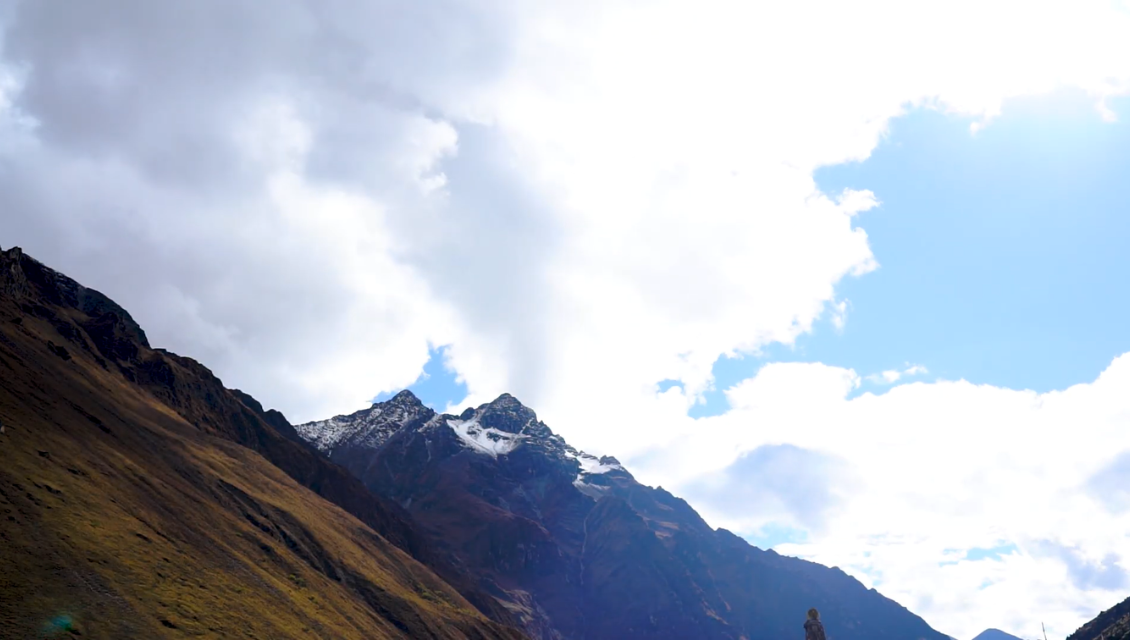
The Jomolhari Trek offers some of the most spectacular mountain scenery in the Eastern Himalayas. The trail follows crystal-clear rivers, ancient forests, alpine meadows, and glacial valleys before reaching the magnificent Jomolhari Base Camp, located beneath the sacred Mount Jomolhari (7,326 m). Trekkers also cross the dramatic Ngye La Pass, where breathtaking panoramic views extend across Bhutan's snow-covered mountain ranges.
Culture and Heritage
The trek passes through remote settlements inhabited by semi-nomadic yak-herding communities who have preserved their traditional way of life for generations. Along the route, visitors encounter ancient monasteries, chortens, prayer wheels, mani walls, and sacred temples, gaining a deeper understanding of Bhutan's Buddhist traditions, mountain spirituality, and rich cultural heritage.
Flora and Fauna
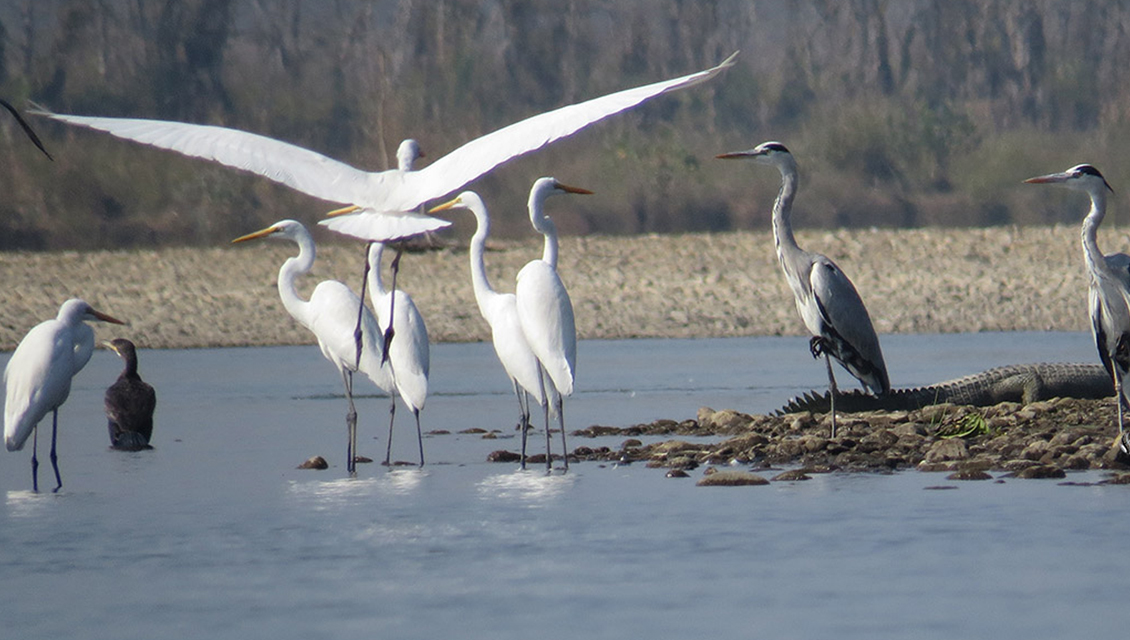
The trail traverses diverse ecosystems ranging from temperate forests to alpine grasslands. Dense forests of blue pine, fir, spruce, juniper, birch, and rhododendron provide habitat for a remarkable variety of wildlife. Trekkers may encounter Himalayan monals, blood pheasants, blue sheep, Himalayan marmots, musk deer, Himalayan griffons, and, with exceptional luck, elusive species such as the snow leopard or takin in protected areas.
Weather and Climate
Weather conditions change significantly with altitude. During the main trekking seasons, daytime temperatures generally range between 8°C and 18°C, while nighttime temperatures at higher camps frequently fall below –10°C. Snowfall is possible at the higher passes, particularly during early spring and late autumn. Warm layered clothing and quality cold-weather equipment are essential.
Communication and Electricity
Mobile phone coverage is available in Paro but is extremely limited or unavailable throughout most of the trekking route. Electricity is not available at campsites; therefore, trekkers should carry fully charged power banks and spare batteries for cameras and electronic devices.
Health and Safety
The Jomolhari Trek reaches elevations close to 5,000 metres, making proper acclimatization essential. Every trek is led by experienced government-licensed guides trained in wilderness first aid and high-altitude safety. A comprehensive first-aid kit is carried throughout the journey, and guides continuously monitor participants for signs of altitude-related illness to ensure a safe and enjoyable trekking experience.
Responsible Tourism
The Jomolhari region lies within protected conservation areas that support Bhutan's commitment to sustainable tourism and environmental preservation. Visitors are encouraged to respect local customs, avoid disturbing wildlife, minimize waste, use reusable water bottles, and leave no trace while trekking through these pristine mountain landscapes.
Packing Recommendations
Essential equipment includes sturdy waterproof trekking boots, a four-season sleeping bag rated to at least –15°C, a down jacket, waterproof jacket and trousers, thermal base layers, insulated gloves, warm hat, sunglasses, sunscreen, trekking poles, reusable water bottles, headlamp, personal medications, toiletries, camera equipment, and high-capacity power banks.
Why Choose the Jomolhari Trek?
The Jomolhari Trek is widely regarded as Bhutan's premier trekking experience, offering an unforgettable combination of dramatic Himalayan landscapes, sacred mountain scenery, pristine wilderness, and authentic Bhutanese culture. From the awe-inspiring beauty of Mount Jomolhari to encounters with remote yak-herding communities and ancient monasteries, this trek delivers an exceptional adventure for experienced hikers seeking one of the finest trekking experiences in the Himalayas.
USD 4390 / person
See group booking discount- No. of person Price per person
The price may varies
Speak to an Expert