Budget
USD 4090
Per Person
Rating
4 Reviews
Duration
27 Days
Trip Overview
The Upper Dolpo Trek is one of the most remote, challenging, and culturally preserved trekking routes in Nepal, offering a rare journey into a hidden Himalayan world. Located in the rain-shadow region of western Nepal, this trek is famous for its ancient Tibetan Buddhist culture, untouched landscapes, and dramatic high-altitude terrain.
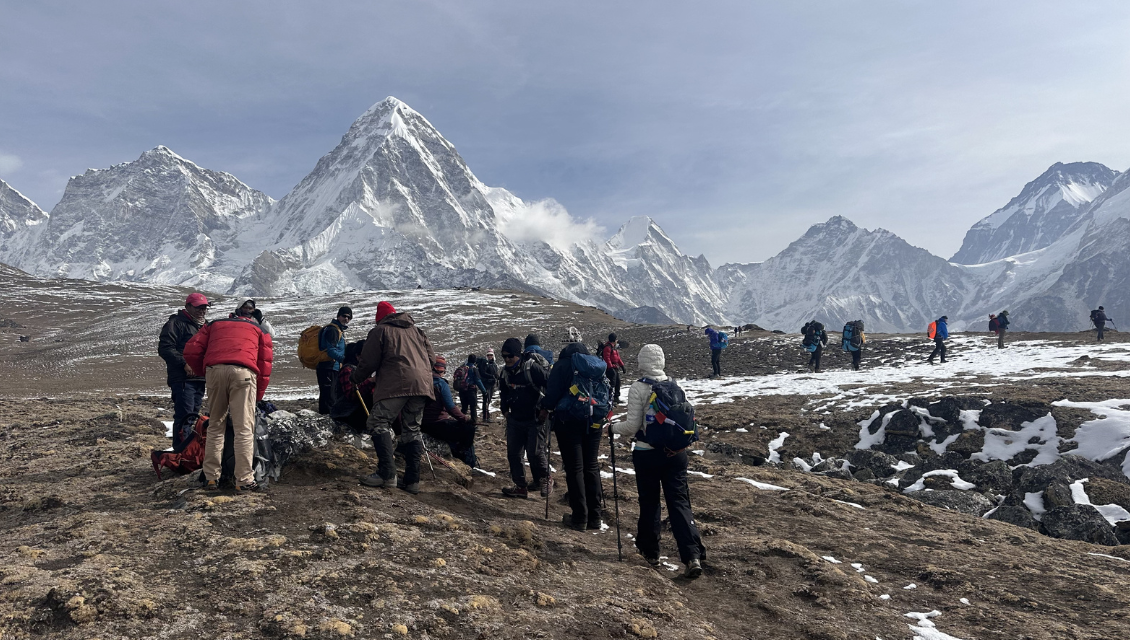
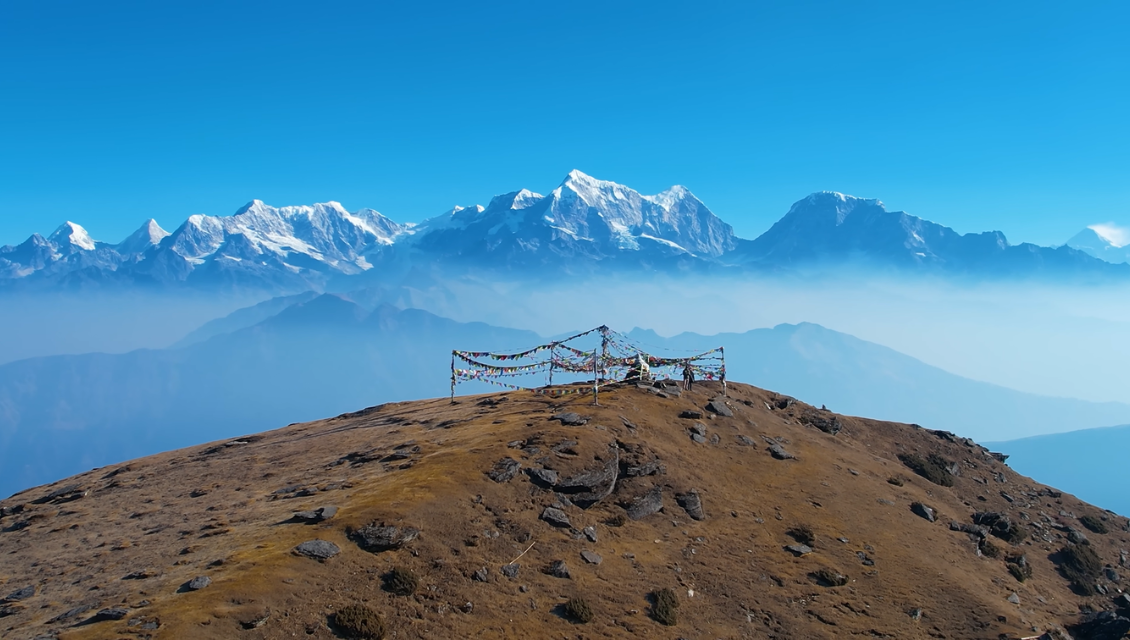
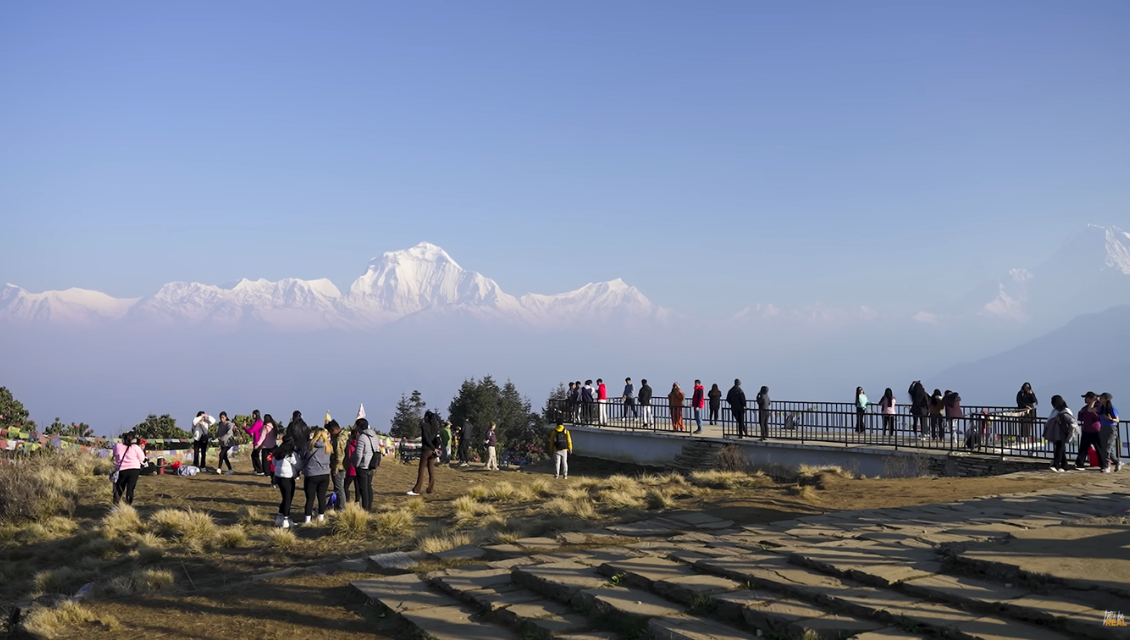
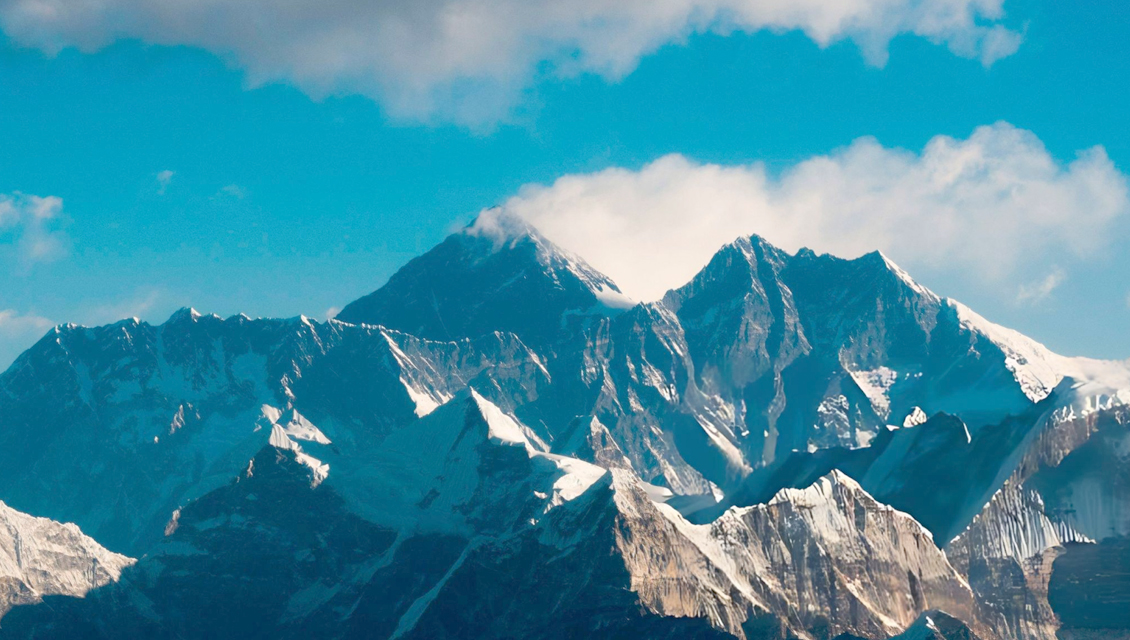
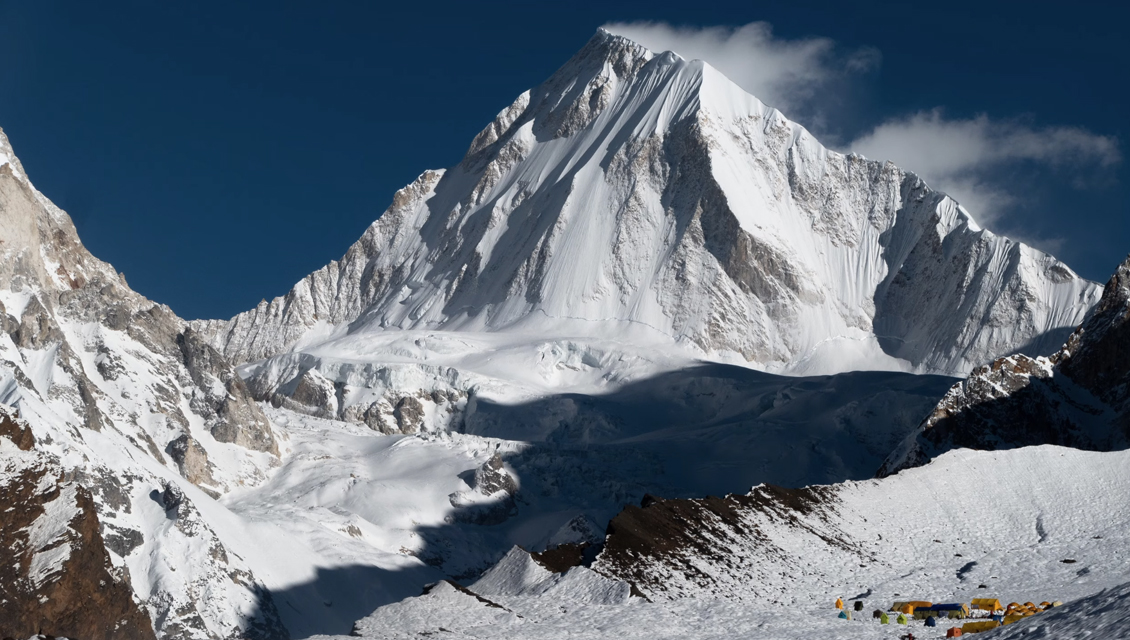
The route takes trekkers deep into the restricted Upper Dolpo region, where traditional Bon and Tibetan Buddhist lifestyles have remained largely unchanged for centuries. One of the highlights of the trek is crossing high passes and reaching sacred sites near Phoksundo Lake and remote villages beyond it. The trek also offers views of distant Himalayan peaks, including Dhaulagiri and surrounding trans-Himalayan ranges.
This trek is best suited for highly experienced trekkers seeking a long, isolated, and expedition-style adventure in one of Nepal’s most pristine regions.
Geography and Landscape
The Upper Dolpo Trek is located in northwestern Nepal within Shey Phoksundo National Park, the largest national park in the country. The journey usually begins with a flight to Nepalgunj and then to Juphal, followed by trekking through the lower Dolpo valleys into the restricted upper region.
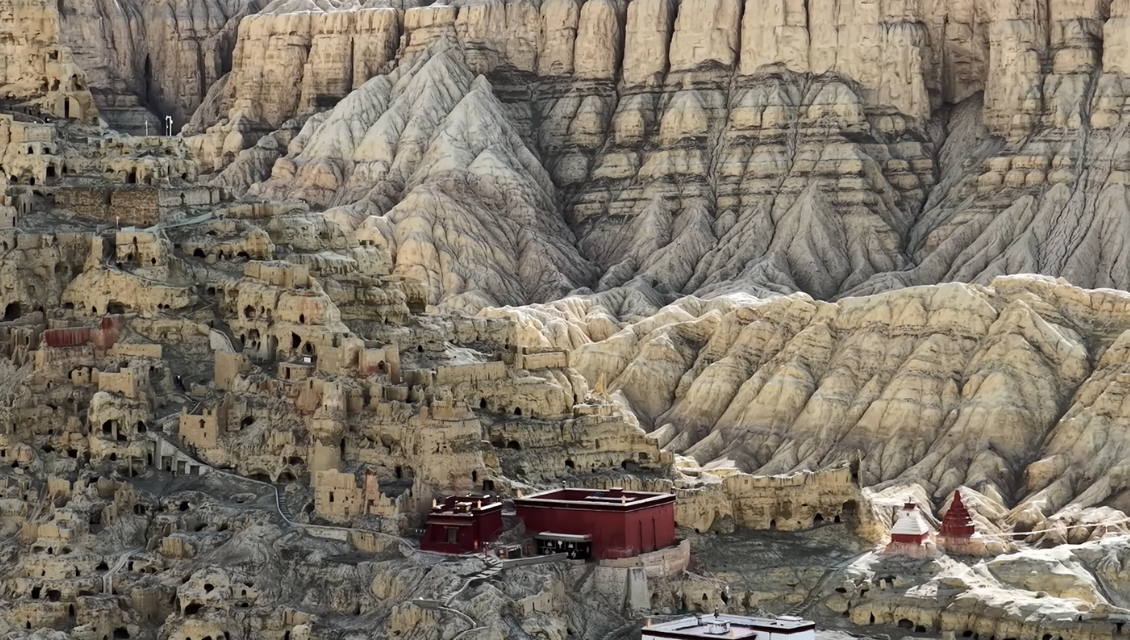
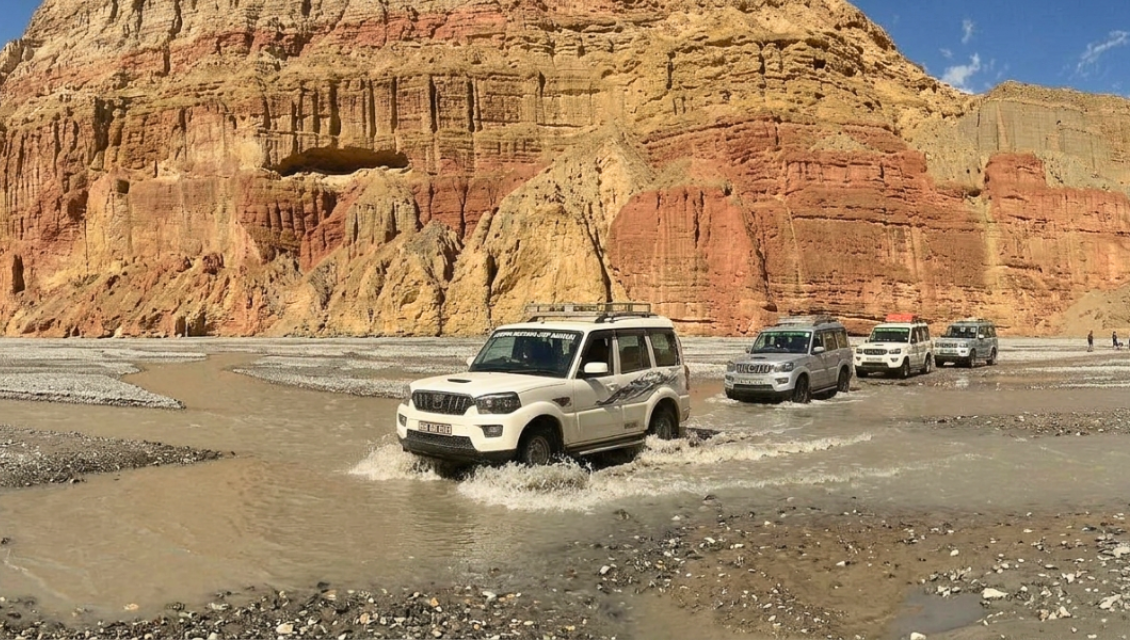
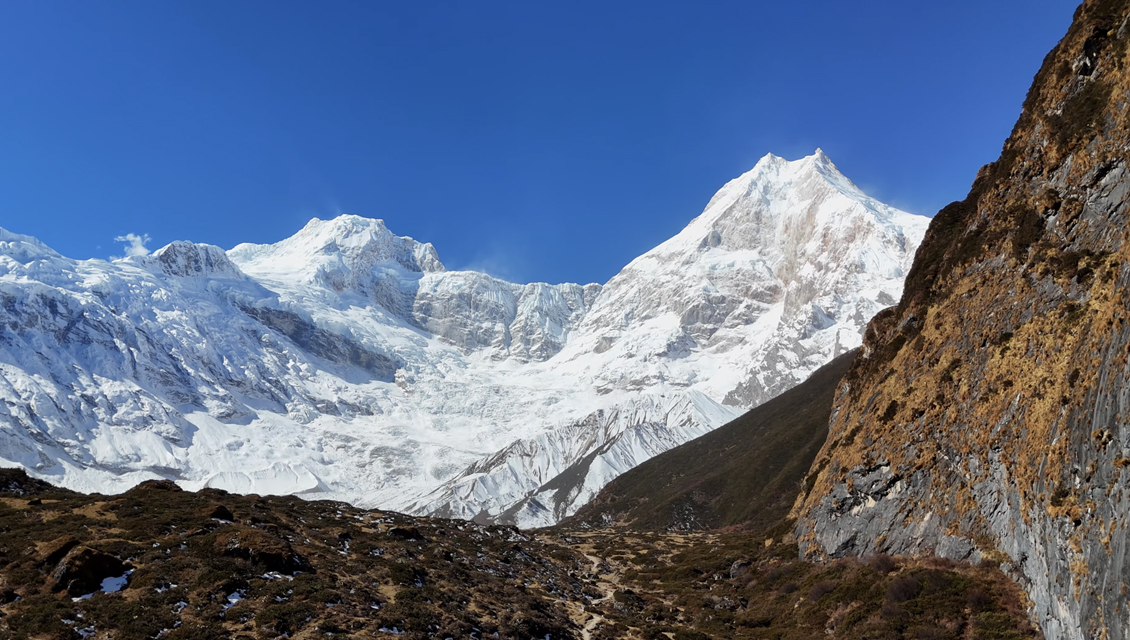
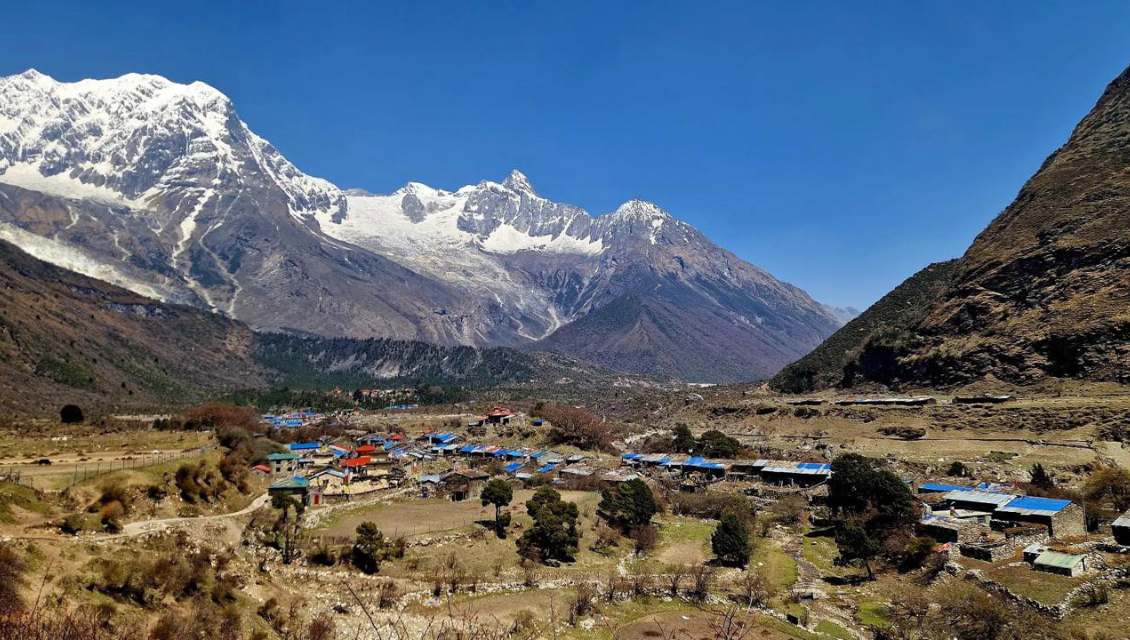
The landscape is extremely diverse and dramatic. Lower sections feature deep river gorges, pine forests, and terraced fields. As the trail ascends, the scenery transforms into dry, arid, and rocky terrain influenced by the Tibetan Plateau. This trans-Himalayan environment is characterized by barren cliffs, wind-swept valleys, and vast open spaces with minimal vegetation.
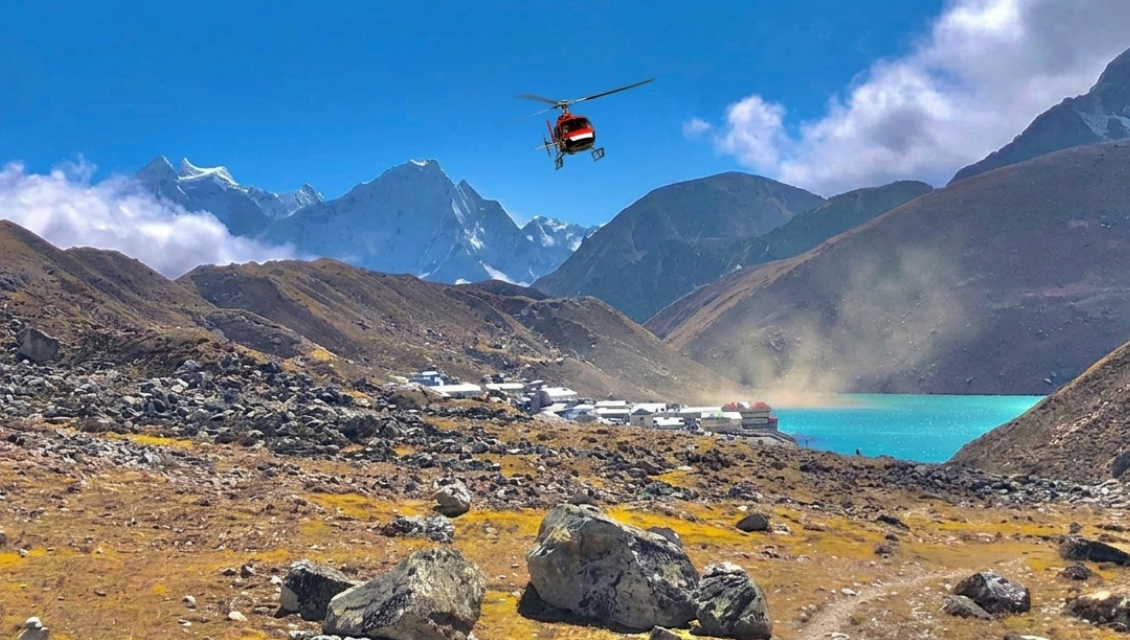
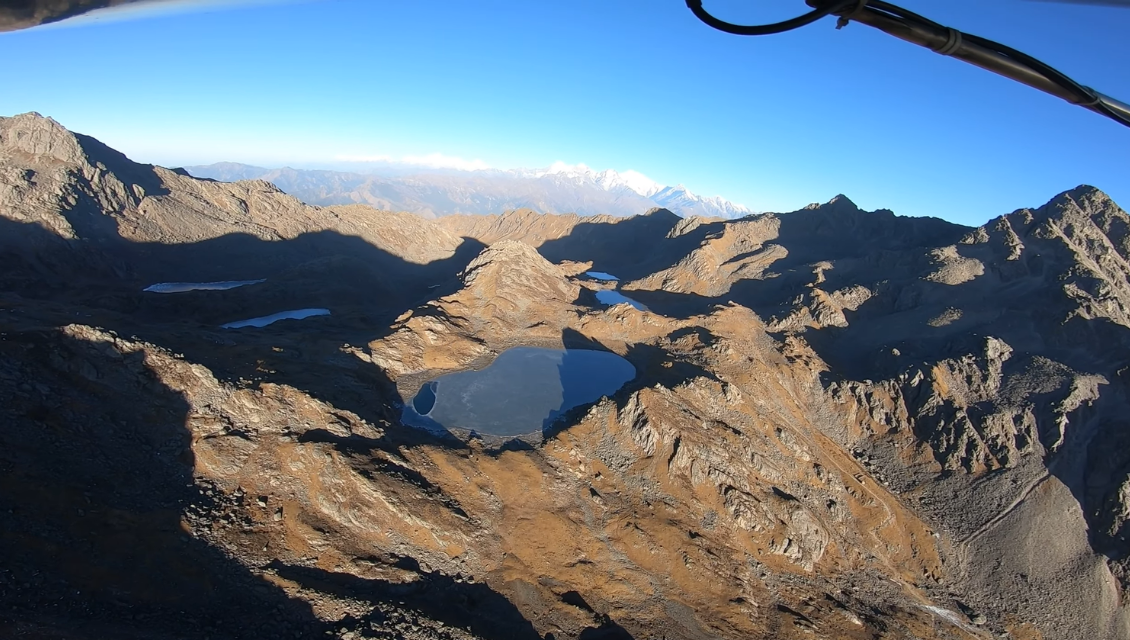
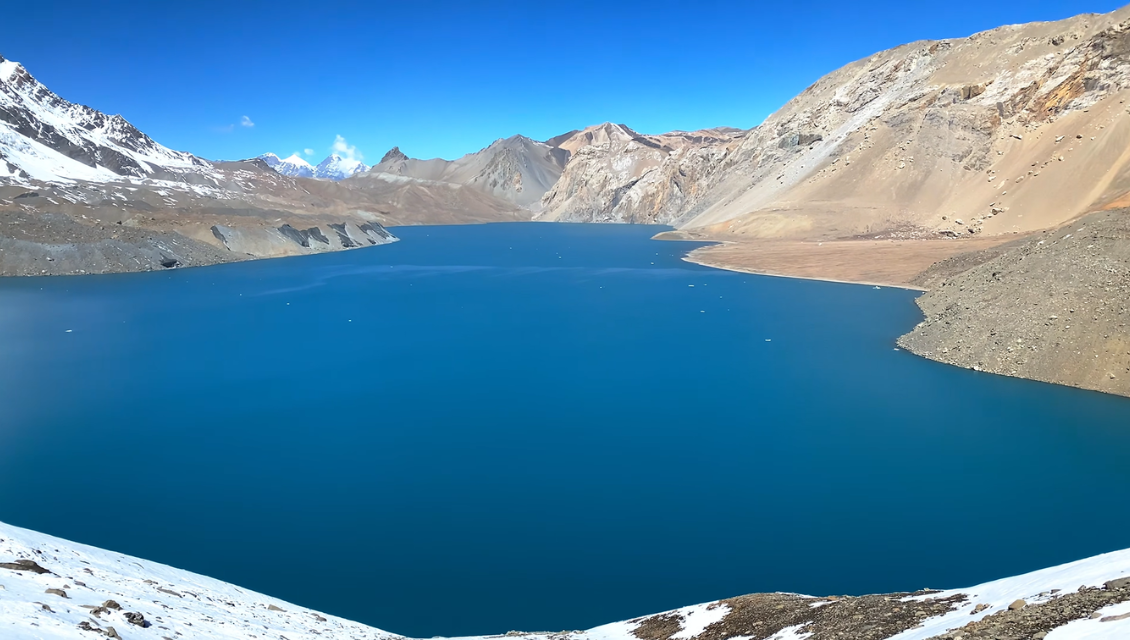
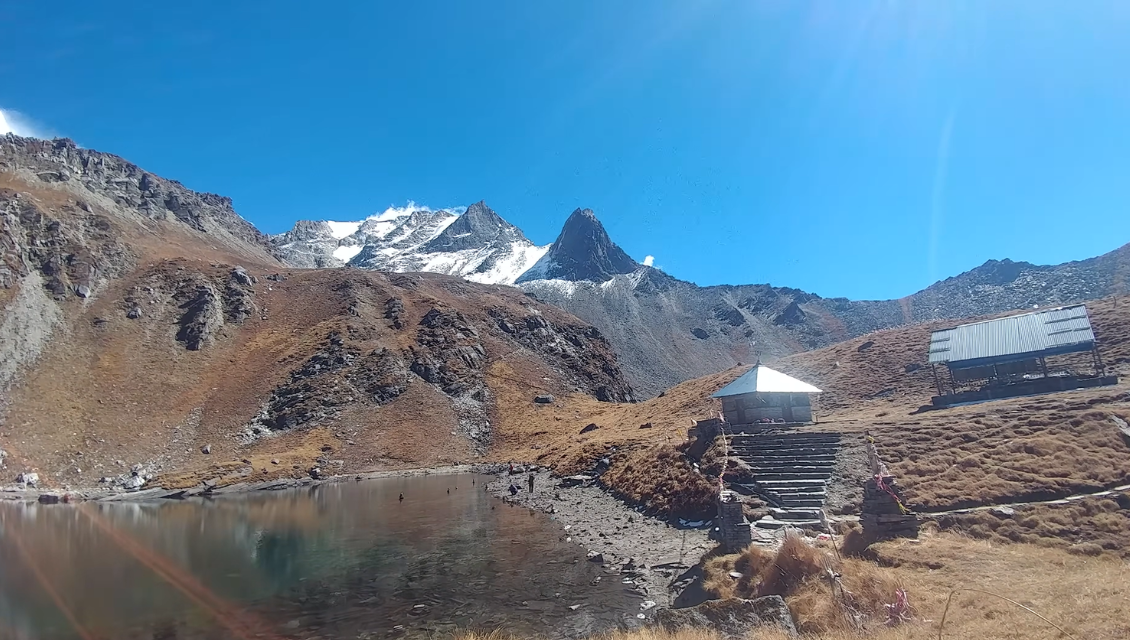
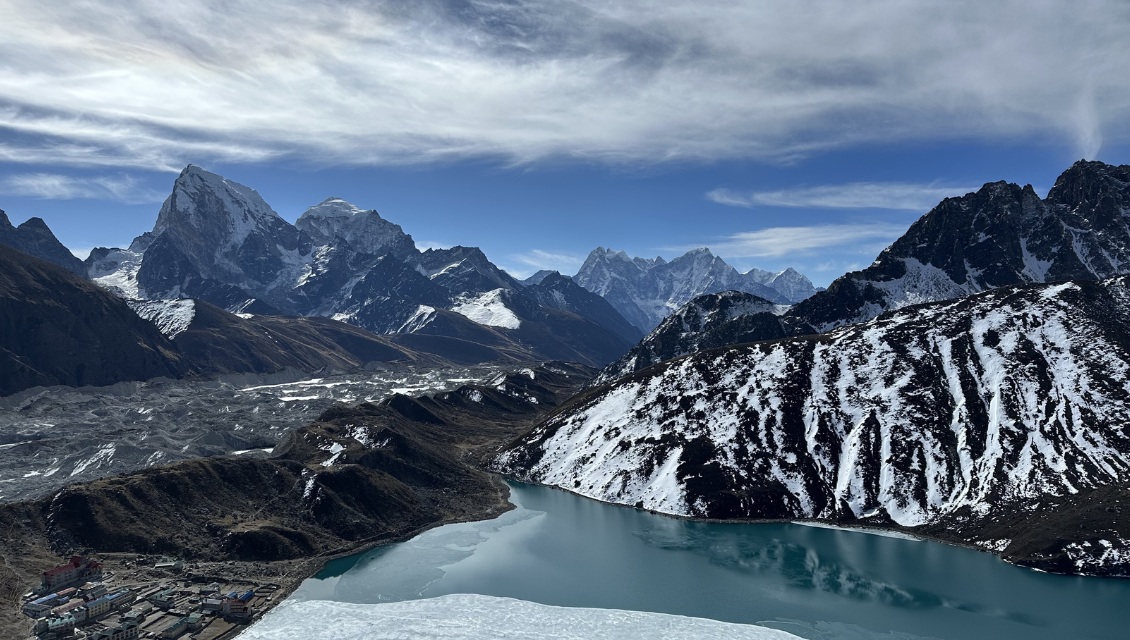
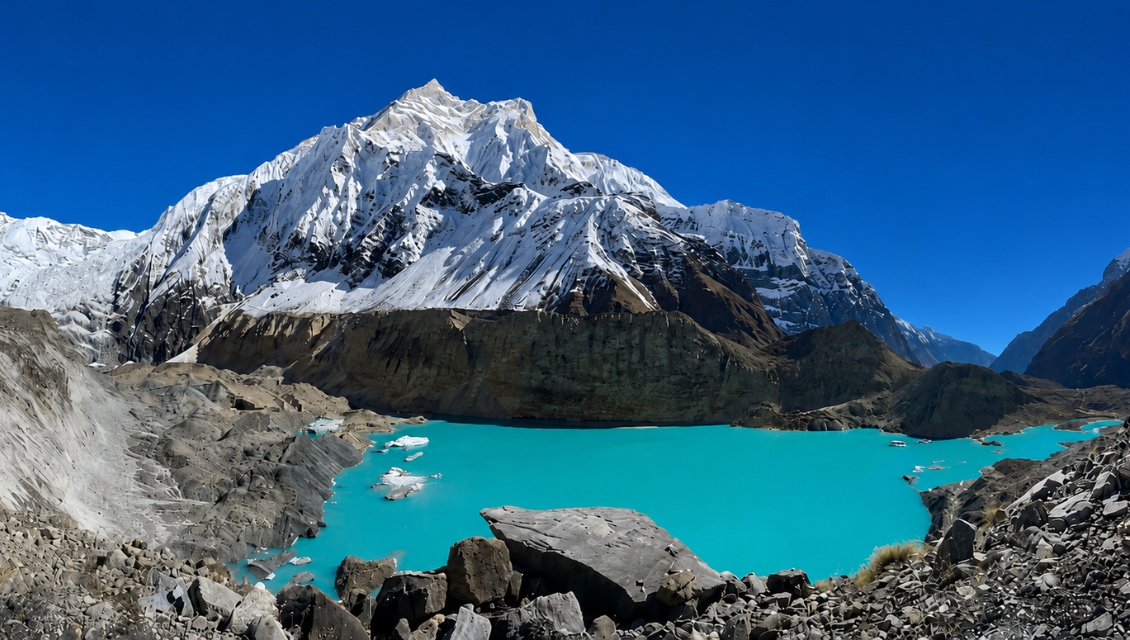
One of the most iconic features of the region is Phoksundo Lake, a turquoise glacial lake surrounded by steep cliffs and ancient forests. Further into Upper Dolpo, the terrain becomes even more remote, with high passes exceeding 5,000 meters, including Kang La and Saldang La, offering breathtaking views of snow-covered peaks and vast Himalayan wilderness.
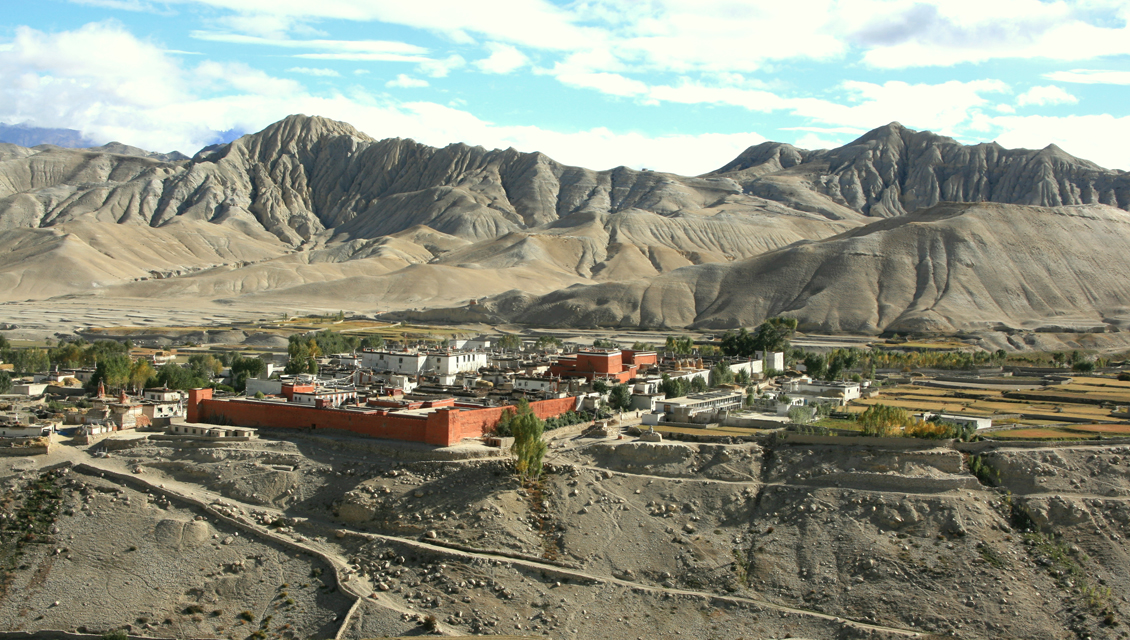
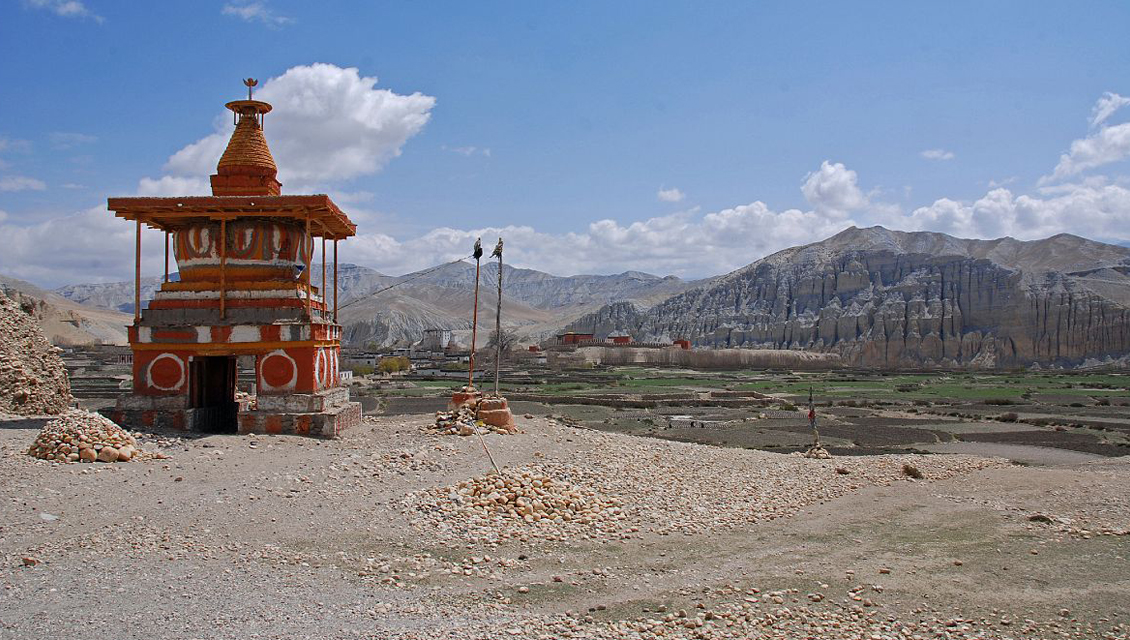
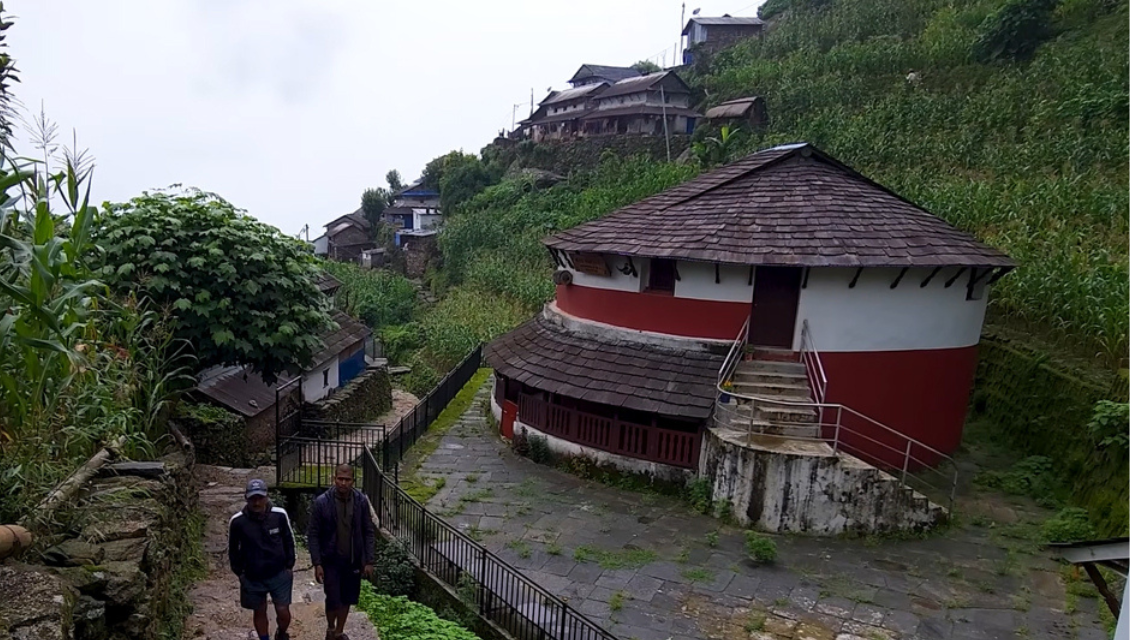
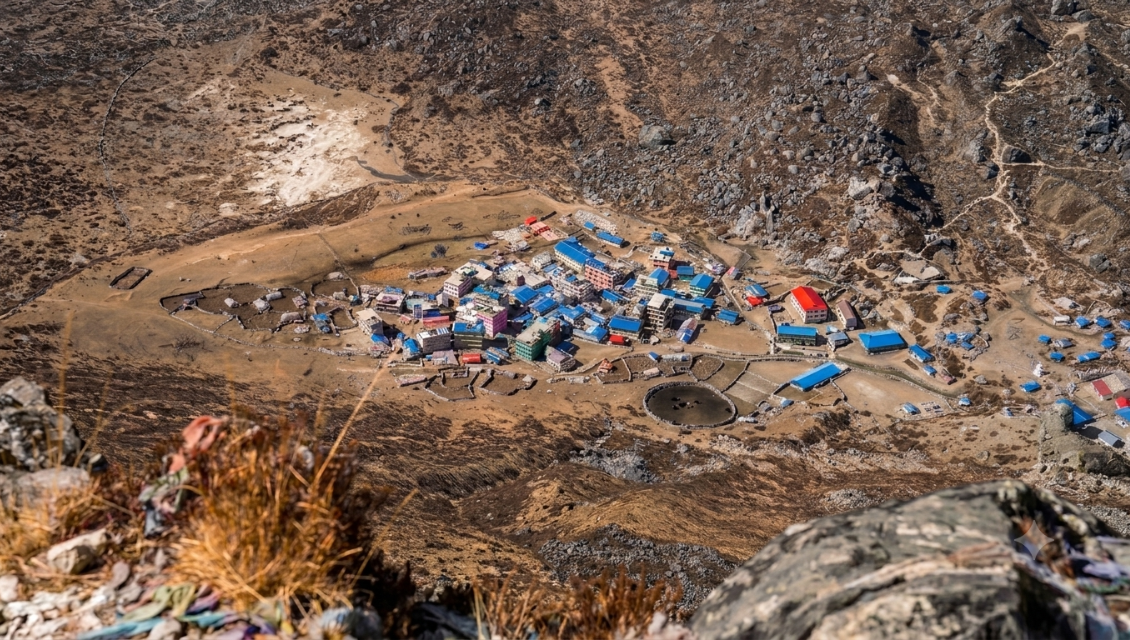
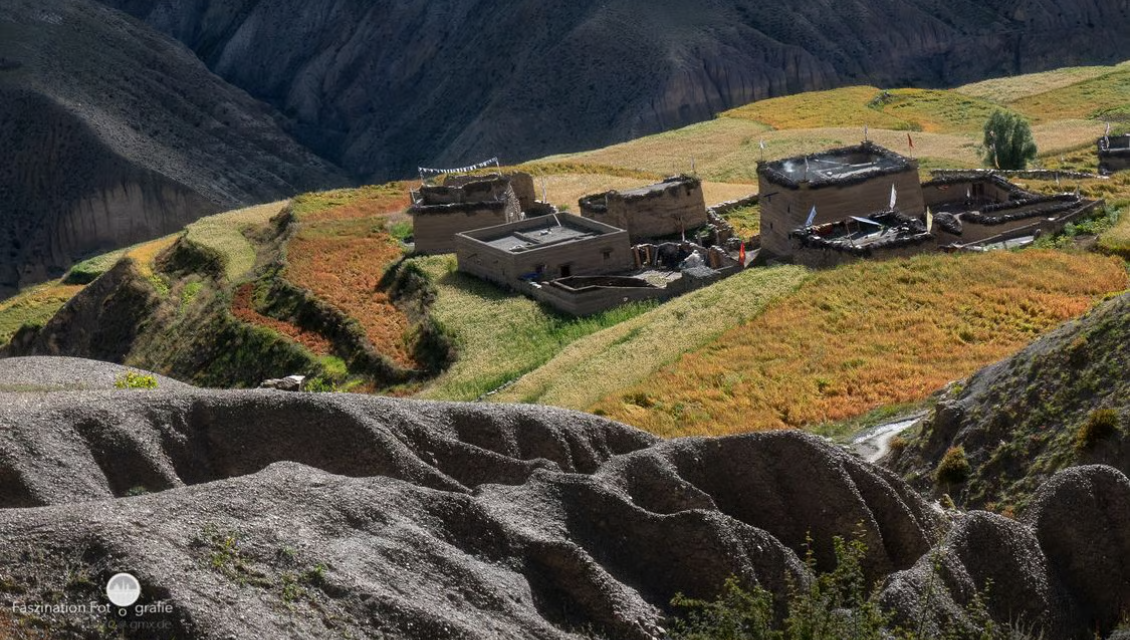
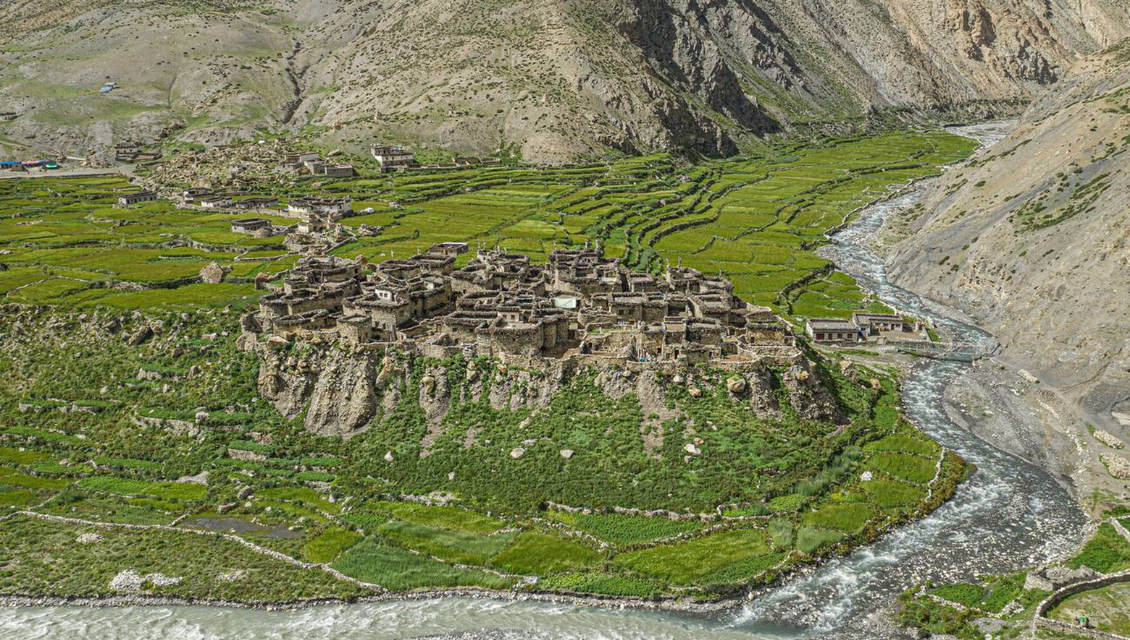
Villages in Upper Dolpo are isolated and traditional, with stone houses, barley fields, and ancient monasteries perched on cliffs. The sense of remoteness and spiritual stillness makes this one of the most unique trekking environments in the world.
Climate and Best Time to Trek
The best seasons for the Upper Dolpo Trek are spring (May–June) and autumn (September–October). These periods offer the most stable weather conditions in this high-altitude desert region.
Unlike eastern and central Nepal, Upper Dolpo lies in a rain-shadow area, meaning it receives very little monsoon rainfall. However, access routes may still be affected during early monsoon months. Spring provides warmer temperatures and clearer passes, while autumn offers stable conditions and excellent visibility.
Winter (November–April) is extremely harsh, with heavy snowfall and freezing temperatures making the region inaccessible. Even in summer, nights remain cold due to high altitude.
Overall, late spring and early autumn are the safest and most practical seasons for completing this challenging trek.
People and Culture
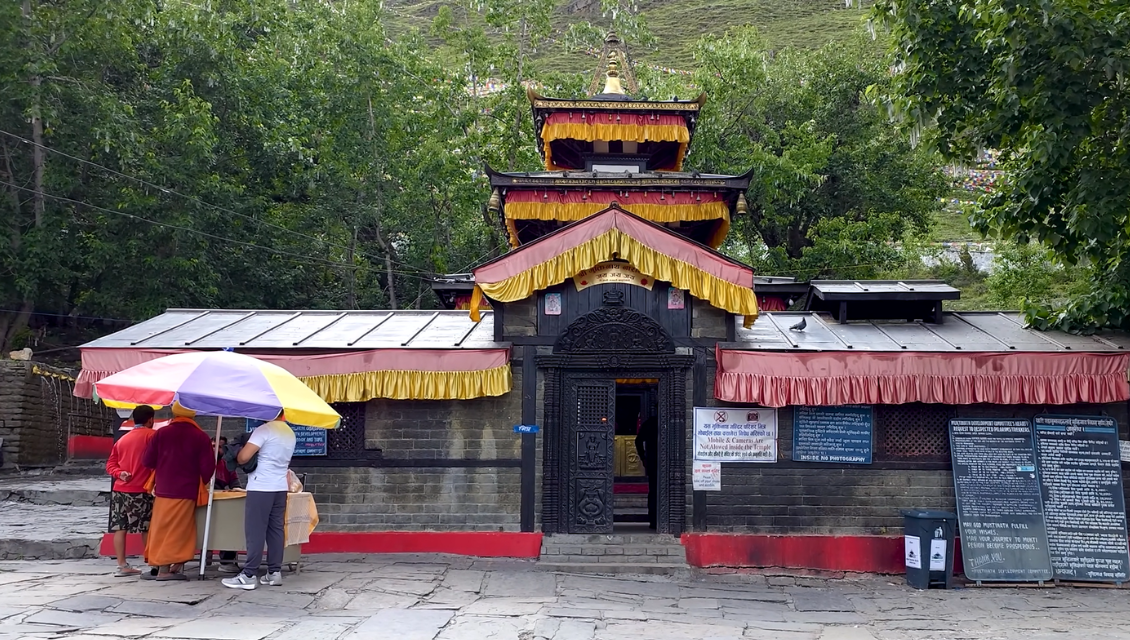
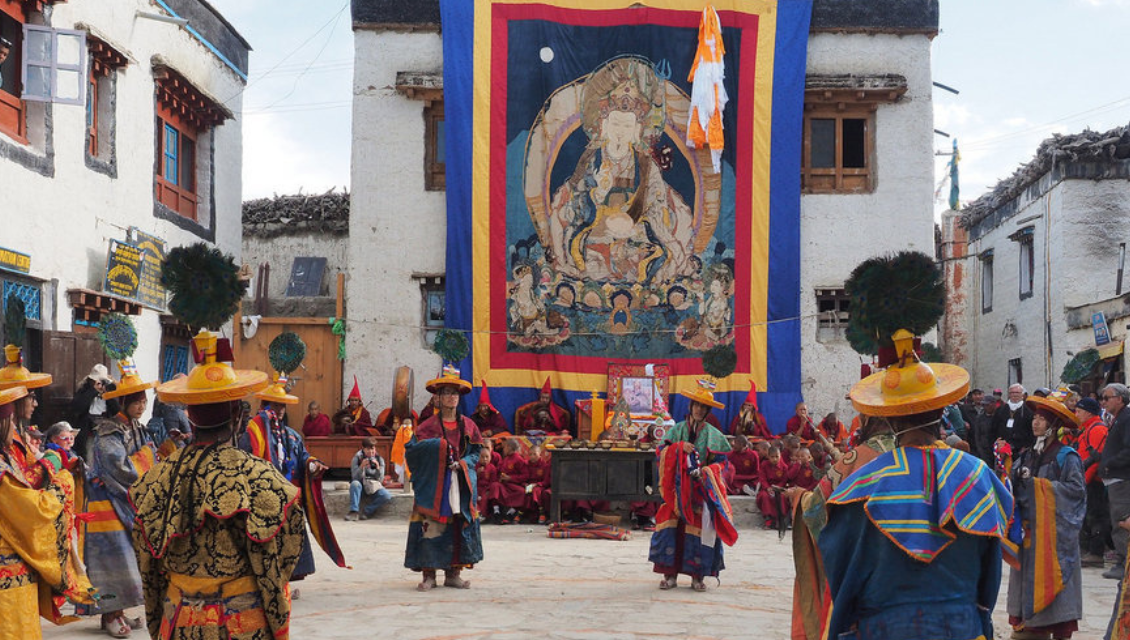
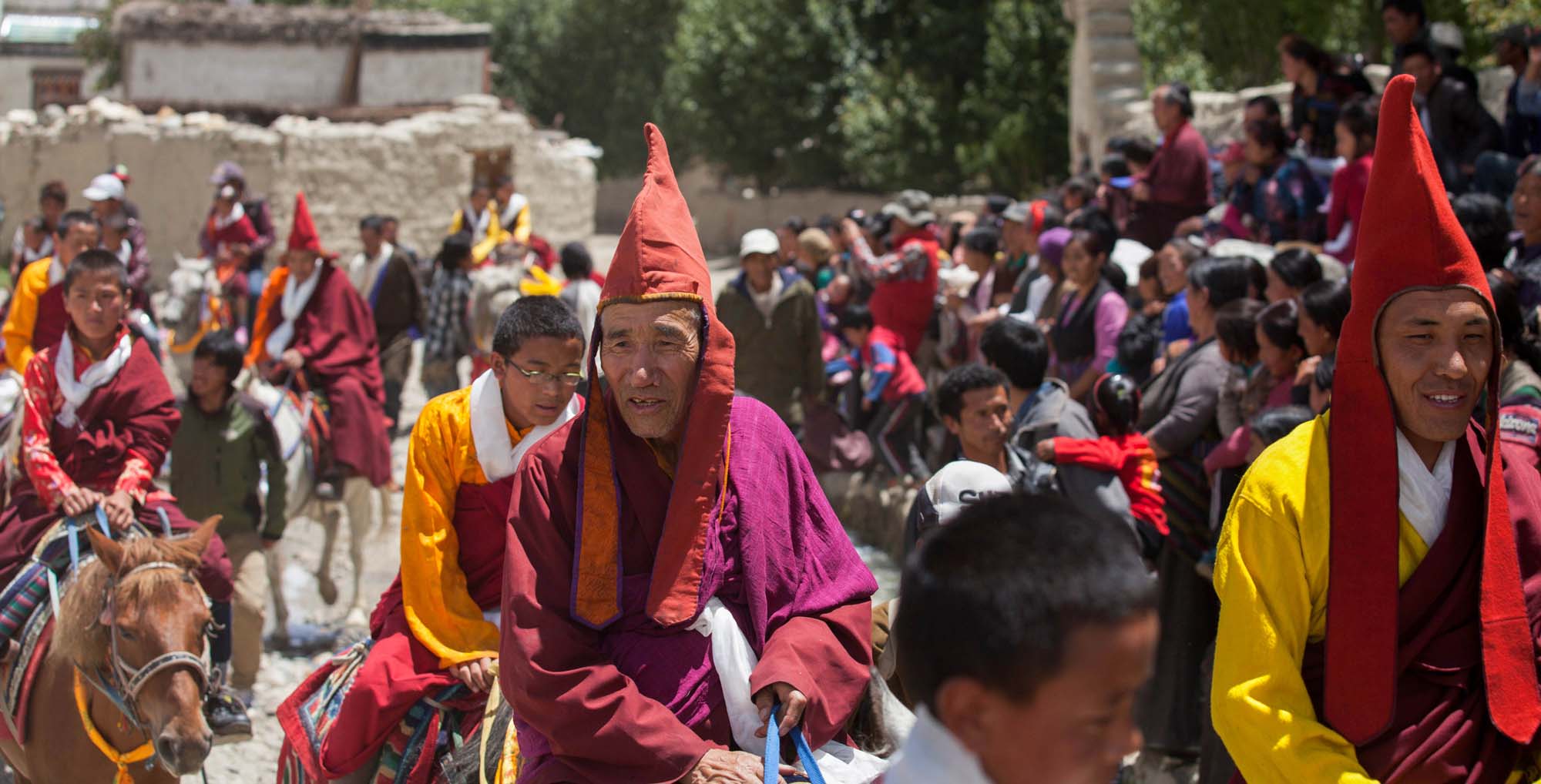
The Upper Dolpo region is one of the most culturally preserved areas in Nepal, home to communities practicing ancient Tibetan Buddhism and the Bon religion, one of the oldest spiritual traditions in the Himalayas.
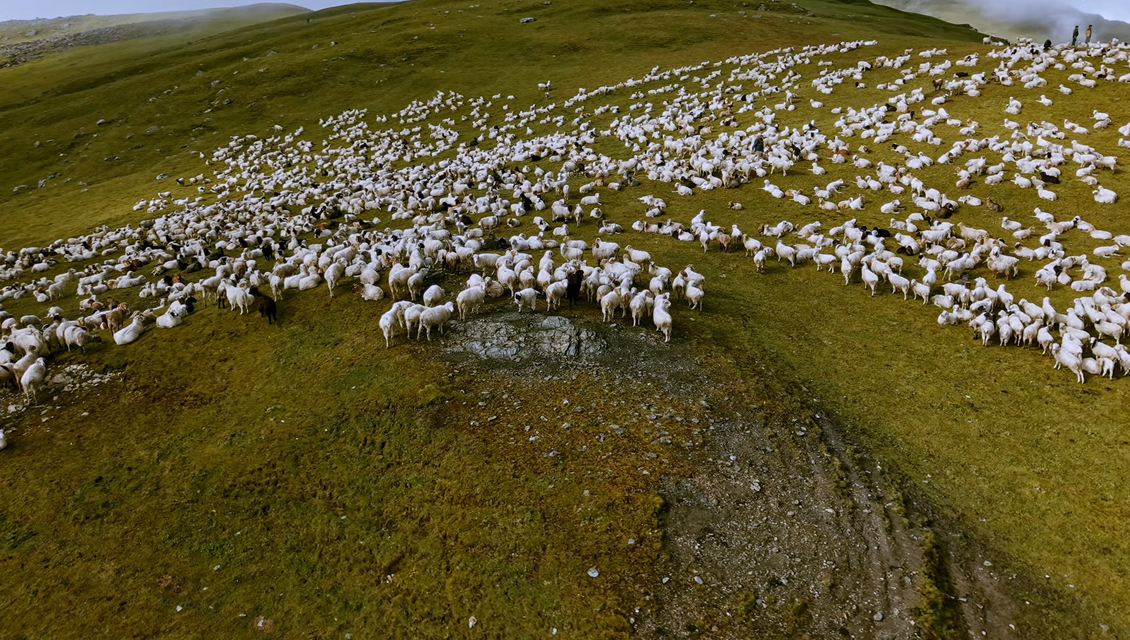
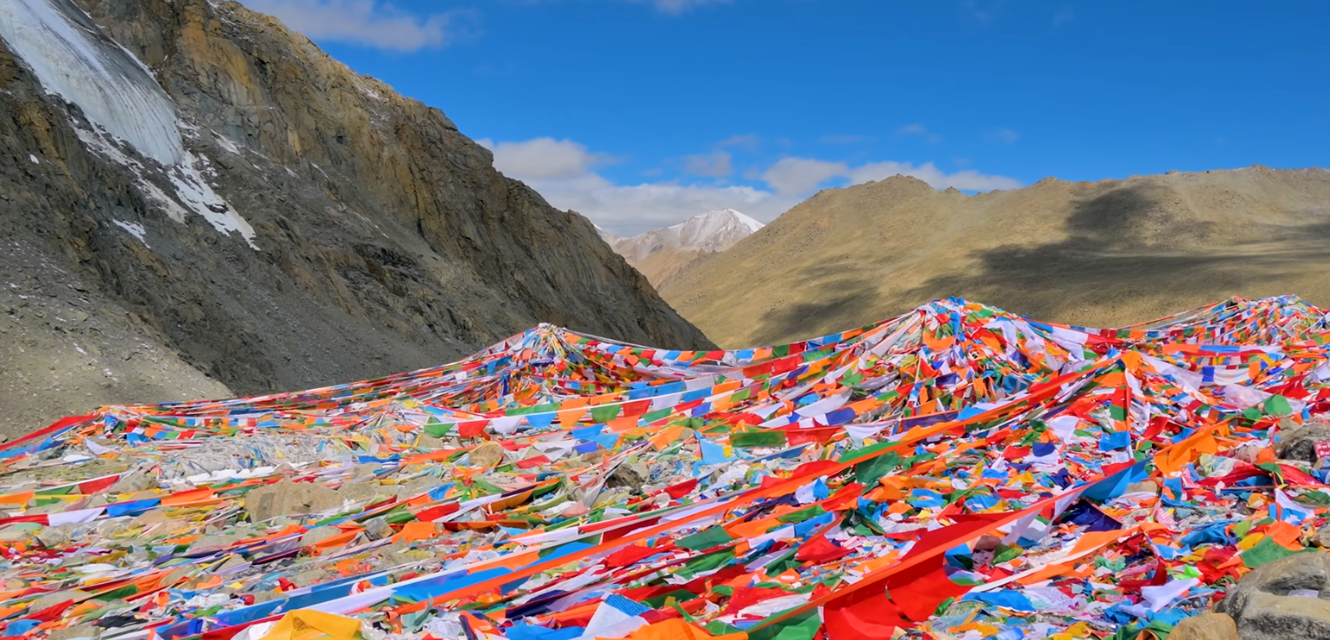
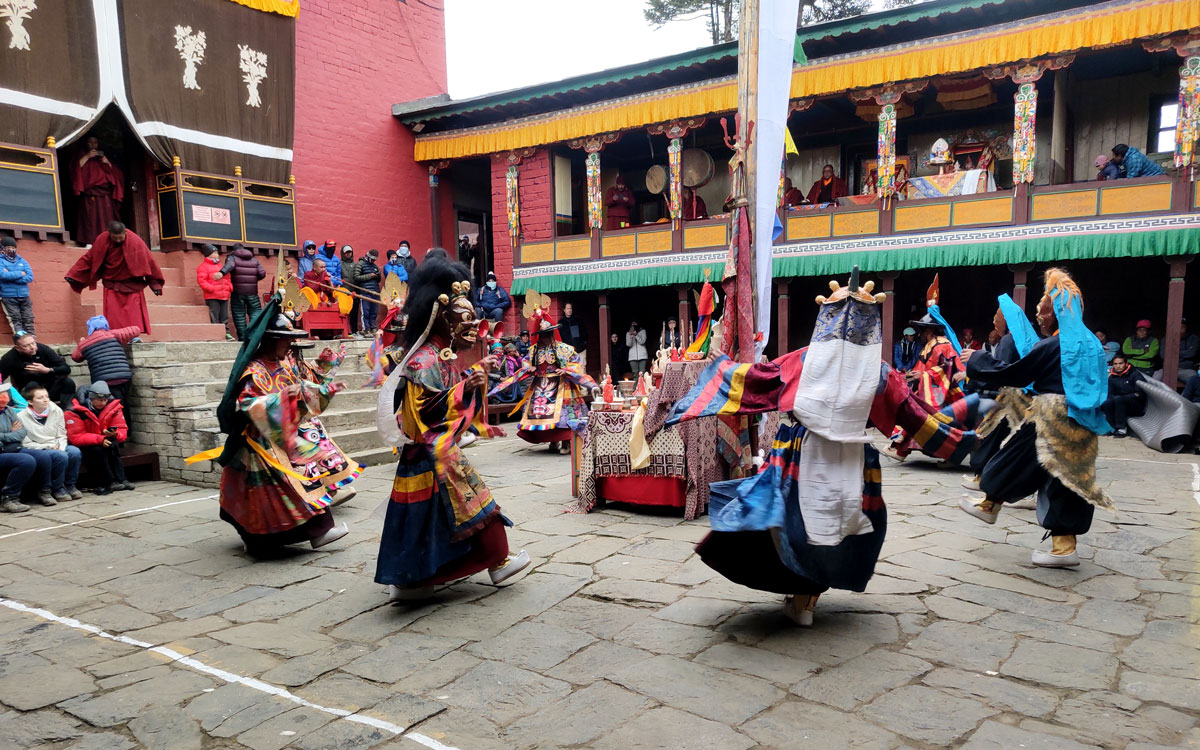
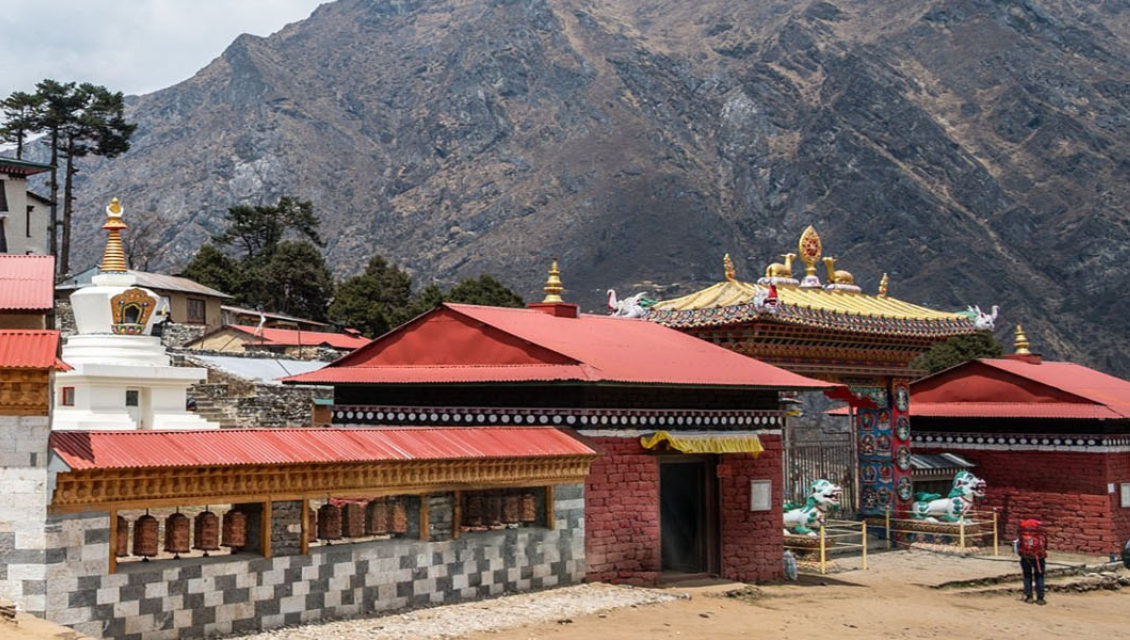
Villages such as Saldang, Shey, and Dho Tarap preserve traditional lifestyles based on yak herding, barley farming, and trade across high mountain passes. Monasteries, chortens, prayer flags, and mani walls are deeply integrated into daily life, reflecting strong spiritual traditions.
The people of Dolpo live in extreme conditions but maintain a rich cultural identity shaped by isolation and faith. Rituals, festivals, and monastic practices remain central to community life, often unchanged for centuries.
The combination of extreme wilderness, ancient culture, and high Himalayan landscapes makes the Upper Dolpo Trek one of the most extraordinary and untouched trekking experiences in Nepal.
Package Highlights:
- Cross high passes with breathtaking Himalayan views.
- Visit the sacred Shey Gompa monastery.
- Admire the turquoise beauty of Phoksundo Lake.
- Experience authentic Tibetan culture in remote villages.
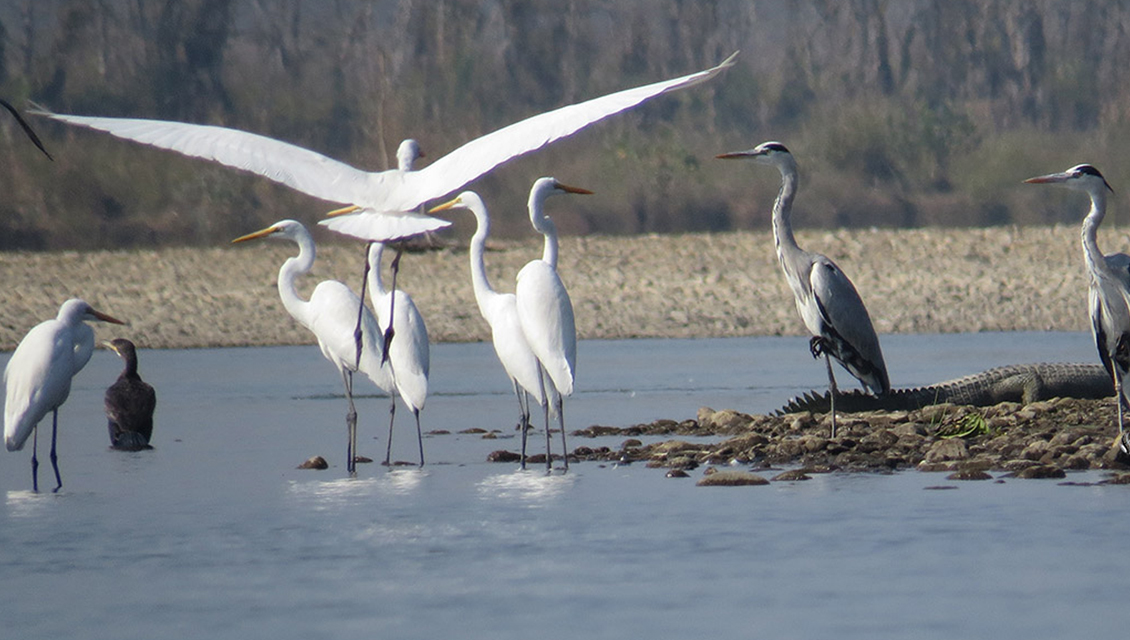
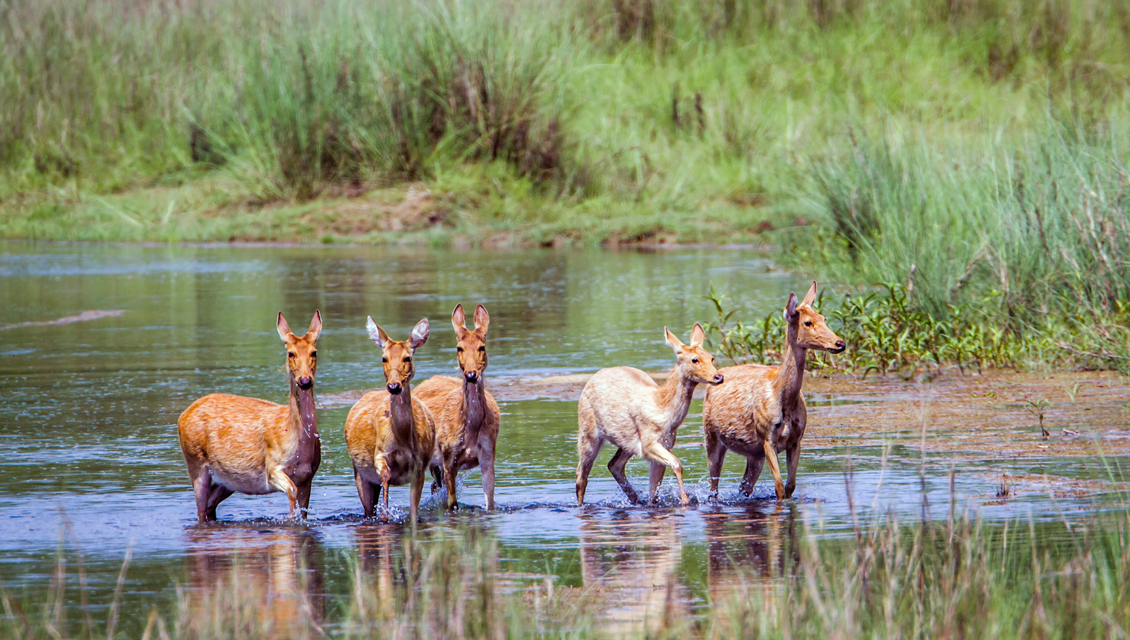
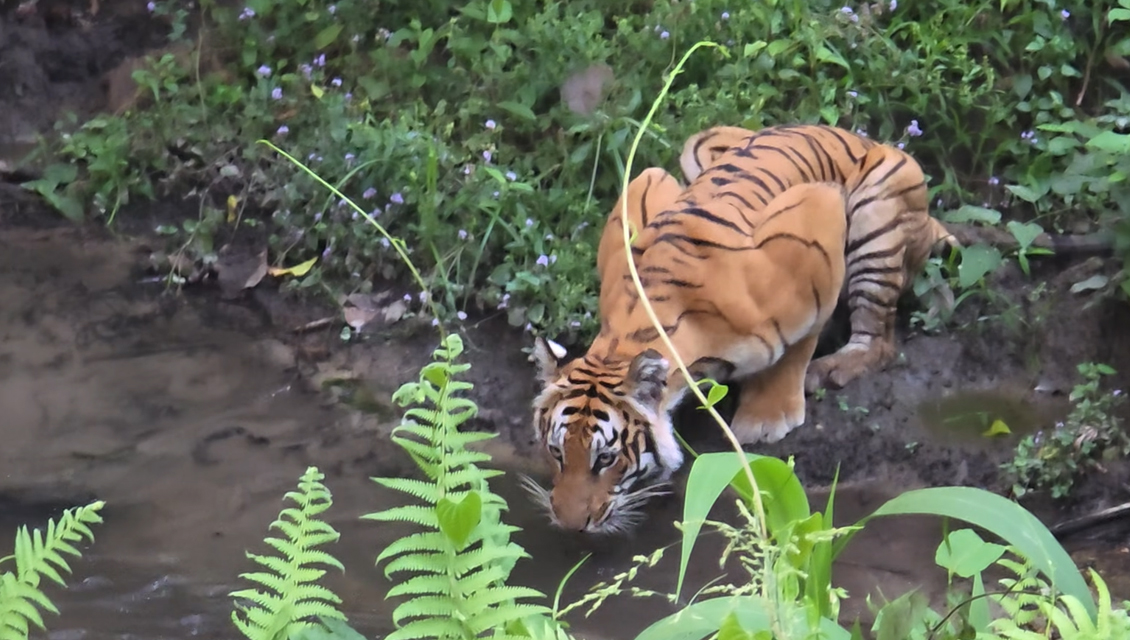
- Spot rare wildlife, including blue sheep and snow leopards.
- Trek through one of Nepal’s most pristine and untouched wilderness regions.
Book This Trip
Trip Information
 Start : Kathmandu
 Finish : Kathmandu
 Difficulty :
Moderate
Difficulty :
Moderate
 Max Altitude : 5090m
 Group Size : 17 People
 Season : SEP-NOV, MAR-MAY
Trip Gallery



Trip Itinerary
Altitude - 1400m
Arrive at Tribhuvan International Airport, where you'll be met by your trekking agency representative. Transfer to hotel. In the evening, you’ll receive a trek briefing, check your gear, and meet the guide and support staff. Optional welcome dinner.
Accomadation: Hotel
Place to visit: Nepal
Meals: Dinner
Altitude- 1400m
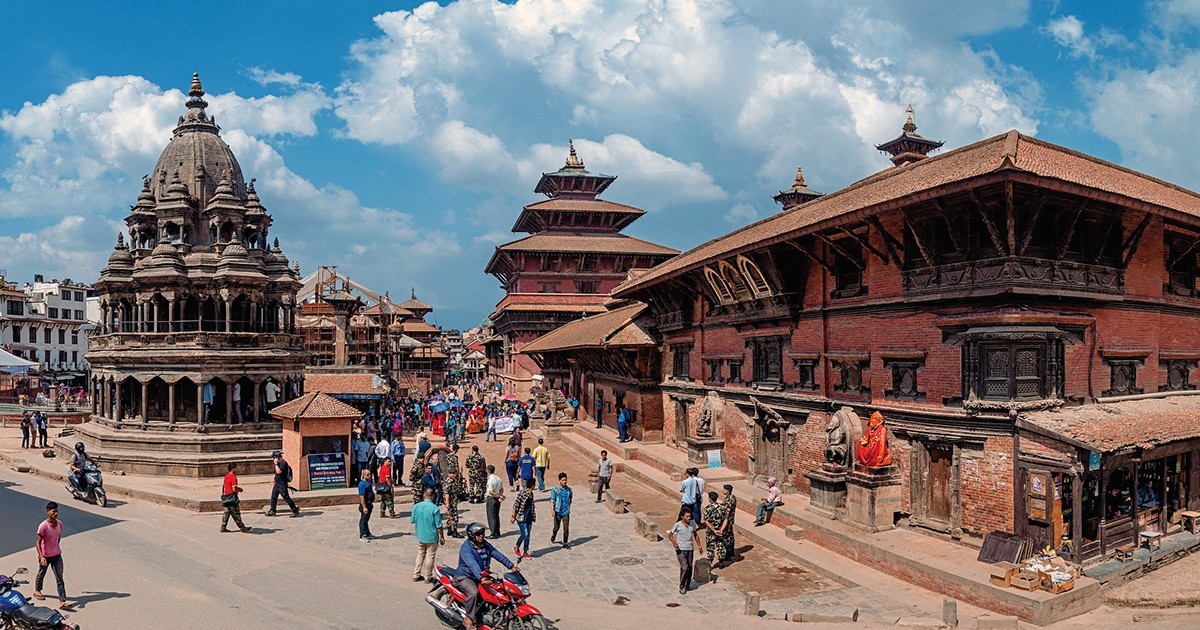
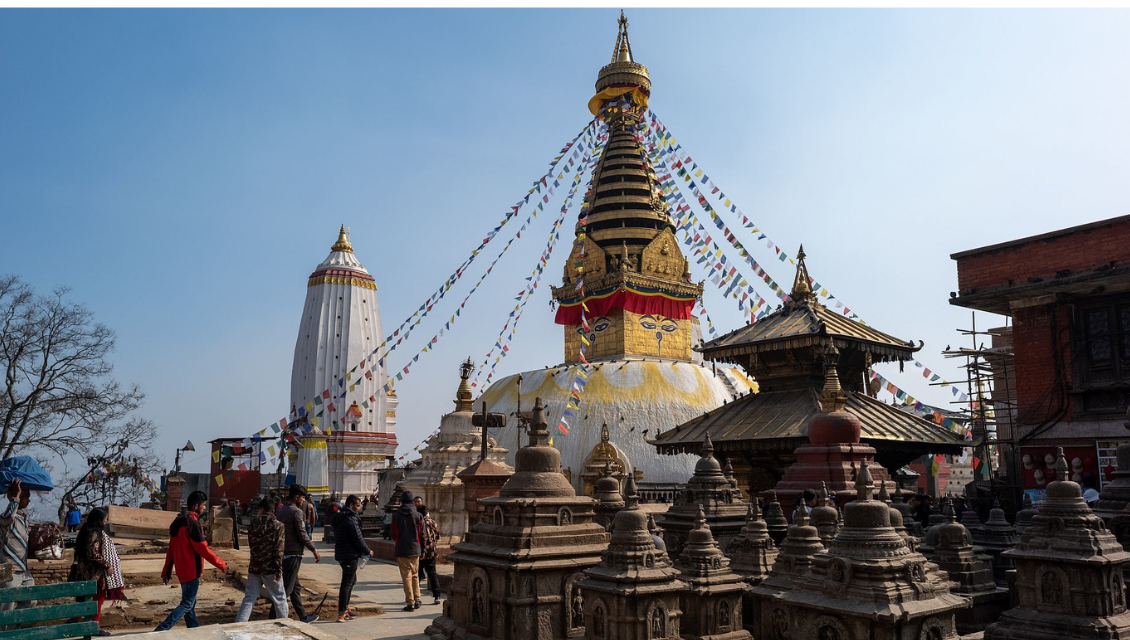
Spend the day sightseeing in Kathmandu Valley (optional visit to Boudhanath, Swayambhunath, Pashupatinath, or Patan Durbar Square). Simultaneously, your agency will prepare:Restricted Area Permits (Upper Dolpo)Shey Phoksundo National Park entryTIMS card
Accomadation: Hotel
Place to visit: Nepal
Meals: Breakfast
Altitude - 1400 - 2140
Trek Duration- 2-3 hours
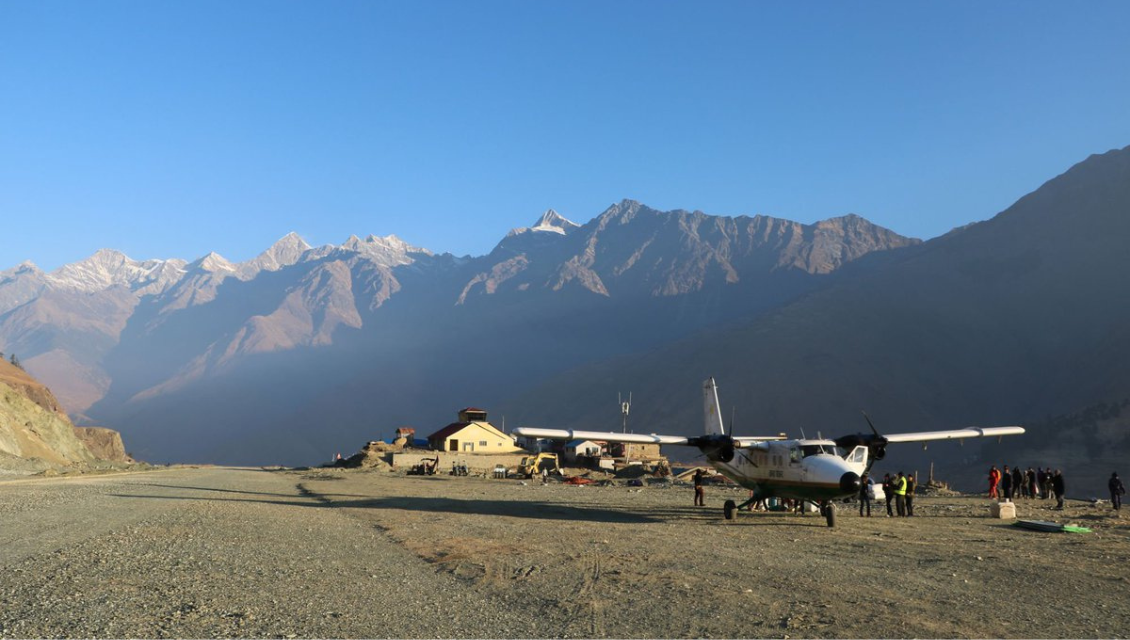
Early morning flight (~1 hour) to Nepalgunj, a bustling lowland city. After a short break, take a mountain flight to Juphal (~35 mins). Begin your trek with a scenic walk (2–3 hrs) through terraced fields and riverside paths to Dunai, the administrative center of Dolpa. Overnight at camp or local lodge.
Accomadation: Tea House
Place to visit: Upper Dolpo Region
Meals: Breakfast Lunch Dinner
Altitude- 2140- 2670m
Trek Duration- 6-7 hours
Start your adventure through the Shey Phoksundo National Park, following the Sulighat River. Pass small villages and cross several suspension bridges. The trail alternates between pine forests and narrow river gorges before arriving at Chhepka, a peaceful riverside village.
Accomadation: Tea House
Place to visit: Upper Dolpo Region
Meals: Breakfast Lunch Dinner
Altitude- 2670- 3200m
Trek duration- 6-7 hours
Continue through a forested gorge with moss-covered stones and gentle ascents. You’ll reach Jharana Hotel, near one of Nepal’s highest waterfalls—the Phoksundo Waterfall (~167 m). A great place to relax before the ascent to the lake.
Accomadation: Tea House
Place to visit: Upper Dolpo Region
Meals: Breakfast Lunch Dinner
Altitude- 3200-3600m
Trek duration- 5 hours
Climb a steep ridge offering the first panoramic view of turquoise Phoksundo Lake, a jewel of the Himalayas. Then descend through birch forests to Ringmo, a traditional Bon village on the lake’s southern shore. Explore Tshowa (Bon Monastery) and settle near the sacred lake.
Accomadation: Tea House
Place to visit: Upper Dolpo Region
Meals: Breakfast Lunch Dinner
Altitude- 3600m
Trek Duration- 2-3 hours
Rest and acclimatize. Enjoy serene walks around the lake, visit Bonpo monasteries, and learn about the local culture. Optional hike to the lake’s western edge for better views. This day is essential to adjust to the altitude before going higher.
Accomadation: Tea House
Place to visit: Upper Dolpo Region
Meals: Breakfast Lunch Dinner
Altitude- 3600- 3640m
Trek Duration- 5-6 hours
Follow a narrow cliffside trail along the western shore of Phoksundo Lake, then enter remote wilderness. The landscape becomes more barren. You’ll reach a remote camp near the confluence of a glacial stream and Phoksundo Khola.
Accomadation: Tea House
Place to visit: Upper Dolpo Region
Meals: Breakfast Lunch Dinner
Altitude- 3640 - 4940m
Trek duration- 6-7 hours
Ascend steep trails alongside waterfalls and icy streams. The trail becomes more rugged and the scenery starkly beautiful. Camp at the base of Kang-La Pass in a high-alpine meadow surrounded by cliffs.
Accomadation: Tea House
Place to visit: Upper Dolpo Region
Meals: Breakfast Lunch Dinner
Altitude- 4940- 5360- 4200m
Trek duration- 7-8 hours
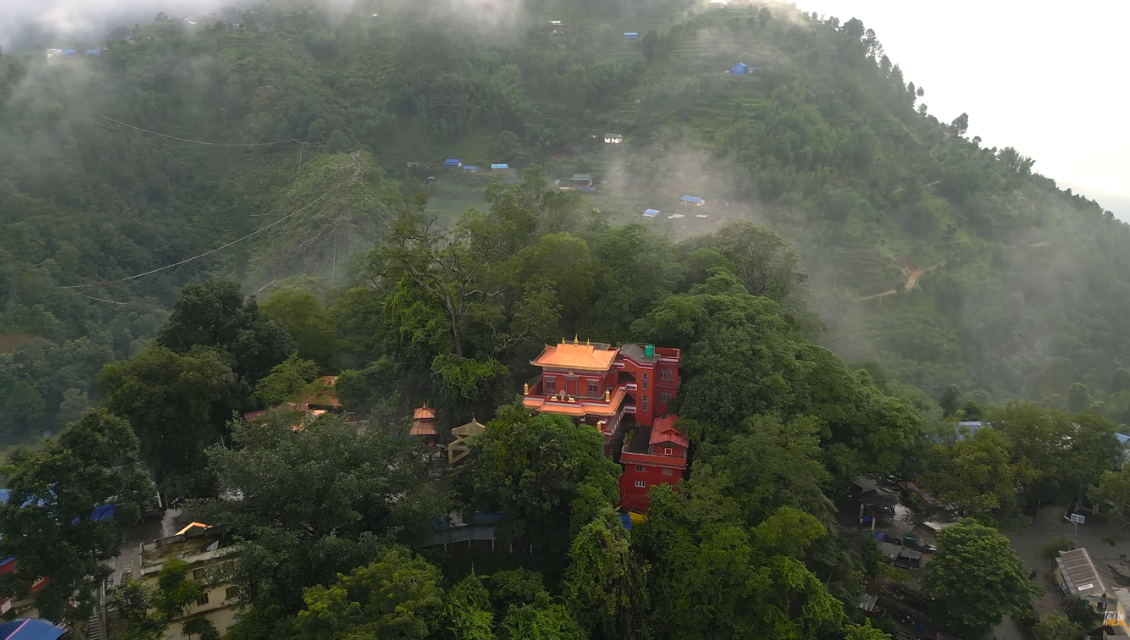
A big day! Cross Kang-La, the first high pass. The climb is steep and snowy at times, offering breathtaking views of Crystal Mountain, Tibet, and Mustang. Descend into the mystical valley of Shey. Visit the 800-year-old Shey Monastery, a spiritual heartland of Dolpo.
Accomadation: Tea House
Place to visit: Upper Dolpo Region
Meals: Breakfast Lunch Dinner
Altitude- 4200m
Trek duration - 2-3 hours
Explore Crystal Mountain, sacred to Tibetan Buddhists, and visit the gompa’s inner sanctum. Spend time with monks and absorb the spiritu
Accomadation: Tea House
Place to visit: Upper Dolpo Region
Meals: Breakfast Lunch Dinner
Altitude- 4200 - 4430m
Trek duration - 6 hours
Climb over Saldang La Pass (~4,780m) with exceptional mountain views, then descend to Namgung, a small village with one of Dolpo’s oldest monasteries. Camp near Namgung Gompa, a red cliff-hugging monastery.
Accomadation: Tea House
Place to visit: Upper Dolpo Region
Meals: Breakfast Lunch Dinner
Altitude - 4430- 3900m
Trek duration- 4 hours
Descend gently through a broad river valley to Saldang, one of the largest and most prosperous villages in Upper Dolpo. Explore whitewashed homes, prayer flags, and chortens that decorate the dramatic landscape.
Accomadation: Tea House
Place to visit: Upper Dolpo Region
Meals: Breakfast Lunch Dinner
Altitude- 3900 - 4960m
Trek duration - 5 hours
Walk through barren ridges to Yangze Gompa, one of Dolpo’s most remote settlements. Visit its Bonpo monastery and interact with locals practicing ancient rituals.
Accomadation: Tea House
Place to visit: Upper Dolpo Region
Meals: Breakfast Lunch Dinner
Altitude- 4960- 4560m
Trek duration- 6-7 hours
Retrace to Saldang and continue south toward Sibu, a summer settlement used by yak herders. Beautiful canyon views and grazing pastures mark today’s trail.
Accomadation: Tea House
Place to visit: Upper Dolpo Region
Meals: Breakfast Lunch Dinner
Altitude - 4560 - 4900m
Trek duration - 5 hours
Climb gradually through isolated valleys to the base of Jeng La Pass, a windswept high camp amid the dramatic trans-Himalayan landscape. Prepare for another tough but scenic crossing.
Accomadation: Tea House
Place to visit: Upper Dolpo Region
Meals: Breakfast Lunch Dinner
Altitude- 4900- 5090- 4200m
Trek duration - 6 hours
ross the pass and descend to Tokyu, a culturally vibrant village near Dho Tarap. Enjoy views of the snowy Dhaulagiri range and high-altitude pastures.
Accomadation: Tea House
Place to visit: Upper Dolpo Region
Meals: Breakfast Lunch Dinner
Altitude - 4200- 4040m
Trek duration - 2-3 hours
Trek duration - Reach the ancient settlement of Dho Tarap, one of Dolpo’s most fascinating villages. Rest and explore the dual religious traditions (Bon and Nyingma). Visit gompas, interact with locals, and enjoy the hospitality.
Accomadation: Tea House
Place to visit: Upper Dolpo Region
Meals: Breakfast Lunch Dinner
Altitude - 4040- 3500m
Trek duration - 6 hrs
Begin your descent through the Tarap Valley. The terrain is rugged, with a roaring river running through narrow gorges. Camp near Tol Tol, a scenic river junction.
Accomadation: Tea House
Place to visit: Upper Dolpo Region
Meals: Breakfast Lunch Dinner
Altitude - 3500-2950m
Trek duration - 6 hours
Continue down the Tarap gorge, perhaps the wildest part of the journey. Steep cliffs tower above you while the trail zigzags over suspension bridges.
Accomadation: Tea House
Place to visit: Upper Dolpo Region
Meals: Breakfast Lunch Dinner
Altitude- 2950 - 2537m
Trek duration - 5 hours
Reach the charming town of Tarakot, once a fortified outpost controlling the trade route to Tibet. Camp near the confluence of the Barbung and Bheri Rivers.
Accomadation: Tea House
Place to visit: Upper Dolpo Region
Meals: Breakfast Lunch Dinner
Altitude- 2537- 2140m
Trek duration- 6 hours
Follow the Bheri River downstream to return to Dunai. Enjoy the last night of camping or lodge stay. Reflect on your journey through this hidden kingdom.
Accomadation: Tea House
Place to visit: Upper Dolpo Region
Meals: Breakfast Lunch Dinner
Altitude- 2140- 2400m
Trek duration - 2 hours
Short morning trek to Juphal airstrip. Free afternoon to rest, repack, and say goodbye to your porters or support crew.
Accomadation: Tea House
Place to visit: Upper Dolpo Region
Meals: Breakfast Lunch Dinner
Altitude- 150- 1400m
Take an early flight to Nepalgunj, then connect to Kathmandu. Transfer to hotel and celebrate the end of your trek.
Accomadation: Hotel
Place to visit: Nepal
Meals: Breakfast Lunch Dinner
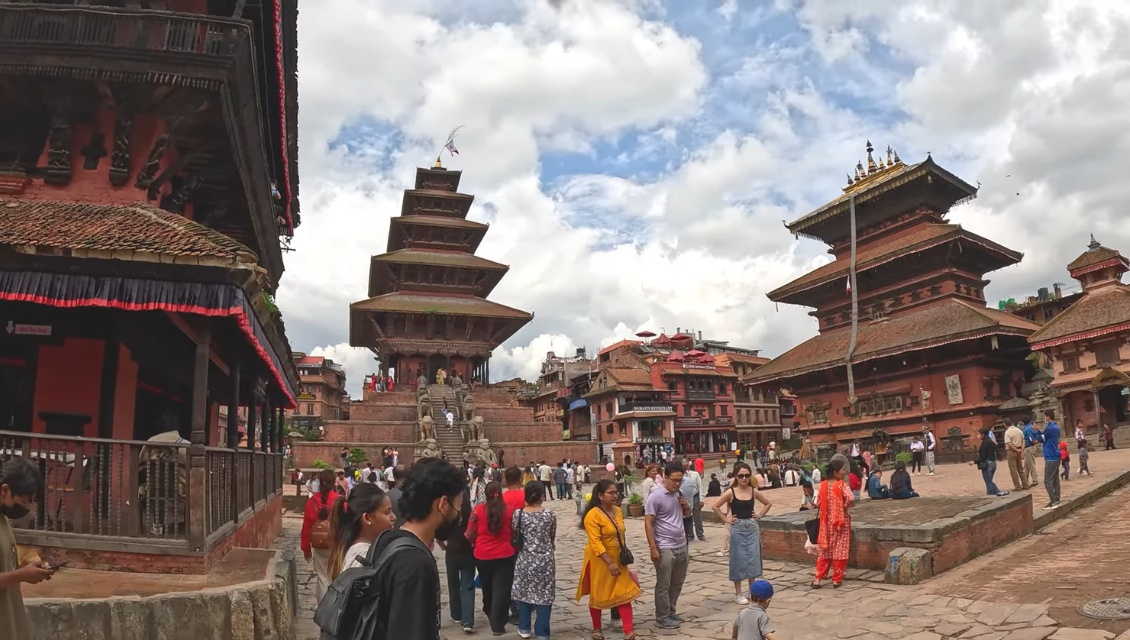
Optional buffer days for flight delays or weather issues. You can also take cultural tours in Bhaktapur or visit Everest museums or mountain-view restaurants.
Accomadation: Hotel
Place to visit: Nepal
Meals: Breakfast
Cost Includes
1. Transportations
- Private/tourist vehicles for airport pickup and drop-off in Kathmandu.
- Private/tourist vehicles transfer as per itinerary to access the trailheads.
- Domestic flight included for access to the trekking starting & ending point.
2. Accommodation & Meals
- 5 Nights 3 star hotel in Kathmandu with bed & breakfast basis.
- All Meals (breakfast, lunch & dinner with tea & coffee) during the trekking Period.
3. Permits
- Lower & Upper Dolpa restricted area permit (issued by Department of Immigration).
- Shey Phokdundo National Park entry permits
- Local Government entry permits.
- Trekkers' Information Management System (TIMS) permits.
4. Guide & Staff
- Professional and experience License holder trekking guide salary & insurance.
- Porter salary, equipments & insurance.
- First aid medical kit for emergency support.
1. Transportations
- Private/tourist vehicles for airport pickup and drop-off in Kathmandu.
- Private/tourist vehicles transfer as per itinerary to access the trailheads.
- Domestic flight included for access to the trekking starting & ending point.
2. Accommodation & Meals
- 5 Nights 3 star hotel in Kathmandu with bed & breakfast basis.
- All Meals (breakfast, lunch & dinner with tea & coffee) during the trekking Period.
3. Permits
- Lower & Upper Dolpa restricted area permit (issued by Department of Immigration).
- Shey Phokdundo National Park entry permits
- Local Government entry permits.
- Trekkers' Information Management System (TIMS) permits.
4. Guide & Staff
- Professional and experience License holder trekking guide salary & insurance.
- Porter salary, equipments & insurance.
- First aid medical kit for emergency support.
Cost Excludes
1. International Flights
- Airfare from your home country to Nepal (Tribhuvan International Airport, Kathmandu).
- Return airfare from Nepal (Tribhuvan International Airport, Kathmandu) to your home country.
2. Visa Fees
- Nepal entry visa fee for entering Nepal (available on arrival at Tribhuvan International Airport, Kathmandu, or through a Nepalese embassy).
3. Travel Insurance (Mandatory)
- Comprehensive travel insurance covering high-altitude trekking, emergency medical treatment, helicopter evacuation, trip cancellation, and other unforeseen circumstances.
4. Personal Expenses
- Tips, gifts, and souvenirs for trekking guides and porters.
- Personal trekking equipment and gear.
- Charges for lodge Wi-Fi, hot showers, battery charging, and laundry services.
5. Meals & Beverages
- Lunch and dinner in Kathmandu, Pokhara, and other locations where accommodation is provided in 3-star category hotels.
- Soft drinks, bottled water, alcoholic beverages, and snacks consumed during meals
1. International Flights
- Airfare from your home country to Nepal (Tribhuvan International Airport, Kathmandu).
- Return airfare from Nepal (Tribhuvan International Airport, Kathmandu) to your home country.
2. Visa Fees
- Nepal entry visa fee for entering Nepal (available on arrival at Tribhuvan International Airport, Kathmandu, or through a Nepalese embassy).
3. Travel Insurance (Mandatory)
- Comprehensive travel insurance covering high-altitude trekking, emergency medical treatment, helicopter evacuation, trip cancellation, and other unforeseen circumstances.
4. Personal Expenses
- Tips, gifts, and souvenirs for trekking guides and porters.
- Personal trekking equipment and gear.
- Charges for lodge Wi-Fi, hot showers, battery charging, and laundry services.
5. Meals & Beverages
- Lunch and dinner in Kathmandu, Pokhara, and other locations where accommodation is provided in 3-star category hotels.
- Soft drinks, bottled water, alcoholic beverages, and snacks consumed during meals
Trip Date And Time
We'll Be There, Like We've Been There Before
|
Start |
End |
Trip Cost |
Action |
Enquire |
|---|---|---|---|---|
| 10 Nov, 2026 | 06 Dec, 2026 | 4090 | Book Now | |
| 01 Nov, 2026 | 27 Nov, 2026 | 4090 | Book Now | |
| 25 Oct, 2026 | 20 Nov, 2026 | 4090 | Book Now | |
| 15 Oct, 2026 | 10 Nov, 2026 | 4090 | Book Now | |
| 04 Oct, 2026 | 30 Oct, 2026 | 4090 | Book Now | |
| 27 Sep, 2026 | 23 Oct, 2026 | 4090 | Book Now | |
| 16 Sep, 2026 | 12 Oct, 2026 | 4090 | Book Now | |
| 09 Sep, 2026 | 05 Oct, 2026 | 4090 | Book Now | |
| 01 Sep, 2026 | 27 Sep, 2026 | 4090 | Book Now | |
| 26 Aug, 2026 | 21 Sep, 2026 | 4090 | Book Now |
Essential Information
Accommodation
Accommodation during the Upper Dolpo Trek consists of a combination of basic teahouses, local homestays, and fully supported camping arrangements.
In villages such as Dunai, Dho Tarap, and Ringmo, simple lodges and homestays are available. However, much of the trek passes through remote and uninhabited areas where camping is essential.
Facilities are generally basic, reflecting the region’s remoteness and limited infrastructure.
Meals
A full-board meal plan (Breakfast, Lunch, and Dinner) is provided throughout the trek.
In lodge areas, meals are prepared by local teahouses, while in camping sections, professional trekking staff prepare fresh meals.
Typical menu options include:
- Traditional Dal Bhat set meals
- Tibetan bread and chapati
- Rice, noodles, pasta, and soups
- Potatoes, vegetables, and seasonal produce
- Tea, coffee, and hot beverages
Food choices become more limited in remote sections, but meals are designed to meet the nutritional demands of high-altitude trekking.
Difficulty & Physical Requirements
The Upper Dolpo Trek is classified as very strenuous and is recommended for experienced trekkers with excellent physical fitness and previous high-altitude trekking experience.
Daily walking typically ranges from 6 to 9 hours, often across rugged terrain and remote mountain trails.
The trek includes several challenging high passes, including:
- Kang La Pass (5,360m)
- Sela La Pass (5,095m)
- Jeng La Pass (5,090m)
Strong endurance, mental resilience, and proper acclimatization are essential.
Permits
Upper Dolpo is a restricted trekking area and requires special permits:
- Upper Dolpo Restricted Area Permit
- Shey Phoksundo National Park Entry Permit
- TIMS Card (Trekkers’ Information Management System)
A licensed trekking guide is mandatory, and trekking must be arranged through a registered trekking agency.
Best Season
- Spring (April–June): Mild temperatures, stable weather, and excellent visibility
- Autumn (September–November): Clear skies and ideal trekking conditions
- Winter (December–March): Extremely cold with heavy snowfall on high passes
- Monsoon (June–August): Relatively dry compared to other parts of Nepal due to its rain-shadow location, making it a unique summer trekking destination
Transportation & Access
The trek typically begins with domestic flights from Kathmandu to Nepalgunj and then to Juphal Airport.
From Juphal, the trekking route proceeds through Dunai, Ringmo, Phoksundo Lake, Shey Gompa, and remote Upper Dolpo valleys before returning via a circular route or alternative exit point depending on the itinerary.
Due to the region's remoteness, travel logistics require careful planning.
Safety & Acclimatization
The trek reaches elevations above 5,300 meters and requires careful acclimatization.
Key safety considerations include:
- Gradual altitude gain
- Proper acclimatization days
- Monitoring symptoms of Acute Mountain Sickness (AMS)
- Challenging weather conditions on high passes
- Limited rescue and communication facilities
Experienced guides closely monitor health conditions and route safety throughout the expedition.
Travel Insurance
Comprehensive travel insurance is mandatory and must include:
High-altitude trekking coverage (minimum 6,000m)
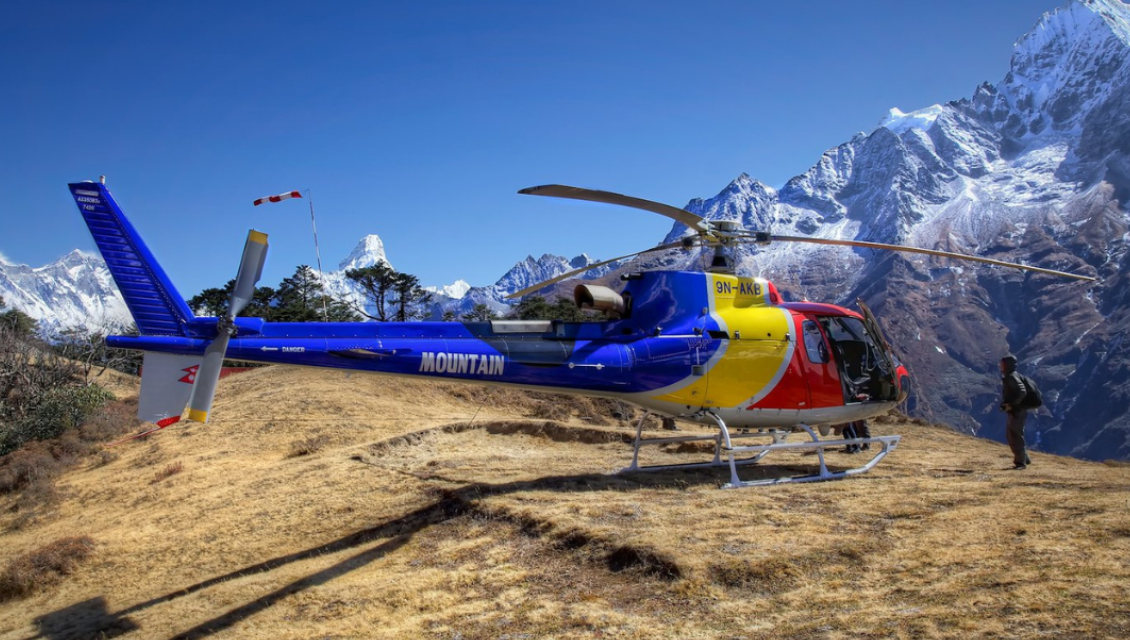
Emergency helicopter evacuation and rescue
Medical treatment and hospitalization
Trip interruption, cancellation, and repatriation coverage
Additional Information
Guide & Porter Services
A licensed trekking guide is mandatory for Upper Dolpo due to restricted area regulations.
Porters and camping support crews are highly recommended to assist with equipment, food supplies, and camp logistics throughout the expedition.
Cultural & Natural Highlights
The Upper Dolpo Trek offers one of the most unique cultural and wilderness experiences in the Himalayas:
- Spectacular turquoise waters of Phoksundo Lake
- Ancient Tibetan Buddhist culture and Bon traditions
- Historic monasteries including Shey Gompa
- High-altitude desert landscapes and dramatic canyons
- Traditional stone-built villages and yak caravans
- Remote trans-Himalayan wilderness
- Exceptional mountain scenery and isolated valleys
Rare wildlife including snow leopard, blue sheep, and Himalayan wolves
Essential Equipment
Recommended trekking gear includes:
- High-quality trekking boots
- Expedition-grade layered clothing system
- Warm down jacket (-20°C to -30°C recommended)
- Waterproof jacket and trousers
- Sleeping bag rated for extreme cold conditions
- Gloves, thermal hat, buff, and UV-protection sunglasses
- Trekking poles
- Large trekking backpack or duffel bag
- Personal first aid kit and altitude medication
Communication & Connectivity
Communication facilities are extremely limited throughout Upper Dolpo.
Mobile network coverage is available only in a few settlements, and internet access is rare. Satellite communication devices are recommended for emergency situations.
Why Choose the Upper Dolpo Trek?
The Upper Dolpo Trek is ideal for adventurous trekkers seeking one of the last truly remote Himalayan expeditions:
- One of Nepal’s most remote and exclusive trekking destinations
- Unique Tibetan Buddhist and Bon cultural heritage
- Stunning landscapes around Phoksundo Lake
- High mountain passes and remote wilderness exploration
- Restricted area with very few visitors
- Rich wildlife and pristine natural environment
- Authentic Himalayan cultural immersion
- Ideal for experienced trekkers seeking an off-the-beaten-path adventure
- Exceptional photography and documentary opportunities
- A true expedition into one of the Himalayas’ most preserved regions
USD 4090 / person
See group booking discount- No. of person Price per person
- 1 USD 4090.00
- 2-3 USD 3390.00
- 4-7 USD 3290.00
- 8-12 USD 3235.00
- 13-17 USD 3190.00
The price may varies
Speak to an Expert