Everest Expedition
- Home
- Everest Expedition
Budget
USD 45000
Per Person
Rating
No review has been posted yet
Duration
50 Days
Trip Overview
The Everest South Expedition is the most established and widely used route to the summit of Mount Everest, the highest peak on Earth. Located in the Everest region of Nepal, this legendary expedition represents the ultimate achievement in high-altitude mountaineering. It combines technical climbing, extreme altitude exposure, and a fully supported expedition system in one of the most dramatic mountain environments in the world.
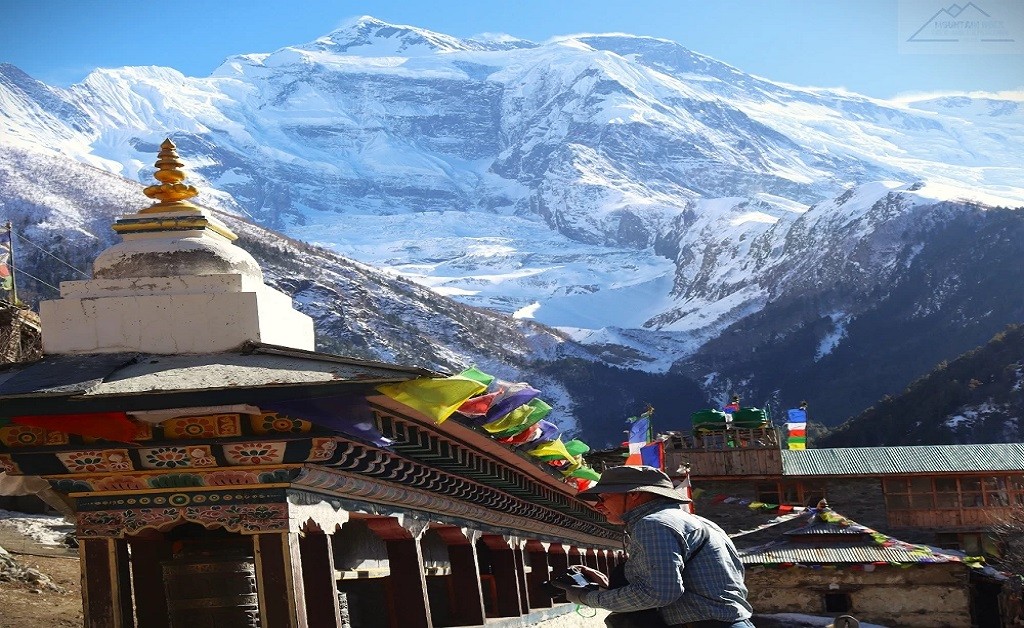
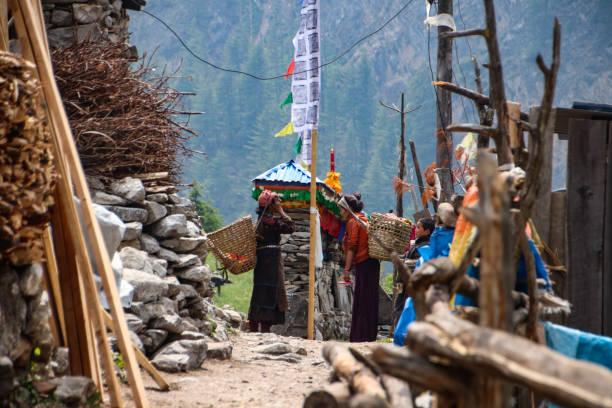
The journey begins with a scenic flight from Kathmandu to Lukla, followed by a trek through the famous Khumbu Valley. The route passes through iconic Sherpa settlements such as Phakding, Namche Bazaar, Tengboche, Dingboche, and Lobuche before reaching Everest Base Camp. This trekking phase is essential for gradual acclimatization and cultural immersion in the Himalayan lifestyle.
From Base Camp, climbers enter the true expedition phase with multiple rotations between higher camps. The South Col route includes the Khumbu Icefall, Western Cwm, Lhotse Face, and South Col before the final summit push. Each section presents increasing altitude, technical difficulty, and extreme environmental conditions. The Everest South Expedition is suitable only for highly experienced climbers with prior 7,000m–8,000m expedition experience, strong physical fitness, and high mental endurance.
Geography and Landscape
Mount Everest lies within the protected area of Sagarmatha National Park, a UNESCO World Heritage Site known for its exceptional alpine landscapes and cultural significance.
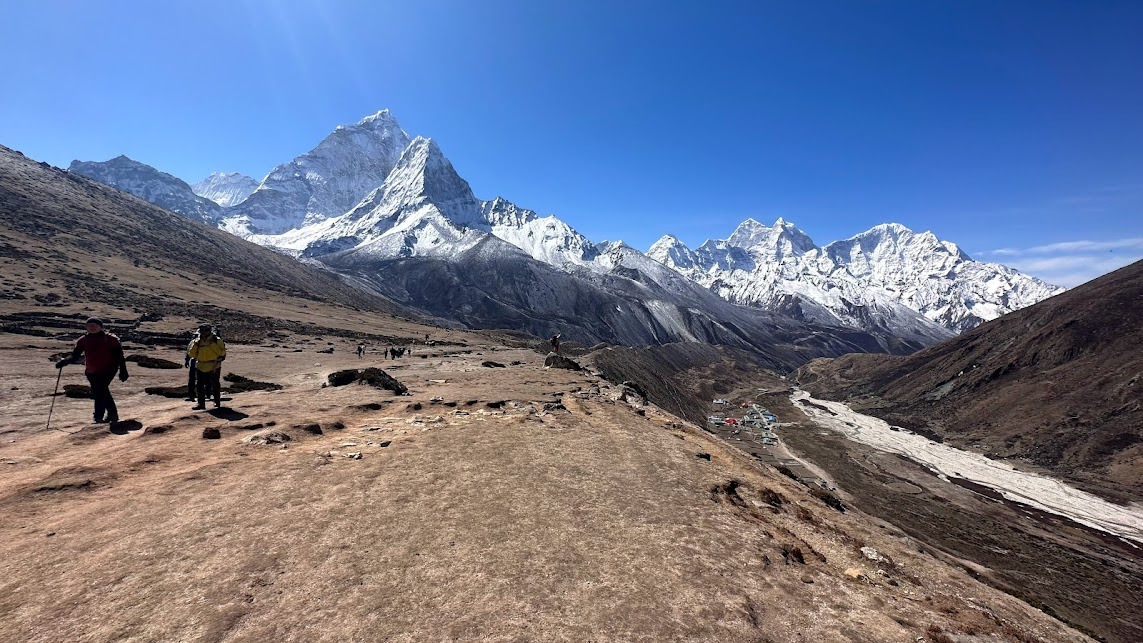
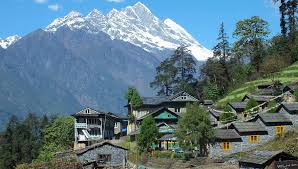
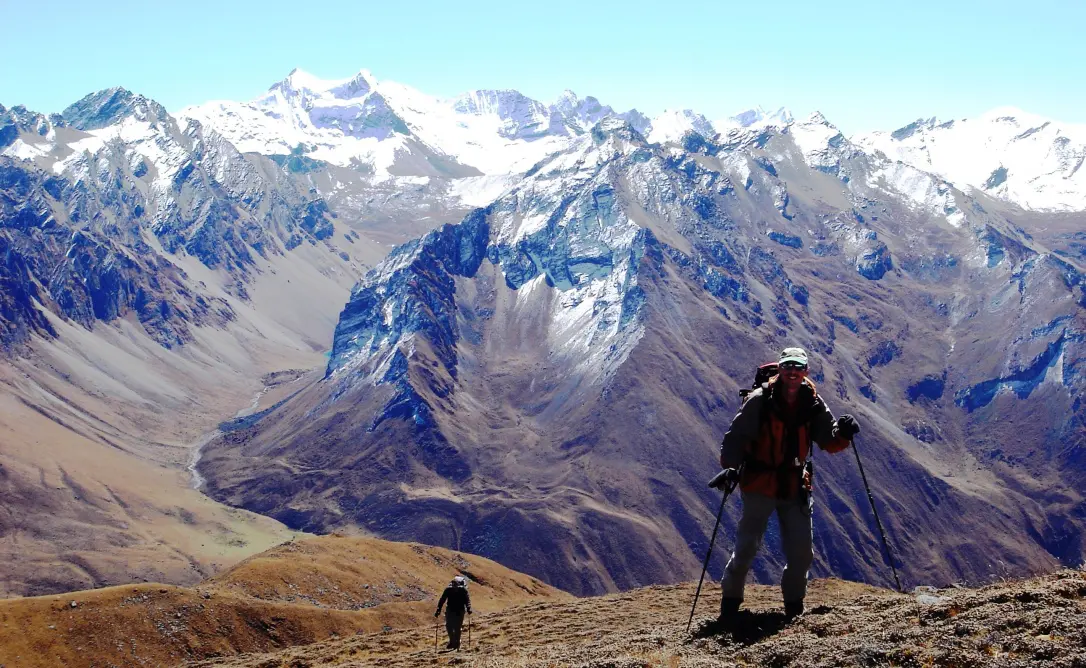
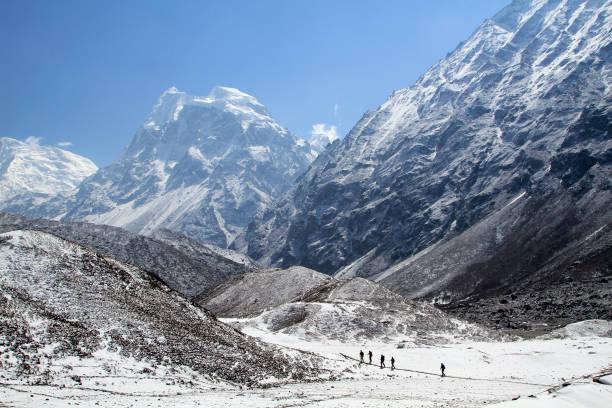
The lower Khumbu region features deep valleys, glacial rivers, alpine forests, and traditional Sherpa villages surrounded by towering Himalayan peaks. As the trail ascends toward Base Camp, the terrain becomes increasingly rugged and glacial, dominated by moraine fields and massive ice formations.
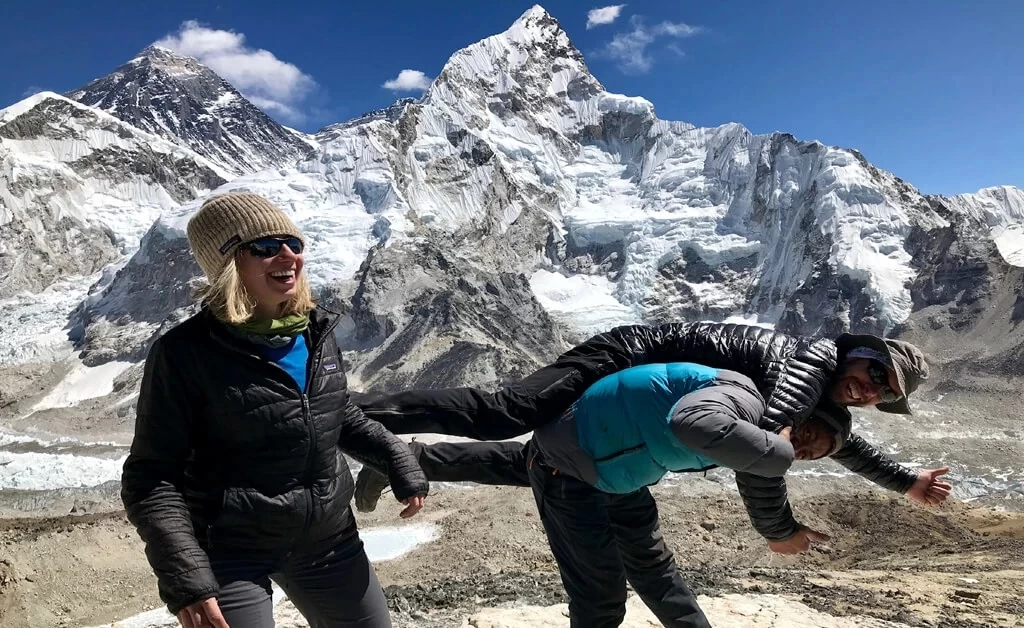
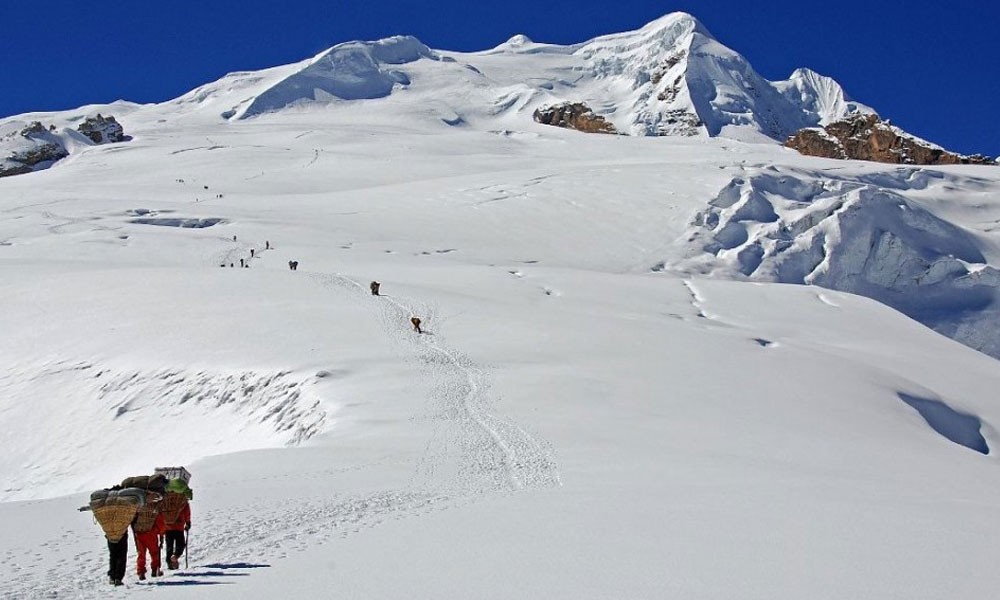
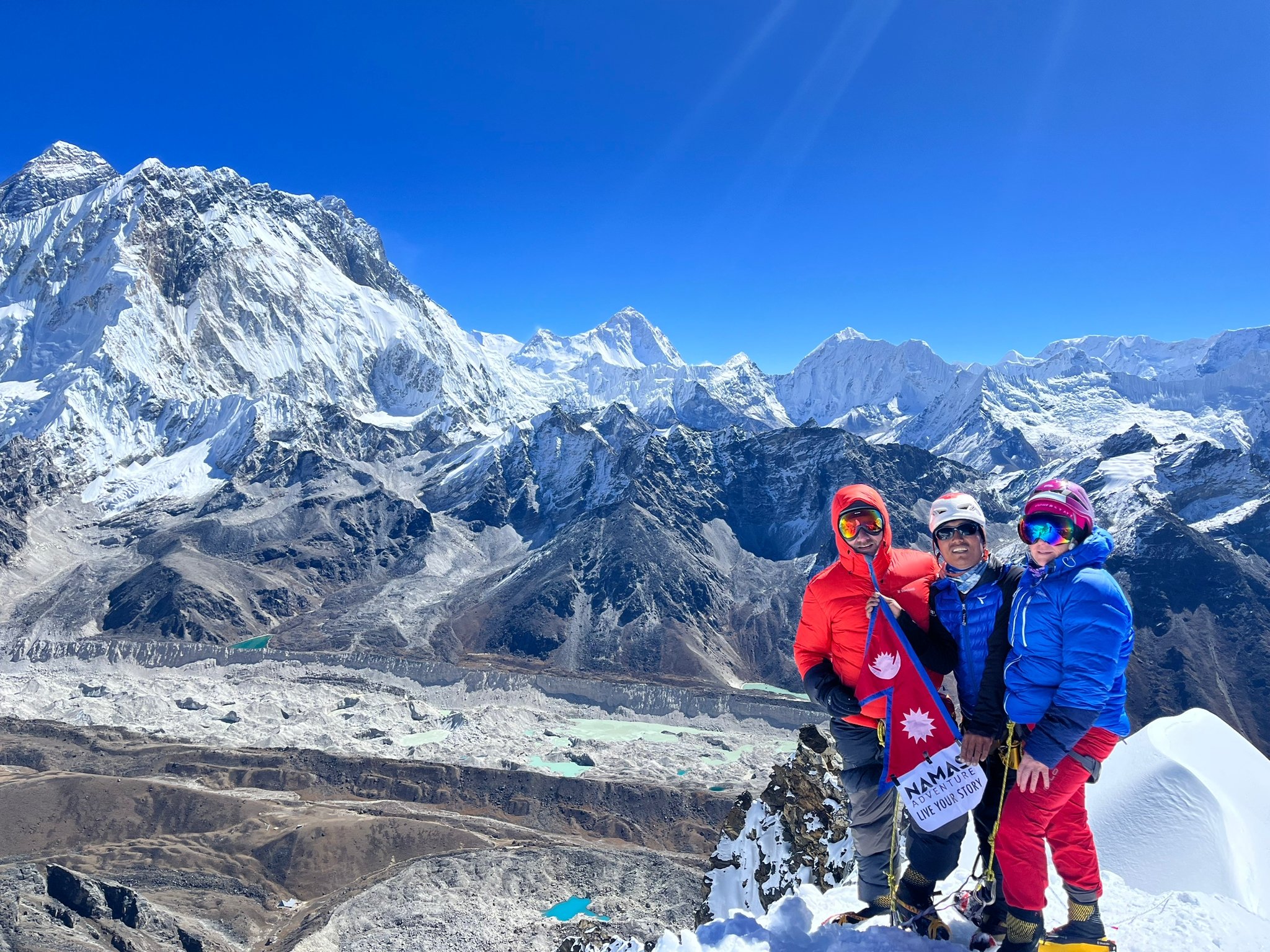
Above Base Camp, the environment transitions into a harsh high-altitude world of ice, snow, and extreme weather. The Khumbu Icefall is one of the most dangerous sections, with constantly shifting seracs and deep crevasses. Above this, climbers enter the Western Cwm, a vast glacial basin surrounded by Everest, Lhotse, and Nuptse. The Lhotse Face is a steep, icy wall that leads to the South Col, the final staging point before the summit.
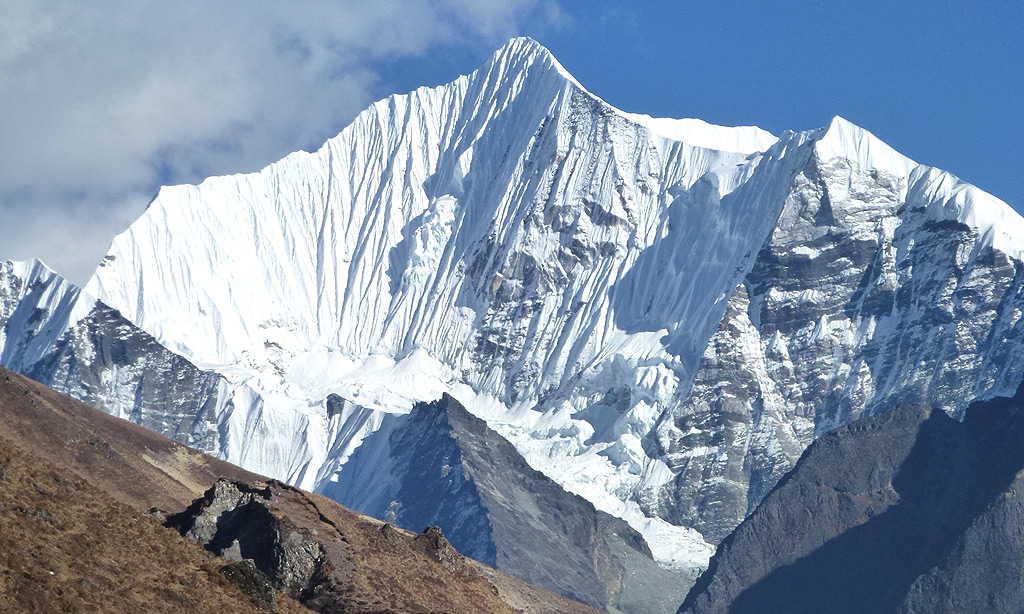
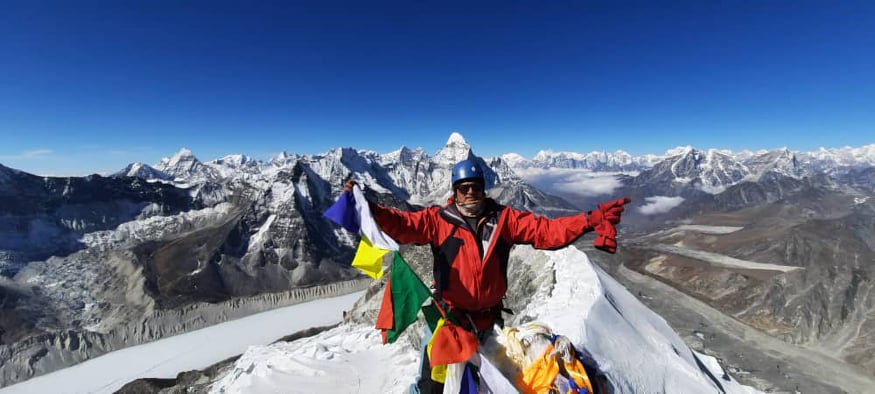
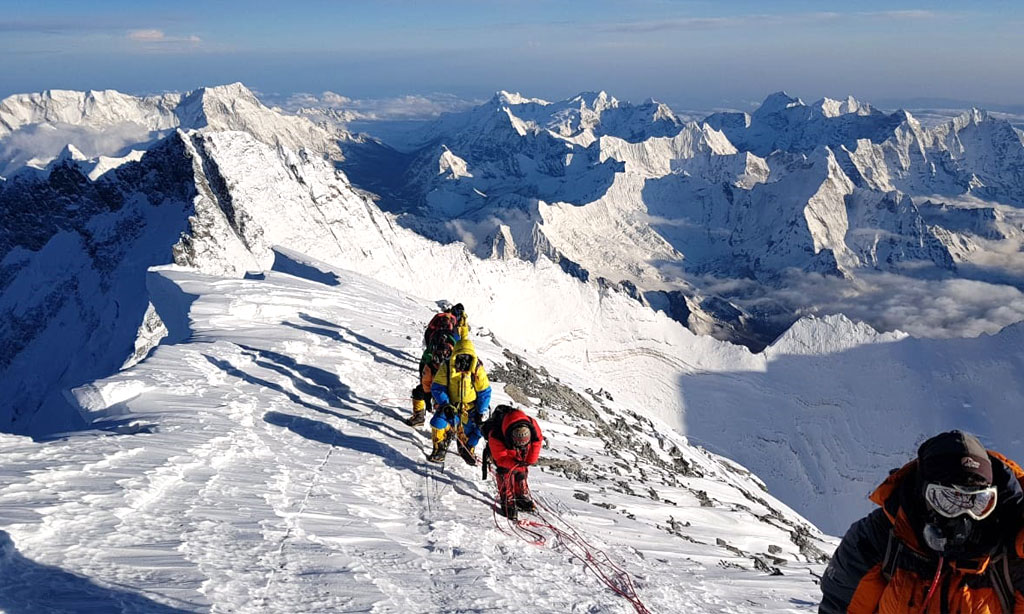
The upper mountain is exposed to severe cold, high winds, and very low oxygen levels. Despite these extreme conditions, the summit ridge offers an unmatched panoramic view of the Himalayas, including Makalu, Cho Oyu, and other distant peaks, making it one of the most visually rewarding environments on Earth.
Sherpa Guide & Support
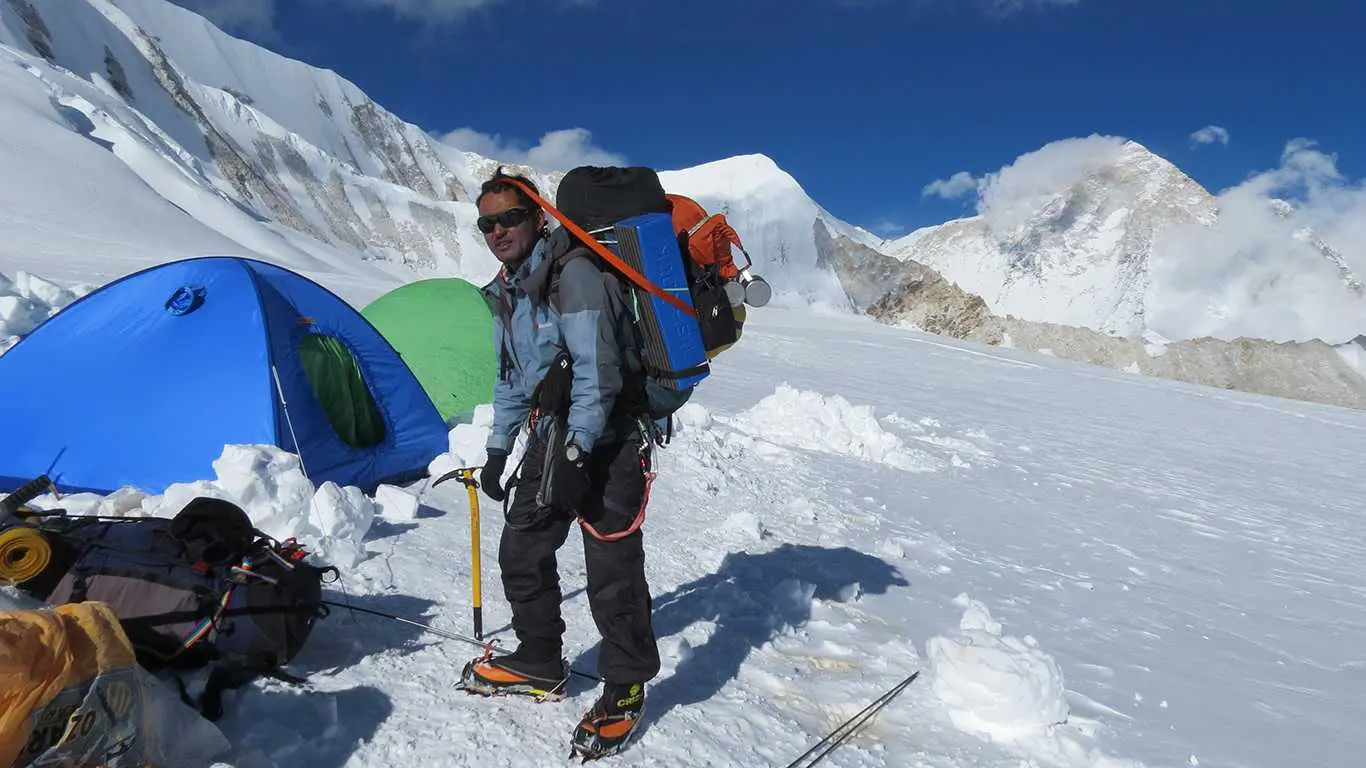
The Everest South Expedition is supported by world-class Sherpa climbing guides who play a critical role in safety, logistics, and summit success. Their experience is essential for navigating the complex and dangerous terrain of the highest mountain in the world.
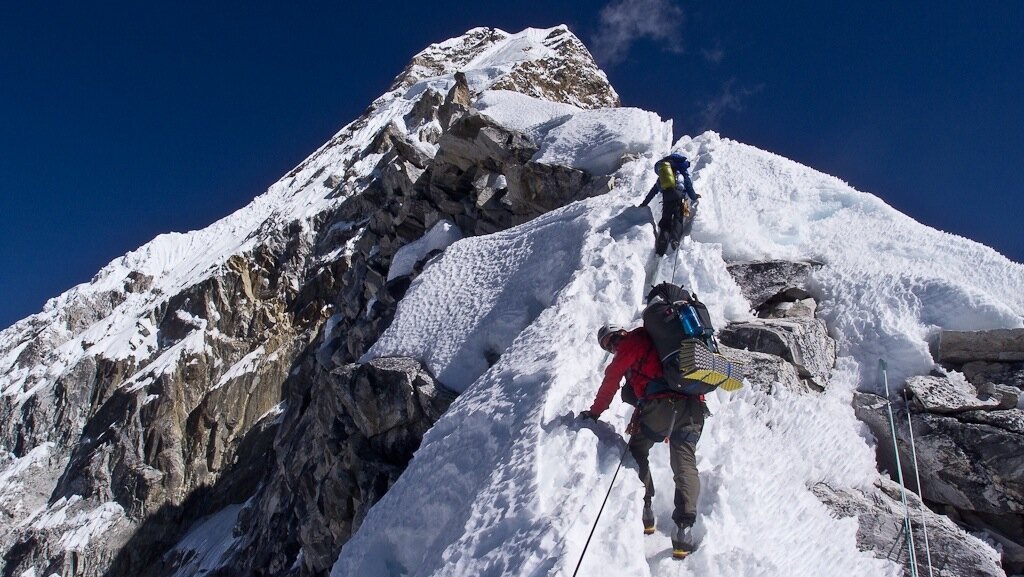
Sherpa teams are responsible for fixing ropes across all technical sections, including the Khumbu Icefall, Lhotse Face, and summit ridge. They manage ladder crossings over crevasses, establish safe climbing routes, and assist climbers with technical movement at extreme altitude.
Guides also provide continuous instruction and support in the use of supplemental oxygen systems, crampons, ice axes, harnesses, and ascenders. Daily monitoring of climbers’ health, oxygen levels, and acclimatization status ensures safety throughout the expedition.
At Base Camp and higher camps, professional logistics teams manage food, communication systems, weather forecasting, and medical support. These systems are essential for maintaining safety and operational efficiency in a highly unpredictable environment.
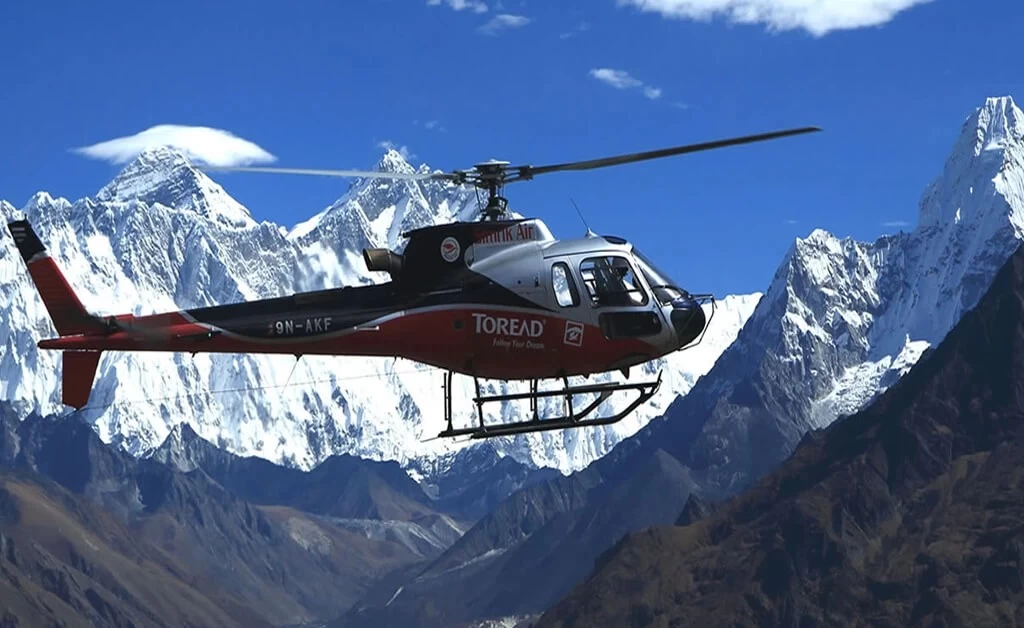
Emergency response systems, including helicopter evacuation from lower sections of the route, are also in place. The Sherpa support structure is the foundation of modern Everest expeditions, ensuring climbers have the highest possible level of safety and guidance.
Package Highlights:
- Summit Mount Everest (8,848.86m) via the classic South Route.
- Full Himalayan expedition with trekking, glacier travel, and technical climbing.
- Expert Sherpa support for safety, route fixing, and oxygen management.
- Strategic acclimatization rotations through multiple high camps.
- Cross iconic sections including the Khumbu Icefall, Western Cwm, and Lhotse Face.
- Spectacular panoramic views from the roof of the world.
- One of the most prestigious achievements in mountaineering.
Book This Trip
Trip Information
 Start : Kathmandu
 Finish : Kathmandu
 Difficulty :
Challenging
Difficulty :
Challenging
 Max Altitude : 8848.86m
 Group Size : 17 People
 Season : SEP-NOV, MAR-MAY
Trip Gallery
Trip Itinerary
Altitude: 1,400m
Duration: Arrival Day / 1–2 Hours Transfer
Arrival at Tribhuvan International Airport. Meet expedition representative and transfer to hotel. Rest after long international travel. Evening briefing introduces the Everest South route, summit strategy, oxygen system basics, and safety protocols for extreme altitude climbing.
Accomadation: Hotel
Place to visit: Nepal
Meals: Dinner
Altitude: 1,400m
Duration: 6–8 Hours
Full technical inspection of all climbing equipment including boots, crampons, harness, helmet, ice axe, down suit, sleeping bag, and oxygen system. Missing gear is arranged in Kathmandu. Permit processing begins and emergency evacuation procedures are explained in detail.
Accomadation: Hotel
Place to visit: Nepal
Meals: Breakfast
Altitude: 1,400m
Duration: 5–7 Hours
Final team coordination, medical readiness check, insurance verification, and packing preparation. Expedition leader finalizes logistics for flight and trekking phase.
Accomadation: Hotel
Place to visit: Nepal
Meals: Breakfast
Altitude: 1,400m – 2,860m – 2,610m
Duration: 3–4 Hours Trek + 35-Minute Flight
Scenic mountain flight to Lukla followed by a gentle trek through Sherpa villages, forests, and suspension bridges. First overnight stay in Everest region begins acclimatization.
Accomadation: Tea House
Place to visit: Everest Region
Meals: Breakfast Lunch Dinner
Altitude: 2,610m – 3,440m
Duration: 6–7 Hours
Trail ascends through Sagarmatha National Park with steep climbs and river crossings. Arrival at Namche Bazaar, the main Sherpa trading hub and acclimatization center.
Accomadation: Tea House
Place to visit: Everest Region
Meals: Breakfast Lunch Dinner
Altitude: 3,440m – 3,880m
Duration: 3–5 Hours
Short hike to Everest View Hotel (3,880m) for first views of Everest, Lhotse, and Ama Dablam. Rest and oxygen adaptation.
Accomadation: Tea House
Place to visit: Everest Region
Meals: Breakfast Lunch Dinner
Altitude: 3,440m – 3,860m
Duration: 5–6 Hours
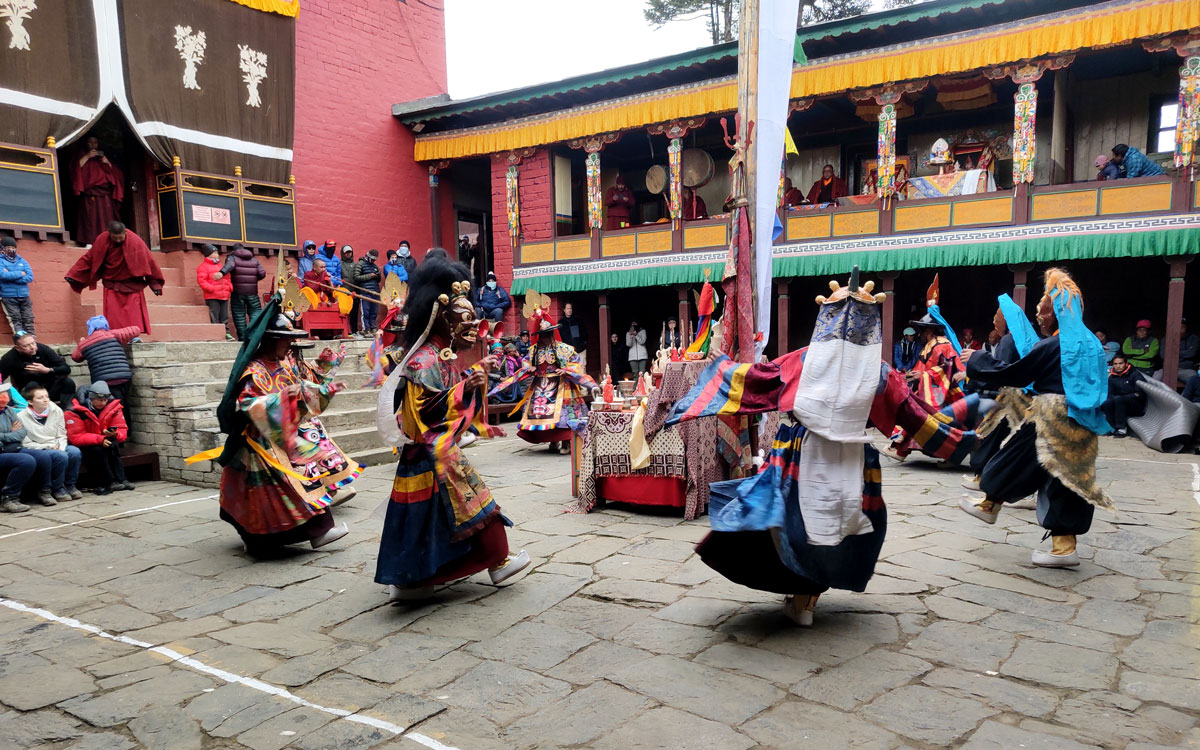
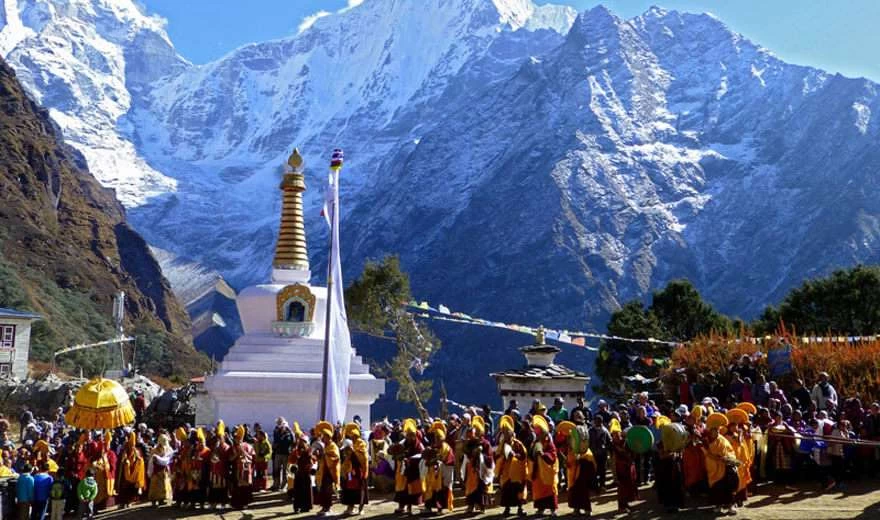
Trek through rhododendron forests and alpine ridges. Visit Tengboche Monastery, a spiritual highlight of the Khumbu region.
Accomadation: Tea House
Place to visit: Everest Region
Meals: Breakfast Lunch Dinner
Altitude: 3,860m – 4,410m
Duration: 5–6 Hours
Gradual ascent into high alpine terrain. Vegetation decreases and altitude effects become more noticeable.
Accomadation: Tea House
Place to visit: Everest Region
Meals: Breakfast Lunch Dinner
Altitude: 4,410m – 5,100m
Duration: 4–5 Hours
Hike to Nangkartshang Peak (5,100m) for altitude adaptation. Body adjusts to low oxygen levels.
Accomadation: Tea House
Place to visit: Everest Region
Meals: Breakfast Lunch Dinner
Altitude: 4,410m – 4,940m
Duration: 5–6 Hours
Trail becomes rocky and glacial. Climbers enter Everest glacier system environment.
Accomadation: Tea House
Place to visit: Everest Region
Meals: Breakfast Lunch Dinner
Altitude: 4,940m – 5,364m
Duration: 7–8 Hours
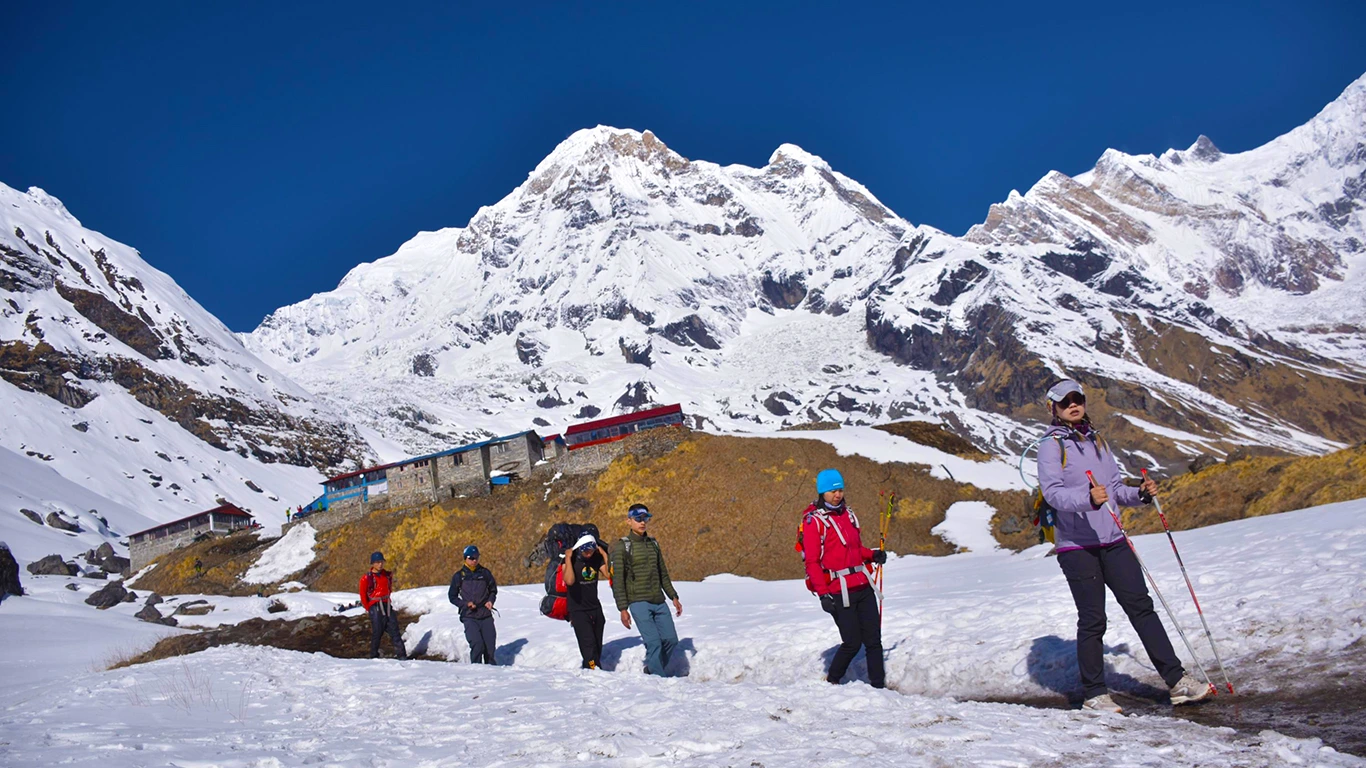
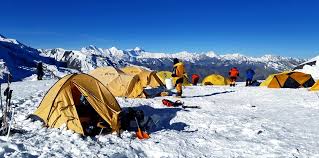
Arrival at Base Camp. Expedition setup begins including tents, kitchen, communication systems, and medical station.
Accomadation: Tent
Place to visit: Everest Region
Meals: Breakfast Lunch Dinner
Altitude: 5,364m
Duration: 3 Days
Full Base Camp operations established. Climbers undergo medical checks, oxygen baseline testing, and route preparation for Khumbu Icefall.
Accomadation: Tent
Place to visit: Everest Region
Meals: Breakfast Lunch Dinner
Altitude: 5,364m – 5,800m
Duration: 2 Days
Technical training in Khumbu Icefall including ladder crossing, fixed rope climbing, and crevasse safety procedures under Sherpa guidance.
Accomadation: Tent
Place to visit: Everest Region
Meals: Breakfast Lunch Dinner
Altitude: 5,364m – 6,065m
Duration: 3 Days
Climbers cross Khumbu Icefall into Western Cwm and establish Camp I. Short acclimatization stay followed by controlled descent to Base Camp for recovery.
Accomadation: Tent
Place to visit: Everest Region
Meals: Breakfast Lunch Dinner
Altitude: 5,364m – 6,400m
Duration: 3 Days
Second rotation to Camp II in Western Cwm. Climbers experience extreme cold and altitude exposure before returning to Base Camp for rest.
Accomadation: Tent
Place to visit: Everest Region
Meals: Breakfast Lunch Dinner
Altitude: 5,364m
Duration: 5 Days
Critical recovery phase with medical monitoring, oxygen saturation checks, weather analysis, and equipment adjustments.
Accomadation: Tent
Place to visit: Everest Region
Meals: Breakfast Lunch Dinner
Altitude: 5,364m – 7,200m
Duration: 5 Days
Final acclimatization climb through Lhotse Face using fixed ropes. Camp III established. Climbers test oxygen systems before descending back to Base Camp.
Accomadation: Tent
Place to visit: Everest Region
Meals: Breakfast Lunch Dinner
Altitude: 5,364m
Duration: 3 Days
Weather window monitoring begins. Final gear sorting, oxygen preparation, and summit strategy briefing conducted by expedition leader and Sherpa team.
Accomadation: Tent
Place to visit: Everest Region
Meals: Breakfast Lunch Dinner
Altitude: 5,364m – 6,400m – 7,200m – 7,900m – 8,849m
Duration: 4 Days
Climbers ascend to Camp II, then Camp III, and finally South Col (7,900m). From midnight summit push begins through Balcony, South Summit, and Hillary Step to reach Everest Summit (8,849m). After a short stay, descent begins immediately.
Accomadation: Tent
Place to visit: Everest Region
Meals: Breakfast Lunch Dinner
Altitude: 8,849m – 5,364m
Duration: 3 Days
Careful descent through high camps back to Base Camp. Recovery begins immediately upon arrival.
Accomadation: Tea House
Place to visit: Everest Region
Meals: Breakfast Lunch Dinner
Altitude: 5,364m – 3,440m
Duration: 3 Days
Gradual descent through Pheriche and Tengboche villages back to Namche Bazaar.
Accomadation: Tea House
Place to visit: Everest Region
Meals: Breakfast Lunch Dinner
Altitude: 3,440m – 2,860m
Duration: 6–7 Hours
Final trekking day through the Khumbu valley.
Accomadation: Tea House
Place to visit: Everest Region
Meals: Breakfast Lunch Dinner
Altitude: 2,860m – 1,400m
Duration: 35-Minute Flight + Transfers
Return flight to Kathmandu. Transfer to hotel.
Accomadation: Hotel
Place to visit: Everest Region
Meals: Breakfast Lunch Dinner
Altitude: 1,400m
Duration: 2 Days
Full recovery, gear return, and celebration dinner.
Accomadation: Hotel
Place to visit: Nepal
Meals: Breakfast
Transfer to Tribhuvan International Airport for international flight.
Place to visit: Nepal
Meals: Breakfast
USD 45000 / person
See group booking discount- No. of person Price per person
- 1 USD 45000.00
- 2-3 USD 40000.00
- 4-7 USD 38500.00
- 8-12 USD 35900.00
- 13-17 USD 32500.00
The price may varies
Speak to an Expert
Mr. Sonam G. Sherpa


Mr. Ang Dawa Sherpa
Cost Includes
Accommodation
- 3–4 nights hotel accommodation in Kathmandu (3-star or similar category)
- Teahouse/lodge accommodation during Everest Base Camp approach trek (twin-sharing basis)
- Fully supported tented accommodation at Everest Base Camp and higher camps (Camp I, II, III, IV)
- High-altitude expedition tents with mattresses and sleeping system at all camps
Meals
- Full-board meals (Breakfast, Lunch, Dinner) during trekking and climbing period
- High-calorie, carefully planned expedition meals prepared by experienced Base Camp kitchen team
- Hot drinks (tea/coffee/soup) during meal times at Base Camp
- Packed meals and high-energy summit food during rotation and summit push
Transportation
- Airport pick-up and drop-off in Kathmandu
- Domestic flight: Kathmandu – Lukla – Kathmandu
- All ground transportation as per itinerary
- Cargo transport of expedition equipment and logistics support to Base Camp
Permits & Fees
- Everest Climbing Permit (Government of Nepal)
- Sagarmatha National Park Entry Permit
- Khumbu Rural Municipality Permit
- Expedition liaison officer fee and related government charges
Guide & Staff
- Highly experienced Everest Climbing Sherpa guides (8,000m certified)
- Trekking guide for approach phase
- Required porters for trekking section
- Base Camp cook and kitchen crew
- Climbing Sherpa support for rotation, rope fixing, and summit push
- Staff insurance, wages, food, and accommodation
Climbing Support & Safety
- Full fixed rope system installation and maintenance on Everest route
- Technical training for Khumbu Icefall and high-altitude sections
- Group safety equipment (ropes, ladders, anchors, rescue gear)
- Oxygen system management support (bottles & regulators coordination)
- First aid kit and continuous health monitoring at Base Camp
- Emergency rescue coordination support
Base Camp Services
- Fully equipped Everest Base Camp setup (tents, dining hall, kitchen, communication hub)
- Satellite communication system and radio network
- Weather forecasting support and daily updates
- High-altitude medical support and oxygen monitoring
- Comfortable sleeping arrangements at Base Camp
Expedition Logistics
- Full expedition management and coordination team
- Summit window planning and rotation scheduling
- Weather analysis and risk assessment support
- Acclimatization strategy and oxygen usage planning
- Liaison officer coordination and official reporting
Accommodation
- 3–4 nights hotel accommodation in Kathmandu (3-star or similar category)
- Teahouse/lodge accommodation during Everest Base Camp approach trek (twin-sharing basis)
- Fully supported tented accommodation at Everest Base Camp and higher camps (Camp I, II, III, IV)
- High-altitude expedition tents with mattresses and sleeping system at all camps
Meals
- Full-board meals (Breakfast, Lunch, Dinner) during trekking and climbing period
- High-calorie, carefully planned expedition meals prepared by experienced Base Camp kitchen team
- Hot drinks (tea/coffee/soup) during meal times at Base Camp
- Packed meals and high-energy summit food during rotation and summit push
Transportation
- Airport pick-up and drop-off in Kathmandu
- Domestic flight: Kathmandu – Lukla – Kathmandu
- All ground transportation as per itinerary
- Cargo transport of expedition equipment and logistics support to Base Camp
Permits & Fees
- Everest Climbing Permit (Government of Nepal)
- Sagarmatha National Park Entry Permit
- Khumbu Rural Municipality Permit
- Expedition liaison officer fee and related government charges
Guide & Staff
- Highly experienced Everest Climbing Sherpa guides (8,000m certified)
- Trekking guide for approach phase
- Required porters for trekking section
- Base Camp cook and kitchen crew
- Climbing Sherpa support for rotation, rope fixing, and summit push
- Staff insurance, wages, food, and accommodation
Climbing Support & Safety
- Full fixed rope system installation and maintenance on Everest route
- Technical training for Khumbu Icefall and high-altitude sections
- Group safety equipment (ropes, ladders, anchors, rescue gear)
- Oxygen system management support (bottles & regulators coordination)
- First aid kit and continuous health monitoring at Base Camp
- Emergency rescue coordination support
Base Camp Services
- Fully equipped Everest Base Camp setup (tents, dining hall, kitchen, communication hub)
- Satellite communication system and radio network
- Weather forecasting support and daily updates
- High-altitude medical support and oxygen monitoring
- Comfortable sleeping arrangements at Base Camp
Expedition Logistics
- Full expedition management and coordination team
- Summit window planning and rotation scheduling
- Weather analysis and risk assessment support
- Acclimatization strategy and oxygen usage planning
- Liaison officer coordination and official reporting
Cost Excludes
International Travel
- International flights to/from Nepal
- Nepal visa fee (USD 30–125 depending on duration)
Personal Climbing Equipment
- Mountaineering boots (double insulated high-altitude boots)
- Crampons, ice axe, helmet, harness, ascender
- Down suit (-30°C to -40°C required)
- Sleeping bag suitable for extreme altitude (-40°C recommended)
- Personal oxygen mask and regulator (if not provided in package)
- Personal clothing layers, gloves, goggles, and trekking gear
- Backpack and personal technical climbing equipment
Insurance (Mandatory)
- High-altitude travel insurance covering up to 9,000m
- Must include helicopter evacuation from Everest region
- Emergency medical treatment, accident, and repatriation coverage
Personal Expenses
- Drinks (soft drinks, bottled water, alcohol)
- Wi-Fi, hot showers, and charging fees during trek
- Snacks, chocolates, and personal food items
- Laundry and personal hygiene items
Kathmandu Expenses
- Extra hotel nights due to delays or early arrival
- Meals in Kathmandu (unless included in package)
- Personal shopping or equipment rental/purchase costs
Emergency & Unexpected Costs
- Helicopter evacuation (if required)
- Medical treatment or hospitalization costs
- Additional accommodation due to weather delays
- Extra logistics costs due to route or schedule changes
Tips & Miscellaneous
- Tips for guides, Sherpas, cooks, and porters
- Personal equipment damage or loss
- Any service not clearly mentioned in "Cost Includes" section
International Travel
- International flights to/from Nepal
- Nepal visa fee (USD 30–125 depending on duration)
Personal Climbing Equipment
- Mountaineering boots (double insulated high-altitude boots)
- Crampons, ice axe, helmet, harness, ascender
- Down suit (-30°C to -40°C required)
- Sleeping bag suitable for extreme altitude (-40°C recommended)
- Personal oxygen mask and regulator (if not provided in package)
- Personal clothing layers, gloves, goggles, and trekking gear
- Backpack and personal technical climbing equipment
Insurance (Mandatory)
- High-altitude travel insurance covering up to 9,000m
- Must include helicopter evacuation from Everest region
- Emergency medical treatment, accident, and repatriation coverage
Personal Expenses
- Drinks (soft drinks, bottled water, alcohol)
- Wi-Fi, hot showers, and charging fees during trek
- Snacks, chocolates, and personal food items
- Laundry and personal hygiene items
Kathmandu Expenses
- Extra hotel nights due to delays or early arrival
- Meals in Kathmandu (unless included in package)
- Personal shopping or equipment rental/purchase costs
Emergency & Unexpected Costs
- Helicopter evacuation (if required)
- Medical treatment or hospitalization costs
- Additional accommodation due to weather delays
- Extra logistics costs due to route or schedule changes
Tips & Miscellaneous
- Tips for guides, Sherpas, cooks, and porters
- Personal equipment damage or loss
- Any service not clearly mentioned in "Cost Includes" section
Essential Information
Accommodation
Accommodation during the Everest South Expedition is divided into hotel, lodge, and fully supported tented camp systems.
In Kathmandu, climbers stay in a comfortable 3–5 star hotel for preparation, briefing, and rest. During the trekking phase, accommodation is provided in well-managed teahouses along the Everest Base Camp route, including Namche Bazaar, Tengboche, Dingboche, and Lobuche.
From Base Camp onwards, climbers stay in fully equipped expedition tents. Everest Base Camp includes a complete logistical setup with dining tents, communication tents, medical support, kitchen teams, and personal sleeping tents. Higher camps (Camp I, Camp II, Camp III, and Camp IV – South Col) are established and supported with oxygen systems, fixed ropes, and high-altitude logistics.
Meals
The expedition includes full-board meals throughout the journey. In Kathmandu and lower trekking regions, meals are provided in hotels and teahouses. At Base Camp and higher camps, a professional expedition cook team prepares high-calorie, nutritious meals designed for extreme altitude performance.
Meals include soups, rice, pasta, vegetables, energy-rich carbohydrate dishes, dehydrated meals at higher camps, and hot drinks such as tea, coffee, and electrolyte solutions. During summit rotation, climbers rely on packed high-energy food and supplemental oxygen support.
Difficulty and Fitness
The Everest South Route is the highest and most demanding mountaineering expedition in the world. It is suitable only for highly experienced climbers with previous 6,000m–7,000m peak experience.
The climb involves:
- Long-duration high-altitude exposure above 8,000m
- Technical sections such as the Khumbu Icefall, Lhotse Face, and Hillary Step area
- Fixed rope climbing in extreme conditions
- Severe cold temperatures and strong winds
- Use of supplemental oxygen above Camp III
Excellent cardiovascular fitness, mental resilience, and prior expedition experience are essential for summit success.
Permits
The following permits are required:
- Everest Climbing Permit (South Route – Nepal Government)
- Sagarmatha National Park Entry Permit
- Khumbu Rural Municipality Permit
- Icefall Route Fees and Climbing Documentation
All permits and official arrangements are managed by the expedition operator.
Best Time to Climb
The best climbing seasons for Everest are:
Spring (April–May)
- Most popular and stable summit window
- Favorable weather conditions
- Higher summit success rates
Autumn (September–October)
- Clear skies and stable post-monsoon weather
- Less crowded than spring season
- Strong visibility and safer climbing conditions
- Winter and monsoon seasons are not suitable due to extreme weather conditions.
Transportation
The expedition begins with a scenic flight from Kathmandu to Lukla, followed by a trek through the Everest Base Camp route via Namche Bazaar and surrounding villages.
All expedition logistics, including transportation, cargo, and fixed rope setup above Base Camp, are professionally managed. Weather conditions in Lukla may affect flight schedules.
Safety and Altitude
Everest Expedition requires the highest level of safety management in mountaineering. The itinerary includes multiple acclimatization rotations between Base Camp and higher camps.
Key safety systems include:
- Fixed rope routes throughout the mountain
- Sherpa-led climbing support on all sections
- Continuous oxygen monitoring systems
- Weather forecasting and summit window planning
- Medical support at Base Camp
- Emergency helicopter evacuation plans
Climbers are closely monitored for altitude sickness and fatigue throughout the expedition.
Travel and High Altitude Insurance
Comprehensive insurance is mandatory and must include:
- High-altitude climbing coverage up to 9,000m
- Emergency helicopter rescue and evacuation
- Medical treatment and hospitalization
- Trip cancellation and emergency return coverage
Extra Information
Climbing Training and Preparation
Before summit rotations, climbers undergo intensive training and preparation, including:
- Use of supplemental oxygen systems
- Fixed rope climbing techniques
- Ice climbing and ladder crossing (Khumbu Icefall)
- Ascender (Jumar) and descender techniques
- High-altitude survival skills
- Emergency rescue procedures
Climbing Equipment
Required expedition-grade equipment includes:
- High-altitude down suit
- Double-layer mountaineering boots
- Crampons, ice axe, and climbing harness
- Ascender, carabiners, slings, and rope systems
- Oxygen mask and regulator system
- Sleeping bag rated to -40°C
- Goggles, glacier sunglasses, and headlamp
- High-altitude gloves and layered clothing system
Why Choose Everest Expedition?
- The world’s highest and most iconic mountain
- Most established and safest climbing route to the summit
- Strong Sherpa expedition support system
- Fully equipped Base Camp infrastructure
- Proven summit route with fixed ropes and oxygen support
- Life-changing mountaineering achievement
- Ultimate goal for professional climbers worldwide
The Everest South Expedition is the pinnacle of Himalayan mountaineering, offering an unmatched combination of challenge, prestige, and adventure in the highest environment on Earth.
Trip Date And Time
We'll Be There, Like We've Been There Before
|
Departing |
Finishing |
Trip Price Per Person |
Action |
Enquire |
|---|---|---|---|---|
| 16 Sep, 2026 | 04 Nov, 2026 | 45000 | Book Now |
Featured Packages
You May Also Enjoy Our Other Trips



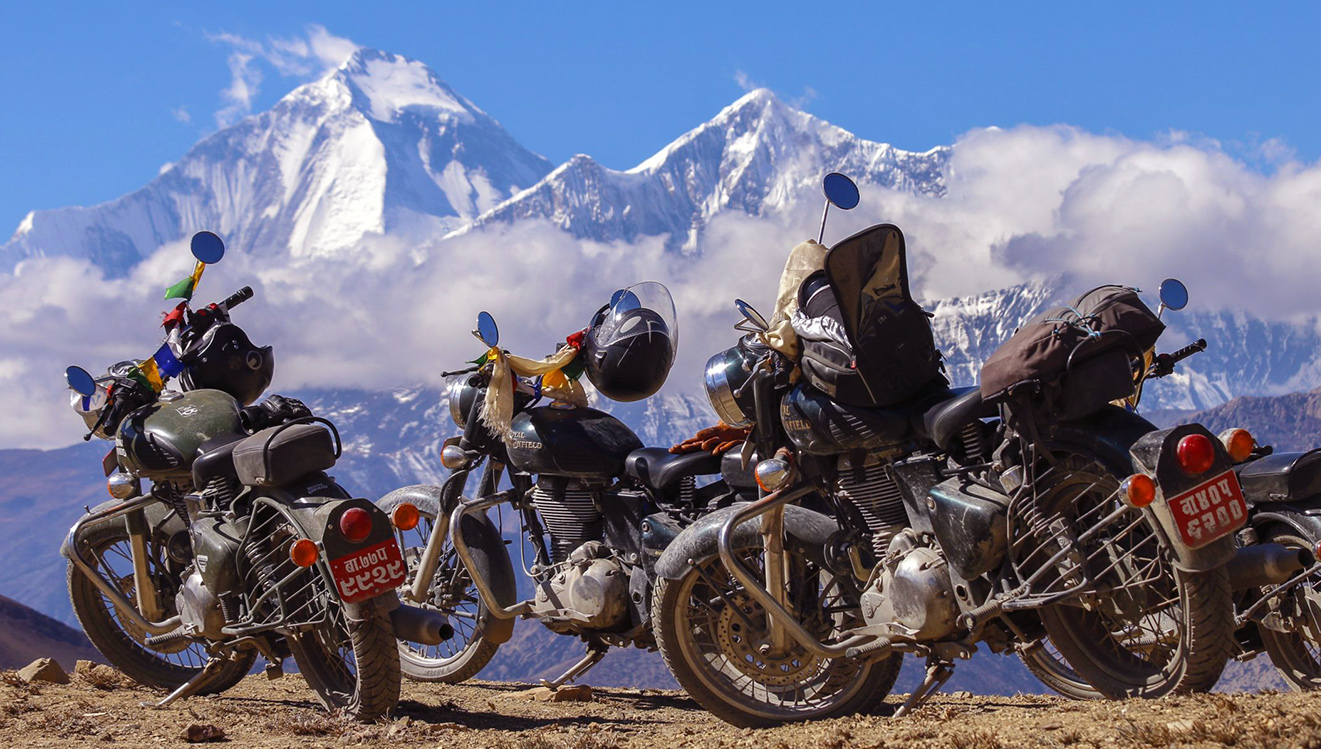
11 Days
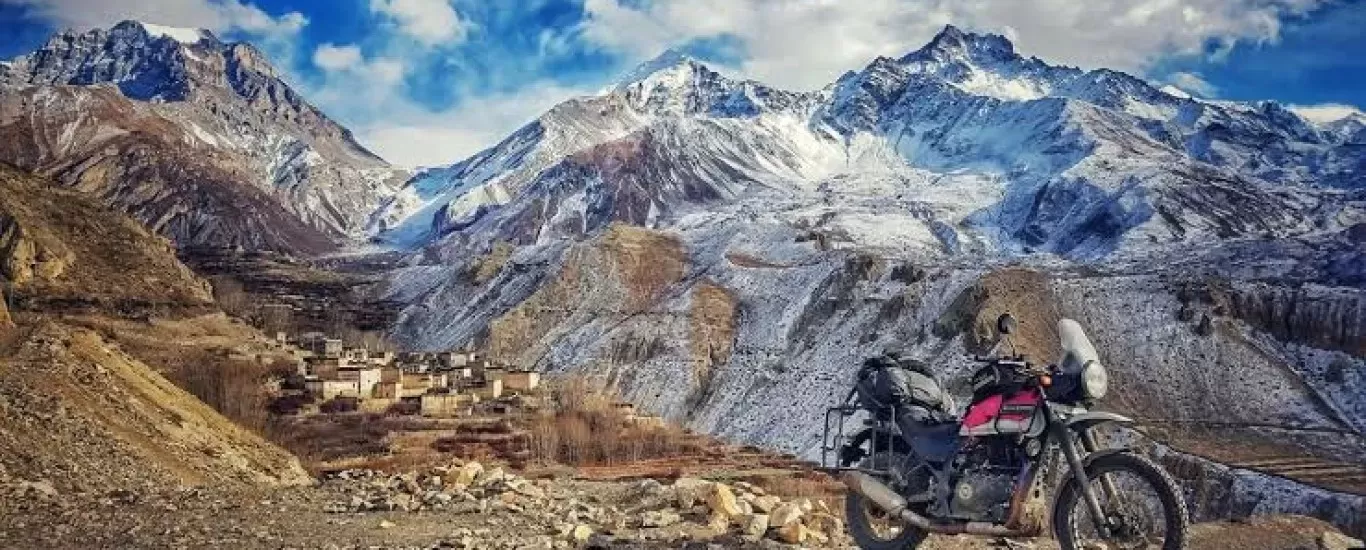
Nepal Heritage Motorbike Tour - A Journey Through Culture And Himalayas !
USD 1000 Per Person