Budget
USD 1790
Per Person
Rating
6 Reviews
Duration
16 Days
Trip Overview
The Annapurna Base Camp Trek is one of Nepal’s most iconic and rewarding Himalayan journeys, offering a perfect blend of dramatic mountain scenery, diverse landscapes, and rich cultural experiences. This classic trek leads travelers into the heart of the Annapurna Sanctuary, a natural amphitheater surrounded by towering Himalayan peaks.
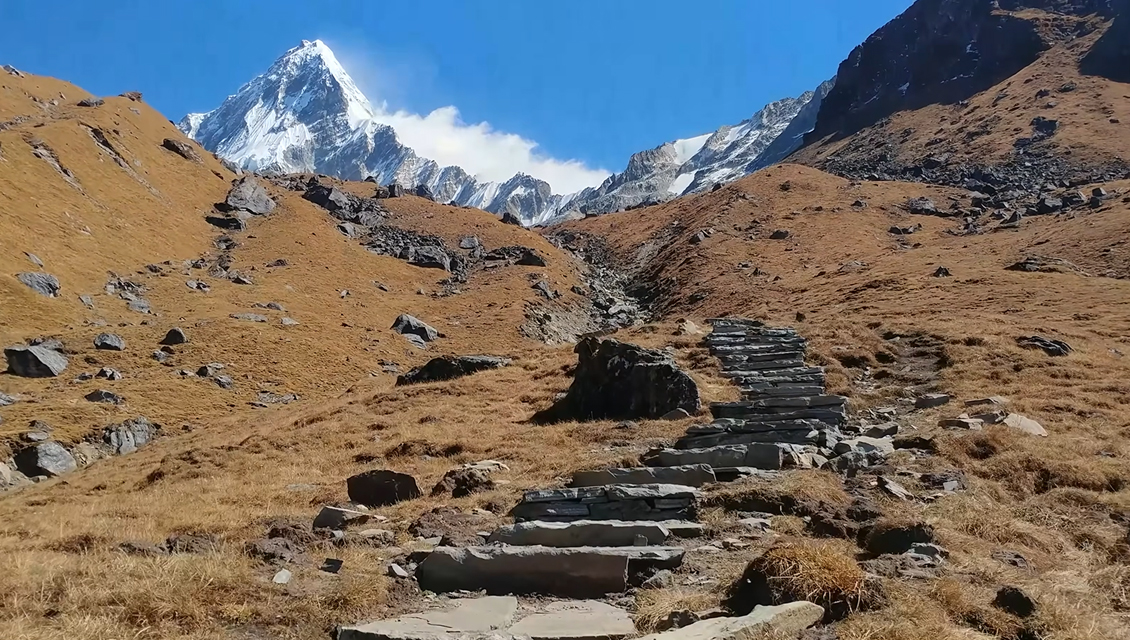
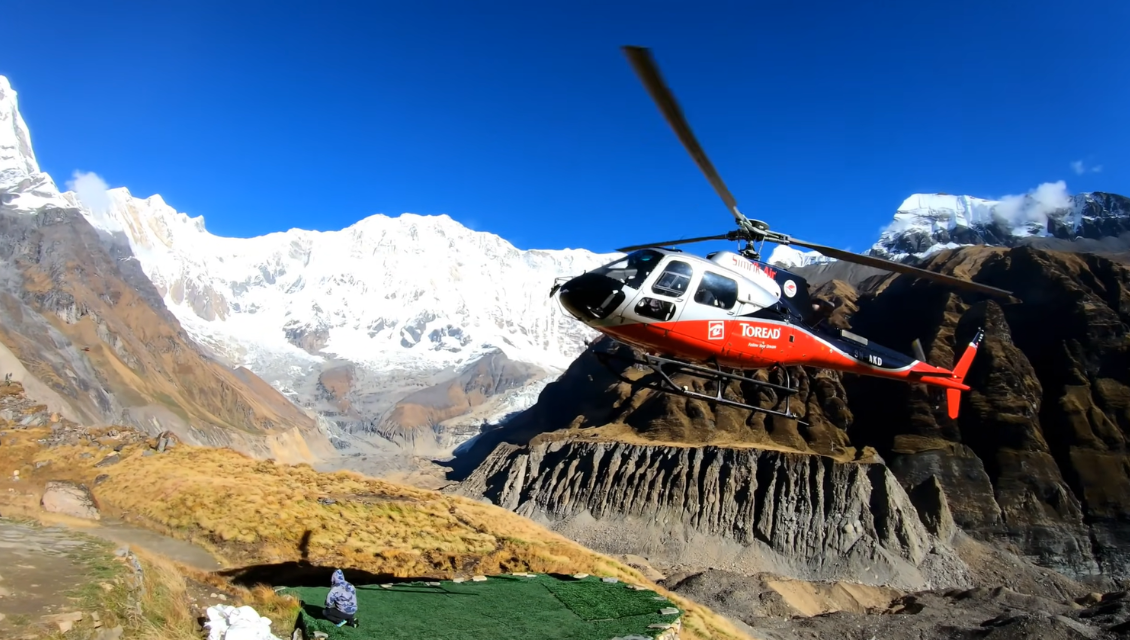
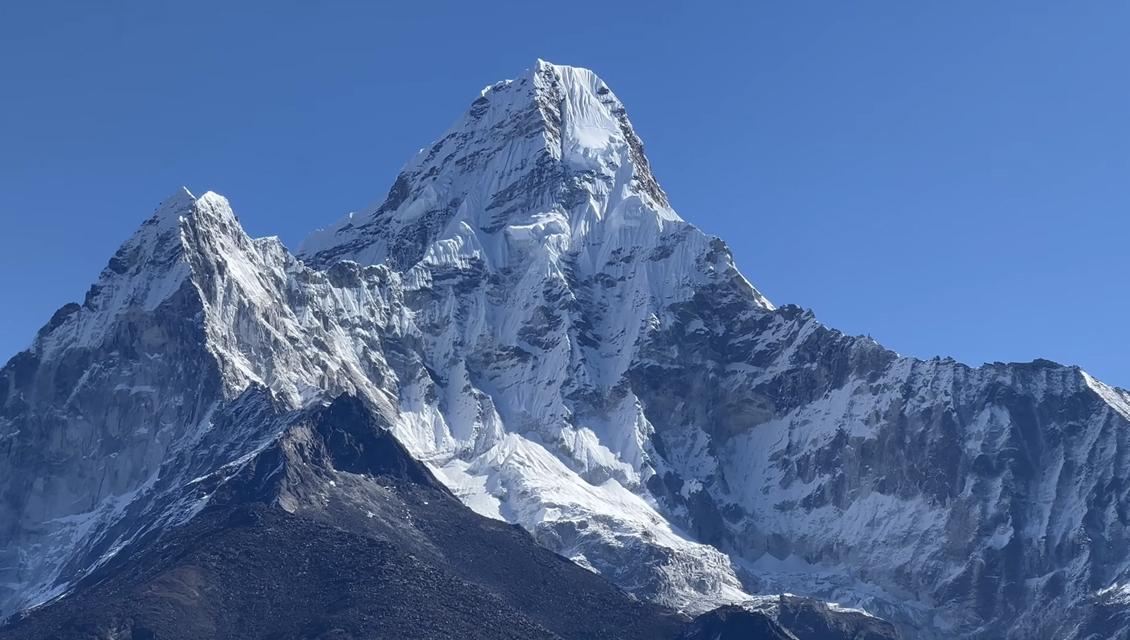
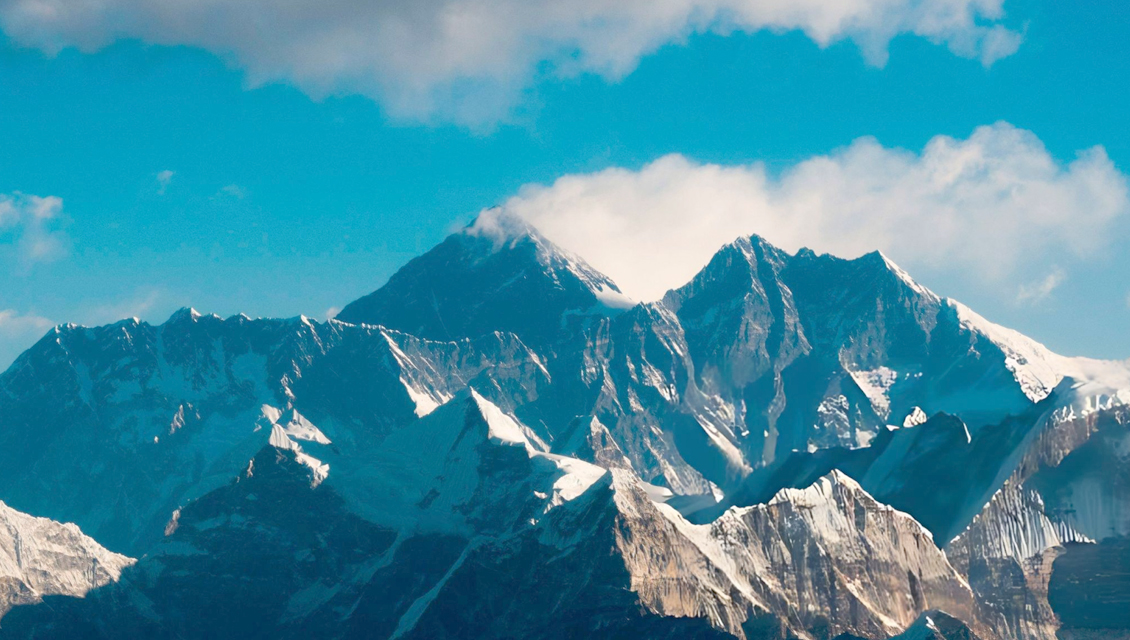
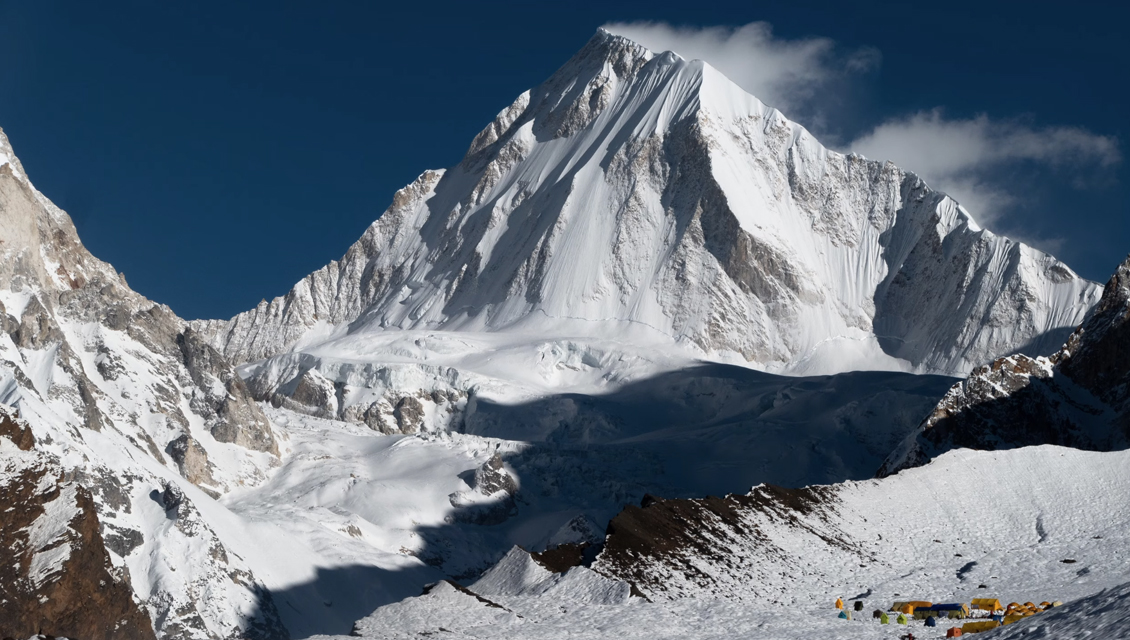
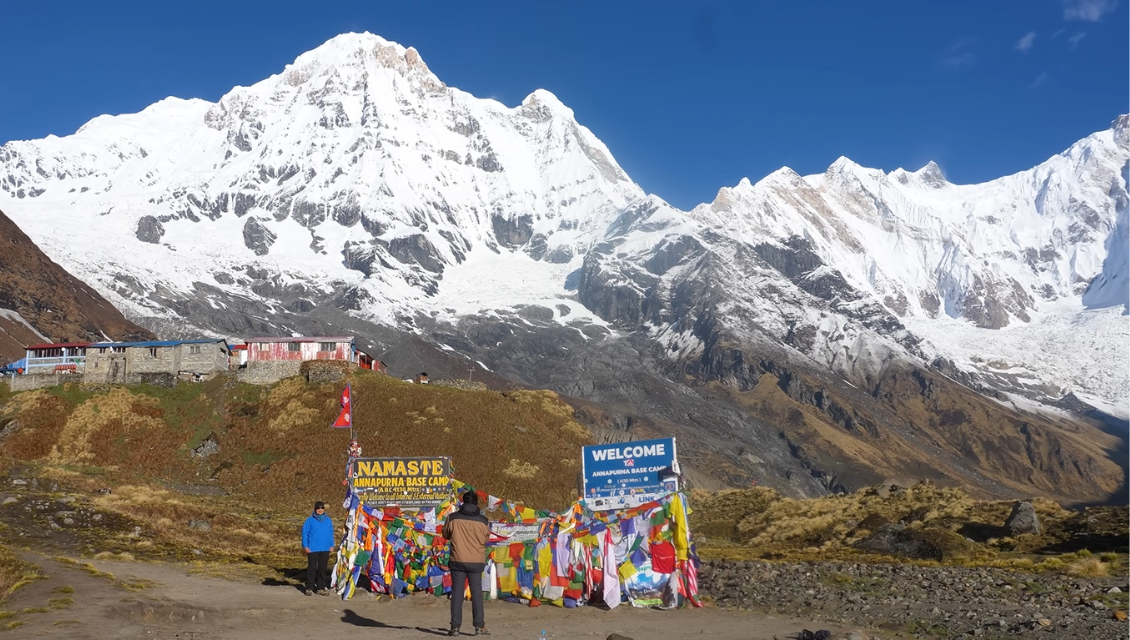
The journey is suitable for trekkers with moderate fitness and provides an unforgettable experience of walking through traditional villages, lush forests, and high alpine valleys. The ultimate highlight is reaching Annapurna Base Camp (4,130 m), where trekkers are surrounded by massive snow-covered peaks, including Annapurna I, Machhapuchhre, Hiunchuli, and Annapurna South. This trek is widely regarded as one of the most beautiful short-to-medium Himalayan adventures in Nepal.
Geography and Landscape
The Annapurna Base Camp Trek is located in the Annapurna region within Annapurna Conservation Area, the largest protected area in Nepal. The trek typically begins from Nayapul, Jhinu Danda, or nearby trailheads accessible from Pokhara.
The landscape is extremely diverse, making it one of the most scenic trekking routes in the Himalayas. Lower sections of the trail pass through terraced farmland, subtropical forests, and riverside settlements. As the elevation increases, the environment transitions into dense rhododendron, oak, and bamboo forests filled with waterfalls, suspension bridges, and wildlife.
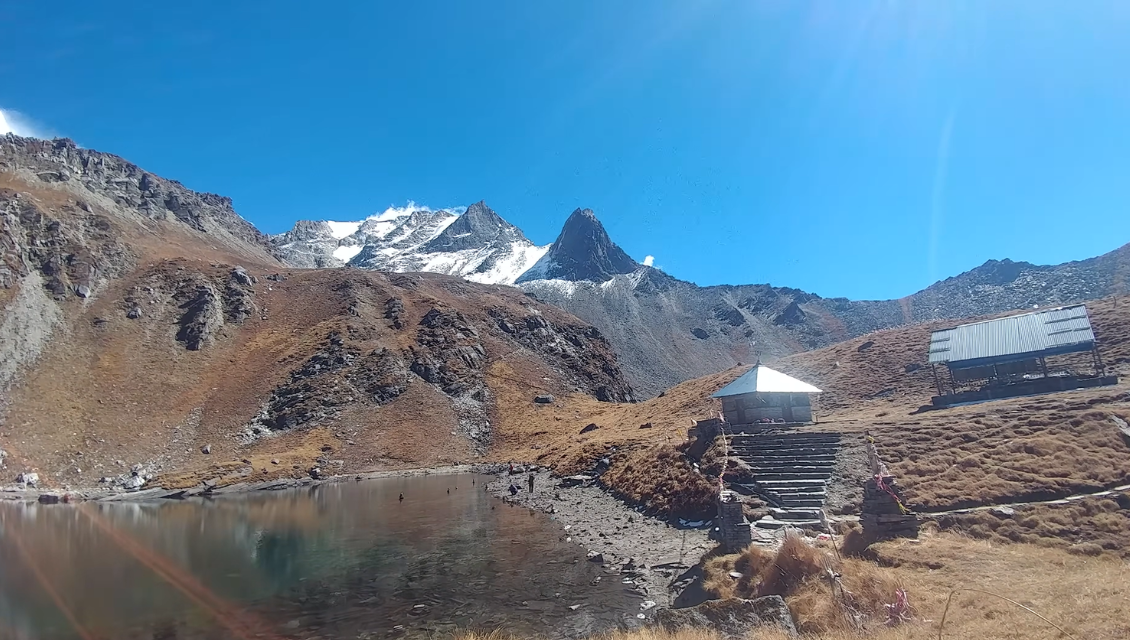
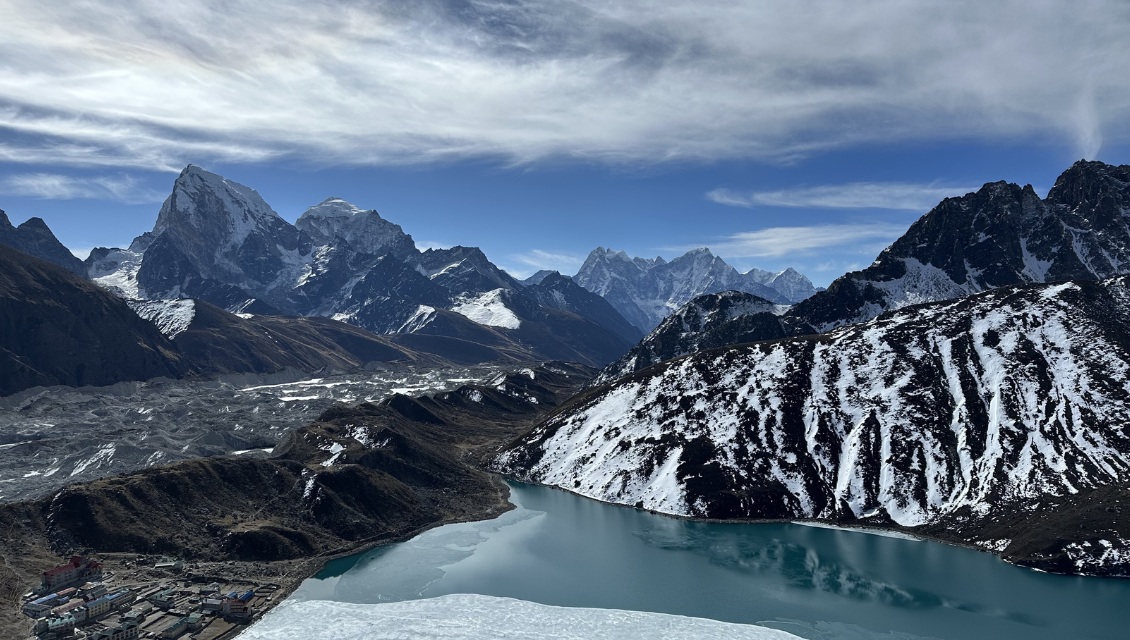
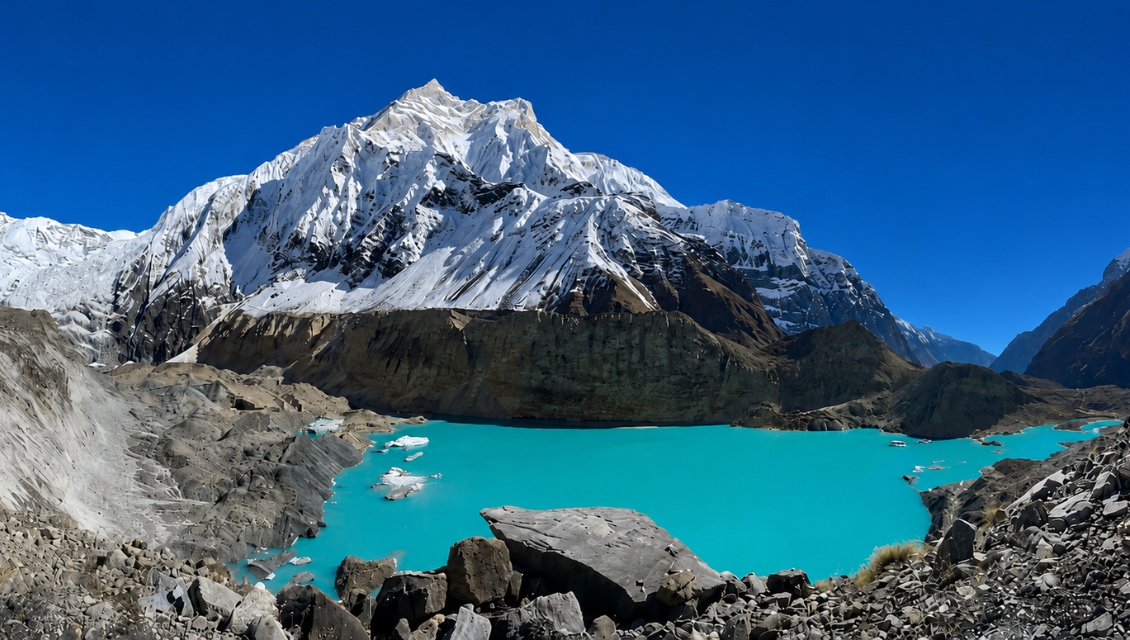
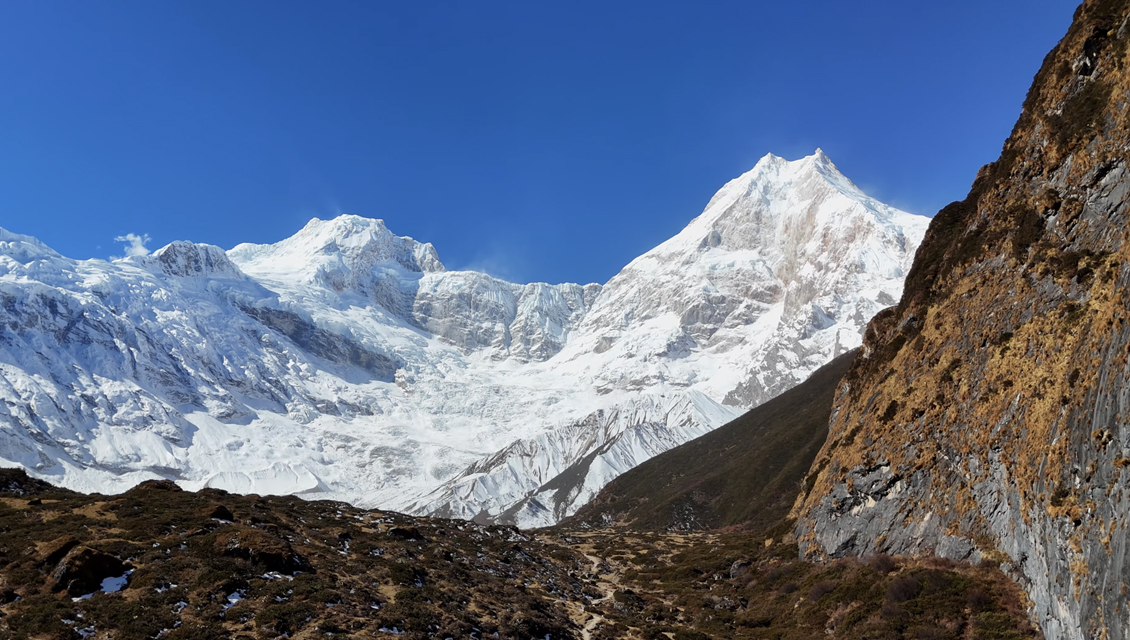
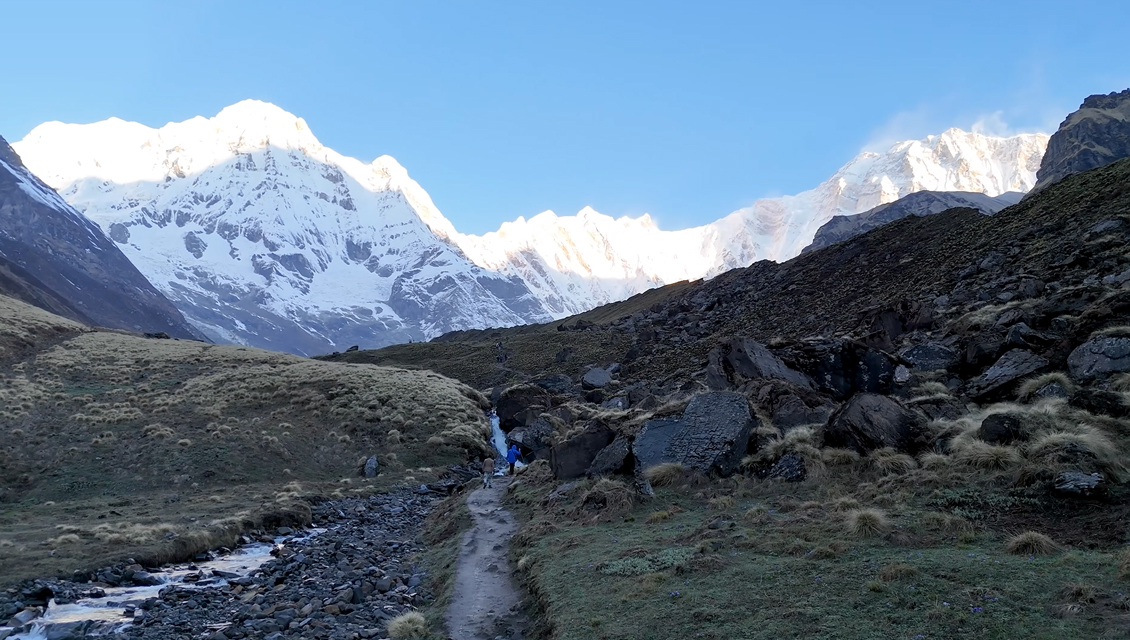
Further along the trail, trekkers enter alpine terrain where vegetation becomes sparse and the mountains dominate the horizon. The final approach to Annapurna Base Camp is through the Modi Khola valley, leading into a vast glacial basin surrounded by towering Himalayan walls. The amphitheater-like setting of the sanctuary is one of the most dramatic natural landscapes in the world.
Key stops along the route include Chhomrong, Bamboo, Deurali, and Machhapuchhre Base Camp, each offering unique scenery and mountain perspectives before reaching the final destination at Annapurna Base Camp.
Climate and Best Time to Trek
The best seasons for the Annapurna Base Camp Trek are spring (March–May) and autumn (September–November). These periods offer stable weather, clear skies, and excellent mountain visibility.
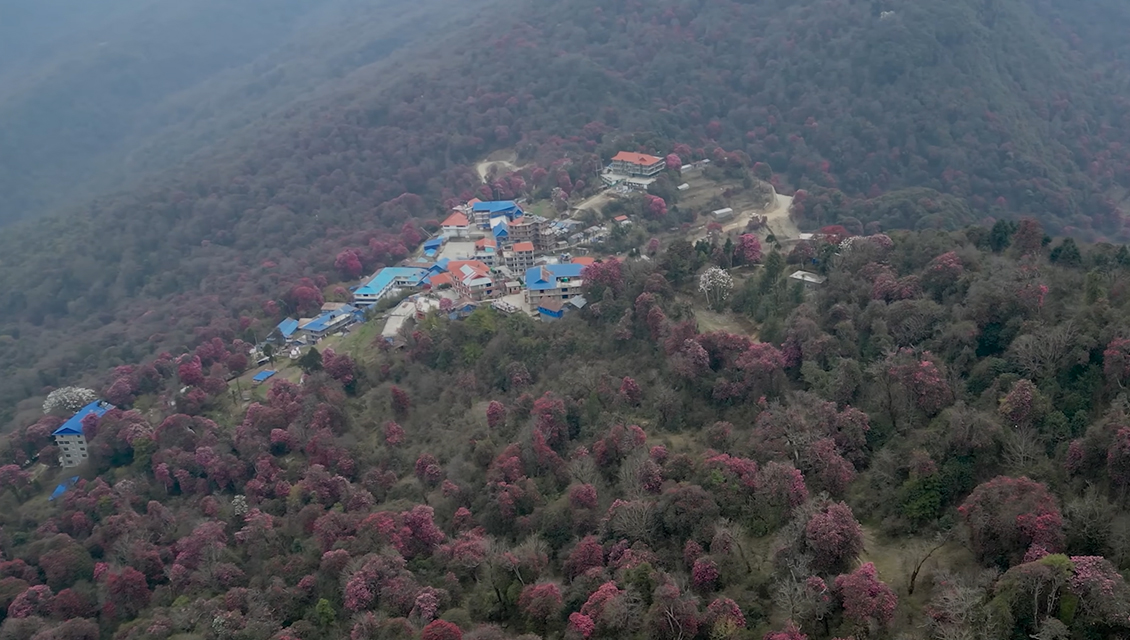
Spring is especially beautiful due to blooming rhododendron forests, which add vibrant colors to the trekking trails. Autumn provides crystal-clear views and comfortable temperatures after the monsoon season, making it the most popular trekking period.
Winter (December–February) is colder, especially at higher elevations, but still offers clear mountain views and quieter trails for experienced trekkers. The monsoon season (June–August) is less favorable due to heavy rainfall, slippery paths, and limited visibility.
Overall, autumn is considered the best time for optimal trekking conditions and panoramic Himalayan views.
People and Culture
The Annapurna Base Camp Trek passes through villages inhabited mainly by Gurung and Magar communities, known for their warm hospitality, traditional lifestyles, and strong connection to the Himalayas.
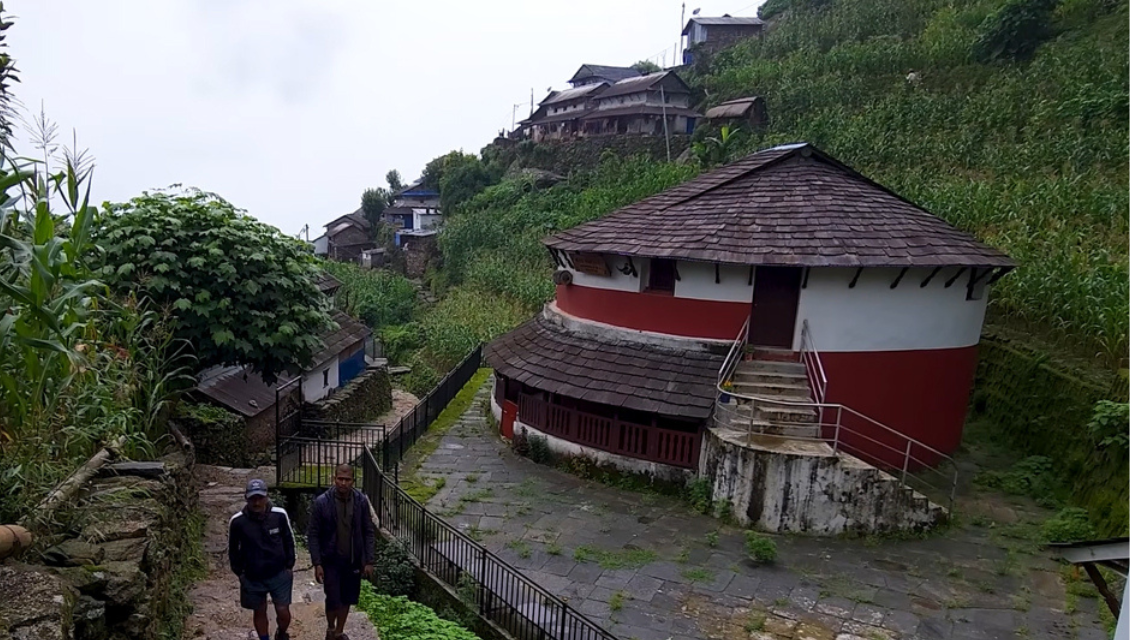
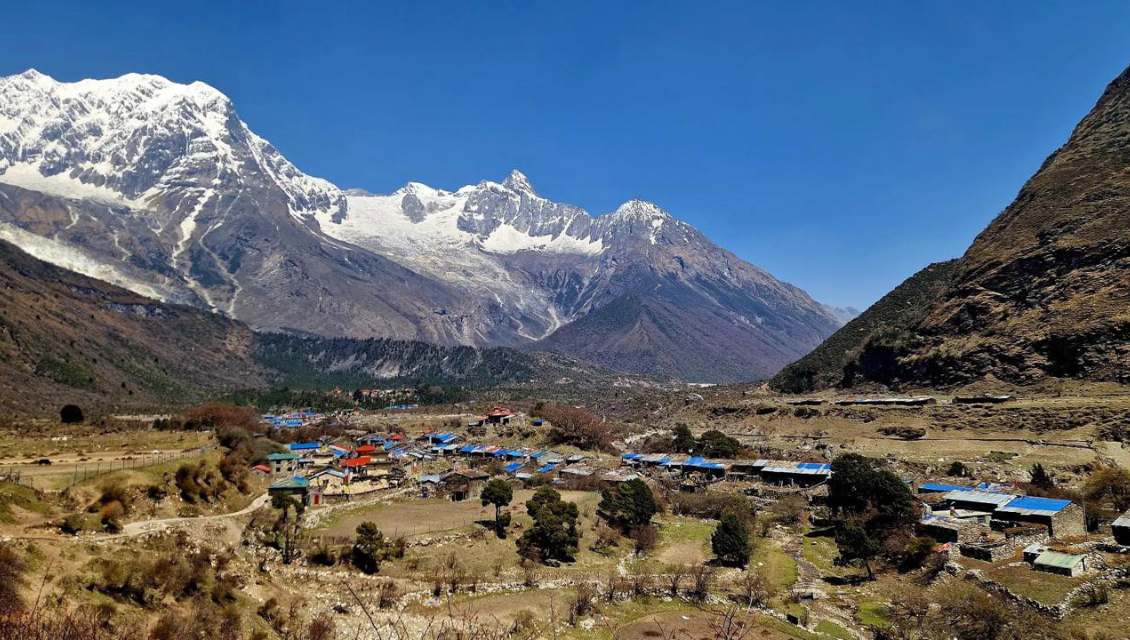
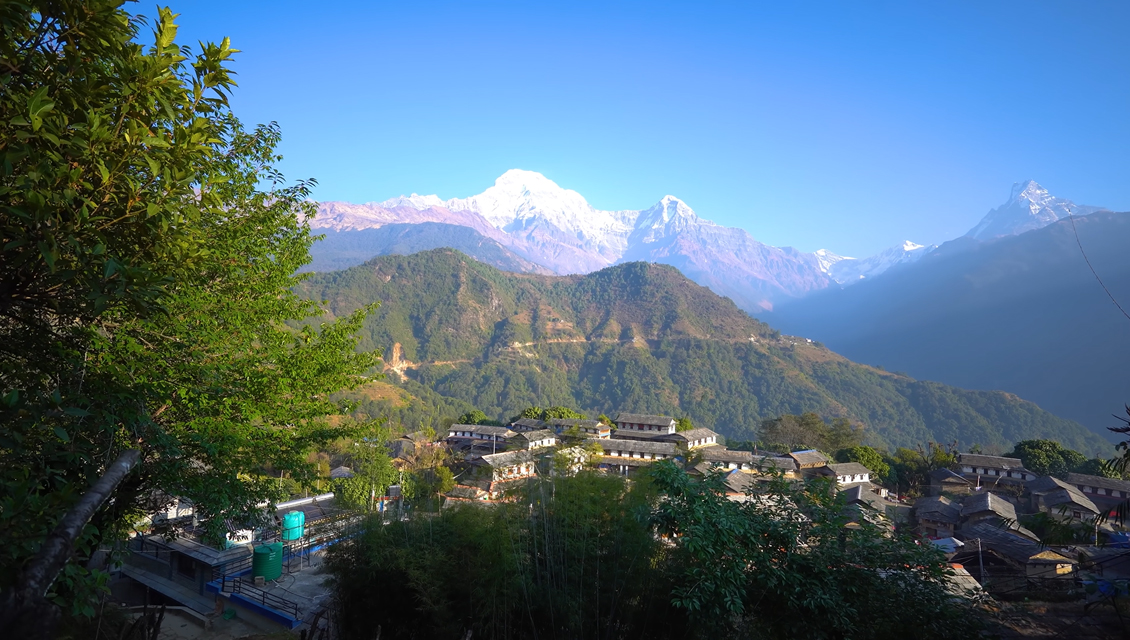
Villages such as Chhomrong, Ghandruk, and Landruk offer insight into rural mountain life, with stone-built houses, terraced fields, prayer flags, and traditional farming practices. Among them, Ghandruk is one of the most culturally rich villages, featuring museums, traditional clothing, and views of surrounding peaks.
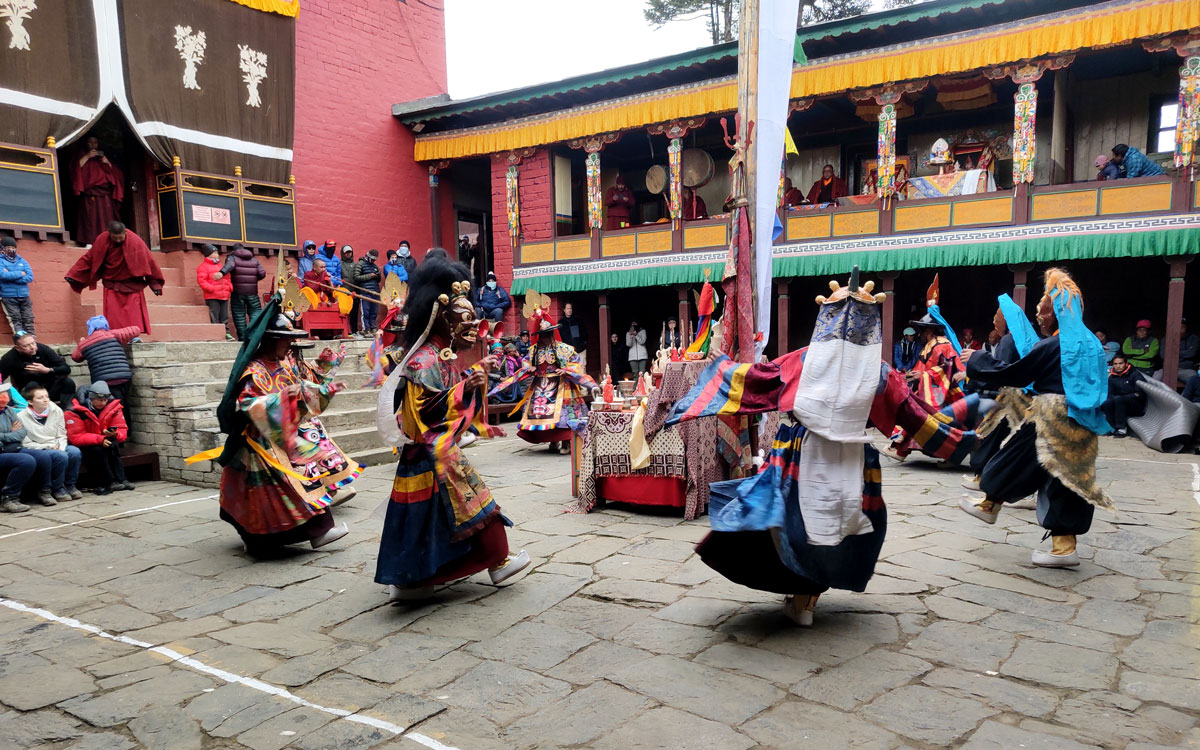
Trekkers experience authentic Nepali mountain culture throughout the journey, interacting with local families and staying in teahouses run by villagers. The influence of Hindu and Buddhist traditions is visible in daily life, rituals, and local architecture.
The combination of breathtaking scenery, cultural richness, and accessible adventure makes the Annapurna Base Camp Trek one of the most popular and unforgettable trekking experiences in Nepal.
Package Highlights:
- Panoramic Himalayan views – Annapurna I, Annapurna South, Hiunchuli & Machhapuchhre
- Diverse landscapes – forests, meadows, and high alpine terrain
- Cultural villages – Ghandruk, Chomrong, and Deurali experiences Ghandruk
- Machhapuchhre Base Camp – close views of sacred Fishtail Mountain Machhapuchhre Base Camp
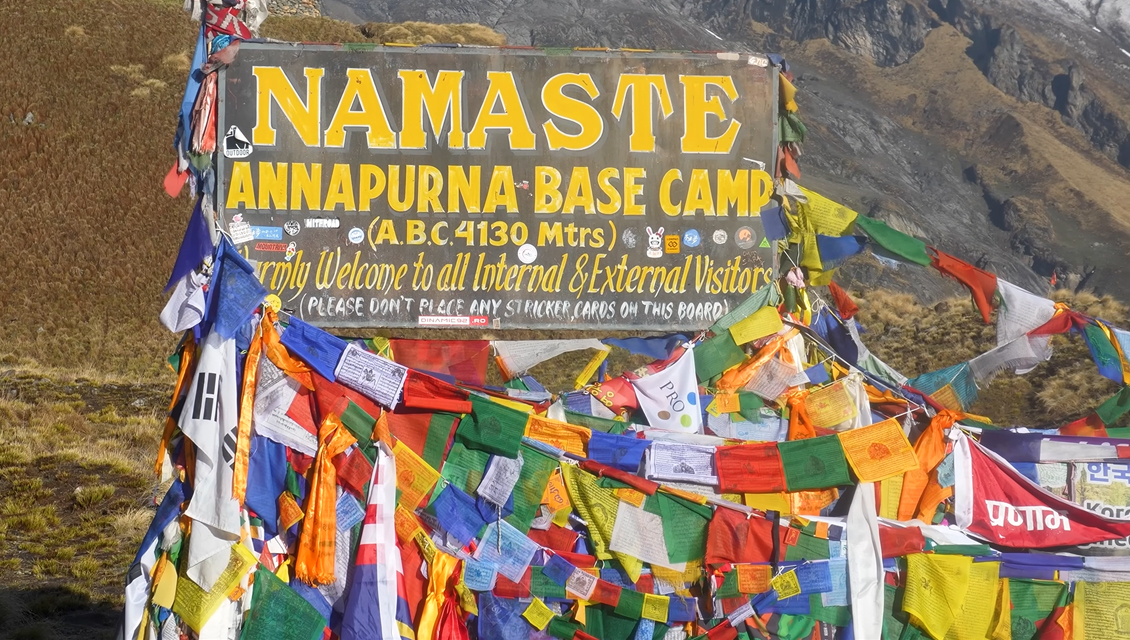
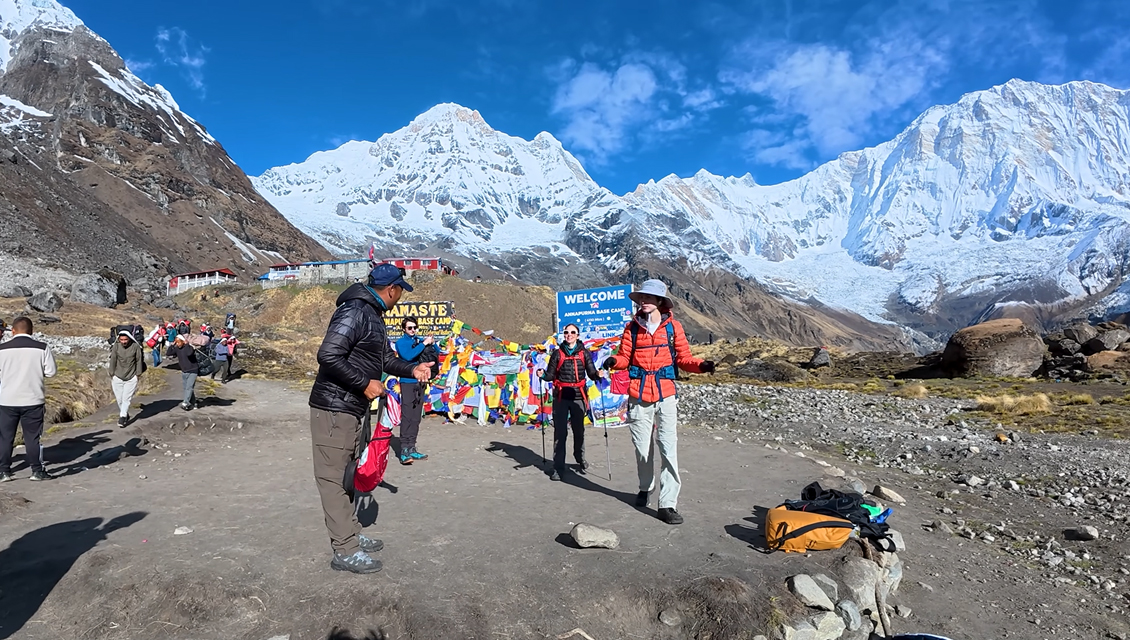
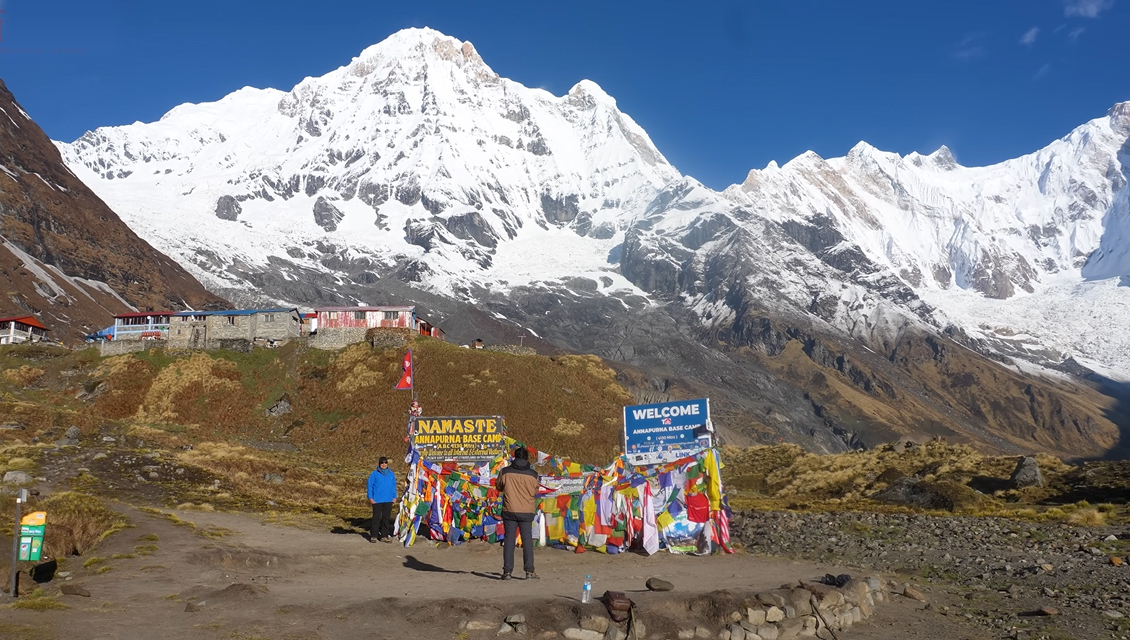
- Annapurna Base Camp (4,130m) – main destination in Annapurna Base Camp
- Hot springs at Jhinu Danda – natural relaxation spot
- Comfortable teahouses – warm lodging, meals, and basic amenities
- Scenic Himalayan trekking experience – immersive mountain adventure
Book This Trip
Trip Information
 Start : Kathmandu
 Finish : Kathmandu
 Difficulty :
Moderate
Difficulty :
Moderate
 Max Altitude : 4130m
 Group Size : 17 People
 Season : SEP-NOV, MAR-MAY
Trip Gallery





Trip Itinerary
Altitude: 1,400m
Upon your arrival at Tribhuvan International Airport, you’ll be warmly greeted by your representative or guide holding a signboard with your name. You’ll then be transferred to your hotel in Thamel, the cultural and tourist heart of Kathmandu, known for its vibrant atmosphere, trekking shops, and heritage restaurants.In the evening, attend a trek briefing and orientation with your guide to discuss the route, check your gear, and finalize any last-minute details.
Accomadation: Hotel
Place to visit: Nepal
Meals: Dinner
Altitude: 1,400m
Today is reserved for trek preparation and permit processing. Our team will arrange the necessary permits, including the Annapurna Conservation Area Permit (ACAP) and TIMS card. You can use the day to purchase or rent any missing trekking equipment, exchange currency, and prepare for the journey ahead.
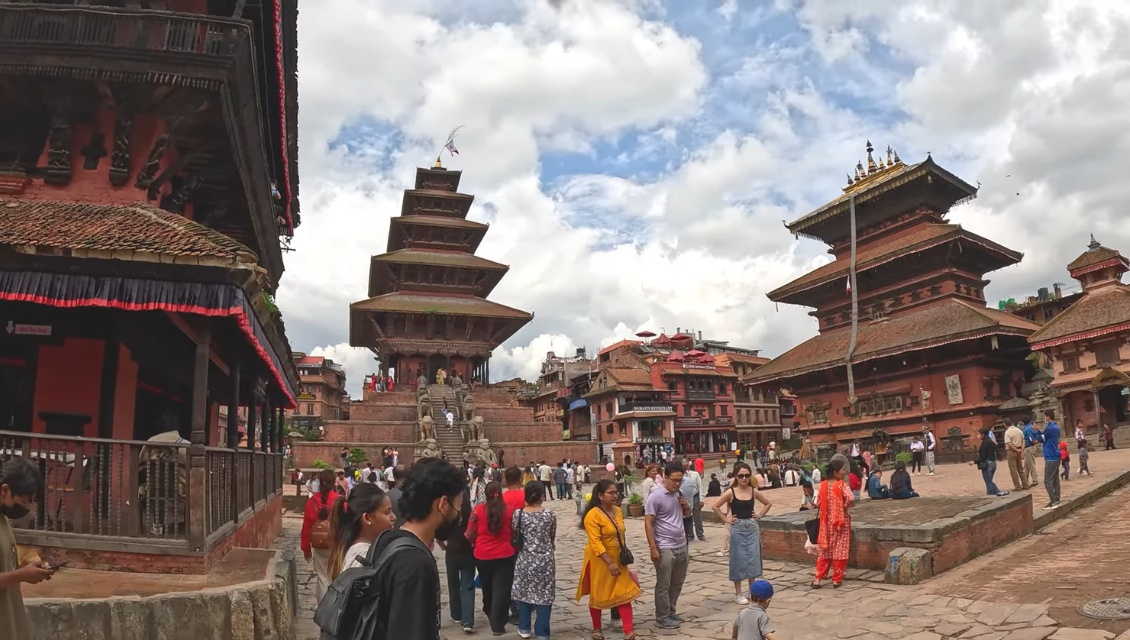
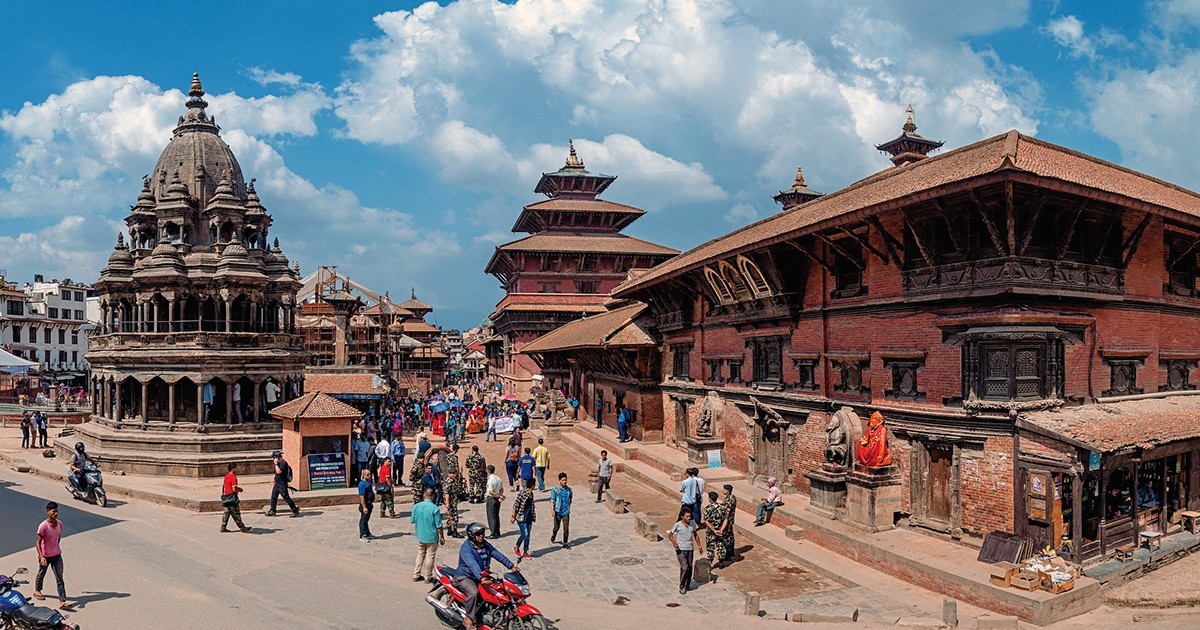
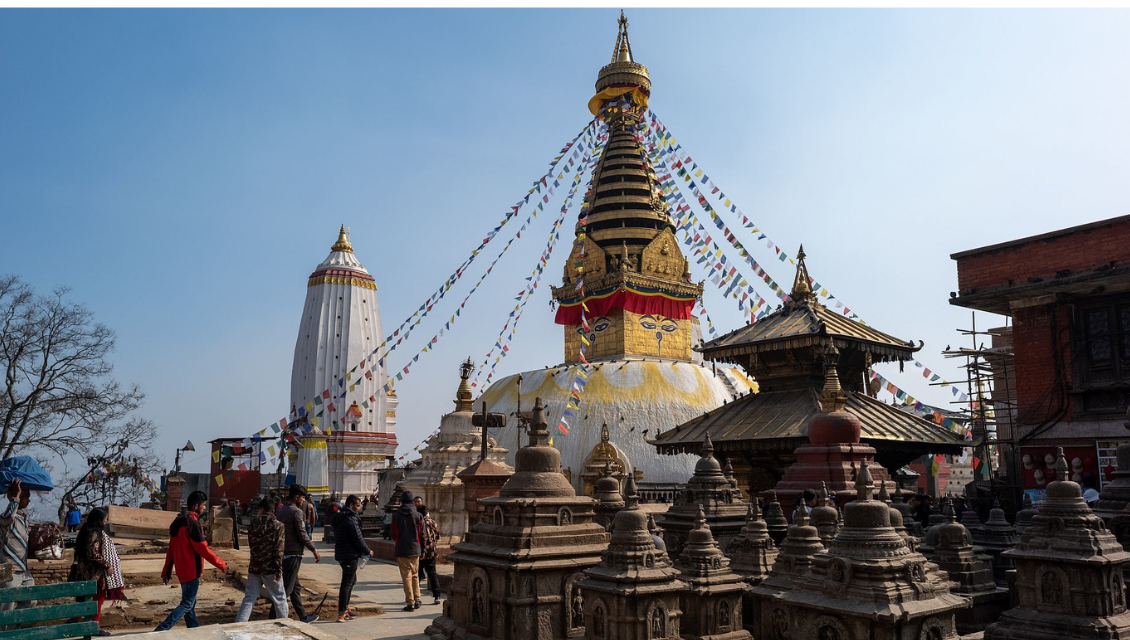
You may also explore some of Kathmandu's cultural landmarks such as Swayambhunath, Boudhanath Stupa, or Pashupatinath Temple.
Accomadation: Hotel
Place to visit: Nepal
Meals: Breakfast
Altitude: 820m
Travel Duration: 25-minute flight or 6–7 hours drive
After breakfast, travel to Pokhara. Enjoy stunning Himalayan views during the flight or scenic countryside landscapes during the drive. Upon arrival, check into your hotel and enjoy a relaxing evening by Phewa Lake.
Accomadation: Hotel
Place to visit: Annapurna Region
Meals: Breakfast Lunch Dinner
Altitude: 1,540m
Trek Duration: 4–5 hours
Drive Duration: 1.5–2 hours
Begin the trek from Nayapul through terraced fields, riverside trails, and traditional villages before reaching Tikhedhunga.
Accomadation: Tea House
Place to visit: Annapurna Region
Meals: Breakfast Lunch Dinner
Altitude: 2,860m
Trek Duration: 6–7 hours
Start the day with the famous stone staircase climb to Ulleri, a traditional Magar village that offers your first impressive views of the Annapurna range. Continue through dense rhododendron and oak forests, passing Banthanti and Nangethanti before arriving at Ghorepani, a lively mountain settlement known for its panoramic Himalayan scenery.
Accomadation: Tea House
Place to visit: Annapurna Region
Meals: Breakfast Lunch Dinner
Altitude: 3,210m (Highest Point) / 2,630m (Overnight)
Trek Duration: 6–7 hours
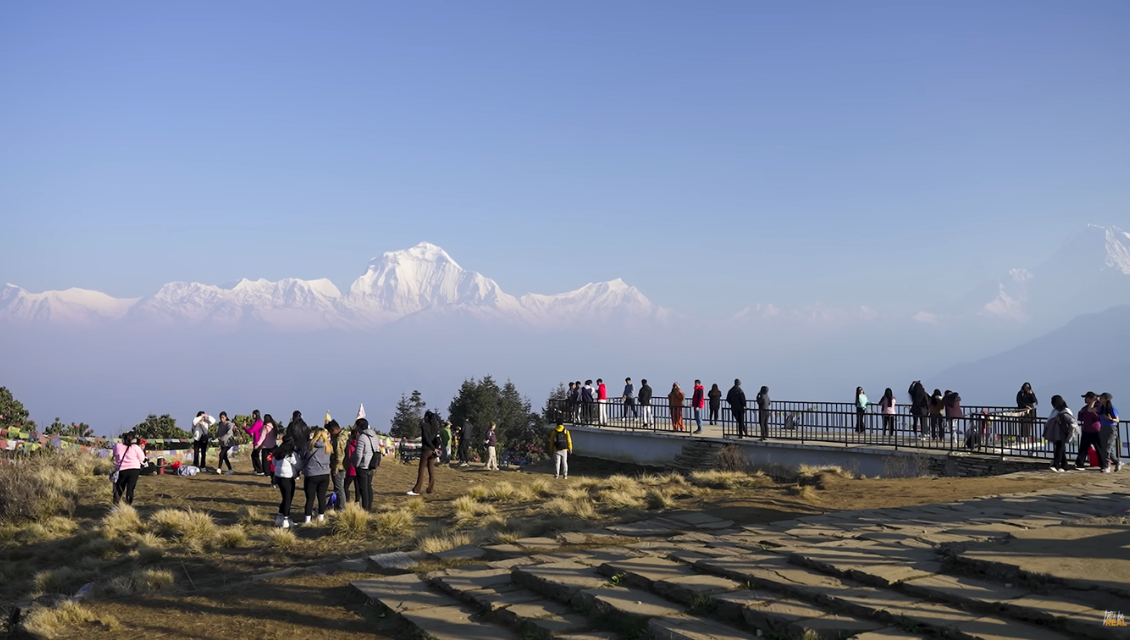
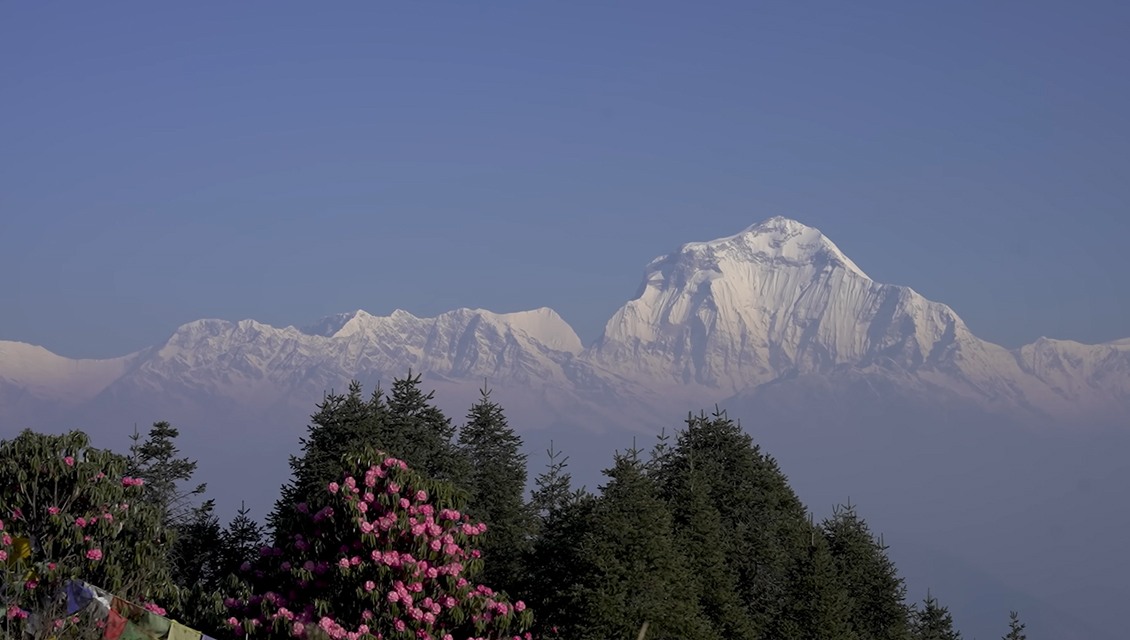
Wake before dawn for a hike to Poon Hill, one of Nepal's most celebrated viewpoints. Witness a spectacular sunrise over Dhaulagiri, Annapurna I, Annapurna South, and Machapuchare. After breakfast, continue through beautiful rhododendron forests and ridgeline trails to Tadapani.
Accomadation: Tea House
Place to visit: Annapurna Region
Meals: Breakfast Lunch Dinner
Altitude: 2,170m
Trek Duration: 5–6 hours
Today's trail descends through forests and terraced fields before crossing Kimrong Khola. A steady ascent leads to Chhomrong, a picturesque Gurung village nestled beneath the towering peaks of Annapurna South and Machapuchare. Enjoy stunning mountain views and local hospitality.
Accomadation: Tea House
Place to visit: Annapurna Region
Meals: Breakfast Lunch Dinner
Altitude: 2,310m
Trek Duration: 5–6 hours
Descend the stone steps to Chhomrong Khola and then climb through lush forests of bamboo, oak, and rhododendron. Passing through Sinuwa, the trail follows a tranquil route surrounded by waterfalls and dense vegetation before reaching Bamboo.
Accomadation: Tea House
Place to visit: Annapurna Region
Meals: Breakfast Lunch Dinner
Altitude: 2,920m
Trek Duration: 4–5 hours
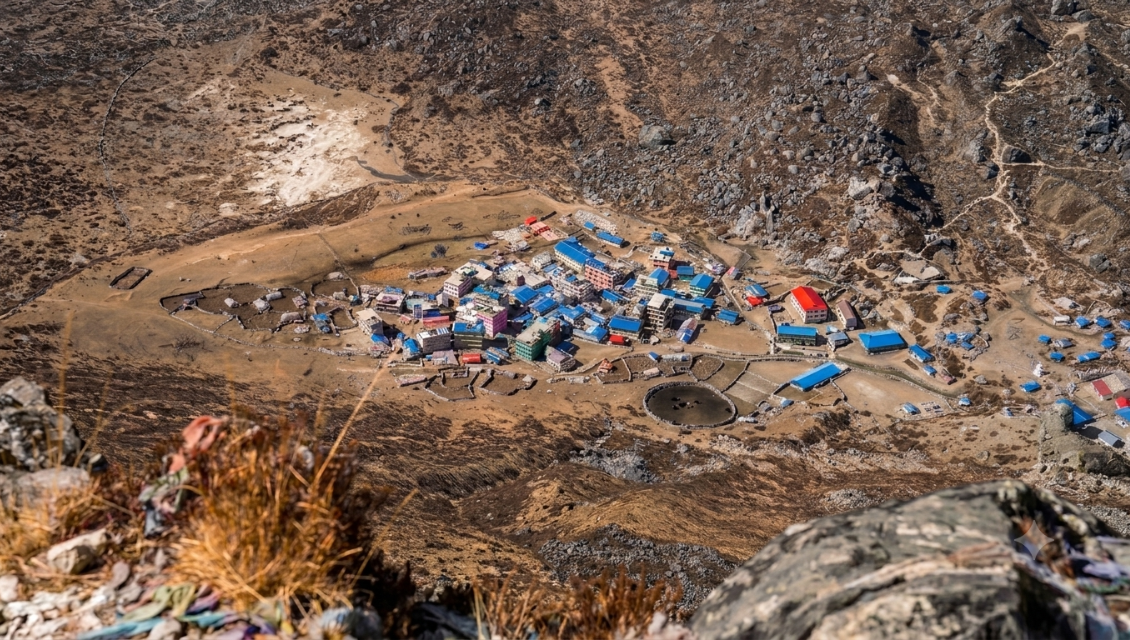
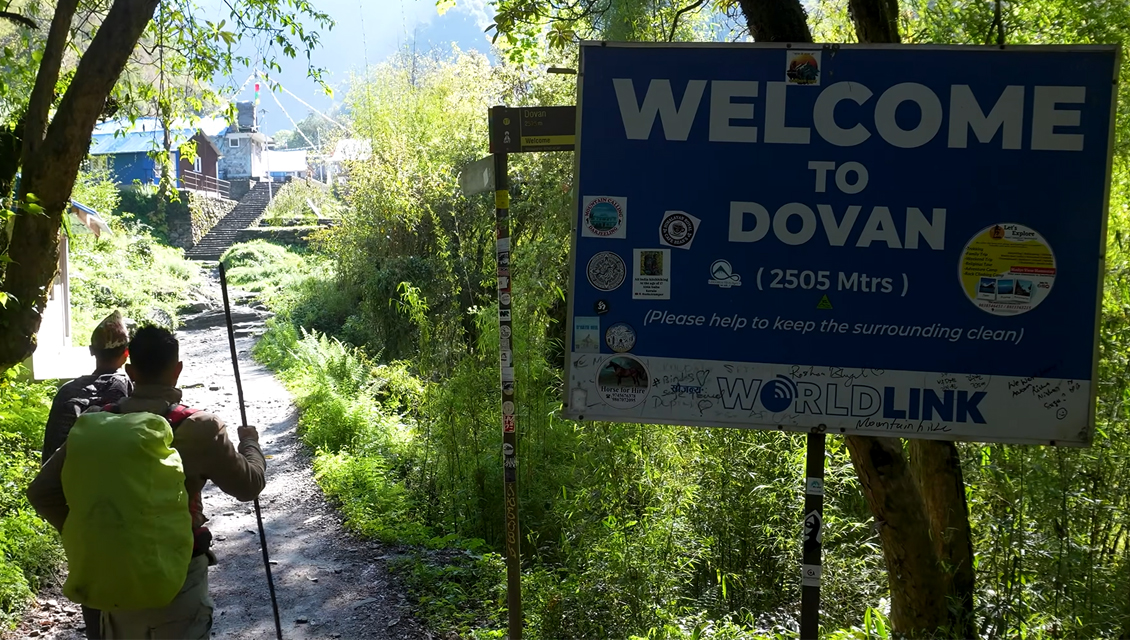
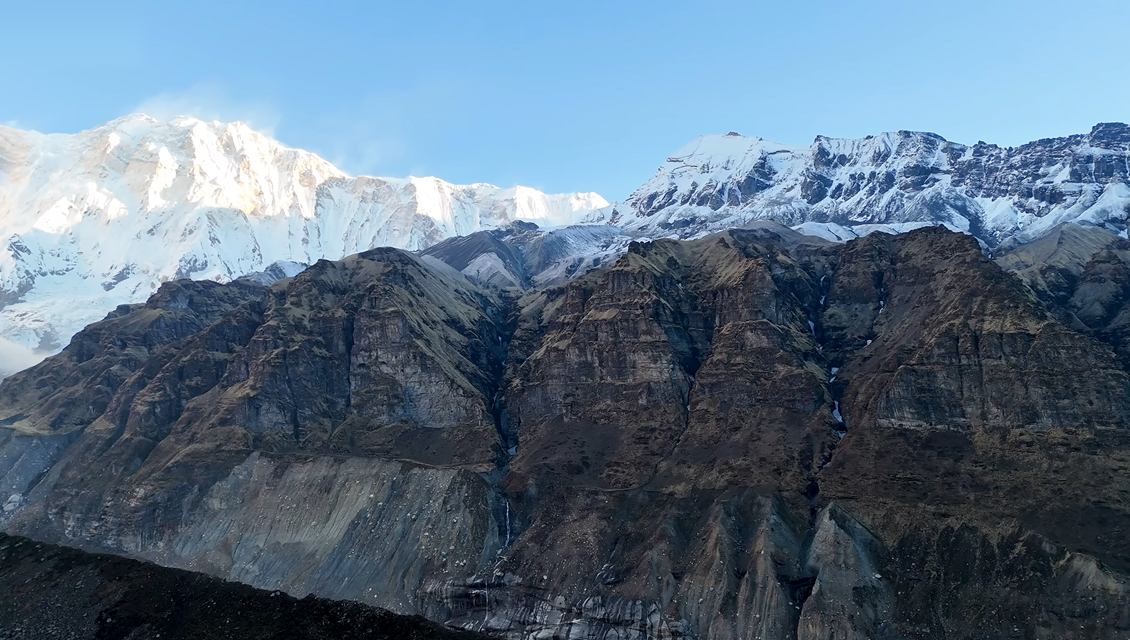
Continue ascending through cool forests rich with moss, ferns, and bamboo. Pass Dovan and enter the higher section of the Annapurna Sanctuary. The valley narrows dramatically with steep cliffs towering overhead before reaching Himalaya.
Accomadation: Tea House
Place to visit: Annapurna Region
Meals: Breakfast Lunch Dinner
Altitude: 4,130m
Trek Duration: 6–7 hours
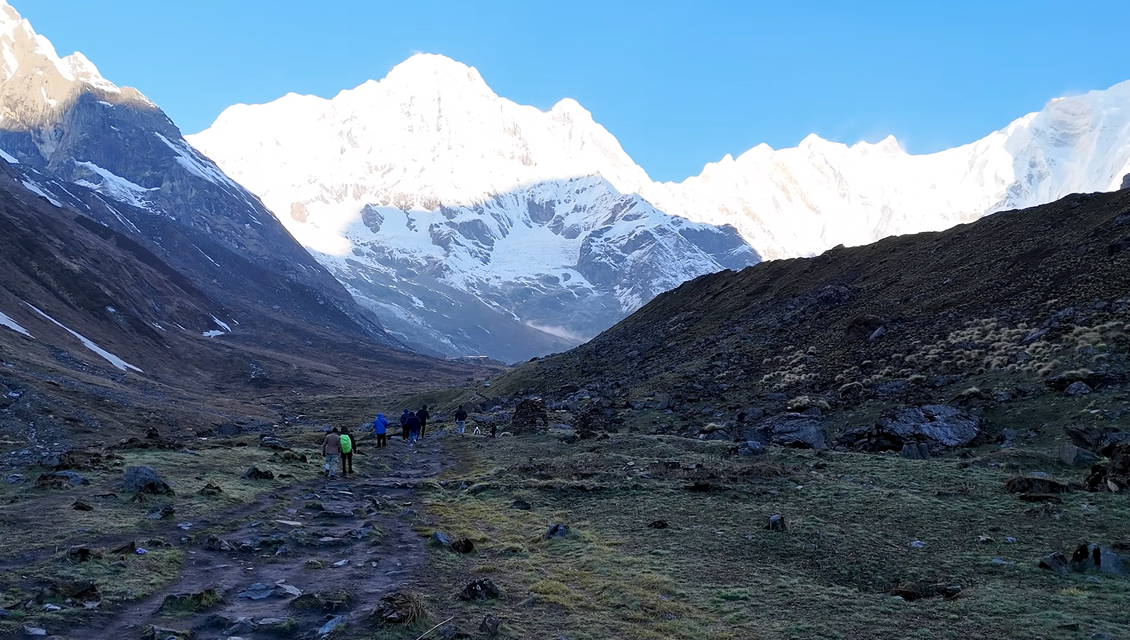
One of the most memorable days of the trek. Walk past Hinku Cave and Machapuchare Base Camp before entering the magnificent Annapurna Sanctuary. Surrounded by glaciers and giant Himalayan peaks, arrive at Annapurna Base Camp, the heart of the Annapurna region.
Accomadation: Tea House
Place to visit: Annapurna Region
Meals: Breakfast Lunch Dinner
Altitude: 2,600m
Trek Duration: 6–7 hours
Enjoy an unforgettable sunrise over Annapurna I before beginning the descent. Retrace your route through Machapuchare Base Camp, Deurali, and Himalaya. Continue through alpine landscapes and forest trails to Dovan.
Accomadation: Tea House
Place to visit: Annapurna Region
Meals: Breakfast Lunch Dinner
Altitude: 1,780m
Trek Duration: 6 hours
Continue descending through Bamboo and Sinuwa before reaching Chhomrong. From here, descend to Jhinu Danda, famous for its natural hot springs beside the Modi Khola River. Relax and soothe tired muscles after several days of trekking.
Accomadation: Tea House
Place to visit: Annapurna Region
Meals: Breakfast Lunch Dinner
Altitude: 1,940m
Trek Duration: 5–6 hours
Cross a suspension bridge and follow a scenic trail through forests and terraced hillsides to Ghandruk, one of the largest and most beautiful Gurung villages in Nepal. Explore traditional stone houses, local culture, and enjoy excellent views of the Annapurna range.
Accomadation: Tea House
Place to visit: Annapurna Region
Meals: Breakfast Lunch Dinner
Altitude: 820m
Travel Duration: 3–4 hours
After breakfast, drive back to Pokhara through picturesque mountain roads. The afternoon is free to relax around Phewa Lake, explore the lakeside market, enjoy a boat ride, or visit the World Peace Pagoda.
Accomadation: Hotel
Place to visit: Annapurna Region
Meals: Breakfast Lunch Dinner
Altitude: 1,400m
Travel Duration: 25-minute flight or 6–7 hours drive
Return to Kathmandu by air or road. Upon arrival, enjoy free time for souvenir shopping, sightseeing, or visiting cultural landmarks such as Pashupatinath Temple, Boudhanath Stupa, and Kathmandu Durbar Square.
Accomadation: Hotel
Place to visit: Nepal
Meals: Breakfast Lunch Dinner
Altitude: 1,400m
Trek Duration: No trekking
After breakfast, transfer to the airport for your onward international flight. Depart Nepal with unforgettable memories of the Annapurna Base Camp trek, spectacular Himalayan landscapes, and the rich culture of the Annapurna region.
Place to visit: Nepal
Meals: Breakfast
Cost Includes
1. Transportations
- Private/tourist vehicles for airport pickup and drop-off in Kathmandu.
- Private/tourist vehicles transfer as per itinerary to access the trailheads.
2. Accommodation & Meals
- 3 Nights 3 star hotel in Kathmandu with bed & breakfast basis.
- 1 Night 3 star hotel in Pokhara with bed & breakfast basis.
- All Meals (breakfast, lunch & dinner with tea & coffee) during the trekking Period.
3. Permits
- Annapurna Conservation Area Project (ACAP) permits.
- Trekkers' Information Management System (TIMS) permits.
4. Guide & Staff
- Professional and experience License holder trekking guide salary & insurance.
- Porter salary, equipments & insurance.
- First aid medical kit for emergency support.
1. Transportations
- Private/tourist vehicles for airport pickup and drop-off in Kathmandu.
- Private/tourist vehicles transfer as per itinerary to access the trailheads.
2. Accommodation & Meals
- 3 Nights 3 star hotel in Kathmandu with bed & breakfast basis.
- 1 Night 3 star hotel in Pokhara with bed & breakfast basis.
- All Meals (breakfast, lunch & dinner with tea & coffee) during the trekking Period.
3. Permits
- Annapurna Conservation Area Project (ACAP) permits.
- Trekkers' Information Management System (TIMS) permits.
4. Guide & Staff
- Professional and experience License holder trekking guide salary & insurance.
- Porter salary, equipments & insurance.
- First aid medical kit for emergency support.
Cost Excludes
1. International Flights
- Airfare from your home country to Nepal (Tribhuvan International Airport, Kathmandu).
- Return airfare from Nepal (Tribhuvan International Airport, Kathmandu) to your home country.
2. Visa Fees
- Nepal entry visa fee for entering Nepal (available on arrival at Tribhuvan International Airport, Kathmandu, or through a Nepalese embassy).
3. Travel Insurance (Mandatory)
- Comprehensive travel insurance covering high-altitude trekking, emergency medical treatment, helicopter evacuation, trip cancellation, and other unforeseen circumstances.
4. Personal Expenses
- Tips, gifts, and souvenirs for trekking guides and porters.
- Personal trekking equipment and gear.
- Charges for lodge Wi-Fi, hot showers, battery charging, and laundry services.
5. Meals & Beverages
- Lunch and dinner in Kathmandu, Pokhara, and other locations where accommodation is provided in 3-star category hotels.
- Soft drinks, bottled water, alcoholic beverages, and snacks consumed during meals
1. International Flights
- Airfare from your home country to Nepal (Tribhuvan International Airport, Kathmandu).
- Return airfare from Nepal (Tribhuvan International Airport, Kathmandu) to your home country.
2. Visa Fees
- Nepal entry visa fee for entering Nepal (available on arrival at Tribhuvan International Airport, Kathmandu, or through a Nepalese embassy).
3. Travel Insurance (Mandatory)
- Comprehensive travel insurance covering high-altitude trekking, emergency medical treatment, helicopter evacuation, trip cancellation, and other unforeseen circumstances.
4. Personal Expenses
- Tips, gifts, and souvenirs for trekking guides and porters.
- Personal trekking equipment and gear.
- Charges for lodge Wi-Fi, hot showers, battery charging, and laundry services.
5. Meals & Beverages
- Lunch and dinner in Kathmandu, Pokhara, and other locations where accommodation is provided in 3-star category hotels.
- Soft drinks, bottled water, alcoholic beverages, and snacks consumed during meals
Trip Date And Time
We'll Be There, Like We've Been There Before
|
Start |
End |
Trip Cost |
Action |
Enquire |
|---|---|---|---|---|
| 16 Nov, 2026 | 01 Dec, 2026 | 1790 | Book Now | |
| 09 Nov, 2026 | 24 Nov, 2026 | 1790 | Book Now | |
| 01 Nov, 2026 | 16 Nov, 2026 | 1790 | Book Now | |
| 28 Oct, 2026 | 12 Nov, 2026 | 1790 | Book Now | |
| 25 Oct, 2026 | 09 Nov, 2026 | 1790 | Book Now | |
| 19 Oct, 2026 | 03 Nov, 2026 | 1790 | Book Now | |
| 11 Oct, 2026 | 26 Oct, 2026 | 1790 | Book Now | |
| 01 Oct, 2026 | 16 Oct, 2026 | 1790 | Book Now | |
| 27 Sep, 2026 | 12 Oct, 2026 | 1790 | Book Now | |
| 22 Sep, 2026 | 07 Oct, 2026 | 1790 | Book Now | |
| 07 Sep, 2026 | 22 Sep, 2026 | 1790 | Book Now | |
| 01 Sep, 2026 | 16 Sep, 2026 | 1790 | Book Now | |
| 27 Aug, 2026 | 11 Sep, 2026 | 1790 | Book Now |
Essential Information
Accommodation
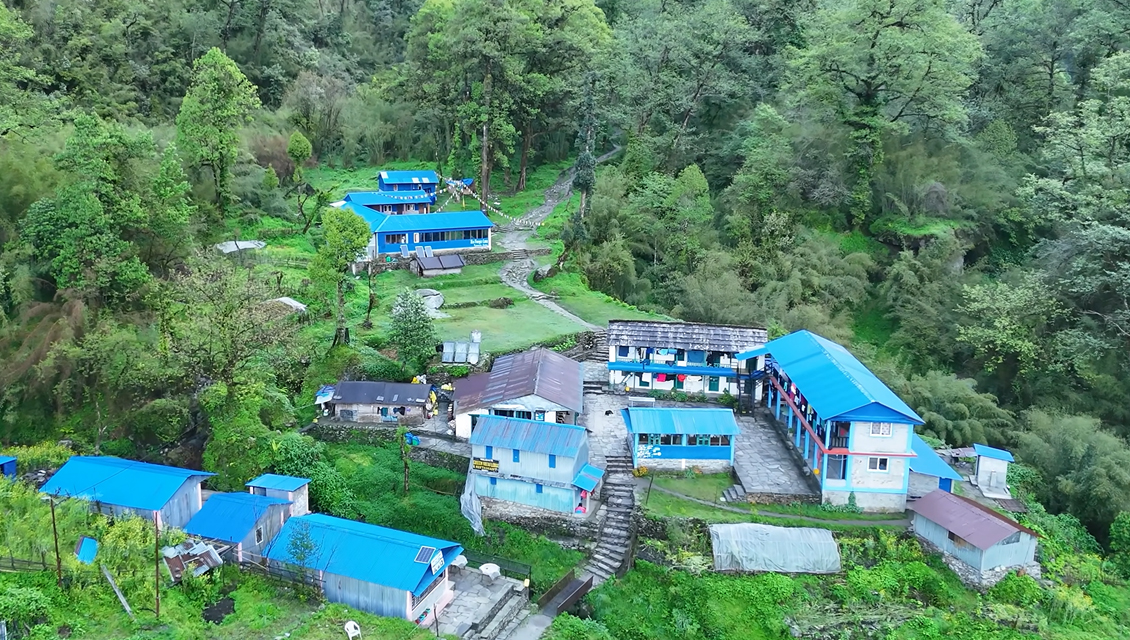
Accommodation is provided in well-established teahouses and mountain lodges along the entire route.
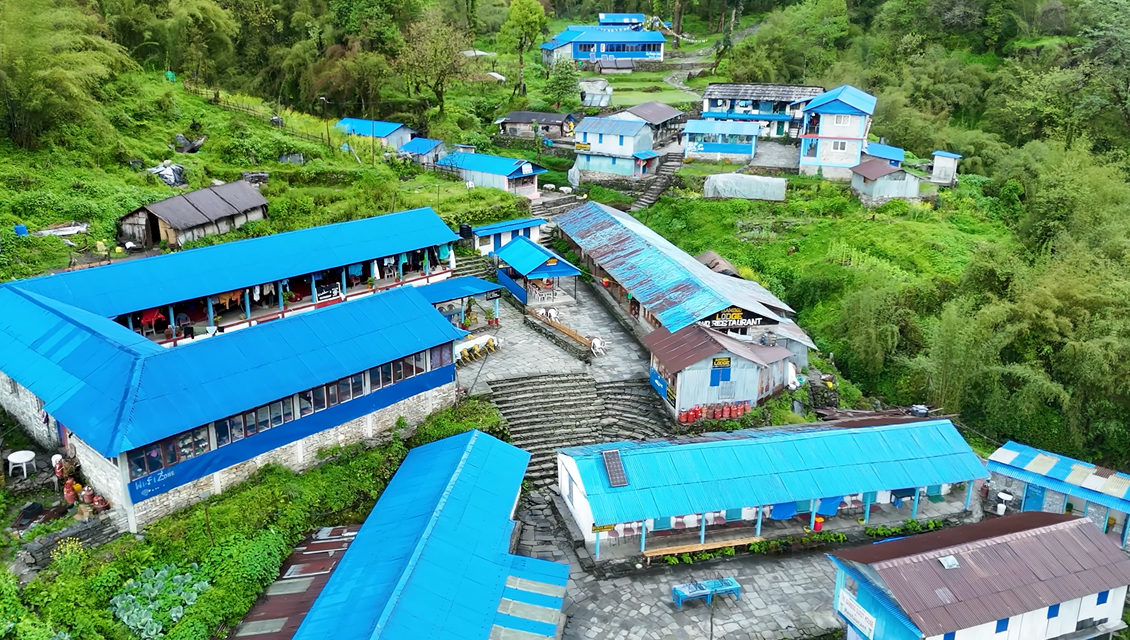
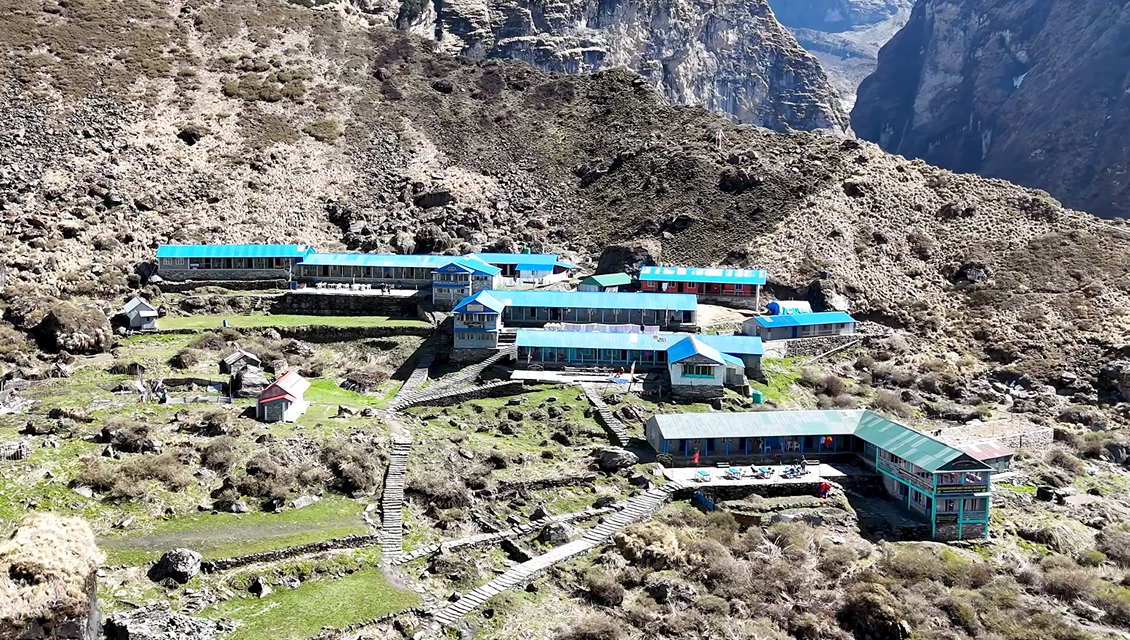
Lower villages such as Nayapul, Ghandruk, Chhomrong, and Sinuwa offer relatively comfortable lodges with good facilities. As the trail ascends toward Deurali and Annapurna Base Camp, accommodation becomes more basic due to high altitude and remote conditions.
Rooms are typically twin-sharing with simple bedding and shared bathroom facilities.
Meals
A full-board meal system (Breakfast, Lunch, and Dinner) is available throughout the trek. Meals are freshly prepared and designed to support high-energy trekking in mountain conditions.
Typical menu options include:
- Traditional Dal Bhat set meals
- Noodles, pasta, and fried rice
- Soups, potatoes, and seasonal vegetables
- Eggs, pancakes, and Tibetan bread
- Tea, coffee, and hot beverages
Food variety remains good along the entire route due to its popularity.
Difficulty & Physical Requirements
The Annapurna Base Camp Trek is classified as moderate, suitable for trekkers with a reasonable fitness level.
Daily trekking ranges from 5 to 7 hours, with steady ascent, stone steps, and some steep sections, especially around Chhomrong and Machhapuchhre Base Camp.
No technical climbing skills are required.
Permits
Required permits include:
- Annapurna Conservation Area Permit (ACAP)
- TIMS Card (Trekkers’ Information Management System)
All permits are arranged by the trekking operator.
Best Season
- Spring (March–May): Rhododendron blooms, clear skies, and pleasant temperatures
- Autumn (September–November): Best visibility and stable trekking conditions
- Winter (December–February): Cold but less crowded and scenic
- Monsoon (June–August): Not recommended due to rain, landslides, and leeches
Transportation & Access
The trek usually begins with a drive from Pokhara to Nayapul or Siwai, followed by trekking through traditional villages and forest trails.
Pokhara serves as the main gateway city, accessible by flight or road from Kathmandu.
Safety & Acclimatization
Although the maximum altitude is moderate compared to high expeditions, proper pacing and hydration are important.
Key considerations include:
- Gradual ascent through forest and village trails
- Proper rest stops at Chhomrong and Deurali
- Staying hydrated and maintaining steady walking pace
- Guides ensure safety, navigation, and emergency support when needed.
Travel Insurance
Recommended travel insurance should include:
- Trekking coverage up to at least 4,500m
- Emergency medical treatment
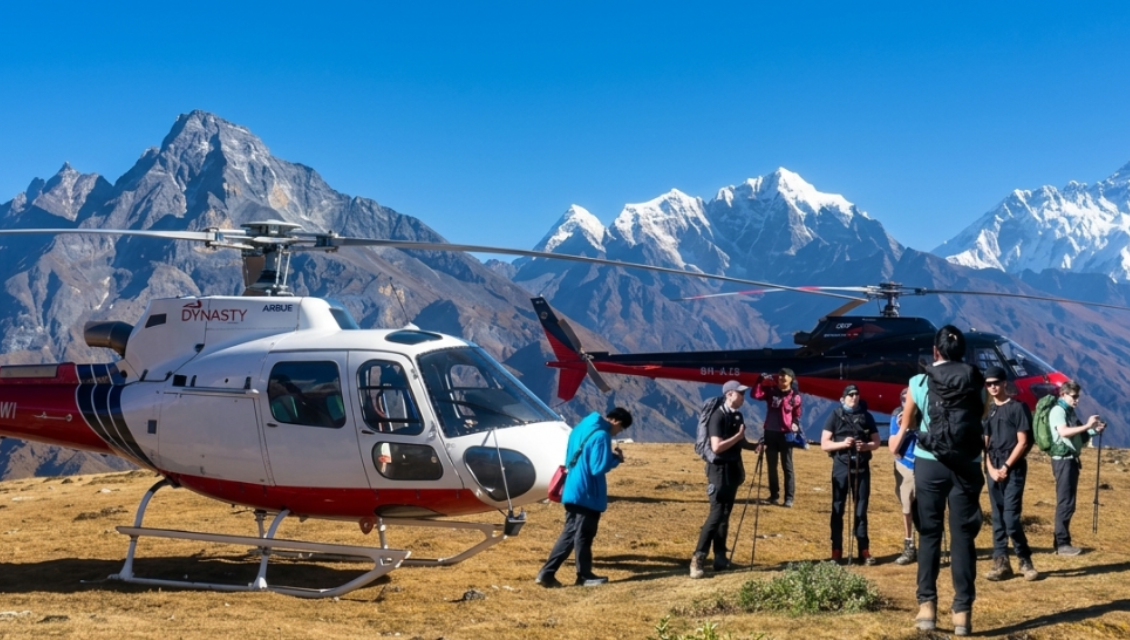
- Helicopter evacuation coverage
- Trip cancellation and accident protection
Additional Information
Guide & Porter Services
Licensed guides provide navigation support, safety management, and cultural interpretation throughout the trek.
Porters are available to carry luggage, allowing trekkers to enjoy the journey with a light daypack.
Cultural & Natural Highlights
The Annapurna Base Camp Trek is known for its dramatic scenery and cultural richness:
- Amphitheater-like views from Annapurna Base Camp
- Close-up views of Annapurna I, Machhapuchhre, and Hiunchuli
- Traditional Gurung villages such as Ghandruk
- Dense rhododendron and bamboo forests
- Machhapuchhre Base Camp (gateway to ABC)
- Sunrise and sunset over snow-covered Himalayan peaks
- Diverse landscapes from subtropical to alpine zones
Essential Equipment
Recommended trekking gear includes:
- Comfortable trekking boots
- Layered clothing system
- Warm down jacket for high altitude
- Waterproof jacket and trousers
- Gloves, hat, buff, and sunglasses
- Trekking poles
- Daypack (30–40L)
- Basic first aid kit and personal medication
Communication & Connectivity
Mobile network coverage is available in most lower and mid sections of the route but becomes weaker near higher camps like Deurali and Annapurna Base Camp.
Wi-Fi is available in some teahouses at lower elevations, but connectivity is limited in high mountain areas.
Why Choose the Annapurna Base Camp Trek?
This trek is one of Nepal’s most rewarding classic Himalayan journeys:
- Direct access to the heart of the Annapurna Sanctuary
- Close panoramic views of Annapurna I and Machhapuchhre
- Moderate difficulty suitable for most trekkers
- Rich cultural experience in Gurung villages
- Diverse landscapes from forests to glaciers
- Well-developed teahouse infrastructure
- Easy access from Pokhara
- One of the most iconic treks in Nepal
USD 1790 / person
See group booking discount- No. of person Price per person
- 1 USD 1790.00
- 2-3 USD 1515.00
- 4-7 USD 1455.00
- 8-12 USD 1390.00
- 13-17 USD 1325.00
The price may varies
Speak to an Expert