Budget
USD 1350
Per Person
Rating
4 Reviews
Duration
1 Days
Trip Overview
The Everest Mountain Flight by Helicopter is one of the most exclusive and breathtaking aerial experiences in Nepal, offering travelers the opportunity to witness the world’s highest peak, Mount Everest (8,848.86 m), in complete comfort and luxury. This short yet unforgettable journey is designed for those who wish to experience the grandeur of the Himalayas without undertaking long trekking routes.
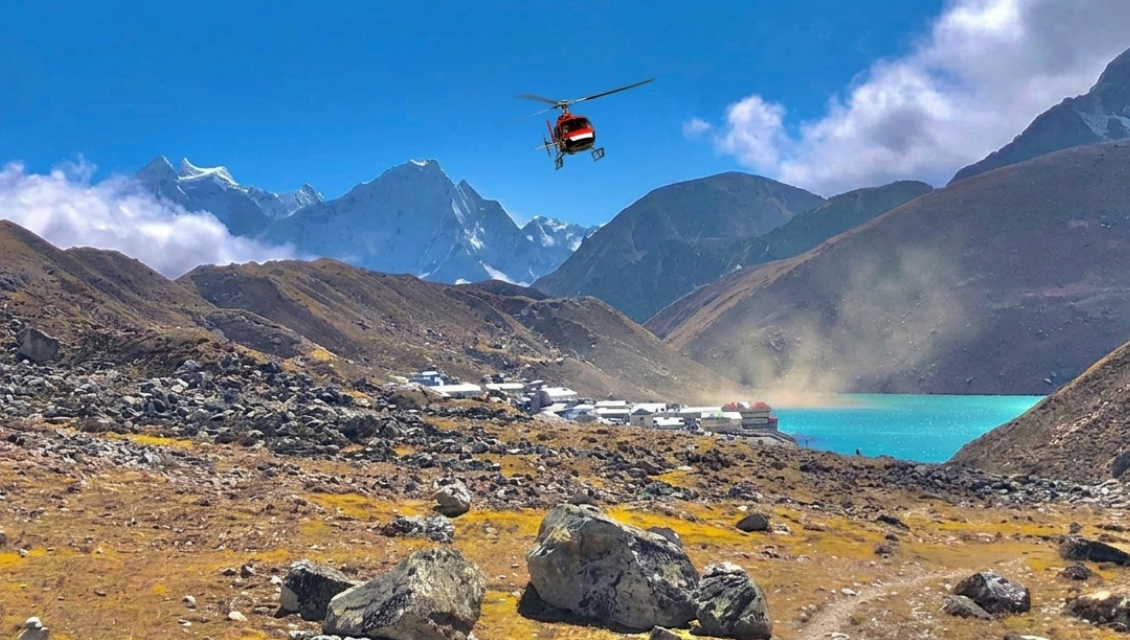
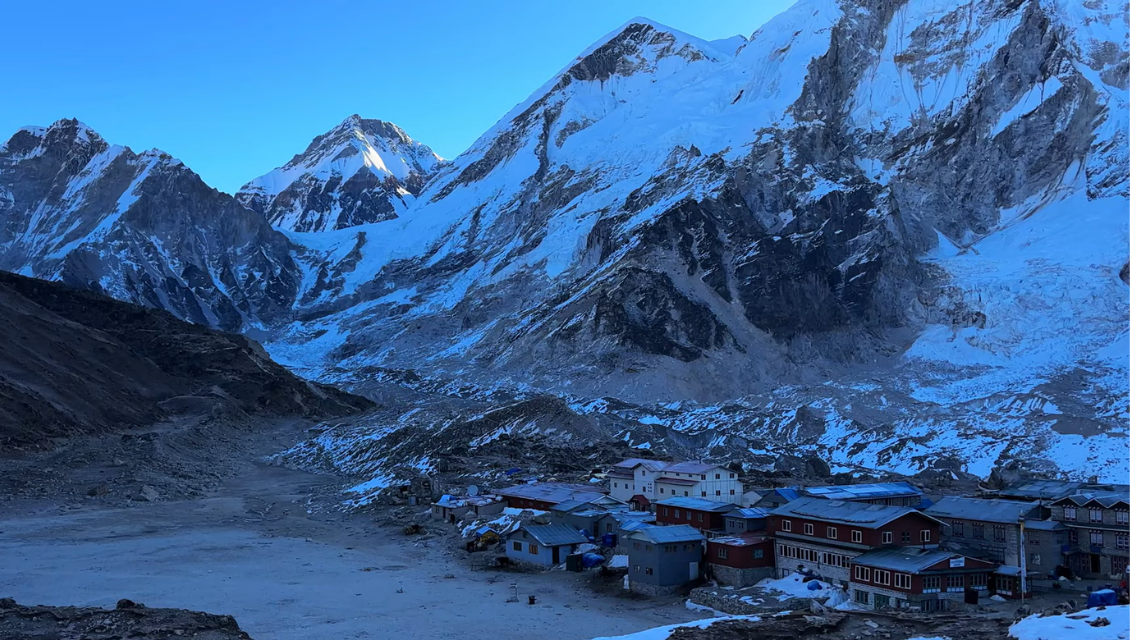
Departing from Kathmandu, the helicopter flight takes passengers over dramatic mountain landscapes, deep river valleys, glacial systems, and remote Himalayan settlements before reaching the Everest region. Depending on weather conditions and aviation permissions, the helicopter may land at Kala Patthar (5,545 m) or near the Everest View Hotel, providing the closest possible view of Mount Everest and surrounding peaks.
This experience is ideal for luxury travelers, photographers, adventure seekers, families, senior travelers, and those with limited time who still wish to experience the Himalayas in their most spectacular form. It combines comfort, safety, and unmatched Himalayan scenery in a single unforgettable journey.
Geography and Landscape
The Everest helicopter flight passes through one of the most diverse and dramatic geographical regions in the world. The journey begins in the Kathmandu Valley, situated at approximately 1,400 meters above sea level. This valley is surrounded by green hills, terraced farmland, traditional villages, and ancient cultural heritage sites, offering a scenic departure point for the Himalayan journey.
As the helicopter moves eastward, the landscape gradually changes into rolling hills, forested ridges, and deep river valleys carved by glacial rivers. This transitional zone is rich in biodiversity and provides a striking contrast between cultivated landscapes and natural wilderness.
The flight then enters the central Himalayan region, passing over the Langtang and Rolwaling ranges. Here, passengers are treated to panoramic views of snow-covered peaks such as Langtang Lirung, Ganesh Himal, Dorje Lakpa, and Gauri Shankar. These mountains form part of the mid-Himalayan belt and provide a spectacular introduction to high-altitude terrain.
As the helicopter approaches the Khumbu region, the landscape becomes more rugged, remote, and dramatic. This area lies within Sagarmatha National Park, a UNESCO World Heritage Site known for its pristine alpine environment, glaciers, and rare Himalayan wildlife. Deep valleys, steep cliffs, and massive ice formations dominate the scenery.
The highlight of the journey is the Everest region itself, where iconic peaks such as Mount Everest, Lhotse, Nuptse, Ama Dablam, Pumori, and Thamserku rise dramatically above the surrounding terrain. The combination of towering snow peaks, glacial rivers, and vast mountain horizons creates one of the most awe-inspiring landscapes on Earth.
Climate and Weather Conditions
The Everest region experiences highly variable mountain weather conditions due to extreme altitude differences. Climate plays a crucial role in helicopter operations, as visibility and wind conditions determine flight safety and sightseeing quality.
In Kathmandu and lower elevations, the climate is generally mild, with warm temperatures in summer and cool winters. As the helicopter ascends above 3,000 meters, temperatures drop rapidly, and conditions become cold, dry, and windy.
Clear visibility is essential for a successful mountain flight. Early morning departures are preferred because the atmosphere is more stable, winds are lighter, and cloud formation is minimal. Weather in the Himalayas can change quickly, and flights may be rescheduled for safety reasons if conditions are not favorable.
Best Time for Everest Helicopter Flight
The Everest Helicopter Mountain Flight operates year-round, but certain seasons offer significantly better visibility and flying conditions.
Spring Season (March – May)
Spring is one of the best times for mountain flights. The weather is generally stable, temperatures are moderate, and skies are often clear in the morning. The lower hills are covered with blooming rhododendrons, and visibility of Everest and surrounding peaks is excellent.
Autumn Season (September – November)
Autumn is considered the peak season for Everest helicopter tours. After the monsoon rains, the atmosphere becomes crystal clear, offering the sharpest and most stunning views of the Himalayas. This season provides the best photographic conditions and the highest flight reliability.
Winter Season (December – February)
Winter offers extremely clear skies and excellent mountain visibility. Although temperatures are very cold, especially at higher altitudes, the crisp air provides breathtaking views of snow-covered peaks with minimal haze.
Monsoon Season (June – August)
The monsoon season is generally not recommended due to heavy rainfall, cloud cover, and low visibility. Flights are often delayed or canceled during this period due to unpredictable weather conditions.
Package Highlights:
- Aerial view of Mount Everest (8,848.86 m)
- Scenic flight over Langtang and Rolwaling Himalayan ranges
- Close-up views of Khumbu Glacier and Icefall
- Optional landing at Kala Patthar or Everest View Hotel (weather dependent)
- Fly over Sagarmatha National Park (UNESCO World Heritage Site)
- Panoramic views of Lhotse, Nuptse, Ama Dablam, and Pumori
- Professional pilot commentary during the flight
- Luxury helicopter experience with photography opportunities
- Same-day return to Kathmandu
Book This Trip
Trip Information
 Start : Kathmandu
 Finish : Kathmandu
 Difficulty :
Easy
Difficulty :
Easy
 Max Altitude : 8000
 Group Size : 17 People
 Season : SEP-NOV, MAR-MAY
Trip Gallery
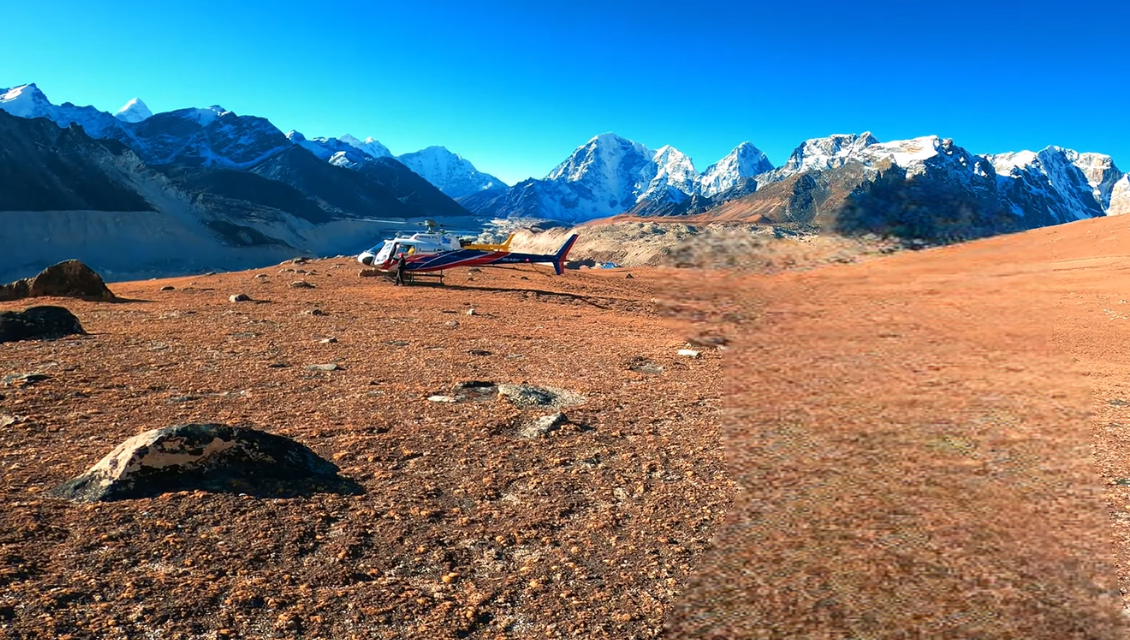
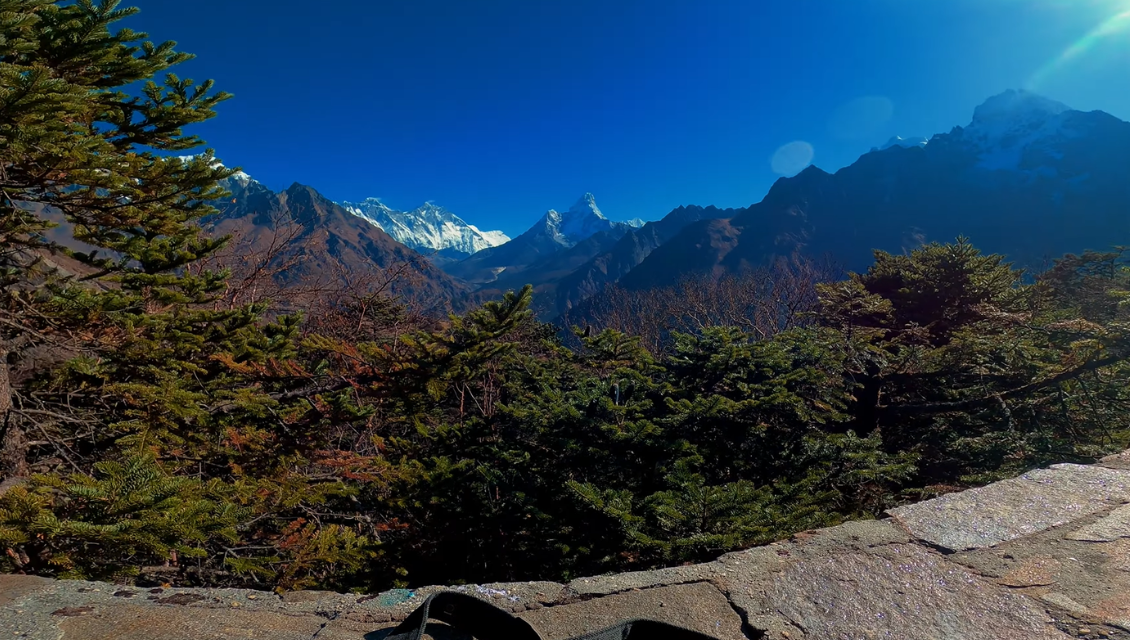
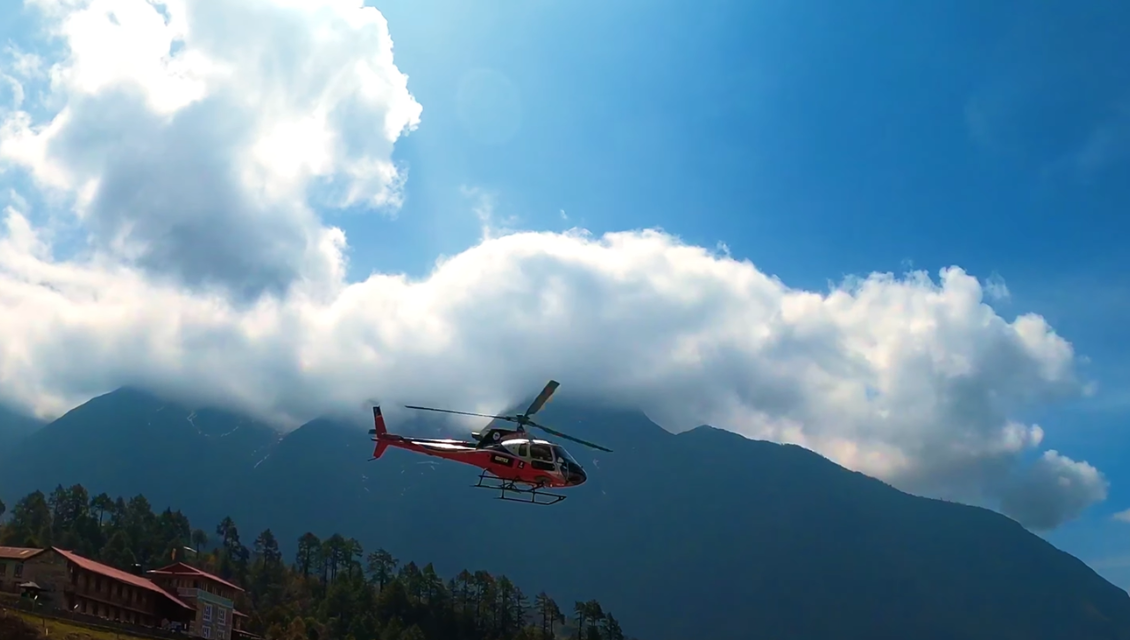
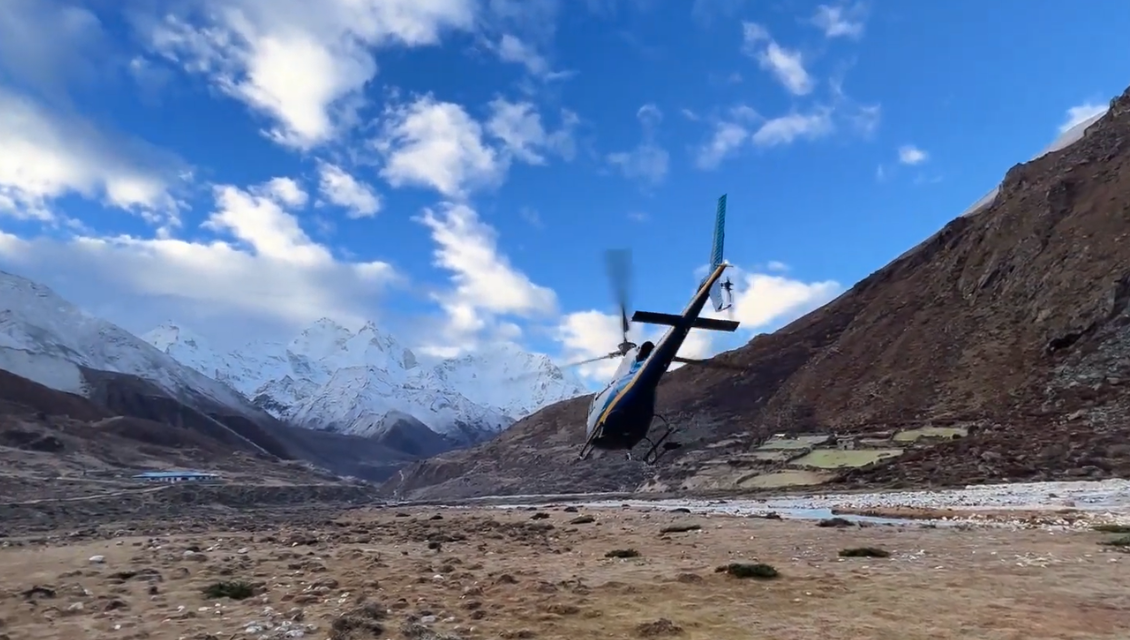
Trip Itinerary
Early Morning: Hotel Pickup & Transfer
Early in the morning (around 5:30–6:30 AM), our representative will pick you up from your hotel in Kathmandu and transfer you to Tribhuvan International Airport Domestic Terminal. This early departure is essential to ensure the best weather conditions and clear Himalayan visibility.
Upon arrival at the airport, you will complete check-in formalities and receive a short safety briefing from the helicopter crew. Boarding arrangements are carefully managed for comfort and safety.
Flight Departure from Kathmandu (1,400 m)
The helicopter takes off from Kathmandu Valley, flying east toward the Himalayan region. Soon after departure, you will witness panoramic views of Kathmandu Valley, green hills, traditional villages, and river systems.
As the flight progresses, the landscape transitions into the Langtang Himalayan range. On clear days, you can see peaks such as Langtang Lirung, Ganesh Himal, Dorje Lakpa, and Gauri Shankar.
Scenic Himalayan Flight Route
The helicopter continues deeper into the Everest region, offering breathtaking aerial views of:
- Rolwaling Himalayan range
- Khumbu region landscapes
- Deep river valleys and glaciers
- Remote Sherpa villages
- Sagarmatha National Park (UNESCO World Heritage Site)
The pilot provides live commentary, explaining mountain names, geography, and cultural landmarks during the flight.
Everest Viewpoint Landing (Subject to Weather & Permission)
Weather permitting and in compliance with aviation regulations, the helicopter may land at one of the following locations:
Kala Patthar (5,545 m) – closest viewpoint to Mount Everest
OR
Everest View Hotel area (Syangboche / 3,880 m)
Here, passengers can step out for a short stay (10–20 minutes) to enjoy:
Closest possible view of Mount Everest (8,848.86 m)
Panoramic views of Lhotse, Nuptse, Ama Dablam, and surrounding peaks
Khumbu Glacier and icefall scenery
Photography and video opportunities
Due to high altitude conditions, the stop is kept short for safety.
Scenic Return Flight
After the landing experience, the helicopter returns to Kathmandu following the same scenic route. During the return journey, passengers can enjoy:
- Aerial views of Himalayan ridges and valleys
- Changing landscapes from snow mountains to green hills
- Final views of the Everest region from above
Arrival in Kathmandu
Upon landing at Kathmandu Domestic Airport, you will be transferred back to your hotel. The rest of the day is free for relaxation, leisure, or personal activities.
Cost Includes
Helicopter Services
- Private or shared helicopter flight (Kathmandu – Everest region – Kathmandu)
- Experienced licensed helicopter pilot with mountain flying expertise
- Fuel charges and aviation operational costs
- Standard flight duration as per itinerary (approx. 1–3 hours depending on package)
Airport & Ground Services
- Hotel pickup and drop-off in Kathmandu by private vehicle
- Domestic airport transfers (Kathmandu domestic terminal)
- Airport taxes and applicable aviation service fees
- Ground handling and coordination support
Permits & Entry Fees
- Sagarmatha National Park entry permit (if landing is included)
- Local government fees where applicable
- Landing permission fees (Kala Patthar / Everest View Hotel area, if included in package)
Safety & Operational Support
- Oxygen supply onboard (as per aviation safety requirement)
- Emergency communication and mountain safety equipment
- Flight briefing and safety instructions before departure
- Weather monitoring and flight coordination service
Crew & Assistance
- Professional ground coordinator in Kathmandu
- Assistance from airport handling staff
- Customer support throughout the trip
Helicopter Services
- Private or shared helicopter flight (Kathmandu – Everest region – Kathmandu)
- Experienced licensed helicopter pilot with mountain flying expertise
- Fuel charges and aviation operational costs
- Standard flight duration as per itinerary (approx. 1–3 hours depending on package)
Airport & Ground Services
- Hotel pickup and drop-off in Kathmandu by private vehicle
- Domestic airport transfers (Kathmandu domestic terminal)
- Airport taxes and applicable aviation service fees
- Ground handling and coordination support
Permits & Entry Fees
- Sagarmatha National Park entry permit (if landing is included)
- Local government fees where applicable
- Landing permission fees (Kala Patthar / Everest View Hotel area, if included in package)
Safety & Operational Support
- Oxygen supply onboard (as per aviation safety requirement)
- Emergency communication and mountain safety equipment
- Flight briefing and safety instructions before departure
- Weather monitoring and flight coordination service
Crew & Assistance
- Professional ground coordinator in Kathmandu
- Assistance from airport handling staff
- Customer support throughout the trip
Cost Excludes
International Travel
- International airfare to and from Nepal
- Visa fees for Nepal entry (available on arrival or embassy)
Personal Expenses
- Meals and beverages during the tour
- Personal shopping, souvenirs, and tips
- Hotel accommodation in Kathmandu (unless included in package)
- Wi-Fi, laundry, and other personal services
Insurance
- Travel insurance (strongly recommended) covering medical emergencies
- Helicopter evacuation (if required)
- Trip cancellation or delays
- High-altitude travel coverage
Optional Services
- VIP private charter upgrade
- Extra flight time or extended sightseeing routes
- Professional photography or videography services
- Extra landing stops (if permitted and weather allows)
Weather & Operational Conditions
- Costs due to flight delays or cancellations caused by weather
- Additional accommodation if rescheduling is required
- Any extra transport due to unforeseen aviation disruptions
International Travel
- International airfare to and from Nepal
- Visa fees for Nepal entry (available on arrival or embassy)
Personal Expenses
- Meals and beverages during the tour
- Personal shopping, souvenirs, and tips
- Hotel accommodation in Kathmandu (unless included in package)
- Wi-Fi, laundry, and other personal services
Insurance
- Travel insurance (strongly recommended) covering medical emergencies
- Helicopter evacuation (if required)
- Trip cancellation or delays
- High-altitude travel coverage
Optional Services
- VIP private charter upgrade
- Extra flight time or extended sightseeing routes
- Professional photography or videography services
- Extra landing stops (if permitted and weather allows)
Weather & Operational Conditions
- Costs due to flight delays or cancellations caused by weather
- Additional accommodation if rescheduling is required
- Any extra transport due to unforeseen aviation disruptions
Trip Date And Time
We'll Be There, Like We've Been There Before
|
Start |
End |
Trip Cost |
Action |
Enquire |
|---|---|---|---|---|
| 30 Nov, 2026 | 30 Nov, 2026 | 1350 | Book Now | |
| 20 Nov, 2026 | 20 Nov, 2026 | 1350 | Book Now | |
| 10 Nov, 2026 | 10 Nov, 2026 | 1350 | Book Now | |
| 01 Nov, 2026 | 01 Nov, 2026 | 1350 | Book Now | |
| 25 Oct, 2026 | 25 Oct, 2026 | 1350 | Book Now | |
| 14 Oct, 2026 | 14 Oct, 2026 | 1350 | Book Now | |
| 04 Oct, 2026 | 04 Oct, 2026 | 1350 | Book Now | |
| 27 Sep, 2026 | 27 Sep, 2026 | 1350 | Book Now | |
| 15 Sep, 2026 | 15 Sep, 2026 | 1350 | Book Now | |
| 06 Sep, 2026 | 06 Sep, 2026 | 1350 | Book Now | |
| 30 Aug, 2026 | 30 Aug, 2026 | 1350 | Book Now |
Essential Information
Duration
- Total experience: 3 to 5 hours (depending on landing option)
- Helicopter flight time: approximately 1.5 to 2.5 hours round trip
- Landing time (if included): 10–30 minutes at high-altitude viewpoint
Route & Flight Path
Typical helicopter route:
Kathmandu → Lukla (refueling stop if required) → Everest Base Camp / Kala Patthar → Everest Viewpoint → Return to Kathmandu
Key highlights during the flight:
- Aerial view of Lukla Airport (one of the world’s most extreme airports)
- Dudh Koshi River valley
- Namche Bazaar and Sherpa settlements
- Everest Base Camp and Khumbu Icefall
- Kala Patthar viewpoint landing (optional)
- Panoramic Himalayan range views
Aircraft Type
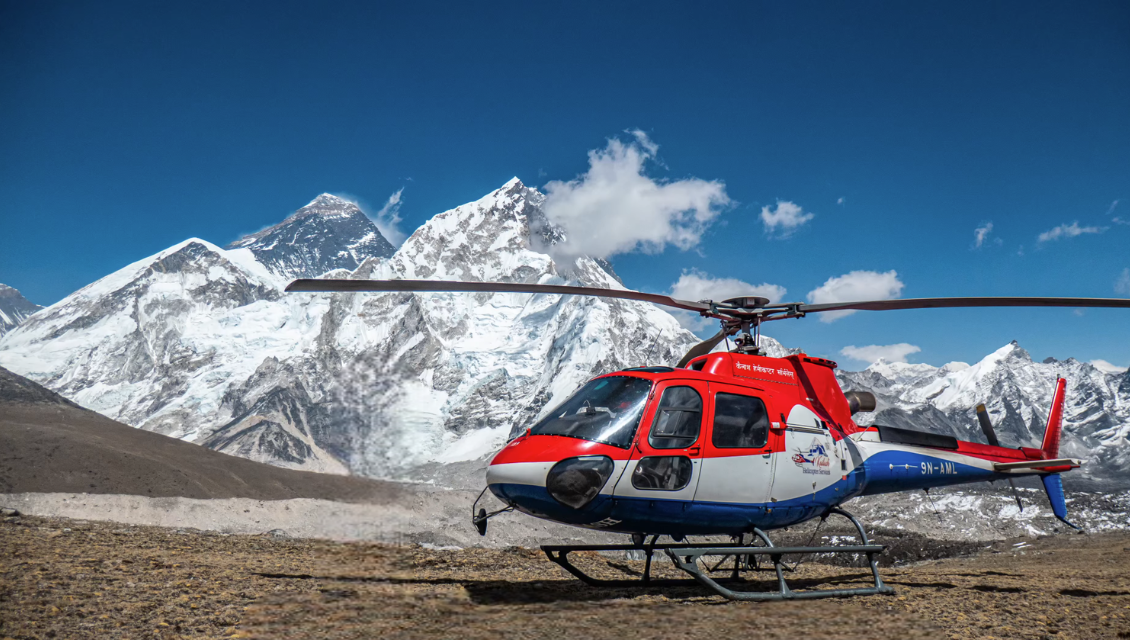
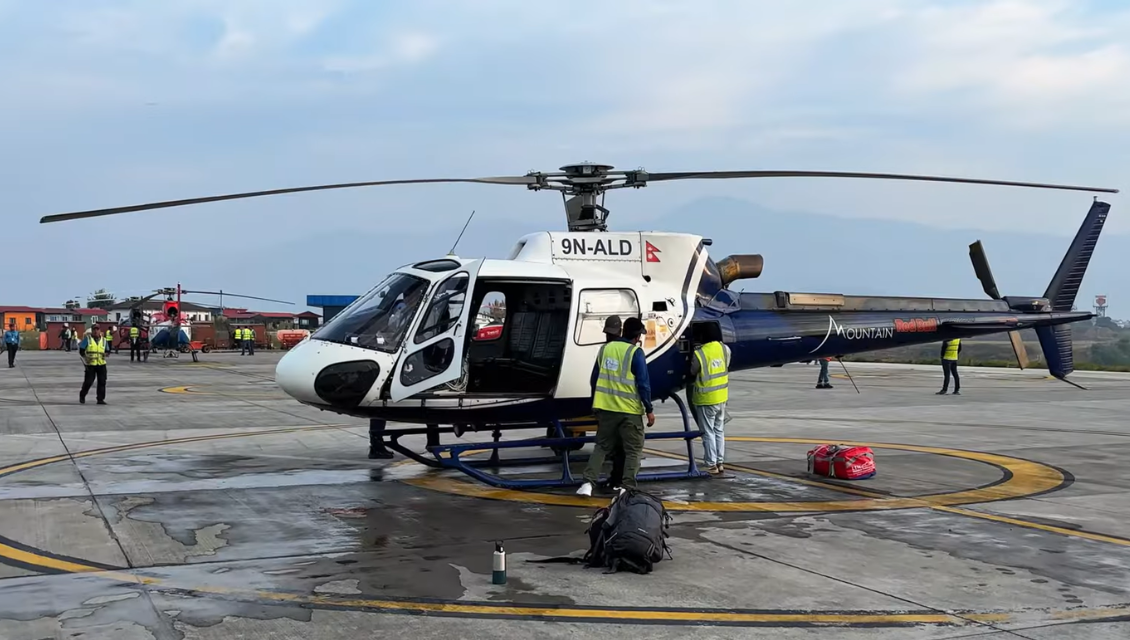
- AS350 B3e (Airbus Helicopter) – commonly used for high-altitude operations
- Seating capacity: 4–5 passengers (weight dependent)
- Equipped for high-altitude performance and mountain operations
- Flights may be shared or private depending on booking type.
Difficulty & Physical Requirements
This is a non-trekking, easy adventure experience suitable for all age groups.
- However, passengers should consider:
- High-altitude landing at Kala Patthar (5,545m)
- Short exposure to thin air during landing (if applicable)
- Cold temperatures at high altitude even in peak seasons
- No physical fitness requirement is necessary.
Best Season
- March–May: Clear skies, excellent visibility, ideal conditions
- September–November: Best overall flying conditions with sharp mountain views
- December–February: Cold but stable weather, fewer crowds
- June–August: Monsoon season with possible weather delays and limited visibility
Safety & Acclimatization
Helicopter flights are operated under strict safety protocols:
Key safety measures:
- Weather-dependent flight operations
- Oxygen system available on board if required
- Limited landing duration at high altitude
- Experienced high-altitude pilots and mountain-trained crew
- Continuous weather monitoring before departure
Flights may be delayed or rescheduled due to sudden Himalayan weather changes.
Permits
Required permits include:
- Sagarmatha National Park Entry Permit
- Local municipal permits (if landing in Khumbu region)
- TIMS card (if applicable depending on itinerary)
- All permits are arranged by the operator.
Meals
This is a short aerial experience, so meals are not included as standard. However:
- Breakfast at hotel in Kathmandu is usually included before departure
- Light snacks and bottled water may be provided onboard (depending on operator)
- Optional luxury breakfast at Everest View Hotel (if landing included)
Additional Information
Landing Options
Depending on package type:
- Kala Patthar Landing: Closest accessible viewpoint to Mount Everest
- Everest Base Camp Flyover: Aerial view without landing
- Everest View Hotel Landing: Scenic stop with breakfast and panoramic views
Guide & Crew Services
The helicopter is operated with:
- Experienced pilot trained in high-altitude flying
- Ground coordination team in Kathmandu and Lukla
- Optional escort guide (for luxury/private packages)
Cultural & Natural Highlights
This helicopter journey offers some of the most iconic Himalayan views:
- Mount Everest (North and South faces depending on angle)
- Khumbu Icefall and Everest Base Camp region
- Sherpa villages such as Namche Bazaar
- Himalayan giants: Lhotse, Nuptse, Ama Dablam
- Deep river valleys and glacial landscapes
- Aerial view of Sagarmatha National Park
Essential Information (What to Carry)
Recommended items:
- Warm jacket (down or insulated)
- Sunglasses with UV protection
- Camera or phone for photography
- Comfortable layered clothing
- Gloves and hat (for landing stops)
- Small backpack or personal essentials
Communication & Connectivity
- Full mobile network in Kathmandu
- Limited or no connectivity during flight
- Strong connectivity in Namche and Lukla regions (weather dependent)
Why Choose Everest Mountain Flight by Helicopter?
This is one of the most exclusive Himalayan experiences:
- Aerial close-up of Mount Everest in a short time
- No trekking required
- Luxury and comfort with maximum Himalayan exposure
- Option to land at Kala Patthar (closest viewpoint to Everest)
- Perfect for families, senior travelers, and luxury clients
- One of the fastest ways to experience Everest Base Camp region
- Ideal combination of adventure and comfort
USD 1350 / person
See group booking discount- No. of person Price per person
- 1 USD 1350.00
The price may varies
Speak to an Expert