Budget
USD 2190
Per Person
Rating
4 Reviews
Duration
19 Days
Trip Overview
The Rolwaling–Tashi Lapcha Trek is one of Nepal’s most adventurous and demanding high-altitude expeditions, connecting the remote Rolwaling Valley with the Everest region through the challenging Tashi Lapcha Pass (5,755 m). This trek is ideal for experienced trekkers seeking a true Himalayan wilderness experience combined with glacier travel, technical terrain, and dramatic mountain scenery.
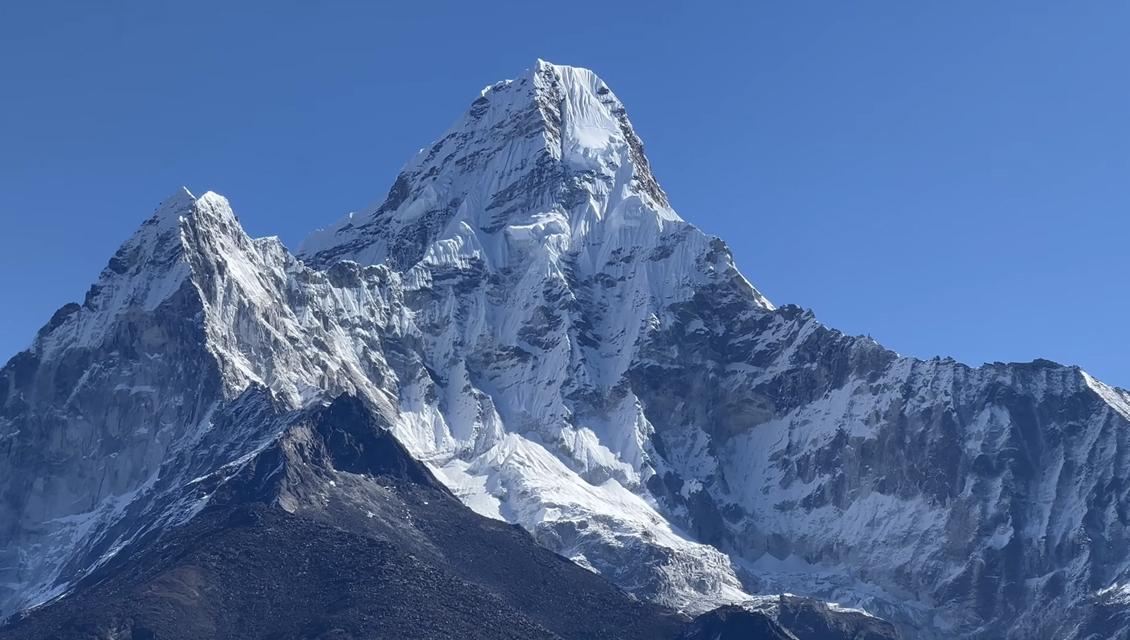
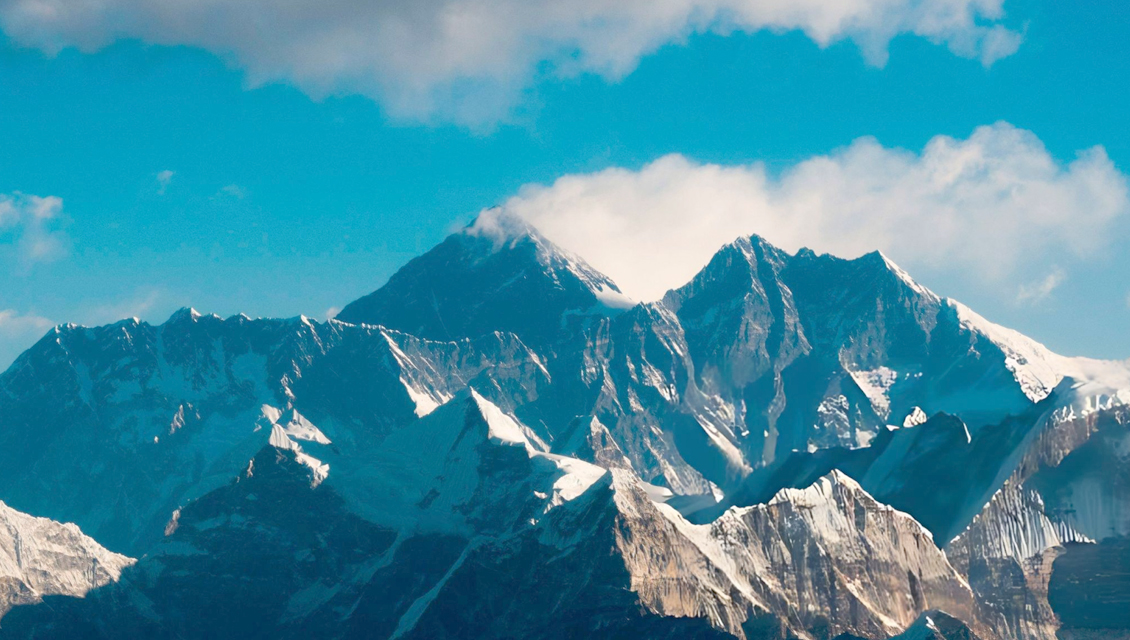
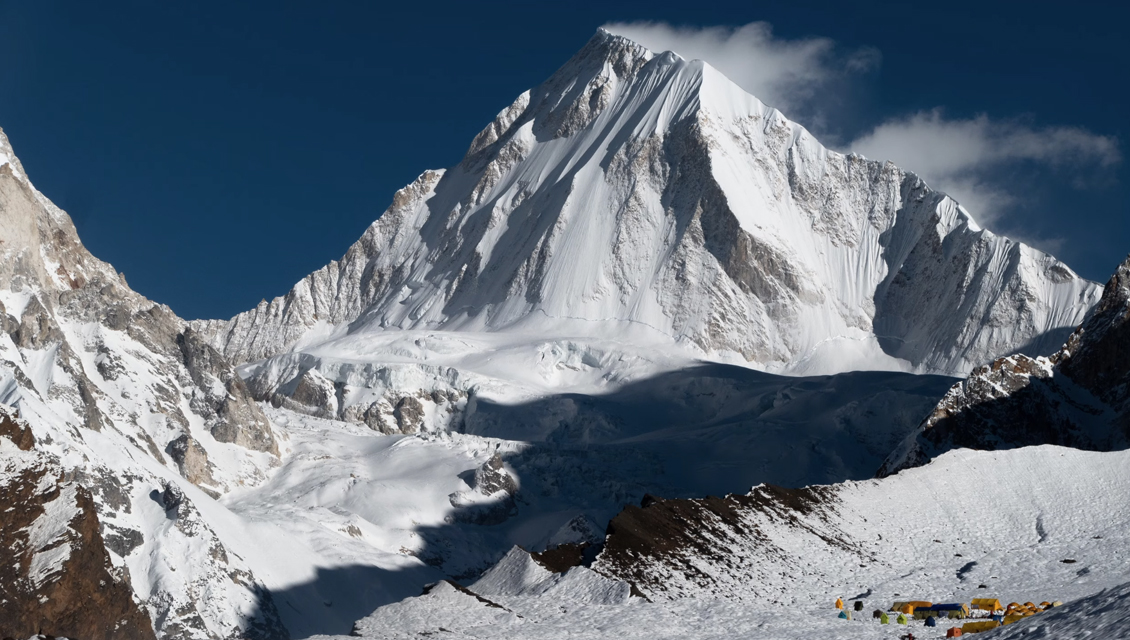
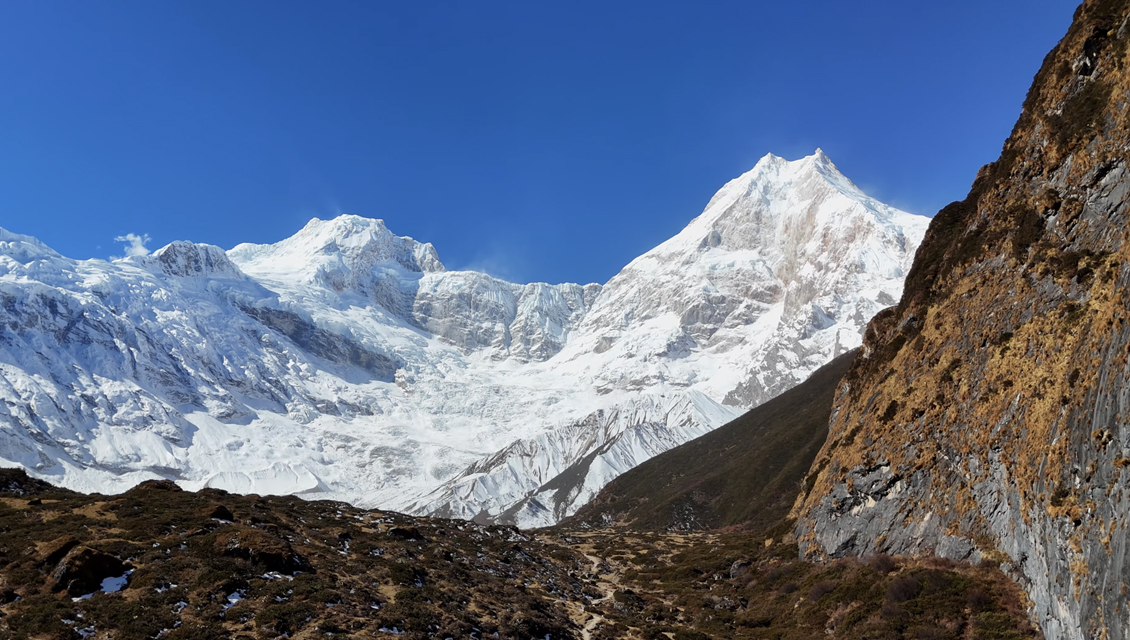
The journey is known for its isolation, raw natural beauty, and spectacular views of Himalayan giants such as Gauri Shankar, Melungtse, Tengi Ragi Tau, and distant views toward Everest region peaks. The crossing of Tashi Lapcha Pass is the highlight, offering breathtaking glacier panoramas and a direct connection between two iconic Himalayan valleys.
This trek is suitable only for well-prepared trekkers with high-altitude experience and basic mountaineering skills.
Geography and Landscape
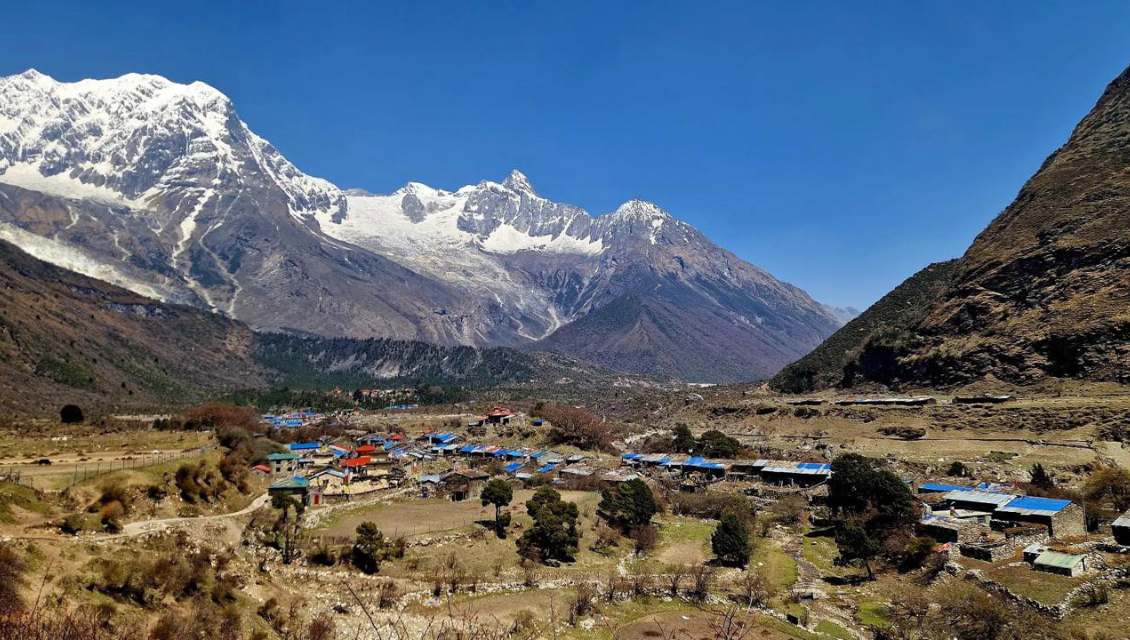
The Rolwaling–Tashi Lapcha Trek is located in eastern Nepal, within the Rolwaling Himal region of Dolakha district, extending into the Khumbu (Everest) region. The route passes through remote valleys and high mountain terrain, much of it inside the protected Himalayan conservation areas including Gaurishankar Conservation Area.
The trek begins with a drive from Kathmandu to Jagat or Shigati, followed by a long ascent through the Rolwaling Valley. The lower sections feature subtropical forests, terraced farmland, rivers, and scattered villages. As the trail progresses, the valley becomes increasingly narrow and rugged, surrounded by steep cliffs and snow-covered peaks.
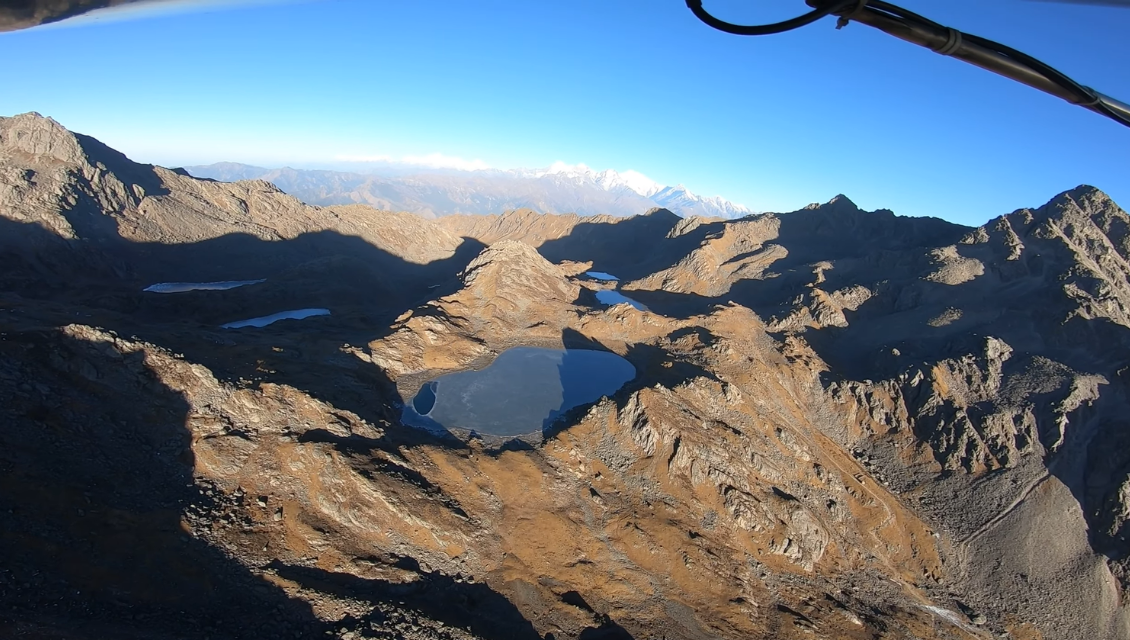
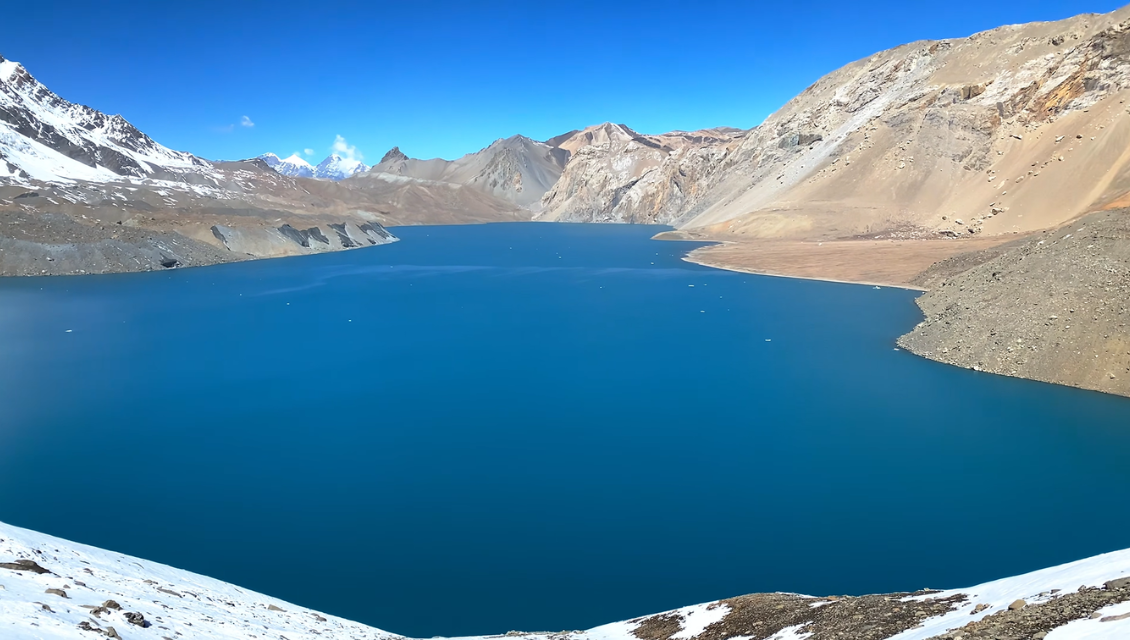
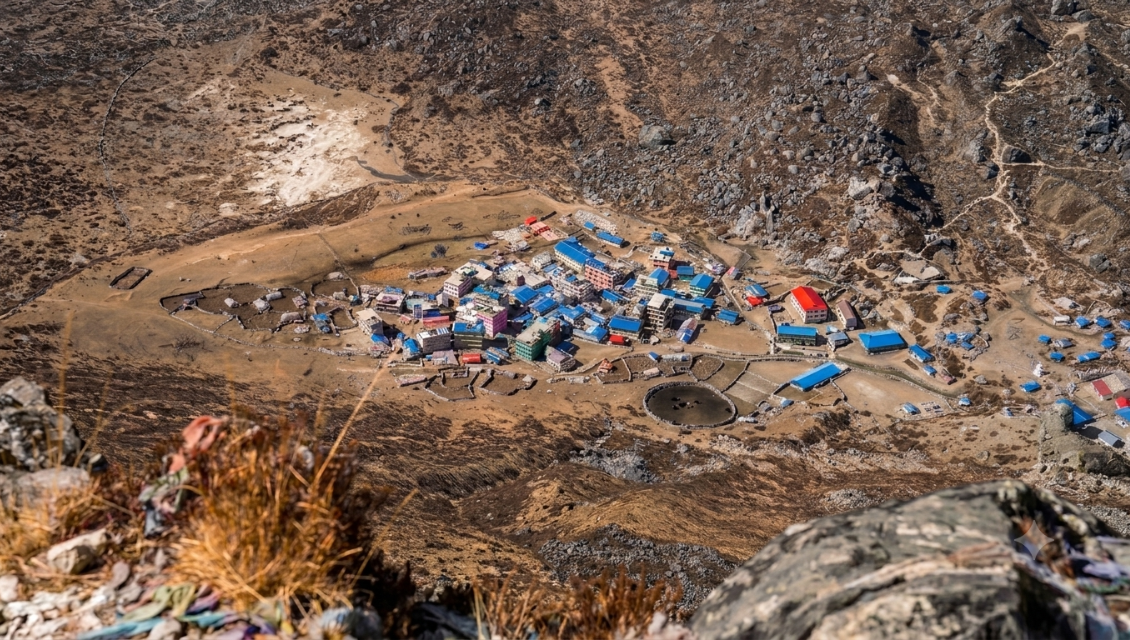
One of the most important stops is Na Village and Beding, traditional settlements of the Sherpa and Tamang communities living in extreme mountain conditions. Above these villages, the landscape transforms into alpine terrain with glaciers, moraines, and glacial lakes such as Tsho Rolpa, one of the largest glacial lakes in Nepal.
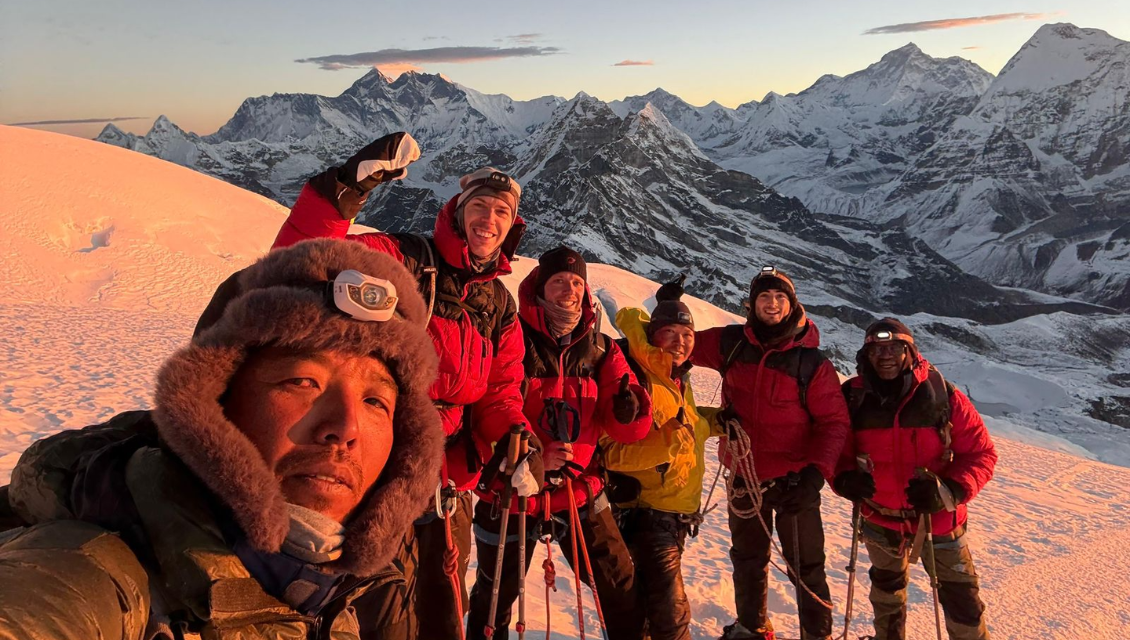
From the high camp, trekkers cross the Tashi Lapcha Pass, a technical and physically demanding section involving glacier travel, snow slopes, and rope-assisted sections depending on conditions. The descent leads into the Thame Valley of the Everest region, completing one of the most dramatic cross-valley transitions in Nepal.
The combination of glaciers, remote valleys, and high alpine wilderness makes this trek exceptionally challenging and visually stunning.
Climate and Best Time to Trek
The best seasons for the Rolwaling–Tashi Lapcha Trek are spring (April–May) and autumn (September–October). These months offer the most stable weather conditions for high-altitude trekking and glacier crossing.
Spring provides gradually warming temperatures, clearer skies, and relatively stable snow conditions on the pass. Autumn offers crisp air, excellent visibility, and more predictable weather, making it the preferred season for crossing Tashi Lapcha safely.
Winter (November–March) is extremely cold with heavy snowfall, making the pass inaccessible and dangerous. The monsoon season (June–August) brings rain, landslides, and unstable conditions in lower valleys, making it unsuitable for this expedition.
Overall, autumn is considered the safest and most reliable season for completing the full traverse.
People and Culture
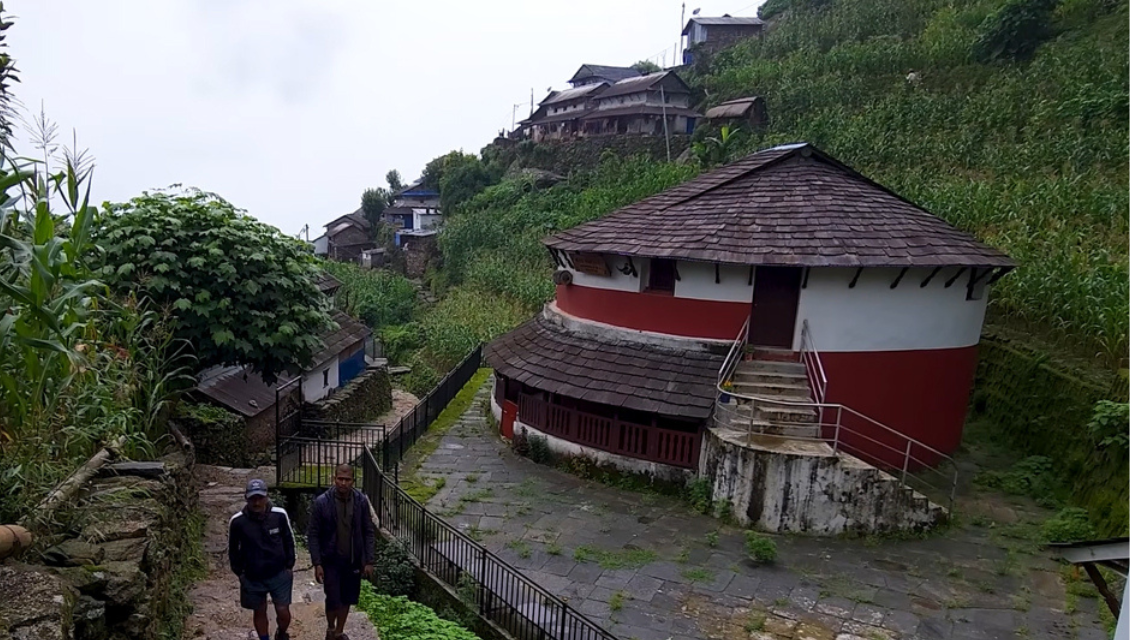
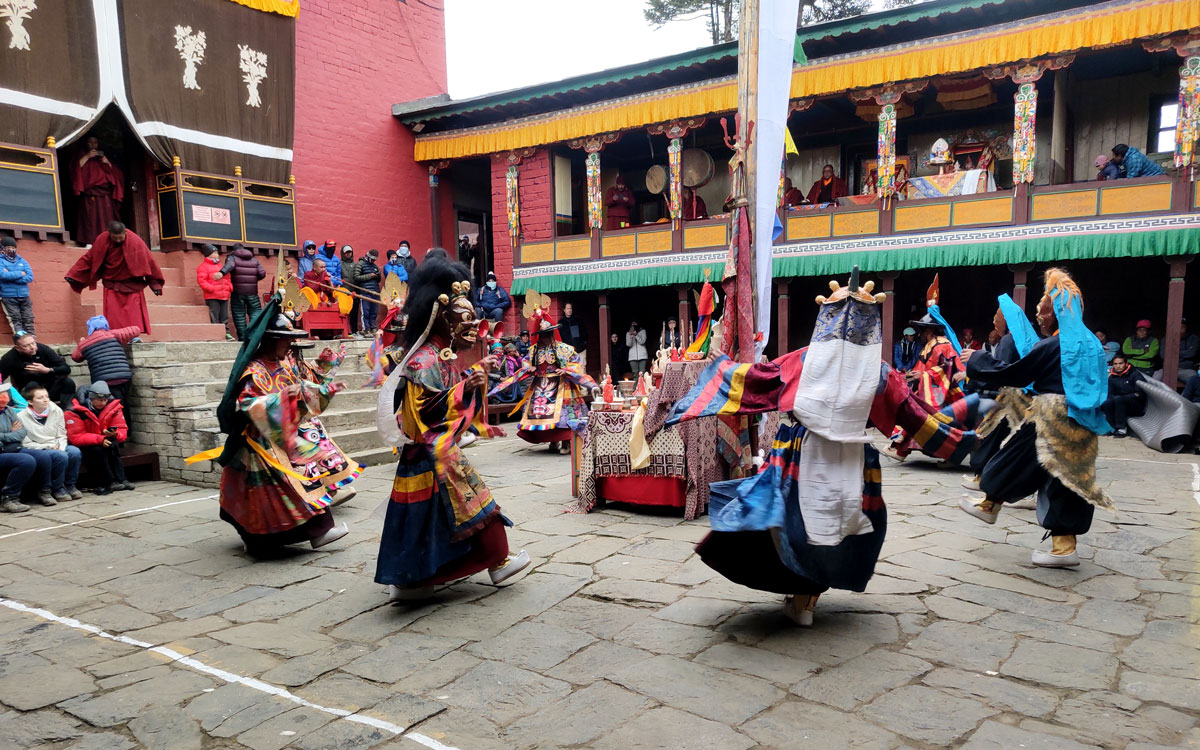
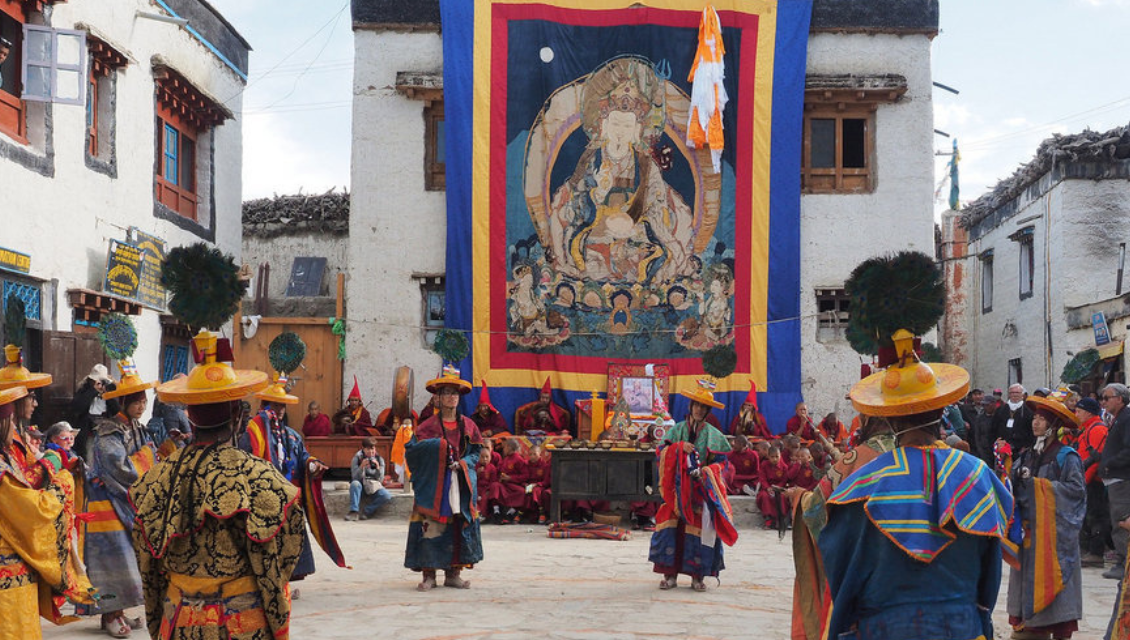
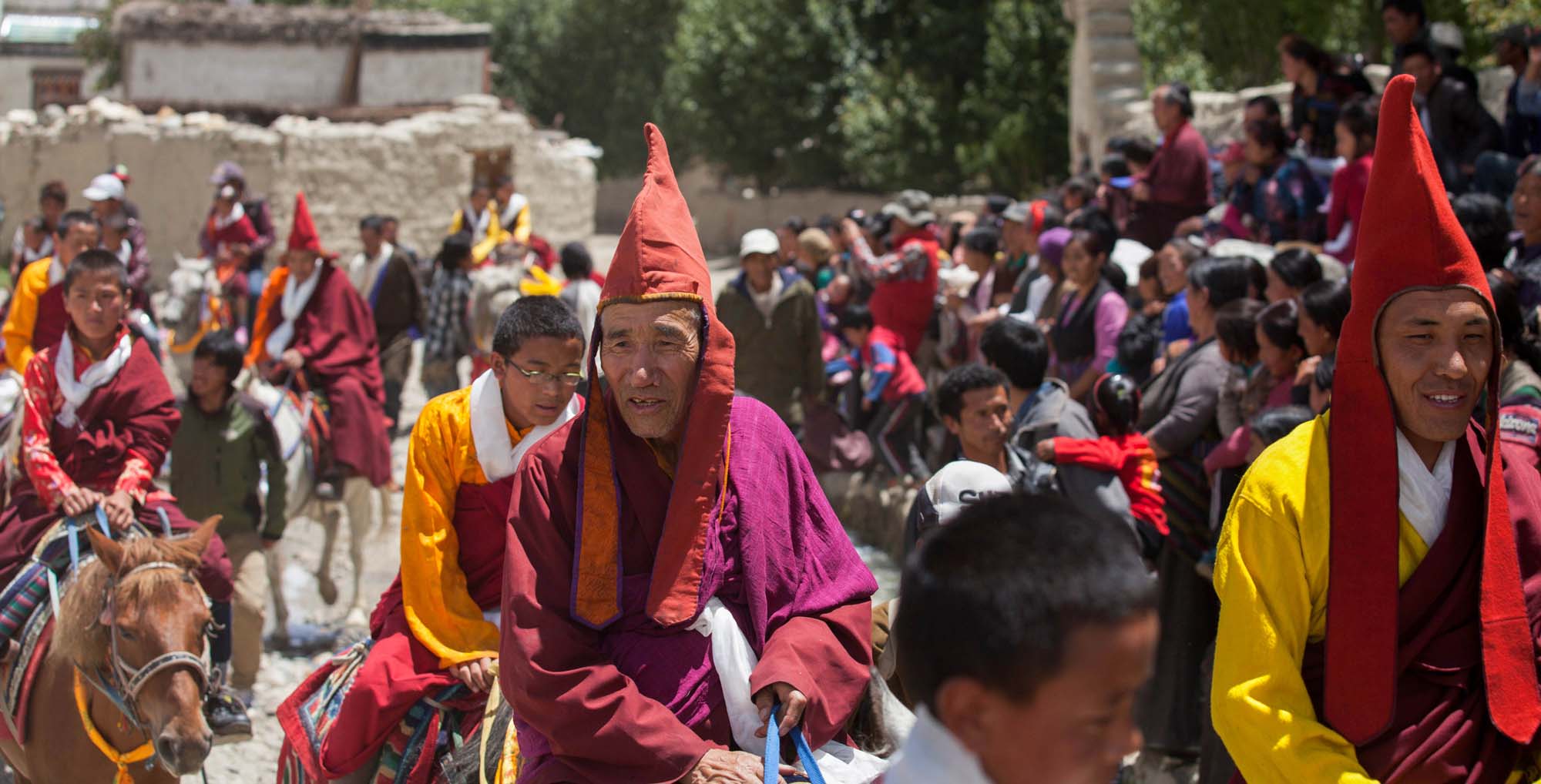
The Rolwaling Valley is home to a mix of Sherpa and Tamang communities whose lifestyles are deeply influenced by Tibetan Buddhism and high-altitude survival traditions. Villages such as Beding and Na preserve traditional stone houses, prayer flags, mani walls, and ancient monasteries.
Local life is centered around yak herding, small-scale agriculture, and trade between valleys. The isolation of the region has helped preserve unique cultural practices and a strong sense of community resilience.
As trekkers descend into the Everest region after crossing Tashi Lapcha, they enter Sherpa settlements such as Thame, where Buddhist monasteries and mountaineering heritage are prominent.
The combination of extreme wilderness, technical mountain terrain, and deep cultural heritage makes the Rolwaling–Tashi Lapcha Trek one of the most challenging and rewarding trekking experiences in Nepal.
Package Highlights:
- Explore the remote and pristine Rolwaling Valley.
- Enjoy spectacular views of Gauri Shankar and Melungtse.
- Trek through glaciers, forests, alpine meadows, and rugged Himalayan terrain.
- Cross the challenging Tashi Lapcha Pass (5,755m).
- Experience traditional Sherpa culture and ancient monasteries.
- Discover peaceful, less-crowded trails with deep spiritual atmosphere.
- Ideal for experienced trekkers seeking adventure and solitude.
- Option to connect with the classic Everest trekking route.
Book This Trip
Trip Information
 Start : Kathmandu
 Finish : Kathmandu
 Difficulty :
Moderate
Difficulty :
Moderate
 Max Altitude : 5755m
 Group Size : 17 People
 Season : SEP-NOV, MAR-MAY
Trip Gallery



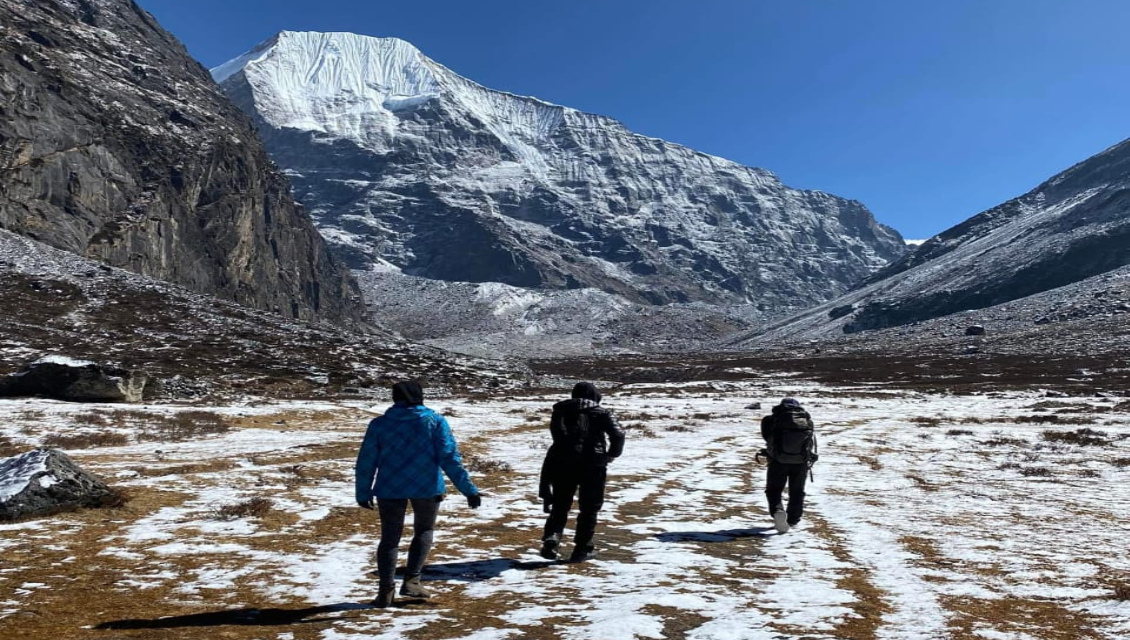


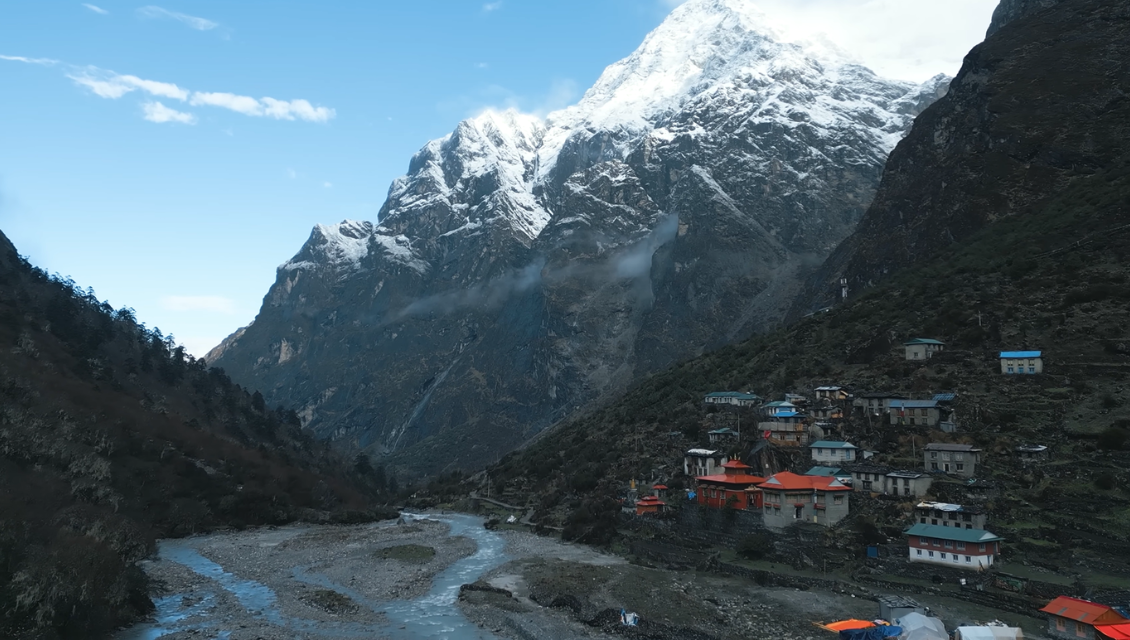
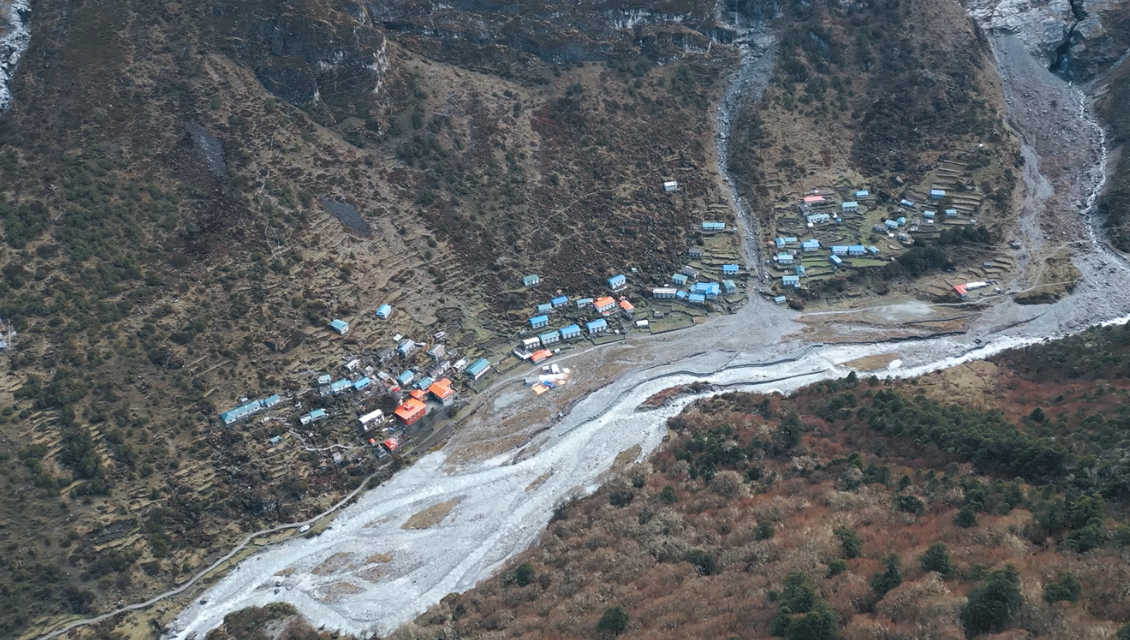


Trip Itinerary
Altitude: 1,400m
Your journey begins in Nepal’s bustling capital city. This day is dedicated to preparing your gear, reviewing safety protocols, and attending a detailed trek briefing to familiarize yourself with the route and cultural background.
Accomadation: Hotel
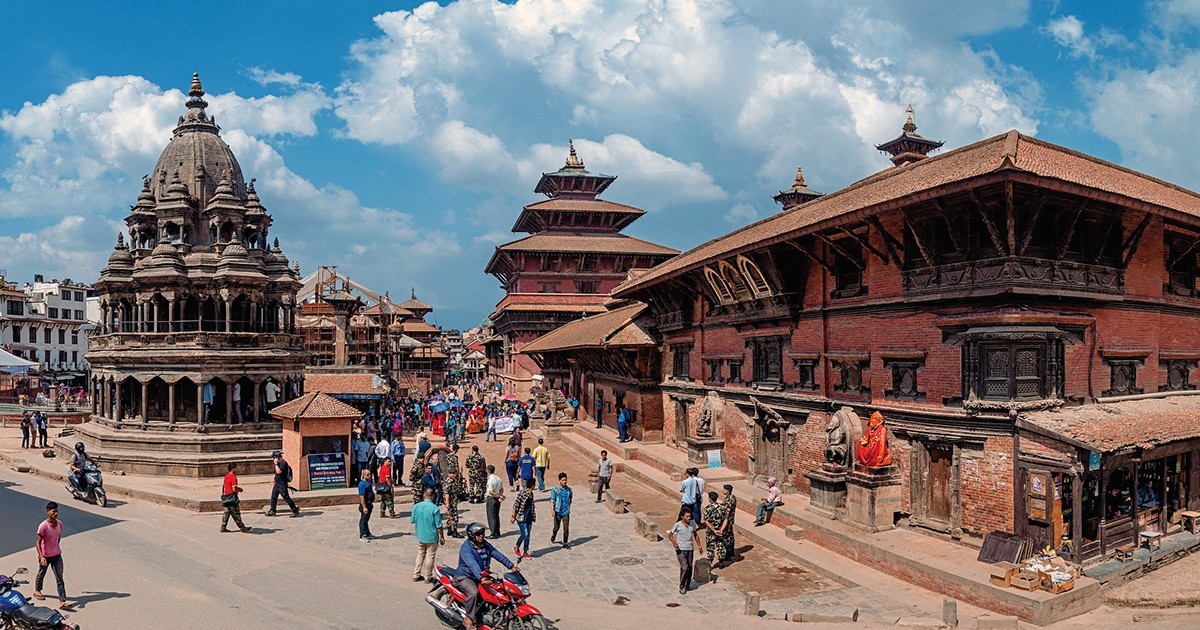
Place to visit: Nepal
Meals: Dinner
Altitude: 1,400m
Activity Duration: 4–6 hours
Today is reserved for obtaining trekking permits and finalizing logistics. Your guide will review safety procedures, altitude awareness, glacier-crossing techniques, and equipment requirements for the Tashi Lapcha Pass crossing.
The rest of the day is free for sightseeing or relaxation.
Accomadation: Hotel
Place to visit: Nepal
Meals: Breakfast
Altitude: 1,400m – 1,440m
Drive Duration: 8–9 hours
Leave Kathmandu early and travel east through the scenic foothills of Nepal. The drive passes traditional villages, terraced farmlands, winding mountain roads, and beautiful river valleys before reaching Gongar Khola, the starting point of the trek.
Accomadation: Tea House
Place to visit: Gaurisankar Region
Meals: Breakfast Lunch Dinner
Altitude: 1,440m – 2,000m
Trek Duration: 4–5 hours
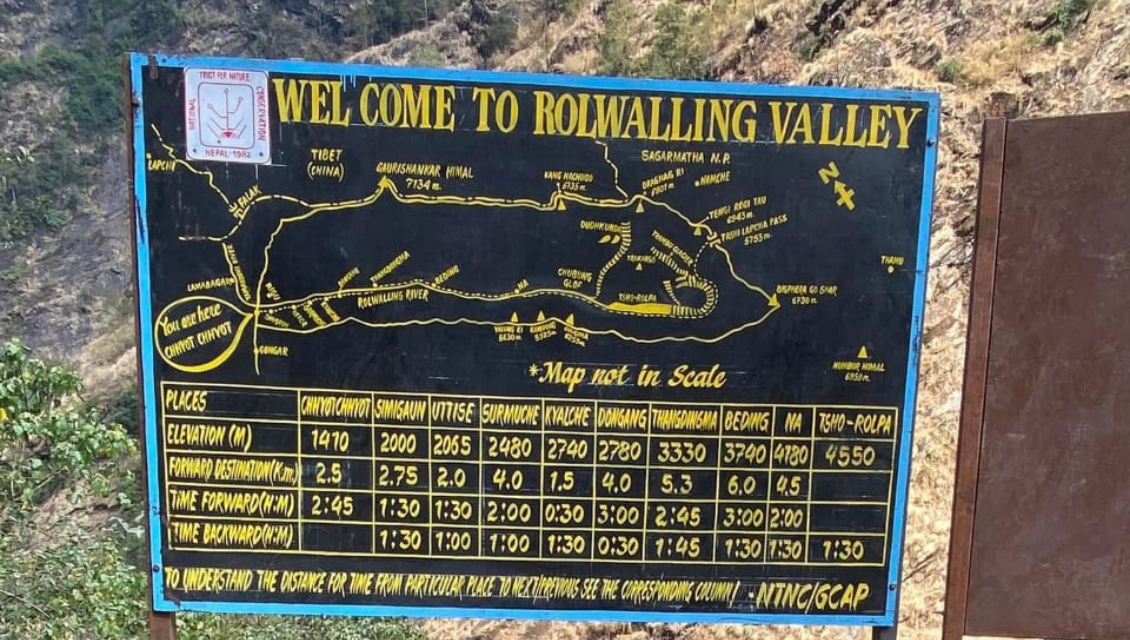
Begin trekking with a steady ascent through terraced fields, forests, and traditional Tamang and Sherpa settlements. Simigaun is a picturesque mountain village offering magnificent views of the Rolwaling Valley.
Accomadation: Tea House
Place to visit: Gaurisankar Region
Meals: Breakfast Lunch Dinner
Altitude: 2,000m – 2,790m
Trek Duration: 6–7 hours
Today's trail enters dense forests of rhododendron, pine, and bamboo. Follow the Rolwaling River through narrow valleys and suspension bridges before arriving at Dongang, a small settlement surrounded by wilderness.
Accomadation: Tea House
Place to visit: Gaurisankar Region
Meals: Breakfast Lunch Dinner
Altitude: 2,790m – 3,690m
Trek Duration: 5–6 hours
The valley gradually widens as you gain altitude. Spectacular views of snow-capped peaks begin to dominate the landscape. Reach Beding, the largest Sherpa village in Rolwaling Valley, known for its ancient monastery and rich cultural traditions.
Accomadation: Tea House
Place to visit: Gaurisankar Region
Meals: Breakfast Lunch Dinner
Altitude: 3,690m – 4,000m – 3,690m
Hiking Duration: 3–5 hours
A vital acclimatization day. Explore the village, visit local monasteries, and take short hikes to surrounding ridges for panoramic views of the Rolwaling Himal.
This day helps your body adapt to the increasing altitude before heading higher into the valley.
Accomadation: Tea House
Place to visit: Gaurisankar Region
Meals: Breakfast Lunch Dinner
Altitude: 3,690m – 4,180m
Trek Duration: 3–4 hours
A shorter trekking day through alpine meadows and yak pastures. The scenery becomes increasingly dramatic as glaciers and towering Himalayan peaks come into view.
Na Gaon is a peaceful high-altitude settlement surrounded by spectacular mountain scenery.
Accomadation: Tea House
Place to visit: Gaurisankar Region
Meals: Breakfast Lunch Dinner
Altitude: 4,180m – 4,800m – 4,180m
Hiking Duration: 4–6 hours
Optional hikes include:
- Yalung Ri viewpoint
- Glacier viewpoints above Na Gaon
- High alpine ridges overlooking the Rolwaling Valley
These excursions offer stunning views while aiding acclimatization for the upcoming pass crossing.
Accomadation: Tea House
Place to visit: Gaurisankar Region
Meals: Breakfast Lunch Dinner
Altitude: 4,180m – 4,580m
Trek Duration: 4–5 hours
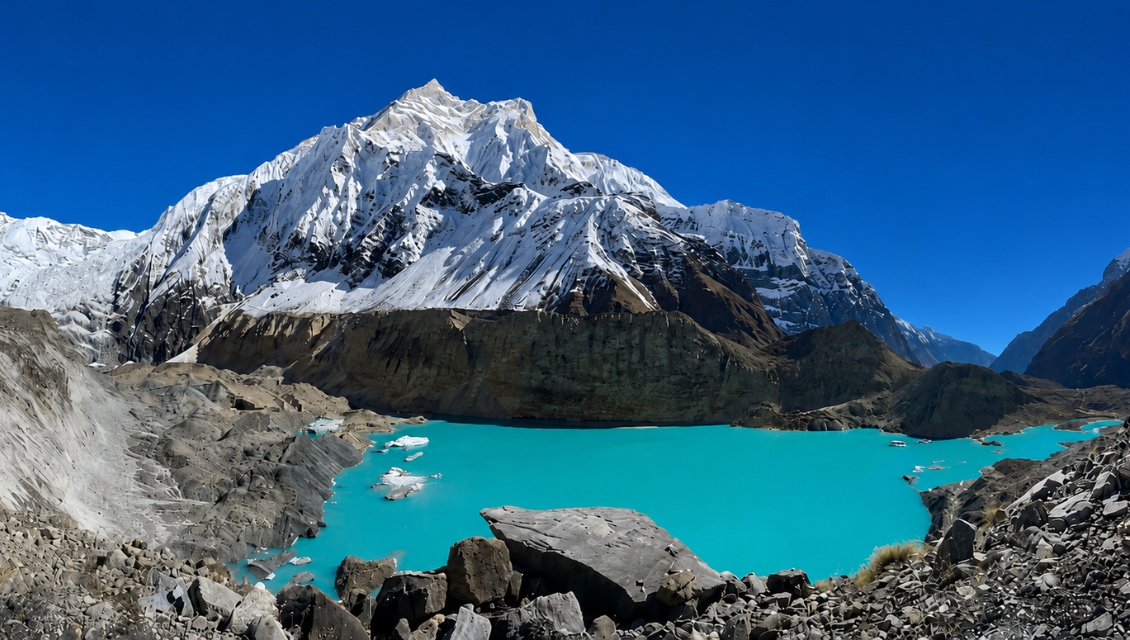
Trek alongside glacial moraines toward the spectacular Tsho Rolpa Lake, Nepal’s largest glacial lake. Surrounded by rugged peaks and ice-covered slopes, this sacred lake is one of the highlights of the Rolwaling region.
Accomadation: Tea House
Place to visit: Gaurisankar Region
Meals: Breakfast Lunch Dinner
Altitude: 4,580m – 4,800m
Trek Duration: 6–7 hours
Today's route traverses rugged glacial terrain, boulder fields, and moraine ridges. The landscape becomes increasingly remote and alpine as you approach the base of Tashi Lapcha Pass.
Accomadation: Tea House
Place to visit: Gaurisankar Region
Meals: Breakfast Lunch Dinner
Altitude: 4,800m – 5,755m – 5,100m
Trek Duration: 8–9 hours
The most challenging and rewarding day of the expedition.
Begin before dawn and ascend toward Tashi Lapcha Pass. Depending on conditions, ropes, crampons, and technical assistance may be required. From the summit, enjoy breathtaking views across the Rolwaling and Everest regions.
After crossing the pass, descend carefully to Tashi Phuk.
Accomadation: Tea House
Place to visit: Gaurisankar Region
Meals: Breakfast Lunch Dinner
Altitude: 5,100m – 4,350m
Trek Duration: 4–5 hours
Descend through glacial valleys and yak grazing areas into the Khumbu region. The trail offers magnificent views of surrounding peaks and changing alpine landscapes.
Accomadation: Tea House
Place to visit: Gaurisankar Region
Meals: Breakfast Lunch Dinner
Altitude: 4,350m – 3,820m
Trek Duration: 4–5 hours
Continue descending through traditional Sherpa villages and beautiful mountain scenery before arriving at Thame, one of the oldest Sherpa settlements in the Everest region.
Visit the famous monastery and experience authentic Sherpa culture.
Accomadation: Tea House
Place to visit: Gaurisankar Region
Meals: Breakfast Lunch Dinner
Altitude: 3,820m – 3,440m
Trek Duration: 3–4 hours
A relatively easy trek brings you to Namche Bazaar, the commercial and cultural center of the Khumbu region. Enjoy cafés, bakeries, shops, and excellent mountain views.
Accomadation: Tea House , Resort ,
Place to visit: Gaurisankar Region
Meals: Breakfast Lunch Dinner
Altitude: 3,440m – 2,860m
Trek Duration: 6–7 hours
Follow the classic Everest Base Camp trail down the Dudh Koshi Valley. Cross suspension bridges, pass Sherpa villages, and reach Lukla, where you'll celebrate the completion of your trekking adventure.
Accomadation: Tea House
Place to visit: Gaurisankar Region
Meals: Breakfast Lunch Dinner
Altitude: 2,860m – 1,400m
Flight Duration: 30–40 minutes
Enjoy one final Himalayan sunrise before boarding your scenic mountain flight back to Kathmandu.
After arrival, transfer to your hotel and enjoy a well-earned rest.
Accomadation: Hotel
Place to visit: Nepal
Meals: Breakfast Lunch Dinner
Altitude: 1,400m – 1,400m
Activity Duration: Free day
This day is reserved for possible weather-related flight delays from Lukla. If not required, use the day to explore Kathmandu’s UNESCO World Heritage Sites, shop for souvenirs, or relax.
Accomadation: Hotel
Place to visit: Nepal
Meals: Breakfast
Transfer to Tribhuvan International Airport for your onward flight.
Depart Nepal with unforgettable memories of the remote Rolwaling Valley, the spectacular crossing of Tashi Lapcha Pass, pristine glaciers, high mountain lakes, and the legendary Sherpa culture of the Everest region.
Accomadation: Hotel
Place to visit: Nepal
Meals: Breakfast
Cost Includes
1. Transportations
- Private/tourist vehicles for airport pickup and drop-off in Kathmandu.
- Private/tourist vehicles transfer as per itinerary to access the trailheads.
- Domestic flight included for access to the trekking starting & ending point.
2. Accommodation & Meals
- 3 Night 3-star hotel in Kathmandu with bed & breakfast basis.
- Breakfast, lunch & dinner with tea & coffee during the trekking Period.
3. Permits
- Dolakha restricted area permits. (Issued by Department of Immigration)
- Gaurishankar Conservation Area Project (GCAP)
- Local Government Entry Permits.
- Trekkers' Information Management System (TIMS) permits.
4. Guide & Staff
- Professional and experience License holder trekking guide salary & insurance.
- Porter salary, equipment’s & insurance.
- First aid medical kit for emergency support.
1. Transportations
- Private/tourist vehicles for airport pickup and drop-off in Kathmandu.
- Private/tourist vehicles transfer as per itinerary to access the trailheads.
- Domestic flight included for access to the trekking starting & ending point.
2. Accommodation & Meals
- 3 Night 3-star hotel in Kathmandu with bed & breakfast basis.
- Breakfast, lunch & dinner with tea & coffee during the trekking Period.
3. Permits
- Dolakha restricted area permits. (Issued by Department of Immigration)
- Gaurishankar Conservation Area Project (GCAP)
- Local Government Entry Permits.
- Trekkers' Information Management System (TIMS) permits.
4. Guide & Staff
- Professional and experience License holder trekking guide salary & insurance.
- Porter salary, equipment’s & insurance.
- First aid medical kit for emergency support.
Cost Excludes
1. International Flights
- Airfare from your home country to Nepal (Tribhuvan International Airport, Kathmandu).
- Return airfare from Nepal (Tribhuvan International Airport, Kathmandu) to your home country.
2. Visa Fees
- Nepal entry visa fee for entering Nepal (available on arrival at Tribhuvan International Airport, Kathmandu, or through a Nepalese embassy).
3. Travel Insurance (Mandatory)
- Comprehensive travel insurance covering high-altitude trekking, emergency medical treatment, helicopter evacuation, trip cancellation, and other unforeseen circumstances.
4. Personal Expenses
- Tips, gifts, and souvenirs for trekking guides and porters.
- Personal trekking equipment and gear.
- Charges for lodge Wi-Fi, hot showers, battery charging, and laundry services.
5. Meals & Beverages
- Lunch and dinner in Kathmandu, Pokhara, and other locations where accommodation is provided in 3-star category hotels.
- Soft drinks, bottled water, alcoholic beverages, and snacks consumed during meals
1. International Flights
- Airfare from your home country to Nepal (Tribhuvan International Airport, Kathmandu).
- Return airfare from Nepal (Tribhuvan International Airport, Kathmandu) to your home country.
2. Visa Fees
- Nepal entry visa fee for entering Nepal (available on arrival at Tribhuvan International Airport, Kathmandu, or through a Nepalese embassy).
3. Travel Insurance (Mandatory)
- Comprehensive travel insurance covering high-altitude trekking, emergency medical treatment, helicopter evacuation, trip cancellation, and other unforeseen circumstances.
4. Personal Expenses
- Tips, gifts, and souvenirs for trekking guides and porters.
- Personal trekking equipment and gear.
- Charges for lodge Wi-Fi, hot showers, battery charging, and laundry services.
5. Meals & Beverages
- Lunch and dinner in Kathmandu, Pokhara, and other locations where accommodation is provided in 3-star category hotels.
- Soft drinks, bottled water, alcoholic beverages, and snacks consumed during meals
Trip Date And Time
We'll Be There, Like We've Been There Before
|
Start |
End |
Trip Cost |
Action |
Enquire |
|---|---|---|---|---|
| 16 Nov, 2026 | 04 Dec, 2026 | 2190 | Book Now | |
| 08 Nov, 2026 | 26 Nov, 2026 | 2190 | Book Now | |
| 01 Nov, 2026 | 19 Nov, 2026 | 2190 | Book Now | |
| 25 Oct, 2026 | 12 Nov, 2026 | 2190 | Book Now | |
| 18 Oct, 2026 | 05 Nov, 2026 | 2190 | Book Now | |
| 06 Oct, 2026 | 24 Oct, 2026 | 2190 | Book Now | |
| 28 Sep, 2026 | 16 Oct, 2026 | 2190 | Book Now | |
| 20 Sep, 2026 | 08 Oct, 2026 | 2190 | Book Now | |
| 14 Sep, 2026 | 02 Oct, 2026 | 2190 | Book Now | |
| 06 Sep, 2026 | 24 Sep, 2026 | 2190 | Book Now | |
| 30 Aug, 2026 | 17 Sep, 2026 | 2190 | Book Now |
Essential Information
Accommodation
Accommodation is provided in basic teahouses, homestays, and camping-based setups depending on the route section.
Lower villages such as Jagat, Simigaun, and Dongang offer simple lodge facilities. However, beyond the main settlements toward Na Gaun and Beding, accommodation becomes very basic and camping support is often required in remote areas.
Facilities are limited but provide an authentic wilderness trekking experience.
Meals
A full-board meal system (Breakfast, Lunch, and Dinner) is provided throughout the trek.
Meals are prepared either in teahouses or by expedition cooking crews during camping sections.
Typical menu options include:
- Traditional Dal Bhat set meals
- Rice, noodles, pasta, and soups
- Potatoes, vegetables, and seasonal produce
- Eggs, Tibetan bread, and porridge
- Tea, coffee, and hot beverages
Food variety becomes limited in higher and more remote sections.
Difficulty & Physical Requirements
The Rolwaling Trek is classified as strenuous to very strenuous, suitable only for experienced trekkers with strong physical fitness and prior high-altitude experience.
Daily trekking ranges from 6 to 9 hours, involving steep ascents, narrow trails, glacier-fed valleys, and rugged mountain terrain.
Advanced itineraries may include the challenging Tashi Lapcha Pass (5,755m), which requires mountaineering skills, use of crampons, ropes, and glacier travel experience.
Permits
Required permits include:
- Gaurishankar Conservation Area Permit (GCAP)
- TIMS Card (Trekkers’ Information Management System)
- Special permits for crossing Tashi Lapcha Pass (if included in itinerary)
A licensed guide is mandatory, and high-altitude support teams are strongly recommended.
Best Season
- Spring (March–May): Stable weather, blooming rhododendrons, and clear views
- Autumn (September–November): Best trekking conditions and high visibility
- Winter (December–February): Extremely cold with heavy snow in higher regions
- Monsoon (June–August): Not recommended due to landslides and slippery terrain
Transportation & Access
The trek typically begins with a drive from Kathmandu to Charikot or further to Jagat/Simigaun depending on the itinerary.
From there, the trail ascends gradually through forested valleys, Sherpa villages, and alpine landscapes deep into the Rolwaling region, reaching remote settlements such as Beding and Na Gaun.
Safety & Acclimatization
The trek reaches elevations above 4,000–5,700 meters depending on the route and requires careful acclimatization.
Important safety considerations include:
- Gradual altitude gain in remote valleys
- Monitoring for Acute Mountain Sickness (AMS)
- Limited rescue and communication infrastructure
- Glacial terrain hazards in higher sections
- Weather variability in alpine zones
Professional guides and expedition teams are essential for safety and navigation.
Travel Insurance
Comprehensive travel insurance is strongly recommended and should include:
- High-altitude trekking coverage (up to at least 6,000m)
- Emergency helicopter evacuation
- Medical treatment and hospitalization
- Trip cancellation and accident coverage
Additional Information
Guide & Porter Services
A licensed guide is mandatory due to the remoteness of the Rolwaling region.
Porters and, in higher sections, full expedition support teams are highly recommended, especially for routes involving glacier travel and camping.
Guides provide essential navigation, safety management, and cultural interpretation of Sherpa and Tibetan-influenced communities.
Cultural & Natural Highlights
The Rolwaling Valley Trek offers one of the most untouched Himalayan experiences:
- Remote Rolwaling Valley and alpine wilderness
- Stunning views of Mt. Gaurishankar and surrounding peaks
- Traditional Sherpa villages and Buddhist culture
- Sacred lakes and glacier-fed landscapes
- Dense rhododendron and pine forests
- Rare wildlife including Himalayan thar and snow leopard habitats
- Extremely low trekking traffic and pure solitude
- Gateway to Tashi Lapcha Pass and Everest region connections
Essential Equipment
Recommended trekking gear includes:
- High-quality trekking boots
- Layered clothing system for extreme conditions
- Warm down jacket (-20°C to -30°C recommended)
- Waterproof and windproof outer layers
- Gloves, thermal hat, and UV sunglasses
- Trekking poles
- Sleeping bag rated for sub-zero temperatures
- Daypack or expedition duffel bag
- Crampons, harness, and glacier equipment (if crossing high pass)
- Personal first aid kit and altitude medication
Communication & Connectivity
Mobile network coverage is extremely limited or unavailable in most parts of Rolwaling Valley.
Trekkers should expect long periods without communication. Satellite devices are recommended for remote expeditions.
Why Choose the Rolwaling Valley Trek?
The Rolwaling Trek is ideal for adventurers seeking extreme wilderness and isolation:
- One of Nepal’s most remote trekking valleys
- Stunning views of Gaurishankar and Himalayan peaks
- Authentic Sherpa culture and Buddhist heritage
- Very low tourist traffic and pristine environment
- Access to challenging glacier and high-pass routes
- Ideal for experienced trekkers and expedition teams
- Unique combination of forests, glaciers, and alpine wilderness
- Gateway between Langtang and Everest regions
- Opportunity for technical trekking via Tashi Lapcha Pass
USD 2190 / person
See group booking discount- No. of person Price per person
- 1 USD 2190.00
- 2-3 USD 1790.00
- 4-7 USD 1655.00
- 8-12 USD 1590.00
- 13-17 USD 1550.00
The price may varies
Speak to an Expert