Budget
USD 1175
Per Person
Rating
4 Reviews
Duration
10 Days
Trip Overview
The Annapurna Heritage Trails Trek is a culturally rich and scenic Himalayan journey that explores the traditional villages, ancient trade routes, and diverse landscapes surrounding the Annapurna region. Unlike high-altitude base camp treks, this route focuses on heritage, local lifestyles, and cultural immersion while still offering stunning views of the Annapurna Himalayan range.
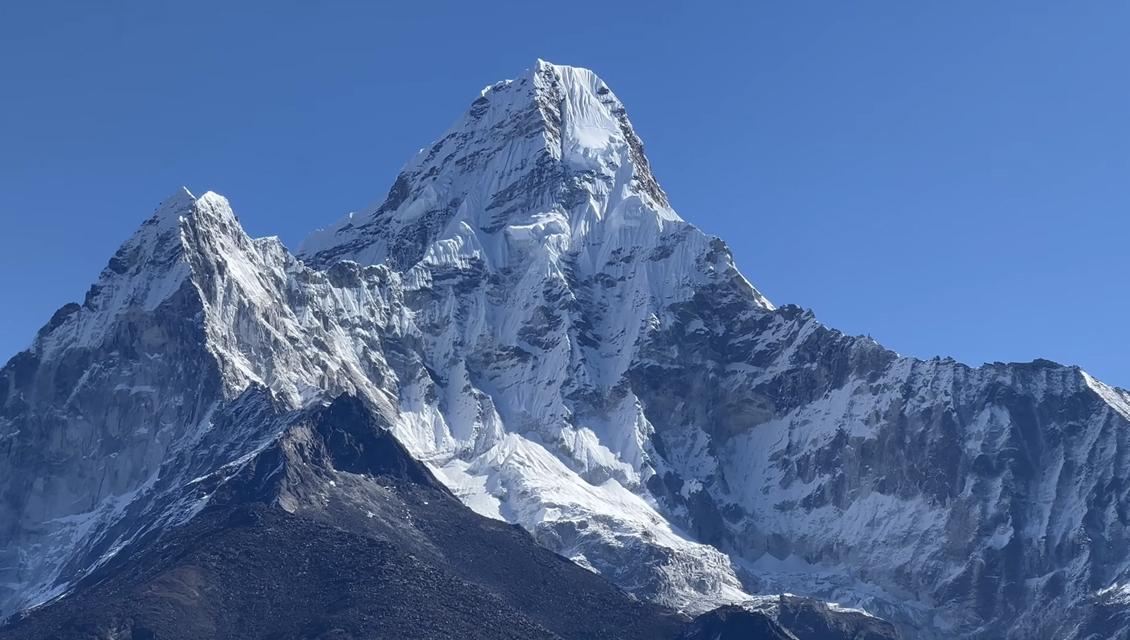
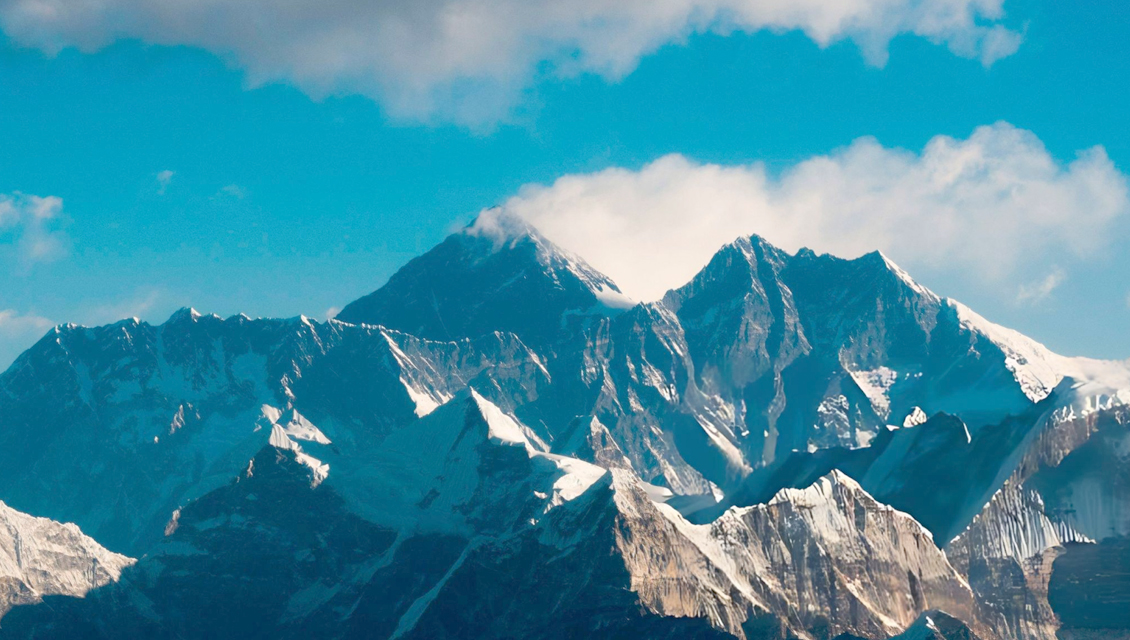
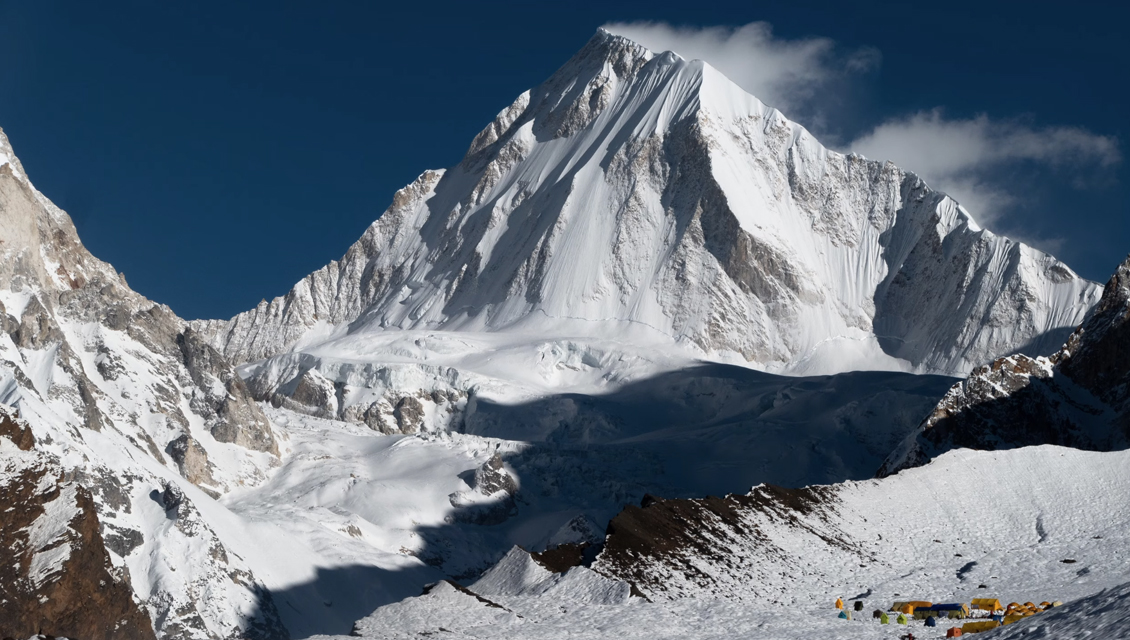
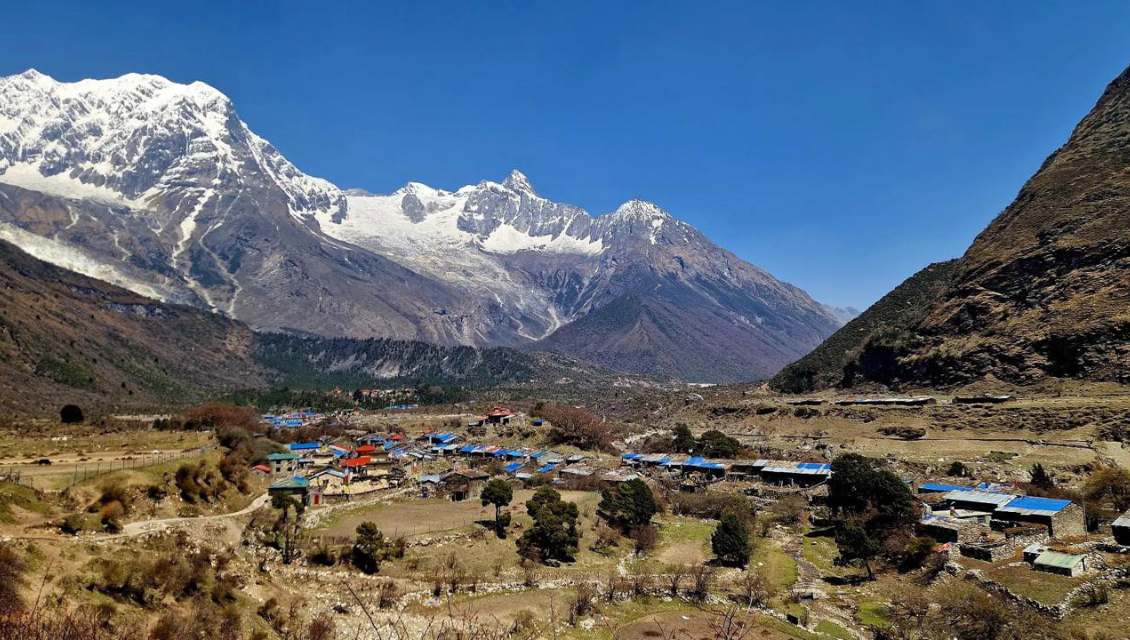
The trek is designed for travelers who want a balanced experience of nature, culture, and moderate hiking. It connects historic Gurung and Magar villages with panoramic viewpoints, monasteries, and terraced landscapes that reflect centuries of Himalayan tradition. Along the journey, trekkers enjoy beautiful mountain views including Annapurna South, Machhapuchhre, Dhaulagiri, and surrounding Himalayan peaks.
This trek is ideal for cultural explorers, photographers, and trekkers seeking a relaxed yet meaningful Himalayan experience away from the busier base camp routes.
Geography and Landscape
The Annapurna Heritage Trails Trek is located in the mid-hill region of the Annapurna Conservation Area within Annapurna Conservation Area. The route typically begins near Pokhara and passes through a network of traditional villages, forested hills, and terraced farmlands.
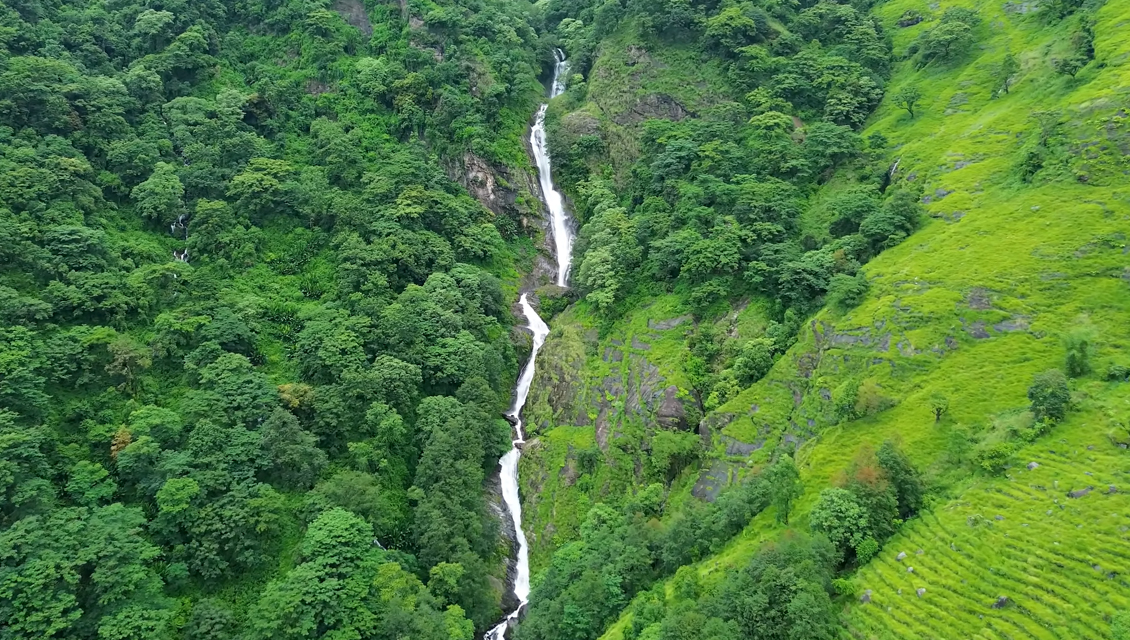
The landscape is diverse and constantly changing. Lower sections feature subtropical vegetation, rice terraces, and river valleys, while higher elevations are covered with rhododendron, oak, and pine forests. These forests are especially vibrant during spring when wildflowers and rhododendrons bloom across the hillsides.
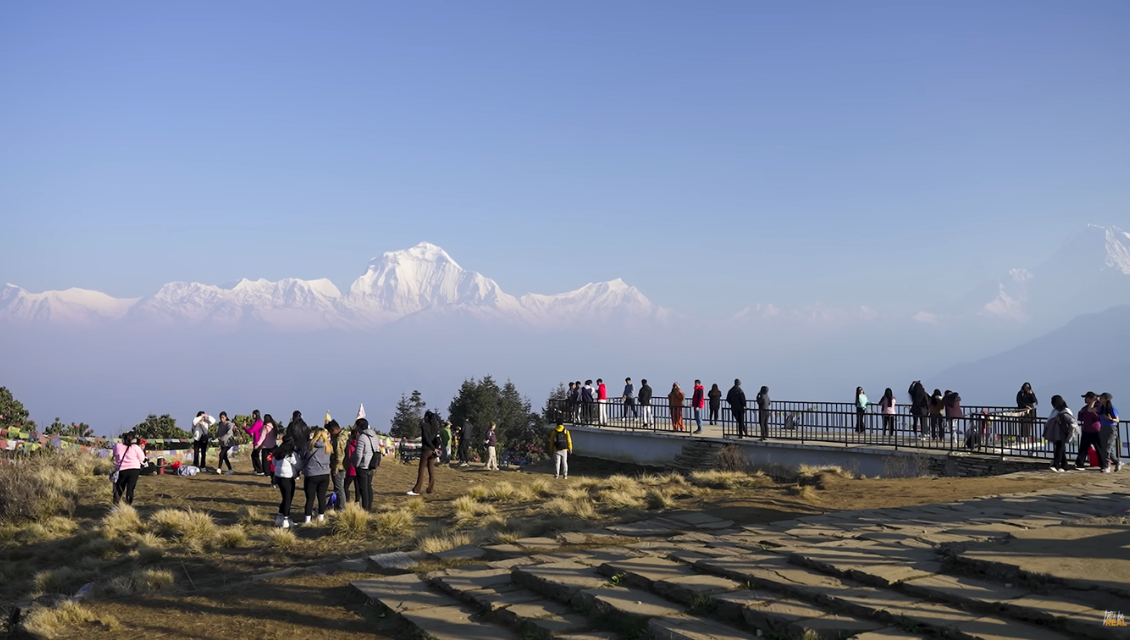
The trail follows ancient pathways once used for trade and communication between villages in the Annapurna region. Along the way, trekkers encounter ridgelines offering panoramic views of the Himalayas, including both the Annapurna and Dhaulagiri ranges.
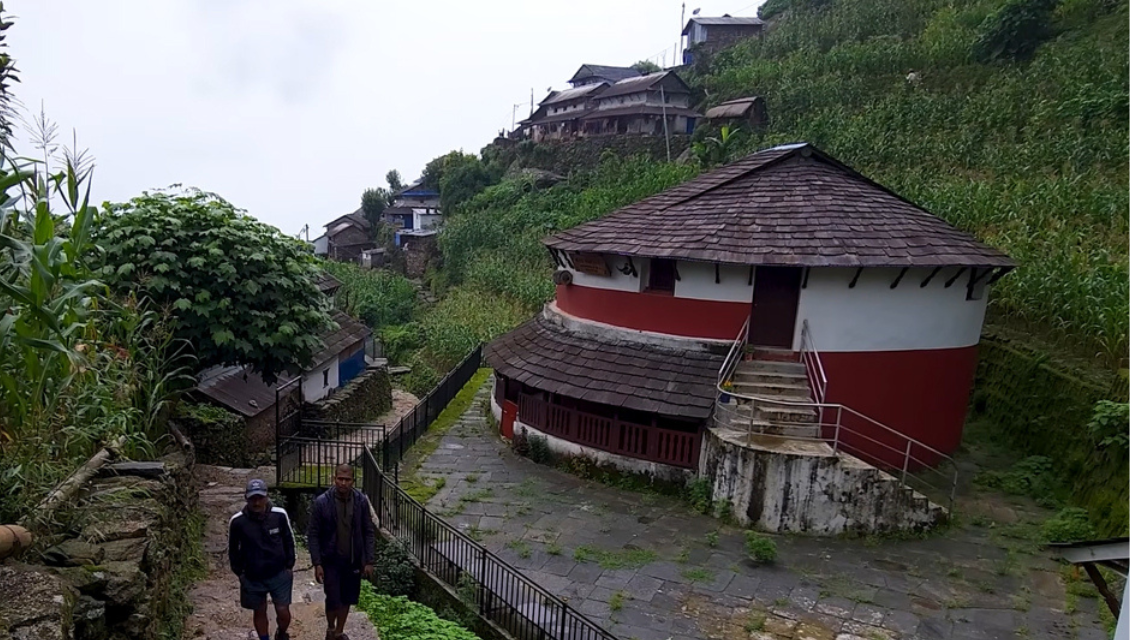
Villages such as Ghandruk, Landruk, Dhampus, and Ghorepani form key cultural and scenic highlights of the route. Each settlement showcases traditional stone architecture, terraced farming systems, and spectacular mountain backdrops.
Climate and Best Time to Trek
The best seasons for the Annapurna Heritage Trails Trek are spring (March–May) and autumn (September–November). These periods provide stable weather, clear skies, and excellent visibility of the surrounding Himalayan peaks.
Spring is especially beautiful due to blooming rhododendron forests that color the trails in vibrant red, pink, and white. Autumn offers crisp air, dry trails, and some of the clearest mountain views of the year, making it the most popular trekking season.
Winter (December–February) is colder but still suitable for trekking in lower elevations, offering quiet trails and clear views. The monsoon season (June–August) brings heavy rainfall, which can make trails slippery and reduce visibility, so it is generally less recommended.
Overall, autumn is considered the most favorable season for both trekking comfort and mountain visibility.
People and Culture
The Annapurna Heritage Trails Trek is deeply rooted in the traditions of Gurung and Magar communities, who are known for their hospitality, bravery, and strong cultural identity. These communities have lived in the region for centuries, preserving their customs, architecture, and way of life.
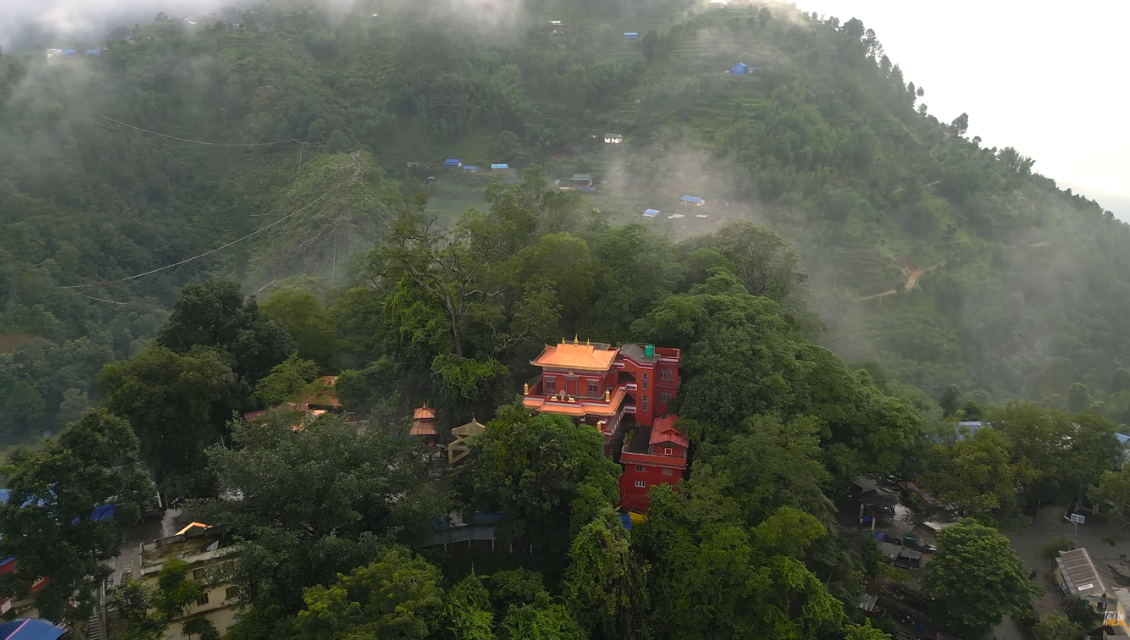
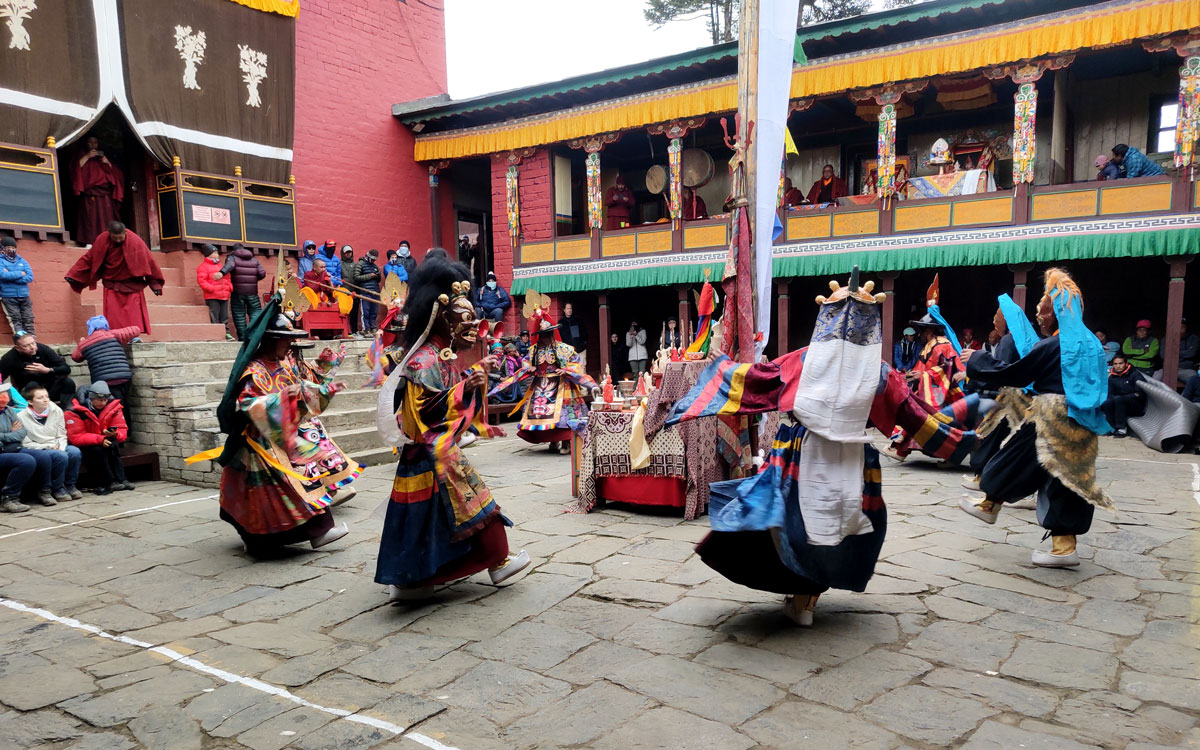
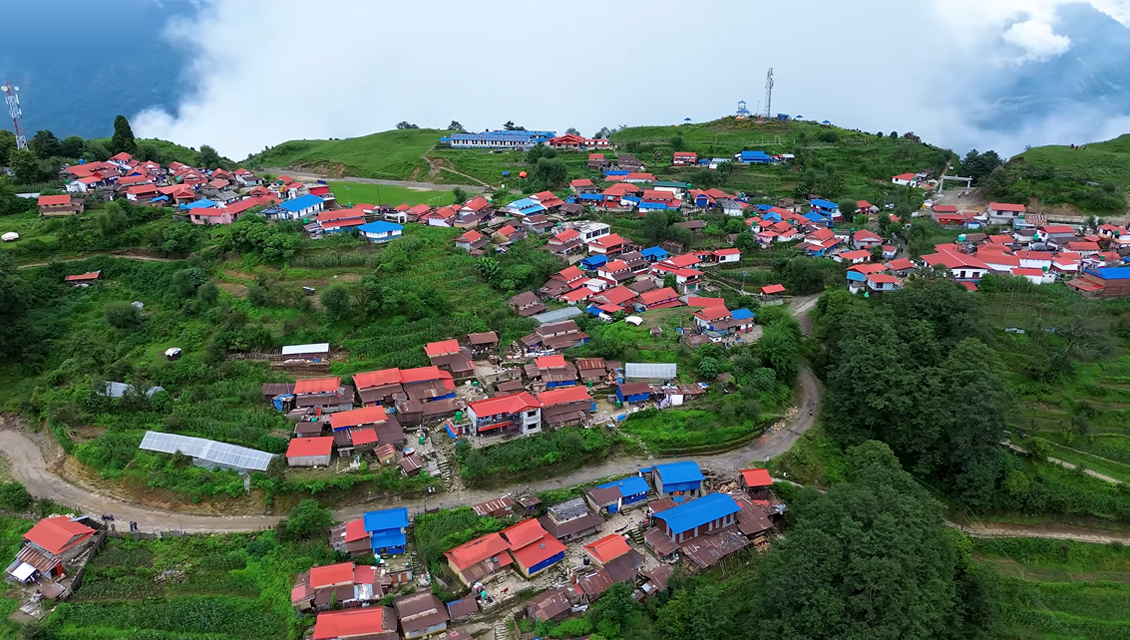
Villages along the trail offer authentic cultural experiences, including traditional stone houses, farming terraces, prayer flags, and local monasteries. Among them, Ghandruk is one of the most significant cultural villages, featuring museums, traditional dress, and panoramic Himalayan views.
Trekkers experience warm local hospitality in teahouses run by families, providing insight into rural mountain life and traditional Nepali culture. Festivals, rituals, and daily practices reflect a deep connection between people and the Himalayan environment.
The combination of cultural richness, scenic beauty, and easy trekking terrain makes the Annapurna Heritage Trails Trek a perfect introduction to the heart of the Annapurna region.
Package Highlights:
- Panoramic views of Annapurna South, Lamjung Himal & Machhapuchhre
- Authentic village homestay experience
- Traditional cultural dance programs in Ghalegaun and Bhujung
- Rhododendron forests – especially vibrant in spring
- Organic local cuisine – millet bread, smoked cheese, and homemade pickles
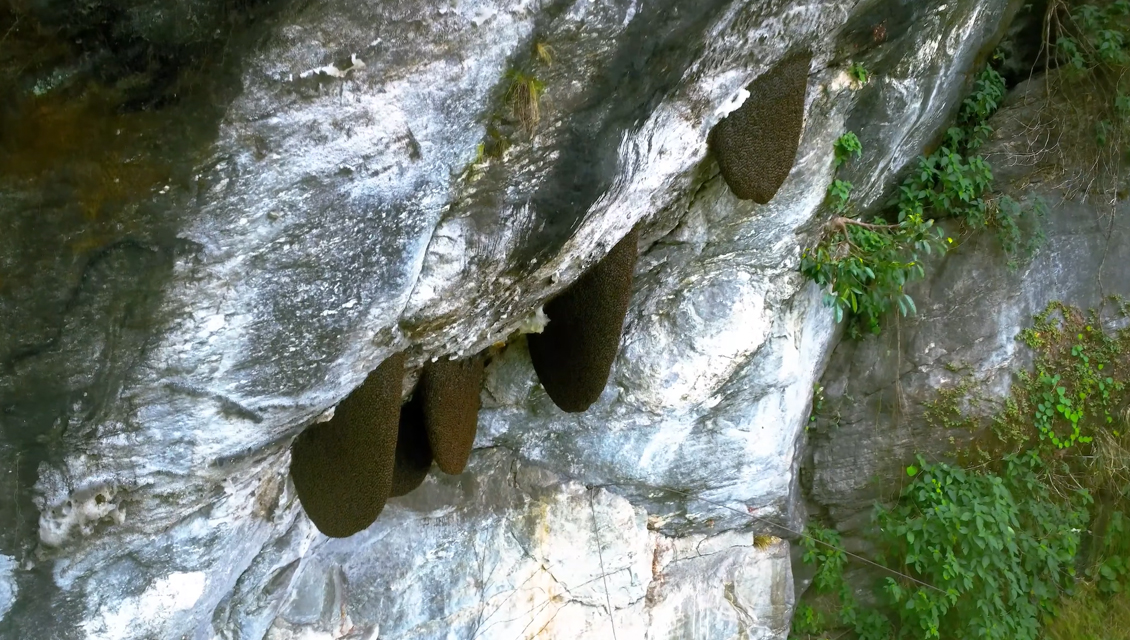
- Learn about honey hunting and traditional herbal medicine
- Insight into local Gurung village life and economy
- Off-the-beaten-path trek with low altitude risk and peaceful trails
Book This Trip
Trip Information
 Start : Kathmandu
 Finish : Kathmandu
 Difficulty :
Moderate
Difficulty :
Moderate
 Max Altitude : 2100m
 Group Size : 17 People
 Season : SEP-NOV, MAR-MAY
Trip Gallery




Trip Itinerary
Altitude - 1400m
We will pick you up from the airport. One of our representatives from Nord Extreme will be there to welcome and assist you upon arrival in Kathmandu. Our team from Nord Extreme will assist you with permit arrangements, trekking briefing, gear checking, and final trip preparation to ensure a safe and comfortable journey ahead.
You will also have free time to explore Thamel for any last-minute shopping or personal preparations before the trek begins.
Accomadation: Hotel
Place to visit: Nepal
Meals: Dinner
Altitude: 1,400m
Trek duration: 2–4 hrs
Today is dedicated to final trekking preparation and official permit arrangements. Our Nord Extreme team will handle all necessary trekking permits required for your route, ensuring smooth documentation before departure.
You will also attend a detailed pre-trek briefing covering the itinerary, altitude awareness, safety guidelines, packing checks, and cultural expectations during the trek.
We will review your trekking gear in detail and assist you with any missing or required equipment. The rest of the day is free for relaxation or exploring Kathmandu at your own pace.
Accomadation: Hotel
Place to visit: Nepal
Meals: Breakfast
Altitude: 1400- 820m
Trek duration: 25 min flight / 6–7 hrs drive
After breakfast, you’ll travel to Pokhara either by a scenic flight over the Himalayan range or by a beautiful drive following the Trishuli and Marshyangdi river valleys.
Upon arrival in Pokhara, check into your lakeside hotel and relax. You can spend the evening strolling along Phewa Lake, enjoying mountain reflections, or visiting nearby attractions such as the World Peace Pagoda, Devi’s Falls, or the International Mountain Museum.
Accomadation: Hotel
Place to visit: Nepal
Meals: Breakfast Lunch Dinner
Altitude: 820- 1,200m
Trek duration: 3–4 hrs
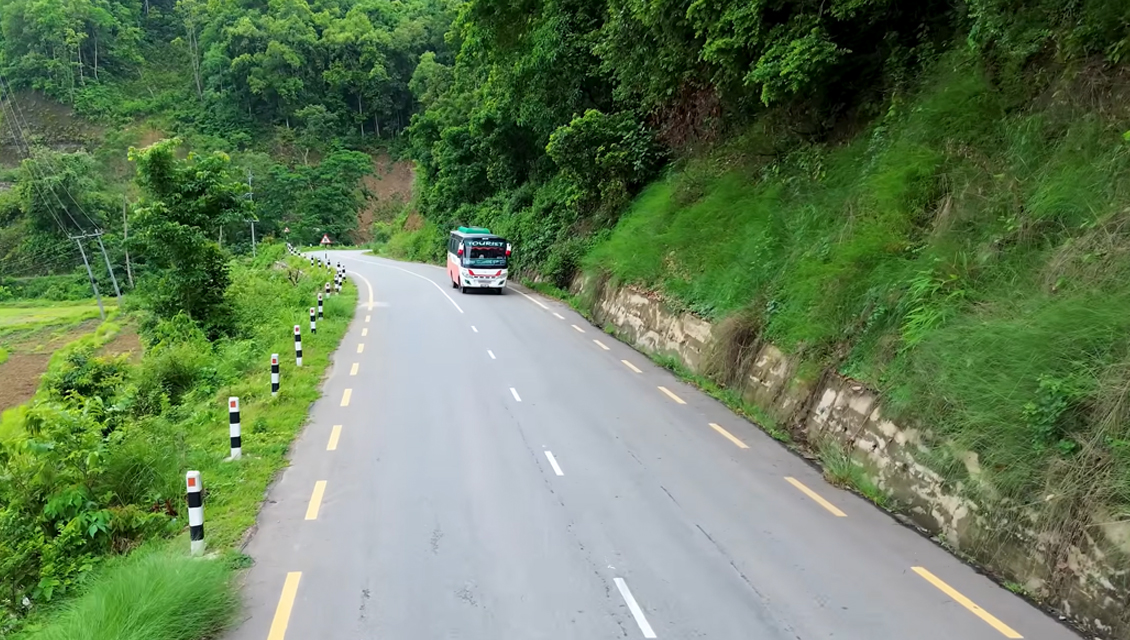
After breakfast, drive about 2.5 hours west of Pokhara to Thumsikot, the starting point of your trek. From here, begin your journey on foot through terraced rice fields, forest trails, and peaceful rural paths.
The trail leads to Rivan Village, a quiet settlement in the lower Annapurna region, offering your first authentic homestay experience with a local Gurung family. Enjoy traditional homemade meals and warm rural hospitality.
Accomadation: Tea House
Place to visit: Annapurna Region
Meals: Breakfast Lunch Dinner
Altitude: 1200- 2,100m
Trek duration: 5–6 hrs
Today’s trail ascends steadily through rhododendron forests, stone stairways, and hillside farms. As you climb higher, panoramic views of Annapurna II, Lamjung Himal, and Machhapuchhre begin to appear.
You arrive at Ghalegaon, a well-known Gurung heritage village. In the evening, enjoy a cultural program featuring traditional music, dance, and dress performed by the local community.
Accomadation: Tea House
Place to visit: Annapurna Region
Meals: Breakfast Lunch Dinner
Altitude: 2100- 1,630m
Trek duration: 5–6 hrs
The trail today takes you through scenic ridges, forests, and terraced farmlands as you descend slightly toward Bhujung, the largest Gurung settlement in Nepal.
Bhujung is known for preserving traditional stone architecture and authentic rural life. Here, you will learn about local customs such as herbal medicine practices, millet farming, and traditional honey hunting culture.
Accomadation: Tea House
Place to visit: Annapurna Region
Meals: Breakfast Lunch Dinner
Altitude: 1630- 1,550m
Trek duration: 5–6 hrs
Today’s walk is peaceful and culturally rich, passing through forests, hillside paths, and remote villages. The trail offers beautiful views of green valleys and distant peaks.
You reach Pasgaun, a quiet and less-visited Gurung village known for its strong cultural traditions. Spend the evening interacting with locals and learning about their lifestyle, beliefs, and daily rural practices.
Accomadation: Tea House
Place to visit: Annapurna Region
Meals: Breakfast Lunch Dinner
Altitude: 1550- 820m
Trek duration: 3–4 hrs trek + 2 hrs drive
Enjoy a gentle final trekking section through subtropical forests, farmland, and scenic valleys leading to Phedi Khola.
From here, a vehicle will drive you back to Pokhara. After check-in, relax by the lakeside, enjoy a hot shower, and celebrate the successful completion of your cultural trekking journey.
Accomadation: Hotel
Place to visit: Nepal
Meals: Breakfast Lunch Dinner
Altitude: 820- 1,400m
Trek duration: 25 min flight / 6–7 hrs drive
After breakfast, return to Kathmandu by scenic flight or overland drive. The rest of the day is free for shopping, sightseeing, or relaxation.
In the evening, enjoy a farewell dinner with cultural performances, sharing memories and experiences from your trek.
Accomadation: Hotel
Place to visit: Nepal
Meals: Breakfast Lunch Dinner
Altitude: 1,400m
After breakfast, you will be transferred to Tribhuvan International Airport for your onward flight. We hope you leave Nepal with unforgettable memories, meaningful cultural experiences, and a deep connection to the Himalayas and its people.
Accomadation: Hotel
Place to visit: Nepal
Meals: Breakfast
Cost Includes
1. Transportations
- Private/tourist vehicles for airport pickup and drop-off in Kathmandu.
- Private/tourist vehicles transfer as per itinerary to access the trailheads.
- Domestic flight included for access to the trekking starting & ending point.
2. Accommodation & Meals
- 3 nights 3 star hotel in Kathmandu with bed & breakfast basis.
- 2 Nights 3 star hotel in Pokhara with bed & breakfast basis.
- All Meals (breakfast, lunch & dinner with tea & coffee) during the trekking Period.
3. Permits
- Annapurna Conservation Area Project (ACAP) permits.
- Trekkers' Information Management System (TIMS) permits.
4. Guide & Staff
- Professional and experience License holder trekking guide salary & insurance.
- Porter salary, equipments & insurance.
- First aid medical kit for emergency support.
1. Transportations
- Private/tourist vehicles for airport pickup and drop-off in Kathmandu.
- Private/tourist vehicles transfer as per itinerary to access the trailheads.
- Domestic flight included for access to the trekking starting & ending point.
2. Accommodation & Meals
- 3 nights 3 star hotel in Kathmandu with bed & breakfast basis.
- 2 Nights 3 star hotel in Pokhara with bed & breakfast basis.
- All Meals (breakfast, lunch & dinner with tea & coffee) during the trekking Period.
3. Permits
- Annapurna Conservation Area Project (ACAP) permits.
- Trekkers' Information Management System (TIMS) permits.
4. Guide & Staff
- Professional and experience License holder trekking guide salary & insurance.
- Porter salary, equipments & insurance.
- First aid medical kit for emergency support.
Cost Excludes
1. International Flights
- Airfare from your home country to Nepal (Tribhuvan International Airport, Kathmandu).
- Return airfare from Nepal (Tribhuvan International Airport, Kathmandu) to your home country.
2. Visa Fees
- Nepal entry visa fee for entering Nepal (available on arrival at Tribhuvan International Airport, Kathmandu, or through a Nepalese embassy).
3. Travel Insurance (Mandatory)
- Comprehensive travel insurance covering high-altitude trekking, emergency medical treatment, helicopter evacuation, trip cancellation, and other unforeseen circumstances.
4. Personal Expenses
- Tips, gifts, and souvenirs for trekking guides and porters.
- Personal trekking equipment and gear.
- Charges for lodge Wi-Fi, hot showers, battery charging, and laundry services.
5. Meals & Beverages
- Lunch and dinner in Kathmandu, Pokhara, and other locations where accommodation is provided in 3-star category hotels.
- Soft drinks, bottled water, alcoholic beverages, and snacks consumed during meals
1. International Flights
- Airfare from your home country to Nepal (Tribhuvan International Airport, Kathmandu).
- Return airfare from Nepal (Tribhuvan International Airport, Kathmandu) to your home country.
2. Visa Fees
- Nepal entry visa fee for entering Nepal (available on arrival at Tribhuvan International Airport, Kathmandu, or through a Nepalese embassy).
3. Travel Insurance (Mandatory)
- Comprehensive travel insurance covering high-altitude trekking, emergency medical treatment, helicopter evacuation, trip cancellation, and other unforeseen circumstances.
4. Personal Expenses
- Tips, gifts, and souvenirs for trekking guides and porters.
- Personal trekking equipment and gear.
- Charges for lodge Wi-Fi, hot showers, battery charging, and laundry services.
5. Meals & Beverages
- Lunch and dinner in Kathmandu, Pokhara, and other locations where accommodation is provided in 3-star category hotels.
- Soft drinks, bottled water, alcoholic beverages, and snacks consumed during meals
Trip Date And Time
We'll Be There, Like We've Been There Before
|
Start |
End |
Trip Cost |
Action |
Enquire |
|---|---|---|---|---|
| 10 Nov, 2026 | 19 Nov, 2026 | 1175 | Book Now | |
| 02 Nov, 2026 | 11 Nov, 2026 | 1175 | Book Now | |
| 27 Oct, 2026 | 05 Nov, 2026 | 1175 | Book Now | |
| 22 Oct, 2026 | 31 Oct, 2026 | 1175 | Book Now | |
| 12 Oct, 2026 | 21 Oct, 2026 | 1175 | Book Now | |
| 07 Oct, 2026 | 16 Oct, 2026 | 1175 | Book Now | |
| 30 Sep, 2026 | 09 Oct, 2026 | 1175 | Book Now | |
| 21 Sep, 2026 | 30 Sep, 2026 | 1175 | Book Now | |
| 15 Sep, 2026 | 24 Sep, 2026 | 1175 | Book Now | |
| 07 Sep, 2026 | 16 Sep, 2026 | 1175 | Book Now | |
| 30 Aug, 2026 | 08 Sep, 2026 | 1175 | Book Now |
Essential Information
Accommodation
Accommodation is provided in locally operated teahouses, community lodges, and traditional homestays throughout the route.
Villages along the trail offer warm hospitality, with basic but clean rooms, usually twin-sharing with simple bedding and shared bathroom facilities. In some heritage villages, trekkers may experience traditional homestay living with local families.
Meals
A full-board meal system (Breakfast, Lunch, and Dinner) is available throughout the trek. Meals are freshly prepared using local ingredients and traditional cooking methods.
Typical menu options include:
- Traditional Dal Bhat set meals
- Local millet, maize, and buckwheat dishes
- Noodles, rice, and seasonal vegetables
- Eggs, pancakes, and Tibetan bread
- Tea, coffee, and herbal drinks
Food is culturally influenced and varies by village, offering an authentic Himalayan culinary experience.
Difficulty & Physical Requirements
The Annapurna Heritage Trail Trek is classified as easy to moderate, suitable for beginners, families, and cultural trekkers.
Daily walking ranges from 3 to 6 hours, with gentle ascents and well-established village trails. There are no technical sections or high-altitude risks.
Permits
Required permits include:
- Annapurna Conservation Area Permit (ACAP)
- TIMS Card (Trekkers’ Information Management System)
All permits are arranged by the trekking operator.
Best Season
- Spring (March–May): Pleasant weather and blooming landscapes
- Autumn (September–November): Best visibility and cultural festival season
- Winter (December–February): Cold mornings but good for cultural immersion
- Monsoon (June–August): Green landscapes but slippery trails and rain
Transportation & Access
The trek is easily accessible from Pokhara, with short drives to entry points such as Ghandruk, Dhampus, or nearby heritage villages.
Pokhara serves as the main gateway city with excellent road and air connectivity from Kathmandu.
Safety & Acclimatization
This is a low-altitude cultural trek, making it safe for most travelers.
Key considerations include:
- Comfortable walking pace
- Basic hydration and sun protection
- Awareness of rural trail conditions
No acclimatization requirements are necessary due to low elevation.
Travel Insurance
Recommended travel insurance should include:
- Trekking coverage (low to moderate altitude activity)
- Medical emergency coverage
- Trip cancellation protection
- Basic accident insurance
Additional Information
Guide & Porter Services
Licensed cultural guides are highly recommended for this trek to enhance the experience through storytelling, history, and local interpretation.
Porters can be arranged for luggage support, though many trekkers find this route manageable without heavy assistance.
Cultural & Natural Highlights
The Annapurna Heritage Trail Trek is best known for its rich cultural immersion and scenic diversity:
- Traditional Gurung and Magar villages
- Ancient monasteries, temples, and heritage sites
- Stone-built houses and terraced farmlands
- Panoramic views of Annapurna and Machhapuchhre ranges
- Local festivals, traditions, and daily rural life
- Authentic homestay cultural experiences
Peaceful walking trails away from crowded trekking routes
Essential Equipment
Recommended gear includes:
- Comfortable walking shoes or light trekking boots
- Light layered clothing system
- Windproof jacket
- Sun protection (hat, sunglasses, sunscreen)
- Small daypack (20–30L)
- Basic rain protection (seasonal)
- Personal first aid kit
Communication & Connectivity
Mobile network coverage is available in most villages along the route, though signal strength may vary in remote areas.
Wi-Fi is available in some lodges and homestays, but connectivity is not guaranteed in all heritage villages.
Why Choose the Annapurna Heritage Trail Trek?
This trek is ideal for travelers seeking culture, comfort, and authentic Himalayan life:
- Deep cultural immersion in traditional villages
- Easy and accessible trekking route
- No high-altitude risk or technical difficulty
- Authentic homestay and community lodge experience
- Beautiful views of Annapurna and Machhapuchhre
- Rich ethnic diversity (Gurung, Magar, and others)
- Ideal for families, students, and cultural travelers
- One of the best short cultural treks in Nepal
USD 1175 / person
See group booking discount- No. of person Price per person
- 1 USD 1175.00
- 2-3 USD 1065.00
- 4-7 USD 1025.00
- 8-12 USD 950.00
- 13-17 USD 890.00
The price may varies
Speak to an Expert