Budget
NPR 1000
Per Person
Rating
No review has been posted yet
Duration
12 Days
Trip Overview
Honey Hunting in Nepal represents one of the most rare and culturally significant indigenous traditions in the Himalayan region. This centuries-old practice is performed by selected Gurung and Magar communities, primarily in the mid-hill regions of central Nepal, where wild Himalayan giant bees (Apis laboriosa) build large honeycombs on steep vertical cliffs.
Unlike conventional tourism activities, honey hunting is a seasonal cultural ritual deeply rooted in ancestral knowledge systems, spiritual beliefs, and community cooperation. It is not staged for tourism but is instead an authentic livelihood practice, where observation is permitted under strict cultural respect and community consent.
For visitors, this experience offers a highly exclusive opportunity to witness one of the world’s most dramatic traditional harvesting methods in a natural, non-commercialized Himalayan setting.
Geography and Landscape
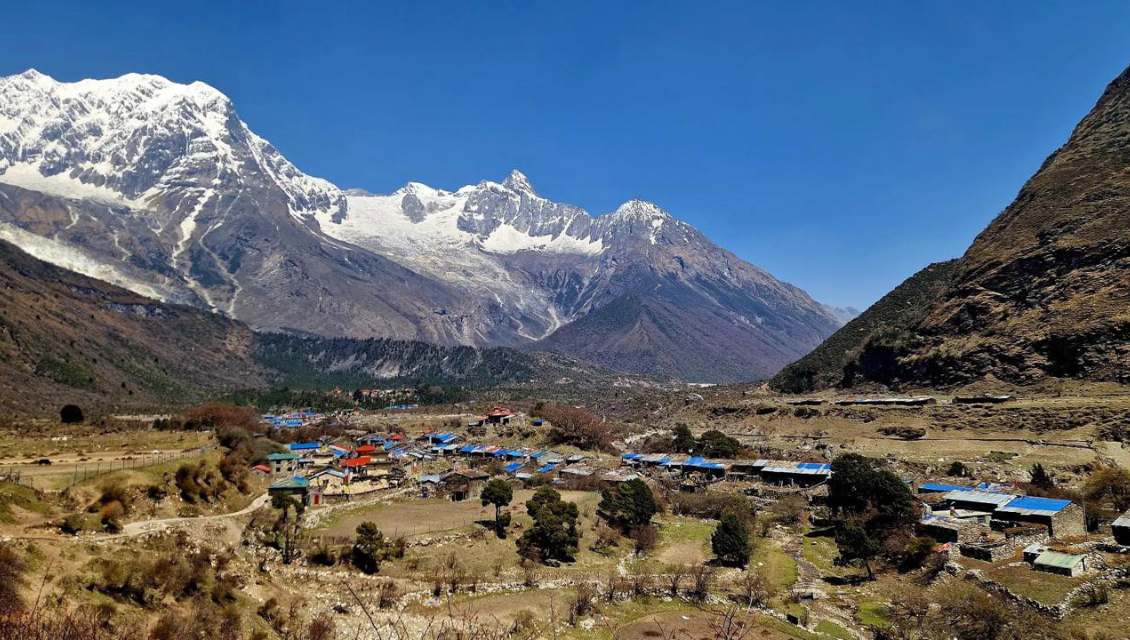
Honey hunting is conducted in remote mid-hill regions of Nepal, particularly in districts such as Kaski, Lamjung, Gorkha, and Myagdi. These areas form part of the southern Himalayan foothills, characterized by dramatic vertical terrain and rich biodiversity.
Key geographical features include:
- Vertical limestone and granite cliff faces (60–200 meters high)
- Dense subtropical and temperate forest ecosystems
- Deep river valleys and terraced agricultural landscapes
- Isolated Gurung and Magar settlements
- Seasonal flowering zones supporting wild bee colonies
These cliffs provide ideal nesting environments for Himalayan cliff bees, which migrate seasonally in response to temperature and flowering cycles.
Climate and Best Season
Honey hunting is strictly seasonal and dependent on ecological cycles and bee migration patterns.
Optimal Seasons
- Spring (April–May): Primary honey hunting season; highest activity and largest hive formations
- Autumn (October–November): Secondary harvesting season in select regions
Non-Operational Seasons
- Monsoon (June–September): Unsafe cliff conditions, heavy rainfall, and bee dispersion
- Winter (December–February): Low bee activity and inaccessible terrain
Spring remains the most culturally significant period, often accompanied by rituals, festivals, and communal gatherings.
Cultural and Ethnographic Significance
Honey hunting is an integral part of the intangible cultural heritage of Nepal’s Himalayan communities. It reflects a sophisticated understanding of ecology, seasonal cycles, and sustainable resource use.
Key cultural elements include:
- Performed exclusively by experienced Gurung and Magar honey hunters
- Knowledge transmitted orally across generations
- Ritual offerings to mountain deities before harvesting
- Deep spiritual respect for bees and natural ecosystems
- Strong community-based coordination and shared responsibility
- Integration of chants, traditional songs, and ceremonial practices
This practice represents a rare example of high-risk ecological harvesting embedded within cultural and spiritual frameworks.
Honey Hunting Methodology (Traditional System)
The honey harvesting process is highly technical, requiring precision, physical endurance, and collective coordination.
Key operational steps include:
- Construction of traditional bamboo ladders and nettle-fiber rope systems
- Preparation of smoke torches using dried leaves and forest materials
- Controlled descent of hunters onto vertical cliff faces
- Application of smoke to calm wild bee colonies
- Manual cutting of large honeycombs using long bamboo poles
- Collection of honey in suspended baskets or containers
- Ground team coordination for rope management and safety support
- Completion of ritual offerings following harvest
The entire process is conducted under high-risk environmental conditions, often requiring perfect timing and favorable wind conditions.
Package Highlights:
- Witness the ancient tradition of wild honey hunting practiced by local communities.
- Observe skilled hunters climbing steep cliffs using handmade rope ladders.
- Experience the unique culture and lifestyle of the Gurung people.
- See giant Himalayan honeybees and their massive cliffside hives.
- Enjoy breathtaking views of mountains, forests, and remote villages.
- Learn about traditional honey-harvesting techniques passed down through generations.
- Taste fresh wild honey collected directly from the hives.
- Explore scenic trekking trails through rural Himalayan landscapes.
- Gain insight into one of Nepal’s most unique and adventurous cultural experiences.
Book This Trip
Trip Information
 Start : Kathmandu
 Finish : Kathmandu
 Difficulty :
Moderate
Difficulty :
Moderate
 Max Altitude : 3000m
 Group Size : 17 People
 Season : SEP-NOV, MAR-MAY
Trip Gallery

Trip Itinerary
Arrival at Tribhuvan International Airport
VIP transfer to hotel in Kathmandu
Cultural briefing on honey hunting traditions and safety protocols
Preparation for field expedition and equipment review
Overnight in Kathmandu (luxury hotel category)
Accomadation: Premium Hotel
Place to visit: Nepal
Meals: Breakfast
Scenic domestic flight or private overland transfer to Pokhara or Lamjung
Drive to remote Gurung/Magar village settlements
Traditional welcome ceremony by local community
Introduction to honey hunting teams and cultural elders
Overnight in eco-lodge or premium homestay
Accomadation: Premium Hotel
Place to visit: Nepal
Meals: Breakfast
Early morning hike to designated cliff viewing zones
Witness traditional pre-harvest rituals and offerings
Observe cliff descent and honey harvesting process
Live cultural interpretation by local experts
Photography and ethnographic documentation session
Community interaction and storytelling with hunters
Traditional organic Himalayan meal with host families
Overnight in village accommodation
Accomadation: Tea House
Place to visit: Nepal
Meals: Breakfast
Morning exploration of Gurung/Magar village life
Optional participation in local agricultural or cultural activities
Return transfer to Pokhara or Kathmandu
Overnight in city hotel or departure connection
Accomadation: Premium Hotel
Place to visit: Nepal
Meals: Breakfast
Trip Date And Time
We'll Be There, Like We've Been There Before
|
Start |
End |
Trip Cost |
Action |
Enquire |
|---|---|---|---|---|
| 01 Sep, 2026 | 12 Sep, 2026 | 1000 | Book Now |
Essential Information
Accommodation
Accommodation is intentionally simple to preserve cultural authenticity and minimize environmental impact.
- Traditional homestays in Gurung and Magar villages
- Basic eco-lodges in foothill trekking regions
- Twin-sharing rooms with essential facilities
- Locally hosted hospitality environment
- Limited luxury infrastructure due to remote location
- Premium accommodation is available only in Kathmandu and Pokhara.
Meals
Meals are locally sourced, seasonal, and culturally prepared.
Typical offerings include:
- Traditional Dal Bhat set meals (organic and locally grown)
- Millet, buckwheat, and maize-based dishes
- Seasonal vegetables and wild herbs
- Locally produced honey (seasonal availability)
- Herbal teas and traditional beverages
- Community-prepared village meals
Food reflects authentic Himalayan rural dietary traditions.
Difficulty & Physical Requirements
This is a low to moderate activity cultural experience, suitable for most travelers.
- Short hikes to cliff observation points
- Uneven terrain in rural mountain areas
- No technical trekking or climbing required
- Suitable for families, researchers, and photographers
- Light physical effort during village walks
- Guide, Cultural Experts & Safety
- Professional guidance is mandatory for all visitors.
- Licensed cultural and trekking guides
- Local honey hunting community experts
- Ethnographic interpretation specialists
- Safety coordination during cliff-side viewing
- Photography and documentation assistance
Strict safety protocols are enforced near cliff zones during active harvesting.
Safety Considerations
Although visitor participation is observational only, honey hunting sites are highly sensitive environments.
- Maintain safe distance from cliff operations
- Follow guide instructions at all times
- No interference with hunting teams
- Weather-dependent scheduling flexibility
- Emergency support available in nearby settlements
Communication & Connectivity
- Mobile network available in nearby villages and towns
- Limited connectivity at cliff and forest sites
- Wi-Fi available only in Pokhara and Kathmandu
Cultural & Natural Highlights
This experience offers one of Nepal’s most authentic living cultural traditions:
- Ancient cliff-side honey harvesting rituals
- Indigenous Gurung and Magar heritage systems
- Himalayan giant honeybee ecosystems
- Spiritual mountain beliefs and ceremonial practices
- Remote and pristine mid-hill landscapes
- Strong ethnographic and documentary value
- Rare opportunity for responsible cultural tourism
- Seasonal and community-led traditional practice
Why Choose Honey Hunting in Nepal?
This is a highly exclusive cultural experience designed for travelers seeking authenticity beyond conventional tourism:
- One of the world’s rarest living cultural traditions
- Deep indigenous Himalayan heritage experience
- Strong ethnographic and photography value
- Seasonal, community-controlled activity
- Authentic rural mountain village immersion
- Direct interaction with traditional honey hunters
- Sustainable and community-based tourism model
- Unique combination of culture, ecology, and tradition
NPR 1000 / person
See group booking discount- No. of person Price per person
The price may varies
Speak to an Expert

Mr. Sonam G. Sherpa


Featured Packages
You May Also Enjoy Our Other Trips






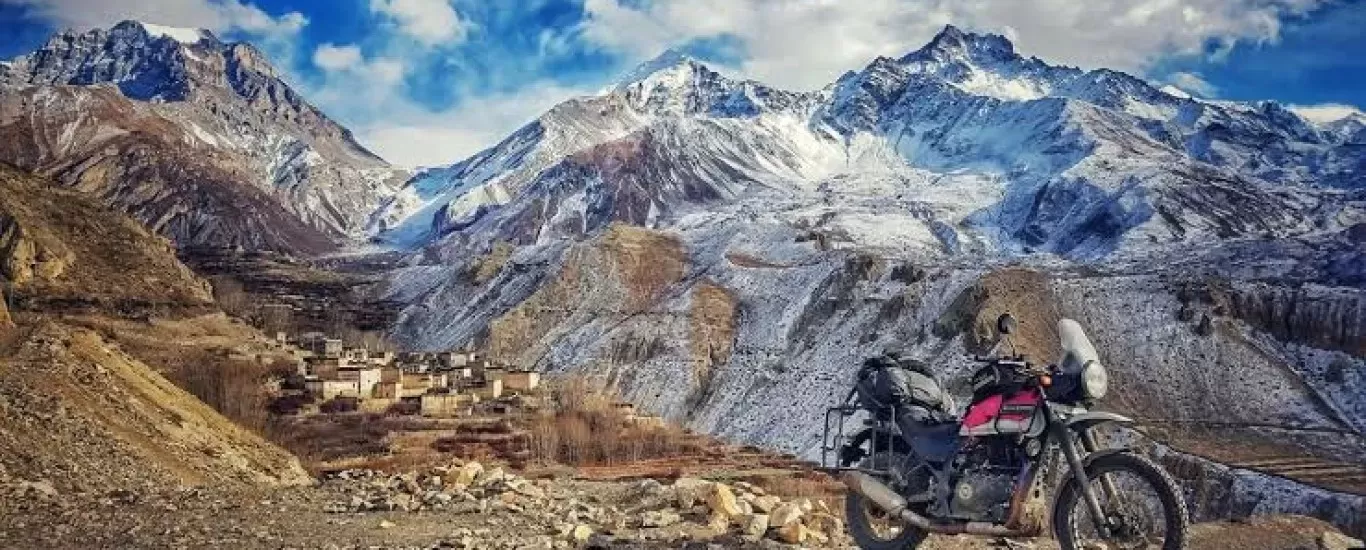
11 Days
Nepal Heritage Motorbike Tour - A Journey Through Culture And Himalayas !
NPR 1000 Per Person