Budget
USD 1990
Per Person
Rating
7 Reviews
Duration
14 Days
Trip Overview
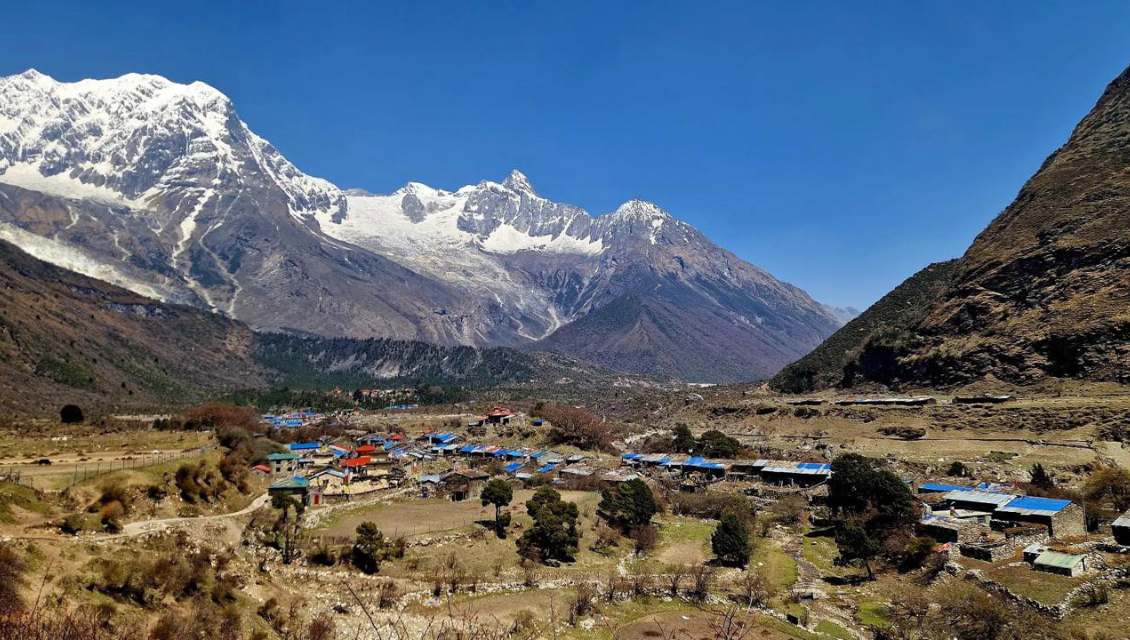
The Annapurna Circuit Trek is one of the most famous and diverse trekking routes in the world, offering an extraordinary journey through changing landscapes, rich cultural regions, and high Himalayan mountain scenery. This classic circuit circles the Annapurna Massif, combining lush lowland valleys, deep gorges, alpine forests, and high-altitude desert terrain in a single unforgettable adventure.
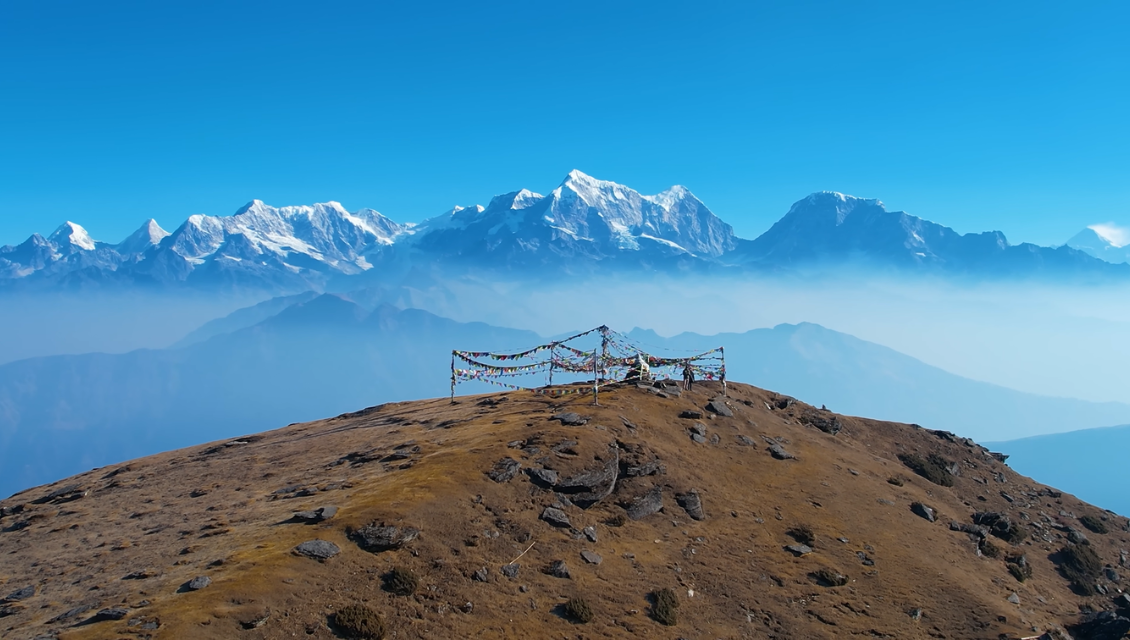
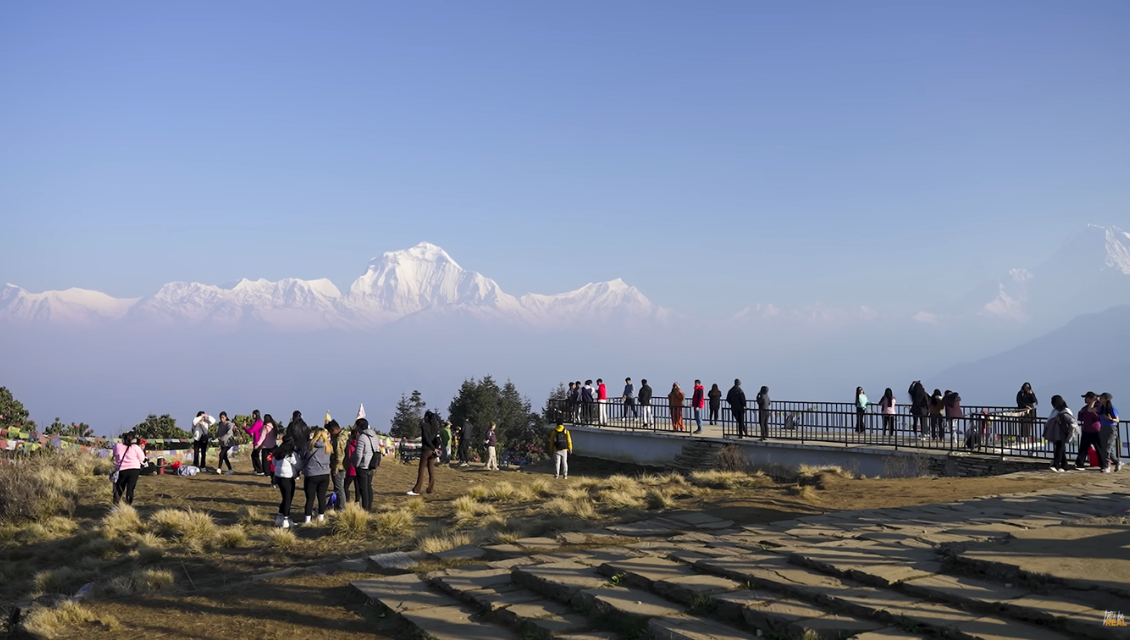
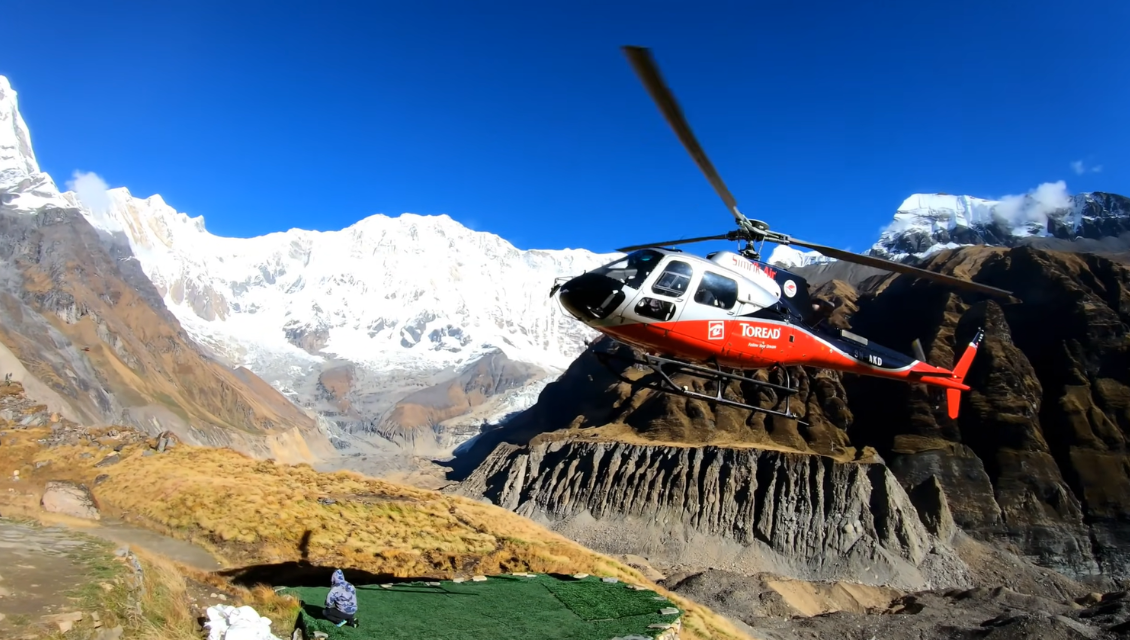
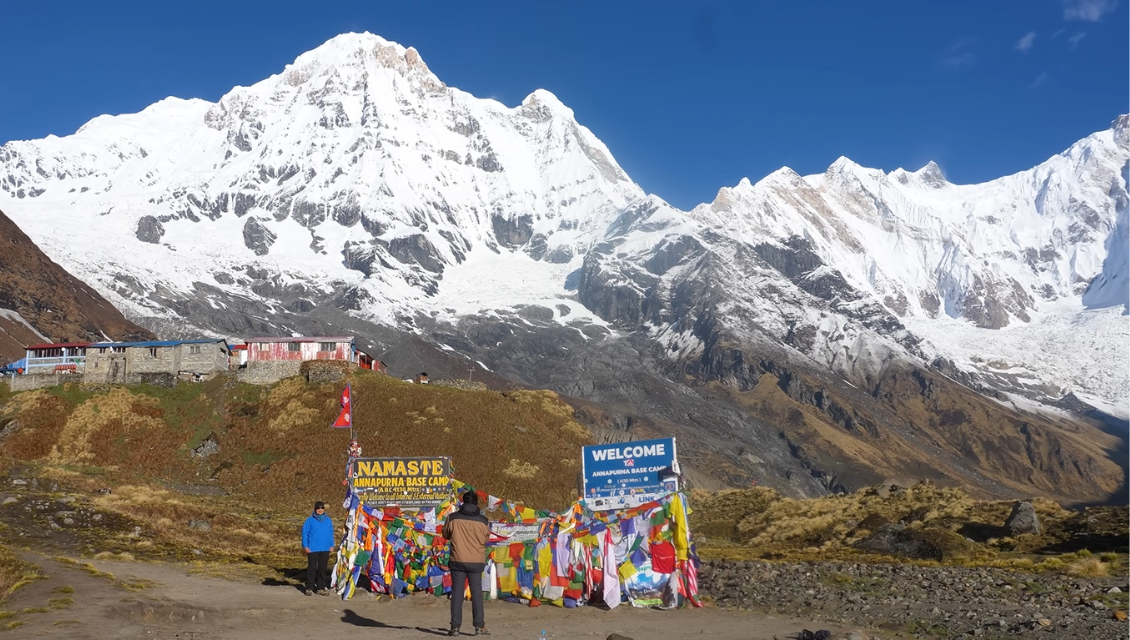
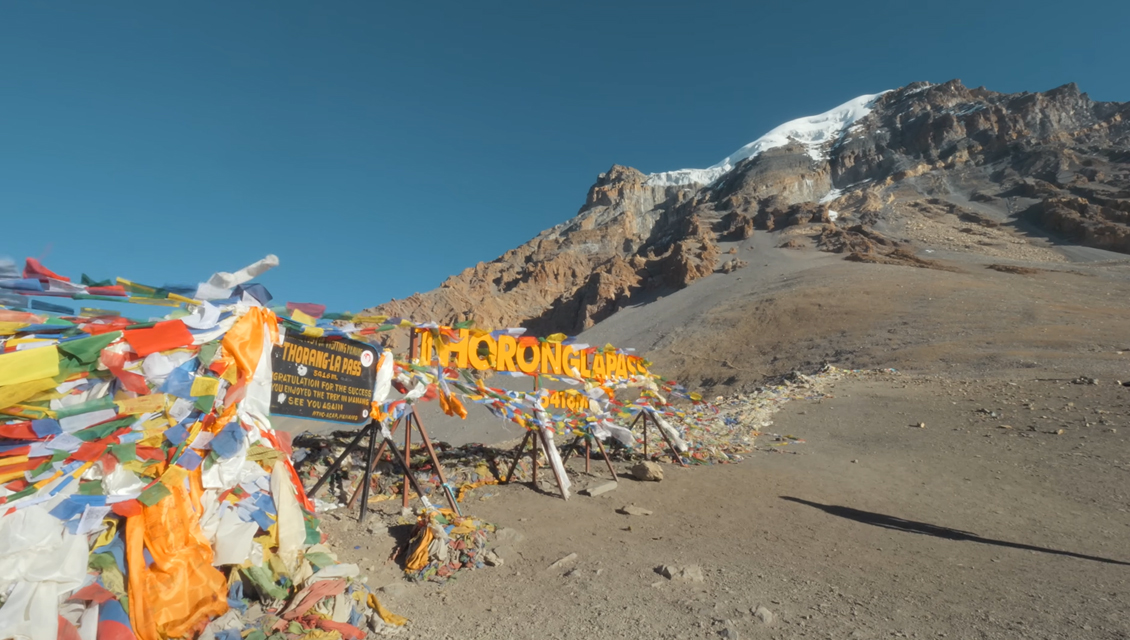
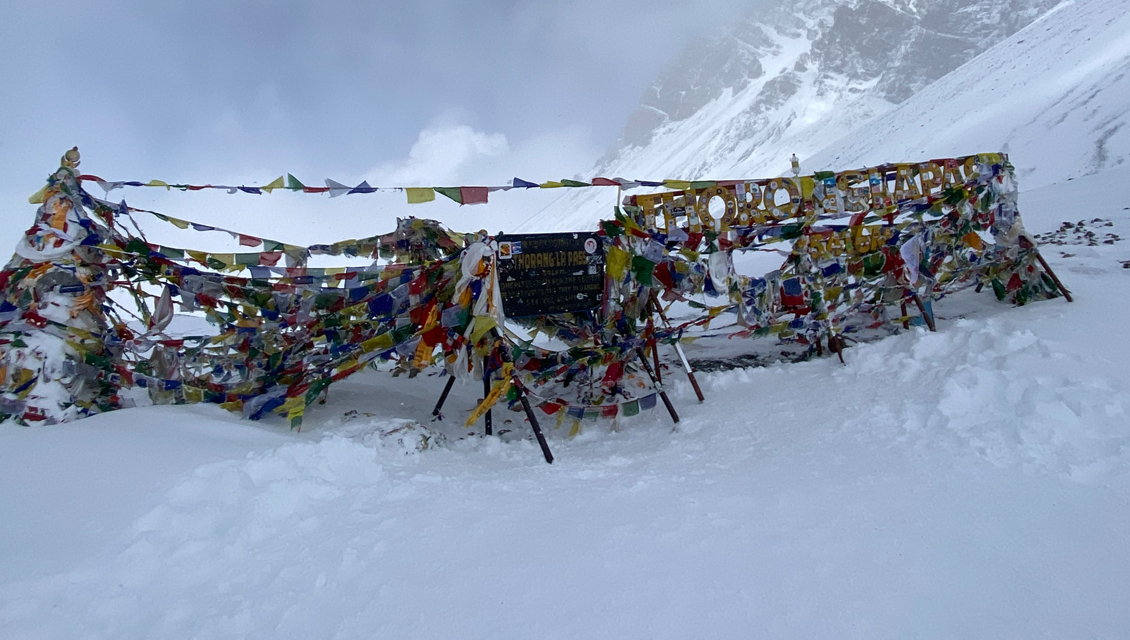
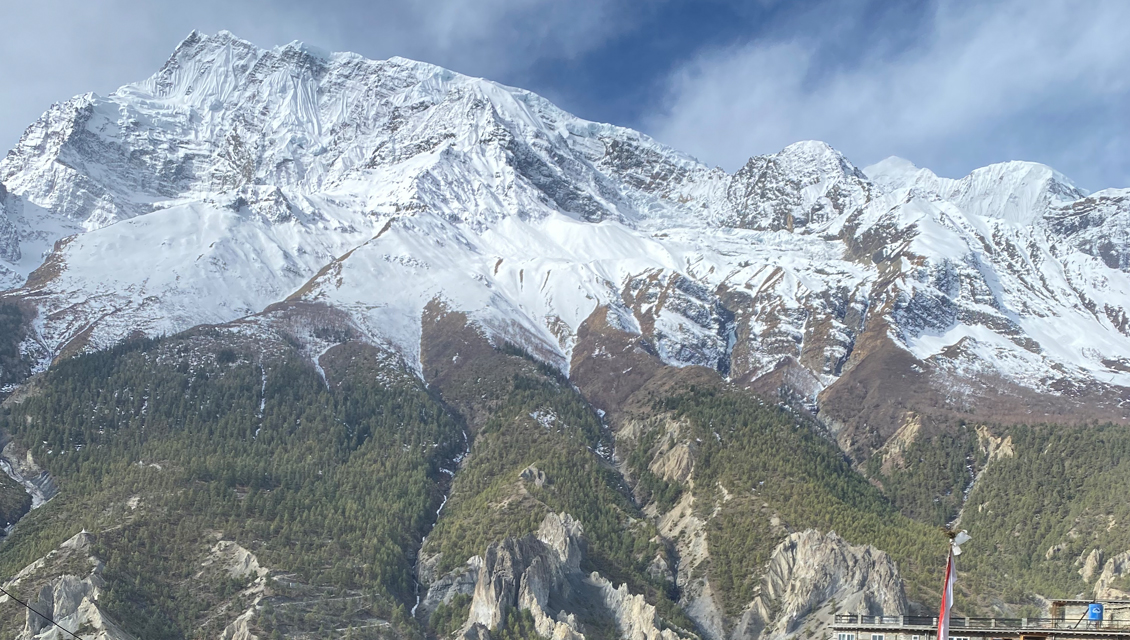
The trek is best known for crossing the legendary Thorong La Pass (5,416 m), one of the highest trekking passes in the world. Along the route, trekkers are rewarded with spectacular views of Himalayan giants including Annapurna I, Dhaulagiri, Manaslu, and Machhapuchhre.
This trek is ideal for experienced trekkers seeking a long, diverse, and culturally immersive Himalayan journey that showcases the full range of Nepal’s mountain environments.
Geography and Landscape
The Annapurna Circuit Trek is located in central Nepal within Annapurna Conservation Area, the largest conservation area in the country. The route traditionally begins in the Marsyangdi Valley and gradually ascends toward the high Himalayan plateau before descending into the Kali Gandaki Valley.
The landscape is one of the most diverse of any trek in the world. The lower sections feature subtropical forests, terraced farmland, waterfalls, and river valleys. As the trail climbs higher, it passes through pine and rhododendron forests, deep gorges, and traditional villages influenced by both Hindu and Tibetan Buddhist cultures.
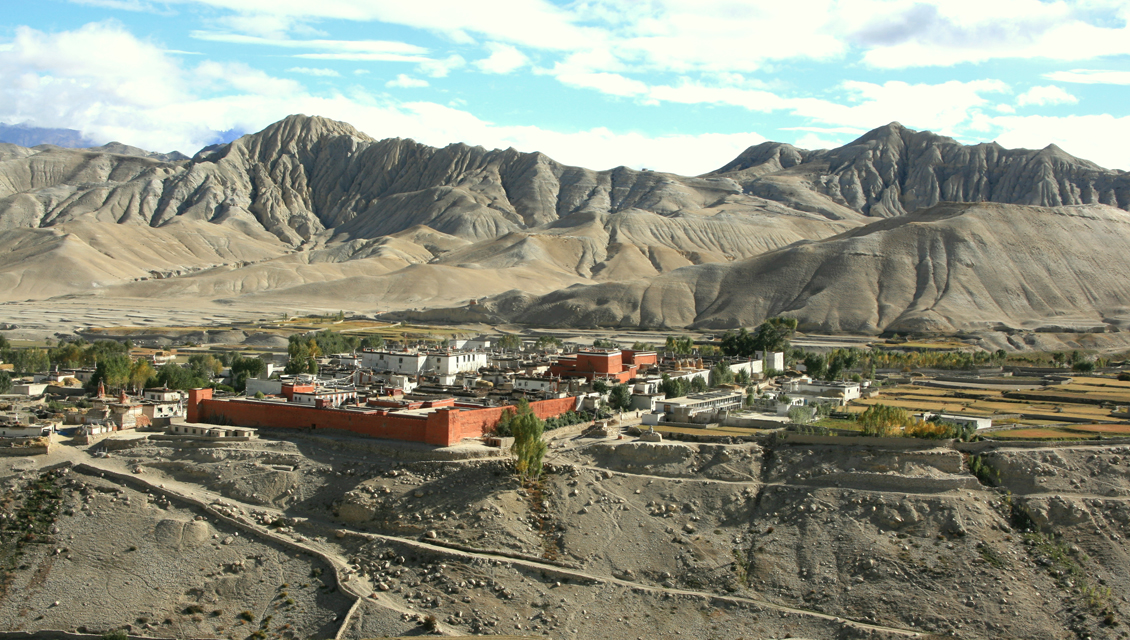
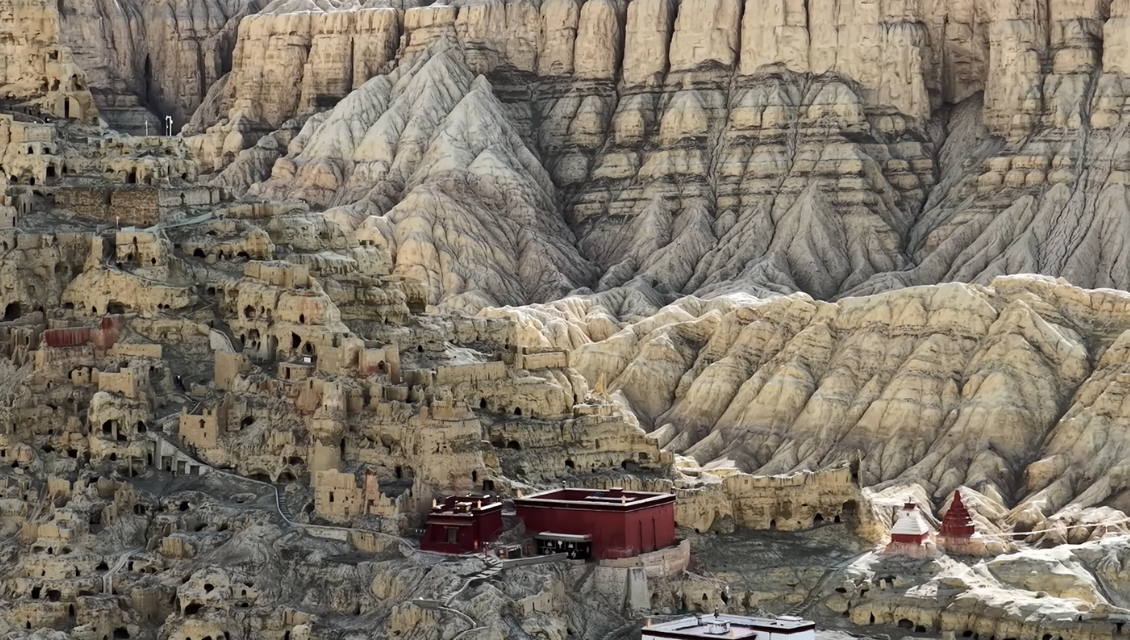
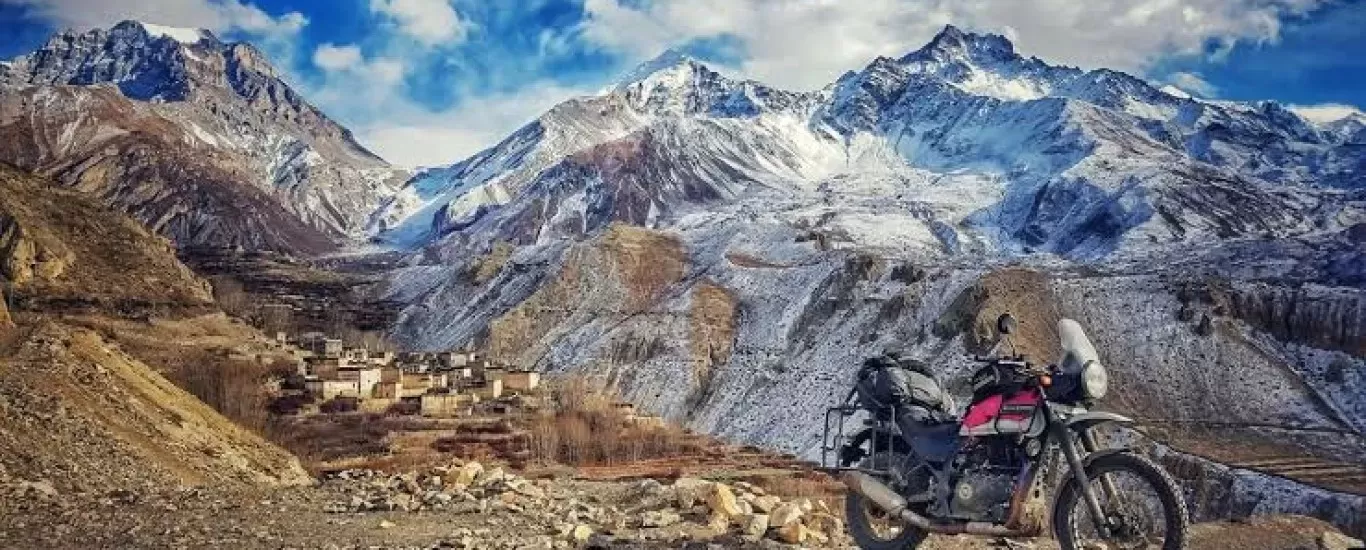
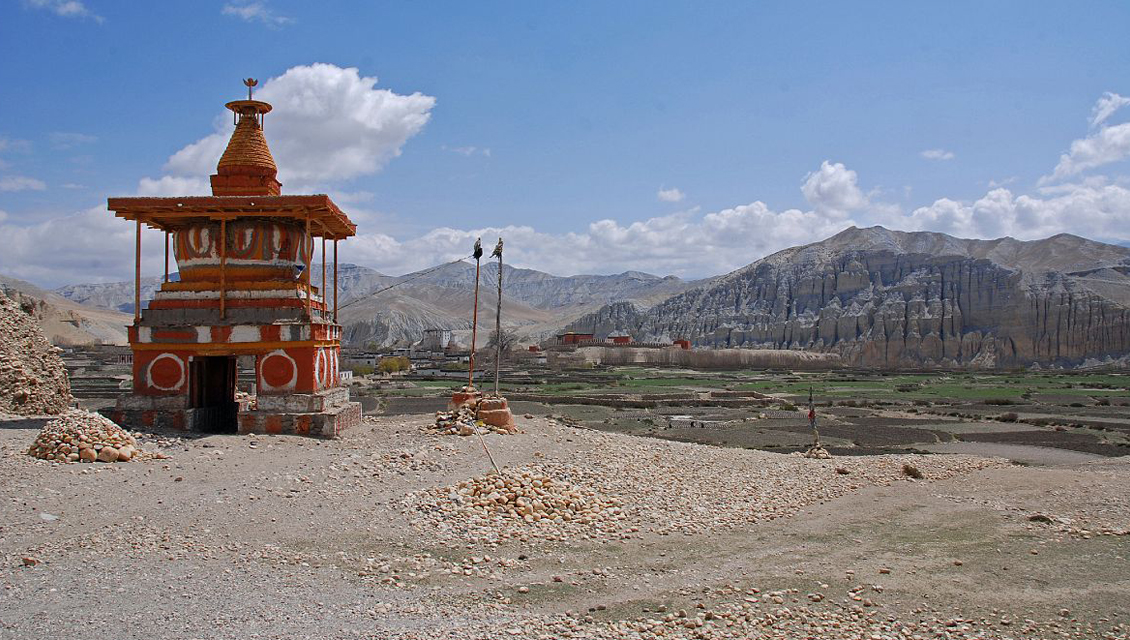
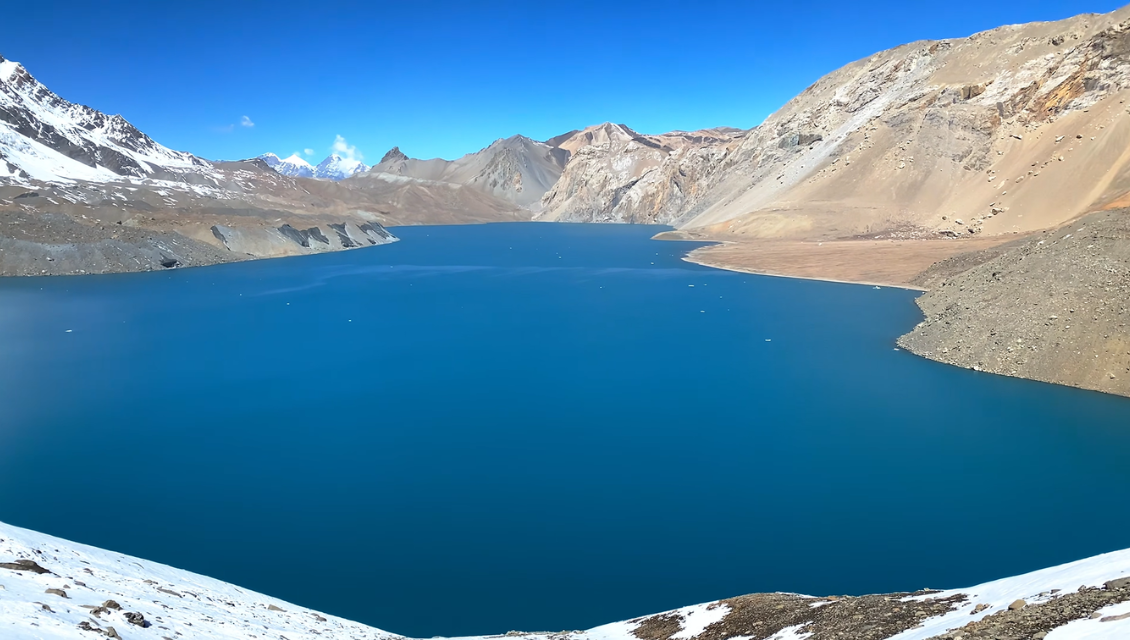
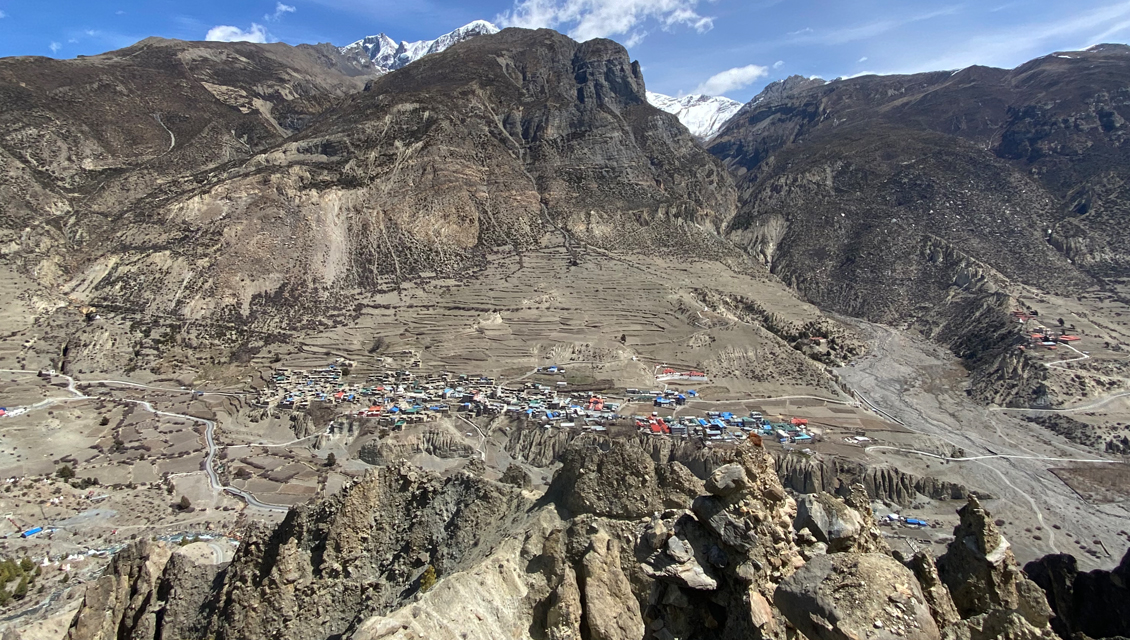
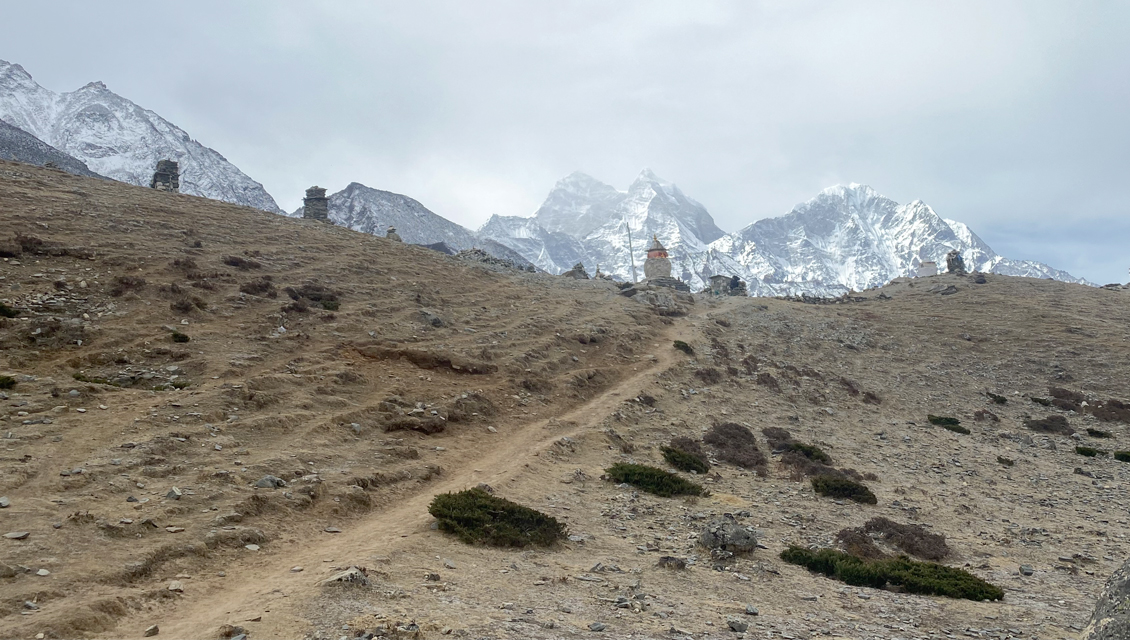
Above the tree line, the environment transforms into a dramatic high-altitude desert similar to the Tibetan plateau. This rain-shadow region around Manang and Mustang is dry, windy, and strikingly beautiful, with vast open valleys, snow-capped peaks, and ancient trade routes.
Key stops along the circuit include Dharapani, Chame, Pisang, Manang, Yak Kharka, and Muktinath, each offering unique scenery and cultural experiences. The crossing of Thorong La Pass is the most challenging and rewarding section, providing panoramic views of the entire Annapurna and Dhaulagiri ranges.
Climate and Best Time to Trek
The best seasons for the Annapurna Circuit Trek are spring (March–May) and autumn (September–November). These periods offer the most stable weather conditions, clear skies, and excellent mountain visibility.
Spring brings mild temperatures and blooming rhododendron forests in lower regions, while autumn is considered the best season due to crystal-clear views and stable post-monsoon weather.
Winter (December–February) is extremely cold at higher elevations, and Thorong La Pass can be blocked by heavy snow, making the trek suitable only for experienced and well-prepared trekkers. The monsoon season (June–August) is less ideal in lower regions due to rain, though the northern rain-shadow areas like Manang and Mustang receive less precipitation.
Overall, autumn is the most reliable season for completing the full circuit safely and comfortably.
People and Culture
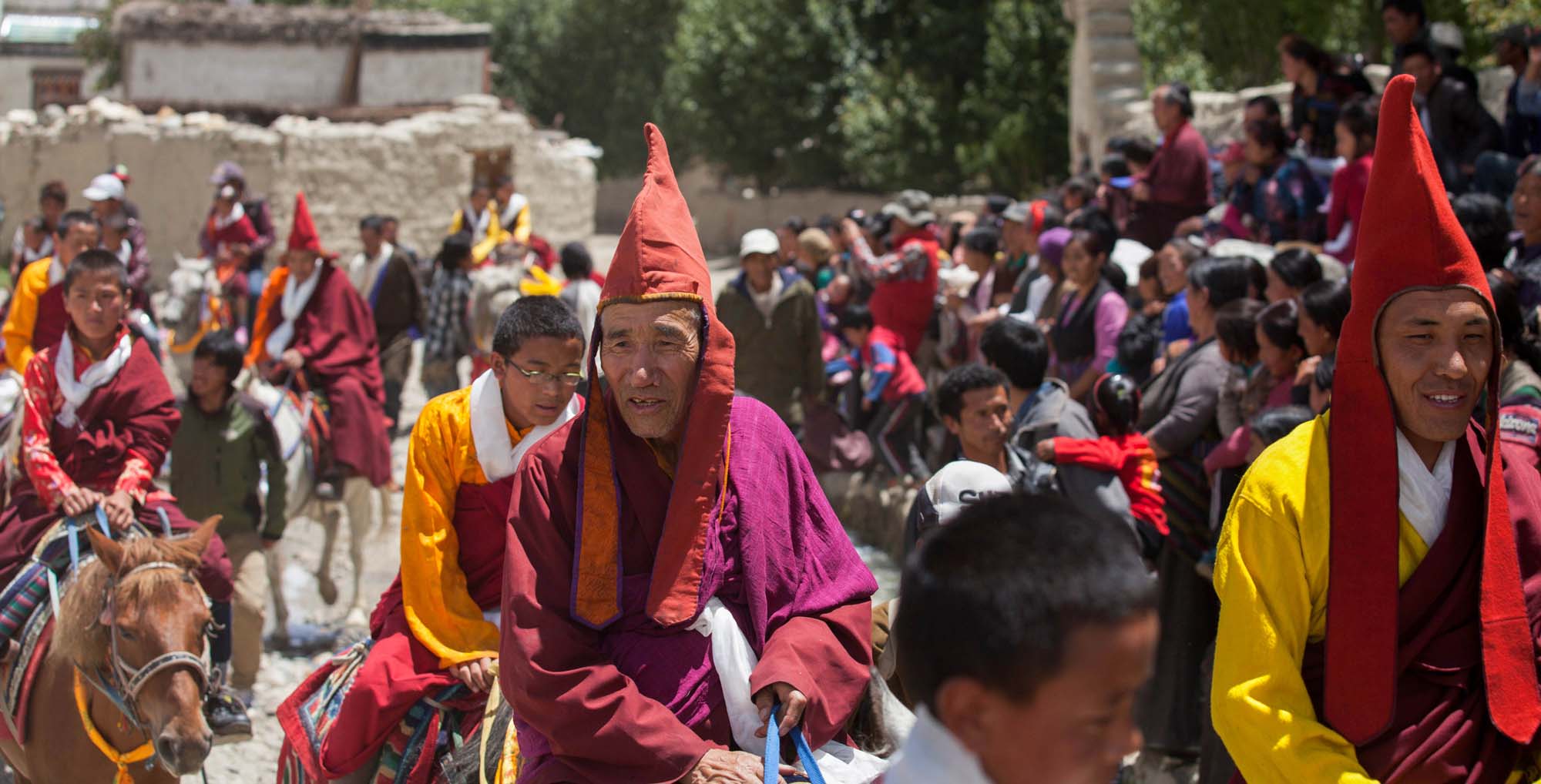
The Annapurna Circuit passes through a rich mosaic of ethnic communities, including Gurung, Magar, Thakali, and Tibetan-influenced Manangi populations. This cultural diversity is one of the trek’s greatest highlights.
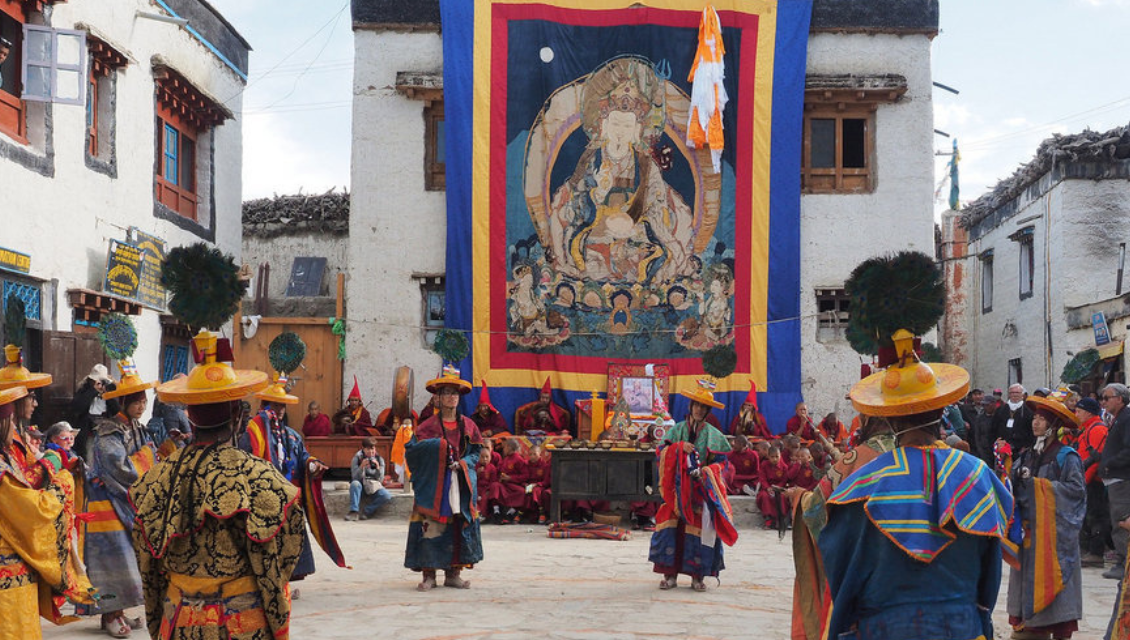
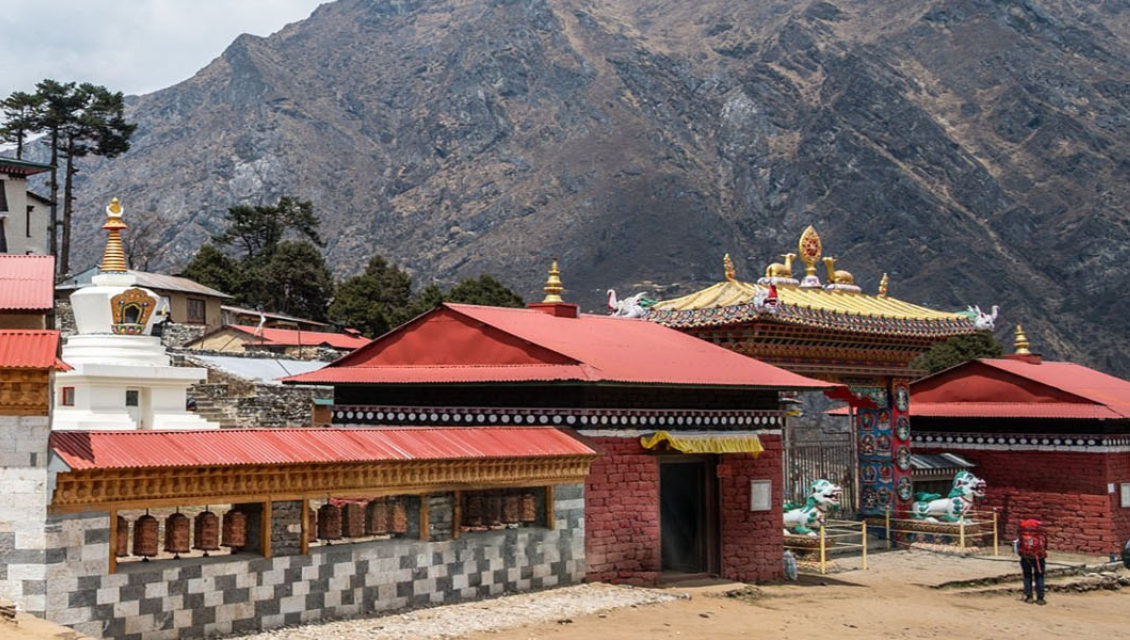
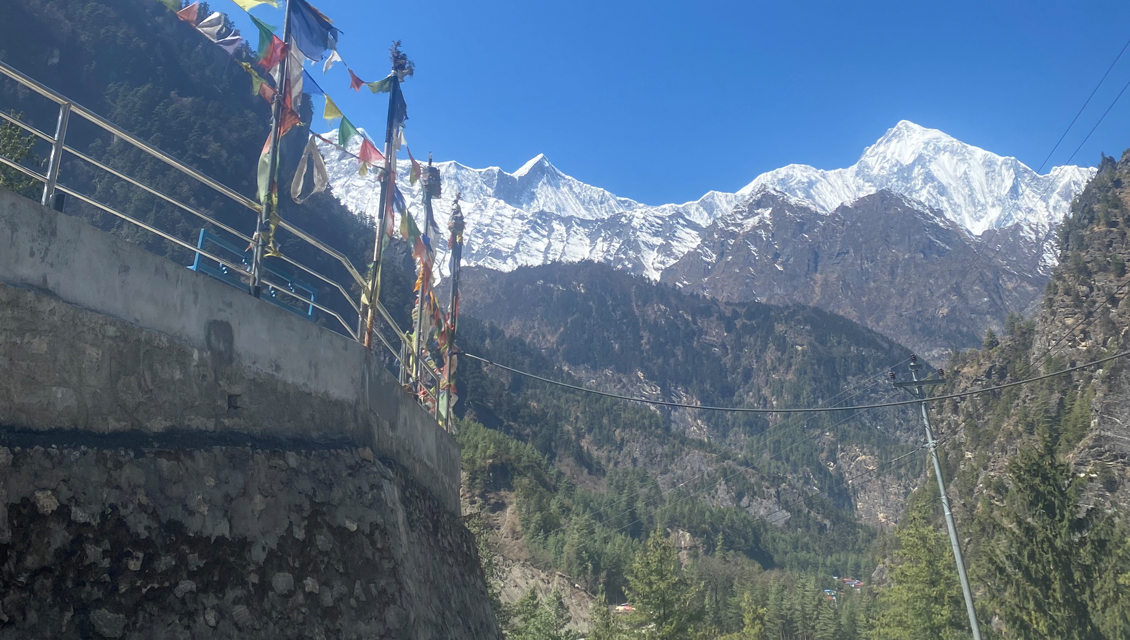
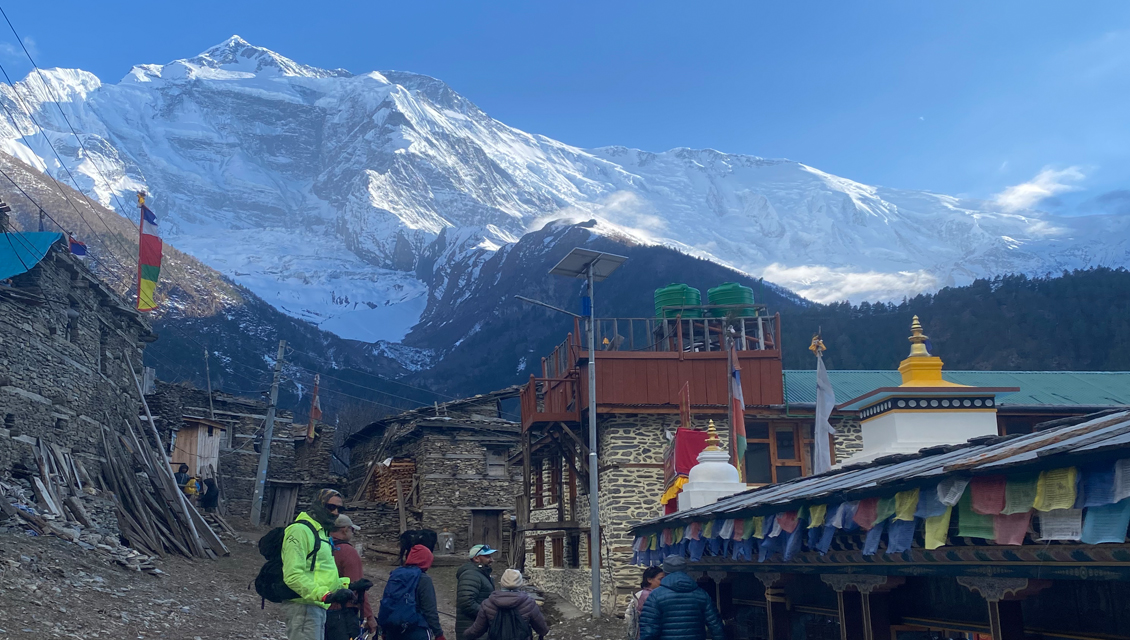
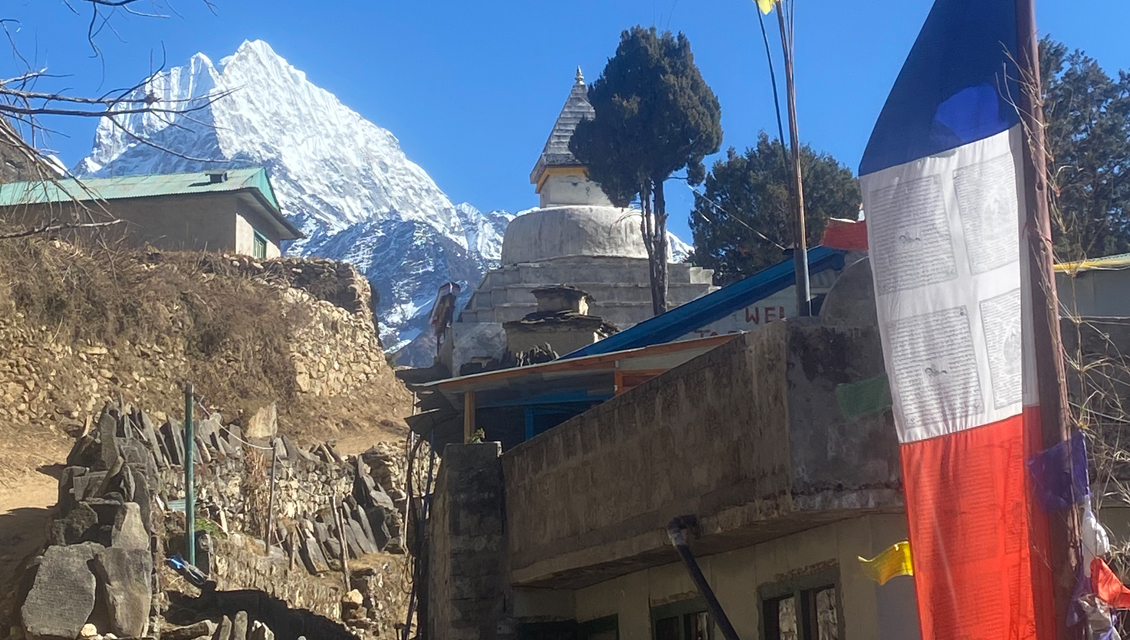
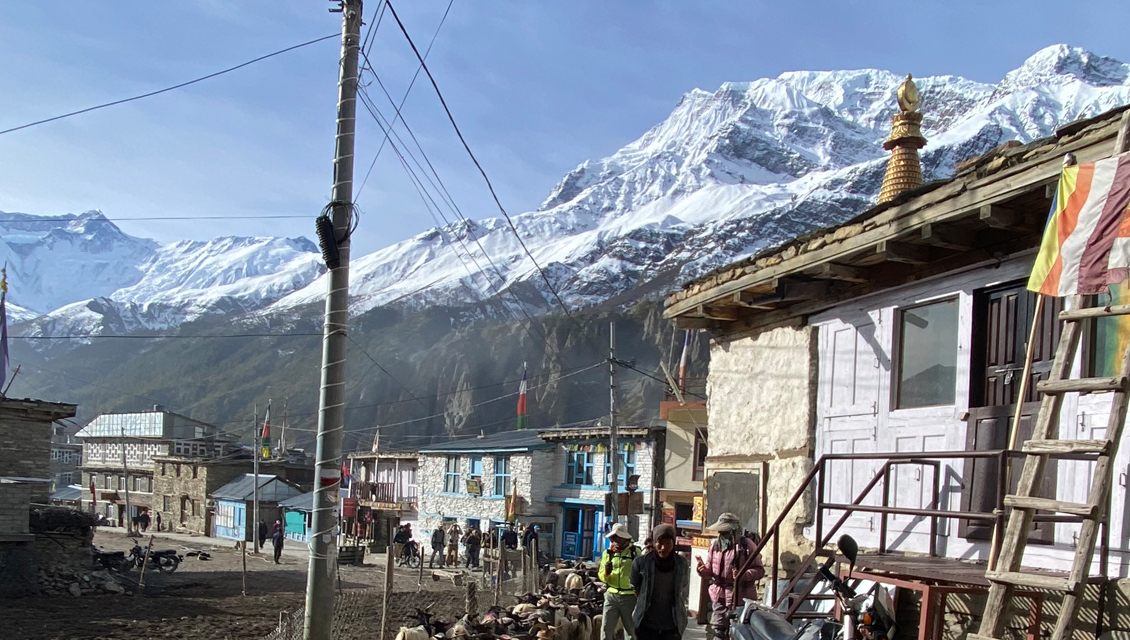
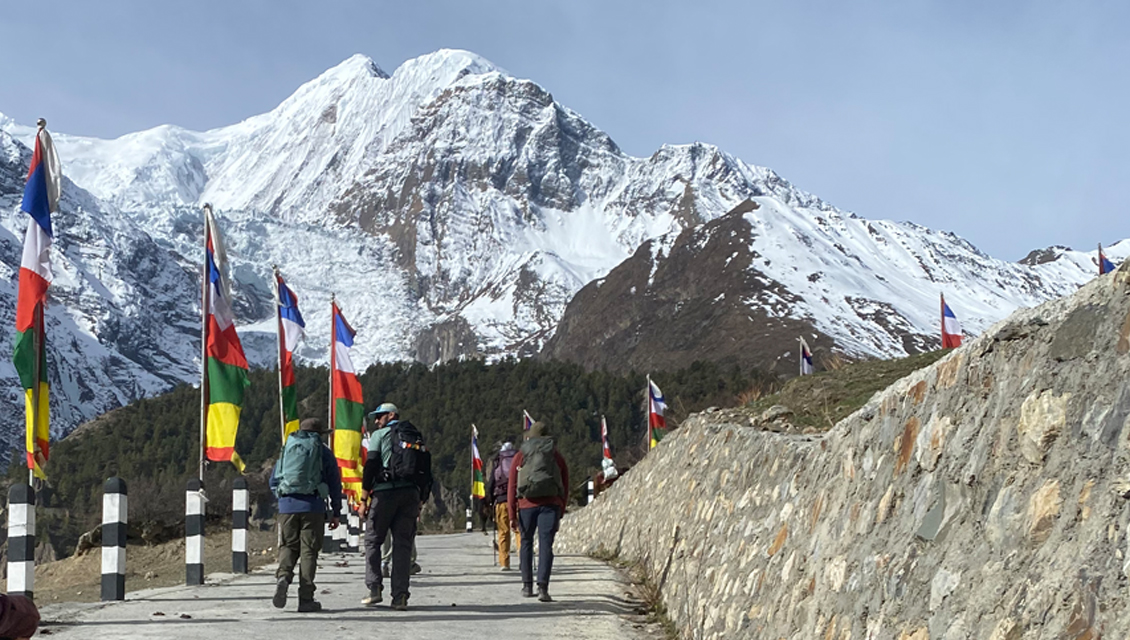
Lower regions reflect Hindu traditions, while upper regions such as Manang and Mustang are deeply influenced by Tibetan Buddhism. Villages feature prayer flags, monasteries, mani walls, and traditional stone architecture that reflect centuries of Himalayan heritage.
In Manang, trekkers experience ancient monasteries and high-altitude lifestyles adapted to harsh environments. In the Kali Gandaki region, the Thakali people are known for their hospitality, trade history, and unique cuisine.
The combination of dramatic geographical variation, cultural richness, and iconic mountain scenery makes the Annapurna Circuit Trek one of the most complete and unforgettable trekking experiences in Nepal.
Package Highlights:
- Scenic drive from Kathmandu to Dharapani – gateway to the trek
- Complete Annapurna Circuit adventure around the massif Annapurna Circuit
- Cross Thorong La Pass (5,416m) – one of the world’s great trekking passes Thorong La Pass
- Panoramic views of Annapurna, Dhaulagiri, and Manaslu ranges
- Explore cultural villages like Pisang, Manang, and Muktinath
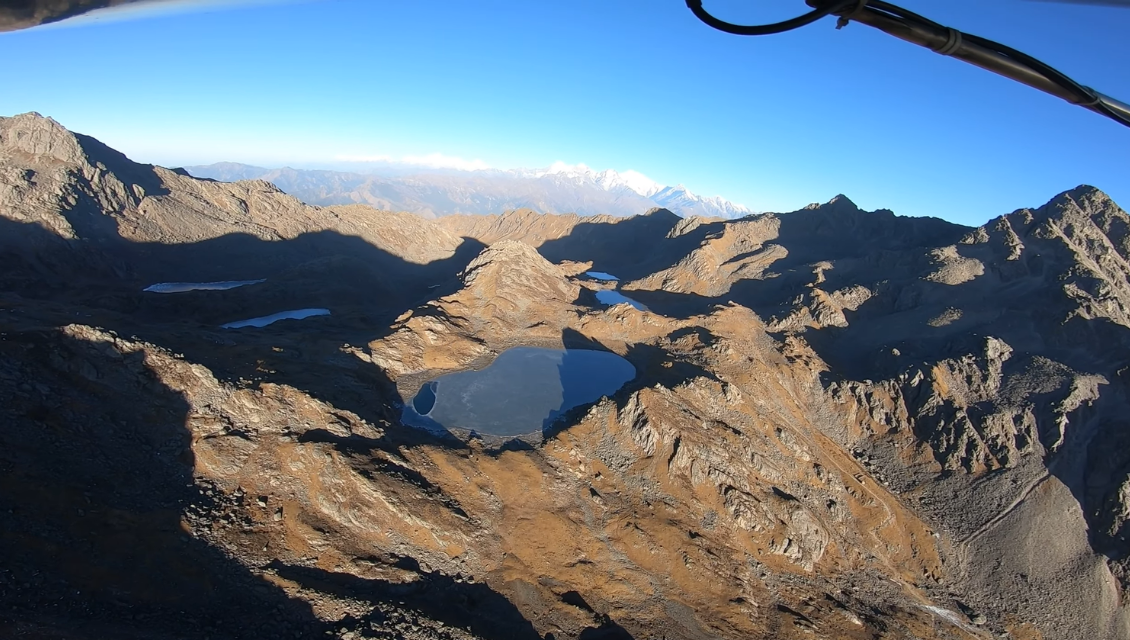
- Acclimatization hikes to Ice Lake and Gangapurna Lake
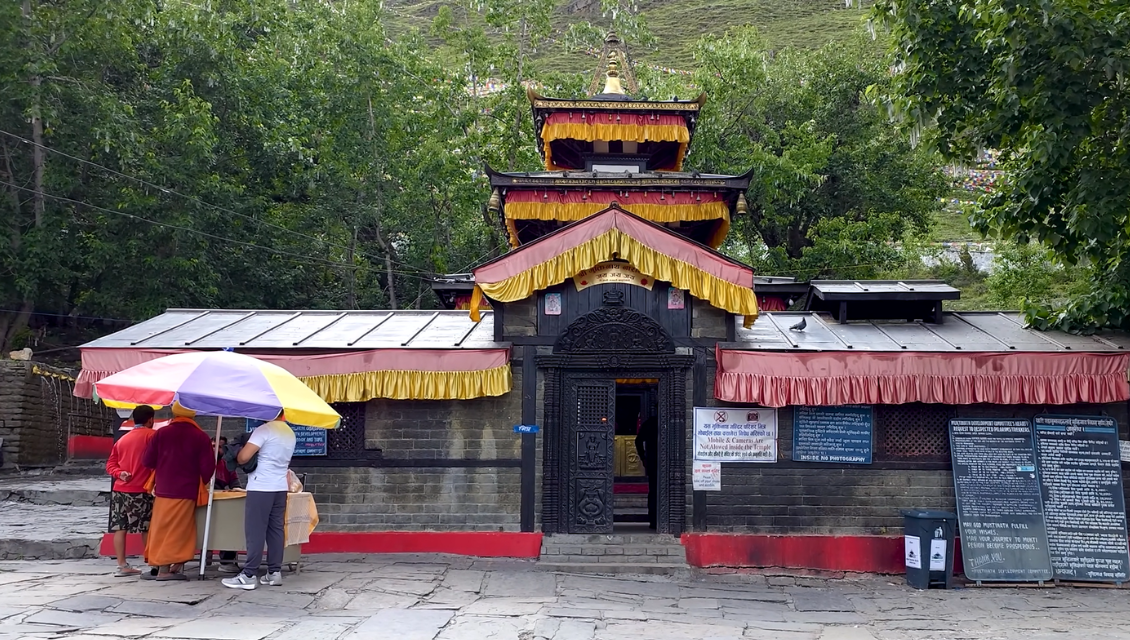
- Visit sacred Muktinath Temple pilgrimage site
- Relax at Tatopani hot springs and enjoy a scenic return via Jomsom and Pokhara
Book This Trip
Trip Information
 Start : Kathmandu
 Finish : Kathmandu
 Difficulty :
Moderate
Difficulty :
Moderate
 Max Altitude : 5416m
 Group Size : 17 People
 Season : SEP-NOV, MAR-MAY
Trip Gallery
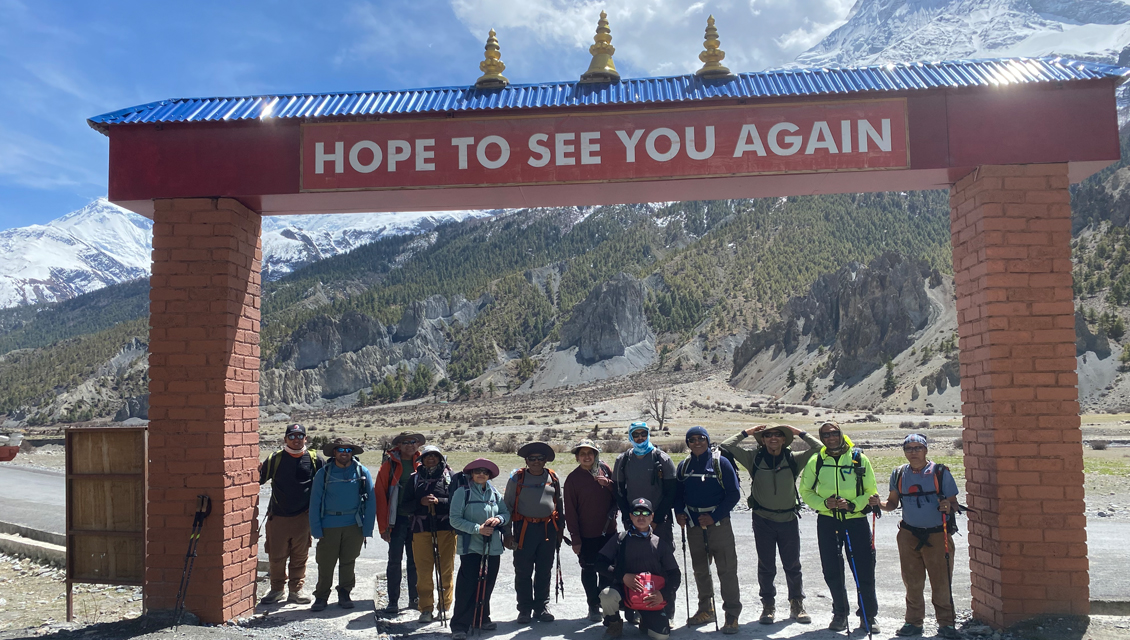


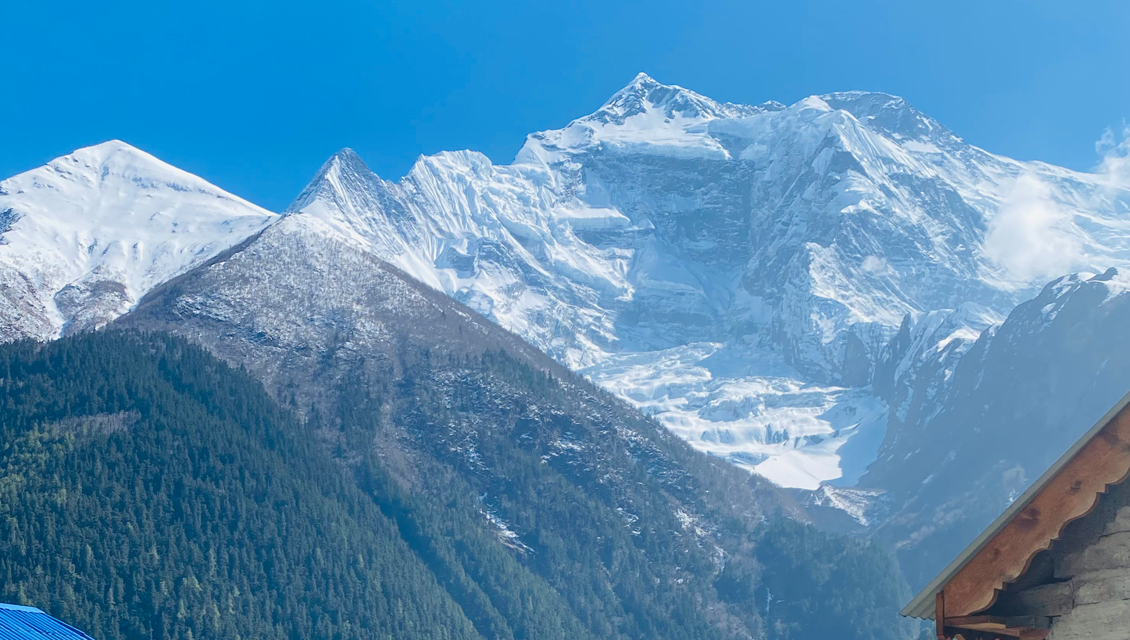
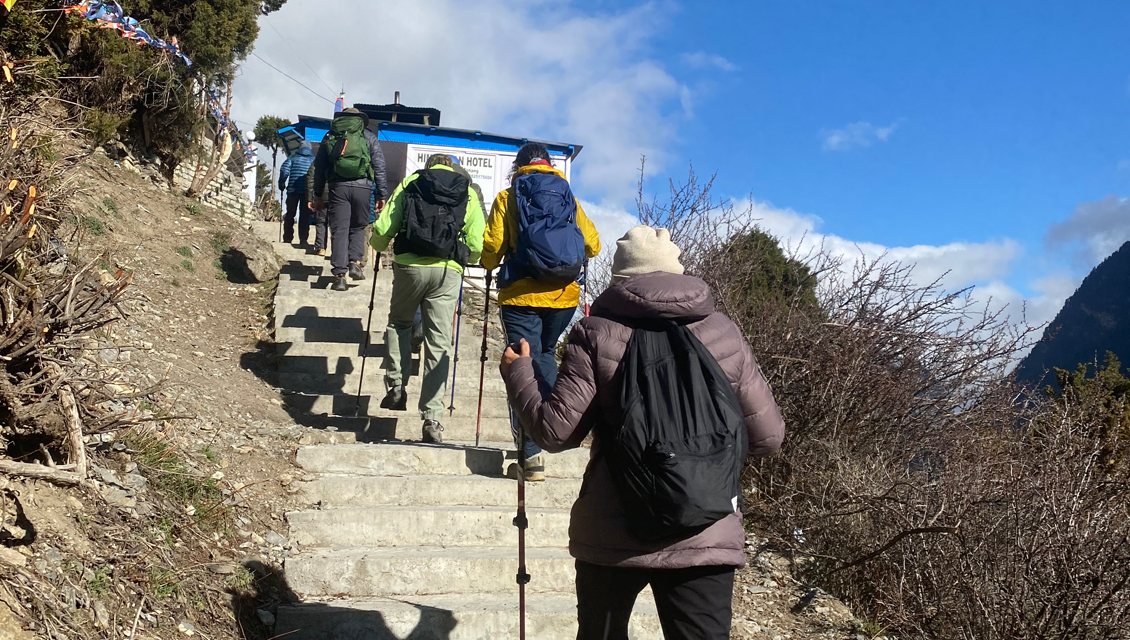
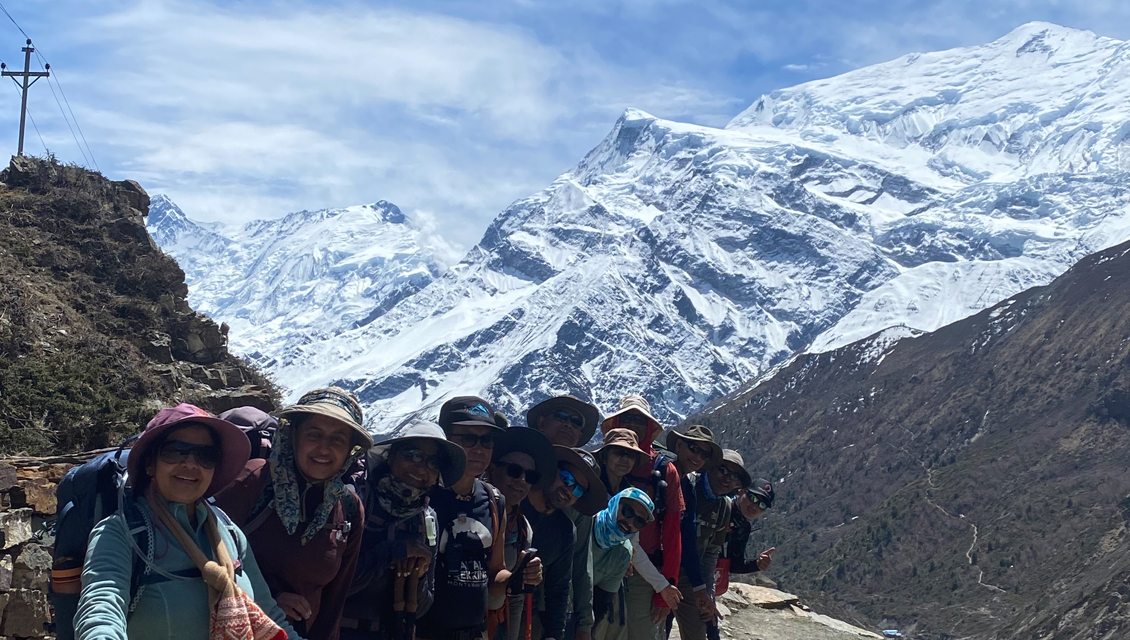












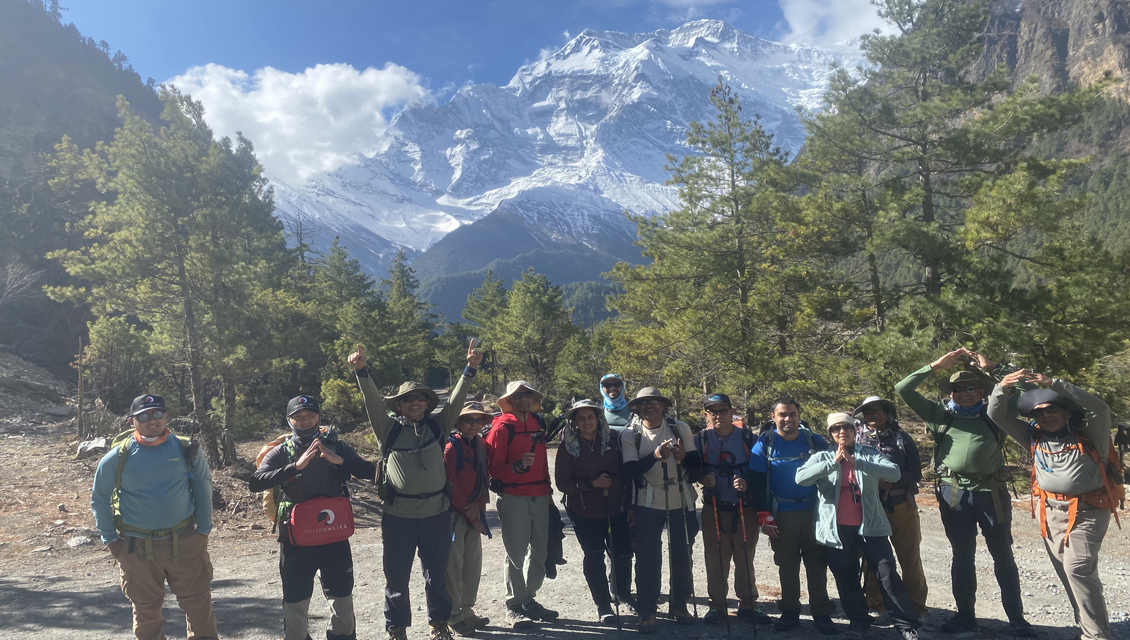
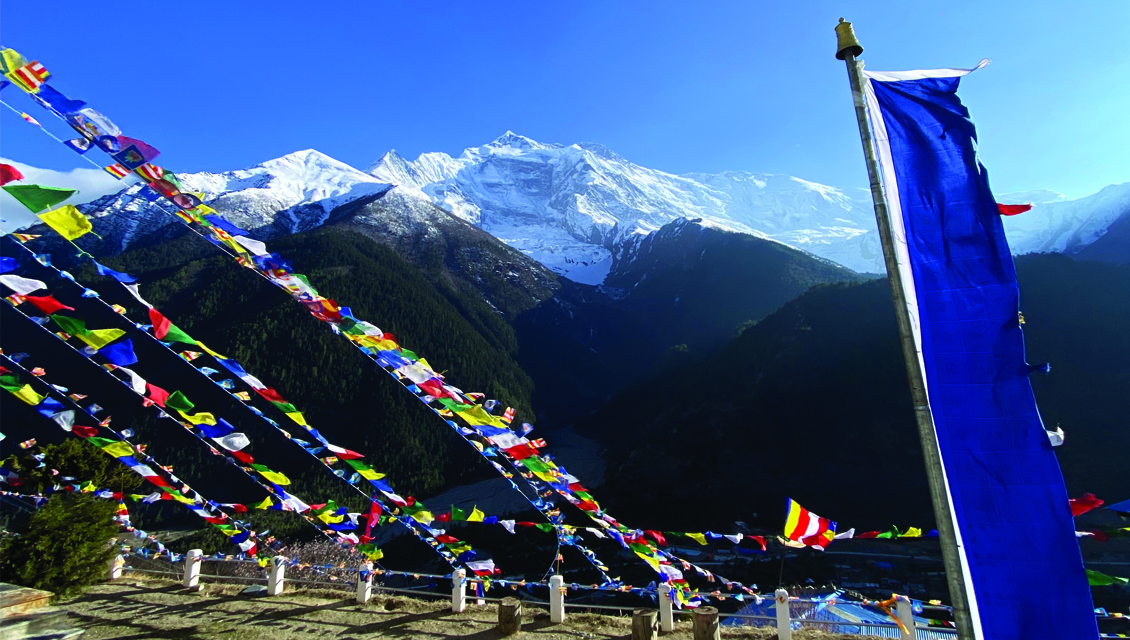


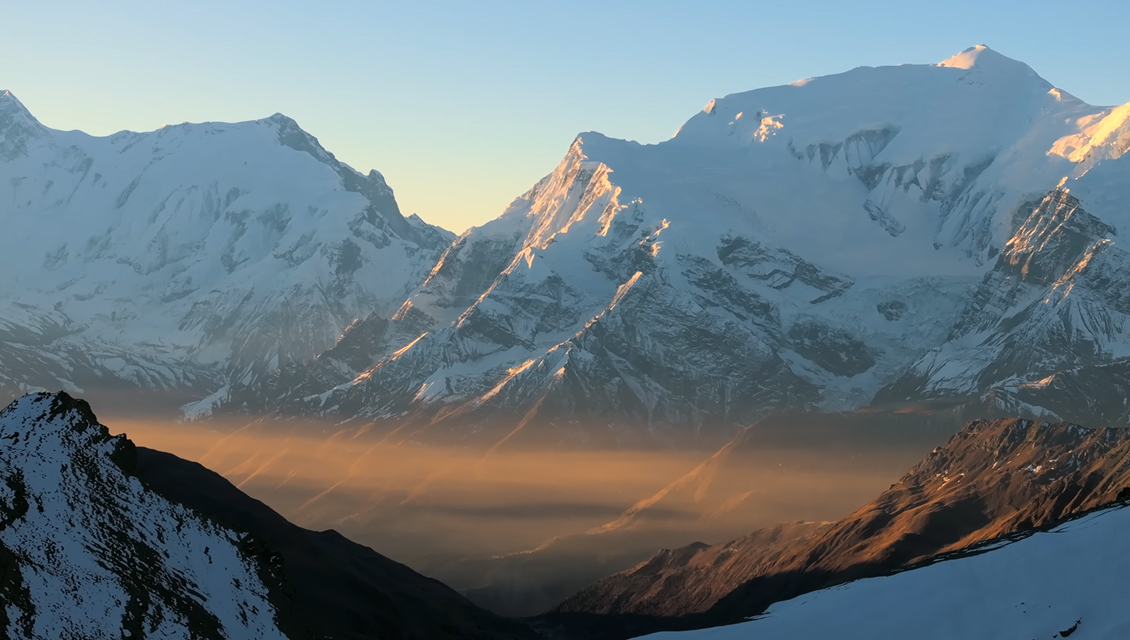

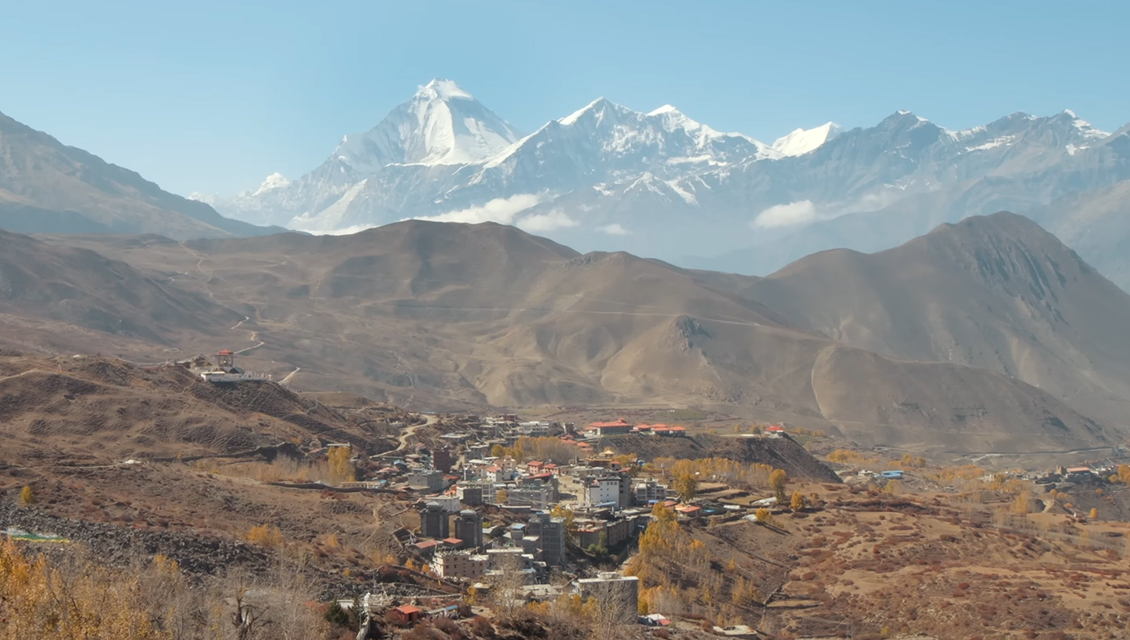
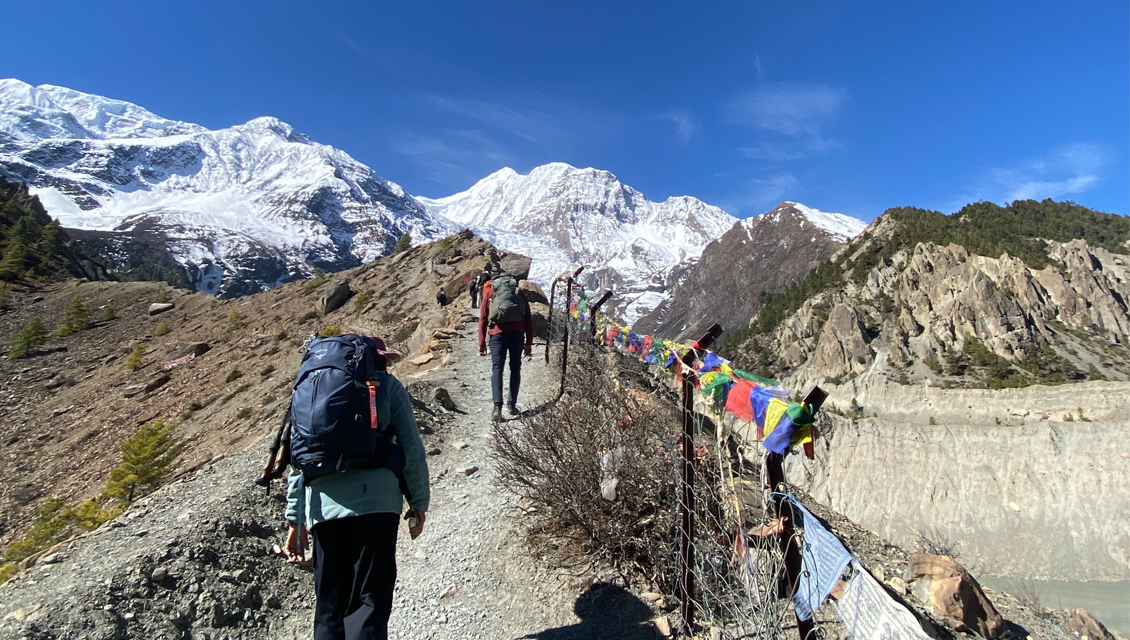


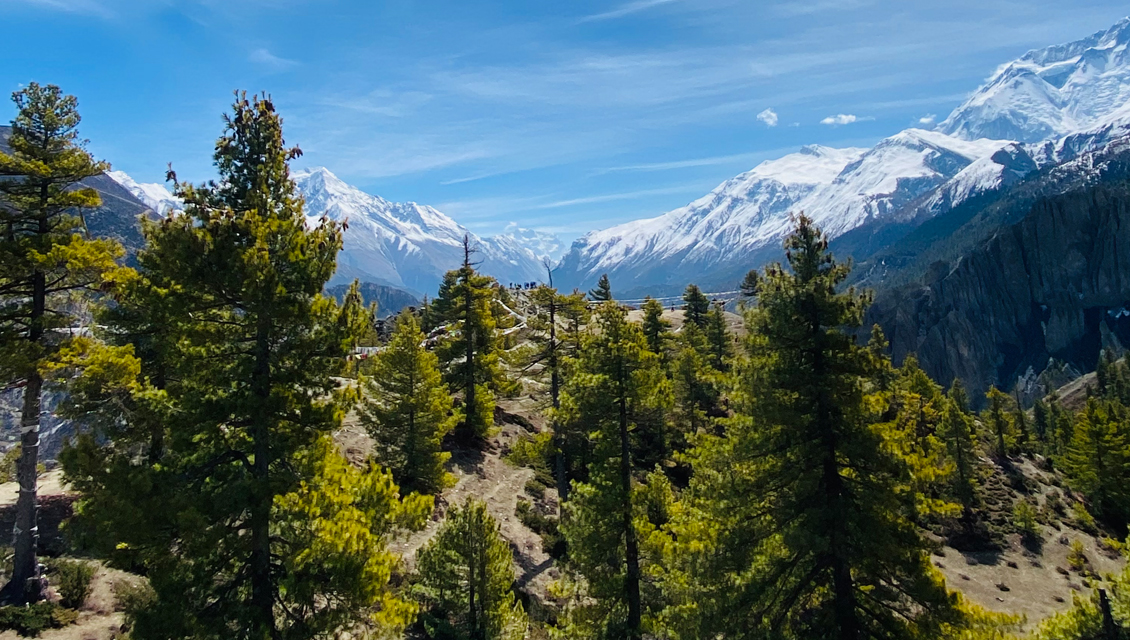

Trip Itinerary
Altitude: 1,400m
We will pick you up from Tribhuvan International Airport upon your arrival in Kathmandu. One of our representatives from Nord Extreme will warmly welcome you and assist with your transfer to the hotel in Thamel, the vibrant tourist center of Kathmandu.
After check-in, you will have time to rest or explore the lively streets filled with cafés, trekking shops, and cultural landmarks.
In the evening, meet your trekking guide for an introductory briefing about the Annapurna Circuit journey ahead. Overnight in Kathmandu.
Accomadation: Hotel
Place to visit: Nepal
Meals: Dinner
Altitude: 1,400m
Trek duration: 2–4 hrs
Today is dedicated to final trek preparation and official permit arrangements for the Annapurna Circuit region. Our Nord Extreme team will assist you with all required documentation, including TIMS and Annapurna Conservation Area permits.
You will attend a detailed trek briefing covering the itinerary, altitude awareness, acclimatization, safety measures, weather conditions, and trail expectations.
A full gear inspection will also be conducted to ensure you are properly equipped for the trek. You will have additional time for last-minute shopping or renting any missing trekking equipment in Thamel.
Accomadation: Hotel
Place to visit: Nepal
Meals: Breakfast
Altitude: 1,960m
Trek duration: 8–9 hrs drive
Today begins with an early morning drive from Kathmandu to Besisahar, the gateway to the Annapurna region. The scenic journey passes through rivers, terraced rice fields, green hillsides, and traditional villages.
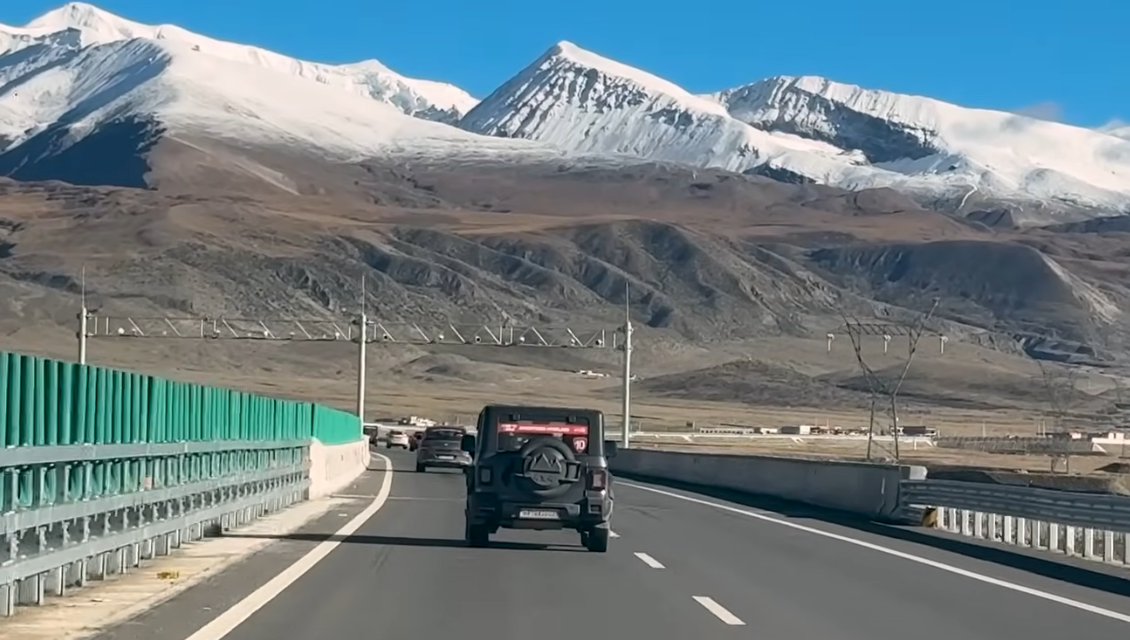
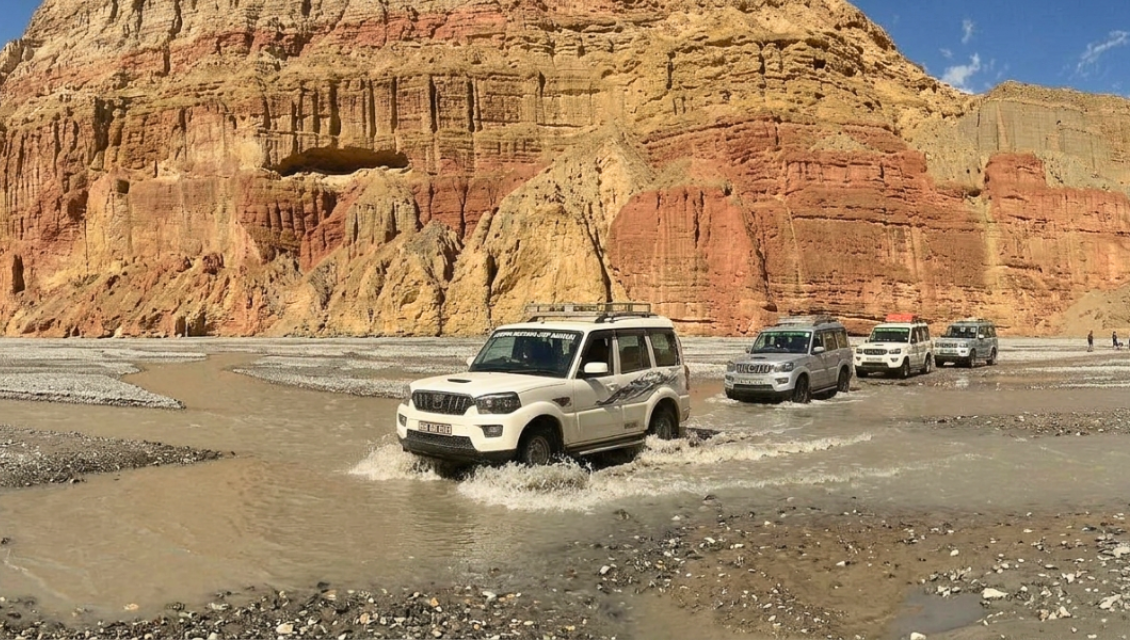
After a lunch stop in Besisahar, continue by jeep toward Dharapani along rugged mountain roads with increasingly dramatic views of the Annapurna and Manaslu ranges. Dharapani is a small mountain settlement and an important entry point for trekkers in the region.
Accomadation: Tea House
Place to visit: Annapurna Region
Meals: Breakfast Lunch Dinner
Altitude: 2,670m
Trek duration: 5–6 hrs
Your trekking adventure officially begins today. The trail ascends gradually through pine and oak forests while crossing suspension bridges above rushing mountain rivers.
Along the route, pass small villages with traditional stone houses and terraced farms. As you approach Chame, magnificent peaks such as Lamjung Himal and Annapurna II dominate the skyline. Chame serves as the administrative center of Manang District and offers comfortable teahouses and lodges.
Accomadation: Tea House
Place to visit: Annapurna Region
Meals: Breakfast Lunch Dinner
Altitude: 3,200m
Trek duration: 5–6 hrs
The trail follows the Marsyangdi River through alpine landscapes filled with waterfalls, rocky cliffs, and scattered settlements. Buddhist culture becomes increasingly visible with prayer flags, mani walls, and chortens along the route.
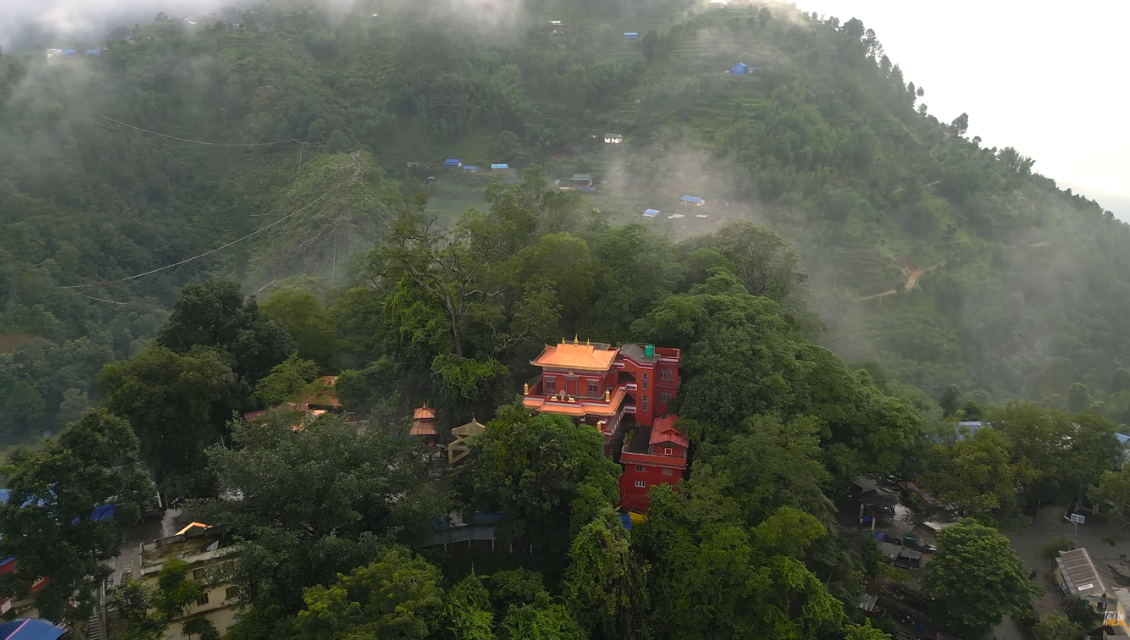
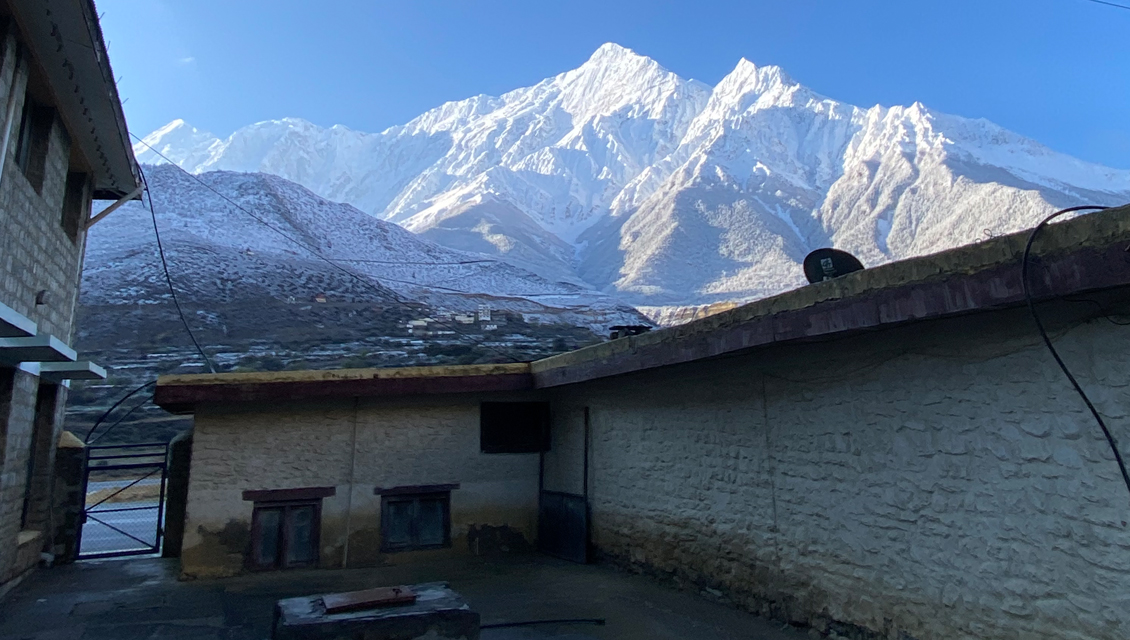
Pisang is divided into Upper and Lower Pisang, with Upper Pisang offering exceptional panoramic mountain views and a culturally rich atmosphere with Tibetan-style homes and monasteries.
Accomadation: Tea House
Place to visit: Annapurna Region
Meals: Breakfast Lunch Dinner
Altitude: 3,540m
Trek duration: 6 hrs
Today’s scenic upper route rewards you with breathtaking views of Annapurna II, III, IV, and Gangapurna peaks. The trail passes through traditional villages, ancient monasteries, and long mani walls inscribed with Buddhist prayers.
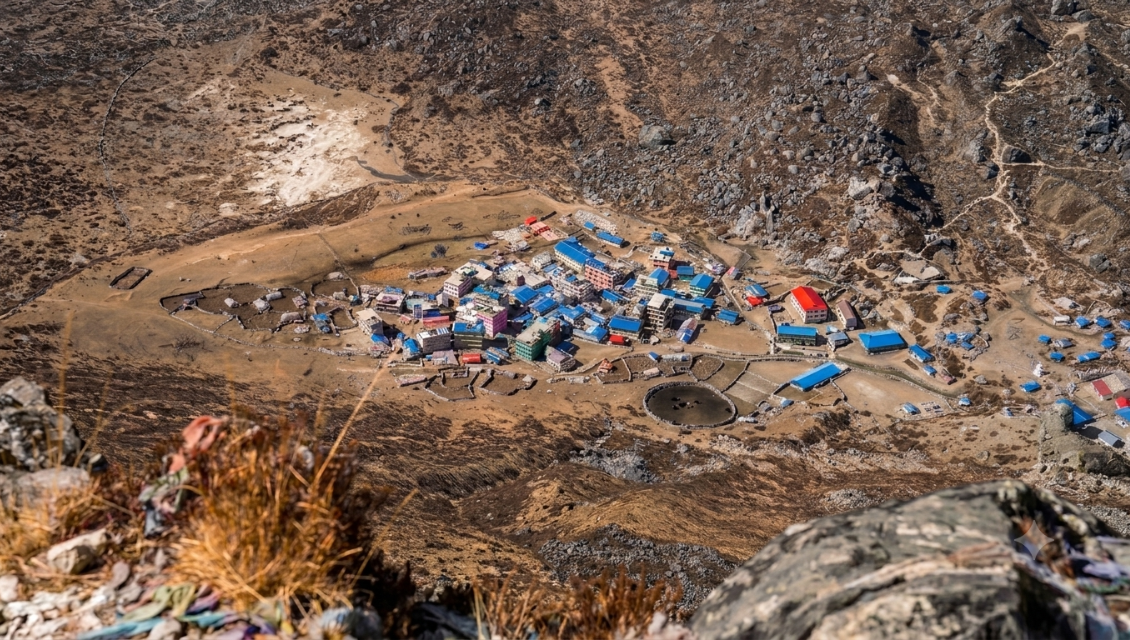
Manang is one of the most important acclimatization stops on the Annapurna Circuit and features a vibrant trekking community with lodges, bakeries, and mountain culture.
Accomadation: Tea House
Place to visit: Annapurna Region
Meals: Breakfast Lunch Dinner
Altitude: 3,540m
Trek duration: 2–6 hrs (optional hikes)
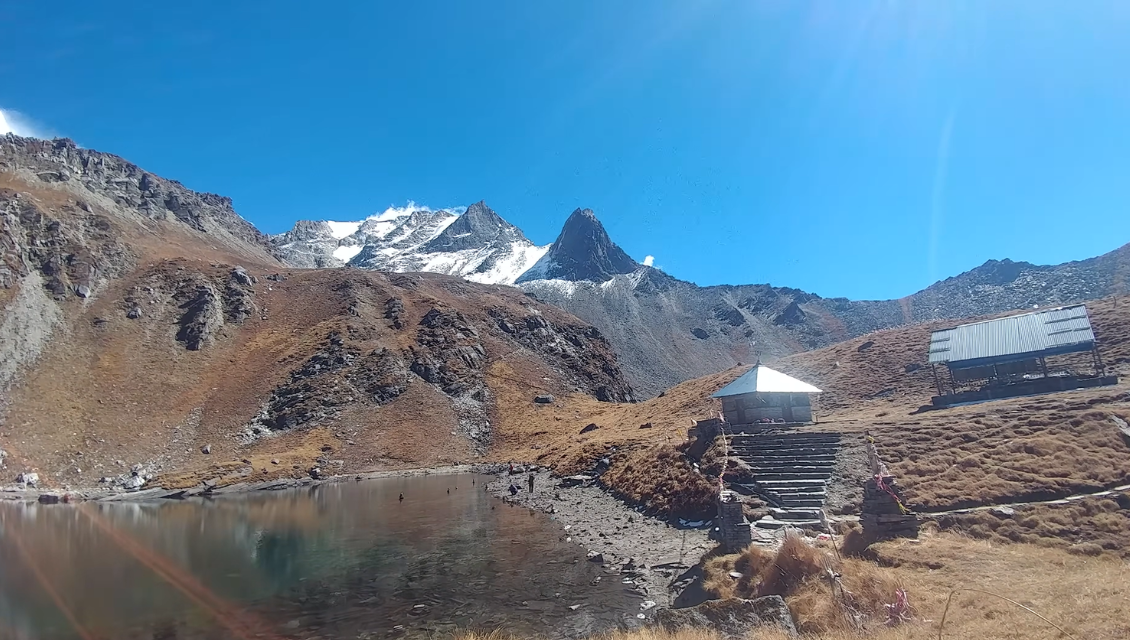
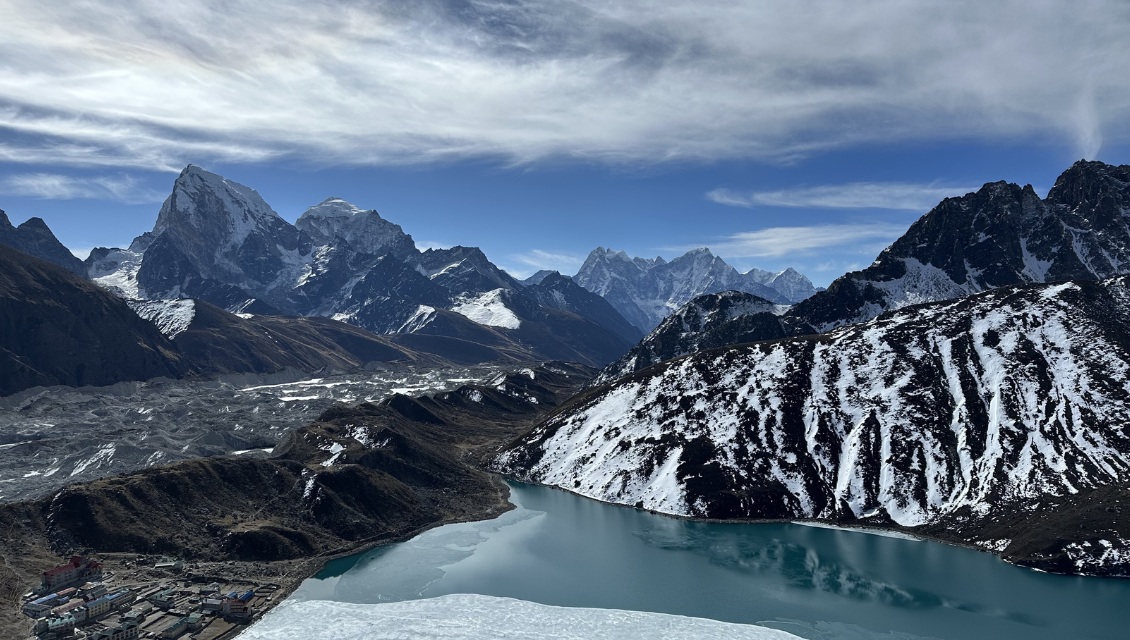
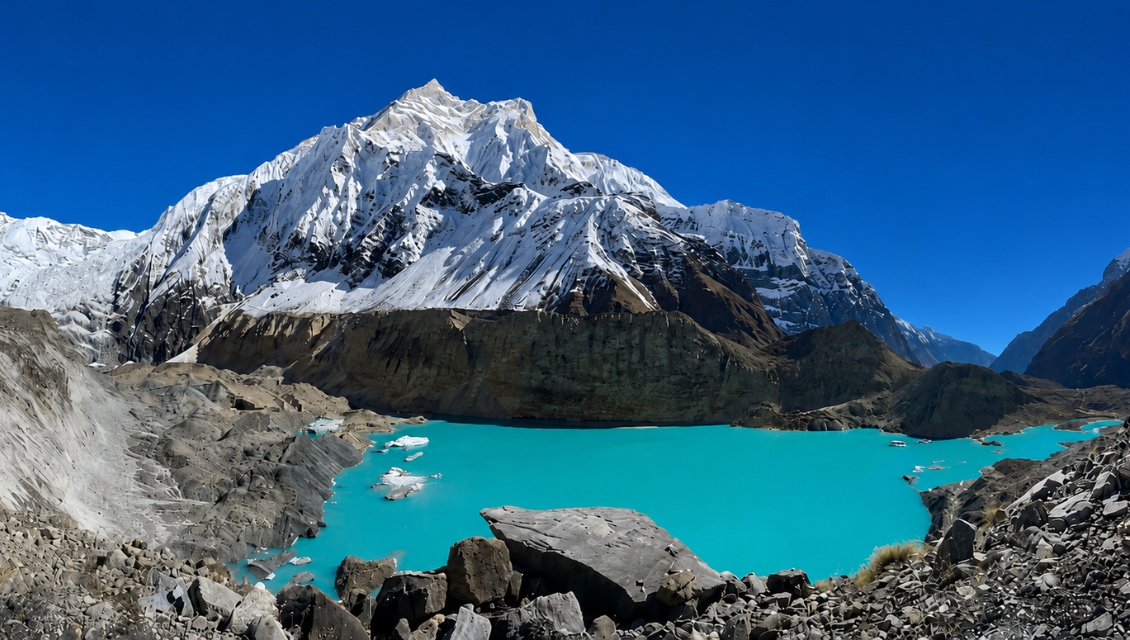
To help your body adjust to the increasing altitude, today is reserved for acclimatization and exploration. Optional hikes include Gangapurna Lake or the more challenging Ice Lake hike, both offering spectacular views of glaciers and surrounding peaks.
You can also explore the village, visit monasteries, or attend an altitude-awareness presentation organized by the Himalayan Rescue Association.
Accomadation: Tea House
Place to visit: Annapurna Region
Meals: Breakfast Lunch Dinner
Altitude: 4,110m
Trek duration: 4–5 hrs
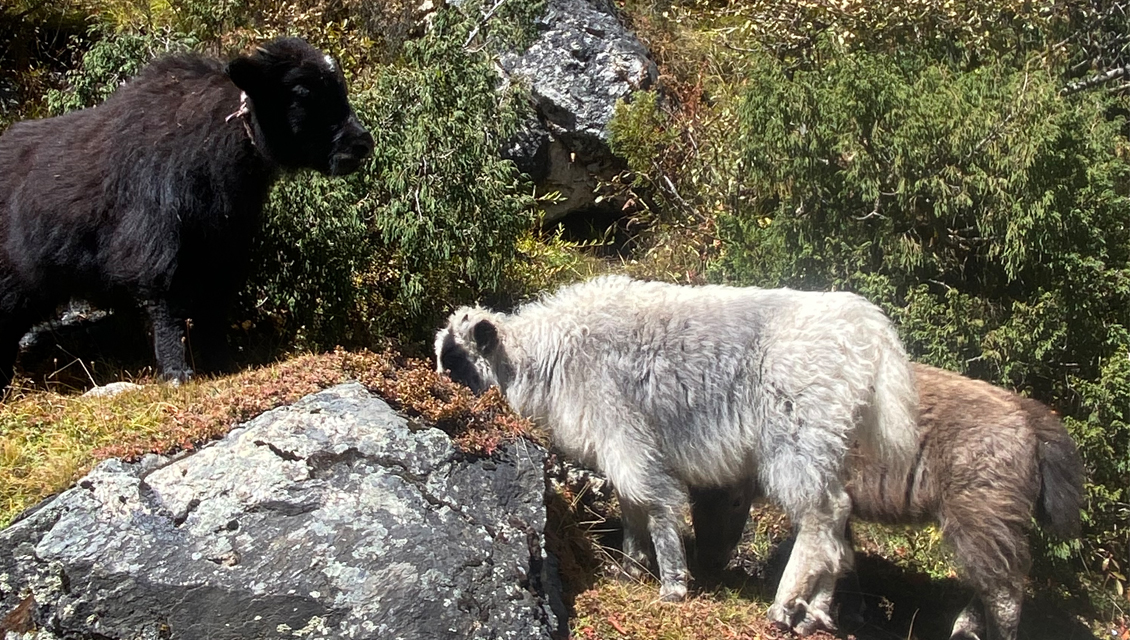
Today’s trail climbs steadily through alpine meadows and sparse vegetation where yaks graze during summer months.
The landscape becomes increasingly barren yet incredibly beautiful, surrounded by towering Himalayan peaks and wide-open valleys. Yak Kharka is a small seasonal settlement with basic teahouses and stunning mountain scenery.
Accomadation: Tea House
Place to visit: Annapurna Region
Meals: Breakfast Lunch Dinner
Altitude: 4,540m
Trek duration: 3–4 hrs
A shorter trekking day allows time for rest and preparation before crossing Thorong La Pass. The terrain becomes more rugged and high-altitude conditions become noticeable.
Thorong Phedi serves as the base camp for the pass crossing and provides simple but essential accommodation for trekkers.
Accomadation: Tea House
Place to visit: Annapurna Region
Meals: Breakfast Lunch Dinner
Altitude: 5,416m
Trek duration: 8–9 hrs
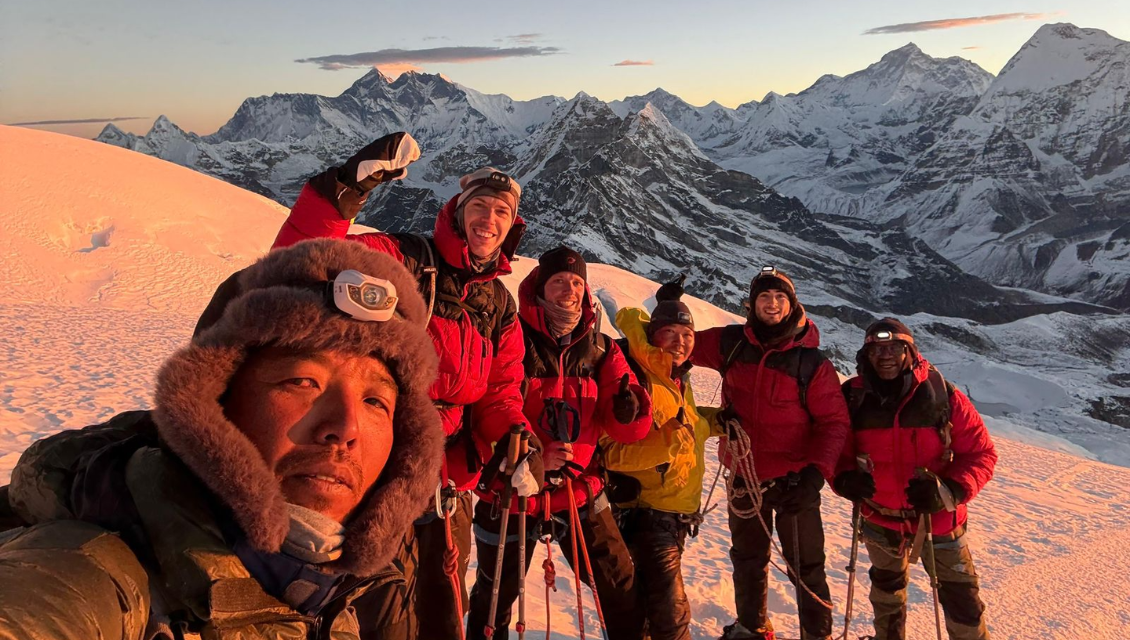
Today is the most challenging and rewarding day of the trek. Begin before dawn for the ascent to Thorong La Pass, one of the world’s highest trekking passes.
The climb is physically demanding, but the panoramic views from the top—including Dhaulagiri, Annapurna, and Nilgiri—are unforgettable. After celebrating at the summit, descend to Muktinath, an important pilgrimage site sacred to both Hindus and Buddhists.
Accomadation: Tea House
Place to visit: Annapurna Region
Meals: Breakfast Lunch Dinner
Altitude: 2,720m
Trek duration: 5–6 hrs trek / 2–3 hrs drive
Continue descending through the dry and windy landscapes of Lower Mustang. You may either trek or take a jeep ride depending on preference and conditions.
Jomsom is a lively mountain town known for apple orchards, local markets, and strong afternoon winds called the “Jomsom wind.” The town offers comfortable lodges and a unique Himalayan desert atmosphere.
Accomadation: Tea House
Place to visit: Annapurna Region
Meals: Breakfast Lunch Dinner
Altitude: 820m (Pokhara) / 1,190m (Tatopani)
Trek duration: 20 min flight / optional trekking hours
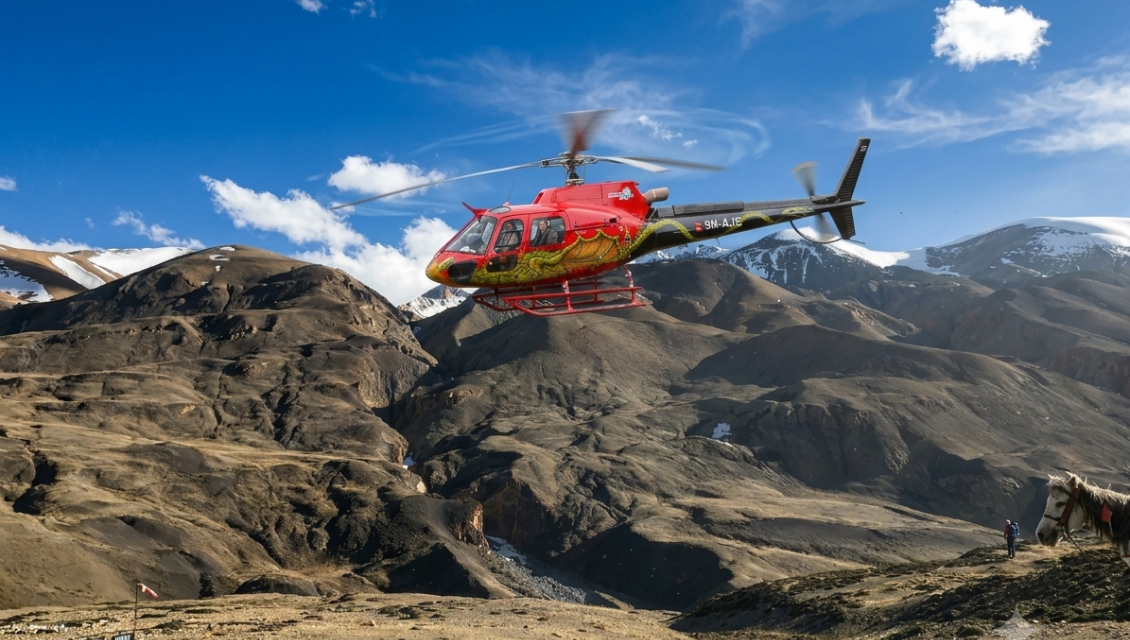
From Jomsom, you may take a scenic flight to Pokhara with incredible aerial views of the Himalayas and river valleys below. Pokhara offers a relaxing lakeside atmosphere perfect for recovery and sightseeing.
Alternatively, continue trekking to Tatopani, famous for its natural hot springs where you can relax and soothe tired muscles after days on the trail.
Accomadation: Tea House
Place to visit: Annapurna Region
Meals: Breakfast Lunch Dinner
Altitude: 1,400m
Trek duration: 25 min flight / 6–8 hrs drive
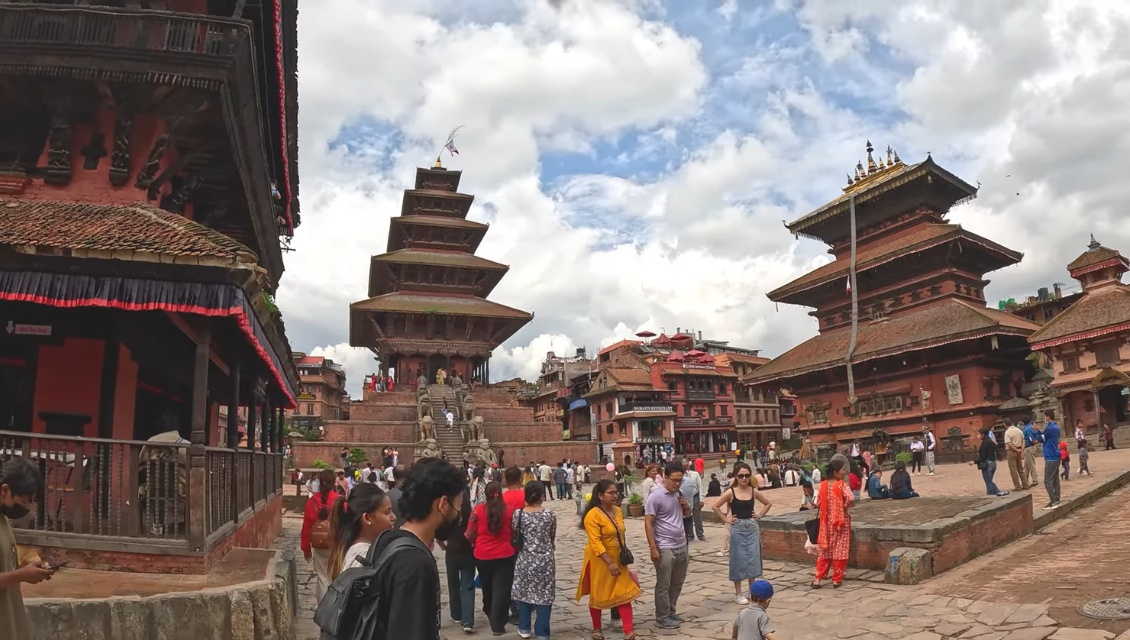
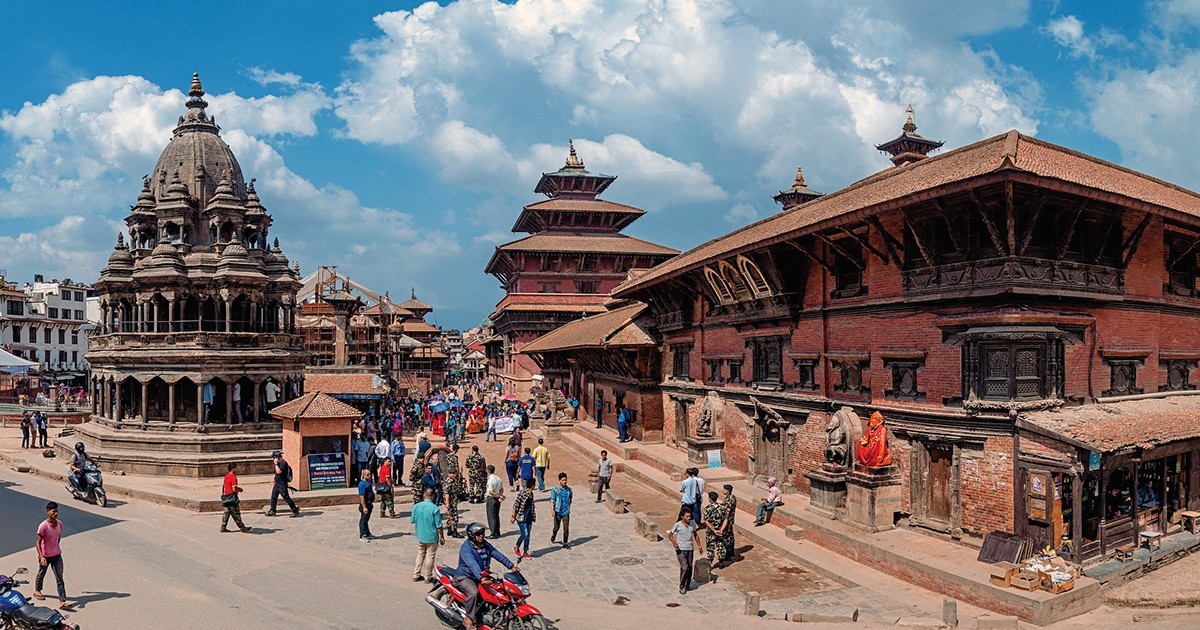
Return to Kathmandu either by scenic domestic flight or overland drive. Once back in the capital, enjoy free time for shopping, sightseeing, or visiting famous cultural landmarks such as Boudhanath Stupa, Pashupatinath Temple, or Durbar Square.
Accomadation: Hotel
Place to visit: Nepal
Meals: Breakfast Lunch Dinner
Today marks the end of your Himalayan journey. After breakfast, our Nord Extreme team will transfer you to Tribhuvan International Airport for your onward flight.
We hope you leave Nepal with unforgettable memories of the Annapurna Circuit, its majestic mountain landscapes, and the warmth of Himalayan culture.
Place to visit: Nepal
Meals: Breakfast
Cost Includes
1. Transportations
- Private/tourist vehicles for airport pickup and drop-off in Kathmandu.
- Private/tourist vehicles transfer as per itinerary to access the trailheads.
- Domestic flight included for access to the trekking starting & ending point.
2. Accommodation & Meals
- 3 Nights 3 star hotel in Kathmandu with bed & breakfast basis.
- 1 Night 3 star hotel in Pokhara with bed & breakfast basis.
- All Meals (breakfast, lunch & dinner with tea & coffee) during the trekking Period.
3. Permits
- Annapurna Conservation Area Project (ACAP) permits.
- Trekkers' Information Management System (TIMS) permits.
4. Guide & Staff
- Professional and experience License holder trekking guide salary & insurance.
- Porter salary, equipments & insurance.
- First aid medical kit for emergency support.
1. Transportations
- Private/tourist vehicles for airport pickup and drop-off in Kathmandu.
- Private/tourist vehicles transfer as per itinerary to access the trailheads.
- Domestic flight included for access to the trekking starting & ending point.
2. Accommodation & Meals
- 3 Nights 3 star hotel in Kathmandu with bed & breakfast basis.
- 1 Night 3 star hotel in Pokhara with bed & breakfast basis.
- All Meals (breakfast, lunch & dinner with tea & coffee) during the trekking Period.
3. Permits
- Annapurna Conservation Area Project (ACAP) permits.
- Trekkers' Information Management System (TIMS) permits.
4. Guide & Staff
- Professional and experience License holder trekking guide salary & insurance.
- Porter salary, equipments & insurance.
- First aid medical kit for emergency support.
Cost Excludes
1. International Flights
- Airfare from your home country to Nepal (Tribhuvan International Airport, Kathmandu).
- Return airfare from Nepal (Tribhuvan International Airport, Kathmandu) to your home country.
2. Visa Fees
- Nepal entry visa fee for entering Nepal (available on arrival at Tribhuvan International Airport, Kathmandu, or through a Nepalese embassy).
3. Travel Insurance (Mandatory)
- Comprehensive travel insurance covering high-altitude trekking, emergency medical treatment, helicopter evacuation, trip cancellation, and other unforeseen circumstances.
4. Personal Expenses
- Tips, gifts, and souvenirs for trekking guides and porters.
- Personal trekking equipment and gear.
- Charges for lodge Wi-Fi, hot showers, battery charging, and laundry services.
5. Meals & Beverages
- Lunch and dinner in Kathmandu, Pokhara, and other locations where accommodation is provided in 3-star category hotels.
- Soft drinks, bottled water, alcoholic beverages, and snacks consumed during meals
1. International Flights
- Airfare from your home country to Nepal (Tribhuvan International Airport, Kathmandu).
- Return airfare from Nepal (Tribhuvan International Airport, Kathmandu) to your home country.
2. Visa Fees
- Nepal entry visa fee for entering Nepal (available on arrival at Tribhuvan International Airport, Kathmandu, or through a Nepalese embassy).
3. Travel Insurance (Mandatory)
- Comprehensive travel insurance covering high-altitude trekking, emergency medical treatment, helicopter evacuation, trip cancellation, and other unforeseen circumstances.
4. Personal Expenses
- Tips, gifts, and souvenirs for trekking guides and porters.
- Personal trekking equipment and gear.
- Charges for lodge Wi-Fi, hot showers, battery charging, and laundry services.
5. Meals & Beverages
- Lunch and dinner in Kathmandu, Pokhara, and other locations where accommodation is provided in 3-star category hotels.
- Soft drinks, bottled water, alcoholic beverages, and snacks consumed during meals
Trip Date And Time
We'll Be There, Like We've Been There Before
|
Start |
End |
Trip Cost |
Action |
Enquire |
|---|---|---|---|---|
| 09 Nov, 2026 | 22 Nov, 2026 | 1990 | Book Now | |
| 01 Nov, 2026 | 14 Nov, 2026 | 1990 | Book Now | |
| 27 Oct, 2026 | 09 Nov, 2026 | 1990 | Book Now | |
| 19 Oct, 2026 | 01 Nov, 2026 | 1990 | Book Now | |
| 04 Oct, 2026 | 17 Oct, 2026 | 1990 | Book Now | |
| 28 Sep, 2026 | 11 Oct, 2026 | 1990 | Book Now | |
| 20 Sep, 2026 | 03 Oct, 2026 | 1990 | Book Now | |
| 14 Sep, 2026 | 27 Sep, 2026 | 1990 | Book Now | |
| 13 Sep, 2026 | 26 Sep, 2026 | 1990 | Book Now | |
| 06 Sep, 2026 | 19 Sep, 2026 | 1990 | Book Now | |
| 27 Aug, 2026 | 09 Sep, 2026 | 1990 | Book Now |
Essential Information
Accommodation
Accommodation is provided in teahouses and mountain lodges along the entire route.
Lower regions such as Besisahar, Chame, and Pisang offer relatively comfortable lodges with better facilities. As the trek ascends toward Manang and higher alpine zones, accommodation becomes more basic due to altitude and remoteness.
Rooms are generally twin-sharing with simple bedding and shared bathroom facilities.
Meals
A full-board meal system (Breakfast, Lunch, and Dinner) is available throughout the trek. Meals are freshly prepared and designed to support high-altitude trekking energy needs.
Typical menu options include:
- Traditional Dal Bhat set meals
- Noodles, pasta, and fried rice
- Soups, potatoes, and vegetables
- Eggs, pancakes, and Tibetan bread
- Tea, coffee, and hot beverages
Food variety decreases in higher regions such as Manang and Thorong Phedi.
Difficulty & Physical Requirements
The Annapurna Circuit Trek is classified as moderate to strenuous, suitable for trekkers with good fitness and prior trekking experience.
Daily trekking ranges from 5 to 8 hours, with significant altitude gain and challenging terrain.
The most difficult section is the crossing of Thorong La Pass (5,416m), which requires early morning ascent, cold weather endurance, and strong stamina.
Permits
Required permits include:
- Annapurna Conservation Area Permit (ACAP)
- TIMS Card (Trekkers’ Information Management System)
All permits are arranged by the trekking agency.
Best Season
- Spring (March–May): Stable weather, rhododendron blooms, and clear views
- Autumn (September–November): Best visibility and safest trekking conditions
- Winter (December–February): Very cold with snow at high passes
- Monsoon (June–August): Not recommended due to landslides and poor visibility
Transportation & Access
The trek typically begins with a drive from Kathmandu to Besisahar, followed by jeep travel deeper into the Annapurna valley.
The route continues through Chame, Pisang, and Manang before crossing Thorong La Pass and descending toward Muktinath Temple and Jomsom.
Many trekkers end the journey with a flight or drive from Jomsom or Pokhara.
Safety & Acclimatization
Proper acclimatization is essential due to high altitude exposure above 5,000m.
Key acclimatization stops include Manang and Thorong Phedi/High Camp.
Important safety considerations include:
- Gradual ascent and rest days
- Altitude sickness awareness (AMS)
- Weather monitoring before crossing Thorong La Pass
- Proper hydration and pacing
Guides play a key role in ensuring safe passage across high-altitude sections.
Travel Insurance
Comprehensive travel insurance is mandatory and must include:
- High-altitude trekking coverage (up to at least 6,000m)
- Emergency helicopter evacuation
- Medical treatment and hospitalization
- Trip cancellation and accident protection
Additional Information
Guide & Porter Services
Licensed trekking guides are highly recommended and often mandatory in remote sections.
Porters assist with luggage carrying, allowing trekkers to manage long and demanding trekking days more comfortably.
Cultural & Natural Highlights
The Annapurna Circuit Trek is known for its incredible diversity:
- Crossing of Thorong La Pass (5,416m)
- Sacred pilgrimage site of Muktinath Temple
- Dramatic shift from lush valleys to trans-Himalayan desert
- Tibetan-influenced villages in Manang region
- Views of Annapurna, Dhaulagiri, Manaslu, and Tilicho peaks
- Deep gorges, waterfalls, and alpine landscapes
- Rich ethnic diversity (Gurung, Thakali, Manangi communities)
- One of the world’s most famous classic trekking circuits
Essential Equipment
Recommended trekking gear includes:
- Sturdy trekking boots (well broken-in)
- Layered clothing system for changing climates
- Warm down jacket (-20°C recommended)
- Waterproof jacket and trousers
- Gloves, hat, buff, and sunglasses
- Trekking poles (essential for pass crossing)
- Sleeping bag rated for cold conditions
- Daypack (30–40L)
- Basic first aid kit and personal medication
Communication & Connectivity
Mobile network coverage is available in lower regions but becomes limited in Manang and high pass areas.
Wi-Fi is available in some teahouses at lower elevations, but connectivity is unreliable in high-altitude sections.
Why Choose the Annapurna Circuit Trek?
This trek is ideal for travelers seeking a complete Himalayan experience:
- One of the world’s most diverse trekking routes
- Crossing of the iconic Thorong La Pass (5,416m)
- Visit to sacred Muktinath Temple
- Dramatic ecological and cultural transition
- Stunning Himalayan panoramas throughout the journey
- Rich cultural experience across multiple ethnic regions
- Suitable for experienced trekkers
- Classic long-distance Himalayan circuit adventure
USD 1990 / person
See group booking discount- No. of person Price per person
- 1 USD 1990.00
- 2-3 USD 1540.00
- 4-7 USD 1480.00
- 8-12 USD 1425.00
- 13-17 USD 1390.00
The price may varies
Speak to an Expert