Budget
USD 9500
Per Person
Rating
No review has been posted yet
Duration
38 Days
Trip Overview
The Himlung Himal Expedition is a remote and highly rewarding 7,000-meter climbing adventure located in the restricted Nar-Phu Valley of the Annapurna region in northern Nepal. Situated close to the Tibetan border, Himlung is known for its stable weather conditions, moderate technical difficulty, and excellent success rate compared to other Himalayan 7,000m peaks.
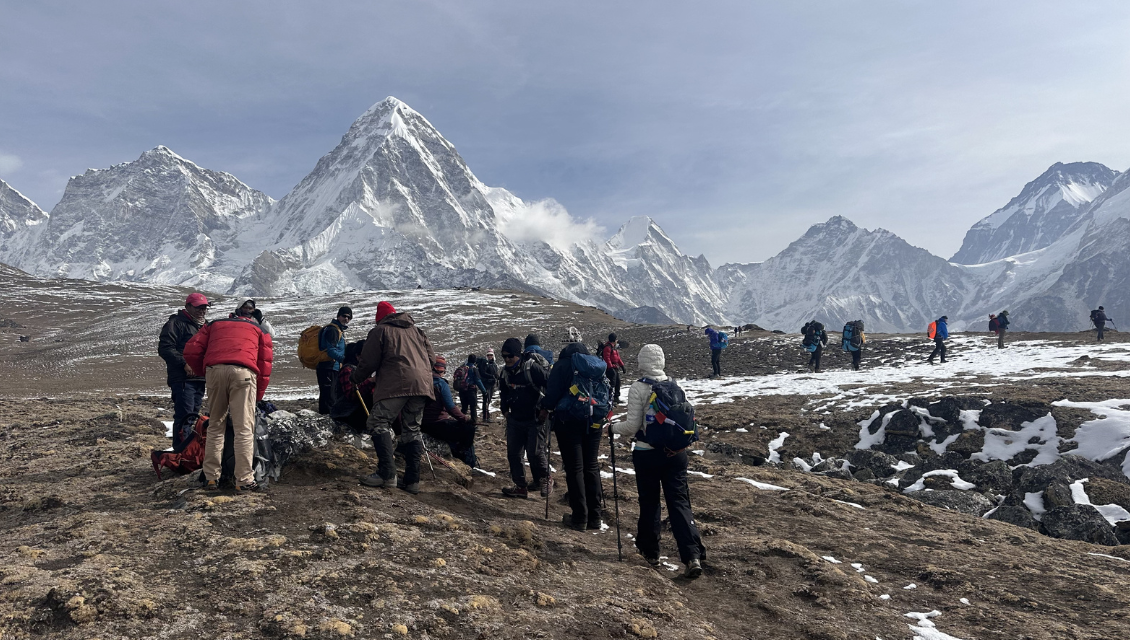
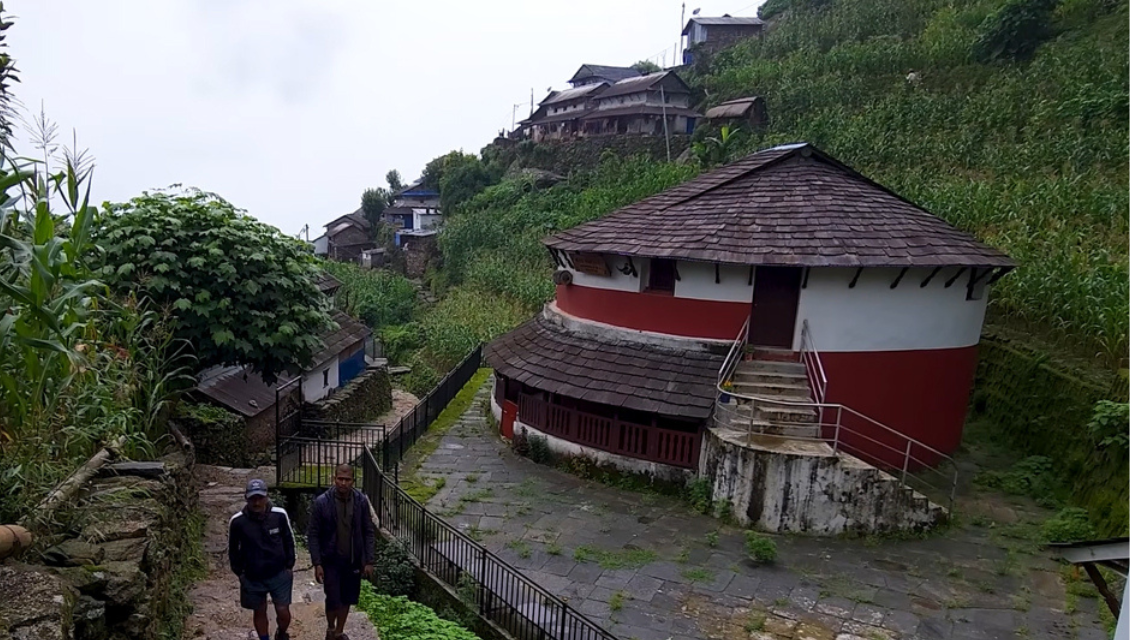
The expedition begins with a scenic drive from Kathmandu to Koto via Besisahar, followed by a long trekking approach through the culturally rich and isolated Nar-Phu Valley. The trail passes through traditional Tibetan-influenced villages, narrow gorges, alpine landscapes, and high mountain deserts before reaching Himlung Base Camp.
From Base Camp, climbers undertake gradual acclimatization rotations through Camp I, Camp II, and Camp III before making the summit attempt. The route involves glacier travel, moderate snow slopes, and fixed rope sections in the upper mountain. Himlung is often chosen as an ideal preparation peak for 8,000-meter expeditions such as Manaslu, Everest, and Cho Oyu due to its balanced challenge and relatively predictable climbing conditions.
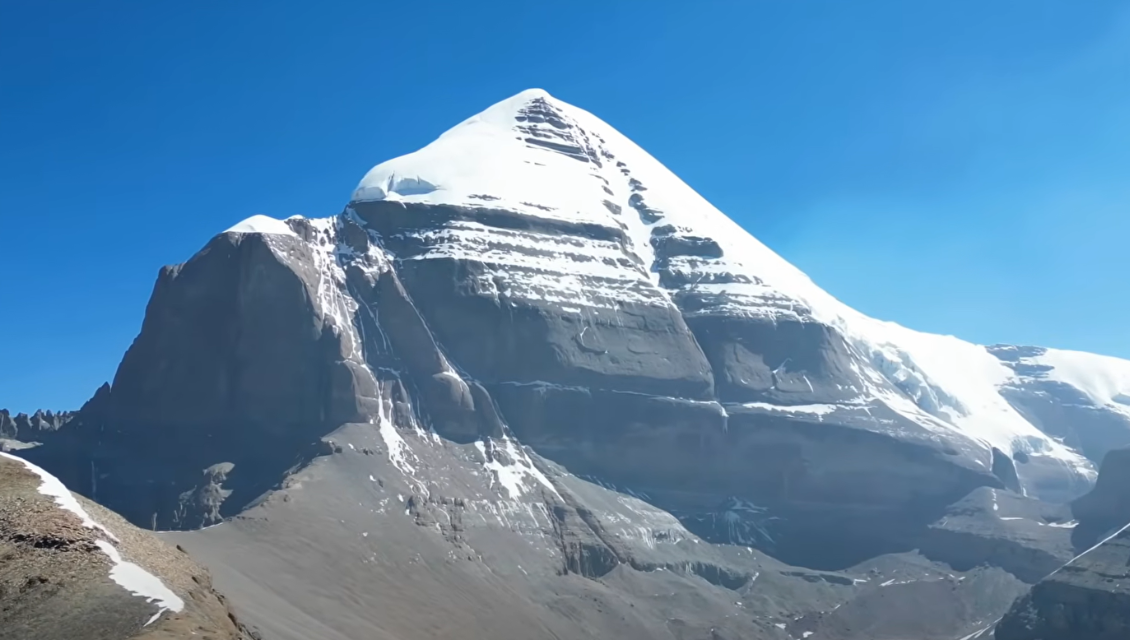
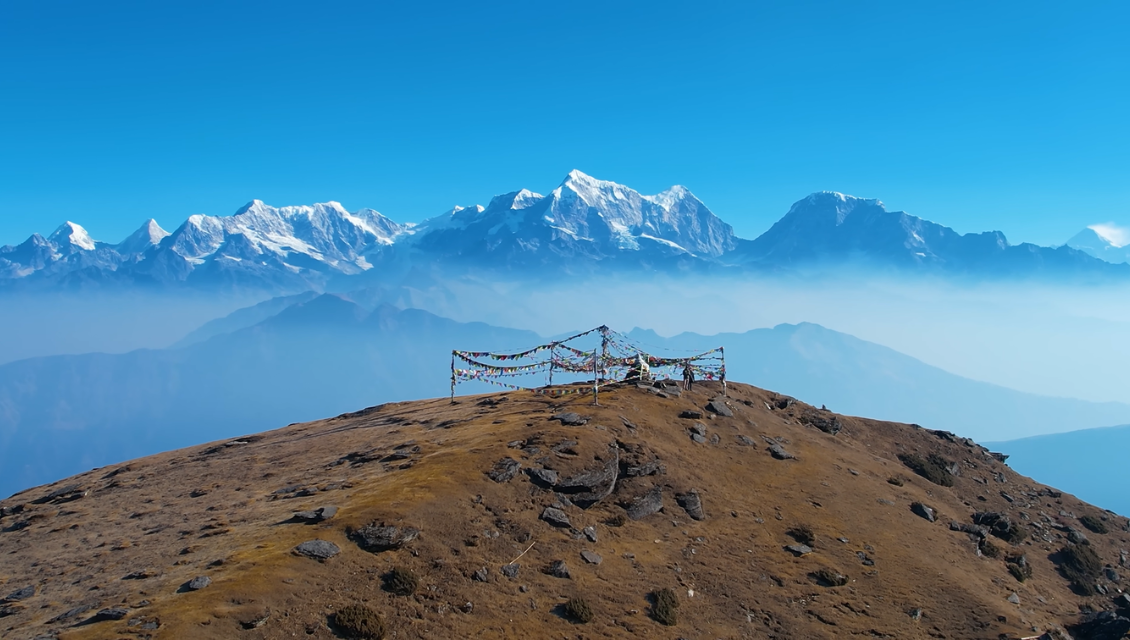
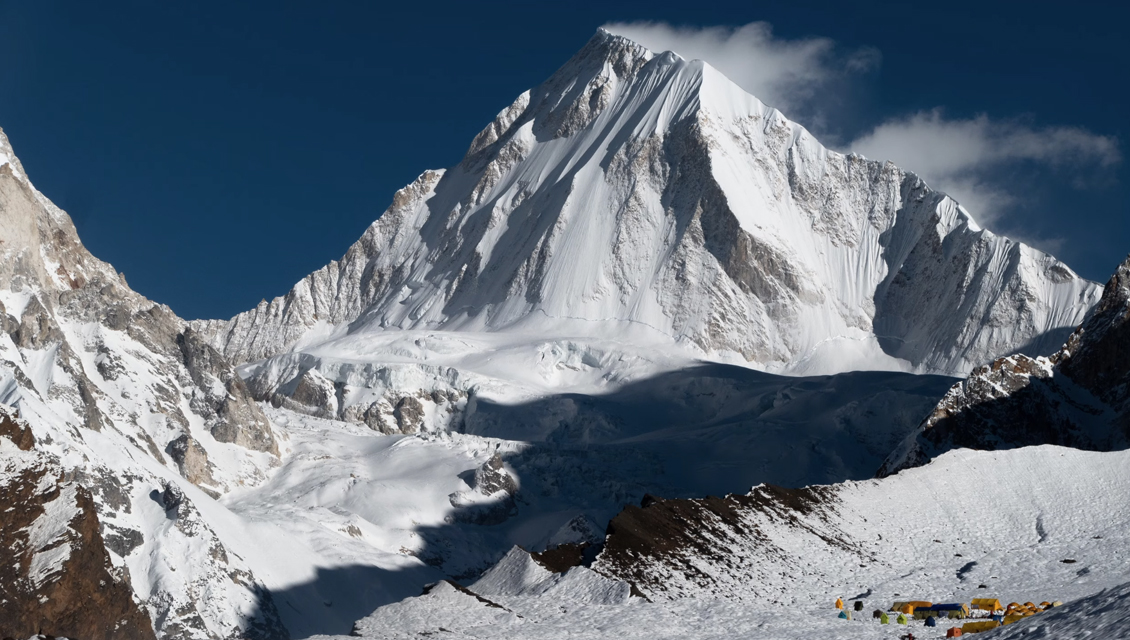
The summit offers breathtaking views of Annapurna II, Manaslu range, Kang Guru, and Tibetan peaks across the border, making it one of the most scenic climbs in Nepal.
Geography and Landscape
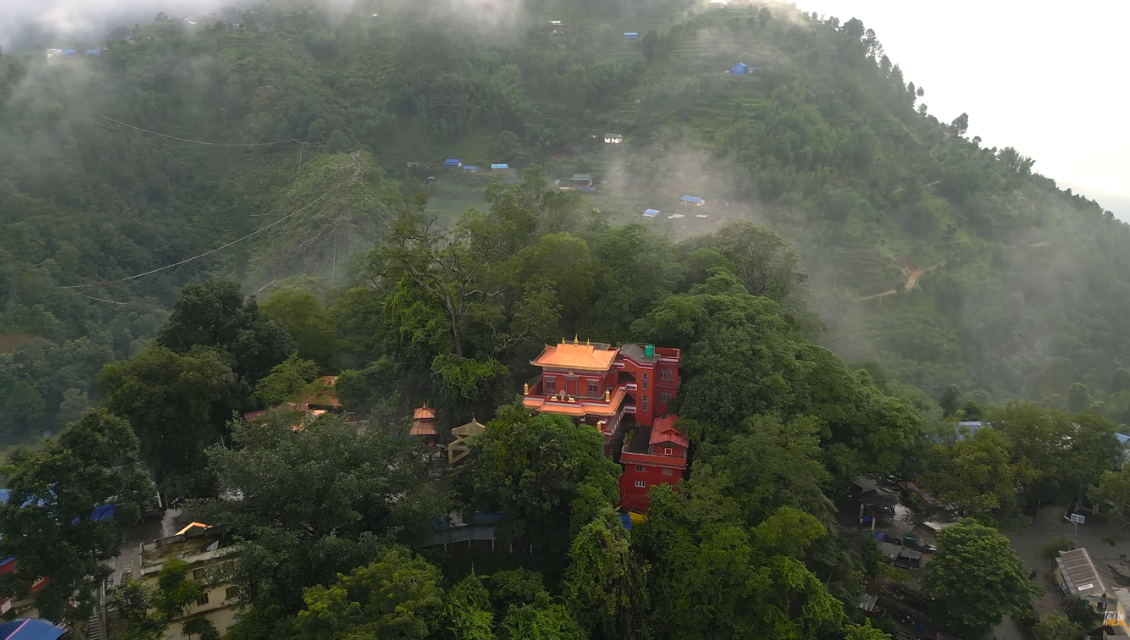
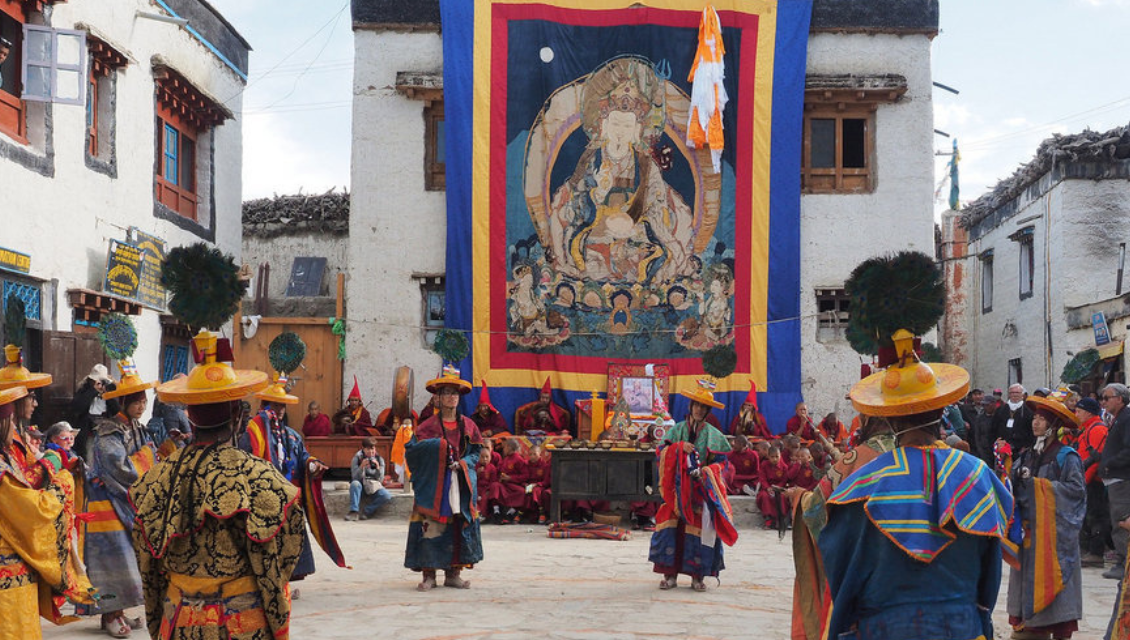
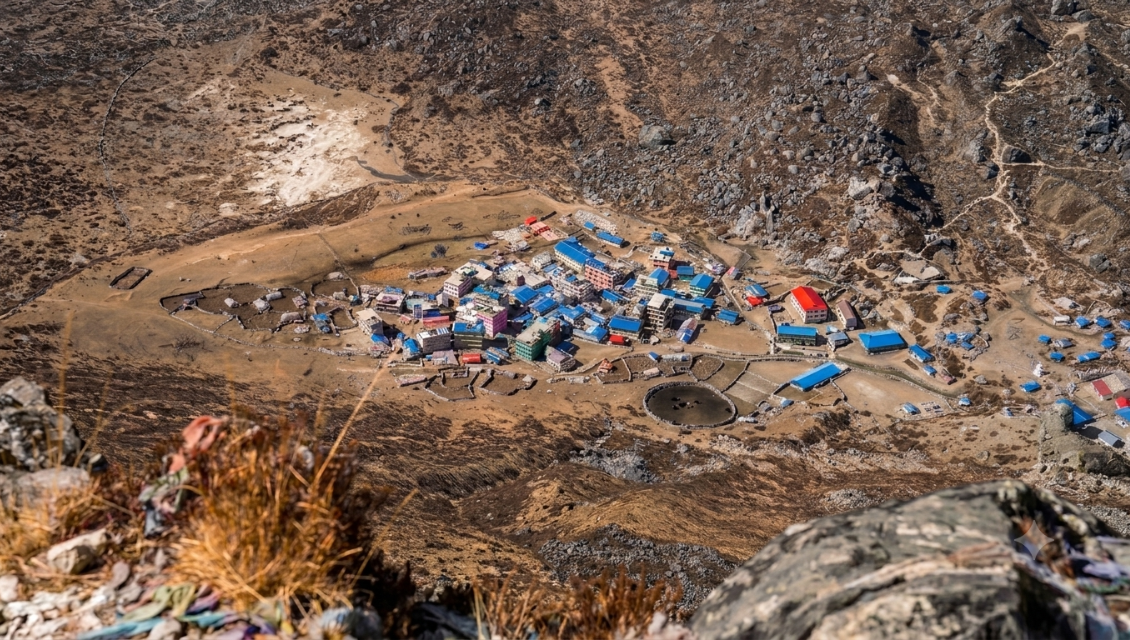
Himlung Himal lies within the restricted Nar-Phu region, a hidden Himalayan valley influenced heavily by Tibetan geography and culture. The area is part of the protected zone of Annapurna Conservation Area, one of Nepal’s largest and most diverse conservation regions.
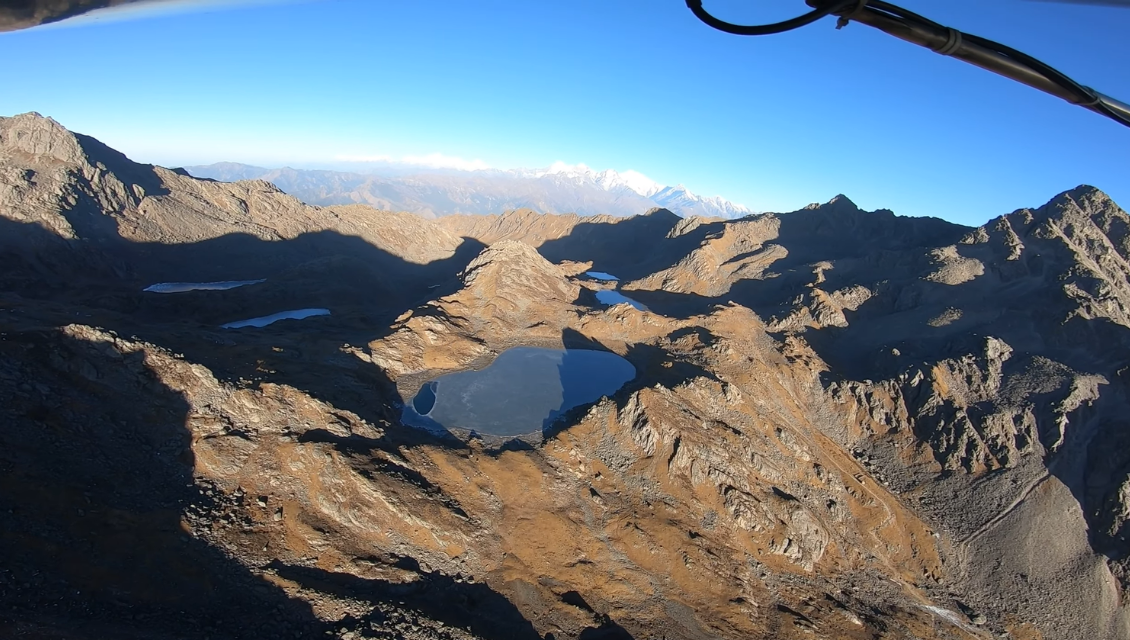
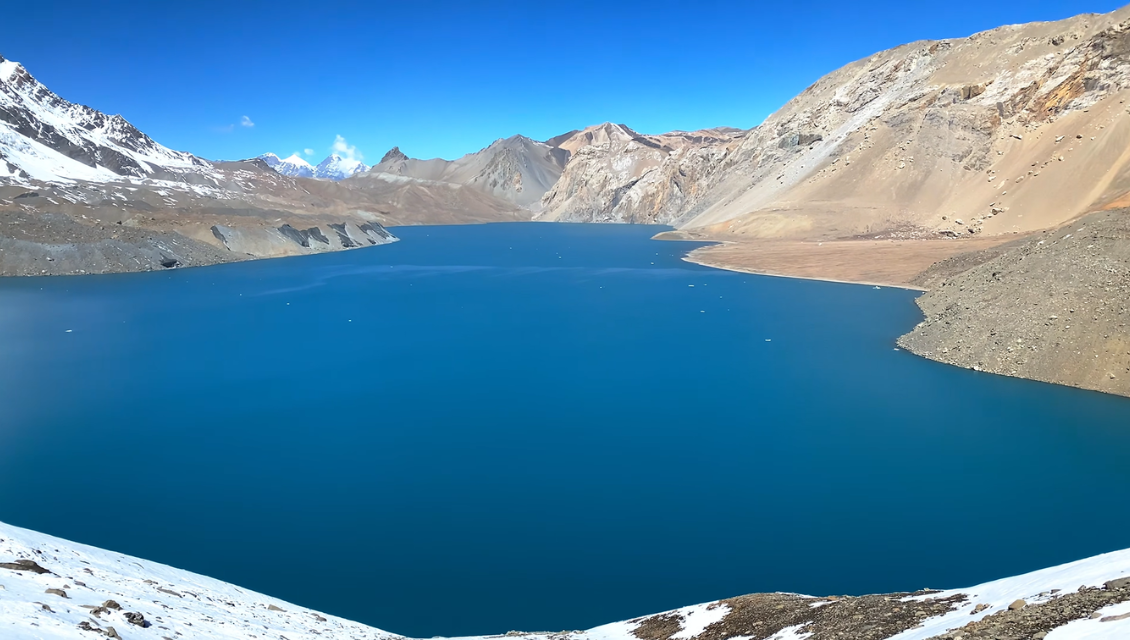
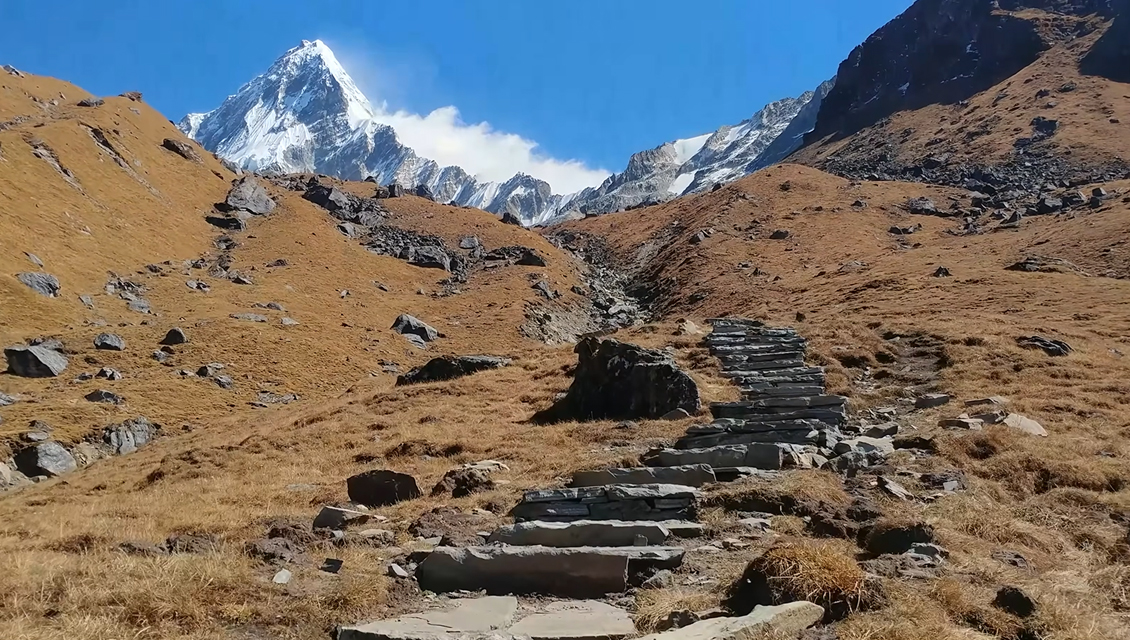
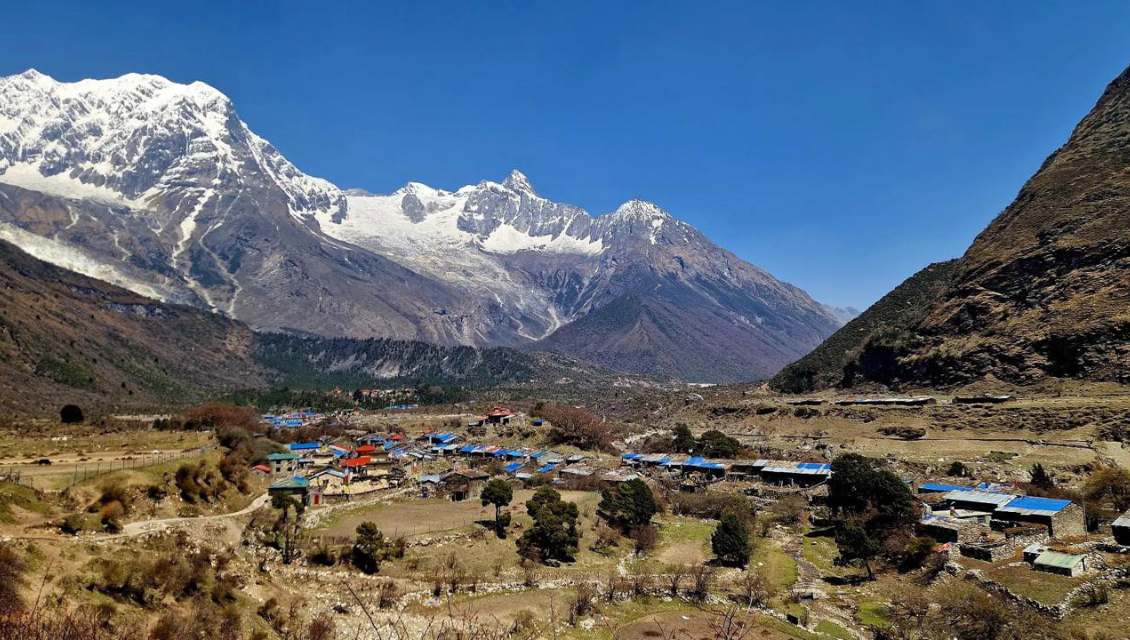
The landscape of the approach is extremely varied. It begins with lush forests, terraced hills, and river valleys in the lower region. As climbers move higher, the environment transforms into deep gorges, dry alpine terrain, and high-altitude desert-like landscapes influenced by the rain shadow of the Annapurna and Manaslu ranges.
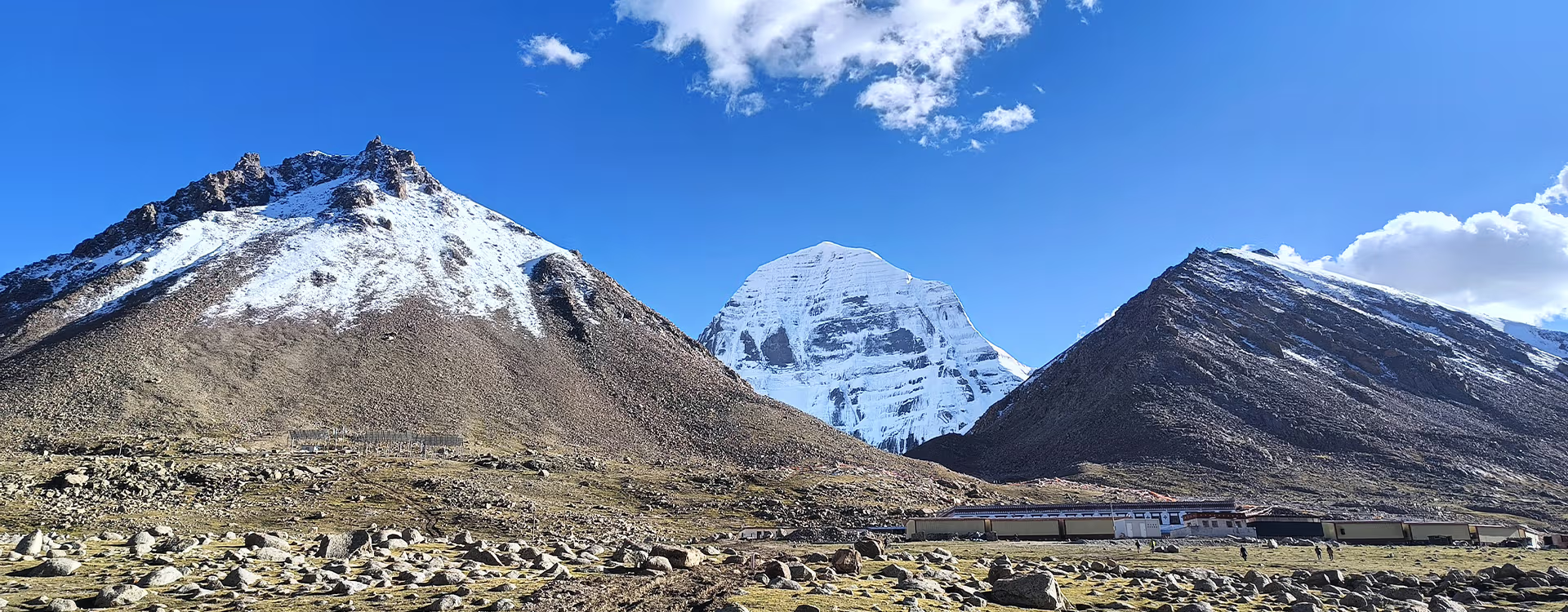
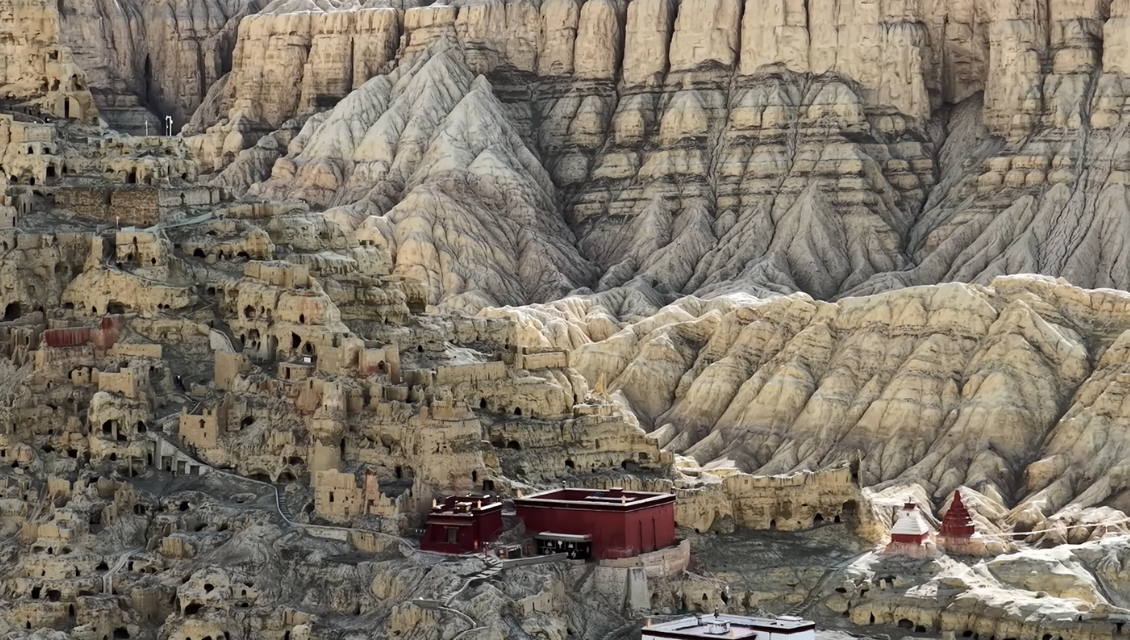
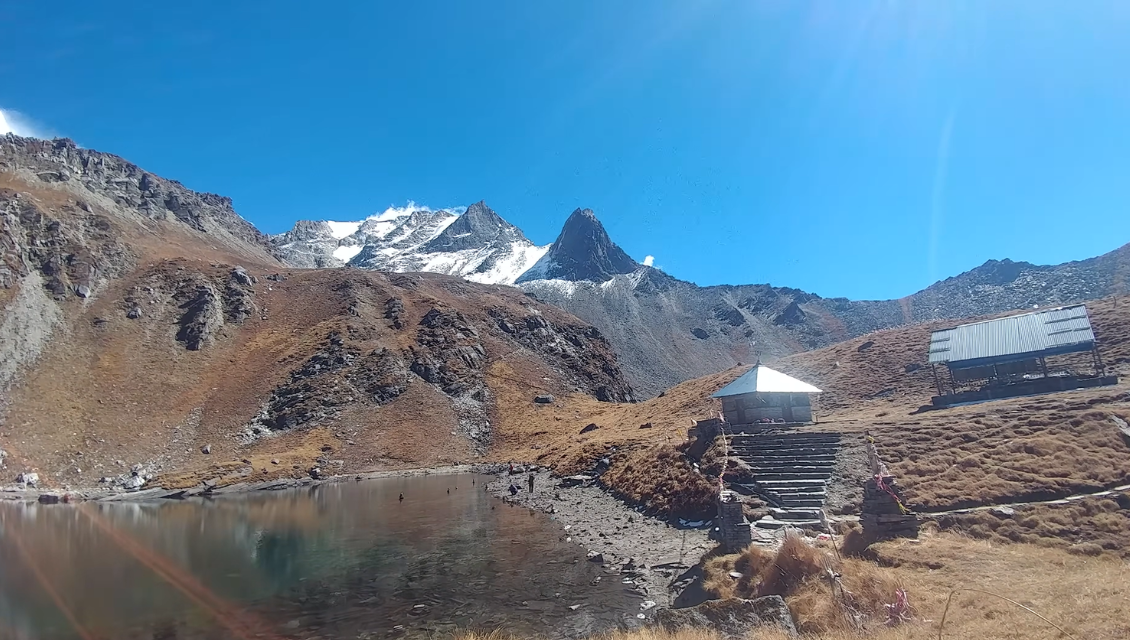
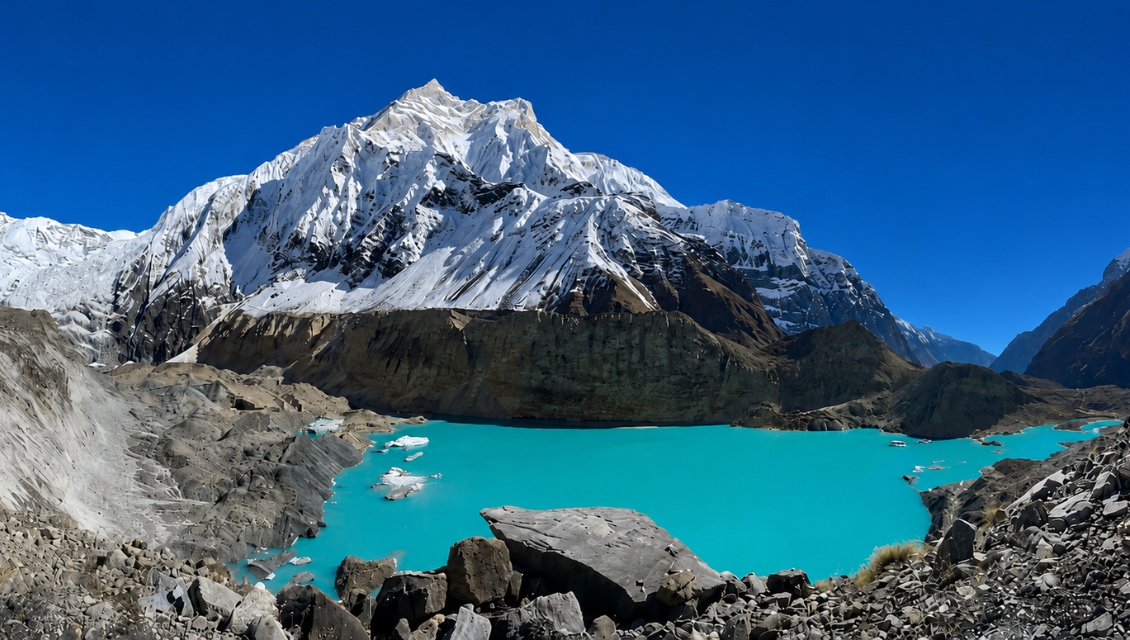
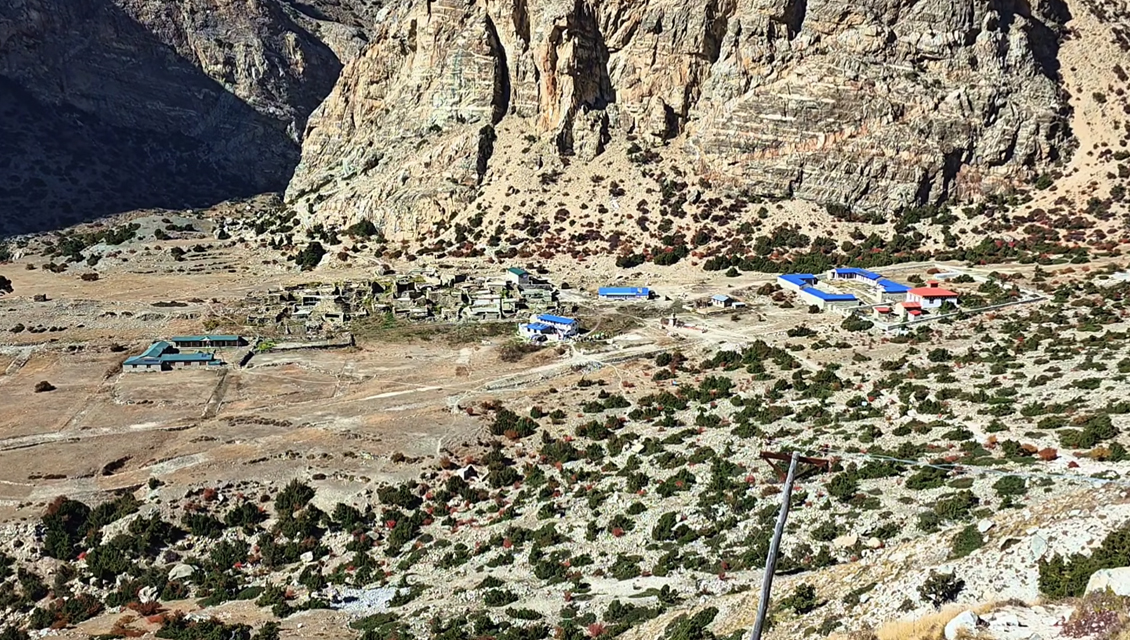
Above Phu village and Meta, the terrain becomes increasingly barren and rugged, with dramatic rock formations and glacial valleys. Near Base Camp, the landscape is dominated by ice fields, moraines, and snow-covered peaks, creating a true high-altitude expedition environment.
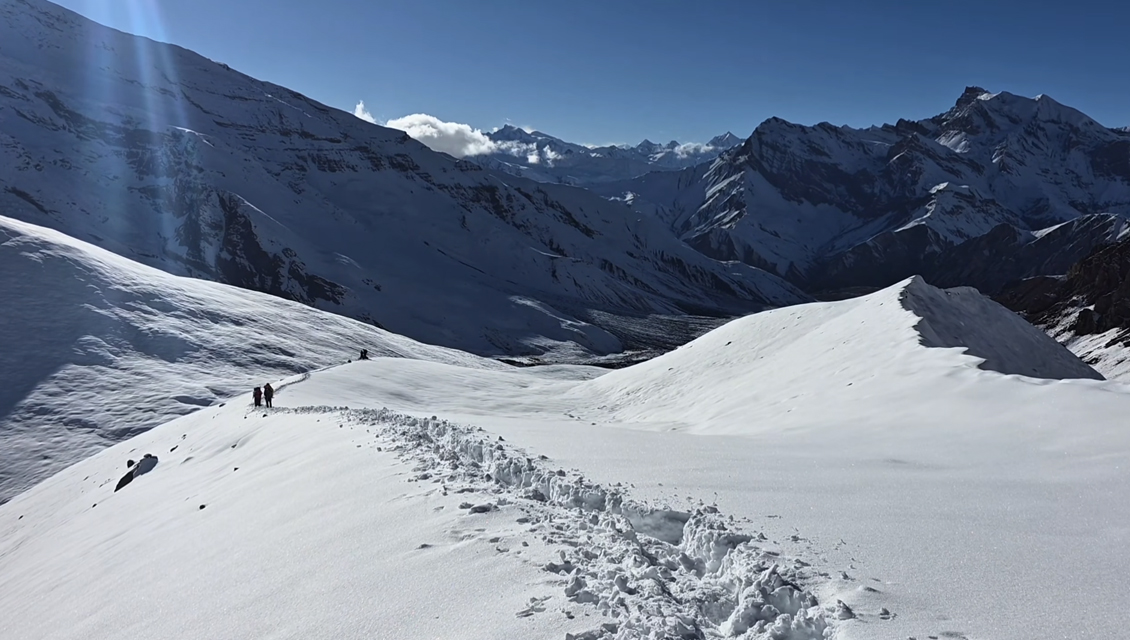
The upper climbing route consists of long glacier walks, exposed snow slopes, and technical sections requiring fixed rope assistance. The remoteness of the region enhances the feeling of isolation, making Himlung a true wilderness expedition experience.
Sherpa Guide & Support
The Himlung Himal Expedition is led by highly experienced Sherpa climbing guides who provide full technical, logistical, and safety support throughout the journey. Their expertise is essential due to the remote nature and high-altitude conditions of the Nar-Phu Valley.
Sherpa guides are responsible for route setting, fixing ropes on steep sections, and guiding climbers safely across glacier terrain. They provide hands-on instruction in the use of essential climbing equipment such as crampons, ice axes, harnesses, and ascenders.
Acclimatization is carefully managed through staged rotations between Base Camp and higher camps. Guides continuously monitor climbers’ health, oxygen levels, and overall physical condition to ensure safe progression toward the summit.
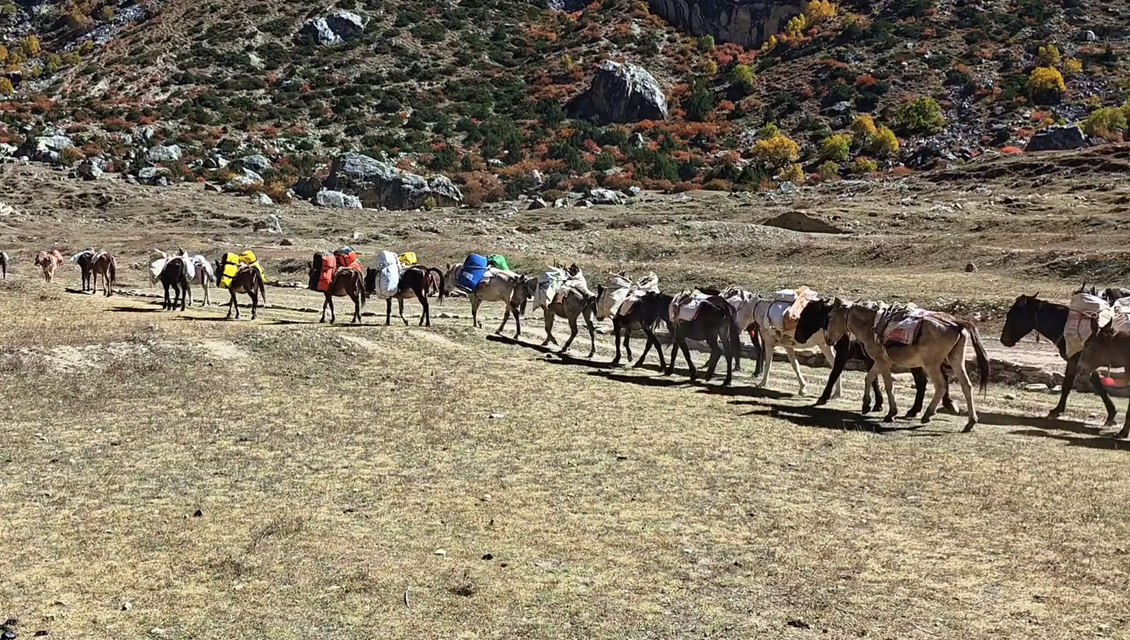
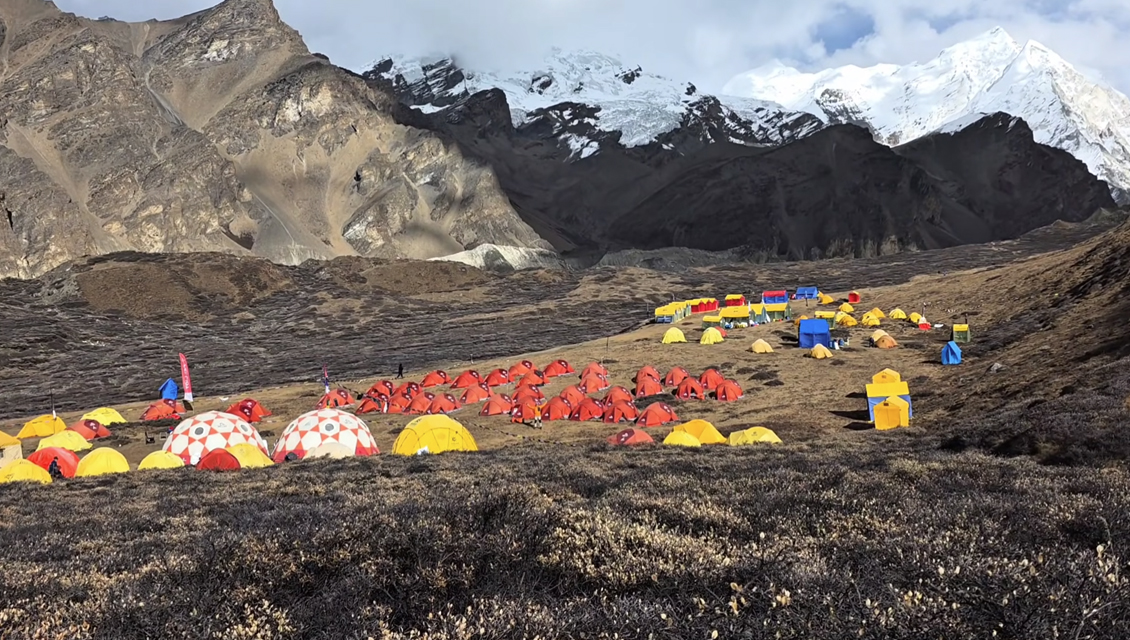
In addition to climbing support, Sherpa teams manage logistics at Base Camp, including tent setup, kitchen operations, food supply, and communication systems. Porters assist in carrying loads up to Base Camp due to the remote and rugged approach route.
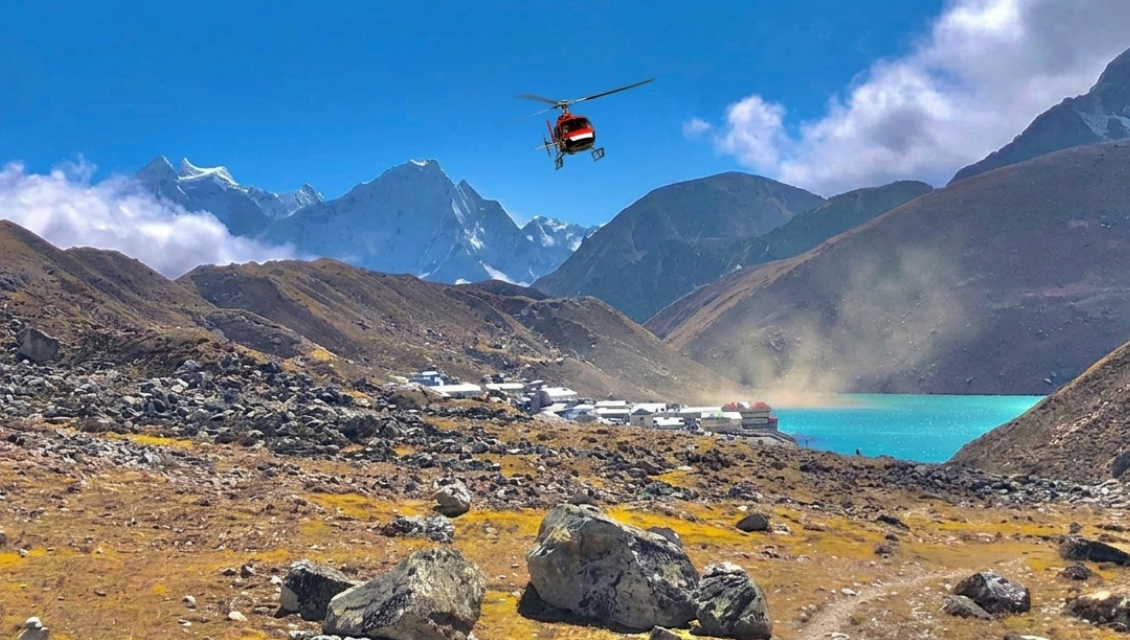
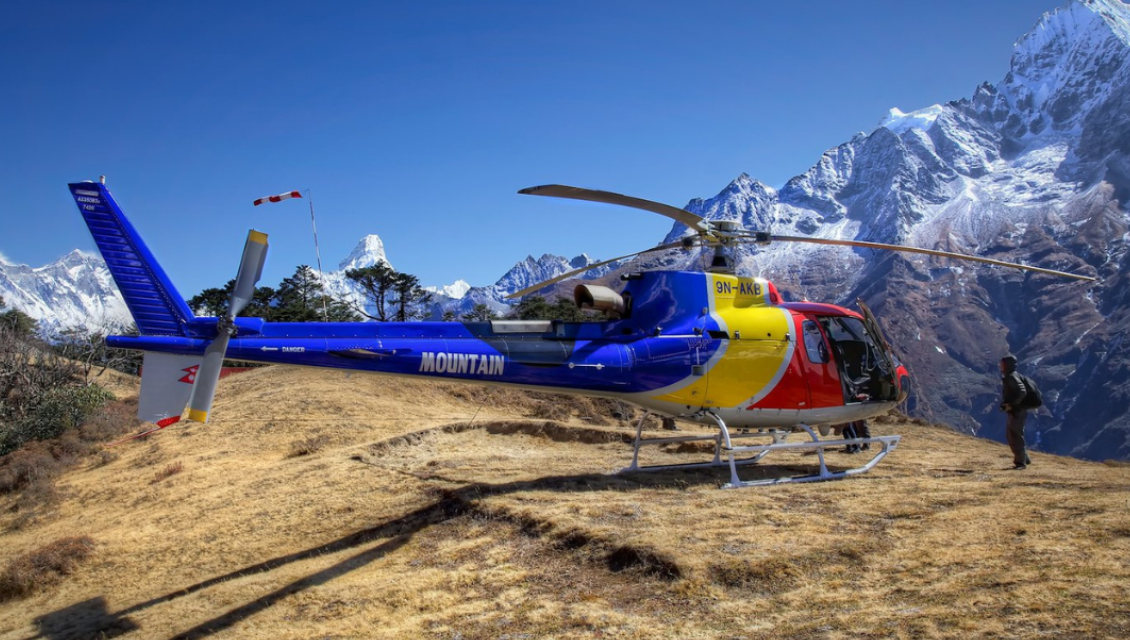
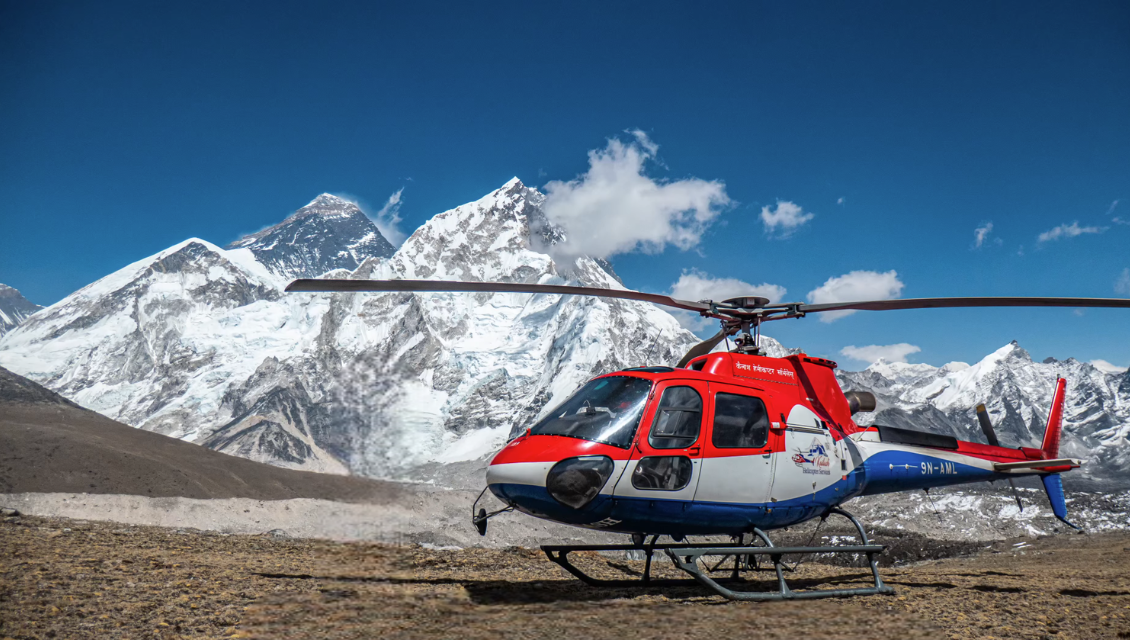
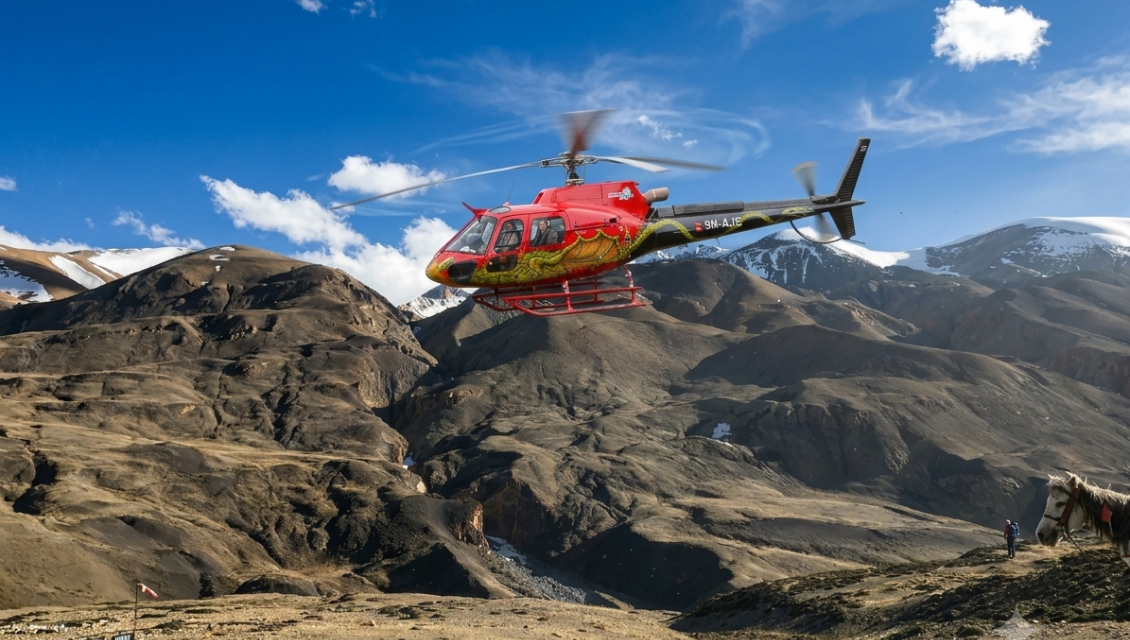
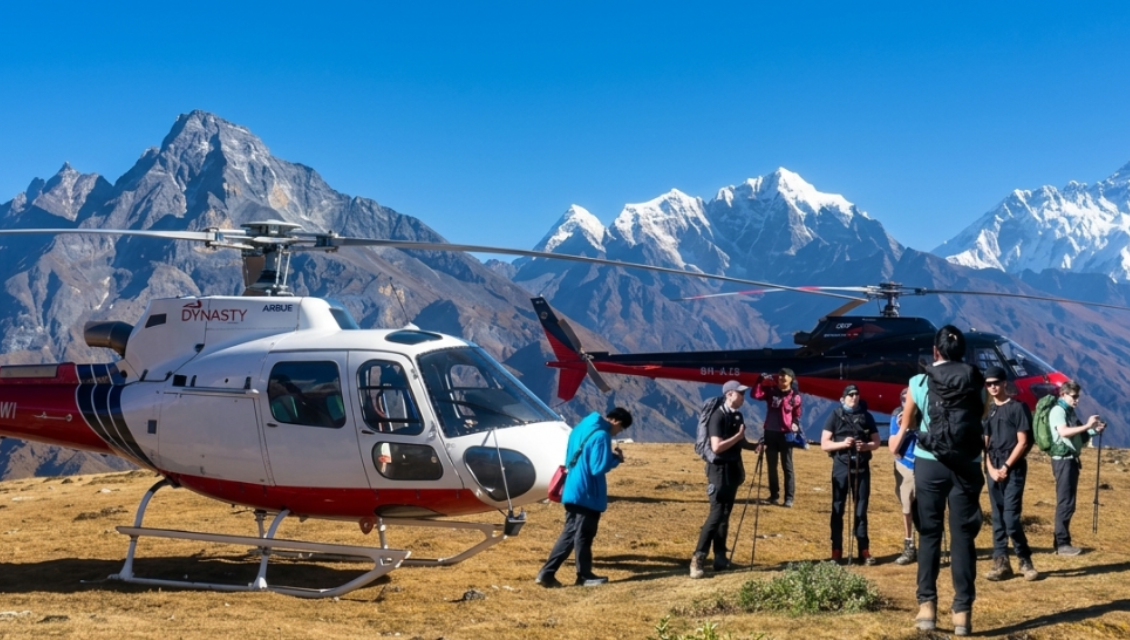
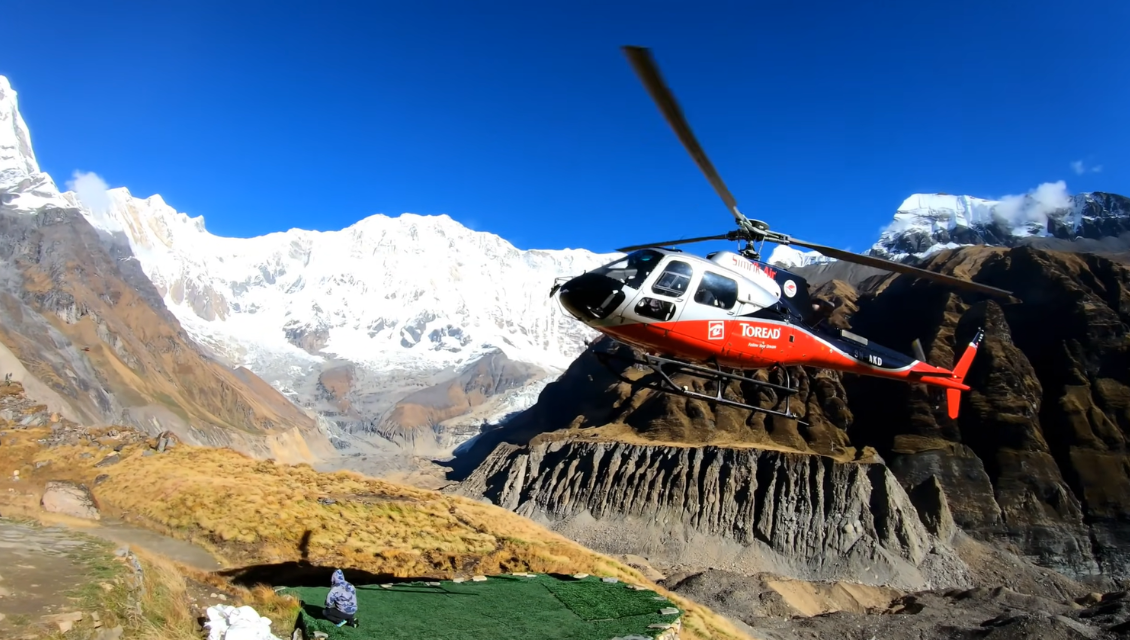
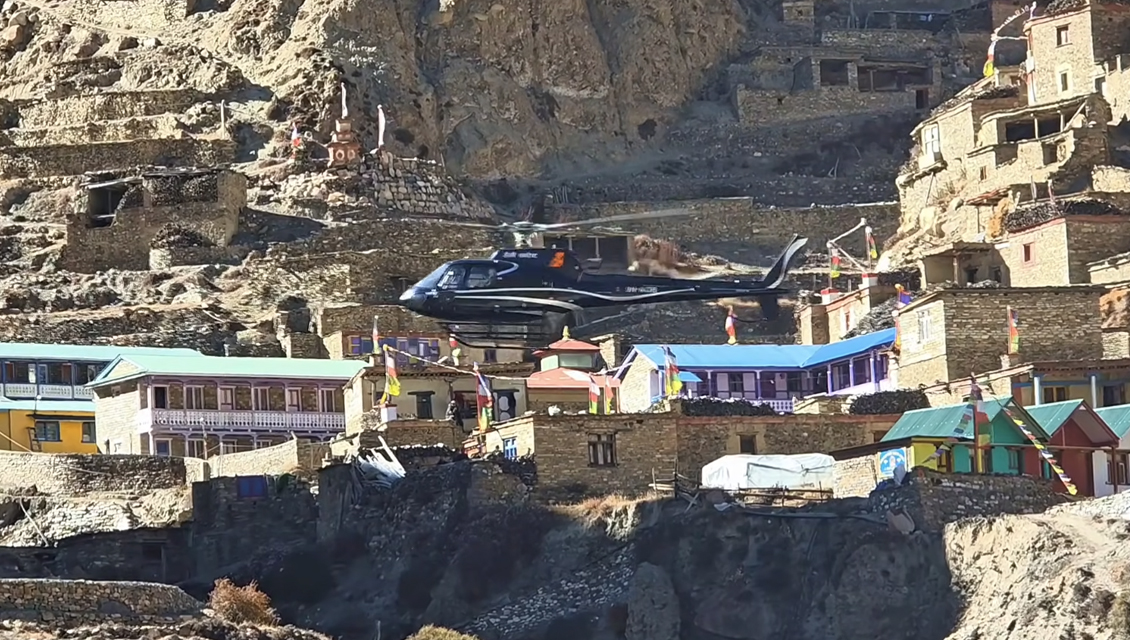
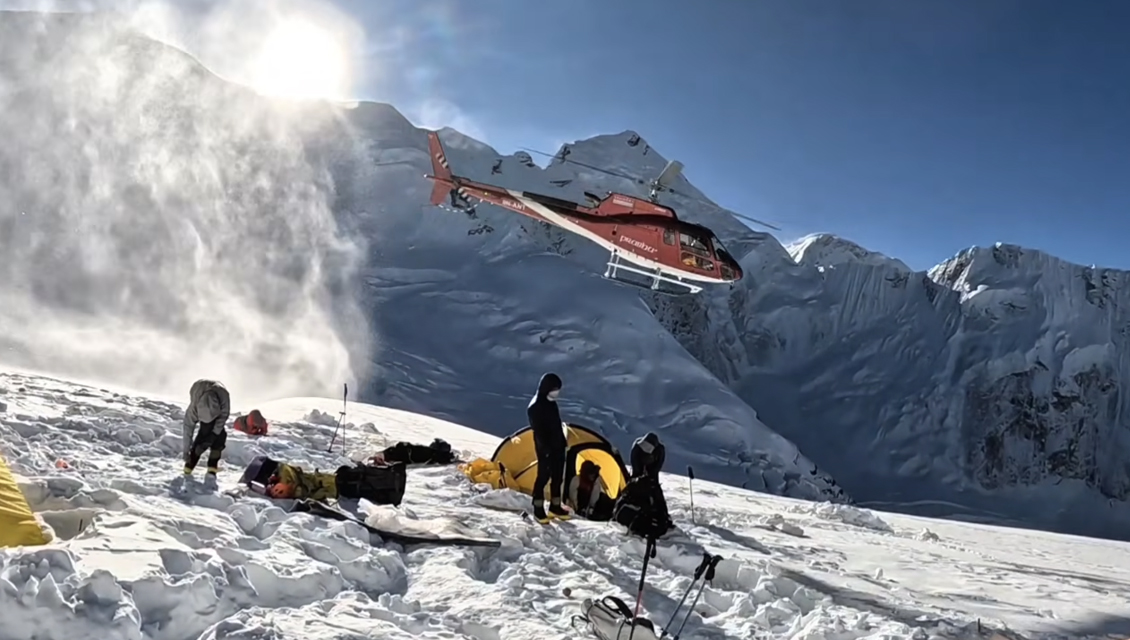
Emergency preparedness is an important part of the expedition. Helicopter evacuation support is available from lower sections when required, ensuring a strong safety system even in this isolated region.
Package Highlights:
- Summit Himlung Himal (7,126m), a remote 7,000m Himalayan peak.
- Less crowded expedition in the restricted Nar-Phu region.
- Gradual, well-structured route ideal for high-altitude preparation.
- Stunning views of Annapurna, Manaslu, and Tibetan ranges.
- Technical but non-technical climbing with snow and glacier terrain.
- Strong Sherpa support with fixed ropes and safety management.
- Excellent acclimatization strategy with staged high camps.
- Perfect stepping stone for 8,000m Himalayan expeditions.
Book This Trip
Trip Information
 Start : Kathmandu
 Finish : Kathmandu
 Difficulty :
Challenging
Difficulty :
Challenging
 Max Altitude : 7126m
 Group Size : 17 People
 Season : SEP-NOV, MAR-MAY
Trip Gallery







Trip Itinerary
Altitude: 1,400m
Duration: Arrival Day / 1–2 Hours Transfer
Arrival at Tribhuvan International Airport. Meet expedition team and transfer to hotel. Rest and recovery after international travel. Evening briefing introduces expedition structure, altitude risks, weather conditions, and general safety guidelines.
Accomadation: Hotel
Place to visit: Nepal
Meals: Dinner
Altitude: 1,400m
Duration: 6–8 Hours
Full technical preparation day. All climbing equipment is inspected including boots, crampons, harness, helmet, down suit, sleeping bag (-20°C), gloves, and goggles. Missing or unsuitable gear is arranged in Kathmandu. Permit processing begins, followed by team introduction and detailed safety briefing.
Accomadation: Hotel
Place to visit: Nepal
Meals: Breakfast
Altitude: 1,400m – 760m
Duration: 6–7 Hours Drive
Drive through river valleys, terraced farmland, and rural settlements. Expedition team explains trekking pace, hydration discipline, and altitude awareness. Overnight stay in lodge.
Accomadation: Tea House
Place to visit: Annapurna Region
Meals: Breakfast Lunch Dinner
Altitude: 760m – 2,600m
Duration: 8–10 Hours Drive
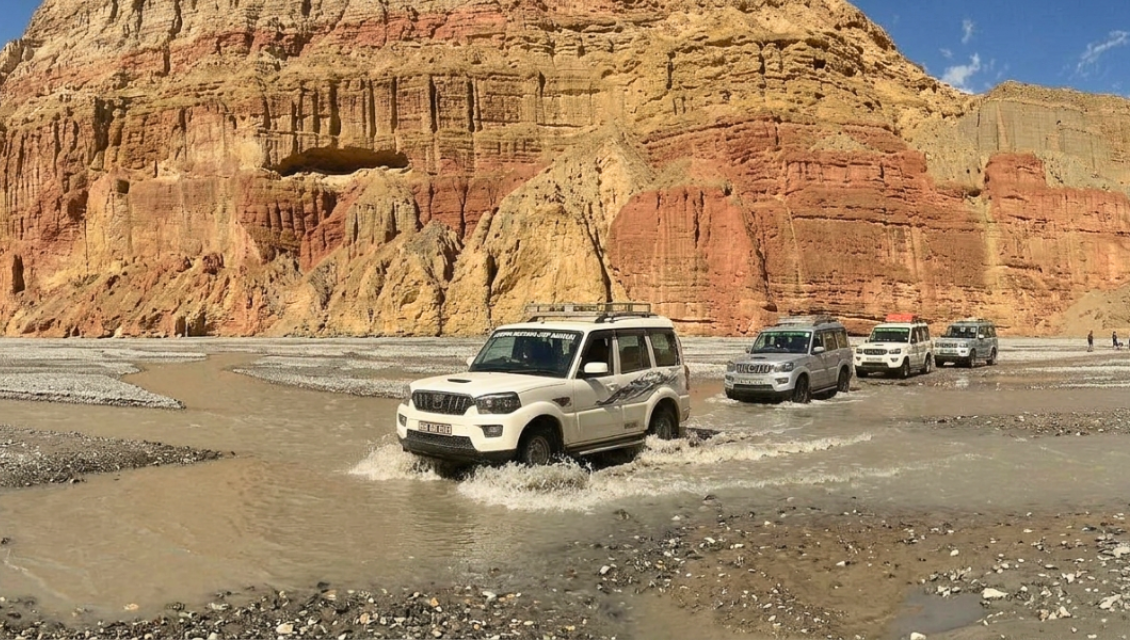
Long off-road jeep drive. Road gradually becomes rugged and mountainous. Entry into Annapurna Conservation Area and restricted Nar-Phu region. Overnight at Koto.
Accomadation: Tea House
Place to visit: Annapurna Region
Meals: Breakfast Lunch Dinner
Altitude: 2,600m – 3,560m
Duration: 6–7 Hours
Trek begins through pine forests, narrow gorges, and suspension bridges over the Marsyangdi River system. Gradual altitude gain begins, requiring steady pacing and hydration.
Accomadation: Tea House
Place to visit: Annapurna Region
Meals: Breakfast Lunch Dinner
Altitude: 3,560m – 3,820m
Duration: 5–6 Hours
Landscape becomes drier and more alpine. Forest coverage decreases, replaced by rocky terrain and open valleys. First noticeable effects of altitude appear.
Accomadation: Tea House
Place to visit: Annapurna Region
Meals: Breakfast Lunch Dinner
Altitude: 3,820m – 4,080m
Duration: 5–6 Hours
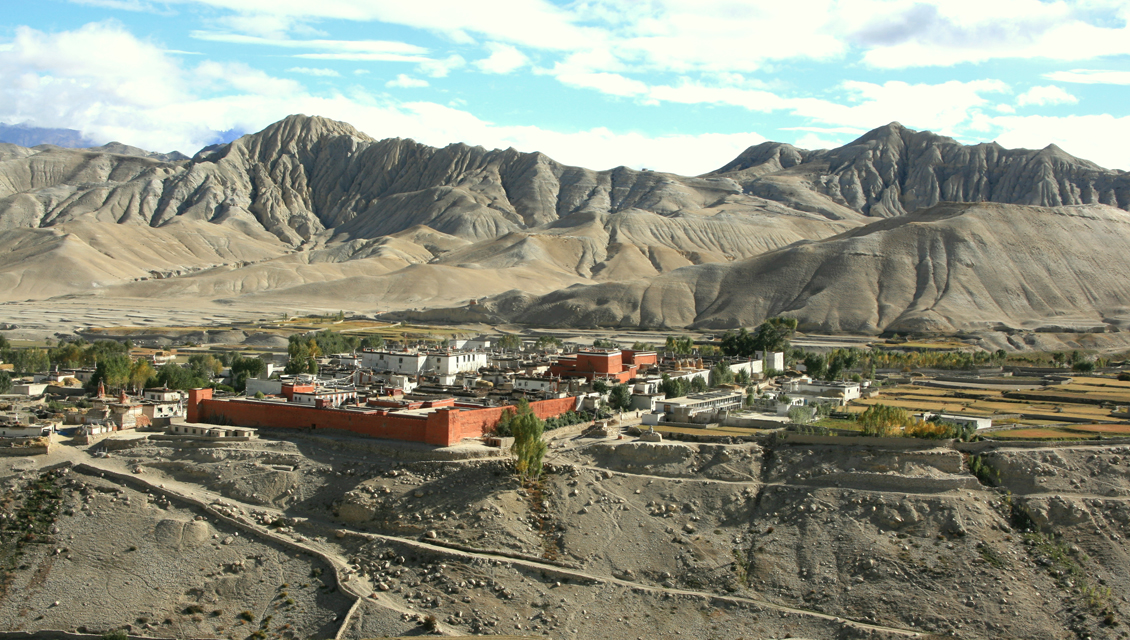
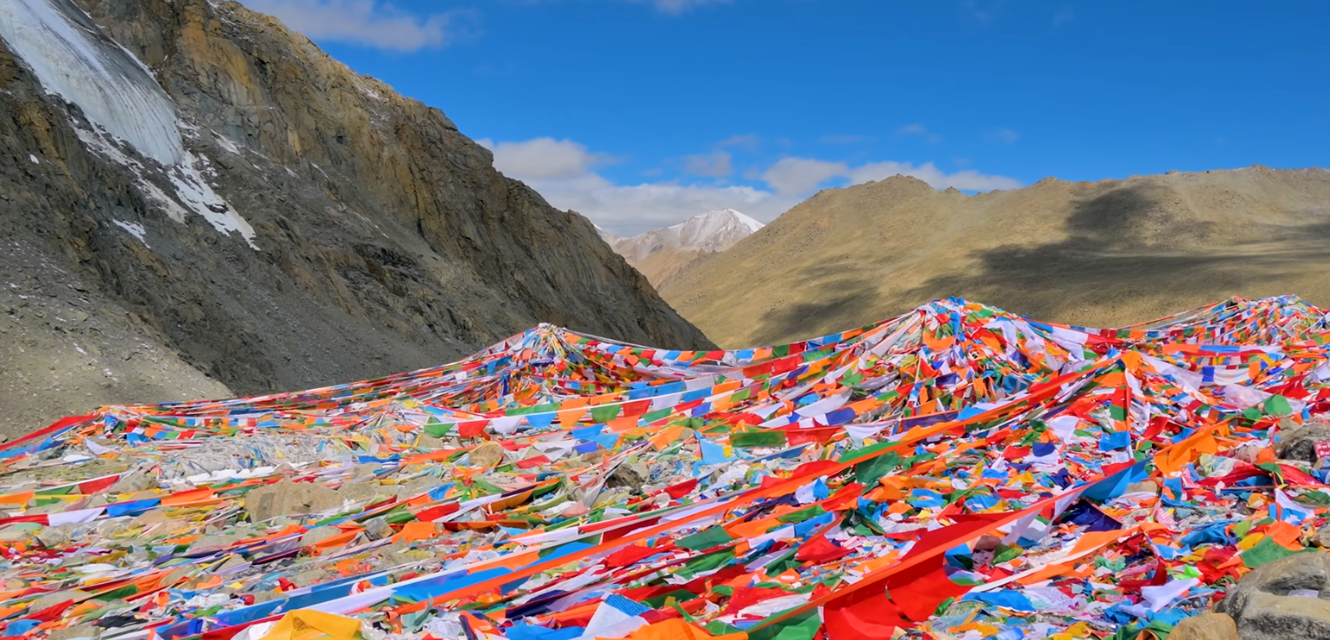
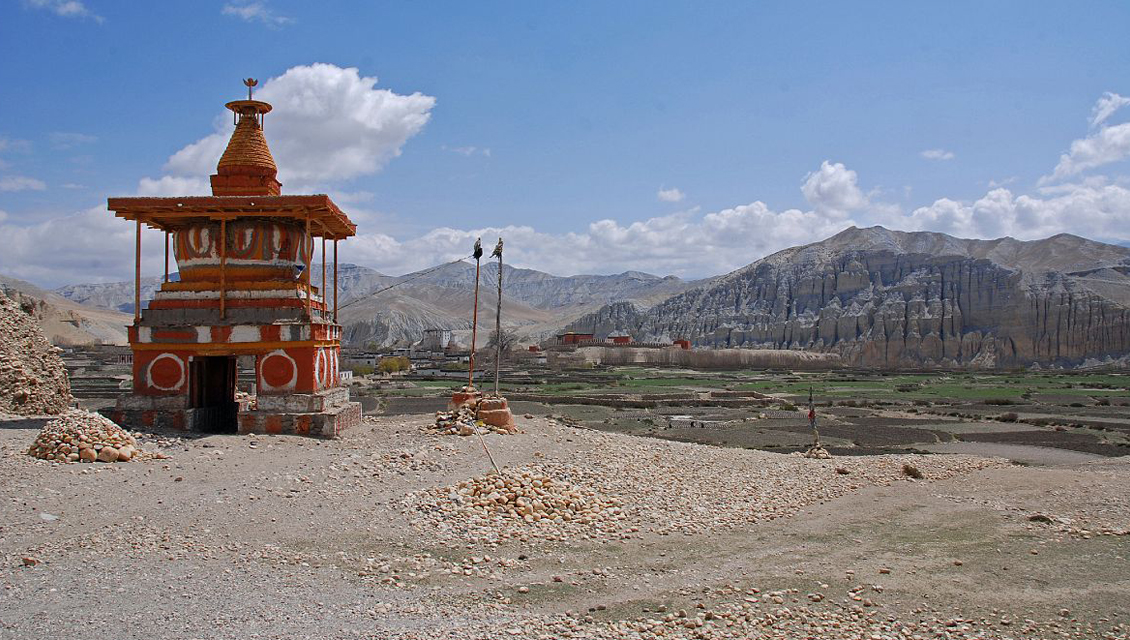
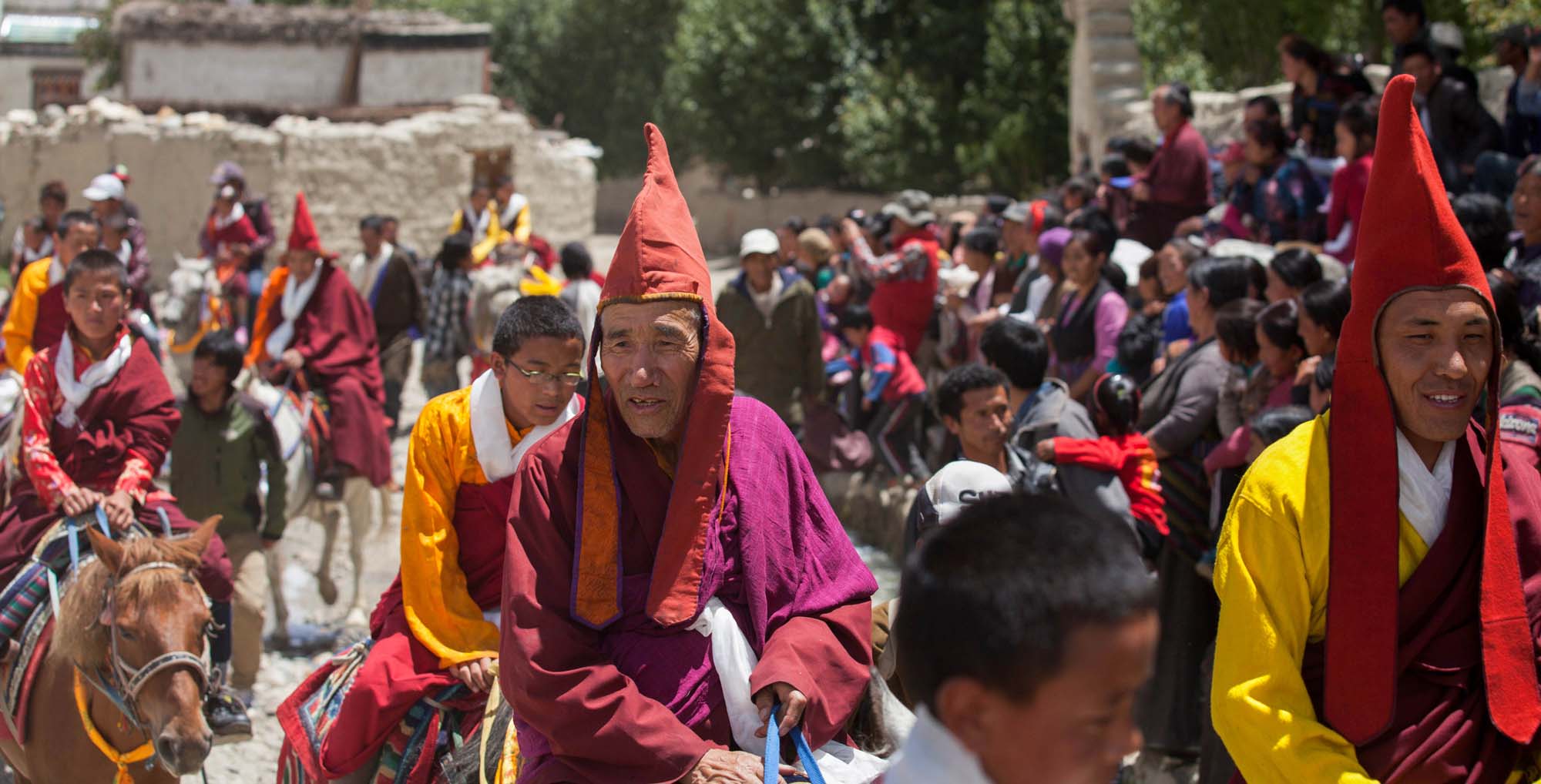
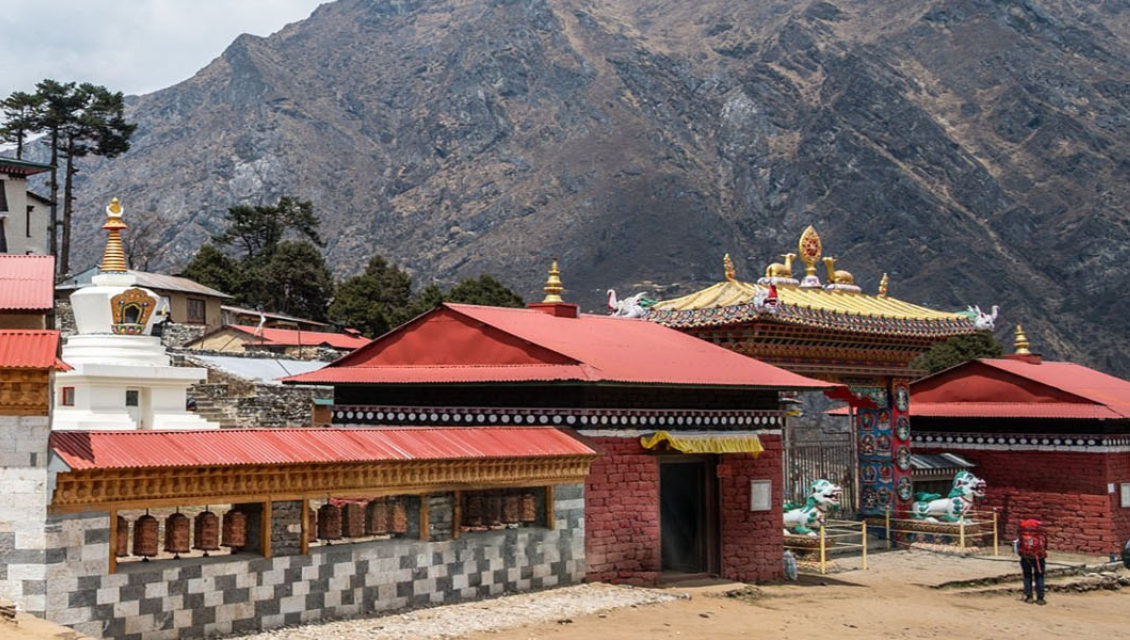
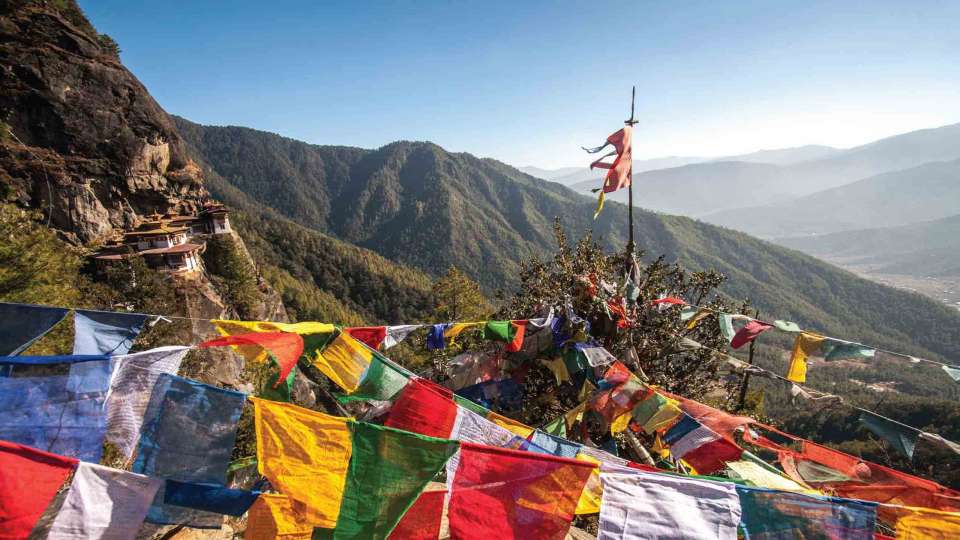
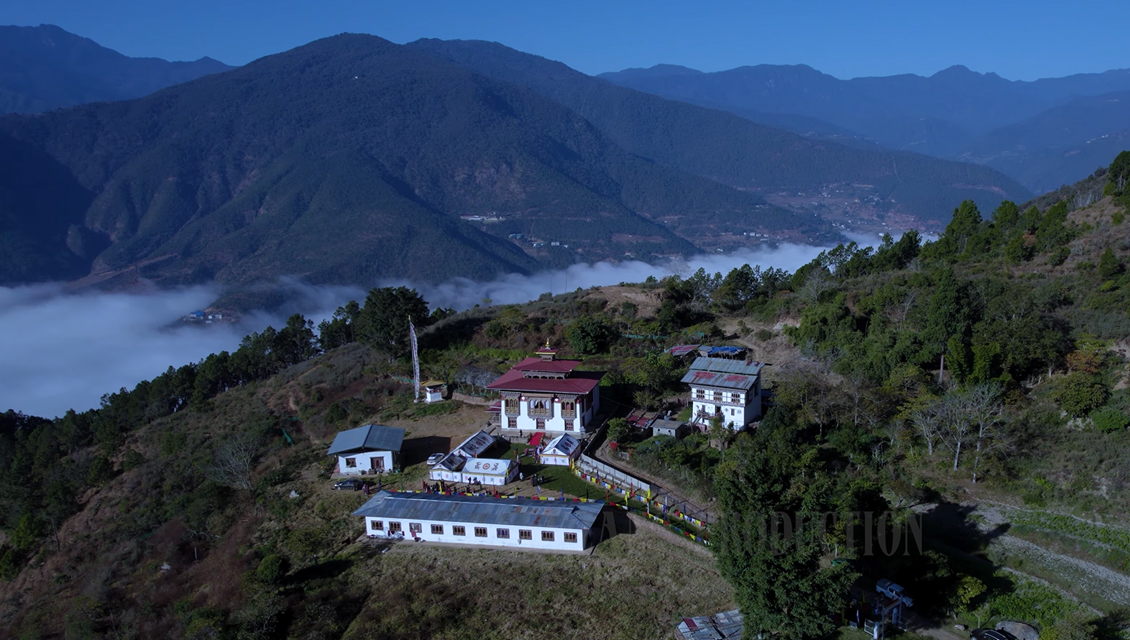
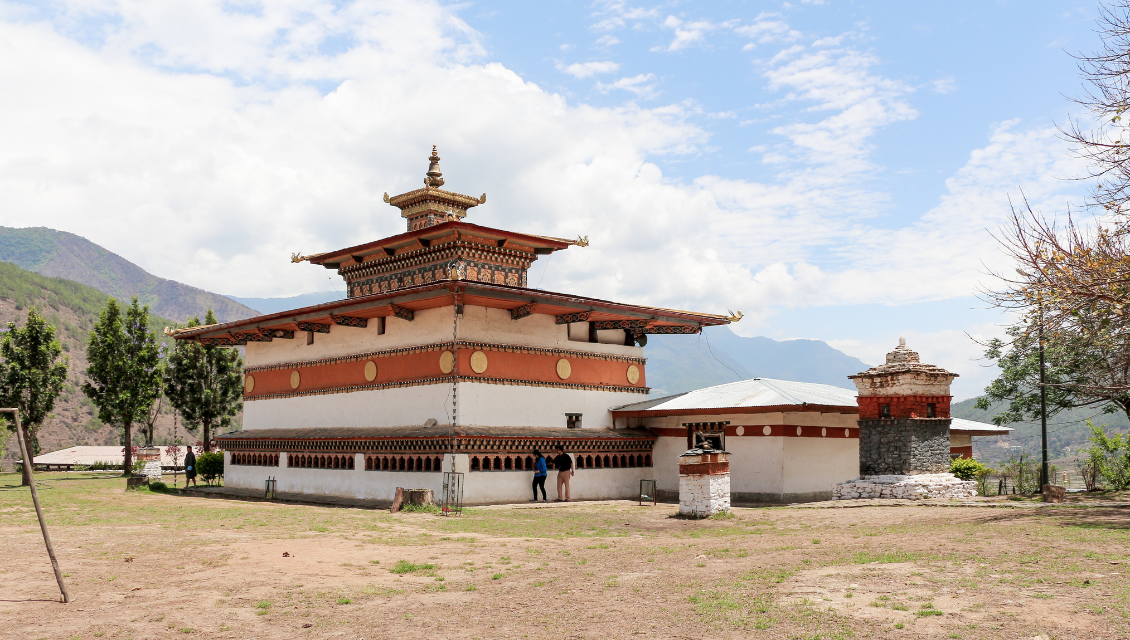
Arrival in Phu Valley, a culturally rich Tibetan-influenced settlement. Stone houses, monasteries, prayer flags, and ancient chortens define the landscape. Strong acclimatization phase begins.
Accomadation: Tea House
Place to visit: Annapurna Region
Meals: Breakfast Lunch Dinner
Altitude: 4,080m – 4,500m
Duration: 3–5 Hours
Active rest day with short hike (4,300–4,500m ridge). Oxygen and pulse monitoring conducted. Visit local monastery and explore cultural surroundings. Hydration and recovery prioritized.
Accomadation: Tea House
Place to visit: Annapurna Region
Meals: Breakfast Lunch Dinner
Altitude: 4,080m – 4,850m
Duration: 6–7 Hours
Trek through high alpine desert, moraines, and glacial valleys. Vegetation disappears completely. Arrival at Base Camp. Tent establishment, kitchen setup, and communication systems installed.
Accomadation: Tent
Place to visit: Annapurna Region
Meals: Breakfast Lunch Dinner
Altitude: 4,850m
Duration: Full Day
Full rest and organization day. Sleeping systems stabilized. Nutrition plan adjusted for high altitude environment.
Accomadation: Tent
Place to visit: Annapurna Region
Meals: Breakfast Lunch Dinner
Altitude: 4,850m
Duration: 4–6 Hours
Introduction to:
- Crampon walking on snow
- Ice axe control and self-arrest
- Balance and movement on icy terrain
Accomadation: Tent
Place to visit: Annapurna Region
Meals: Breakfast Lunch Dinner
Altitude: 4,850m
Duration: 4–6 Hours
Advanced instruction:
- Fixed rope climbing techniques
- Ascender (Jumar) usage
- Safe descent methods
- Glacier awareness and crevasse safety
Accomadation: Tent
Place to visit: Annapurna Region
Meals: Breakfast Lunch Dinner
Altitude: 4,850m – 5,000m
Duration: 3–5 Hours
Short hike above Base Camp (~5,000m). Oxygen saturation and physical condition monitored. Hydration and rest emphasized.
Accomadation: Tent
Place to visit: Annapurna Region
Meals: Breakfast Lunch Dinner
Altitude: 4,850m
Duration: Full Day
Expedition leader reviews weather forecast and snow conditions. Rotation strategy finalized based on safety and summit window.
Accomadation: Tent
Place to visit: Annapurna Region
Meals: Breakfast Lunch Dinner
Altitude: 4,850m – 5,800m
Duration: 6–8 Hours
Climb through glacier terrain and crevasse zones using fixed ropes. Camp I established for acclimatization exposure.
Accomadation: Tent
Place to visit: Annapurna Region
Meals: Breakfast Lunch Dinner
Altitude: 5,800m
Duration: 3–5 Hours
Training in real alpine conditions:
- Snow slope movement
- Rope handling efficiency
- Cold weather adaptation
Accomadation: Tent
Place to visit: Annapurna Region
Meals: Breakfast Lunch Dinner
Altitude: 5,800m – 4,850m
Duration: 4–6 Hours
Controlled descent for recovery and oxygen replenishment.
Accomadation: Tent
Place to visit: Annapurna Region
Meals: Breakfast Lunch Dinner
Altitude: 4,850m
Duration: Full Day
Recovery focused on nutrition, hydration, and sleep restoration.
Accomadation: Tent
Place to visit: Annapurna Region
Meals: Breakfast Lunch Dinner
Altitude: 4,850m – 5,800m
Duration: 6–8 Hours
Re-ascent with improved efficiency and acclimatization adaptation.
Accomadation: Tent
Place to visit: Annapurna Region
Meals: Breakfast Lunch Dinner
Altitude: 5,800m – 6,000m
Duration: 5–7 Hours
Steeper terrain, technical sections, and fixed rope climbing to Camp II.
Accomadation: Tent
Place to visit: Annapurna Region
Meals: Breakfast Lunch Dinner
Altitude: 6,000m
Duration: Full Night
First high-altitude overnight at 6,000m. Oxygen levels drop significantly; monitoring continues.
Accomadation: Tent
Place to visit: Annapurna Region
Meals: Breakfast Lunch Dinner
Altitude: 6,000m – 4,850m
Duration: 6–8 Hours
Controlled descent for full recovery phase.
Accomadation: Tent
Place to visit: Annapurna Region
Meals: Breakfast Lunch Dinner
Altitude: 4,850m
Duration: Full Day
Medical assessment, oxygen checks, and energy restoration.
Accomadation: Tent
Place to visit: Annapurna Region
Meals: Breakfast Lunch Dinner
Altitude: 4,850m – 5,800m
Duration: 6–8 Hours
Final acclimatization cycle begins.
Accomadation: Tent
Place to visit: Annapurna Region
Meals: Breakfast Lunch Dinner
Altitude: 5,800m – 6,300m
Duration: 7–9 Hours
Long technical ascent through glacier and steep snow terrain. Camp III established.
Accomadation: Tent
Place to visit: Annapurna Region
Meals: Breakfast Lunch Dinner
Altitude: 6,300m
Duration: 3–5 Hours
Summit rehearsal including rope systems, oxygen plan, and final technical review.
Accomadation: Tent
Place to visit: Annapurna Region
Meals: Breakfast Lunch Dinner
Altitude: 6,300m – 4,850m
Duration: 6–8 Hours
Return descent for full recovery before summit attempt.
Accomadation: Tent
Place to visit: Annapurna Region
Meals: Breakfast Lunch Dinner
Altitude: 4,850m
Duration: Full Day
Weather window monitoring and final physical recovery.
Accomadation: Tent
Place to visit: Annapurna Region
Meals: Breakfast Lunch Dinner
Altitude: 4,850m
Duration: 3–5 Hours
Equipment packing, oxygen system preparation, and summit coordination with Sherpa team.
Accomadation: Tent
Place to visit: Annapurna Region
Meals: Breakfast Lunch Dinner
Altitude: 4,850m – 6,000m
Duration: 6–8 Hours
Start of summit push rotation.
Accomadation: Tent
Place to visit: Annapurna Region
Meals: Breakfast Lunch Dinner
Altitude: 6,000m – 6,300m
Duration: 5–7 Hours
Final staging before summit attempt.
Accomadation: Tent
Place to visit: Annapurna Region
Meals: Breakfast Lunch Dinner
Altitude: 6,300m – 7,126m
Duration: 10–14 Hours
Midnight ascent using fixed ropes, glacier routes, and steep snow slopes. Summit reached with Sherpa support. Short stay at summit before immediate descent begins.
Accomadation: Tent
Place to visit: Annapurna Region
Meals: Breakfast Lunch Dinner
Altitude: 4,850m
Duration: Full Day
Buffer day for weather delay or recovery.
Accomadation: Tent
Place to visit: Annapurna Region
Meals: Breakfast Lunch Dinner
Altitude: 4,850m – 4,080m
Duration: 5–6 Hours
Return trek through alpine terrain.
Accomadation: Tea House
Place to visit: Annapurna Region
Meals: Breakfast Lunch Dinner
Altitude: 4,080m – 2,600m
Duration: 6–7 Hours
Final descent from Nar-Phu Valley.
Accomadation: Tea House
Place to visit: Annapurna Region
Meals: Breakfast Lunch Dinner
Altitude: 2,600m – 1,400m
Duration: 8–10 Hours Drive
Drive back to Kathmandu and hotel transfer.
Accomadation: Hotel
Place to visit: Nepal
Meals: Breakfast Lunch Dinner
Altitude: 1,400m
Duration: Full Day
Recovery, gear return, and celebration.
Accomadation: Hotel
Place to visit: Nepal
Meals: Breakfast
Cost Includes
Accommodation
- 3 nights hotel accommodation in Kathmandu (3-star or similar category)
- Teahouse/lodge accommodation during approach trek (twin-sharing basis)
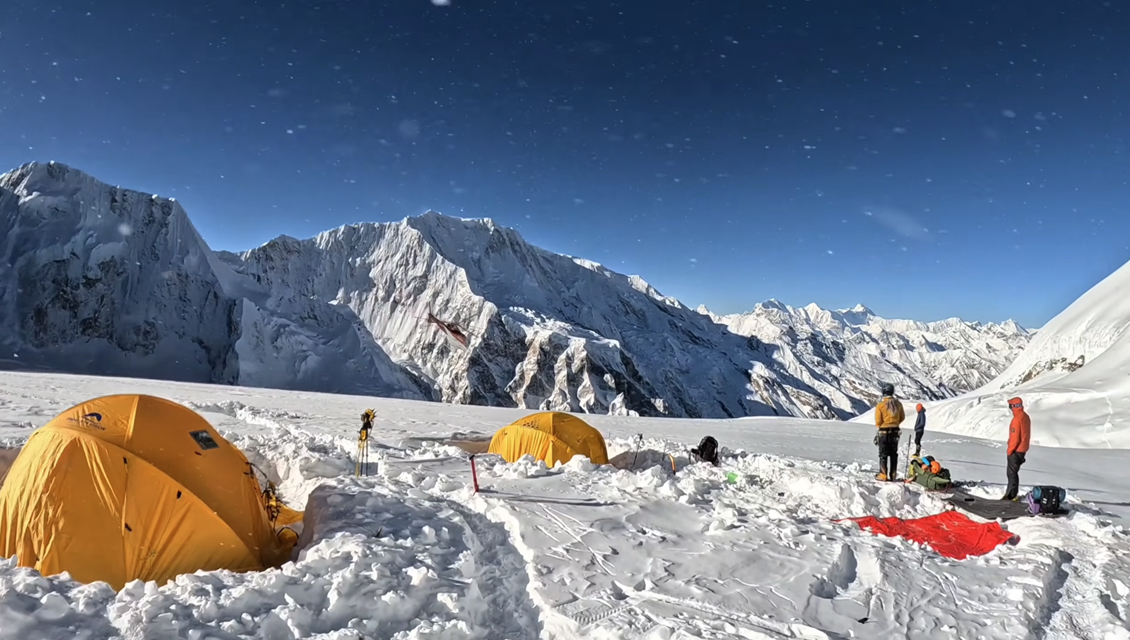
- Fully supported tented accommodation at Himlung Base Camp and higher camps
- High-altitude expedition tents with sleeping mattresses at Camp I, II, and Summit Camp
Meals
- Full-board meals (Breakfast, Lunch, Dinner) during trekking and climbing period
- Hygienic, energy-rich expedition meals prepared by experienced Base Camp kitchen crew
- Hot drinks (tea/coffee/soup) during meal times at Base Camp
- Packed meals and high-energy summit food during rotation and summit push
Transportation
- Airport pick-up and drop-off in Kathmandu
- Ground transport: Kathmandu – Besisahar – Koto – Kathmandu (jeep/bus as per itinerary)
- All local transportation required during expedition
- Cargo transport of expedition equipment to Base Camp
Permits & Fees
- Himlung Himal Climbing Permit (Government of Nepal)
- Restricted Area Permit (Nar-Phu Valley)
- Annapurna Conservation Area Permit (ACAP)
- Expedition liaison officer and related government fees
Guide & Staff
- Experienced Climbing Sherpa guides (7,000m+ certified)
- Trekking guide for approach section
- Required porters for trekking logistics
- Base Camp cook and kitchen crew
- Climbing Sherpa support for summit rotation and safety
- Staff insurance, wages, food, and accommodation
Climbing Support & Safety
- Fixed rope setup and climbing route support by Sherpa team
- Basic technical climbing training (crampon, ice axe, rope skills)
- Group safety equipment (ropes, anchors, carabiners, rescue gear)
- First aid kit and pulse oximeter monitoring at Base Camp
- Emergency rescue coordination assistance
Base Camp Services
- Fully equipped Base Camp (tents, kitchen, dining, communication setup)
- Cooking gas, food supplies, and logistics support
- Communication system (radio/satellite support where available)
- Mattress and sleeping arrangements at Base Camp
Expedition Logistics
- Full expedition management and coordination
- Weather forecasting and summit planning support
- Acclimatization and rotation planning by expedition leader
- Oxygen saturation monitoring and health tracking system
Accommodation
- 3 nights hotel accommodation in Kathmandu (3-star or similar category)
- Teahouse/lodge accommodation during approach trek (twin-sharing basis)
- Fully supported tented accommodation at Himlung Base Camp and higher camps
- High-altitude expedition tents with sleeping mattresses at Camp I, II, and Summit Camp
Meals
- Full-board meals (Breakfast, Lunch, Dinner) during trekking and climbing period
- Hygienic, energy-rich expedition meals prepared by experienced Base Camp kitchen crew
- Hot drinks (tea/coffee/soup) during meal times at Base Camp
- Packed meals and high-energy summit food during rotation and summit push
Transportation
- Airport pick-up and drop-off in Kathmandu
- Ground transport: Kathmandu – Besisahar – Koto – Kathmandu (jeep/bus as per itinerary)
- All local transportation required during expedition
- Cargo transport of expedition equipment to Base Camp
Permits & Fees
- Himlung Himal Climbing Permit (Government of Nepal)
- Restricted Area Permit (Nar-Phu Valley)
- Annapurna Conservation Area Permit (ACAP)
- Expedition liaison officer and related government fees
Guide & Staff
- Experienced Climbing Sherpa guides (7,000m+ certified)
- Trekking guide for approach section
- Required porters for trekking logistics
- Base Camp cook and kitchen crew
- Climbing Sherpa support for summit rotation and safety
- Staff insurance, wages, food, and accommodation
Climbing Support & Safety
- Fixed rope setup and climbing route support by Sherpa team
- Basic technical climbing training (crampon, ice axe, rope skills)
- Group safety equipment (ropes, anchors, carabiners, rescue gear)
- First aid kit and pulse oximeter monitoring at Base Camp
- Emergency rescue coordination assistance
Base Camp Services
- Fully equipped Base Camp (tents, kitchen, dining, communication setup)
- Cooking gas, food supplies, and logistics support
- Communication system (radio/satellite support where available)
- Mattress and sleeping arrangements at Base Camp
Expedition Logistics
- Full expedition management and coordination
- Weather forecasting and summit planning support
- Acclimatization and rotation planning by expedition leader
- Oxygen saturation monitoring and health tracking system
Cost Excludes
International Travel
- International flights to/from Nepal
- Nepal visa fee (USD 30–125 depending on duration)
Personal Climbing Equipment
- Mountaineering boots (double insulated recommended)
- Crampons, ice axe, harness, helmet, ascender
- Down suit (-30°C recommended)
- Sleeping bag suitable for high altitude (-25°C to -40°C)
- Personal clothing layers, gloves, goggles, trekking gear
- Backpack and personal technical equipment
Insurance (Mandatory)
- High-altitude travel insurance covering up to 7,500m
- Must include helicopter evacuation and emergency rescue
- Medical, accident, and repatriation coverage
Personal Expenses
- Drinks (soft drinks, bottled water, alcohol)
- Wi-Fi, hot showers, and charging fees during trek
- Snacks, chocolates, and personal items
- Laundry and personal hygiene products
Kathmandu Expenses
- Extra hotel nights due to delays or early arrival
- Meals in Kathmandu (unless included in package)
- Personal shopping or equipment rental costs
Emergency & Unexpected Costs
- Helicopter evacuation (if required)
- Medical treatment or hospitalization costs
- Additional accommodation due to weather delays
- Extra porter or transport costs due to itinerary changes
Tips & Miscellaneous
- Tips for guides, Sherpas, cooks, and porters
- Loss or damage of personal equipment
- Any service not explicitly mentioned in “Cost Includes” section
International Travel
- International flights to/from Nepal
- Nepal visa fee (USD 30–125 depending on duration)
Personal Climbing Equipment
- Mountaineering boots (double insulated recommended)
- Crampons, ice axe, harness, helmet, ascender
- Down suit (-30°C recommended)
- Sleeping bag suitable for high altitude (-25°C to -40°C)
- Personal clothing layers, gloves, goggles, trekking gear
- Backpack and personal technical equipment
Insurance (Mandatory)
- High-altitude travel insurance covering up to 7,500m
- Must include helicopter evacuation and emergency rescue
- Medical, accident, and repatriation coverage
Personal Expenses
- Drinks (soft drinks, bottled water, alcohol)
- Wi-Fi, hot showers, and charging fees during trek
- Snacks, chocolates, and personal items
- Laundry and personal hygiene products
Kathmandu Expenses
- Extra hotel nights due to delays or early arrival
- Meals in Kathmandu (unless included in package)
- Personal shopping or equipment rental costs
Emergency & Unexpected Costs
- Helicopter evacuation (if required)
- Medical treatment or hospitalization costs
- Additional accommodation due to weather delays
- Extra porter or transport costs due to itinerary changes
Tips & Miscellaneous
- Tips for guides, Sherpas, cooks, and porters
- Loss or damage of personal equipment
- Any service not explicitly mentioned in “Cost Includes” section
Essential Information
Accommodation
Accommodation during the Himlung Expedition includes 3-star hotel stays in Kathmandu, followed by camping-style expedition logistics throughout the trek and climb.
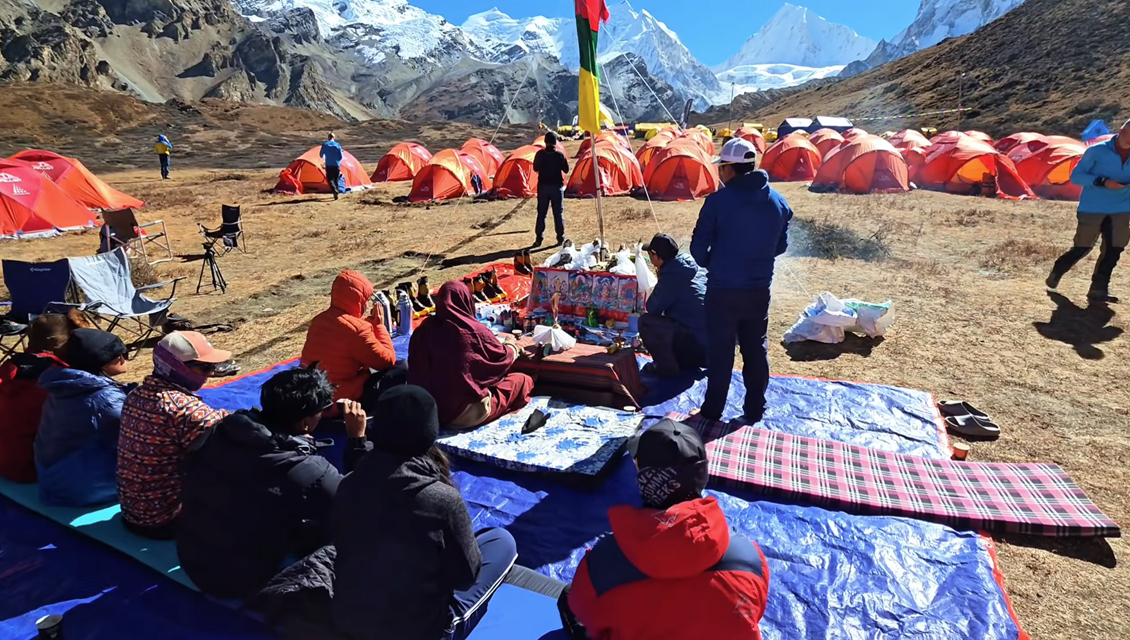
The route passes through the restricted Nar-Phu Valley, where accommodation is arranged in basic teahouses or fully supported tented camps depending on location. At Himlung Base Camp and higher camps, climbers stay in well-equipped expedition tents with dining tents, kitchen setup, and communication support.
Meals
The expedition includes full-board meals (Breakfast, Lunch, and Dinner) throughout the trekking and climbing period.
At lower elevations, meals are served in teahouses. From Base Camp onward, a dedicated cook team prepares high-energy, nutritious meals suitable for high-altitude performance. Typical food includes soups, pasta, rice, vegetables, energy bars, and hot drinks to maintain hydration and stamina.
Packed meals and summit-day snacks are provided during summit rotation.
Difficulty and Fitness
Himlung Himal (7,126m) is considered a moderately technical 7,000m expedition. While less technical than peaks like Ama Dablam or Baruntse, it requires strong physical fitness, endurance, and prior experience above 6,000m.
The climb involves:
- Long glacier walking
- Moderate snow slopes
- Fixed rope sections near upper camps
- High-altitude endurance above 7,000m
Climbers should have previous experience on trekking peaks or 6,000m+ expeditions before attempting Himlung.
Permits
The expedition requires the following permits:
- Himlung Himal Climbing Permit
- Restricted Area Permit (Nar-Phu Valley)
- Annapurna Conservation Area Permit (ACAP)
- TIMS Card (if applicable)
All permits are arranged by the expedition operator in advance.
Best Time to Climb
The best seasons for Himlung Expedition are:
Autumn (September–October)
- Most stable weather conditions
- Clear skies and excellent visibility
- High summit success rate
Spring (April–May)
- Stable climbing windows
- Warmer temperatures at lower camps
- Good acclimatization conditions
Transportation
The journey begins with a drive from Kathmandu to Koto (via Besisahar), followed by trekking into the restricted Nar-Phu Valley. The approach route passes through remote villages such as Meta and Phu before reaching Himlung Base Camp.
The region is highly isolated, with limited infrastructure, making it one of Nepal’s most authentic and remote expedition experiences.
Safety and Altitude
Himlung Expedition includes carefully planned acclimatization rotations between Base Camp and higher camps to ensure safe altitude progression.
Safety measures include:
- Experienced high-altitude Sherpa guides
- Fixed rope support in technical sections
- Daily health monitoring and oxygen checks
- Weather forecasting and summit planning
- Emergency evacuation coordination
Helicopter evacuation support is available from Base Camp if required.
Travel and High Altitude Insurance
Comprehensive insurance is mandatory and must cover:
- High-altitude climbing up to at least 7,500m
- Emergency helicopter evacuation
- Medical treatment and hospitalization
- Trip cancellation and emergency rescue
Extra Information
Climbing Training and Preparation
Before summit rotation, climbers receive technical training including:
- Ice axe and crampon techniques
- Fixed rope ascending and descending
- Ascender (Jumar) use
- Glacier travel and crevasse safety
- High-altitude climbing strategy
- Emergency procedures and rescue awareness
Climbing Equipment
Required equipment includes:
- Mountaineering boots (double boots recommended)
- Crampons and technical ice axe
- Climbing harness and helmet
- Ascender, carabiners, slings, and rope systems
- High-altitude down suit
- Sleeping bag (-30°C to -40°C rated)
- Goggles and glacier sunglasses
- Headlamp with spare batteries
- Personal medical and hygiene kit
Why Choose Himlung Expedition?
- One of the safest 7,000m peaks in Nepal
- Less crowded and highly remote expedition experience
- Excellent preparation for 8,000m Himalayan peaks
- Stable weather and relatively predictable climbing conditions
- Strong Sherpa expedition support system
- Cultural experience in the restricted Nar-Phu region
- Ideal balance of challenge and accessibility at high altitude
The Himlung Expedition is a perfect choice for climbers seeking a serious 7,000m Himalayan challenge in a remote, culturally rich, and technically manageable environment.
USD 9500 / person
See group booking discount- No. of person Price per person
- 1 USD 9500.00
- 2-3 USD 9200.00
- 4-7 USD 8975.00
- 8-12 USD 8850.00
- 13-17 USD 8500.00
The price may varies
Speak to an Expert