Budget
USD 1655
Per Person
Rating
No review has been posted yet
Duration
16 Days
Trip Overview
The Langtang–Gosaikunda Trek is one of Nepal’s most diverse and spiritually significant trekking routes, combining the beauty of the Langtang Valley with the sacred alpine lakes of Gosaikunda. This classic Himalayan journey offers a perfect mix of mountain scenery, cultural richness, and high-altitude adventure, all within relatively close reach of Kathmandu.
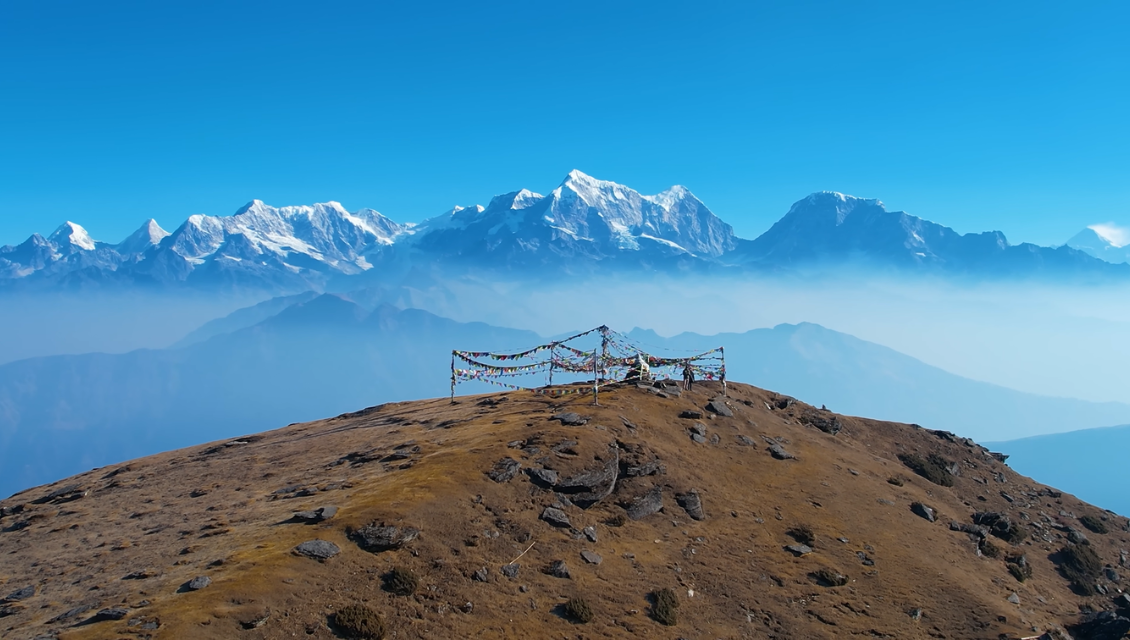
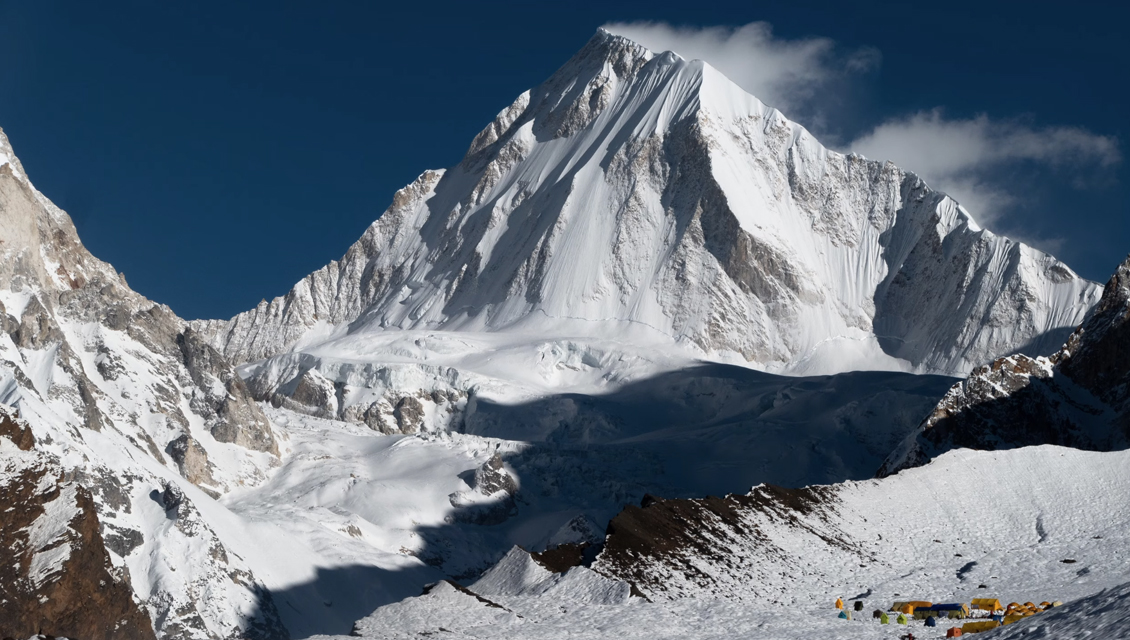
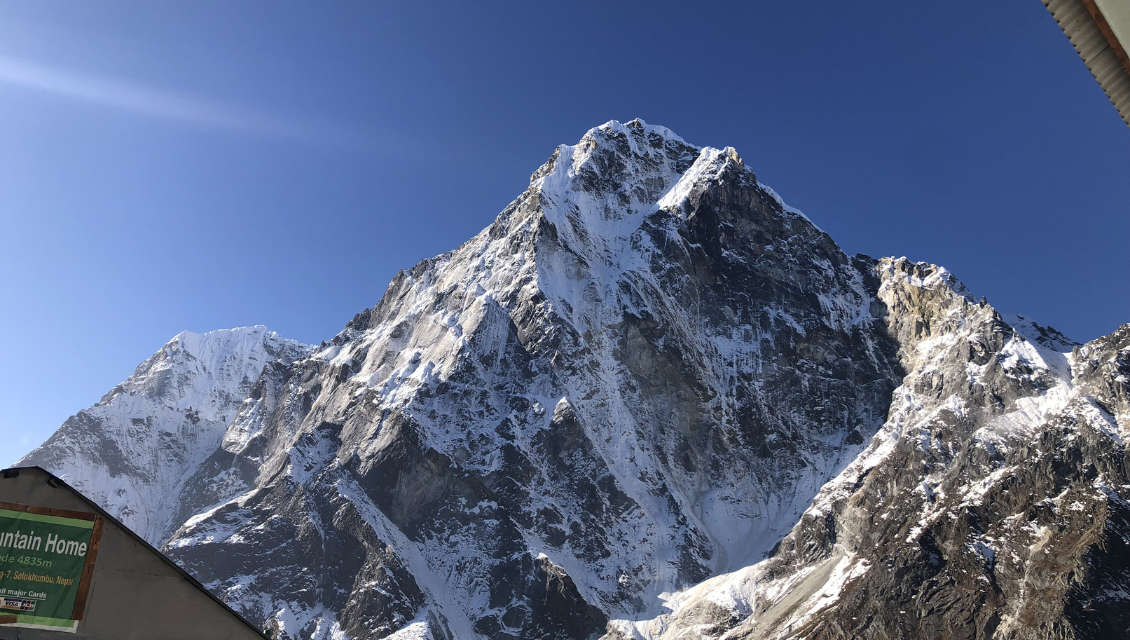
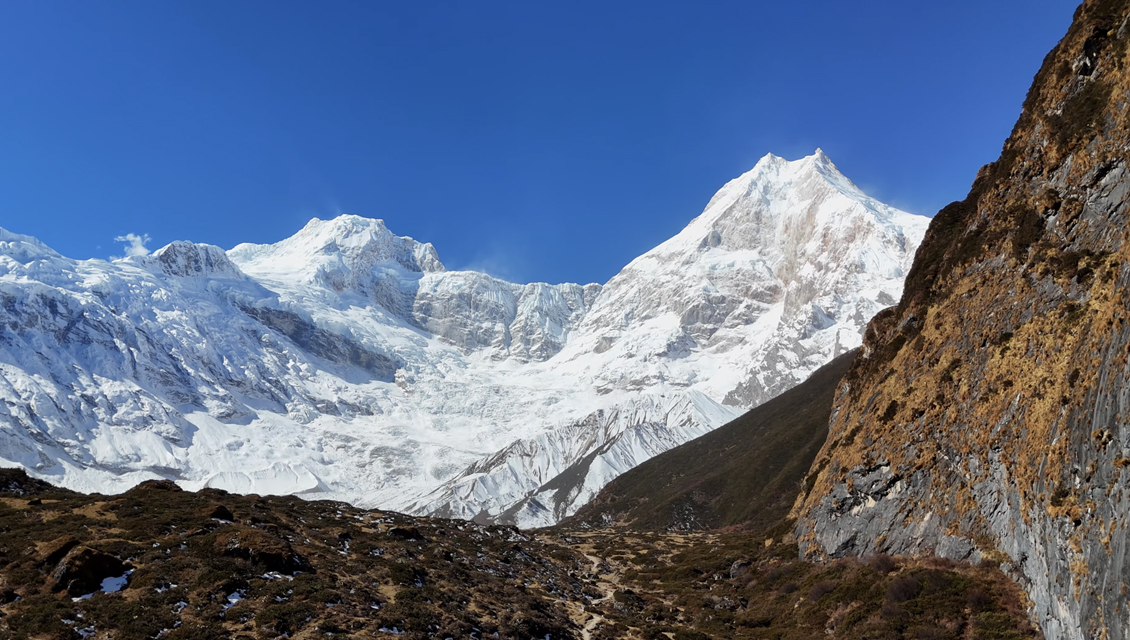
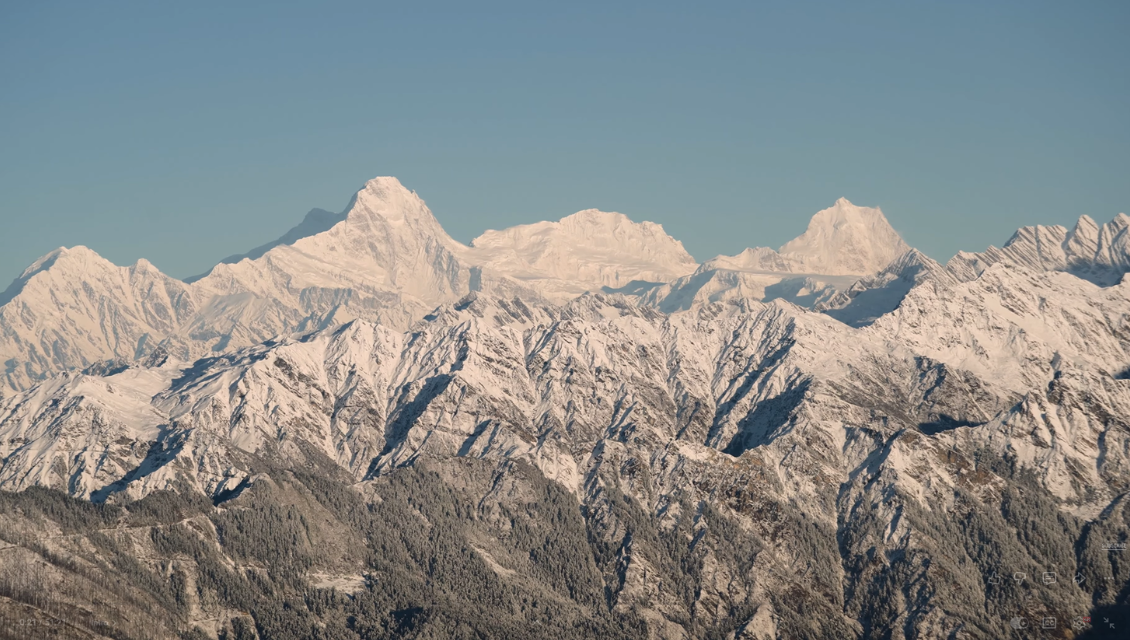
The trek is ideal for trekkers who want a moderately challenging route with both natural and religious highlights. It passes through traditional Tamang villages, dense forests, alpine valleys, and high mountain passes before reaching the holy Gosaikunda Lake. The journey offers stunning views of Himalayan peaks including Langtang Lirung, Ganesh Himal, Dorje Lakpa, and surrounding Himalayan ranges.
This trek is especially popular among both adventure seekers and pilgrims due to its spiritual importance and breathtaking landscapes.
Geography and Landscape
The Langtang–Gosaikunda Trek is located in northern Nepal within Langtang National Park, one of the country’s most important conservation regions. The route typically begins with a drive from Kathmandu to Syabrubesi and continues through the Langtang Valley before branching toward the high-altitude lakes of Gosaikunda.
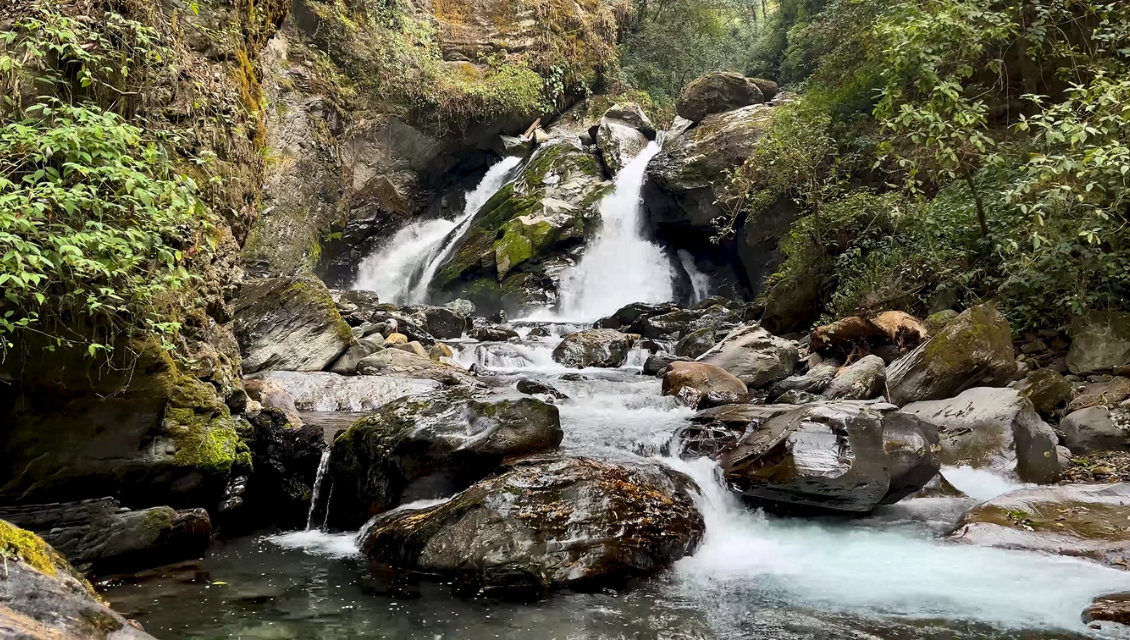
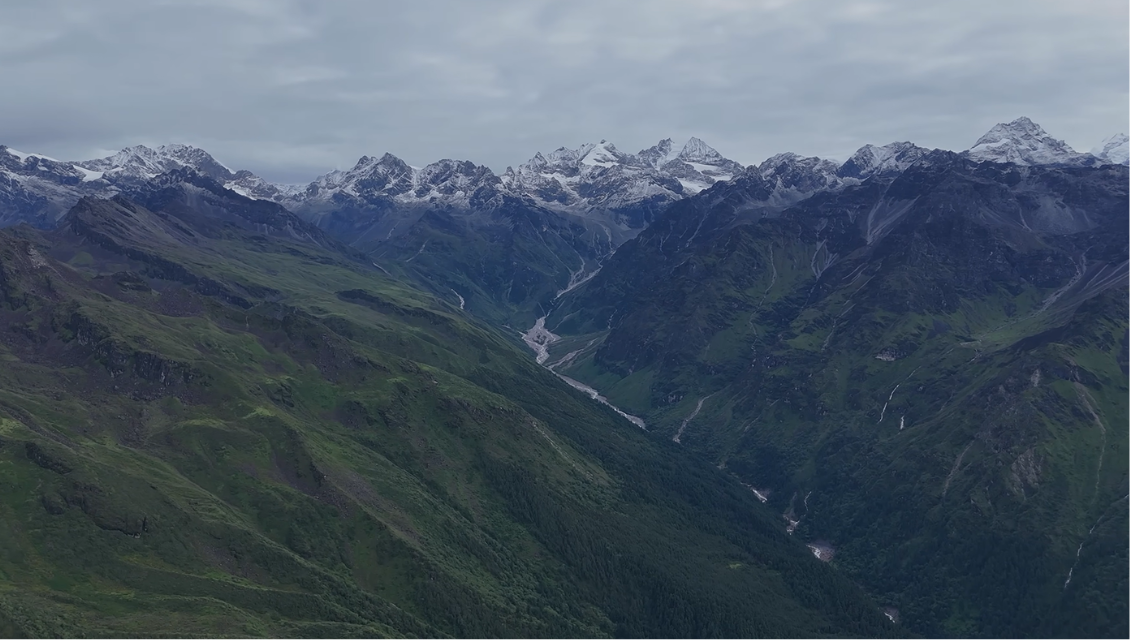
The landscape is extremely varied and dramatic. Lower sections of the trek feature subtropical forests, waterfalls, rivers, and terraced farmland. As the trail ascends into the Langtang Valley, dense forests of rhododendron, oak, and bamboo dominate the scenery, creating a lush and vibrant environment.
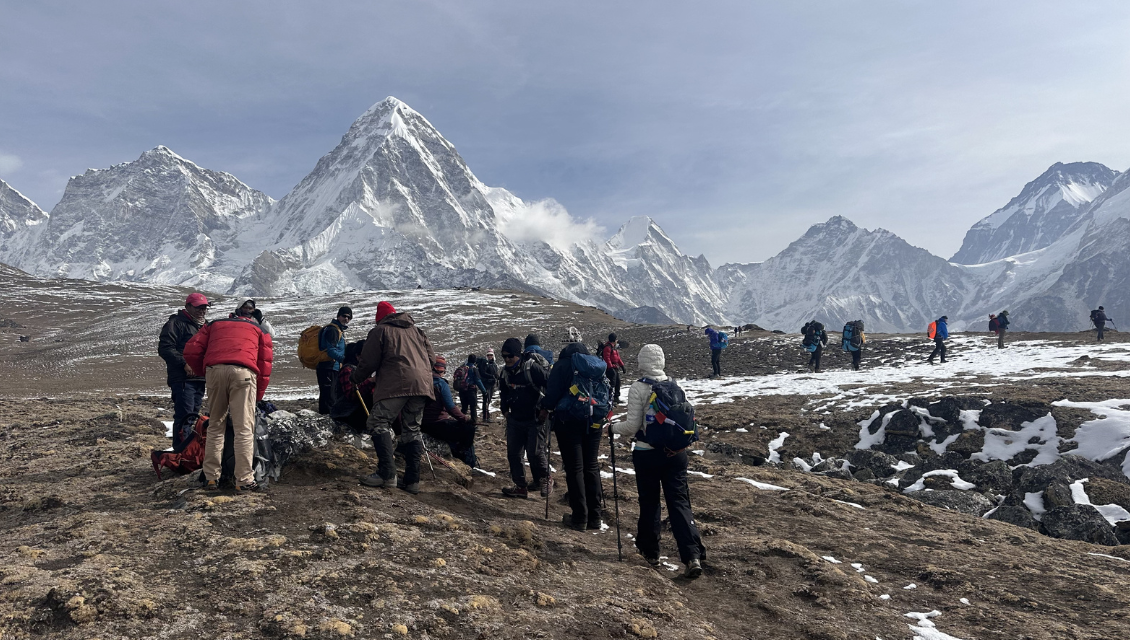
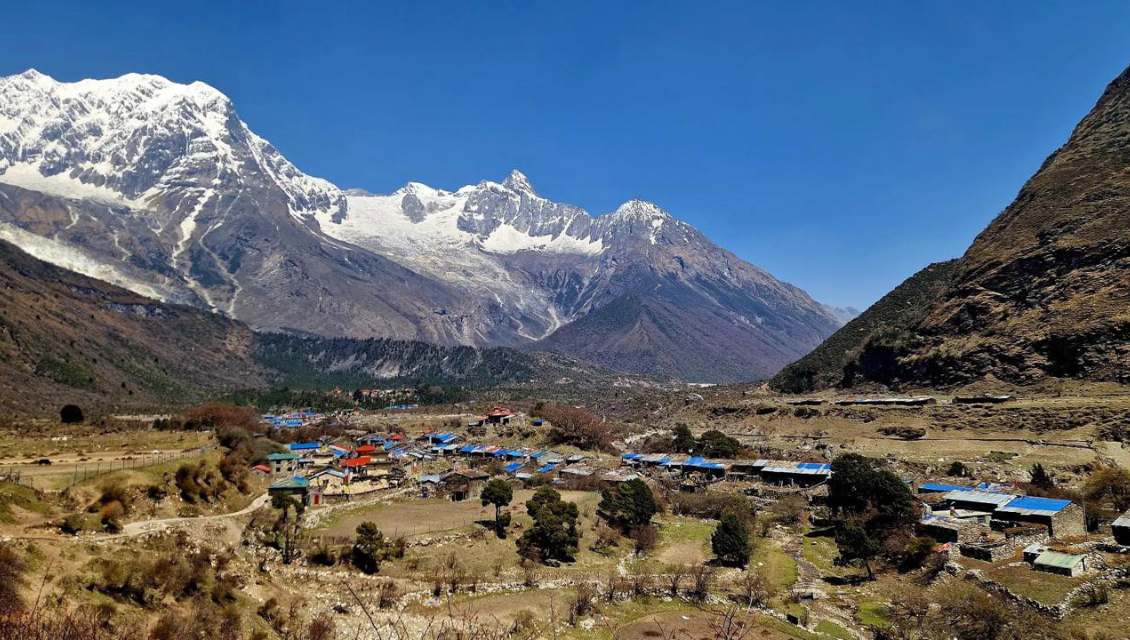
Higher up, the valley opens into wide alpine meadows and glacial landscapes surrounded by towering peaks. Key stops include Langtang Village and Kyanjin Gompa, where trekkers can explore monasteries and viewpoints such as Kyanjin Ri and Tserko Ri for panoramic Himalayan views.
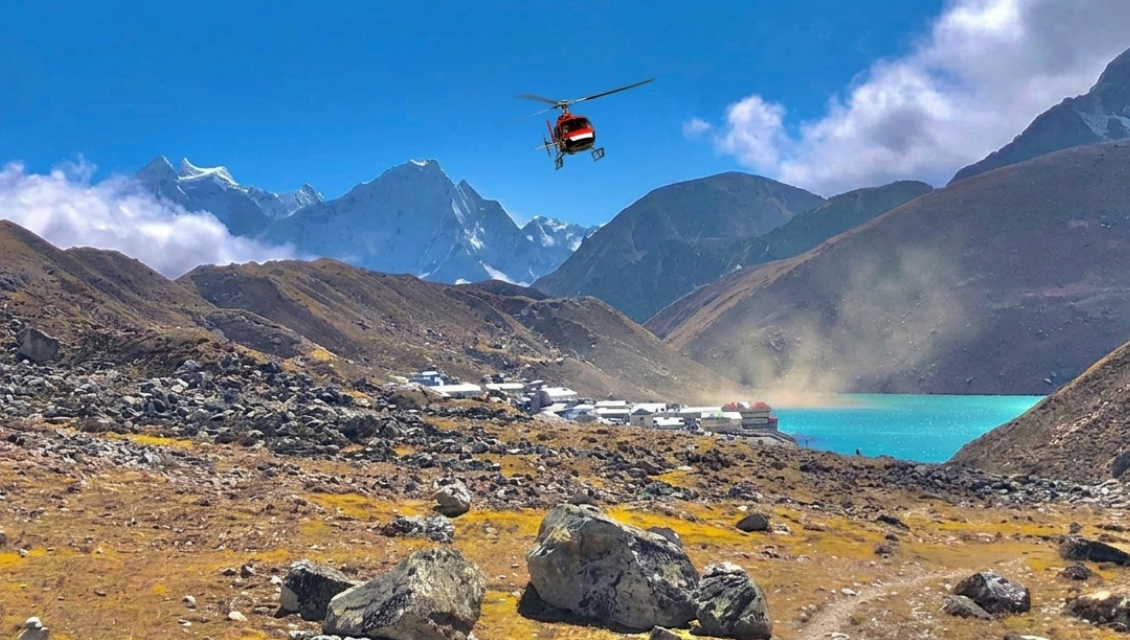
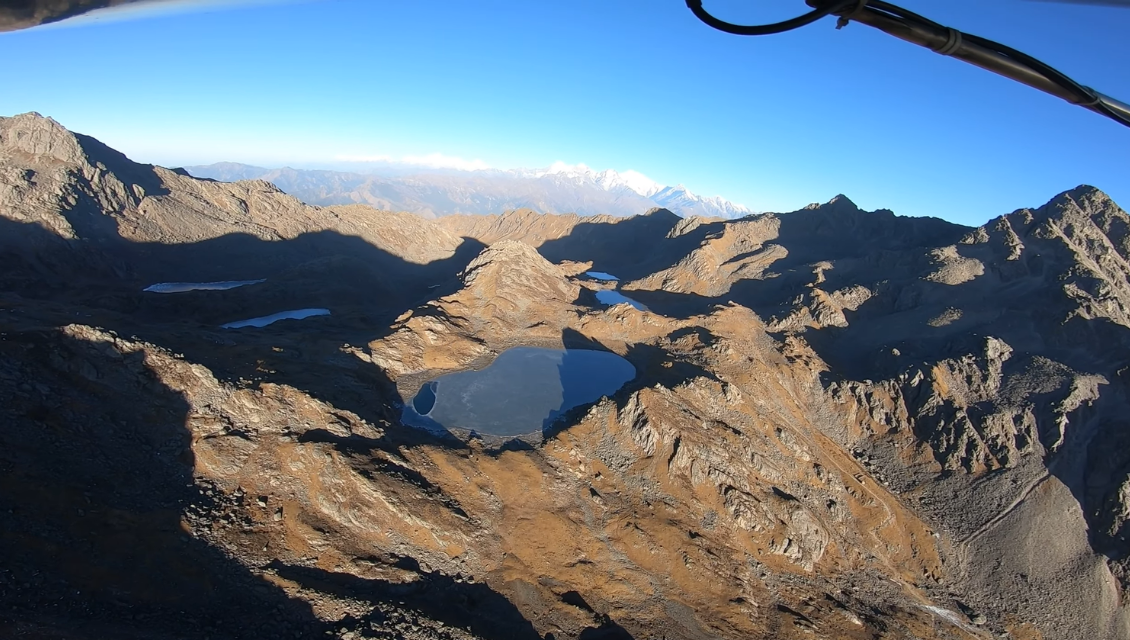
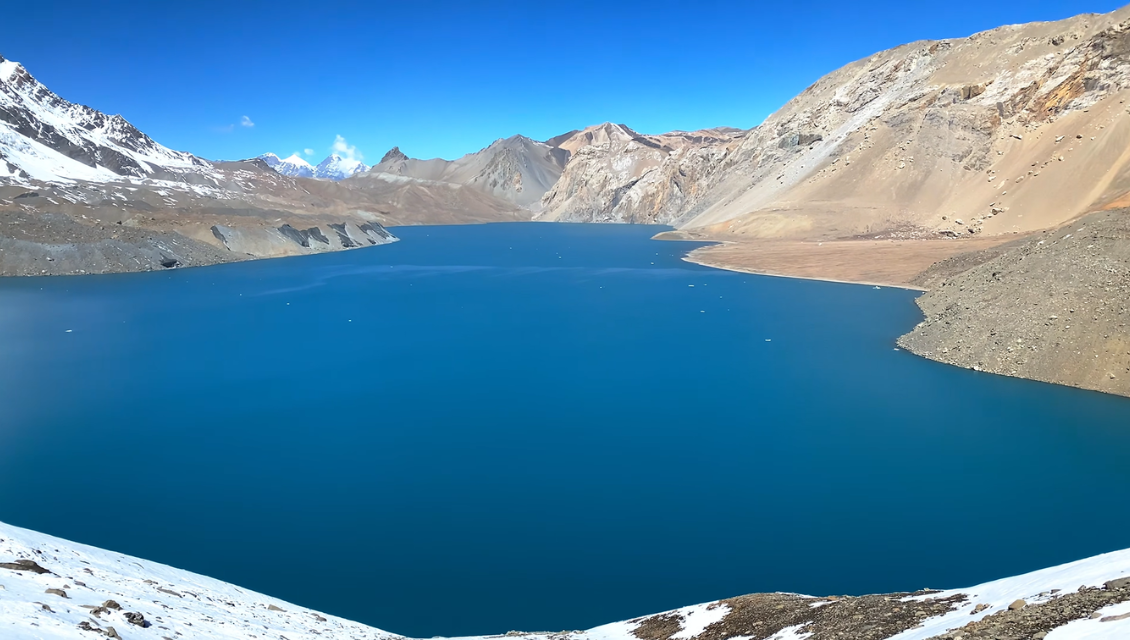
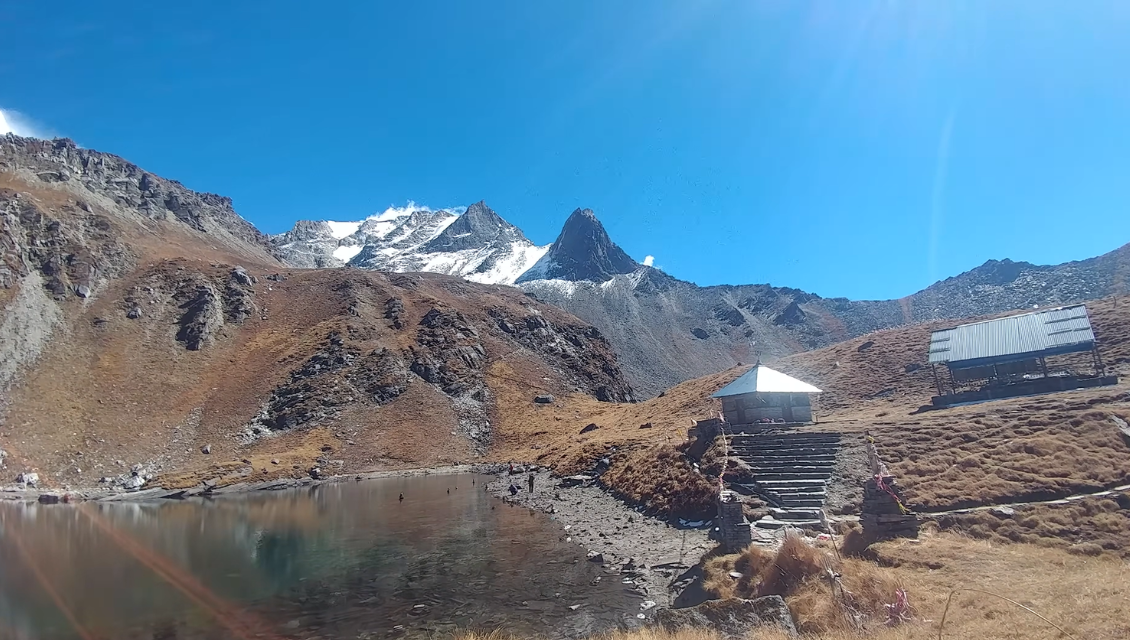
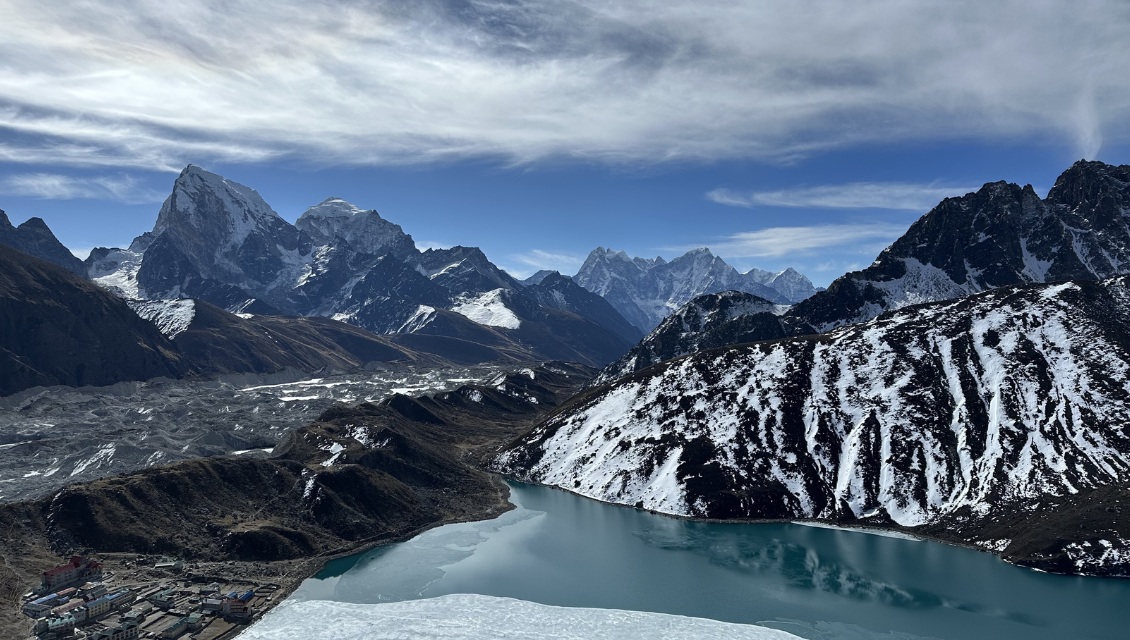
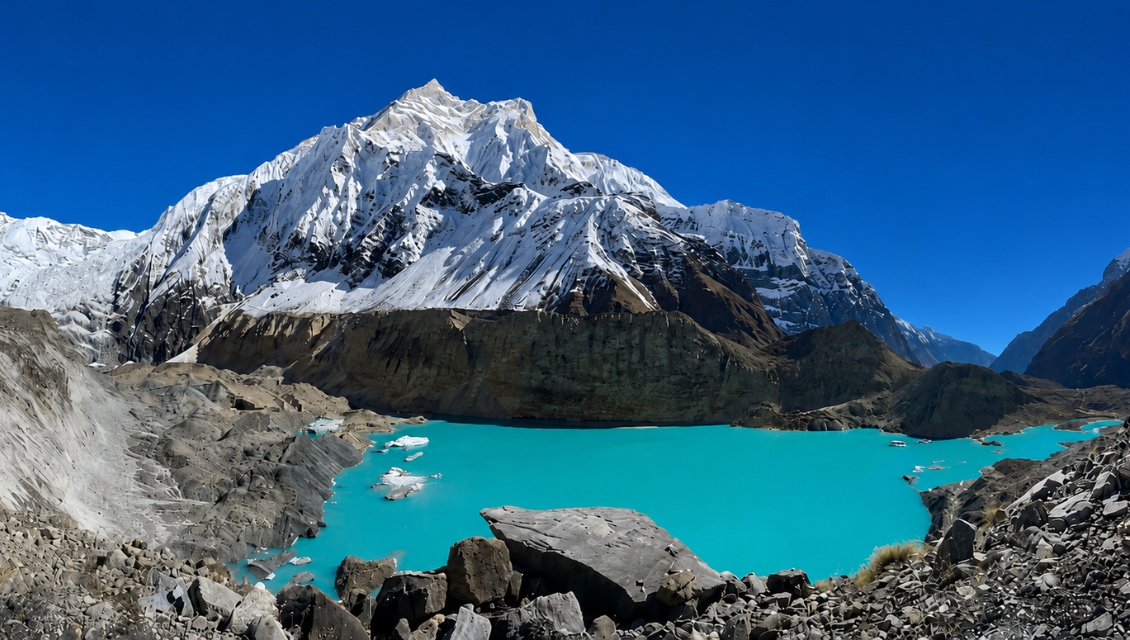
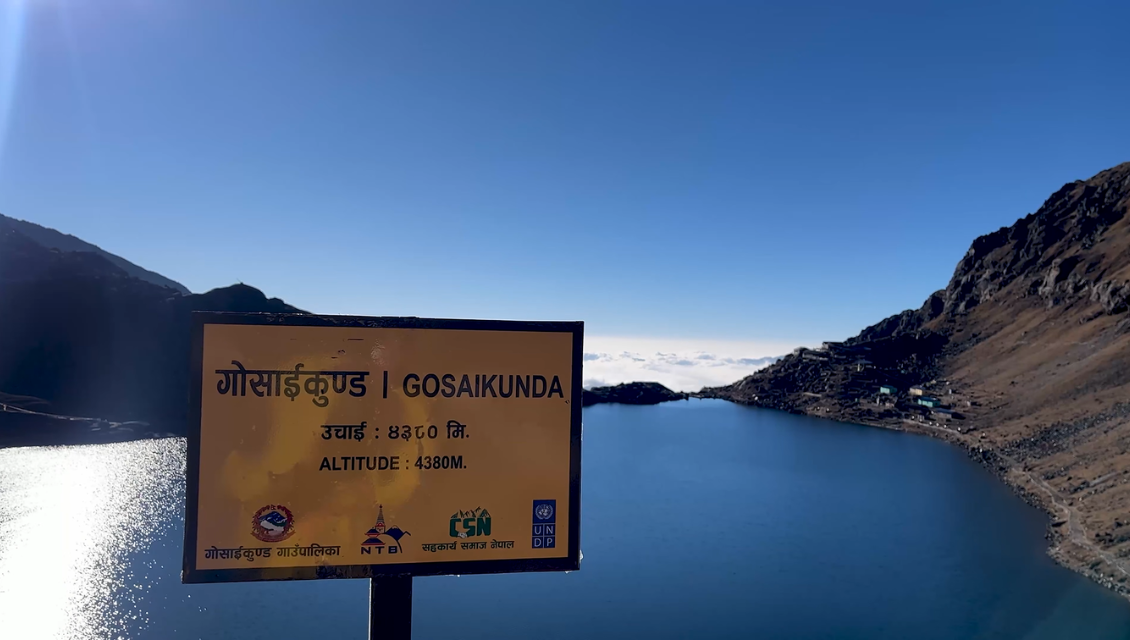
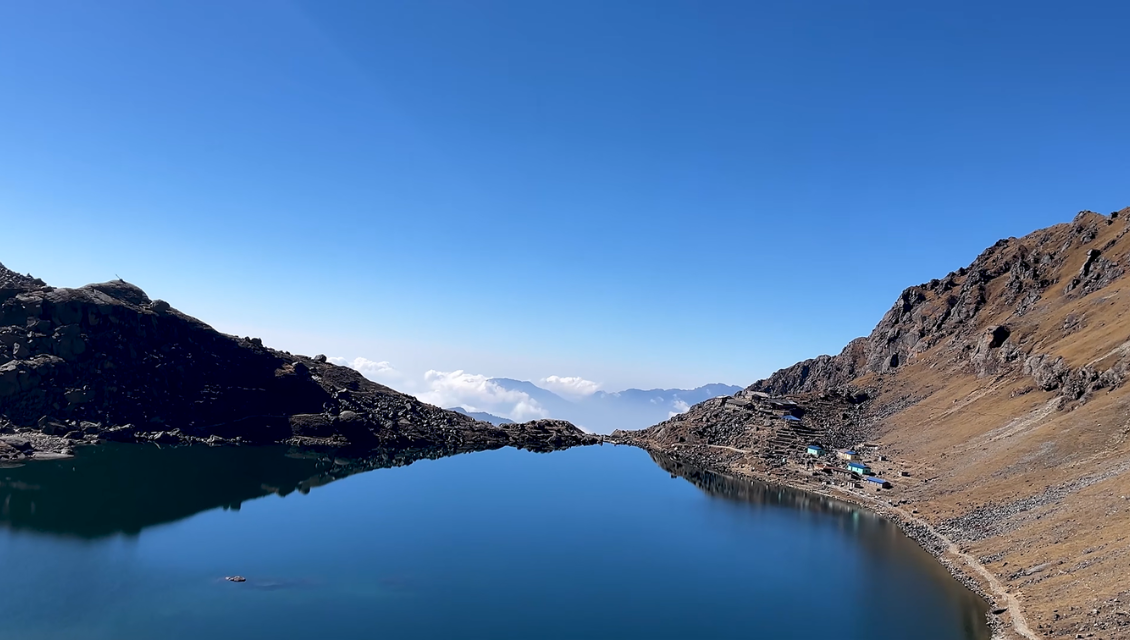
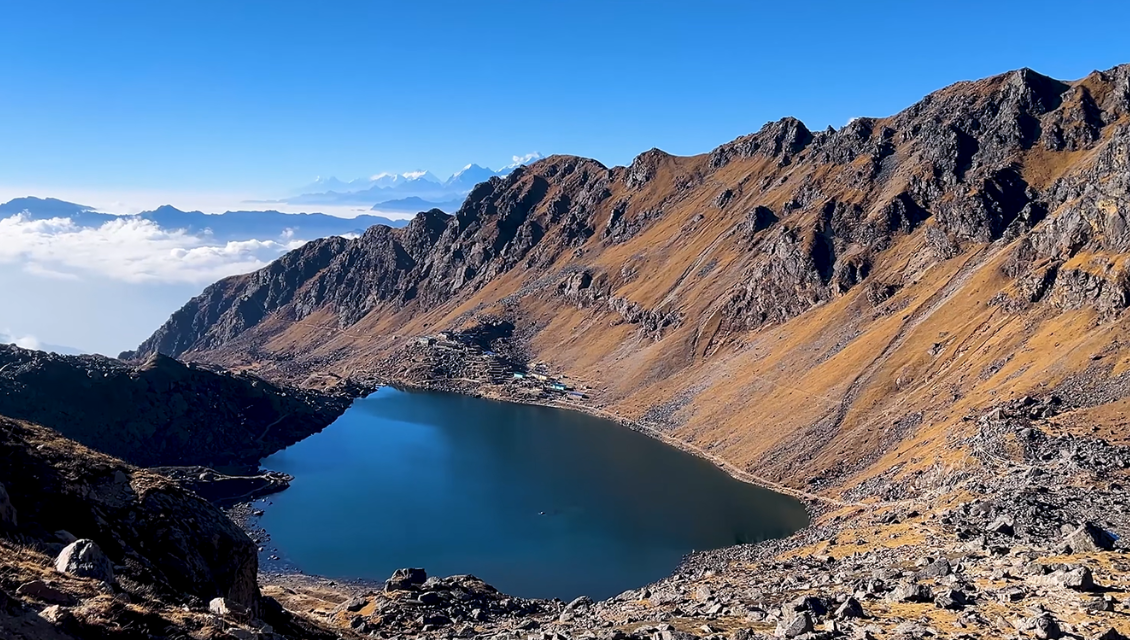
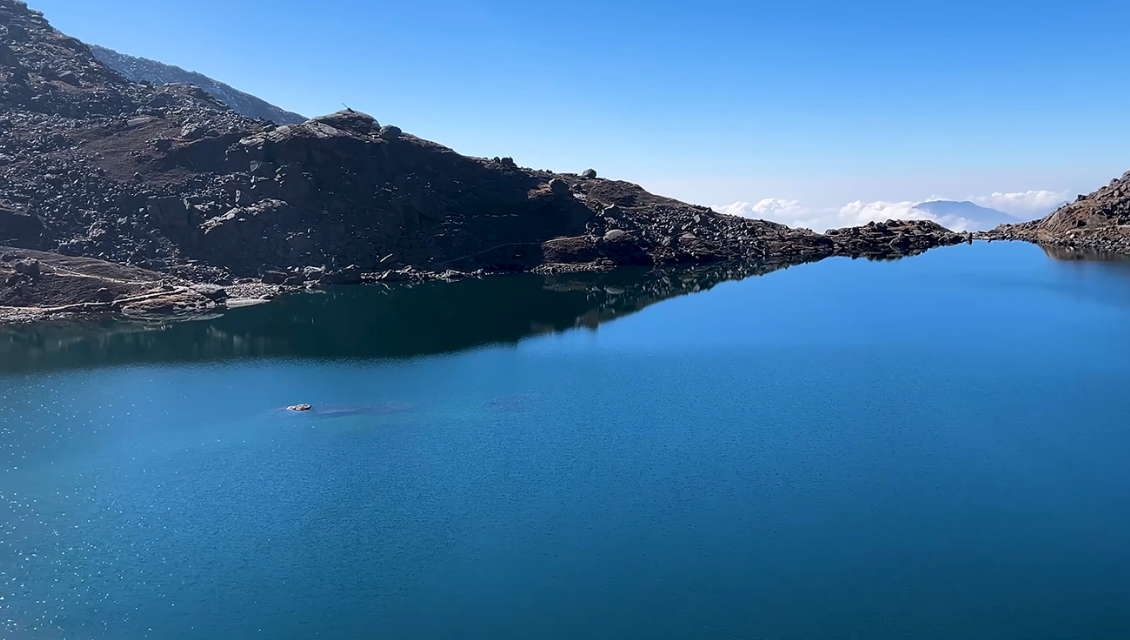
From the Langtang region, the trail ascends toward Laurebina and then to the sacred Gosaikunda Lake (4,380 m). This high-altitude lake area is surrounded by rugged cliffs, snowy ridges, and a series of smaller alpine lakes that create a dramatic and spiritual landscape.
The crossing of Lauribina La Pass (4,610 m) is another highlight, offering sweeping views of the Himalayas and the transition between the Langtang and Helambu regions.
Climate and Best Time to Trek
The best seasons for the Langtang–Gosaikunda Trek are spring (March–May) and autumn (September–November). These months provide stable weather, clear skies, and excellent visibility of the Himalayan peaks.
Spring is particularly beautiful due to blooming rhododendron forests and pleasant temperatures in the lower valleys. Autumn offers crisp air, dry trails, and some of the clearest mountain views of the year after the monsoon season.
Winter (December–February) is cold, especially around Gosaikunda and Lauribina La, where heavy snow can make the trek difficult or inaccessible. The monsoon season (June–August) brings heavy rain, landslides, and limited visibility, making it less suitable.
Overall, autumn is considered the best season for both trekking comfort and spiritual pilgrimage experiences.
People and Culture
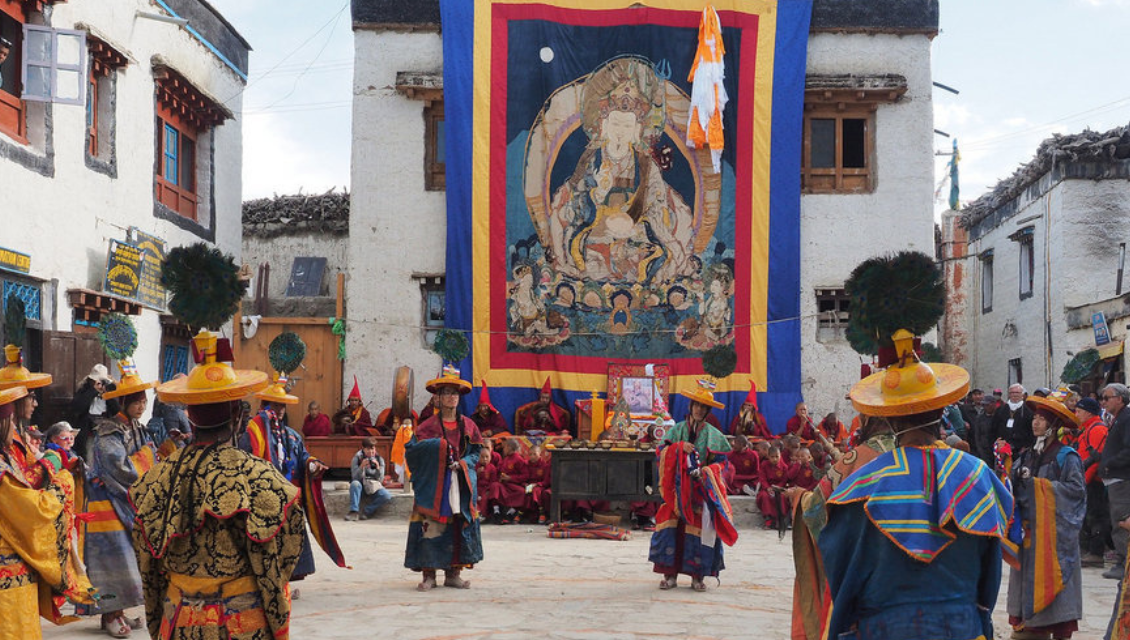
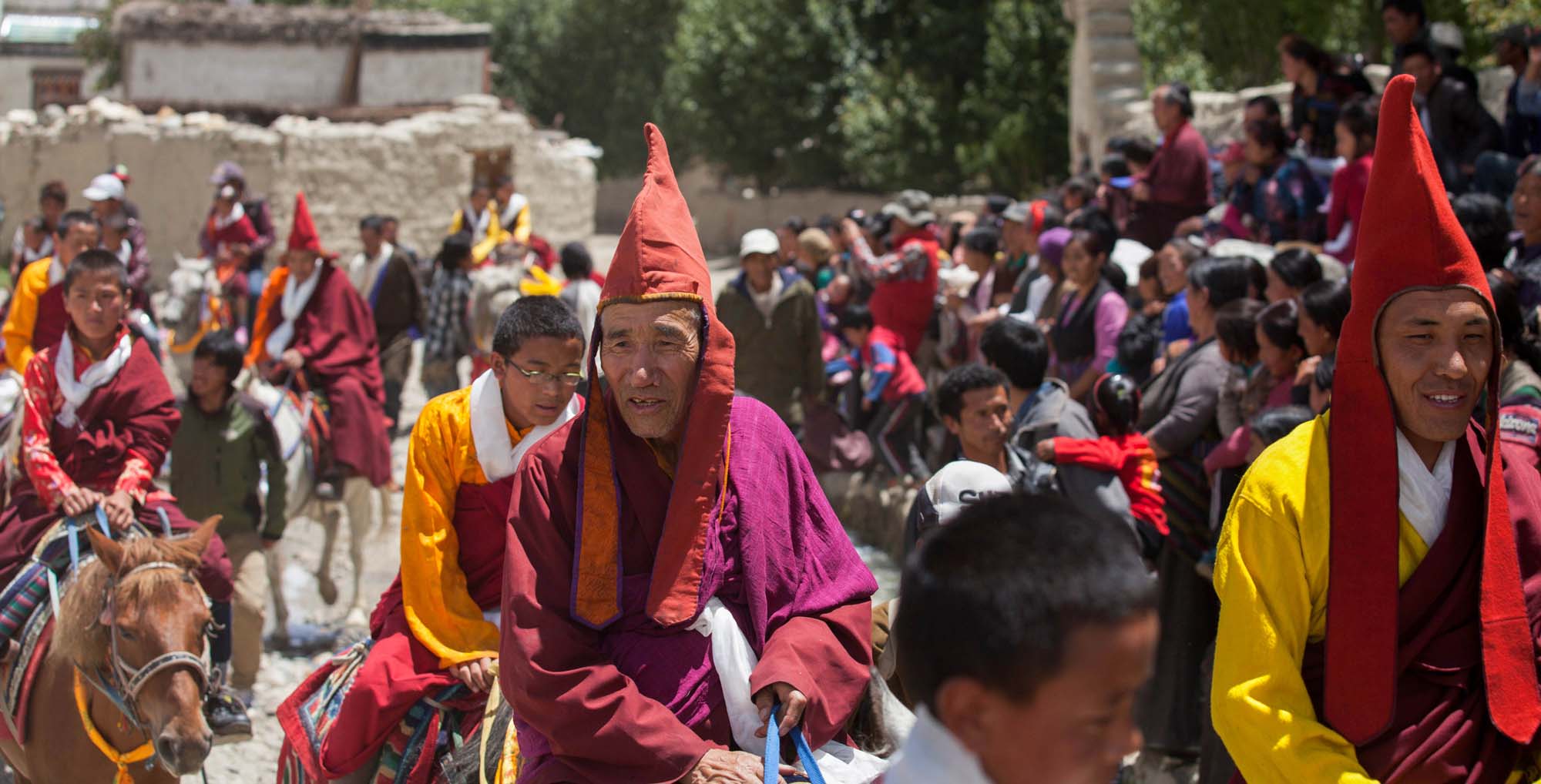
The Langtang–Gosaikunda region is primarily inhabited by Tamang communities, whose culture is deeply rooted in Tibetan Buddhism. Their traditions, language, architecture, and spiritual practices closely reflect Himalayan Buddhist heritage.
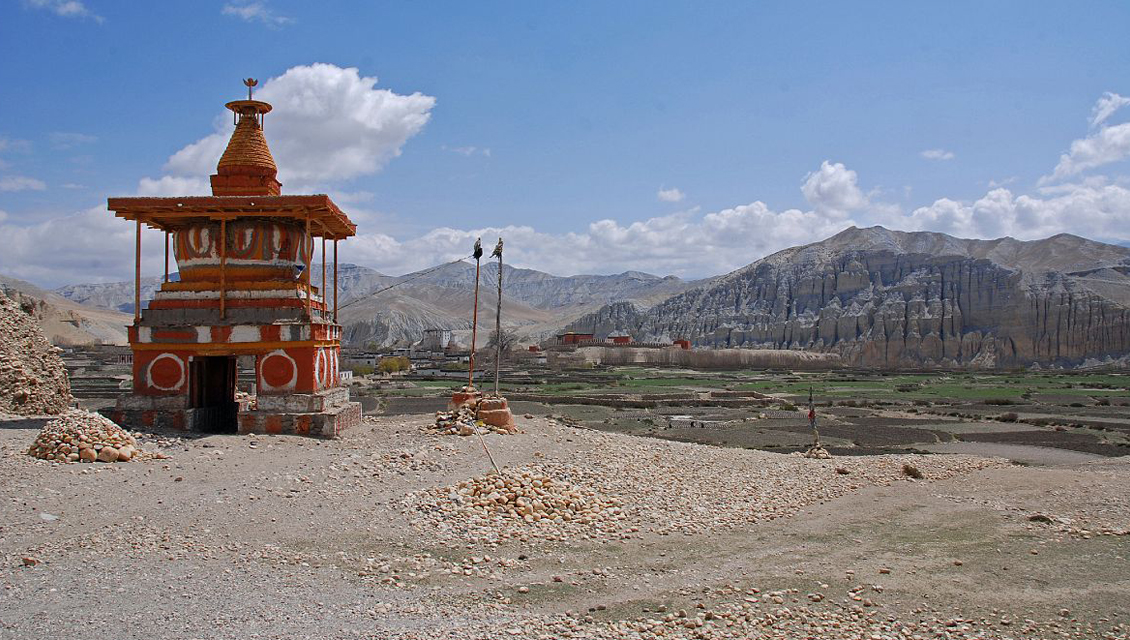
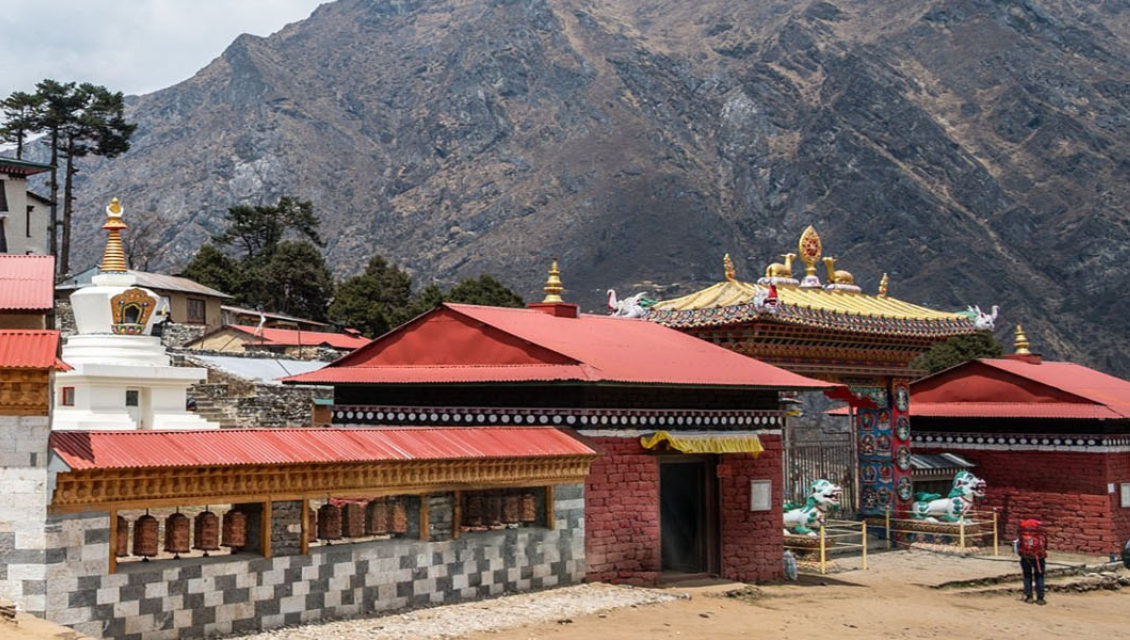
Villages along the route feature stone houses, prayer flags, mani walls, and ancient monasteries that reflect centuries of cultural and religious tradition. Kyanjin Gompa is a key spiritual center in the Langtang Valley, while Gosaikunda Lake holds immense religious significance for Hindus and Buddhists alike.
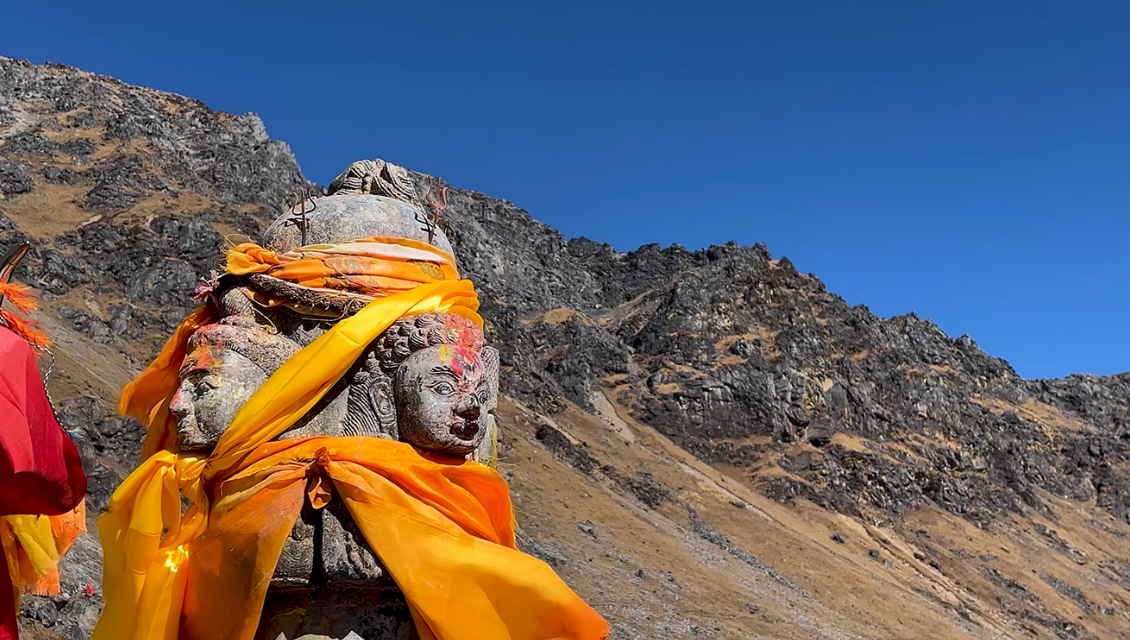
According to legend, Gosaikunda was created by Lord Shiva, and thousands of pilgrims visit the lake during the Janai Purnima festival to perform rituals and take holy baths in its sacred waters.
The combination of spiritual importance, cultural richness, and dramatic Himalayan landscapes makes the Langtang–Gosaikunda Trek one of the most meaningful trekking experiences in Nepal.
Package Highlights:
- Drive to Syabrubesi through hills and river valleys
- Trek Langtang Valley with views of Langtang Lirung
- Explore Tamang villages and Kyanjin Gompa
- Hike to Tserko Ri (~5,000m) for Himalayan views
- Visit sacred Gosaikunda Lake (4,380m) and alpine lakes
- Cross Lauribina La Pass (4,610m)
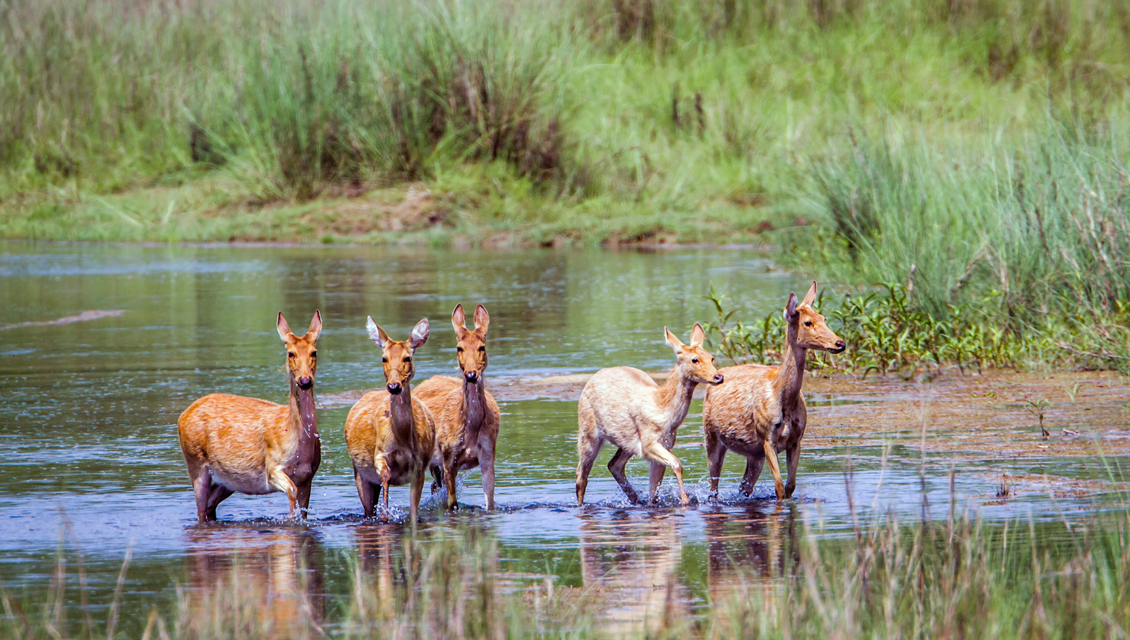
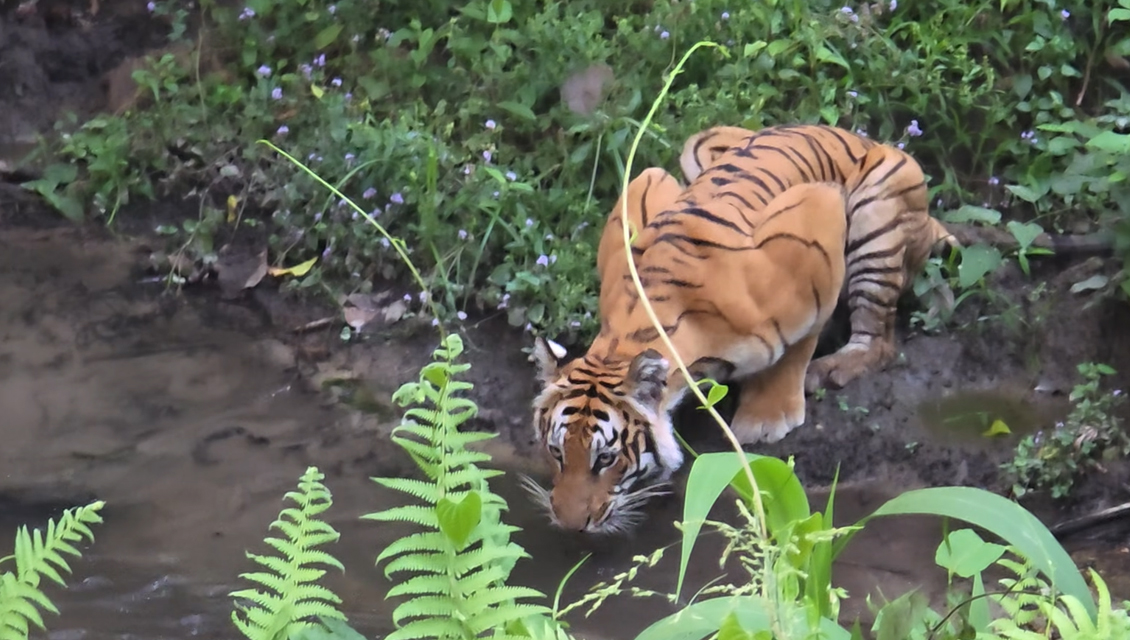
- Wildlife: red panda, Himalayan monal, langur
- Trek through rhododendron forests and Helambu region
- End at Sundarijal scenic forest trail
Book This Trip
Trip Information
 Start : Kathmandu
 Finish : Kathmandu
 Difficulty :
Moderate
Difficulty :
Moderate
 Max Altitude : 4610m
 Group Size : 17 People
 Season : SEP-NOV, MAR-MAY
Trip Gallery



Trip Itinerary
Altitude: 1,400m
We will pick you up from the airport. One of our representatives from Nord Extreme will be there to welcome and assist you upon arrival in Kathmandu. Our team from Nord Extreme will assist you with permit arrangements, trekking briefing, gear checking, and final trip preparation to ensure a safe and comfortable journey ahead.
You will also have free time to explore Thamel for any last-minute shopping or personal preparations before the trek begins.
Accomadation: Hotel
Place to visit: Nepal
Meals: Dinner
Altitude: 1,400m
Activity Duration: 4–6 hours
Today is reserved for final trek preparation and permit arrangements. Your guide will assist with Langtang National Park permits and trip documentation. You can spend the rest of the day shopping for trekking essentials in Thamel, exchanging currency, or exploring Kathmandu’s cultural heritage sites before your Himalayan adventure begins.
Accomadation: Hotel
Place to visit: Nepal
Meals: Breakfast
Altitude: 1,400m – 1,460m
Drive Duration: 7–8 hours
Your trek begins with a scenic drive from Kathmandu through the lush Trishuli Valley. The journey is filled with changing landscapes—from terraced farmland to cascading rivers and distant Himalayan views. You'll pass bustling roadside towns like Trishuli Bazaar and Dhunche before descending to Syabrubesi, a small village nestled at the confluence of the Bhote Koshi and Langtang Khola rivers.
Accomadation: Tea House
Place to visit: Langtang Region
Meals: Breakfast Lunch Dinner
Altitude: 1,460m – 2,470m
Trek Duration: 6 hours
Begin the trek by crossing suspension bridges and following the Langtang Khola through dense subtropical forests filled with oak, maple, rhododendron, and bamboo. This section is rich in wildlife, including langur monkeys, Himalayan birds, and occasionally the elusive red panda. After passing villages like Bamboo and Rimche, arrive at Lama Hotel.
Accomadation: Tea House
Place to visit: Langtang Region
Meals: Breakfast Lunch Dinner
Altitude: 2,470m – 3,430m
Trek Duration: 6 hours
Today’s trail climbs steadily through alpine forest into open meadows. After reaching Ghoda Tabela, continue through yak pastures and glacial valleys toward Langtang Village. Rebuilt after the devastating 2015 earthquake, the village beautifully preserves its traditional Tamang culture and mountain lifestyle.
Accomadation: Tea House
Place to visit: Langtang Region
Meals: Breakfast Lunch Dinner
Altitude: 3,430m – 3,870m
Trek Duration: 3–4 hours
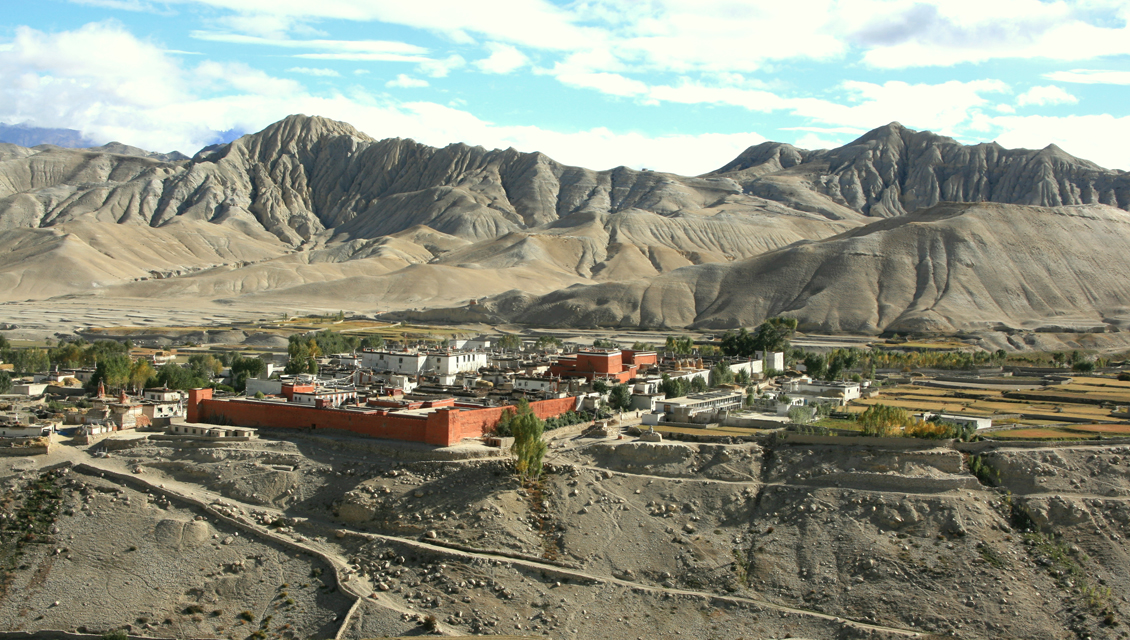
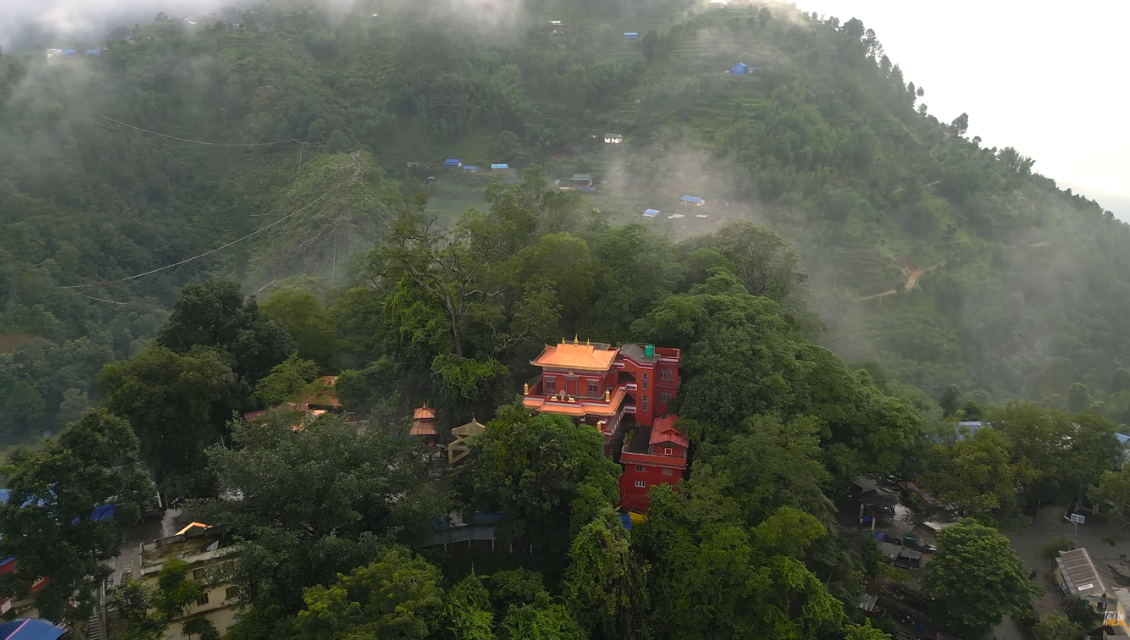
A shorter trekking day leads to Kyanjin Gompa, one of the spiritual and scenic highlights of the Langtang region. The trail passes prayer walls, chortens, and alpine meadows before reaching the beautiful Buddhist village surrounded by glaciers and towering peaks. Explore the monastery and nearby yak cheese factory.
Accomadation: Tea House
Place to visit: Langtang Region
Meals: Breakfast Lunch Dinner
Altitude: 3,870m – 5,000m – 3,870m
Hike Duration: 5–6 hours
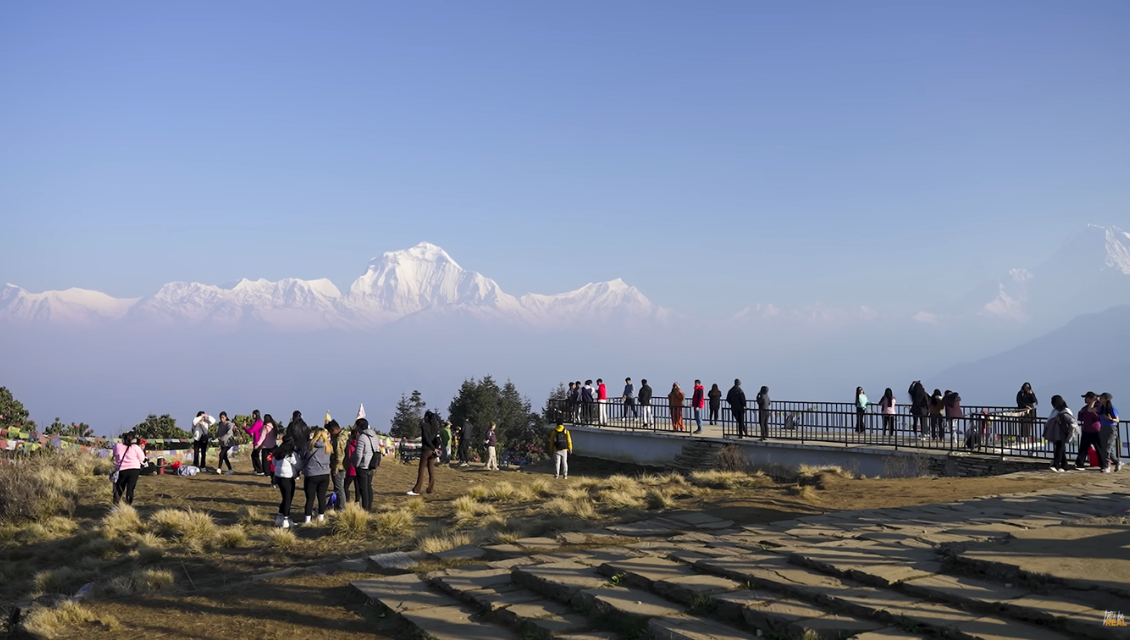
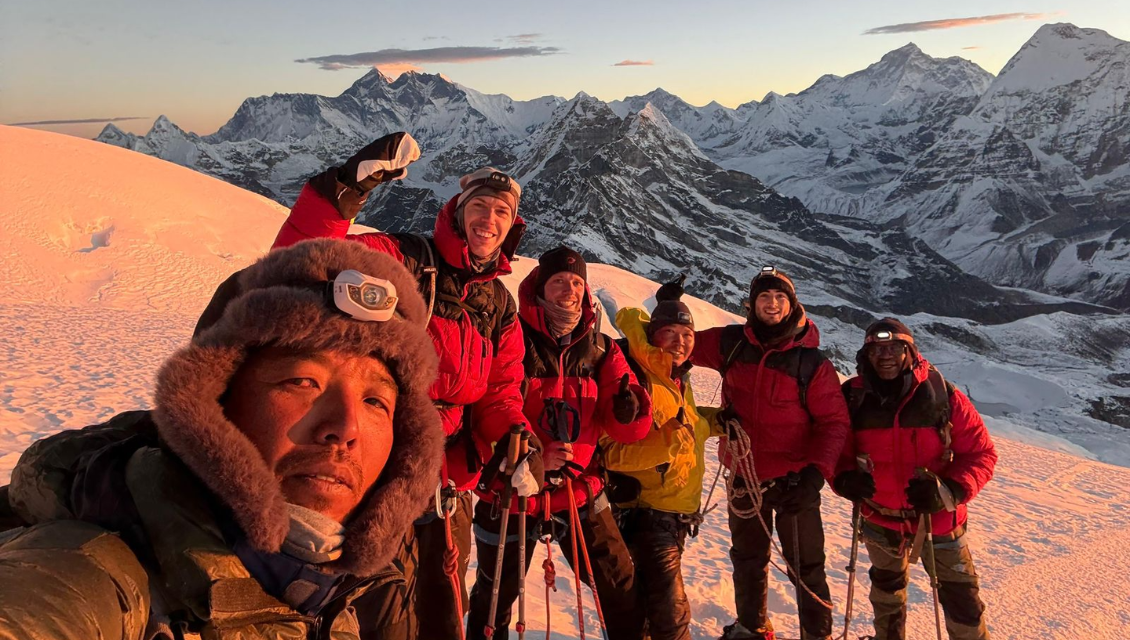
Rise early for a spectacular sunrise hike to Tserko Ri, one of the finest viewpoints in the Langtang region. The steep ascent rewards you with breathtaking panoramic views of Langtang Lirung, Yala Peak, Dorje Lakpa, and surrounding Himalayan ranges. Return to Kyanjin Gompa for overnight rest.
Accomadation: Tea House
Place to visit: Langtang Region
Meals: Breakfast Lunch Dinner
Altitude: 3,870m – 2,470m
Trek Duration: 6–7 hours
Retrace your steps down through Langtang Village and lush forested trails. The descent is easier but long, allowing you to enjoy different perspectives of the landscapes and mountain scenery.
Accomadation: Tea House
Place to visit: Langtang Region
Meals: Breakfast Lunch Dinner
Altitude: 2,470m – 2,250m
Trek Duration: 6 hours
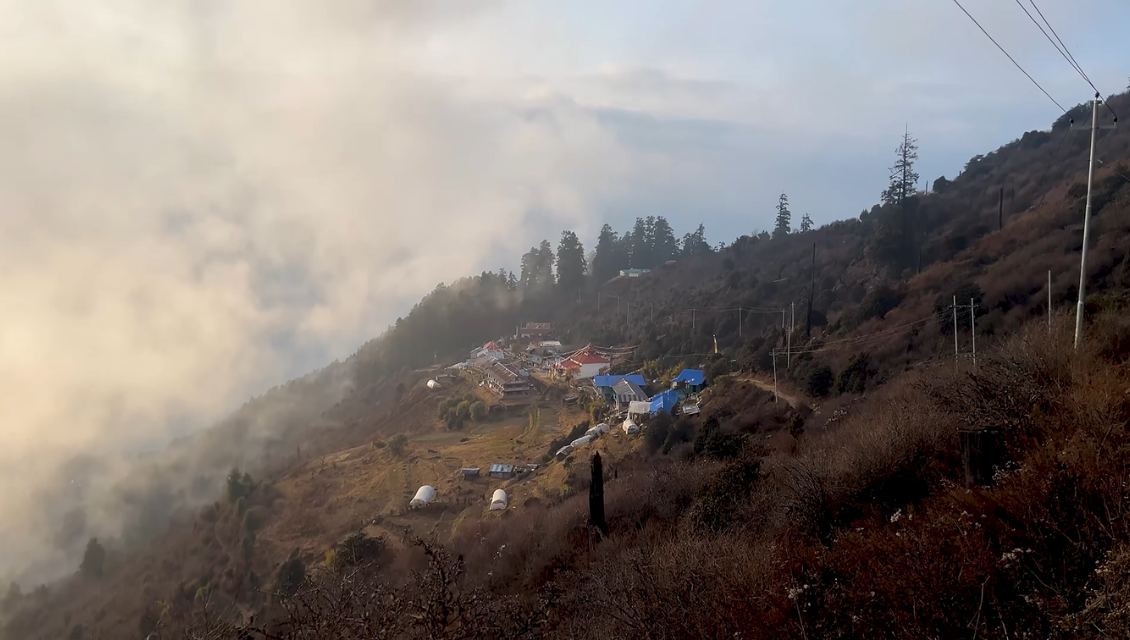
From Lama Hotel, follow a lesser-used trail toward Thulo Syabru, a culturally rich Tamang village perched on a steep hillside. The route involves both descent and ascent through terraced farmland and scattered settlements, offering beautiful views of Ganesh Himal.
Accomadation: Tea House
Place to visit: Langtang Region
Meals: Breakfast Lunch Dinner
Altitude: 2,250m – 3,330m
Trek Duration: 5 hours
The trail ascends through peaceful pine and rhododendron forests toward Sing Gompa, also known as Chandanbari. This quiet mountain settlement is famous for its monastery and traditional yak cheese factory operated by local monks.
Accomadation: Tea House
Place to visit: Langtang Region
Meals: Breakfast Lunch Dinner
Altitude: 3,330m – 4,380m
Trek Duration: 6 hours
Today’s trek climbs above the treeline into rugged alpine terrain. Enjoy dramatic mountain scenery and views of Langtang Himal and Ganesh Himal before reaching the sacred lakes of Gosaikunda, believed in Hindu mythology to have been created by Lord Shiva.
Accomadation: Tea House
Place to visit: Langtang Region
Meals: Breakfast Lunch Dinner
Altitude: 4,380m – 4,610m – 3,440m
Trek Duration: 7–8 hours
This is the most challenging and rewarding day of the trek. Begin early to cross the dramatic Laurebina La Pass, offering breathtaking Himalayan views. The long descent passes through alpine terrain, rocky paths, and dense forests before reaching Ghopte.
Accomadation: Tea House
Place to visit: Langtang Region
Meals: Breakfast Lunch Dinner
Altitude: 3,440m – 2,470m
Trek Duration: 6 hours
Continue trekking through peaceful ridgelines, rhododendron forests, and isolated settlements. The trail offers beautiful hill scenery and occasional mountain views before arriving at Kutumsang.
Accomadation: Tea House
Place to visit: Langtang Region
Meals: Breakfast Lunch Dinner
Altitude: 2,470m – 2,165m
Trek Duration: 6 hours
Enjoy a pleasant day of trekking through pine forests, terraced farmland, and traditional villages. Chisapani offers excellent views of the Helambu hills and distant Kathmandu Valley.
Accomadation: Tea House
Place to visit: Langtang Region
Meals: Breakfast Lunch Dinner
Altitude: 2,165m – 1,350m – 1,400m
Trek Duration: 4 hours
Drive Duration: 1 hour
Descend through Shivapuri National Park, a protected forest rich in birdlife and natural beauty. After reaching Sundarijal, drive back to Kathmandu and enjoy a comfortable hotel stay with a warm meal to celebrate the completion of your trek.
Accomadation: Hotel
Place to visit: Nepal
Meals: Breakfast Lunch Dinner
Today marks the end of your journey in Nepal. After breakfast, our team from Nord Extreme will transfer you to Tribhuvan International Airport for your final departure.
We hope you had a wonderful trekking experience in Nepal and wish you a safe journey ahead.
Place to visit: Nepal
Meals: Breakfast
Cost Includes
1. Transportations
- Private/tourist vehicles for airport pickup and drop-off in Kathmandu.
- Private/tourist vehicles transfer as per itinerary to access the trailheads.
2. Accommodation & Meals
- 3 Nights 3 star hotel in Kathmandu with bed & breakfast basis.
- All Meals (breakfast, lunch & dinner with tea & coffee) during the trekking Period.
3. Permits
- Langtang National Park entry permits.
- Local government entry permits.
- Trekkers' Information Management System (TIMS) permits.
4. Guide & Staff
- Professional and experience License holder trekking guide salary & insurance.
- Porter salary, equipments & insurance.
- First aid medical kit for emergency support.
1. Transportations
- Private/tourist vehicles for airport pickup and drop-off in Kathmandu.
- Private/tourist vehicles transfer as per itinerary to access the trailheads.
2. Accommodation & Meals
- 3 Nights 3 star hotel in Kathmandu with bed & breakfast basis.
- All Meals (breakfast, lunch & dinner with tea & coffee) during the trekking Period.
3. Permits
- Langtang National Park entry permits.
- Local government entry permits.
- Trekkers' Information Management System (TIMS) permits.
4. Guide & Staff
- Professional and experience License holder trekking guide salary & insurance.
- Porter salary, equipments & insurance.
- First aid medical kit for emergency support.
Cost Excludes
1. International Flights
- Airfare from your home country to Nepal (Tribhuvan International Airport, Kathmandu).
- Return airfare from Nepal (Tribhuvan International Airport, Kathmandu) to your home country.
2. Visa Fees
- Nepal entry visa fee for entering Nepal (available on arrival at Tribhuvan International Airport, Kathmandu, or through a Nepalese embassy).
3. Travel Insurance (Mandatory)
- Comprehensive travel insurance covering high-altitude trekking, emergency medical treatment, helicopter evacuation, trip cancellation, and other unforeseen circumstances.
4. Personal Expenses
- Tips, gifts, and souvenirs for trekking guides and porters.
- Personal trekking equipment and gear.
- Charges for lodge Wi-Fi, hot showers, battery charging, and laundry services.
5. Meals & Beverages
- Lunch and dinner in Kathmandu, Pokhara, and other locations where accommodation is provided in 3-star category hotels.
- Soft drinks, bottled water, alcoholic beverages, and snacks consumed during meals
1. International Flights
- Airfare from your home country to Nepal (Tribhuvan International Airport, Kathmandu).
- Return airfare from Nepal (Tribhuvan International Airport, Kathmandu) to your home country.
2. Visa Fees
- Nepal entry visa fee for entering Nepal (available on arrival at Tribhuvan International Airport, Kathmandu, or through a Nepalese embassy).
3. Travel Insurance (Mandatory)
- Comprehensive travel insurance covering high-altitude trekking, emergency medical treatment, helicopter evacuation, trip cancellation, and other unforeseen circumstances.
4. Personal Expenses
- Tips, gifts, and souvenirs for trekking guides and porters.
- Personal trekking equipment and gear.
- Charges for lodge Wi-Fi, hot showers, battery charging, and laundry services.
5. Meals & Beverages
- Lunch and dinner in Kathmandu, Pokhara, and other locations where accommodation is provided in 3-star category hotels.
- Soft drinks, bottled water, alcoholic beverages, and snacks consumed during meals
Trip Date And Time
We'll Be There, Like We've Been There Before
|
Start |
End |
Trip Cost |
Action |
Enquire |
|---|---|---|---|---|
| 11 Nov, 2026 | 26 Nov, 2026 | 1655 | Book Now | |
| 03 Nov, 2026 | 18 Nov, 2026 | 1655 | Book Now | |
| 28 Oct, 2026 | 12 Nov, 2026 | 1655 | Book Now | |
| 20 Oct, 2026 | 04 Nov, 2026 | 1655 | Book Now | |
| 12 Oct, 2026 | 27 Oct, 2026 | 1655 | Book Now | |
| 04 Oct, 2026 | 19 Oct, 2026 | 1655 | Book Now | |
| 28 Sep, 2026 | 13 Oct, 2026 | 1655 | Book Now | |
| 21 Sep, 2026 | 06 Oct, 2026 | 1655 | Book Now | |
| 13 Sep, 2026 | 28 Sep, 2026 | 1655 | Book Now | |
| 06 Sep, 2026 | 21 Sep, 2026 | 1655 | Book Now | |
| 27 Aug, 2026 | 11 Sep, 2026 | 1655 | Book Now |
Essential Information
Accommodation
Accommodation is provided in teahouses and mountain lodges throughout the trekking route.
Lower sections such as Syabrubesi, Lama Hotel, and Langtang Village offer comfortable teahouses with basic facilities. Higher settlements including Kyanjin Gompa, Lauribina, and Gosaikunda provide more basic accommodation due to altitude and remoteness.
Rooms are generally twin-sharing with simple bedding and shared bathroom facilities.
Meals
A full-board meal system (Breakfast, Lunch, and Dinner) is available throughout the trek.
Meals are freshly prepared and designed to provide sufficient energy for high-altitude trekking.
Typical menu options include:
- Traditional Dal Bhat set meals
- Noodles, pasta, and fried rice
- Soups, potatoes, and seasonal vegetables
- Eggs, Tibetan bread, pancakes, and porridge
- Tea, coffee, and hot beverages
Food variety becomes more limited at higher elevations near Gosaikunda.
Difficulty & Physical Requirements
The Langtang Gosaikunda Trek is classified as moderate to strenuous, suitable for trekkers with good physical fitness and some prior hiking experience.
Daily trekking ranges from 5 to 8 hours, with significant elevation gain and challenging mountain terrain.
The most demanding section is the crossing of Lauribina Pass (4,610m), which requires endurance and proper acclimatization.
No technical climbing is required.
Permits
Required permits include:
- Langtang National Park Entry Permit
- TIMS Card (Trekkers’ Information Management System)
All permits are generally arranged by the trekking operator.
Best Season
- Spring (March–May): Rhododendron blooms, stable weather, and excellent mountain views
- Autumn (September–November): Clear skies and ideal trekking conditions
- Winter (December–February): Snow-covered landscapes and fewer trekkers
- Monsoon (June–August): Not recommended due to rainfall, landslides, and poor visibility
Accommodation
Accommodation is provided in teahouses and mountain lodges throughout the trekking route.
Lower sections such as Syabrubesi, Lama Hotel, and Langtang Village offer comfortable teahouses with basic facilities. Higher settlements including Kyanjin Gompa, Lauribina, and Gosaikunda provide more basic accommodation due to altitude and remoteness.
Rooms are generally twin-sharing with simple bedding and shared bathroom facilities.
Meals
A full-board meal system (Breakfast, Lunch, and Dinner) is available throughout the trek.
Meals are freshly prepared and designed to provide sufficient energy for high-altitude trekking.
Typical menu options include:
- Traditional Dal Bhat set meals
- Noodles, pasta, and fried rice
- Soups, potatoes, and seasonal vegetables
- Eggs, Tibetan bread, pancakes, and porridge
- Tea, coffee, and hot beverages
Food variety becomes more limited at higher elevations near Gosaikunda.
Difficulty & Physical Requirements
The Langtang Gosaikunda Trek is classified as moderate to strenuous, suitable for trekkers with good physical fitness and some prior hiking experience.
Daily trekking ranges from 5 to 8 hours, with significant elevation gain and challenging mountain terrain.
The most demanding section is the crossing of Lauribina Pass (4,610m), which requires endurance and proper acclimatization.
No technical climbing is required.
Permits
Required permits include:
- Langtang National Park Entry Permit
- TIMS Card (Trekkers’ Information Management System)
All permits are generally arranged by the trekking operator.
Best Season
- Spring (March–May): Rhododendron blooms, stable weather, and excellent mountain views
- Autumn (September–November): Clear skies and ideal trekking conditions
- Winter (December–February): Snow-covered landscapes and fewer trekkers
- Monsoon (June–August): Not recommended due to rainfall, landslides, and poor visibility
Transportation & Access
The trek begins with a scenic drive from Kathmandu to Syabrubesi, the main gateway to the Langtang region.
The route ascends through Langtang Valley to Kyanjin Gompa before crossing toward the sacred Gosaikunda region and eventually descending through Helambu or Dhunche depending on the itinerary.
Safety & Acclimatization
The trek reaches elevations above 4,600 meters, making proper acclimatization essential.
Important safety considerations include:
- Gradual ascent through Langtang Valley
- Acclimatization at Kyanjin Gompa
- Monitoring symptoms of Acute Mountain Sickness (AMS)
- Proper hydration and pacing
- Weather assessment before crossing Lauribina Pass
Professional guides provide support for navigation, health monitoring, and emergency response.
Travel Insurance
Comprehensive travel insurance is highly recommended and should include:
- High-altitude trekking coverage (up to at least 5,000m)
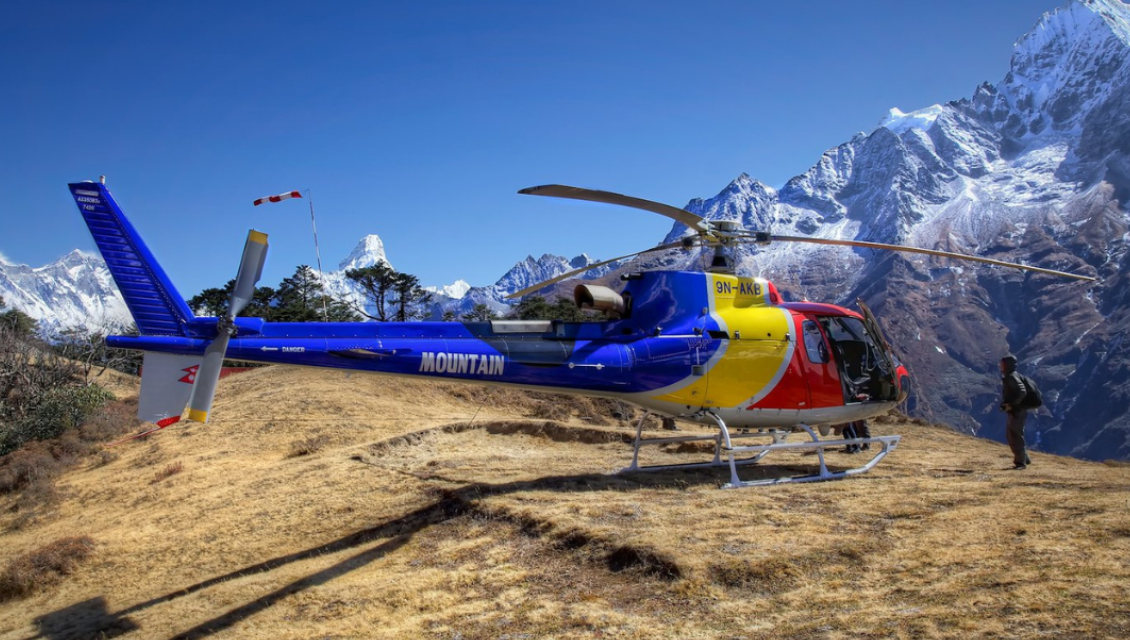
- Emergency helicopter evacuation
- Medical treatment and hospitalization
- Trip cancellation and accident coverage
Additional Information
Guide & Porter Services
Experienced licensed guides are recommended for safety, route management, and cultural interpretation.
Porters assist with carrying luggage, allowing trekkers to travel comfortably with a light daypack.
Cultural & Natural Highlights
The Langtang Gosaikunda Trek offers a remarkable combination of nature, culture, and spirituality:
- Sacred alpine lakes of Gosaikunda Lake
- Traditional Tamang and Tibetan-influenced villages
- Spectacular Langtang Valley scenery
- Ancient Buddhist monasteries and chortens
- Panoramic views of Langtang Lirung, Ganesh Himal, and Dorje Lakpa
- Diverse ecosystems within Langtang National Park
- High mountain pass crossing at Lauribina Pass
- Important Hindu pilgrimage destination during Janai Purnima Festival
Essential Equipment
Recommended trekking gear includes:
- High-quality trekking boots
- Layered clothing system
- Warm down jacket (-15°C to -20°C recommended)
- Waterproof jacket and trousers
- Gloves, thermal hat, buff, and sunglasses
- Trekking poles
- Sleeping bag suitable for high-altitude conditions
- Daypack (30–40L)
- Personal first aid kit and essential medications
Communication & Connectivity
Mobile network coverage is available in lower villages but becomes limited at higher elevations.
Wi-Fi services are available in some teahouses for an additional cost, although connectivity can be unreliable in remote mountain areas.
Why Choose the Langtang Gosaikunda Trek?
The Langtang Gosaikunda Trek is an excellent choice for trekkers seeking a combination of adventure, culture, and spirituality:
- Combines Langtang Valley and Gosaikunda Lakes in a single journey
- Sacred pilgrimage destination with deep religious significance
- Stunning alpine lakes and mountain landscapes
- Rich Tamang and Buddhist cultural heritage
- Challenging but achievable high-altitude trekking experience
- Less crowded than Everest and Annapurna trekking routes
- Exceptional biodiversity within Langtang National Park
- Spectacular Himalayan panoramas throughout the trek
- Ideal for trekkers seeking both cultural immersion and mountain adventure
- One of Nepal’s most diverse and rewarding trekking experiences
USD 1655 / person
See group booking discount- No. of person Price per person
- 1 USD 1655.00
- 2-3 USD 1190.00
- 4-7 USD 1150.00
- 8-12 USD 1025.00
- 13-17 USD 990.00
The price may varies
Speak to an Expert