Budget
USD 1490
Per Person
Rating
4 Reviews
Duration
10 Days
Trip Overview
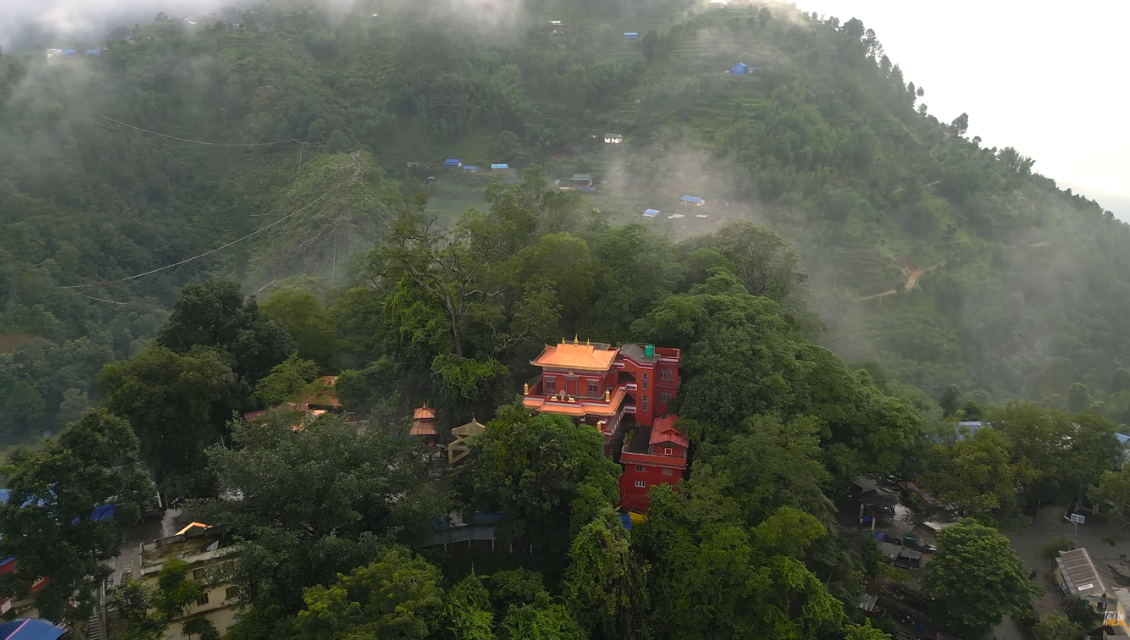
The Lapchi Kang Trek is one of Nepal’s most remote and spiritually significant Himalayan journeys, leading into the sacred Lapchi region near the Tibetan border in eastern Nepal. This trek is deeply associated with Tibetan Buddhism and meditation traditions, especially the legacy of Milarepa, one of Tibet’s most revered yogis who is believed to have meditated in the Lapchi caves.
Unlike commercial trekking routes, Lapchi Kang offers a true pilgrimage experience with extreme isolation, raw mountain landscapes, and ancient spiritual sites. The journey is ideal for experienced trekkers and spiritual seekers looking for silence, solitude, and deep cultural immersion.
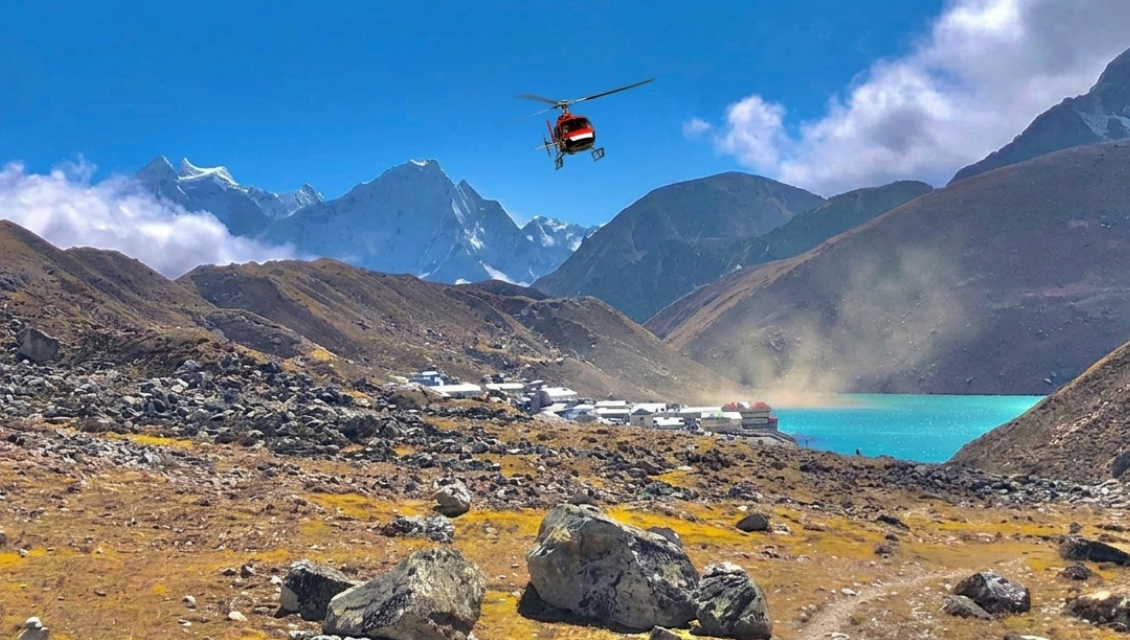
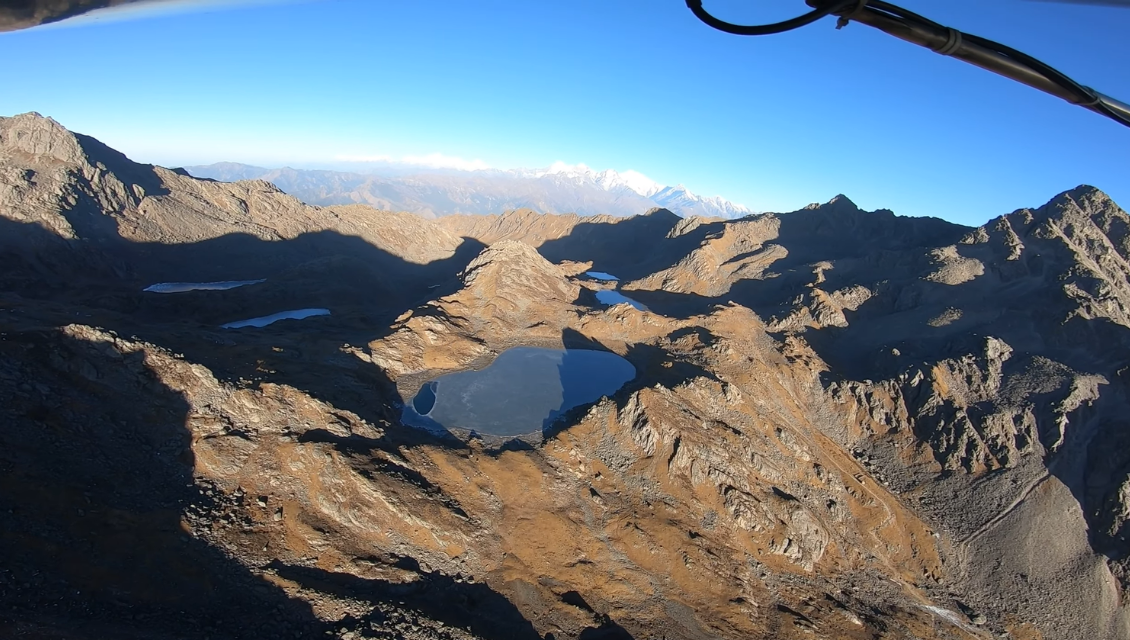
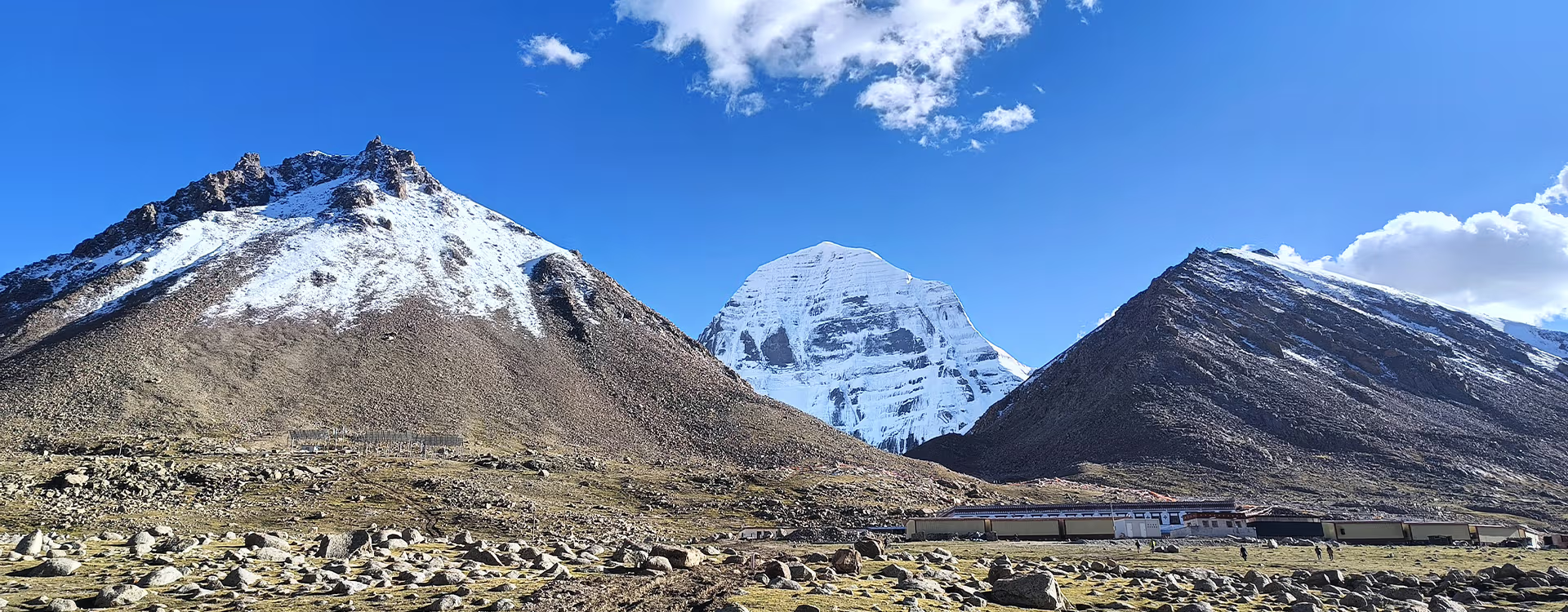
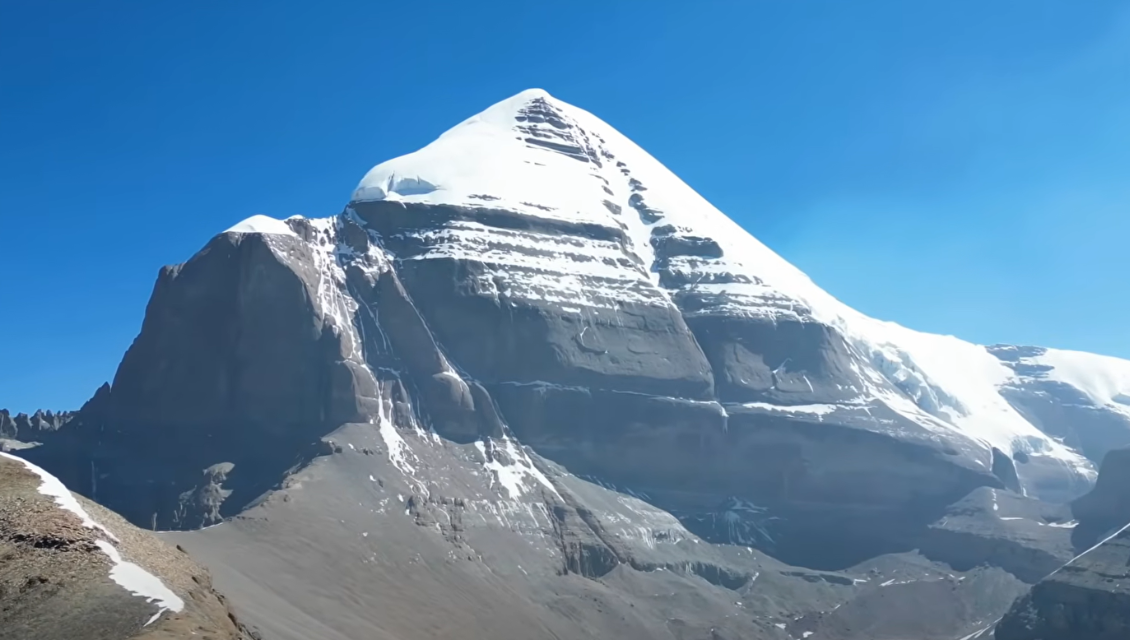
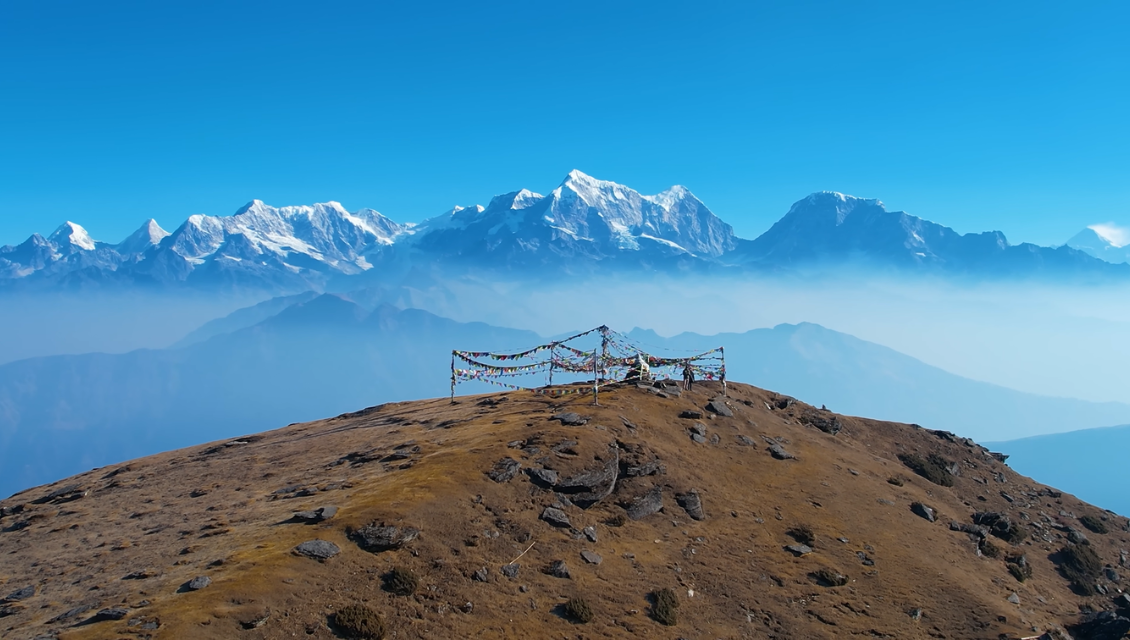
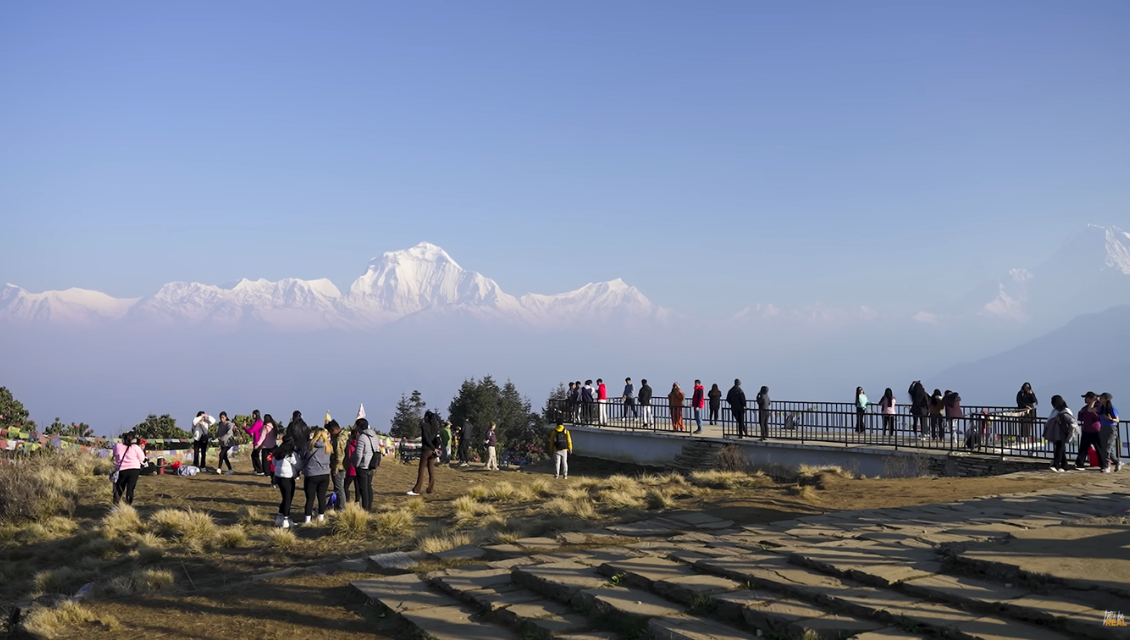
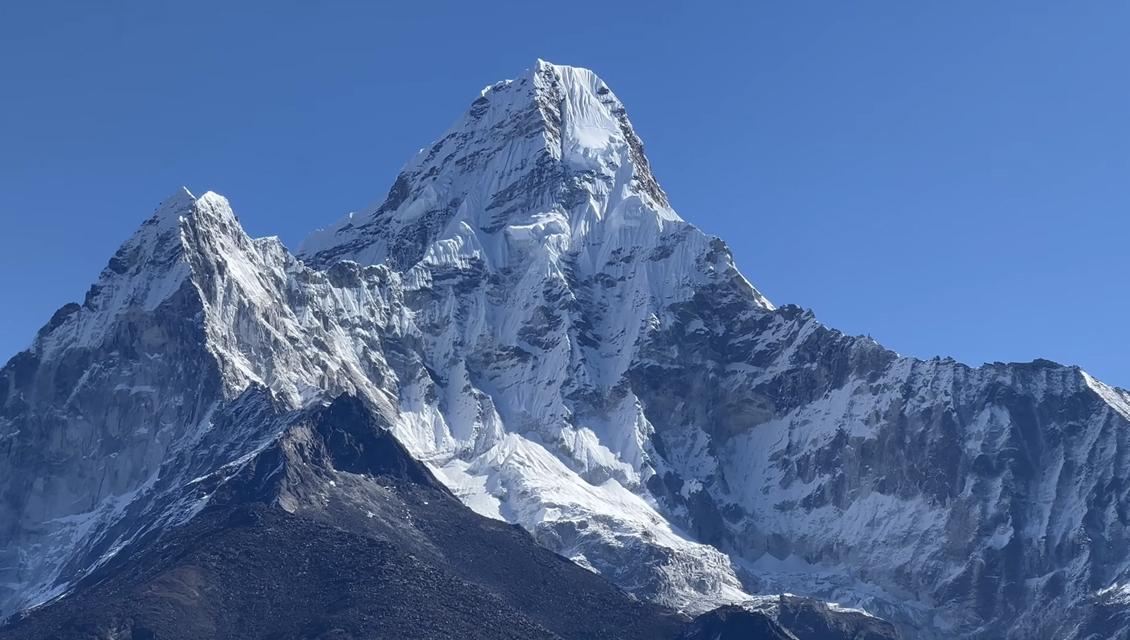
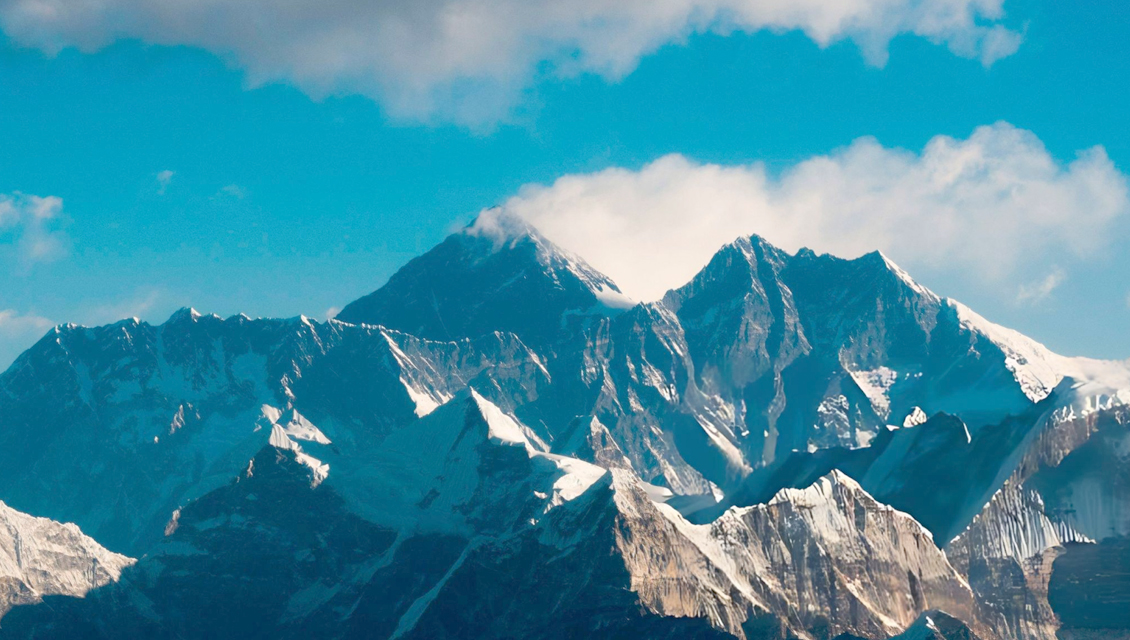
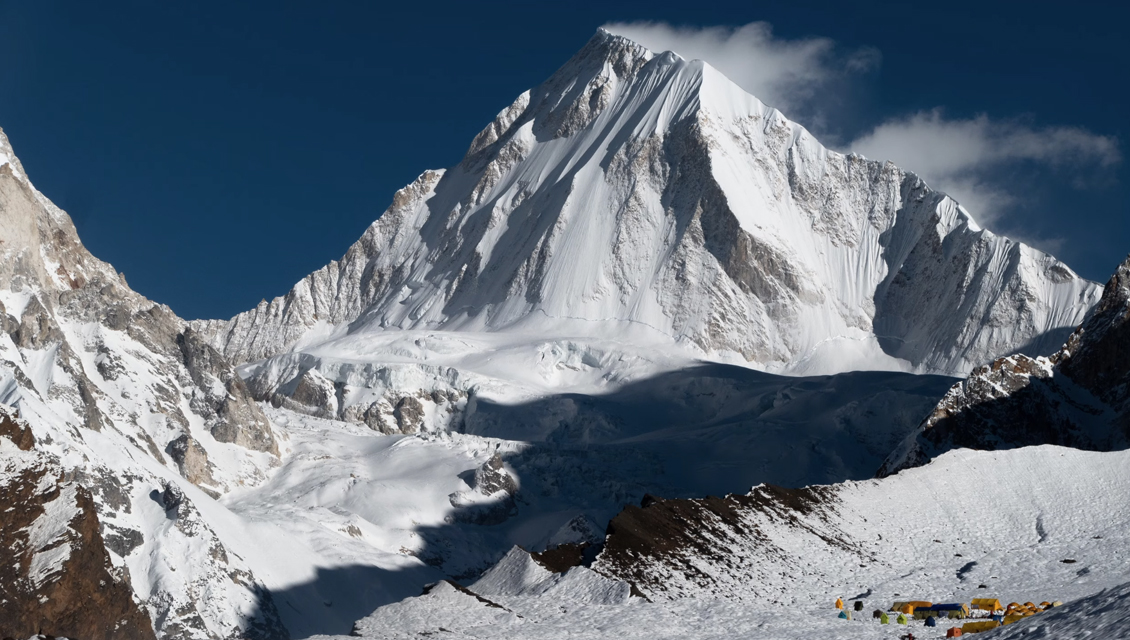
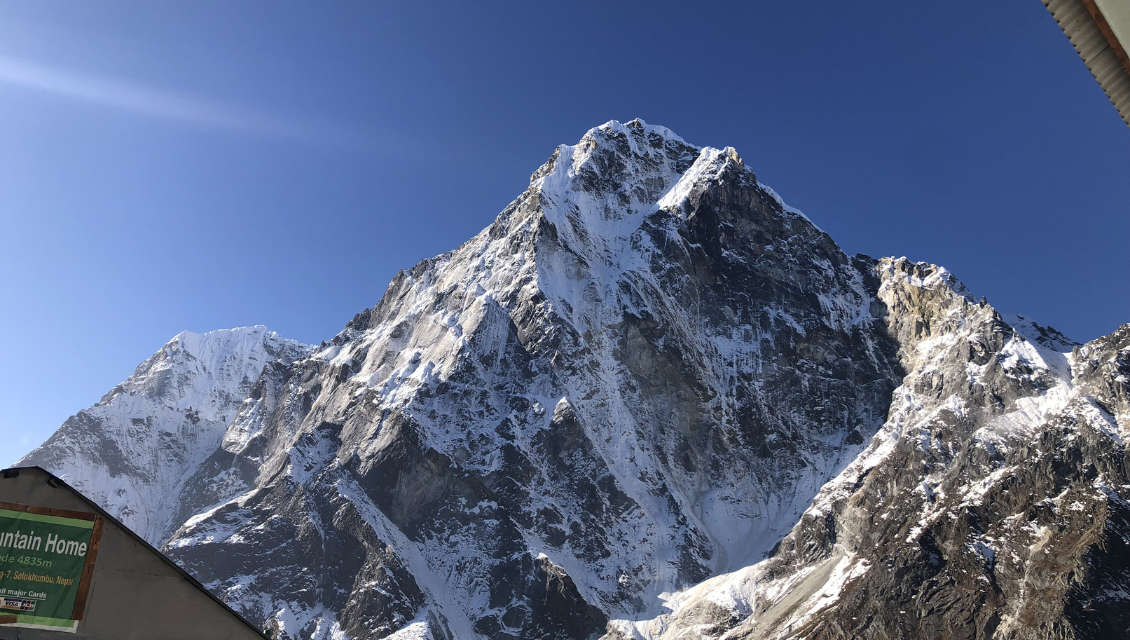
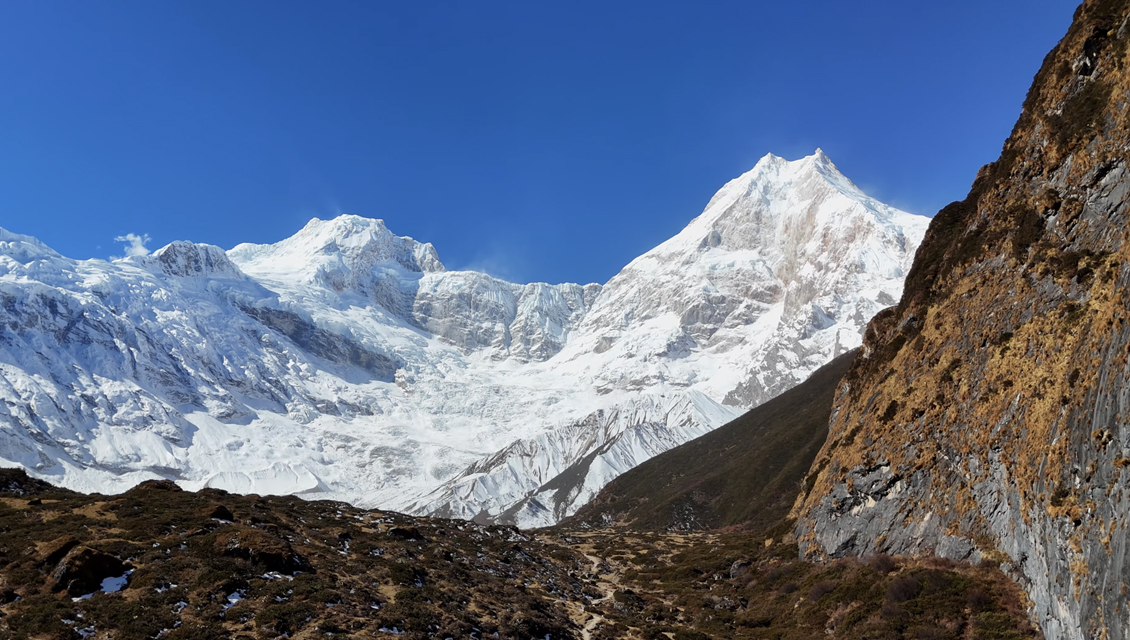
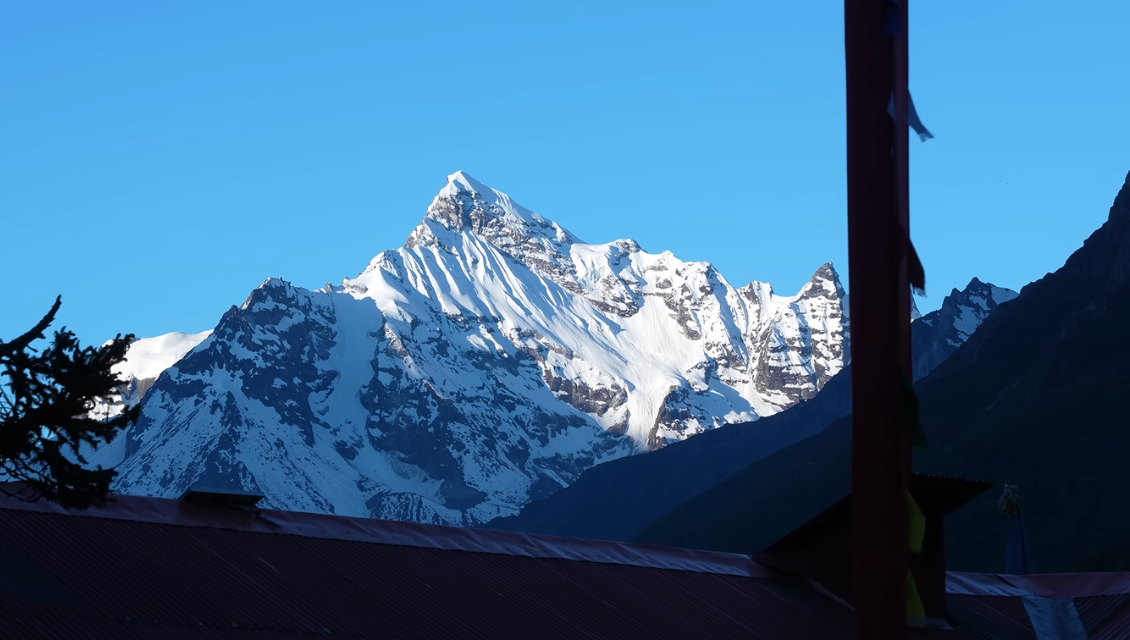
The region offers dramatic Himalayan scenery with views of peaks such as Gauri Shankar, Melungtse, and surrounding ranges of the Rolwaling Himal. The trek combines wilderness adventure with profound spiritual significance, making it one of Nepal’s most unique hidden trails.
Geography and Landscape
The Lapchi Kang Trek is located in the eastern Himalayan region of Nepal within the Rolwaling–Tingri border zone, near the Tibet Autonomous Region. The route passes through remote valleys and high-altitude terrain within or adjacent to the conservation landscape of Gaurishankar Conservation Area.
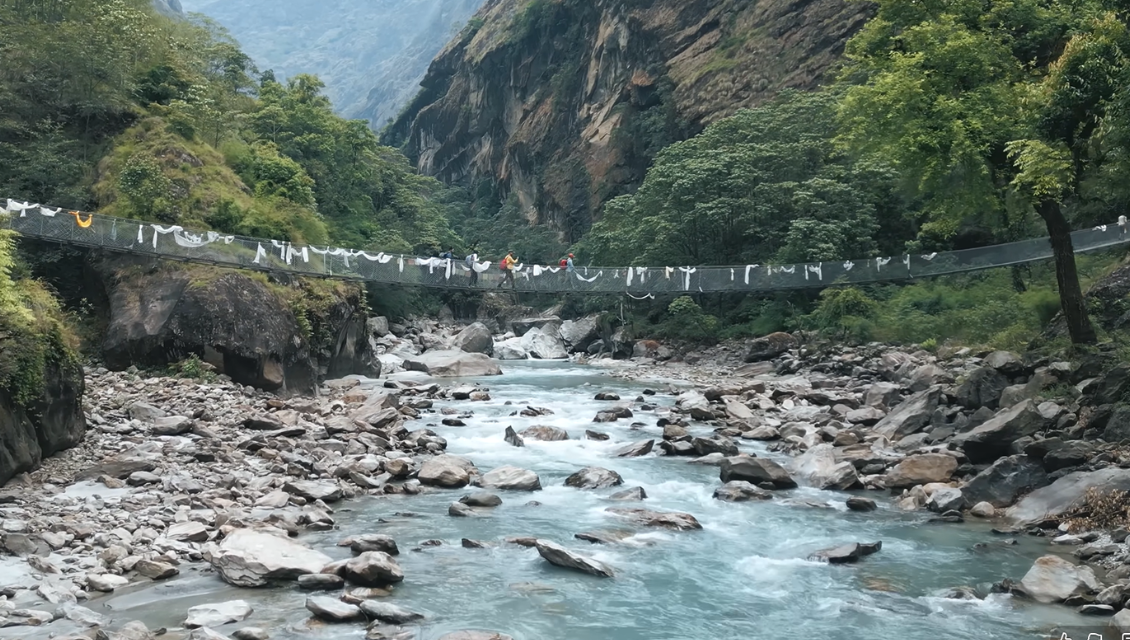
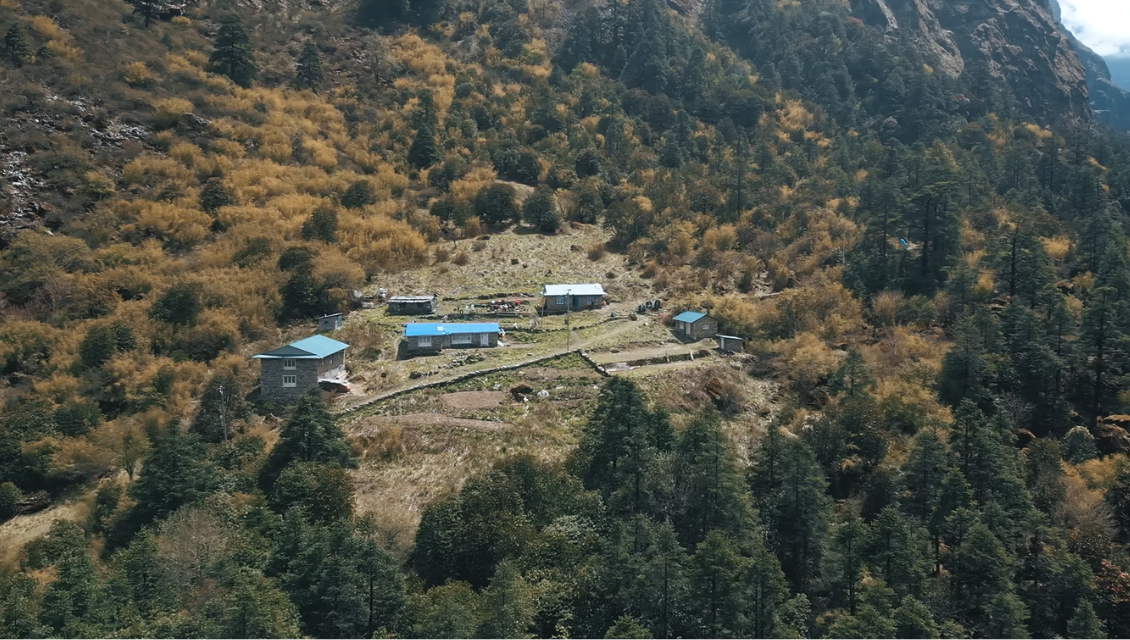
The journey typically begins with a drive from Kathmandu to the Rolwaling or Dolakha region, followed by trekking through rugged valleys, river gorges, and isolated settlements. The lower sections feature terraced fields, forests of pine and rhododendron, and small Tamang villages.
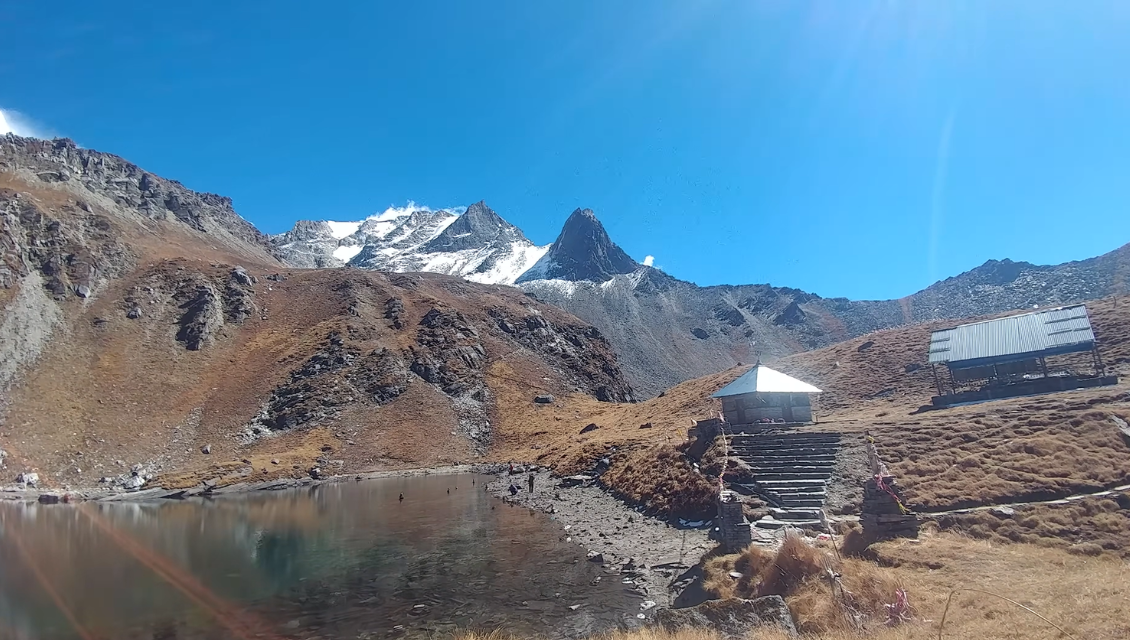
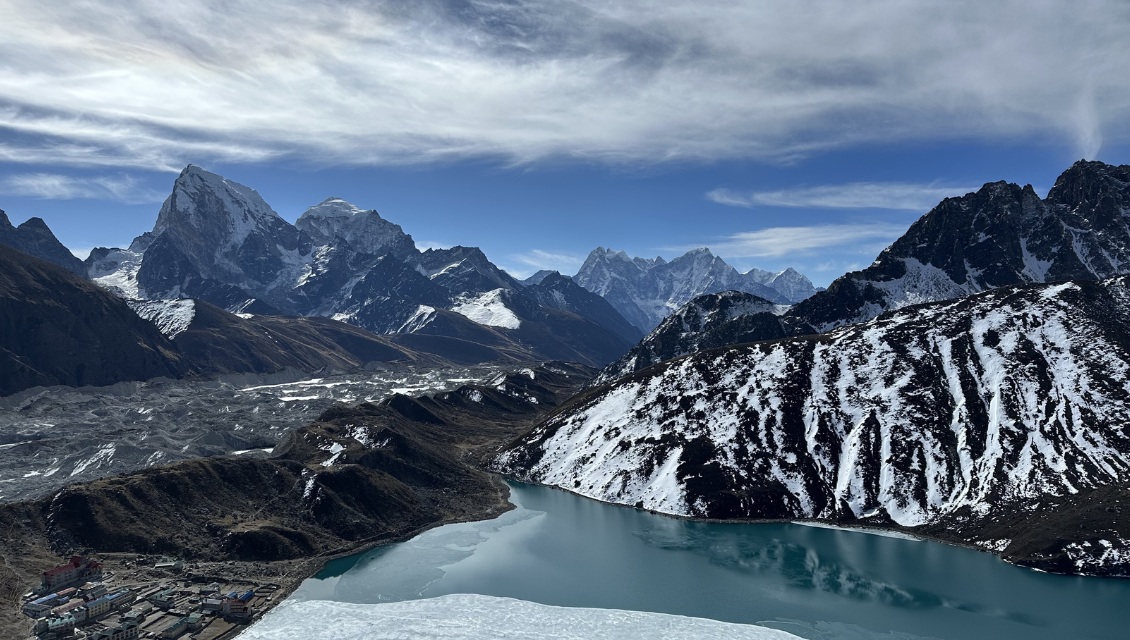
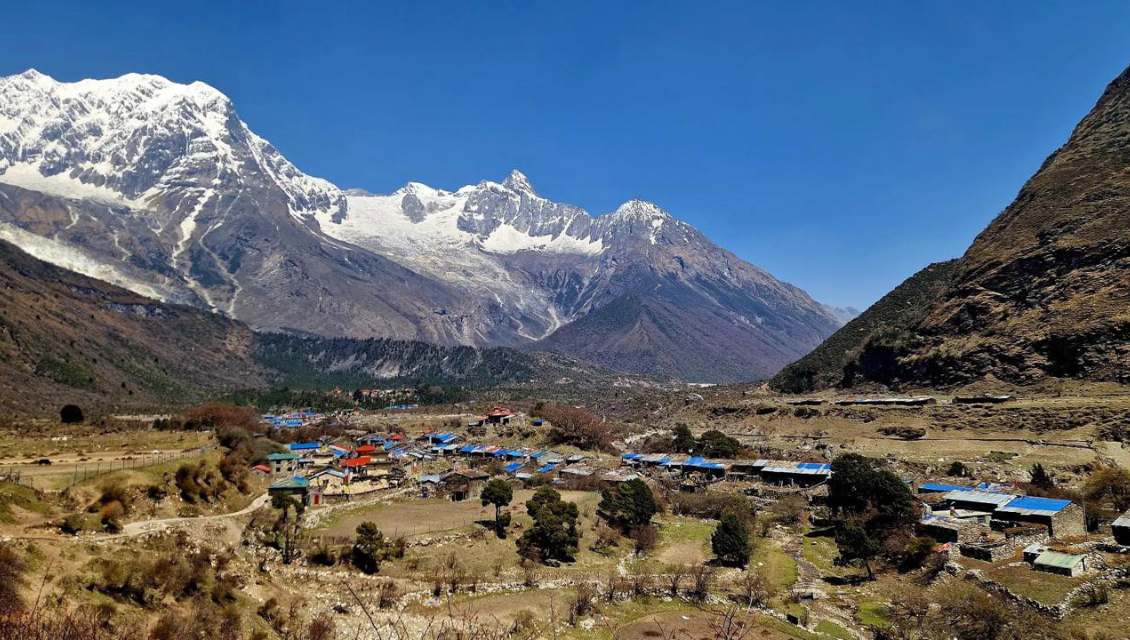
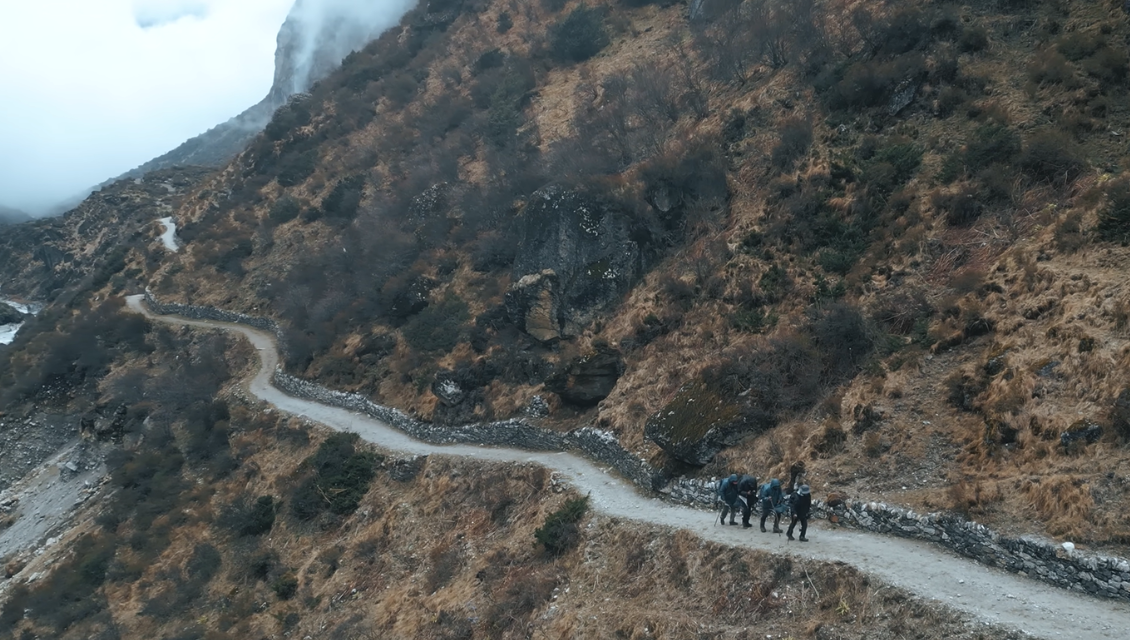
As the trail ascends, the landscape becomes increasingly harsh and alpine. Deep valleys open into wide glacial basins surrounded by rocky cliffs and snow-covered peaks. The terrain is less developed and more natural, with limited infrastructure, making it a true wilderness experience.
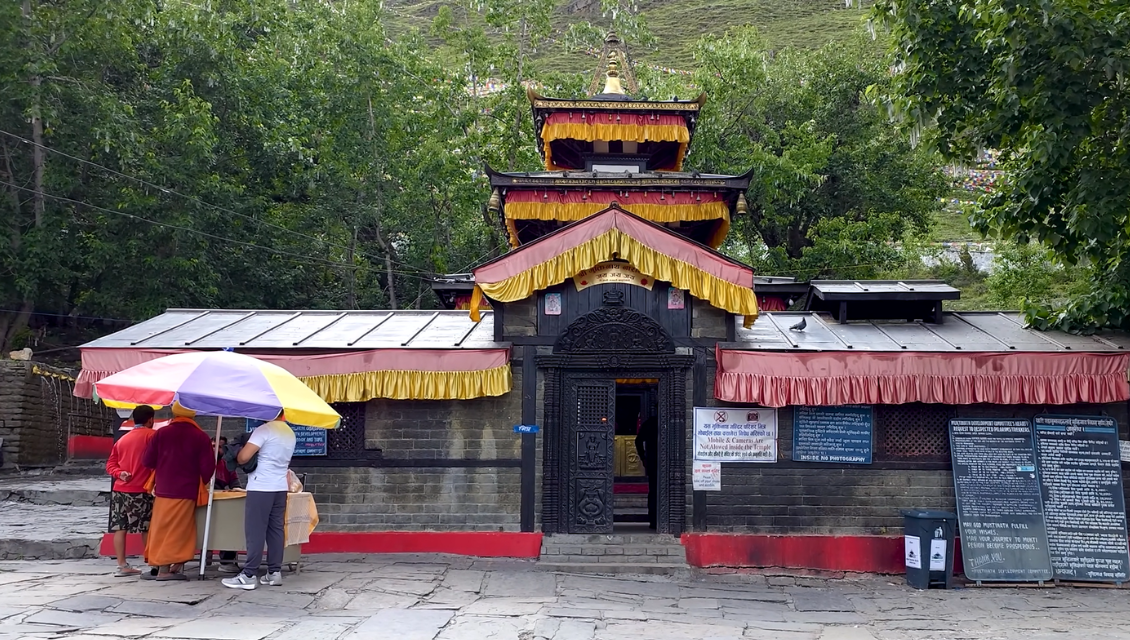
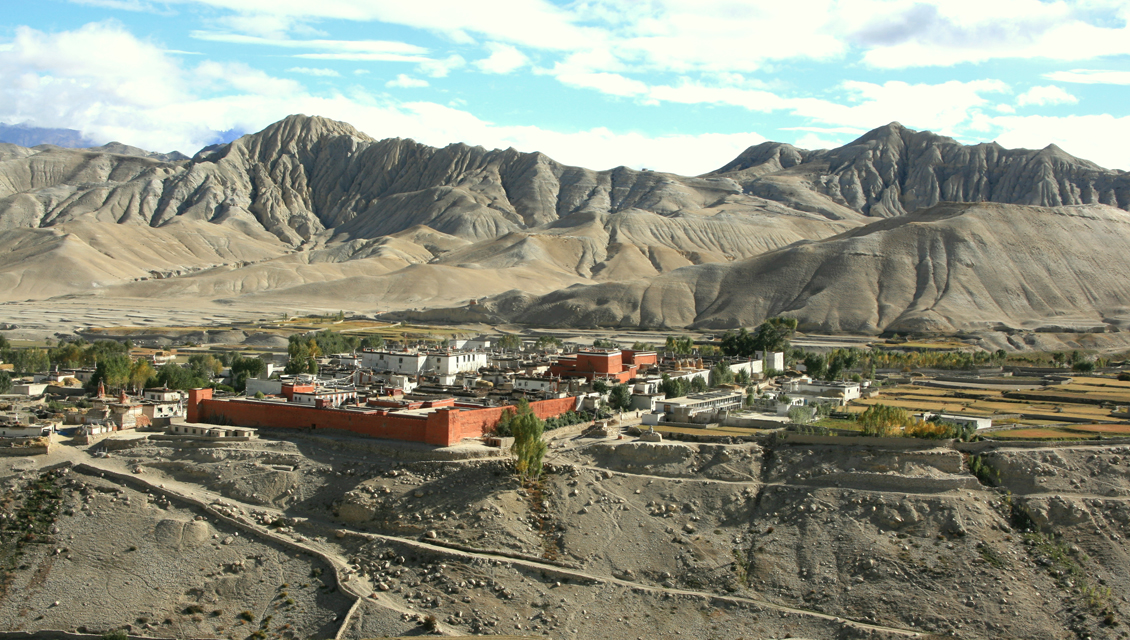
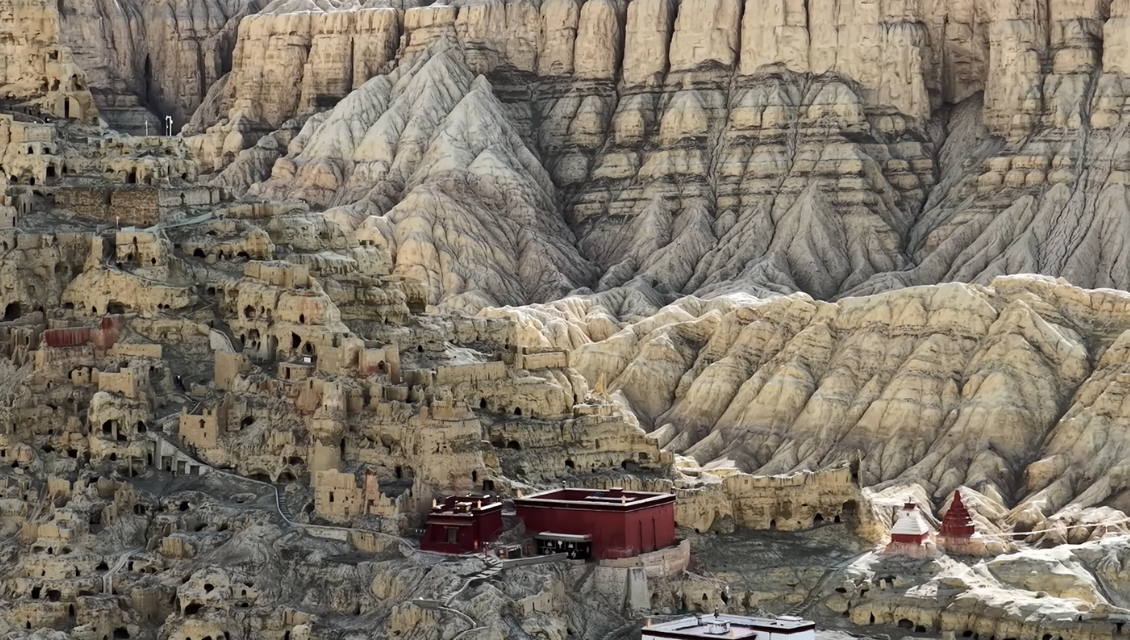
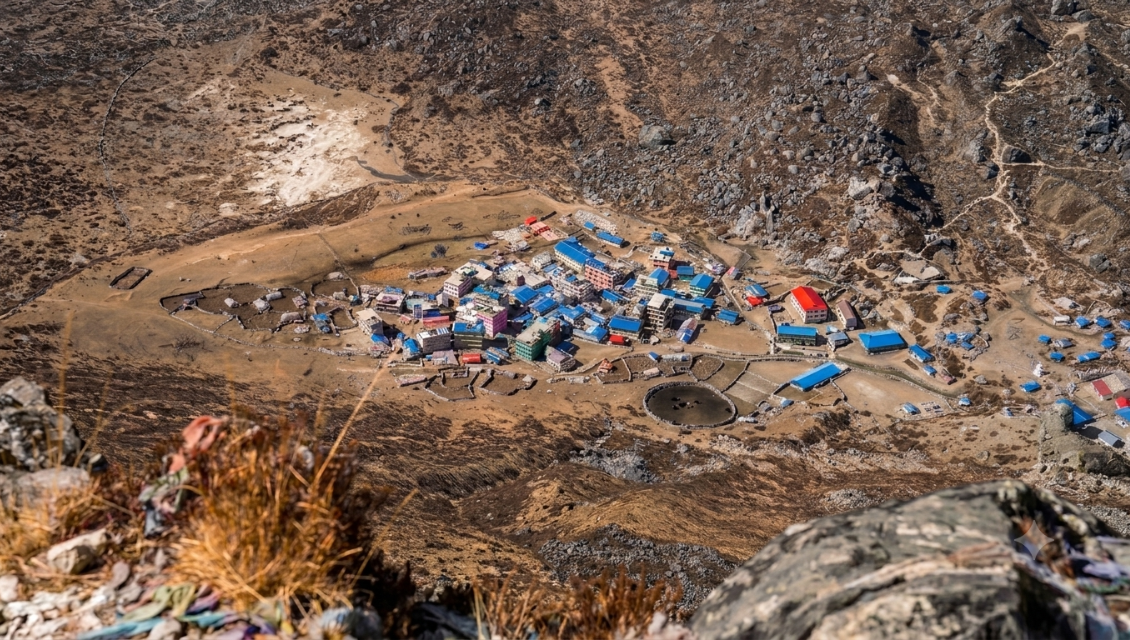
The Lapchi region itself is a high-altitude sanctuary featuring caves, meditation retreats, and sacred rock formations where monks and yogis have practiced for centuries. The area is extremely quiet and spiritually charged, often described as one of the most peaceful places in the Himalayas.
The combination of remote valleys, high ridges, and sacred meditation sites creates a powerful sense of isolation and spiritual depth.
Climate and Best Time to Trek
The best seasons for the Lapchi Kang Trek are spring (April–May) and autumn (September–October). These months provide relatively stable weather, clearer skies, and safer trekking conditions in this remote region.
Spring offers mild temperatures, clearer mountain views, and slowly improving trail conditions after winter snow. Autumn provides crisp air, dry trails, and the most reliable weather window for reaching high-altitude areas.
Winter (November–March) is extremely harsh, with heavy snowfall and freezing temperatures making the region largely inaccessible. The monsoon season (June–August) brings rain, landslides in lower areas, and difficult trail conditions.
Due to its remoteness, weather conditions can change quickly, so proper preparation and flexibility are essential for this trek.
Overall, autumn is considered the safest and most practical season for the Lapchi Kang pilgrimage journey.
People and Culture
The Lapchi region is culturally influenced by Tibetan Buddhism and is historically known as a sacred meditation site associated with Milarepa. The area is considered a spiritual sanctuary where monks and practitioners have retreated for centuries to practice meditation in isolation.
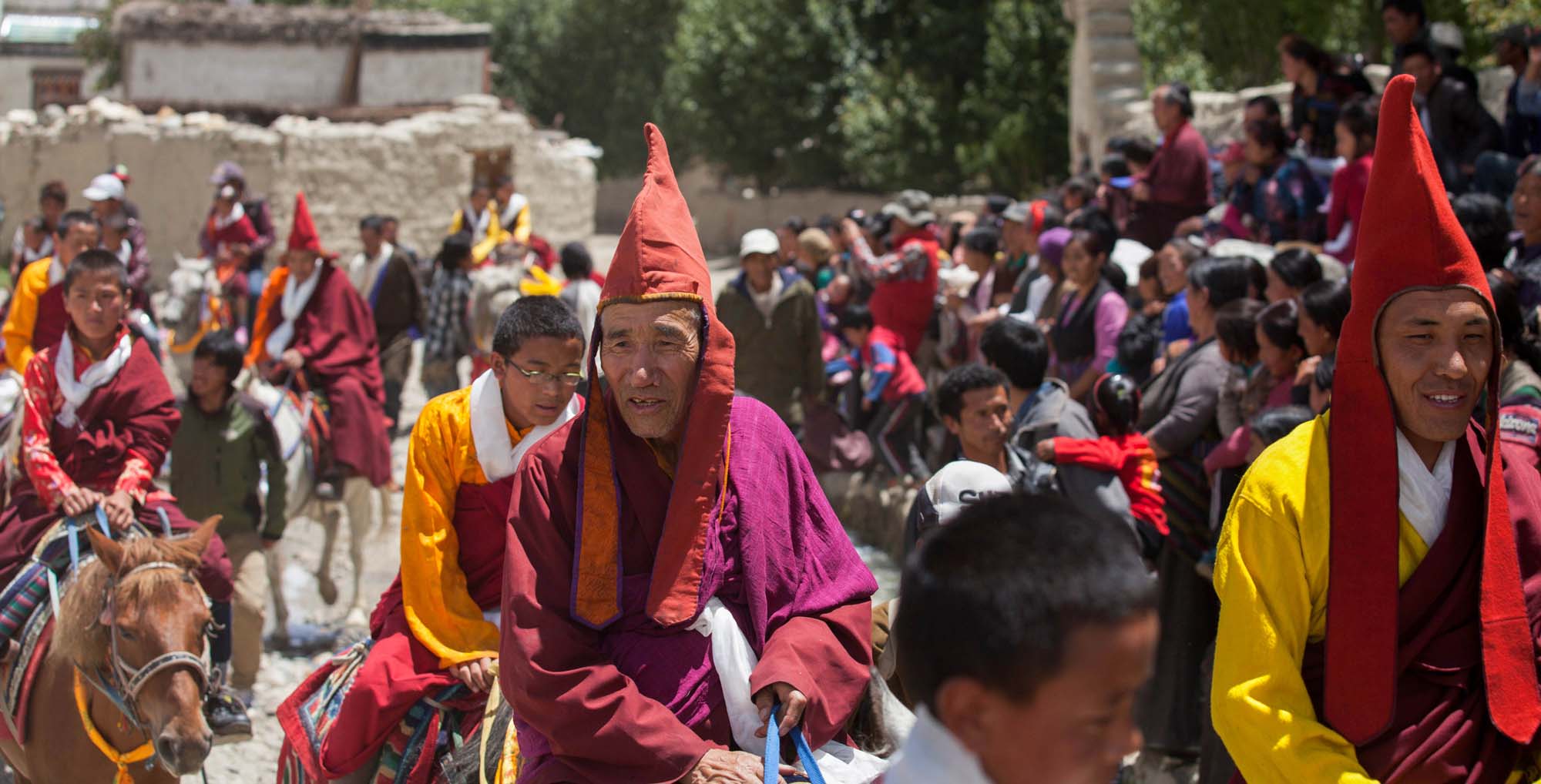
Local communities in the surrounding valleys are mainly Tamang and Sherpa groups, who maintain traditional Himalayan lifestyles based on agriculture, animal husbandry, and Buddhist practices. Villages are small and widely scattered, preserving a strong sense of cultural purity and simplicity.
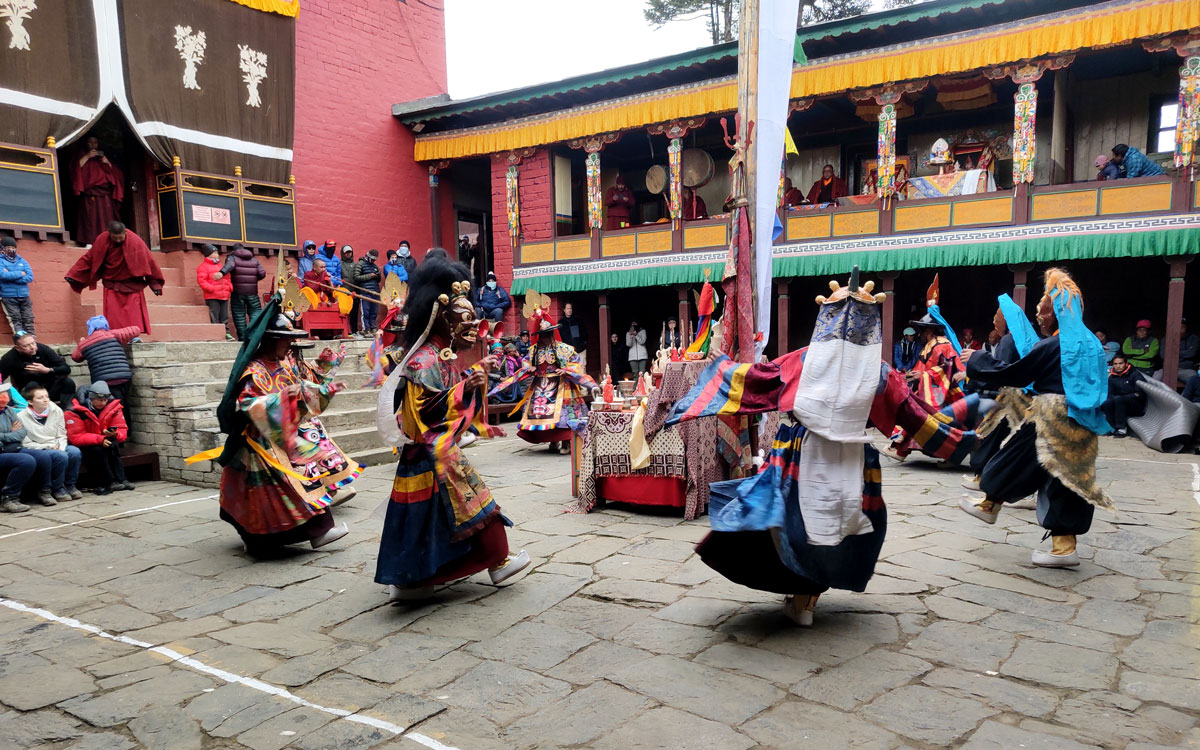
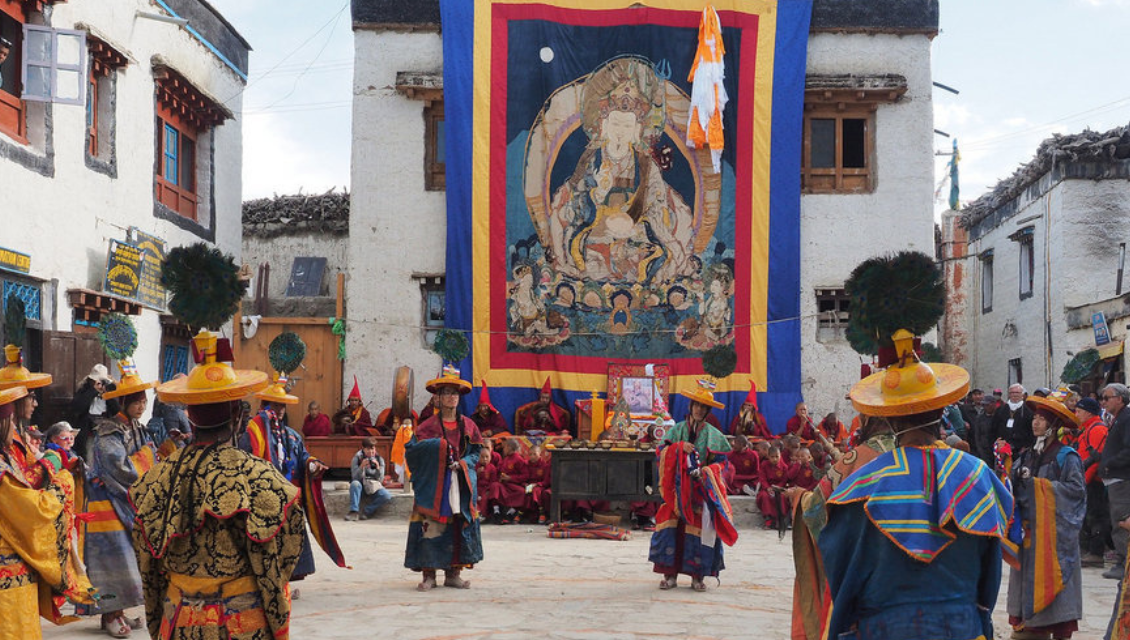
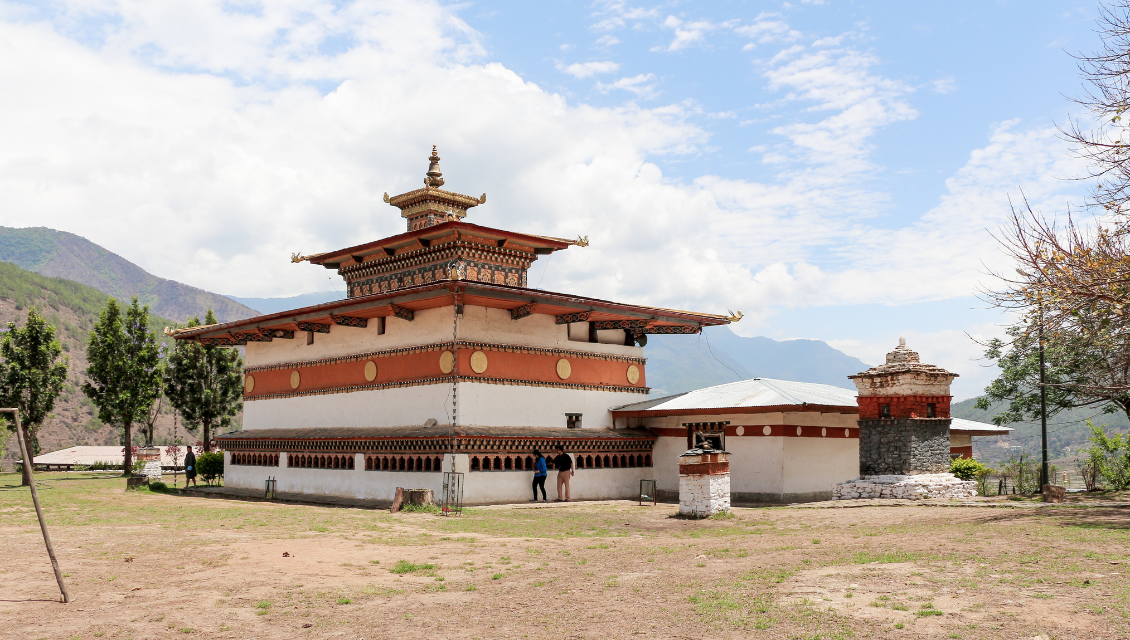
The most significant cultural aspect of Lapchi is its spiritual heritage. Numerous caves, monasteries, and retreat sites are still used for meditation, reflecting deep religious devotion and centuries of practice.
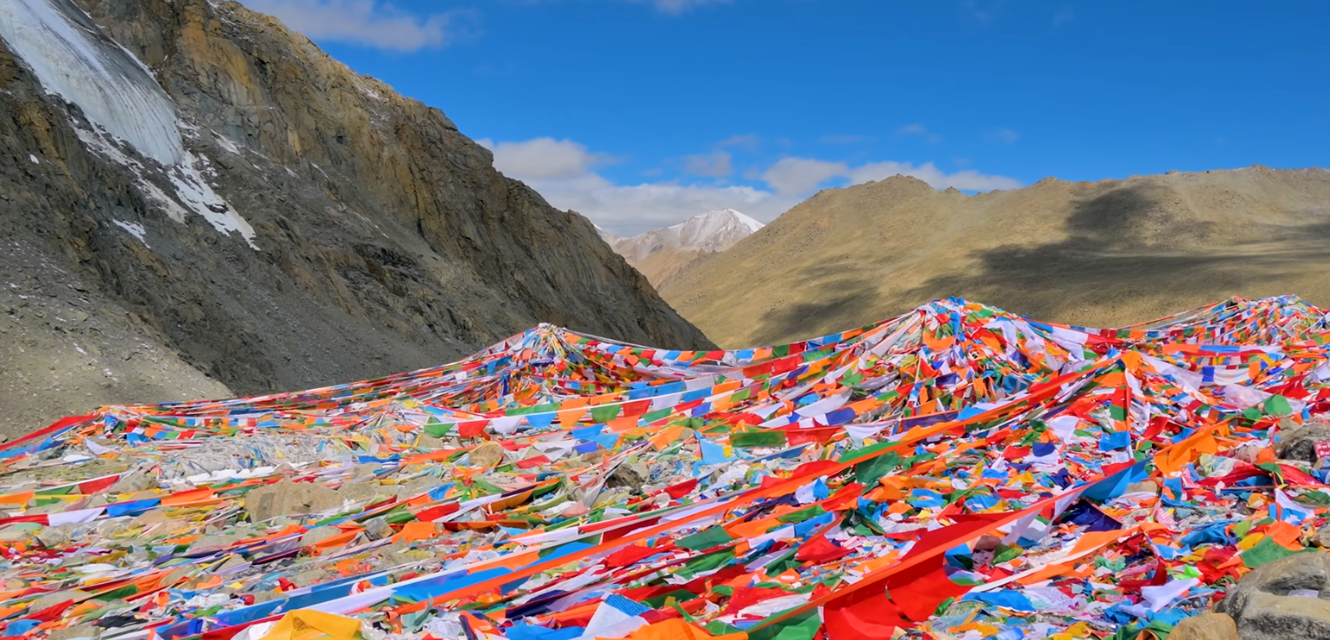
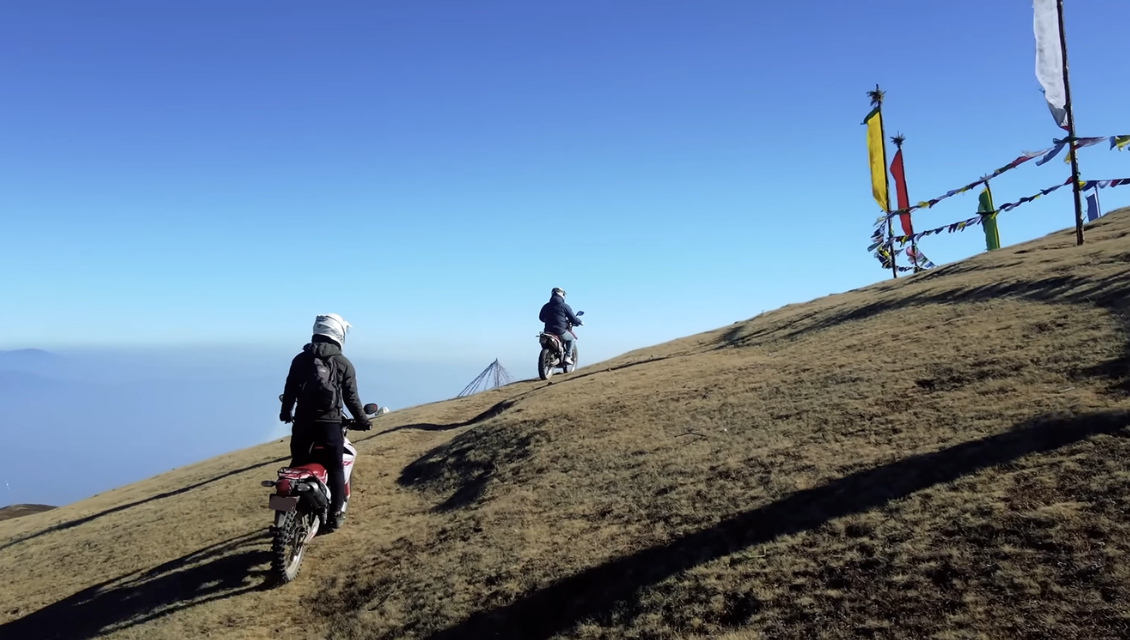
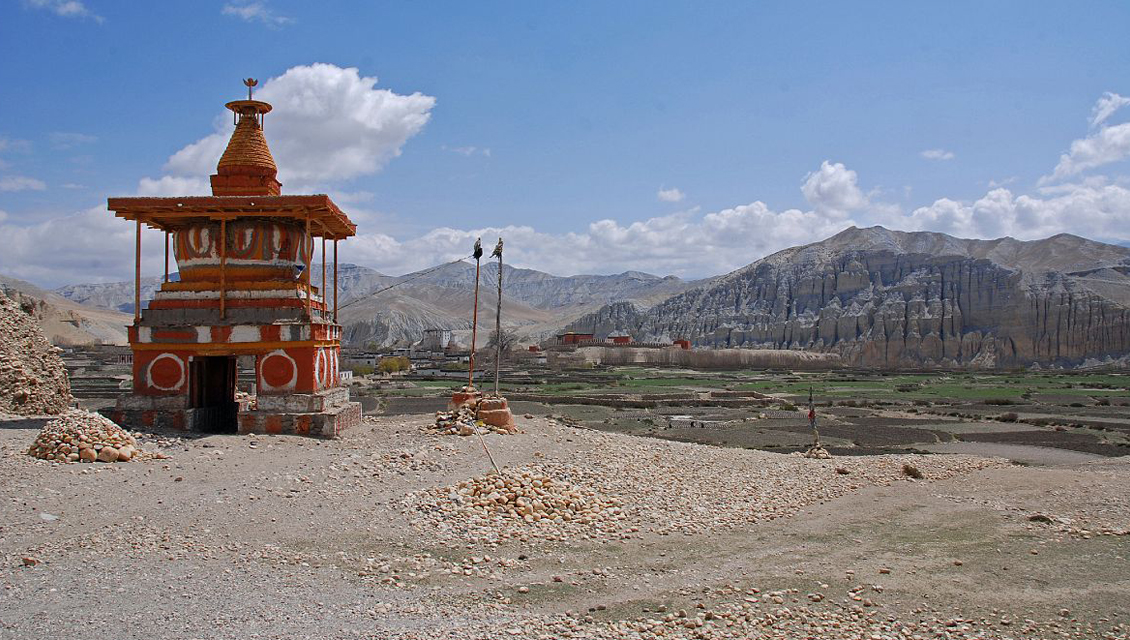
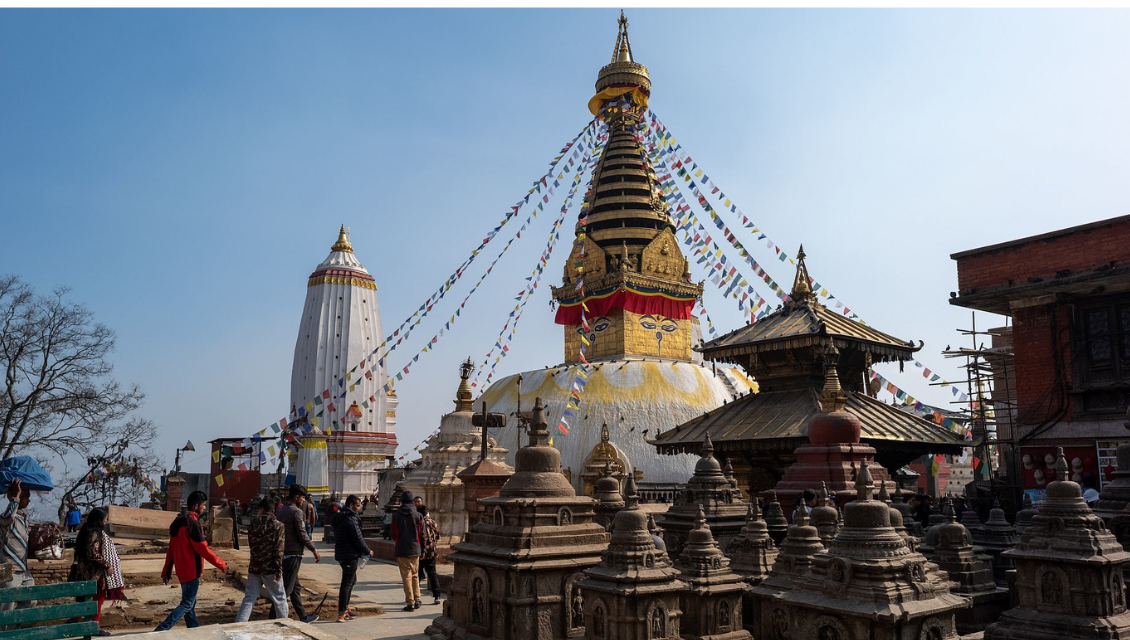
Prayer flags, mani walls, and chortens mark sacred spaces throughout the region, reinforcing its identity as a living spiritual landscape.
The Lapchi Kang Trek offers a rare combination of extreme wilderness and profound spirituality, making it one of the most unique and meaningful trekking experiences in Nepal.
Package Highlights:
- Visit the sacred Lapchi Kang pilgrimage area.
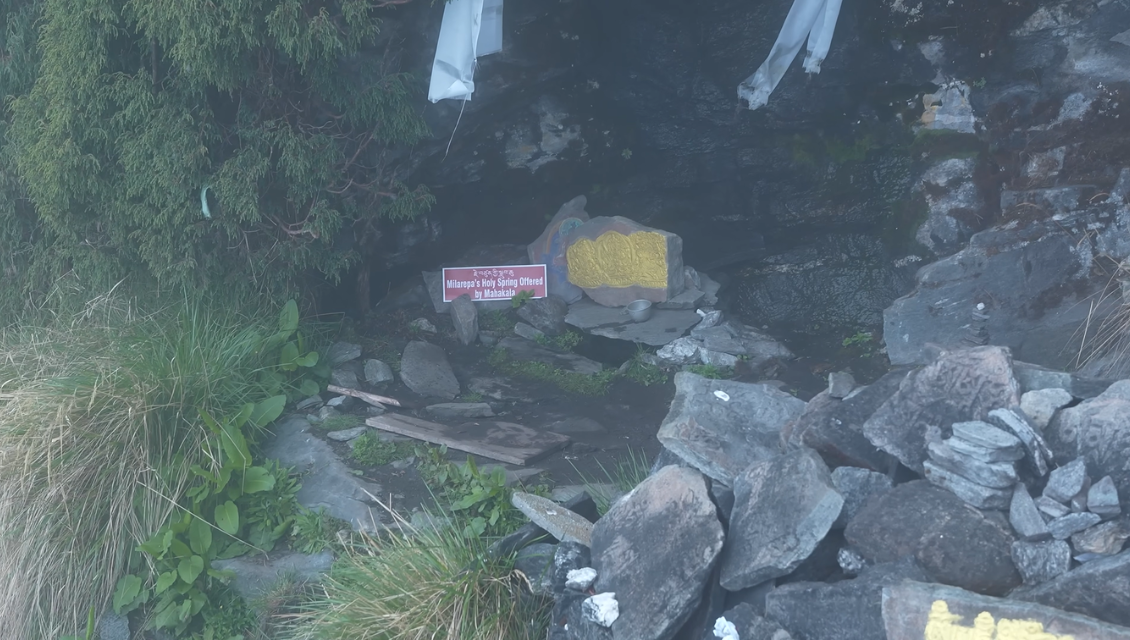
- Explore Milarepa’s meditation caves and ancient retreat sites.
- Trek through remote Himalayan forests and alpine valleys.
- Experience deep spiritual solitude and Tibetan Buddhist culture.
- Enjoy one of Nepal’s most isolated and peaceful trekking routes.
Book This Trip
Trip Information
 Start : Kathmandu
 Finish : Kathmandu
 Difficulty :
Moderate
Difficulty :
Moderate
 Max Altitude : 3500m
 Group Size : 17 People
 Season : SEP-NOV, MAR-MAY
Trip Gallery






Trip Itinerary
Altitude: 1,400m
First of all, a warm welcome to Nepal at Tribhuvan International Airport in Kathmandu awaits us. Upon arrival, you will be greeted by a representative of Nord Extreme Himalaya with a Buddhist or Hindu good-luck sign, such as a white khada or a flower garland. Afterwards, we will drive to the hotel by private or tourist vehicle. Once we have checked into the hotel, you may choose to rest in your room or explore the famous tourist area of Thamel in Kathmandu. In Thamel, you can shop for souvenirs, browse trekking shops, or simply enjoy a walk through the bustling streets. In the evening, you will join a welcome dinner featuring authentic Nepali cuisine at one of the city's renowned restaurants. On this day, we will also be briefed on the Lapchikhang trek as well as the necessary trekking clothes and gear.
Accomadation: Hotel
Place to visit: Nepal
Meals: Dinner
Altitude: 1,950m
Trek time: 8-9 hours (Jeep drive)
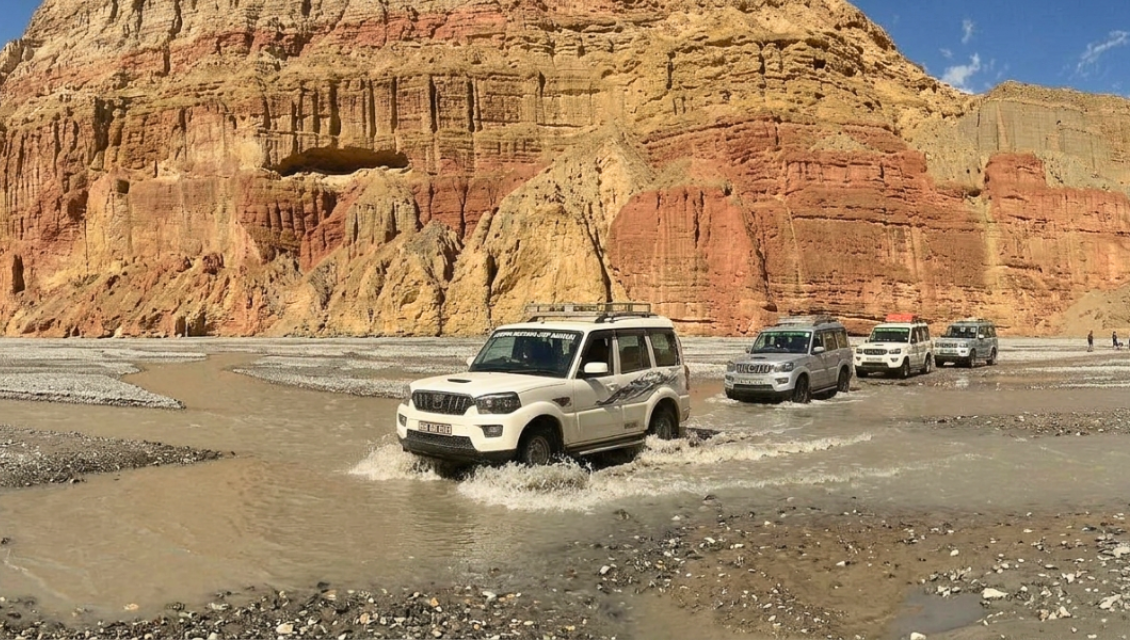
After an early breakfast, drive by private or tourist jeep to Lamabagar via Dolalghat, Mude, and Charikot. Enjoy scenic mountain, valley, and hill views from Mude Bazaar before entering the Gaurishankar Conservation Area. Lunch will be served en route at the best available restaurant. Overnight stay at a homestay or simple lodge in Lamabagar.
Accomadation: Tea House
Place to visit: Gaurisankar Region
Meals: Breakfast Lunch Dinner
Altitude: 2,900m
Trek time: 6–7 hours
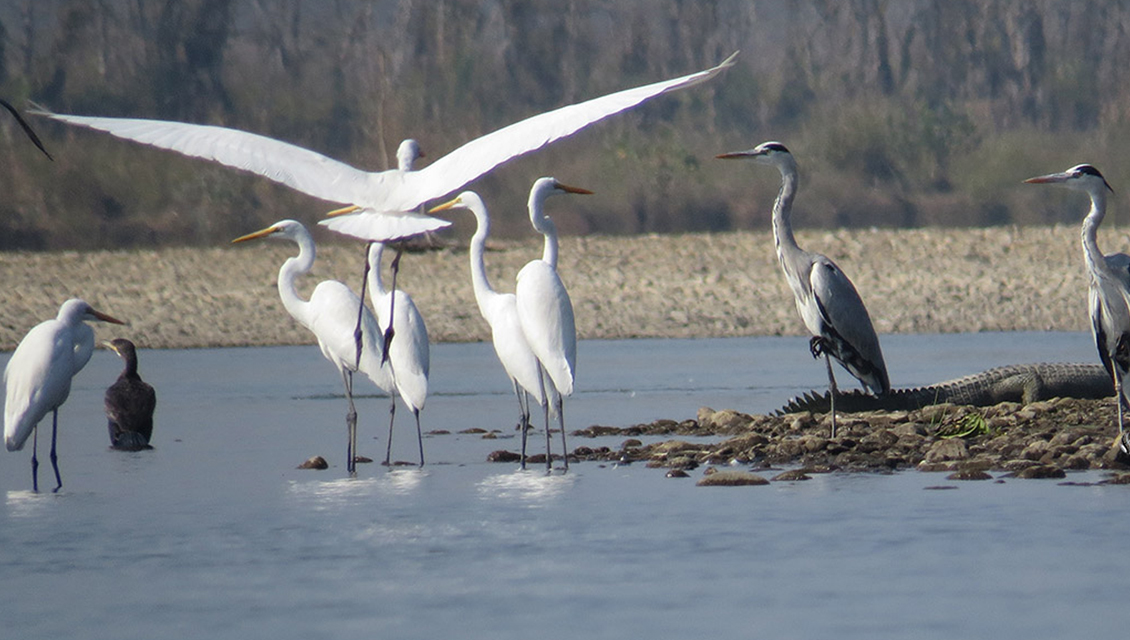
After breakfast, begin the trek following the uphill trail along the banks of the Tamakoshi River. The walk from Lamabagar to Lumnang is a scenic and enjoyable journey through local Sherpa and Tamang settlements, offering views of mixed Himalayan forests, small waterfalls, wildlife, and birds. Overnight stay at a homestay or available lodge in Lumnang.
Accomadation: Tea House
Place to visit: Gaurisankar Region
Meals: Breakfast Lunch Dinner
Altitude: 3,850m
Trek time: 5–6 hours
After breakfast, continue trekking through the beautiful landscapes of the Gaurishankar Conservation Area toward the famous Milarepa Cave, a sacred pilgrimage site where the renowned Tibetan Buddhist philosopher and Mahasiddha Milarepa is believed to have meditated for many years. Enjoy the peaceful natural surroundings and stunning mountain scenery along the way. Overnight stay at a homestay or available lodge.
Accomadation: Tea House
Place to visit: Gaurisankar Region
Meals: Breakfast Lunch Dinner
Altitude: 4,300,040m
Trek time: 4-5 hours
Today is a fascinating day exploring the sacred Lapchi area and the famous Milarepa Cave. Enjoy breathtaking hillside views, photography opportunities, and visits to important meditation sites, monasteries, and religious landmarks. Interact with resident monks and learn about the area's rich Buddhist heritage and spiritual traditions. Overnight stay at Lapchi Monastery.
Accomadation: Tea House
Place to visit: Gaurisankar Region
Meals: Breakfast Lunch Dinner
Altitude: 4,800m
Trek time: 6-7 hours
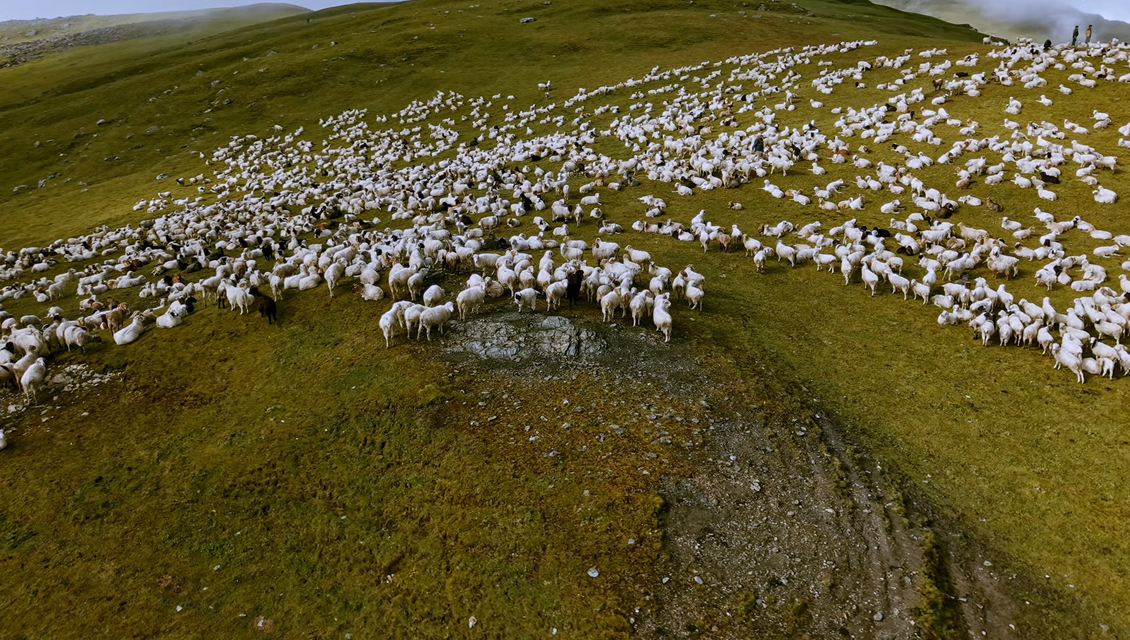
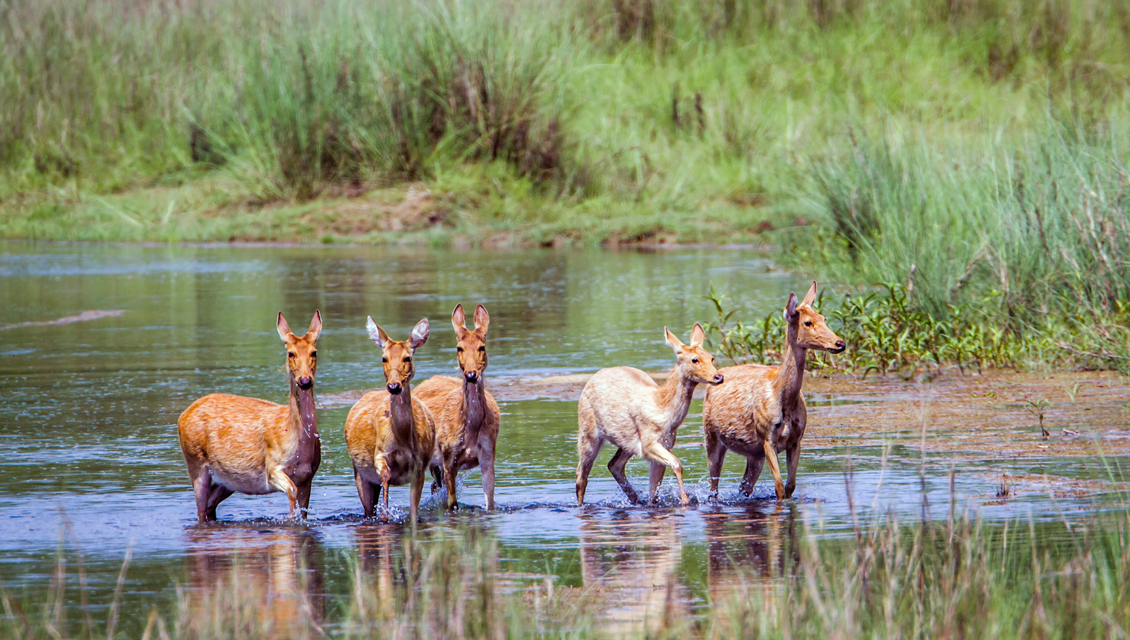
Early in the morning, enjoy a spectacular Himalayan sunrise and panoramic views of the high mountain landscape near the Nepal–Tibet border. Explore yak grazing areas, peaceful waterfalls, and rivers flowing from the surrounding mountain ranges. The area is also home to wildlife such as blue sheep, yaks, snow leopards, and various Himalayan bird species. After a day of exploring the natural beauty of Lapchi, return for an overnight stay at Lapchi Monastery.
Accomadation: Tea House
Place to visit: Gaurisankar Region
Meals: Breakfast Lunch Dinner
Altitude: 4,300m
Trek time: 7-8 hours
Today, after enjoying the beautiful scenery and spiritual atmosphere of Lapchi, we begin our return journey. Trek downhill from Lapchi Monastery through Lumnang to Lamabagar, passing scenic landscapes and local settlements along the way. Overnight stay at a homestay or simple lodge in Lamabagar.
Accomadation: Tea House
Place to visit: Gaurisankar Region
Meals: Breakfast Lunch Dinner
Altitude: 1,950m
Trek time: 8-10 hours
Early in the morning, we drive back to Kathmandu by private jeep or tourist vehicle. On the way, we exit the Gaurishankar Conservation Area and enjoy the scenic landscapes en route. Lunch will be served at the best available restaurant along the highway. Upon arrival in Kathmandu, transfer to the hotel for an overnight stay.
Accomadation: Tea House
Place to visit: Gaurisankar Region
Meals: Breakfast Lunch Dinner
Cost Includes
1. Transportations
- Private/tourist vehicles for airport pickup and drop-off in Kathmandu.
- Private/tourist vehicles transfer as per itinerary to access the trailheads.
- Domestic flight included for access to the trekking starting & ending point.
2. Accommodation & Meals
- 3 Night 3-star hotel in Kathmandu with bed & breakfast basis.
- Breakfast, lunch & dinner with tea & coffee during the trekking Period.
3. Permits
- Gaurishankar Conservation Area Project entry permits.
- Local Government Entry Permits.
- Trekkers' Information Management System (TIMS) permits.
4. Guide & Staff
- Professional and experience License holder trekking guide salary & insurance.
- Porter salary, equipment’s & insurance.
- First aid medical kit for emergency support.
1. Transportations
- Private/tourist vehicles for airport pickup and drop-off in Kathmandu.
- Private/tourist vehicles transfer as per itinerary to access the trailheads.
- Domestic flight included for access to the trekking starting & ending point.
2. Accommodation & Meals
- 3 Night 3-star hotel in Kathmandu with bed & breakfast basis.
- Breakfast, lunch & dinner with tea & coffee during the trekking Period.
3. Permits
- Gaurishankar Conservation Area Project entry permits.
- Local Government Entry Permits.
- Trekkers' Information Management System (TIMS) permits.
4. Guide & Staff
- Professional and experience License holder trekking guide salary & insurance.
- Porter salary, equipment’s & insurance.
- First aid medical kit for emergency support.
Cost Excludes
1. International Flights
- Airfare from your home country to Nepal (Tribhuvan International Airport, Kathmandu).
- Return airfare from Nepal (Tribhuvan International Airport, Kathmandu) to your home country.
2. Visa Fees
- Nepal entry visa fee for entering Nepal (available on arrival at Tribhuvan International Airport, Kathmandu, or through a Nepalese embassy).
3. Travel Insurance (Mandatory)
- Comprehensive travel insurance covering high-altitude trekking, emergency medical treatment, helicopter evacuation, trip cancellation, and other unforeseen circumstances.
4. Personal Expenses
- Tips, gifts, and souvenirs for trekking guides and porters.
- Personal trekking equipment and gear.
- Charges for lodge Wi-Fi, hot showers, battery charging, and laundry services.
5. Meals & Beverages
- Lunch and dinner in Kathmandu, Pokhara, and other locations where accommodation is provided in 3-star category hotels.
- Soft drinks, bottled water, alcoholic beverages, and snacks consumed during meals
1. International Flights
- Airfare from your home country to Nepal (Tribhuvan International Airport, Kathmandu).
- Return airfare from Nepal (Tribhuvan International Airport, Kathmandu) to your home country.
2. Visa Fees
- Nepal entry visa fee for entering Nepal (available on arrival at Tribhuvan International Airport, Kathmandu, or through a Nepalese embassy).
3. Travel Insurance (Mandatory)
- Comprehensive travel insurance covering high-altitude trekking, emergency medical treatment, helicopter evacuation, trip cancellation, and other unforeseen circumstances.
4. Personal Expenses
- Tips, gifts, and souvenirs for trekking guides and porters.
- Personal trekking equipment and gear.
- Charges for lodge Wi-Fi, hot showers, battery charging, and laundry services.
5. Meals & Beverages
- Lunch and dinner in Kathmandu, Pokhara, and other locations where accommodation is provided in 3-star category hotels.
- Soft drinks, bottled water, alcoholic beverages, and snacks consumed during meals
Trip Date And Time
We'll Be There, Like We've Been There Before
|
Start |
End |
Trip Cost |
Action |
Enquire |
|---|---|---|---|---|
| 11 Nov, 2026 | 20 Nov, 2026 | 1490 | Book Now | |
| 01 Nov, 2026 | 10 Nov, 2026 | 1490 | Book Now | |
| 25 Oct, 2026 | 03 Nov, 2026 | 1490 | Book Now | |
| 18 Oct, 2026 | 27 Oct, 2026 | 1490 | Book Now | |
| 07 Oct, 2026 | 16 Oct, 2026 | 1490 | Book Now | |
| 29 Sep, 2026 | 08 Oct, 2026 | 1490 | Book Now | |
| 21 Sep, 2026 | 30 Sep, 2026 | 1490 | Book Now | |
| 15 Sep, 2026 | 24 Sep, 2026 | 1490 | Book Now | |
| 06 Sep, 2026 | 15 Sep, 2026 | 1490 | Book Now | |
| 30 Aug, 2026 | 08 Sep, 2026 | 1490 | Book Now |
Essential Information
Accommodation
Accommodation is extremely basic and mostly consists of homestays, simple shelters, or tented camping.
Lower approach villages may offer very limited lodge facilities, but beyond the main settlements, trekkers must rely on fully supported camping arrangements.
Facilities are minimal, reflecting the remote and sacred nature of the region, with emphasis on self-sufficiency and expedition-style trekking.
Meals
A full-board meal system (Breakfast, Lunch, and Dinner) is provided throughout the expedition.
Meals are prepared by trekking crews or local hosts where available.
Typical menu options include:
- Traditional Dal Bhat set meals
- Rice, noodles, pasta, and soups
- Potatoes and seasonal vegetables
- Tibetan-style bread and porridge
- Eggs and simple local dishes
- Tea, coffee, and butter tea
Food supply is limited due to the extreme remoteness of the region, so logistics are carefully planned in advance.
Difficulty & Physical Requirements
The Lapchikhang Trek is classified as strenuous to very strenuous, suitable only for experienced trekkers with strong physical fitness and prior high-altitude trekking or expedition experience.
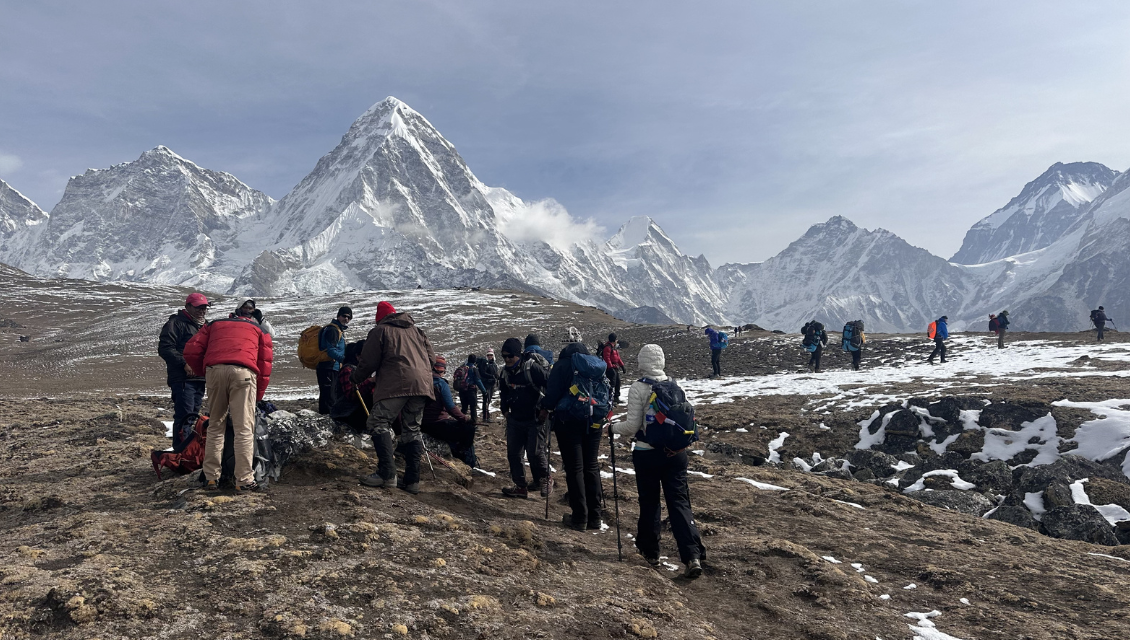
Daily trekking involves 6 to 9 hours of walking through remote valleys, steep ascents, river crossings, and high alpine terrain.
Some routes may involve high passes and glacier-adjacent sections, requiring endurance, patience, and strong mental resilience.
Permits
The region is restricted and requires special permissions:
- Gaurishankar Conservation Area Permit (GCAP)
- Special restricted area permits (depending on route and access direction)
- TIMS Card (Trekkers’ Information Management System)
A licensed guide is mandatory, and trekking must be organized through an authorized agency due to the sensitive border region.
Best Season
- Spring (March–May): Clear skies, moderate temperatures, and rhododendron blooms
- Autumn (September–November): Best visibility and stable conditions
- Winter (December–February): Extremely cold with heavy snow risk
- Monsoon (June–August): Not recommended due to landslides and difficult access routes
Transportation & Access
The journey typically begins with a drive from Kathmandu to Charikot or further toward Simigaun depending on the route.
From there, the trail continues through remote Rolwaling valleys toward the sacred Lapchi region near the Tibetan border.
Due to its isolation, the trek often requires a combination of driving, trekking, and fully supported camping logistics.
Safety & Acclimatization
The Lapchikhang region involves remote high-altitude terrain and requires careful preparation.
Key safety considerations include:
- Gradual altitude gain in isolated valleys
- Limited rescue and communication facilities
- Extreme weather conditions in alpine zones
- Glacier-fed river crossings and rugged trails
- Strong requirement for guide and expedition support
Emergency evacuation may be difficult, making preparation and experience essential.
Travel Insurance
Comprehensive travel insurance is strongly recommended and must include:
- High-altitude trekking coverage (up to at least 6,000m)
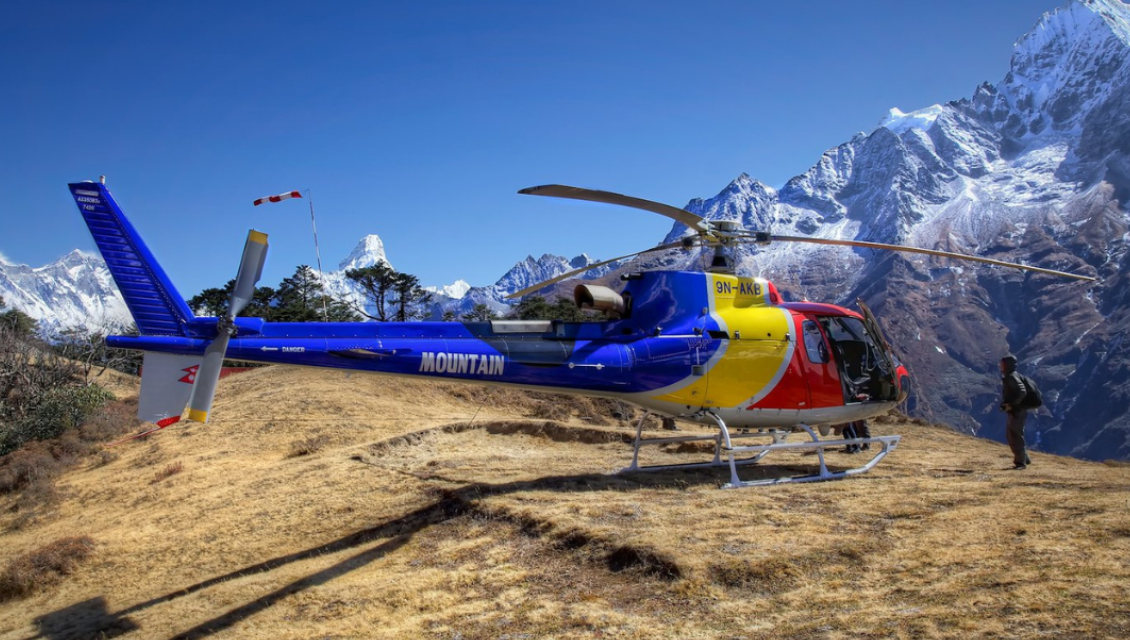
- Emergency helicopter evacuation (where possible)
- Medical treatment and hospitalization
- Trip cancellation and accident coverage
Additional Information
Guide & Porter Services
A licensed guide is mandatory due to the restricted and remote nature of the Lapchi region.
Porters and full expedition support teams are highly recommended, especially for camping-based logistics and heavy equipment transport.
Guides also provide essential cultural and spiritual interpretation of Milarepa’s meditation sites and Tibetan Buddhist heritage.
Cultural & Spiritual Highlights
The Lapchikhang Trek is one of Nepal’s most sacred and spiritually significant journeys:
- Sacred meditation caves of Milarepa
- Ancient Tibetan Buddhist pilgrimage site of Lapchi Kang
- Remote Himalayan valleys near the Tibetan border
- Strong influence of Tibetan monastic culture
- Prayer flags, chortens, and ancient spiritual landmarks
- Extremely isolated and peaceful environment
- Authentic spiritual retreat atmosphere
- Rare opportunity for pilgrimage-style trekking
Essential Equipment
Recommended expedition gear includes:
- High-quality trekking boots
- Layered clothing for extreme cold conditions
- Heavy down jacket (-20°C to -30°C rated)
- Waterproof and windproof outer layers
- Gloves, thermal hat, buff, and UV sunglasses
- Trekking poles
- Sleeping bag suitable for extreme cold
- Camping gear (for supported expeditions)
- Personal first aid kit and altitude medication
- Headlamp and backup batteries
Communication & Connectivity
Mobile network coverage is virtually non-existent throughout most of the Lapchi region.
Satellite communication is strongly recommended for safety. Trekkers should expect complete digital isolation during the journey.
Why Choose the Lapchikhang Trek?
The Lapchikhang Trek is ideal for highly experienced trekkers and spiritual explorers seeking extreme remoteness:
- One of Nepal’s most sacred Tibetan Buddhist pilgrimage valleys
- Associated with Milarepa’s meditation caves
- Extremely remote and untouched Himalayan environment
- Near-border wilderness experience close to Tibet
- Strong spiritual and cultural significance
- Very low tourist traffic and pure solitude
- Ideal for expedition-style trekking
- Authentic Himalayan wilderness experience
- Rich Buddhist heritage and meditation history
- One of Nepal’s most exclusive and hidden trekking routes
The Lapchikhang (Lapchi Kang) Trek offers a rare combination of spiritual depth, extreme isolation, and raw Himalayan beauty, making it one of the most unique pilgrimage adventures in Nepal.
USD 1490 / person
See group booking discount- No. of person Price per person
- 1 USD 1490.00
- 2-3 USD 950.00
- 4-7 USD 890.00
- 8-12 USD 850.00
- 13-17 USD 790.00
The price may varies
Speak to an Expert