Trekking in Bhutan
Trekking in Bhutan is a truly unique Himalayan experience, offering pristine landscapes, untouched wilderness, and rich cultural encounters. Unlike many other trekking destinations, Bhutan remains largely unspoiled due to its sustainable tourism policy, preserving its natural beauty and traditional way of life. Trekkers can explore a diverse range of routes, from short and moderate hikes to some of the most challenging high-altitude expeditions, all set against the dramatic backdrop of the eastern Himalayas.
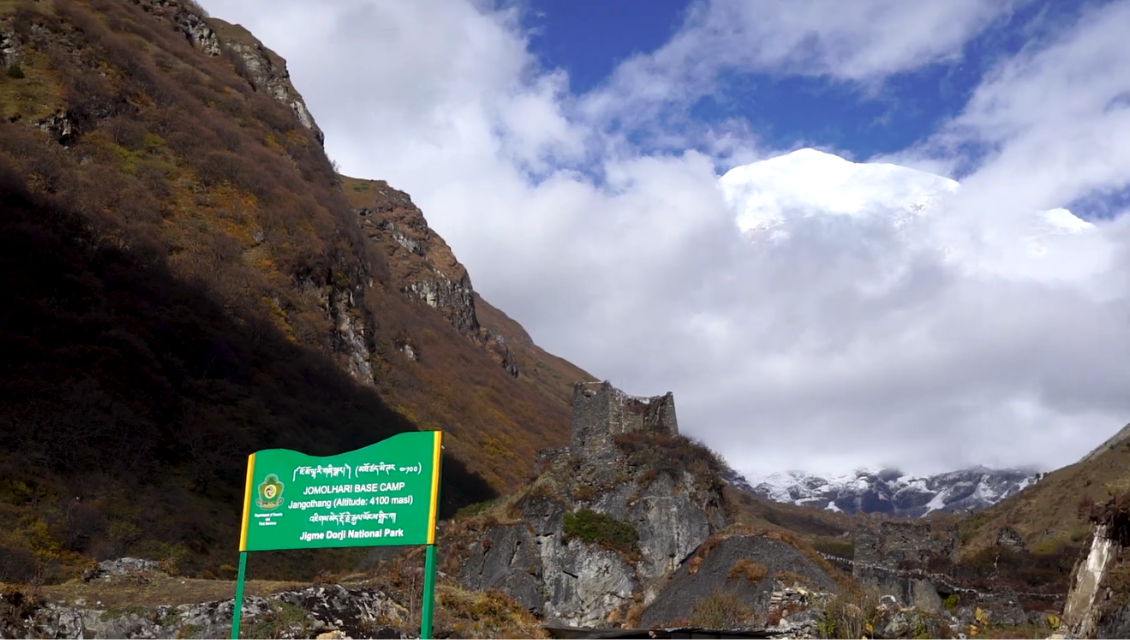
One of the most popular trekking routes is the Druk Path Trek, which connects the scenic valleys of Paro and Thimphu. This moderate trek typically takes 5 to 6 days and rewards trekkers with breathtaking views of alpine lakes, rhododendron forests, and distant snow-capped peaks, including Mount Jomolhari. For those seeking a more adventurous journey, the Jomolhari Trek offers a longer and more challenging route, bringing trekkers closer to sacred Himalayan mountains and remote highland communities.
For seasoned adventurers, the legendary Snowman Trek is widely regarded as one of the most difficult treks in the world. Lasting over three weeks, it traverses remote regions of northern Bhutan, crossing high mountain passes and isolated villages rarely visited by outsiders. This trek demands excellent physical fitness, proper acclimatization, and a strong spirit of adventure.
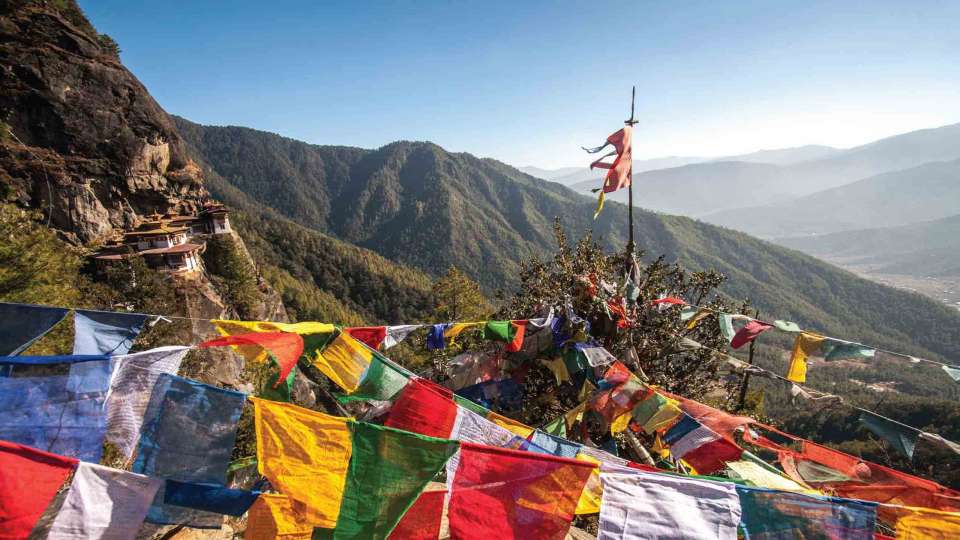
In addition to these extended treks, Bhutan also offers shorter cultural hikes, including the iconic trail to Tiger’s Nest Monastery. Perched dramatically on a cliff above the Paro Valley, this sacred site is a must-visit and provides a rewarding combination of spiritual significance and stunning scenery.
Trekking in Bhutan is conducted through licensed tour operators and is organized as fully supported camping expeditions. Trekkers are accompanied by experienced guides, cooks, and support staff, along with pack animals such as horses and mules to carry equipment. Nights are typically spent at designated campsites at elevations ranging between 3,500 and 4,500 meters, where freshly prepared meals and comfortable camping arrangements ensure a safe and enjoyable experience.
The best seasons for trekking in Bhutan are spring (March to May) and autumn (September to November), when weather conditions are stable, skies are clear, and mountain views are at their finest. Whether you are looking for a short low-altitude trek, a scenic multi-day journey, or a challenging high-altitude expedition, Bhutan offers trekking experiences suitable for all levels of fitness and adventure.
Overall, trekking in Bhutan is one of the most rewarding ways to explore this extraordinary Himalayan kingdom—offering a perfect blend of natural beauty, cultural immersion, and authentic adventure, making it a truly unforgettable experience for travelers seeking something rare and meaningful.