- 06 Jul, 2025
Travel with Confidence, Guided by Sherpa's !
When people think of wildlife safaris in Nepal, most immediately imagine Chitwan National Park. However, for those seeking a more remote and untouched wilderness experience, Bardia National Park offers an extraordinary jungle safari that is quieter, wilder, and just as thrilling. Nestled in the far-western lowlands of Nepal, Bardia is a hidden gem for nature lovers and wildlife enthusiasts.
Bardia National Park is located in the Terai region of western Nepal, in Bardiya District, about 580 kilometers west of Kathmandu. It spans an area of 968 square kilometers, making it the largest national park in the Terai. The park is bordered by the Karnali River to the west and the Churia Hills to the north, creating a rich mosaic of ecosystems including sal forests, grasslands, and riverine habitats.
Unlike more developed parks, Bardia sees fewer visitors, making it a perfect destination for those looking to immerse themselves in unspoiled nature and experience genuine wildlife encounters.
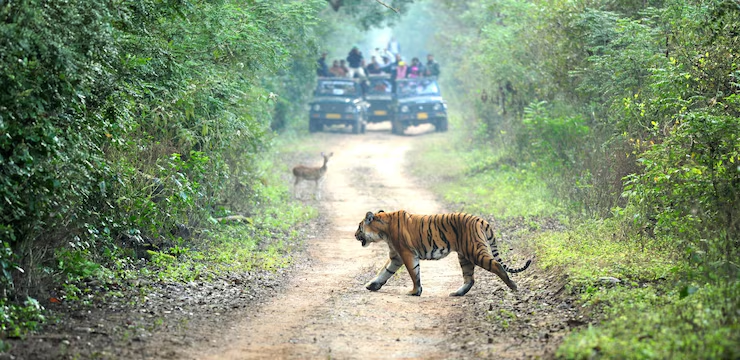
Bardia is a biodiversity hotspot and one of the best places in Asia to see the elusive Bengal tiger in the wild. It is also home to:
The park hosts more than 400 species of birds, including eagles, kingfishers, herons, and the endangered Bengal florican. The dense forest and low human interference increase your chances of authentic sightings.
A jungle safari in Bardia offers a wide range of adventurous and educational activities:
Jeep safaris are a popular and efficient way to explore the deeper parts of the jungle. These allow you to cover more ground and increase your chances of spotting big mammals like tigers and elephants. Guided by experienced naturalists, jeep safaris usually start early in the morning or late in the afternoon.
One of the most exciting and intimate ways to explore Bardia is on foot. Jungle walks, led by professional guides and trackers, allow you to learn about animal tracks, plants, and behavior patterns. It’s a thrilling yet safe way to spot rhinos, deer, and possibly tigers.
For bird lovers, Bardia is a paradise. Guided bird-watching walks can be arranged in the early morning and evening when birds are most active.
A serene canoe ride along the Karnali River offers a unique perspective of the park. It’s also your chance to spot the rare Gangetic dolphin, as well as crocodiles sunbathing on the riverbanks.
The indigenous Tharu people live around the park and offer cultural shows, traditional dances, and village tours. Learning about their lifestyle and relationship with the jungle adds depth to your visit.
Bardia has a variety of eco-lodges and jungle resorts ranging from basic guesthouses to comfortable mid-range lodges. Most are located in the Thakurdwara area near the park entrance. Many lodges offer safari packages that include all meals, accommodation, and guided activities.
These lodges are typically eco-friendly and run by locals or conservation-focused organizations.
There are several ways to reach Bardia:
Though the journey is long, the remoteness of Bardia adds to its charm.
The best time for a Bardia Jungle Safari is from October to April. During this dry season, animals congregate near water sources, increasing your chances of sightings. The weather is also pleasant, with clear skies and manageable temperatures.
The monsoon season (June to September) brings heavy rains and swollen rivers, making safaris difficult. The park remains closed or limited during this time.
To enter Bardia National Park, you must pay a park entry fee, which is:
Fees are usually included in safari packages, but check in advance.
A Bardia Jungle Safari offers a rare opportunity to explore one of Asia’s most pristine national parks. It’s perfect for travelers seeking a deeper, more authentic connection with nature, far from the usual tourist trail. Whether it’s tracking tigers, cruising down the Karnali River, or immersing yourself in local culture, Bardia promises an unforgettable adventure.
For those looking to go wild—truly wild—Bardia is Nepal’s best-kept secret waiting to be discovered.
If you're dreaming of wild encounters with rhinos, elephants, and maybe even tigers — not...
The Bumdra Trek—often called the Bumdra Monastery Trek—is a short yet stunning adventure in the...
The Chomolhari Trek, also spelled Jomolhari, is one of Bhutan’s most celebrated high-altitude treks. It...
Nord Extreme Himalaya (P) Ltd | © 2026 All Rights Reserved | Powered By: Thulo


Comments (0)