Everest Base Camp Heli Return Trek: A Perfect Blend of Adventure and Convenience
- Home
- Everest Base Camp Heli Return Trek: A Perfect Blend of Adventure and Convenience
Budget
NPR 1000
Per Person
Rating
No review has been posted yet
Duration
11 Days
Trip Overview
The Everest Base Camp (EBC) Heli Return Trek is a highly popular variant of the classic Everest Base Camp trek that combines traditional trekking with a thrilling helicopter ride for the return journey. This trek provides the authentic experience of trekking through the iconic Khumbu region, visiting Sherpa villages, Buddhist monasteries, and spectacular Himalayan landscapes, while eliminating the long and physically demanding descent on foot by returning to Kathmandu via helicopter. It is an ideal option for trekkers who want to experience the grandeur of Everest but have limited time or want to reduce fatigue and risk on the return.
Reviews
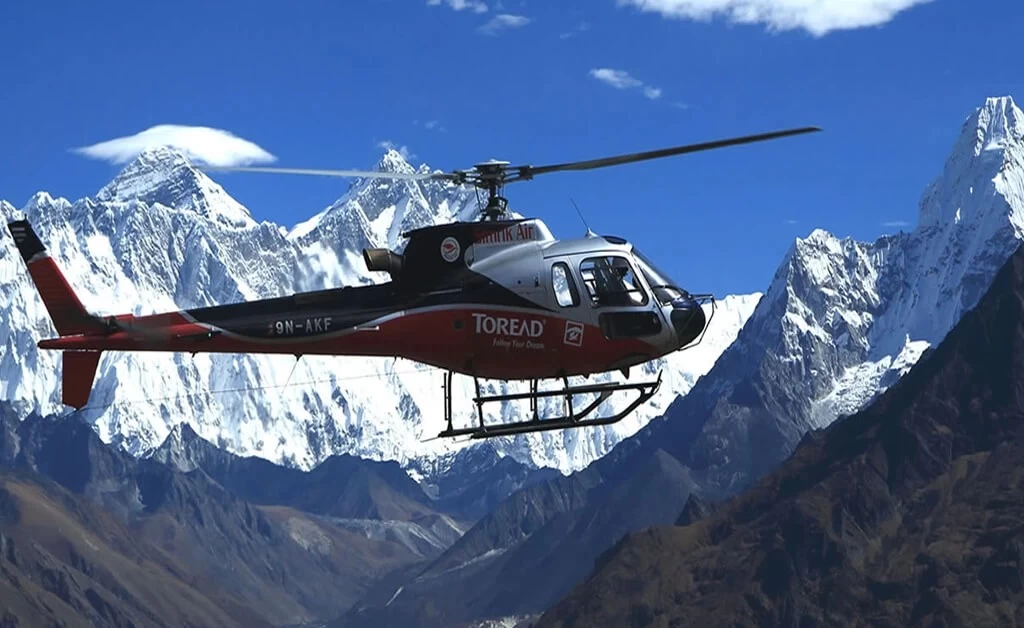
Trekking enthusiasts and adventurers widely praise the Everest Base Camp Heli Return Trek for balancing the classic trekking experience with time-saving convenience. Many highlight the emotional and physical benefits of trekking up on foot—allowing time for acclimatization and cultural immersion—while appreciating the helicopter return as a spectacular and comfortable end to the journey. The helicopter flight offers unparalleled panoramic views of Everest, Lhotse, Ama Dablam, and the Khumbu Valley that many trekkers consider a once-in-a-lifetime experience.
Travelers often comment on the warm hospitality of the Sherpa people, the pristine natural beauty of Sagarmatha National Park, and the sense of accomplishment standing at Everest Base Camp. While some trekkers miss the descent trek’s scenic villages, most find the heli return worthwhile, especially those with tight schedules or health considerations.
Geography
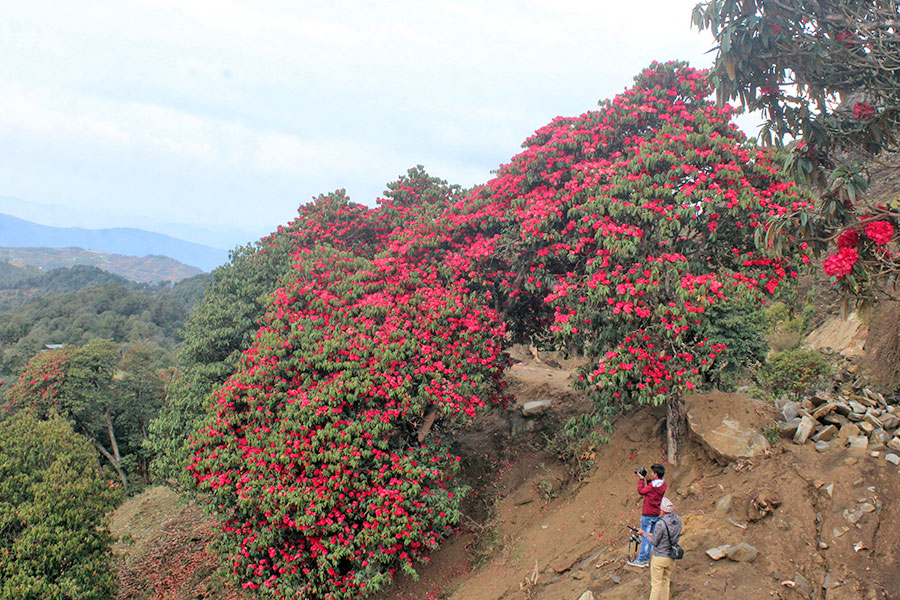
The trek lies within Nepal’s Solu-Khumbu region, encompassing the Sagarmatha National Park—a UNESCO World Heritage Site known for its extraordinary Himalayan environment. The trail follows the Dudh Koshi River valley, ascending from lush forests through rhododendron groves, alpine meadows, and rocky high-altitude terrain toward the base of Mount Everest (8,848.86m).
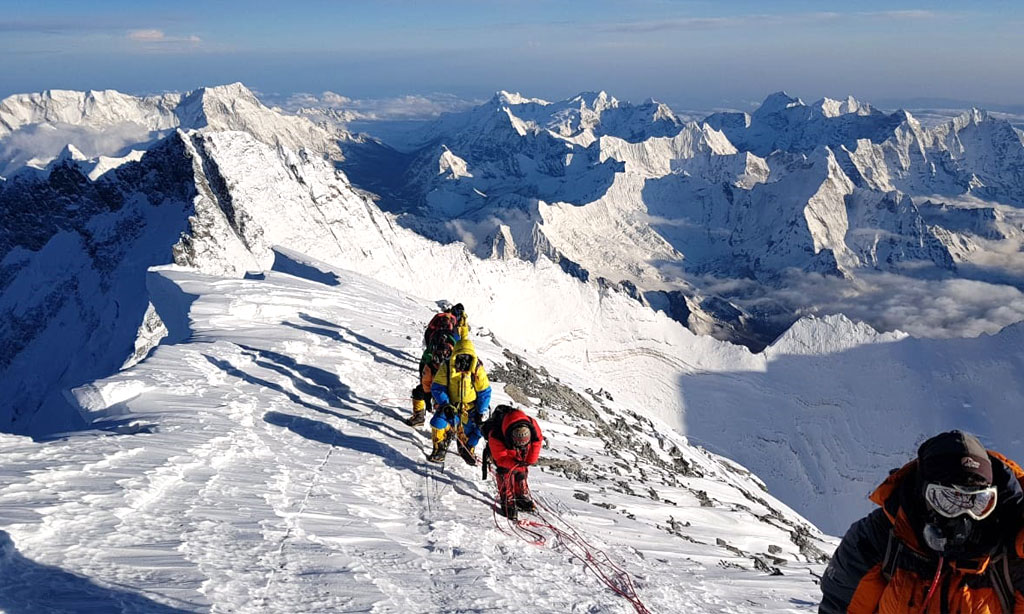
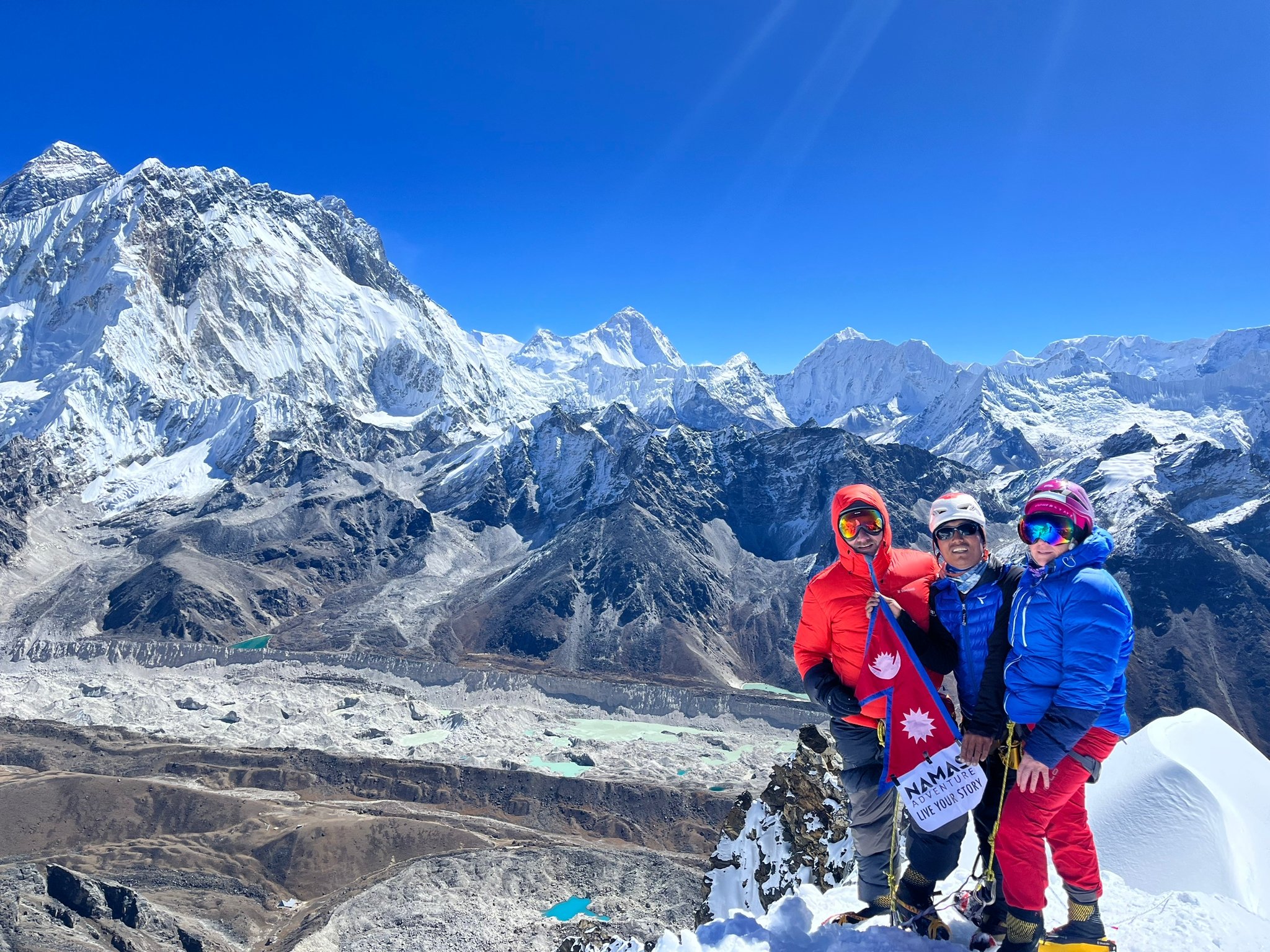
The geography changes dramatically with altitude: from subtropical valleys to rugged alpine zones, with spectacular glaciers like the Khumbu Glacier and icy moraines. Trekkers encounter towering Himalayan giants including Everest, Lhotse, Nuptse, and Ama Dablam, with panoramic views visible from points like Kala Patthar (5,545m).
People and Culture
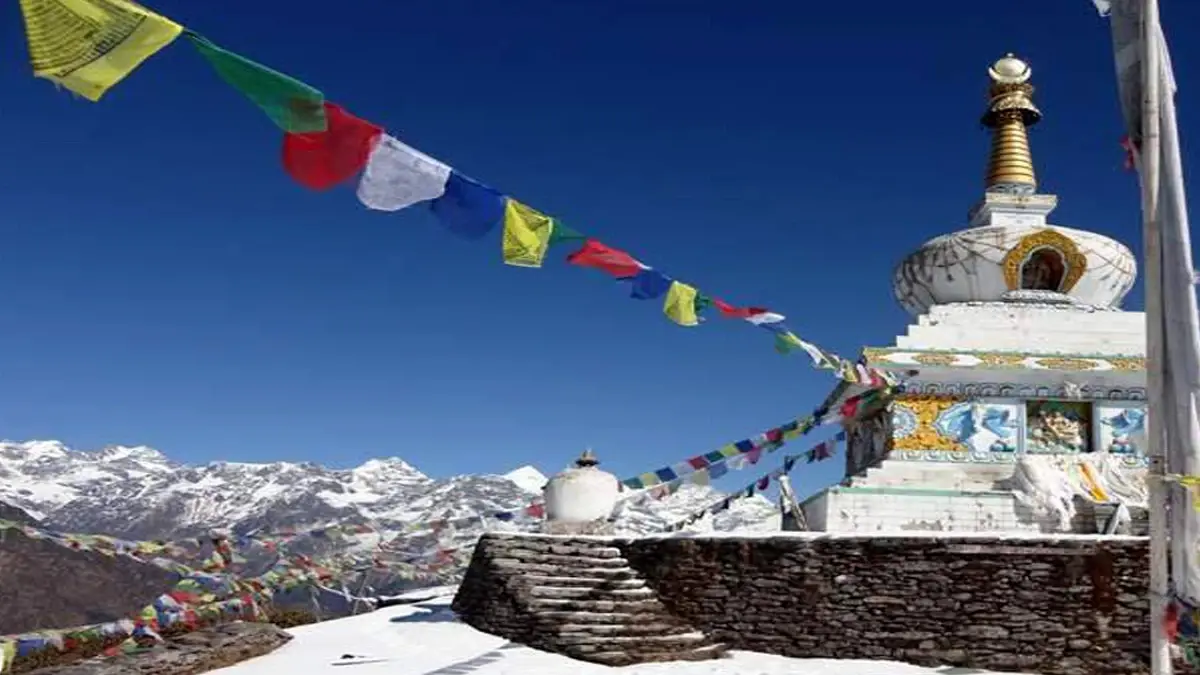
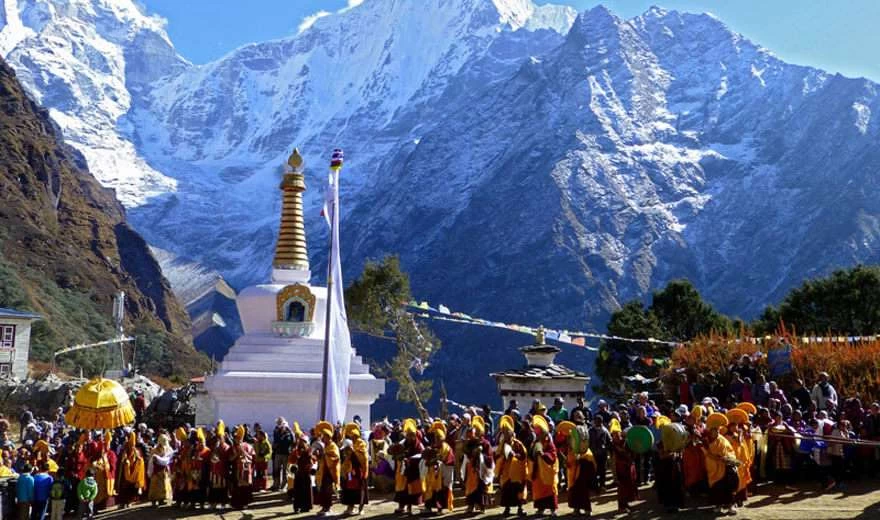
The region is home to the Sherpa community, famed worldwide for their mountaineering skills, resilience, and deep-rooted Buddhist culture. Villages such as Namche Bazaar and Tengboche are vibrant centers of Sherpa life, featuring bustling markets, mani walls, prayer flags, and sacred monasteries. Tengboche Monastery, perched on a ridge with Everest views, is a spiritual highlight.
Sherpa hospitality shines through teahouse lodges and daily interactions, enriching the trek with authentic cultural experiences. Trekkers witness traditional farming, yak herding, and religious festivals, gaining insight into the harmonious balance between local life and the demanding Himalayan environment.
Package Highlights:
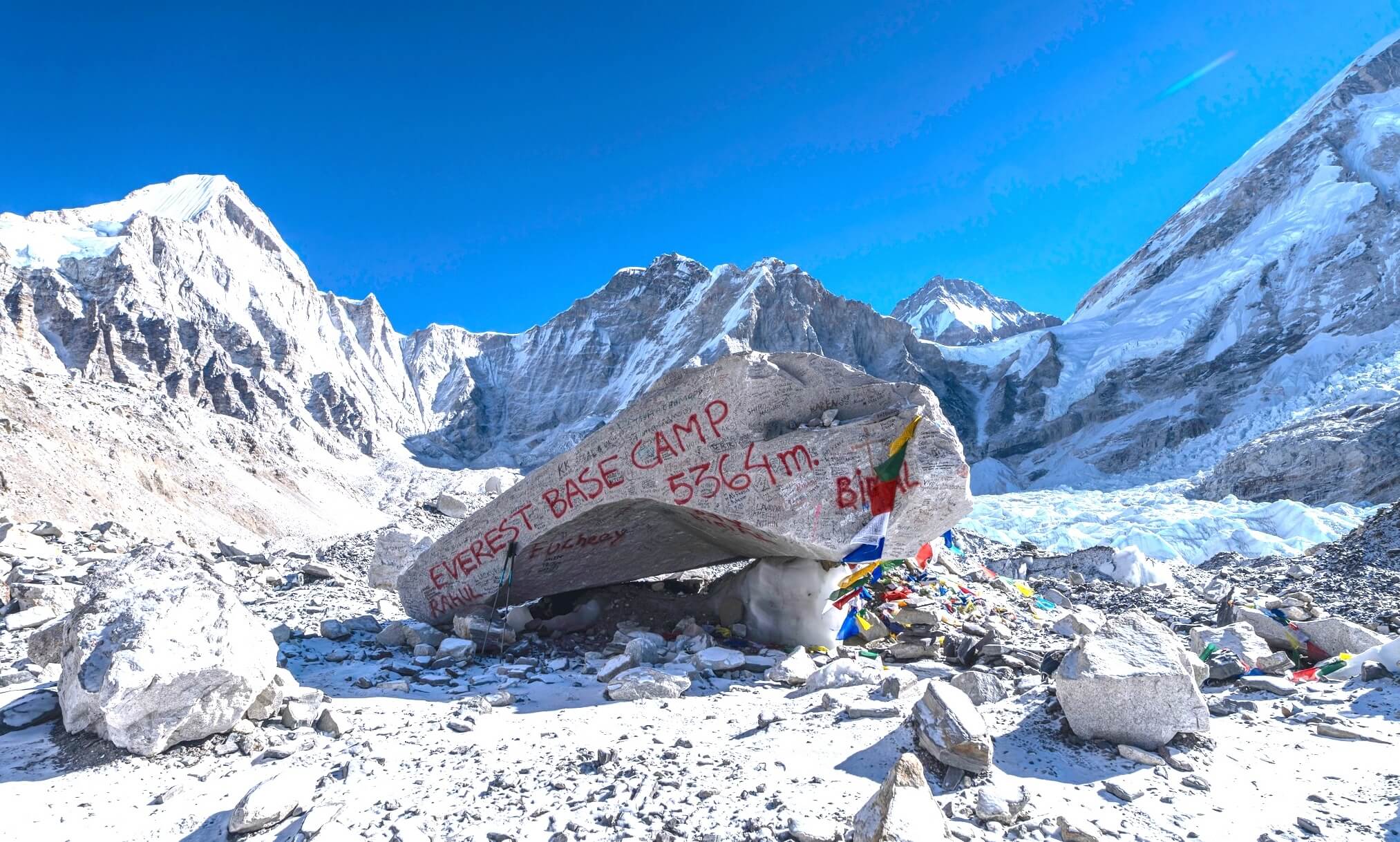
- Reach Everest Base Camp (5,364m): Stand at the foot of the world’s highest peak and witness the legendary Khumbu Icefall.
- Sunrise from Kala Patthar (5,545m): Enjoy arguably the best panoramic view of Everest and neighboring peaks.
- Tengboche Monastery Visit: Explore the spiritual heart of the region with stunning mountain backdrops.
- Acclimatization in Namche Bazaar: Experience Sherpa culture and optional hikes.
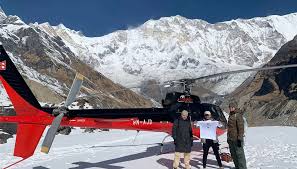
- Helicopter Return Flight: Soar above Everest, Lhotse, Ama Dablam, and the Khumbu Valley, saving several days of descent trekking.
- Trekking through Sagarmatha National Park: Experience diverse landscapes, flora, and fauna.
- Sherpa Culture and Warm Hospitality: Enjoy interactions with local people and traditional lifestyles.
Book This Trip
Trip Information
 Start : Kathmandu
 Finish : Kathmandu
 Difficulty :
Basic
Difficulty :
Basic
 Max Altitude : 5545m
 Group Size :
  Season :
Trip Gallery
Trip Itinerary
Upon arriving at Tribhuvan International Airport, you’ll be warmly welcomed and transferred to your hotel in Kathmandu’s vibrant Thamel district. This day is for rest after your journey and preparing for the trek ahead. In the afternoon or evening, you’ll attend a detailed trek briefing where your guide will explain the itinerary, review your gear, discuss altitude sickness prevention, and answer questions. It’s a good day to purchase last-minute items if needed and soak in the bustling city atmosphere.
The day starts with an early morning scenic flight from Kathmandu to Lukla, often described as one of the most thrilling airports in the world with its short mountain runway. Upon landing, you’ll meet your trekking crew and start your first hike. The trek to Phakding follows the gentle Dudh Koshi River, passing pine forests, small villages, and terraced fields. This 3-4 hour walk is relatively easy, helping your body start adjusting to the altitude. Overnight stay is at a teahouse lodge in Phakding, where you’ll enjoy a warm meal and your first Himalayan sunset.
This is one of the most memorable days, featuring several suspension bridges, including the famous Hillary Suspension Bridge, named after Sir Edmund Hillary. You’ll trek through beautiful rhododendron and pine forests, with dramatic views of peaks like Thamserku and Kusum Kanguru. The trail climbs steeply to Namche Bazaar, the Sherpa capital and a vibrant mountain town bustling with shops, cafes, and markets. It’s a cultural hub where you can experience Sherpa life firsthand. Expect 5-6 hours of moderate to challenging hiking.
Rest is crucial for avoiding altitude sickness. Use this day to acclimatize by exploring Namche Bazaar at leisure or taking optional hikes. Popular options include walking to the Everest View Hotel for panoramic views of Everest, Lhotse, and Ama Dablam, or hiking to the nearby village of Khumjung to visit traditional monasteries. This day helps your body adjust while immersing yourself in Sherpa culture and mountain scenery.
From Namche, you’ll trek through dense rhododendron and fir forests ascending to Tengboche Monastery, perched on a ridge with breathtaking views of Everest, Ama Dablam, and other Himalayan giants. Tengboche is the spiritual heart of the Khumbu and offers a unique glimpse into Tibetan Buddhist traditions. The trek is about 5-6 hours with some steep sections, rewarding you with stunning vistas and a peaceful monastery stay.
Leaving the forests behind, you enter the alpine zone walking through open meadows and yak pastures. Dingboche is a quiet village known for its peaceful atmosphere and impressive mountain views. The terrain is more rugged and the air thinner, so trekking pace slows. This trek of 5-6 hours prepares you physically and mentally for the higher altitudes ahead.
To help your body adjust, you’ll undertake a challenging hike to Nangkartshang Peak. The ascent is steep and demanding but offers some of the best panoramic views of Makalu, Everest, Lhotse, and surrounding peaks. This day is key for acclimatization before continuing higher. After the hike, you return to Dingboche for a restful evening.
Trekking alongside the Khumbu Glacier moraine, you’ll reach Lobuche, a small settlement near some of the tallest Himalayan peaks. The trail here is rocky and high altitude effects become more noticeable. At Lobuche, you’ll find basic teahouses and climbers’ memorials honoring those who lost their lives on Everest. Expect around 5-6 hours of trekking.
After a short hike to Gorak Shep, the last settlement on the trail, you’ll continue onward to the legendary Everest Base Camp itself. This 2-3 hour trek takes you across moraines and rocky terrain to the foot of Everest’s Khumbu Icefall. Spend time soaking in the incredible surroundings before returning to Gorak Shep to overnight.
Wake very early for a pre-dawn ascent of Kala Patthar, the best vantage point to see Everest at sunrise. The climb is steep but relatively short and incredibly rewarding with panoramic views of Everest, Nuptse, Lhotse, and Ama Dablam glowing in morning light. After descending back to Gorak Shep, you’ll board a helicopter for a thrilling scenic flight back to Kathmandu, flying over the Everest massif, Namche Bazaar, and stunning valleys—offering a unique and comfortable end to your trek.
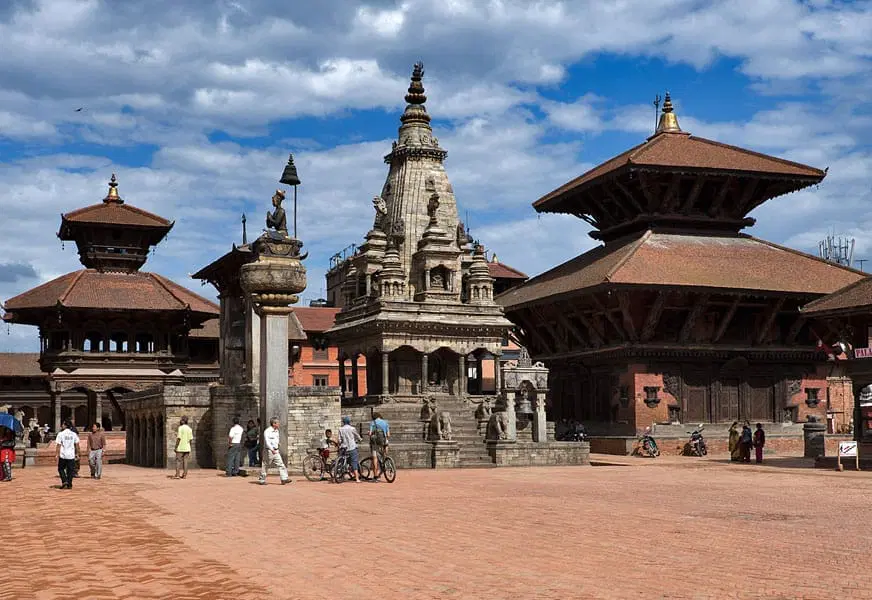
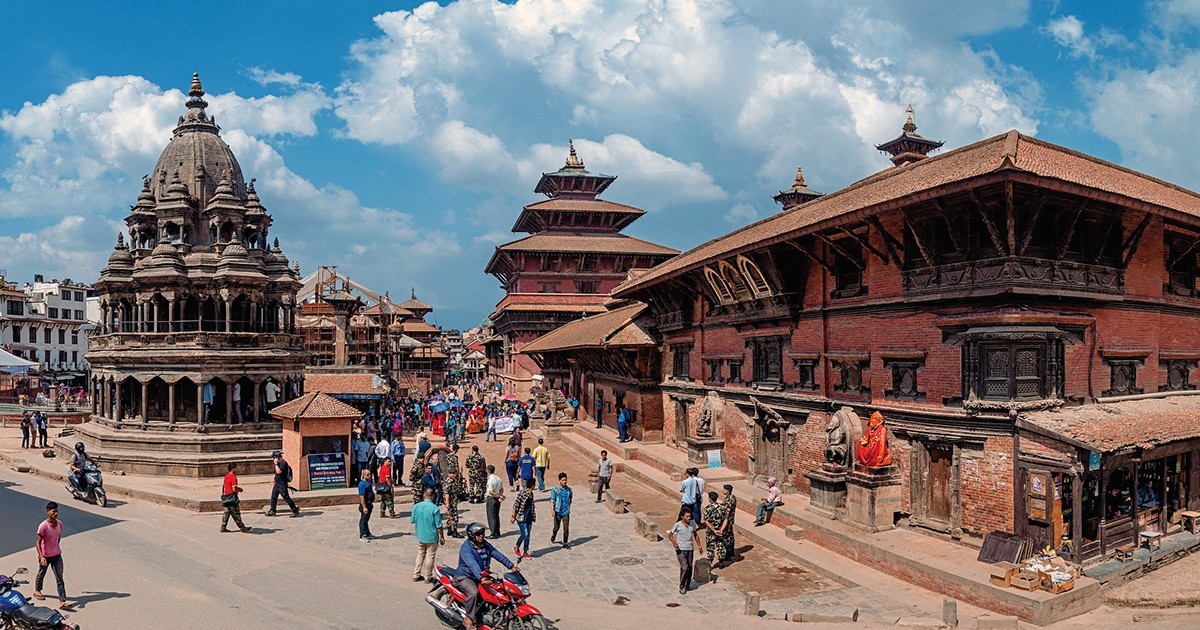
Use this day to rest, explore Kathmandu’s cultural sites like Durbar Square or Pashupatinath Temple, shop for souvenirs, or prepare for your onward journey. It’s a chance to relax and reflect on your unforgettable Himalayan adventure.
Cost Includes
1.Permits
- Trekking Permits: All required permits for the Everest Base Camp trek are included.
2. Accommodation & Meals
- Lodge Accommodation: Comfortable lodge stays along the trekking route.
- Meals: All meals included during the trek (Breakfast, Lunch, and Dinner – BLD).
- Beverages: Tea and coffee provided with meals.
3. Staff
- Guide: Experienced guide available throughout the journey to ensure safety, provide guidance, and enrich the trekking experience.
4. Transportation
- Lukla Flight: Domestic flight from Kathmandu to Lukla included as per itinerary.
- Helicopter Return: Helicopter ride back from Everest Base Camp to Lukla included for a luxurious return journey.
1.Permits
- Trekking Permits: All required permits for the Everest Base Camp trek are included.
2. Accommodation & Meals
- Lodge Accommodation: Comfortable lodge stays along the trekking route.
- Meals: All meals included during the trek (Breakfast, Lunch, and Dinner – BLD).
- Beverages: Tea and coffee provided with meals.
3. Staff
- Guide: Experienced guide available throughout the journey to ensure safety, provide guidance, and enrich the trekking experience.
4. Transportation
- Lukla Flight: Domestic flight from Kathmandu to Lukla included as per itinerary.
- Helicopter Return: Helicopter ride back from Everest Base Camp to Lukla included for a luxurious return journey.
Cost Excludes
1.Visa Fees
- Nepal Entry Visa: Visa fee for entering Nepal (available on arrival at Tribhuvan International Airport or through a Nepalese embassy).
2. Accommodation in Kathmandu
- Hotel in Kathmandu: Accommodation before or after the trek unless specifically mentioned in the itinerary.
3. International Flights
- International Airfare: Flights to and from Kathmandu.
4. Travel Insurance (Mandatory)
- Comprehensive Coverage: Travel insurance covering high-altitude trekking, emergency medical treatment, helicopter evacuation, trip cancellation, and unforeseen circumstances.
5. Personal Expenses
- Lodge Services: WiFi, hot showers, battery charging, and laundry services.
- Beverages: Soft drinks, bottled water, alcoholic drinks, and snacks not included in meals.
6. Tips and Gratuities
- Guide & Porter: Tips for trekking guide and porter (customary but not compulsory).
1.Visa Fees
- Nepal Entry Visa: Visa fee for entering Nepal (available on arrival at Tribhuvan International Airport or through a Nepalese embassy).
2. Accommodation in Kathmandu
- Hotel in Kathmandu: Accommodation before or after the trek unless specifically mentioned in the itinerary.
3. International Flights
- International Airfare: Flights to and from Kathmandu.
4. Travel Insurance (Mandatory)
- Comprehensive Coverage: Travel insurance covering high-altitude trekking, emergency medical treatment, helicopter evacuation, trip cancellation, and unforeseen circumstances.
5. Personal Expenses
- Lodge Services: WiFi, hot showers, battery charging, and laundry services.
- Beverages: Soft drinks, bottled water, alcoholic drinks, and snacks not included in meals.
6. Tips and Gratuities
- Guide & Porter: Tips for trekking guide and porter (customary but not compulsory).
Read More
Essential Info
Accommodation and Food
Accommodations are in traditional teahouses, which offer basic twin-sharing rooms with limited heating and shared bathrooms. In Namche Bazaar and larger villages, some lodges provide private bathrooms and Wi-Fi access (for a fee). Meals typically include dal bhat (rice and lentils), noodles, soups, momos, and simple Western dishes. Hot tea and coffee are widely available to help with acclimatization and warmth.
Permits
Two main permits are required and can be arranged in Kathmandu or purchased en route:
- Sagarmatha National Park Entry Permit: NPR 3,000 (~USD 25)
- Khumbu Pasang Lhamu Rural Municipality Permit: NPR 2,000 (~USD 15)
These ensure environmental protection and support local communities.
Transportation
The trek begins with a scenic, weather-dependent flight from Kathmandu to Lukla. The return is by helicopter, typically departing from Gorak Shep or Kala Patthar, flying directly back to Kathmandu. The helicopter flight is weather sensitive but offers spectacular views and saves several days of trekking.
Extra Info
Essential equipment includes:
- Warm sleeping bag (-10°C to -15°C rating)
- Layered clothing system (base layer, insulating mid-layer, waterproof outer shell)
- Durable trekking boots with ankle support
- Trekking poles
- Gloves, hat, sunglasses, sunscreen
- Headlamp
- Water bottles and purification tablets or filters
- Basic first aid kit and personal medications
- Pack light for the helicopter flight and secure valuables carefully.
Trip Date And Time
We'll Be There, Like We've Been There Before
|
Departing |
Finishing |
Trip Price Per Person |
Action |
Enquire |
|---|---|---|---|---|
| No Trip Yet!! | ||||
Featured Packages
You May Also Enjoy Our Other Trips

10 Days
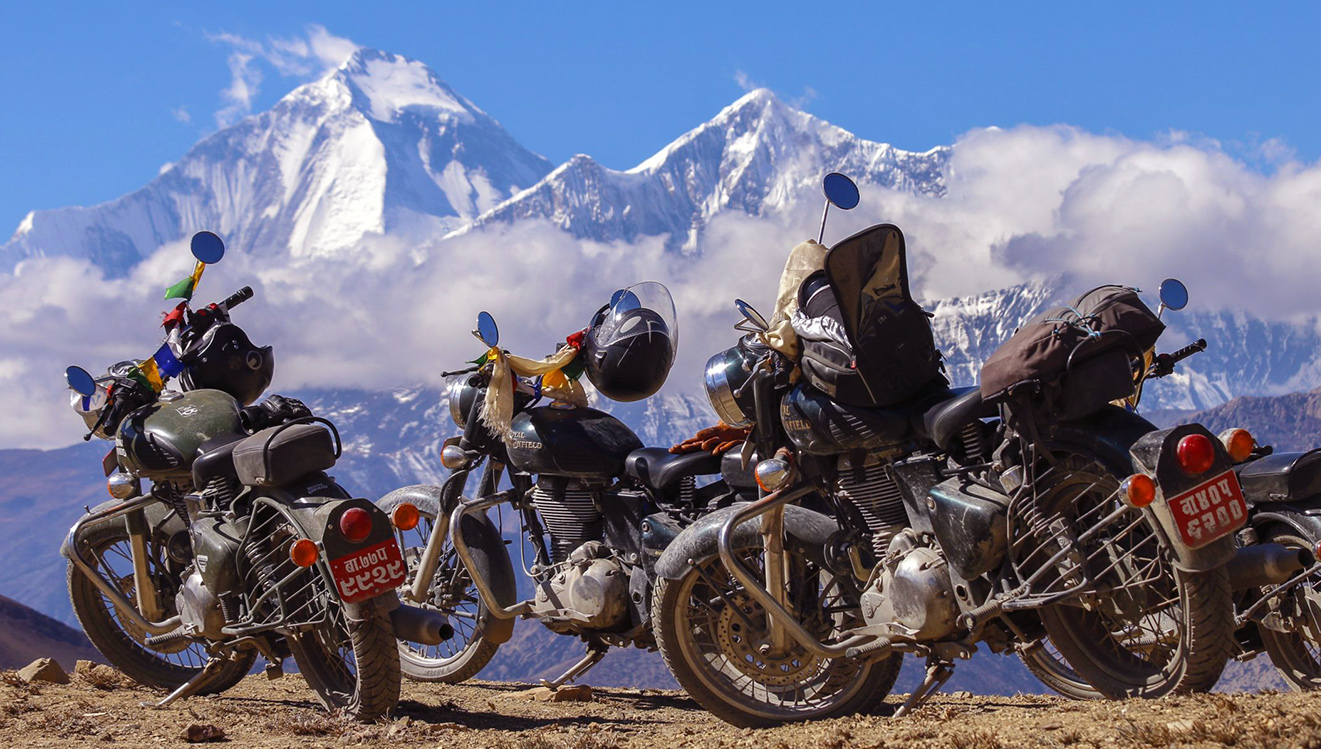
Nepal Heritage Motorbike Tour - A Journey Through Culture And Himalayas !
NPR 1000 Per Person




9 Days
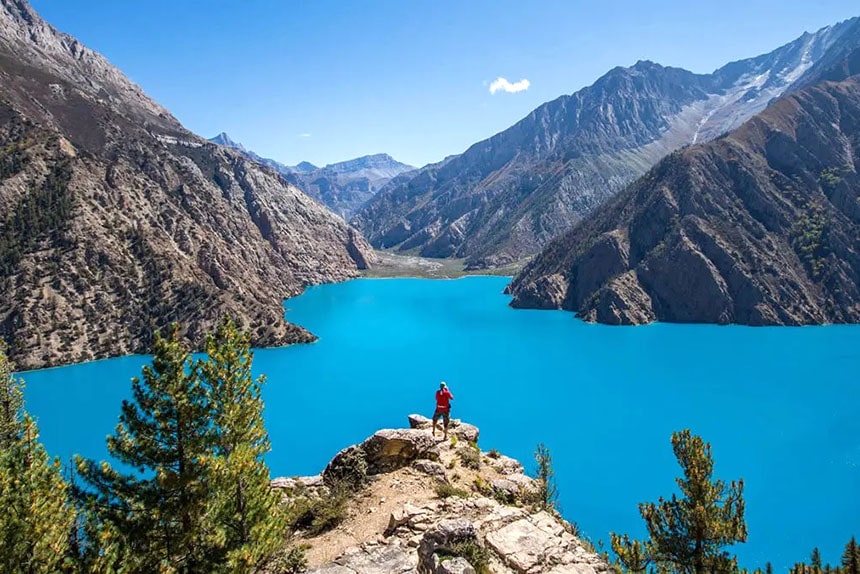
Mardi Himal Trek: A Short and Scenic Route to the Hidden Side of the Annapurnas
NPR 1000 Per Person
15 Days
12 Days

11 Days
9 Days
26 Days
Kanchenjunga Trek: A Majestic Journey to the Third Highest Peak on Earth
NPR 1000 Per Person
17 Days
Everest Base Camp via Gokyo Trek: A Journey Through the Heart of the Khumbu
NPR 1000 Per Person
11 Days
Everest Base Camp Heli Return Trek: A Perfect Blend of Adventure and Convenience
NPR 1000 Per Person
14 Days
Arun Valley Cultural Trail: Journey Through Eastern Nepal’s Cultural Heartland
NPR 1000 Per Person

11 Days
Annapurna North Base Camp Trek: A Remote Trail to the Hidden Face of Annapurna
NPR 1000 Per Person
9 Days


12 Days
22 Days
22 Days
Labuje Peak Climbing Expedition: Exploring a Hidden Gem of the Himalayas
NPR 1000 Per Person
10 Days
Muktinath Yartung Festival: A Spiritual and Adventure Expedition in Nepal
NPR 1000 Per Person
14 Days
Mustang Tiji Festival: A Unique Cultural and Trekking Expedition in Nepal
NPR 1000 Per Person
15 Days
13 Days