Pikey Peak Trek: Hidden Views of Everest
- Home
- Pikey Peak Trek: Hidden Views of Everest
Budget
NPR 1000
Per Person
Rating
No review has been posted yet
Duration
6 Days
Trip Overview
The Pikey Peak Trek is one of Nepal’s best-kept secrets—an off-the-beaten-path adventure nestled in the scenic lower Solu-Khumbu region. This trek offers spectacular panoramic views of Mount Everest along with several other towering Himalayan peaks, making it a rewarding destination for nature lovers, culture enthusiasts, and adventure seekers alike. Rising just over 4,000 meters, Pikey Peak provides a moderate challenge accessible to trekkers with varying experience levels. The trail meanders through peaceful forests, traditional Sherpa villages, and open ridgelines, creating a perfect blend of natural beauty and cultural richness.
Unlike the bustling Everest Base Camp route, the Pikey Peak Trek provides a serene and tranquil atmosphere, ideal for travelers seeking solitude and a deeper connection to the Himalayas. Beyond stunning landscapes, the journey immerses visitors in authentic Sherpa culture, with opportunities to visit local monasteries, interact with friendly villagers, and learn about their customs and lifestyle. Whether you are a beginner or an experienced trekker, this journey promises breathtaking mountain vistas, cultural insights, and a refreshing escape from the crowds.
Geography and Landscape
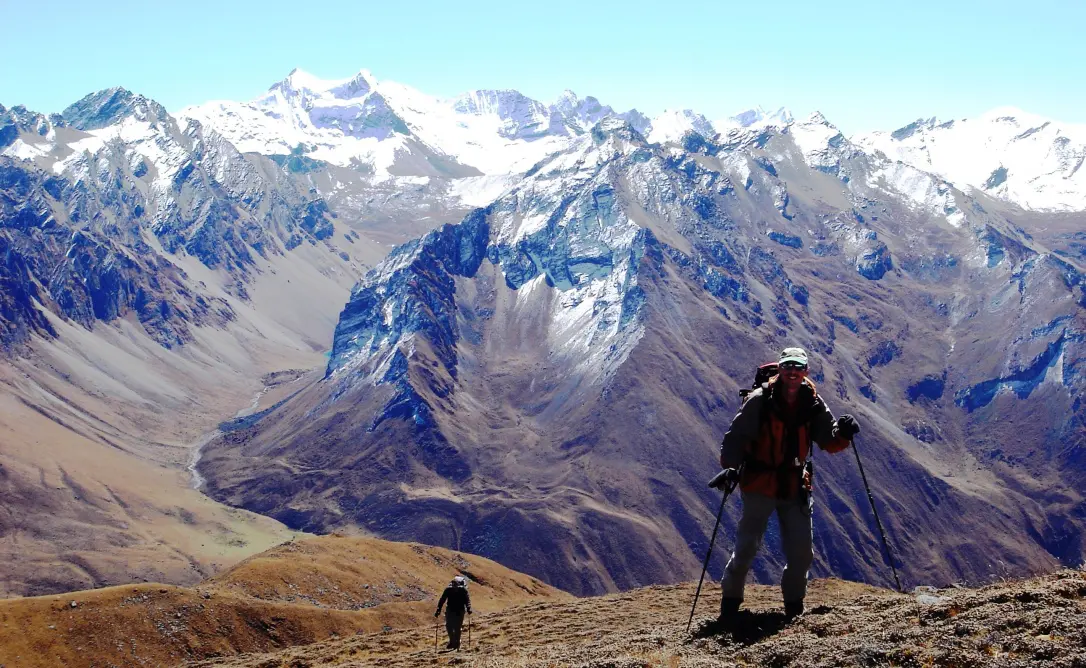
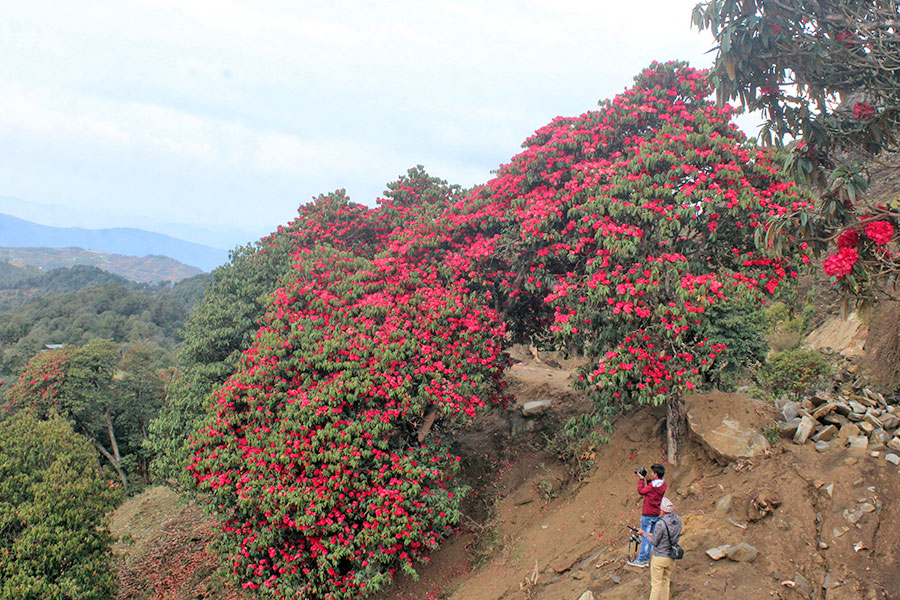
Situated in the lower Everest region (Solu), south of the main Everest trail, the Pikey Peak Trek winds through rolling hills, dense forests, yak pastures, and traditional Sherpa villages. The trek gradually ascends through rhododendron and pine forests, open ridgelines, and grassy highlands, making it ideal for slow, scenic walking with ample opportunities for photography, birdwatching, and cultural exploration.
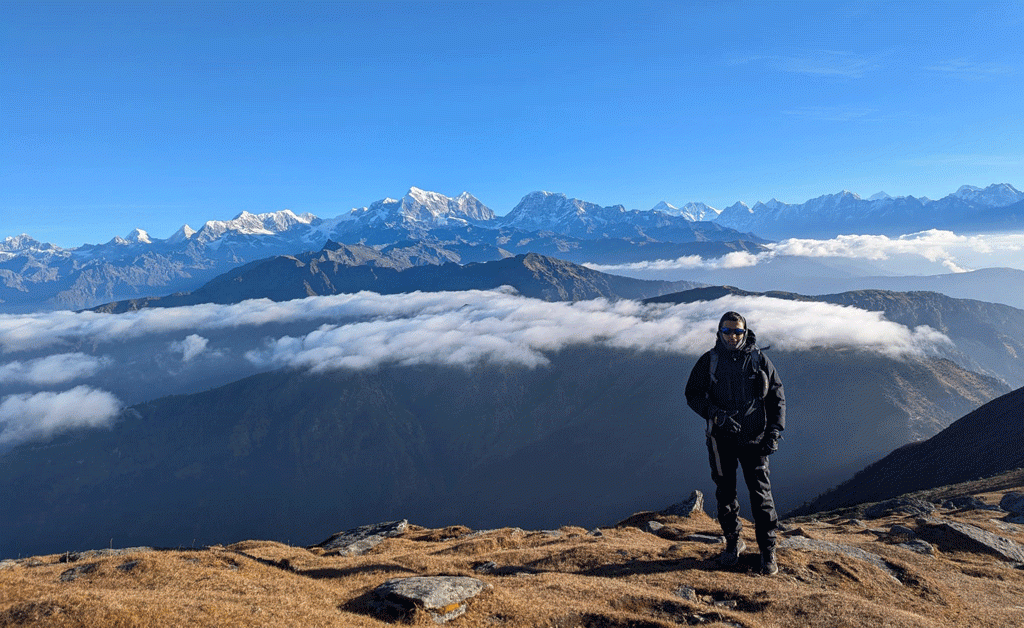
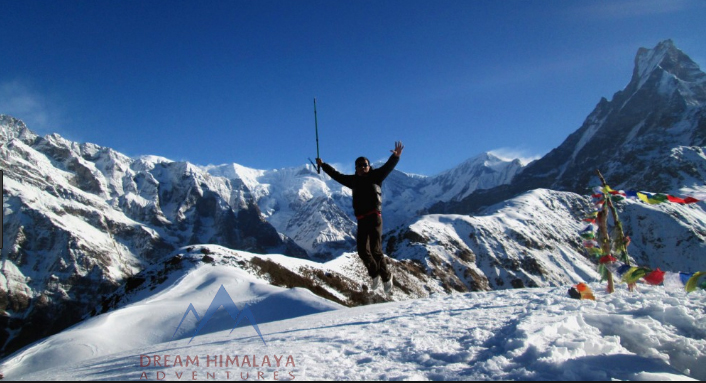
From the summit of Pikey Peak, at 4,065 meters, trekkers are rewarded with breathtaking 360-degree panoramic views. On a clear day, one can see Mount Everest, Lhotse, Makalu, Kanchenjunga, and even the Annapurna range—an awe-inspiring spectacle that ranks among Nepal’s best vantage points.
Climate and Best Time to Trek
The best seasons to undertake the Pikey Peak Trek are spring (March–May) and autumn (September–November). During these months, the skies are typically clear, offering ideal visibility for mountain views, and the temperatures are comfortable during the day, ranging from 10°C to 20°C. Nights near Pikey Peak can be cold, often dropping to -5°C or lower, so appropriate warm gear is necessary.
While the trek can be done during winter, snow at higher elevations can make the trail challenging, making it more suitable for experienced trekkers. The monsoon season (June to August) brings heavy rainfall, which often makes trails slippery and clouds obscure mountain views, so it is generally not recommended.
People and Culture
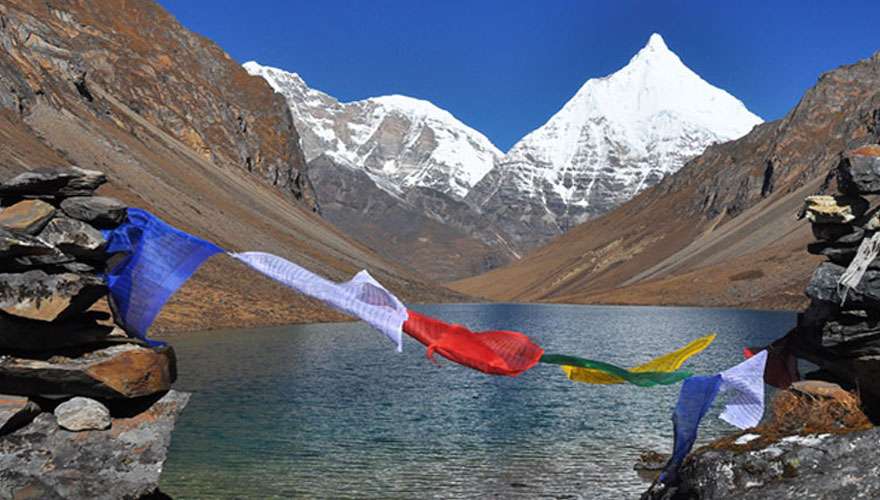
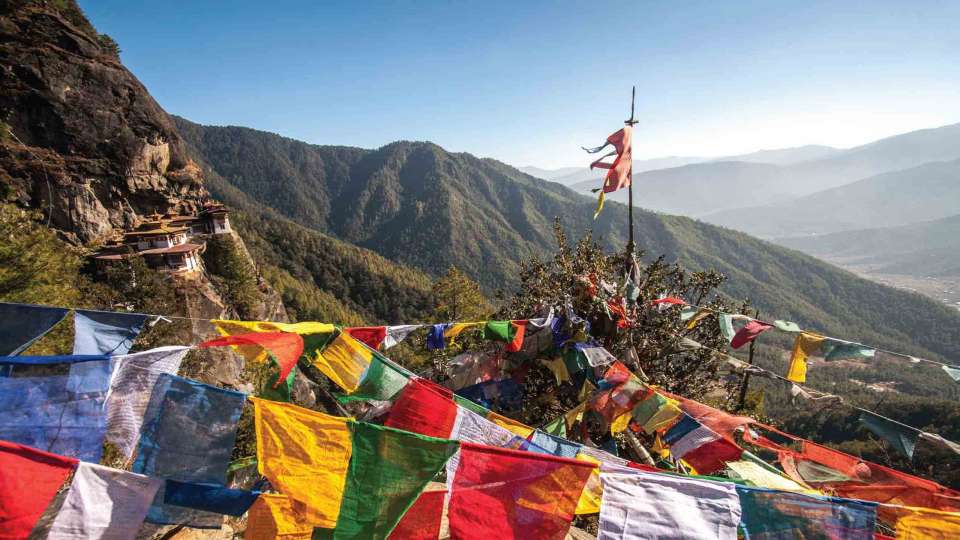
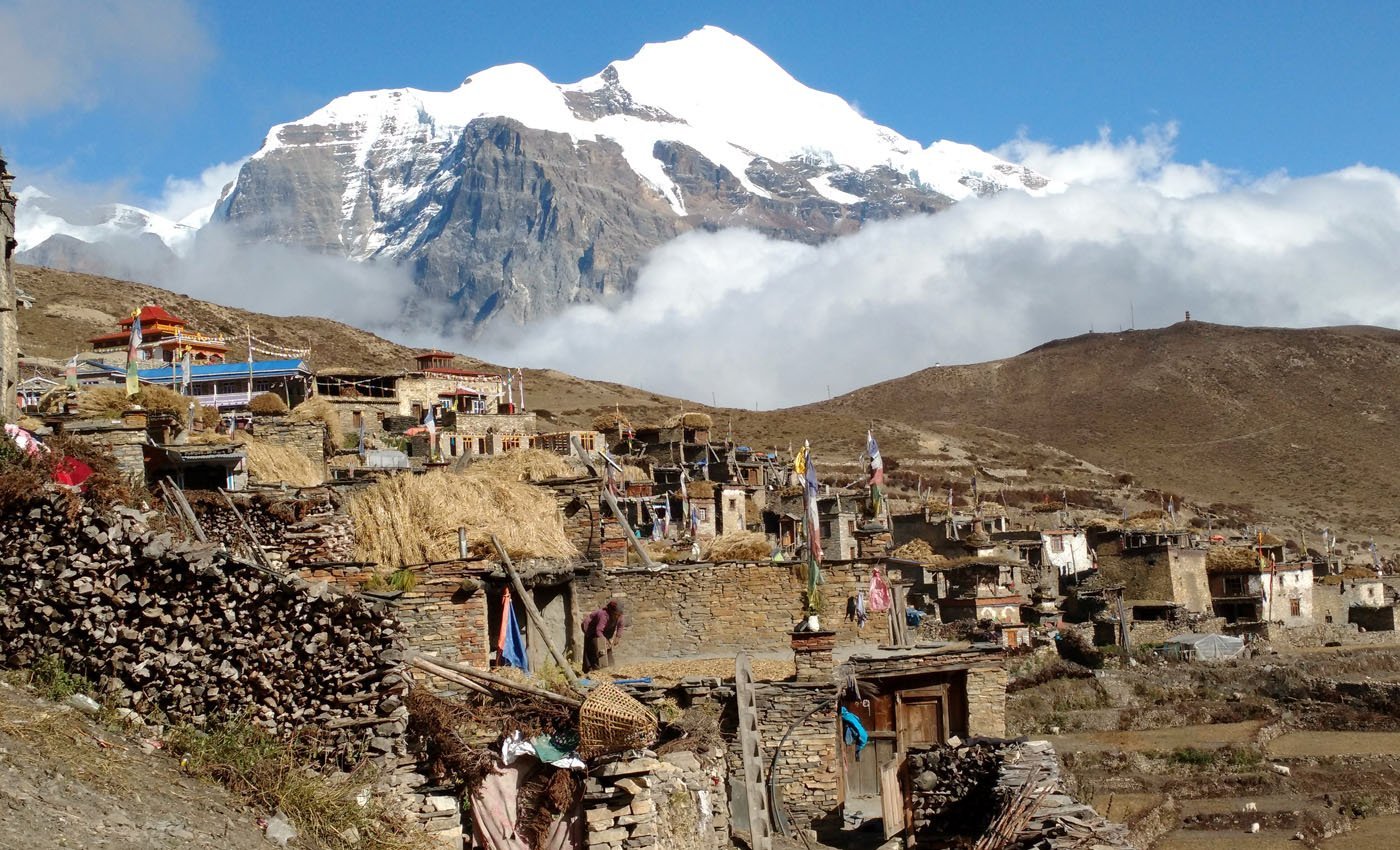
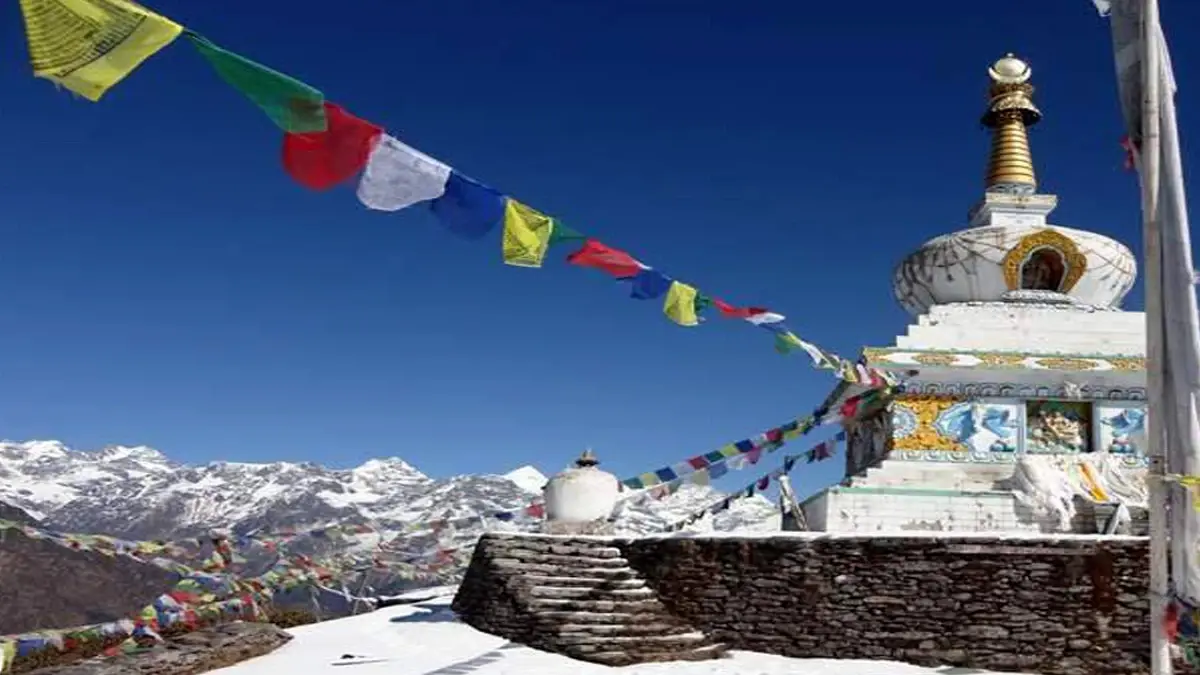
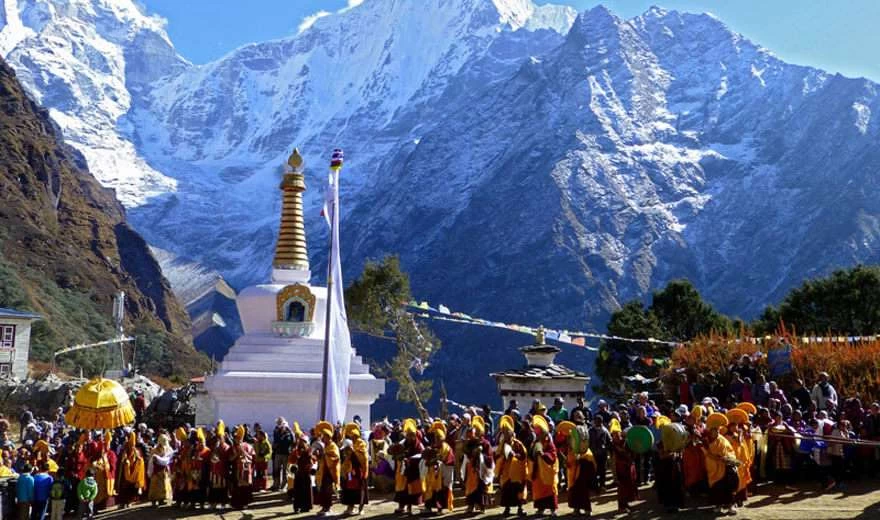
The Solu region is home to the Sherpa, Tamang, and Rai ethnic communities, each contributing to the rich cultural tapestry of the area. Trekkers experience authentic village life far from the commercialized Everest routes, with traditional stone houses, mani walls, prayer flags fluttering on ridges, and ancient chortens scattered along the trail.
A highlight of the cultural experience is Junbesi village, which, if included in the itinerary, offers a visit to the historic Thupten Chholing Monastery. This important Buddhist monastery is home to hundreds of monks and nuns and preserves traditional Sherpa architecture and religious practices. Interacting with the locals here provides invaluable insight into the spiritual and everyday life of the Himalayan people.
Package Highlights:
- Spectacular sunrise views of Mount Everest and surrounding Himalayan giants from Pikey Peak (4,065m).
- Off-the-beaten-path trekking experience in the tranquil and less-crowded lower Solu-Khumbu region.
- Moderate trekking suitable for beginners and those with some trekking experience.
- Rich cultural immersion with visits to traditional Sherpa villages and ancient monasteries.
- Varied landscapes including rhododendron forests, alpine meadows, and terraced hillsides.
- Opportunity to experience authentic rural Nepalese life away from tourist crowds.
- Flexible return options with scenic drives or flights from Phaplu airport to Kathmandu.
- Peaceful and less commercial alternative to the popular Everest Base Camp trek.
Book This Trip
Trip Information
 Start : Kathmandu
 Finish : Kathmandu
 Difficulty :
Moderate
Difficulty :
Moderate
 Max Altitude : 4065m
 Group Size :
  Season :
Trip Gallery
Trip Itinerary
Start your journey with a scenic 7 to 9-hour drive from Kathmandu to Dhap, a quiet village nestled in the lower Solu region. Enjoy terraced hillsides and rural landscapes as you prepare for the trek.
Trek moderately for 4 to 5 hours through peaceful pine forests and traditional settlements, arriving at the quaint village of Jhapre. Enjoy panoramic views and the warmth of local hospitality.
Ascend through rhododendron forests and alpine meadows on a 6-hour hike to Pikey Base Camp. The serene atmosphere and mountain scenery make this a memorable day.
Rise early for a 1–2 hour hike to the summit of Pikey Peak to witness one of the most spectacular sunrises over Everest and neighboring peaks. After soaking in the views, descend on a long 7 to 8-hour trek to the village of Loding through scenic ridges and valleys.
Continue descending for 5 to 6 hours through terraced hills and local villages until reaching Phaplu, a small town with an airport and comfortable lodges. Relax and enjoy your last mountain night.
Complete the trek by driving or taking a short domestic flight from Phaplu to Kathmandu, reflecting on an unforgettable Himalayan adventure.Optional extensions include visits to Junbesi and Taksindu, further enriching the cultural experience.
Cost Includes
1.Transportation
- Jeep Transport: Round-trip transfers as per itinerary for access to trailheads.
2. Accommodation & Meals
- Lodge Accommodation: Comfortable twin-sharing stays along the trekking route.
- Meals: All meals included during the trek (Breakfast, Lunch, and Dinner).
3. Permits & Guide
- Trekking Permits: Required permits for trekking in the Pikey Peak region.
- Guide: Professional, English-speaking trekking guide throughout the trek.
4. Staff & Insurance
- Porter Support: Provided where necessary to assist trekkers.
- Staff Insurance: Coverage for guide and porter during the trek
1.Transportation
- Jeep Transport: Round-trip transfers as per itinerary for access to trailheads.
2. Accommodation & Meals
- Lodge Accommodation: Comfortable twin-sharing stays along the trekking route.
- Meals: All meals included during the trek (Breakfast, Lunch, and Dinner).
3. Permits & Guide
- Trekking Permits: Required permits for trekking in the Pikey Peak region.
- Guide: Professional, English-speaking trekking guide throughout the trek.
4. Staff & Insurance
- Porter Support: Provided where necessary to assist trekkers.
- Staff Insurance: Coverage for guide and porter during the trek
Read More
Cost Excludes
1.Visa Fees
- Nepal Entry Visa: Visa fee for entering Nepal (available on arrival at Tribhuvan International Airport or through a Nepalese embassy).
2. Accommodation in Kathmandu
- Hotel in Kathmandu: Accommodation before or after the trek unless specifically mentioned in the itinerary.
3. International Flights
- International Airfare: Flights to and from Kathmandu.
4. Travel Insurance (Mandatory)
- Comprehensive Coverage: Travel insurance covering high-altitude trekking, emergency medical treatment, helicopter evacuation, trip cancellation, and unforeseen circumstances.
5. Personal Expenses
- Lodge Services: WiFi, hot showers, battery charging, and laundry services.
- Beverages: Soft drinks, bottled water, alcoholic drinks, and snacks not included in meals.
6. Tips and Gratuities
- Guide & Porter: Tips for trekking guide and porter (customary but not compulsory).
.
1.Visa Fees
- Nepal Entry Visa: Visa fee for entering Nepal (available on arrival at Tribhuvan International Airport or through a Nepalese embassy).
2. Accommodation in Kathmandu
- Hotel in Kathmandu: Accommodation before or after the trek unless specifically mentioned in the itinerary.
3. International Flights
- International Airfare: Flights to and from Kathmandu.
4. Travel Insurance (Mandatory)
- Comprehensive Coverage: Travel insurance covering high-altitude trekking, emergency medical treatment, helicopter evacuation, trip cancellation, and unforeseen circumstances.
5. Personal Expenses
- Lodge Services: WiFi, hot showers, battery charging, and laundry services.
- Beverages: Soft drinks, bottled water, alcoholic drinks, and snacks not included in meals.
6. Tips and Gratuities
- Guide & Porter: Tips for trekking guide and porter (customary but not compulsory).
.
Read MoreEssential Info
Accommodation along the route is basic but comfortable, provided by local teahouses and community lodges. Rooms are typically twin-shared with simple bedding and shared toilet facilities. Blankets are supplied, but bringing a sleeping bag is highly recommended due to the chilly nights.
Meals consist of hearty, home-cooked Nepali dishes such as dal bhat, noodles, chapatis, potatoes, eggs, and seasonal vegetables. The warmth of local hospitality often makes up for any simplicity in facilities.
Necessary Equipment
- Three-season sleeping bag rated to -10°C.
- Layered clothing system (thermal base layers, fleece, down jacket, waterproof shell).
- Sturdy hiking boots and trekking poles.
- Daypack with water bottles and purification tablets or filter.
- Headlamp, gloves, sunglasses, sunscreen, and personal first aid kit.
- No technical climbing gear is required, but good physical fitness and preparation are recommended.
Transportation
The trek begins with a 7 to 10-hour drive from Kathmandu to Dhap or Jiri, depending on the route chosen. The return journey can be done by road or by a short, scenic flight from Phaplu Airport to Kathmandu, weather permitting. Many trekkers prefer a drive-in, fly-out option for convenience and variety.
Trip Date And Time
We'll Be There, Like We've Been There Before
|
Departing |
Finishing |
Trip Price Per Person |
Action |
Enquire |
|---|---|---|---|---|
| No Trip Yet!! | ||||
Featured Packages
You May Also Enjoy Our Other Trips

10 Days
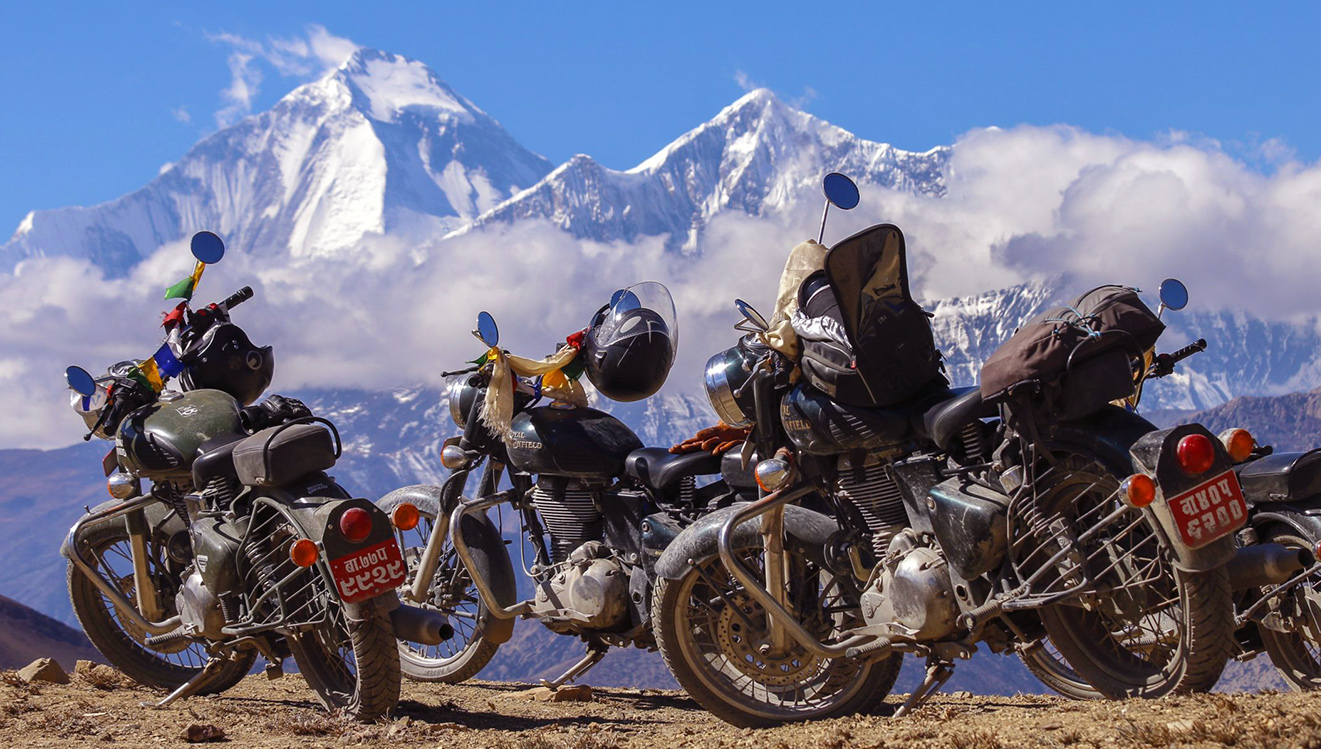
Nepal Heritage Motorbike Tour - A Journey Through Culture And Himalayas !
NPR 1000 Per Person




9 Days
Mardi Himal Trek: A Short and Scenic Route to the Hidden Side of the Annapurnas
NPR 1000 Per Person
15 Days
12 Days

11 Days
9 Days
26 Days
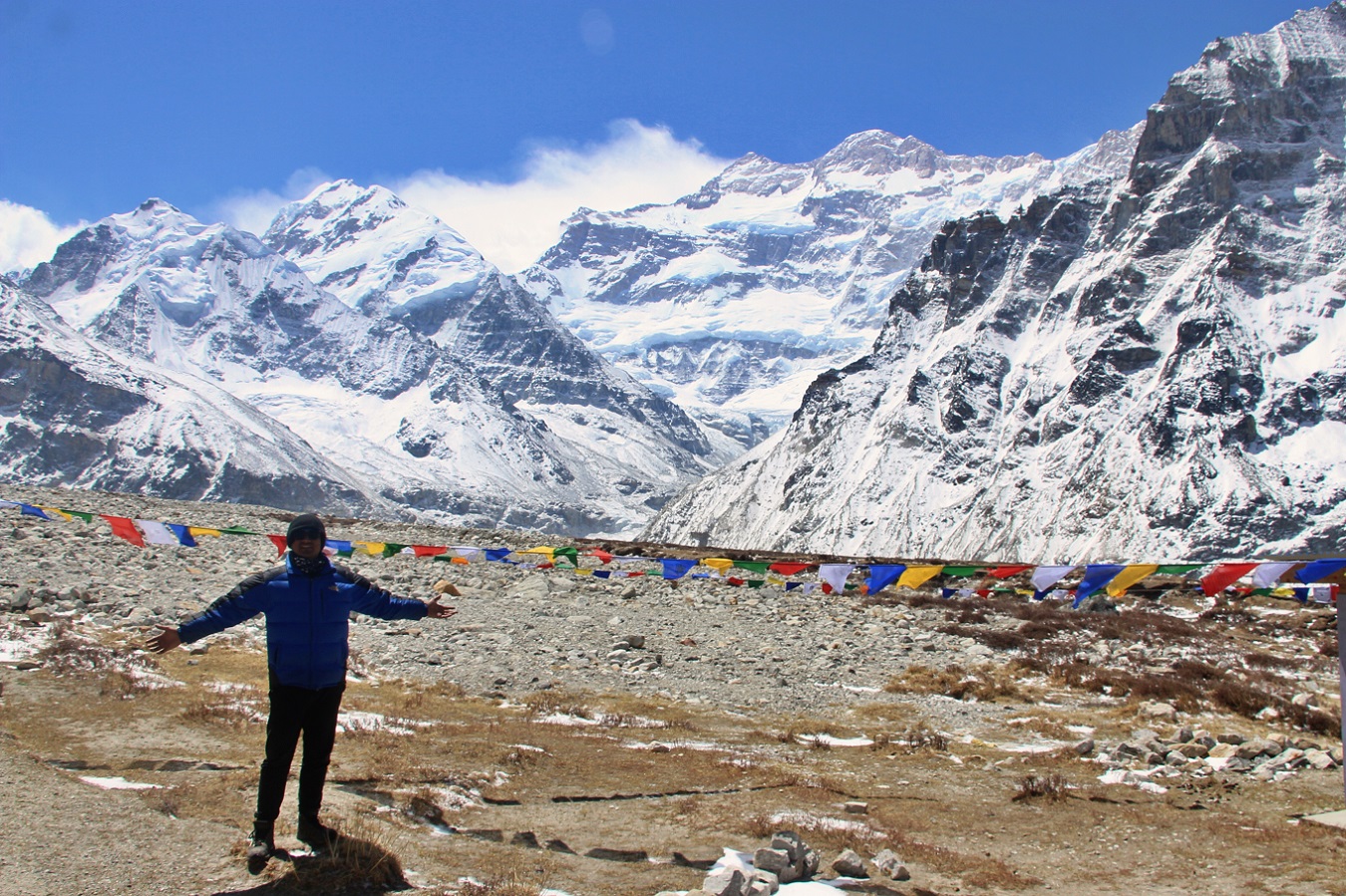
Kanchenjunga Trek: A Majestic Journey to the Third Highest Peak on Earth
NPR 1000 Per Person
17 Days
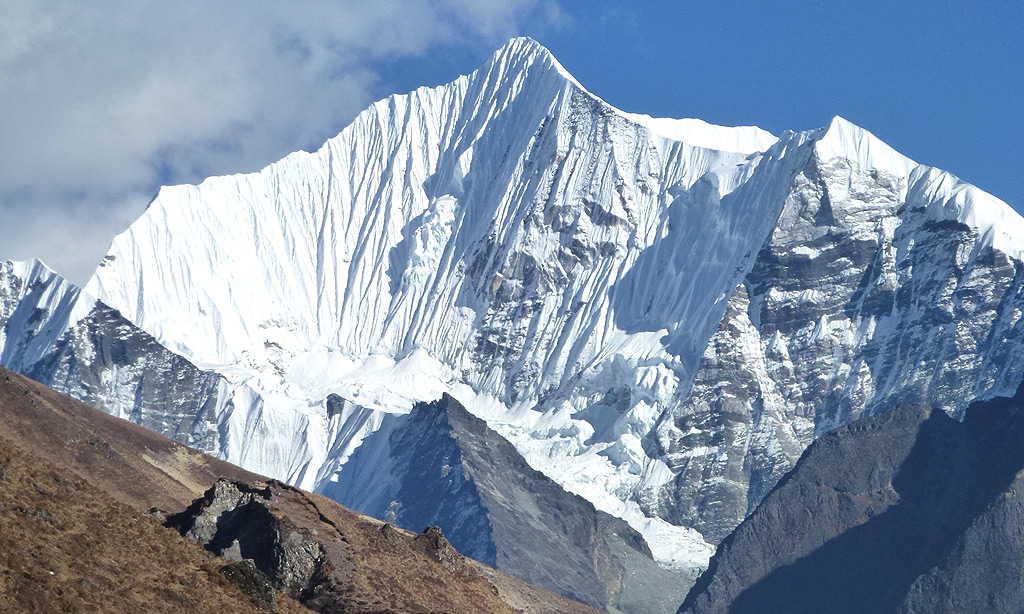
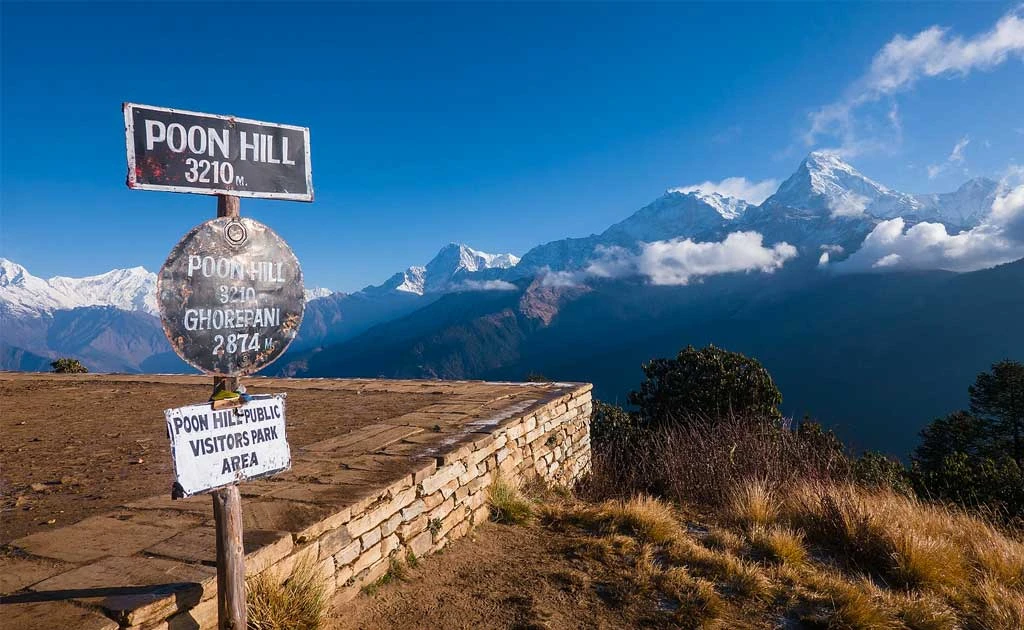
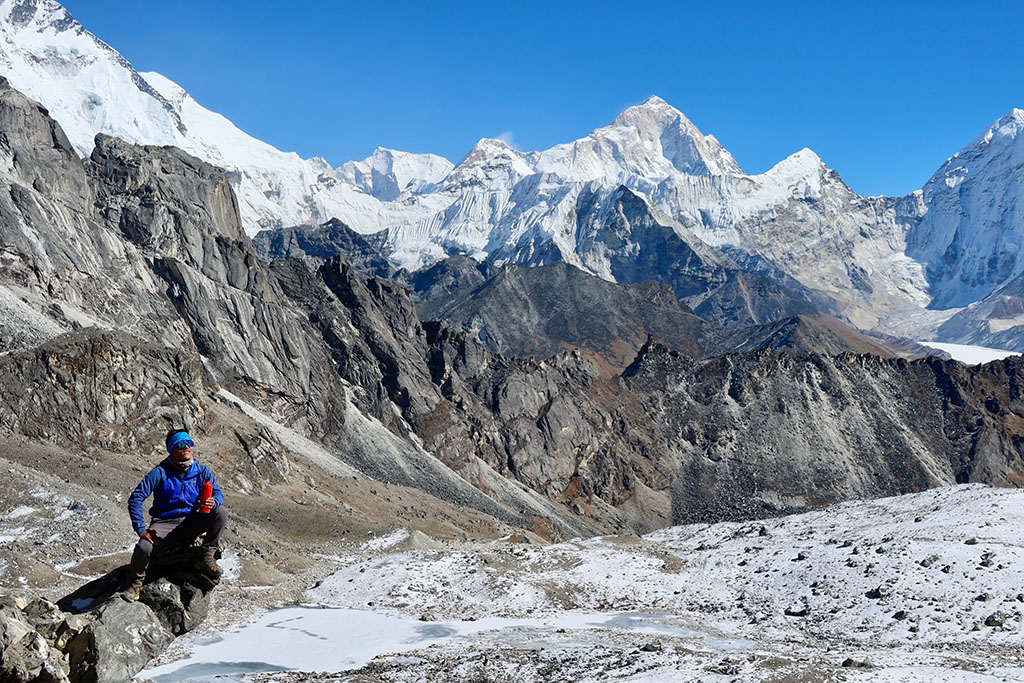
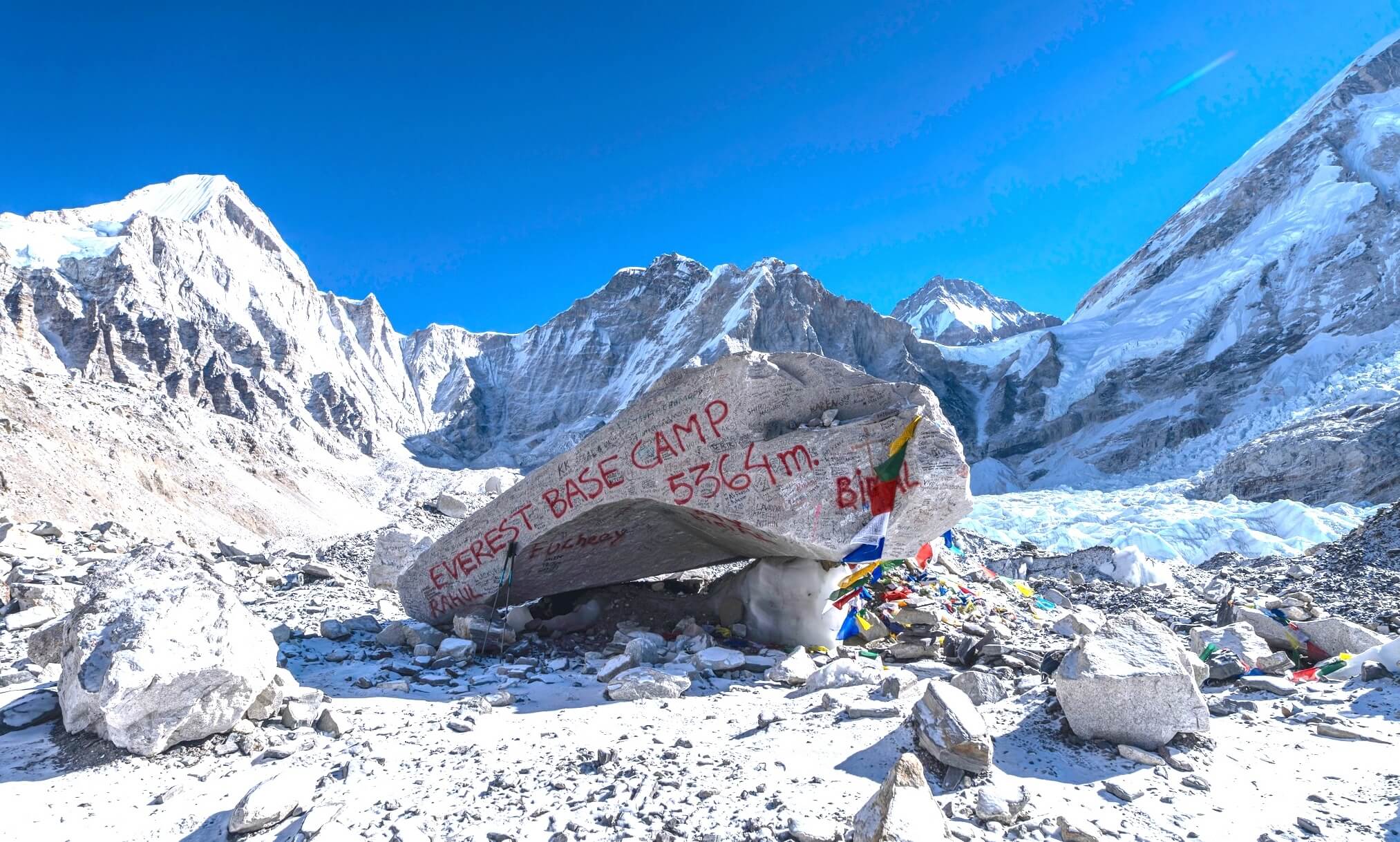
Everest Base Camp via Gokyo Trek: A Journey Through the Heart of the Khumbu
NPR 1000 Per Person
11 Days
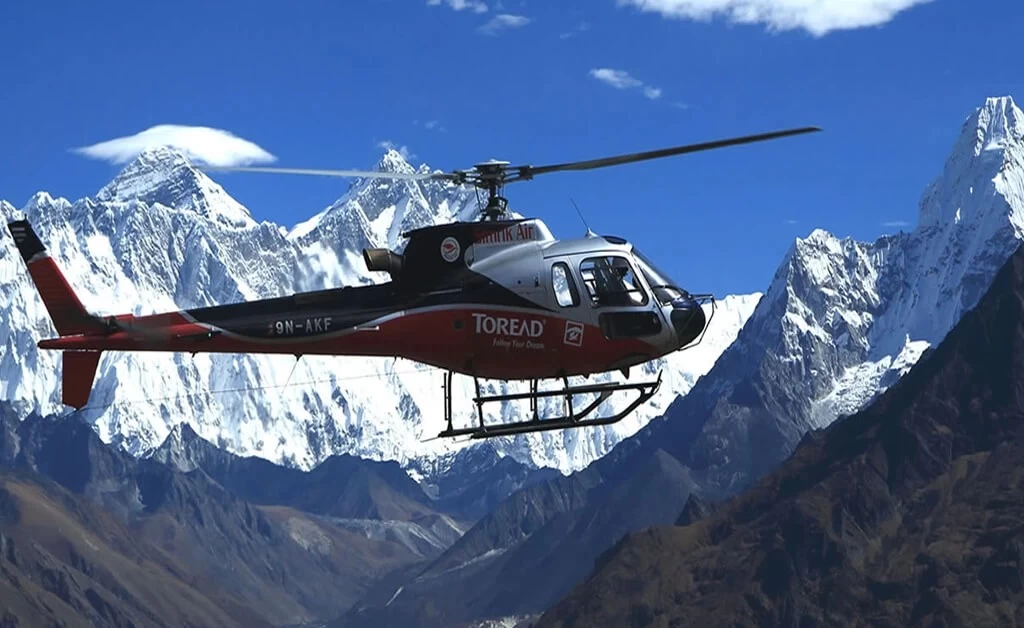
Everest Base Camp Heli Return Trek: A Perfect Blend of Adventure and Convenience
NPR 1000 Per Person
14 Days
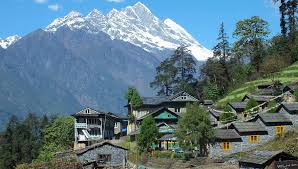
Arun Valley Cultural Trail: Journey Through Eastern Nepal’s Cultural Heartland
NPR 1000 Per Person

11 Days
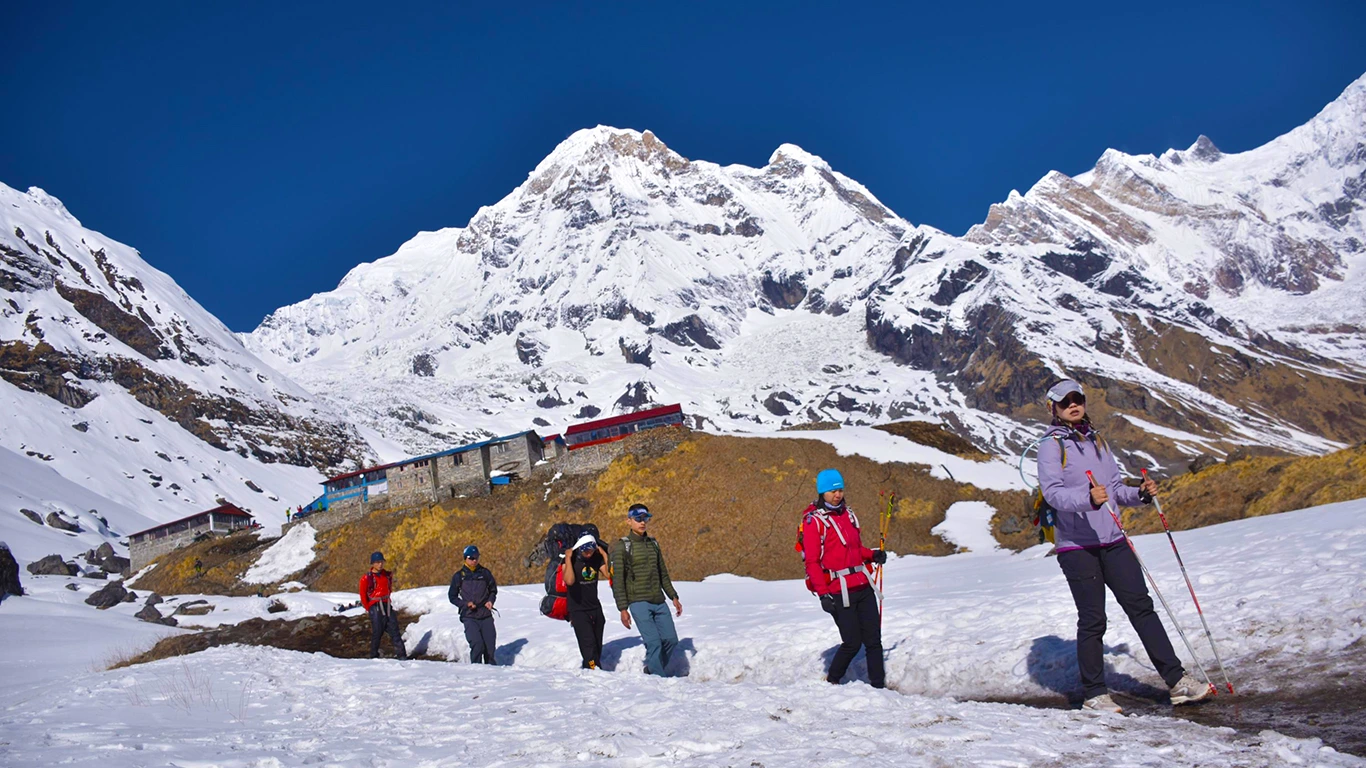
Annapurna North Base Camp Trek: A Remote Trail to the Hidden Face of Annapurna
NPR 1000 Per Person
9 Days


12 Days
22 Days
22 Days
Labuje Peak Climbing Expedition: Exploring a Hidden Gem of the Himalayas
NPR 1000 Per Person
10 Days
Muktinath Yartung Festival: A Spiritual and Adventure Expedition in Nepal
NPR 1000 Per Person
14 Days
Mustang Tiji Festival: A Unique Cultural and Trekking Expedition in Nepal
NPR 1000 Per Person
15 Days
13 Days