Kanchenjunga Trek: A Majestic Journey to the Third Highest Peak on Earth
- Home
- Kanchenjunga Trek: A Majestic Journey to the Third Highest Peak on Earth
Budget
NPR 1000
Per Person
Rating
No review has been posted yet
Duration
26 Days
Trip Overview
The Kanchenjunga Trek is a spectacular, off-the-beaten-path expedition to the world’s third highest mountain, Kanchenjunga (8,586 meters). Nestled in the far eastern region of Nepal, this trek offers a blend of pristine natural beauty, rich biodiversity, and vibrant indigenous cultures rarely encountered on more popular trails. The trek traverses remote alpine landscapes, rhododendron forests, sacred mountain passes, and traditional villages inhabited by diverse ethnic groups such as the Limbu, Rai, and Sherpa peoples.
This challenging journey appeals to adventurers seeking solitude, rugged wilderness, and profound cultural immersion. With sweeping views of towering peaks, glaciers, and deep valleys, the Kanchenjunga Trek is a true Himalayan gem that rewards trekkers with unforgettable experiences far from the crowds.
Geography and Landscape
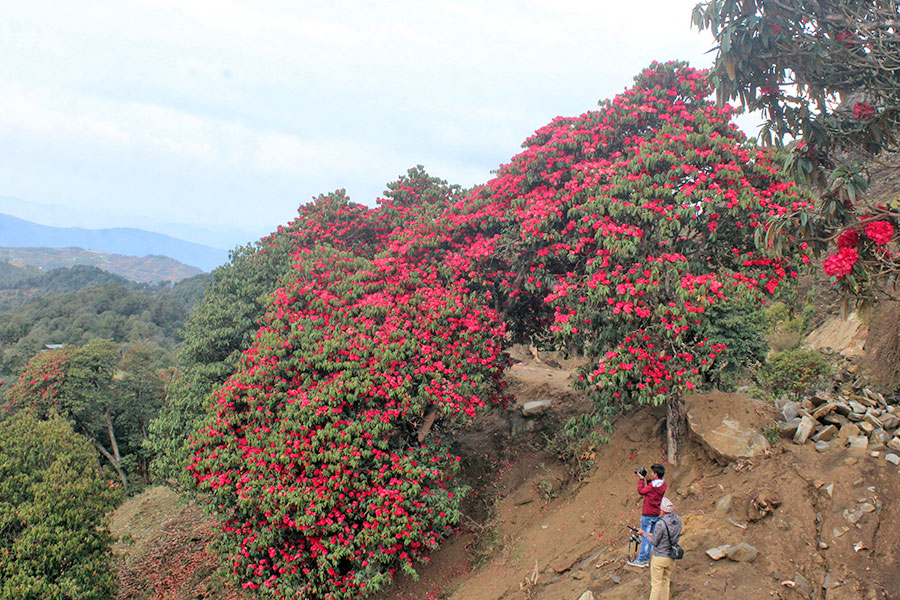
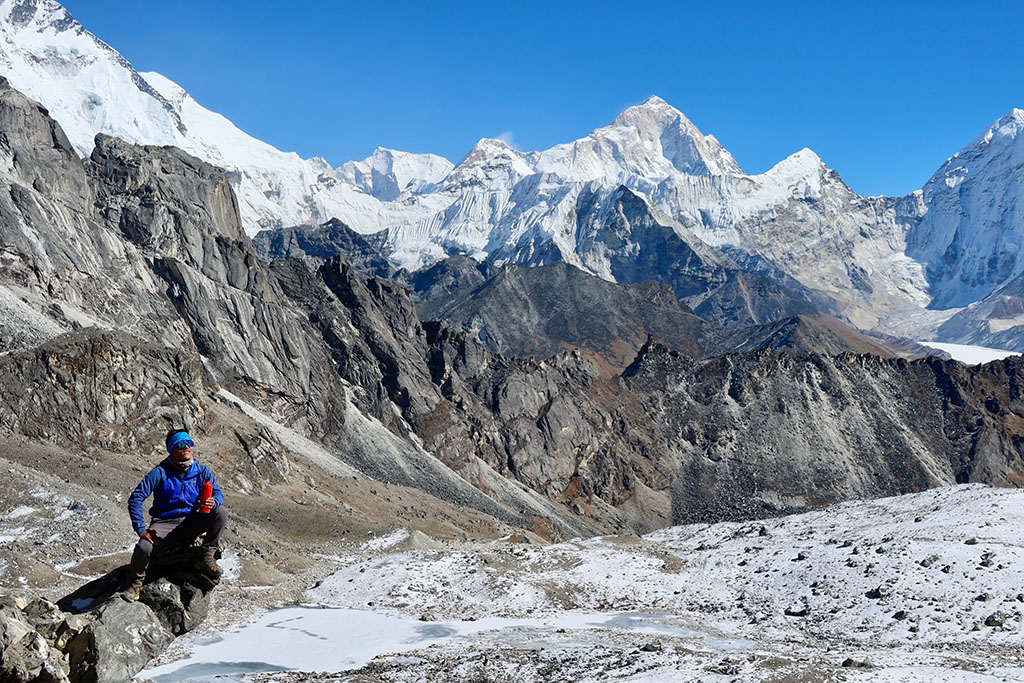
The Kanchenjunga region lies in Nepal’s easternmost district of Taplejung and shares borders with India and Tibet. The trek winds through the Kanchenjunga Conservation Area, a protected sanctuary rich in flora and fauna, including red pandas, musk deer, and Himalayan black bears. The landscape varies from dense subtropical forests at lower elevations to alpine meadows, glacial moraines, and rugged mountain ridges as the trail ascends.
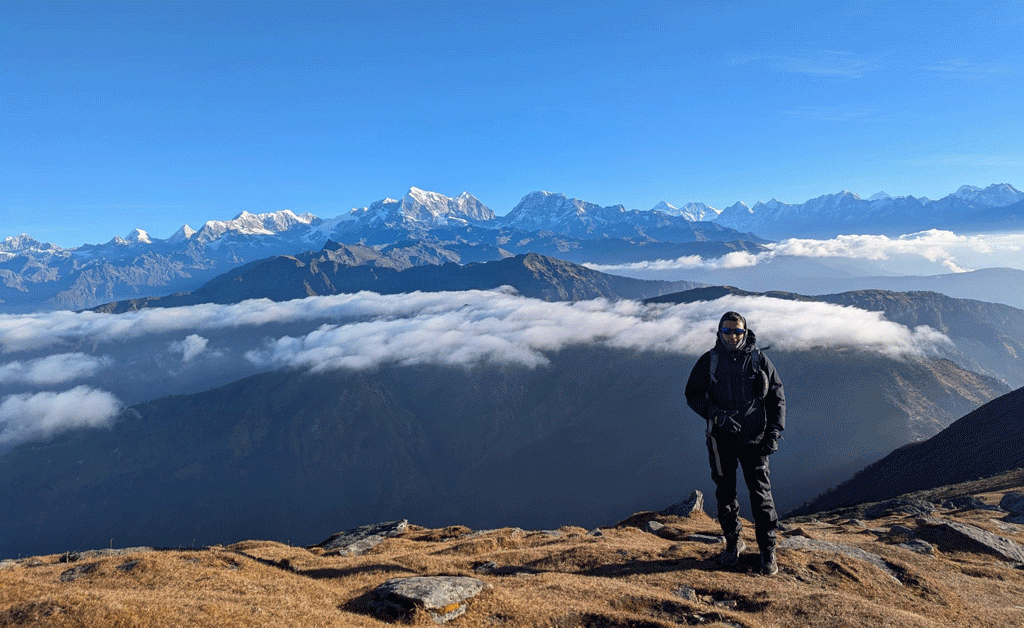
Trekking elevations range from around 1,200 meters in villages like Taplejung up to high passes exceeding 5,000 meters such as the Amphu Lapcha Pass (5,700m). Majestic views of Kanchenjunga’s five summits dominate the skyline, alongside other Himalayan giants like Lhotse, Makalu, and Everest visible on clear days.
People and Culture
The Kanchenjunga Trek crosses homelands of diverse ethnic communities such as the Limbu, Rai, Sherpa, and Tibetan settlers. These groups have rich oral traditions, vibrant festivals, and distinct languages and dress. The Limbu and Rai are particularly noted for their animistic and shamanistic customs, reflected in their colorful rituals and ceremonies.
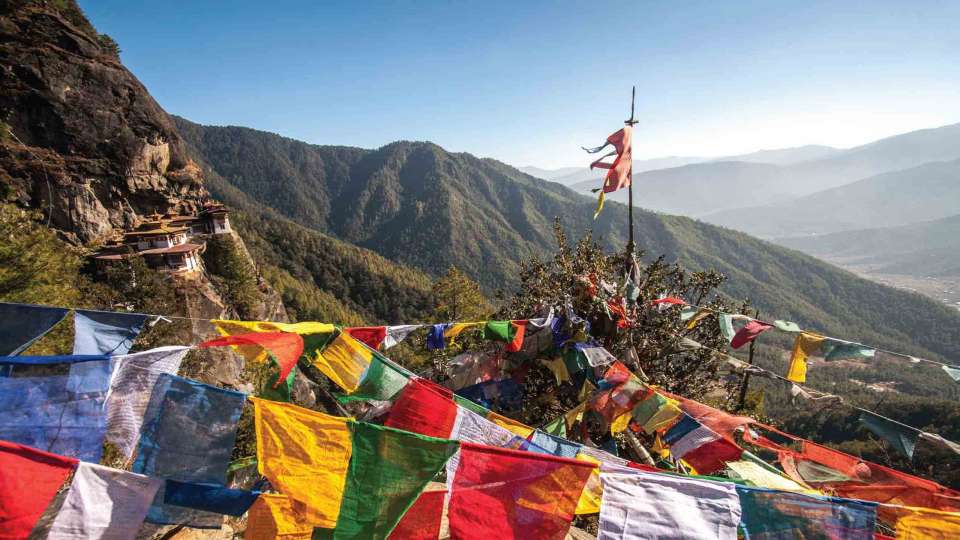
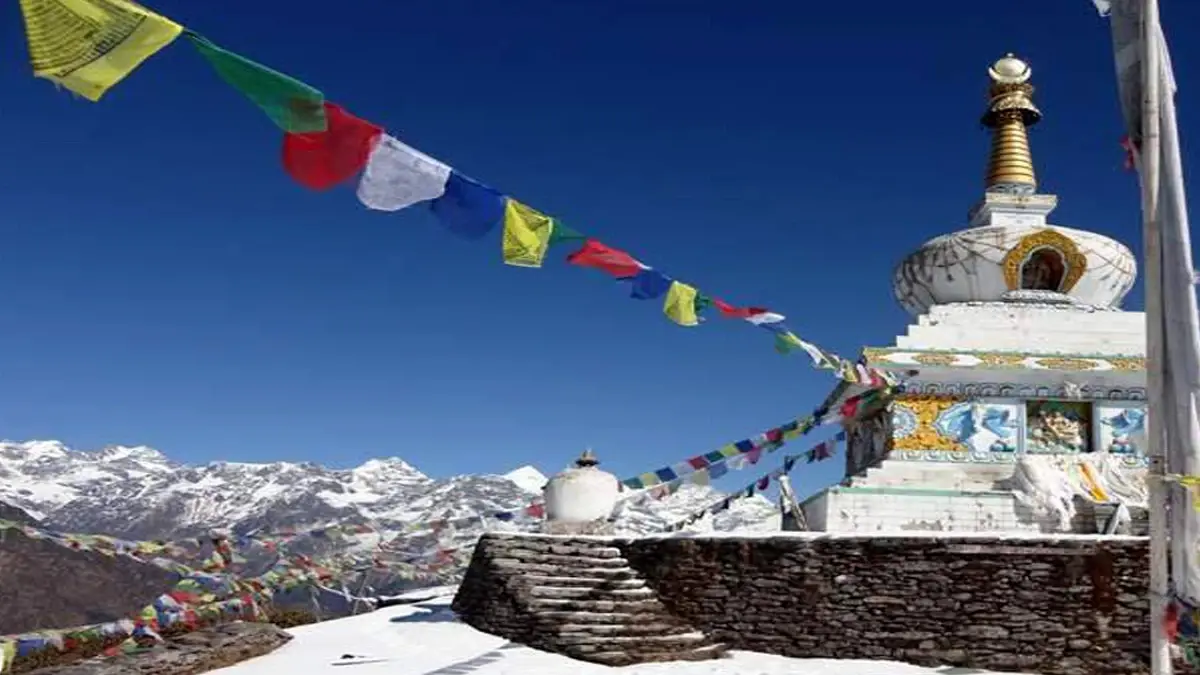
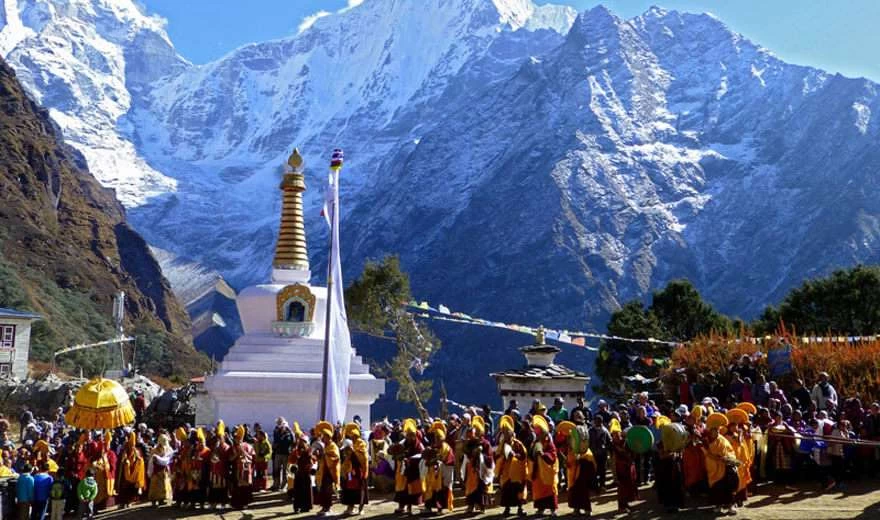
Along the trek, you will encounter traditional villages with stone and wooden houses, ancient monasteries, and mani walls inscribed with Buddhist prayers. The locals are warm and hospitable, welcoming trekkers into their homes and sharing stories of their mountain heritage. This trek is not only a physical journey but also a cultural odyssey into Nepal’s eastern Himalayan life.
Package Highlights:
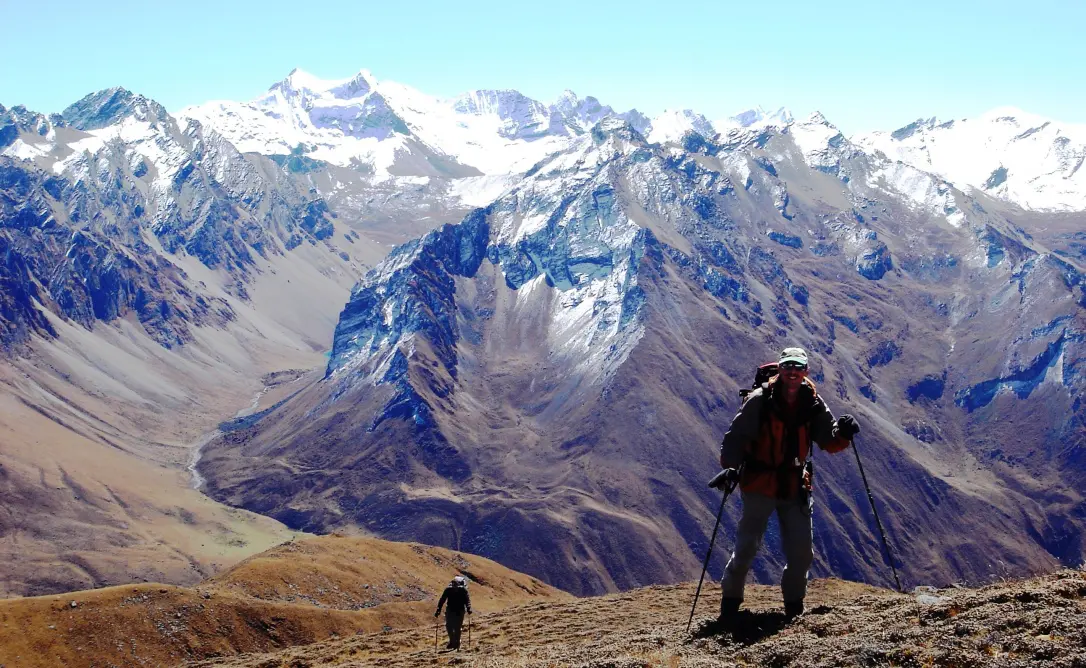
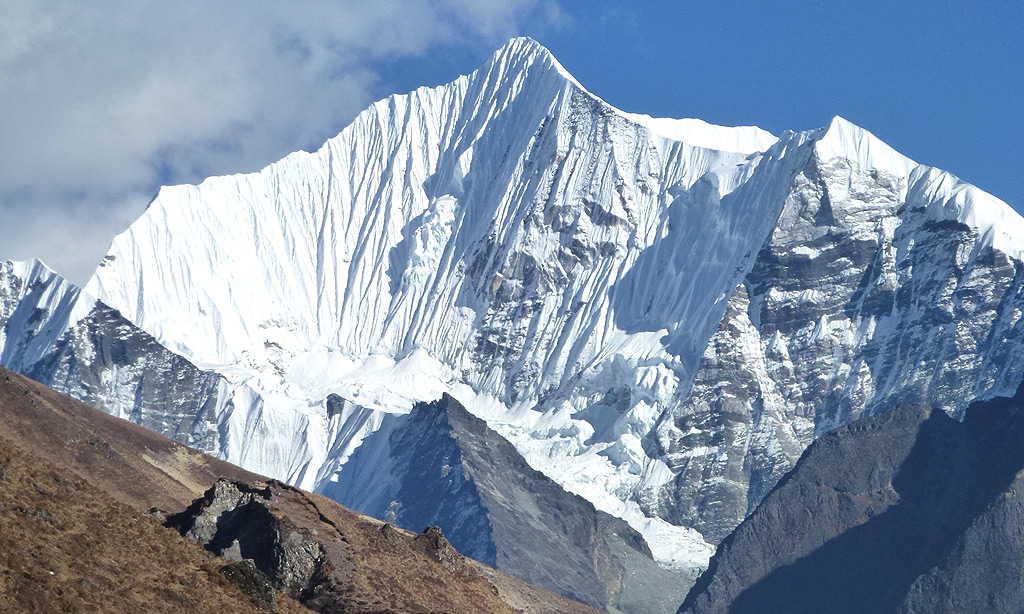
- Close-up views of Kanchenjunga’s five summits and surrounding peaks
- Crossing the challenging Amphu Lapcha Pass (5,700m) and other high mountain passes
- Trekking through the Kanchenjunga Conservation Area’s diverse ecosystems
- Visiting ancient monasteries, traditional Limbu and Rai villages
- Observing rare wildlife like red pandas and Himalayan blue sheep
- Experiencing remote Himalayan wilderness far from mass tourism
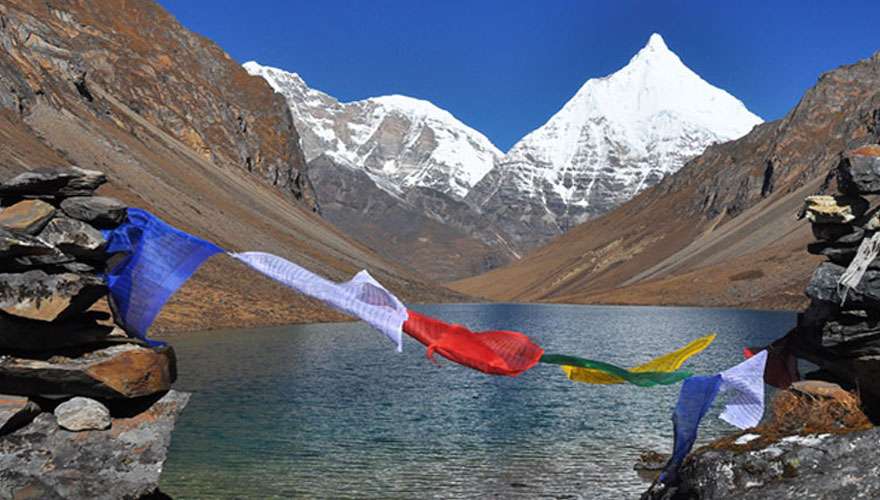
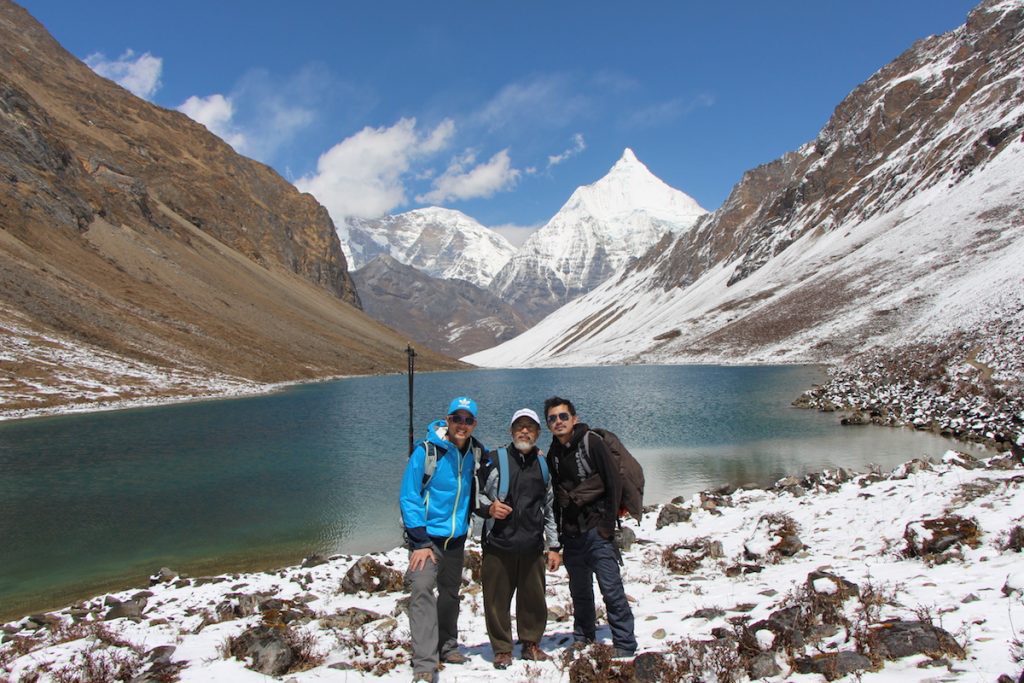
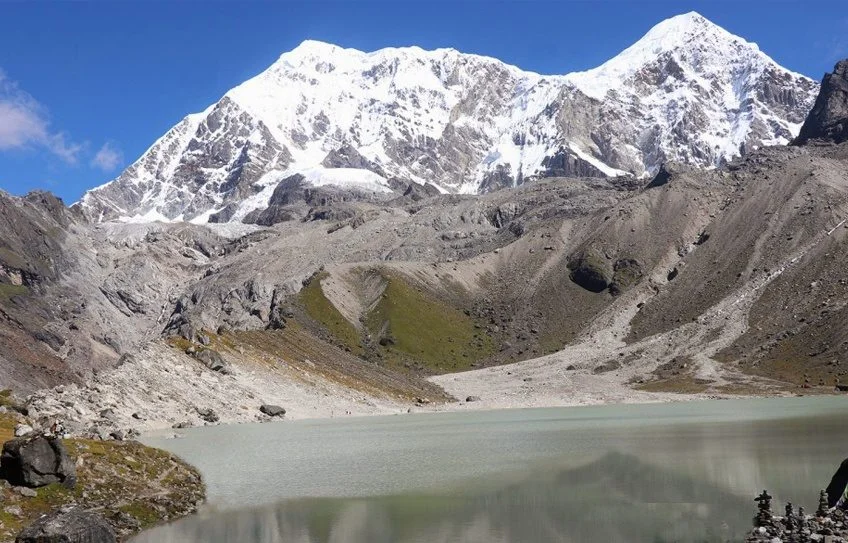
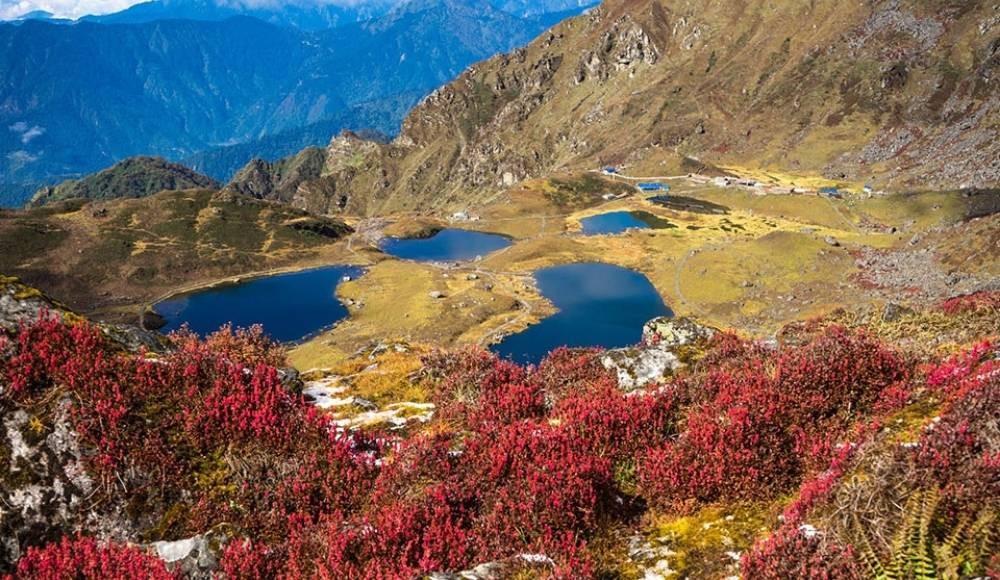
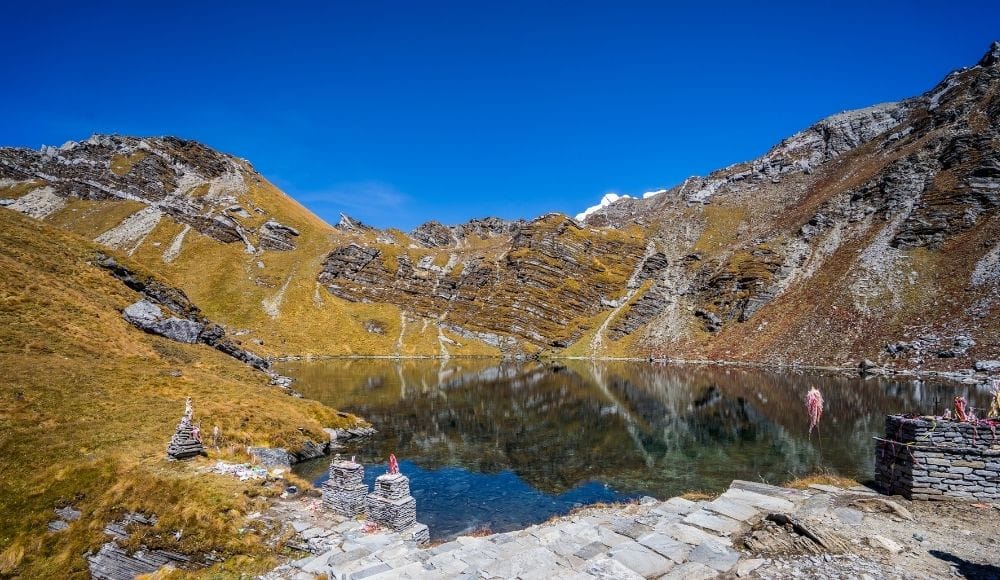
- Scenic mountain vistas, glaciers, alpine lakes, and pristine forests
Book This Trip
Trip Information
 Start : Kathmandu
 Finish : Kathmandu
 Difficulty :
Moderate
Difficulty :
Moderate
 Max Altitude : 4900m
 Group Size :
  Season :
Trip Gallery
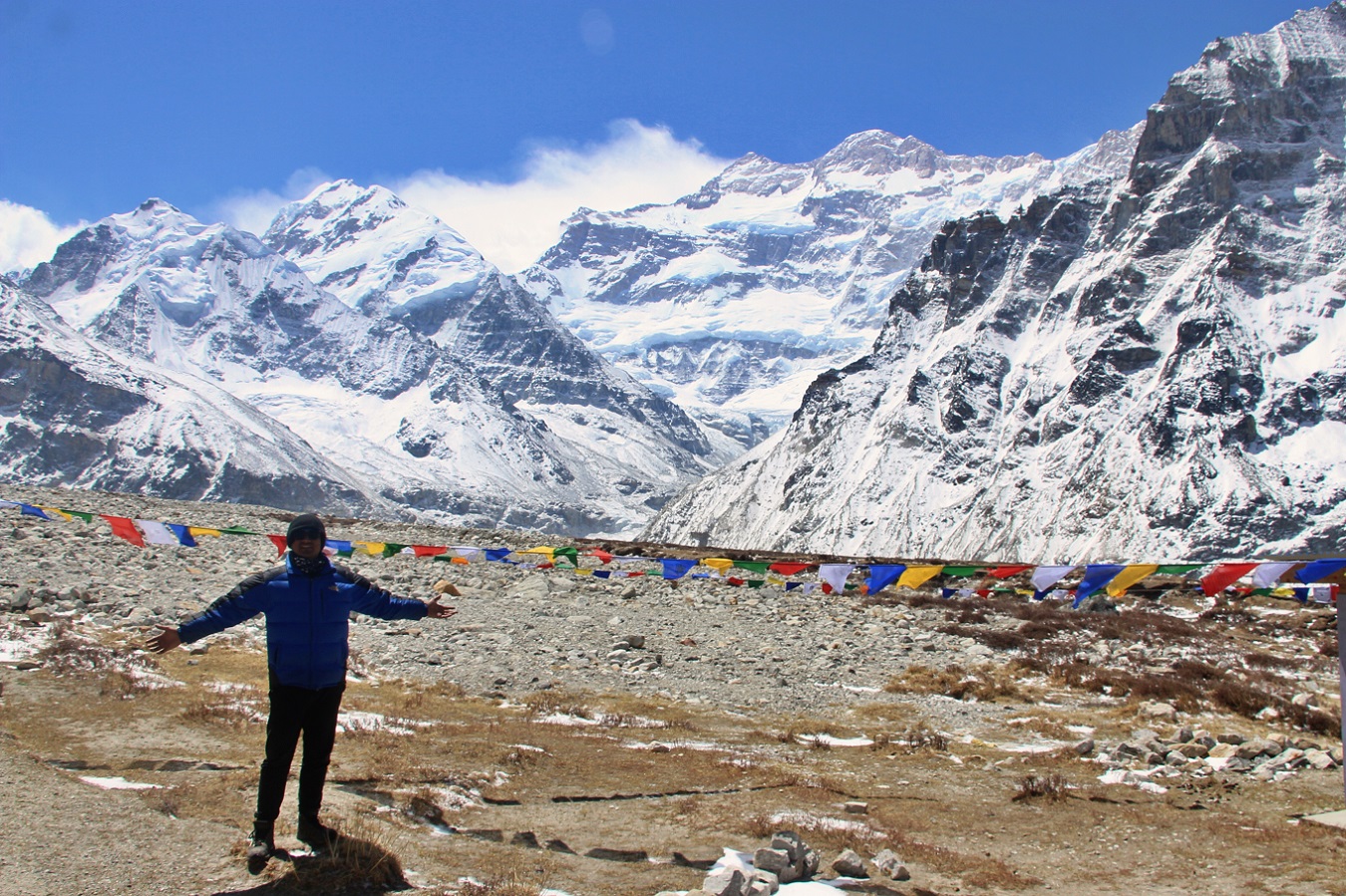
Trip Itinerary
Arrive at Tribhuvan International Airport in Kathmandu. You will be transferred to your hotel where you can rest and acclimatize after your journey. Spend the day relaxing or exploring the vibrant capital city. Attend a trek briefing in the evening to prepare for your upcoming adventure.
A free day to rest, shop for trekking essentials, finalize your gear, and explore Kathmandu’s cultural heritage sites like Pashupatinath Temple, Boudhanath Stupa, or Durbar Square.
Fly from Kathmandu to Bhadrapur, located in eastern Nepal. From there, take a scenic drive to Taplejung, the gateway to the Kanchenjunga trekking region. Taplejung is a small, bustling town where you can prepare for your trek.
Begin your trek from Taplejung. The trail takes you through beautiful forests, traditional villages, and terraced fields. Sekathum (also called Sukethum) is a small village nestled amidst rolling hills and offers your first immersion into the peaceful rural lifestyle of eastern Nepal.
Continue trekking through dense forests of oak, rhododendron, and pine. The trail ascends steadily as you pass small settlements and farmsteads before reaching Amjilossa, a quiet village surrounded by pristine natural beauty.
The path takes you deeper into remote Himalayan terrain, with increasing elevation. You will experience traditional Limbu villages along the way. Gybala offers spectacular views of snow-capped peaks and a glimpse into authentic mountain village life.
Trek ascends steadily through rhododendron and pine forests, crossing streams and local villages. Ghunsa is a charming Sherpa village and a highlight of the trek with stunning mountain views including Kanchenjunga itself.
Spend a day resting and acclimatizing in Ghunsa. Take a short hike to nearby viewpoints to soak in panoramic vistas of the eastern Himalayas, including towering Kanchenjunga peaks and glaciers. This rest day helps prepare your body for higher altitudes.
The trail continues through pristine forests and alpine meadows, offering close views of the Kanchenjunga massif. Khambachen is a serene village set against the backdrop of snow-capped peaks, providing a peaceful place to stay.
A full acclimatization day with a trek to Janu View Point, also known as Kumbhakarna Base Camp. This day hike offers some of the most stunning views of Kanchenjunga’s southern face and surrounding peaks. Return to Khambachen for the night.
Ascend to Lhonak, a high alpine settlement and base camp area for Kanchenjunga. The terrain becomes more barren and glacial, with breathtaking vistas of snow fields, glaciers, and towering mountains.
Trek to Pangpema, the north side base camp of Kanchenjunga. This area is remote and rugged, offering close-up views of the peak’s northern face and massive glaciers. Camp here or stay in teahouses depending on arrangements.
Spend the morning exploring nearby ridges or lakes around Pangpema. Return to Lhonak for overnight rest.
Begin the descent, retracing steps through alpine meadows and rocky terrain back to Khambachen. Enjoy the changing scenery on your return journey.
Continue descending through forests and villages back to Ghunsa. Relish the familiar sights and warm hospitality of this mountain village.
Trek towards High Camp, gradually ascending through pristine landscapes and crossing small streams. High Camp is a remote, tranquil spot that prepares you for upcoming mountain passes.
Cross the Mirgin La Pass, a scenic high mountain pass offering panoramic views of Kanchenjunga and neighboring peaks. Descend to Tseram village for the night.
Trek through rugged terrain, crossing ridges and river valleys. Ramche is a quiet mountain settlement with sweeping vistas.
A day excursion to Oktang, the South Base Camp of Kanchenjunga, which offers spectacular mountain views and a chance to experience untouched Himalayan wilderness.
Descend through forested valleys and terraced fields to Tortong, a small village surrounded by natural beauty.
Continue trekking through diverse landscapes to Yamphudin, a culturally rich village home to Rai ethnic communities.
Take a rest day to explore Yamphudin, interact with locals, and enjoy the serene mountain environment.
Descend through forests and farmlands toward Mamanke village, a gateway for the drive back.
Drive from Mamanke back to Taplejung, enjoying views of the eastern Himalayan foothills and rural landscapes.
Drive from Taplejung to Bhadrapur and take a flight back to Kathmandu. Transfer to your hotel for rest or last-minute shopping.
Transfer to Tribhuvan International Airport for your onward flight, concluding your Kanchenjunga adventure.
Cost Includes
1. Permits
- Restricted Permit: Required for trekking in the Kanchenjunga region.
2. Accommodation & Meals
- Camping/Lodge Accommodation: Comfortable camping or lodge stays along the trekking route.
- Meals: All meals included during the trek (Breakfast, Lunch, and Dinner – BLD).
- Beverages: Tea and coffee provided with meals.
3. Staff
- Guide & Crew: Experienced trekking guide, cook, and support staff to ensure safety and comfort throughout the trek.
4. Transportation
- As per Itinerary: Domestic transport (jeep or other vehicles) included for trek access and transfers.
1. Permits
- Restricted Permit: Required for trekking in the Kanchenjunga region.
2. Accommodation & Meals
- Camping/Lodge Accommodation: Comfortable camping or lodge stays along the trekking route.
- Meals: All meals included during the trek (Breakfast, Lunch, and Dinner – BLD).
- Beverages: Tea and coffee provided with meals.
3. Staff
- Guide & Crew: Experienced trekking guide, cook, and support staff to ensure safety and comfort throughout the trek.
4. Transportation
- As per Itinerary: Domestic transport (jeep or other vehicles) included for trek access and transfers.
Cost Excludes
1.Visa Fees
- Nepal Entry Visa: Visa fee for entering Nepal (available on arrival at Tribhuvan International Airport or through a Nepalese embassy).
2. Accommodation in Kathmandu
- Hotel in Kathmandu: Accommodation before or after the trek unless specifically mentioned in the itinerary.
3. International Flights
- International Airfare: Flights to and from Kathmandu.
4. Travel Insurance (Mandatory)
- Comprehensive Coverage: Travel insurance covering high-altitude trekking, emergency medical treatment, helicopter evacuation, trip cancellation, and unforeseen circumstances.
5. Personal Expenses
- Lodge Services: WiFi, hot showers, battery charging, and laundry services.
- Beverages: Soft drinks, bottled water, alcoholic drinks, and snacks not included in meals.
6.Tips and Gratuities
- Guide & Porter: Tips for trekking guide and porter (customary but not compulsory).
1.Visa Fees
- Nepal Entry Visa: Visa fee for entering Nepal (available on arrival at Tribhuvan International Airport or through a Nepalese embassy).
2. Accommodation in Kathmandu
- Hotel in Kathmandu: Accommodation before or after the trek unless specifically mentioned in the itinerary.
3. International Flights
- International Airfare: Flights to and from Kathmandu.
4. Travel Insurance (Mandatory)
- Comprehensive Coverage: Travel insurance covering high-altitude trekking, emergency medical treatment, helicopter evacuation, trip cancellation, and unforeseen circumstances.
5. Personal Expenses
- Lodge Services: WiFi, hot showers, battery charging, and laundry services.
- Beverages: Soft drinks, bottled water, alcoholic drinks, and snacks not included in meals.
6.Tips and Gratuities
- Guide & Porter: Tips for trekking guide and porter (customary but not compulsory).
Essential Info
Accommodation and Food
Accommodation along the Kanchenjunga route is basic but comfortable teahouses and lodges. Facilities include twin rooms with simple bedding, shared bathrooms, and communal dining areas. Food options consist mainly of traditional Nepali dishes such as dal bhat (lentils and rice), noodles, soups, and local vegetables. In higher elevations, menus become limited due to logistical challenges, so it is advisable to carry energy bars and snacks.
Permits Required
- Kanchenjunga Conservation Area Permit (KCAP): Mandatory for trekking inside the conservation area.
- TIMS Card (Trekker’s Information Management System): Required for all trekkers in Nepal.
Both permits can be arranged in Kathmandu or at Taplejung.
Transportation
The trek begins with a domestic flight from Kathmandu to Biratnagar or Bhadrapur, followed by a long scenic drive to Taplejung. This remote approach keeps the region isolated, preserving its untouched character. The return follows the same route. Flights are weather-dependent, so buffer days are recommended.
Extra Info
Due to the high altitude and variable conditions, trekkers should be well-equipped with: Layered clothing: base layers, fleece, insulated down jacket Waterproof jacket and pants Durable trekking boots with ankle support Warm sleeping bag rated to at least -15°C Trekking poles, sunglasses, sunblock Headlamp, personal first-aid kit, water purification tablets Crampons and ice axe may be required for crossing Amphu Lapcha Pass
- Due to the high altitude and variable conditions, trekkers should be well-equipped with:
- Layered clothing: base layers, fleece, insulated down jacket
- Waterproof jacket and pants
- Durable trekking boots with ankle support
- Warm sleeping bag rated to at least -15°C
- Trekking poles, sunglasses, sunblock
- Headlamp, personal first-aid kit, water purification tablets
- Crampons and ice axe may be required for crossing Amphu Lapcha Pass
Trip Date And Time
We'll Be There, Like We've Been There Before
|
Departing |
Finishing |
Trip Price Per Person |
Action |
Enquire |
|---|---|---|---|---|
| No Trip Yet!! | ||||
Featured Packages
You May Also Enjoy Our Other Trips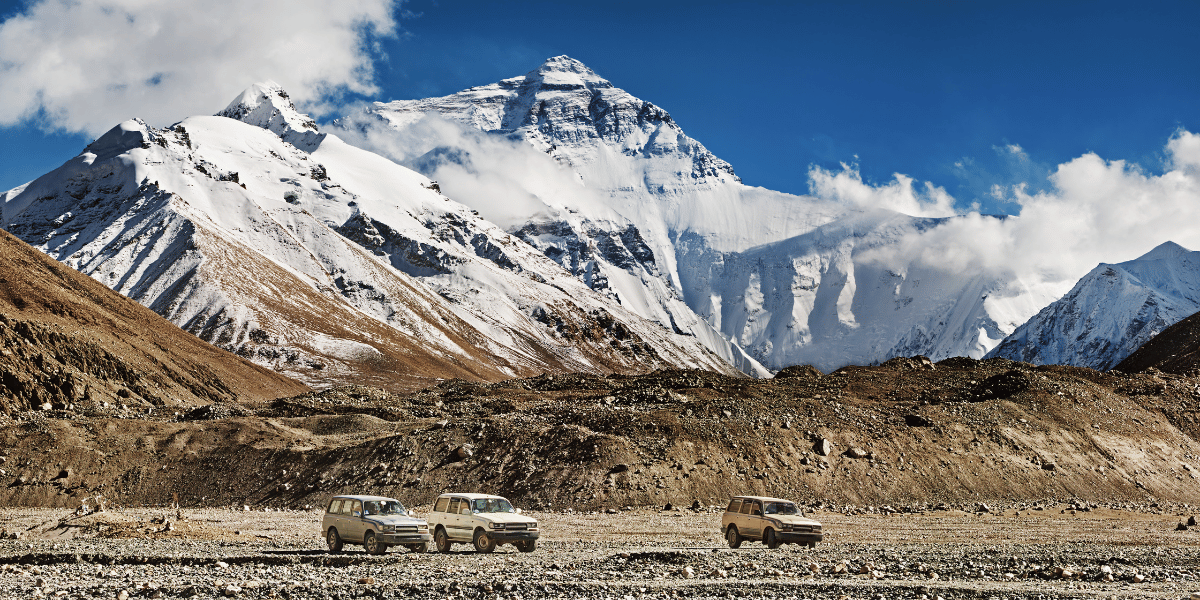

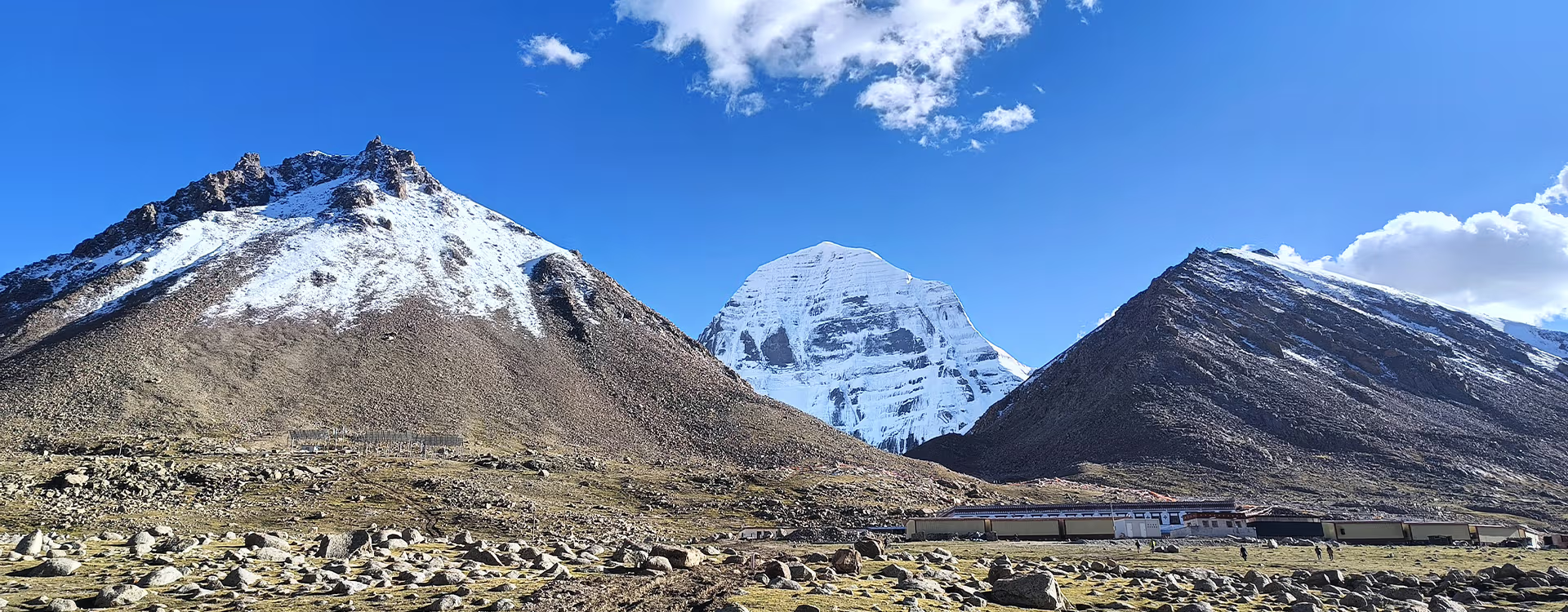
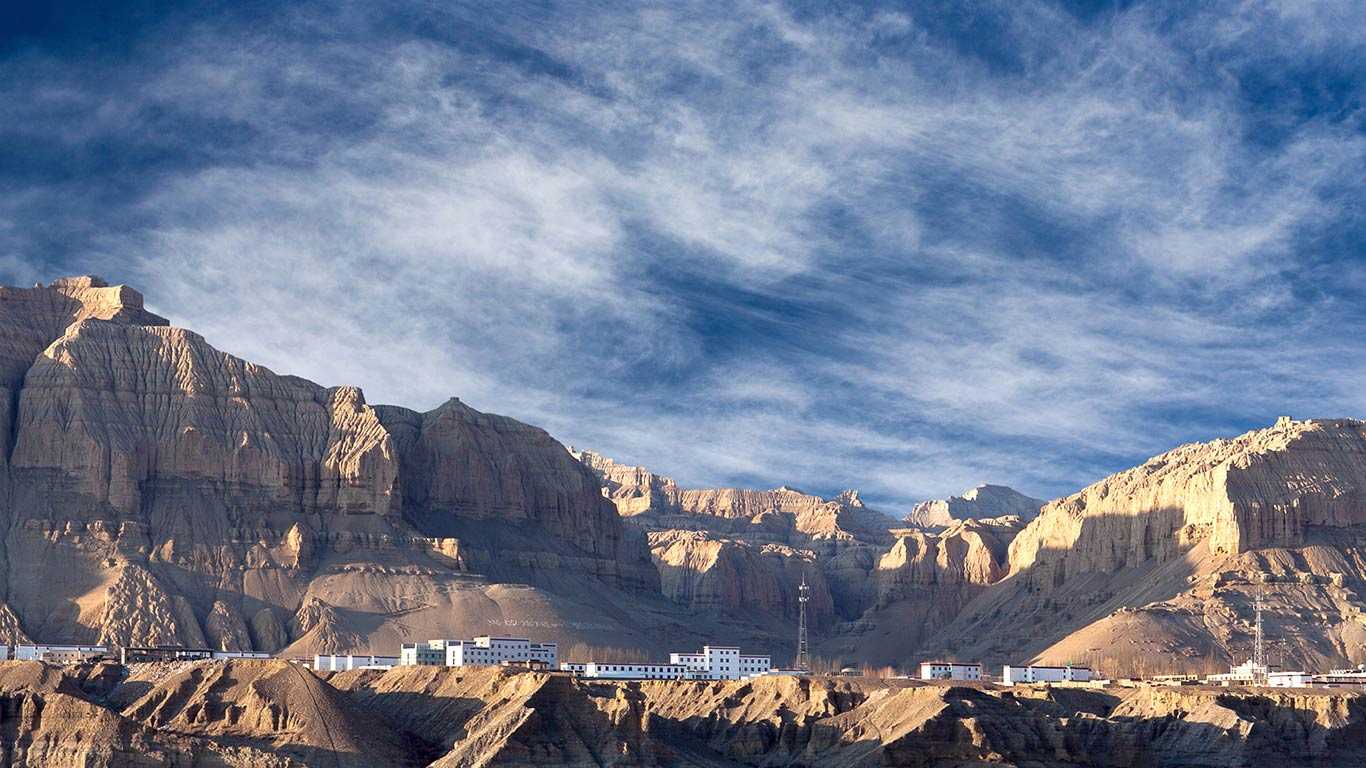
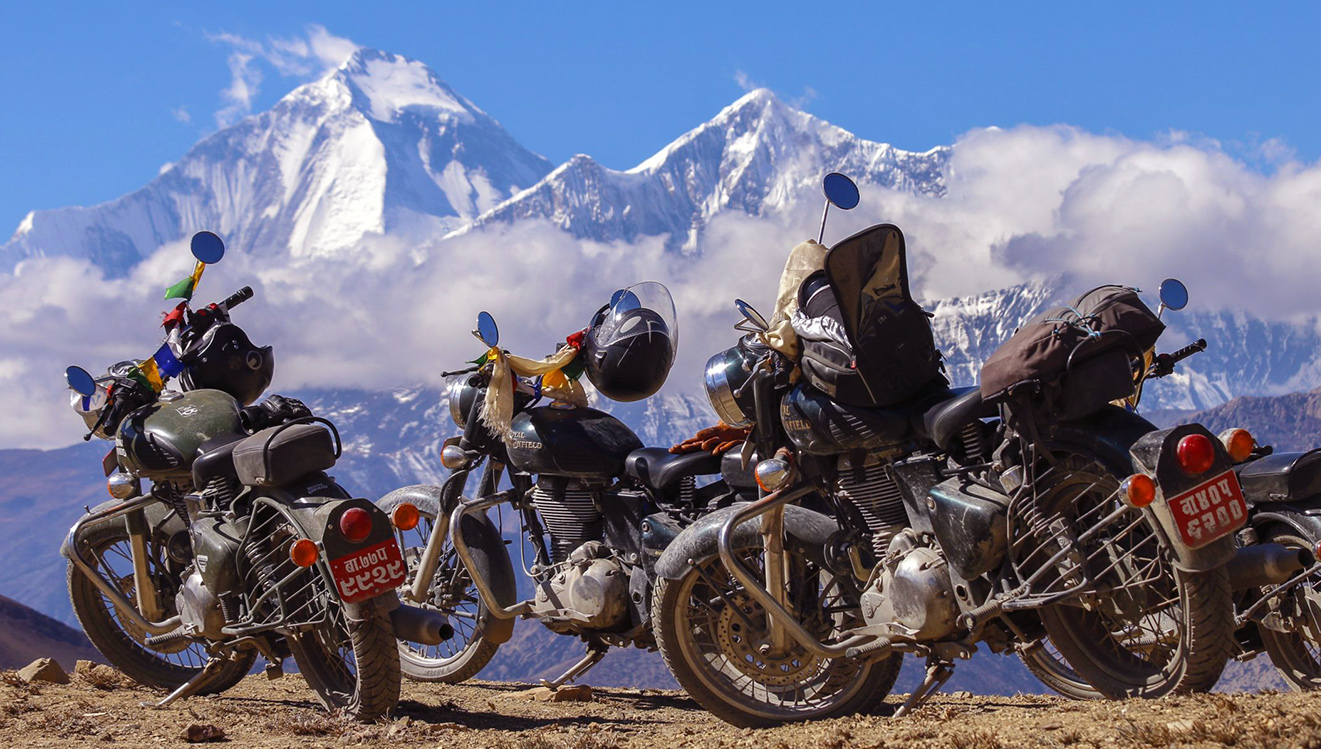
10 Days
Nepal Heritage Motorbike Tour - A Journey Through Culture And Himalayas !
NPR 1000 Per Person

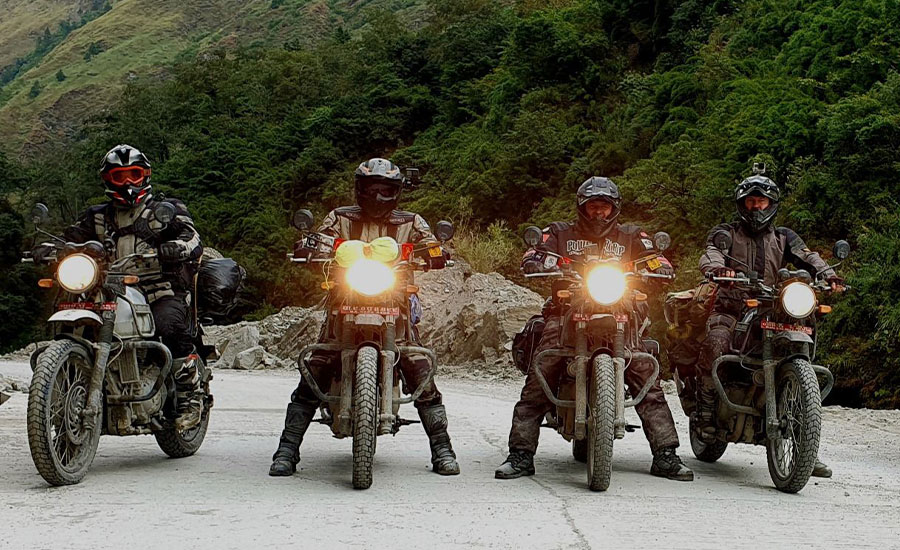

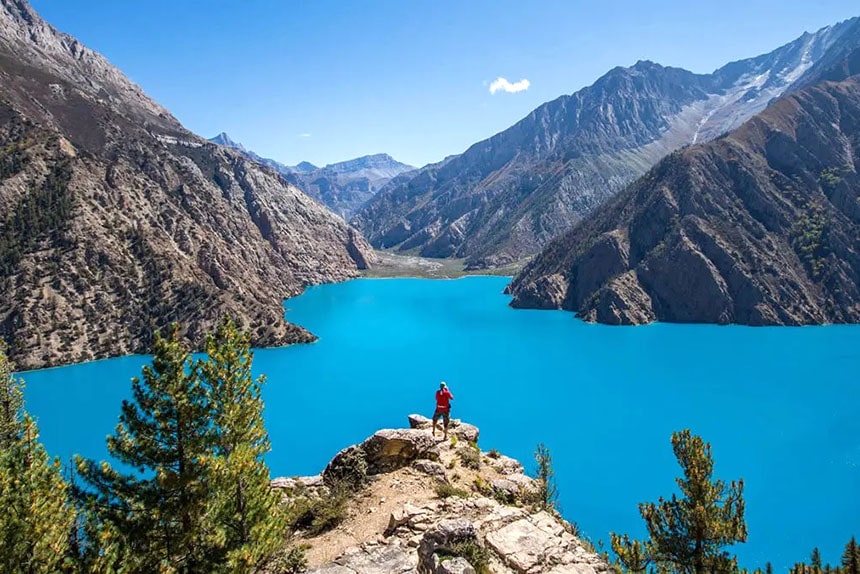


9 Days
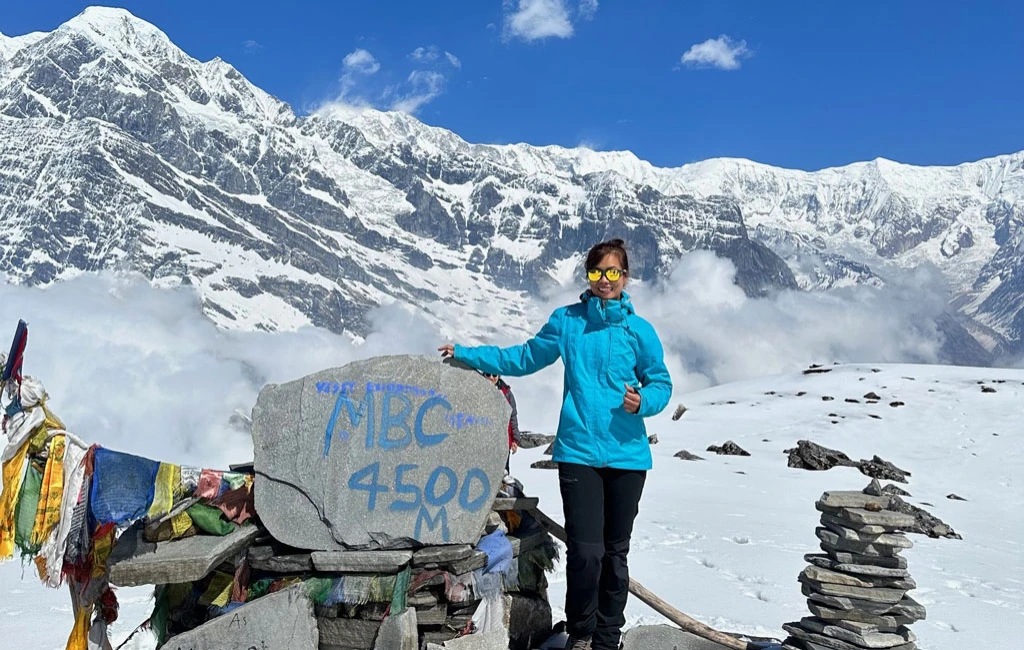
Mardi Himal Trek: A Short and Scenic Route to the Hidden Side of the Annapurnas
NPR 1000 Per Person
15 Days
12 Days

11 Days
9 Days
26 Days
Kanchenjunga Trek: A Majestic Journey to the Third Highest Peak on Earth
NPR 1000 Per Person
17 Days
Everest Base Camp via Gokyo Trek: A Journey Through the Heart of the Khumbu
NPR 1000 Per Person
11 Days
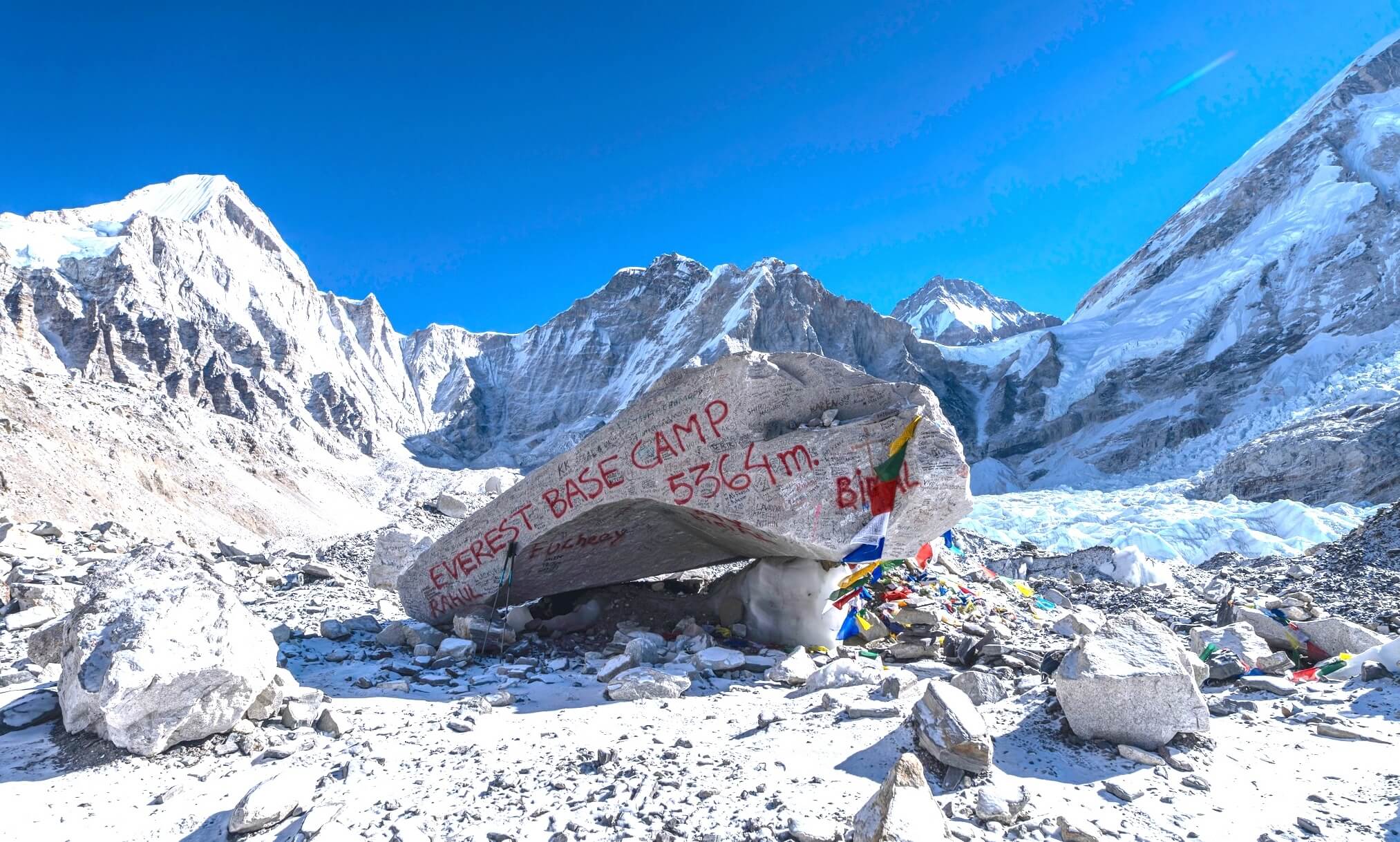
Everest Base Camp Heli Return Trek: A Perfect Blend of Adventure and Convenience
NPR 1000 Per Person
14 Days
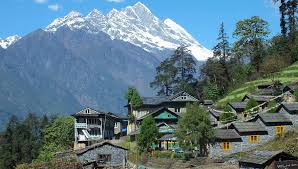
Arun Valley Cultural Trail: Journey Through Eastern Nepal’s Cultural Heartland
NPR 1000 Per Person

11 Days
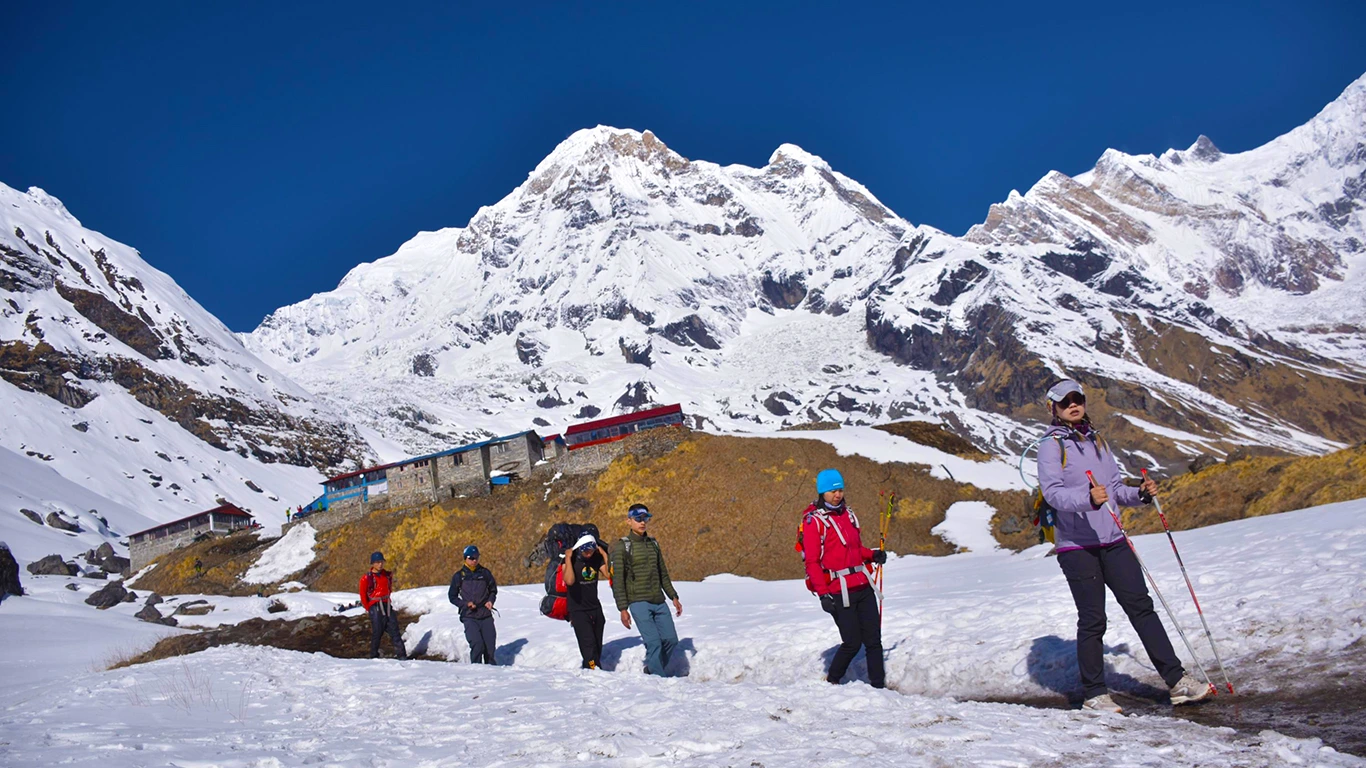
Annapurna North Base Camp Trek: A Remote Trail to the Hidden Face of Annapurna
NPR 1000 Per Person
9 Days


12 Days
22 Days
22 Days
Labuje Peak Climbing Expedition: Exploring a Hidden Gem of the Himalayas
NPR 1000 Per Person
10 Days
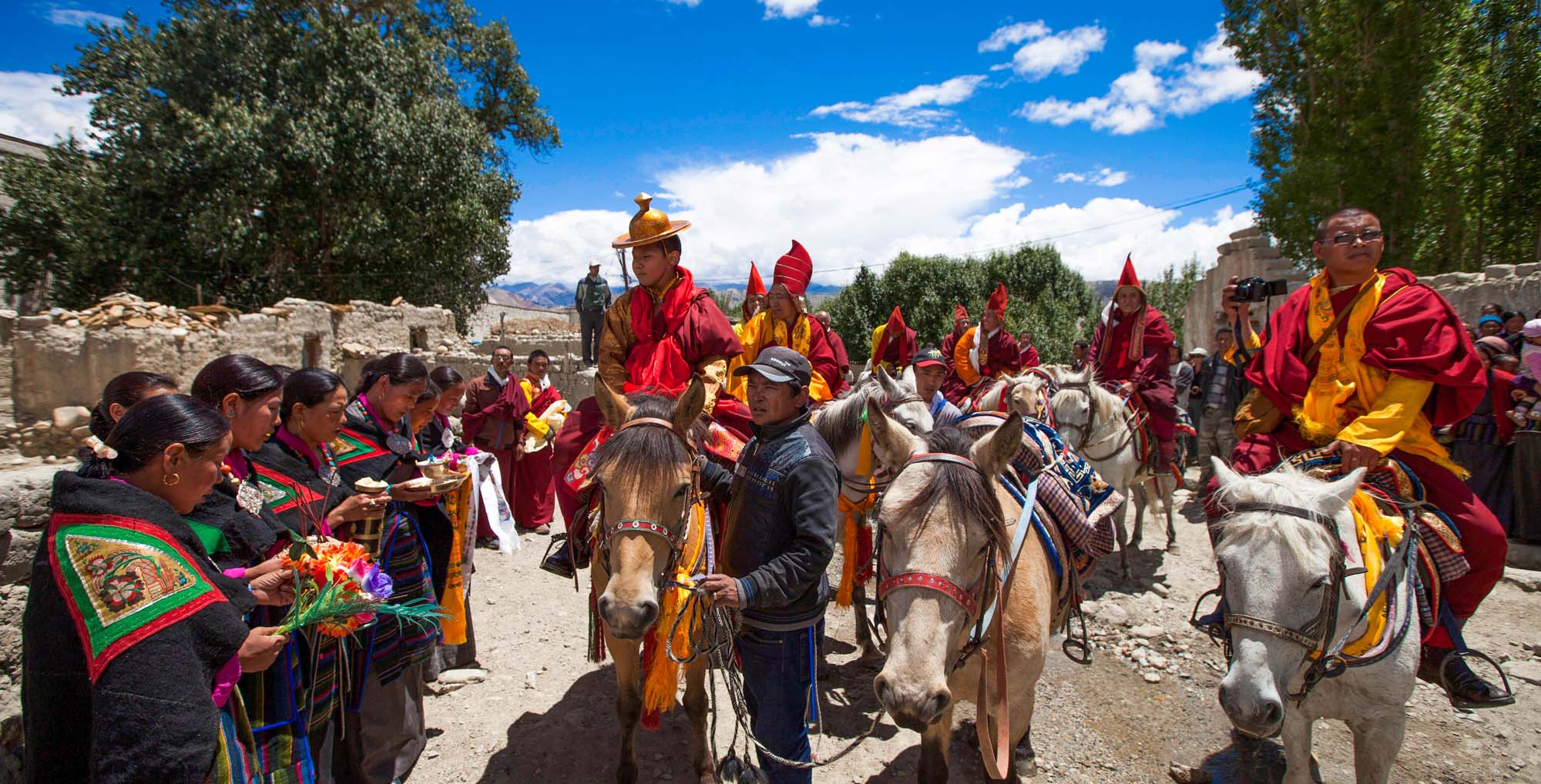
Muktinath Yartung Festival: A Spiritual and Adventure Expedition in Nepal
NPR 1000 Per Person
14 Days
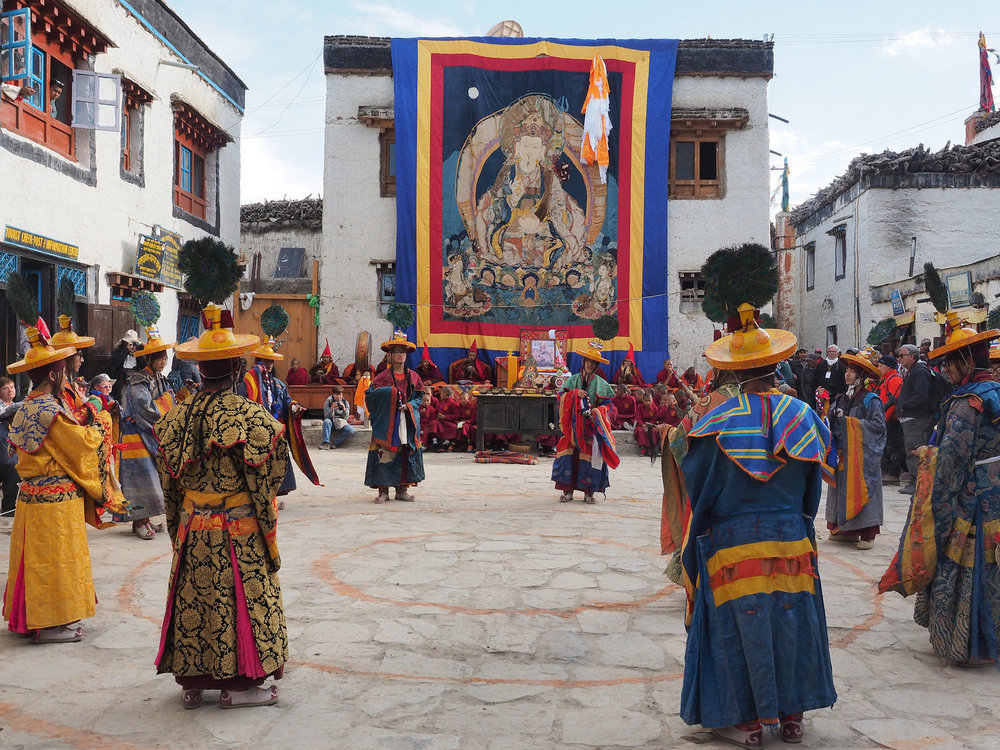
Mustang Tiji Festival: A Unique Cultural and Trekking Expedition in Nepal
NPR 1000 Per Person
15 Days
13 Days