Langtang Helambu Trek: A Unique Himalayan Journey
- Home
- Langtang Helambu Trek: A Unique Himalayan Journey
Budget
NPR 1000
Per Person
Rating
No review has been posted yet
Duration
8 Days
Trip Overview
The Langtang Helambu Trek is a captivating trekking route in Nepal that offers a wonderful blend of natural beauty, cultural richness, and moderate adventure. This trek combines two distinct regions: the Langtang Valley, known for its stunning Himalayan landscapes and Tibetan Buddhist culture, and Helambu, famous for its warm Sherpa and Tamang communities and traditional villages. This trek is ideal for trekkers seeking an authentic Himalayan experience with less crowd, moderate altitude, and diverse scenery within a compact itinerary.
Geography
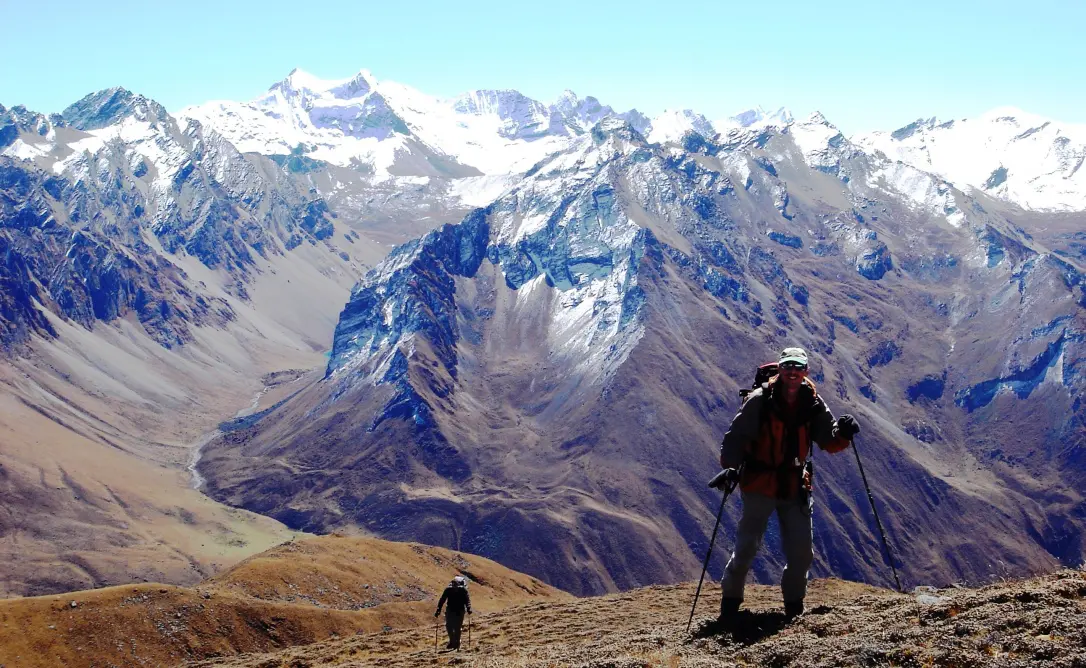
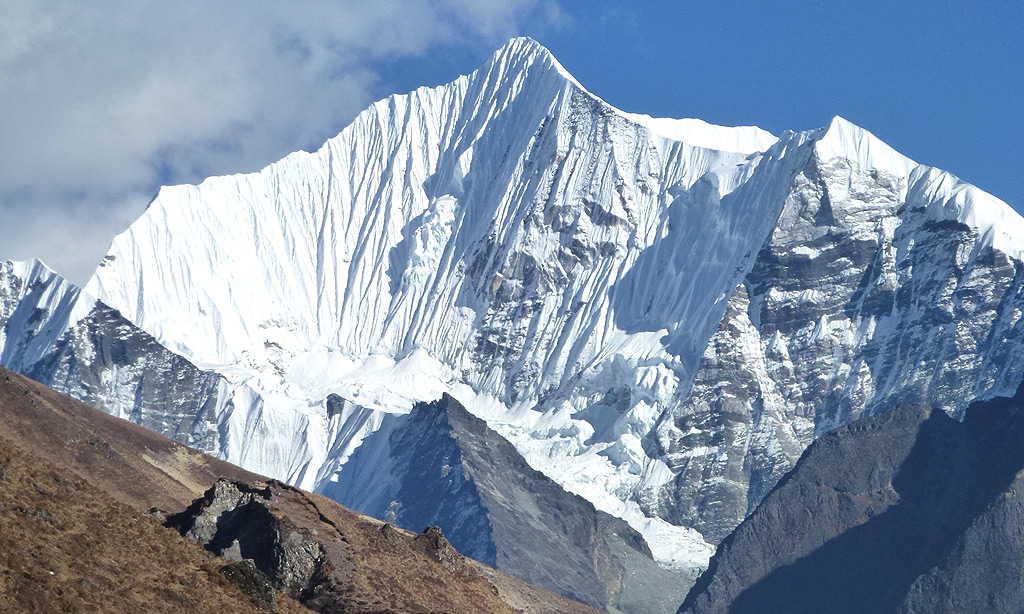
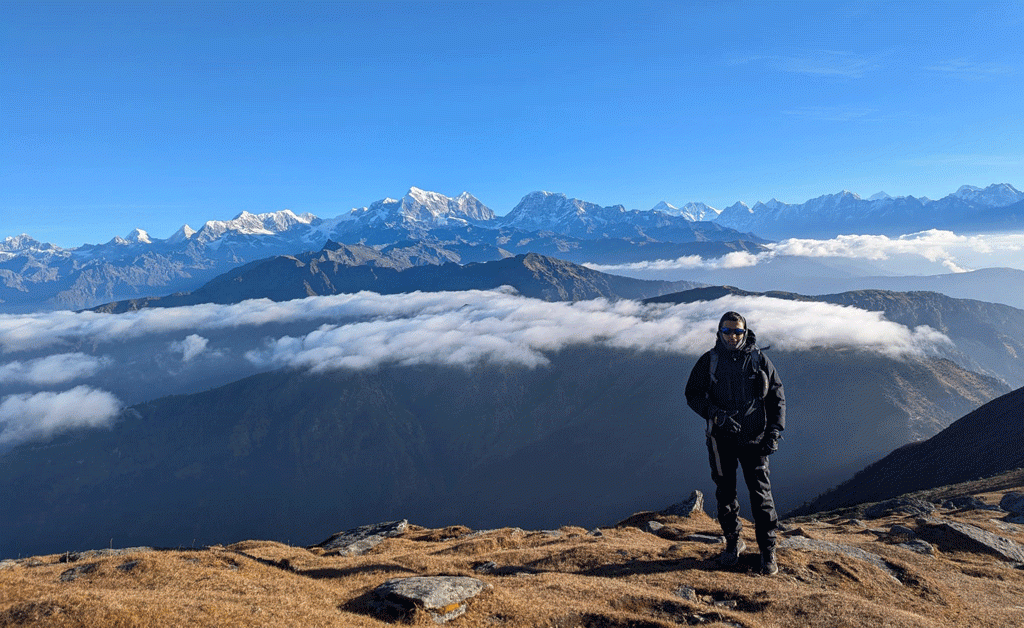
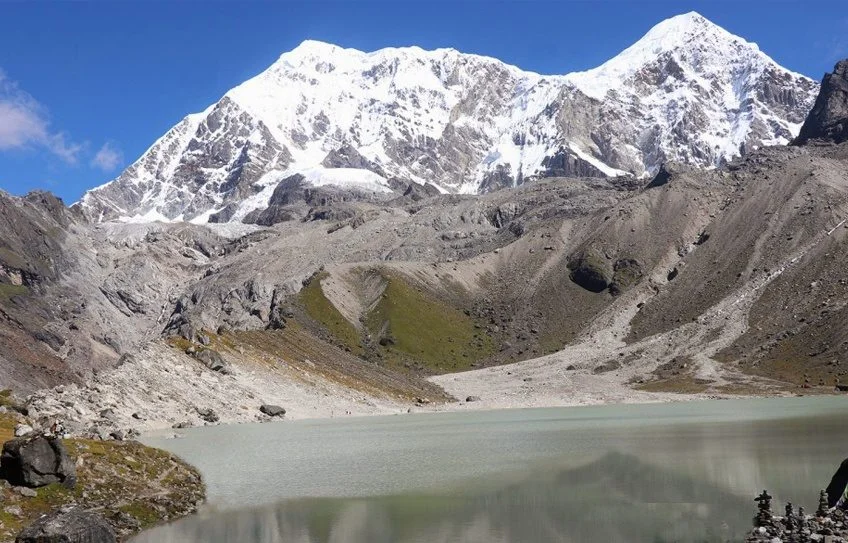
The Langtang Helambu Trek lies north of Kathmandu and covers the Langtang and Helambu regions, both nestled in the greater Himalayas. The trek begins near the outskirts of Kathmandu and ascends through dense rhododendron and pine forests, alpine meadows, and terraced hillsides. The Langtang Valley is dominated by towering snow-capped peaks such as Langtang Lirung (7,227m), while Helambu offers more gentle hills with panoramic views of peaks like Melamchi Kang (5,704m) and Dorje Lakpa (6,988m).
The trail passes through part of the Langtang National Park, Nepal’s first Himalayan national park and a UNESCO World Heritage site, known for its biodiversity, including red pandas, Himalayan black bears, and blue sheep. The trek combines lush forested valleys with alpine pastures and traditional Himalayan villages, creating a striking geographic diversity.
People and Culture
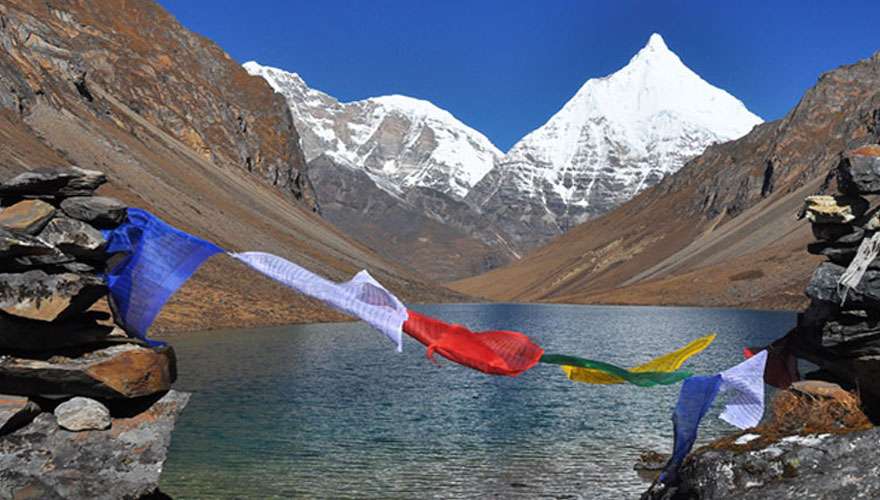
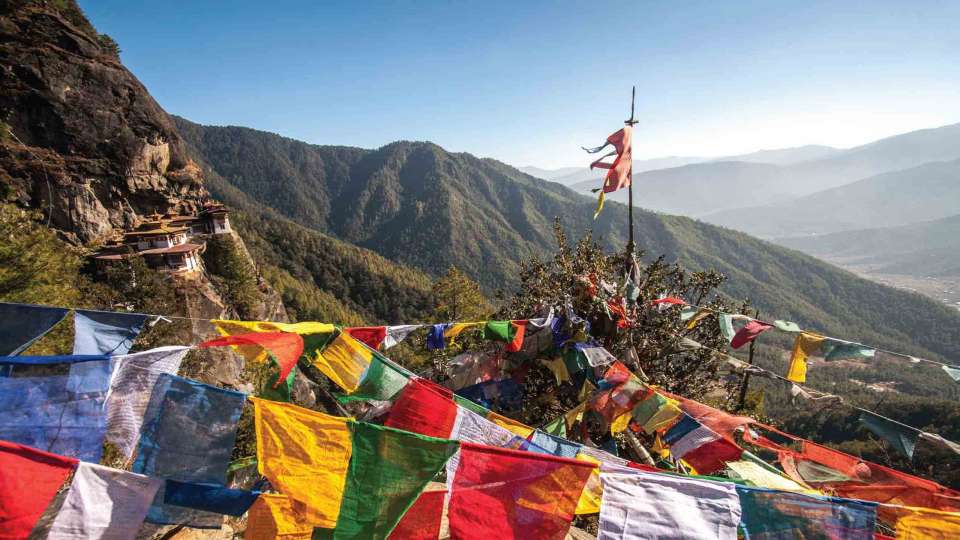
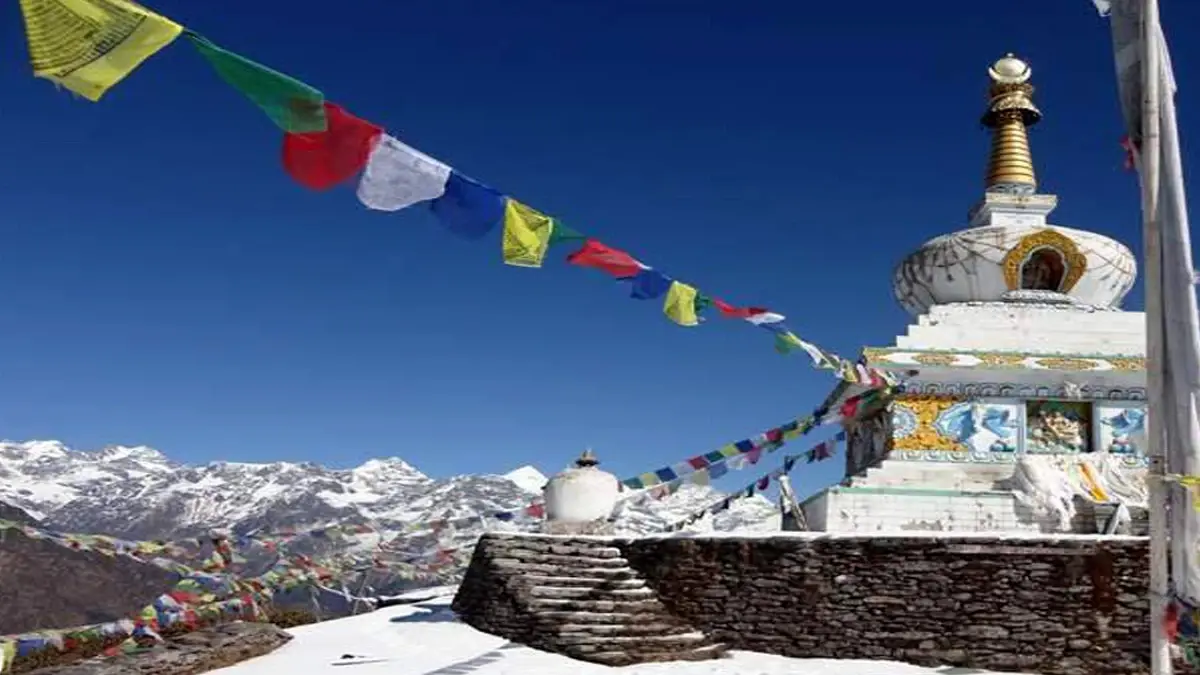
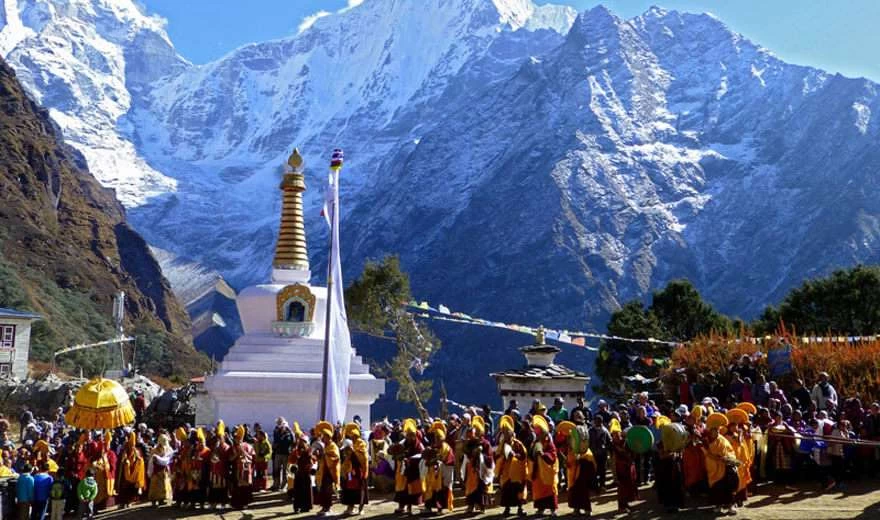
This trek offers rich cultural encounters with the Tamang people in Langtang and the Sherpa community in Helambu. The Tamang people practice Tibetan Buddhism and maintain centuries-old traditions. You will see vibrant prayer flags, mani stones, and visit ancient monasteries like the Langtang Monastery, which has been a spiritual hub for locals for generations.
In Helambu, the Sherpa and Hyolmo communities share a mixed Buddhist and animist heritage, offering fascinating cultural experiences. Traditional wooden houses, local festivals, and friendly hospitality characterize the region. Trekkers have the chance to experience village life, taste local foods such as Gundruk (fermented leafy greens) and Thukpa (noodle soup), and participate in cultural rituals. Language, music, and crafts also highlight the region’s unique ethnic heritage.
Package Highlights:
- Langtang Valley: Panoramic views of Langtang Lirung and surrounding peaks, rich flora and fauna, and serene alpine meadows.
- Helambu Region: Traditional Sherpa and Tamang villages with warm hospitality, terraced landscapes, and colorful monasteries.
- Langtang National Park: Opportunities for wildlife sightings, especially rare species like red pandas.
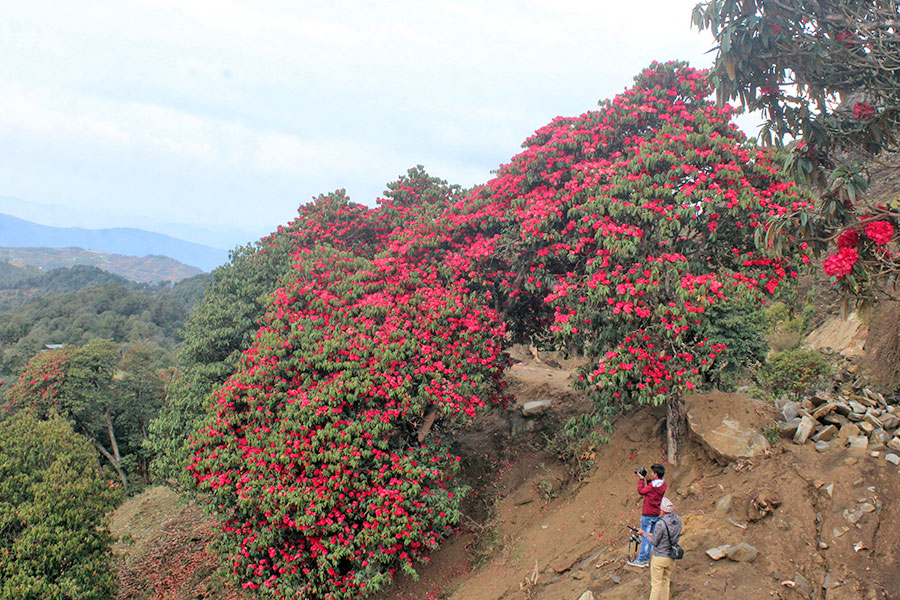
- Trekking Through Rhododendron Forests: Stunning floral displays in spring.
- Cultural Immersion: Visits to monasteries, local homes, and markets.
- Moderate Altitude Challenge: Trekking elevations ranging from 1,500m to 3,800m, suitable for intermediate trekkers.
- Less Crowded Trail: Compared to Everest or Annapurna regions, offering a peaceful trekking experience.
Book This Trip
Trip Information
 Start : Kathmandu
 Finish : Kathmandu
 Difficulty :
Moderate
Difficulty :
Moderate
 Max Altitude : 3430m
 Group Size :
  Season :
Trip Gallery
Trip Itinerary
Begin trekking through dense pine and rhododendron forests following the Langtang River upstream. The trail is well-maintained, mostly gentle but with occasional short steep sections. Along the way, you will pass small rural settlements and cross suspension bridges over clear mountain streams. The sounds of birds and the fresh forest air enhance the natural experience. Lama Hotel is a small village surrounded by terraced fields and mountains, offering a peaceful stopover with traditional teahouses. It’s a good place to acclimatize and enjoy local hospitality.
The trail ascends gradually into alpine meadows, passing through grazing pastures where yaks and sheep roam. As you climb higher, the landscape opens up to panoramic views of Langtang Lirung, the dominant peak towering over 7,200 meters. Langtang Village is a charming traditional settlement with stone houses and prayer flags fluttering in the mountain breeze. Here you can visit the local monastery, interact with villagers, and experience the serenity of the Himalayan environment. The higher altitude makes this a good spot to rest and prepare for further trekking.
Spend the day acclimatizing to the altitude and exploring Langtang Village. Short hikes around the area offer excellent opportunities to visit remote hamlets, Buddhist monasteries, and scenic viewpoints. This day helps your body adjust to thinner air while allowing you to delve into the rich Tibetan Buddhist culture practiced by the Tamang community. The peaceful atmosphere encourages reflection and appreciation of the natural surroundings.
Begin your descent from Langtang Village, retracing steps through alpine pastures and dense forests. The trail gently winds down through farmland and traditional villages, gradually transitioning to the Helambu region. Thulo Syabru is a larger village known for its cultural significance within Helambu and its hospitable residents. This day offers contrasting scenery as you move from alpine zones to greener lower hills, with a chance to observe local agricultural practices.
Today’s route takes you through terraced fields and small Sherpa villages. The trail rises steadily, passing through forests of rhododendron and pine. The villages along the way provide insight into Sherpa and Hyolmo culture, with traditional homes, prayer flags, and local markets. Kutumsang offers stunning views of the Langtang and Helambu ranges, and the surrounding peaceful environment makes it a perfect spot to rest and enjoy local cuisine.
This section is a relatively easier day, trekking through forested hills and alpine meadows. Sermathang is a picturesque village known for its orchards, clean environment, and cultural heritage. The walk is pleasant, with plenty of photo opportunities of terraced fields and distant mountain peaks. The village provides comfortable teahouse lodgings and a friendly atmosphere, perfect for relaxing after several days of trekking.
Begin the descent towards Melamchi Pul Bazaar, a small town located in the lower hills with increasing signs of modern life. The trail passes through lush forests, farmland, and small settlements. Upon arrival, board a vehicle for the drive back to Kathmandu. The journey back offers spectacular views of hills, rivers, and rural Nepalese life, providing a final glimpse of the Himalayan foothills before returning to the city’s vibrant energy.
Use this day to relax after your trek or explore Kathmandu’s many cultural sites. Visit ancient temples like Pashupatinath or Boudhanath Stupa, stroll through the historic Durbar Squares, or shop for souvenirs in bustling markets like Thamel. This day also provides buffer time for your onward flight or travel arrangements.
Cost Includes
1.Permits
- Trekking Permits: All required permits for the Langtang Helambu trek are included.
2. Accommodation & Meals
- Lodge Accommodation: Comfortable lodge stays along the trekking route.
- Meals: All meals included during the trek (Breakfast, Lunch, and Dinner – BLD).
- Beverages: Tea and coffee provided with meals.
3. Staff
- Guide: Experienced trekking guide to ensure safety, offer support, and provide enriching information throughout the trek.
4. Transportation
- As per Itinerary: Domestic transport (jeep or other vehicles) included for trek access and transfers.
1.Permits
- Trekking Permits: All required permits for the Langtang Helambu trek are included.
2. Accommodation & Meals
- Lodge Accommodation: Comfortable lodge stays along the trekking route.
- Meals: All meals included during the trek (Breakfast, Lunch, and Dinner – BLD).
- Beverages: Tea and coffee provided with meals.
3. Staff
- Guide: Experienced trekking guide to ensure safety, offer support, and provide enriching information throughout the trek.
4. Transportation
- As per Itinerary: Domestic transport (jeep or other vehicles) included for trek access and transfers.
Read More
Cost Excludes
1.Visa Fees
- Nepal Entry Visa: Visa fee for entering Nepal (available on arrival at Tribhuvan International Airport or through a Nepalese embassy).
2. Accommodation in Kathmandu
- Hotel in Kathmandu: Accommodation before or after the trek unless specifically mentioned in the itinerary.
3. International Flights
- International Airfare: Flights to and from Kathmandu.
4. Travel Insurance (Mandatory)
- Comprehensive Coverage: Travel insurance covering high-altitude trekking, emergency medical treatment, helicopter evacuation, trip cancellation, and unforeseen circumstances.
5. Personal Expenses
- Lodge Services: WiFi, hot showers, battery charging, and laundry services.
- Beverages: Soft drinks, bottled water, alcoholic drinks, and snacks not included in meals.
6. Tips and Gratuities
- Guide & Porter: Tips for trekking guide and porter (customary but not compulsory).
1.Visa Fees
- Nepal Entry Visa: Visa fee for entering Nepal (available on arrival at Tribhuvan International Airport or through a Nepalese embassy).
2. Accommodation in Kathmandu
- Hotel in Kathmandu: Accommodation before or after the trek unless specifically mentioned in the itinerary.
3. International Flights
- International Airfare: Flights to and from Kathmandu.
4. Travel Insurance (Mandatory)
- Comprehensive Coverage: Travel insurance covering high-altitude trekking, emergency medical treatment, helicopter evacuation, trip cancellation, and unforeseen circumstances.
5. Personal Expenses
- Lodge Services: WiFi, hot showers, battery charging, and laundry services.
- Beverages: Soft drinks, bottled water, alcoholic drinks, and snacks not included in meals.
6. Tips and Gratuities
- Guide & Porter: Tips for trekking guide and porter (customary but not compulsory).
Essential Info
Accommodation and Food
Accommodation along the trek consists mainly of teahouses—simple lodges run by local families. Rooms are basic with twin beds and communal bathrooms, but are warm and clean. In larger villages like Langtang and Sermathang, you may find lodges with private bathrooms and heating during winter.
Meals are predominantly local Nepali fare including Dal Bhat (lentil soup with rice), Thukpa (noodle soup), Momo (dumplings), and simple snacks like bread, eggs, and noodles. Fresh vegetables and fruits may be limited in remote villages, but the food is wholesome and nourishing.
Permits
To trek in the Langtang and Helambu regions, the following permits are required:
- Langtang National Park Permit: Needed to enter the park and its buffer zones.
- TIMS Card (Trekkers’ Information Management System): Issued by the Nepal Tourism Board to track trekkers.
- Local Municipality Permit: Sometimes required for specific regions.
These permits can be arranged in Kathmandu through trekking agencies or at entry points.
Transportation
The trek typically begins with a 6-7 hour drive from Kathmandu to Syabrubesi. The road passes through scenic hills and small towns. Transport options include private jeep, tourist bus, or shared vehicle depending on budget and group size. The return is also by road from Melamchi Pul Bazaar to Kathmandu.
Extra Info
Key gear for the Langtang Helambu trek includes:
- Good trekking boots
- Warm layers (down jacket, thermals, fleece)
- Rain jacket and trousers
- Sleeping bag rated to -10°C
- Trekking poles
- Water bottles + purification tablets
- Headlamp, sunscreen, hat, and basic first aid
- Daypack and personal toiletries
Trip Date And Time
We'll Be There, Like We've Been There Before
|
Departing |
Finishing |
Trip Price Per Person |
Action |
Enquire |
|---|---|---|---|---|
| No Trip Yet!! | ||||
Featured Packages
You May Also Enjoy Our Other Trips

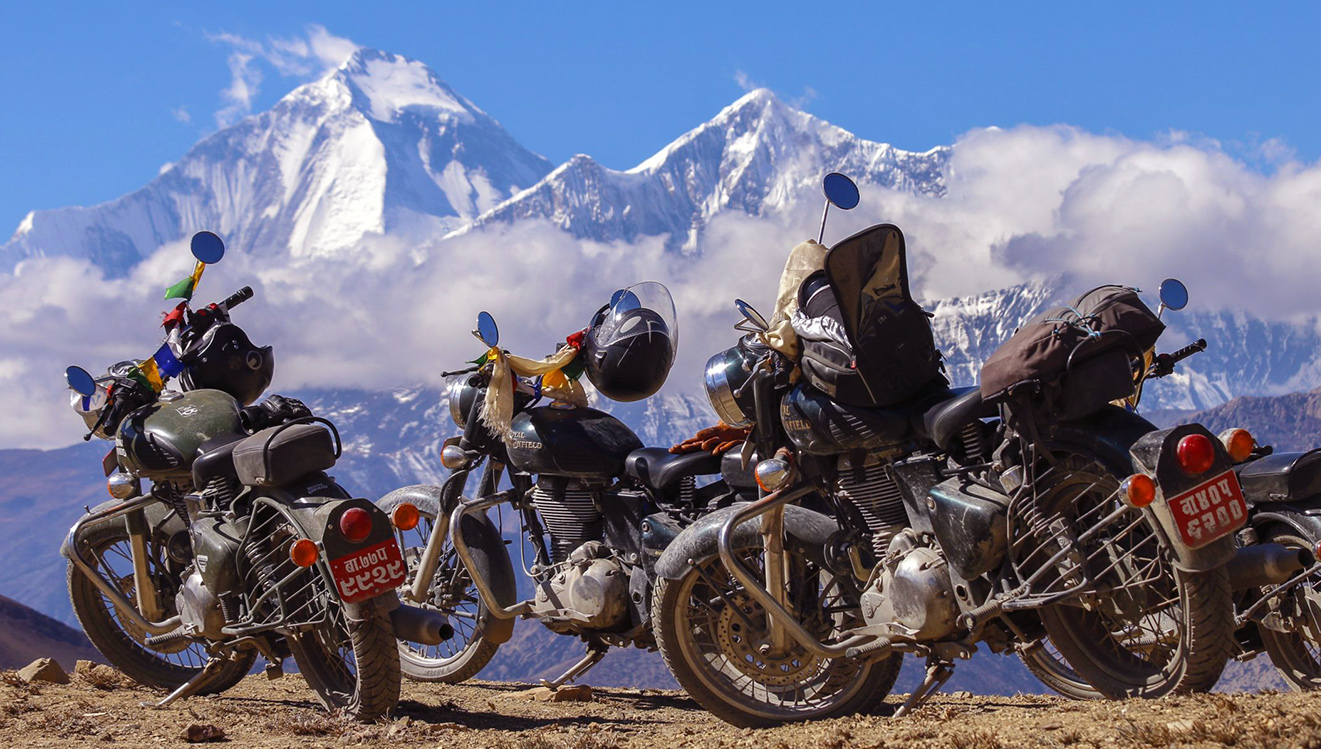
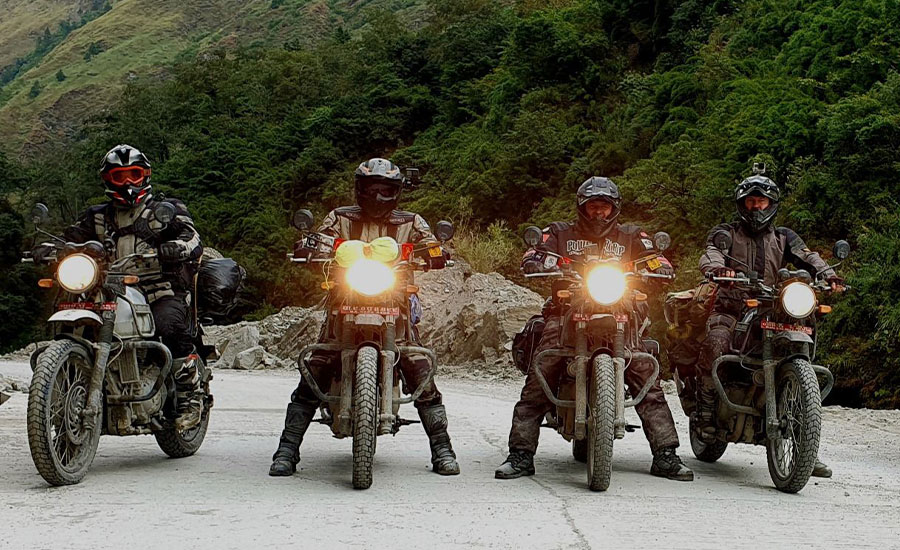
10 Days
Nepal Heritage Motorbike Tour - A Journey Through Culture And Himalayas !
NPR 1000 Per Person


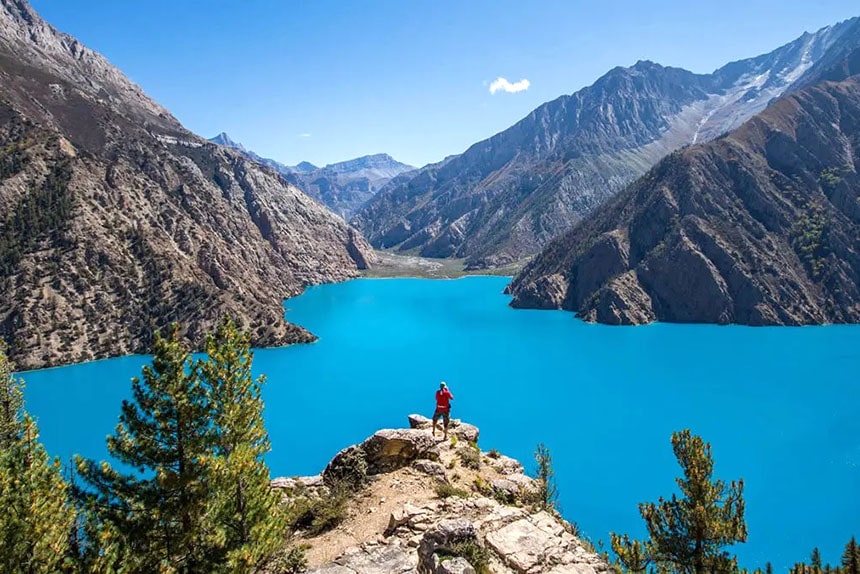


9 Days
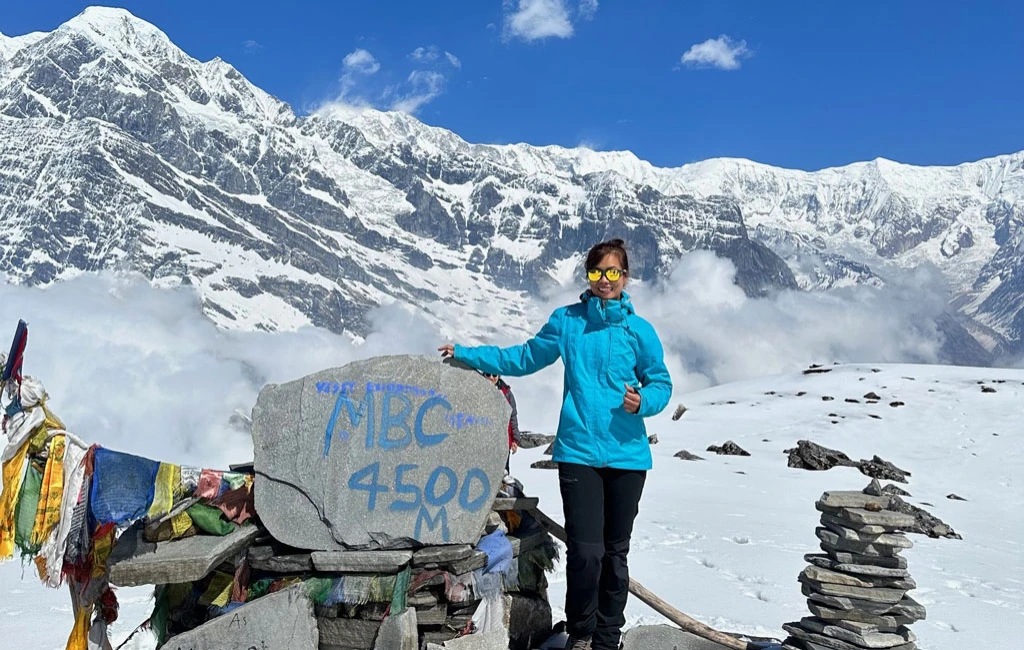
Mardi Himal Trek: A Short and Scenic Route to the Hidden Side of the Annapurnas
NPR 1000 Per Person
15 Days
12 Days

11 Days
9 Days
26 Days
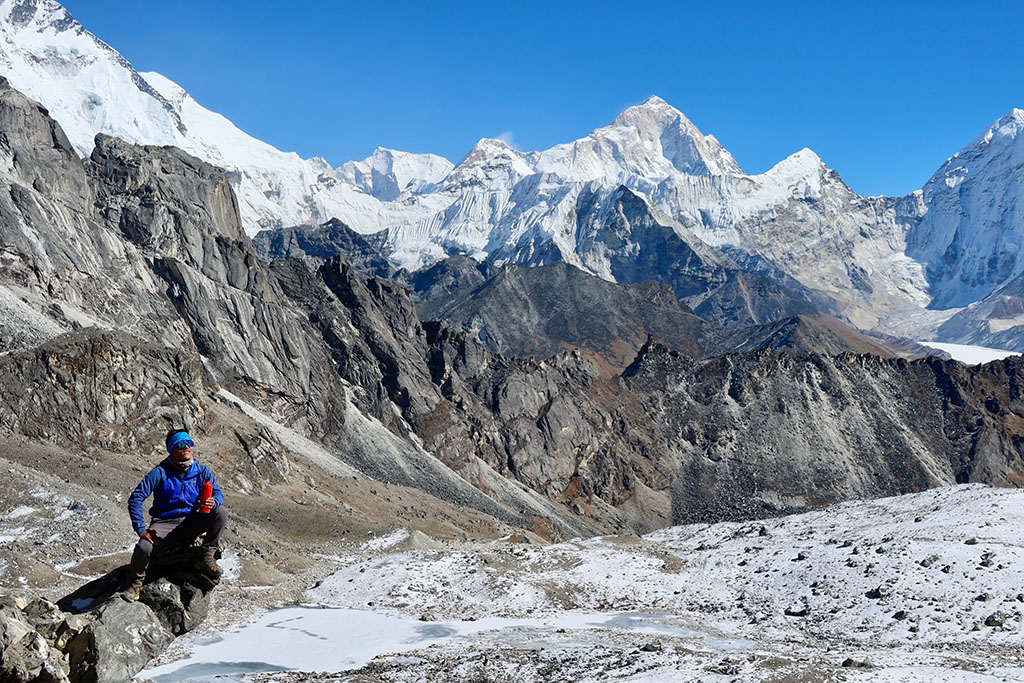
Kanchenjunga Trek: A Majestic Journey to the Third Highest Peak on Earth
NPR 1000 Per Person
17 Days
Everest Base Camp via Gokyo Trek: A Journey Through the Heart of the Khumbu
NPR 1000 Per Person
11 Days
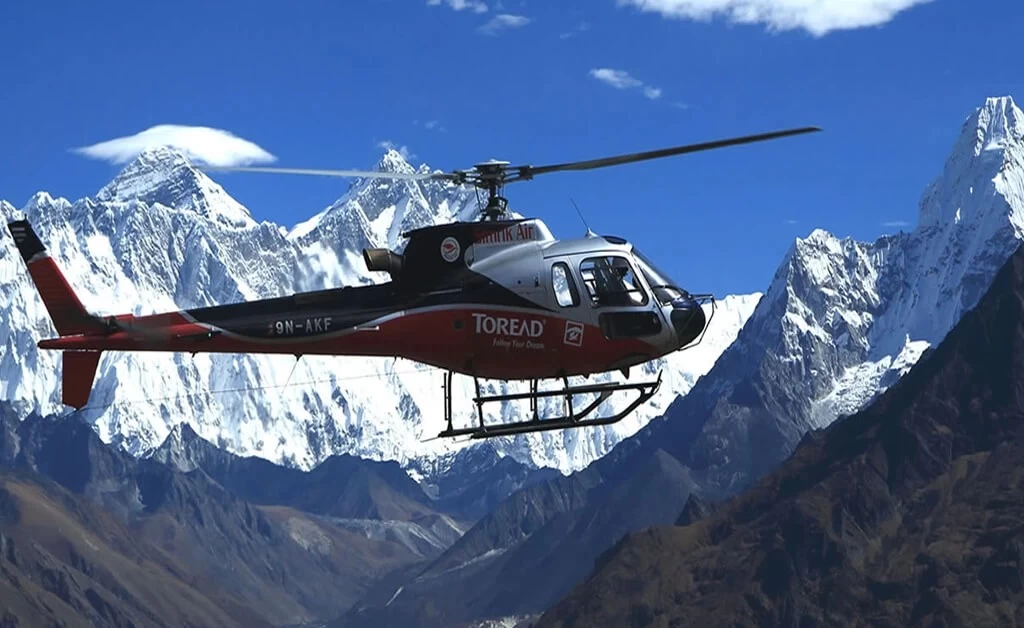
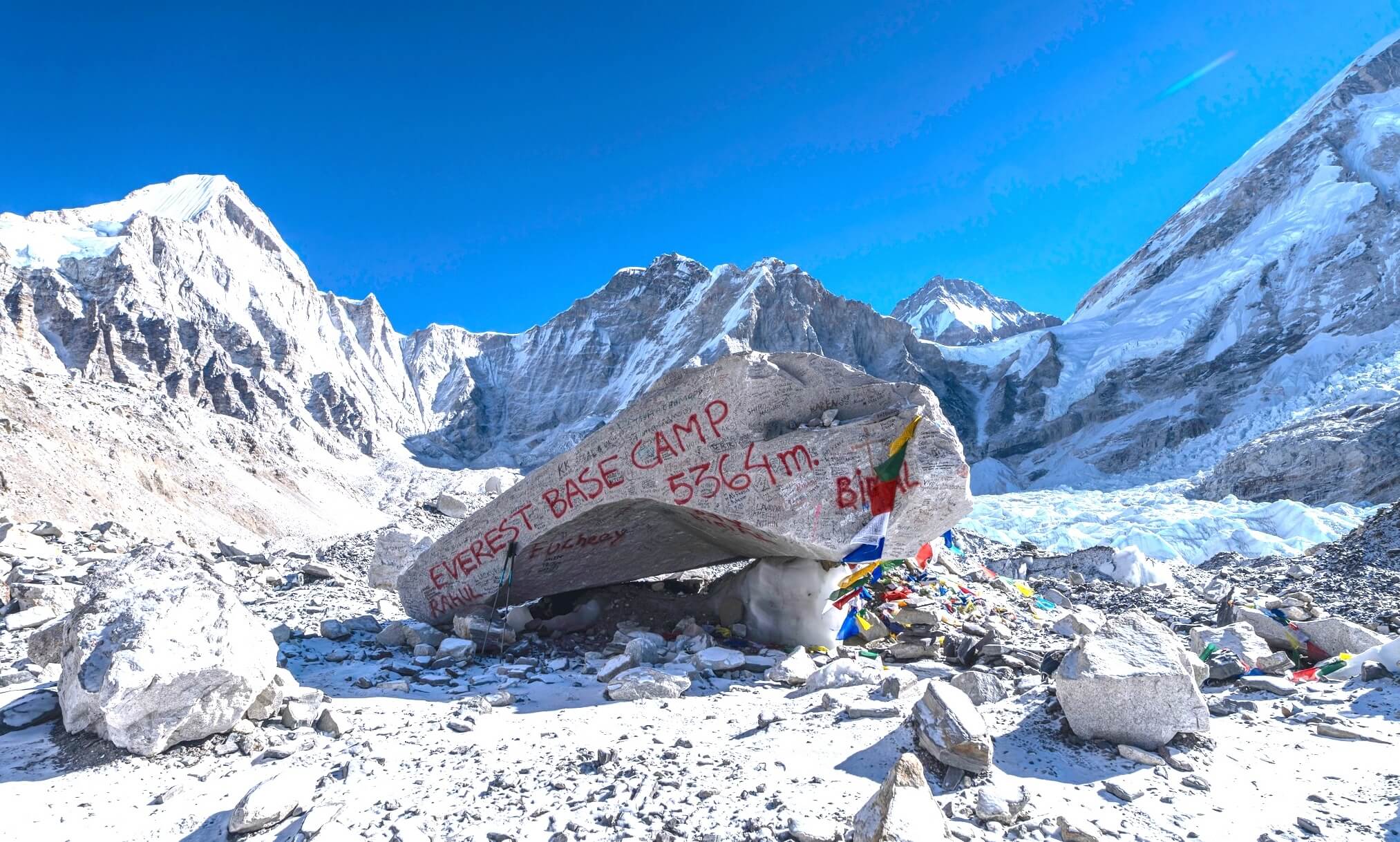
Everest Base Camp Heli Return Trek: A Perfect Blend of Adventure and Convenience
NPR 1000 Per Person
14 Days
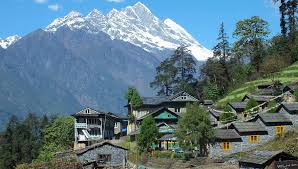
Arun Valley Cultural Trail: Journey Through Eastern Nepal’s Cultural Heartland
NPR 1000 Per Person

11 Days
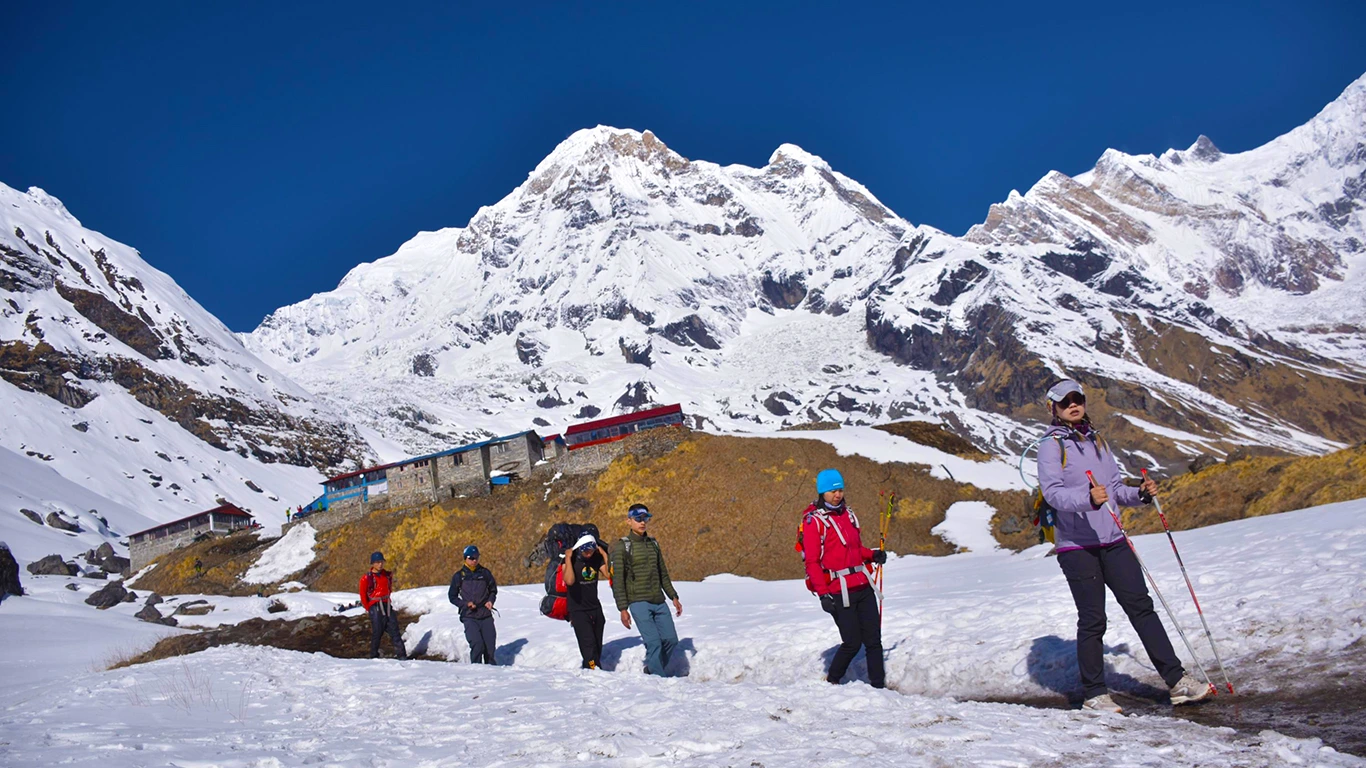
Annapurna North Base Camp Trek: A Remote Trail to the Hidden Face of Annapurna
NPR 1000 Per Person
9 Days


12 Days
22 Days
22 Days
Labuje Peak Climbing Expedition: Exploring a Hidden Gem of the Himalayas
NPR 1000 Per Person
10 Days
Muktinath Yartung Festival: A Spiritual and Adventure Expedition in Nepal
NPR 1000 Per Person
14 Days
Mustang Tiji Festival: A Unique Cultural and Trekking Expedition in Nepal
NPR 1000 Per Person
15 Days
13 Days