Tsum Valley Trek: Sacred Trails in the Hidden Valley of Happiness
- Home
- Tsum Valley Trek: Sacred Trails in the Hidden Valley of Happiness
Budget
NPR 1000
Per Person
Rating
No review has been posted yet
Duration
15 Days
Trip Overview
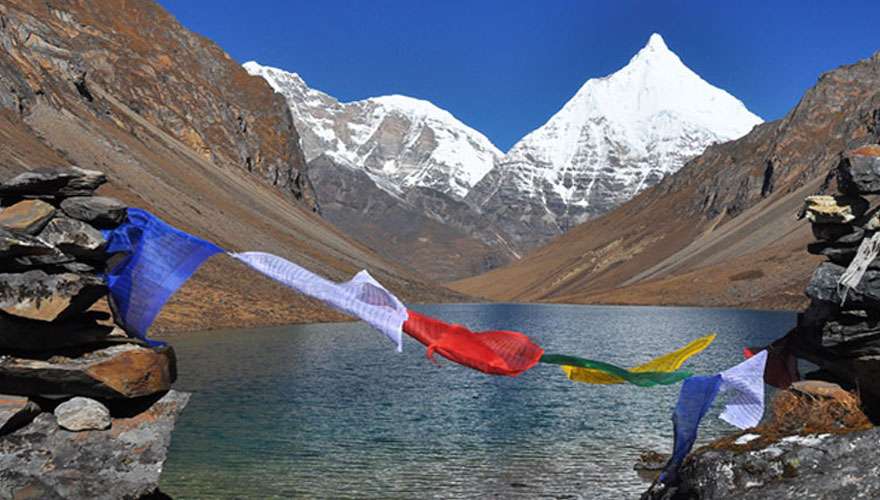
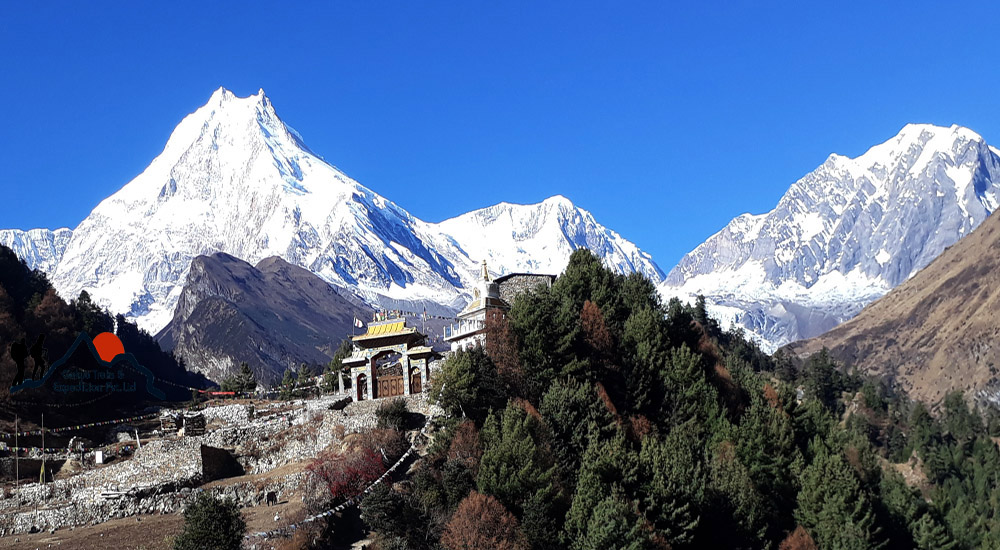
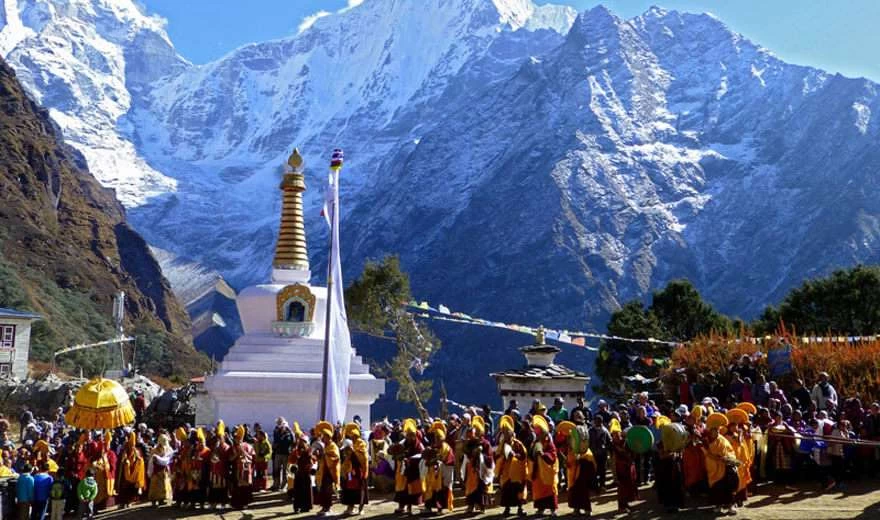
The Tsum Valley Trek offers a peaceful and culturally immersive journey into one of Nepal’s most sacred and least explored regions. Nestled within the Manaslu Conservation Area, the valley was closed to outsiders until 2008, which has helped preserve its distinctive Tibetan Buddhist traditions, ancient monasteries, and traditional villages. Trekking through this remote landscape, travelers encounter stunning natural beauty—from dense forests and rolling hills to dramatic Himalayan peaks—while experiencing a sense of timelessness and tranquility rarely found on more popular routes.
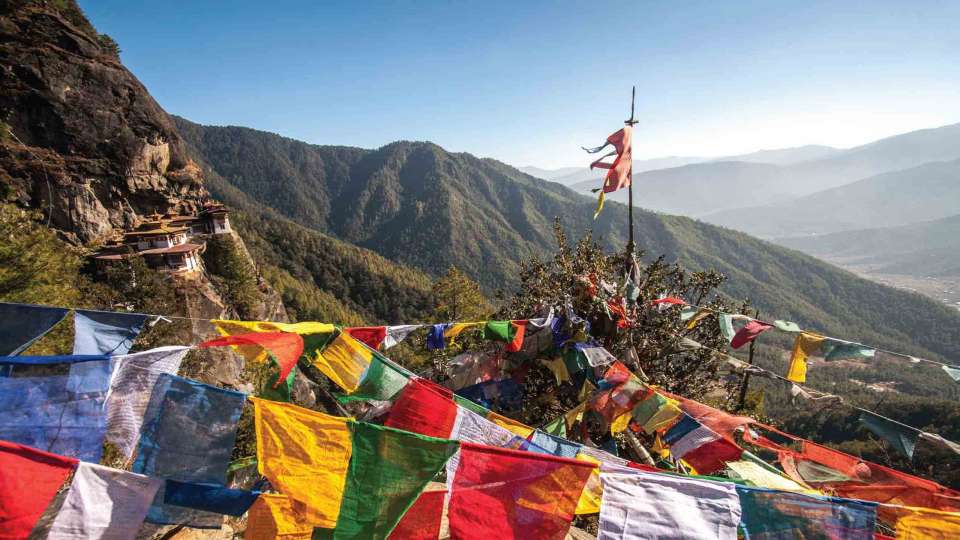
Beyond its breathtaking scenery, the Tsum Valley is renowned for its deep spiritual significance and warm local hospitality. The valley’s inhabitants maintain strong religious customs, reflected in the numerous gompas, mani walls, and sacred chortens scattered throughout the region. This trek is perfect for those seeking a journey of inner reflection, cultural discovery, and connection with nature, offering an authentic Himalayan experience that blends adventure with serenity and profound cultural insight.
Package Highlights:
- Explore the remote and sacred Tsum Valley, a hidden gem in the Manaslu region
- Experience pristine natural beauty with dense forests, alpine meadows, and stunning Himalayan views
- Discover unique Tibetan Buddhist culture with visits to ancient monasteries like Mu Gompa and Dhephu Doma Nunnery
- Visit Milarepa Cave, a significant meditation site of the revered Tibetan yogi
- Immerse yourself in authentic local life in traditional Tsum and Gurung villages
- Trek through diverse landscapes ranging from subtropical zones to high alpine terrain
- Enjoy a peaceful, less-crowded trekking route ideal for spiritual seekers and nature lovers
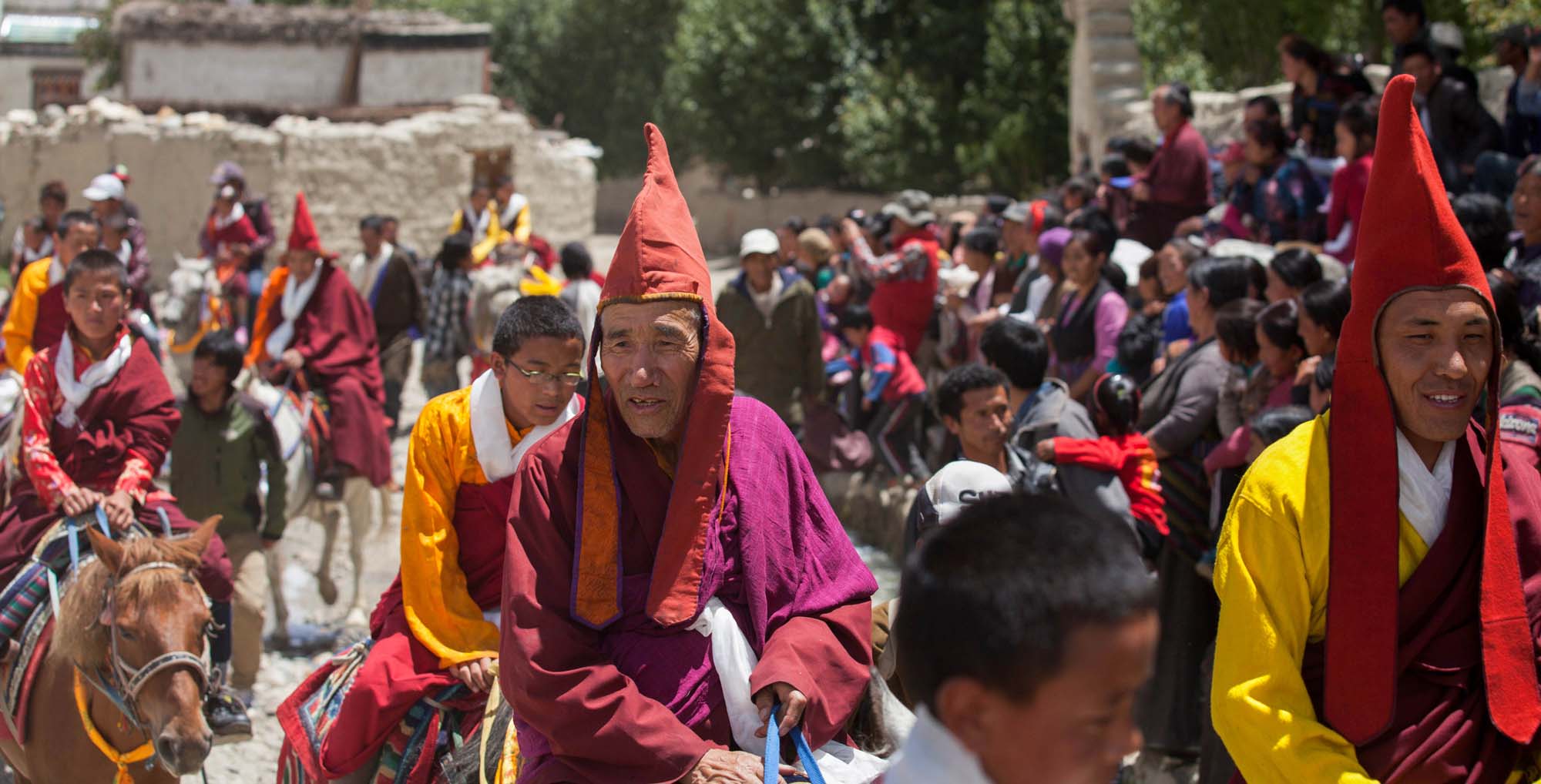
- Witness vibrant local festivals and religious rituals (seasonal)
- Journey through the culturally rich and geographically varied Manaslu Conservation Area
- Opportunity to combine adventure with cultural and spiritual enrichment in a remote Himalayan valley
Book This Trip
Trip Information
 Start : Kathmandu
 Finish : Kathmandu
 Difficulty :
Basic
Difficulty :
Basic
 Max Altitude :
  Group Size :
  Season :
Trip Gallery
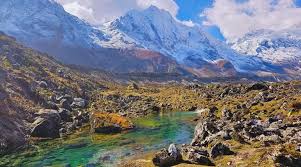
Trip Itinerary
Arrive at Tribhuvan International Airport and transfer to your hotel. Rest and prepare for the trek.
Take an 8 to 9-hour jeep ride from Kathmandu to Soti Khola, the starting point of your trek, passing through scenic valleys and rural villages.
Begin trekking for about 6 hours along the Budhi Gandaki River, walking through forests and local villages to reach Machha Khola.
Continue trekking for 6 hours through terraced fields and small settlements, arriving in Jagat, the gateway to the higher Tsum Valley region.
Ascend to Lokpa, the entrance to Tsum Valley, enjoying the peaceful mountain scenery along the way.
Hike for 5 hours deeper into the valley, reaching Chumling, a traditional village known for its beautiful landscapes.
Continue for 6 hours, trekking through forests and alpine meadows to the village of Chhokang Paro.
Trek to Nile and, if you wish, take a side hike to Milarepa Cave, an important meditation site of the famous Tibetan yogi.
Reach Mu Gompa, a significant monastery in the region, and spend time exploring its spiritual and cultural treasures.
Take a day hike to nearby sites including Dhephu Doma Nunnery, deepening your insight into local Buddhist practices.
Begin your return journey with a 6-hour trek back to Chumling, enjoying the valley’s serene environment.
Descend to Philim, a vibrant village at the edge of the valley known for its rich culture.
Continue descending to Soti Khola, completing the trekking portion of your journey.
Take the jeep ride back to Kathmandu, reflecting on your experience in the Hidden Valley.
Transfer to the airport for your departure, or extend your stay with optional sightseeing tours in Kathmandu Valley.
Cost Includes
1. Transportation
- Airport Transfers in Kathmandu: Transfers to and from the airport upon arrival and departure.
- Private Jeep Transfers: Ground transport from Kathmandu to the trailhead (Jagat/Soti Khola) and back.
2. Permits & Fees
- Tsum Valley Restricted Area Permit: Special permit required for trekking in the Tsum Valley region.
- Manassalu Restricted Area Permit: Special permit required for trekking in the Manasalu region.
- Manaslu Conservation Area Permit (MCAP): Permit for access to the Manaslu Conservation Area.
- Annapuran Conservation Area Permit (ACAP): Permit for access to the Annapurna Conservation Area.
3. Accommodation & Meals
- Teahouse Accommodation: Comfortable lodge or teahouse stays during the trek.
- Meals: Three full meals per day (Breakfast, Lunch, and Dinner) included throughout the trek.
4. Trekking Staff
- Licensed Trekking Guide: Professional government-licensed English-speaking guide.
- Porter: 1 porter for every 2 trekkers to carry personal belongings.
- Staff Salary & Insurance: Payment and insurance for the guide, porter, and staff.
5. Support Services
- First Aid Kit: Basic medical supplies for emergencies during the trek.
- Service Charges & Local Taxes: Company service charges and applicable local taxes.
1. Transportation
- Airport Transfers in Kathmandu: Transfers to and from the airport upon arrival and departure.
- Private Jeep Transfers: Ground transport from Kathmandu to the trailhead (Jagat/Soti Khola) and back.
2. Permits & Fees
- Tsum Valley Restricted Area Permit: Special permit required for trekking in the Tsum Valley region.
- Manassalu Restricted Area Permit: Special permit required for trekking in the Manasalu region.
- Manaslu Conservation Area Permit (MCAP): Permit for access to the Manaslu Conservation Area.
- Annapuran Conservation Area Permit (ACAP): Permit for access to the Annapurna Conservation Area.
3. Accommodation & Meals
- Teahouse Accommodation: Comfortable lodge or teahouse stays during the trek.
- Meals: Three full meals per day (Breakfast, Lunch, and Dinner) included throughout the trek.
4. Trekking Staff
- Licensed Trekking Guide: Professional government-licensed English-speaking guide.
- Porter: 1 porter for every 2 trekkers to carry personal belongings.
- Staff Salary & Insurance: Payment and insurance for the guide, porter, and staff.
5. Support Services
- First Aid Kit: Basic medical supplies for emergencies during the trek.
- Service Charges & Local Taxes: Company service charges and applicable local taxes.
Cost Excludes
1.Visa Fees
- Nepal Entry Visa: Visa fee for entering Nepal (available on arrival at Tribhuvan International Airport or through a Nepalese embassy).
2. Accommodation in Kathmandu
- Hotel in Kathmandu: Accommodation before or after the trek unless specifically mentioned in the itinerary.
3. International Flights
- International Airfare: Flights to and from Kathmandu.
4. Travel Insurance (Mandatory)
- Comprehensive Coverage: Travel insurance covering high-altitude trekking, emergency medical treatment, helicopter evacuation, trip cancellation, and unforeseen circumstances.
5. Personal Expenses
- Lodge Services: WiFi, hot showers, battery charging, and laundry services.
- Beverages: Soft drinks, bottled water, alcoholic drinks, and snacks not included in meals.
6.Tips and Gratuities
- Guide & Porter: Tips for trekking guide and porter (customary but not compulsory).
1.Visa Fees
- Nepal Entry Visa: Visa fee for entering Nepal (available on arrival at Tribhuvan International Airport or through a Nepalese embassy).
2. Accommodation in Kathmandu
- Hotel in Kathmandu: Accommodation before or after the trek unless specifically mentioned in the itinerary.
3. International Flights
- International Airfare: Flights to and from Kathmandu.
4. Travel Insurance (Mandatory)
- Comprehensive Coverage: Travel insurance covering high-altitude trekking, emergency medical treatment, helicopter evacuation, trip cancellation, and unforeseen circumstances.
5. Personal Expenses
- Lodge Services: WiFi, hot showers, battery charging, and laundry services.
- Beverages: Soft drinks, bottled water, alcoholic drinks, and snacks not included in meals.
6.Tips and Gratuities
- Guide & Porter: Tips for trekking guide and porter (customary but not compulsory).
Essential Info
Accommodation and Food
Teahouses are available throughout the route, though more basic than other trekking regions.
- Rooms are simple, with shared toilets and limited hot water
- Lodges are often family-run, adding to the cultural immersion
Meals include:
- Dal bhat, Tibetan bread, tsampa, potatoes, noodles, tea
- Carry extra snacks, as food options are limited at higher altitudes
Necessary Equipment
- Warm sleeping bag (-10°C to -15°C)
- Layered clothing: base, fleece, down jacket, waterproof shell
- Sturdy hiking boots, gloves, hat, sunglasses
- Trekking poles, headlamp, personal medication
- Water purification tablets or filter
- Guide and porter (highly recommended, and mandatory due to restricted permits)
Transportation
Kathmandu to Soti Khola: 8–9 hour jeep ride via Arughat Return the same way No flights available in this route—overland travel only
Extra Info
Geography and Landscape
The Tsum Valley lies in the Gorkha district, northeast of the Manaslu range, and is part of the Manaslu Conservation Area. The terrain is diverse, with deep gorges, forested hillsides, alpine meadows, glacial rivers, and barren highlands near the Tibetan border.
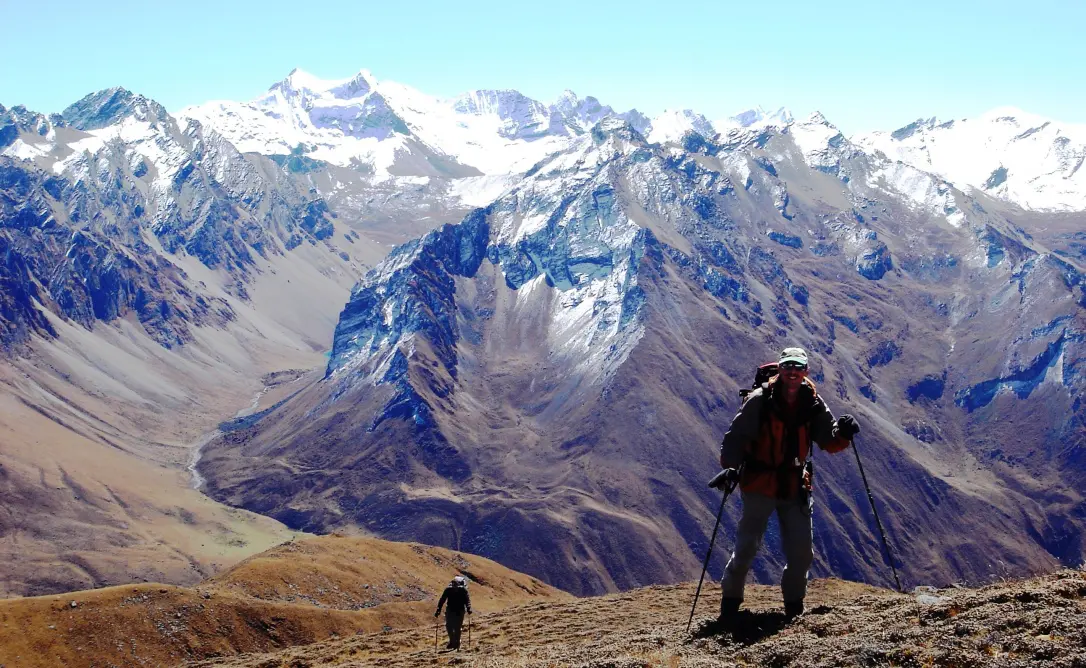
The trail leads you through pristine Himalayan landscapes with views of Baudha Himal, Ganesh Himal, Sringi Himal, and the Manaslu range. The high point is Mu Gompa (3,700m), a spiritual hub and one of Nepal’s most remote monasteries.
Climate and Best Time to Trek
- The best time to trek is spring (March–May) and autumn (September–November).
- Daytime temperatures: 10–20°C at lower altitudes
- Nighttime: Can fall below 0°C at higher elevations like Mu Gompa
- Monsoon (June–August) brings heavy rain and is not recommended
- Winter (Dec–Feb) is cold, but with proper gear, it’s doable with fewer trekkers
People and Culture
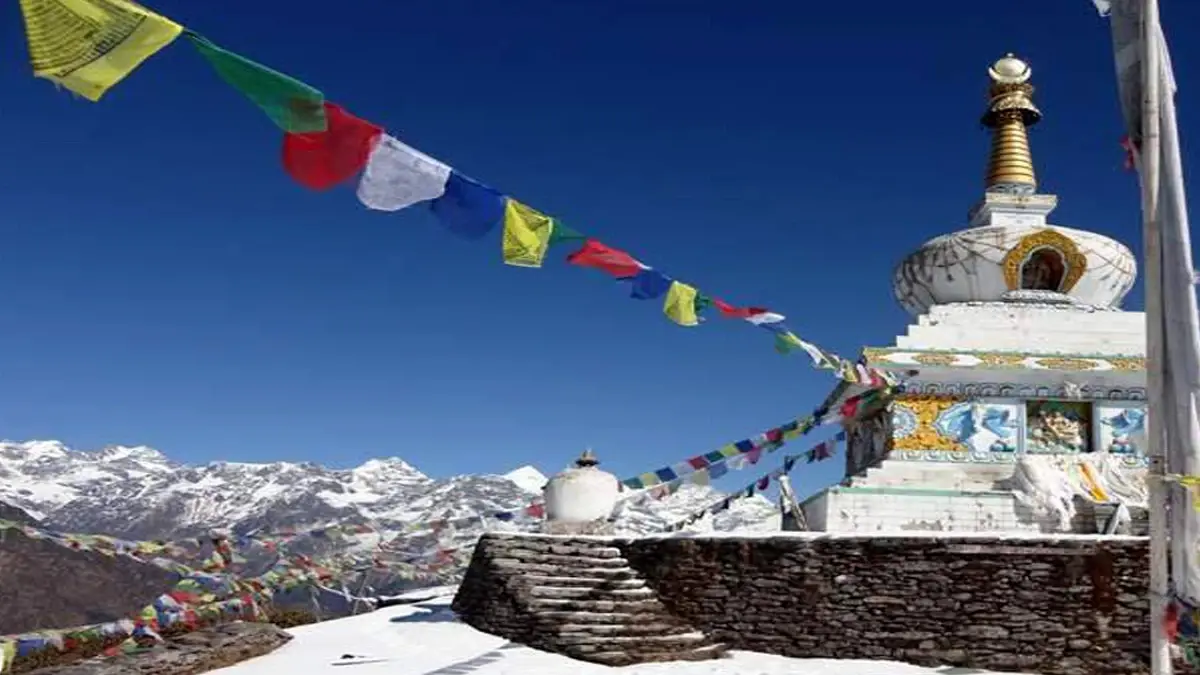
The Tsum Valley is home to the Tsumbas, an ethnically Tibetan people with deep-rooted Buddhist traditions. The valley is dotted with ancient monasteries, mani walls, prayer wheels, and chortens.
Highlights include:
- Mu Gompa – a 700-year-old monastery
- Rachen Gompa – an important nunnery
- Milarepa’s Cave – a sacred pilgrimage site
- The lifestyle here is simple and spiritual. Farming and yak herding are the main livelihoods, and polyandry is still practiced in some villages.
Trip Date And Time
We'll Be There, Like We've Been There Before
|
Departing |
Finishing |
Trip Price Per Person |
Action |
Enquire |
|---|---|---|---|---|
| No Trip Yet!! | ||||
Featured Packages
You May Also Enjoy Our Other Trips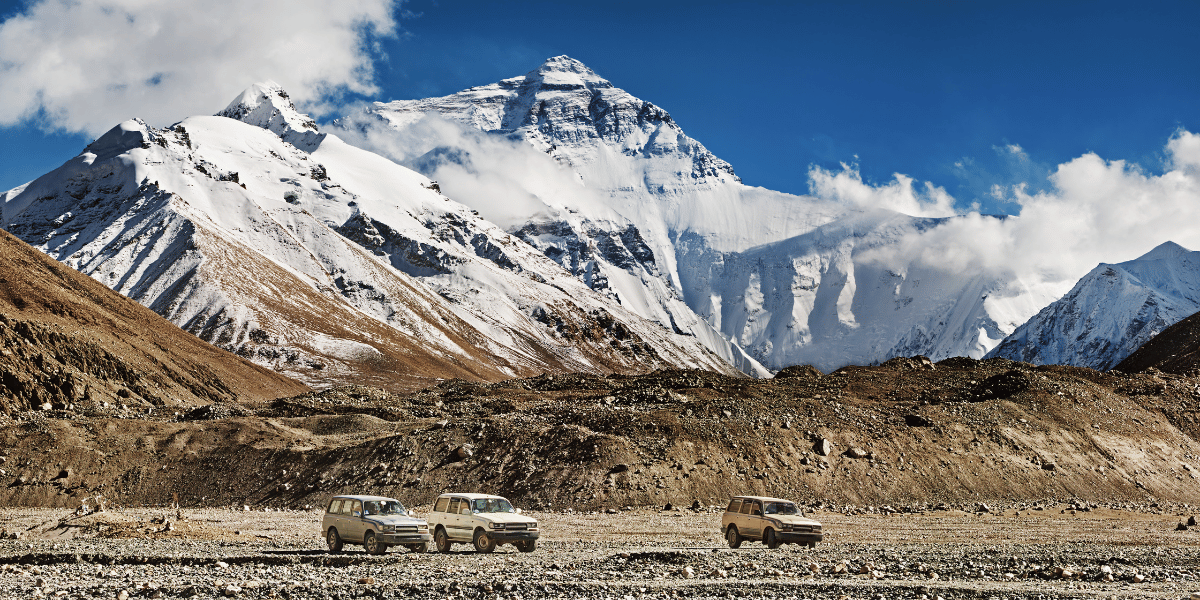

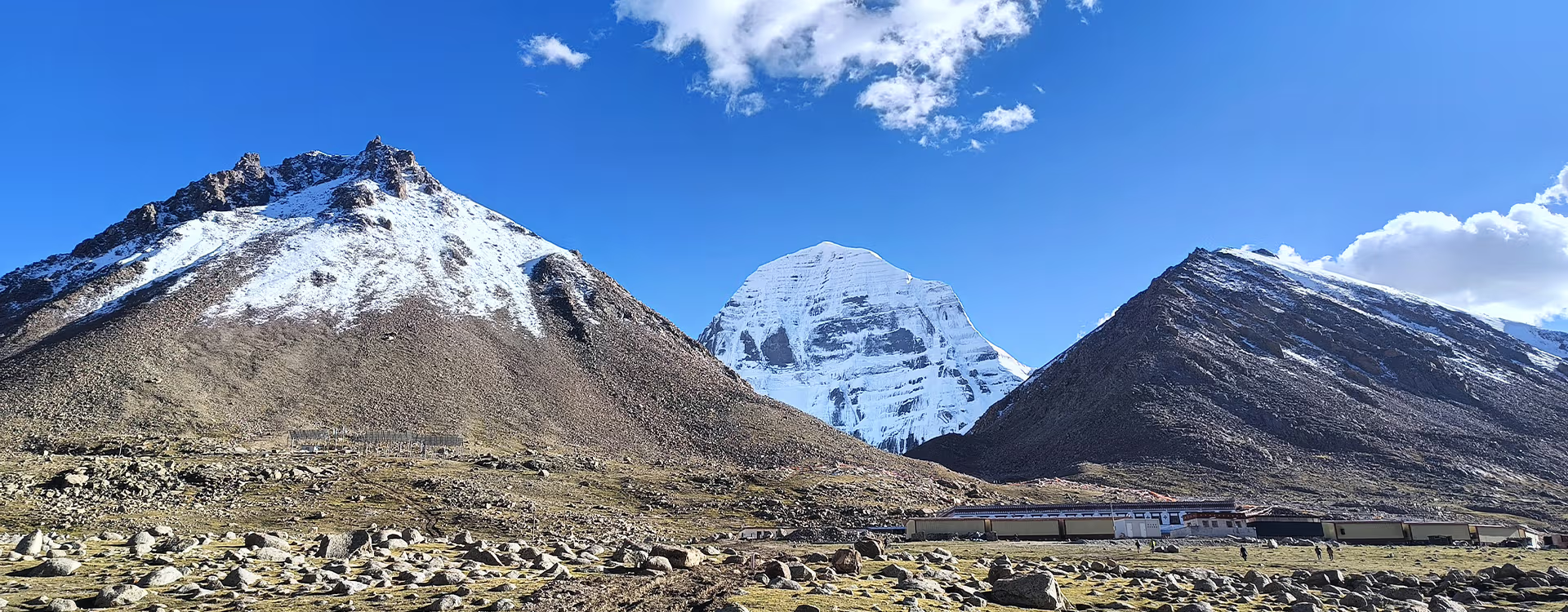
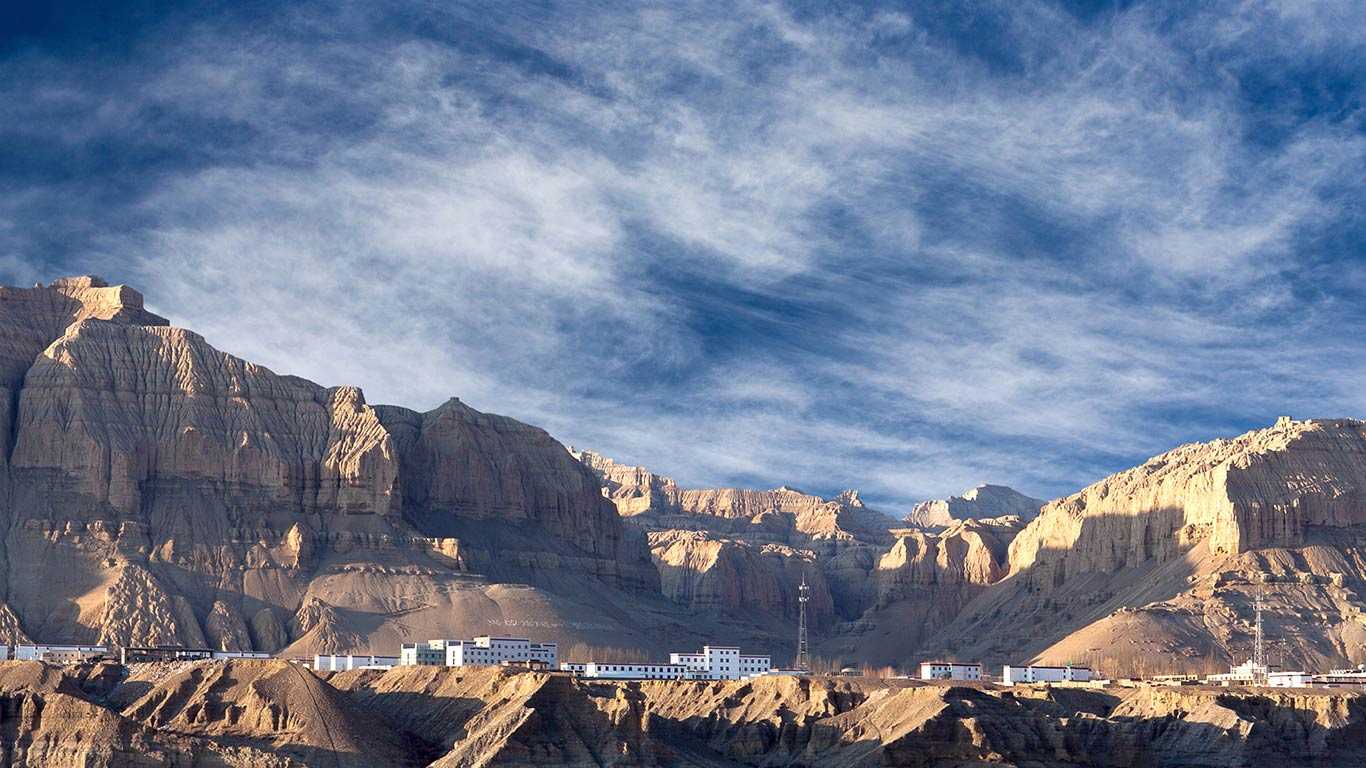
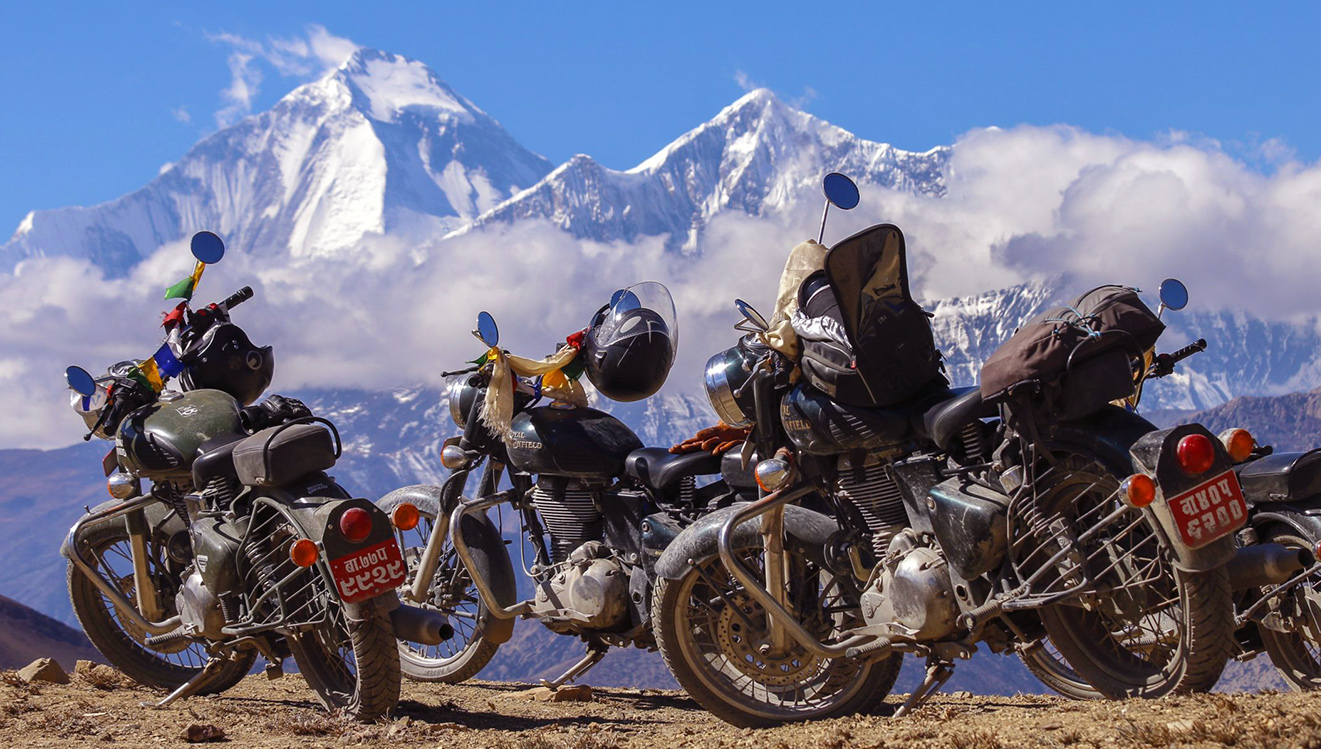
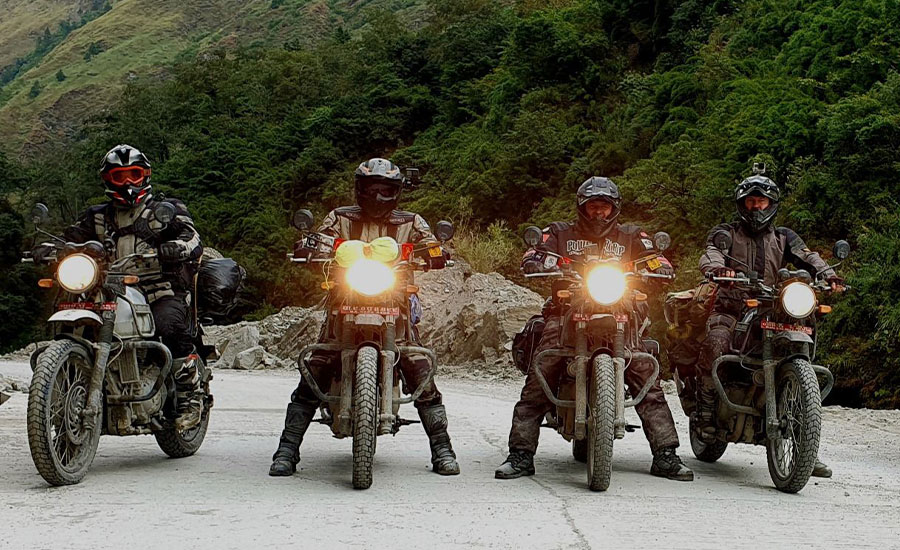
10 Days
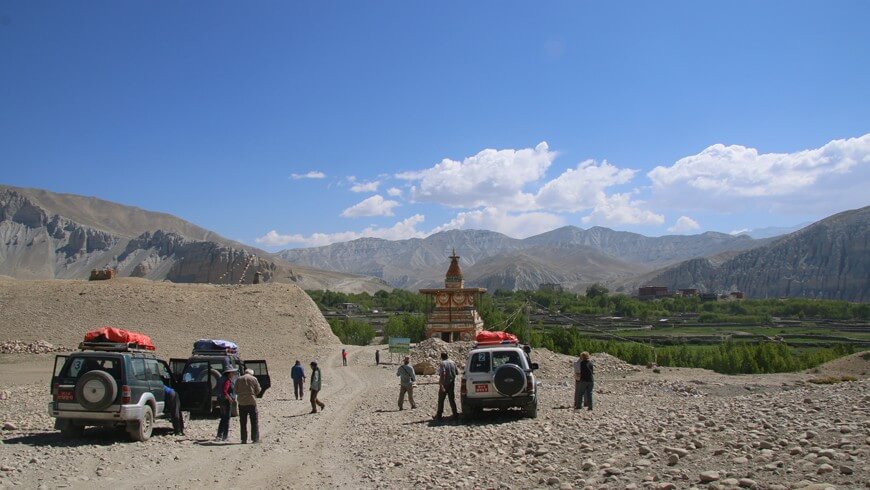
Nepal Heritage Motorbike Tour - A Journey Through Culture And Himalayas !
NPR 1000 Per Person


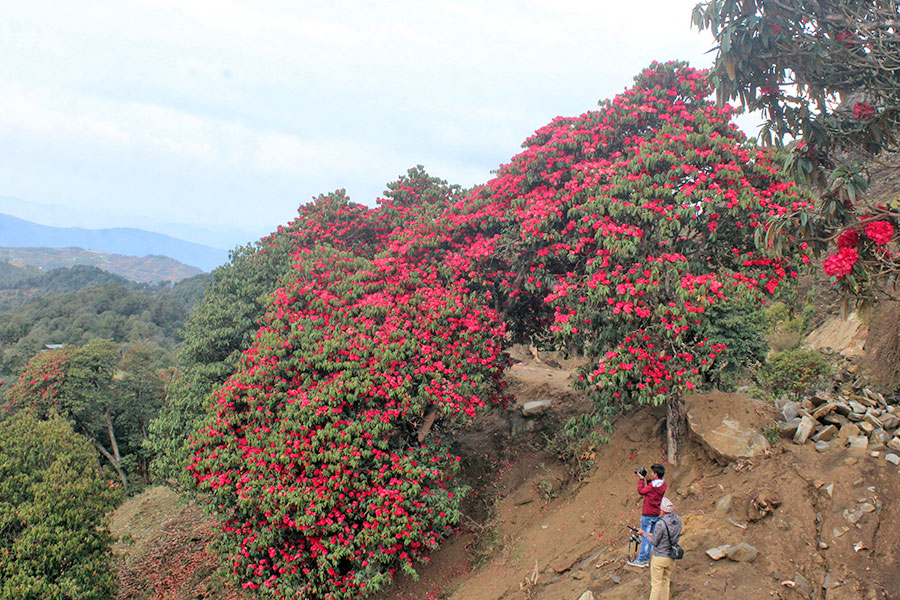


9 Days
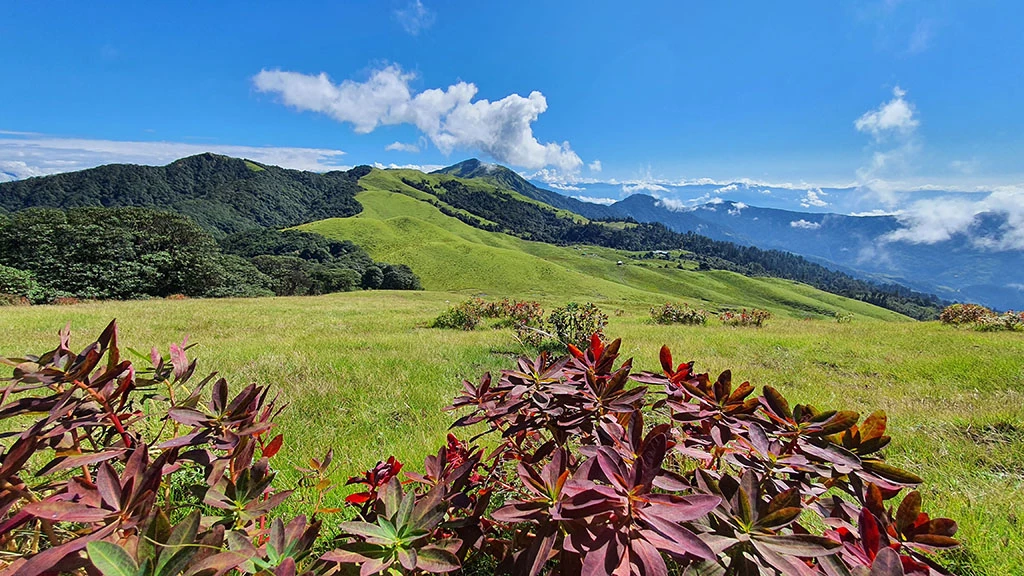
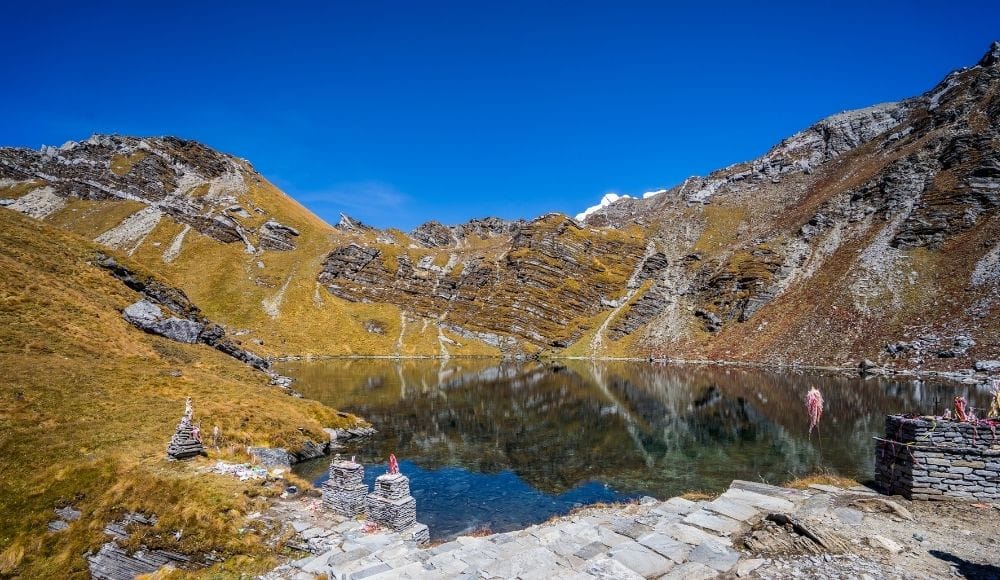
Mardi Himal Trek: A Short and Scenic Route to the Hidden Side of the Annapurnas
NPR 1000 Per Person
15 Days
12 Days

11 Days
9 Days
26 Days
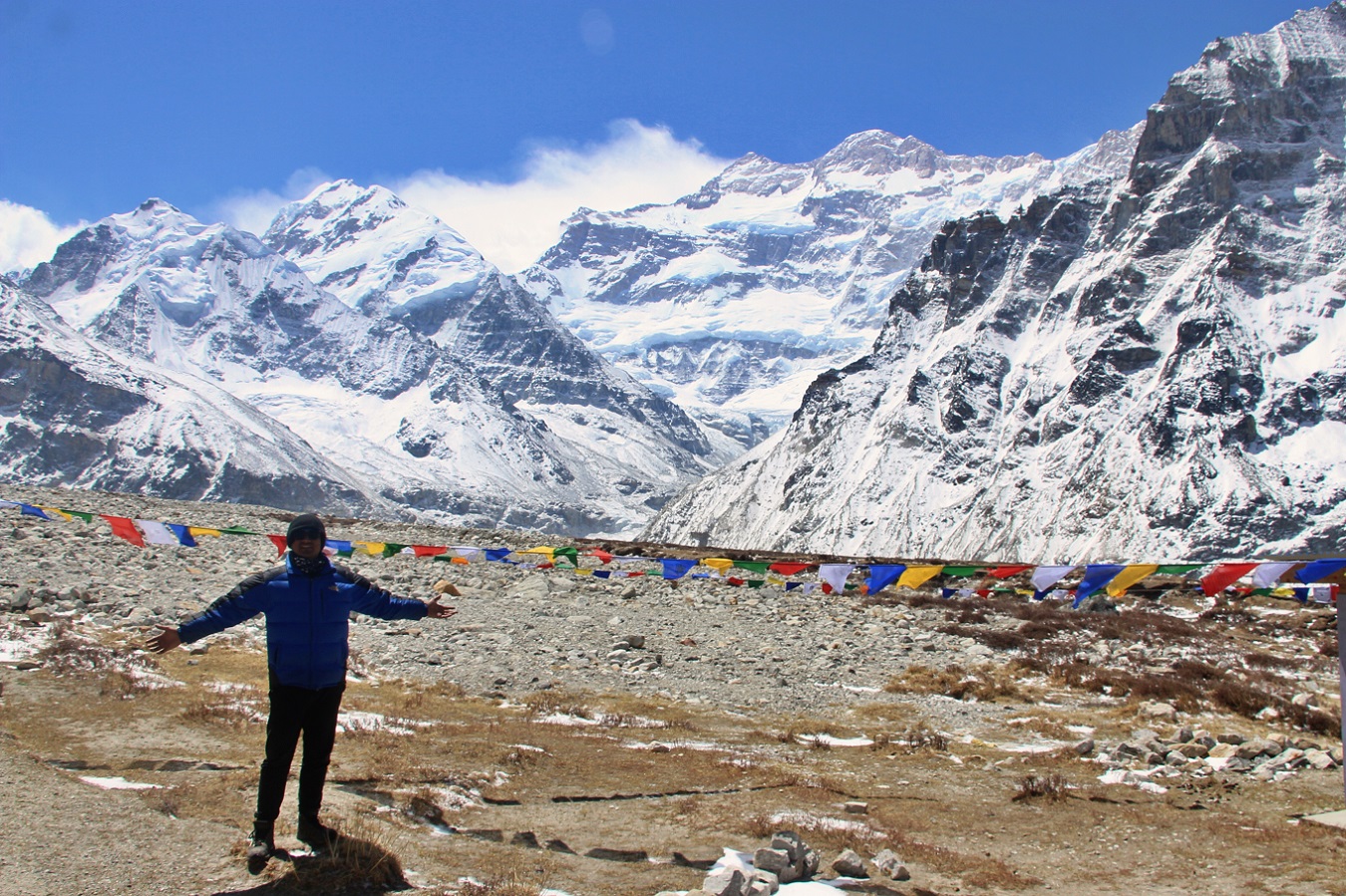
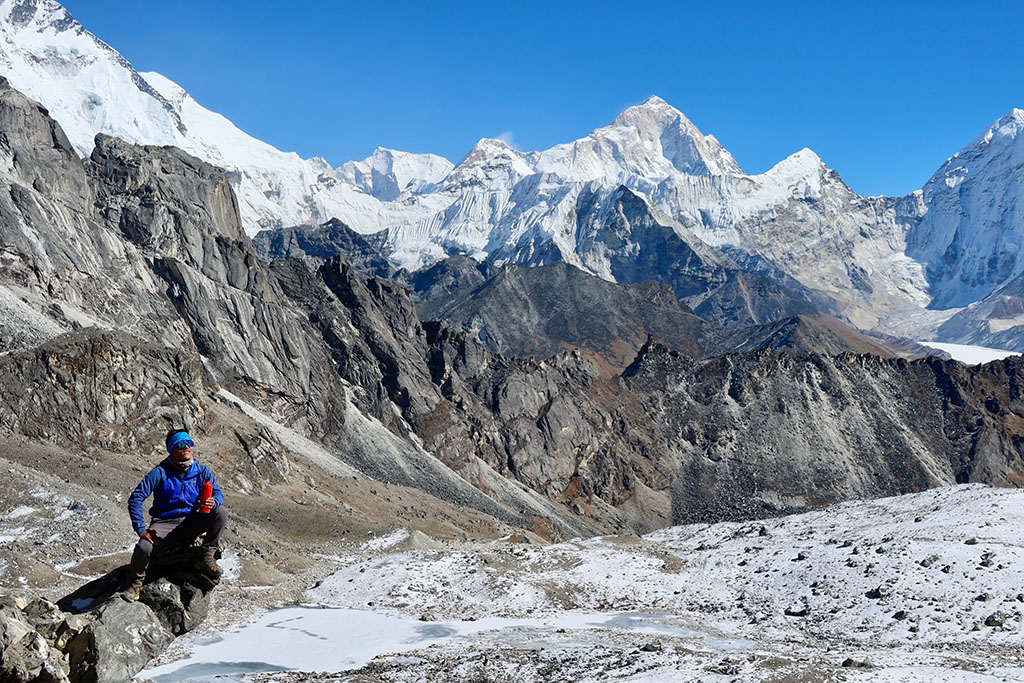
Kanchenjunga Trek: A Majestic Journey to the Third Highest Peak on Earth
NPR 1000 Per Person
17 Days
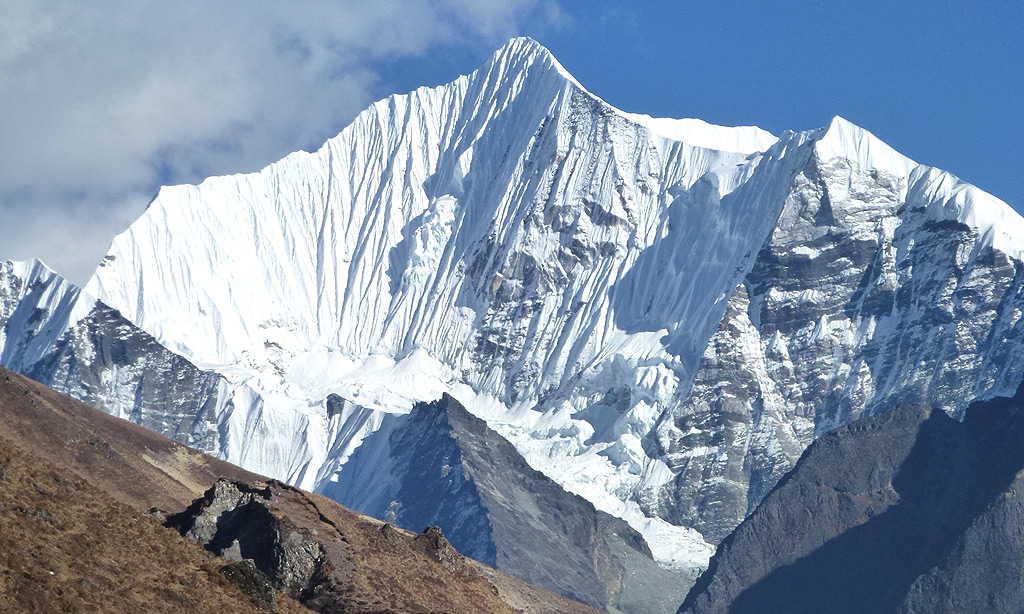
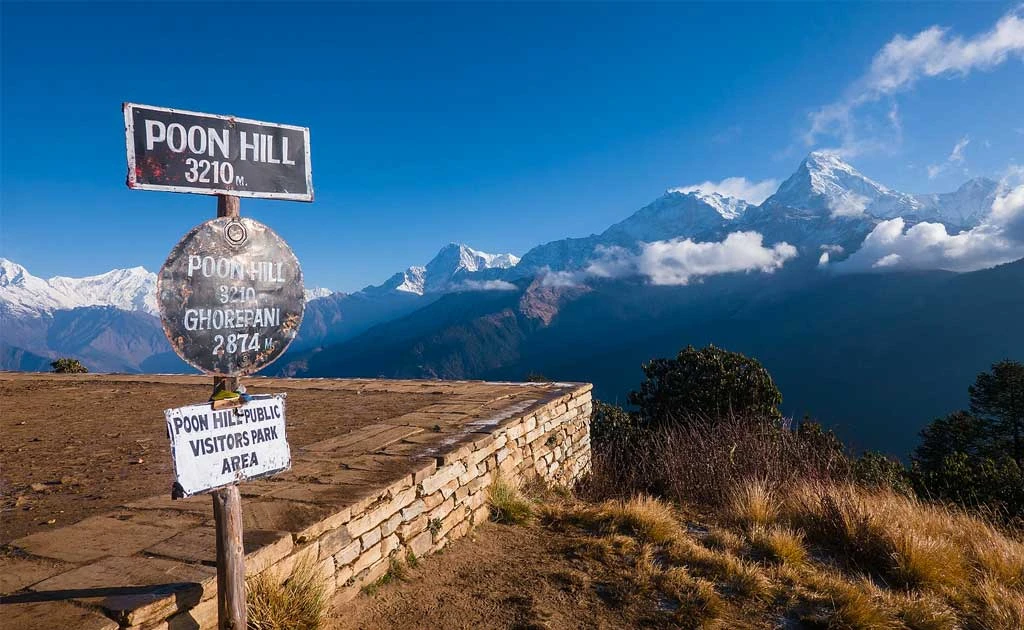
Everest Base Camp via Gokyo Trek: A Journey Through the Heart of the Khumbu
NPR 1000 Per Person
11 Days
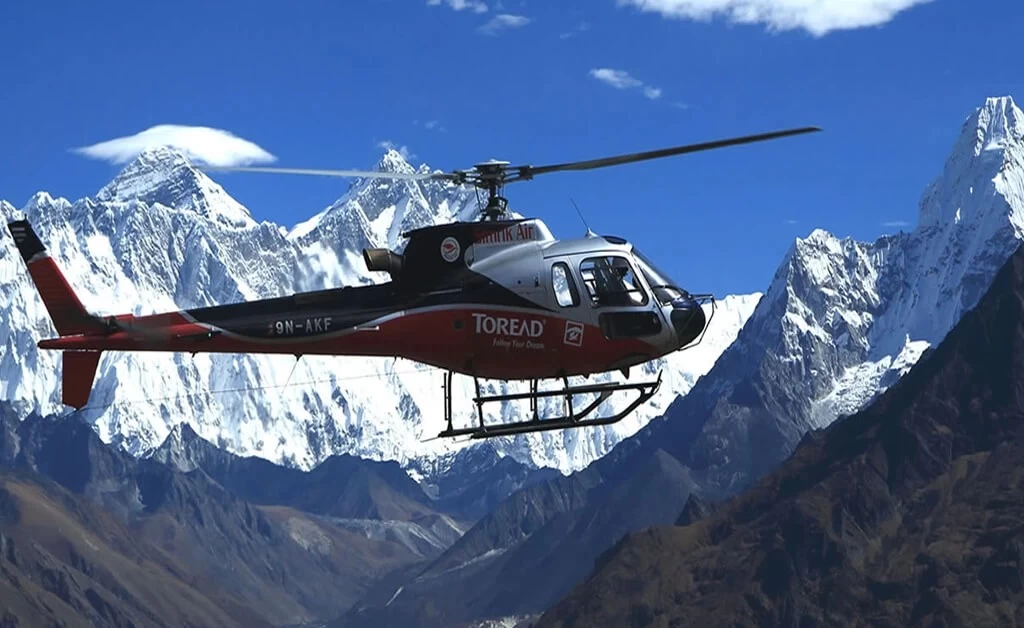
Everest Base Camp Heli Return Trek: A Perfect Blend of Adventure and Convenience
NPR 1000 Per Person
14 Days
Arun Valley Cultural Trail: Journey Through Eastern Nepal’s Cultural Heartland
NPR 1000 Per Person

11 Days
Annapurna North Base Camp Trek: A Remote Trail to the Hidden Face of Annapurna
NPR 1000 Per Person
9 Days


12 Days
22 Days
22 Days
Labuje Peak Climbing Expedition: Exploring a Hidden Gem of the Himalayas
NPR 1000 Per Person
10 Days
Muktinath Yartung Festival: A Spiritual and Adventure Expedition in Nepal
NPR 1000 Per Person
14 Days
Mustang Tiji Festival: A Unique Cultural and Trekking Expedition in Nepal
NPR 1000 Per Person
15 Days
13 Days