Makalu Base Camp Trek: Wilderness, Solitude and Raw Himalayan Beauty
- Home
- Makalu Base Camp Trek: Wilderness, Solitude and Raw Himalayan Beauty
Budget
USD 2750
Per Person
Rating
No review has been posted yet
Duration
20 Days
Trip Overview
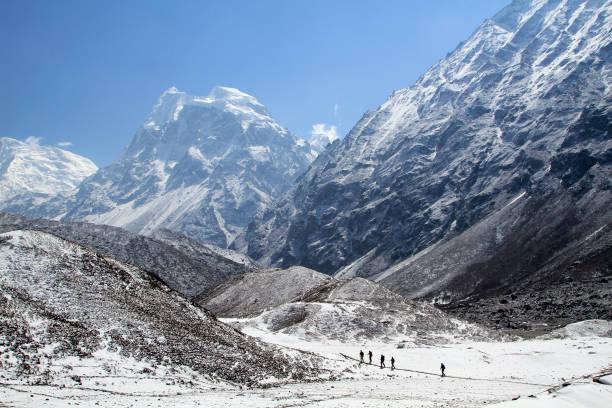
The Makalu Base Camp Trek is one of Nepal’s most spectacular and remote journeys, leading adventurers into the heart of the eastern Himalayas. This lesser-known trail unfolds beneath the towering presence of Mount Makalu (8,485 m), the world’s fifth-highest peak. Winding through the untouched Makalu Barun National Park, this trek rewards intrepid travelers with a raw, wild experience—where snow-draped ridgelines, cascading waterfalls, and dramatic glacier basins meet rich biodiversity and quiet Sherpa hamlets.
Unlike Everest or Annapurna, the Makalu region remains blissfully free from crowds, making it ideal for those seeking genuine solitude, off-the-grid exploration, and cultural immersion. It’s a challenging yet deeply rewarding expedition through alpine wilderness, across high passes, and into hidden valleys that few trekkers ever witness.
Geography and Climate
Geographically, the Makalu Base Camp Trek covers stunningly diverse terrain—from subtropical forests and river gorges at just 400 meters to glacial landscapes and windswept ridges above 5,000 meters. The trail begins in the lush Arun Valley and gradually climbs through rhododendron forests, bamboo groves, and yak pastures to the base of Mount Makalu.
The best trekking seasons are:
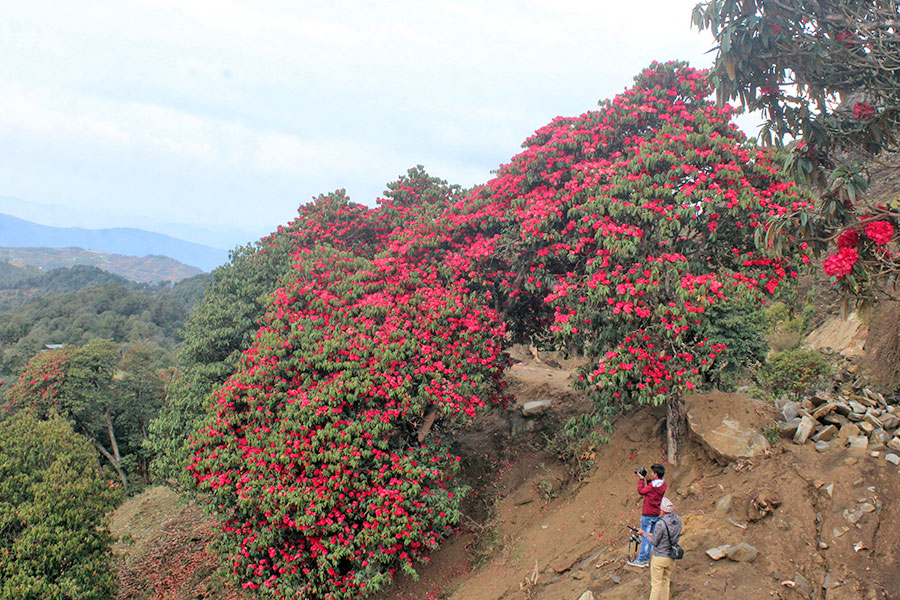
- Spring (March–May): Rhododendrons bloom, visibility is excellent.
- Autumn (September–November): Clear skies, crisp views of Makalu, Everest, and Chamlang.
- Winter (Dec–Feb): Cold and snowbound above 4,000m—not recommended.
- Monsoon (June–Aug): Heavy rainfall, landslides—avoid.
People and Culture
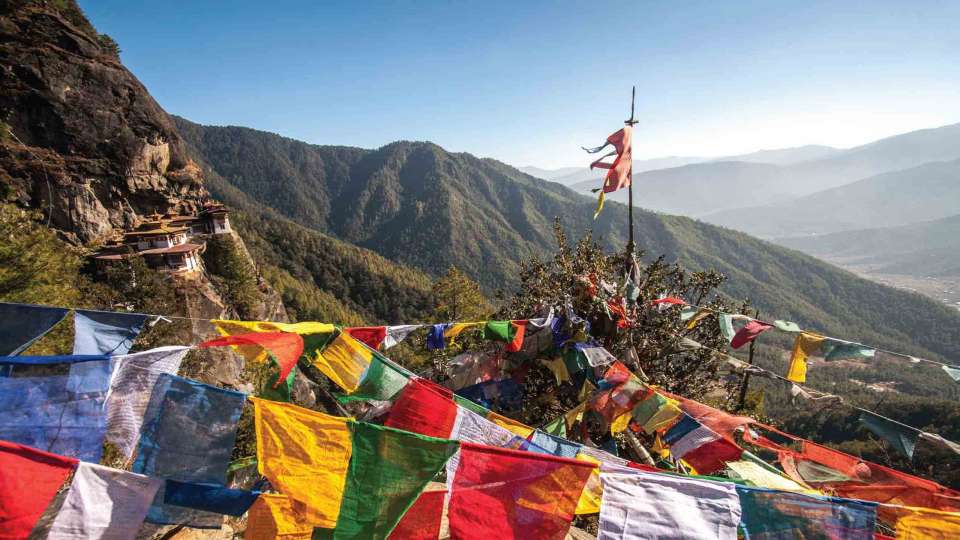
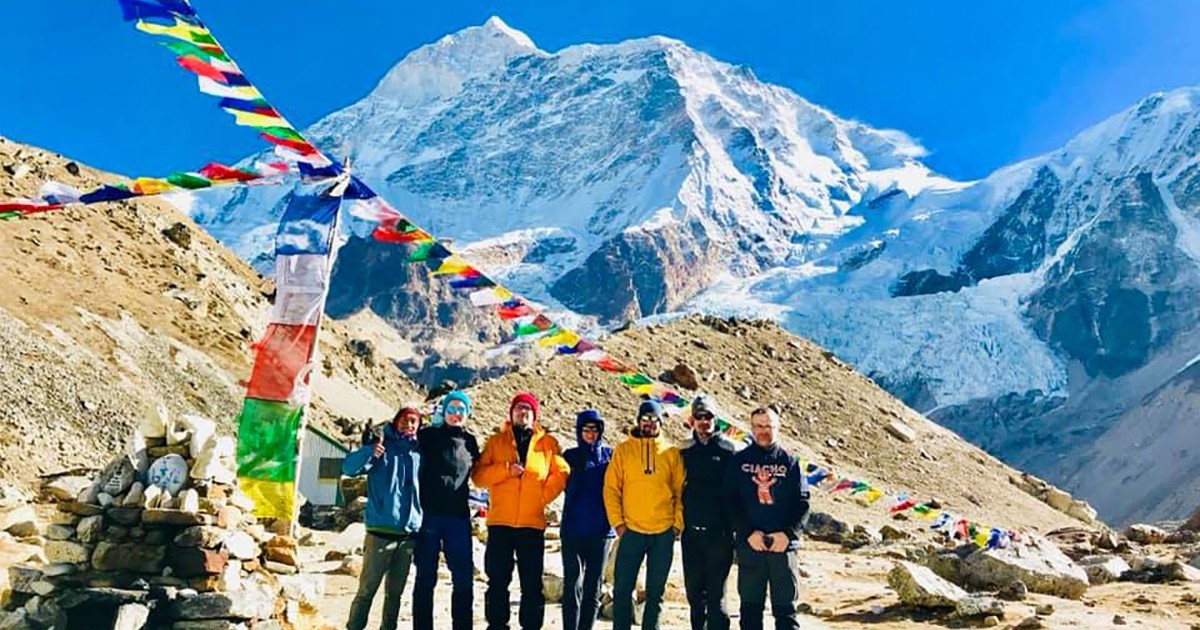
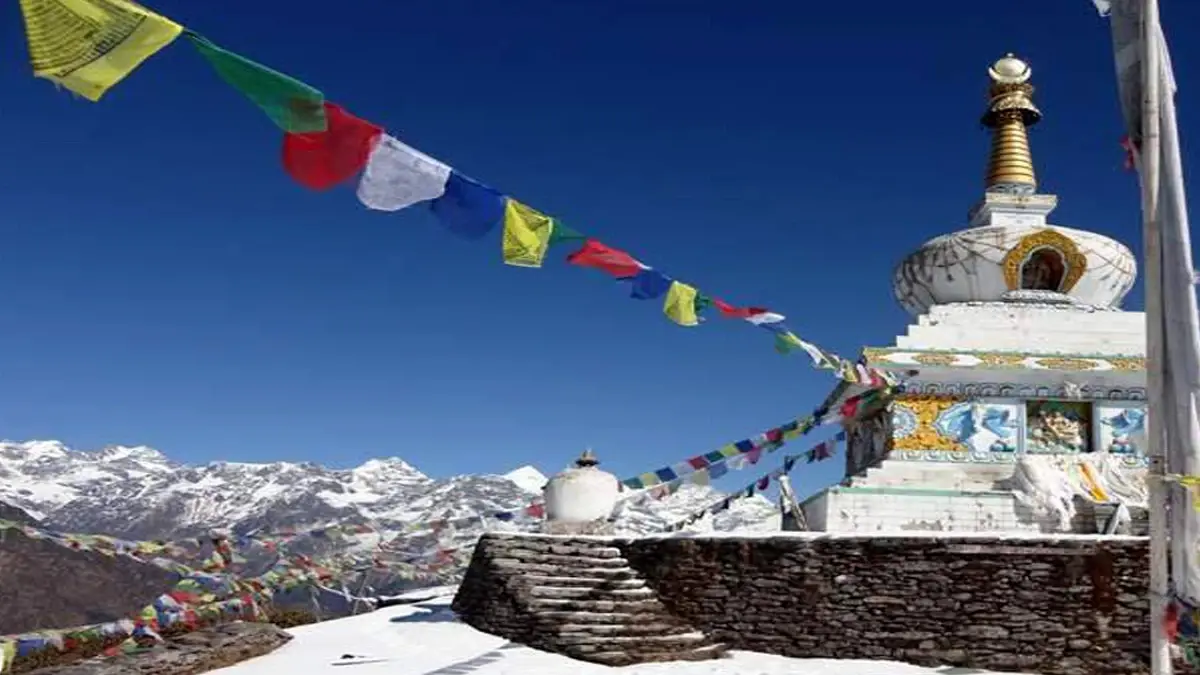
The Makalu region is sparsely populated, inhabited by ethnic Rai, Sherpa, and Limbu communities. These villagers lead traditional agricultural and pastoral lives, largely untouched by commercial trekking. As you move higher, the Tibetan Buddhist influence becomes more evident—mani walls, prayer flags, and serene chortens dot the trail. Some households in the mid-hills still practice animistic traditions alongside Buddhism, offering a fascinating blend of beliefs.
Staying in small villages like Seduwa and Tashigaon gives you insight into remote highland lifestyles—modest, resilient, and deeply spiritual. While language may be a barrier, the locals' warm smiles and generous hospitality leave a lasting impression.
Package Highlights:
- Makalu Base Camp (4,870m): Stand below a massive wall of ice and granite, facing the majestic Makalu south face.
- Shipton La Pass (4,200m): Cross one of the wildest Himalayan passes with awe-inspiring views.
- Rare wildlife: Spot Himalayan tahr, red pandas, and Danphe pheasants in the untouched Makalu-Barun conservation area.
- Cultural encounters: Experience life in unspoiled Sherpa and Rai villages like Tashigaon, Seduwa, and Num.
- Everest & Lhotse views: Gain unique angles of Nepal’s highest peaks without crowds.
- Ultimate off-the-beaten-path journey: A paradise for serious trekkers who crave real wilderness.
Book This Trip
Trip Information
 Start : Kathmandu
 Finish : Kathmandu
 Difficulty :
Basic
Difficulty :
Basic
 Max Altitude : 4870m
 Group Size : 17 People
 Season : SEP-NOV, MAR-MAY
Trip Gallery
Trip Itinerary
Altitude: 1,400m
Travel Duration: Airport transfer only
Arrive in Kathmandu, the vibrant capital of Nepal. Transfer to your hotel and enjoy free time exploring the lively streets of Thamel or nearby cultural landmarks. Overnight stay in Kathmandu.
Accomadation: Hotel
Place to visit: Nepal
Altitude: 1,400m
Activity Duration: Full day preparation
Today is dedicated to trek preparation. Obtain the necessary permits for the Makalu Barun National Park and restricted area, complete final gear checks, and attend a trek briefing with your guide. Overnight stay in Kathmandu.
Accomadation: Hotel
Place to visit: Nepal
Altitude: 1,400m – 400m – 1,980m
Travel Duration: 35–45 minute flight + 4 to 5 hours drive
Your journey begins with a scenic flight from Kathmandu to Tumlingtar, located in the low hills of eastern Nepal. Upon arrival, meet your trekking crew and drive by jeep along winding forested roads to Chichila, a small Gurung village perched on a ridge. Enjoy your first views of the surrounding hills and distant snow-capped peaks. Overnight at a local teahouse or camp.
Accomadation: Tea House
Place to visit: Kanchenjunga Region
Altitude: 1,980m – 1,560m
Trek Duration: 5 to 6 hours
The trek officially begins as you set off on a trail passing through small settlements, terraced farmland, and mixed forests. The path gently undulates before a final ridge descent to Num, a picturesque village located on a narrow spur above the Arun River. Overnight in a teahouse.
Accomadation: Tea House
Place to visit: Kanchenjunga Region
Altitude: 1,560m – 1,500m
Trek Duration: 6 to 7 hours
Today’s trek is physically demanding. Descend steeply through dense forest to reach the Arun River, then cross a suspension bridge before climbing through bamboo and rhododendron forests to Seduwa. Register at the Makalu Barun National Park check-post. Overnight at a teahouse.
Accomadation: Tea House
Place to visit: Kanchenjunga Region
Altitude: 1,500m – 2,100m
Trek Duration: 4 to 5 hours
Continue trekking through terraced fields, cardamom plantations, and scattered villages. The trail steadily gains altitude before reaching Tashigaon, the last permanent settlement on the route. Overnight in a teahouse or camp.
Accomadation: Tea House
Place to visit: Kanchenjunga Region
Altitude: 2,100m – 3,500m
Trek Duration: 6 to 7 hours
Prepare for a challenging uphill climb through dense rhododendron and oak forests, eventually reaching the scenic ridge of Khongma Danda. Enjoy expansive mountain views as you enter the alpine region. Overnight in a tented camp or basic lodge.
Accomadation: Tea House
Place to visit: Kanchenjunga Region
Altitude: 3,500m
Activity Duration: Optional hikes 3 to 4 hours
Spend the day acclimatizing to the increasing altitude. Optional hikes to nearby ridges offer spectacular views of Makalu, Kanchenjunga, and the Arun Valley. Overnight at the same camp or lodge.
Accomadation: Tea House
Place to visit: Kanchenjunga Region
Altitude: 3,500m – 4,200m – 3,800m
Trek Duration: 7 to 8 hours
A long and rewarding day crossing multiple high passes including Keke La (4,170m) and Shipton La (4,200m). The dramatic alpine scenery features rocky ridges, cliffs, and glacial lakes before descending through rhododendron forests to Dobate. Overnight in camp or teahouse.
Accomadation: Tea House
Place to visit: Kanchenjunga Region
Altitude: 3,800m – 3,557m
Trek Duration: 6 to 7 hours
Descend through moss-covered forests to the Barun River, then follow a gradual trail through a spectacular valley of waterfalls and hanging glaciers. Arrive at Yangri Kharka, a broad yak grazing meadow beneath towering cliffs. Overnight in camp or basic teahouse.
Accomadation: Tea House
Place to visit: Kanchenjunga Region
Altitude: 3,557m – 4,410m
Trek Duration: 5 to 6 hours
The trail climbs gradually through yak pastures and alpine terrain with increasingly dramatic views of snow-covered peaks. Reach the serene campsite of Langmale Kharka surrounded by glacial moraine and panoramic mountain vistas. Overnight in camp.
Accomadation: Tea House
Place to visit: Kanchenjunga Region
Altitude: 4,410m – 4,870m
Trek Duration: 4 to 5 hours
Today you reach your destination. Trek alongside the Barun Glacier as the massive south face of Makalu rises dramatically ahead. Arrive at Makalu Base Camp, surrounded by Himalayan giants including Makalu, Baruntse, and Peak 6 & 7. Overnight in camp.
Accomadation: Tea House
Place to visit: Kanchenjunga Region
Altitude: 4,870m
Activity Duration: Optional hikes 3 to 5 hours
Spend a full day exploring the base camp surroundings. Optional hikes to nearby viewpoints reveal breathtaking panoramas of Everest, Lhotse, Chamlang, and the surrounding glaciers. Overnight in camp.
Accomadation: Tea House
Place to visit: Kanchenjunga Region
Altitude: 4,870m – 3,557m
Trek Duration: 6 to 7 hours
Begin your return journey, descending through Langmale Kharka and following the Barun Valley back to Yangri Kharka. Overnight in camp or teahouse.
Accomadation: Tea House
Place to visit: Kanchenjunga Region
Altitude: 3,557m – 3,800m
Trek Duration: 6 to 7 hours
Retrace your steps through forests and river valleys to Dobate. Enjoy changing perspectives of the dramatic landscapes along the return trail. Overnight in camp or teahouse.
Accomadation: Tea House
Place to visit: Kanchenjunga Region
Altitude: 3,800m – 4,200m – 3,500m
Trek Duration: 7 to 8 hours
Climb back over Shipton La and Keke La passes before descending to Khongma Danda. This is one of the most physically demanding days of the return trek. Overnight in lodge or camp.
Accomadation: Tea House
Place to visit: Kanchenjunga Region
Altitude: 3,500m – 1,500m
Trek Duration: 6 to 7 hours
Descend through rhododendron forests and alpine terrain to Tashigaon, then continue onward to Seduwa. Overnight in a teahouse.
Accomadation: Tea House
Place to visit: Kanchenjunga Region
Altitude: 1,500m – 1,980m – 400m
Trek Duration: 6 to 7 hours trek + 4 to 5 hours drive
From Seduwa, continue trekking through Num back to Chichila. Meet your vehicle and drive to Tumlingtar through lush hills and terraced farmland. Overnight in a guesthouse.
Accomadation: Tea House
Place to visit: Kanchenjunga Region
Altitude: 400m – 1,400m
Travel Duration: 35–45 minute flight
Board your scenic flight back to Kathmandu. Upon arrival, transfer to your hotel and enjoy a relaxing evening in the city. Overnight stay in Kathmandu.
Accomadation: Hotel
Place to visit: Nepal
Altitude: 1,400m
Travel Duration: Airport transfer only
Transfer to Tribhuvan International Airport for your onward flight, bringing your unforgettable Makalu Base Camp adventure to a close.
Place to visit: Nepal
USD 2750 / person
See group booking discount- No. of person Price per person
- 1 USD 2750.00
- 2-3 USD 2090.00
- 4-7 USD 1910.00
- 8-12 USD 1850.00
- 13-17 USD 1825.00
The price may varies
Speak to an Expert
Mr. Sonam G. Sherpa


Mr. Ang Dawa Sherpa
Cost Includes
1. Transportations
- Private/tourist vehicles for airport pickup and drop-off in Kathmandu.
- Private/tourist (Jeep) vehicles transfer as per itinerary to access the trailheads.
- Domestic flight included for access to the trekking starting & ending point.
2. Accommodation & Meals
- 3 night 3 star hotel in Kathmandu with bed & breakfast basis.
- All Meals (breakfast, lunch & dinner) during the trekking Period.
3. Permits
- Taplejung restricted trekking area permit (issued by Department of Immigration).
- Makalu Barun national Park permits.
- Makalu Rural Municipality Permits.
- Trekkers' Information Management System (TIMS) permits.
4. Guide & Staff
- Professional and experience License holder trekking guide salary & insurance.
- Porter salary, equipments & insurance.
- First aid medical kit for emergency support.
1. Transportations
- Private/tourist vehicles for airport pickup and drop-off in Kathmandu.
- Private/tourist (Jeep) vehicles transfer as per itinerary to access the trailheads.
- Domestic flight included for access to the trekking starting & ending point.
2. Accommodation & Meals
- 3 night 3 star hotel in Kathmandu with bed & breakfast basis.
- All Meals (breakfast, lunch & dinner) during the trekking Period.
3. Permits
- Taplejung restricted trekking area permit (issued by Department of Immigration).
- Makalu Barun national Park permits.
- Makalu Rural Municipality Permits.
- Trekkers' Information Management System (TIMS) permits.
4. Guide & Staff
- Professional and experience License holder trekking guide salary & insurance.
- Porter salary, equipments & insurance.
- First aid medical kit for emergency support.
Cost Excludes
1. Visa Fees
- Nepal Entry Visa: Visa fee for entering Nepal (available on arrival at Tribhuvan International Airport or through a Nepalese embassy).
2. International Flights
- International Airfare: Flights to and from Kathmandu.
3. Travel Insurance (Mandatory)
- Comprehensive Coverage: Travel insurance covering high-altitude trekking, emergency medical treatment, helicopter evacuation, trip cancellation, and unforeseen circumstances.
4. Personal Expenses
- Lodge Services: WiFi, hot showers, battery charging, and laundry services.
- Beverages: Soft drinks, bottled water, alcoholic drinks, and snacks not included in meals.
5. Tips and Gratuities
- Guide & Porter: Tips for trekking guide and porter (customary but not compulsory).
1. Visa Fees
- Nepal Entry Visa: Visa fee for entering Nepal (available on arrival at Tribhuvan International Airport or through a Nepalese embassy).
2. International Flights
- International Airfare: Flights to and from Kathmandu.
3. Travel Insurance (Mandatory)
- Comprehensive Coverage: Travel insurance covering high-altitude trekking, emergency medical treatment, helicopter evacuation, trip cancellation, and unforeseen circumstances.
4. Personal Expenses
- Lodge Services: WiFi, hot showers, battery charging, and laundry services.
- Beverages: Soft drinks, bottled water, alcoholic drinks, and snacks not included in meals.
5. Tips and Gratuities
- Guide & Porter: Tips for trekking guide and porter (customary but not compulsory).
Essential Info
Accommodation varies along the route:
- Teahouses: Available in Chichila, Num, Seduwa, and Tashigaon with basic beds and shared bathrooms.
- Camping: Needed from Khongma Danda onward. Guided groups usually carry tents, a kitchen crew, and supplies.
- Meals: Simple but hearty—dal bhat, noodles, potatoes, and tea. Expect rustic cooking at higher camps, often prepared by your trekking crew.
Permits and Entry Requirements
You’ll need:
- Makalu Barun National Park Entry Permit – approx. USD 30
- TIMS Card (Trekkers’ Information Management System) – USD 20
No special restricted area permit is required unless you detour toward the Tibet border.
Trekking must be self-supported or agency-guided due to the remoteness. No lodges or tea shops exist beyond Tashigaon without organized logistics.
Extra Info
Prepare for all conditions:
- Backpack (50–60L), daypack
- Four-season sleeping bag (-15°C or colder)
- Warm layers: down jacket, fleece, thermal underwear
- Waterproof jacket/pants, gloves, gaiters
- Trekking boots, sandals (for camp)
- Trekking poles, headlamp, water filter
- High-energy snacks, personal meds, and emergency supplies
Trip Date And Time
We'll Be There, Like We've Been There Before
|
Departing |
Finishing |
Trip Price Per Person |
Action |
Enquire |
|---|---|---|---|---|
| 01 Aug, 2026 | 20 Aug, 2026 | 2750 | Book Now |
Featured Packages
You May Also Enjoy Our Other Trips

10 Days
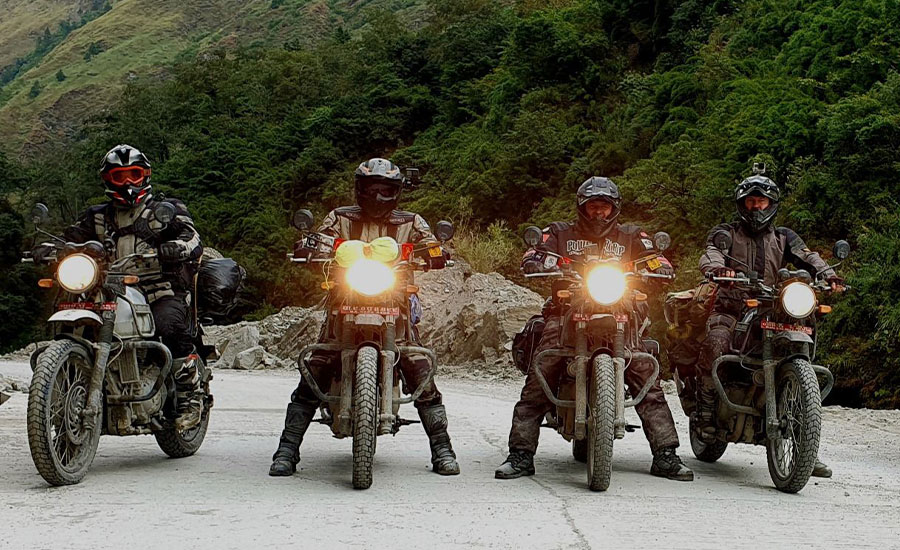
Nepal Heritage Motorbike Tour - A Journey Through Culture And Himalayas !
NPR 1000 Per Person




9 Days
Mardi Himal Trek: A Short and Scenic Route to the Hidden Side of the Annapurnas
USD 1290 Per Person
18 Days
15 Days

16 Days
10 Days
26 Days
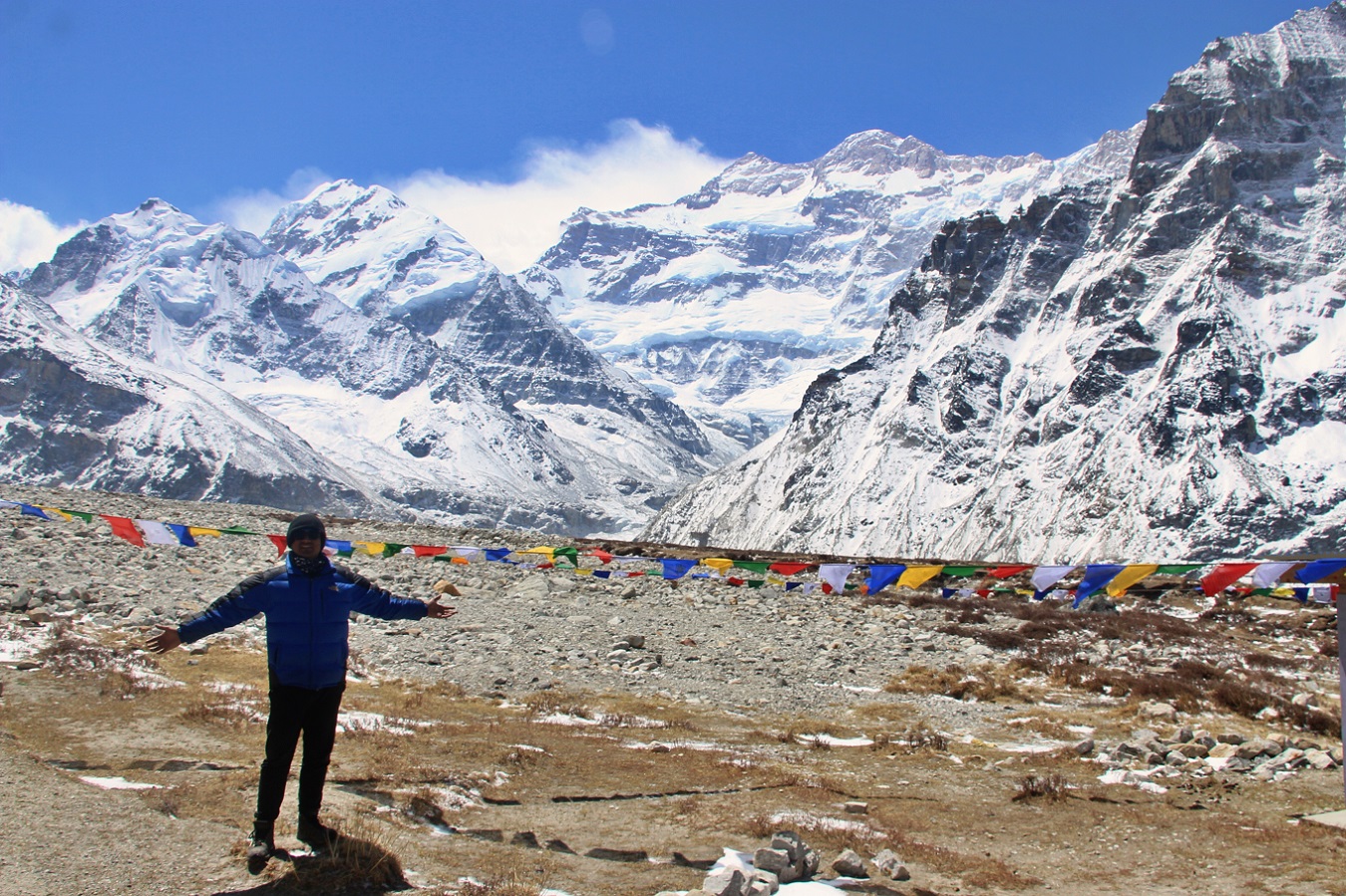
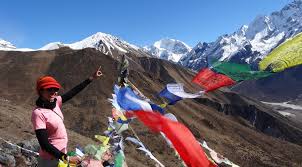
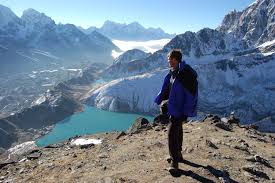
Kanchenjunga Trek: A Majestic Journey to the Third Highest Peak on Earth
USD 3150 Per Person
18 Days
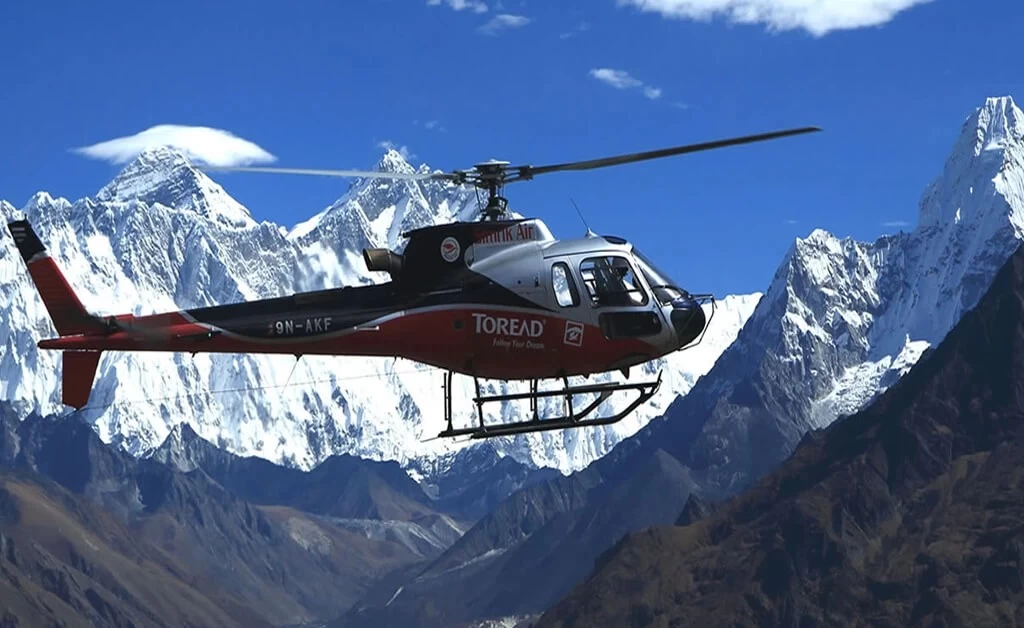
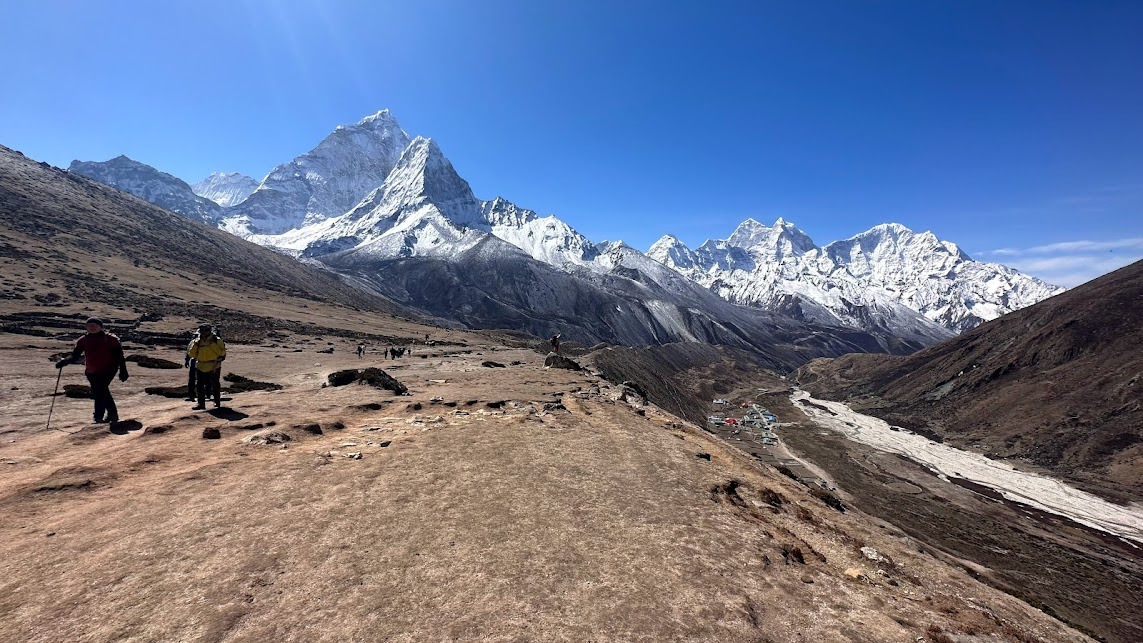
Everest Base Camp via Gokyo Trek: A Journey Through the Heart of the Khumbu
USD 2190 Per Person
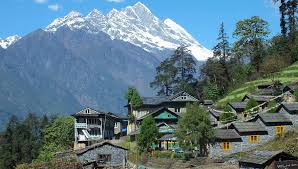
15 Days
Arun Valley Cultural Trail: Journey Through Eastern Nepal’s Cultural Heartland
USD 2390 Per Person
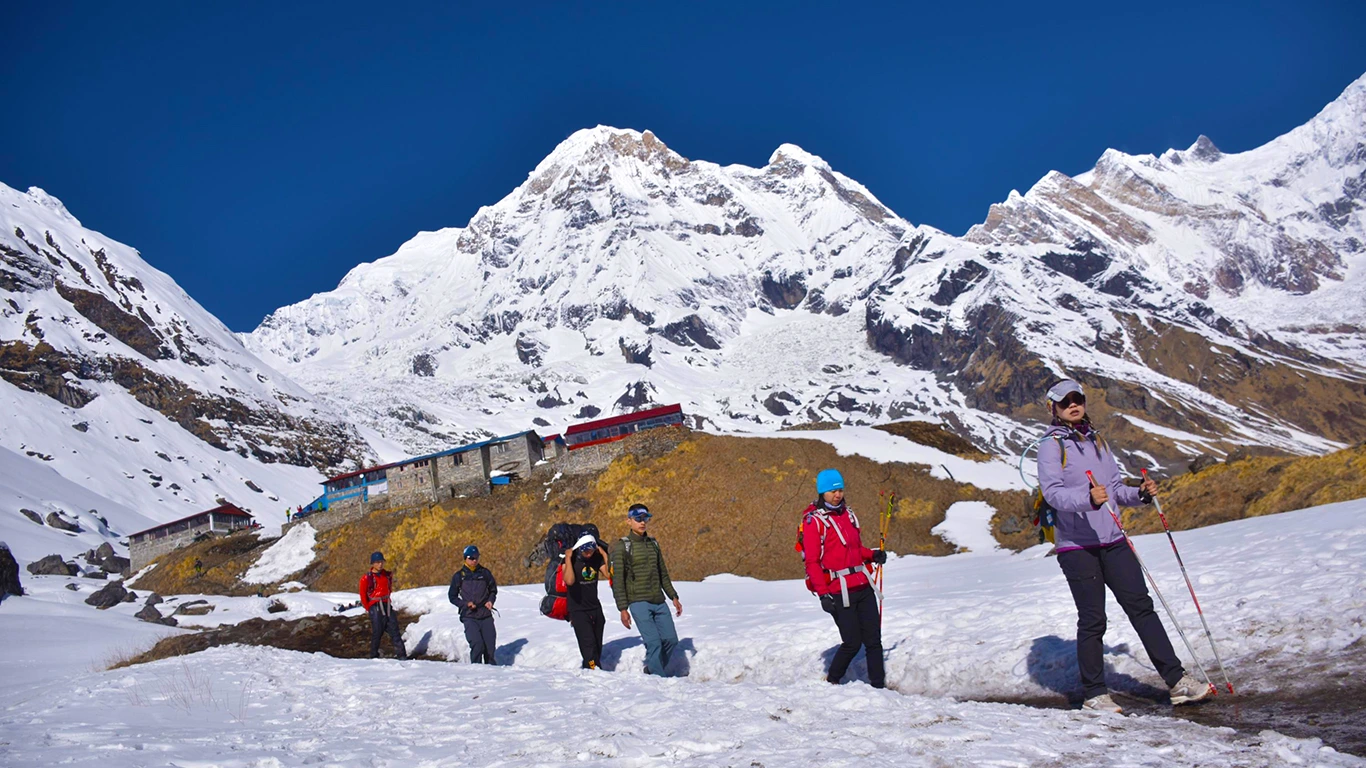

12 Days
Annapurna North Base Camp Trek: A Remote Trail to the Hidden Face of Annapurna
USD 1575 Per Person
10 Days


13 Days
22 Days
22 Days
Labuje Peak Climbing Expedition: Exploring a Hidden Gem of the Himalayas
NPR 1000 Per Person
10 Days
Muktinath Yartung Festival: A Spiritual and Adventure Expedition in Nepal
USD 1000 Per Person
14 Days
Mustang Tiji Festival: A Unique Cultural and Trekking Expedition in Nepal
USD 3190 Per Person
15 Days
14 Days