Lower Dolpo Trek – A Journey into Nepal’s Remote Wilderness and Spiritual Heartland
- Home
- Lower Dolpo Trek – A Journey into Nepal’s Remote Wilderness and Spiritual Heartland
Budget
NPR 1000
Per Person
Rating
No review has been posted yet
Duration
15 Days
Trip Overview
The Lower Dolpo Trek is one of Nepal’s most remote and culturally rich trekking routes, located in the far western part of the country inside Shey Phoksundo National Park. Bordering Tibet, the region retains a distinct Tibetan Buddhist and Bonpo cultural heritage that has remained largely untouched by modern tourism. This trek offers an unparalleled opportunity to explore rugged landscapes, high mountain passes, ancient monasteries, and the stunning turquoise waters of Phoksundo Lake, considered sacred by local communities. It is a journey for adventurous trekkers seeking solitude, spiritual depth, and a glimpse of a traditional Himalayan lifestyle far removed from Nepal’s busier trekking circuits.
Geography & Climate
Lower Dolpo lies within the Trans-Himalayan zone in Nepal’s Dolpa District. The region features some of the most dramatic and rugged landscapes in the country, including deep gorges carved by rivers, arid hills reminiscent of the Tibetan plateau, and alpine meadows perched high above the valleys. Positioned in the rain shadow of the massive Dhaulagiri range, Lower Dolpo’s climate is dry and desert-like compared to the lush, monsoon-fed areas further east.
The trek starts at lower elevations of around 2,100 meters in Dunai and ascends over high passes above 5,000 meters such as Numa La and Baga La, before descending to the shores of Phoksundo Lake at approximately 3,600 meters. The best seasons to undertake this trek are spring (March to May) and autumn (September to November) when the skies are clearest, temperatures are moderate, and the risk of altitude sickness is reduced. Summer monsoons bring cloud cover and occasional landslides, while winter months are extremely cold and often snowbound, making trekking challenging.
People & Culture
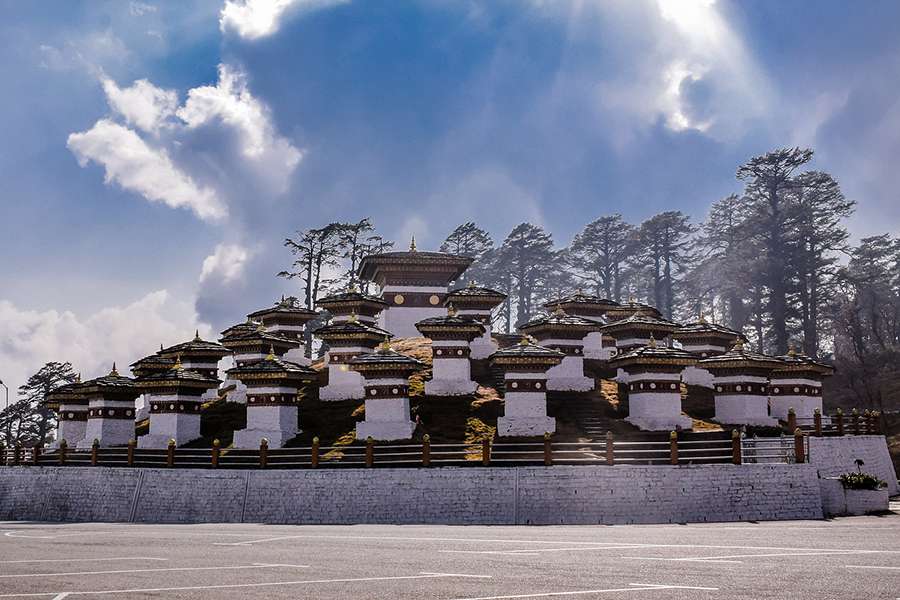
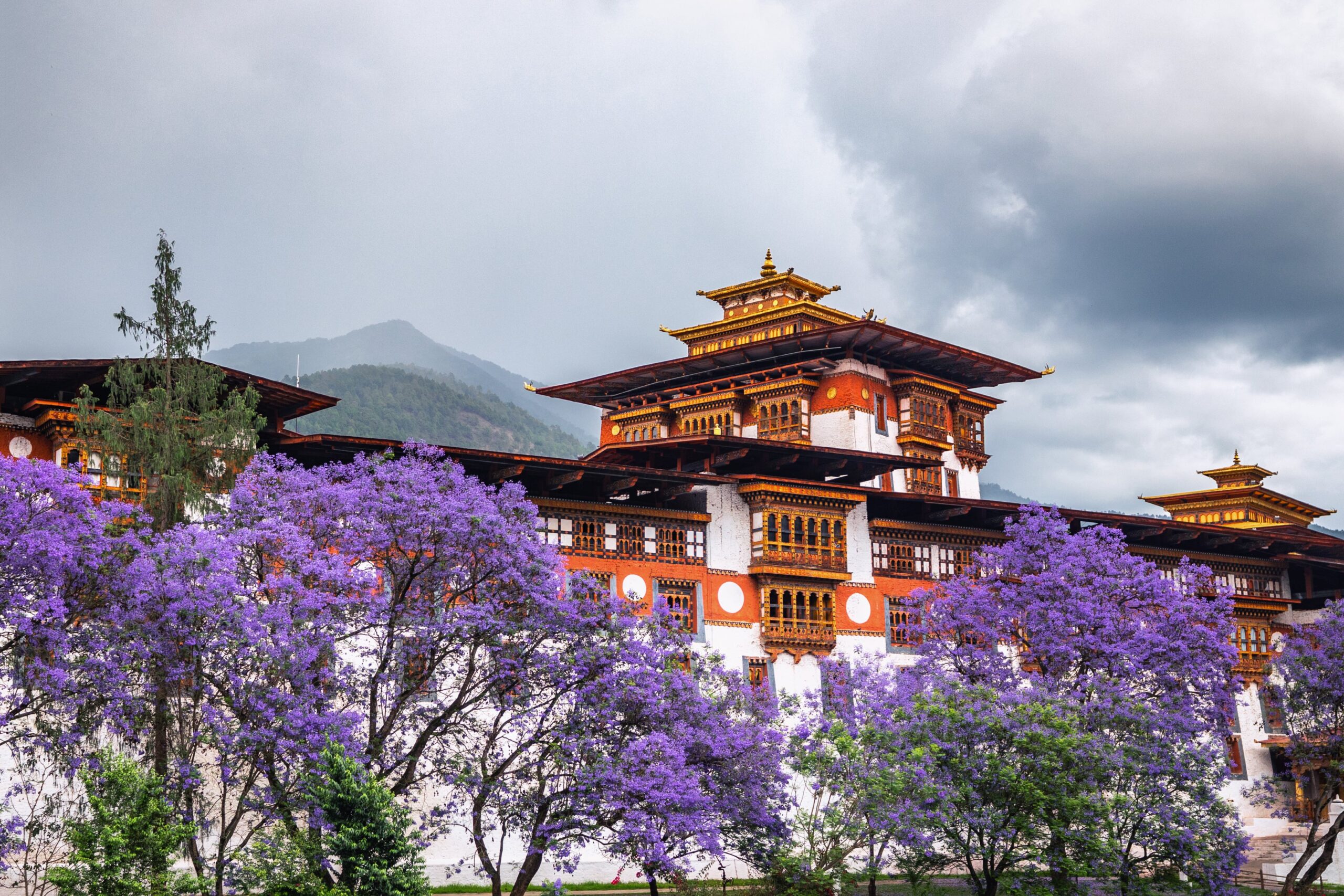
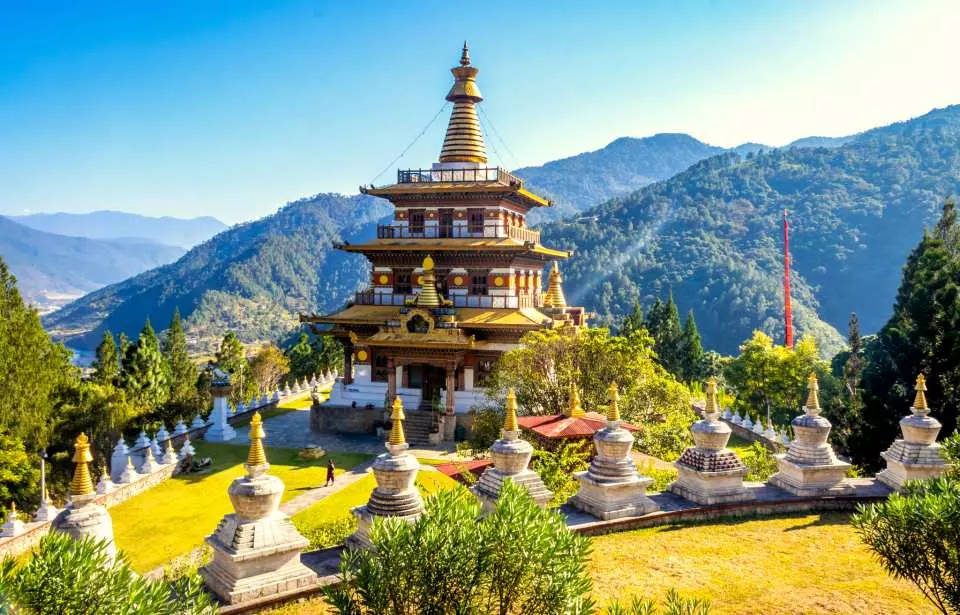
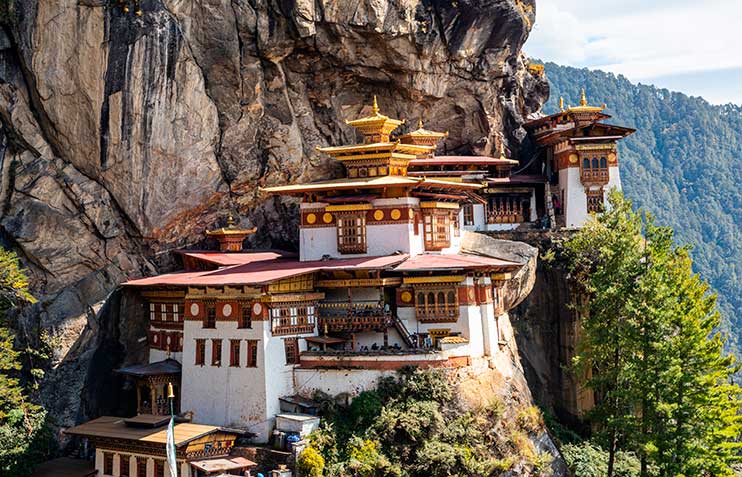
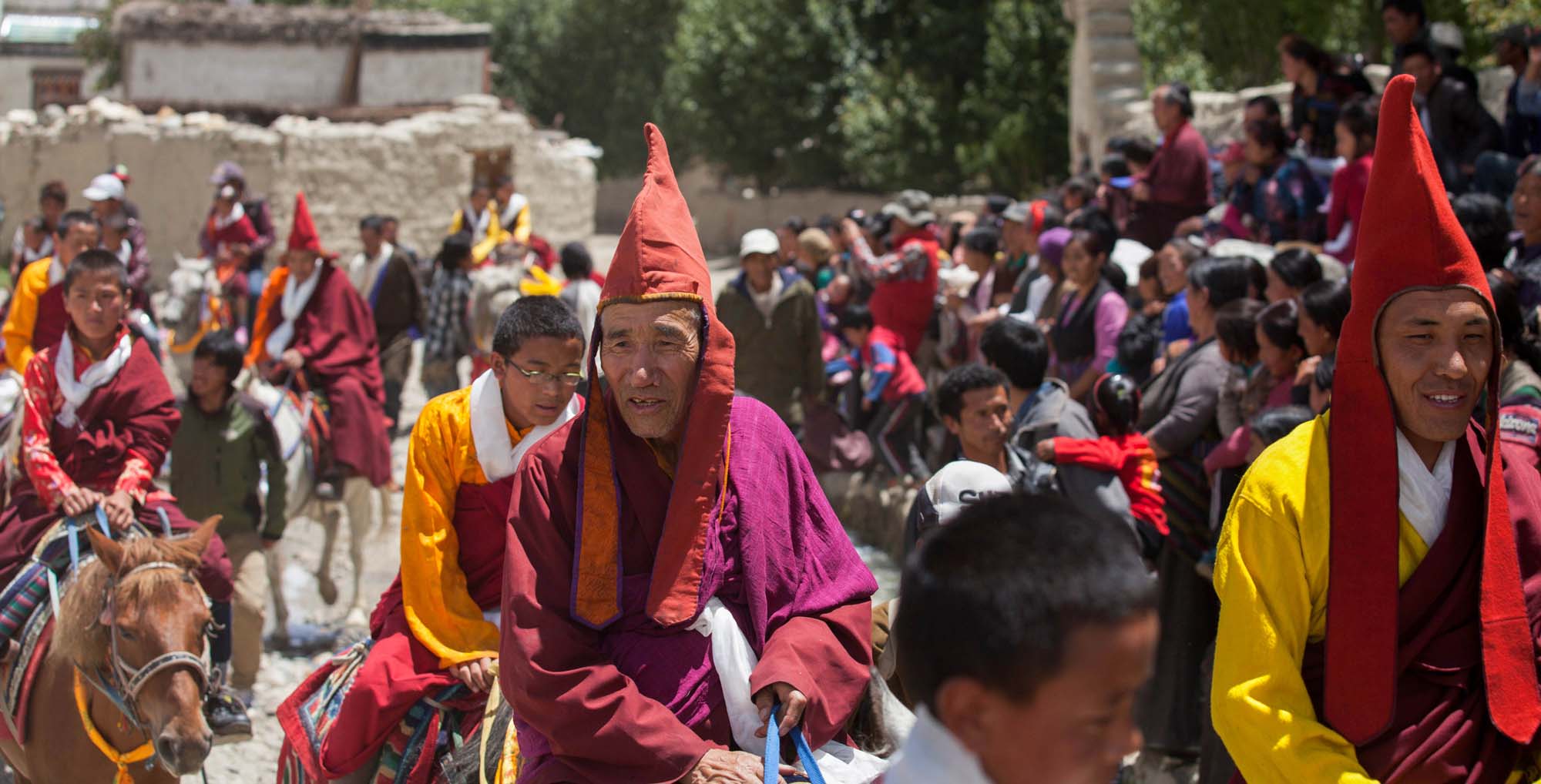
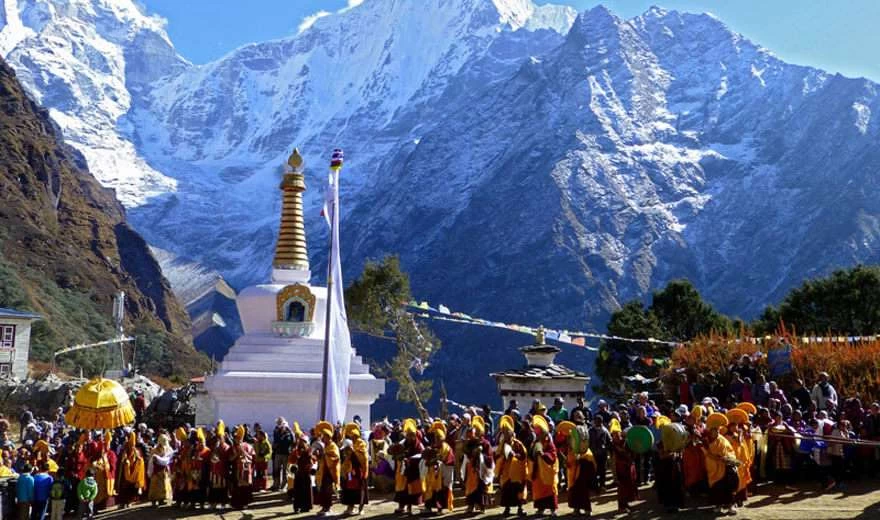
The cultural fabric of Lower Dolpo is deeply woven with Tibetan Buddhism and the ancient Bon tradition, an animist spiritual practice predating Buddhism in the region. The ethnic groups inhabiting this harsh yet beautiful landscape include Dolpo-pa (Tibetan-origin farmers and herders), Thakuri, and other indigenous peoples. Villages feature traditional stone houses with flat roofs, intricate Buddhist prayer wheels, mani walls inscribed with sacred mantras, and impressive monasteries such as the ancient Shey Gompa.
The way of life here revolves around subsistence agriculture, yak herding, and trading yak products. Festivals and religious ceremonies are significant events where local people dress in vibrant traditional costumes, perform ritual dances, and celebrate their Tibetan heritage. Visiting Lower Dolpo offers a rare chance to witness a way of life that has changed little over centuries
Package Highlights:
- Crossing remote high mountain passes: Numa La (5,309m) and Baga La (5,170m)
- Visiting Dho Tarap, one of Nepal’s highest permanent villages rich in spiritual tradition
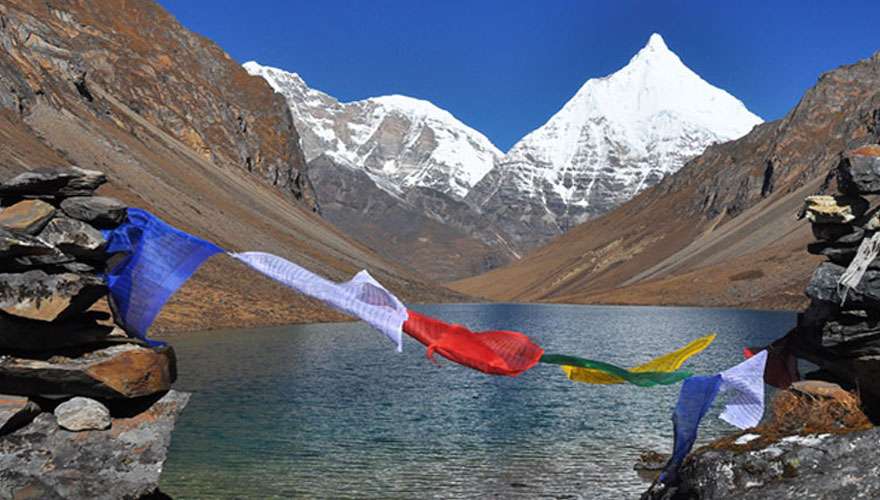
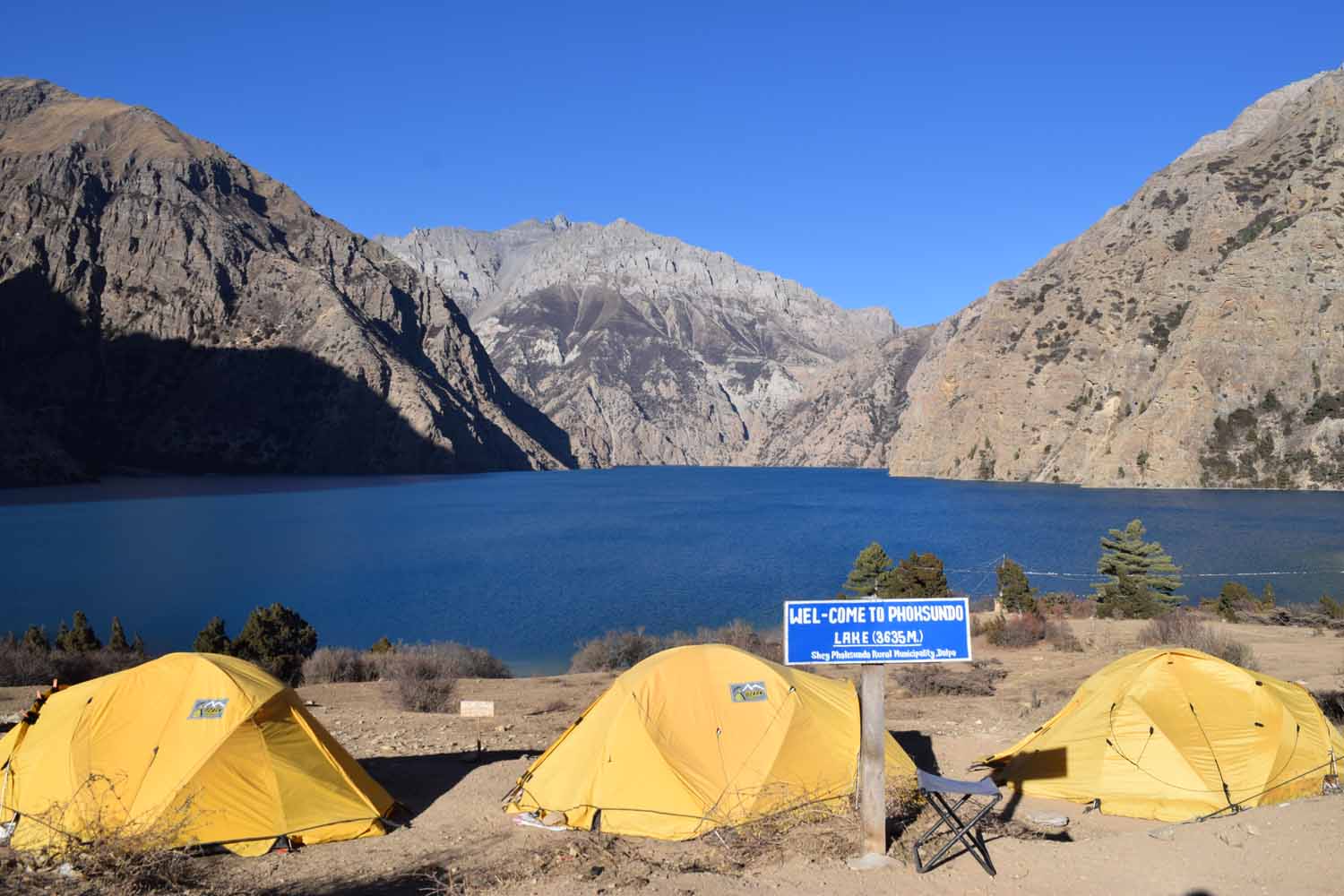
- Exploring the turquoise gem of Phoksundo Lake, surrounded by dramatic cliffs and waterfalls
- Discovering ancient Tibetan Buddhist and Bonpo monasteries
- Experiencing the unique dry landscapes of the Trans-Himalayan region
- Spotting rare wildlife such as blue sheep, Himalayan marmots, and elusive snow leopards
- Immersing in the remote culture of the Dolpo-pa people, known for their hospitality and resilience
- Enjoying a true off-the-beaten-path trekking adventure far from crowded routes
Book This Trip
Trip Information
 Start : Kathmandu
 Finish : Kathmandu
 Difficulty :
Moderate
Difficulty :
Moderate
 Max Altitude :
  Group Size :
  Season :
Trip Gallery
Trip Itinerary
Your journey begins with a scenic one-hour flight from Kathmandu to Nepalgunj, a bustling sub-tropical town in western Nepal. Located near the Indian border, Nepalgunj serves as the main transit point for flights into the Dolpo region. Upon arrival, you'll be transferred to your hotel. Use the afternoon to rest, explore the local markets, or prepare your gear for the remote trek ahead. The warm climate and lively atmosphere of Nepalgunj offer a striking contrast to the mountains you'll soon be entering.
In the early morning, take a short but thrilling 35-minute flight from Nepalgunj to Juphal, a small mountain airstrip perched above the Thuli Bheri River. The flight offers incredible views of the Dhaulagiri and Annapurna ranges. Upon landing, begin your trek with a gentle descent through terraced fields and villages, eventually joining the river trail that leads to Dunai, the administrative center of Dolpa District. Set on the banks of the Bheri River, Dunai is a relatively well-developed town with schools, clinics, and monasteries—an ideal place to acclimatize gently.
Today’s walk follows the Bheri River upstream, passing through beautiful pine forests, suspension bridges, and small settlements. The trail hugs the river, offering dramatic views of the water carving through gorges. After 5–6 hours of trekking, you’ll reach Tarakot, a historic fortress village that once controlled the trade route to Tibet. The village is known for its old dzong (fort) and colorful monasteries. The traditional architecture, mani walls, and terraced fields provide a glimpse into the region’s deep cultural roots.
Continue your ascent along the Tarap Chu river, passing through narrow gorges, dense juniper forests, and picturesque canyons. The trail becomes steeper and more rugged as you climb to Laini, a small settlement used mostly by herders. You’ll notice the scenery becoming increasingly wild and isolated. The change in vegetation, the rush of the river, and distant snow-capped peaks signal your arrival into more remote and alpine terrain.
Today’s trail takes you along the winding river path with frequent ups and downs over rocky outcrops. Expect to navigate narrow cliffside paths and occasional landslide zones. After 5–6 hours of trekking, arrive at Nawarpani, a seasonal campsite surrounded by cliffs and waterfalls. This is a quiet and peaceful area where trekkers usually rest and enjoy the serenity of the mountains. The night will be noticeably colder due to the increased altitude.
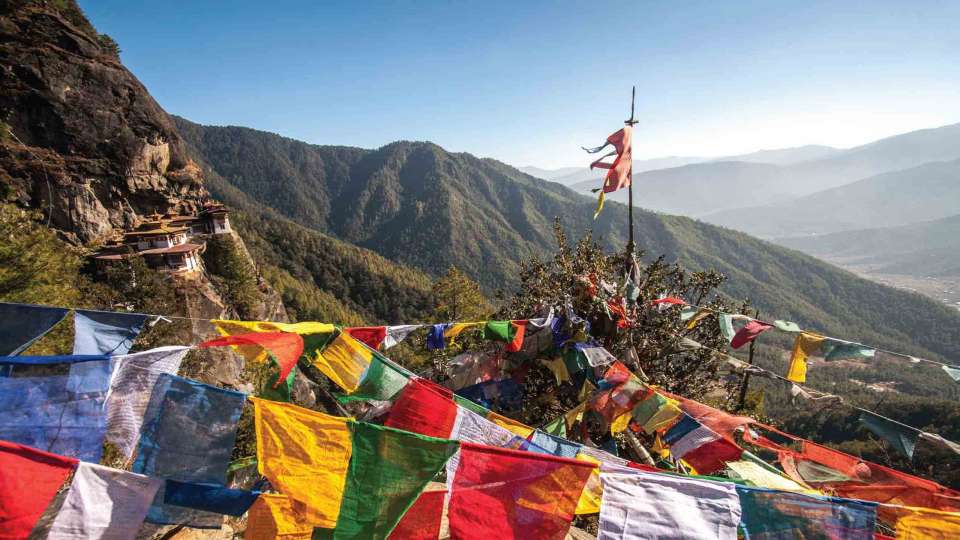
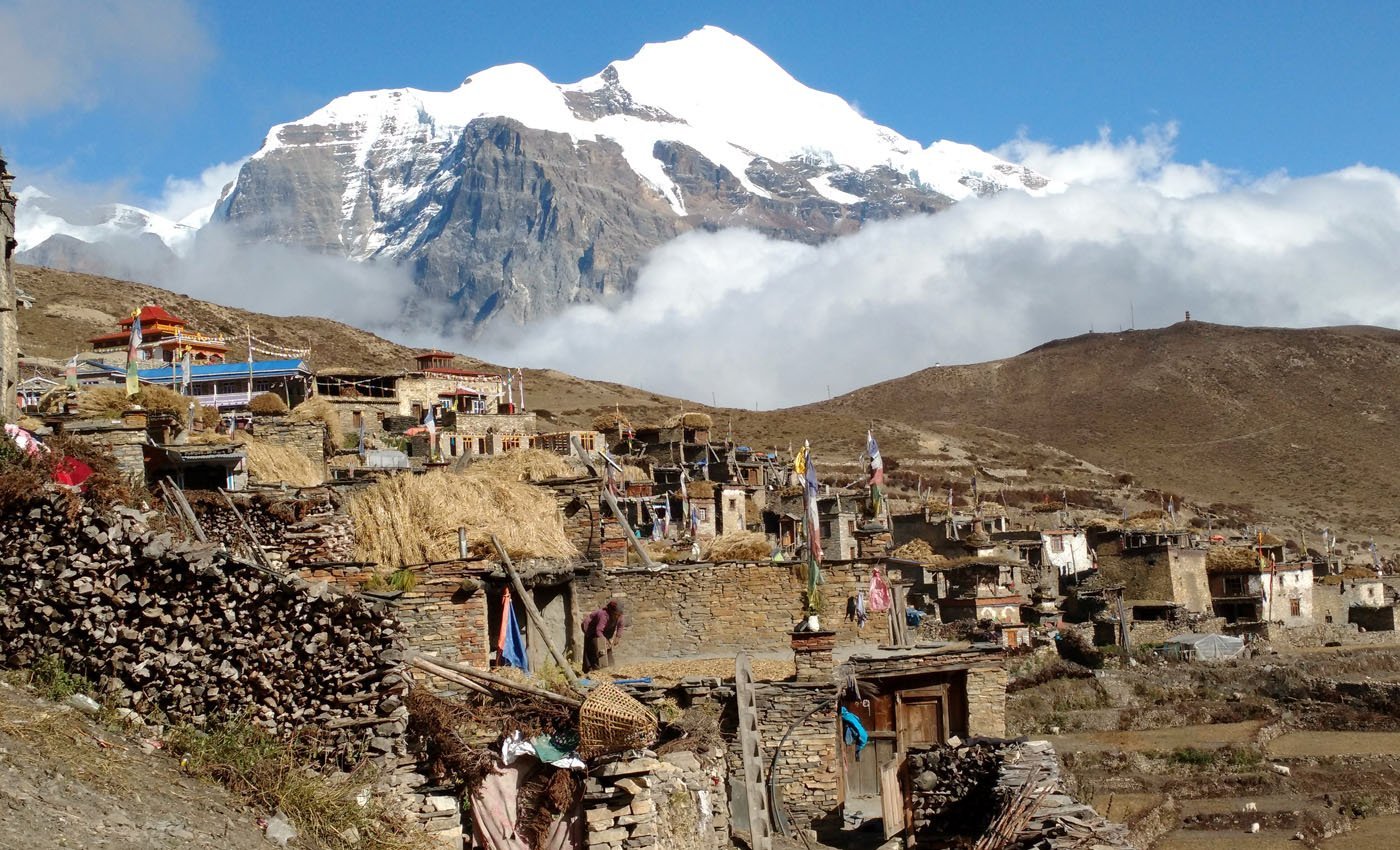
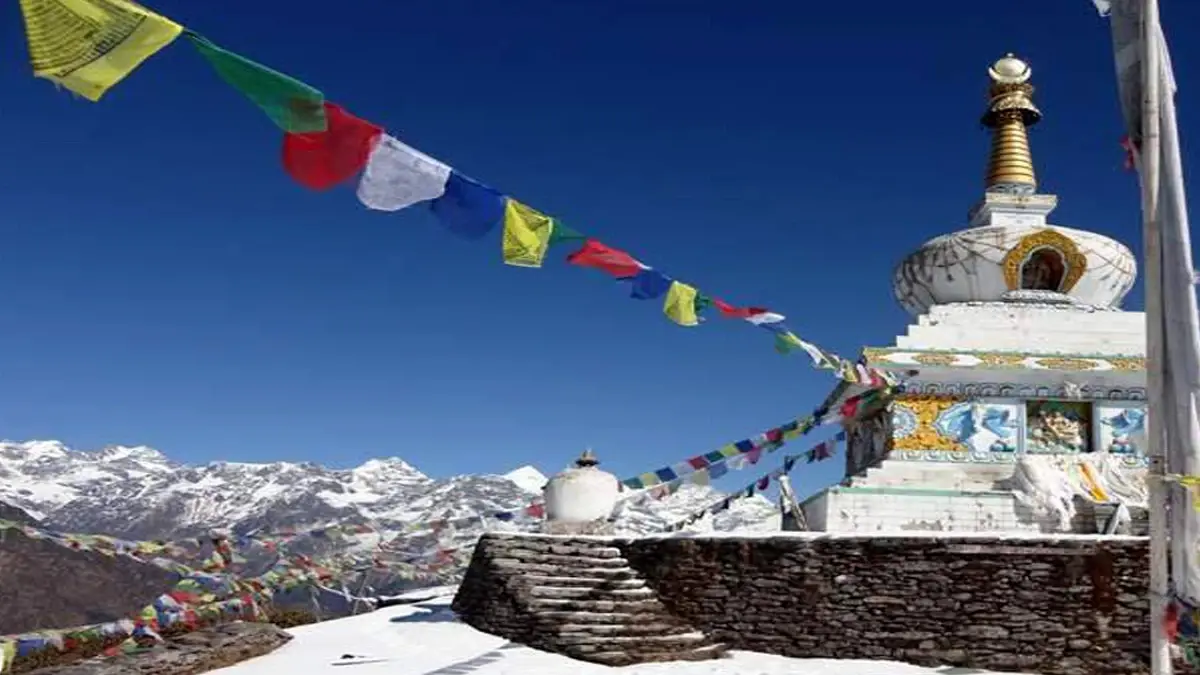
Today’s trail continues through lush meadows, juniper bushes, and high-altitude scrubland. After 6–7 hours of steady trekking, you’ll reach Dho Tarap, one of the highest permanent settlements in Nepal. Dho is a culturally vibrant village inhabited by both Tibetan Buddhists and Bon practitioners. The people here wear traditional dress, and you’ll see chortens, prayer flags, and centuries-old monasteries throughout the village. The surrounding scenery is magnificent, with sweeping mountain vistas and stark, high-altitude landscapes.
Spend the day exploring the spiritual and cultural heart of Dolpo. Visit local gompas such as Ribo Bhumpa Monastery and Bon Gompa, interact with villagers, and learn about the blend of Tibetan Buddhism and ancient Bon religion. This rest day is crucial for acclimatization before crossing the high passes. You may also observe yak herding, traditional weaving, and salt trading practices still in use today.
Leave Dho and continue your ascent towards the base of Numa La Pass. The trail leads through wide grasslands, yak pastures, and seasonal campsites, with spectacular views of rugged cliffs and snowy ridges. As you climb higher, oxygen levels drop, so the pace slows down. Overnight at Numa La Base Camp, nestled in a barren, wind-swept valley under towering rock walls.
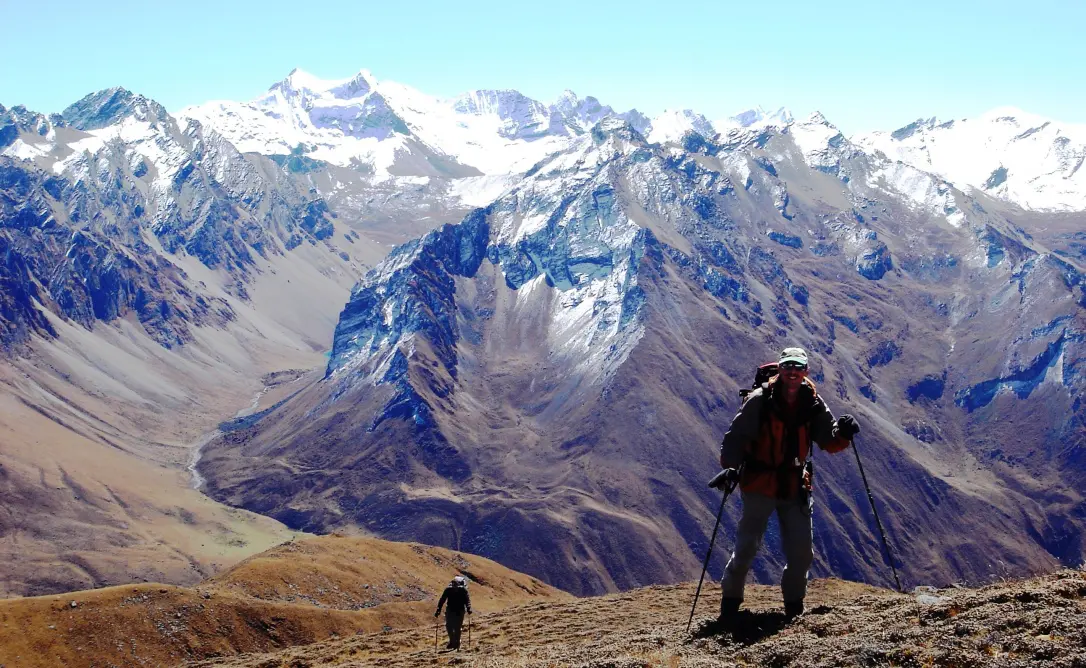
Start early to tackle the Numa La Pass, the highest point of the trek. The steep climb may take 3–4 hours, but the reward is panoramic views of the Dhaulagiri range, Norbung Kang, and surrounding Dolpo peaks. After soaking in the views, descend along loose scree to Danighar, a sheltered valley where you rest and recover from the strenuous day.
Another challenging yet scenic day begins with a steady climb to Baga La Pass, offering jaw-dropping views of surrounding snowfields and glaciers. After crossing the pass, descend to Yak Kharka, an open meadow often used for yak grazing. The landscape begins to soften, and the views of distant forests and lakes emerge as you move closer to the Phoksundo Valley.
A relatively gentle walk today takes you to the enchanting village of Ringmo, located beside Phoksundo Lake, a deep-blue alpine lake surrounded by steep cliffs. The sight of the turquoise water shimmering under the Himalayan sun is unforgettable. Ringmo is a traditional Bon village with whitewashed homes and a centuries-old monastery nearby.
Enjoy a well-earned rest day to explore the lake and its surroundings. Hike up to a viewpoint for panoramic vistas of the lake and nearby Suligad Waterfall, one of Nepal’s tallest. Visit Tshowa Monastery, perched on a ridge above the lake, and observe monks practicing ancient Bon rituals. The serenity and natural beauty here leave a deep impression on every traveler.
Begin your descent through lush pine and birch forests, passing waterfalls and rivers as the terrain transitions back to mid-hills. The trail is well-defined and more populated, offering a relaxing walk compared to the high mountain days. Overnight in Chhepka, a pleasant village surrounded by greenery.
The final day of trekking takes you along the Suligad River back toward Juphal. Pass through traditional Magar villages, cross wooden bridges, and enjoy your last mountain views. After reaching Juphal, reflect on your remarkable journey and prepare for your return flight the next day.
Take an early flight from Juphal to Nepalgunj and then connect to your flight back to Kathmandu. Upon arrival, you’ll be transferred to your hotel. This marks the end of your unforgettable Lower Dolpo journey—an expedition filled with raw beauty, ancient culture, and immense personal achievement.
Cost Includes
1. Permits
- Restricted Permit: Required for trekking in the Lower Dolpo region.
2. Accommodation & Meals
- Camping Setup: Tents and all necessary camping equipment provided for the trek.
- Full Board Meals: All meals included during the trek (Breakfast, Lunch, and Dinner – BLD), prepared by the trekking crew.
3. Staff
- Guide & Crew: Experienced trekking guide, cook, and support staff to ensure safety, comfort, and a smooth trekking experience.
4. Transportation
- Domestic Flights: Flights within Nepal to and from the trek’s starting point included as per itinerary.
1. Permits
- Restricted Permit: Required for trekking in the Lower Dolpo region.
2. Accommodation & Meals
- Camping Setup: Tents and all necessary camping equipment provided for the trek.
- Full Board Meals: All meals included during the trek (Breakfast, Lunch, and Dinner – BLD), prepared by the trekking crew.
3. Staff
- Guide & Crew: Experienced trekking guide, cook, and support staff to ensure safety, comfort, and a smooth trekking experience.
4. Transportation
- Domestic Flights: Flights within Nepal to and from the trek’s starting point included as per itinerary.
Cost Excludes
1. Visa Fees
- Nepal Entry Visa: Visa fee for entering Nepal (available on arrival at Tribhuvan International Airport or through a Nepalese embassy).
2. Accommodation in Kathmandu
- Hotel in Kathmandu: Accommodation before or after the trek unless specifically mentioned in the itinerary.
3. International Flights
- International Airfare: Flights to and from Kathmandu.
4. Travel Insurance (Mandatory)
- Comprehensive Coverage: Travel insurance covering high-altitude trekking, emergency medical treatment, helicopter evacuation, trip cancellation, and unforeseen circumstances.
5. Personal Expenses
- Lodge Services: WiFi, hot showers, battery charging, and laundry services.
- Beverages: Soft drinks, bottled water, alcoholic drinks, and snacks not included in meals.
6. Tips and Gratuities
- Guide & Porter: Tips for trekking guide and porter (customary but not compulsory).
1. Visa Fees
- Nepal Entry Visa: Visa fee for entering Nepal (available on arrival at Tribhuvan International Airport or through a Nepalese embassy).
2. Accommodation in Kathmandu
- Hotel in Kathmandu: Accommodation before or after the trek unless specifically mentioned in the itinerary.
3. International Flights
- International Airfare: Flights to and from Kathmandu.
4. Travel Insurance (Mandatory)
- Comprehensive Coverage: Travel insurance covering high-altitude trekking, emergency medical treatment, helicopter evacuation, trip cancellation, and unforeseen circumstances.
5. Personal Expenses
- Lodge Services: WiFi, hot showers, battery charging, and laundry services.
- Beverages: Soft drinks, bottled water, alcoholic drinks, and snacks not included in meals.
6. Tips and Gratuities
- Guide & Porter: Tips for trekking guide and porter (customary but not compulsory).
Essential Info
Accommodation
Accommodation options are limited to teahouses and lodges in larger villages like Dunai, Dho Tarap, and Ringmo, offering basic but warm hospitality with simple meals. Remote sections require camping, with porters and kitchen staff providing support for camping treks. Facilities are modest, emphasizing the raw and authentic nature of this adventure.
Equipment & Preparation
Essential gear includes layered clothing for varying temperatures, a high-quality sleeping bag rated for -15°C or lower, sturdy hiking boots, trekking poles, and sun protection. A comprehensive first aid kit including altitude sickness medication is vital. Water purification methods and a reliable headlamp are also recommended. Due to the challenging terrain and altitude, physical fitness and good preparation are crucial.
Permits & Regulations
Permits required for trekking in Lower Dolpo include:
- Restricted Area Permit for Lower Dolpo (USD 20 per week)
- Shey Phoksundo National Park Permit (NPR 3,000 / USD 25)
Trekking must be done with a licensed guide and organized through registered trekking agencies. Permits are issued in Kathmandu or Nepalgunj.
Trip Date And Time
We'll Be There, Like We've Been There Before
|
Departing |
Finishing |
Trip Price Per Person |
Action |
Enquire |
|---|---|---|---|---|
| No Trip Yet!! | ||||
Featured Packages
You May Also Enjoy Our Other Trips

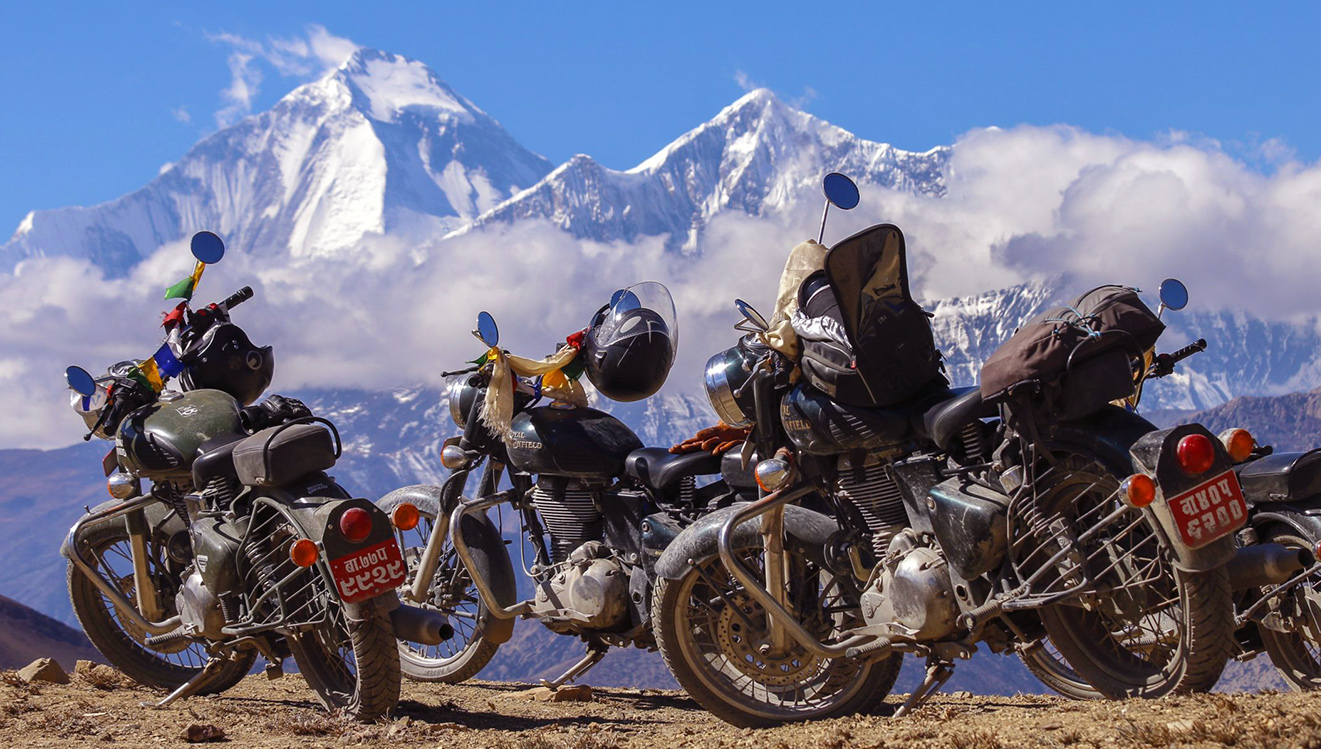
10 Days
Nepal Heritage Motorbike Tour - A Journey Through Culture And Himalayas !
NPR 1000 Per Person

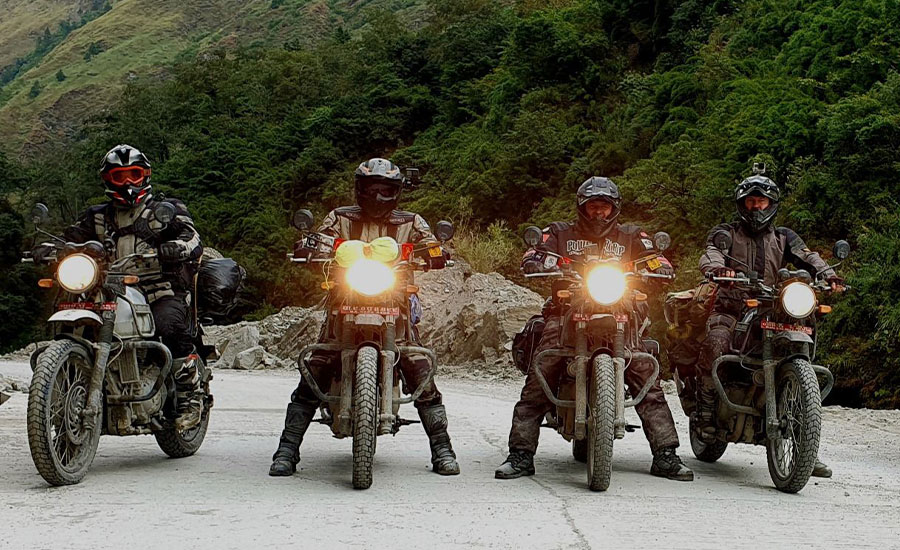

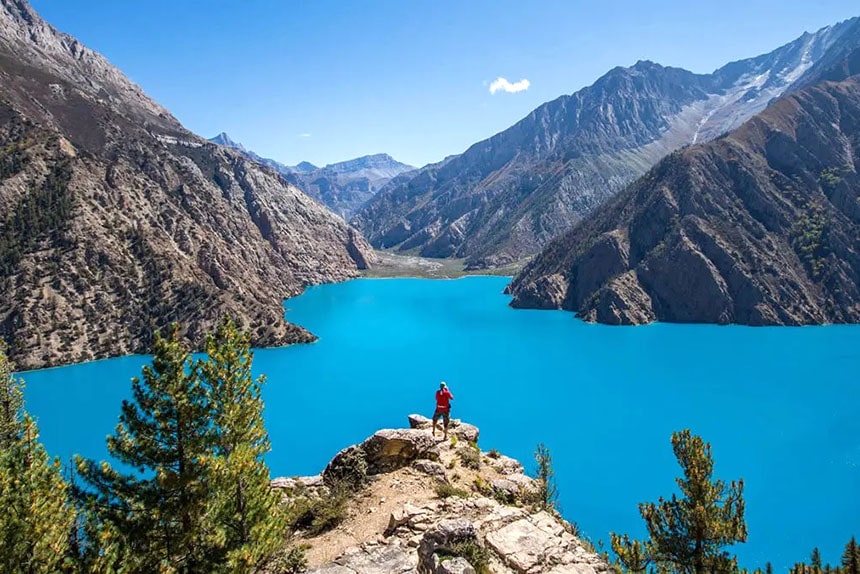


9 Days
Mardi Himal Trek: A Short and Scenic Route to the Hidden Side of the Annapurnas
NPR 1000 Per Person
15 Days
12 Days

11 Days
9 Days
26 Days
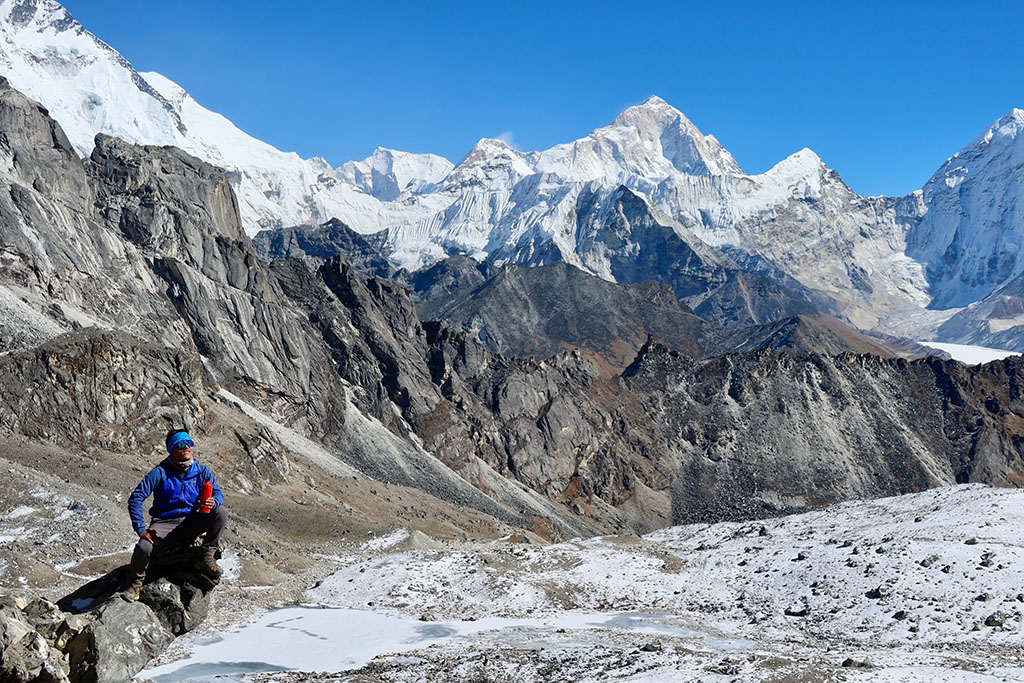
Kanchenjunga Trek: A Majestic Journey to the Third Highest Peak on Earth
NPR 1000 Per Person
17 Days
Everest Base Camp via Gokyo Trek: A Journey Through the Heart of the Khumbu
NPR 1000 Per Person
11 Days
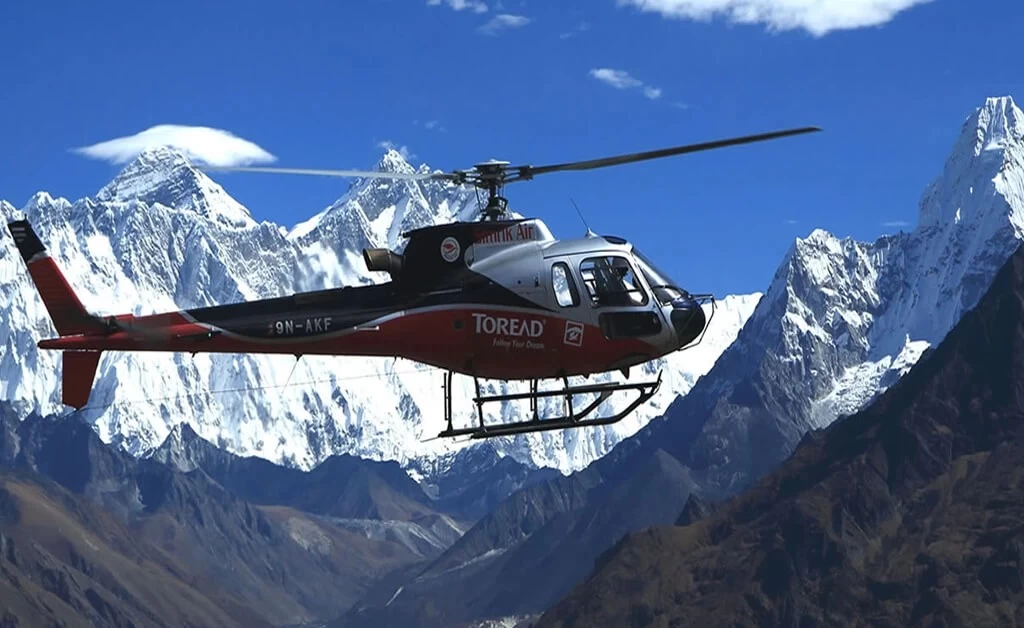
Everest Base Camp Heli Return Trek: A Perfect Blend of Adventure and Convenience
NPR 1000 Per Person
14 Days
Arun Valley Cultural Trail: Journey Through Eastern Nepal’s Cultural Heartland
NPR 1000 Per Person

11 Days
Annapurna North Base Camp Trek: A Remote Trail to the Hidden Face of Annapurna
NPR 1000 Per Person
9 Days


12 Days
22 Days
22 Days
Labuje Peak Climbing Expedition: Exploring a Hidden Gem of the Himalayas
NPR 1000 Per Person
10 Days
Muktinath Yartung Festival: A Spiritual and Adventure Expedition in Nepal
NPR 1000 Per Person
14 Days
Mustang Tiji Festival: A Unique Cultural and Trekking Expedition in Nepal
NPR 1000 Per Person
15 Days
13 Days