Everest Base Camp Trek: Journey to the Roof of the World
- Home
- Everest Base Camp Trek: Journey to the Roof of the World
Budget
NPR 1000
Per Person
Rating
No review has been posted yet
Duration
13 Days
Trip Overview
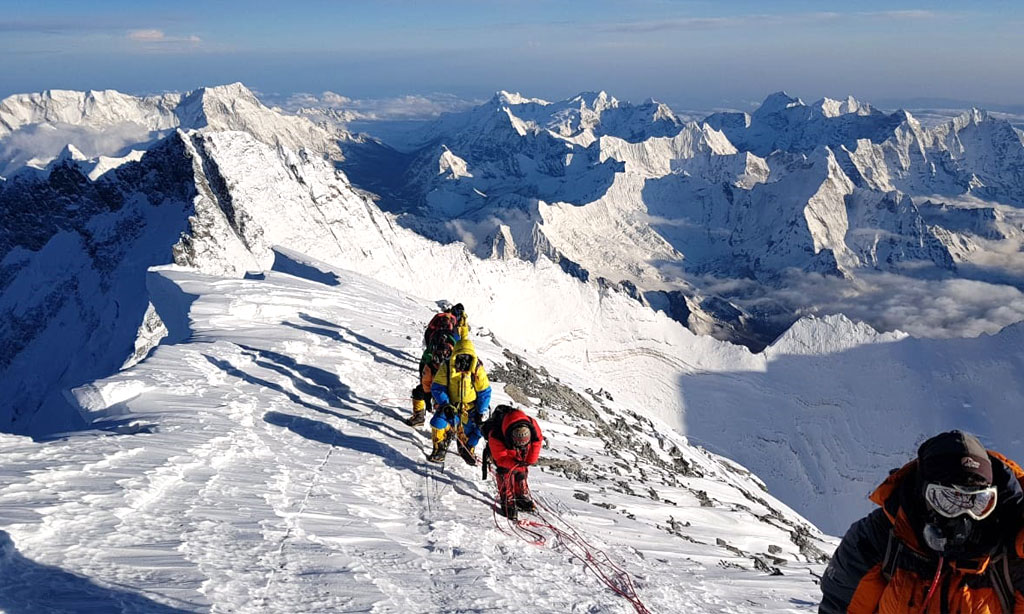
The Everest Base Camp (EBC) Trek is one of the most iconic trekking adventures worldwide, attracting thousands of adventurers annually who dream of standing at the foot of the world’s highest peak—Mount Everest (8,848.86 meters). This classic route weaves through Nepal’s Khumbu region, offering an unparalleled blend of dramatic Himalayan scenery, rich Sherpa culture, ancient Buddhist monasteries, and a palpable spirit of adventure.
Geography and Landscape
The trek lies within Sagarmatha National Park, a UNESCO World Heritage Site known for its unique alpine ecosystem and towering peaks. The route begins with lush rhododendron and pine forests along the Dudh Koshi River, gradually ascending into alpine meadows and stark glacial moraines. Trekkers cross iconic suspension bridges spanning icy rivers and pass through villages perched on steep hillsides.
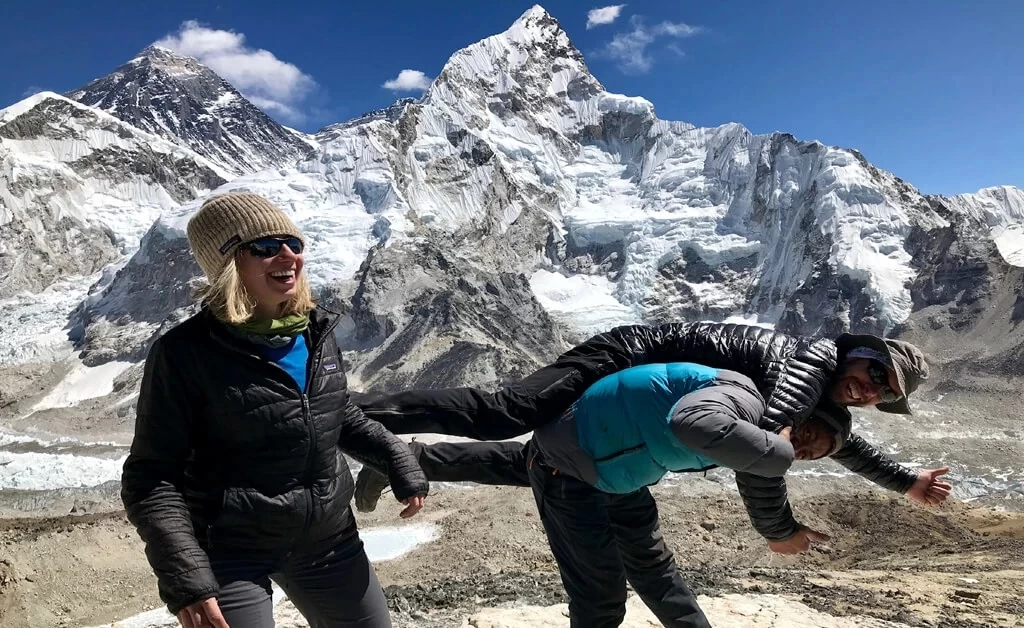
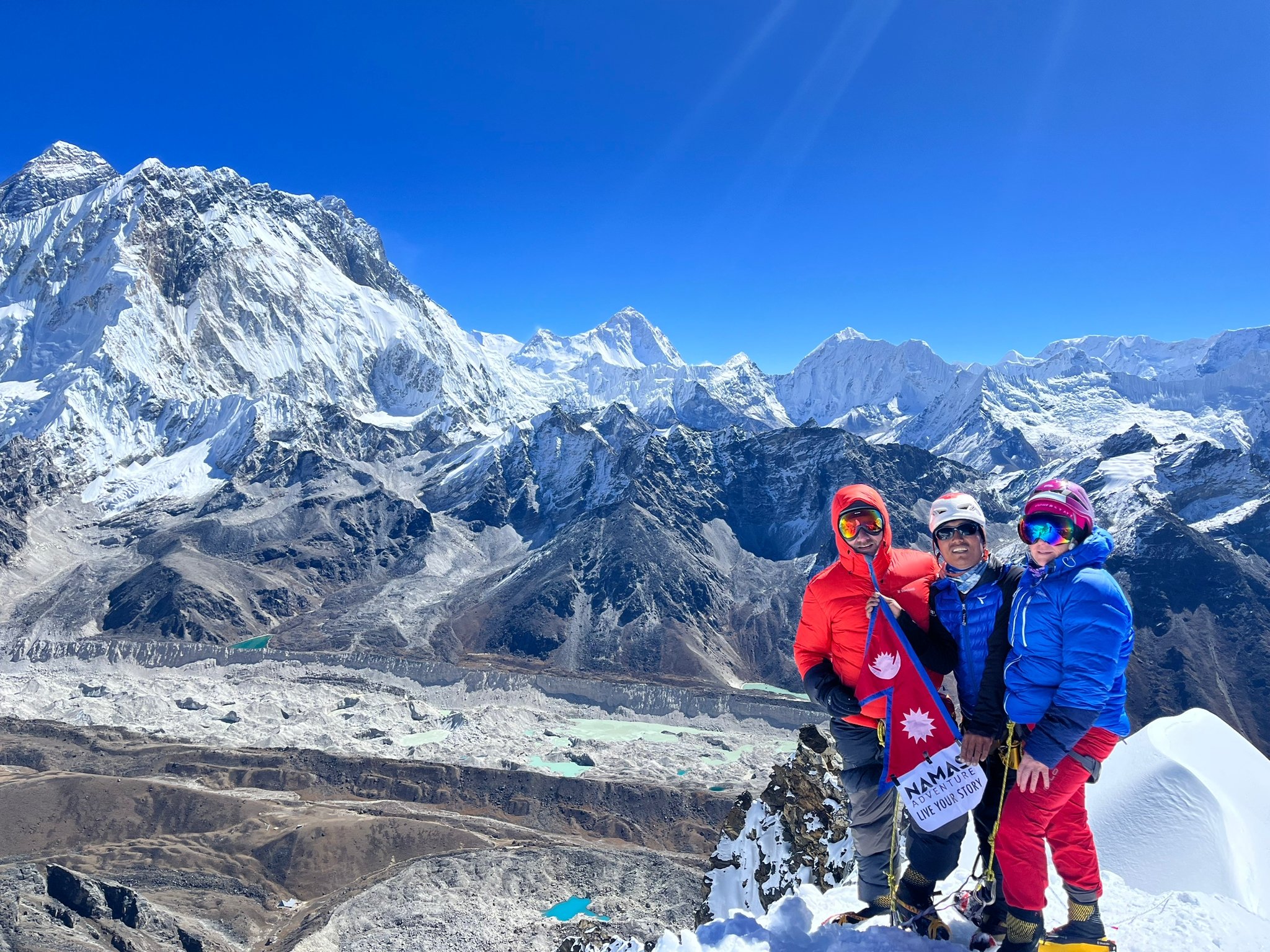
As the trail rises above 4,000 meters, vegetation thins, replaced by rocky terrain and glacial fields near Everest Base Camp itself. Key peaks dominating the skyline include Everest, Lhotse, Nuptse, Ama Dablam, and Thamserku, creating an awe-inspiring backdrop at every turn.
People and Culture
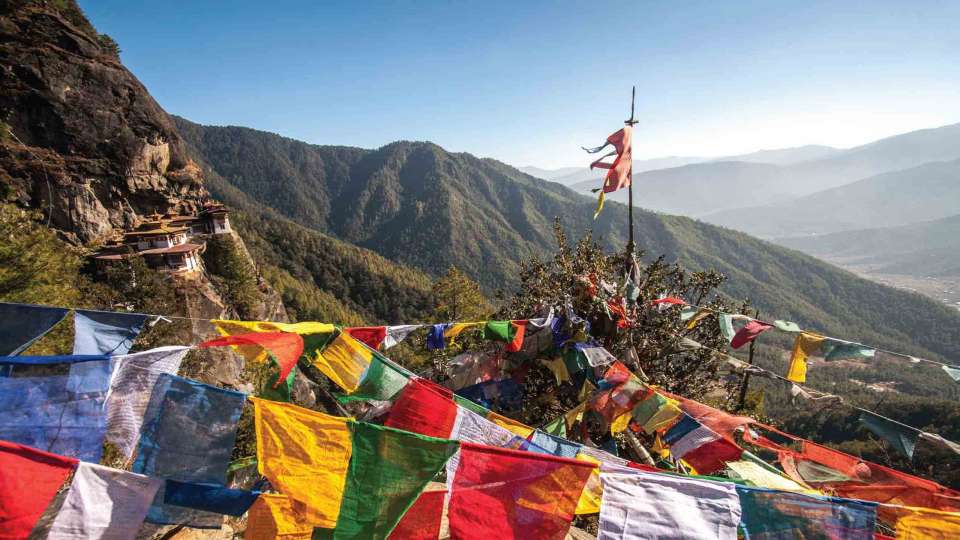
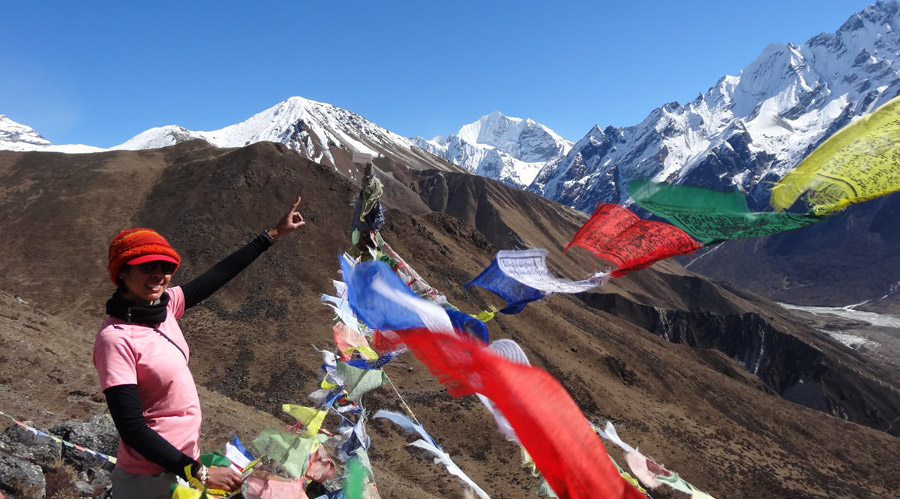
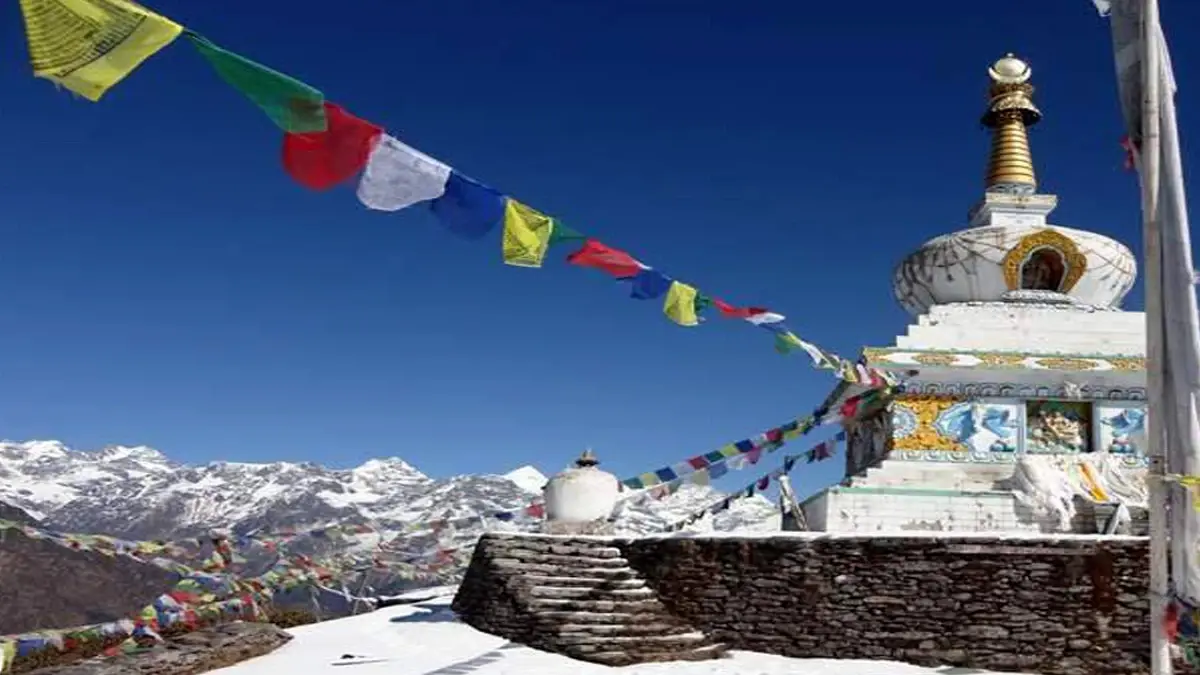
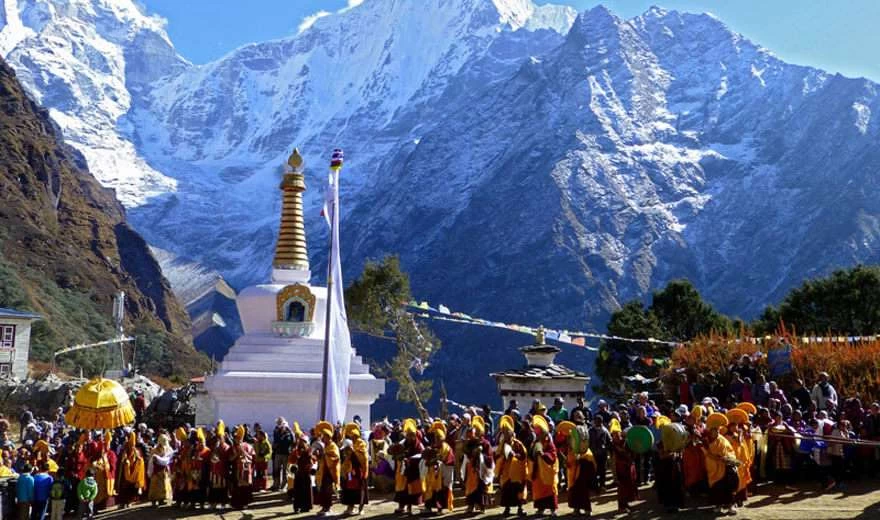
The region is predominantly inhabited by the Sherpa people, renowned worldwide for their mountaineering skills, warmth, and resilience. Along the trail, trekkers encounter traditional Sherpa villages such as Namche Bazaar, Pangboche, and Dingboche, where prayer flags flutter beside mani walls and chortens, and ancient monasteries like Tengboche offer spiritual refuge.
Sherpa culture is deeply Buddhist, evident in their festivals, temples, and daily rituals. Visitors can experience this living heritage through visits to monasteries, interactions with locals, and observing traditional lifestyles centered on yak herding, farming, and mountain guiding.
Package Highlights:
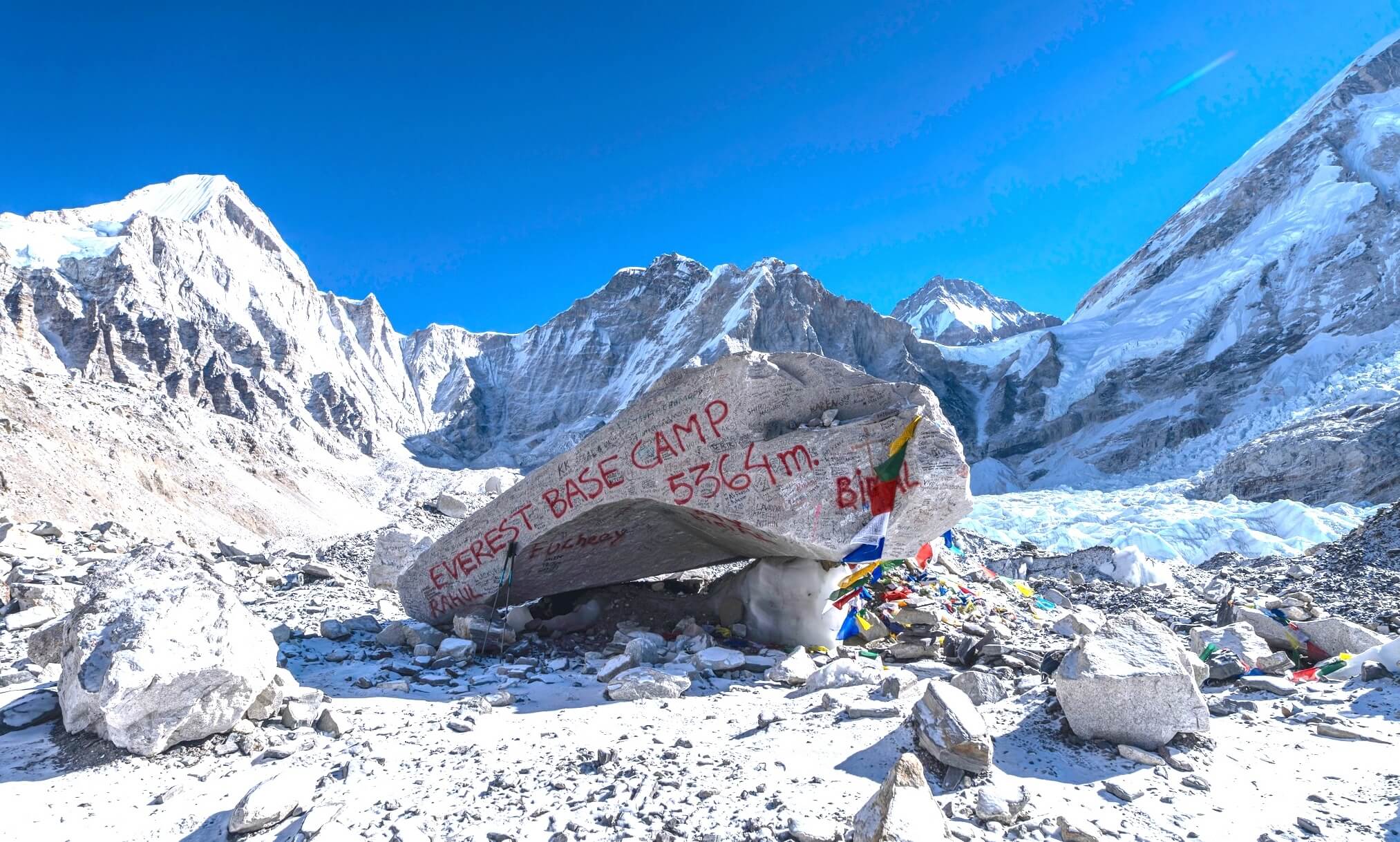
- Reach Everest Base Camp (5,364 m): Stand beneath the towering southern face of Everest amid the legendary Khumbu Icefall.
- Sunrise from Kala Patthar (5,545 m): Enjoy breathtaking panoramic views of Everest and surrounding peaks at dawn.
- Scenic Flight to Lukla: Experience one of the most thrilling mountain flights in the world.
- Explore Namche Bazaar: The vibrant Sherpa trading hub with markets, cafes, and cultural richness.
- Visit Tengboche Monastery: The spiritual heart of the Khumbu with incredible mountain views.
- Witness Sherpa Hospitality: Warm welcomes and traditional meals throughout the trek.
- Traverse Diverse Landscapes: From lush forests to high alpine deserts and glacial valleys.
- Sagarmatha National Park: Encounter unique wildlife and protected natural beauty.
Book This Trip
Trip Information
 Start : Kathmandu
 Finish : Kathmandu
 Difficulty :
Moderate
Difficulty :
Moderate
 Max Altitude : 5364m
 Group Size :
  Season :
Trip Gallery
Trip Itinerary
Your adventure begins with a breathtaking 30- to 40-minute flight from Kathmandu to Lukla, a small mountain airstrip perched on a hillside. The flight itself is a thrilling experience, offering stunning views of the Himalayas and deep valleys below. Once you land, you meet your guides and porters before starting your trek. The trail from Lukla to Phakding is gentle and mostly downhill, following the Dudh Koshi River through pine forests and small Sherpa villages. This first day is a great warm-up for your body, helping you adjust to the altitude gradually.
Today’s trek is more challenging, with a steady climb to Namche Bazaar, the vibrant hub of the Khumbu region. You’ll cross several high suspension bridges swinging over fast-flowing glacial rivers, a thrilling experience for many trekkers. The trail zigzags upwards through rhododendron and pine forests. As you approach Namche, the views open up to reveal Everest, Lhotse, and Ama Dablam. Namche is lively and full of shops, cafes, and markets — the perfect place to rest and explore.
To reduce the risk of altitude sickness, you’ll spend a day in Namche acclimatizing. You can take short hikes to nearby viewpoints like the Everest View Hotel or visit Khumjung village, known for its Buddhist monastery and the famed Yeti scalp relic. This day offers cultural immersion and spectacular mountain vistas, helping your body adapt to the thinner air.
Leaving Namche, the trail follows a ridge with panoramic views of Everest, Nuptse, and Ama Dablam. The route then descends into forests of rhododendron and fir before climbing again to Tengboche, home to one of the region’s most important monasteries. The Tengboche Monastery is a spiritual heart of the Khumbu and offers insight into Tibetan Buddhism. The monastery’s backdrop against snowy peaks is unforgettable.
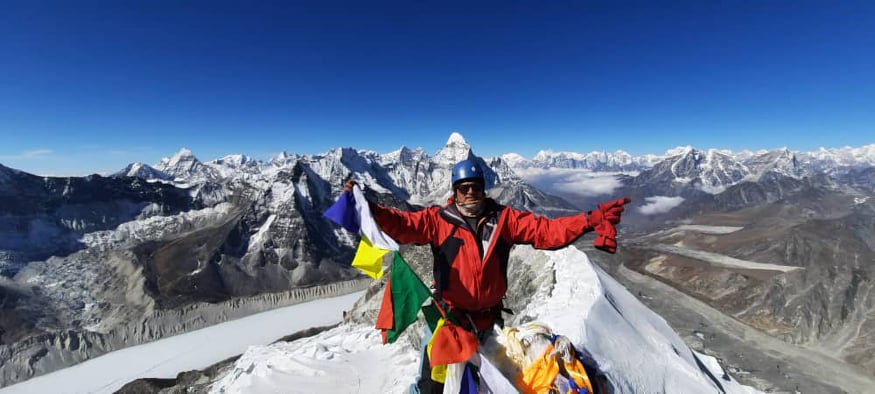
The path continues through pine forests, passing the village of Pangboche with its ancient monastery. You cross the Imja River, entering the high alpine valley. The air becomes crisper and the landscape more open, dotted with yak pastures and wildflowers. Dingboche is a welcoming village offering teahouses and spectacular views of Island Peak and Ama Dablam.
To help your body adjust to the altitude, you’ll take a demanding but rewarding side hike up Nangkartshang Peak. The climb provides panoramic vistas of Makalu, Lhotse, and other towering Himalayan giants. The thin air makes this challenging, so you’ll want to go slow and steady. Returning to Dingboche, you’ll have time to rest and prepare for the final ascent.
Leaving Dingboche, the trail becomes rockier and more rugged as you approach the Khumbu Glacier. You pass Thukla, where memorials honor climbers who lost their lives on Everest, a sobering reminder of the mountain’s power. Arriving in Lobuche, you’re close to the final base camp area, with awe-inspiring views of towering peaks.
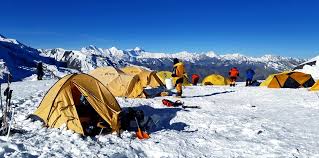
Today is the highlight of the trek. Starting early, you trek to Gorak Shep, the last settlement before Base Camp, then continue to Everest Base Camp itself. The trail passes glacial moraines and climbing tents scattered on the rocky plain beneath the Khumbu Icefall. It’s an emotional and inspiring moment to stand at the foot of the world’s tallest peak. After soaking in the views, you return to Gorak Shep to rest overnight at high altitude.
An early morning trek to Kala Patthar rewards you with arguably the best panoramic sunrise views of Everest, Lhotse, Nuptse, and Pumori. The climb is steep but short, and the vistas make it well worth the effort. After descending from this high viewpoint,
The descent is generally easier and faster, giving you time to reflect on your accomplishment. You retrace your steps through familiar villages and forests, stopping as you please. These days offer an opportunity to relax, enjoy the scenery one last time, and celebrate with fellow trekkers.
Your adventure concludes with a scenic flight back to Kathmandu. Depending on your arrival time, you can explore the city’s cultural sites, relax in a hotel, or celebrate your successful trek with a farewell dinner. This is your moment to reflect on the incredible journey through Nepal’s iconic Everest region.
Cost Includes
1.Flights
- Domestic Flights: Kathmandu – Lukla – Kathmandu return flights as per itinerary.
2. Permits
- Sagarmatha National Park Permit: Required for trekking within the Everest region.
- Local Government Entry Permits: Khumbu Pasang Lhamu Rural Munacipality..
3. Accommodation & Meals
- Lodge/Teahouse Accommodation: Comfortable twin-sharing stay during the trek.
- Meals: All meals included throughout the trek (Breakfast, Lunch, and Dinner).
4. Staff
- Licensed Guide: Experienced, English-speaking trekking guide.
- Porter: Provided where applicable to carry personal trekking gear.
1.Flights
- Domestic Flights: Kathmandu – Lukla – Kathmandu return flights as per itinerary.
2. Permits
- Sagarmatha National Park Permit: Required for trekking within the Everest region.
- Local Government Entry Permits: Khumbu Pasang Lhamu Rural Munacipality..
3. Accommodation & Meals
- Lodge/Teahouse Accommodation: Comfortable twin-sharing stay during the trek.
- Meals: All meals included throughout the trek (Breakfast, Lunch, and Dinner).
4. Staff
- Licensed Guide: Experienced, English-speaking trekking guide.
- Porter: Provided where applicable to carry personal trekking gear.
Read More
Cost Excludes
1.Visa Fees
- Nepal Entry Visa: Visa fee for entering Nepal (available on arrival at Tribhuvan International Airport or through a Nepalese embassy).
2. Accommodation in Kathmandu
- Hotel in Kathmandu: Accommodation before or after the trek unless specifically mentioned in the itinerary.
3. International Flights
- International Airfare: Flights to and from Kathmandu.
4. Travel Insurance (Mandatory)
- Comprehensive Coverage: Travel insurance covering high-altitude trekking, emergency medical treatment, helicopter evacuation, trip cancellation, and unforeseen circumstances.
5. Personal Expenses
- Lodge Services: WiFi, hot showers, battery charging, and laundry services.
- Beverages: Soft drinks, bottled water, alcoholic drinks, and snacks not included in meals.
6. Tips and Gratuities
- Guide & Porter: Tips for trekking guide and porter (customary but not compulsory).
1.Visa Fees
- Nepal Entry Visa: Visa fee for entering Nepal (available on arrival at Tribhuvan International Airport or through a Nepalese embassy).
2. Accommodation in Kathmandu
- Hotel in Kathmandu: Accommodation before or after the trek unless specifically mentioned in the itinerary.
3. International Flights
- International Airfare: Flights to and from Kathmandu.
4. Travel Insurance (Mandatory)
- Comprehensive Coverage: Travel insurance covering high-altitude trekking, emergency medical treatment, helicopter evacuation, trip cancellation, and unforeseen circumstances.
5. Personal Expenses
- Lodge Services: WiFi, hot showers, battery charging, and laundry services.
- Beverages: Soft drinks, bottled water, alcoholic drinks, and snacks not included in meals.
6. Tips and Gratuities
- Guide & Porter: Tips for trekking guide and porter (customary but not compulsory).
Essential Info
Accommodation along the route consists primarily of teahouses—basic lodges offering simple rooms with twin beds, shared bathrooms, and communal dining areas. Facilities become more rustic at higher altitudes. Food menus include dal bhat (rice and lentils), soups, noodles, and occasional western options like pasta or pancakes. Due to colder temperatures, bringing a warm sleeping bag is essential as blankets may not suffice.
Permits
Two permits are mandatory to enter the Everest region:
- Sagarmatha National Park Permit (~NPR 3,000 / USD 25)
- Khumbu Pasang Lhamu Rural Municipality Permit (~NPR 2,000 / USD 15)
These permits can be obtained in Kathmandu or purchased at Monjo near the park entrance.
Transportation
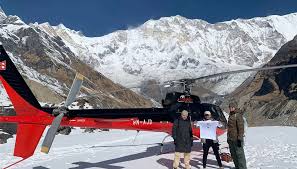
The trek traditionally begins with a 30-minute flight from Kathmandu to Lukla. This is one of the most thrilling and scenic mountain flights, landing on a short, steep runway. In poor weather or peak seasons, flights may depart from Ramechhap Airport, about 5–6 hours’ drive from Kathmandu. Jeep or helicopter options exist but are expensive.
Extra Info
Why Choose the Everest Base Camp Trek?
- The EBC trek is not just a hike—it’s a pilgrimage for adventurers worldwide. It combines:
- The thrill of trekking in the shadows of the highest mountain on Earth.
- Immersion in unique Sherpa culture and Buddhist spirituality.
- Opportunities to witness some of the most spectacular mountain vistas imaginable.
- A challenge that tests physical endurance and mental fortitude.
- The chance to visit legendary places linked to mountaineering history, like the Khumbu Icefall and Everest Base Camp.
Whether it’s your first high-altitude trek or a lifelong dream, the Everest Base Camp Trek leaves an indelible mark on the soul and offers memories that last forever.
Trip Date And Time
We'll Be There, Like We've Been There Before
|
Departing |
Finishing |
Trip Price Per Person |
Action |
Enquire |
|---|---|---|---|---|
| No Trip Yet!! | ||||
Featured Packages
You May Also Enjoy Our Other Trips

10 Days
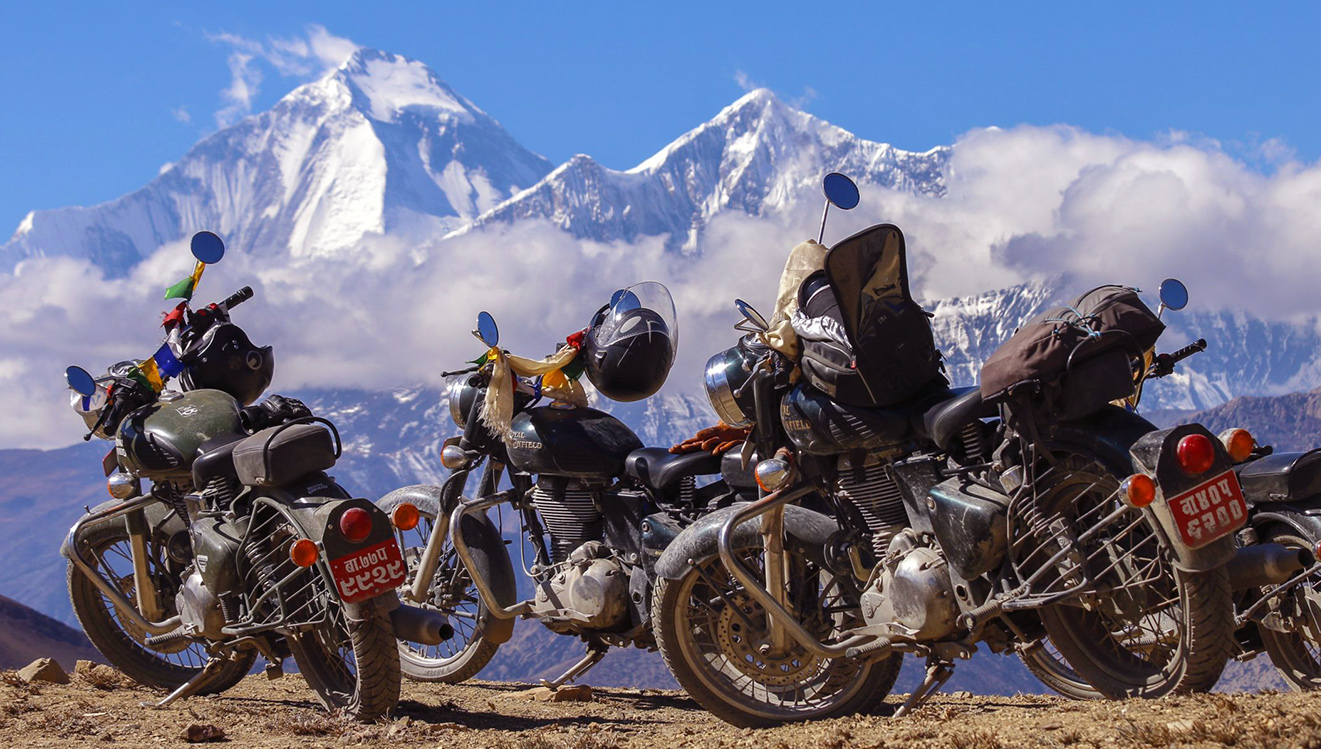
Nepal Heritage Motorbike Tour - A Journey Through Culture And Himalayas !
NPR 1000 Per Person




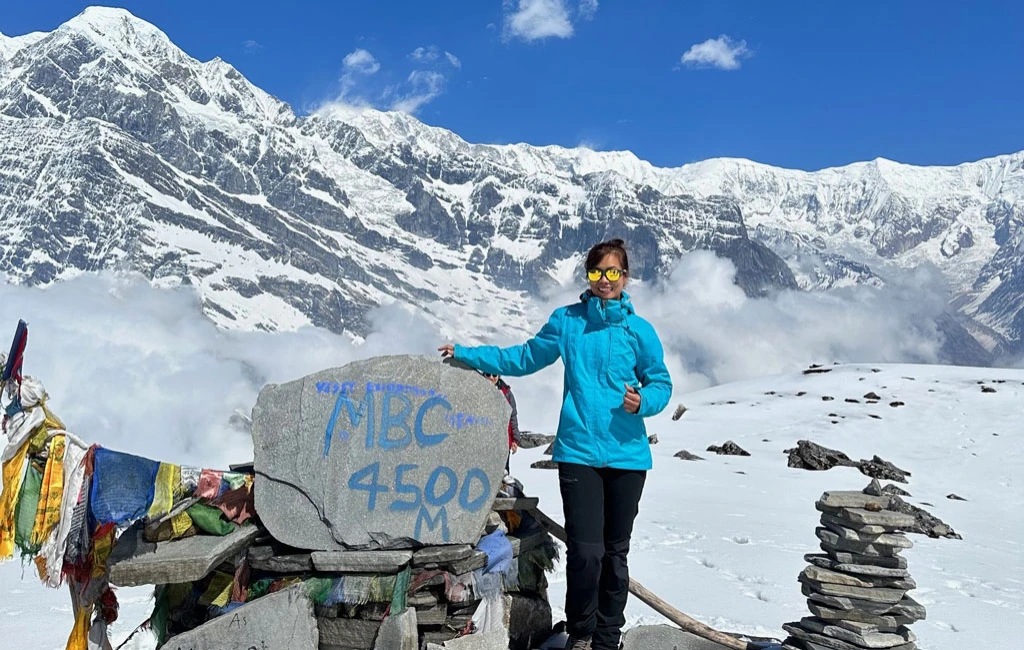
9 Days
Mardi Himal Trek: A Short and Scenic Route to the Hidden Side of the Annapurnas
NPR 1000 Per Person
15 Days
12 Days

11 Days
9 Days
26 Days
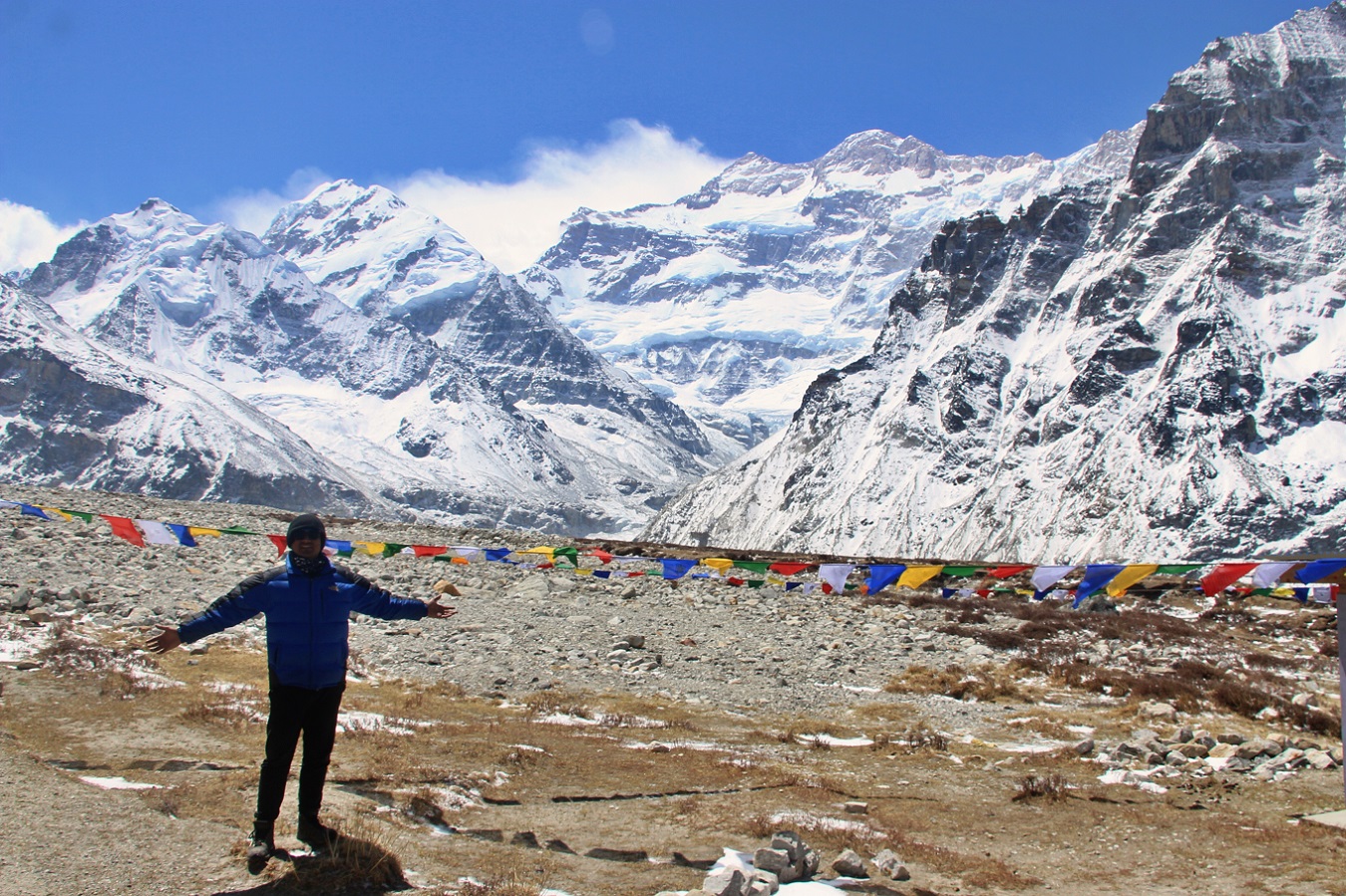
Kanchenjunga Trek: A Majestic Journey to the Third Highest Peak on Earth
NPR 1000 Per Person
17 Days
Everest Base Camp via Gokyo Trek: A Journey Through the Heart of the Khumbu
NPR 1000 Per Person
11 Days
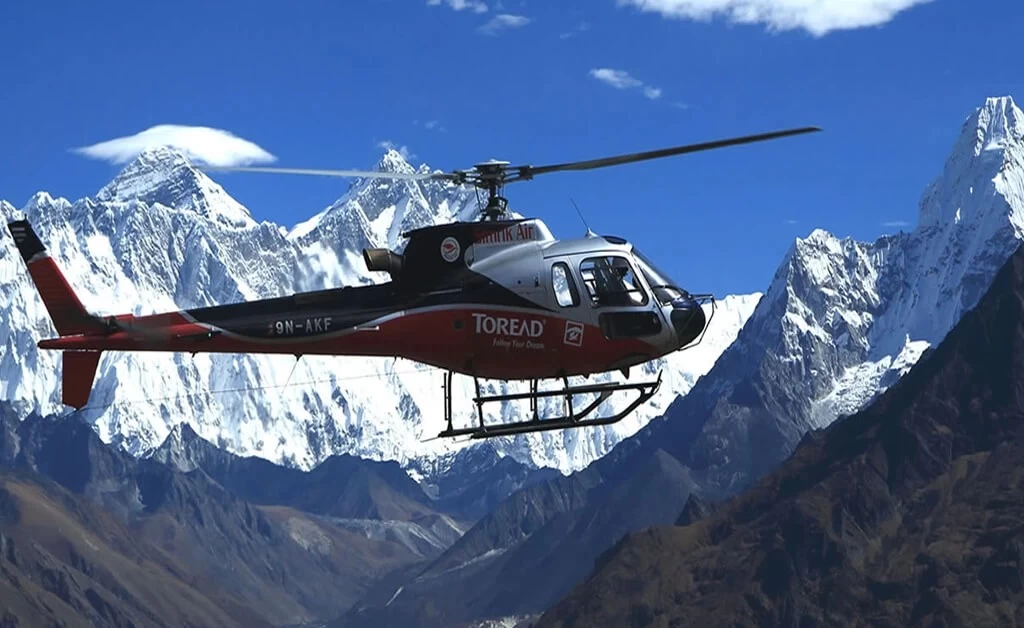
Everest Base Camp Heli Return Trek: A Perfect Blend of Adventure and Convenience
NPR 1000 Per Person
14 Days
Arun Valley Cultural Trail: Journey Through Eastern Nepal’s Cultural Heartland
NPR 1000 Per Person

11 Days
Annapurna North Base Camp Trek: A Remote Trail to the Hidden Face of Annapurna
NPR 1000 Per Person
9 Days


12 Days
22 Days
22 Days
Labuje Peak Climbing Expedition: Exploring a Hidden Gem of the Himalayas
NPR 1000 Per Person
10 Days
Muktinath Yartung Festival: A Spiritual and Adventure Expedition in Nepal
NPR 1000 Per Person
14 Days
Mustang Tiji Festival: A Unique Cultural and Trekking Expedition in Nepal
NPR 1000 Per Person
15 Days
13 Days