Tinjure–Milke–Jaljale Trail: Eastern Nepal’s Rhododendron Ridge Walk
- Home
- Tinjure–Milke–Jaljale Trail: Eastern Nepal’s Rhododendron Ridge Walk
Budget
NPR 1000
Per Person
Rating
No review has been posted yet
Duration
10 Days
Trip Overview
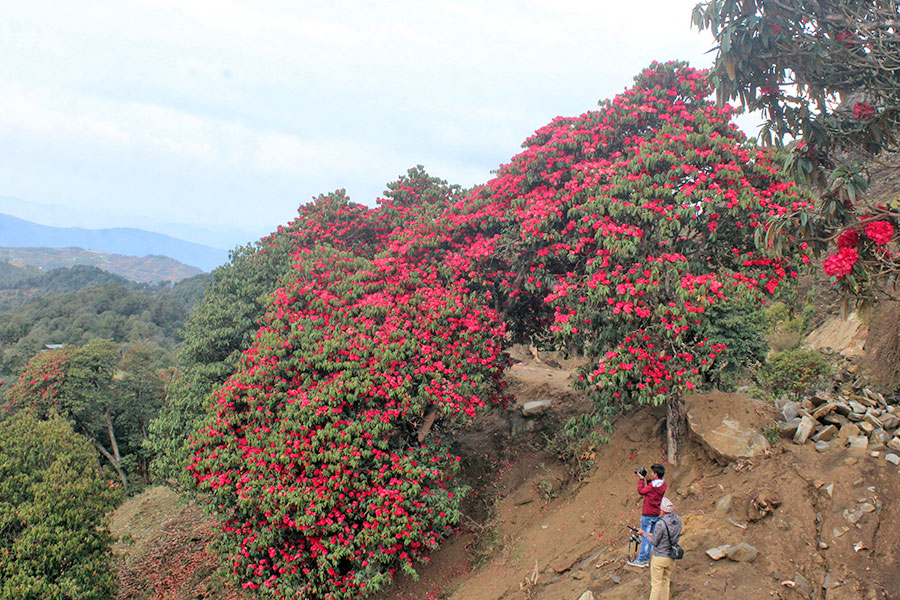
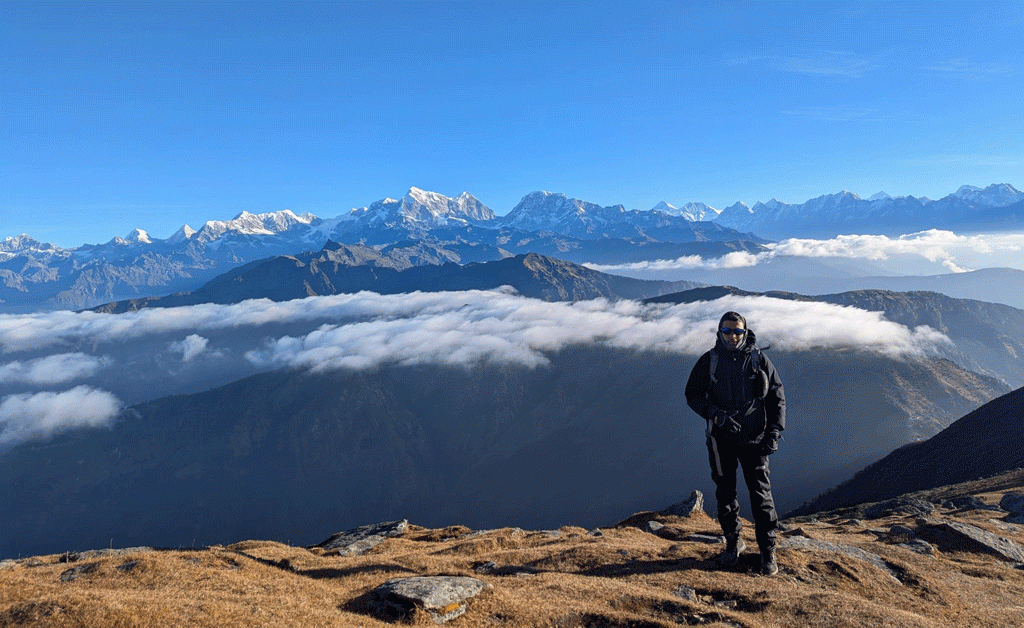
The TMJ Trail is a beautiful and less-traveled trekking route in eastern Nepal, stretching across the border areas of Taplejung, Tehrathum, and Sankhuwasabha districts. Known for its incredible rhododendron forests, rich indigenous culture, and panoramic views of five 8,000-meter peaks (including Everest, Makalu, and Kangchenjunga), it’s a paradise for nature lovers, bird watchers, and cultural trekkers.
Staying mostly below 3,400 meters, this trail is accessible and ideal for those seeking peaceful forest walks, authentic homestays, and off-the-beaten-path experiences. Highlights include Gupha Pokhari, sacred lakes, ridge hikes, and blooming rhododendrons in spring. The TMJ Trail offers stunning biodiversity and deep cultural encounters—without the crowds or altitude risks of popular routes.
Geography and Landscape
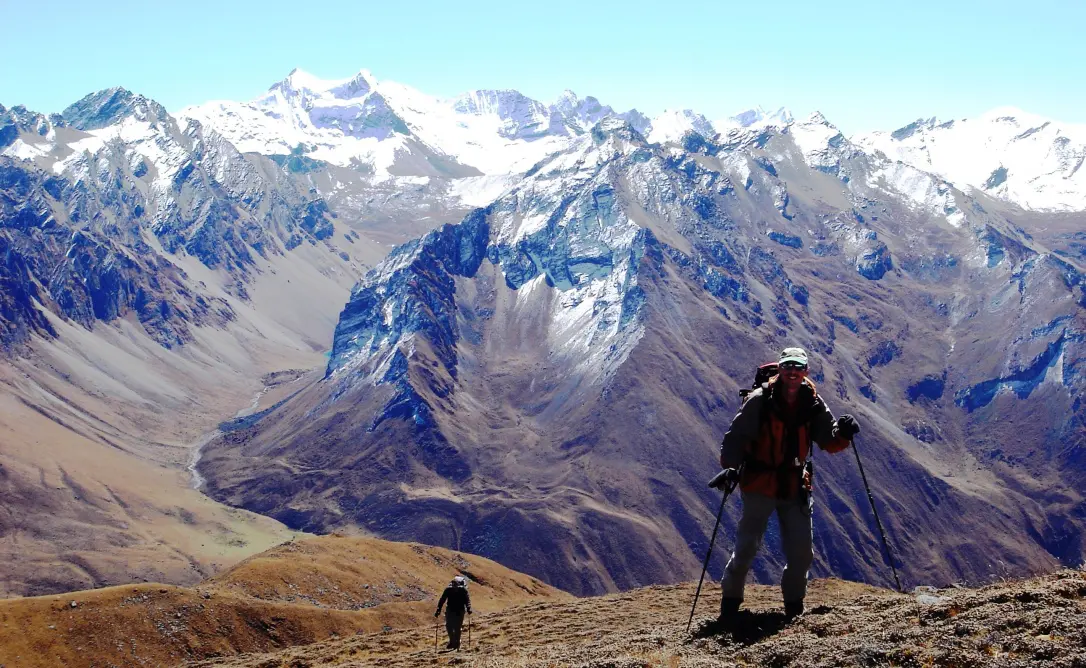
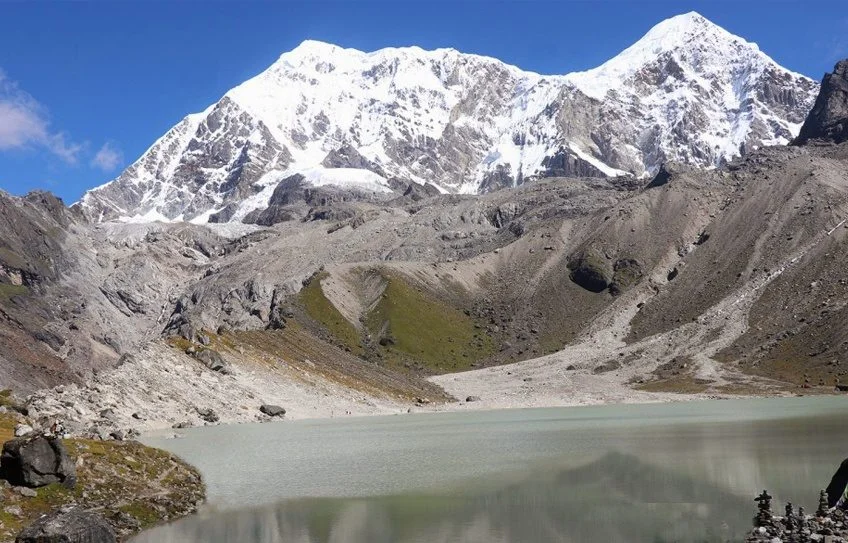
The TMJ Trail spans the mid-hill and lower alpine zones of eastern Nepal, ranging from 1,000 to 3,700 meters. The landscape varies dramatically—from warm river valleys with cardamom farms and lush green terraces to high ridges offering uninterrupted views of Mt. Makalu, Kangchenjunga, Everest, and Jannu. The trail traverses the Tinjure, Milke, and Jaljale ridges, famous for having the highest concentration of rhododendron species in the world, earning the nickname “Rhododendron Trail.”
People and Culture
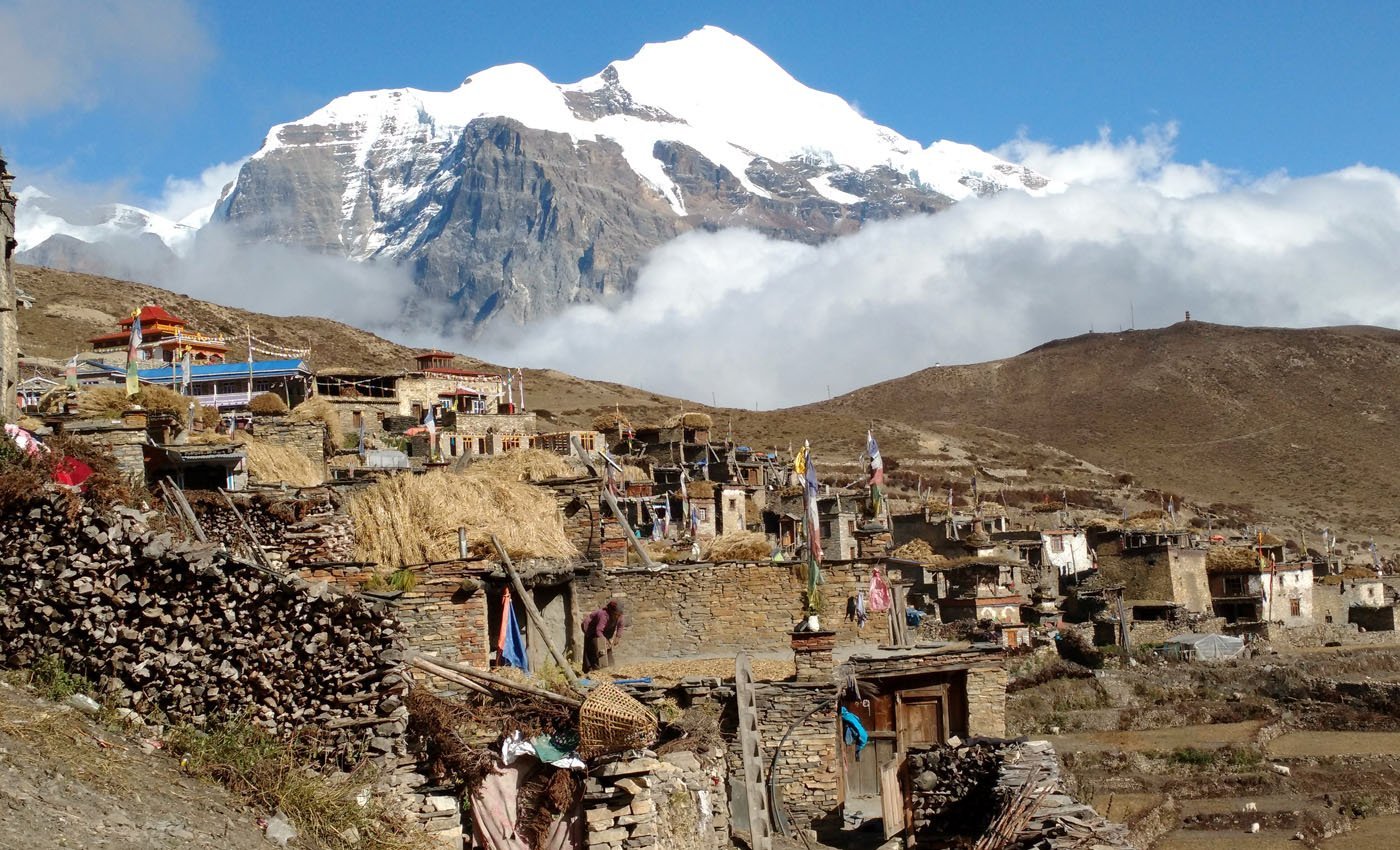
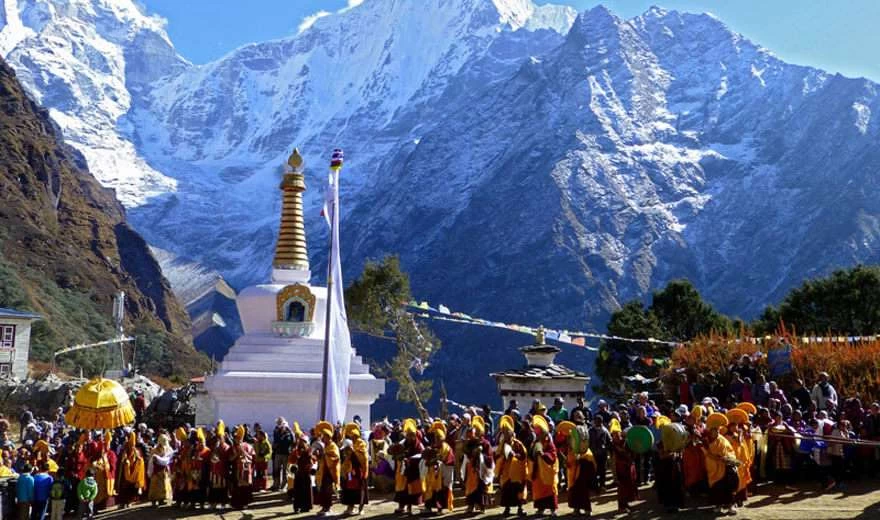
The region is home to Limbu, Rai, Sherpa, Gurung, and Magar communities, each with distinct languages, traditions, and customs. Villages like Basantapur, Chauki, Gupha Pokhari, and Jaljale are rich in indigenous culture, and visitors are warmly welcomed in local homes. Traditional dress, music, and seasonal festivals offer cultural depth, especially in Limbu villages, where Kirant religion and Mundhum shamanism are practiced alongside Buddhism and Hinduism.
Package Highlights:
- Breathtaking views of Kangchenjunga, Makalu, and Everest
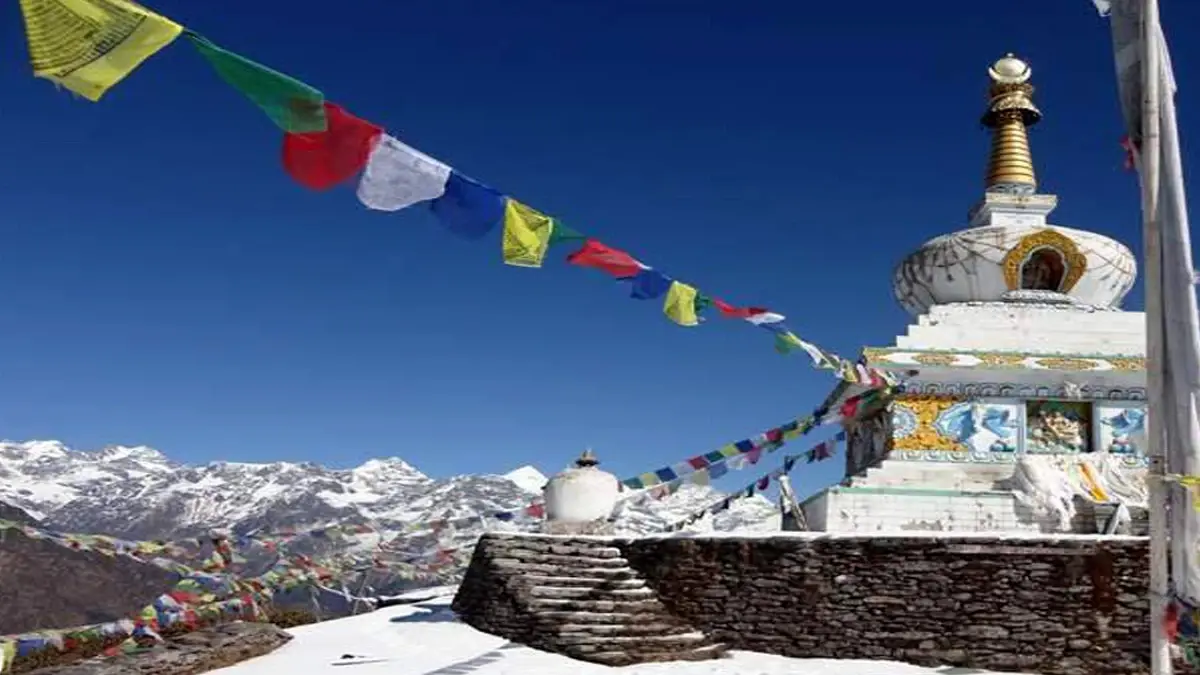
- Over 28 species of rhododendrons blooming between March and May
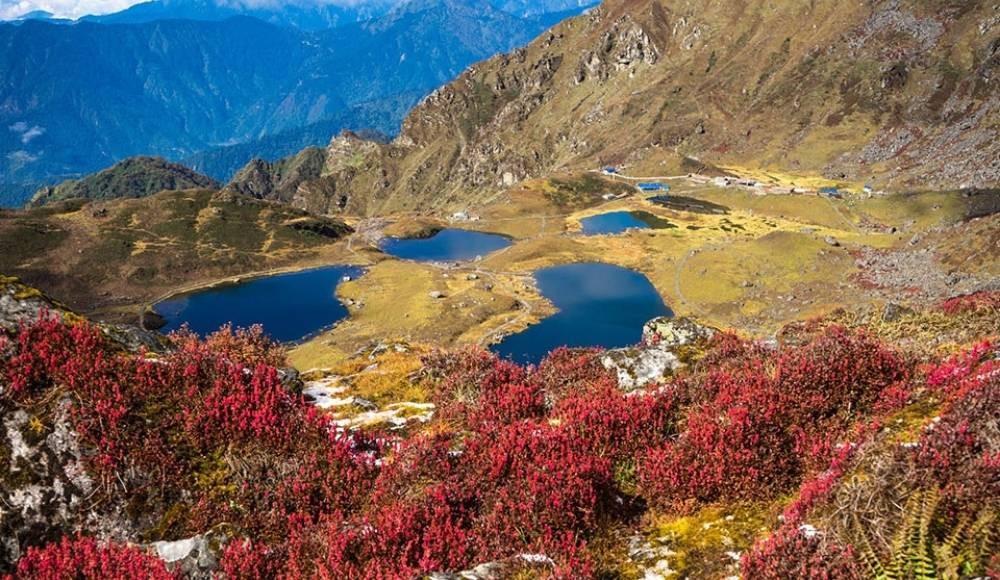
- Sacred lakes like Gupha Pokhari, known for spiritual and natural significance
- TMJ ridge walks with peaceful forests, birdlife, and sunrise points
- Cultural immersion in Limbu villages with authentic homestay experiences
- Fewer trekkers and unspoiled trails compared to commercial routes
Book This Trip
Trip Information
 Start : Kathmandu
 Finish : Kathmandu
 Difficulty :
 Max Altitude :
  Group Size :
  Season :
Trip Gallery
Trip Itinerary
Welcome to Nepal! Upon landing at Tribhuvan International Airport, you'll be received by a representative and transferred to your hotel in Thamel, the heart of Kathmandu’s cultural and trekking scene. After check-in, you’ll attend a briefing session with your guide and finalize permits and gear. Enjoy your first evening with a traditional welcome dinner featuring local dishes like dal bhat, momo, or Newari cuisine.
After an early breakfast, fly from Kathmandu to Biratnagar (35 minutes), Nepal’s lowland hub near the Indian border. From here, take a 6–7 hour scenic drive through Dharan and Hile to Basantapur, a charming hill town and trailhead of the TMJ trek.Basantapur offers first glimpses of Mt. Kanchenjunga on clear days and a cool mid-hill climate.
Start your trek gradually ascending through rhododendron and pine forests, with passing views of villages and rice terraces. You’ll encounter Limbu settlements and friendly locals along the route.Arrive at Chauki, a ridge-top settlement offering stunning views of Makalu, Jaljale ridge, and surrounding green hills.
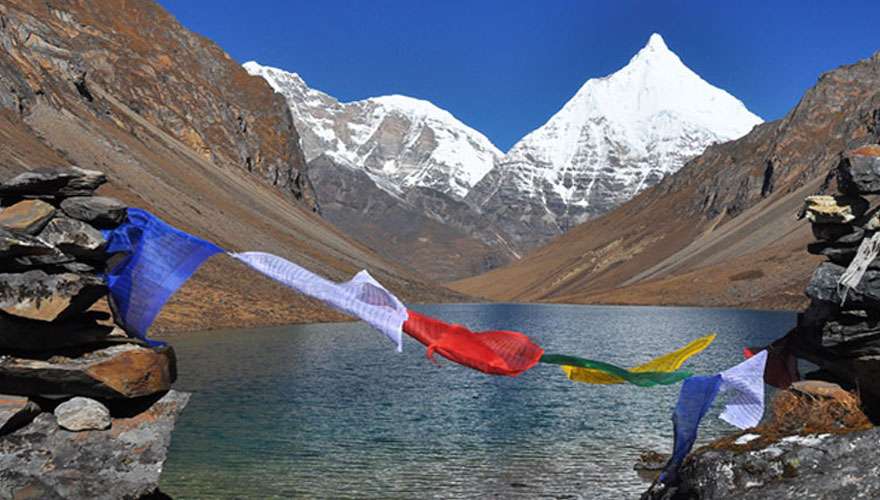
Follow a forested trail carpeted with rhododendron, moss, and bamboo—especially vibrant from March to May.You’ll enjoy scattered views of Everest, Lhotse, Makalu, and Kangchenjunga during the walk.Reach Gupha Pokhari, a sacred lake revered by Buddhists and Hindus, believed to fulfill wishes. The peaceful lakeside makes a perfect spiritual and scenic rest stop.
Early morning, hike to Jaljale Danda, a dramatic ridge that provides 360-degree views of the eastern Himalayas. This is one of the best spots for sunrise photography, especially of five 8,000m+ peaks (Everest, Lhotse, Makalu, Kangchenjunga, and Cho Oyu).Birdwatchers may spot species like pheasants, sunbirds, and Himalayan monals.Return to Gupha Pokhari for rest and reflection.
Today you’ll follow the Milke ridge, walking through a sea of rhododendrons and highland grazing fields.This is the heart of the TMJ Trail, home to the highest rhododendron diversity in the world—up to 28 species bloom here in spring.Stay near Milke Danda or Gorja, depending on pace and availability.
Begin descending from alpine meadows to subtropical forests, passing remote summer grazing huts and serene trails.Arrive at Jaljale Base Camp or Dovan, a small forest settlement. Enjoy the wilderness, bird calls, and a sense of total disconnection.
Trek further down through Limbu and Sherpa villages, stopping to visit Buddhist monasteries and local tea gardens.You’ll arrive at Taplejung, a small but bustling hill-town that connects to the Kangchenjunga trail.Explore the bazaar or enjoy your first proper hot shower in days.
Early morning, fly from Suketar Airport (Taplejung) to Biratnagar. From there, connect to Kathmandu by afternoon flight.After checking in, enjoy a relaxed day in the city—visit Boudhanath Stupa, Garden of Dreams, or shop for handicrafts.
After breakfast, your guide will transfer you to Tribhuvan International Airport for your departure flight.You leave Nepal with unforgettable memories of rhododendron forests, peaceful ridges, and warm mountain hospitality.
Cost Includes
1.Transportation
- Domestic Flights: Kathmandu – Tumlingtar – Kathmandu return flights.
- Local Jeep Transfers: Ground transfers as per itinerary for trekking access.
2. Accommodation & Meals
- Lodge or Homestay Accommodation: Comfortable twin-sharing stays along the trekking route.
- Meals: All meals included during the trek (Breakfast, Lunch, and Dinner).
3. Permits
- TIMS Card: Trekkers’ Information Management System card for tracking and safety.
- Local Trekking Permits: Required permits for trekking along the route.
4. Staff & Insurance
- Guide & Porter: Experienced English-speaking guide and porter support.
- Staff Insurance & Operational Expenses: Coverage and service charges for trekking staff.
1.Transportation
- Domestic Flights: Kathmandu – Tumlingtar – Kathmandu return flights.
- Local Jeep Transfers: Ground transfers as per itinerary for trekking access.
2. Accommodation & Meals
- Lodge or Homestay Accommodation: Comfortable twin-sharing stays along the trekking route.
- Meals: All meals included during the trek (Breakfast, Lunch, and Dinner).
3. Permits
- TIMS Card: Trekkers’ Information Management System card for tracking and safety.
- Local Trekking Permits: Required permits for trekking along the route.
4. Staff & Insurance
- Guide & Porter: Experienced English-speaking guide and porter support.
- Staff Insurance & Operational Expenses: Coverage and service charges for trekking staff.
Cost Excludes
1.Visa Fees
- Nepal Entry Visa: Visa fee for entering Nepal (available on arrival at Tribhuvan International Airport or through a Nepalese embassy).
2. Accommodation in Kathmandu
- Hotel in Kathmandu: Accommodation before or after the trek unless specifically mentioned in the itinerary.
3. International Flights
- International Airfare: Flights to and from Kathmandu.
4.Travel Insurance (Mandatory)
- Comprehensive Coverage: Travel insurance covering high-altitude trekking, emergency medical treatment, helicopter evacuation, trip cancellation, and unforeseen circumstances.
5. Personal Expenses
- Lodge Services: WiFi, hot showers, battery charging, and laundry services.
- Beverages: Soft drinks, bottled water, alcoholic drinks, and snacks not included in meals.
6. Tips and Gratuities
- Guide & Porter: Tips for trekking guide and porter (customary but not compulsory).
1.Visa Fees
- Nepal Entry Visa: Visa fee for entering Nepal (available on arrival at Tribhuvan International Airport or through a Nepalese embassy).
2. Accommodation in Kathmandu
- Hotel in Kathmandu: Accommodation before or after the trek unless specifically mentioned in the itinerary.
3. International Flights
- International Airfare: Flights to and from Kathmandu.
4.Travel Insurance (Mandatory)
- Comprehensive Coverage: Travel insurance covering high-altitude trekking, emergency medical treatment, helicopter evacuation, trip cancellation, and unforeseen circumstances.
5. Personal Expenses
- Lodge Services: WiFi, hot showers, battery charging, and laundry services.
- Beverages: Soft drinks, bottled water, alcoholic drinks, and snacks not included in meals.
6. Tips and Gratuities
- Guide & Porter: Tips for trekking guide and porter (customary but not compulsory).
Essential Info
Accommodation and Food
The TMJ Trail features community homestays and basic lodges in villages like Basantapur, Chauki, Deurali, and Gupha Pokhari. While facilities are simple, the warmth of local hospitality makes the experience memorable. Meals are typically dal bhat, seasonal vegetables, millet bread, yak milk tea, and homemade pickles. In Gupha Pokhari, a few upgraded guesthouses offer hot showers and more variety.
Permits Required
- TIMS Card (Trekkers’ Information Management System) – required
- No national park permits are needed, but it’s advised to register with local authorities in Basantapur or Taplejung
Transportation
- Fly from Kathmandu to Biratnagar, then drive (6–7 hrs) to Basantapur
- Or take a direct jeep/bus (12–14 hrs) from Kathmandu to Basantapur via Dharan and Hile
- The trek usually starts from Basantapur and ends at Taplejung, with exit options toward the Kangchenjunga region or back to Suketar airport
Extra Info
Essential Equipment
- Light sleeping bag (0°C rated), trekking poles, warm layers
- Rain gear, sun protection, water purifier
- Refillable bottles, snacks, power bank (electricity is limited)
- Binoculars for birdwatching (this is a birder’s paradise!)
Trip Date And Time
We'll Be There, Like We've Been There Before
|
Departing |
Finishing |
Trip Price Per Person |
Action |
Enquire |
|---|---|---|---|---|
| No Trip Yet!! | ||||
Featured Packages
You May Also Enjoy Our Other Trips

10 Days
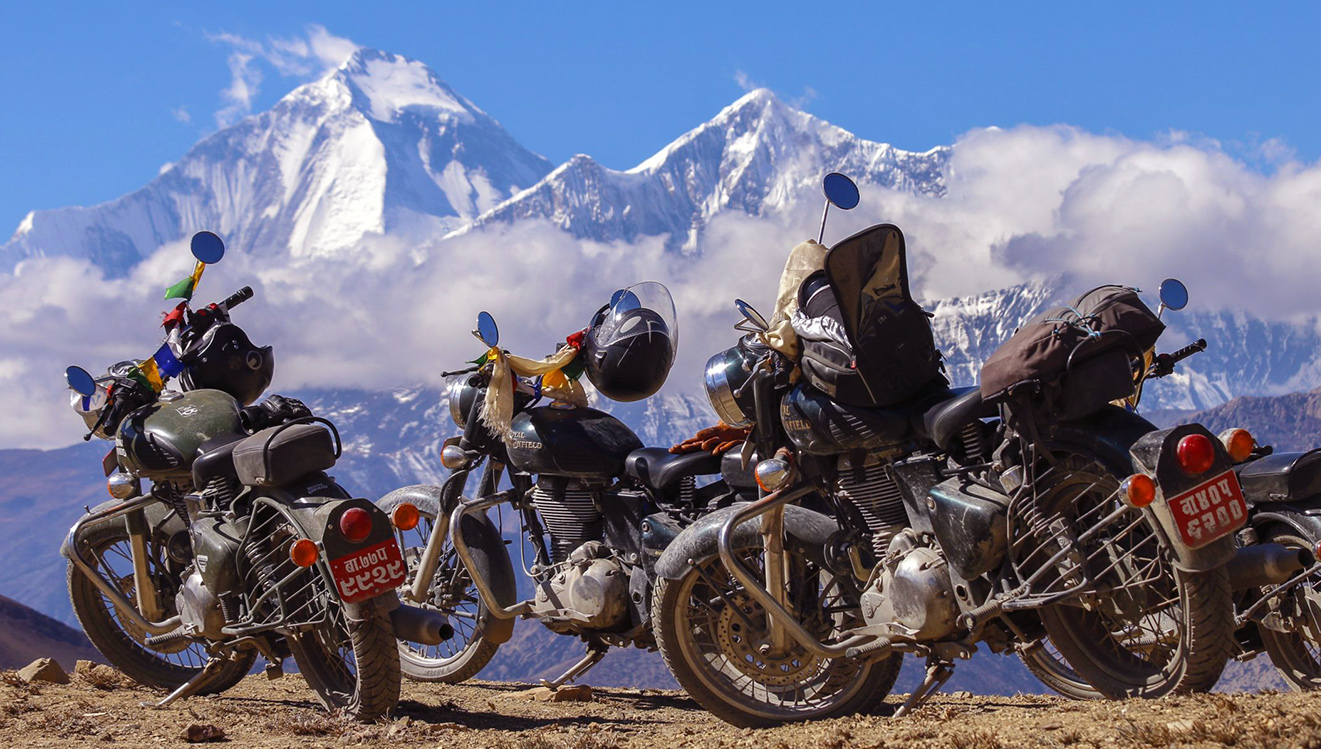
Nepal Heritage Motorbike Tour - A Journey Through Culture And Himalayas !
NPR 1000 Per Person




9 Days
Mardi Himal Trek: A Short and Scenic Route to the Hidden Side of the Annapurnas
NPR 1000 Per Person
15 Days
12 Days

11 Days
9 Days
26 Days
Kanchenjunga Trek: A Majestic Journey to the Third Highest Peak on Earth
NPR 1000 Per Person
17 Days
Everest Base Camp via Gokyo Trek: A Journey Through the Heart of the Khumbu
NPR 1000 Per Person
11 Days
Everest Base Camp Heli Return Trek: A Perfect Blend of Adventure and Convenience
NPR 1000 Per Person
14 Days
Arun Valley Cultural Trail: Journey Through Eastern Nepal’s Cultural Heartland
NPR 1000 Per Person

11 Days
Annapurna North Base Camp Trek: A Remote Trail to the Hidden Face of Annapurna
NPR 1000 Per Person
9 Days


12 Days
22 Days
22 Days
Labuje Peak Climbing Expedition: Exploring a Hidden Gem of the Himalayas
NPR 1000 Per Person
10 Days
Muktinath Yartung Festival: A Spiritual and Adventure Expedition in Nepal
NPR 1000 Per Person
14 Days
Mustang Tiji Festival: A Unique Cultural and Trekking Expedition in Nepal
NPR 1000 Per Person
15 Days
13 Days