Annapurna North Base Camp Trek: A Remote Trail to the Hidden Face of Annapurna
- Home
- Annapurna North Base Camp Trek: A Remote Trail to the Hidden Face of Annapurna
Budget
NPR 1000
Per Person
Rating
No review has been posted yet
Duration
11 Days
Trip Overview
The Annapurna North Base Camp Trek is a remote and rarely explored route that leads to the awe-inspiring north face of Annapurna I (8,091m) — the first 8,000-meter peak ever successfully climbed. Unlike the popular Annapurna Sanctuary trek that approaches from the south, this trail ventures deep into the secluded Narchyang Valley of Myagdi district, providing trekkers with a raw, untouched, and truly off-the-beaten-path Himalayan experience. Surrounded by dense forests, glacial rivers, towering cliffs, and isolated alpine meadows, this trek offers solitude, natural grandeur, and a unique cultural immersion. It is an ideal journey for trekkers seeking wilderness, historical significance, and a connection with authentic mountain culture far from crowded routes.
Geography and Landscape
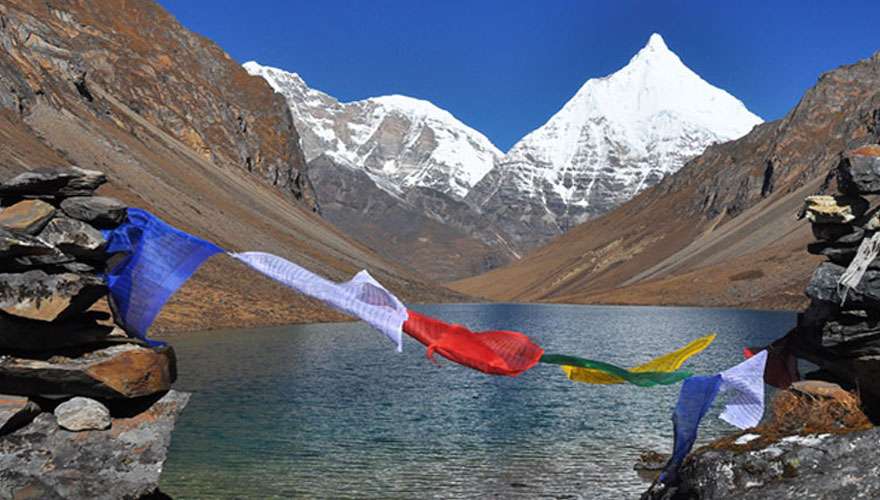
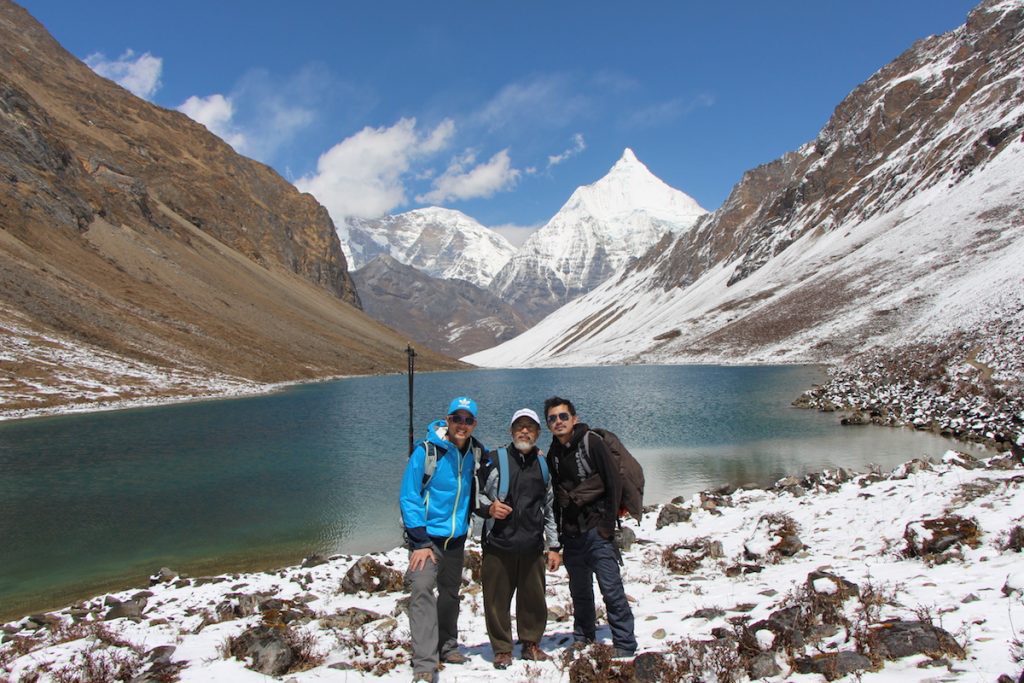
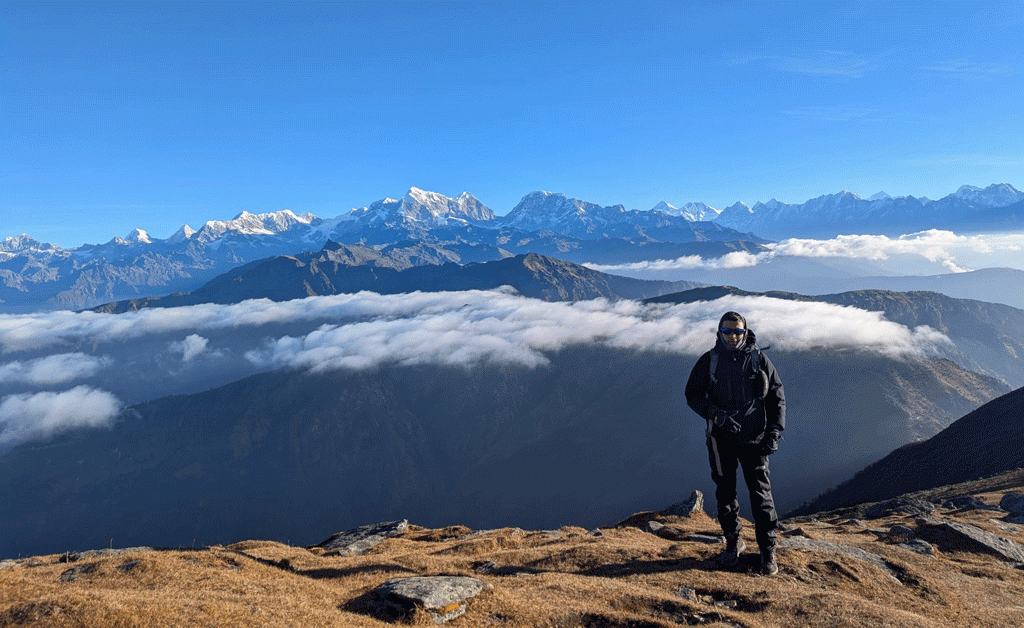
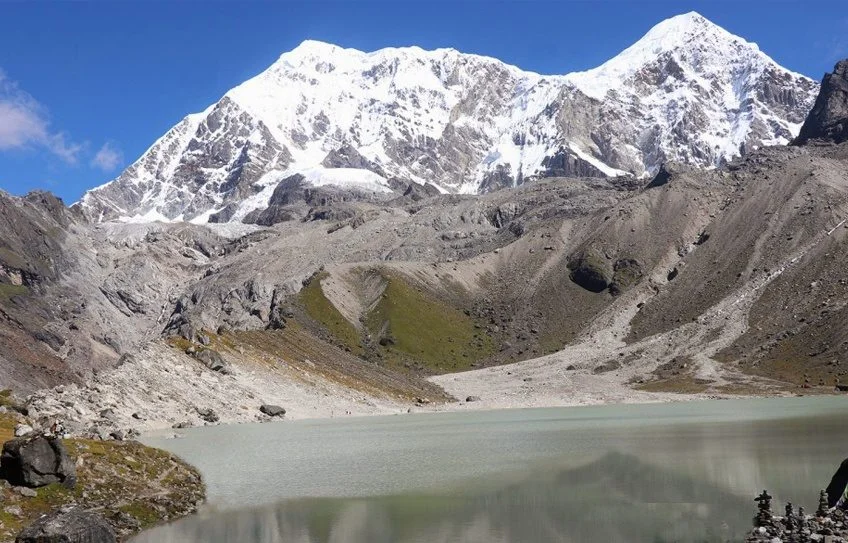
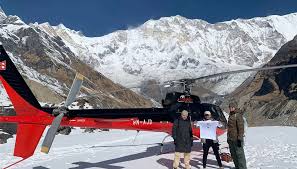
Situated in the northwestern region of the Annapurna massif and within the Annapurna Conservation Area (ACA), the trek follows the Narchyang River through Myagdi district. The landscape transitions from lush subtropical forests and terraced farmland to rugged alpine zones and barren glacial moraines. The trail climbs gradually alongside clear streams and waterfalls before reaching the glacier-fed base camp at 4,190 meters, where the colossal north face of Annapurna I looms overhead. Trekkers are rewarded with panoramic views of other giants including Annapurna Fang, Nilgiri, and Annapurna South. The route’s pristine natural environment remains largely untouched due to its remoteness and infrequent visitors.
Climate and Best Time to Trek
The best seasons for this trek are spring (April–May) and autumn (October–November), when the skies are clearest, trails safest, and temperatures moderate. During these times, daytime temperatures at lower elevations range between 10–15°C, while nights near the base camp can drop to -5°C or lower. Snowfall is possible in early spring or late autumn, so it is important to monitor weather conditions. Summer monsoon months (June–September) bring heavy rain and landslides, while winter (December–February) can be extremely cold and snowy, limiting accessibility.
People and Culture
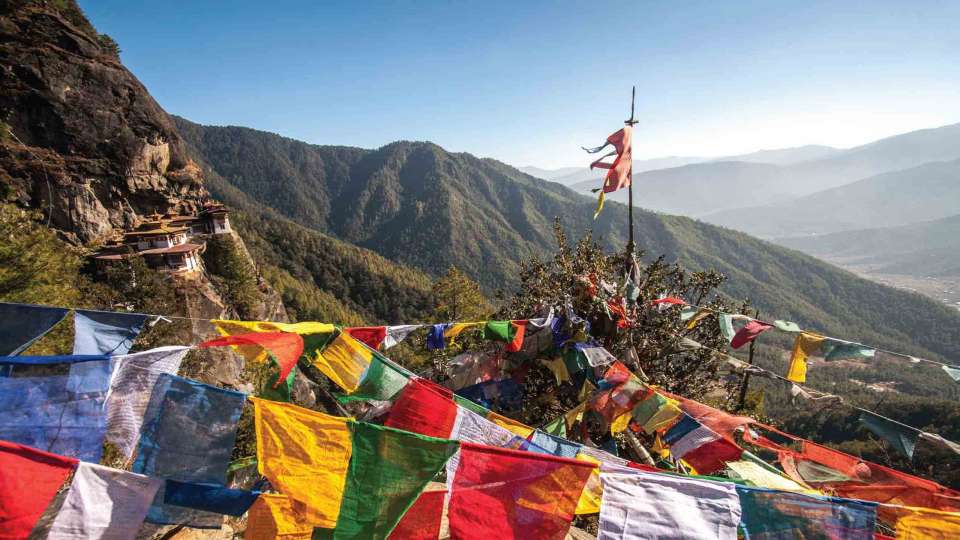
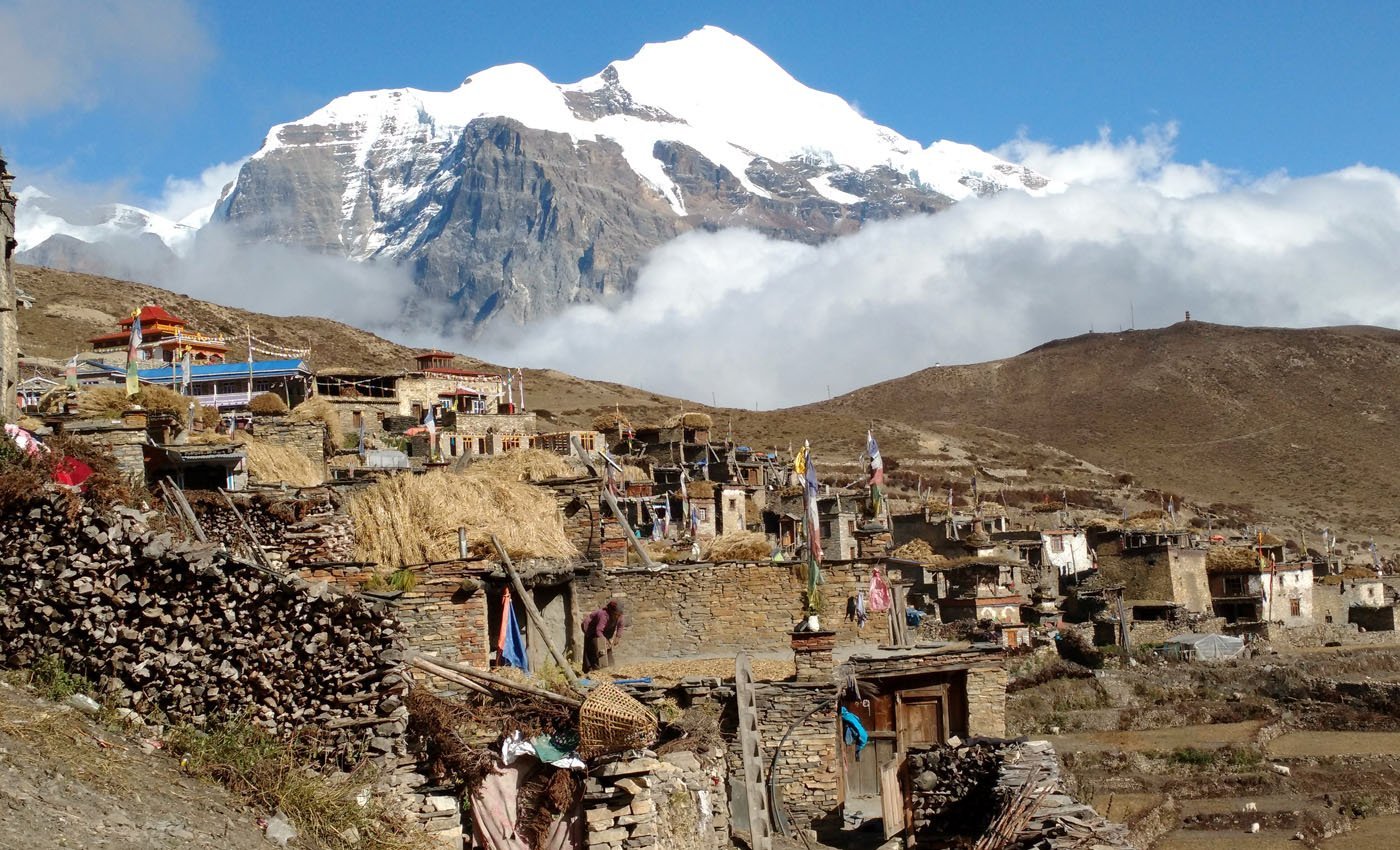
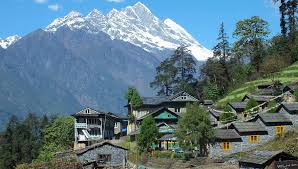
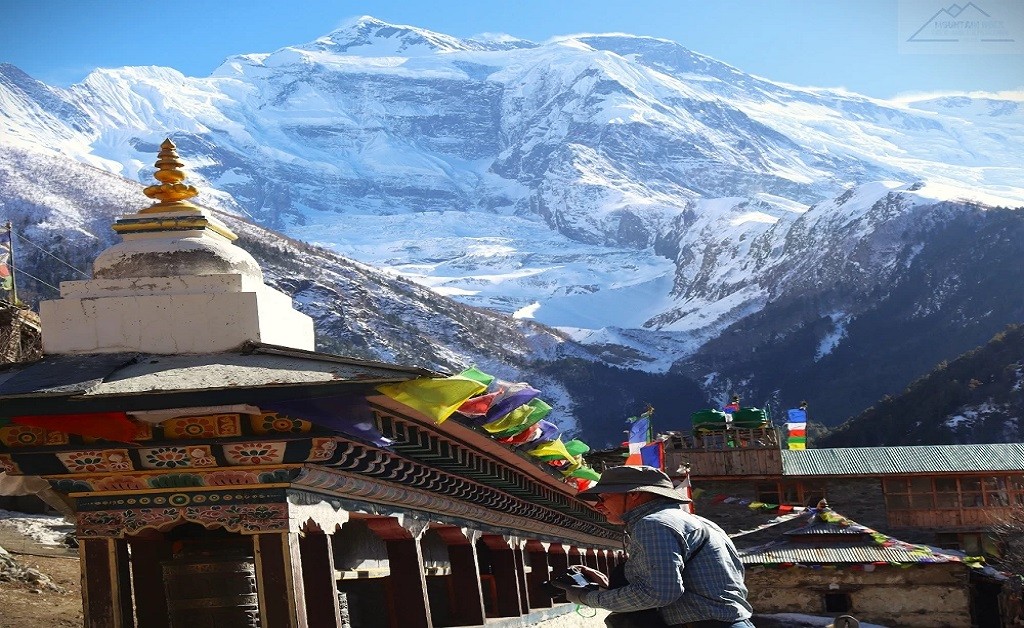
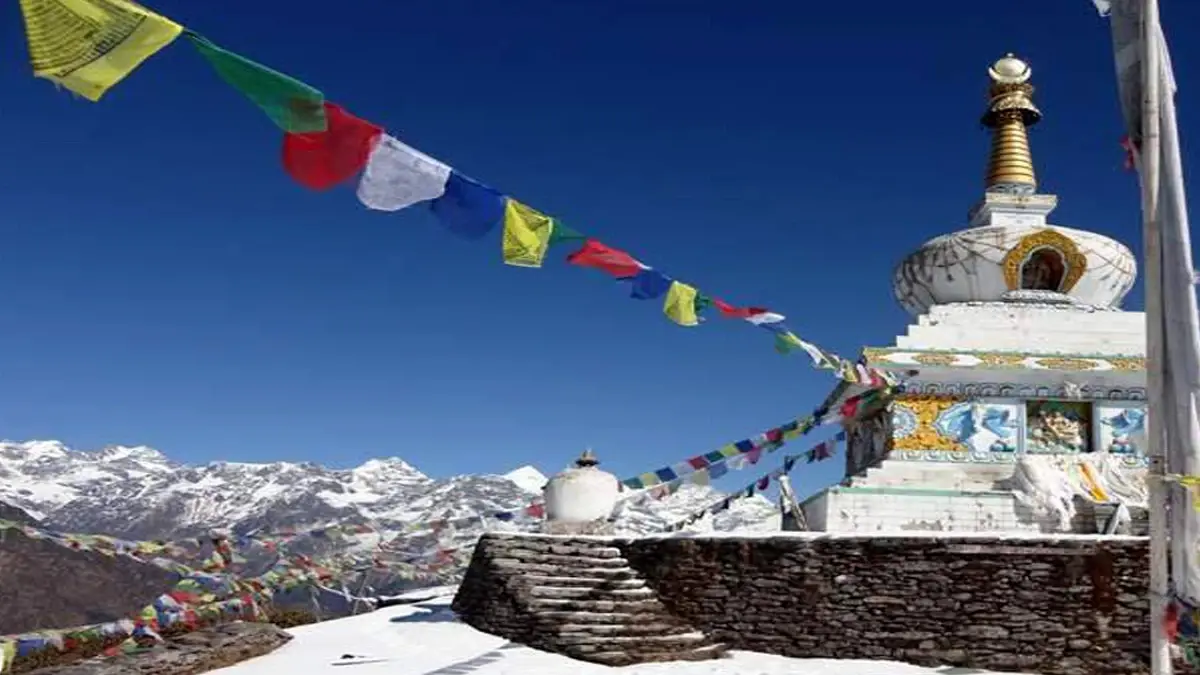
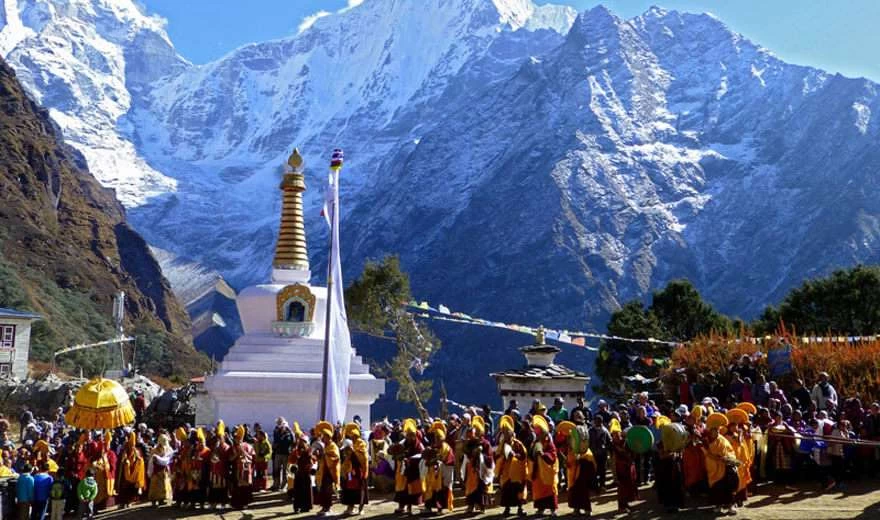
The region is primarily inhabited by the Magar and Poon communities, whose lifestyles revolve around subsistence farming and livestock herding. Unlike the commercialized villages along the main Annapurna Circuit, the villages on this trek are quiet, authentic, and culturally rich. Trekkers pass through traditional settlements like Narchyang, where stone houses with slate roofs, Buddhist prayer flags, chortens, and small local shrines dot the landscape. Both Hindu and Buddhist influences coexist here, reflecting the spiritual diversity of the area. Warm hospitality from villagers adds a heartfelt dimension to the journey, making it a deeply immersive cultural experience.
Package Highlights:
- Reach the base of Annapurna I, the first peak over 8,000 meters ever climbed
- Trek through the pristine, seldom-visited Narchyang Valley in Myagdi district
- Witness the dramatic and rarely seen north face of Annapurna I
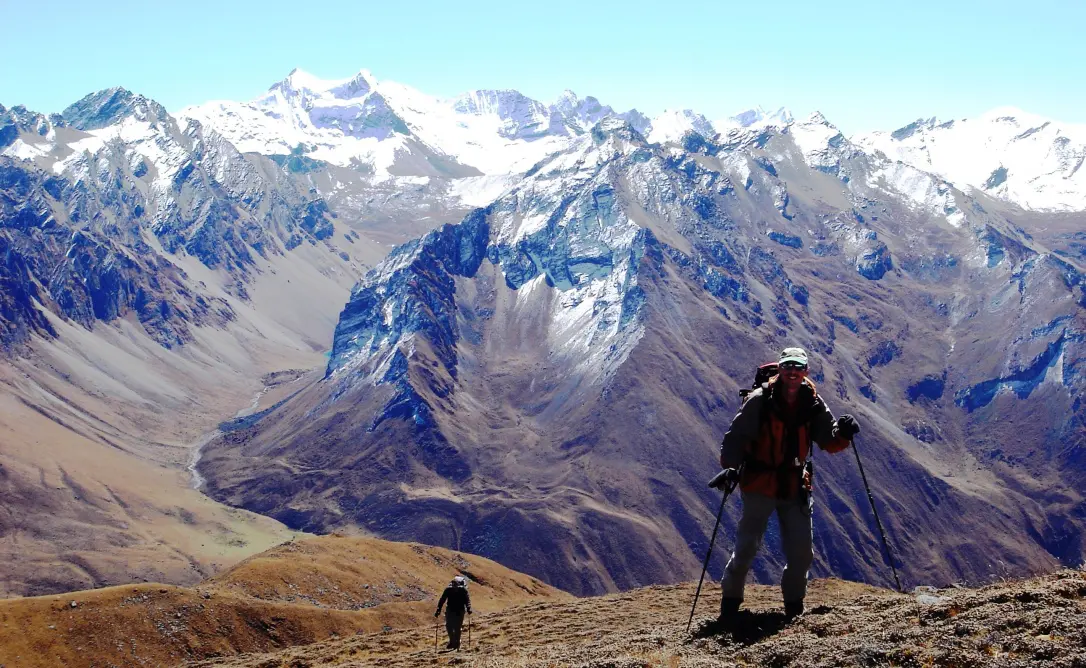
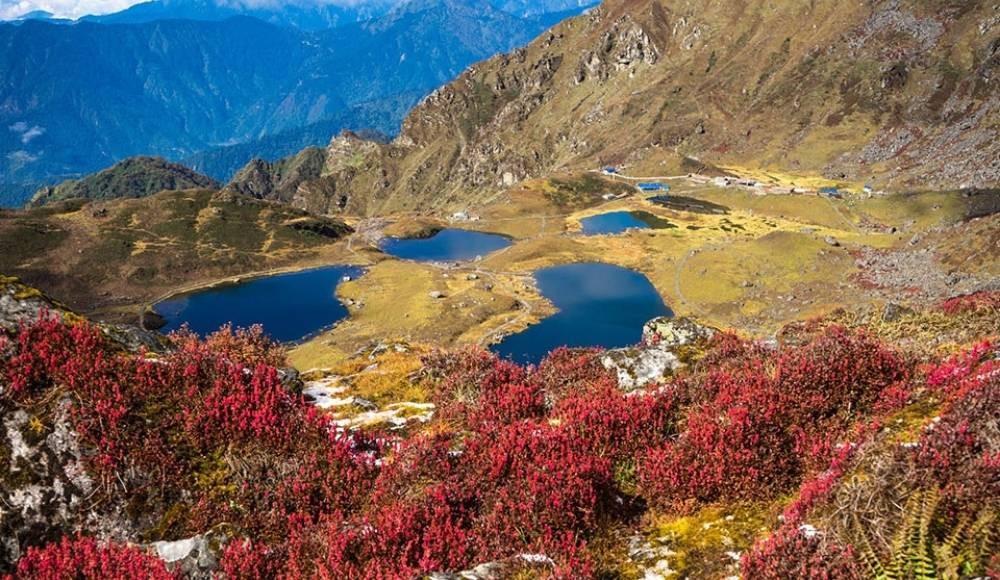
- Experience untouched Himalayan wilderness: dense forests, cascading waterfalls, glacial moraines, and alpine meadows
- Immerse in authentic Magar and Poon village cultures, far from commercial trekking routes
- Enjoy solitude, peace, and quiet on trails rarely frequented by tourists
- Optional side hikes to ridges and glacier viewpoints around the base camp
- Stay in local teahouses and campsites, engaging with local hospitality
- Perfect for experienced trekkers seeking a true wilderness adventure with historical significance
Book This Trip
Trip Information
 Start : Kathmandu
 Finish : Kathmandu
 Difficulty :
Basic
Difficulty :
Basic
 Max Altitude :
  Group Size :
  Season :
Trip Gallery

Trip Itinerary
Arrive at Tribhuvan International Airport in Kathmandu. Meet your guide and transfer to your hotel. Spend the day resting or exploring the bustling streets of Thamel, a lively area filled with shops and restaurants.
Travel to Pokhara either by a scenic 25-minute flight or a 6–7 hour drive through picturesque hills and valleys. Pokhara is a serene lakeside city offering stunning views of Annapurna and Machapuchare. Enjoy an evening walk by Phewa Lake.
Drive to Tatopani, known for its natural hot springs. Begin your trek from here, hiking through terraced fields and forest trails to reach Narchyang, a traditional Magar village with a rich cultural ambiance.
Continue trekking through dense forest, crossing streams and wooden bridges along the way. Arrive at Hum Khola, a remote riverside campsite surrounded by pristine nature.
Ascend steadily into more rugged alpine terrain, leaving subtropical vegetation behind. Reach Sandhikharka, a high meadow offering sweeping views of surrounding snowy peaks.
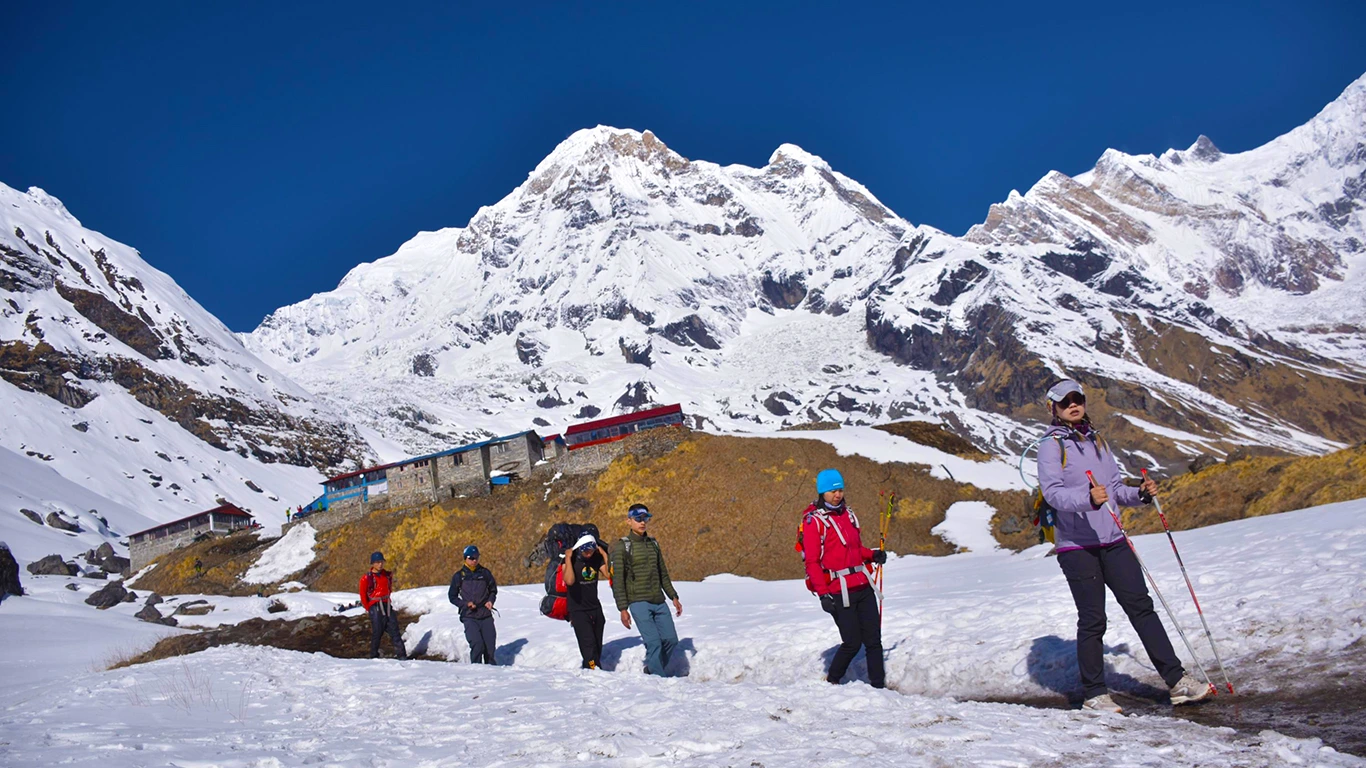
The challenging trek culminates at the North Base Camp, where you stand beneath the imposing north face of Annapurna I. Explore the glacier zone and soak in the grandeur of surrounding mountains.
Spend the day exploring the area around base camp. Optional hikes to nearby ridges provide breathtaking views. This is also an important rest day to acclimatize.
Begin your descent back to Hum Khola, enjoying easier terrain and the scenic environment.
Continue descending to Narchyang and then drive back to Pokhara for a well-deserved rest and celebration by the lake.
Return to Kathmandu via flight or road, and spend the evening enjoying local culture and shopping.
Transfer to the airport for your onward flight, or explore Kathmandu’s UNESCO World Heritage Sites such as Boudhanath Stupa and Swayambhunath.
Cost Includes
1. Permits
- ACAP Permit: Annapurna Conservation Area Permit for trekking in the region.
- TIMS Card (if required): Trekkers’ Information Management System card for safety and tracking.
2. Accommodation & Meals
- Lodge or Teahouse Accommodation: Comfortable twin-sharing stay during the trek.
- Meals: All meals included during trek (Breakfast, Lunch, and Dinner).
- Beverages: Tea and coffee provided with meals.
3. Staff
- Trekking Guide & Porter: Professional government-licensed English-speaking guide and porter (1 guide per 2 trekkers).
- Full Crew for Camping Treks: Includes cook, helper, and support staff where camping is involved.
4. Transportation
- As per Itinerary: Domestic flights, tourist buses, jeeps, or private vehicles for transfers and trekking access.
1. Permits
- ACAP Permit: Annapurna Conservation Area Permit for trekking in the region.
- TIMS Card (if required): Trekkers’ Information Management System card for safety and tracking.
2. Accommodation & Meals
- Lodge or Teahouse Accommodation: Comfortable twin-sharing stay during the trek.
- Meals: All meals included during trek (Breakfast, Lunch, and Dinner).
- Beverages: Tea and coffee provided with meals.
3. Staff
- Trekking Guide & Porter: Professional government-licensed English-speaking guide and porter (1 guide per 2 trekkers).
- Full Crew for Camping Treks: Includes cook, helper, and support staff where camping is involved.
4. Transportation
- As per Itinerary: Domestic flights, tourist buses, jeeps, or private vehicles for transfers and trekking access.
Cost Excludes
1. Visa Fees
- Nepal Entry Visa: Visa fee for entering Nepal (available on arrival at Tribhuvan International Airport or through a Nepalese embassy).
2. Accommodation in Kathmandu
- Hotel in Kathmandu: Accommodation before or after the trek unless specifically mentioned in the itinerary.
- Hotel in Pokhara: Accommodation before or after the trek unless specifically mentioned in the itinerary.
3. International Flights
- International Airfare: Flights to and from Kathmandu.
4. Travel Insurance (Mandatory)
- Comprehensive Coverage: Travel insurance covering high-altitude trekking, emergency medical treatment, helicopter evacuation, trip cancellation, and unforeseen circumstances.
5. Personal Expenses
- Lodge Services: WiFi, hot showers, battery charging, and laundry services.
- Beverages: Soft drinks, bottled water, alcoholic drinks, and snacks not included in meals.
6. Tips and Gratuities
- Guide & Porter: Tips for trekking guide and porter (customary but not compulsory).
1. Visa Fees
- Nepal Entry Visa: Visa fee for entering Nepal (available on arrival at Tribhuvan International Airport or through a Nepalese embassy).
2. Accommodation in Kathmandu
- Hotel in Kathmandu: Accommodation before or after the trek unless specifically mentioned in the itinerary.
- Hotel in Pokhara: Accommodation before or after the trek unless specifically mentioned in the itinerary.
3. International Flights
- International Airfare: Flights to and from Kathmandu.
4. Travel Insurance (Mandatory)
- Comprehensive Coverage: Travel insurance covering high-altitude trekking, emergency medical treatment, helicopter evacuation, trip cancellation, and unforeseen circumstances.
5. Personal Expenses
- Lodge Services: WiFi, hot showers, battery charging, and laundry services.
- Beverages: Soft drinks, bottled water, alcoholic drinks, and snacks not included in meals.
6. Tips and Gratuities
- Guide & Porter: Tips for trekking guide and porter (customary but not compulsory).
Essential Info
This is a remote trek that requires careful preparation. Key equipment includes:
- A high-quality sleeping bag rated for -15°C
- Insulated, waterproof clothing suitable for cold alpine conditions
- Durable trekking boots and moisture-wicking socks
- Tent and sleeping mat if camping independently
- Trekking poles, headlamp, and sunglasses
- Water purification tablets or filters
- Personal medical kit and snacks
- Hiring a guide and porter is strongly recommended due to the trail’s remoteness and lack of facilities.
Extra Info
Accommodation and Food
Accommodation along the route is basic but comfortable. Simple teahouses and homestays are available in villages like Narchyang and Hum Khola, while camping is required closer to the base camp. Meals typically include dal bhat (rice and lentils), noodles, fried rice, eggs, and fresh local produce. Due to the remoteness, supplies are limited, so carrying snacks and energy bars is advisable.
Transportation
- Kathmandu to Pokhara: 6–8 hour drive or 25-minute flight
- Pokhara to Tatopani: 4–5 hour jeep drive
- Trek starts at Narchyang, accessible by local jeep or vehicle
- Return via the same route to Pokhara and Kathmandu
Trip Date And Time
We'll Be There, Like We've Been There Before
|
Departing |
Finishing |
Trip Price Per Person |
Action |
Enquire |
|---|---|---|---|---|
| No Trip Yet!! | ||||
Featured Packages
You May Also Enjoy Our Other Trips

10 Days
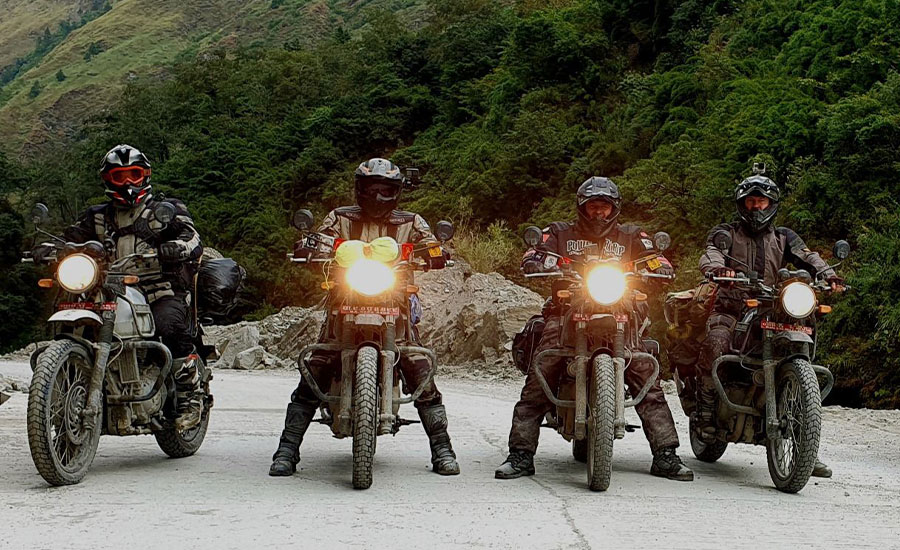
Nepal Heritage Motorbike Tour - A Journey Through Culture And Himalayas !
NPR 1000 Per Person




9 Days
Mardi Himal Trek: A Short and Scenic Route to the Hidden Side of the Annapurnas
NPR 1000 Per Person
15 Days
12 Days

11 Days
9 Days
26 Days
Kanchenjunga Trek: A Majestic Journey to the Third Highest Peak on Earth
NPR 1000 Per Person
17 Days
Everest Base Camp via Gokyo Trek: A Journey Through the Heart of the Khumbu
NPR 1000 Per Person
11 Days
Everest Base Camp Heli Return Trek: A Perfect Blend of Adventure and Convenience
NPR 1000 Per Person
14 Days
Arun Valley Cultural Trail: Journey Through Eastern Nepal’s Cultural Heartland
NPR 1000 Per Person
11 Days
Annapurna North Base Camp Trek: A Remote Trail to the Hidden Face of Annapurna
NPR 1000 Per Person
9 Days


12 Days
22 Days
22 Days
Labuje Peak Climbing Expedition: Exploring a Hidden Gem of the Himalayas
NPR 1000 Per Person
10 Days
Muktinath Yartung Festival: A Spiritual and Adventure Expedition in Nepal
NPR 1000 Per Person
14 Days
Mustang Tiji Festival: A Unique Cultural and Trekking Expedition in Nepal
NPR 1000 Per Person
15 Days
13 Days