Upper Dolpo Trek: A Remote Himalayan Adventure
- Home
- Upper Dolpo Trek: A Remote Himalayan Adventure
Budget
NPR 1000
Per Person
Rating
No review has been posted yet
Duration
27 Days
Trip Overview
The Upper Dolpo Trek is a breathtaking journey deep into one of Nepal’s most remote and culturally rich regions. Nestled in the rain shadow of the towering Dhaulagiri and Kanjiroba ranges, Upper Dolpo is a mystical land bordering the Tibetan plateau. This trek immerses adventurers in an ancient Tibetan Buddhist culture, pristine Himalayan wilderness, and rare wildlife, offering an unparalleled experience far removed from the more frequented trekking routes of Nepal. It is a demanding journey suited for experienced trekkers who seek not only natural beauty but also spiritual richness and cultural depth.
Geography and Climate
Upper Dolpo lies in the far northwest of Nepal within the expansive Shey Phoksundo National Park, Nepal’s largest protected area. The landscape is dramatic and rugged, characterized by barren arid valleys, steep river gorges, and high mountain passes soaring above 5,000 meters. Its position in the Himalayan rain shadow creates a stark environment resembling the Tibetan plateau — with dry, cold conditions and sparse vegetation.
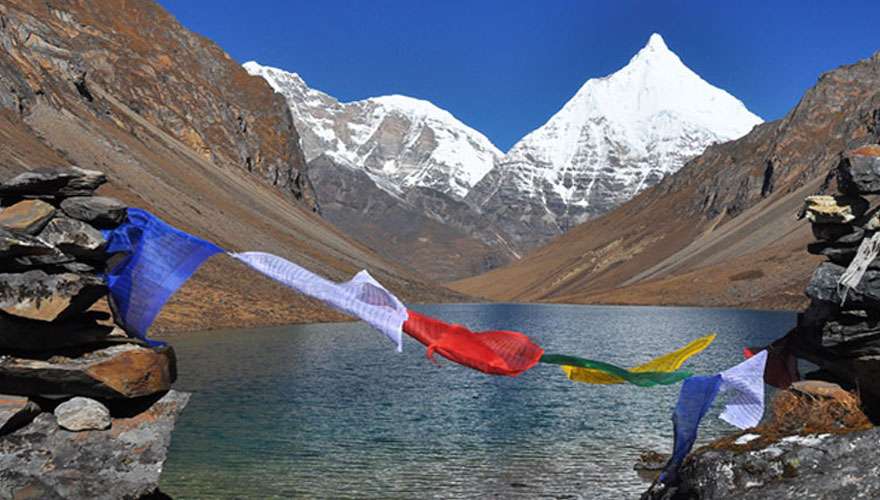
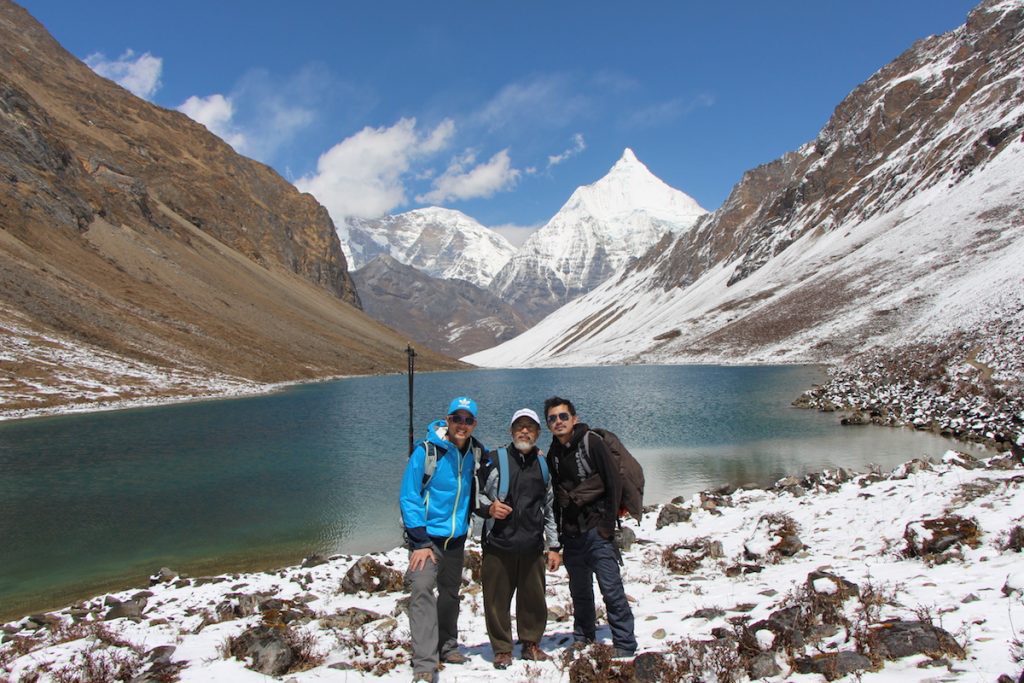
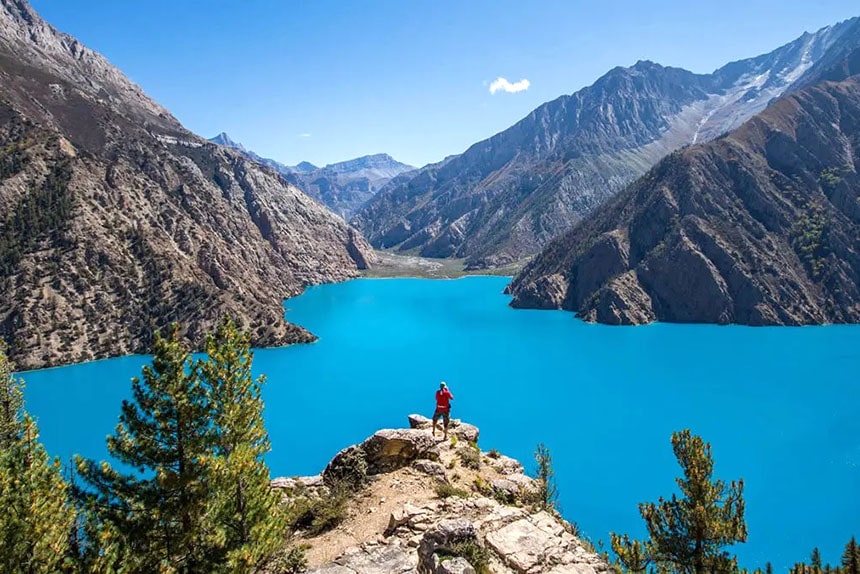
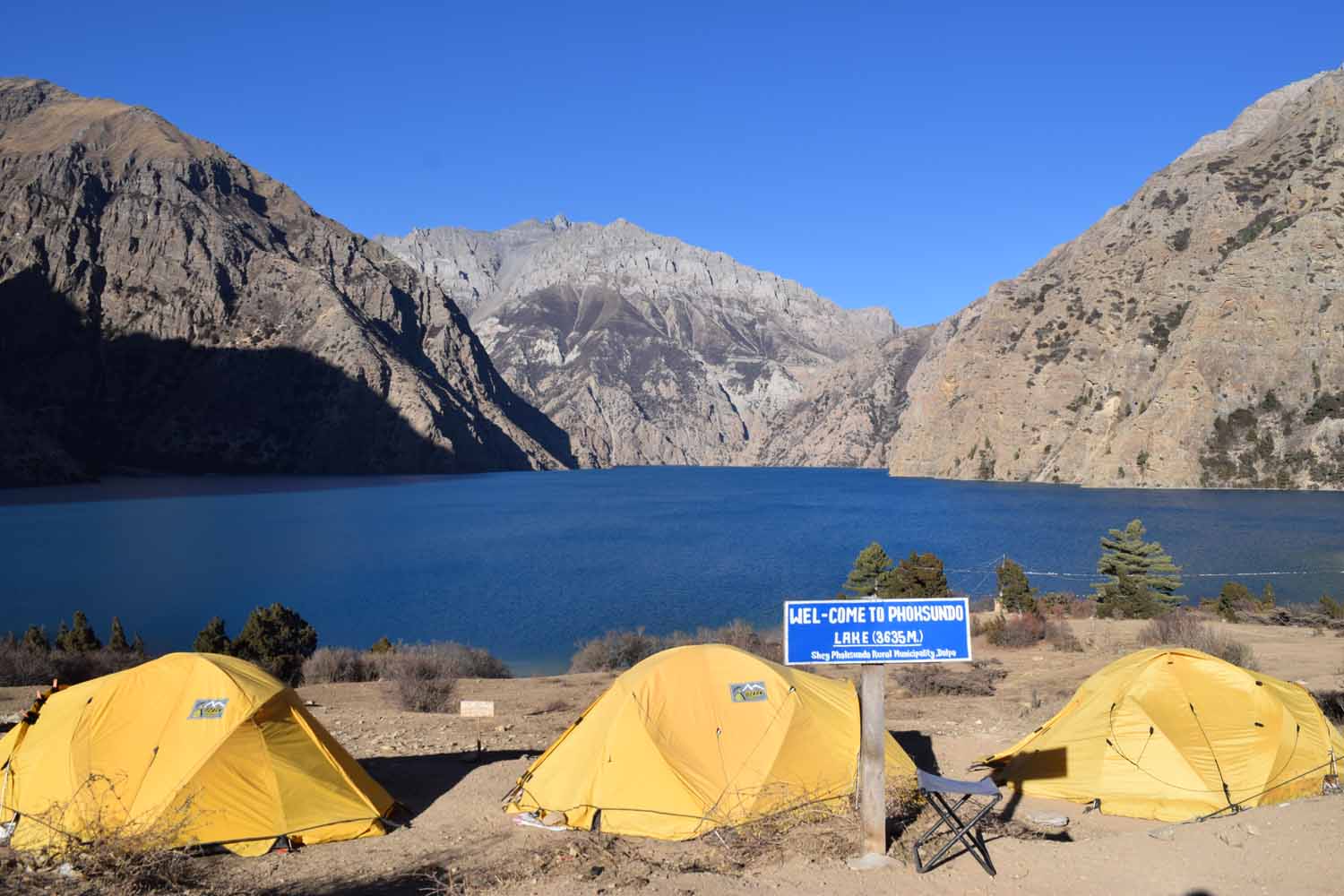
The trek crosses high alpine deserts, rolling yak pastures, and crystal-clear glacial lakes, framed by some of the highest peaks in Nepal, including Dhaulagiri (8,167m). One of the trek’s iconic sights is Phoksundo Lake, renowned for its vivid turquoise waters and surrounded by cliffs and pine forests.
The climate here is harsh but generally stable during the best trekking seasons: spring (April to June) and autumn (September to November). During these periods, trekkers enjoy clear skies and mild daytime temperatures. However, nights at higher altitudes can be bitterly cold, often dropping well below freezing, even in summer. Winter trekking is not advised due to heavy snow blocking high passes.
People and Culture
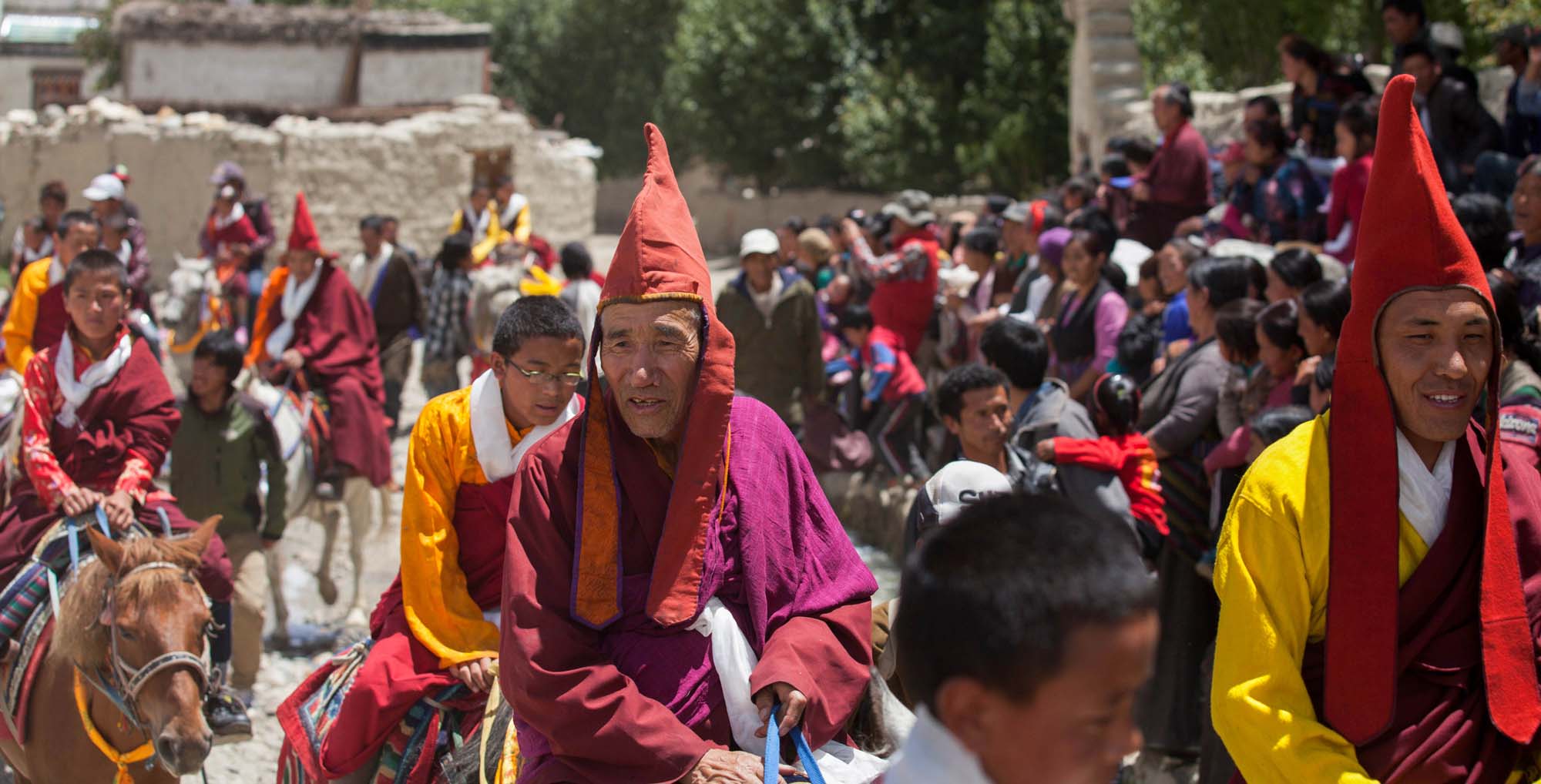
The cultural tapestry of Upper Dolpo is unique and ancient, rooted deeply in Tibetan Buddhist and Bon religious traditions. The region’s inhabitants are ethnically Tibetan and live a semi-nomadic lifestyle that has remained largely unchanged for centuries. Yaks graze on high pastures, barley is cultivated on terraced slopes, and trade routes connect remote villages to Tibet.
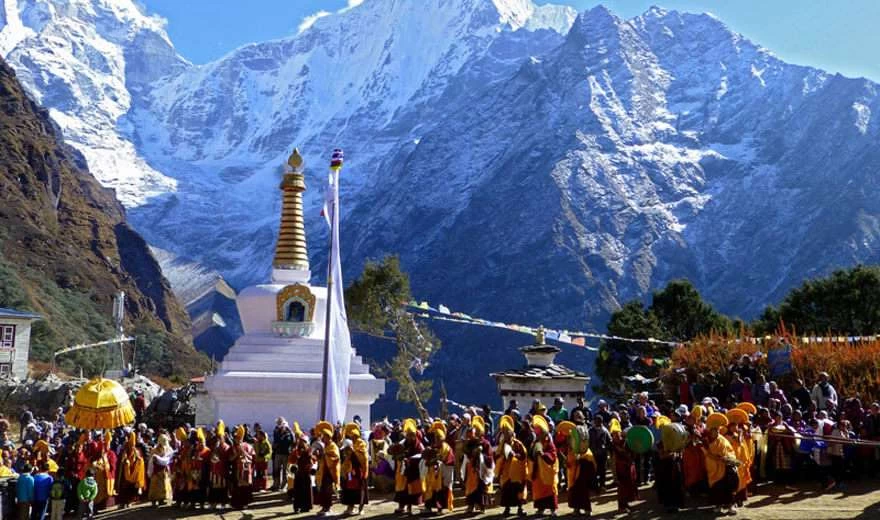
Monasteries such as Shey Gompa and Tshowa Gompa are centuries old and serve as spiritual centers for locals and pilgrims alike. Shey Gompa, perched high in the mountains, is known as the spiritual heart of Dolpo and holds priceless religious manuscripts and artifacts. Visitors to these monasteries can witness ancient rituals, prayer ceremonies, and the serene lifestyle of monks.
Villages like Saldang and Dho Tarap provide rare glimpses into the isolated Himalayan way of life. The people here maintain their traditions, wearing distinct Tibetan clothing, speaking local dialects, and observing festivals that have been celebrated for hundreds of years.
Package Highlights:
Upper Dolpo offers a myriad of highlights that make this trek a once-in-a-lifetime experience:
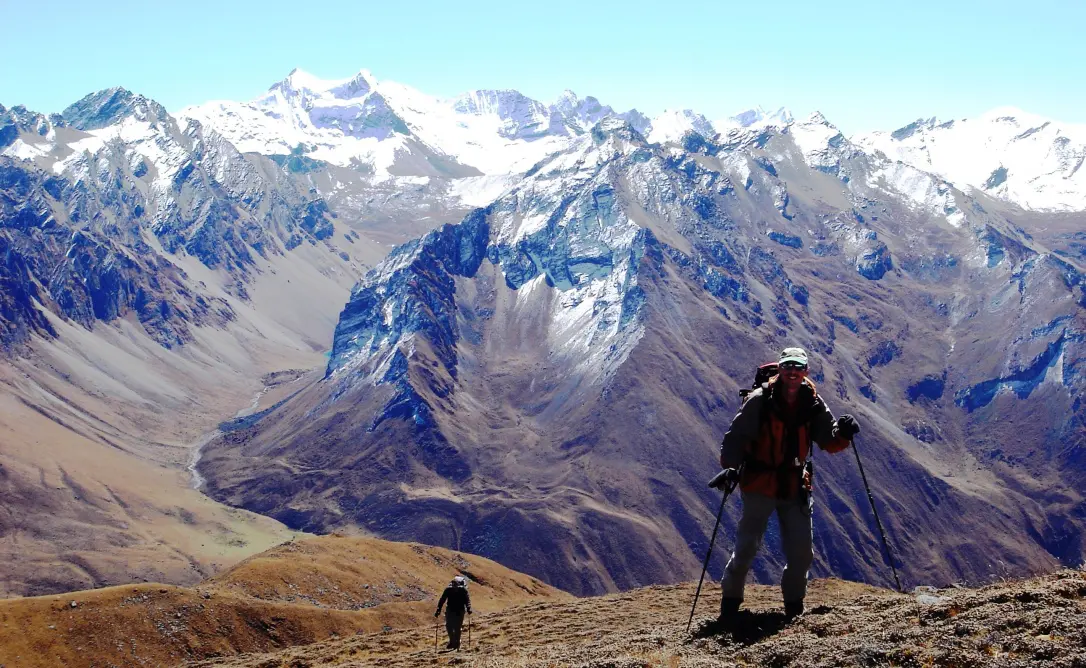
- Crossing High Mountain Passes: The trek involves crossing multiple high passes such as Kang La (5,360m) and Jeng La (5,090m), challenging trekkers physically while rewarding them with panoramic views of snow-capped peaks and deep valleys.
- Shey Gompa Monastery: Visiting this ancient monastery offers insight into Tibetan Buddhism and the Bon tradition. The peaceful environment and breathtaking setting make it a spiritual sanctuary.
- Phoksundo Lake: The stunning turquoise waters of this high-altitude lake are considered sacred. Its surrounding forests and cliffs add to the mystical atmosphere.
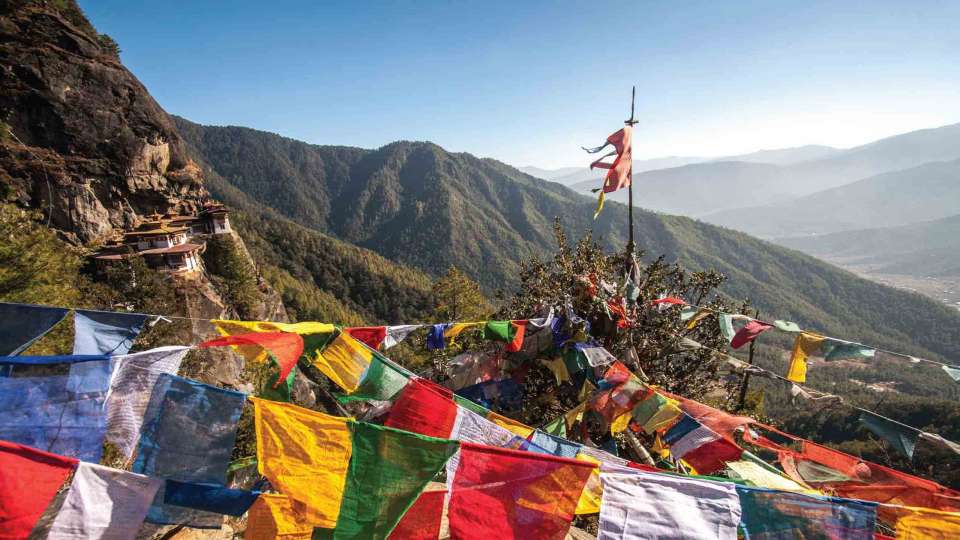
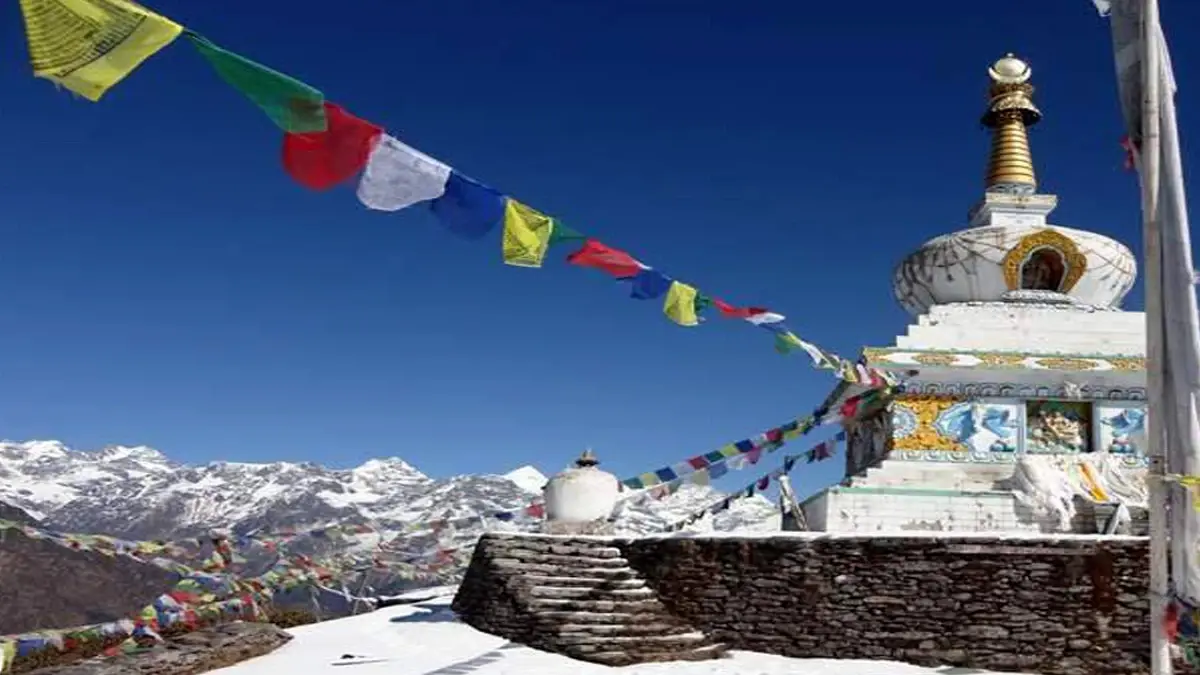
- Remote Villages: Saldang and Dho Tarap showcase authentic Tibetan cultural heritage, from traditional stone houses to prayer flags fluttering in the wind.
- Unique Wildlife: The region is home to elusive Himalayan species like blue sheep (bharal), snow leopards, Himalayan wolves, and red pandas, making wildlife sightings a treasured possibility.
- Untouched Wilderness: The trail traverses largely unspoiled landscapes far from commercial tourism, providing solitude and a deep connection to nature.
Book This Trip
Trip Information
 Start : Kathmandu
 Finish : Kathmandu
 Difficulty :
 Max Altitude : 5090m
 Group Size :
  Season :
Trip Gallery
Trip Itinerary
Arrive at Tribhuvan International Airport, where you'll be met by your trekking agency representative. Transfer to hotel. In the evening, you’ll receive a trek briefing, check your gear, and meet the guide and support staff. Optional welcome dinner.
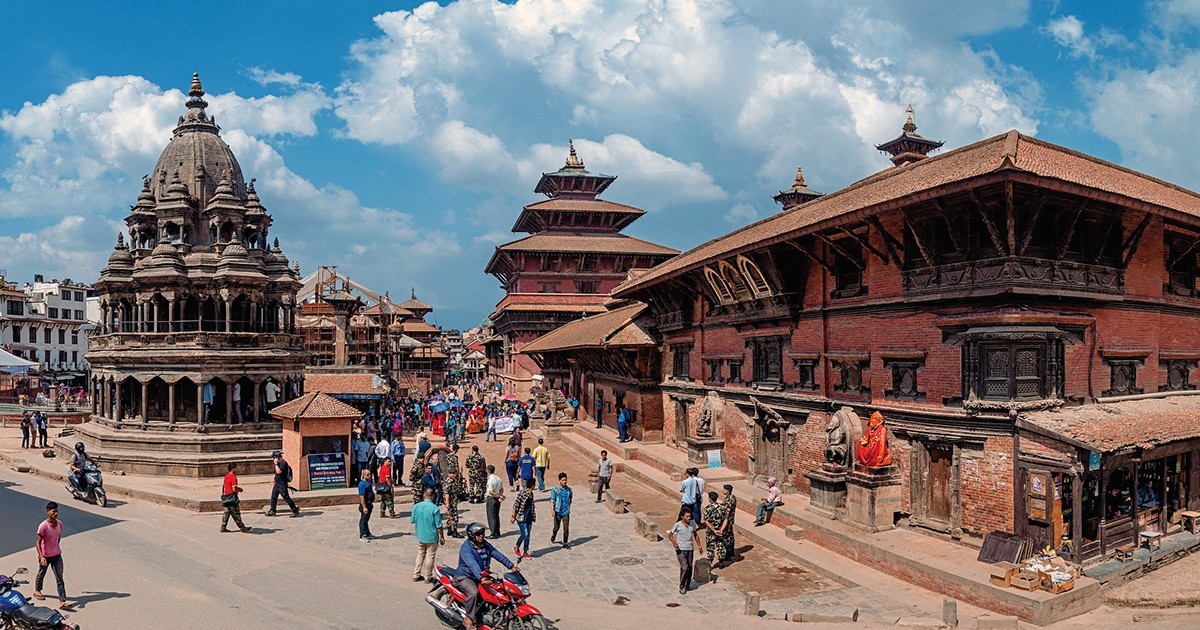
Spend the day sightseeing in Kathmandu Valley (optional visit to Boudhanath, Swayambhunath, Pashupatinath, or Patan Durbar Square). Simultaneously, your agency will prepare:Restricted Area Permits (Upper Dolpo)Shey Phoksundo National Park entryTIMS card
Early morning flight (~1 hour) to Nepalgunj, a bustling lowland city. After a short break, take a mountain flight to Juphal (~35 mins). Begin your trek with a scenic walk (2–3 hrs) through terraced fields and riverside paths to Dunai, the administrative center of Dolpa. Overnight at camp or local lodge.
Start your adventure through the Shey Phoksundo National Park, following the Sulighat River. Pass small villages and cross several suspension bridges. The trail alternates between pine forests and narrow river gorges before arriving at Chhepka, a peaceful riverside village.
Continue through a forested gorge with moss-covered stones and gentle ascents. You’ll reach Jharana Hotel, near one of Nepal’s highest waterfalls—the Phoksundo Waterfall (~167 m). A great place to relax before the ascent to the lake.
Climb a steep ridge offering the first panoramic view of turquoise Phoksundo Lake, a jewel of the Himalayas. Then descend through birch forests to Ringmo, a traditional Bon village on the lake’s southern shore. Explore Tshowa (Bon Monastery) and settle near the sacred lake.
Rest and acclimatize. Enjoy serene walks around the lake, visit Bonpo monasteries, and learn about the local culture. Optional hike to the lake’s western edge for better views. This day is essential to adjust to the altitude before going higher.
Follow a narrow cliffside trail along the western shore of Phoksundo Lake, then enter remote wilderness. The landscape becomes more barren. You’ll reach a remote camp near the confluence of a glacial stream and Phoksundo Khola.
Ascend steep trails alongside waterfalls and icy streams. The trail becomes more rugged and the scenery starkly beautiful. Camp at the base of Kang-La Pass in a high-alpine meadow surrounded by cliffs.
A big day! Cross Kang-La, the first high pass. The climb is steep and snowy at times, offering breathtaking views of Crystal Mountain, Tibet, and Mustang. Descend into the mystical valley of Shey. Visit the 800-year-old Shey Monastery, a spiritual heartland of Dolpo.
Explore Crystal Mountain, sacred to Tibetan Buddhists, and visit the gompa’s inner sanctum. Spend time with monks and absorb the spiritu
Climb over Saldang La Pass (~4,780m) with exceptional mountain views, then descend to Namgung, a small village with one of Dolpo’s oldest monasteries. Camp near Namgung Gompa, a red cliff-hugging monastery.
Descend gently through a broad river valley to Saldang, one of the largest and most prosperous villages in Upper Dolpo. Explore whitewashed homes, prayer flags, and chortens that decorate the dramatic landscape.
Walk through barren ridges to Yangze Gompa, one of Dolpo’s most remote settlements. Visit its Bonpo monastery and interact with locals practicing ancient rituals.
Retrace to Saldang and continue south toward Sibu, a summer settlement used by yak herders. Beautiful canyon views and grazing pastures mark today’s trail.
Climb gradually through isolated valleys to the base of Jeng La Pass, a windswept high camp amid the dramatic trans-Himalayan landscape. Prepare for another tough but scenic crossing.
Cross the pass and descend to Tokyu, a culturally vibrant village near Dho Tarap. Enjoy views of the snowy Dhaulagiri range and high-altitude pastures.
Reach the ancient settlement of Dho Tarap, one of Dolpo’s most fascinating villages. Rest and explore the dual religious traditions (Bon and Nyingma). Visit gompas, interact with locals, and enjoy the hospitality.
Begin your descent through the Tarap Valley. The terrain is rugged, with a roaring river running through narrow gorges. Camp near Tol Tol, a scenic river junction.
Continue down the Tarap gorge, perhaps the wildest part of the journey. Steep cliffs tower above you while the trail zigzags over suspension bridges.
Reach the charming town of Tarakot, once a fortified outpost controlling the trade route to Tibet. Camp near the confluence of the Barbung and Bheri Rivers.
Follow the Bheri River downstream to return to Dunai. Enjoy the last night of camping or lodge stay. Reflect on your journey through this hidden kingdom.
Short morning trek to Juphal airstrip. Free afternoon to rest, repack, and say goodbye to your porters or support crew.
Take an early flight to Nepalgunj, then connect to Kathmandu. Transfer to hotel and celebrate the end of your trek.
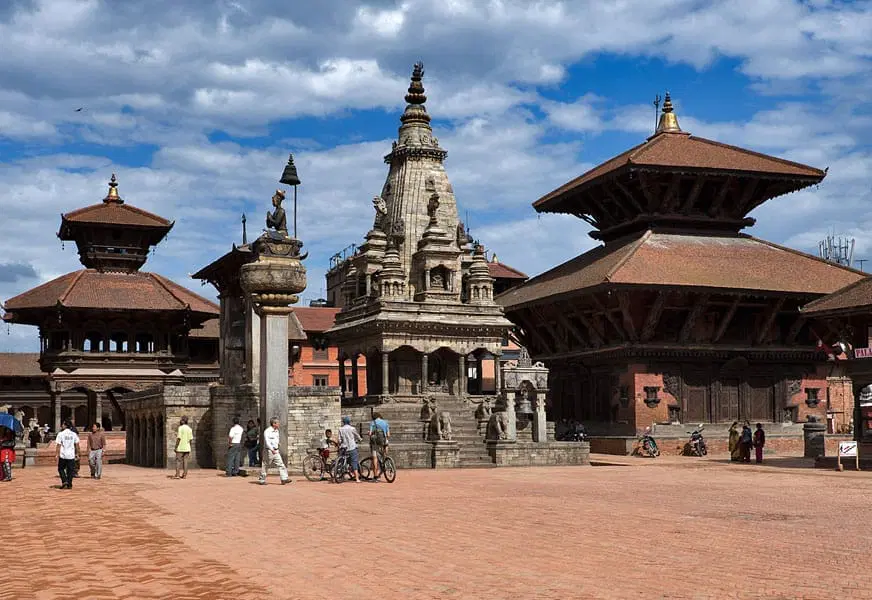
Optional buffer days for flight delays or weather issues. You can also take cultural tours in Bhaktapur or visit Everest museums or mountain-view restaurants.
Transfer to airport for your flight home.
Cost Includes
1. Permits and Fees:
- Upper Dolpo Permit: Required for trekking in the restricted Upper Dolpo region.
- National Park Entrance Fee: Entry fee for Shey-Phoksundo National Park.
- TIMS Card: Trekkers' Information Management System (TIMS) card.
2. Accommodation:
- Hotels: Standard hotel accommodation in Kathmandu and Nepalgunj (typically 3-star or equivalent).
- Teahouses/Camping: Lodge or teahouse accommodation during the trek, or camping where specified.
3. Meals:
- Kathmandu and Nepalgunj: Daily breakfast included.
- During the Trek: Three meals per day (breakfast, lunch, and dinner).
4. Transportation:
- Domestic Flights: Kathmandu–Nepalgunj and Nepalgunj–Juphal, including return flights.
- Airport Transfers: Transfers between the airport and hotel.
5. Guide and Porter:
- Experienced Guide: English-speaking guide with knowledge of the region and local culture.
- Porter(s): Provided to carry personal belongings and trekking gear (generally one porter per two trekkers).
6. Medical and Emergency Support:
- First Aid Kit: Basic medical supplies for emergency situations during the trek.
- Insurance: Emergency evacuation insurance in case of unforeseen circumstances.
7. Miscellaneous:
- Local Taxes and Fees: All applicable local taxes and service charges.
- Group Gear: Shared equipment such as tents, cooking gear, and utensils if camping is involved.
1. Permits and Fees:
- Upper Dolpo Permit: Required for trekking in the restricted Upper Dolpo region.
- National Park Entrance Fee: Entry fee for Shey-Phoksundo National Park.
- TIMS Card: Trekkers' Information Management System (TIMS) card.
2. Accommodation:
- Hotels: Standard hotel accommodation in Kathmandu and Nepalgunj (typically 3-star or equivalent).
- Teahouses/Camping: Lodge or teahouse accommodation during the trek, or camping where specified.
3. Meals:
- Kathmandu and Nepalgunj: Daily breakfast included.
- During the Trek: Three meals per day (breakfast, lunch, and dinner).
4. Transportation:
- Domestic Flights: Kathmandu–Nepalgunj and Nepalgunj–Juphal, including return flights.
- Airport Transfers: Transfers between the airport and hotel.
5. Guide and Porter:
- Experienced Guide: English-speaking guide with knowledge of the region and local culture.
- Porter(s): Provided to carry personal belongings and trekking gear (generally one porter per two trekkers).
6. Medical and Emergency Support:
- First Aid Kit: Basic medical supplies for emergency situations during the trek.
- Insurance: Emergency evacuation insurance in case of unforeseen circumstances.
7. Miscellaneous:
- Local Taxes and Fees: All applicable local taxes and service charges.
- Group Gear: Shared equipment such as tents, cooking gear, and utensils if camping is involved.
Cost Excludes
1. International Flights:
- Flights: International airfare to and from Kathmandu.
2. Visa Fees:
- Nepal Visa: Visa fee for entering Nepal (available on arrival or through a Nepalese embassy).
3. Personal Expenses:
- Snacks and Drinks: Beverages and snacks outside of included meals.
- Personal Gear: Items such as trekking poles, sleeping bags, and other personal equipment.
4. Optional Activities:
- Sightseeing Tours: Additional excursions or activities in Kathmandu or Nepalgunj.
- Cultural Activities: Extra cultural experiences not included in the itinerary.
5. Travel Insurance:
- Insurance Coverage: Comprehensive travel insurance including high-altitude trekking, medical emergencies, and trip cancellations.
6. Tips and Gratuities:
- Guide and Staff: Tips for trekking guides, porters, and other support staff.
7. Additional Meals:
- Meals: Meals not specified in the itinerary, especially in Kathmandu and Nepalgunj.
8. Personal Expenses (Others):
- Souvenirs and Gifts: Personal shopping, souvenirs, and gifts.
1. International Flights:
- Flights: International airfare to and from Kathmandu.
2. Visa Fees:
- Nepal Visa: Visa fee for entering Nepal (available on arrival or through a Nepalese embassy).
3. Personal Expenses:
- Snacks and Drinks: Beverages and snacks outside of included meals.
- Personal Gear: Items such as trekking poles, sleeping bags, and other personal equipment.
4. Optional Activities:
- Sightseeing Tours: Additional excursions or activities in Kathmandu or Nepalgunj.
- Cultural Activities: Extra cultural experiences not included in the itinerary.
5. Travel Insurance:
- Insurance Coverage: Comprehensive travel insurance including high-altitude trekking, medical emergencies, and trip cancellations.
6. Tips and Gratuities:
- Guide and Staff: Tips for trekking guides, porters, and other support staff.
7. Additional Meals:
- Meals: Meals not specified in the itinerary, especially in Kathmandu and Nepalgunj.
8. Personal Expenses (Others):
- Souvenirs and Gifts: Personal shopping, souvenirs, and gifts.
Essential Info
Accommodation and Food
Accommodations are mostly camping-based as teahouses are rare in Upper Dolpo. Some basic lodges exist in lower regions like Juphal or Dunai. All trekking groups must carry tents, food, cooking gear, and fuel. Food is mostly basic and prepared by your trekking crew—rice, lentils, noodles, potatoes, and seasonal vegetables.
Necessary Equipment
Essential items include:
- 4-season sleeping bag and insulated sleeping mat
- Warm clothing (down jacket, thermals, gloves, hat)
- Waterproof shell and trekking boots
- Sunglasses, sunscreen, lip balm
- Headlamp with extra batteries
- First aid kit with altitude meds
- Water purification (tablets or filter)
- Trekking poles and personal snacks
Permits and Regulations
- Upper Dolpo is a restricted area requiring a special permit.
- Permit cost: USD 500 for the first 10 days, plus USD 50 for each additional day.
Additional permits needed:
- Shey Phoksundo National Park entry permit
- TIMS (Trekkers’ Information Management System) card
- Trekking must be organized through a registered trekking agency.
- A licensed guide is mandatory.
- Independent trekking is not allowed.
Transportation
- Start with a flight from Kathmandu to Nepalgunj.
- Followed by a short mountain flight from Nepalgunj to Juphal (2,400m) in Dolpa District.
- All trekking gear and supplies must be flown in or carried by mules/porters.
- There are no roads in Upper Dolpo, making access remote and challenging.
Trip Date And Time
We'll Be There, Like We've Been There Before
|
Departing |
Finishing |
Trip Price Per Person |
Action |
Enquire |
|---|---|---|---|---|
| No Trip Yet!! | ||||
Featured Packages
You May Also Enjoy Our Other Trips

10 Days
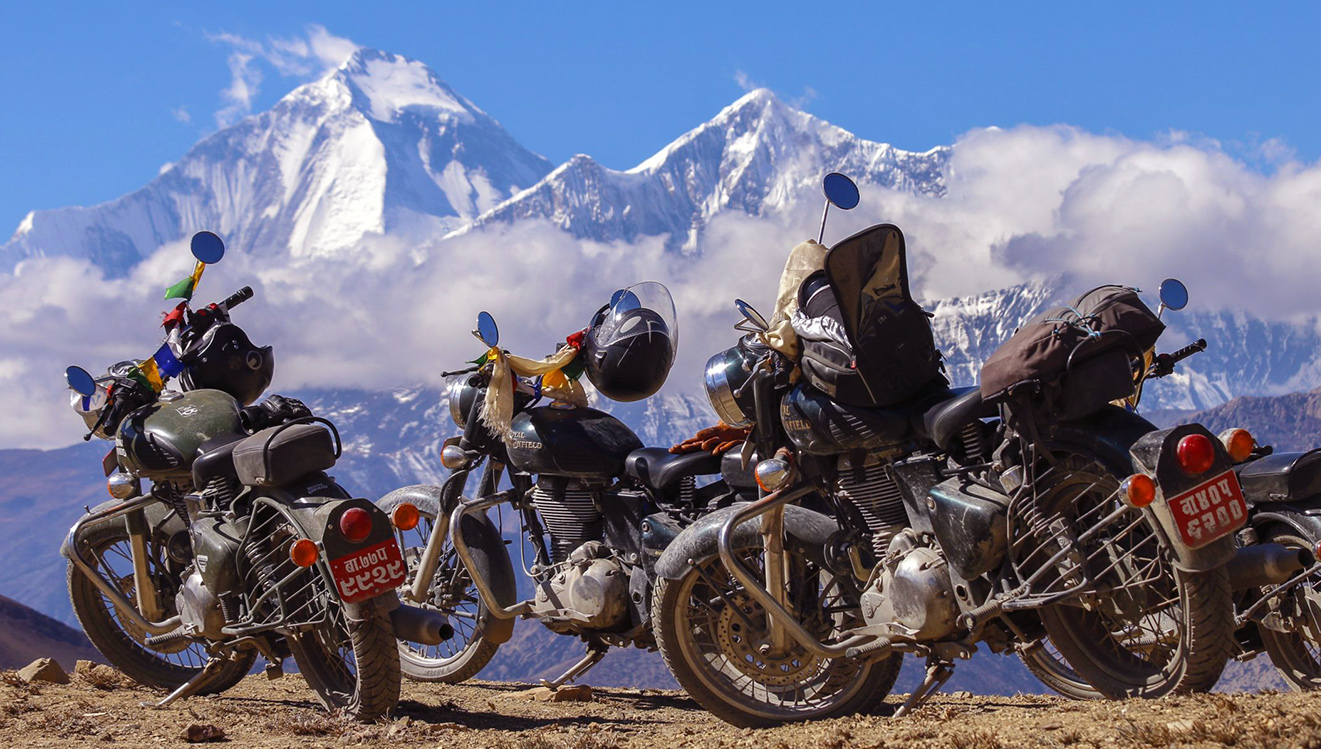
Nepal Heritage Motorbike Tour - A Journey Through Culture And Himalayas !
NPR 1000 Per Person




9 Days
Mardi Himal Trek: A Short and Scenic Route to the Hidden Side of the Annapurnas
NPR 1000 Per Person
15 Days
12 Days

11 Days
9 Days
26 Days
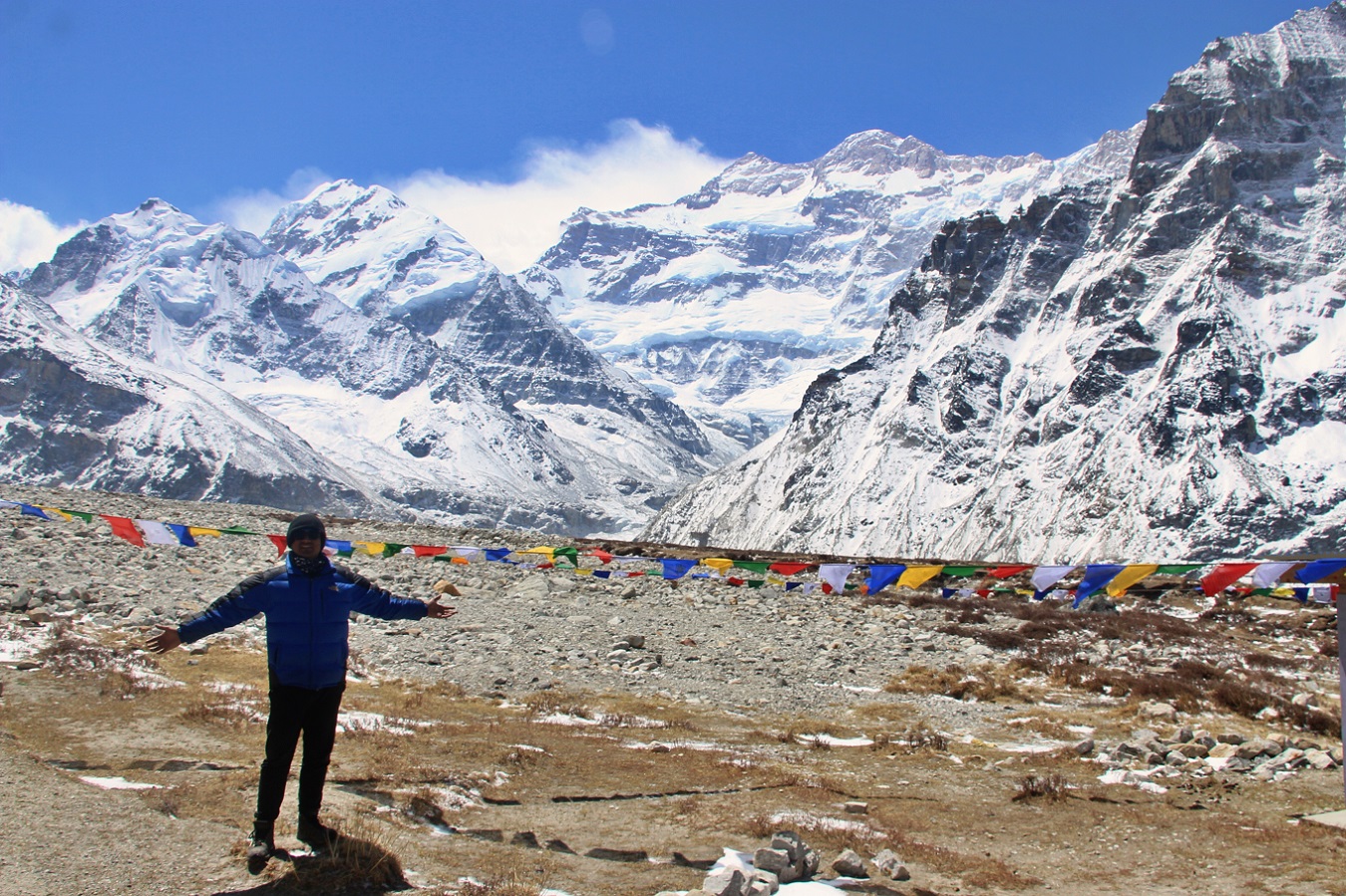
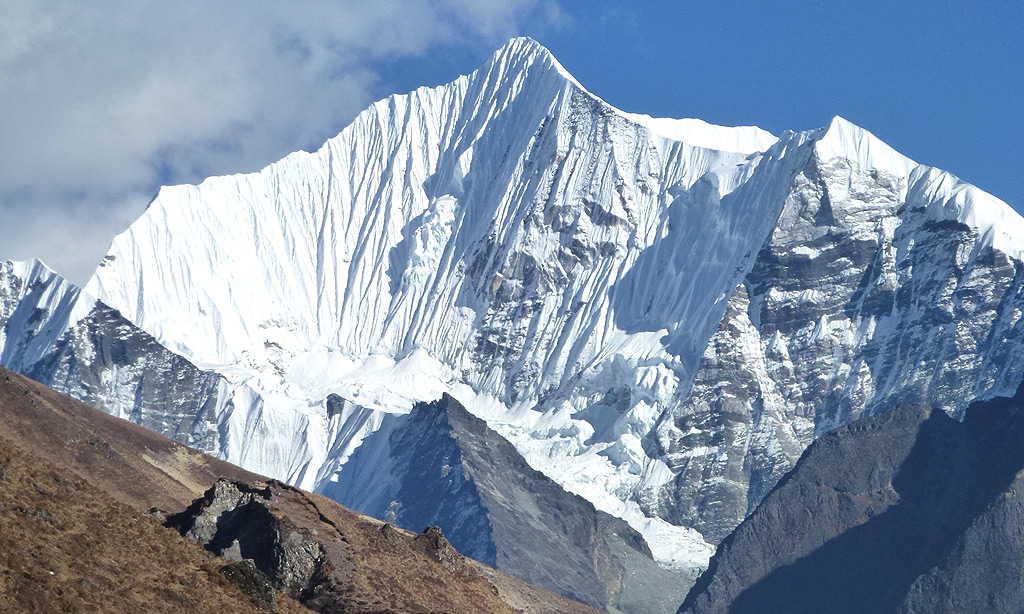
Kanchenjunga Trek: A Majestic Journey to the Third Highest Peak on Earth
NPR 1000 Per Person
17 Days
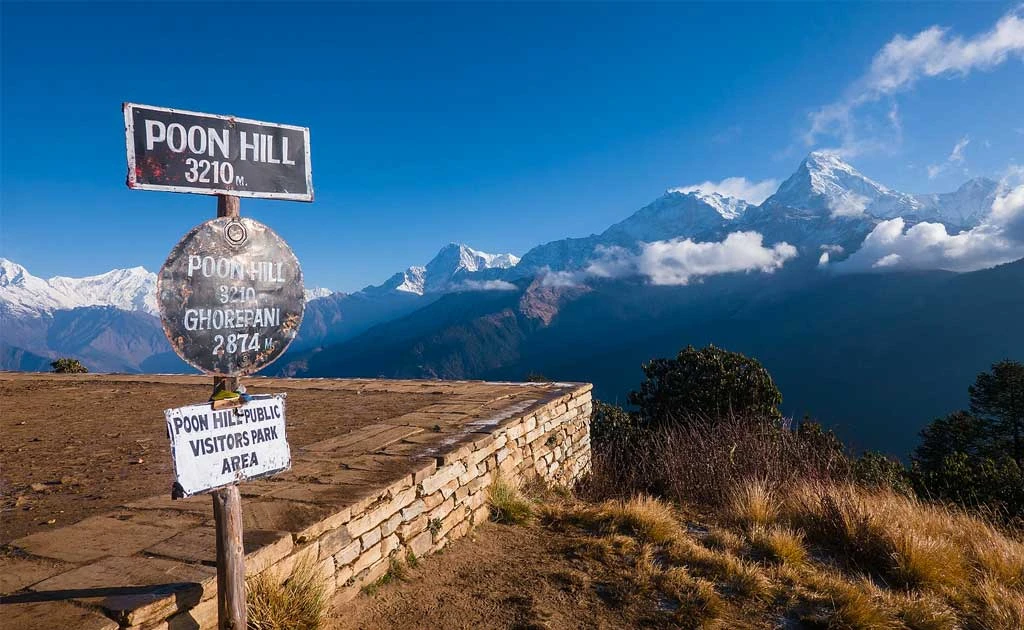
Everest Base Camp via Gokyo Trek: A Journey Through the Heart of the Khumbu
NPR 1000 Per Person
11 Days
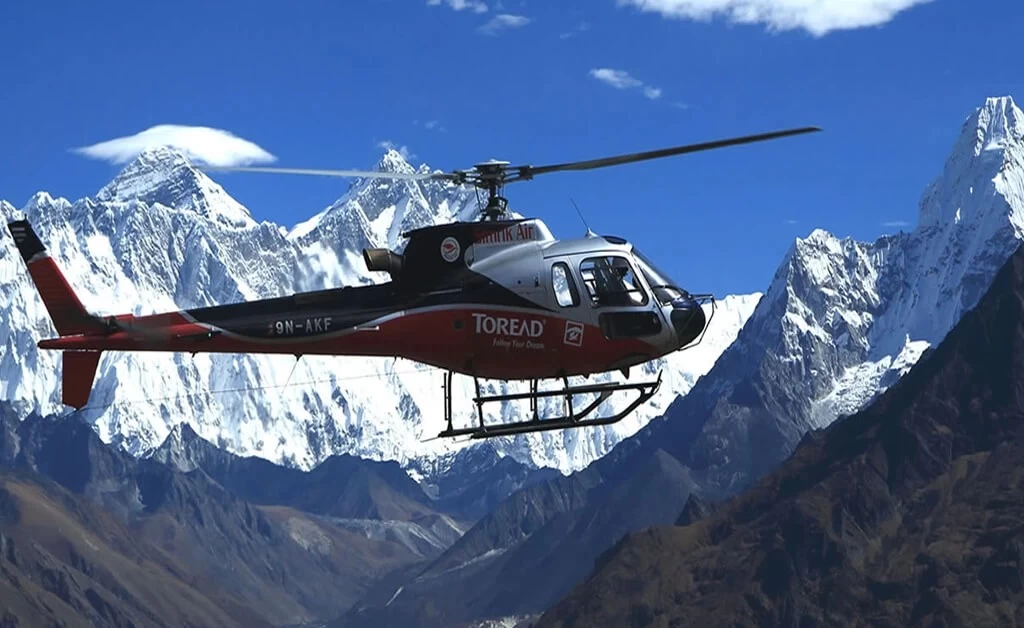
Everest Base Camp Heli Return Trek: A Perfect Blend of Adventure and Convenience
NPR 1000 Per Person
14 Days
Arun Valley Cultural Trail: Journey Through Eastern Nepal’s Cultural Heartland
NPR 1000 Per Person

11 Days
Annapurna North Base Camp Trek: A Remote Trail to the Hidden Face of Annapurna
NPR 1000 Per Person
9 Days


12 Days
22 Days
22 Days
Labuje Peak Climbing Expedition: Exploring a Hidden Gem of the Himalayas
NPR 1000 Per Person
10 Days
Muktinath Yartung Festival: A Spiritual and Adventure Expedition in Nepal
NPR 1000 Per Person
14 Days
Mustang Tiji Festival: A Unique Cultural and Trekking Expedition in Nepal
NPR 1000 Per Person
15 Days
13 Days