Everest Base Camp via Gokyo Trek: A Journey Through the Heart of the Khumbu
- Home
- Everest Base Camp via Gokyo Trek: A Journey Through the Heart of the Khumbu
Budget
NPR 1000
Per Person
Rating
No review has been posted yet
Duration
17 Days
Trip Overview
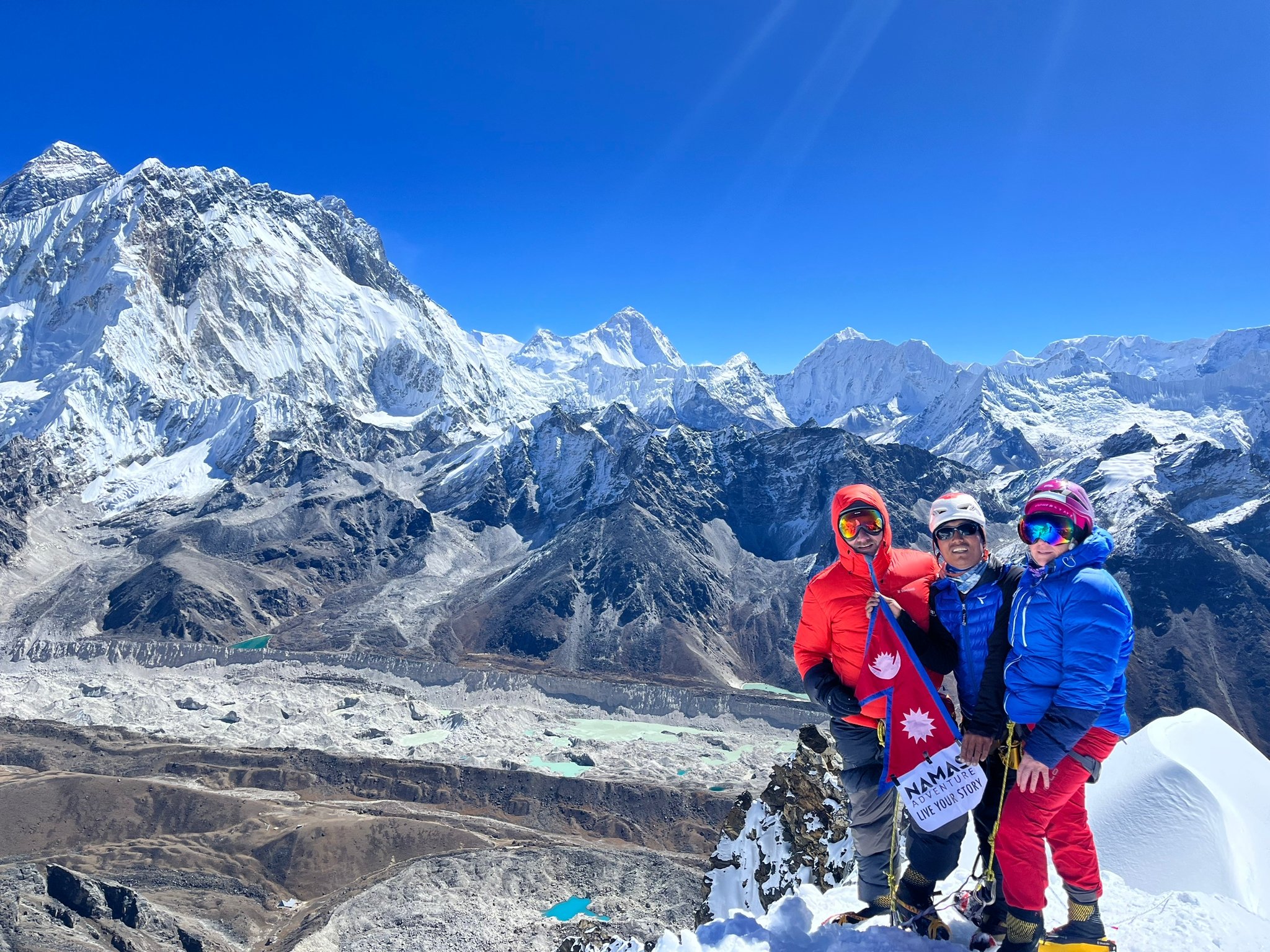
The Everest Base Camp (EBC) via Gokyo Trek offers a stunning alternative to the classic Everest Base Camp route, combining spectacular Himalayan scenery, serene turquoise lakes, and challenging high passes with rich Sherpa culture and tradition. This trek traverses the remote and breathtaking Solu-Khumbu region, providing trekkers with unique access to the pristine Gokyo Lakes, the longest glacier in Nepal—the Ngozumpa Glacier—and unparalleled panoramic mountain vistas that include Everest, Lhotse, Makalu, and Cho Oyu.
Unlike the busier traditional EBC trek, the Gokyo route presents a quieter, less-traveled experience, perfect for trekkers looking for a mix of adventure, natural beauty, and cultural immersion. The trek is physically demanding, especially the crossing of Cho La Pass (5,420m), but the views and experiences along the way make it one of the most rewarding Himalayan journeys.
Geography and Landscape
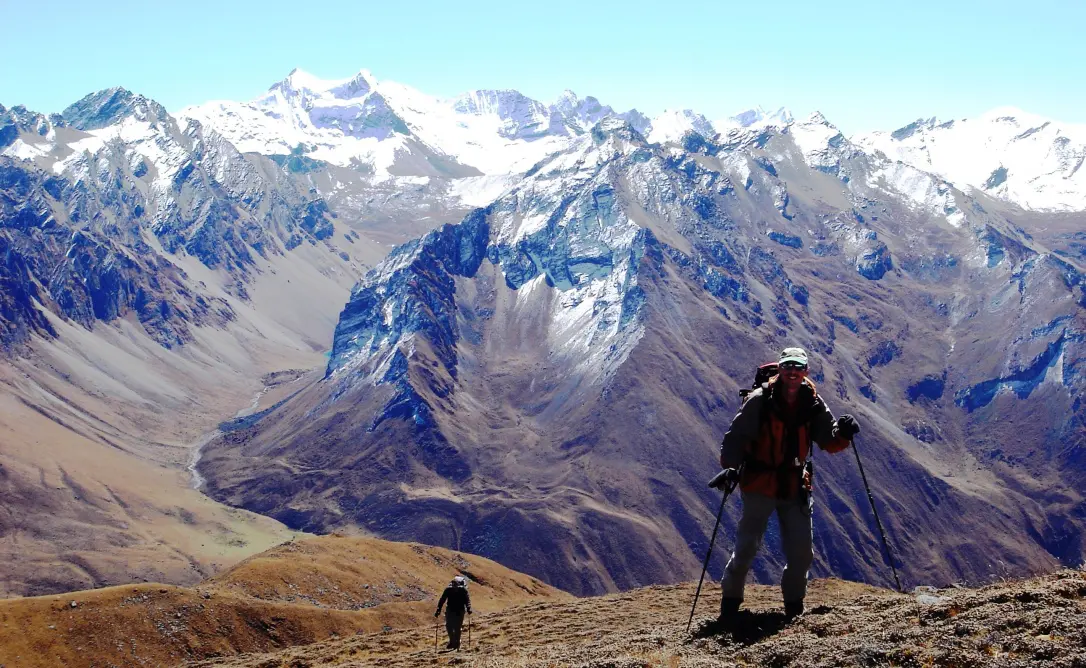
The trek winds through the heart of the Khumbu region, nestled within Sagarmatha National Park, a UNESCO World Heritage Site known for its rugged alpine terrain and spectacular peaks. Trekkers experience diverse environments: from dense rhododendron forests and traditional Sherpa villages to alpine meadows, glacial moraines, and icy landscapes. The Ngozumpa Glacier, Nepal’s longest glacier, dominates the landscape near Gokyo Lakes and adds dramatic glacial features to the route.
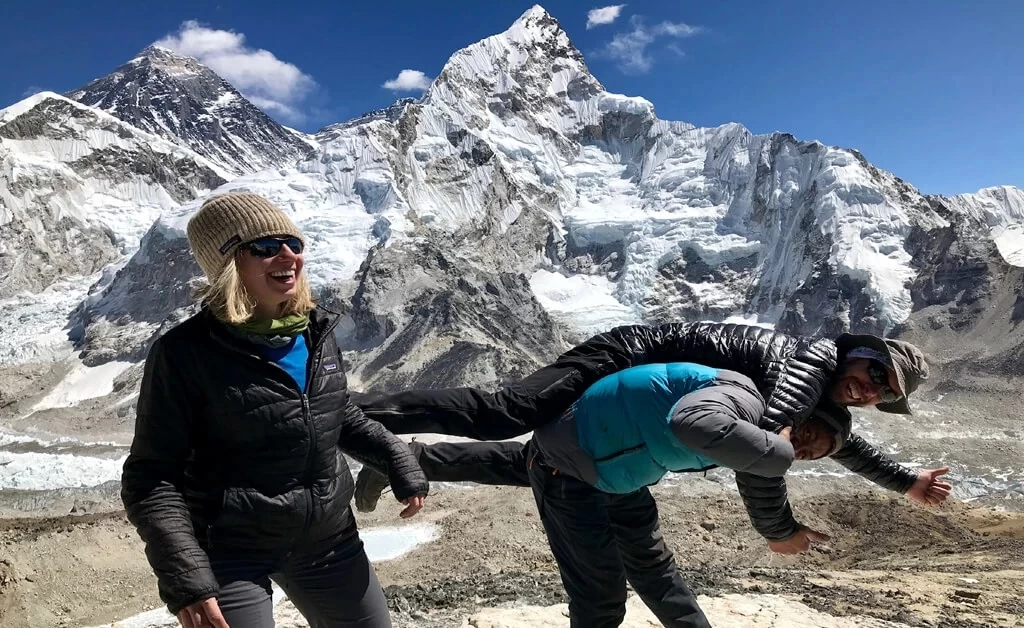
The highest points on the trek include the Cho La Pass at 5,420 meters and viewpoints like Gokyo Ri (5,360m) and Kala Patthar (5,545m), which offer some of the most breathtaking 360-degree Himalayan panoramas anywhere in the world.
Climate and Best Time to Trek
The Everest region experiences significant seasonal variations. The optimal trekking seasons are:
Spring (March to May): Offers blooming rhododendron forests, moderate temperatures, and clear skies, making the trail colorful and scenic.
Autumn (late September to November): Known for the clearest weather and stable skies, this is the busiest season and offers stunning mountain views.
Temperatures at high altitude can drop below -10°C, especially at night and during the early morning hours near the summit of Gokyo Ri and Kala Patthar. Weather can change rapidly in the mountains, so trekkers must be prepared for cold, wind, and occasional snowfall.
People and Culture
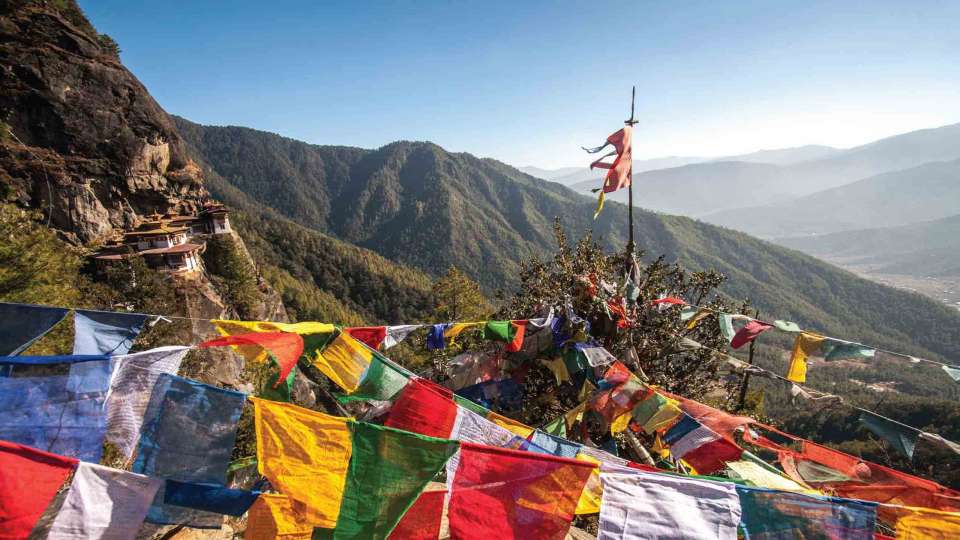
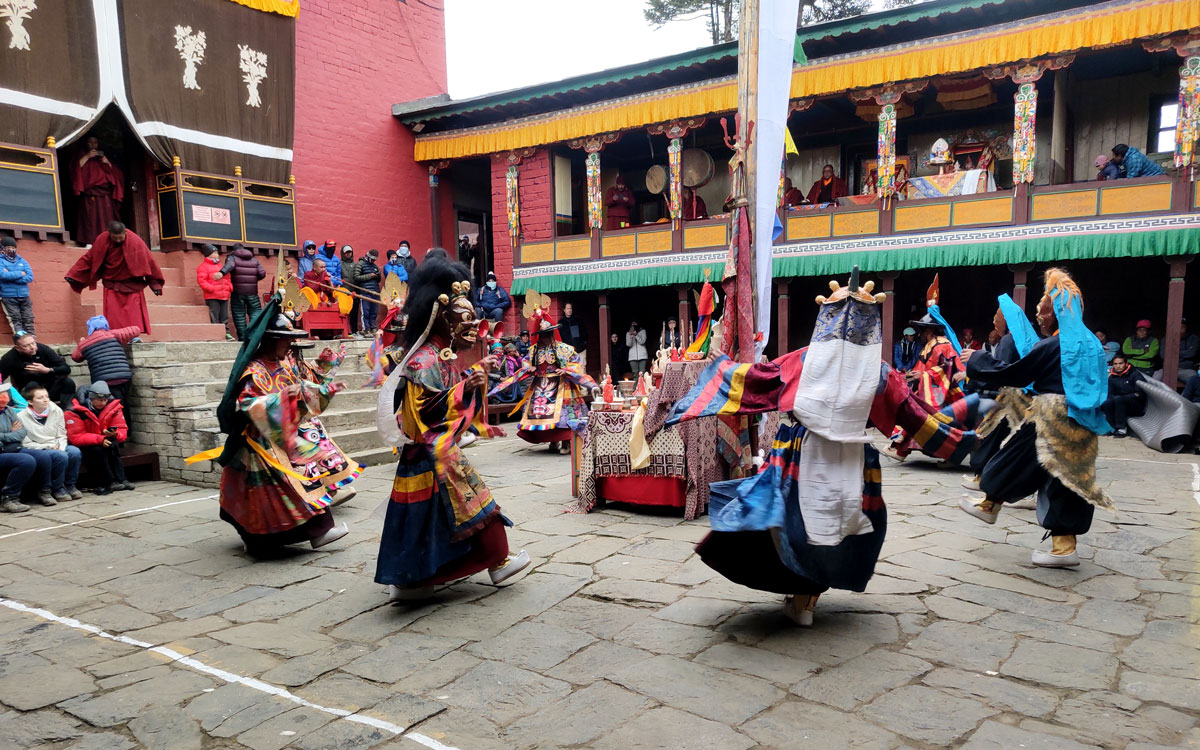
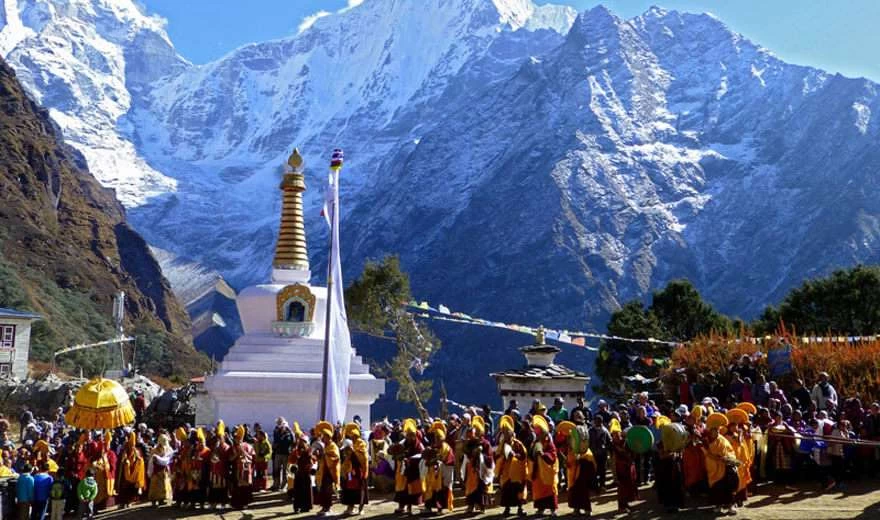
The Solu-Khumbu region is predominantly inhabited by the Sherpa people, whose culture is deeply intertwined with Tibetan Buddhism and mountain mountaineering heritage. The trail passes through vibrant Sherpa villages like Namche Bazaar, Dole, Machhermo, and Gokyo, where prayer flags flutter in the wind, mani walls line the paths, and ancient monasteries serve as spiritual centers.
Sherpas are known for their legendary hospitality and resilience in the harsh mountain environment. Cultural experiences include visiting monasteries, witnessing traditional Buddhist rituals, and learning about the Sherpas’ unique way of life deeply connected to the mountains.
Package Highlights:
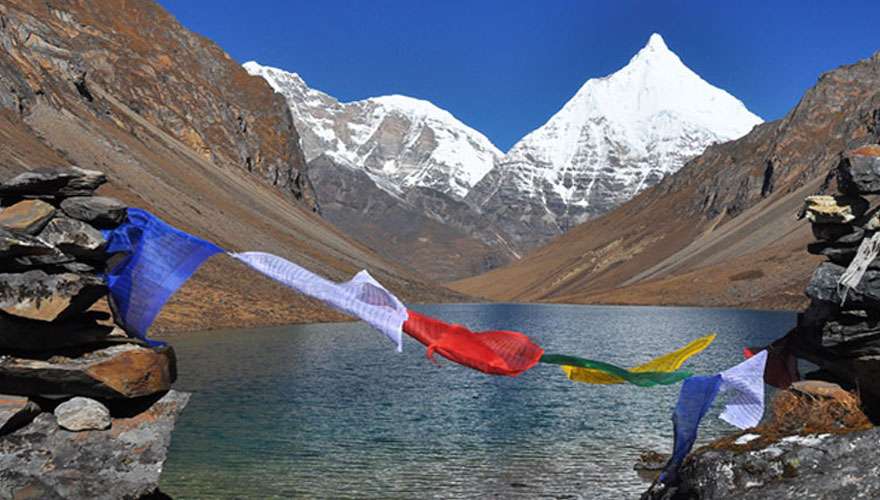
- Gokyo Lakes: Pristine turquoise lakes set against a backdrop of towering Himalayan peaks.
- Cho La Pass: A challenging high pass crossing that rewards trekkers with spectacular glacier and mountain views.
- Gokyo Ri & Kala Patthar Viewpoints: Panoramic vistas of Everest, Lhotse, Makalu, Cho Oyu, and the Ngozumpa Glacier.
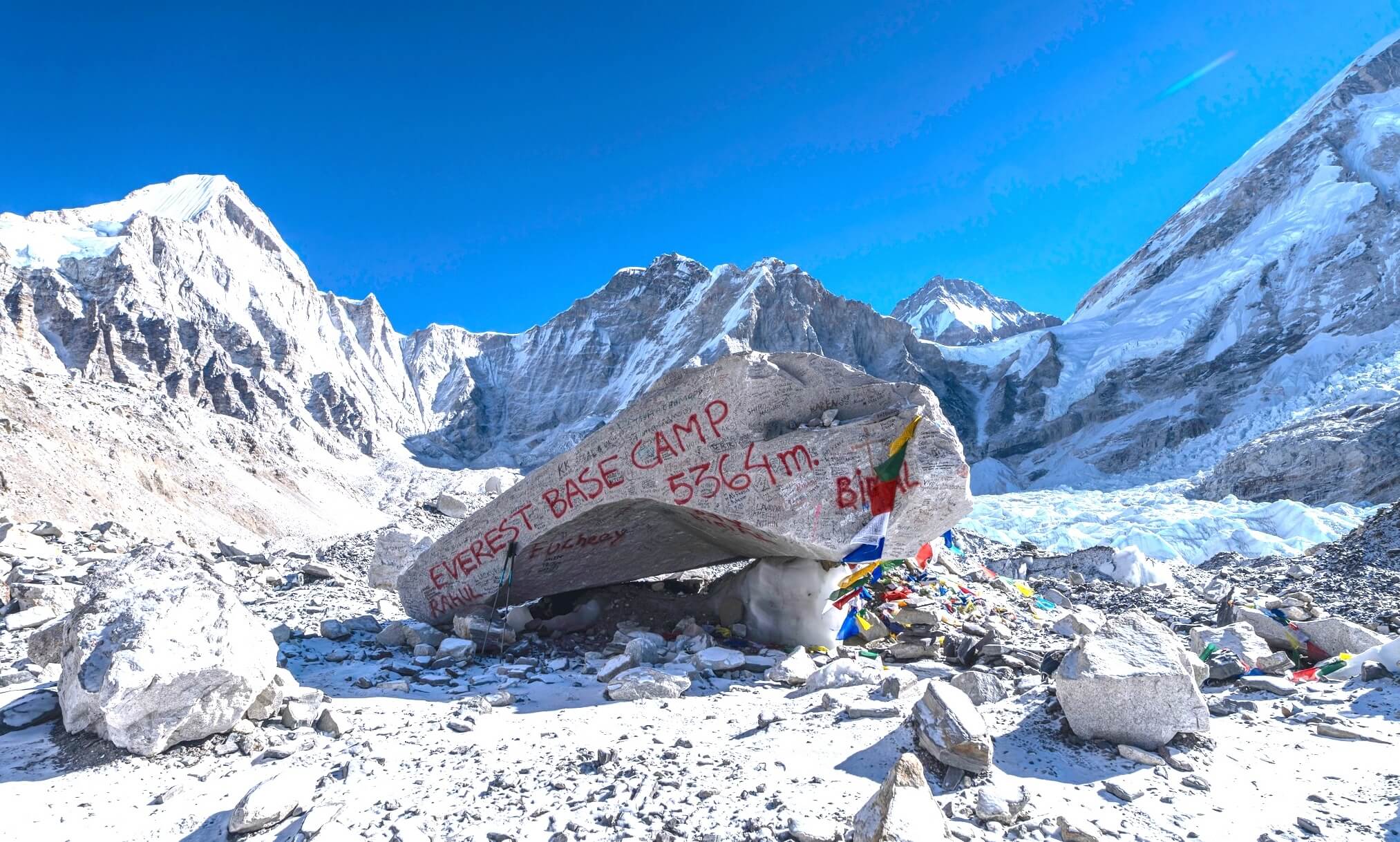
- Everest Base Camp & Khumbu Icefall: The iconic base camp of the world’s highest mountain.
- Sherpa Culture: Exploration of traditional Sherpa villages, monasteries, and local markets.
- Diverse Landscapes: From rhododendron forests to barren alpine plateaus and glaciers.
- Less Crowded: A quieter trekking experience compared to the classic Everest Base Camp route.
Book This Trip
Trip Information
 Start : Kathmandu
 Finish : Kathmandu
 Difficulty :
Basic
Difficulty :
Basic
 Max Altitude :
  Group Size :
  Season :
Trip Gallery
Trip Itinerary
Arrive at Tribhuvan International Airport and meet your trekking team. Transfer to your hotel in the bustling capital city. Spend the day relaxing or exploring the lively streets of Thamel. Attend a comprehensive trek briefing where your guide will go over the itinerary, necessary equipment, permits, safety tips, and acclimatization protocols. Double-check your gear and prepare for your Himalayan adventure ahead.
Begin early with a breathtaking 30-40 minute flight from Kathmandu to Lukla, often described as one of the world’s most thrilling airport landings. On arrival, meet your porter and start the trek with a gentle downhill walk alongside the Dudh Koshi River. The trail passes through pine forests and small Sherpa villages such as Chaurikharka. You’ll cross charming suspension bridges swaying over glacial streams. Arrive at Phakding village for the night, where you can enjoy a warm meal and rest to prepare for the ascent ahead.
Today’s hike is longer and steeper. The trail crosses several suspension bridges, including the iconic Hillary Suspension Bridge, offering views of raging glacial rivers far below. As you climb, you enter Sagarmatha National Park, encountering dense rhododendron forests. The air thins and the landscape grows alpine. Arrive at Namche Bazaar, the vibrant Sherpa capital, filled with lodges, shops, cafes, and markets. The town buzzes with climbers and trekkers, serving as a crucial acclimatization point.
A crucial rest day for acclimatization to the higher altitude. You can explore Namche Bazaar’s lively market and cultural museum, or take an optional hike to the Everest View Hotel (3,880m) for panoramic vistas of Everest, Nuptse, and Ama Dablam. Alternatively, visit nearby Khumjung village and its ancient monastery. This day helps your body adjust, reducing the risk of altitude sickness as you prepare for higher altitudes.
Leaving Namche, the trail climbs steadily through rhododendron forests and past yak pastures. The terrain becomes more rugged, and the air thinner. You’ll pass small settlements and enjoy stunning views of surrounding peaks. Dole, a peaceful village with simple teahouses, is a perfect place to rest and enjoy the serene alpine environment.
Continue trekking through open alpine landscapes dotted with grazing yaks. The air grows colder and drier as you ascend. Machhermo is a quiet settlement that offers spectacular views of Cho Oyu and other high peaks. This village is a common spot for acclimatization and overnight stays.
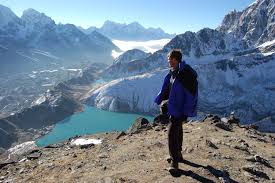
Trek to the tranquil village of Gokyo, perched beside a series of stunning turquoise glacial lakes—the Gokyo Lakes, considered sacred by locals. This area is less crowded and offers a peaceful setting amidst spectacular scenery. The landscape includes glacial moraines, snow-capped peaks, and the Ngozumpa Glacier, the longest glacier in Nepal.
A challenging but rewarding day hike to the summit of Gokyo Ri. The climb is steep, but the panoramic 360-degree views are unparalleled: Everest, Lhotse, Makalu, Cho Oyu, and the vast Ngozumpa Glacier stretch before you. After soaking in the scenery, descend back to Gokyo for a well-deserved rest.
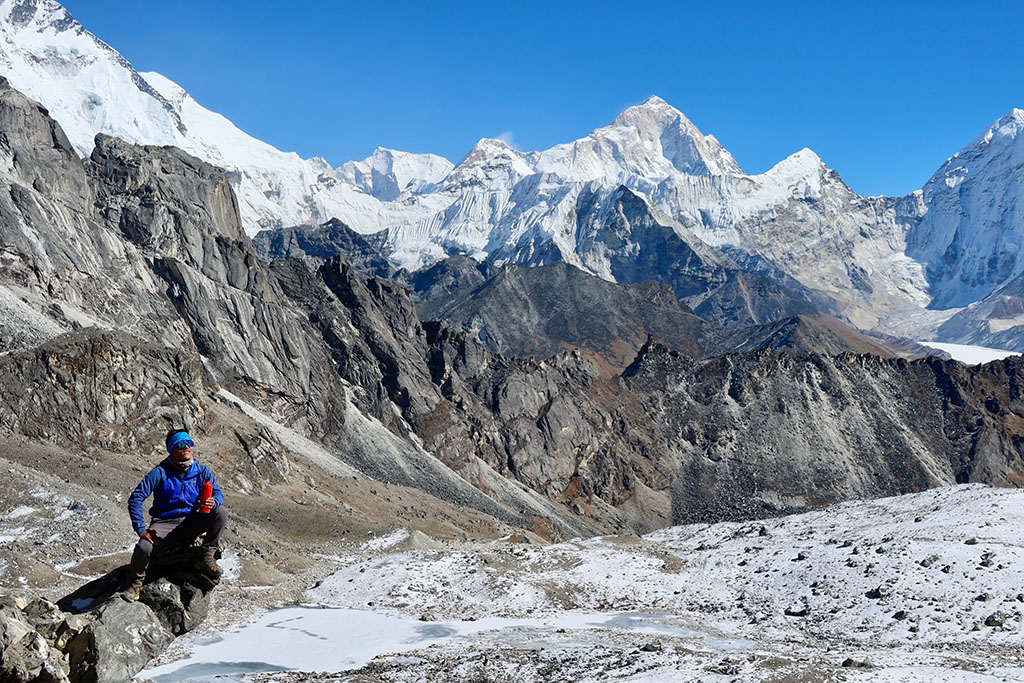
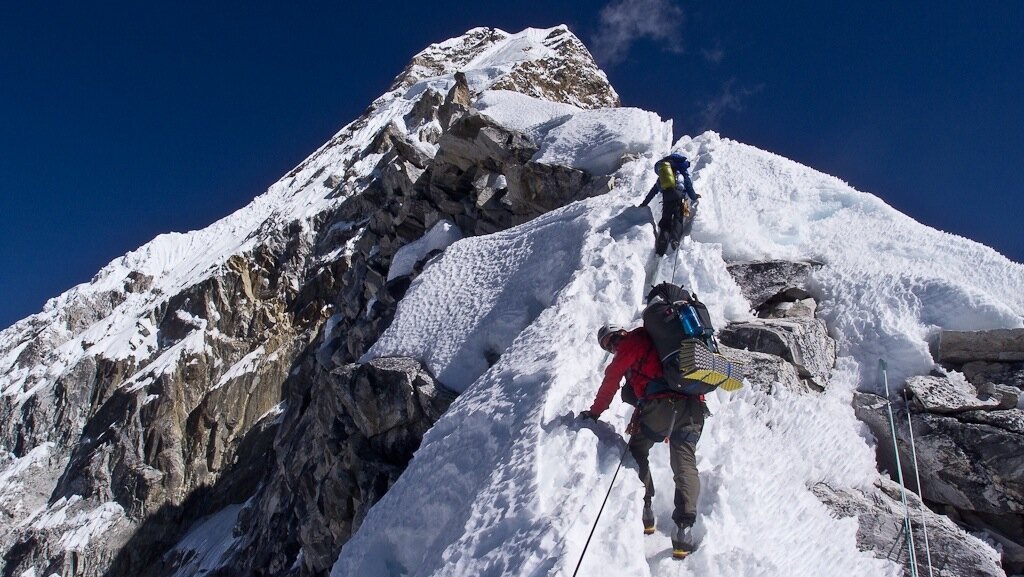
Prepare for one of the toughest days of the trek. The Cho La Pass crossing involves traversing snow, ice, and rocky terrain at high altitude. The ascent to the pass is demanding but offers spectacular vistas of glacial landscapes and towering peaks. After reaching the pass, descend to Dzongla, a small, remote village where you’ll spend the night recovering.
Descend from Dzongla and follow the moraine of the Khumbu Glacier. This rugged section of the trail leads to Lobuche, a small settlement near the base of several towering mountains. Along the way, you’ll see memorials dedicated to climbers who lost their lives on Everest, a sobering reminder of the mountain’s power.
From Lobuche, trek to Gorak Shep, the last village before Everest Base Camp. After a brief rest and lunch, hike the final stretch to Everest Base Camp itself, where climbers prepare for their ascent. Witness the dramatic Khumbu Icefall and the bustling camp atmosphere. Return to Gorak Shep for overnight.
Wake early for a pre-dawn ascent of Kala Patthar, the best viewpoint for sunrise over Everest and surrounding peaks. The cold, dark climb rewards you with spectacular golden light on the world’s highest summits. After descending, continue down to Pheriche to rest and recover from the high altitude exertion.
Begin your descent retracing your steps through familiar Sherpa villages. Reach Namche Bazaar for a final night among the mountain culture and celebrate your progress.
Complete your descent to Lukla, enjoying your last close-up views of the towering Himalayas. Celebrate the completion of the trek with fellow travelers and guides.
Take an early morning flight back to Kathmandu. Upon arrival, transfer to your hotel and relax. This is your opportunity to reflect on the journey, explore Kathmandu’s cultural sites, or shop for souvenirs.
This extra day accounts for any flight delays due to weather or offers a buffer day to rest before departure.
Transfer to Tribhuvan International Airport for your onward flight home or next destination, concluding your unforgettable Himalayan adventure.
Cost Includes
1. Flights
- Domestic Flights: Kathmandu – Lukla – Kathmandu return flights as per itinerary.
2. Permits
- Sagarmatha National Park Permit: Required for trekking within the Everest region.
- Local Government Entry Permits: Khumbu Pasang Lhamu Rural Munacipality..
3. Accommodation & Meals
- Lodge/Teahouse Accommodation: Comfortable twin-sharing stay during the trek.
- Meals: All meals included throughout the trek (Breakfast, Lunch, and Dinner).
4. Staff
- Licensed Guide: Experienced, English-speaking trekking guide.
- Porter: Provided where applicable to carry personal trekking gear
1. Flights
- Domestic Flights: Kathmandu – Lukla – Kathmandu return flights as per itinerary.
2. Permits
- Sagarmatha National Park Permit: Required for trekking within the Everest region.
- Local Government Entry Permits: Khumbu Pasang Lhamu Rural Munacipality..
3. Accommodation & Meals
- Lodge/Teahouse Accommodation: Comfortable twin-sharing stay during the trek.
- Meals: All meals included throughout the trek (Breakfast, Lunch, and Dinner).
4. Staff
- Licensed Guide: Experienced, English-speaking trekking guide.
- Porter: Provided where applicable to carry personal trekking gear
Cost Excludes
1.Visa Fees
- Nepal Entry Visa: Visa fee for entering Nepal (available on arrival at Tribhuvan International Airport or through a Nepalese embassy).
2. Accommodation in Kathmandu
- Hotel in Kathmandu: Accommodation before or after the trek unless specifically mentioned in the itinerary.
3. International Flights
- International Airfare: Flights to and from Kathmandu.
4. Travel Insurance (Mandatory)
- Comprehensive Coverage: Travel insurance covering high-altitude trekking, emergency medical treatment, helicopter evacuation, trip cancellation, and unforeseen circumstances.
5. Personal Expenses
- Lodge Services: WiFi, hot showers, battery charging, and laundry services.
- Beverages: Soft drinks, bottled water, alcoholic drinks, and snacks not included in meals.
6.Tips and Gratuities
- Guide & Porter: Tips for trekking guide and porter (customary but not compulsory).
1.Visa Fees
- Nepal Entry Visa: Visa fee for entering Nepal (available on arrival at Tribhuvan International Airport or through a Nepalese embassy).
2. Accommodation in Kathmandu
- Hotel in Kathmandu: Accommodation before or after the trek unless specifically mentioned in the itinerary.
3. International Flights
- International Airfare: Flights to and from Kathmandu.
4. Travel Insurance (Mandatory)
- Comprehensive Coverage: Travel insurance covering high-altitude trekking, emergency medical treatment, helicopter evacuation, trip cancellation, and unforeseen circumstances.
5. Personal Expenses
- Lodge Services: WiFi, hot showers, battery charging, and laundry services.
- Beverages: Soft drinks, bottled water, alcoholic drinks, and snacks not included in meals.
6.Tips and Gratuities
- Guide & Porter: Tips for trekking guide and porter (customary but not compulsory).
Essential Info
Accommodation and Food
Teahouses and lodges line the trail, offering basic twin rooms, warm blankets, and communal dining areas. Food includes Nepali staples like dal bhat (rice and lentils), noodles, soups, pancakes, and yak cheese. In larger villages such as Namche and Gokyo, bakeries and limited Wi-Fi are available. A good sleeping bag rated for -15°C is essential.
Permits
- Sagarmatha National Park Entry Permit
- Khumbu Pasang Lhamu Rural Municipality Permit
- Permits can be arranged in Kathmandu or purchased along the trek route.
Transportation
The trek begins with a scenic and weather-dependent flight from Kathmandu to Lukla. In peak seasons or due to weather conditions, flights might depart from Ramechhap. Overland travel to Phaplu followed by a trek to Lukla is also possible for a more adventurous approach.
Extra Info
Necessary Equipment
- Layered clothing system including base layers, fleece, and waterproof shell
- Insulated down jacket
- Trekking boots with ankle support
- Trekking poles
- Sleeping bag rated to -15°C
- Sunglasses, sunscreen, gloves, and hat
- Headlamp and water purification
- Crampons and gaiters for Cho La Pass (season-dependent)
Trip Date And Time
We'll Be There, Like We've Been There Before
|
Departing |
Finishing |
Trip Price Per Person |
Action |
Enquire |
|---|---|---|---|---|
| No Trip Yet!! | ||||
Featured Packages
You May Also Enjoy Our Other Trips

10 Days
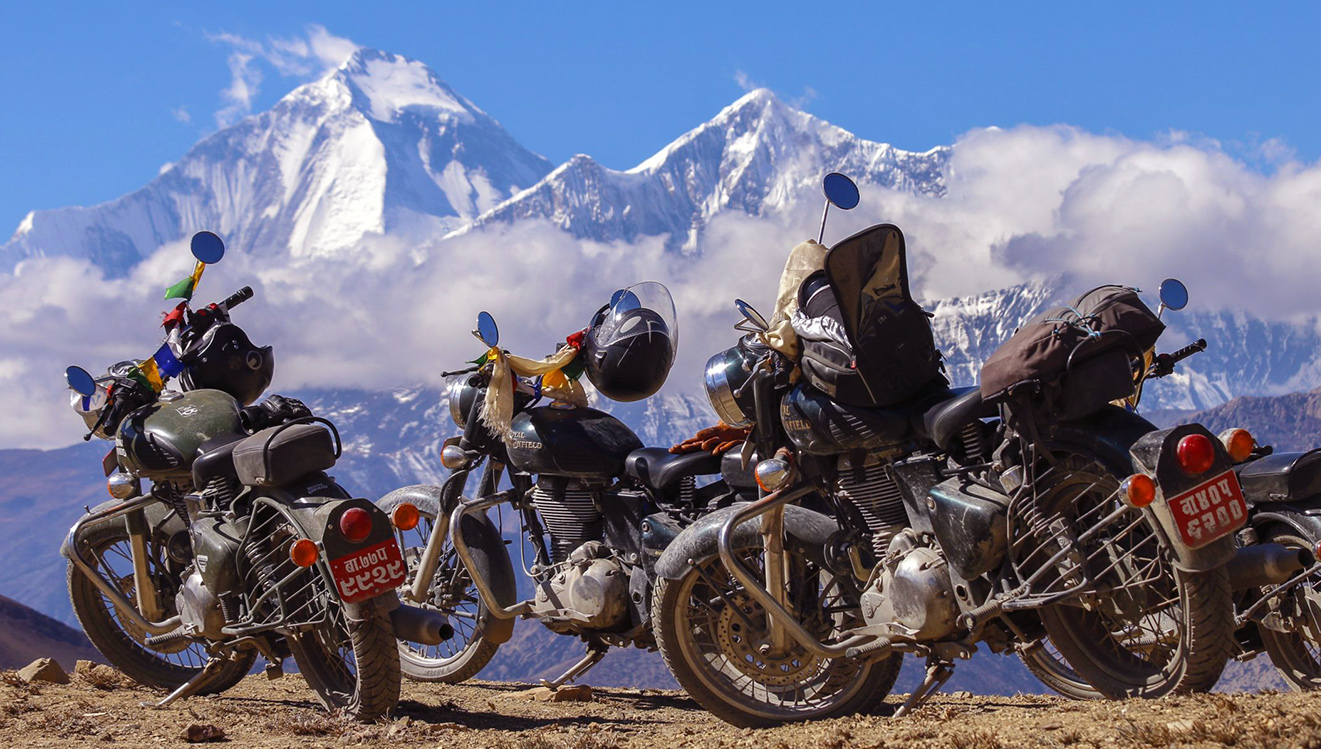
Nepal Heritage Motorbike Tour - A Journey Through Culture And Himalayas !
NPR 1000 Per Person




9 Days
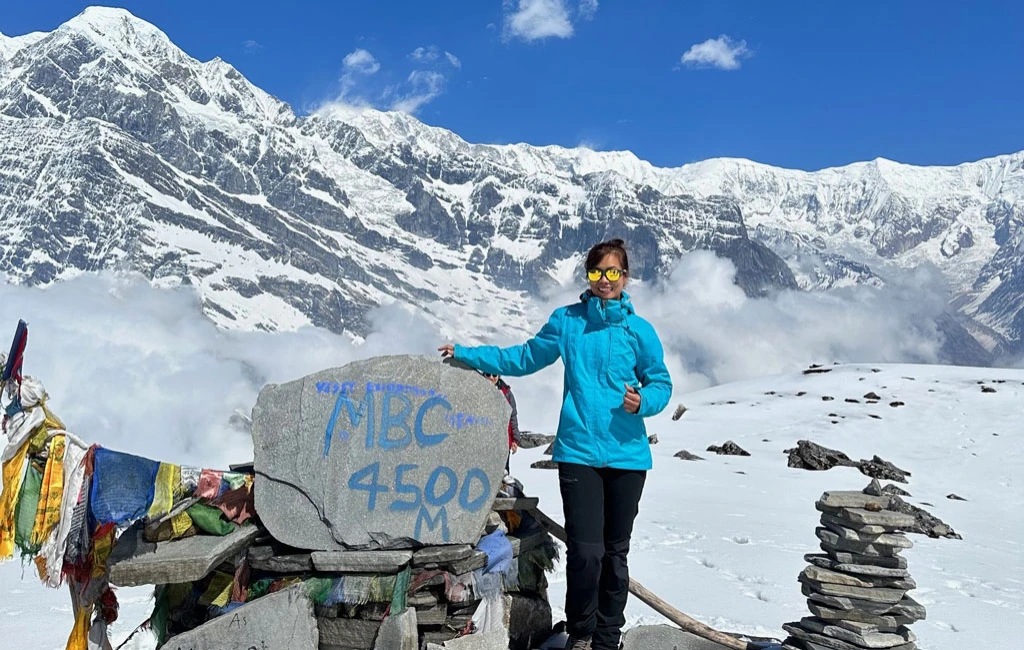
Mardi Himal Trek: A Short and Scenic Route to the Hidden Side of the Annapurnas
NPR 1000 Per Person
15 Days
12 Days

11 Days
9 Days
26 Days
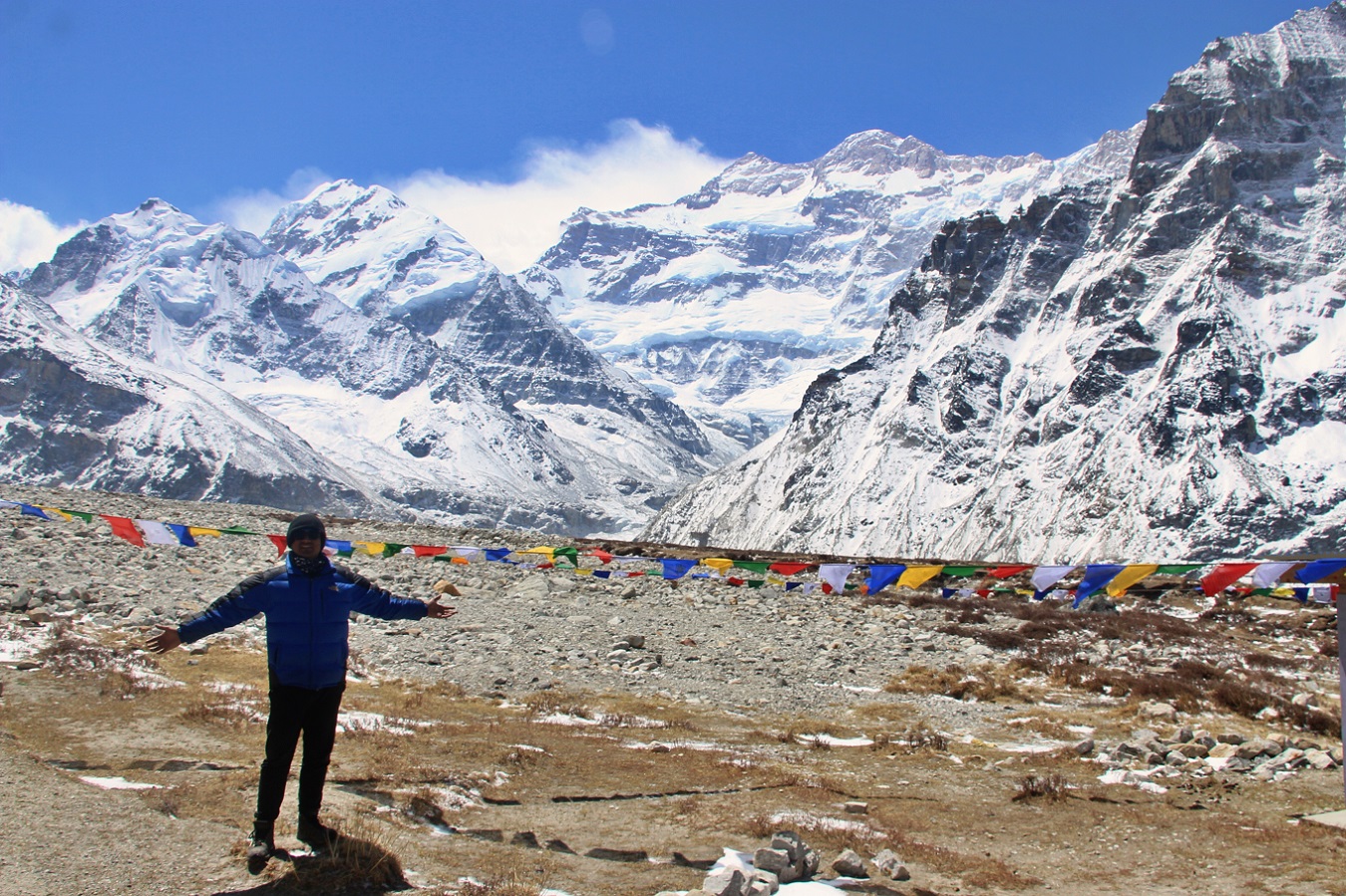
Kanchenjunga Trek: A Majestic Journey to the Third Highest Peak on Earth
NPR 1000 Per Person
17 Days
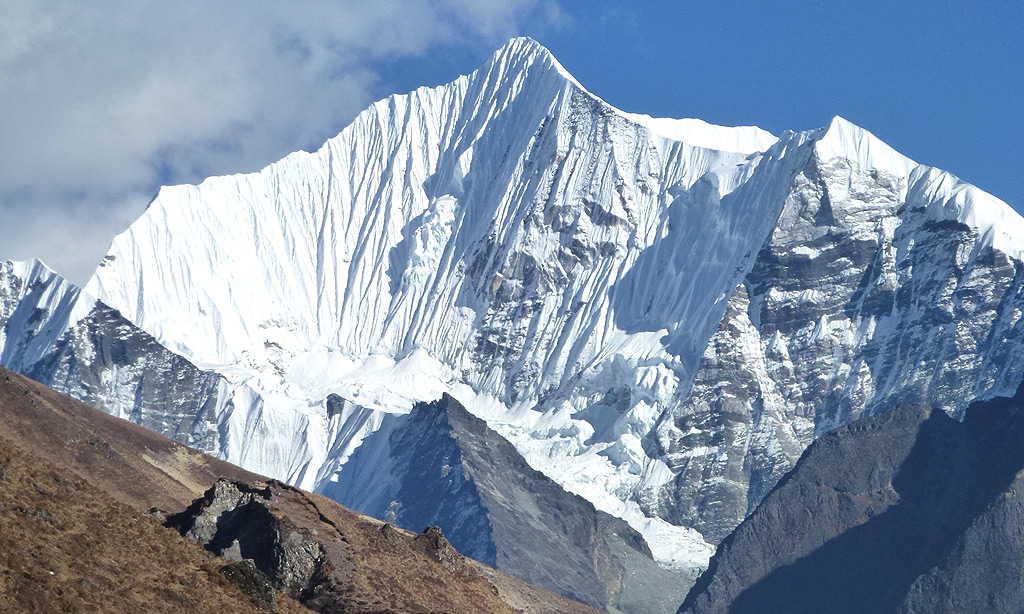
Everest Base Camp via Gokyo Trek: A Journey Through the Heart of the Khumbu
NPR 1000 Per Person
11 Days
Everest Base Camp Heli Return Trek: A Perfect Blend of Adventure and Convenience
NPR 1000 Per Person
14 Days
Arun Valley Cultural Trail: Journey Through Eastern Nepal’s Cultural Heartland
NPR 1000 Per Person

11 Days
Annapurna North Base Camp Trek: A Remote Trail to the Hidden Face of Annapurna
NPR 1000 Per Person
9 Days


12 Days
22 Days
22 Days
Labuje Peak Climbing Expedition: Exploring a Hidden Gem of the Himalayas
NPR 1000 Per Person
10 Days
Muktinath Yartung Festival: A Spiritual and Adventure Expedition in Nepal
NPR 1000 Per Person
14 Days
Mustang Tiji Festival: A Unique Cultural and Trekking Expedition in Nepal
NPR 1000 Per Person
15 Days
13 Days