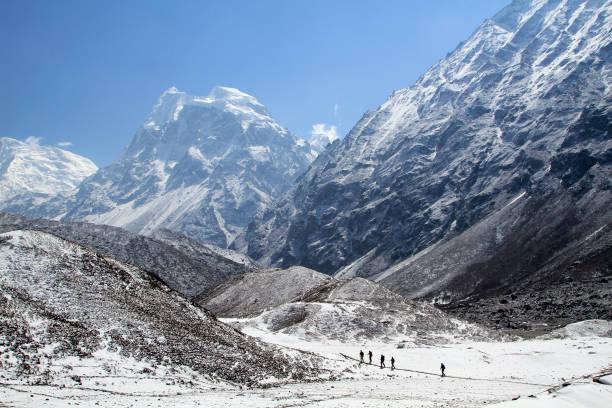
Mardi Himal Trek: A Short and Scenic Route to the Hidden Side of the Annapurnas
- Home
- Mardi Himal Trek: A Short and Scenic Route to the Hidden Side of the Annapurnas
Budget
USD 1290
Per Person
Rating
No review has been posted yet
Duration
9 Days
Trip Overview
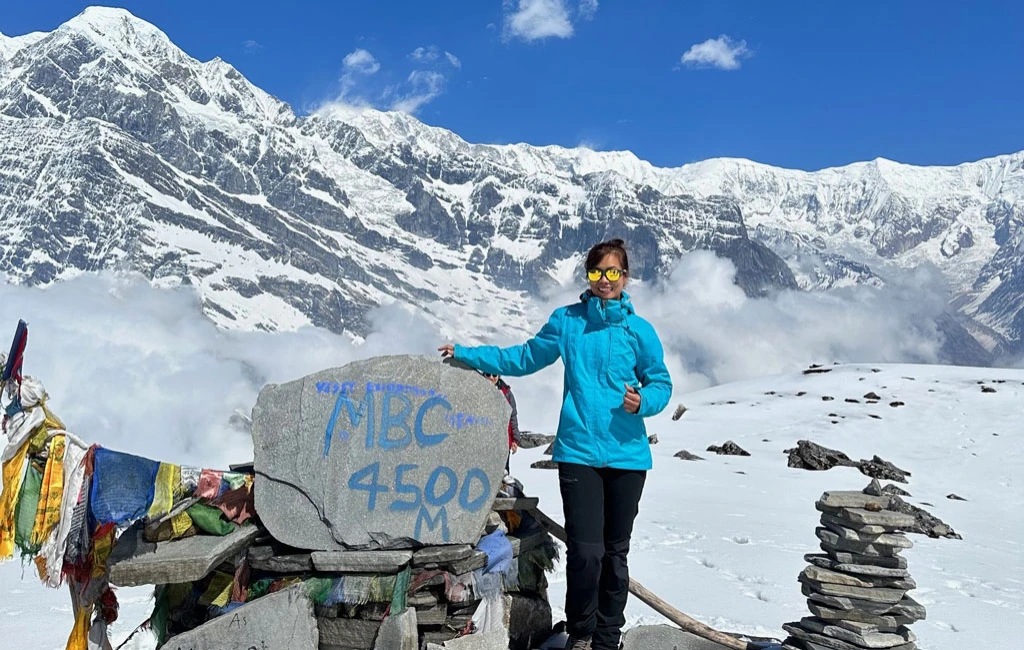
The Mardi Himal Trek is one of Nepal’s most beautiful yet less crowded trekking routes, offering a peaceful and accessible adventure into the Annapurna mountain range. Nestled just east of the famous Annapurna Base Camp trail, this relatively short trek is gaining popularity for its stunning natural beauty and spectacular panoramic views of iconic Himalayan peaks such as Machhapuchhre (Fishtail), Annapurna South, and Hiunchuli. The trek gradually ascends through tranquil rhododendron and oak forests, pristine alpine meadows, and rugged high ridges before reaching the serene Mardi Himal Base Camp at 4,500 meters, with an optional hike to the viewpoint at 4,200 meters. Perfect for trekkers seeking a moderate challenge, the Mardi Himal Trek combines breathtaking landscapes with cultural encounters, providing an authentic Himalayan experience away from the crowds.
Geography and Landscape
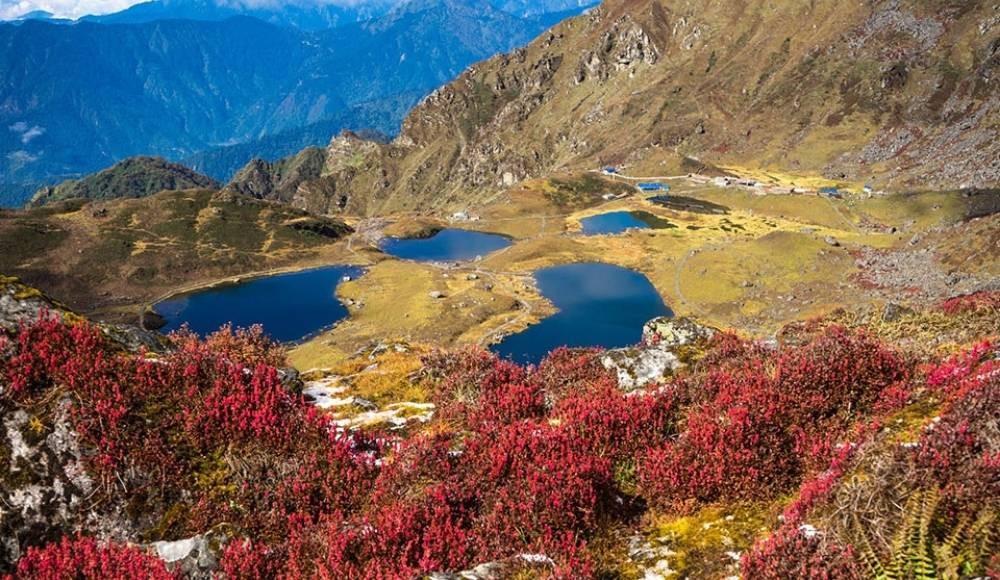
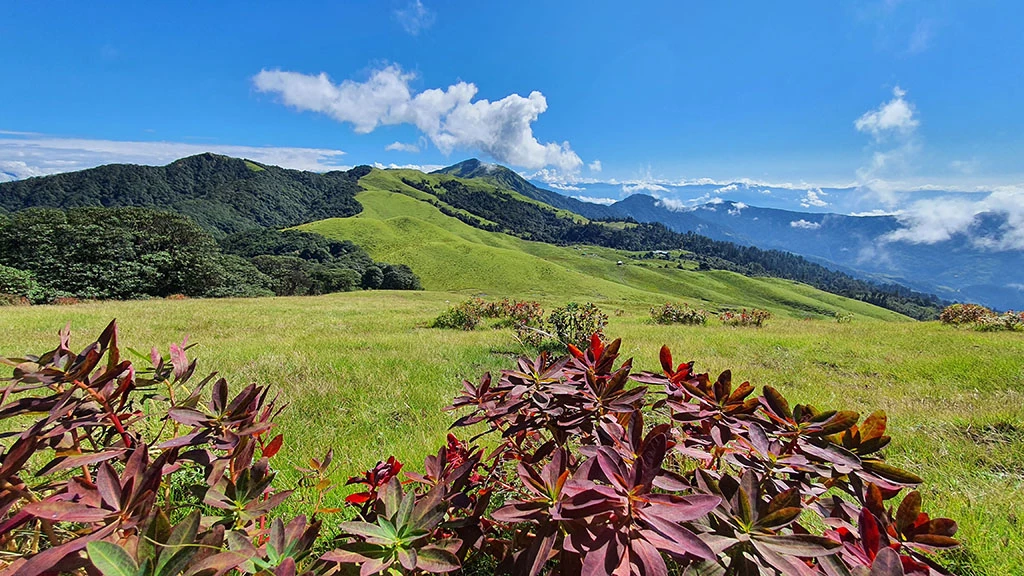
The Mardi Himal Trek lies within the Annapurna Conservation Area (ACA), Nepal’s largest protected area known for its diverse ecosystems and rich biodiversity. The route climbs along the ridge line of Mardi Himal, located beneath the south face of the iconic Machhapuchhre Mountain. The terrain begins with lush subtropical forests dominated by rhododendron and oak, transitioning into mossy woodlands and alpine meadows as the trail ascends above 3,000 meters.
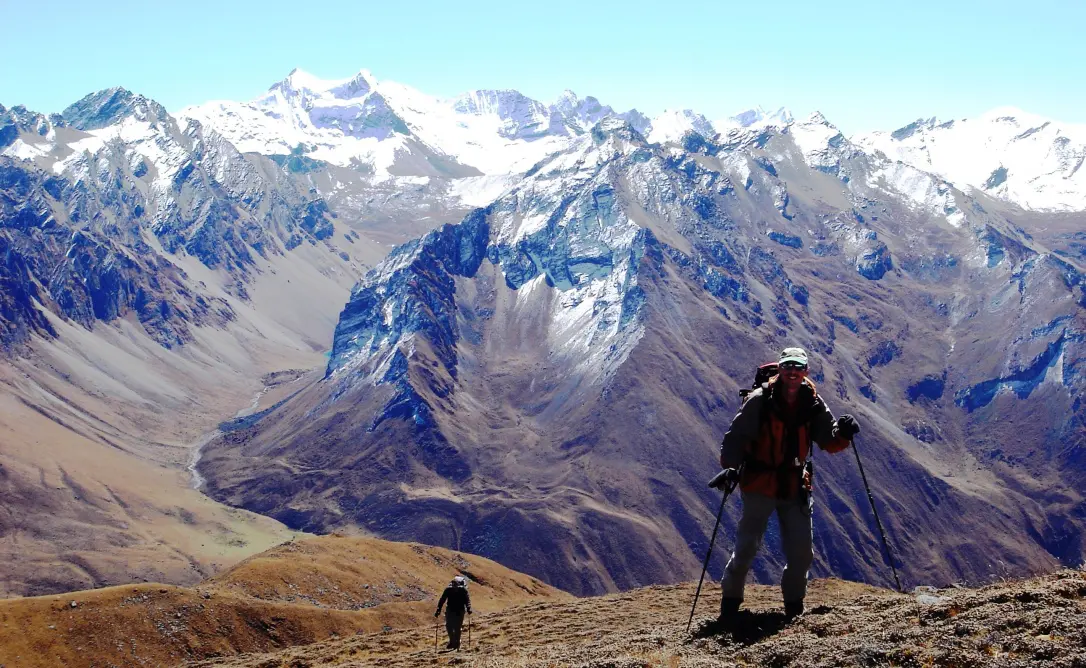
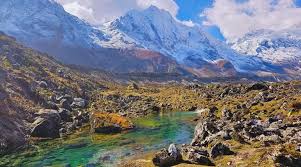
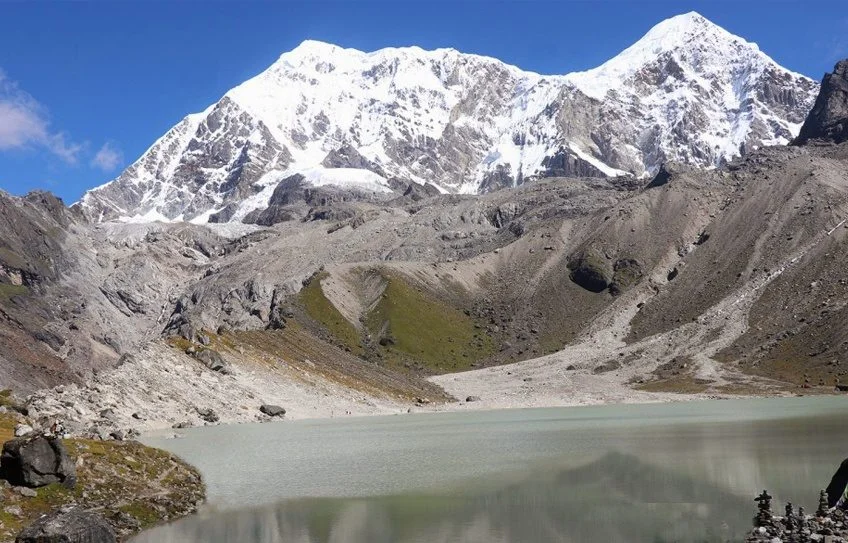
The gradual climb reveals ever-expanding views of towering Himalayan giants. From the Mardi Himal Viewpoint (4,200m) and Base Camp (4,500m), trekkers are rewarded with dramatic close-ups of Annapurna South’s rugged face, the distinctive fishtail shape of Machhapuchhre, and the steep slopes of Hiunchuli. On clear days, distant peaks like Annapurna I, Dhaulagiri, and even Manaslu are visible, making this trek a photographer’s paradise.
Climate and Best Time to Trek
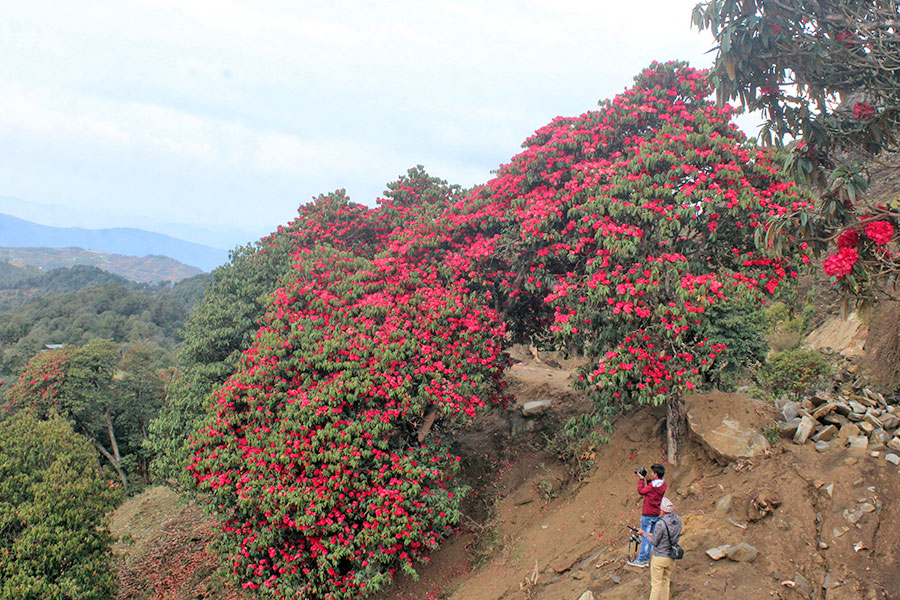
The best seasons to undertake the Mardi Himal Trek are spring (March to May) and autumn (September to November). During spring, the forests burst into color with blooming rhododendrons, while autumn is known for clear blue skies and crisp mountain air.
- Daytime temperatures generally range between 10°C to 20°C in the lower regions.
- At higher elevations such as High Camp and the viewpoint, night temperatures can drop to -5°C or even lower.
- Weather can be unpredictable at altitude, with sudden changes and strong winds along ridges, so layered clothing and preparation for cold and wet conditions are essential.
People and Culture
The Mardi Himal region is inhabited mainly by the Gurung and Magar ethnic communities, groups famous for their rich traditions, warm hospitality, and history as brave Gurkha soldiers. Along the trail, you will pass through small villages like Siding and Landruk, where traditional rural Himalayan life is still alive and well.
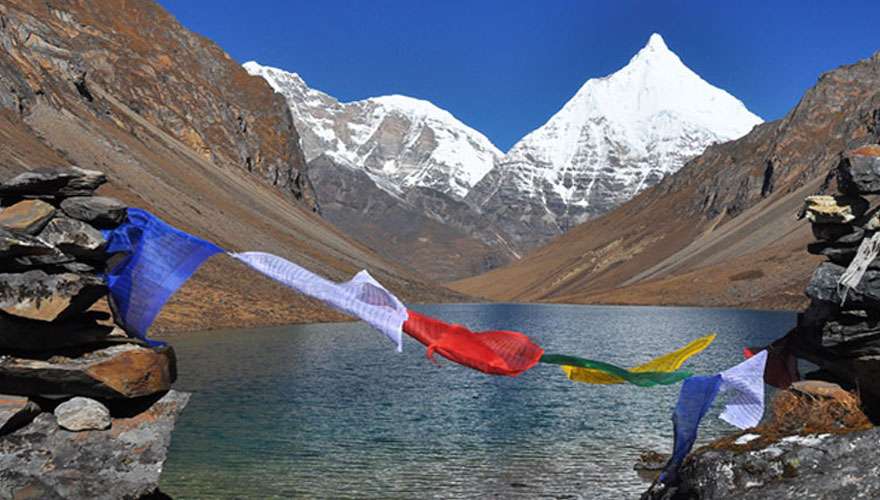
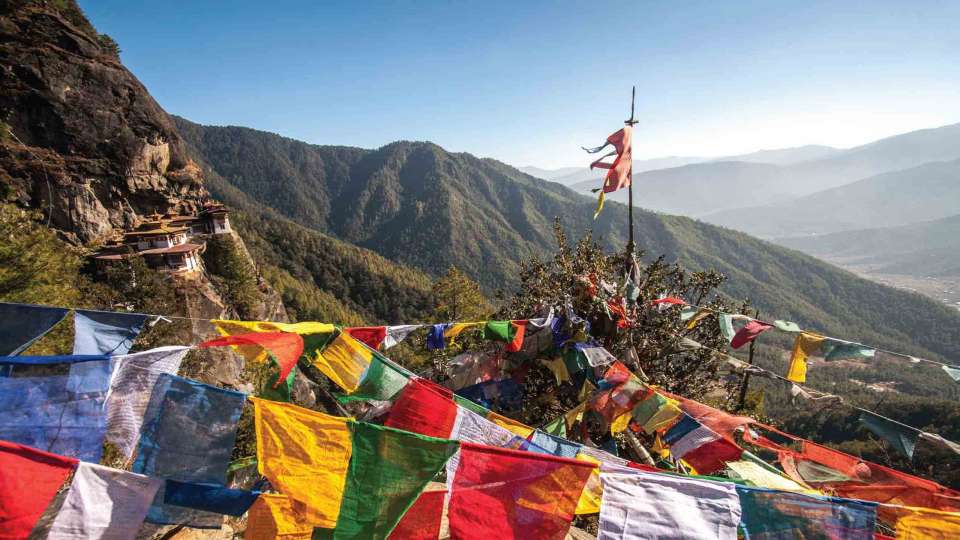
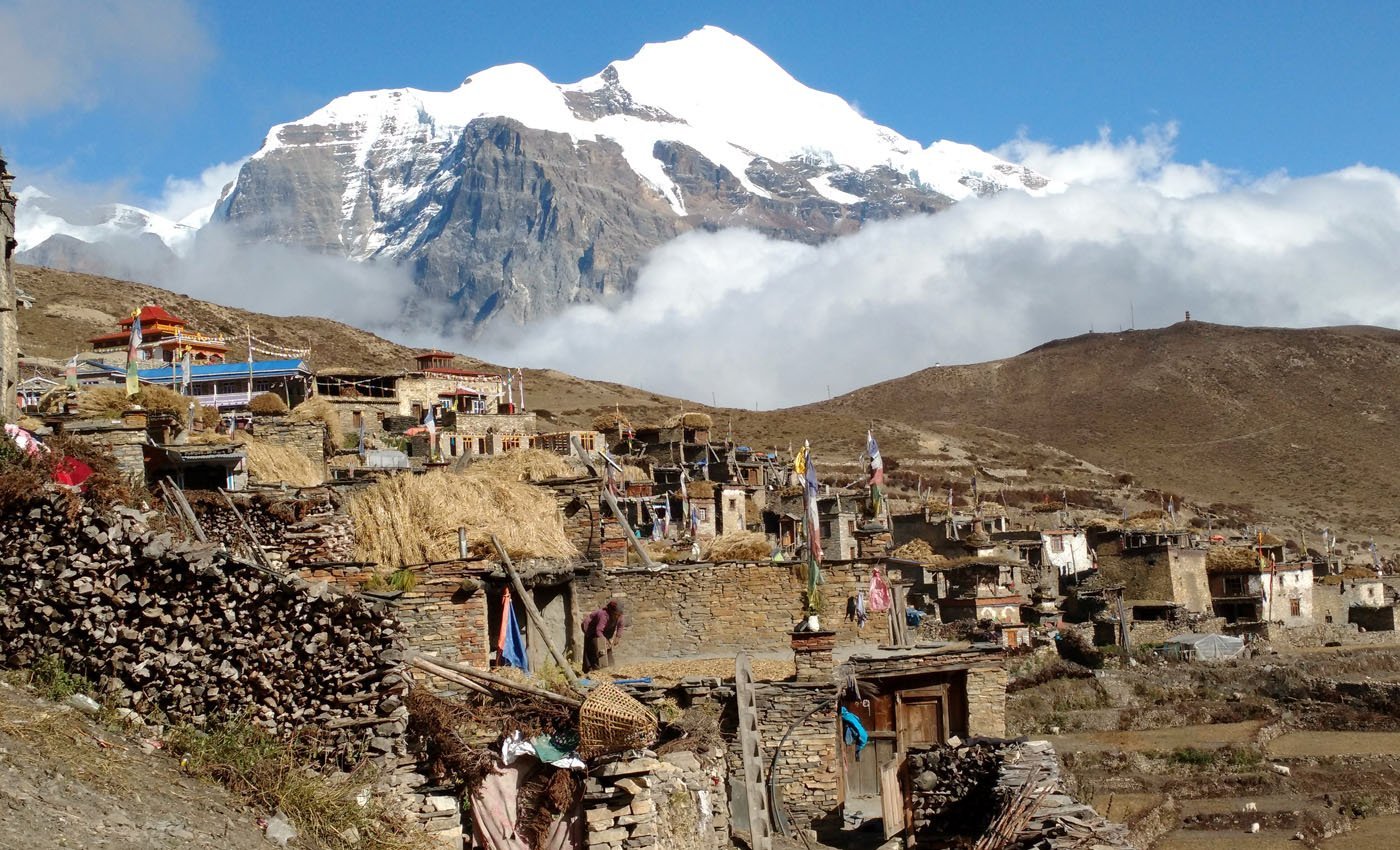
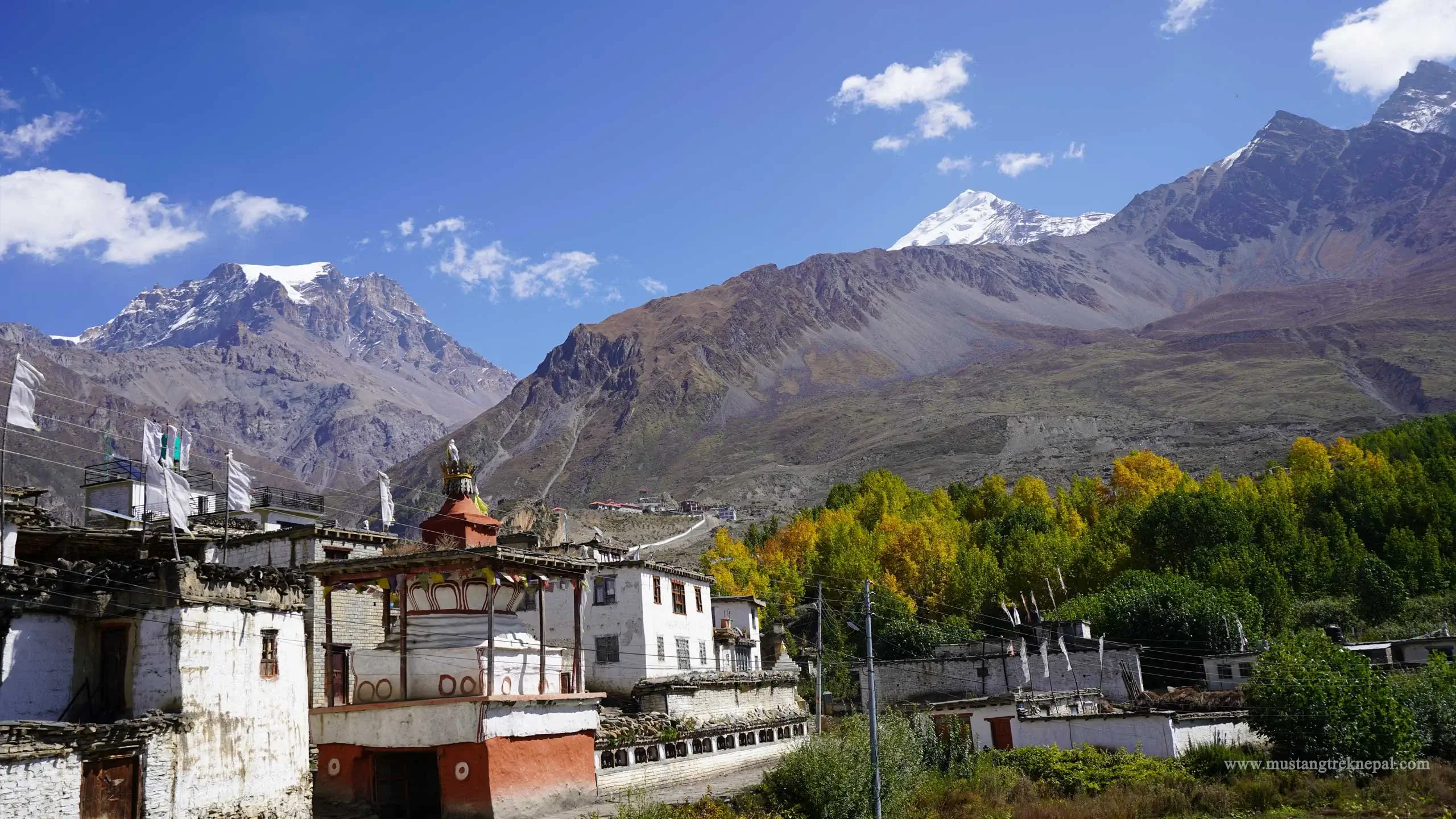
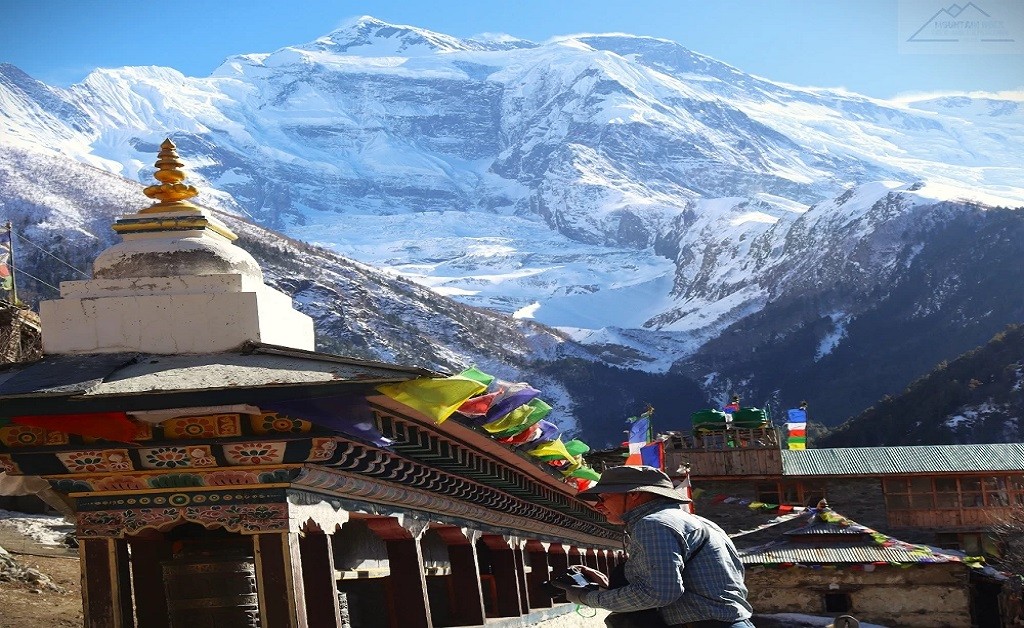
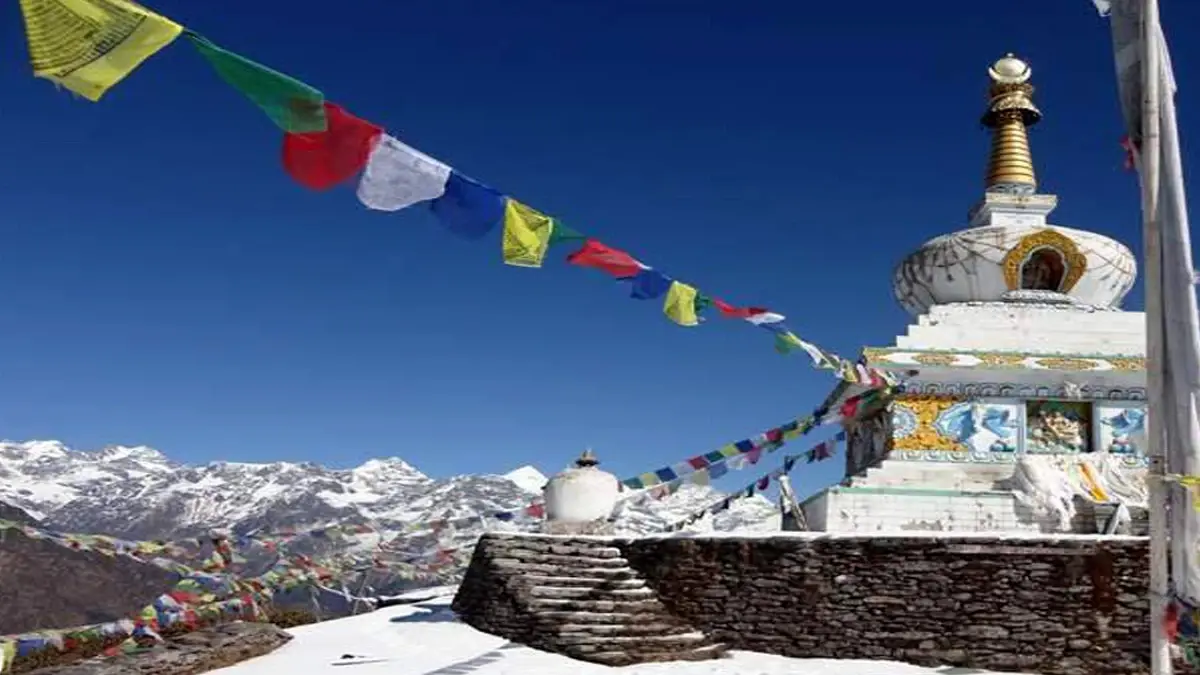
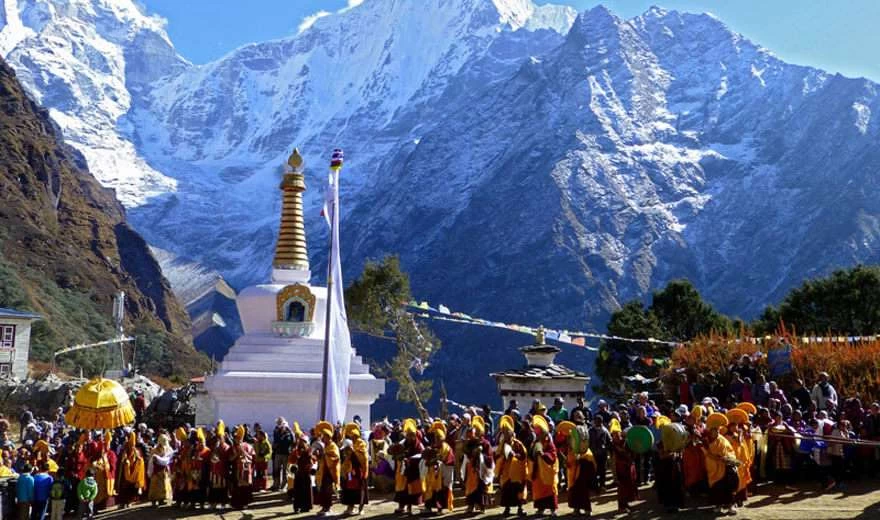
Religious and cultural influences are a blend of Hinduism and Buddhism, visible in prayer flags fluttering along the path, colorful chortens (stupas), and small shrines. Interactions with local villagers provide meaningful insight into their lifestyle, agriculture, and crafts. The peaceful, close-knit communities add a human touch to the grandeur of the landscape.
Package Highlights:
- Scenic drive or flight between Kathmandu and Pokhara, offering spectacular views of Himalayan ranges.
- Trekking through lush rhododendron and oak forests, often carpeted with wildflowers in spring.
- Ascending through alpine meadows and high ridges with breathtaking mountain panoramas.
- Close-up views of iconic peaks including Machhapuchhre (Fishtail), Annapurna South, and Hiunchuli.
- Challenging but rewarding early morning hike to Mardi Himal Viewpoint (4,200m) or Base Camp (4,500m).
- A quieter, less crowded alternative to the Annapurna Base Camp and Poon Hill treks.
- Cultural experiences with traditional Gurung and Magar villages.
- Comfortable and welcoming teahouse accommodations throughout the trail.
- A perfect combination of natural beauty, moderate difficulty, and serenity.
Book This Trip
Trip Information
 Start : Kathmandu
 Finish : Kathmandu
 Difficulty :
Moderate
Difficulty :
Moderate
 Max Altitude : 4500m
 Group Size : 17 People
 Season : SEP-NOV, MAR-MAY
Trip Gallery
Trip Itinerary
Altitude: 1,400m
Upon arrival at Tribhuvan International Airport, you will be warmly welcomed by our Nord Extreme representative and transferred to your hotel in Kathmandu. After check-in and some rest, our team will conduct a detailed trek briefing covering the Mardi Himal route, safety guidelines, altitude awareness, and daily expectations.
We will also begin processing your trekking permits (TIMS and Annapurna Conservation Area Permit), check your trekking gear, and assist you with any missing equipment if needed. The rest of the day is free for relaxation or exploring the vibrant streets of Thamel.
Accomadation: Hotel
Place to visit: Nepal
Altitude: 1400m
Today will be dedicated to trek preparation and completing all necessary permit procedures in Kathmandu. Our team from Nord Extreme will assist you with permit arrangements, trekking briefing, gear checking, and final trip preparation to ensure a safe and comfortable journey ahead.
You will also have free time to explore Thamel for any last-minute shopping or personal preparations before the trek begins.
Accomadation: Hotel
Place to visit: Nepal
Altitude: 820m
Trek duration: 6–8 hrs drive / 25 min flight
Today we travel to Pokhara, one of Nepal’s most beautiful lakeside cities. You can either take a short scenic flight over the Himalayas or enjoy a long but scenic drive through rivers, hills, and countryside settlements.
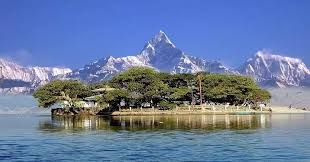
Upon arrival, you will have time to relax by Phewa Lake, explore cafés, or simply enjoy views of Machhapuchhre reflecting over the water. Pokhara offers a peaceful atmosphere and serves as the gateway to the Annapurna region.
Accomadation: Hotel
Place to visit: Nepal
Altitude: 2,540m
Trek duration: 5 hrs
After a short 1.5-hour drive to Kande, the trekking journey officially begins. The trail gradually ascends through dense rhododendron and oak forests, with fresh mountain air and peaceful surroundings.
Along the way, you pass small shepherd shelters and scattered villages that reflect traditional Himalayan lifestyle. Forest Camp is a quiet resting point surrounded by deep woodland, offering your first overnight stay in the mountains.
Accomadation: Tea House
Place to visit: Annapurna Region
Altitude: 2,970m
Trek duration: 4 hrs
The trail today becomes more scenic as the forest opens into moss-covered trees and alpine vegetation. Gradual ascent continues with occasional clearings that offer glimpses of Annapurna South and Machhapuchhre.
As you reach Low Camp, the temperature drops slightly and the landscape begins to feel more mountainous. This is your first major transition into the high Himalayan zone, where clouds drift below the ridges on clear days.
Accomadation: Tea House
Place to visit: Annapurna Region
Altitude: 3,580m
Trek duration: 4–5 hrs
Today’s climb is more challenging as the forest slowly disappears and the trail follows open ridgelines. With every step upward, the panoramic views become more dramatic, revealing the full face of Machhapuchhre (Fishtail Mountain).
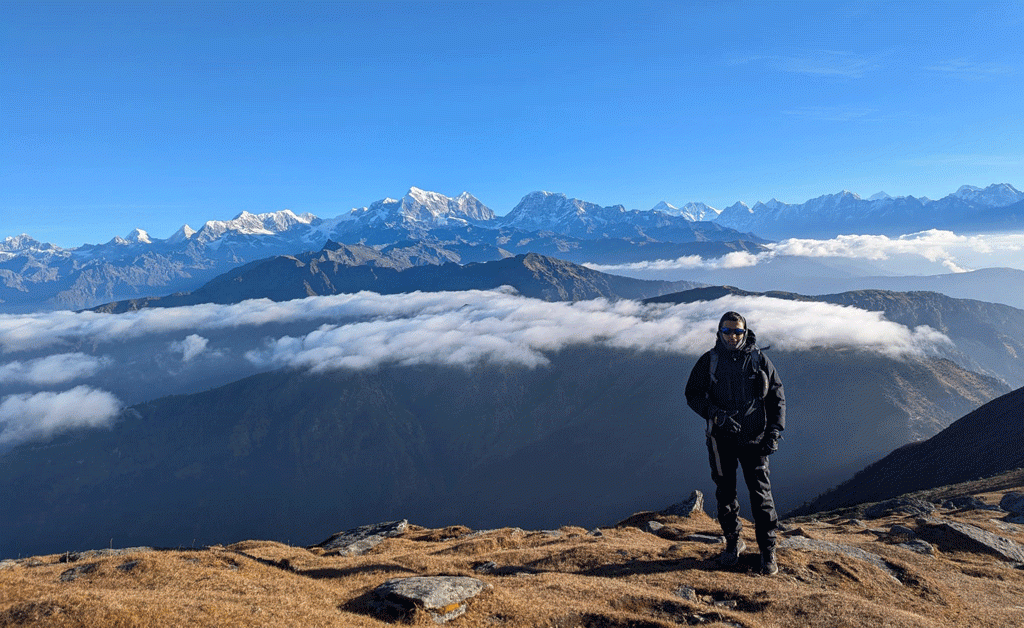
High Camp offers one of the most spectacular sunset and sunrise views in the entire Annapurna region. The evening is spent preparing for the next day’s early ascent.
Accomadation: Tea House
Place to visit: Annapurna Region
Altitude: 4,500m
Trek duration: 7–8 hrs
This is the most rewarding and challenging day of the trek. Starting early in the morning, we ascend steep alpine trails toward Mardi Himal Viewpoint or further to Base Camp. The higher you go, the more breathtaking the scenery becomes, with 360-degree views of Annapurna, Hiunchuli, and Machhapuchhre dominating the skyline.
After spending time at the top absorbing the Himalayan panorama, we carefully descend back to Low Camp for overnight rest.
Accomadation: Tea House
Place to visit: Annapurna Region
Altitude: 1,700m → 820m
Trek duration: 6 hrs
We begin a long descent through lush forests and traditional villages, where you can observe rural Nepali lifestyle, terraced fields, and friendly locals along the way. The trail gradually leads to Siding Village, marking the end of the trekking route.
From here, a vehicle takes you back to Pokhara, where you can finally relax in comfort and celebrate the successful completion of your trek.
Accomadation: Hotel
Place to visit: Annapurna Region
Altitude: 1,400m
Trek duration: 6–8 hrs drive / 25 min flight
After breakfast, we return to Kathmandu by scenic flight or overland drive. The rest of the day is free for leisure activities such as shopping in Thamel, visiting cultural landmarks, or enjoying local cuisine.
This is a relaxed transition day after your Himalayan journey.
Accomadation: Hotel
Place to visit: Nepal
Depending on your flight schedule, we will transfer you to the airport for your departure. If you wish to extend your stay, optional tours such as heritage sightseeing, yoga retreats, or additional treks can be arranged.
Place to visit: Nepal
USD 1290 / person
See group booking discount- No. of person Price per person
- 1 USD 1290.00
- 2-3 USD 1040.00
- 4-7 USD 965.00
- 8-12 USD 930.00
- 13-17 USD 890.00
The price may varies
Speak to an Expert

Mr. Sonam G. Sherpa



Mr. Ang Dawa Sherpa
Cost Includes
1. Transportations
- Private/tourist vehicles for airport pickup and drop-off in Kathmandu.
- Private/tourist vehicles transfer as per itinerary to access the trailheads.
- Domestic flight included for access to the trekking starting & ending point.
2. Accommodation & Meals
- 3 night 3 star hotel in Kathmandu with bed & breakfast basis.
- 2 night 3 star hotel in Pokhara with bed & breakfast basis.
- All Meals (breakfast, lunch & dinner) during the trekking Period.
3. Permits
- Nar –Phu restricted trekking area permit (issued by Department of Immigration).
- Annapurna Conservation Area Project (ACAP) permits.
- Manaslu Conservation Area Project (MCAP) Permits.
- Trekkers' Information Management System (TIMS) permits.
4. Guide & Staff
- Professional and experience License holder trekking guide salary & insurance.
- Porter salary, equipments & insurance.
- First aid medical kit for emergency support.
1. Transportations
- Private/tourist vehicles for airport pickup and drop-off in Kathmandu.
- Private/tourist vehicles transfer as per itinerary to access the trailheads.
- Domestic flight included for access to the trekking starting & ending point.
2. Accommodation & Meals
- 3 night 3 star hotel in Kathmandu with bed & breakfast basis.
- 2 night 3 star hotel in Pokhara with bed & breakfast basis.
- All Meals (breakfast, lunch & dinner) during the trekking Period.
3. Permits
- Nar –Phu restricted trekking area permit (issued by Department of Immigration).
- Annapurna Conservation Area Project (ACAP) permits.
- Manaslu Conservation Area Project (MCAP) Permits.
- Trekkers' Information Management System (TIMS) permits.
4. Guide & Staff
- Professional and experience License holder trekking guide salary & insurance.
- Porter salary, equipments & insurance.
- First aid medical kit for emergency support.
Cost Excludes
1. Visa Fees
- Nepal Entry Visa: Visa fee for entering Nepal (available on arrival at Tribhuvan International Airport or through a Nepalese embassy).
2. International Flights
- International Airfare: Flights to and from Kathmandu.
3. Travel Insurance (Mandatory)
- Comprehensive Coverage: Travel insurance covering high-altitude trekking, emergency medical treatment, helicopter evacuation, trip cancellation, and unforeseen circumstances.
4. Personal Expenses
- Lodge Services: WiFi, hot showers, battery charging, and laundry services.
- Beverages: Soft drinks, bottled water, alcoholic drinks, and snacks not included in meals.
5. Tips and Gratuities
- Guide & Porter: Tips for trekking guide and porter (customary but not compulsory).
1. Visa Fees
- Nepal Entry Visa: Visa fee for entering Nepal (available on arrival at Tribhuvan International Airport or through a Nepalese embassy).
2. International Flights
- International Airfare: Flights to and from Kathmandu.
3. Travel Insurance (Mandatory)
- Comprehensive Coverage: Travel insurance covering high-altitude trekking, emergency medical treatment, helicopter evacuation, trip cancellation, and unforeseen circumstances.
4. Personal Expenses
- Lodge Services: WiFi, hot showers, battery charging, and laundry services.
- Beverages: Soft drinks, bottled water, alcoholic drinks, and snacks not included in meals.
5. Tips and Gratuities
- Guide & Porter: Tips for trekking guide and porter (customary but not compulsory).
Essential Info
Along the Mardi Himal trail, accommodation is in teahouses and lodges. Facilities are basic but clean, typically offering twin or triple rooms with warm blankets. Shared bathrooms are common, and hot showers may be available for an extra charge.
Meals usually consist of:
- Dal Bhat (lentils, rice, curry) — the staple Nepali dish.
- Soups, noodles, fried rice, eggs, and local snacks.
- Tea, coffee, and hot chocolate to warm up after long days.
High Camp lodges boast some of the most spectacular mountain views you’ll find in Nepal, often with clouds floating beneath you.
Necessary Equipment
- Sleeping bag rated for -10°C (important for chilly nights)
- Layered clothing: thermal base layers, fleece, down jacket, waterproof shell
- Durable hiking boots with good grip and ankle support
- Daypack, rain cover, and water bottle
- Trekking poles (recommended for steep ascents and descents)
- Hat, gloves, sunglasses, and sunscreen
- Headlamp, toiletries, and water purification tablets
No technical climbing gear is necessary, but good fitness and acclimatization will ensure a safe and enjoyable trek.
Transportation
- Kathmandu to Pokhara: 25-minute flight or 6–8 hour drive.
- Pokhara to Kande (trailhead): 1.5-hour drive.
- Return: Drive from Siding to Pokhara (3–4 hours).
- Pokhara to Kathmandu: Flight or road transfer.
Extra Info
Why Choose the Mardi Himal Trek?
- The Mardi Himal Trek is ideal for those who:
- Want spectacular Himalayan views without the crowds of Annapurna Base Camp.
- Have limited time but desire a meaningful Himalayan experience.
- Appreciate serene natural beauty, peaceful villages, and cultural richness.
- Seek a moderately challenging trek suitable for beginners and intermediate hikers.
- Enjoy off-the-beaten-path adventures with well-maintained trails and comfortable lodges.
Trip Date And Time
We'll Be There, Like We've Been There Before
|
Departing |
Finishing |
Trip Price Per Person |
Action |
Enquire |
|---|---|---|---|---|
| 01 Aug, 2026 | 09 Aug, 2026 | 1290 | Book Now |
Featured Packages
You May Also Enjoy Our Other Trips

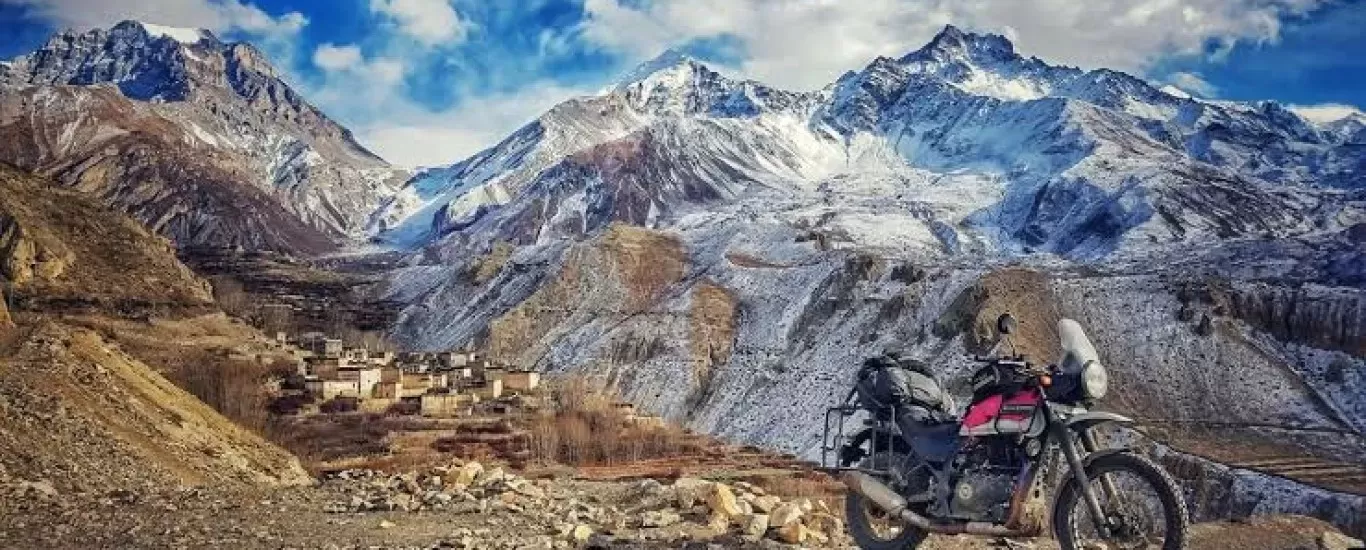
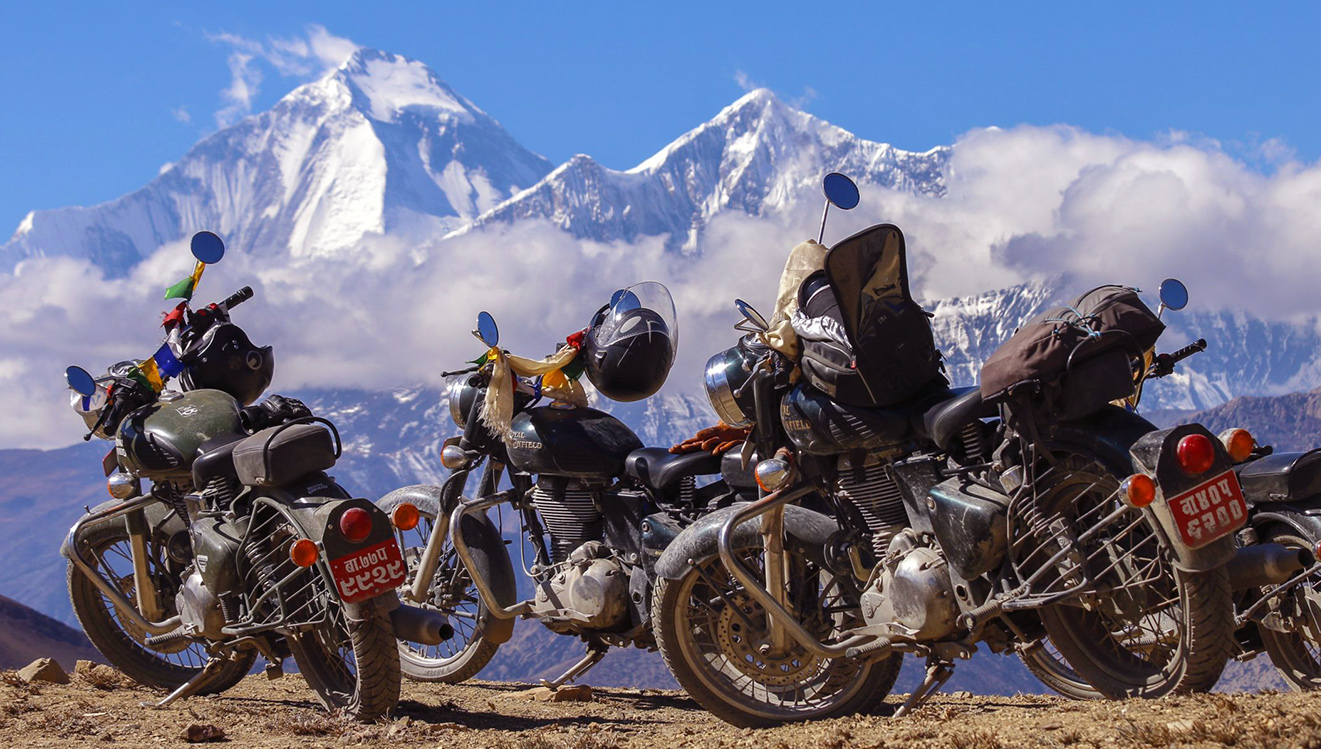
10 Days
Nepal Heritage Motorbike Tour - A Journey Through Culture And Himalayas !
NPR 1000 Per Person

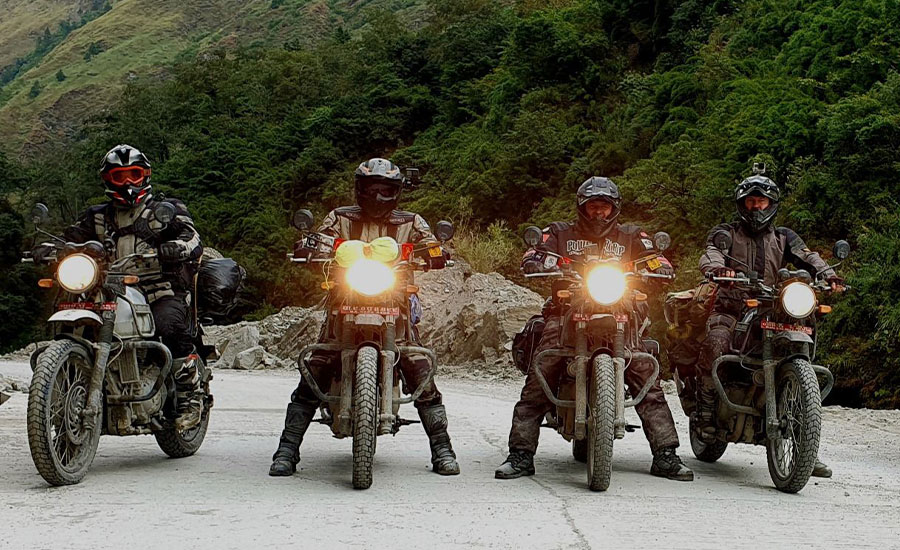

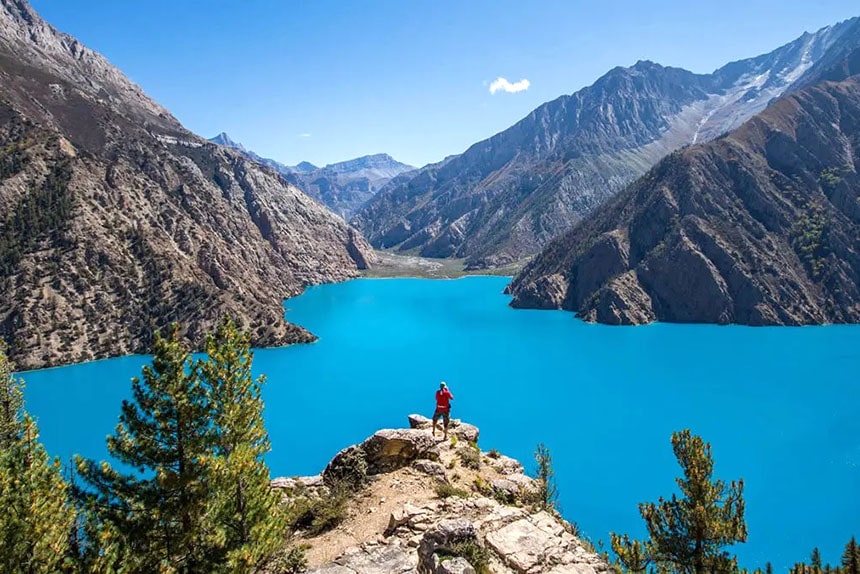


9 Days
Mardi Himal Trek: A Short and Scenic Route to the Hidden Side of the Annapurnas
USD 1290 Per Person
18 Days
15 Days

16 Days
10 Days
26 Days
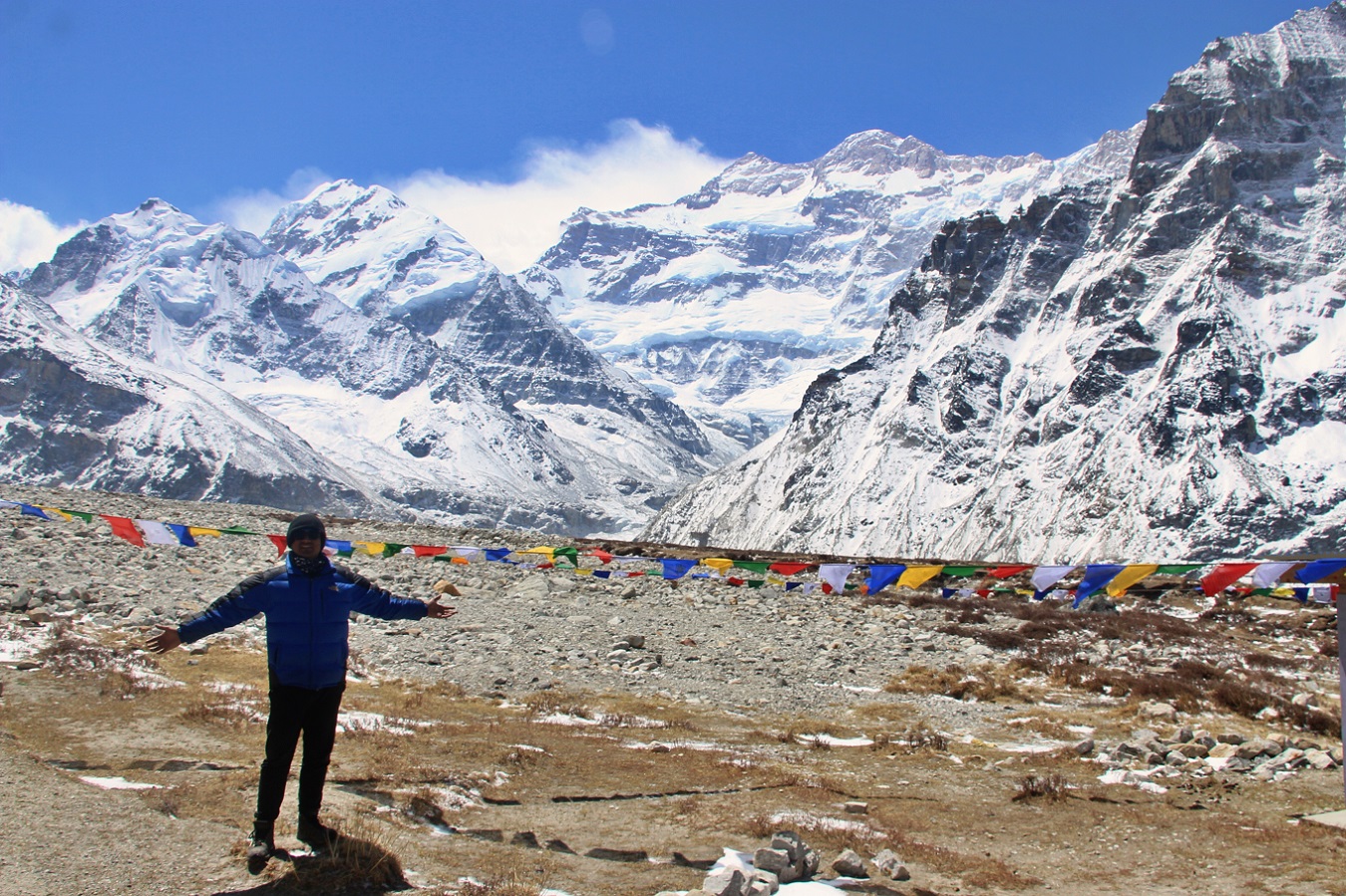
Kanchenjunga Trek: A Majestic Journey to the Third Highest Peak on Earth
USD 3150 Per Person
18 Days
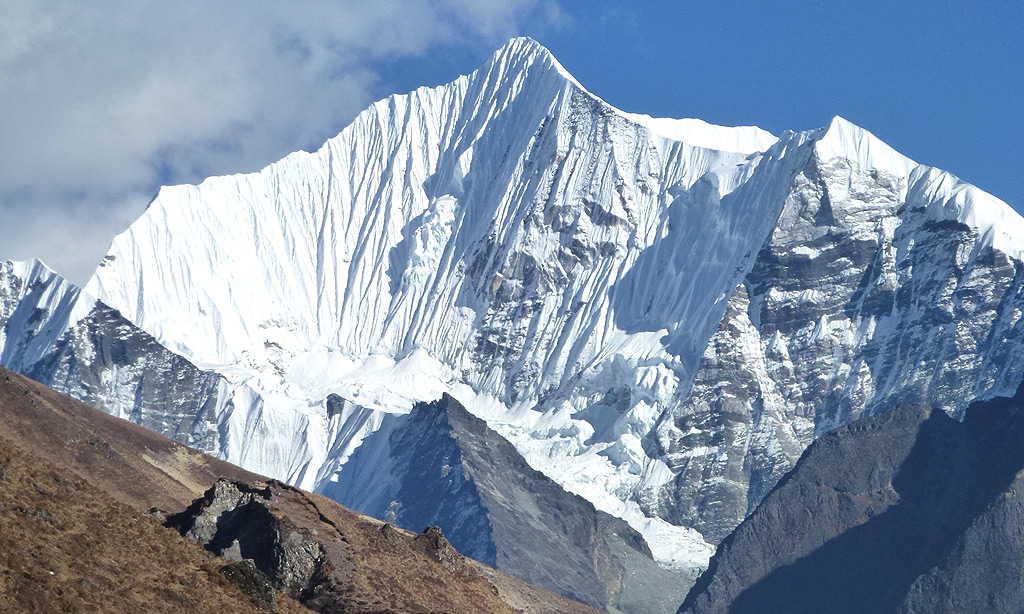
Everest Base Camp via Gokyo Trek: A Journey Through the Heart of the Khumbu
USD 2190 Per Person
15 Days
Arun Valley Cultural Trail: Journey Through Eastern Nepal’s Cultural Heartland
USD 2390 Per Person

12 Days
Annapurna North Base Camp Trek: A Remote Trail to the Hidden Face of Annapurna
USD 1575 Per Person
10 Days


13 Days
22 Days
22 Days
Labuje Peak Climbing Expedition: Exploring a Hidden Gem of the Himalayas
NPR 1000 Per Person
10 Days
Muktinath Yartung Festival: A Spiritual and Adventure Expedition in Nepal
USD 1000 Per Person
14 Days
Mustang Tiji Festival: A Unique Cultural and Trekking Expedition in Nepal
USD 3190 Per Person
15 Days
14 Days