Upper Mustang: Nepal’s Ancient Hidden Kingdom Of Lo Manathang
- Home
- Upper Mustang: Nepal’s Ancient Hidden Kingdom Of Lo Manathang
Budget
NPR 1000
Per Person
Rating
No review has been posted yet
Duration
3 Days
Trip Overview
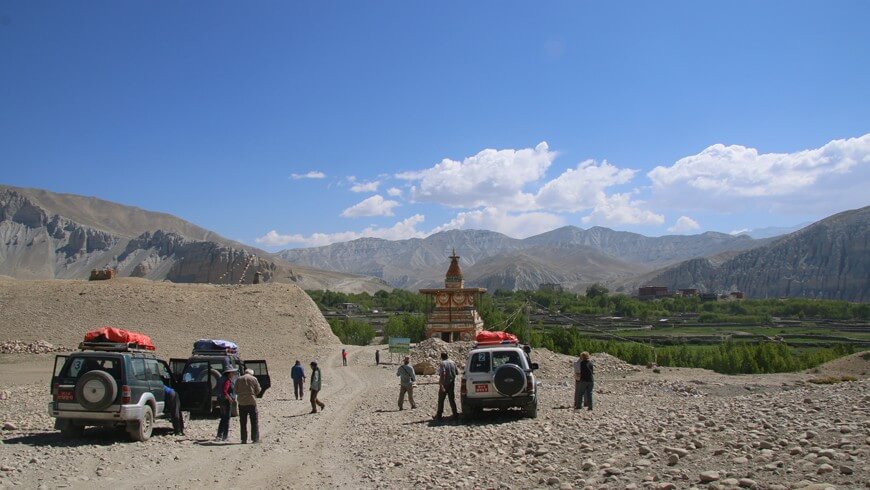
Upper Mustang, often called the Last Forbidden Kingdom, lies in the rain-shadow region of northern Nepal along the Tibetan border. Once an independent Himalayan kingdom, Mustang remained closed to outsiders until 1992, preserving a culture, landscape, and way of life untouched for centuries. Characterized by ochre-colored cliffs, deep canyons, ancient cave dwellings, and centuries-old monasteries, Upper Mustang offers a rare opportunity to experience pure Tibetan heritage within Nepal. Its walled capital, Lo Manthang, remains one of the most culturally significant settlements in the Himalayas.
Trekking In Upper Mustang
Upper Mustang Trek
The classic Upper Mustang Trek is a journey into a world shaped by wind-eroded cliffs, timeless Tibetan culture, and the legacy of the ancient Kingdom of Lo. The trek typically spans 12–15 days, starting from Jomsom after a flight from Pokhara. The trail follows the Kali Gandaki River valley before ascending into the vast desert-like plateau.
Major Highlights:
- Lo Manthang – The walled capital with royal palace, monasteries, and mud-brick alleyways
- Chhoser Cave Complex – Sky caves with Buddhist murals and meditation chambers
- Ghar Gompa – An 8th-century monastery associated with Guru Rinpoche
- Charang Village – Home to ancient monasteries and large white-washed dzongs
- Kali Gandaki Gorge – The deepest gorge in the world
- Colorful desert landscapes sculpted by centuries of wind
Unlike remote Dolpo, Upper Mustang offers a network of teahouses, making lodge-based trekking possible throughout the route. The climate is semi-arid, making it ideal for trekking even in monsoon season.
Lo Manathang: The Walled Capital
At the heart of Upper Mustang lies Lo Manthang, founded in the 14th century by King Ame Pal. The town’s towering mud walls, ancient monasteries, and labyrinthine alleys showcase the untouched heritage of the Mustang kingdom.
Key cultural attractions include:
- Thubchen Monastery – A massive prayer hall with ancient murals
- Chhoede Gompa – Home to Buddhist scriptures and ritual masks
- Jampa Lhakhang (God House) – The oldest monastery in Mustang
- Royal Palace – Seat of Mustang’s last king, Jigme Dorje Palbar Bista
Lo Manthang remains the spiritual and cultural heart of Mustang, hosting major festivals and serving as the gateway to Tibetan borderlands.
Culture And Religion
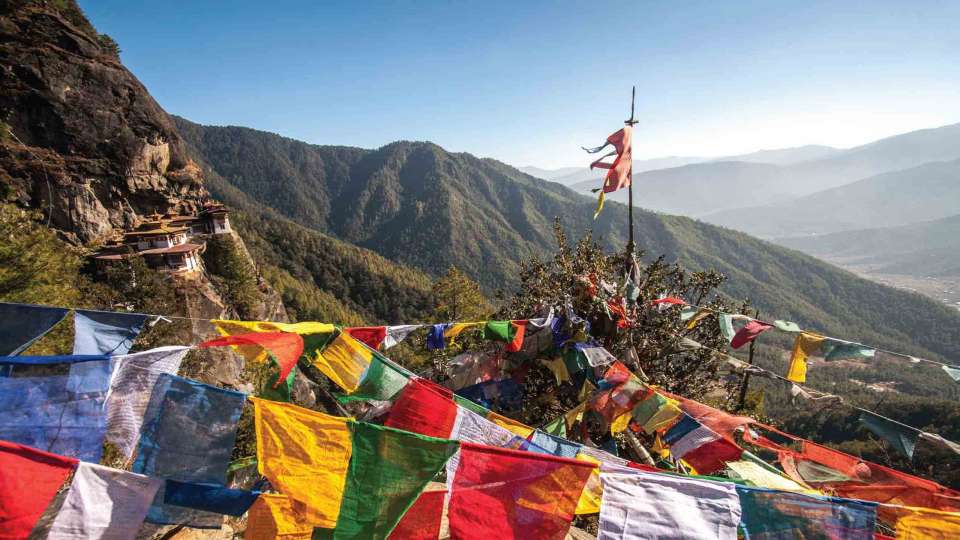
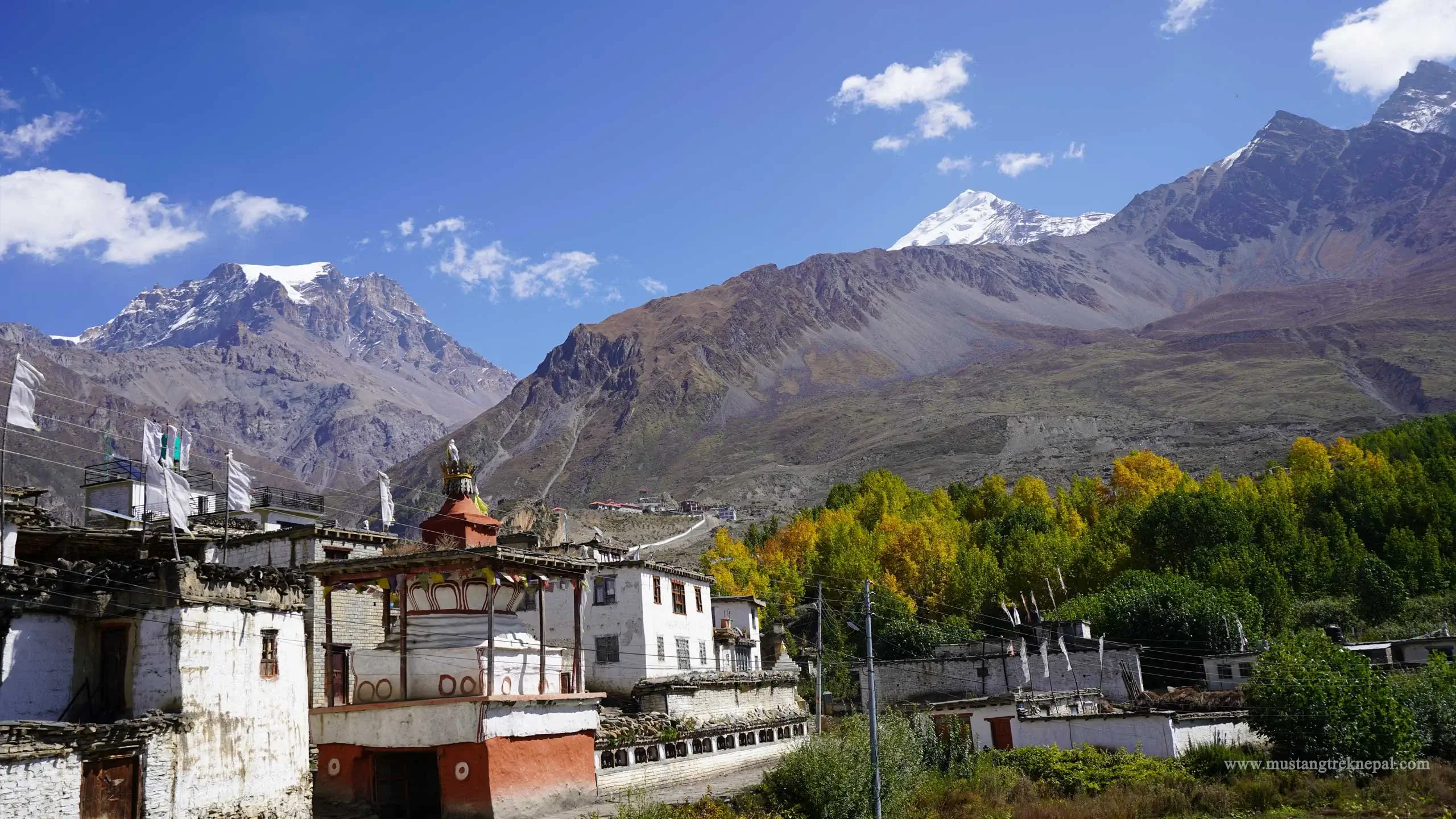
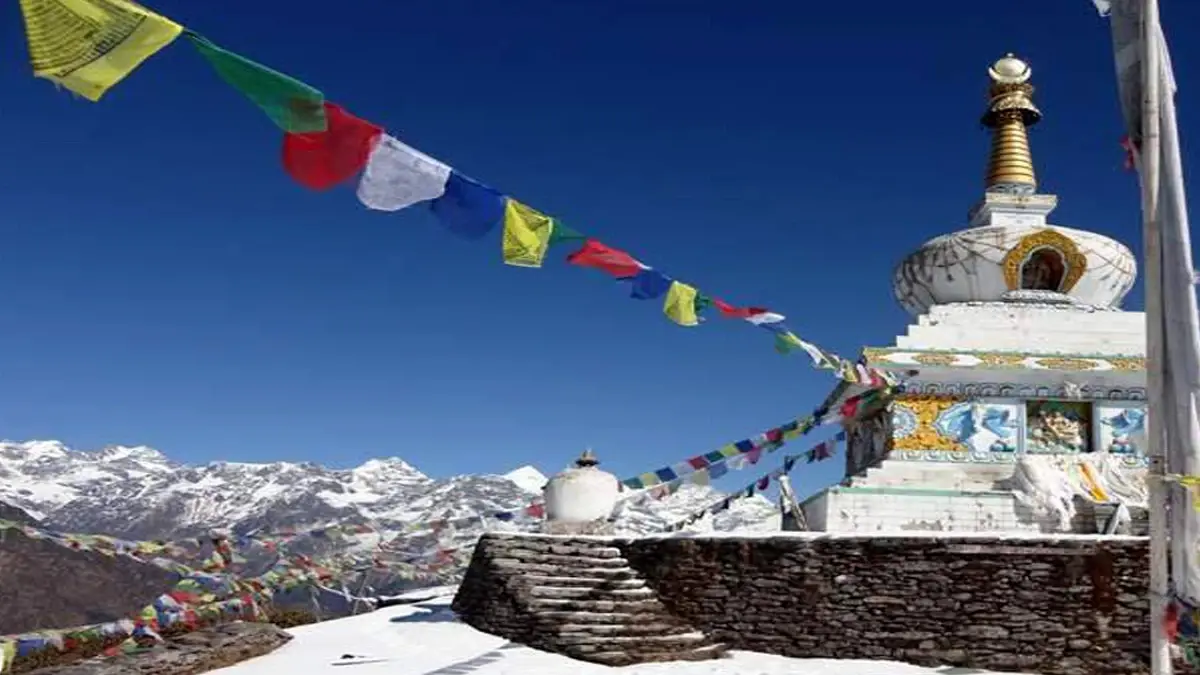
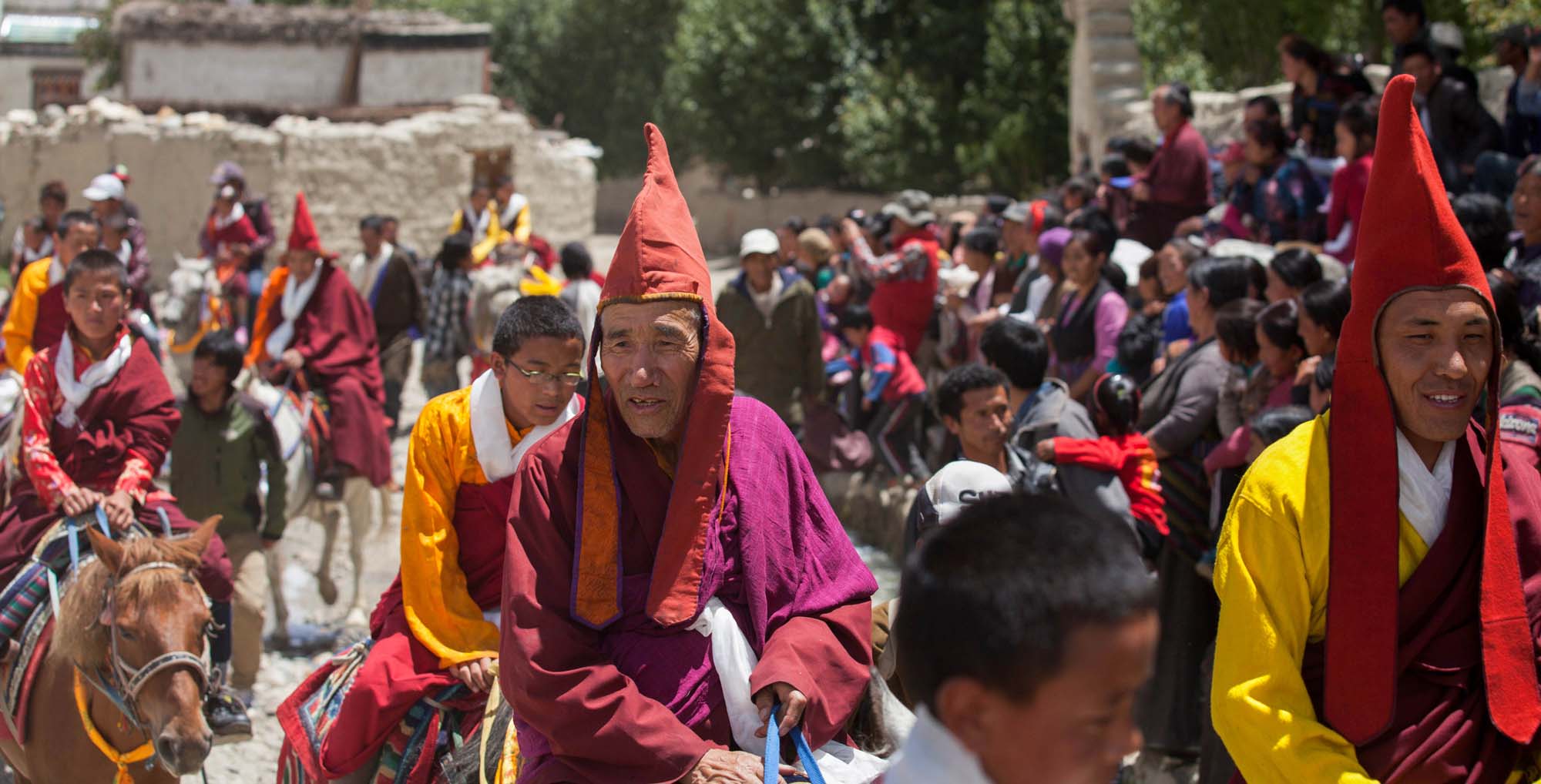
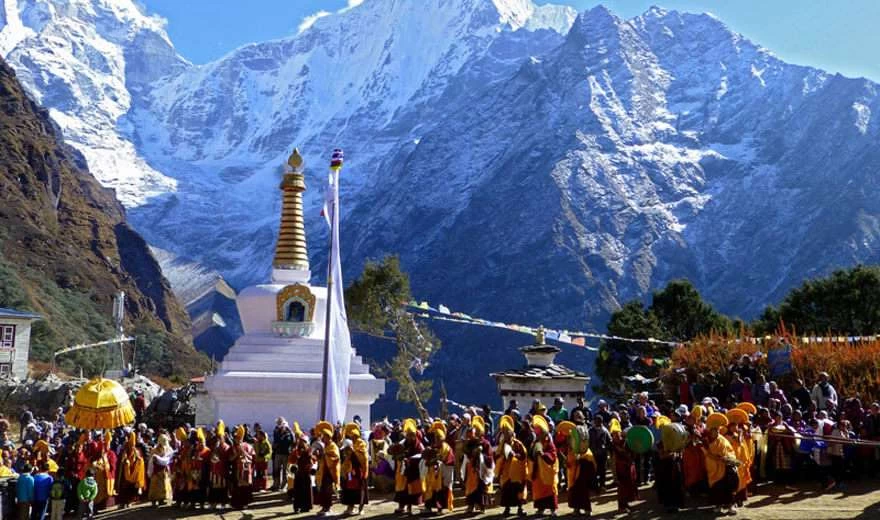
Mustang’s culture is deeply rooted in Tibetan Buddhism, with monasteries, chortens, mani walls, and prayer flags decorating the landscape. Tibetan dialect is widely spoken, and traditional attire, music, and festivals remain central to Mustang identity.
Major Cultural Highlights:
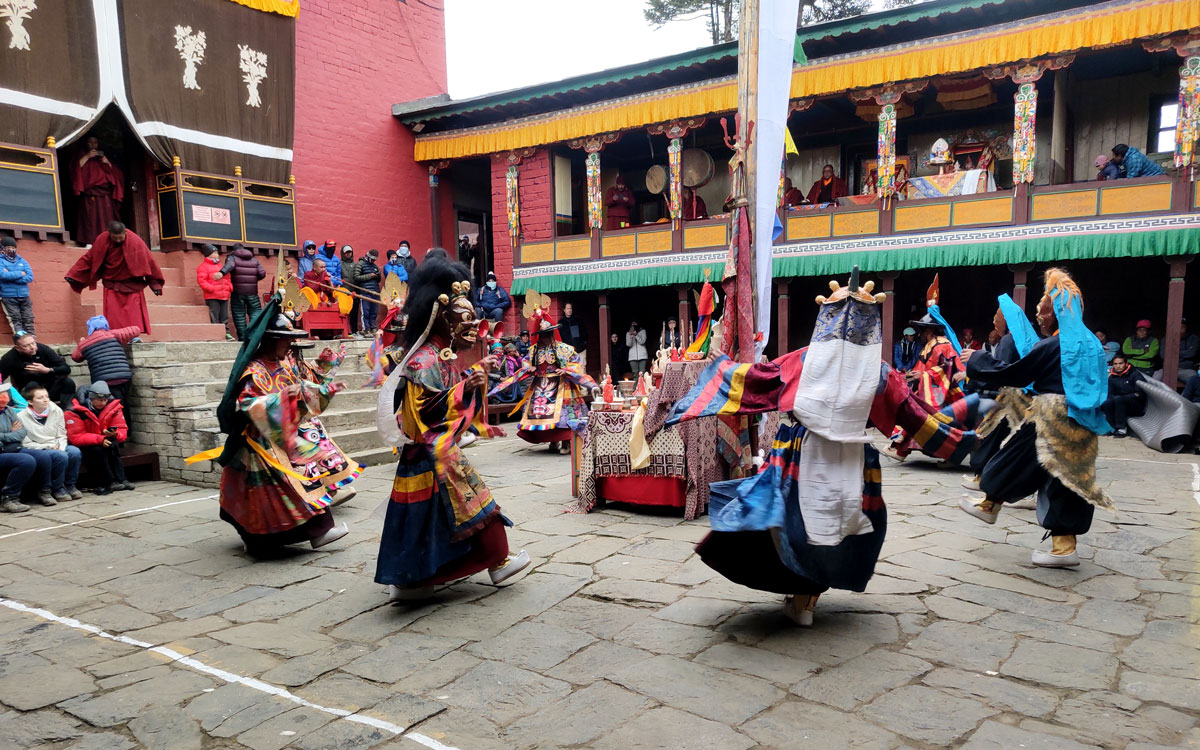
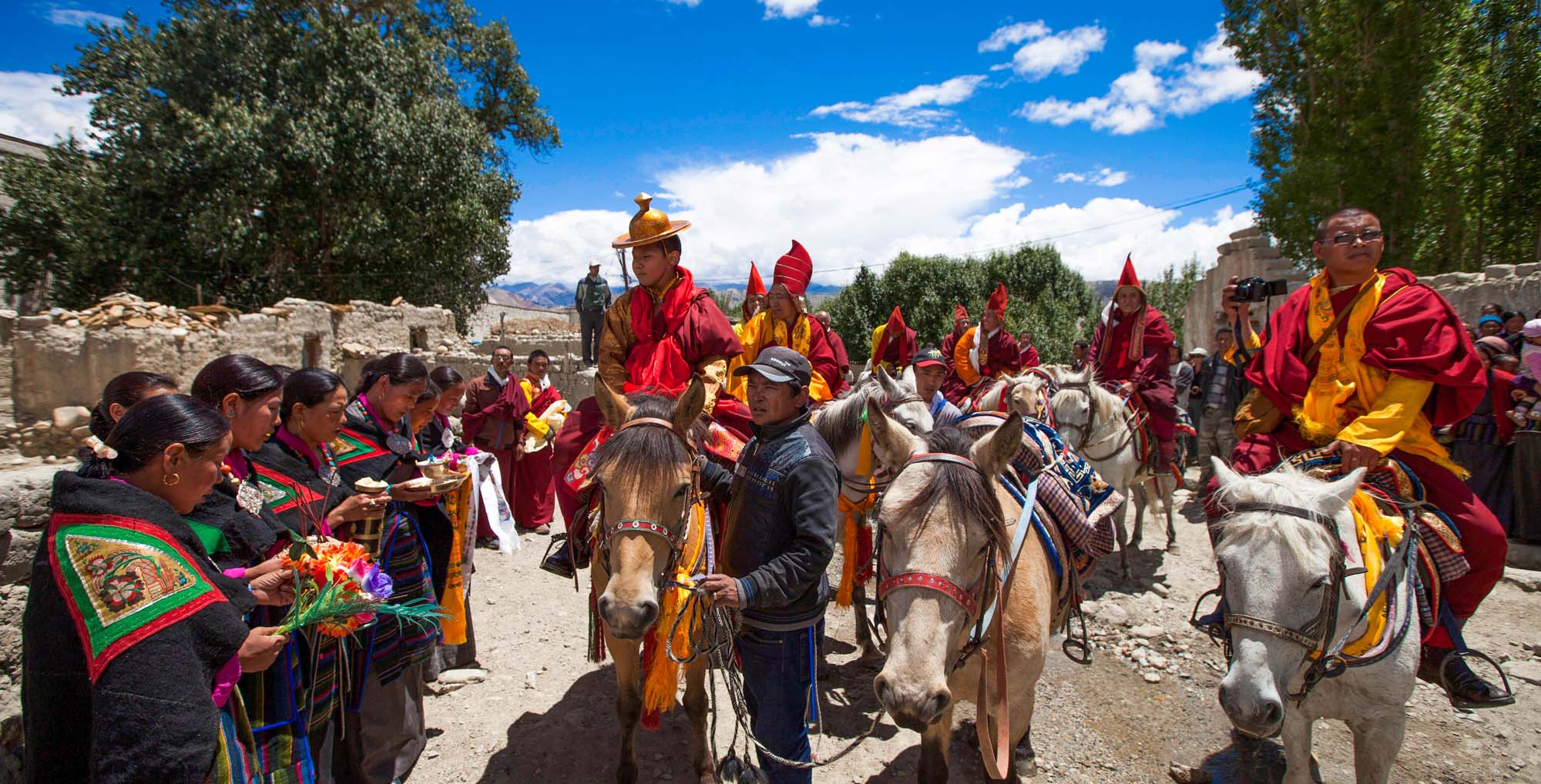
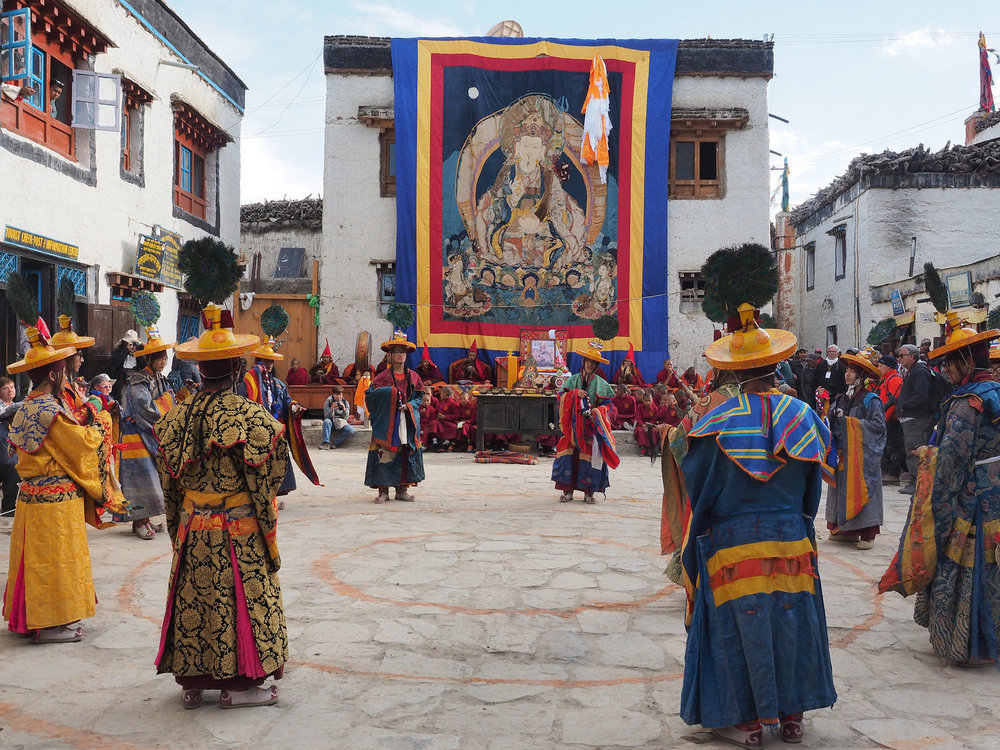
- Tiji Festival – A three-day celebration featuring masked dances symbolizing the triumph of good over evil
- Traditional Sky Caves – Ancient meditation caves carved into cliffs
- Tibetan nomadic influence – Yak herding, salt trading, and trans-Himalayan trade routes
Buddhism shapes daily life, with centuries-old rituals and customs preserved due to Mustang’s isolation.
The Landscape
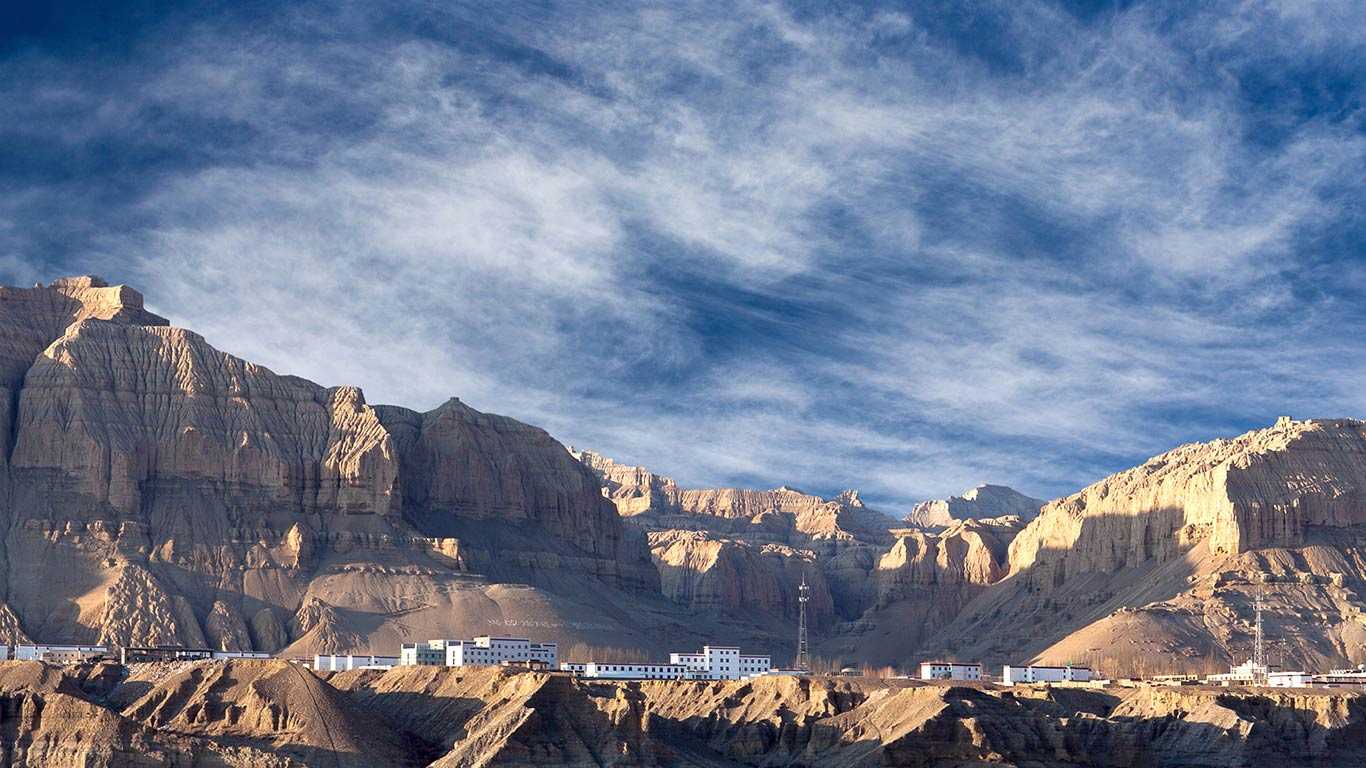
Upper Mustang lies in the rain shadow of the Himalayas, creating a desert-like terrain of dramatic cliffs, red canyons, and eroded sandstone pillars. The Kali Gandaki valley forms the backbone of the region, with trails passing through windswept villages, barley fields, and ancient fortress towns.
The landscape is often compared to Tibet’s plateau—vast, open, and spiritually charged, offering photographers and trekkers a visually stunning experience.
Community And Ethnic Groups
The people of Upper Mustang, known as Lopa, are of Tibetan origin and maintain traditional livelihoods based on:
- Barley and buckwheat farming
- Yak and sheep herding
- Trade along the ancient Salt Route
Villages such as Ghami, Tsarang, and Lo Manthang reflect a communal lifestyle, with flat-roofed houses built from mud bricks and stone. Social structures emphasize hospitality, lineage, and religious values.
Access And Airport Information
Jomsom Airport – Gateway to Mustang
Most trekkers access Upper Mustang via:
Pokhara → Jomsom (flight) → Kagbeni → Upper Mustang
Key notes:
- Flights are short but weather-dependent due to winds in the Kali Gandaki corridor.
- Alternative access includes driving from Pokhara to Jomsom (approx. 10–12 hours).
- From Jomsom onward, all travel is on foot, jeep, or horse.
Roads now connect many Mustang villages, allowing jeep tours, but classic trekking routes remain equally popular.
Book This Trip
Trip Information
 Start :
  Finish :
  Difficulty :
 Max Altitude :
  Group Size :
  Season :
Trip Gallery
Trip Itinerary
Day 1
Essential Info
Permits Required
Upper Mustang is a restricted region and requires special permits:
1. Restricted Area Permit (RAP)
- USD 50 per person for each additional day
- Mandatory: Group of at least two people, organized through a licensed trekking agency
2. Annapurna Conservation Area Permit (ACAP)
- NPR 3,000 (~USD 25)
No TIMS card is required when the RAP is issued.
Extra Info
Why Trekkers Choose Upper Mustang
Upper Mustang is ideal for trekkers seeking:
- A culturally rich Tibetan environment without traveling to Tibet
- Monsoon-season trekking (rain-shadow region)
- Ancient monasteries, sky caves, and living Buddhist traditions
- Unique desert landscapes unlike any other in Nepal
- Comfortable teahouse trekking with options for luxury lodges
Trip Date And Time
We'll Be There, Like We've Been There Before
|
Departing |
Finishing |
Trip Price Per Person |
Action |
Enquire |
|---|---|---|---|---|
| No Trip Yet!! | ||||
Featured Packages
You May Also Enjoy Our Other Trips

10 Days
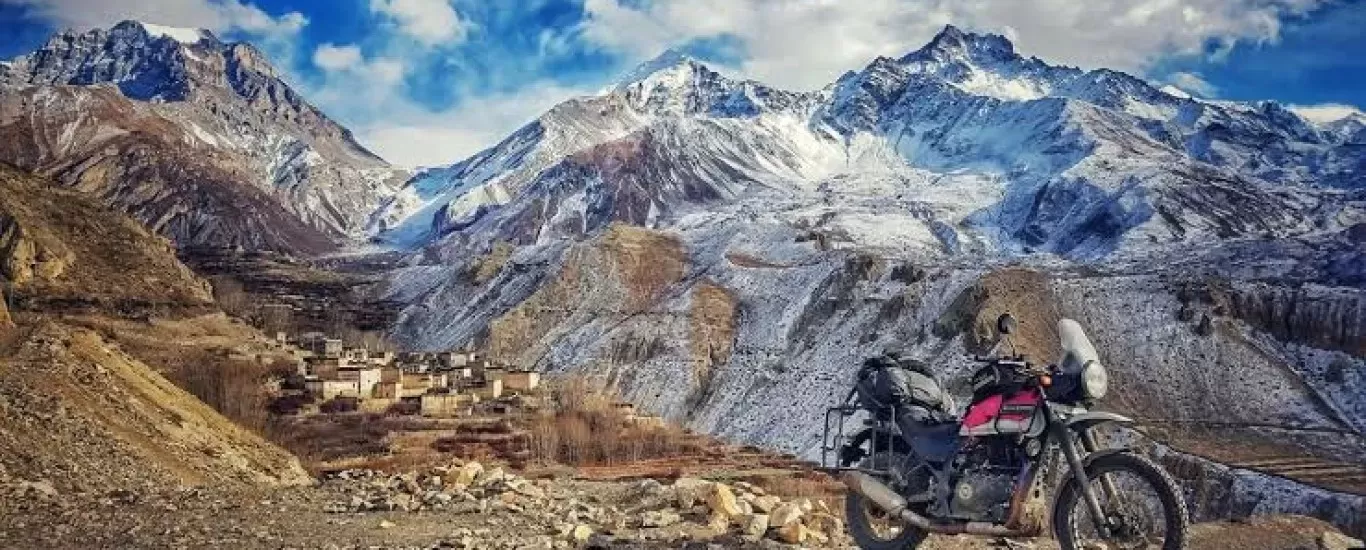
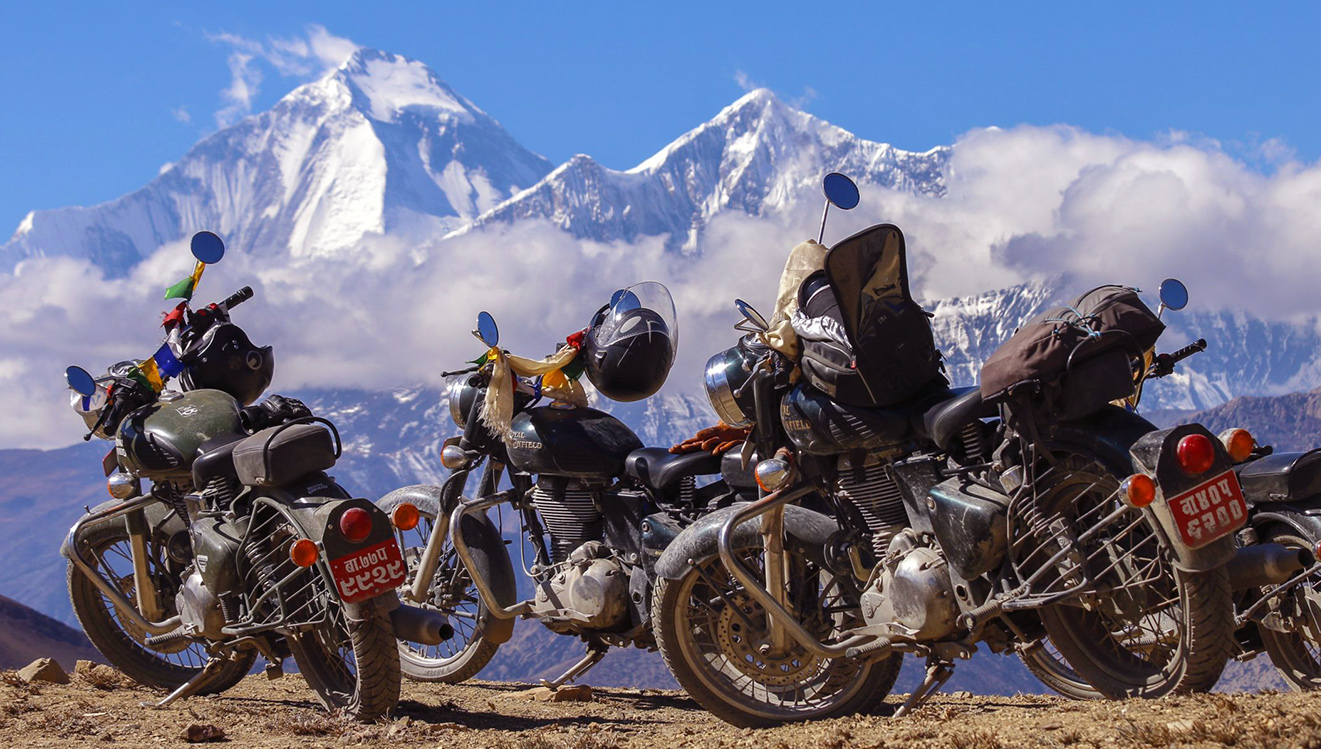
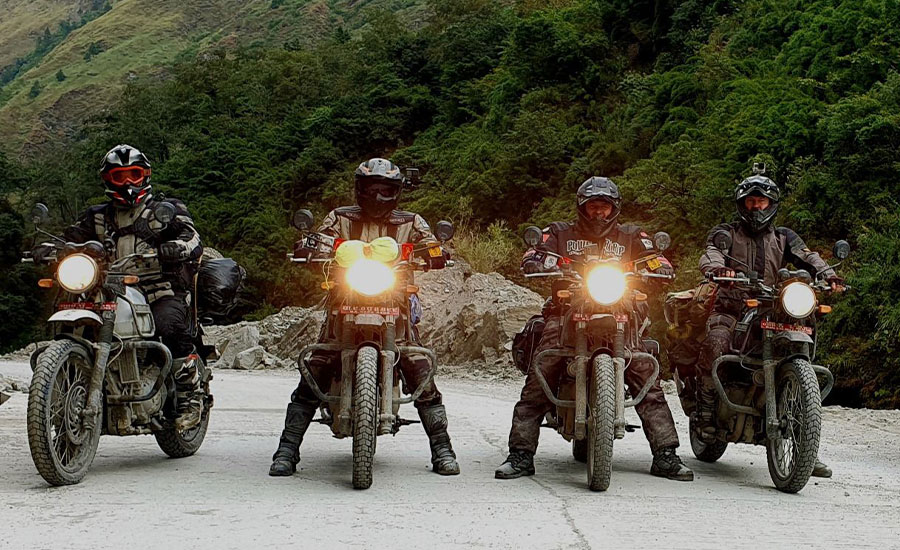
Nepal Heritage Motorbike Tour - A Journey Through Culture And Himalayas !
NPR 1000 Per Person




9 Days
Mardi Himal Trek: A Short and Scenic Route to the Hidden Side of the Annapurnas
NPR 1000 Per Person
15 Days
12 Days

11 Days
9 Days
26 Days
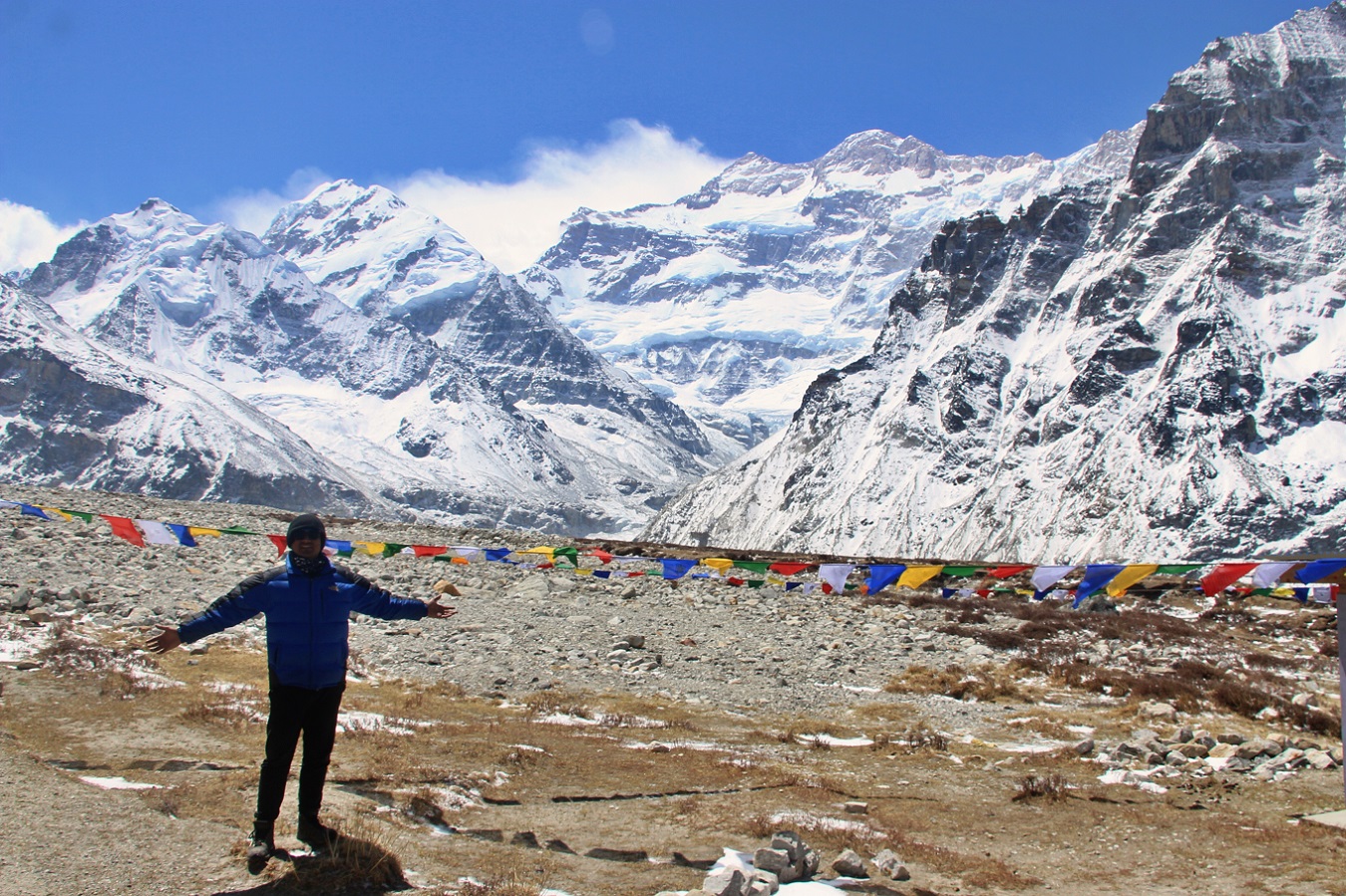
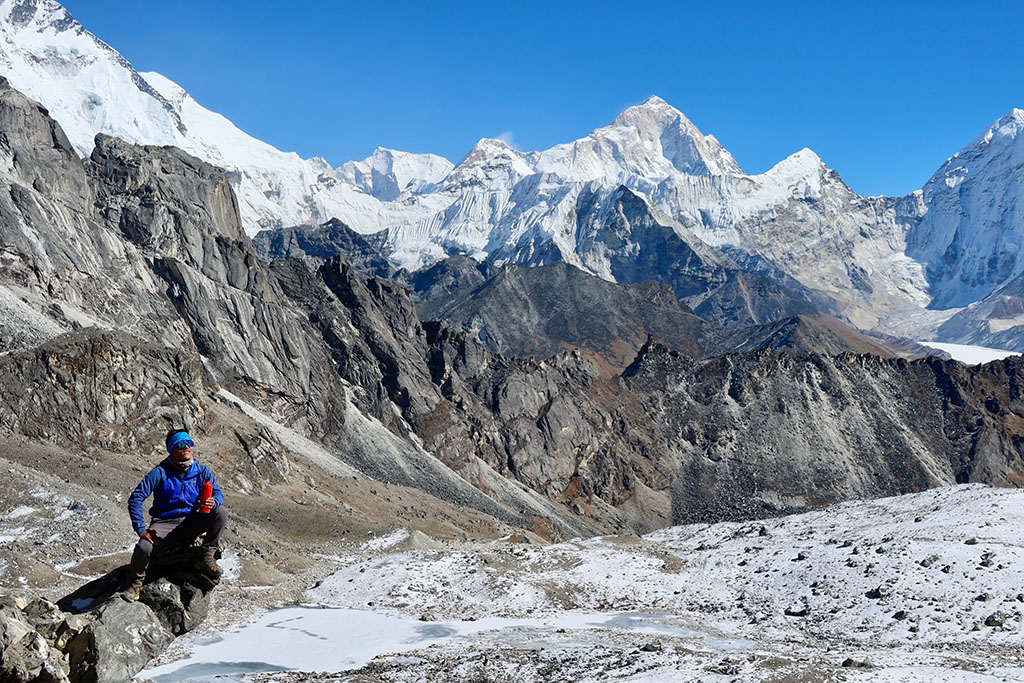
Kanchenjunga Trek: A Majestic Journey to the Third Highest Peak on Earth
NPR 1000 Per Person
17 Days
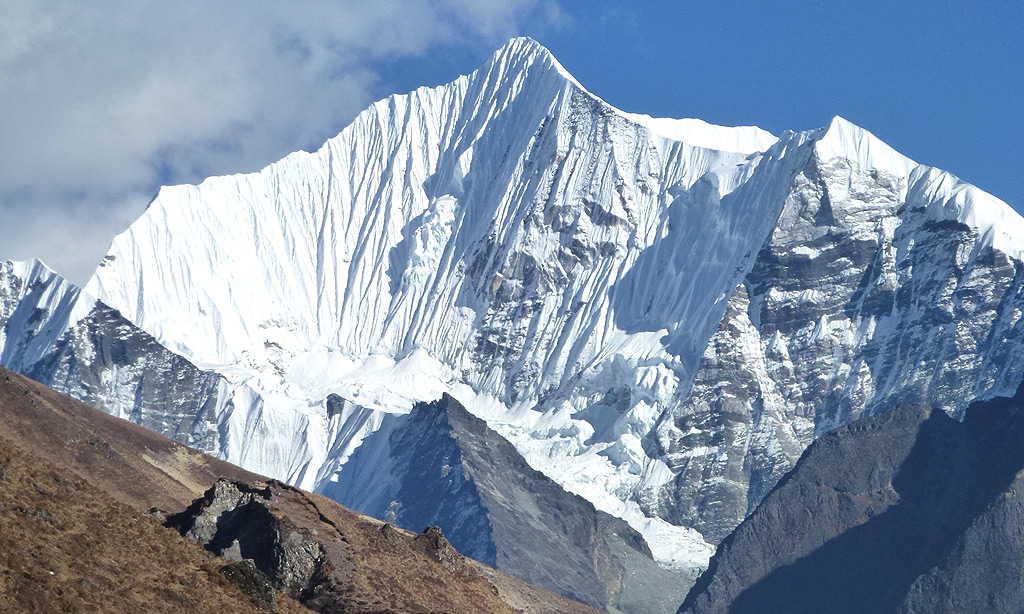
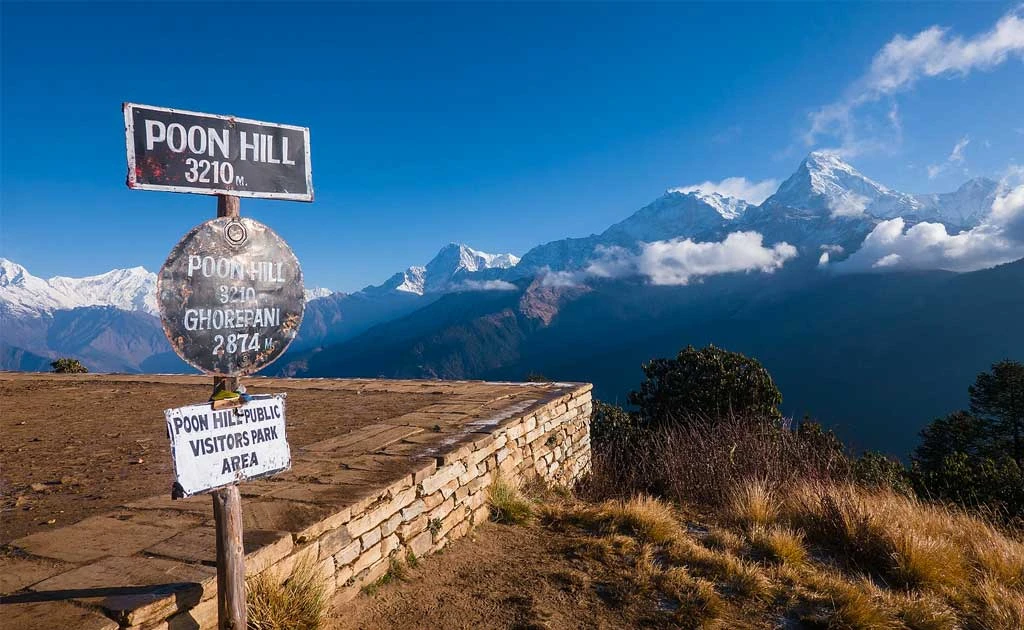
Everest Base Camp via Gokyo Trek: A Journey Through the Heart of the Khumbu
NPR 1000 Per Person
11 Days
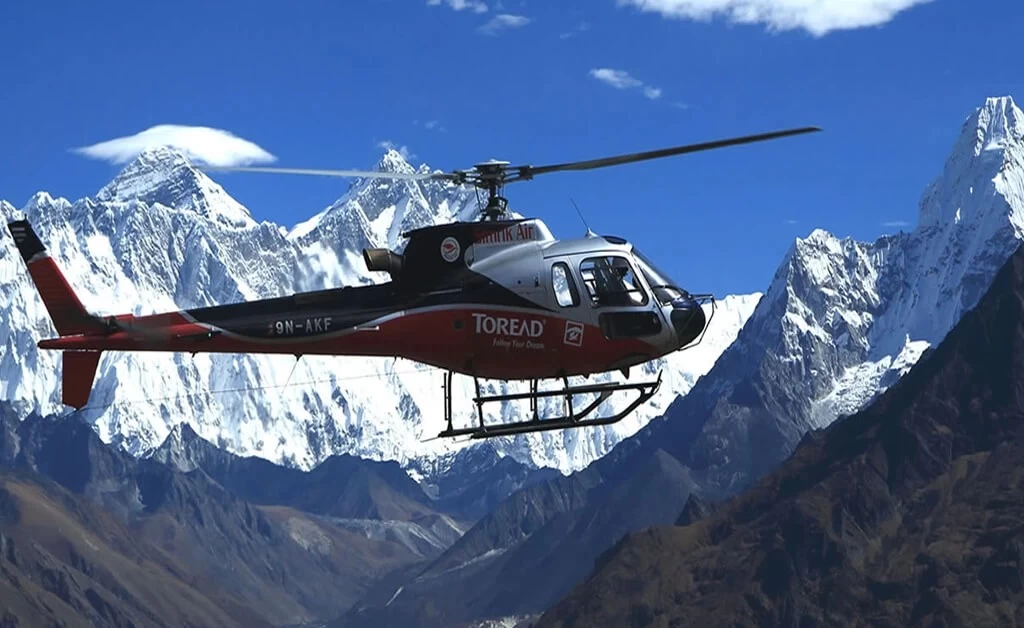
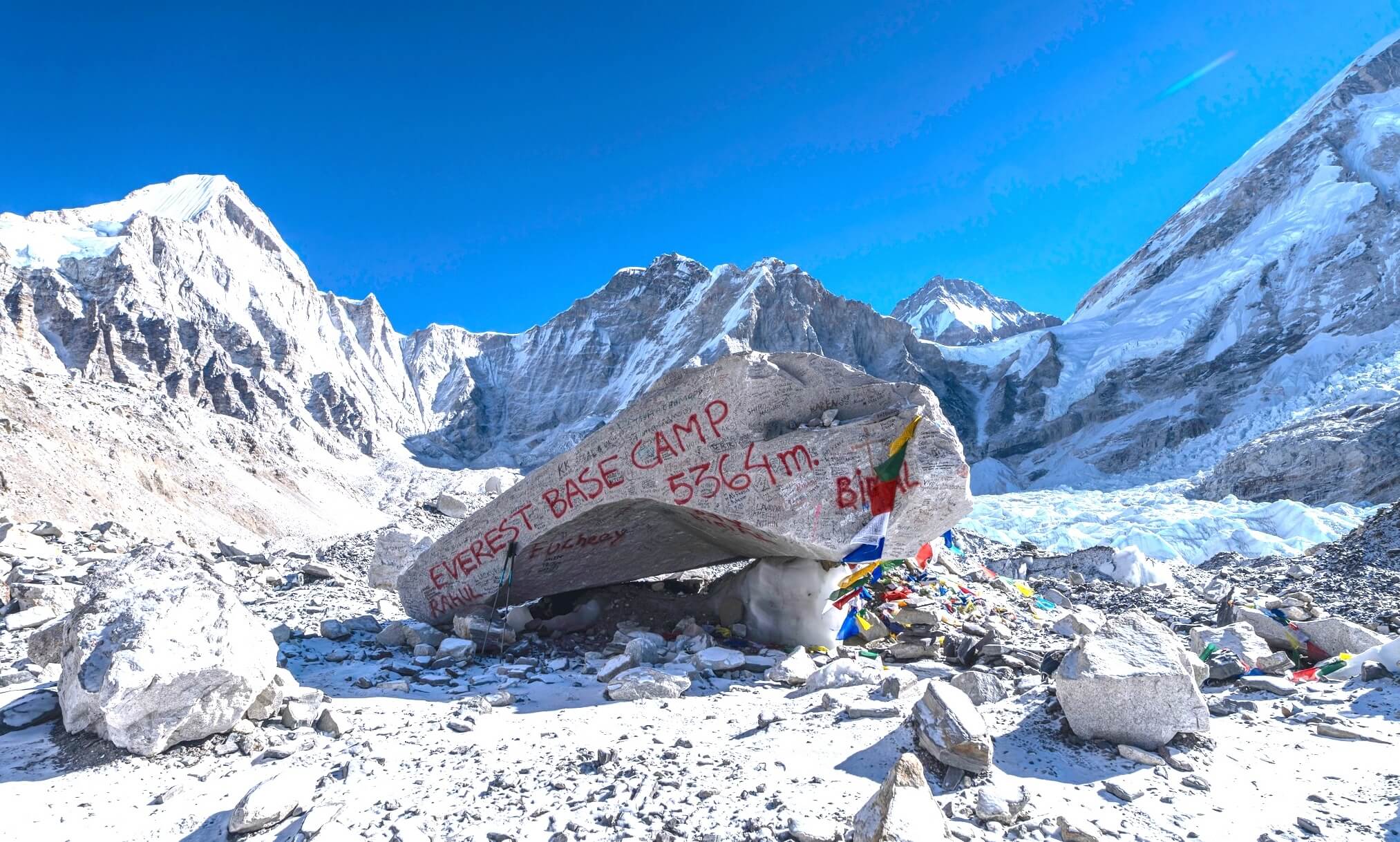
Everest Base Camp Heli Return Trek: A Perfect Blend of Adventure and Convenience
NPR 1000 Per Person
14 Days
Arun Valley Cultural Trail: Journey Through Eastern Nepal’s Cultural Heartland
NPR 1000 Per Person

11 Days
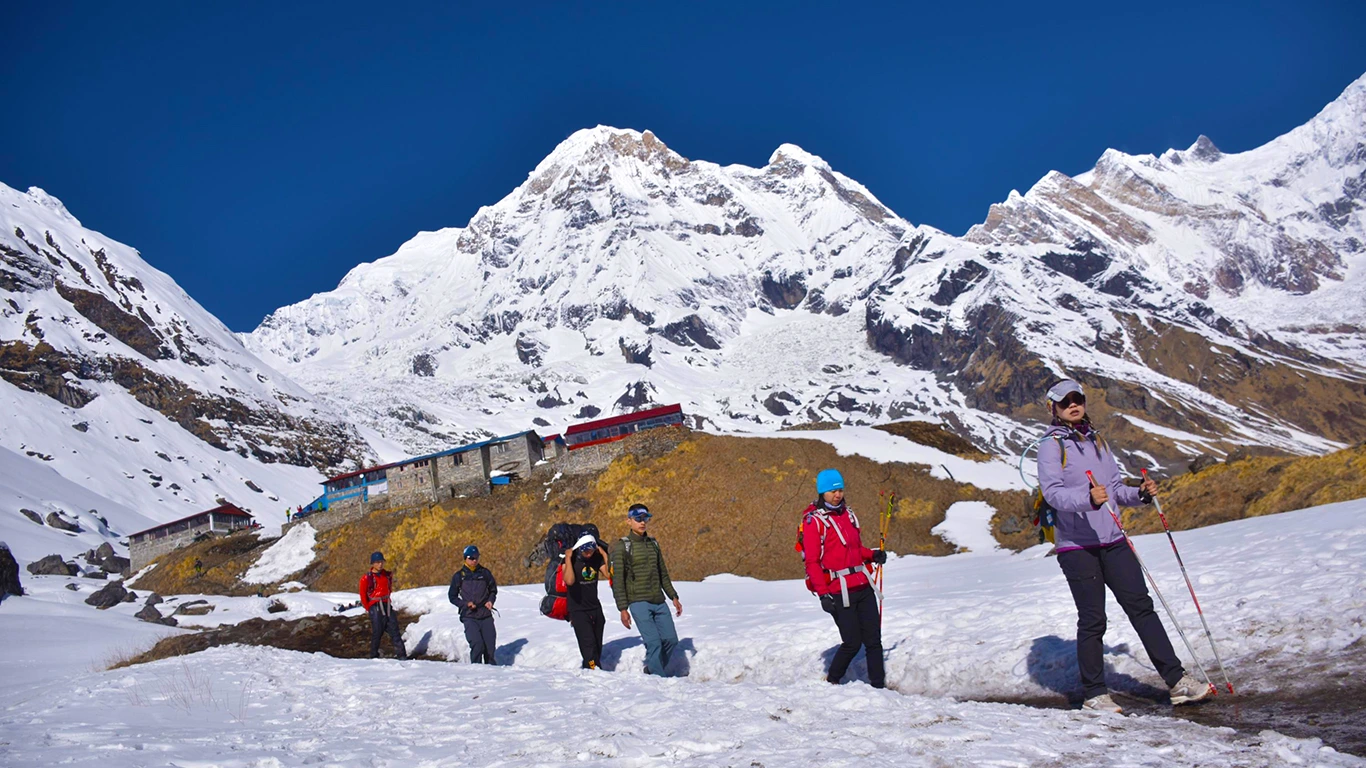
Annapurna North Base Camp Trek: A Remote Trail to the Hidden Face of Annapurna
NPR 1000 Per Person
9 Days


12 Days
22 Days
22 Days
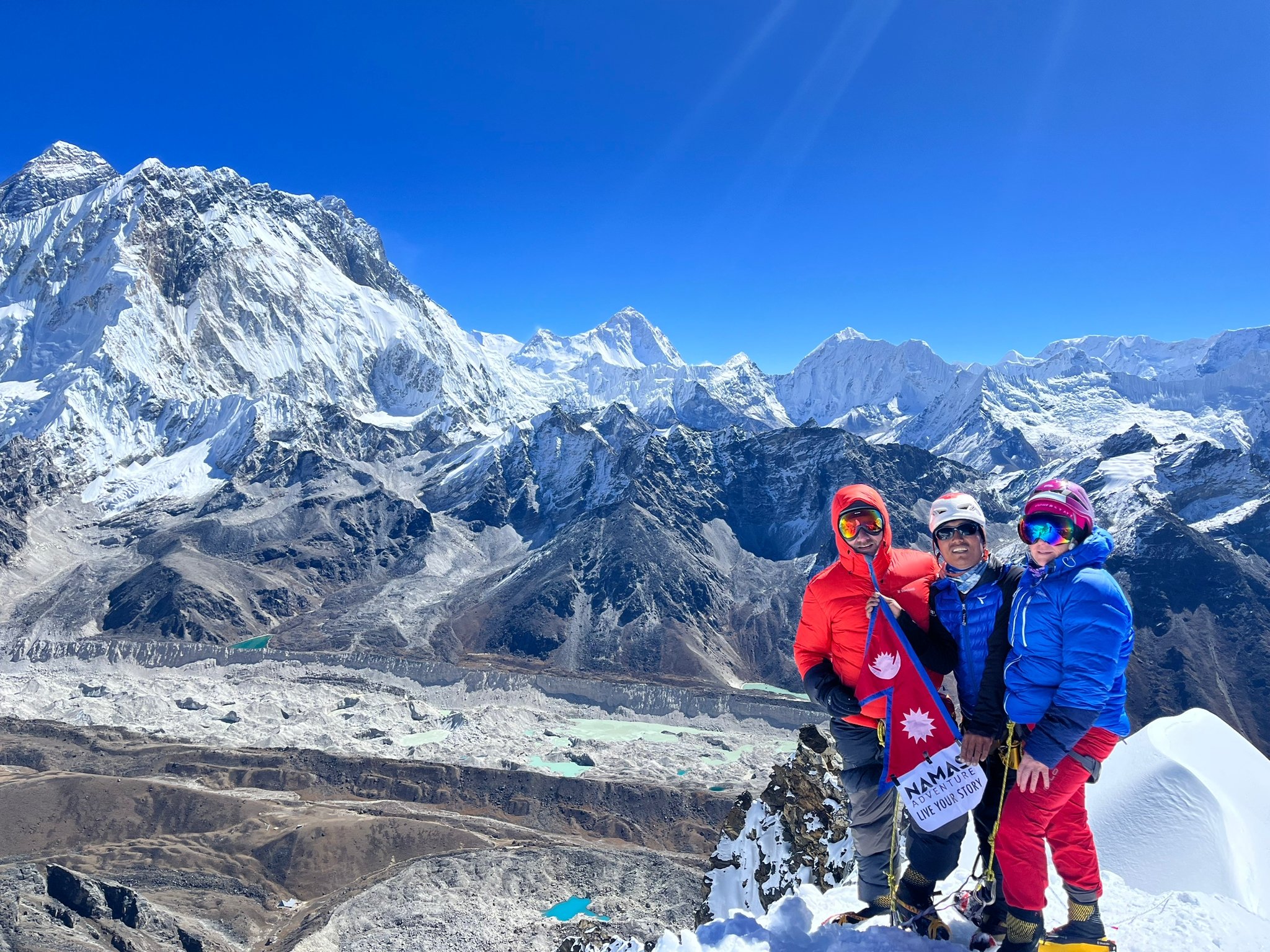
Labuje Peak Climbing Expedition: Exploring a Hidden Gem of the Himalayas
NPR 1000 Per Person
10 Days
Muktinath Yartung Festival: A Spiritual and Adventure Expedition in Nepal
NPR 1000 Per Person
14 Days
Mustang Tiji Festival: A Unique Cultural and Trekking Expedition in Nepal
NPR 1000 Per Person
15 Days
13 Days