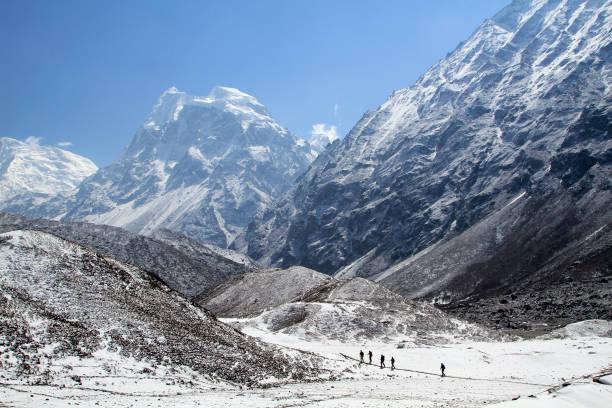
Annapurna Circuit Trek: Nepal’s Legendary Himalayan Circuit
- Home
- Annapurna Circuit Trek: Nepal’s Legendary Himalayan Circuit
Budget
USD 1990
Per Person
Rating
No review has been posted yet
Duration
14 Days
Trip Overview
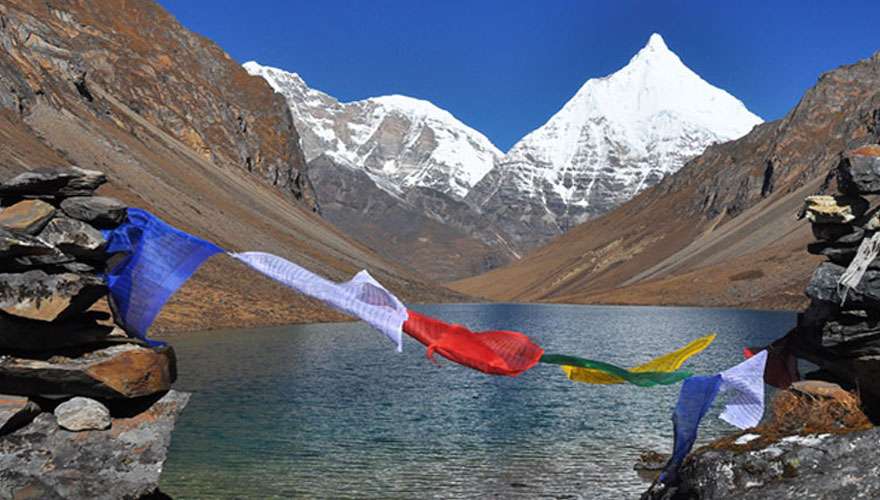
The Annapurna Circuit Trek is arguably one of the most iconic and varied trekking routes in the world, weaving a magnificent journey around the entire Annapurna massif. This legendary circuit offers trekkers an unparalleled experience, showcasing an astonishing diversity of landscapes, cultures, and climates within a single trek. From lush subtropical forests and terraced farmlands in the lower valleys to the high alpine meadows and stark, windswept terrains of the rain-shadow region, every step of the way reveals new wonders. The trail also holds rich cultural significance, passing through traditional villages that reflect a vibrant blend of Tibetan and Nepalese influences. Prayer flags flutter alongside ancient monasteries, while warm local hospitality offers a genuine glimpse into Himalayan life. The ultimate highlight is crossing the formidable Thorong La Pass at 5,416 meters, one of the highest trekking passes in the world, which rewards trekkers with breathtaking panoramic views of some of the Himalayas’ most impressive peaks.
Geography and Landscape
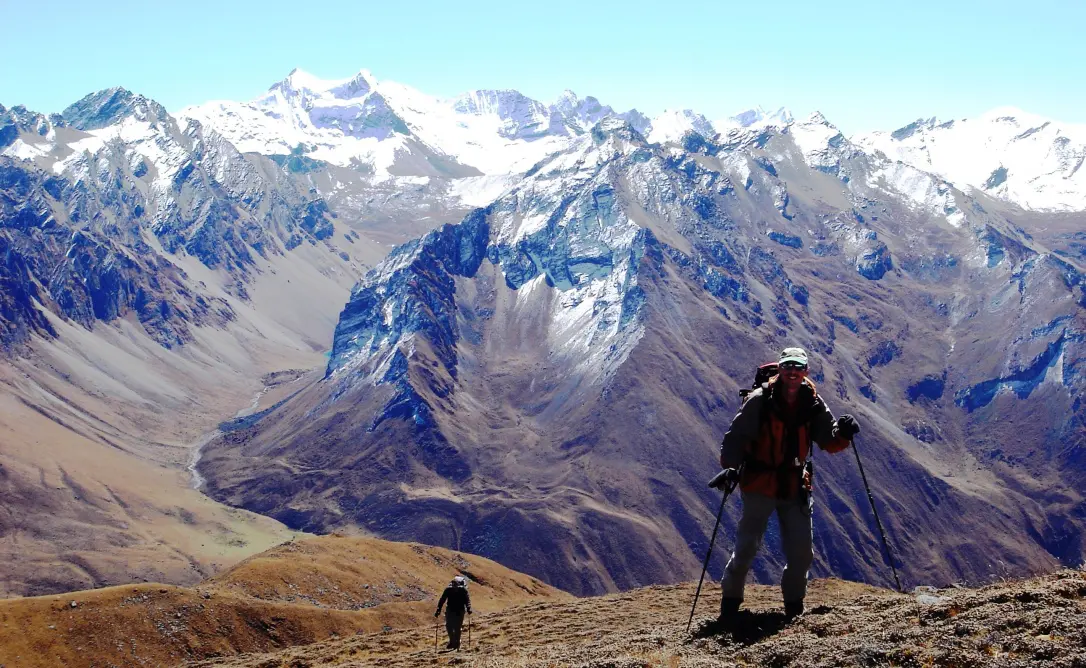
The Annapurna Circuit encompasses a stunning range of ecological zones and topographies, beginning from the subtropical Marshyangdi Valley, then rising through temperate forests, high-altitude alpine meadows, and finally to the arid rain-shadow region of Upper Mustang. Along the way, trekkers are treated to dramatic vistas of towering peaks such as Annapurna I-IV, Gangapurna, Dhaulagiri, Tilicho Peak, and the sacred Machhapuchhre (also known as Fishtail). The terrain varies dramatically—one day, you might be trekking beside lush rivers and waterfalls, and the next navigating rugged cliffs and barren highlands. This diverse geography is one of the trek’s greatest attractions, making every day a unique adventure.
Climate and Best Time to Trek
The best seasons to undertake the Annapurna Circuit are spring (March to May) and autumn (September to November). During these times, the weather is generally clear, and temperatures are moderate, which makes trekking safer and more enjoyable. Lower elevations offer warm daytime temperatures ranging between 15 to 25°C, while nights can be cool. At higher altitudes, especially near Thorong La Pass, temperatures can drop significantly, often ranging from 0 to -10°C or lower. Weather near the pass can change rapidly, emphasizing the need for proper acclimatization and preparedness.
People and Culture
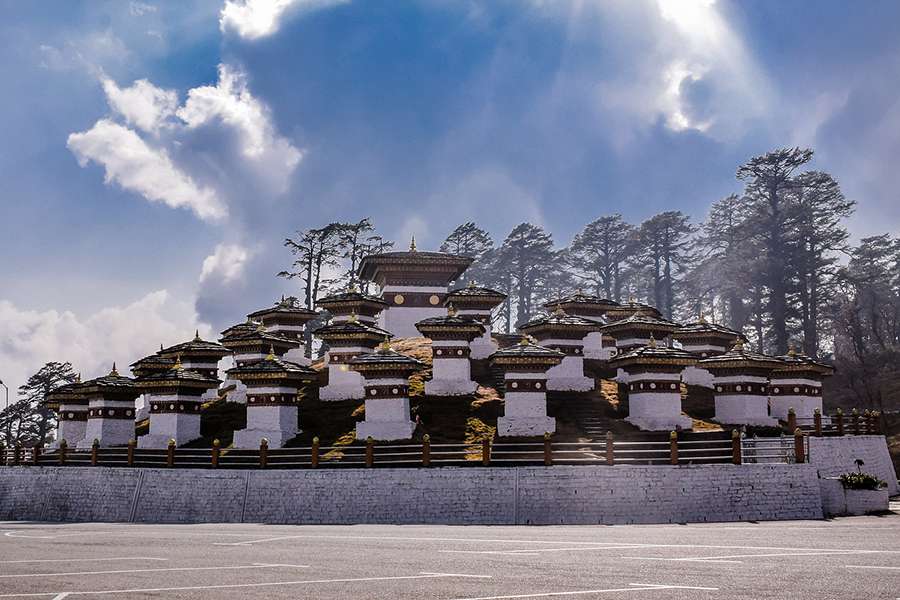
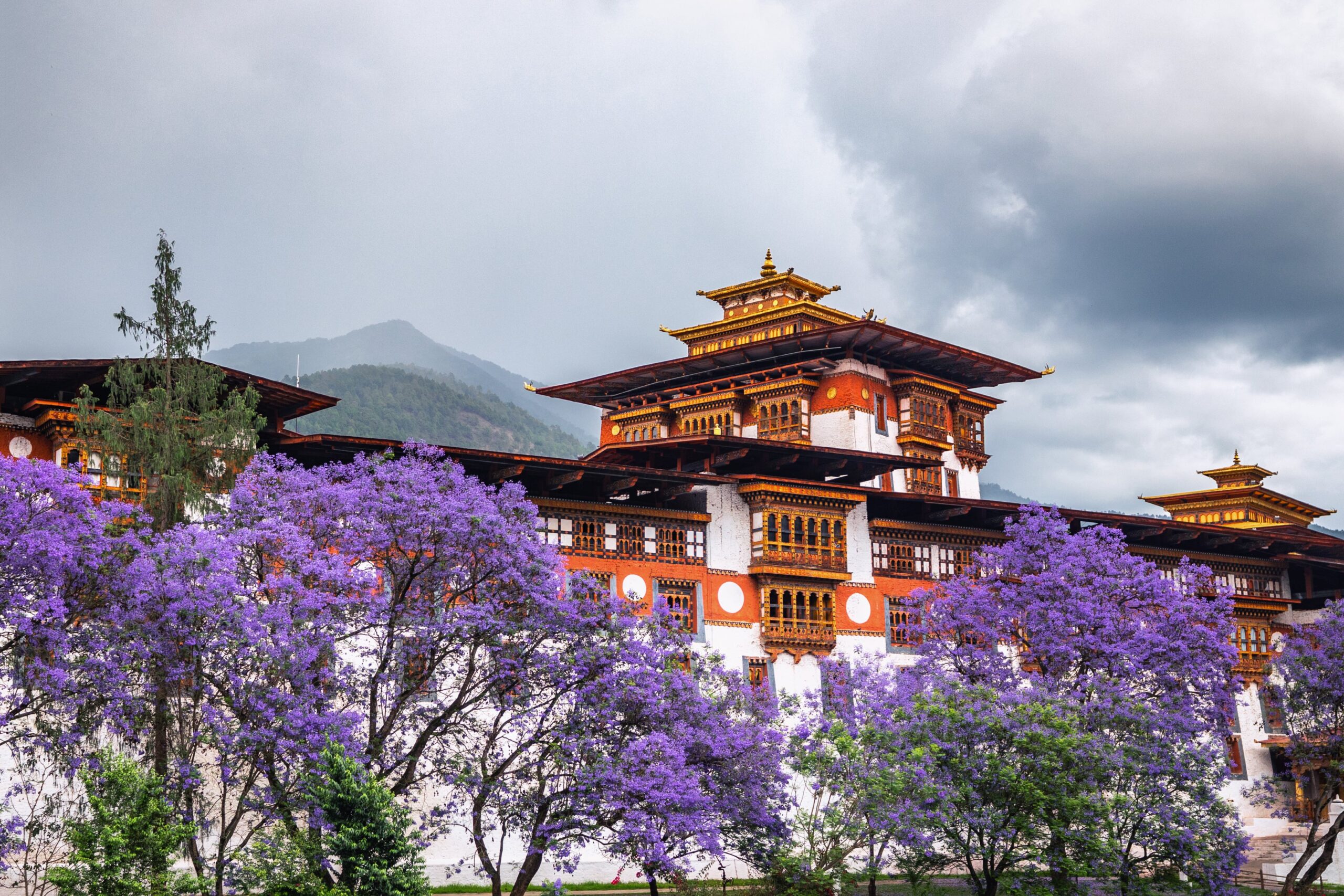
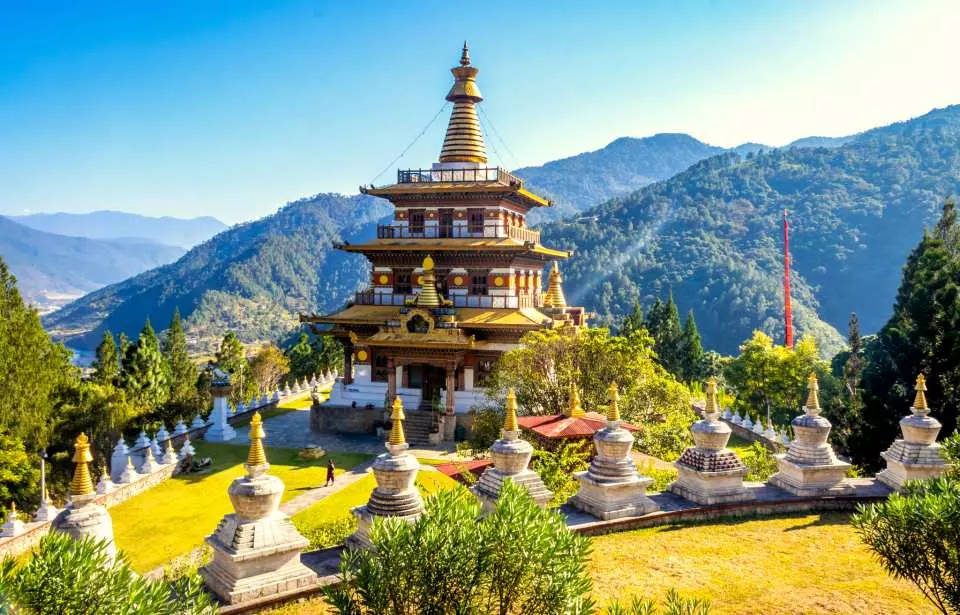
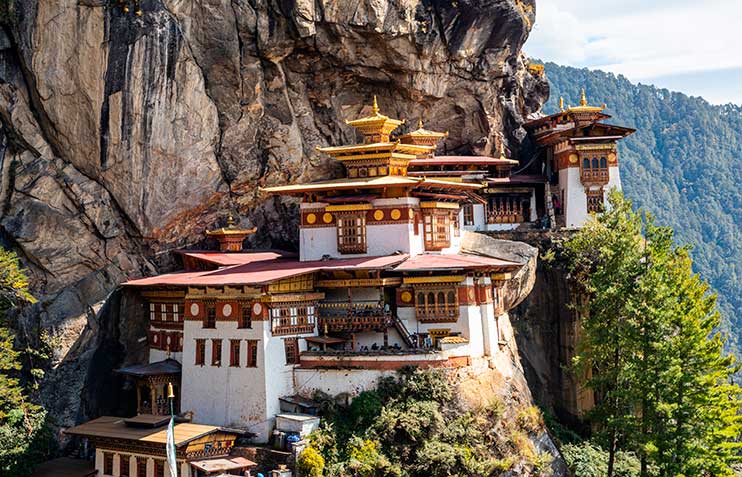
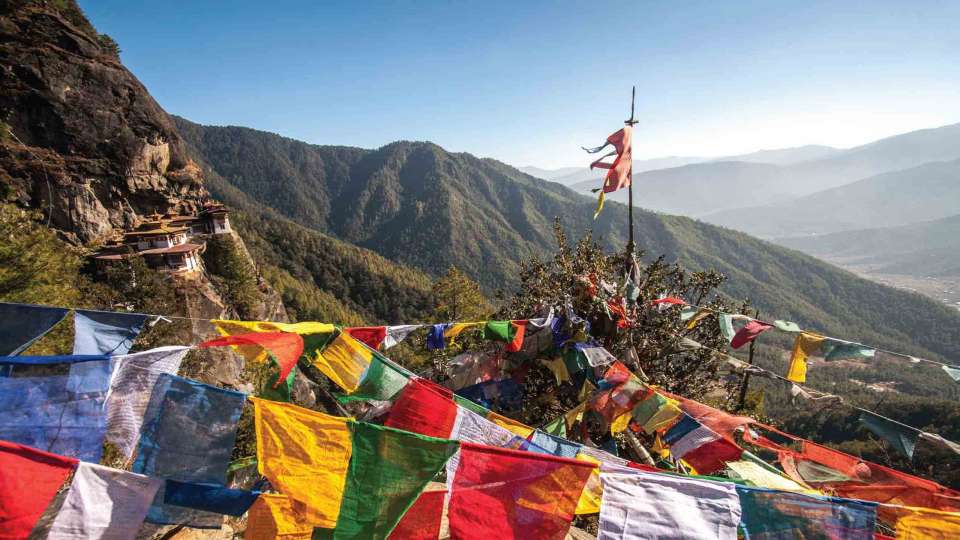
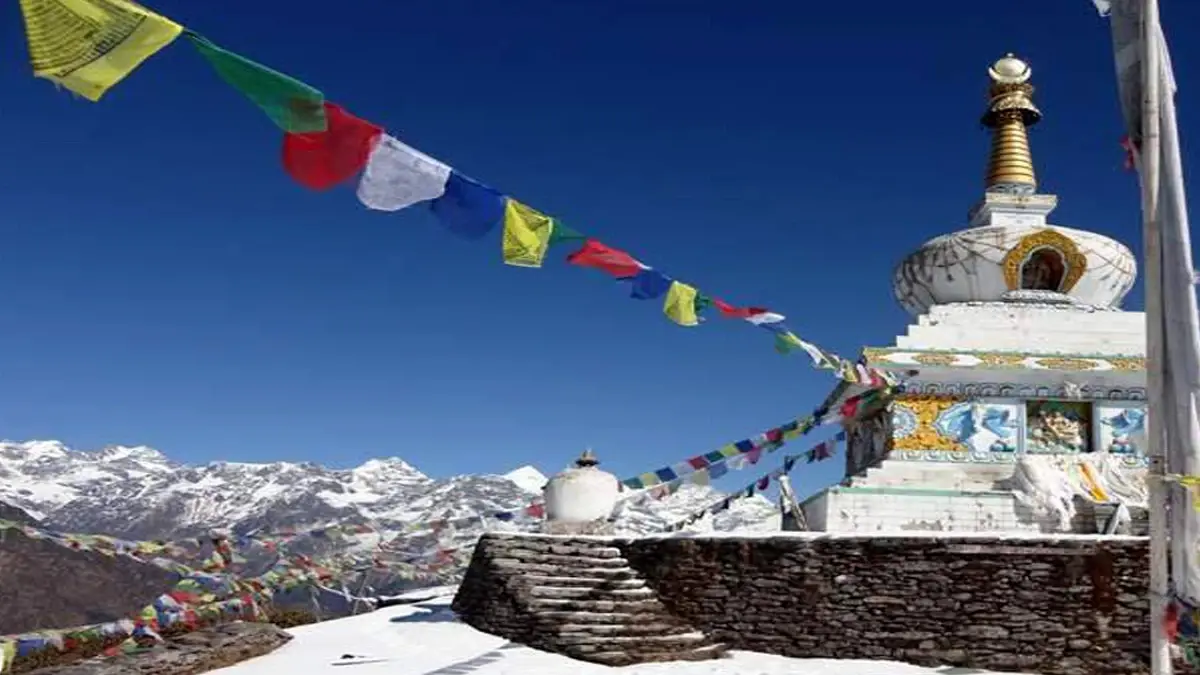
One of the trek’s most enriching aspects is its cultural tapestry. The lower hills are predominantly inhabited by the Gurung and Magar ethnic groups, who live primarily through agriculture and animal husbandry. As you ascend, you encounter the Tibetan-influenced Manangi and Thakali communities, whose customs and lifestyles reflect a fascinating blend of Hinduism and Tibetan Buddhism. Along the trail, you’ll witness many monasteries, prayer flags, chortens (stupas), and yak pastures, all contributing to the spiritual atmosphere. Villages like Braga and Manang offer rich cultural experiences, from traditional architecture to religious festivals and friendly local interactions.
Package Highlights:
- Scenic drive from Kathmandu to Dharapani, the traditional starting point of the trek.
- Trekking through dramatically varied landscapes and climate zones.
- Stunning panoramic views of Annapurna, Dhaulagiri, and Manaslu ranges.
- The memorable crossing of Thorong La Pass (5,416m).
- Visiting culturally significant villages such as Pisang, Manang, and Muktinath.
- Opportunities for acclimatization and side hikes in Manang, including Gangapurna Lake and Ice Lake.
- Visiting the sacred temple of Muktinath, an important pilgrimage site.
- Optional natural hot springs at Tatopani for relaxation.
- Scenic flight or drive from Jomsom to Pokhara, providing a smooth end to the trek.
- A once-in-a-lifetime adventure exploring the full circuit around the Annapurna Massif.
Book This Trip
Trip Information
 Start : Kathmandu
 Finish : Kathmandu
 Difficulty :
Moderate
Difficulty :
Moderate
 Max Altitude : 5416m
 Group Size : 17 People
 Season : SEP-NOV, MAR-MAY
Trip Gallery

Trip Itinerary
Altitude: 1,400m
We will pick you up from Tribhuvan International Airport upon your arrival in Kathmandu. One of our representatives from Nord Extreme will warmly welcome you and assist with your transfer to the hotel in Thamel, the vibrant tourist center of Kathmandu.
After check-in, you will have time to rest or explore the lively streets filled with cafés, trekking shops, and cultural landmarks.
In the evening, meet your trekking guide for an introductory briefing about the Annapurna Circuit journey ahead. Overnight in Kathmandu.
Accomadation: Hotel
Place to visit: Nepal
Altitude: 1,400m
Trek duration: 2–4 hrs
Today is dedicated to final trek preparation and official permit arrangements for the Annapurna Circuit region. Our Nord Extreme team will assist you with all required documentation, including TIMS and Annapurna Conservation Area permits.
You will attend a detailed trek briefing covering the itinerary, altitude awareness, acclimatization, safety measures, weather conditions, and trail expectations.
A full gear inspection will also be conducted to ensure you are properly equipped for the trek. You will have additional time for last-minute shopping or renting any missing trekking equipment in Thamel.
Accomadation: Hotel
Place to visit: Nepal
Altitude: 1,960m
Trek duration: 8–9 hrs drive
Today begins with an early morning drive from Kathmandu to Besisahar, the gateway to the Annapurna region. The scenic journey passes through rivers, terraced rice fields, green hillsides, and traditional villages.
After a lunch stop in Besisahar, continue by jeep toward Dharapani along rugged mountain roads with increasingly dramatic views of the Annapurna and Manaslu ranges. Dharapani is a small mountain settlement and an important entry point for trekkers in the region.
Accomadation: Tea House
Place to visit: Annapurna Region
Altitude: 2,670m
Trek duration: 5–6 hrs
Your trekking adventure officially begins today. The trail ascends gradually through pine and oak forests while crossing suspension bridges above rushing mountain rivers.
Along the route, pass small villages with traditional stone houses and terraced farms. As you approach Chame, magnificent peaks such as Lamjung Himal and Annapurna II dominate the skyline. Chame serves as the administrative center of Manang District and offers comfortable teahouses and lodges.
Accomadation: Tea House
Place to visit: Annapurna Region
Altitude: 3,200m
Trek duration: 5–6 hrs
The trail follows the Marsyangdi River through alpine landscapes filled with waterfalls, rocky cliffs, and scattered settlements. Buddhist culture becomes increasingly visible with prayer flags, mani walls, and chortens along the route.
Pisang is divided into Upper and Lower Pisang, with Upper Pisang offering exceptional panoramic mountain views and a culturally rich atmosphere with Tibetan-style homes and monasteries.
Accomadation: Tea House
Place to visit: Annapurna Region
Altitude: 3,540m
Trek duration: 6 hrs
Today’s scenic upper route rewards you with breathtaking views of Annapurna II, III, IV, and Gangapurna peaks. The trail passes through traditional villages, ancient monasteries, and long mani walls inscribed with Buddhist prayers.
Manang is one of the most important acclimatization stops on the Annapurna Circuit and features a vibrant trekking community with lodges, bakeries, and mountain culture.
Accomadation: Tea House
Place to visit: Annapurna Region
Altitude: 3,540m
Trek duration: 2–6 hrs (optional hikes)
To help your body adjust to the increasing altitude, today is reserved for acclimatization and exploration. Optional hikes include Gangapurna Lake or the more challenging Ice Lake hike, both offering spectacular views of glaciers and surrounding peaks.
You can also explore the village, visit monasteries, or attend an altitude-awareness presentation organized by the Himalayan Rescue Association.
Accomadation: Tea House
Place to visit: Annapurna Region
Altitude: 4,110m
Trek duration: 4–5 hrs
Today’s trail climbs steadily through alpine meadows and sparse vegetation where yaks graze during summer months.
The landscape becomes increasingly barren yet incredibly beautiful, surrounded by towering Himalayan peaks and wide-open valleys. Yak Kharka is a small seasonal settlement with basic teahouses and stunning mountain scenery.
Accomadation: Tea House
Place to visit: Annapurna Region
Altitude: 4,540m
Trek duration: 3–4 hrs
A shorter trekking day allows time for rest and preparation before crossing Thorong La Pass. The terrain becomes more rugged and high-altitude conditions become noticeable.
Thorong Phedi serves as the base camp for the pass crossing and provides simple but essential accommodation for trekkers.
Accomadation: Tea House
Place to visit: Annapurna Region
Altitude: 5,416m
Trek duration: 8–9 hrs
Today is the most challenging and rewarding day of the trek. Begin before dawn for the ascent to Thorong La Pass, one of the world’s highest trekking passes.
The climb is physically demanding, but the panoramic views from the top—including Dhaulagiri, Annapurna, and Nilgiri—are unforgettable. After celebrating at the summit, descend to Muktinath, an important pilgrimage site sacred to both Hindus and Buddhists.
Accomadation: Tea House
Place to visit: Annapurna Region
Altitude: 2,720m
Trek duration: 5–6 hrs trek / 2–3 hrs drive
Continue descending through the dry and windy landscapes of Lower Mustang. You may either trek or take a jeep ride depending on preference and conditions.
Jomsom is a lively mountain town known for apple orchards, local markets, and strong afternoon winds called the “Jomsom wind.” The town offers comfortable lodges and a unique Himalayan desert atmosphere.
Accomadation: Tea House
Place to visit: Annapurna Region
Altitude: 820m (Pokhara) / 1,190m (Tatopani)
Trek duration: 20 min flight / optional trekking hours
From Jomsom, you may take a scenic flight to Pokhara with incredible aerial views of the Himalayas and river valleys below. Pokhara offers a relaxing lakeside atmosphere perfect for recovery and sightseeing.
Alternatively, continue trekking to Tatopani, famous for its natural hot springs where you can relax and soothe tired muscles after days on the trail.
Accomadation: Tea House
Place to visit: Annapurna Region
Altitude: 1,400m
Trek duration: 25 min flight / 6–8 hrs drive
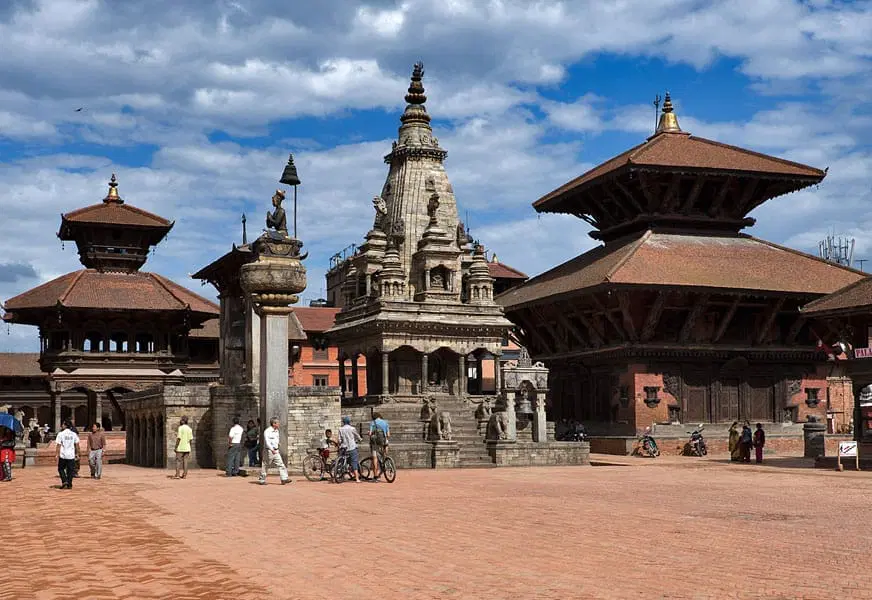
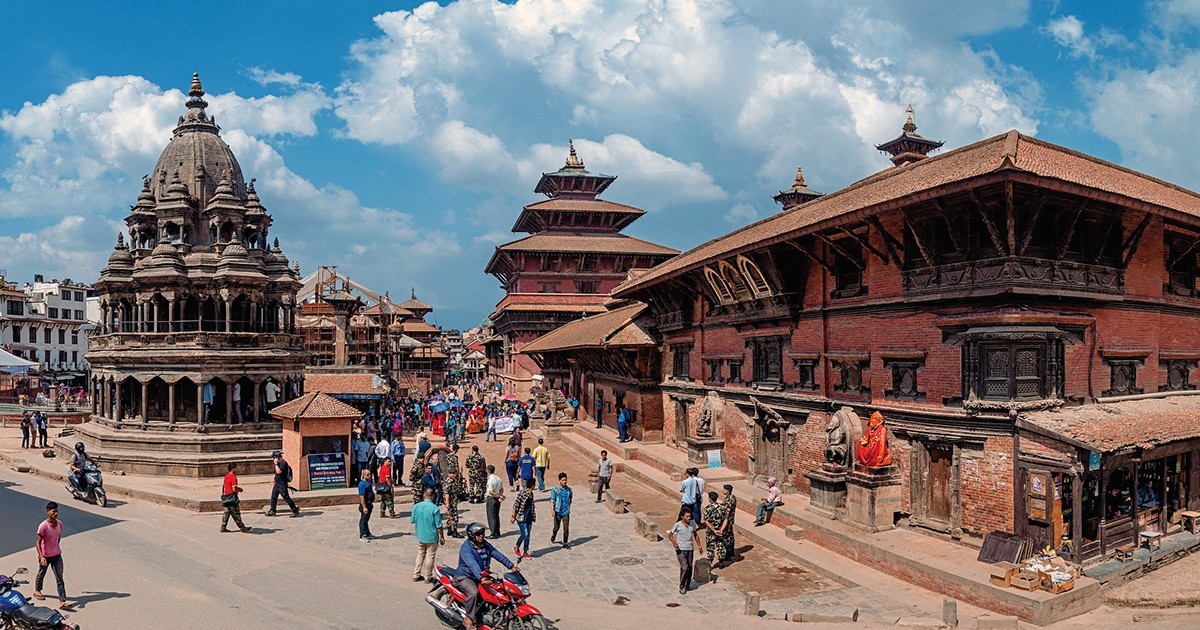
Return to Kathmandu either by scenic domestic flight or overland drive. Once back in the capital, enjoy free time for shopping, sightseeing, or visiting famous cultural landmarks such as Boudhanath Stupa, Pashupatinath Temple, or Durbar Square.
Accomadation: Hotel
Place to visit: Nepal
Today marks the end of your Himalayan journey. After breakfast, our Nord Extreme team will transfer you to Tribhuvan International Airport for your onward flight.
We hope you leave Nepal with unforgettable memories of the Annapurna Circuit, its majestic mountain landscapes, and the warmth of Himalayan culture.
Place to visit: Nepal
USD 1990 / person
See group booking discount- No. of person Price per person
- 1 USD 1990.00
- 2-3 USD 1540.00
- 4-7 USD 1480.00
- 8-12 USD 1425.00
- 13-17 USD 1390.00
The price may varies
Speak to an Expert
Mr. Sonam G. Sherpa


Mr. Ang Dawa Sherpa
Cost Includes
1. Transportations
- Private/tourist vehicles for airport pickup and drop-off in Kathmandu.
- Private/tourist vehicles transfer as per itinerary to access the trailheads.
- Domestic flight included for access to the trekking starting & ending point.
2. Accommodation & Meals
- 3 night 3 star hotel in Kathmandu with bed & breakfast basis.
- 1 night 2 star hotel in Pokhara with bed & breakfast basis.
- All Meals (breakfast, lunch & dinner) during the trekking Period.
3. Permits
- Annapurna Conservation Area Project (ACAP) permits.
- Trekkers' Information Management System (TIMS) permits.
4. Guide & Staff
- Professional and experience License holder trekking guide salary & insurance.
- Porter salary, equipments & insurance.
- First aid medical kit for emergency support.
1. Transportations
- Private/tourist vehicles for airport pickup and drop-off in Kathmandu.
- Private/tourist vehicles transfer as per itinerary to access the trailheads.
- Domestic flight included for access to the trekking starting & ending point.
2. Accommodation & Meals
- 3 night 3 star hotel in Kathmandu with bed & breakfast basis.
- 1 night 2 star hotel in Pokhara with bed & breakfast basis.
- All Meals (breakfast, lunch & dinner) during the trekking Period.
3. Permits
- Annapurna Conservation Area Project (ACAP) permits.
- Trekkers' Information Management System (TIMS) permits.
4. Guide & Staff
- Professional and experience License holder trekking guide salary & insurance.
- Porter salary, equipments & insurance.
- First aid medical kit for emergency support.
Cost Excludes
1. Visa Fees
- Nepal Entry Visa: Visa fee for entering Nepal (available on arrival at Tribhuvan International Airport or through a Nepalese embassy).
2. International Flights
- International Airfare: Flights to and from Kathmandu.
3. Travel Insurance (Mandatory)
- Comprehensive Coverage: Travel insurance covering high-altitude trekking, emergency medical treatment, helicopter evacuation, trip cancellation, and unforeseen circumstances.
4. Personal Expenses
- Lodge Services: WiFi, hot showers, battery charging, and laundry services.
- Beverages: Soft drinks, bottled water, alcoholic drinks, and snacks not included in meals.
5. Tips and Gratuities
- Guide & Porter: Tips for trekking guide and porter (customary but not compulsory).
1. Visa Fees
- Nepal Entry Visa: Visa fee for entering Nepal (available on arrival at Tribhuvan International Airport or through a Nepalese embassy).
2. International Flights
- International Airfare: Flights to and from Kathmandu.
3. Travel Insurance (Mandatory)
- Comprehensive Coverage: Travel insurance covering high-altitude trekking, emergency medical treatment, helicopter evacuation, trip cancellation, and unforeseen circumstances.
4. Personal Expenses
- Lodge Services: WiFi, hot showers, battery charging, and laundry services.
- Beverages: Soft drinks, bottled water, alcoholic drinks, and snacks not included in meals.
5. Tips and Gratuities
- Guide & Porter: Tips for trekking guide and porter (customary but not compulsory).
Read More
Extra Info
Accomodation And Food
The Annapurna Circuit is well supported with teahouses and lodges in nearly every village. Accommodation usually consists of twin rooms with shared bathrooms and communal dining halls. Meals are plentiful and varied, including traditional dal bhat (rice, lentils, vegetables), noodles, fried rice, soups, and momos (dumplings). Tea, coffee, and bakery items are widely available in larger settlements. Most lodges offer basic charging facilities and Wi-Fi for a small fee.
Necessary Equipment
For a safe and comfortable trek, essential gear includes:
- A sleeping bag rated for -10°C to -15°C.
- A layered clothing system (base layers, fleece, insulated down jacket, waterproof shell).
- Well-fitting trekking boots and several pairs of good socks.
- Trekking poles, gloves, hat, sunglasses, and sunscreen.
- A daypack with a rain cover, headlamp, and refillable water bottle.
- A first aid kit, water purification tablets, and energy snacks.
While the trek does not require technical climbing skills, good physical fitness and awareness of altitude sickness are crucial.
Transportation
- Kathmandu to Dharapani: 8–10 hours by road.
- Muktinath to Jomsom: Trekking or jeep ride.
- Jomsom to Pokhara: 20-minute flight or full-day drive.
- Pokhara to Kathmandu: 6–8 hour drive or 25-minute flight.
Road improvements have shortened portions of the trek, but you can tailor your route depending on time and preferences.
Trip Date And Time
We'll Be There, Like We've Been There Before
|
Departing |
Finishing |
Trip Price Per Person |
Action |
Enquire |
|---|---|---|---|---|
| 03 Aug, 2026 | 16 Aug, 2026 | 1990 | Book Now |
Featured Packages
You May Also Enjoy Our Other Trips

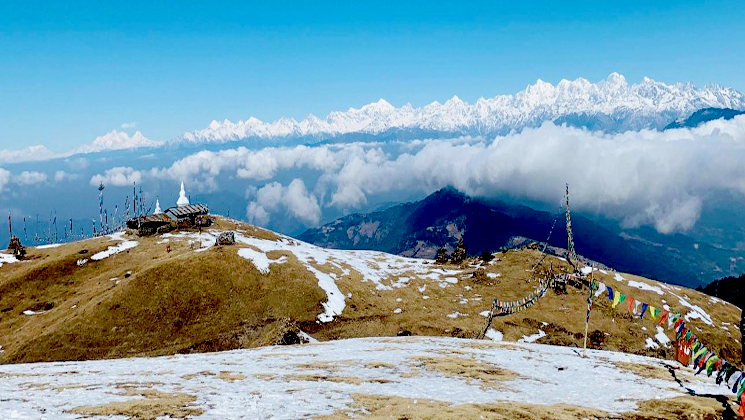
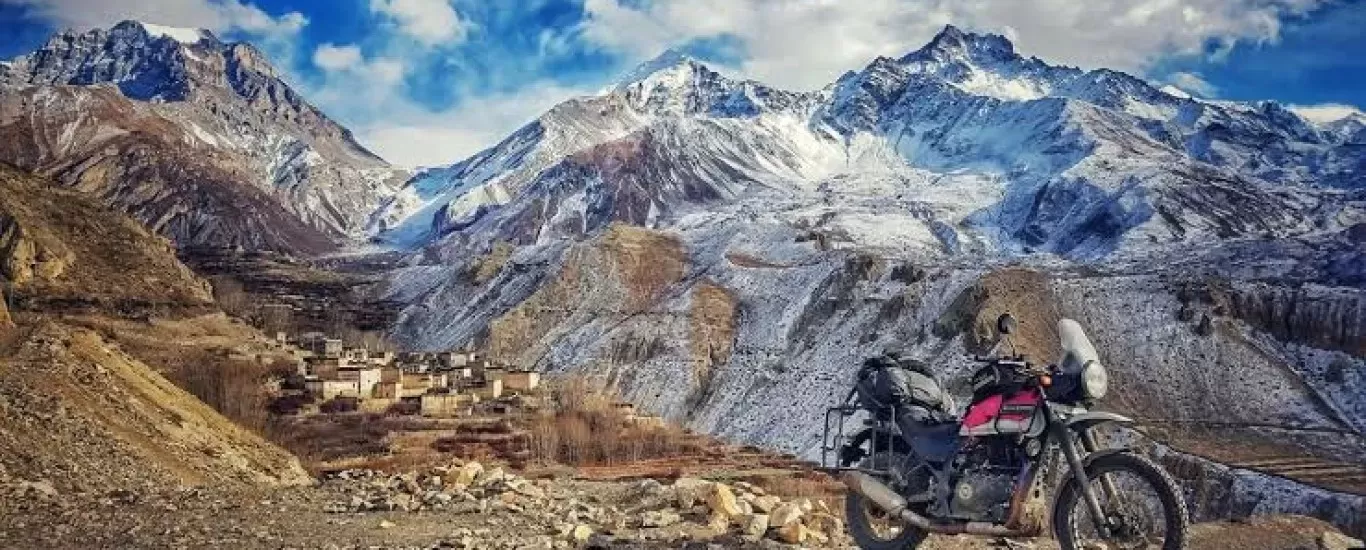
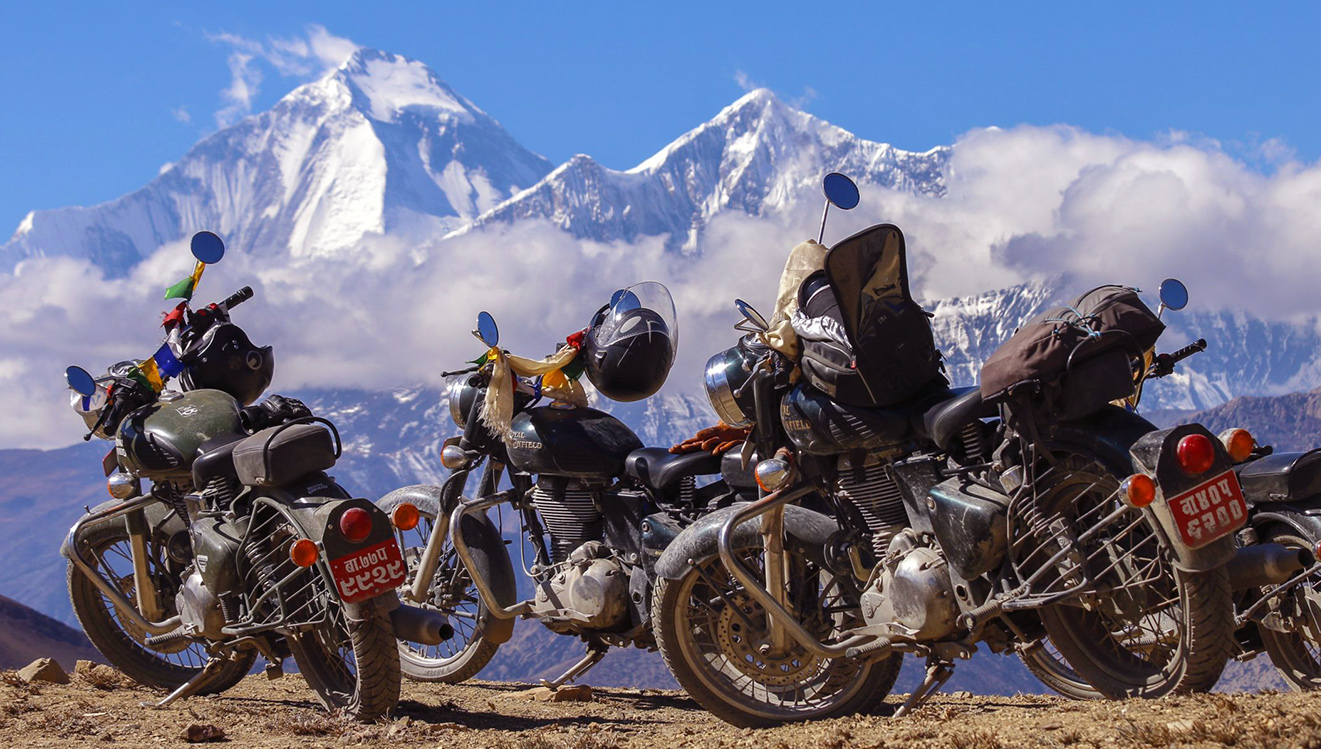
10 Days
Nepal Heritage Motorbike Tour - A Journey Through Culture And Himalayas !
NPR 1000 Per Person

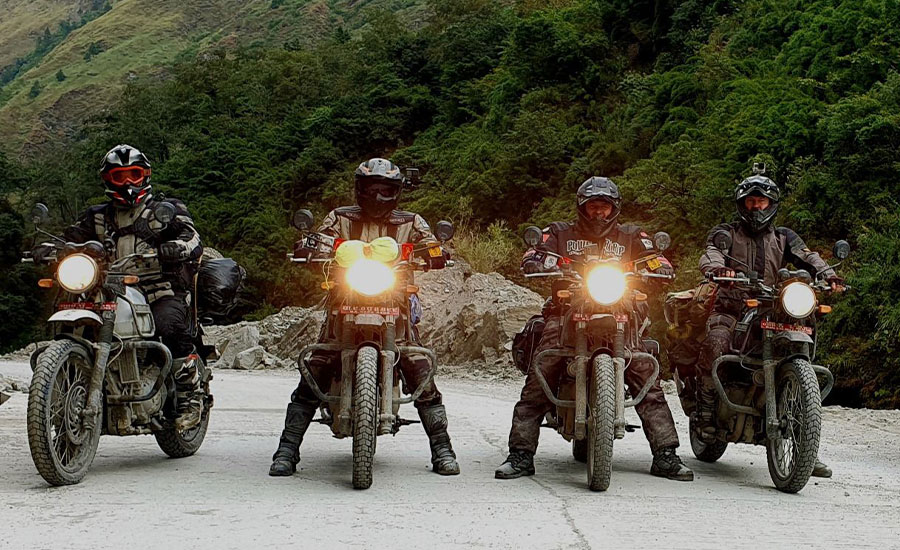



9 Days
Mardi Himal Trek: A Short and Scenic Route to the Hidden Side of the Annapurnas
USD 1290 Per Person
18 Days
15 Days

16 Days
10 Days
26 Days
Kanchenjunga Trek: A Majestic Journey to the Third Highest Peak on Earth
USD 3150 Per Person
18 Days
Everest Base Camp via Gokyo Trek: A Journey Through the Heart of the Khumbu
USD 2190 Per Person
15 Days
Arun Valley Cultural Trail: Journey Through Eastern Nepal’s Cultural Heartland
USD 2390 Per Person

12 Days
Annapurna North Base Camp Trek: A Remote Trail to the Hidden Face of Annapurna
USD 1575 Per Person
10 Days

13 Days
22 Days
22 Days
Labuje Peak Climbing Expedition: Exploring a Hidden Gem of the Himalayas
NPR 1000 Per Person
10 Days
Muktinath Yartung Festival: A Spiritual and Adventure Expedition in Nepal
USD 1000 Per Person
14 Days
Mustang Tiji Festival: A Unique Cultural and Trekking Expedition in Nepal
USD 3190 Per Person
15 Days
14 Days