Nar Phu – Manang Trek: Into the Lost Valleys of the Himalayas
- Home
- Nar Phu – Manang Trek: Into the Lost Valleys of the Himalayas
Budget
NPR 1000
Per Person
Rating
No review has been posted yet
Duration
12 Days
Trip Overview
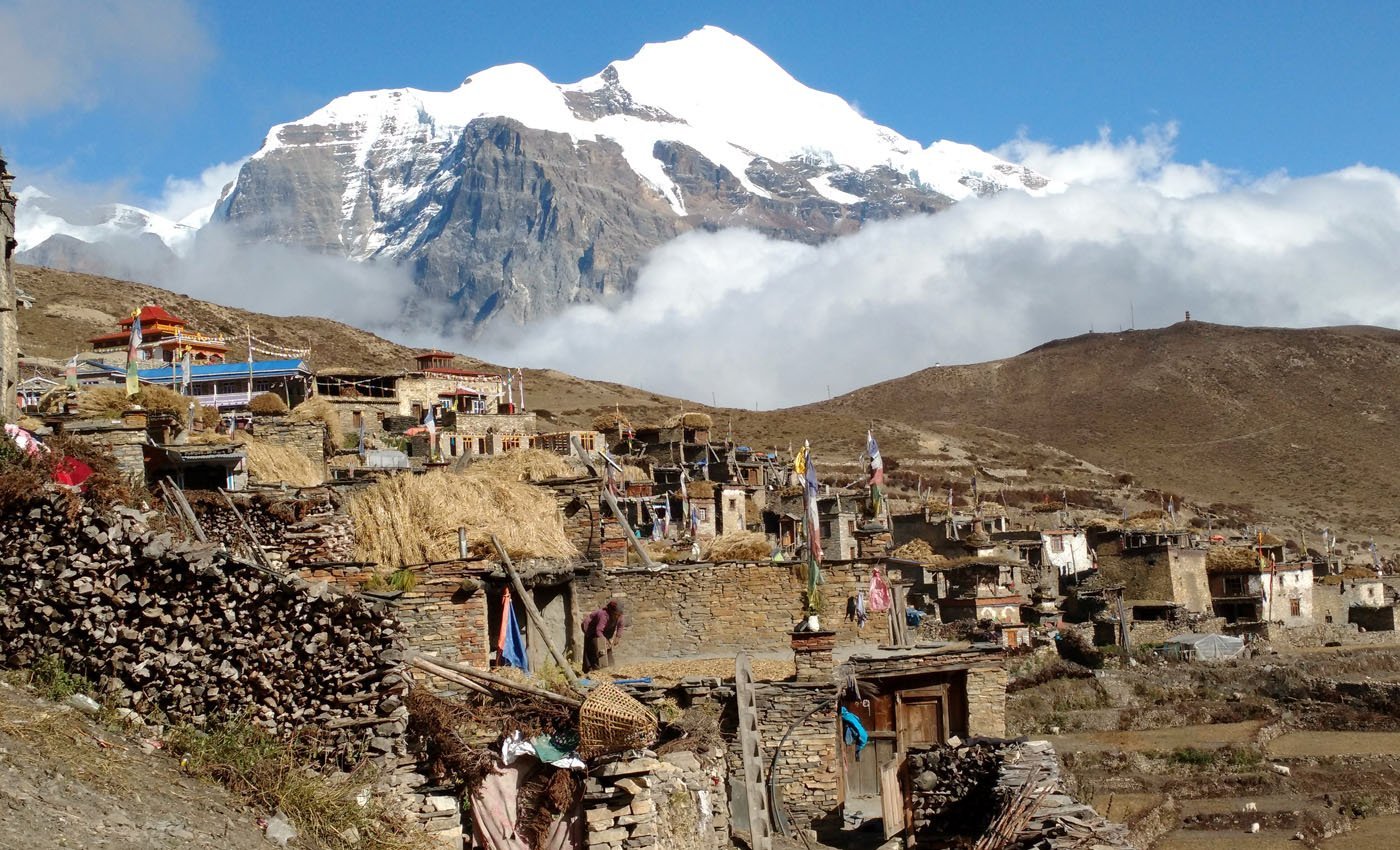
The Nar Phu Valley Trek is one of Nepal’s most remote, culturally rich, and visually stunning trekking routes, hidden behind the towering Annapurna massif in the northern reaches of the Manang district. Officially opened to trekkers only in 2003, this trail leads adventurers deep into the secluded and rarely visited valleys of Nar and Phu—places that have preserved their ancient Tibetan-influenced customs and lifestyle for centuries. The journey offers a raw and authentic Himalayan experience, combining dramatic mountain landscapes, traditional stone villages, and centuries-old monasteries.
For trekkers seeking solitude, cultural immersion, and rugged alpine adventure, the Nar Phu Trek provides a uniquely rewarding expedition into one of Nepal’s last unexplored Himalayan corners.
Geography and Landscape
Situated in the Trans-Himalayan region, the Nar Phu Valley lies between the Annapurna and Damodar ranges. The trail initially follows the Marsyangdi River, then veers into a deep, narrow canyon leading into the high-altitude valleys of Nar and Phu.
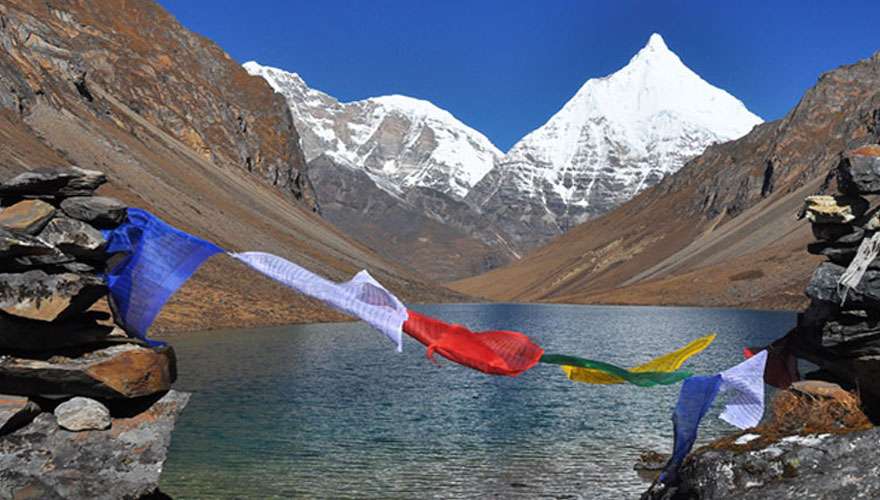
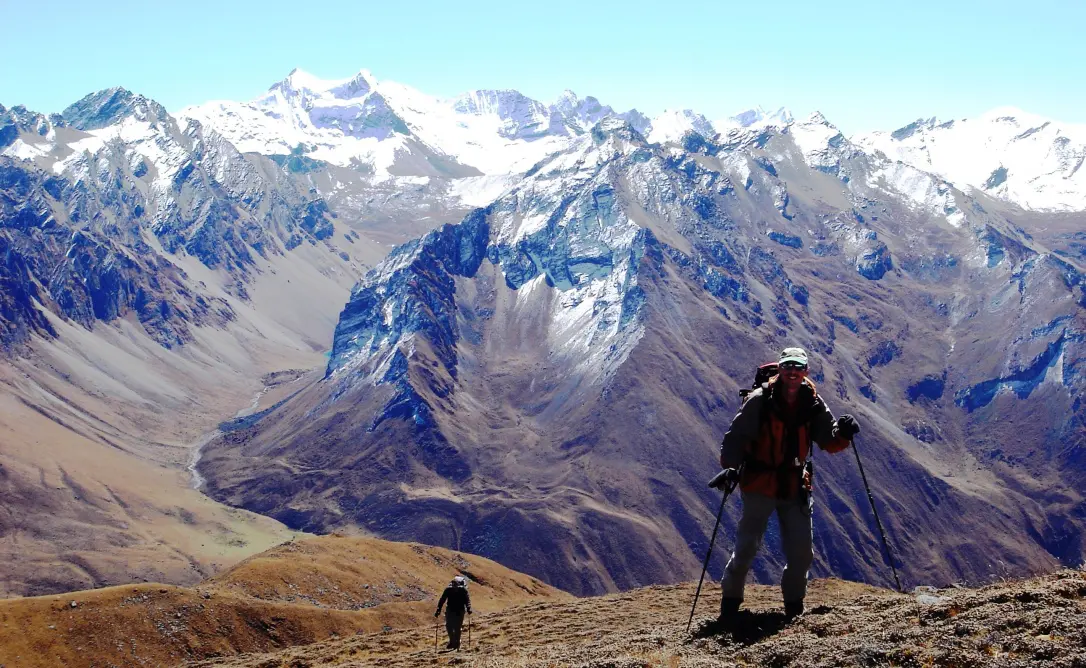
The landscape is rugged and wild—deep gorges, barren cliffs, sweeping alpine meadows, and pastures dotted with grazing yaks. These remote valleys are fringed by dramatic mountain peaks and dotted with ancient stone-built villages that seem frozen in time. One of the highlights is crossing the Kang La Pass (5,320m), where panoramic views stretch across Annapurna II, Gangapurna, Tilicho Peak, and the Chulu range, offering some of the most breathtaking mountain vistas in Nepal.
Climate and Best Time to Trek
The best seasons for trekking in Nar Phu are spring (March to May) and autumn (September to November), when the weather is stable, skies are clear, and temperatures are comfortable for hiking.
Daytime temperatures generally range from 10 to 15°C at mid-altitudes but become much colder higher up.
Night temperatures can plummet below -10°C in the high villages of Phu and near Kang La Pass, where wind and snow are common.
Due to its high-altitude, exposed terrain, weather in the Nar Phu region can be unpredictable, with sudden snowfalls and strong winds, especially near the pass.
People and Culture
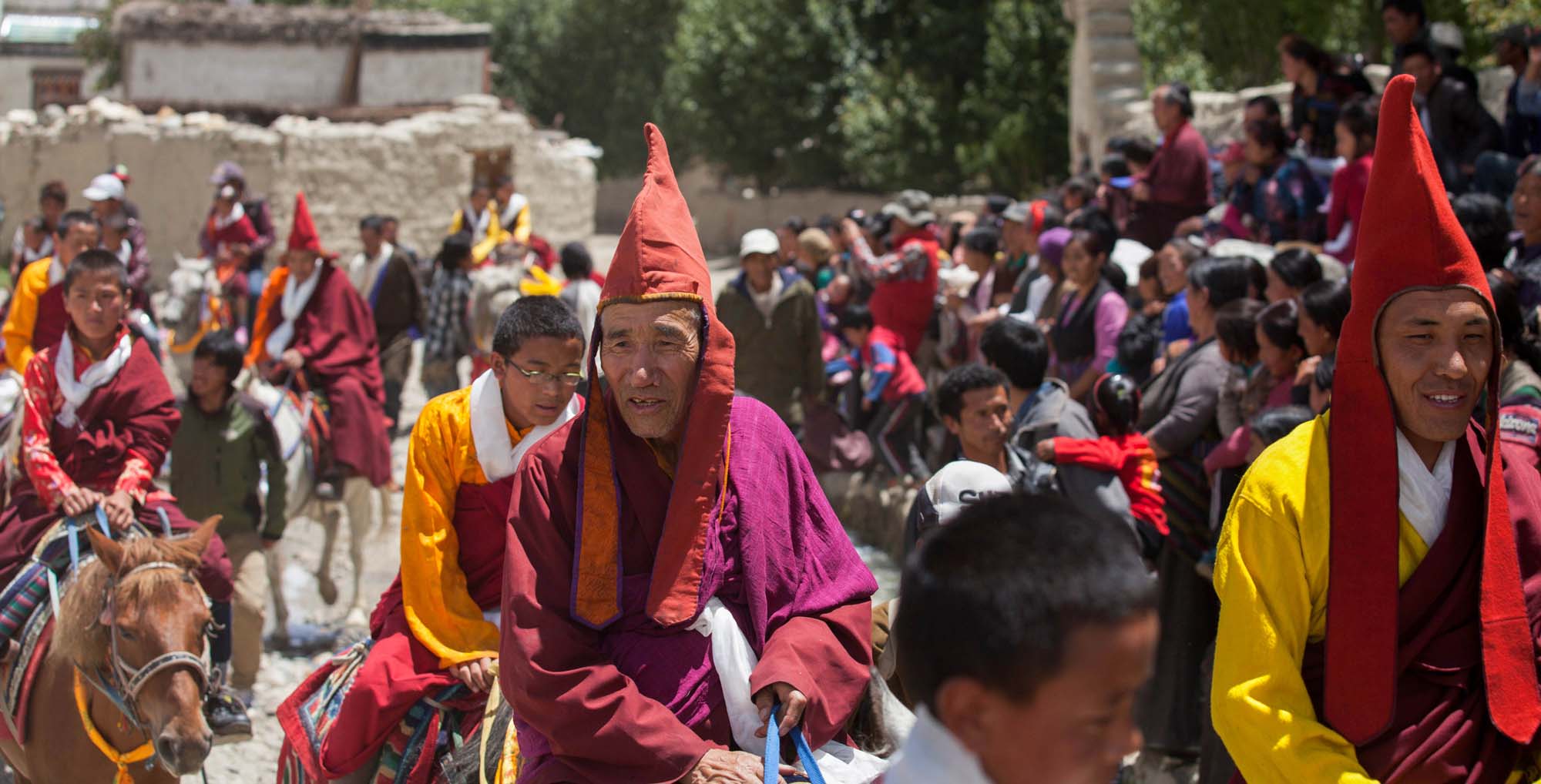
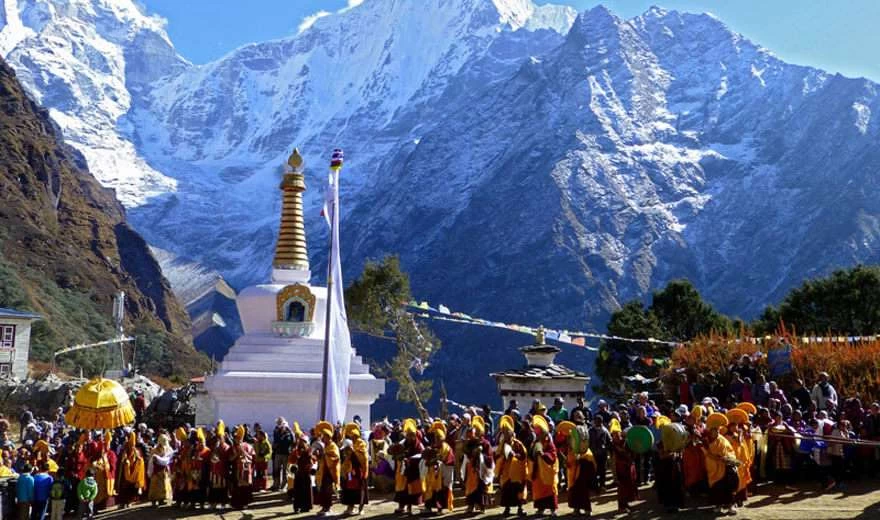
Nar and Phu valleys are inhabited primarily by Tibetan Buddhist communities, whose lifestyles have remained largely unchanged for centuries. The ancient stone villages feature traditional Tibetan-style architecture with flat roofs and intricately painted windows. The people live a subsistence lifestyle based on yak herding, barley farming, and trade.
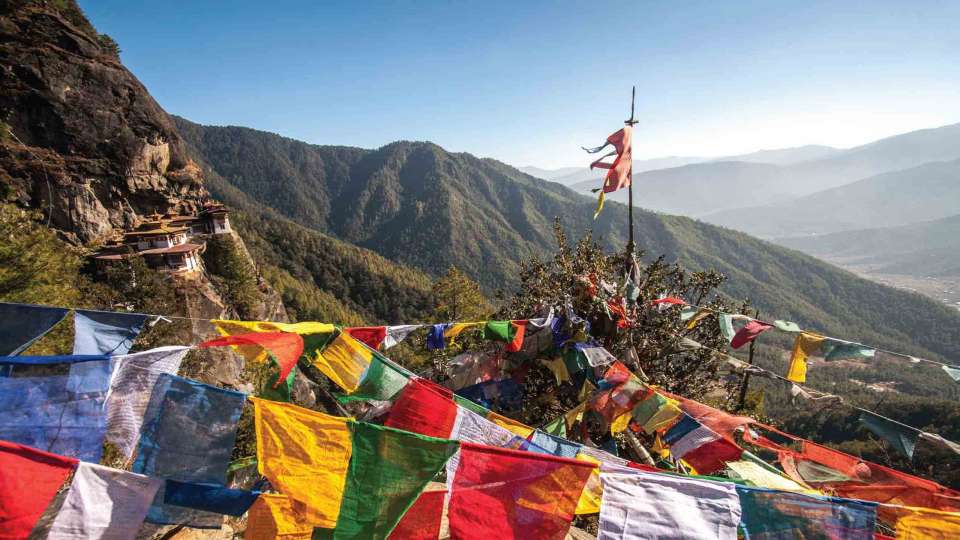
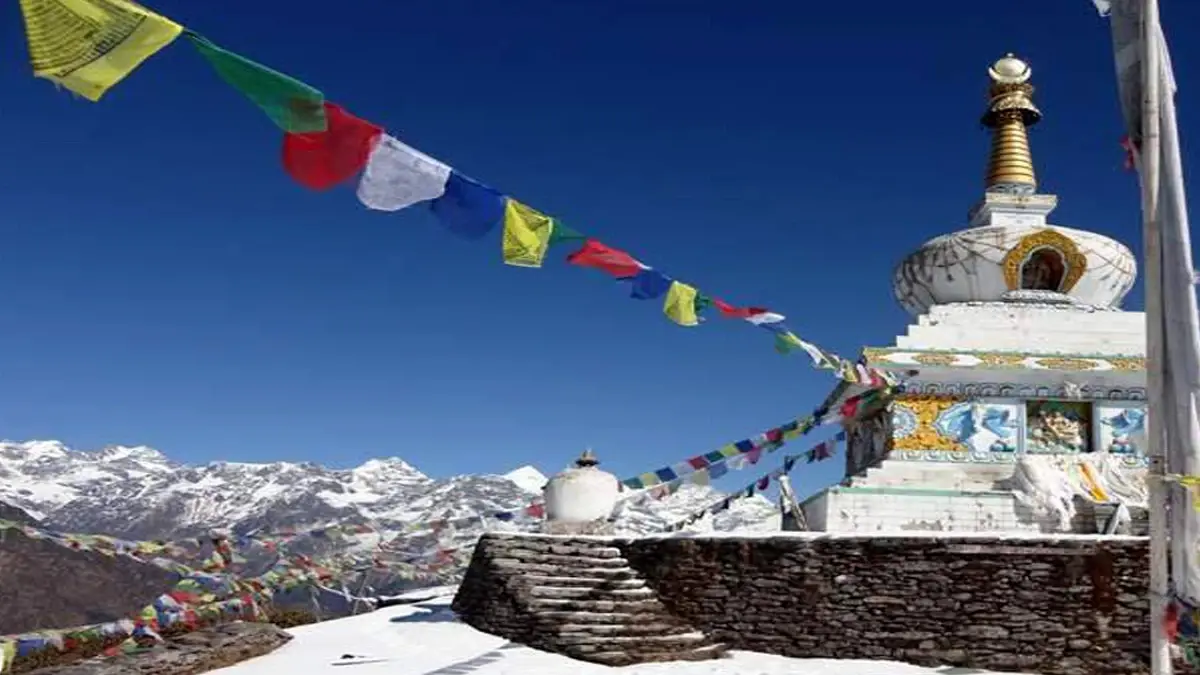
Religious life centers around monasteries and sacred sites, including the famous Tashi Lhakhang Monastery, said to be blessed by Guru Rinpoche, the 8th-century Buddhist saint who brought Buddhism to the Himalayas. Mani walls, prayer wheels, and chortens (Buddhist stupas) line the trails, reflecting the deep spirituality embedded in daily life.
Package Highlights:
- Trek through the remote and rarely visited Nar and Phu valleys, among Nepal’s last off-the-beaten-path areas.
- Experience authentic Tibetan-influenced villages where ancient traditions are alive.
- Visit the historic Tashi Lhakhang Monastery, a spiritual hub for locals.
- Cross the challenging Kang La Pass (5,320m) with panoramic Himalayan views.
- Traverse diverse landscapes including rugged gorges, alpine meadows, and high mountain passes.
- Enjoy cultural immersion and interaction with local people practicing age-old customs.
- Connect with the broader Annapurna Circuit trail at Manang or Pisang.
- Witness ancient gompas, Buddhist heritage, and natural serenity.
- Undertake a high-altitude trek demanding physical fitness and stamina.
Book This Trip
Trip Information
 Start : Kathmandu
 Finish : Kathmandu
 Difficulty :
Moderate
Difficulty :
Moderate
 Max Altitude :
  Group Size :
  Season :
Trip Gallery
Trip Itinerary
Arrive at Tribhuvan International Airport and transfer to your hotel. Use the day to rest or explore Kathmandu’s cultural treasures and prepare for the journey ahead.
A long but scenic jeep drive along the Marsyangdi River valley takes you from Kathmandu to Koto. Enjoy magnificent mountain views and rural landscapes en route.
Begin trekking uphill through mixed forests and rocky terrain. Meta offers panoramic views of the Annapurna range and serves as an acclimatization stop.
Head deeper into the remote Phu Valley. The traditional Tibetan-style village of Phu features ancient stone houses and a tranquil atmosphere steeped in spirituality.
Rest and acclimate to the high altitude. Visit Tashi Lhakhang Monastery and explore local gompas and mani walls, gaining insight into local religious practices.
Trek across rugged terrain and small ridges to Nar Village, another ancient settlement with authentic Tibetan culture and architecture.
Explore the village, interact with residents, and visit ancient monasteries. Immerse yourself in local traditions and the peaceful mountain environment.
The trek’s most challenging day, crossing the high Kang La Pass with breathtaking views. After the pass, descend to Ngawal, a traditional village on the Annapurna Circuit.
Descend further to Pisang or Manang, reconnecting with the popular Annapurna Circuit trail and enjoying impressive views of Annapurna and Dhaulagiri.
Choose to continue trekking or take a vehicle down the circuit towards lower, warmer regions.
Return journey to Kathmandu by jeep, reflecting on your remote Himalayan adventure.
Transfer to the airport for departure or extend your stay with a cultural tour of Kathmandu’s UNESCO World Heritage sites.
Cost Includes
1.Transportation
- Transport: Round-trip transfers as per itinerary to access the trailheads.
2.Accommodation & Meals
- Teahouse Stay: Comfortable teahouse lodging along the trekking route.
- Meals: All meals provided during the trek (Breakfast, Lunch, and Dinner).
3.Permits & Guide
- Restricted Area Permit: Required permit for trekking in the Nar Phu region.
- ACAP & TIMS: Annapurna Conservation Area Permit and Trekkers’ Information Management System card.
- Guide & Porter: Professional trekking guide and porter support throughout the trek.
1.Transportation
- Transport: Round-trip transfers as per itinerary to access the trailheads.
2.Accommodation & Meals
- Teahouse Stay: Comfortable teahouse lodging along the trekking route.
- Meals: All meals provided during the trek (Breakfast, Lunch, and Dinner).
3.Permits & Guide
- Restricted Area Permit: Required permit for trekking in the Nar Phu region.
- ACAP & TIMS: Annapurna Conservation Area Permit and Trekkers’ Information Management System card.
- Guide & Porter: Professional trekking guide and porter support throughout the trek.
Read More
Cost Excludes
1.Visa Fees
- Nepal Entry Visa: Visa fee for entering Nepal (available on arrival at Tribhuvan International Airport or through a Nepalese embassy).
2.Accommodation in Kathmandu
- Hotel in Kathmandu: Accommodation before or after the trek unless specifically mentioned in the itinerary.
3.International Flights
- International Airfare: Flights to and from Kathmandu.
4.Travel Insurance (Mandatory)
- Comprehensive Coverage: Travel insurance covering high-altitude trekking, emergency medical treatment, helicopter evacuation, trip cancellation, and unforeseen circumstances.
5.Personal Expenses
- Lodge Services: WiFi, hot showers, battery charging, and laundry services.
- Beverages: Soft drinks, bottled water, alcoholic drinks, and snacks not included in meals.
6.Tips and Gratuities
- Guide & Porter: Tips for trekking guide and porter (customary but not compulsory).
1.Visa Fees
- Nepal Entry Visa: Visa fee for entering Nepal (available on arrival at Tribhuvan International Airport or through a Nepalese embassy).
2.Accommodation in Kathmandu
- Hotel in Kathmandu: Accommodation before or after the trek unless specifically mentioned in the itinerary.
3.International Flights
- International Airfare: Flights to and from Kathmandu.
4.Travel Insurance (Mandatory)
- Comprehensive Coverage: Travel insurance covering high-altitude trekking, emergency medical treatment, helicopter evacuation, trip cancellation, and unforeseen circumstances.
5.Personal Expenses
- Lodge Services: WiFi, hot showers, battery charging, and laundry services.
- Beverages: Soft drinks, bottled water, alcoholic drinks, and snacks not included in meals.
6.Tips and Gratuities
- Guide & Porter: Tips for trekking guide and porter (customary but not compulsory).
Essential Info
Accommodation consists of simple teahouses and community lodges in Meta, Phu, Nar, and Ngawal. Rooms often share basic facilities and offer limited heating, though recent guesthouses have improved comfort levels.
Meals typically include:
- Dal bhat (lentils and rice)
- Tsampa (roasted barley flour)
- Tibetan bread
- Noodles, eggs, soups, and yak cheese products
- Bringing snacks and energy foods is advisable, given the remoteness.
Necessary Equipment
- Sleeping bag rated for -15°C or lower
- Insulated down jacket, fleece, and thermal layers
- Waterproof shell jacket and gloves
- Sturdy trekking boots and poles
- Sunglasses, sun hat, sunscreen, and lip balm
- Headlamp and water purification tablets or filter
- Basic first-aid kit
- Trekking permits: Nar Phu Restricted Area Permit and Annapurna Conservation Area Permit (ACAP)
- A guide is mandatory due to the restricted area status and trail remoteness.
Transportation
- To Koto: Full-day jeep or private vehicle drive via Besisahar.
- Return: Jeep from Manang or Pisang to Besisahar, then onward to Kathmandu.
Optional extensions can be arranged via Thorong La Pass or the full Annapurna Circuit.
Trip Date And Time
We'll Be There, Like We've Been There Before
|
Departing |
Finishing |
Trip Price Per Person |
Action |
Enquire |
|---|---|---|---|---|
| No Trip Yet!! | ||||
Featured Packages
You May Also Enjoy Our Other Trips

10 Days
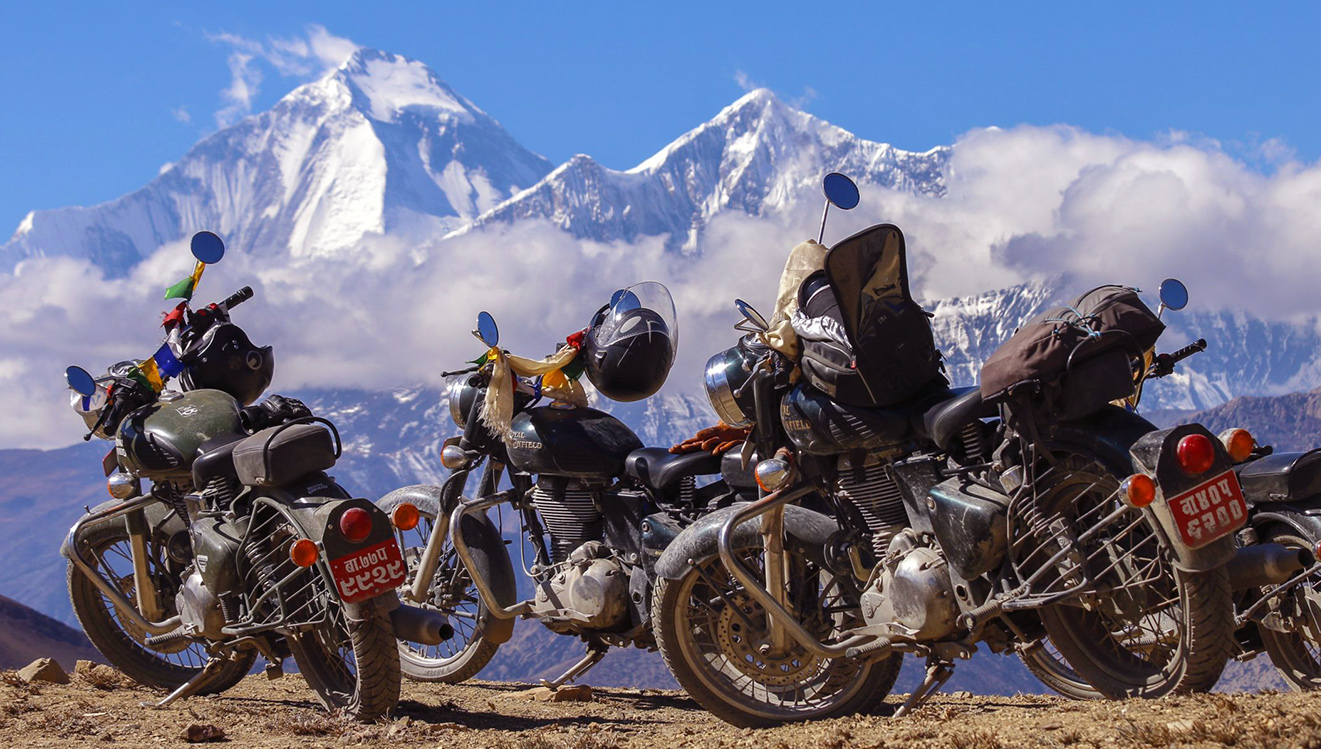
Nepal Heritage Motorbike Tour - A Journey Through Culture And Himalayas !
NPR 1000 Per Person




9 Days
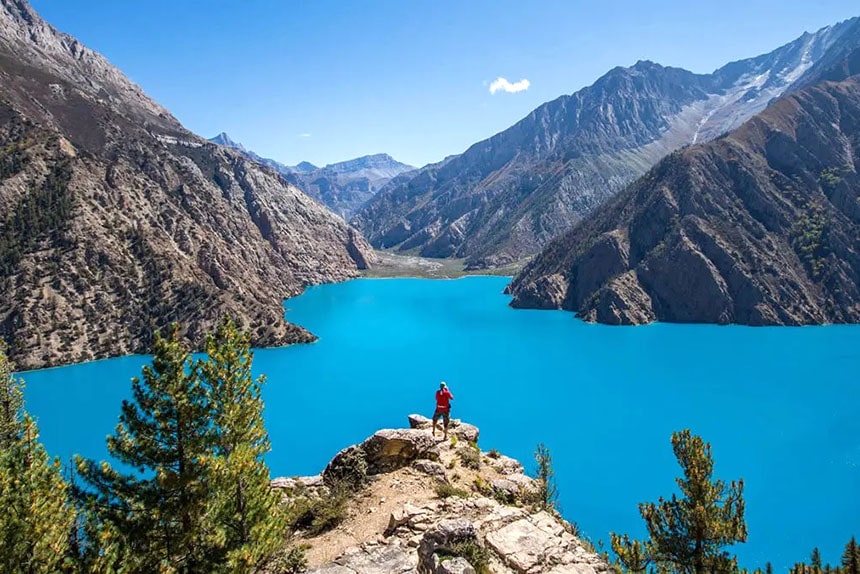
Mardi Himal Trek: A Short and Scenic Route to the Hidden Side of the Annapurnas
NPR 1000 Per Person
15 Days
12 Days

11 Days
9 Days
26 Days
Kanchenjunga Trek: A Majestic Journey to the Third Highest Peak on Earth
NPR 1000 Per Person
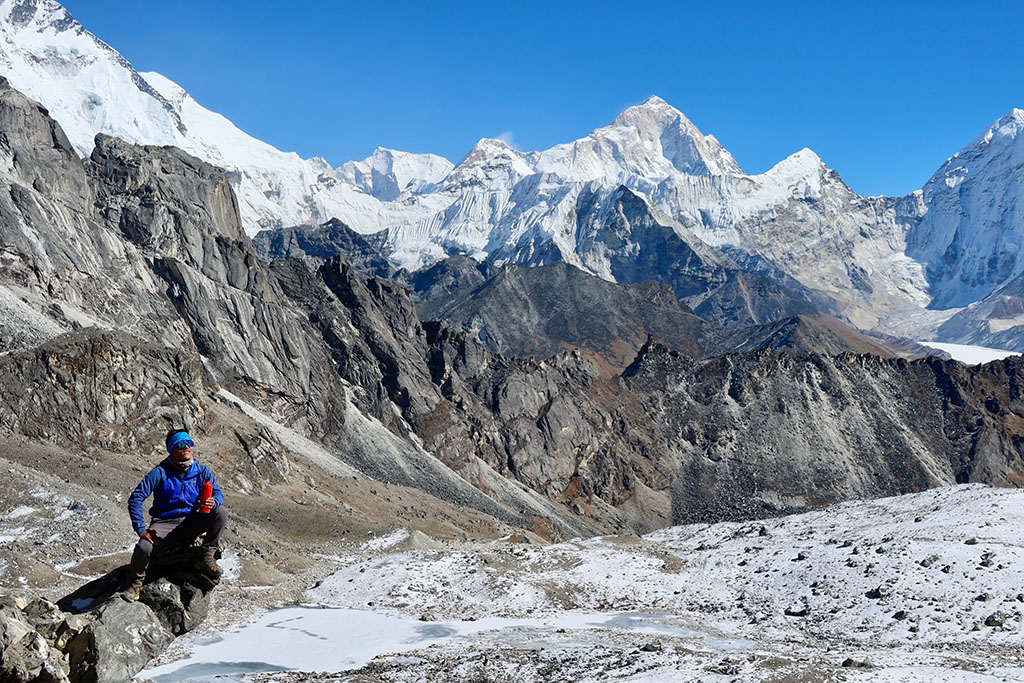
17 Days
Everest Base Camp via Gokyo Trek: A Journey Through the Heart of the Khumbu
NPR 1000 Per Person
11 Days
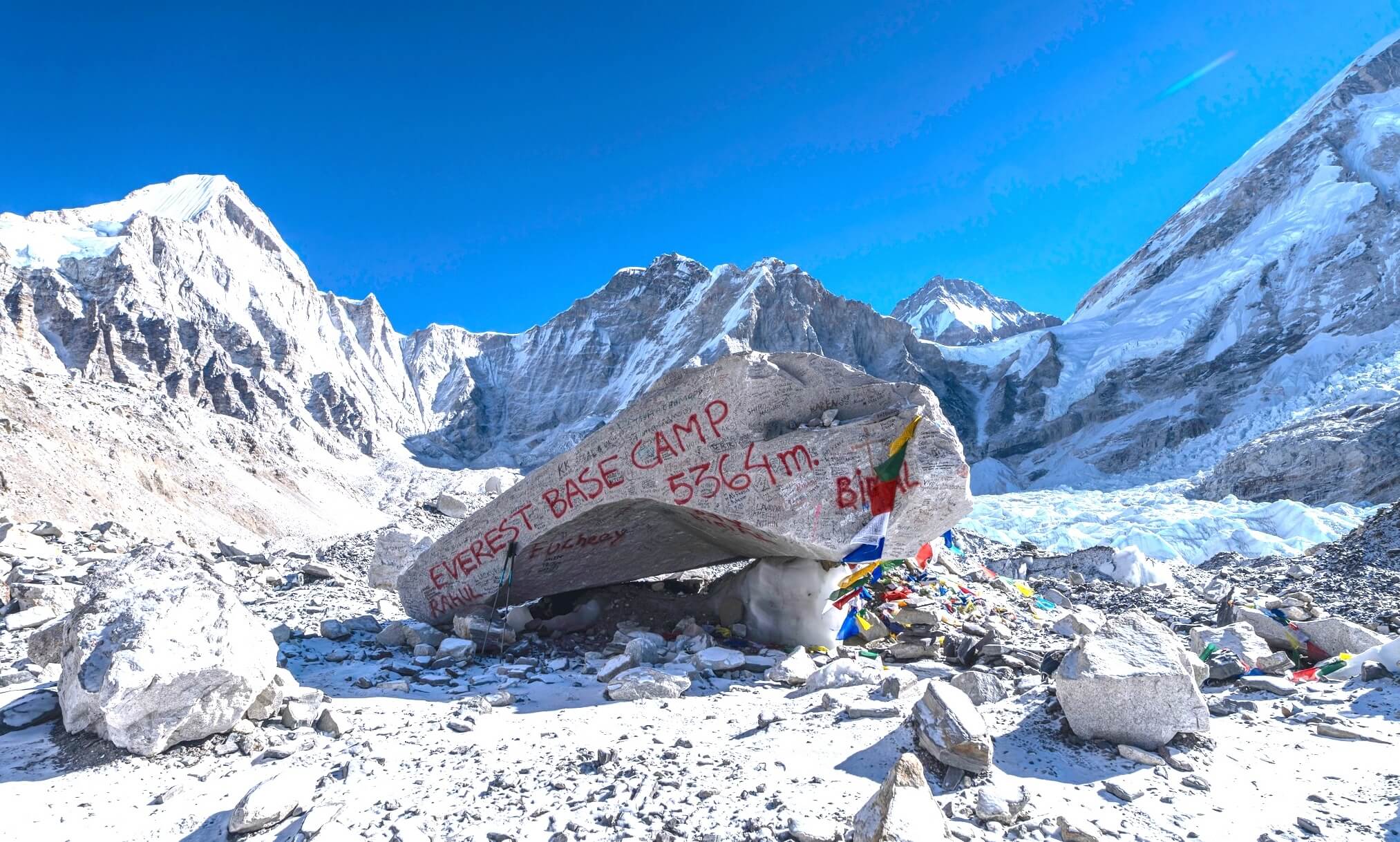
Everest Base Camp Heli Return Trek: A Perfect Blend of Adventure and Convenience
NPR 1000 Per Person
14 Days
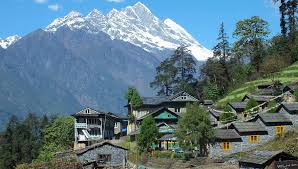
Arun Valley Cultural Trail: Journey Through Eastern Nepal’s Cultural Heartland
NPR 1000 Per Person

11 Days
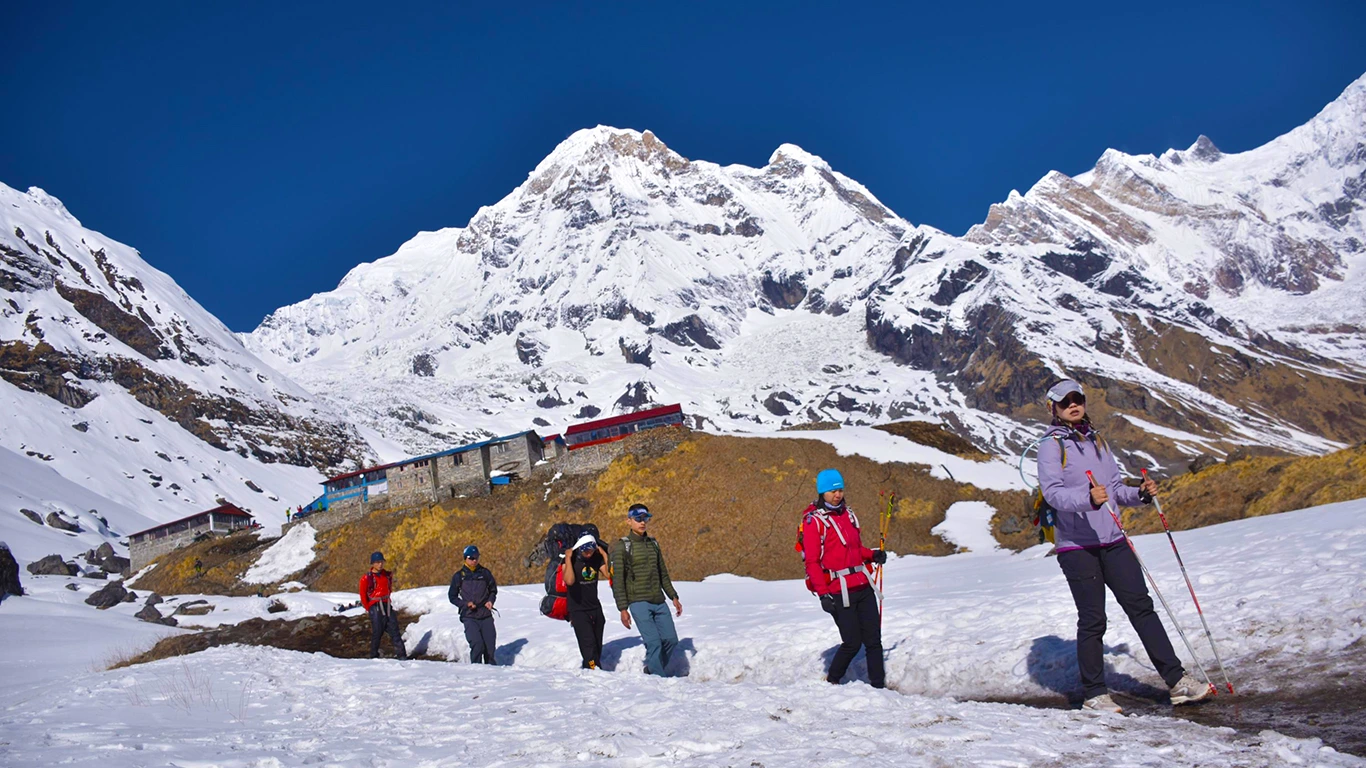
Annapurna North Base Camp Trek: A Remote Trail to the Hidden Face of Annapurna
NPR 1000 Per Person
9 Days


12 Days
22 Days
22 Days
Labuje Peak Climbing Expedition: Exploring a Hidden Gem of the Himalayas
NPR 1000 Per Person
10 Days
Muktinath Yartung Festival: A Spiritual and Adventure Expedition in Nepal
NPR 1000 Per Person
14 Days
Mustang Tiji Festival: A Unique Cultural and Trekking Expedition in Nepal
NPR 1000 Per Person
15 Days
13 Days