Arun Valley Cultural Trail: Journey Through Eastern Nepal’s Cultural Heartland
- Home
- Arun Valley Cultural Trail: Journey Through Eastern Nepal’s Cultural Heartland
Budget
NPR 1000
Per Person
Rating
No review has been posted yet
Duration
14 Days
Trip Overview
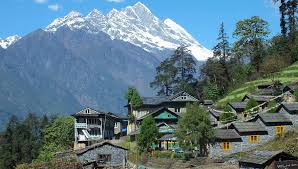
The Arun Valley Cultural Trail is a hidden gem in eastern Nepal, offering an authentic Himalayan experience rich in culture, nature, and peaceful landscapes. Less crowded than Everest or Annapurna routes, this trail takes you through traditional Rai and Kulung villages, terraced farmlands, lush forests, and sacred sites like Salpa Pokhari.
Trekkers enjoy stunning views of Makalu and Everest, stay in local homestays, and experience vibrant indigenous culture untouched by mass tourism. Ideal for those seeking quiet trails, community connection, and true cultural immersion in the Himalayas.
Geography and Landscape
Located in Sankhuwasabha District, the Arun Valley lies between two of Nepal’s highest Himalayan ranges: the Makalu-Barun Conservation Area to the east and the Sagarmatha National Park to the west. The valley is carved by the mighty Arun River, which flows from the Tibetan Plateau through deep gorges and fertile plains.
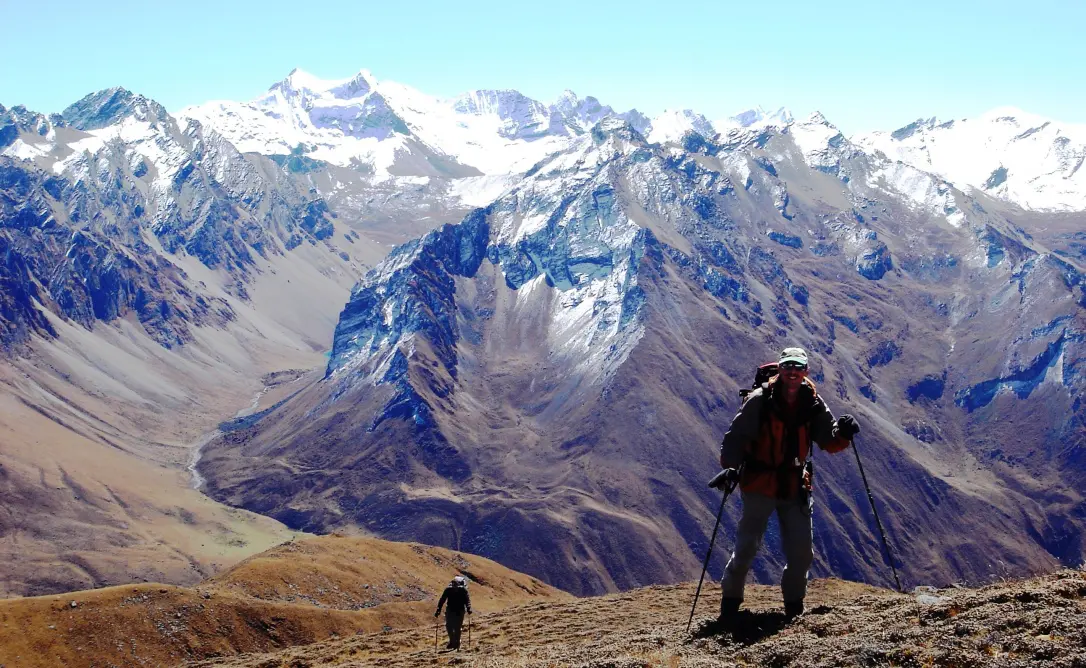
The trail starts around Tumlingtar (460m), accessible by road or a short flight from Kathmandu, and ascends through subtropical forests, terraced farmland, and alpine pastures. Trekkers cross the Salpa La Pass (3,350m)—a key highlight—before descending into pristine villages and lush valleys. The trail’s altitude ranges from about 400 meters to over 3,500 meters, offering diverse ecosystems from riverine lowlands to high-altitude ridges.
People and Culture
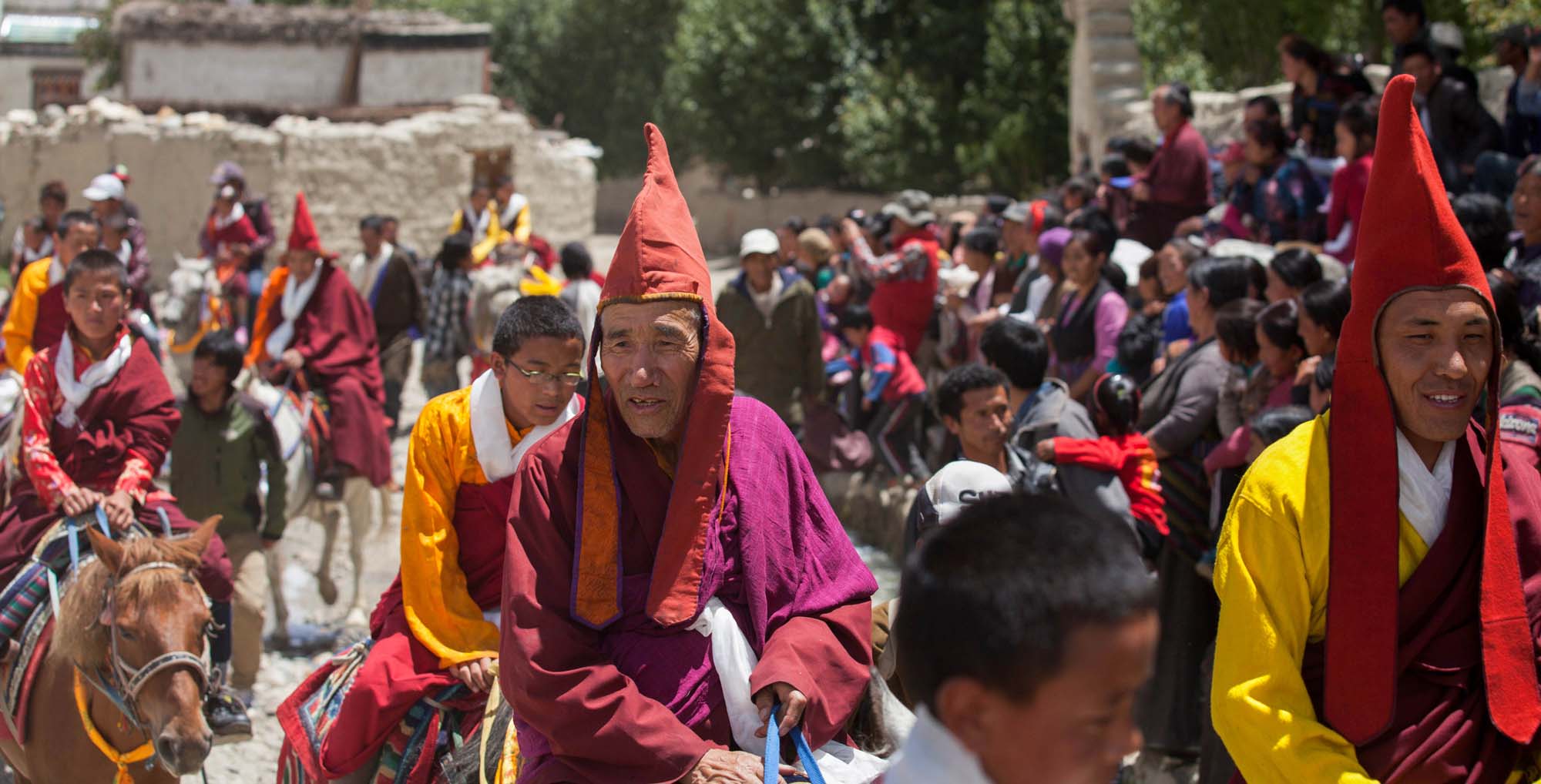
The Arun Valley is home to a rich mosaic of ethnic groups, primarily the Rai, Kulung, Lohorung, Tamang, and Sherpa communities. The Rai and Kulung peoples, indigenous to this area, are known for their animistic beliefs, shamanistic rituals, and vibrant festivals such as Udhauli and Ubhauli, which celebrate seasonal cycles.
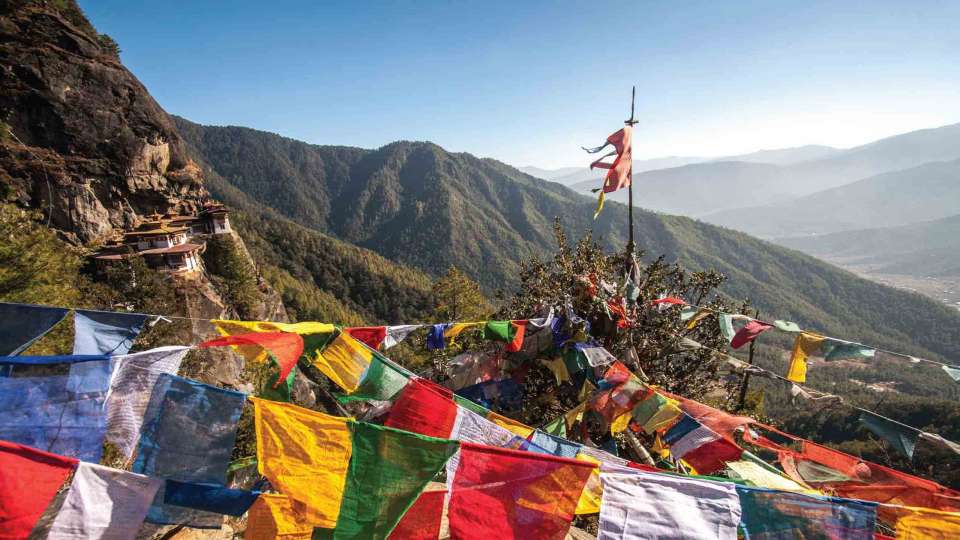
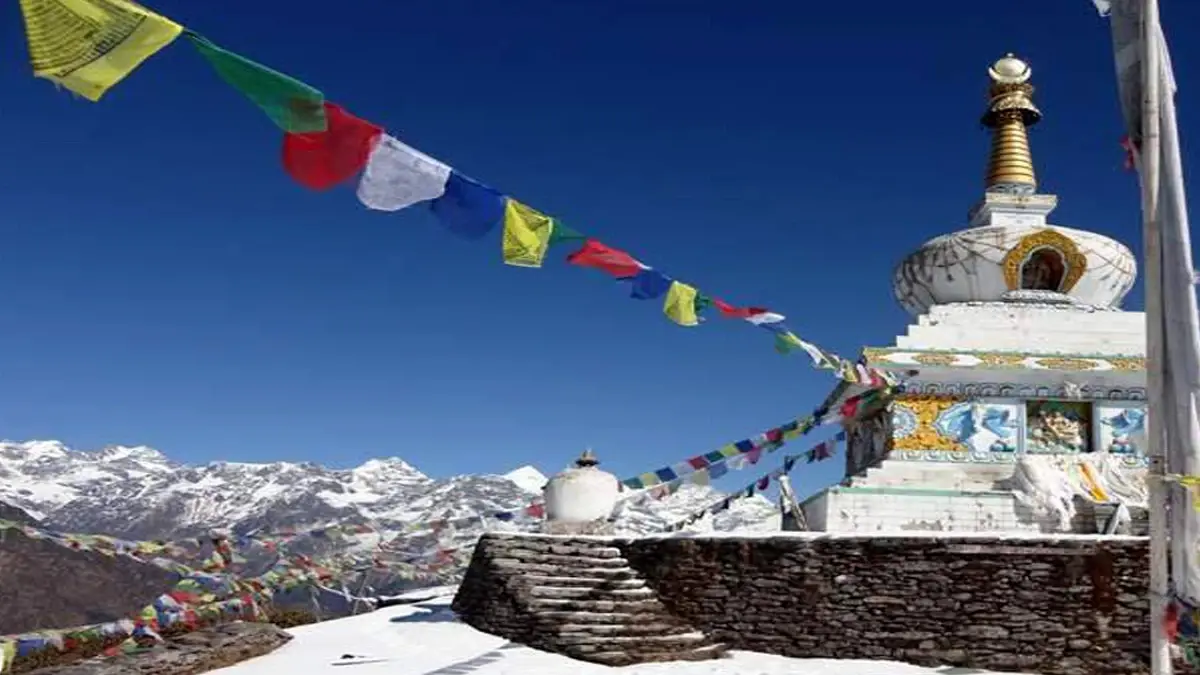
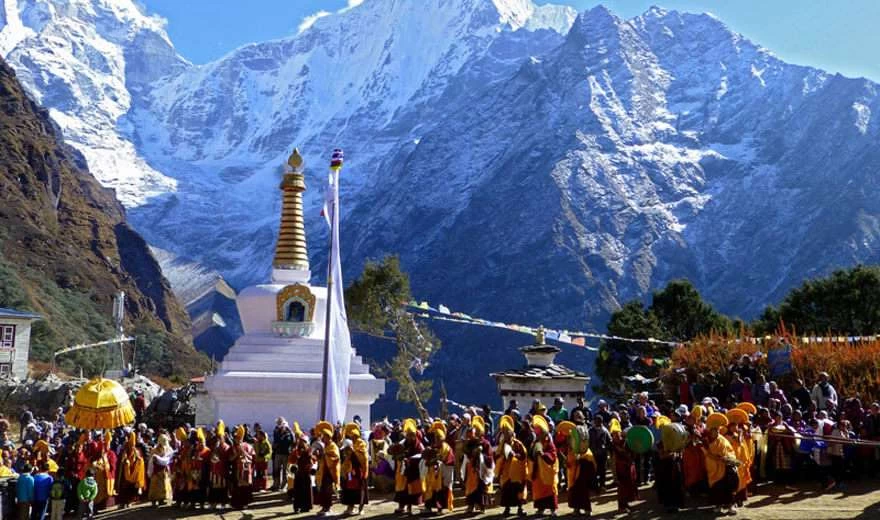
Villages along the trail feature traditional wooden houses adorned with carved windows and prayer flags fluttering in the wind. The Rai community preserves ancient oral traditions and music, with distinctive songs, dances, and storytelling.
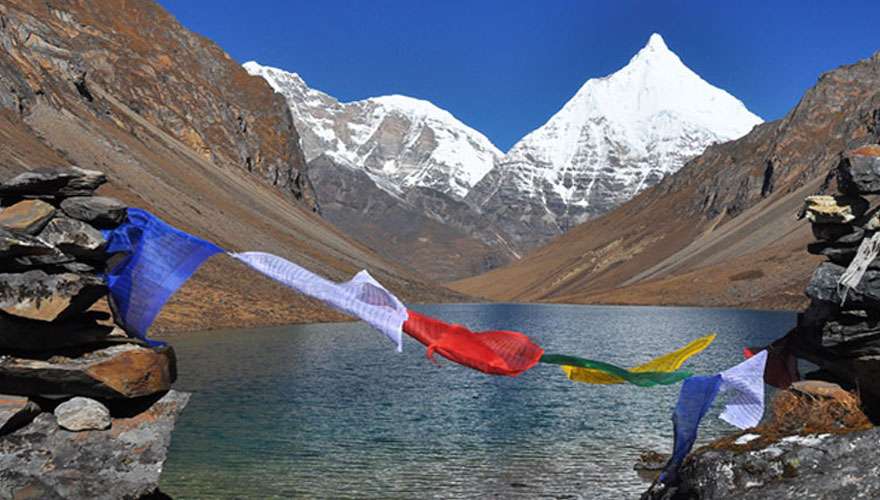
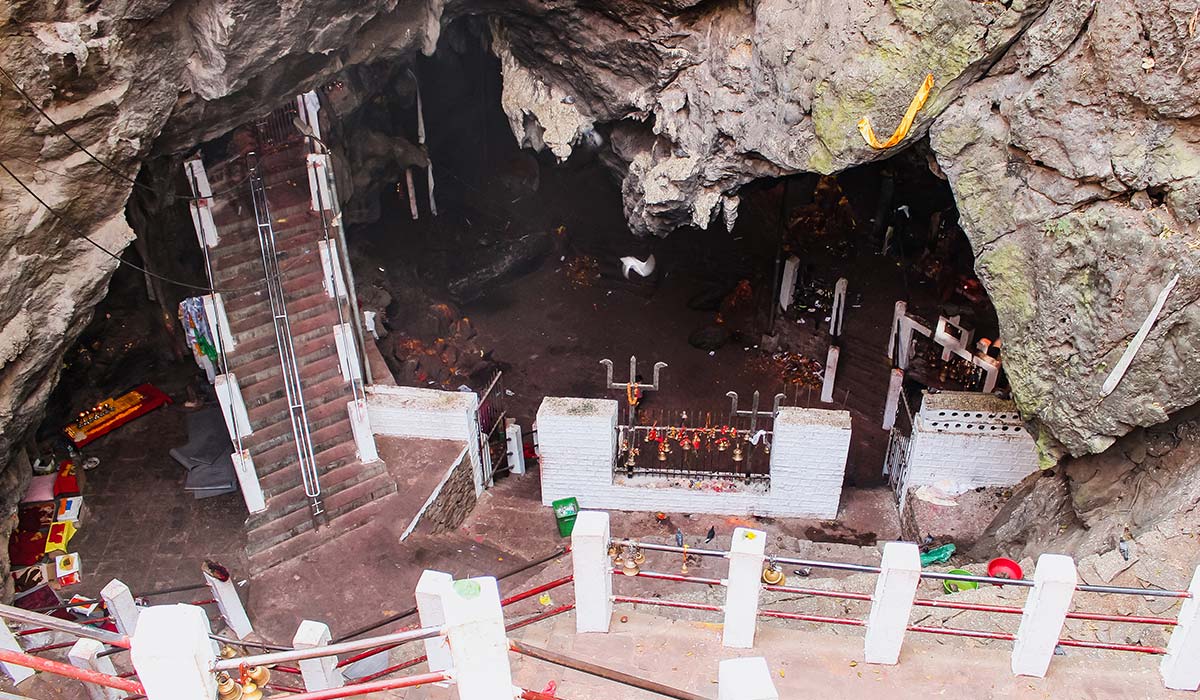
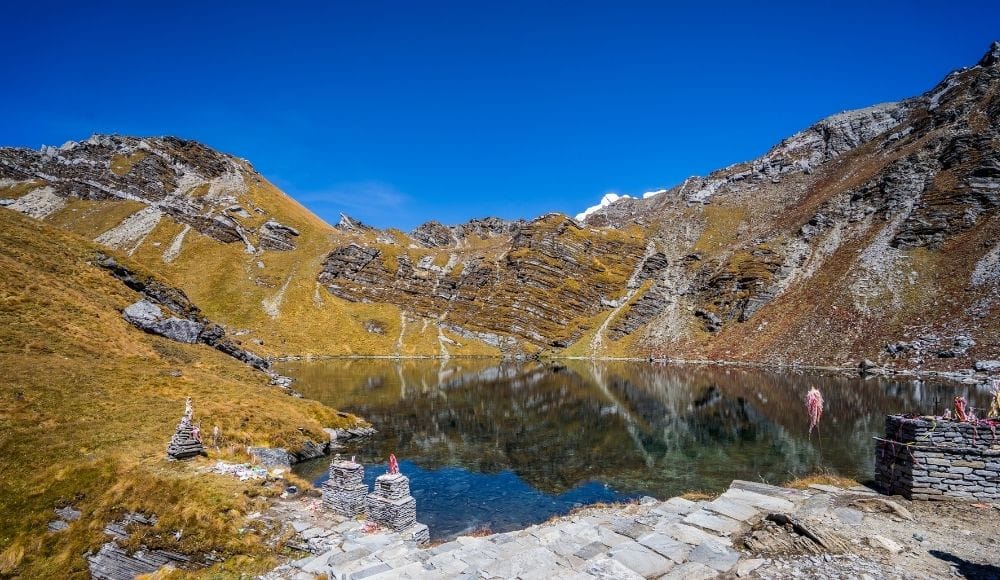
The valley also holds spiritual significance. Sacred sites like the Salpa Pokhari, an alpine lake near the Salpa La Pass, are pilgrimage destinations for the Rai and other communities. The blend of Buddhist, Hindu, and animist practices here reflects Nepal’s unique cultural syncretism.
Package Highlights:
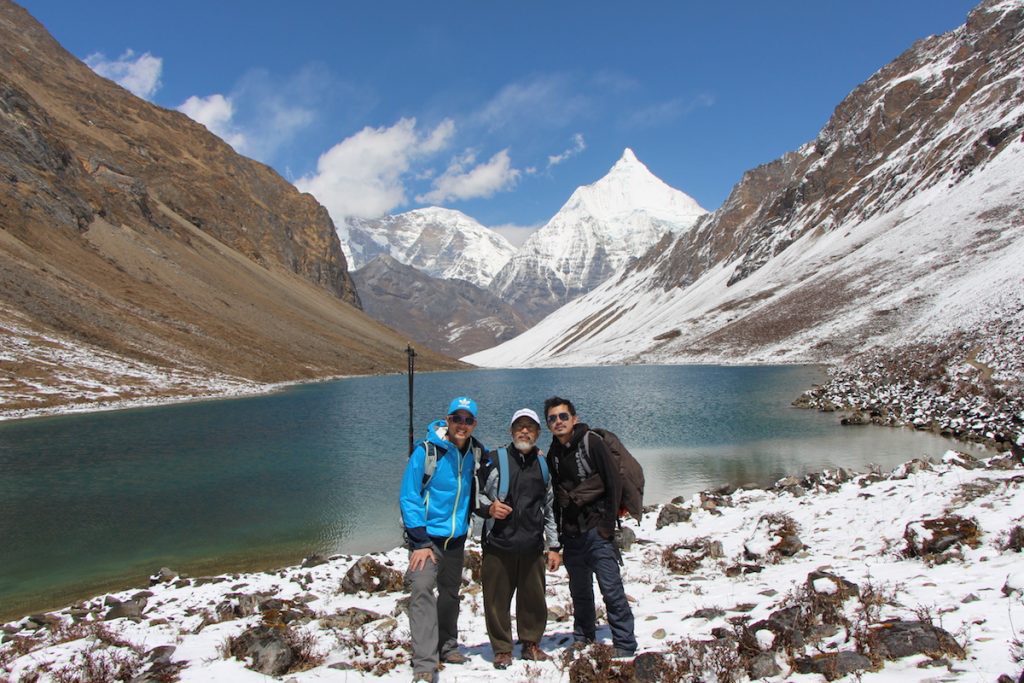
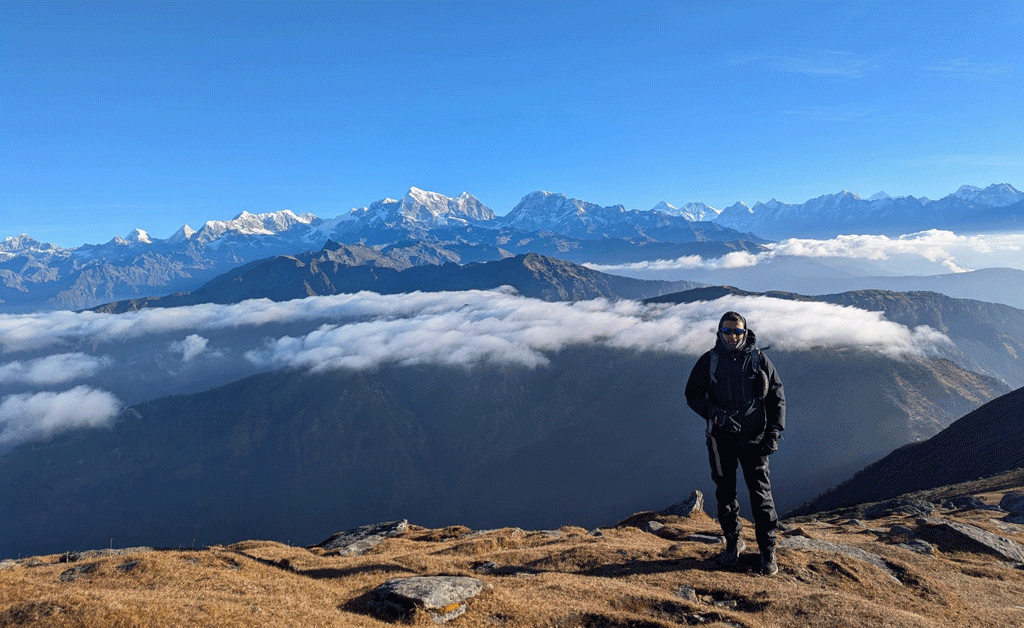
- Salpa La Pass: At 3,350 meters, this mountain pass offers sweeping views of towering peaks such as Makalu (8,481m), Chamlang, Everest, and Lhotse on clear days. The nearby Salpa Pokhari lake is a serene spiritual spot revered by locals.
- Cultural Encounters: Trekking through remote villages like Gothe Bazaar, Phedi, Sanam, and Bung allows authentic interaction with indigenous communities. Visitors can witness traditional farming methods, taste local cuisine, and observe age-old festivals when timed right.
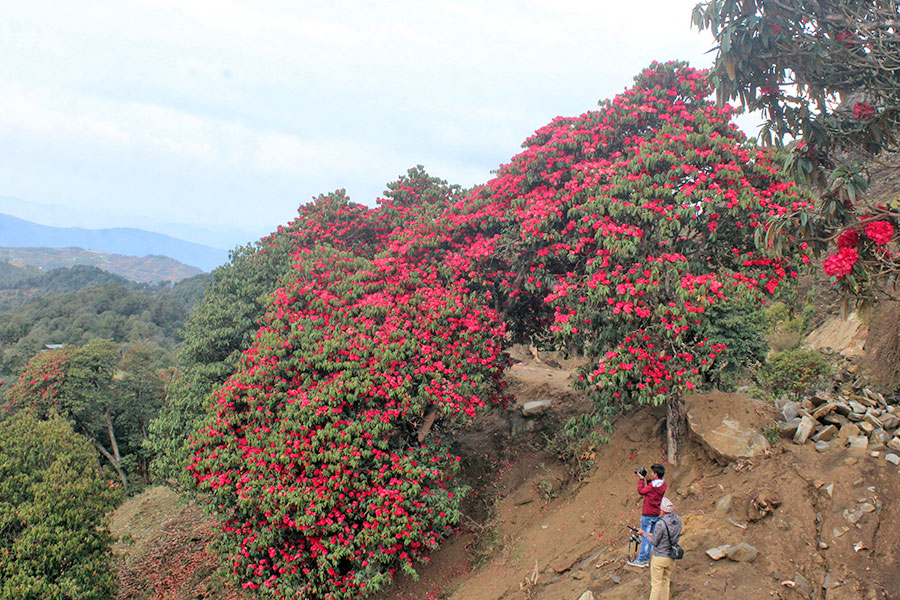
- Diverse Flora and Fauna: The trail passes through rhododendron forests, oak groves, and subtropical zones rich in birdlife including pheasants, hornbills, and sunbirds.
- Scenic Landscapes: The Arun Valley’s fertile farmlands juxtaposed against towering Himalayan ridges create breathtaking vistas at every turn.
Book This Trip
Trip Information
 Start : Kathmandu
 Finish : Kathmandu
 Difficulty :
Moderate
Difficulty :
Moderate
 Max Altitude :
  Group Size :
  Season :
Trip Gallery
Trip Itinerary
Welcome to Nepal! Upon arrival at Tribhuvan International Airport, a company representative will greet you and transfer you to your hotel in Thamel, Kathmandu’s vibrant tourist hub known for its colorful streets, trekking shops, and cultural eateries. After some rest, you’ll attend a briefing session with your guide, go over the itinerary, and check your trekking gear. In the evening, enjoy a traditional Nepali welcome dinner with local dishes like dal bhat, momo, and chiya (tea). Overnight at a 3-star hotel in Kathmandu.
After breakfast, take a short 35–40 minute flight to Tumlingtar in eastern Nepal. The flight offers dramatic views of Nepal’s green hills, winding rivers, and scattered hamlets. Tumlingtar, situated on the banks of the Arun River, is a quiet market town and the starting point of your cultural adventure. Upon arrival, settle into your guesthouse and explore the local bazaar, temples, or riverbanks. Overnight at a local guesthouse.
Begin your trek heading north through subtropical forests, banana groves, and terraced fields. The trail is easy and scenic, winding through Rai villages and farmland. Reach Chewabesi, a beautiful Rai community known for its simplicity and hospitality. You’ll stay in a traditional
Continue your walk through rolling hills and rural trails. You’ll pass Tamang and Rai settlements, cross wooden bridges, and enjoy views of lush terraced landscapes. Gothe Bazaar is a lively mid-hill trading center with traditional shops and a local market atmosphere. It’s a great place to observe the rhythms of village commerce. Overnight in a simple lodge.
Today, the trail ascends gradually through forests of oak and rhododendron, as the air becomes cooler and the landscape more alpine. You’ll pass scattered settlements and traditional farming terraces. Phedi serves as a resting point before the climb to Salpa La. It’s peaceful and sparsely populated, with great mountain views. Overnight in a basic teahouse.
The trail climbs deeper into the eastern mid-hills, passing through dense forest and sacred Rai cultural landmarks, such as mani walls and small shrines. Reach Salpa Phedi, the final settlement before the high mountain pass. The quiet en
Today is a highlight of the trek. Start early to visit Salpa Pokhari, a sacred lake important to Rai shamans and Hindu pilgrims. Then continue your ascent to Salpa La Pass, the highest point on the trail. The pass offers breathtaking views of Mount Makalu (8,485m), Chamlang, and distant Everest peaks. After taking in the vistas, descend through rhododendron forests to Sanam, a peaceful village inhabited by Rai and Sherpa families. Overnight in a homestay or basic lodge.
Today’s trail descends through pine forests, terraced fields, and waterfalls. Reach Gudel, one of the largest Kulung Rai villages in the region. The village is culturally rich, with ancient customs, shamanic traditions, and stone houses perched on steep hillsides. You’ll stay in a community homestay
Continue trekking along forested paths and cross rivers via traditional wooden or suspension bridges. Along the way, you’ll pass remote hamlets where time seems to stand still. Arrive at Bung, a Rai village surrounded by maize fields, watermills, and chortens. Overnight in a lodge or local home, enjoying homemade food and tranquil surroundings.
The trail today gradually ascends along scenic ridges and fields. You’ll notice an increase in trekkers as you approach the Everest region, merging with the classic route used by trekkers heading to Everest Base Camp. Kharikhola is a well-established village with both Rai and Sherpa populations. Stay in a teahouse with better facilities, warm showers, and bakery items available.
Follow the Everest Base Camp trail northward through lush forests and rising terrain. The views now shift to snowy Khumbu peaks and steep gorges. Depending on your pace and trail conditions, you’ll stay at either Paiya or Surke, both offering peaceful accommodation options. Overnight in a lodge.
This final day of trekking leads you to Lukla, a bustling town and key departure point for trekkers and climbers. You’ll pass through villages with Buddhist stupas, prayer wheels, and carved mani stones. Celebrate your successful crossing of the Arun Valley Cultural Trail with your guide and team. Overnight in a comfortable lodge with electricity, internet access, and a hot shower.
Take a morning flight from Lukla to Kathmandu (weather permitting). Upon arrival, transfer to your hotel and enjoy a free afternoon for rest, shopping, or optional sightseeing at UNESCO sites like Pashupatinath, Boudhanath, or Patan Durbar Square. In the evening, join a farewell dinner at a cultural restaurant. Overnight at a hotel in Kathmandu.
After breakfast, your guide will transfer you to Tribhuvan International Airport for your onward flight. You leave Nepal with unforgettable memories of authentic Himalayan culture, quiet trails, and warm village hospitality.
Cost Includes
1. Permits
- Trekking Permits: All required permits for the Arun Valley Cultural Trail are included.
2. Accommodation & Meals
- Homestay Accommodation: Authentic homestays for cultural immersion and a cozy stay along the trekking route.
- Meals: All meals included during the trek (Breakfast, Lunch, and Dinner – BLD).
- Beverages: Tea and coffee provided with meals.
3. Staff
- Guide: Experienced guide to ensure safety, provide guidance, and enrich the trekking experience.
4. Transportation
- Domestic Flight: Domestic flight included for the journey to and from the trek’s starting point.
1. Permits
- Trekking Permits: All required permits for the Arun Valley Cultural Trail are included.
2. Accommodation & Meals
- Homestay Accommodation: Authentic homestays for cultural immersion and a cozy stay along the trekking route.
- Meals: All meals included during the trek (Breakfast, Lunch, and Dinner – BLD).
- Beverages: Tea and coffee provided with meals.
3. Staff
- Guide: Experienced guide to ensure safety, provide guidance, and enrich the trekking experience.
4. Transportation
- Domestic Flight: Domestic flight included for the journey to and from the trek’s starting point.
Cost Excludes
1. Visa Fees
- Nepal Entry Visa: Visa fee for entering Nepal (available on arrival at Tribhuvan International Airport or through a Nepalese embassy).
2. Accommodation in Kathmandu
- Hotel in Kathmandu: Accommodation before or after the trek unless specifically mentioned in the itinerary.
3. International Flights
- International Airfare: Flights to and from Kathmandu.
4. Travel Insurance (Mandatory)
- Comprehensive Coverage: Travel insurance covering high-altitude trekking, emergency medical treatment, helicopter evacuation, trip cancellation, and unforeseen circumstances.
5. Personal Expenses
- Lodge Services: WiFi, hot showers, battery charging, and laundry services.
- Beverages: Soft drinks, bottled water, alcoholic drinks, and snacks not included in meals.
6. Tips and Gratuities
- Guide & Porter: Tips for trekking guide and porter (customary but not compulsory).
1. Visa Fees
- Nepal Entry Visa: Visa fee for entering Nepal (available on arrival at Tribhuvan International Airport or through a Nepalese embassy).
2. Accommodation in Kathmandu
- Hotel in Kathmandu: Accommodation before or after the trek unless specifically mentioned in the itinerary.
3. International Flights
- International Airfare: Flights to and from Kathmandu.
4. Travel Insurance (Mandatory)
- Comprehensive Coverage: Travel insurance covering high-altitude trekking, emergency medical treatment, helicopter evacuation, trip cancellation, and unforeseen circumstances.
5. Personal Expenses
- Lodge Services: WiFi, hot showers, battery charging, and laundry services.
- Beverages: Soft drinks, bottled water, alcoholic drinks, and snacks not included in meals.
6. Tips and Gratuities
- Guide & Porter: Tips for trekking guide and porter (customary but not compulsory).
Essential Info
Accommodation and Food
Accommodation along the Arun Valley Cultural Trail is modest and community-based, emphasizing homestays and small teahouses run by local families. These provide warm hospitality, a glimpse into rural life, and meals prepared from organic, locally sourced ingredients.
Typical dishes include dal bhat (lentil soup and rice), dhido (a traditional millet or maize porridge), gundruk (fermented leafy greens), seasonal vegetables, and local meat or fish when available. Locally brewed tongba (millet beer) and raksi (distilled liquor) are popular beverages to enjoy after a day’s trek.
Electricity and internet are limited, enhancing the opportunity to disconnect and immerse in nature.
Permits
- To trek in the Arun Valley, visitors require:
- A TIMS (Trekkers’ Information Management System) card, obtainable in Kathmandu or Tumlingtar.
- A Makalu-Barun National Park permit if trekking into the conservation area or continuing toward Makalu Base Camp.
- The permits help regulate tourism and support conservation efforts in this ecologically sensitive region.
Transportation
The starting point, Tumlingtar Airport, is connected to Kathmandu by a daily domestic flight lasting about 30–40 minutes. Alternatively, travelers can reach Tumlingtar by road via a 12- to 14-hour scenic drive from Kathmandu, passing through green valleys and local towns.
From Tumlingtar, the trek begins with walking along rural trails and dirt roads that connect villages and settlements throughout the valley.
Extra Info
The Arun Valley Trek requires standard trekking gear suitable for varied terrain and weather conditions:
- Good-quality hiking boots with ankle support
- Warm clothing layers for chilly mornings and nights, including thermal wear
- Rain jacket and waterproof pants for monsoon and unpredictable weather
- Trekking poles for balance on steep and uneven trails
- Sleeping bag rated for 0°C or lower, especially for higher altitudes near Salpa La
- Headlamp, water purification tablets, sunscreen, and first aid kit
- Backpack with enough capacity for essentials and day hikes
Because the trail is remote and basic, carrying personal hygiene products and any medication is advisable. Hiring a local guide familiar with the culture and terrain is highly recommended for safety and enriching the cultural experience.
Trip Date And Time
We'll Be There, Like We've Been There Before
|
Departing |
Finishing |
Trip Price Per Person |
Action |
Enquire |
|---|---|---|---|---|
| No Trip Yet!! | ||||
Featured Packages
You May Also Enjoy Our Other Trips

10 Days
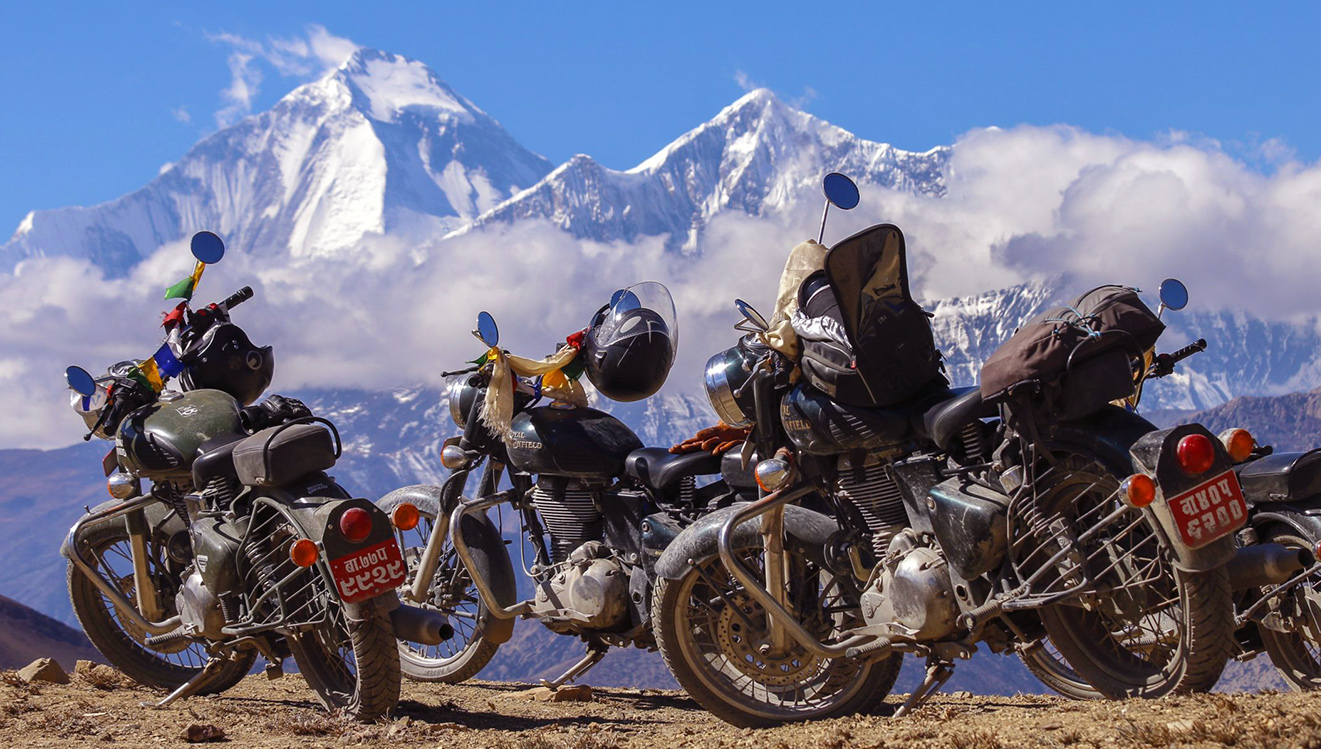
Nepal Heritage Motorbike Tour - A Journey Through Culture And Himalayas !
NPR 1000 Per Person




9 Days
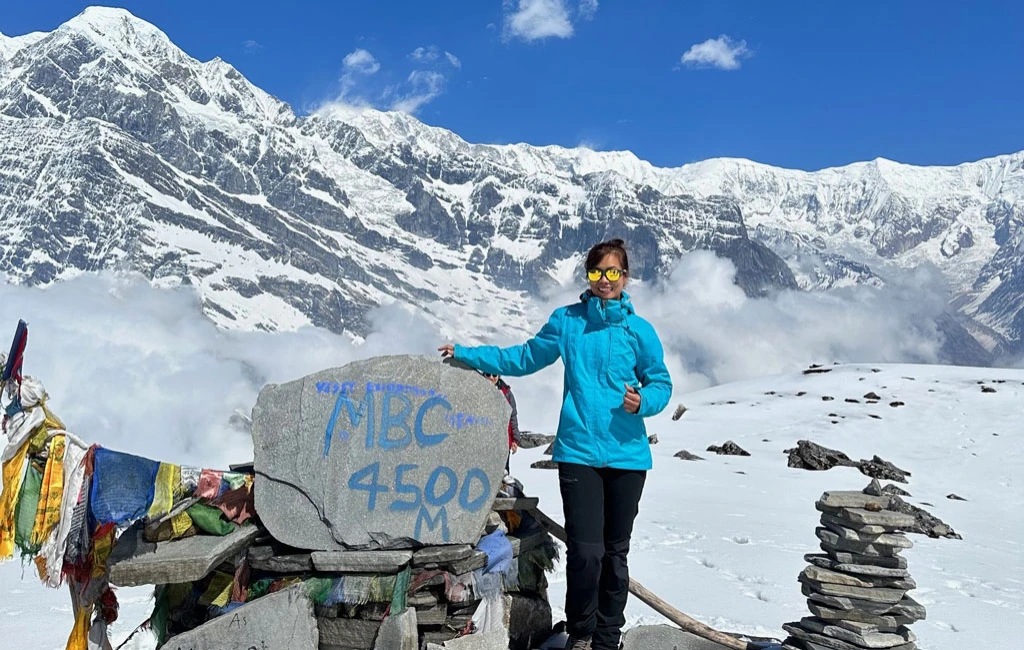
Mardi Himal Trek: A Short and Scenic Route to the Hidden Side of the Annapurnas
NPR 1000 Per Person
15 Days
12 Days

11 Days
9 Days
26 Days
Kanchenjunga Trek: A Majestic Journey to the Third Highest Peak on Earth
NPR 1000 Per Person
17 Days
Everest Base Camp via Gokyo Trek: A Journey Through the Heart of the Khumbu
NPR 1000 Per Person
11 Days
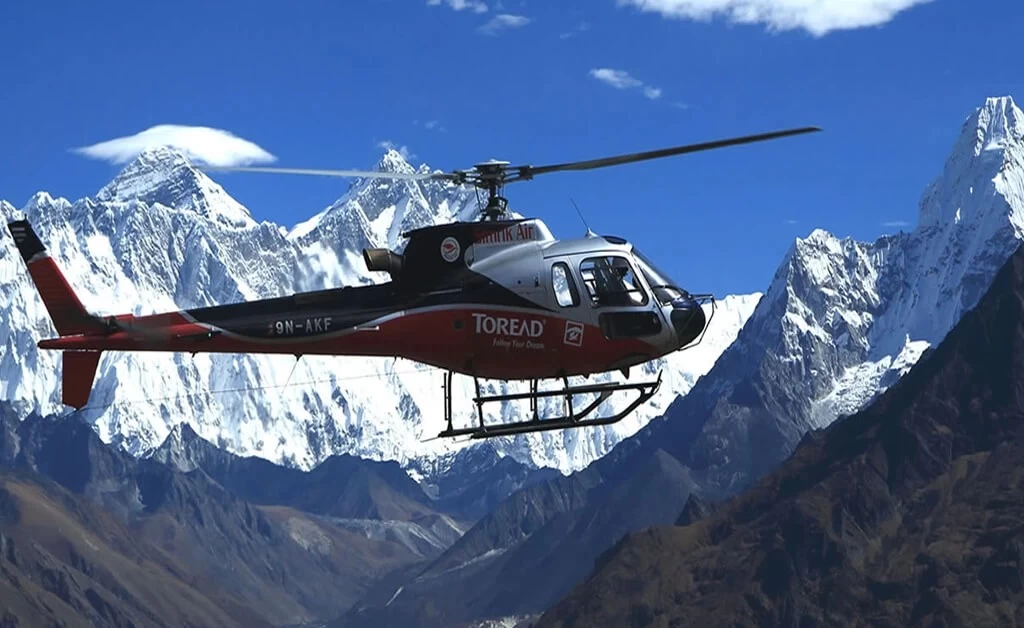
Everest Base Camp Heli Return Trek: A Perfect Blend of Adventure and Convenience
NPR 1000 Per Person
14 Days
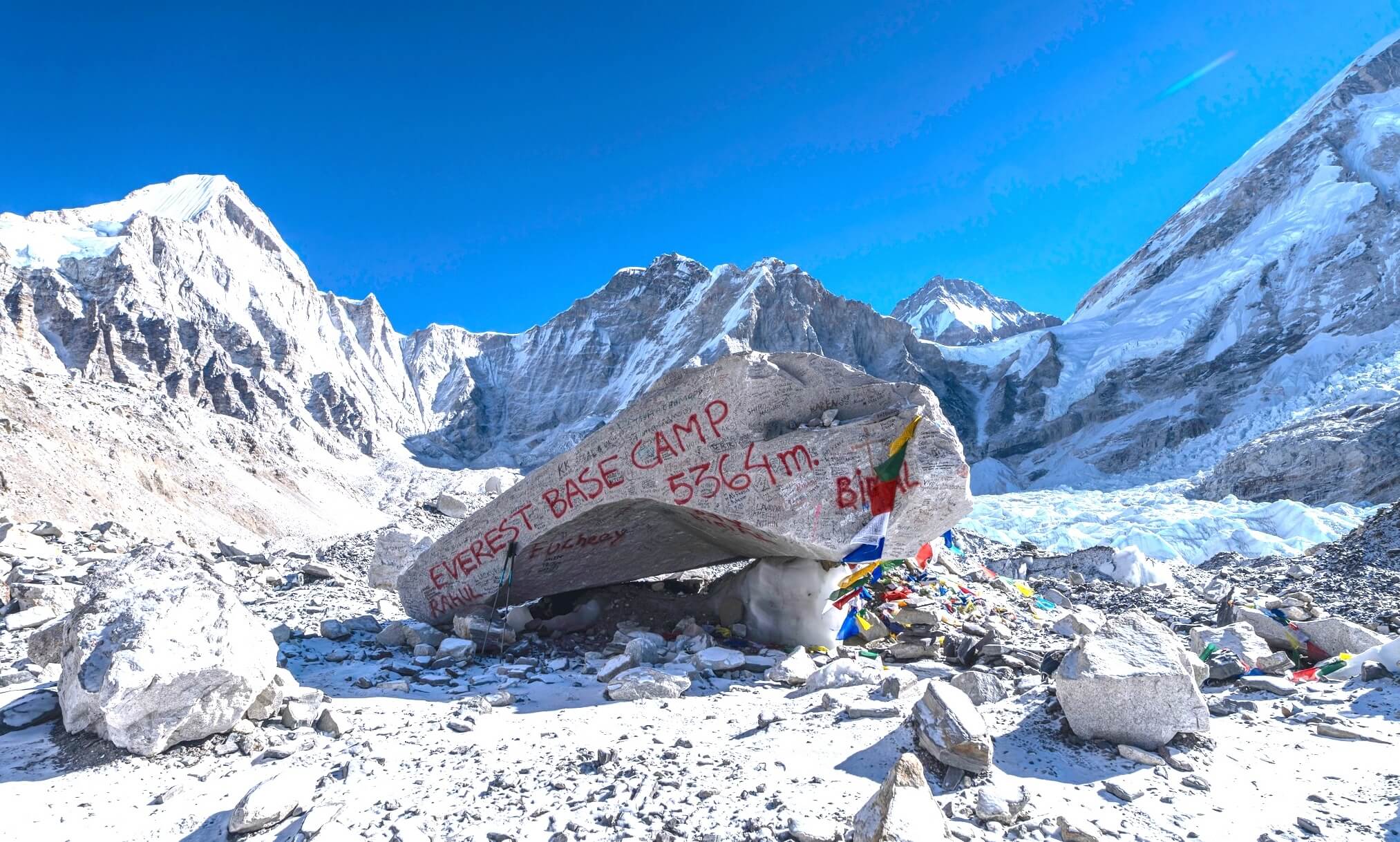
Arun Valley Cultural Trail: Journey Through Eastern Nepal’s Cultural Heartland
NPR 1000 Per Person

11 Days
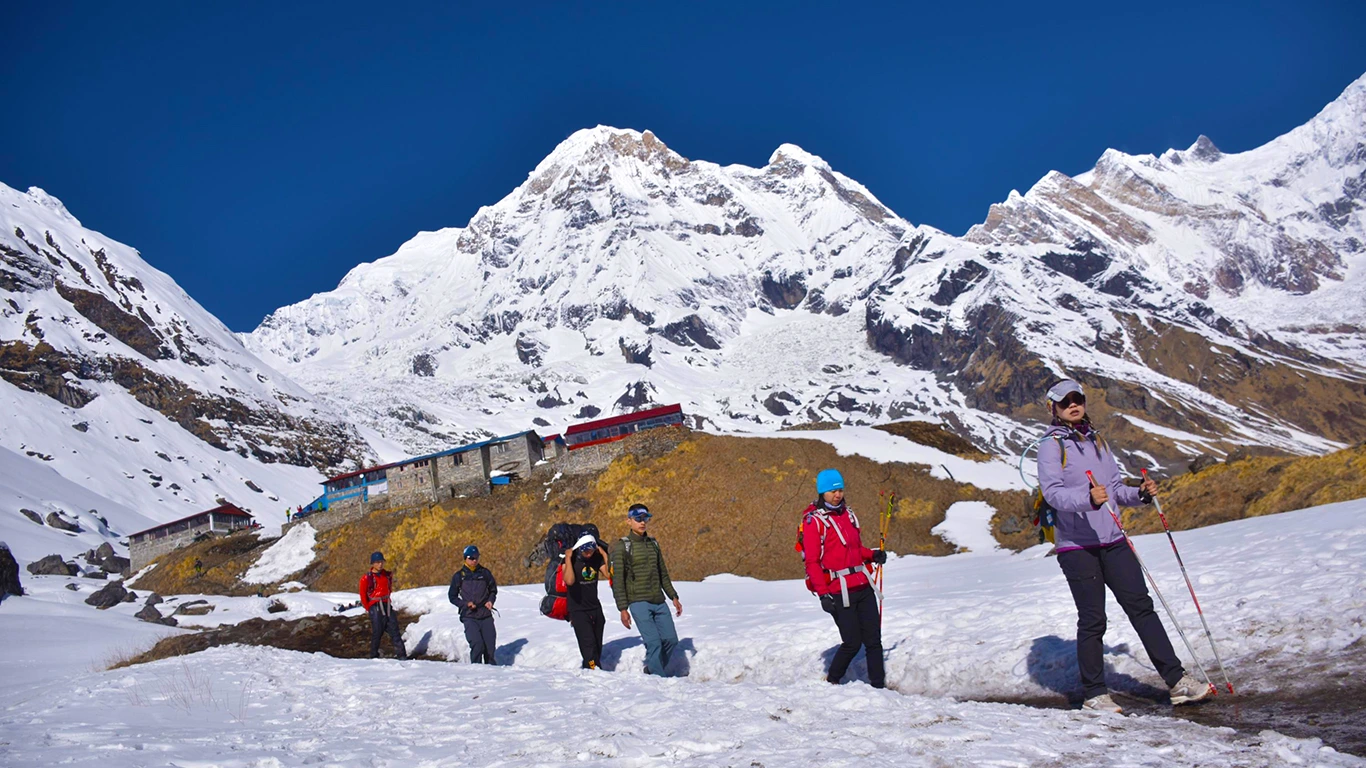
Annapurna North Base Camp Trek: A Remote Trail to the Hidden Face of Annapurna
NPR 1000 Per Person
9 Days


12 Days
22 Days
22 Days
Labuje Peak Climbing Expedition: Exploring a Hidden Gem of the Himalayas
NPR 1000 Per Person
10 Days
Muktinath Yartung Festival: A Spiritual and Adventure Expedition in Nepal
NPR 1000 Per Person
14 Days
Mustang Tiji Festival: A Unique Cultural and Trekking Expedition in Nepal
NPR 1000 Per Person
15 Days
13 Days